28 Everyday Objects the Romans Already Had
The Roman Empire invented most of what we think of as modern technology, though not in the forms we recognize. They had heating systems, concrete, underwater construction, and plumbing that took Europe a thousand years to rediscover and improve upon.
These are the everyday conveniences that Romans enjoyed almost two thousand years ago.
Concrete and Waterproof Sealant
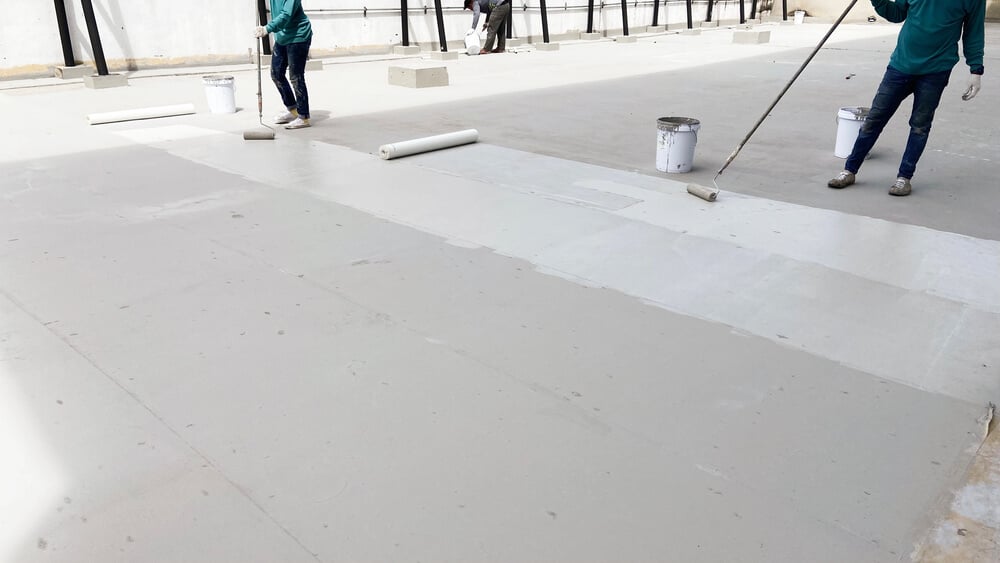
The Romans engineered a concrete mixture using volcanic ash that was stronger than the stone it was made from, a formula that outperformed European concrete until the nineteenth century and that engineers are still studying to understand. Roman harbors built with this concrete have survived two thousand years of saltwater exposure.
The secret ingredient, volcanic ash from the Bay of Naples, remained unknown and unrecovered for centuries.
Indoor Plumbing and Toilets
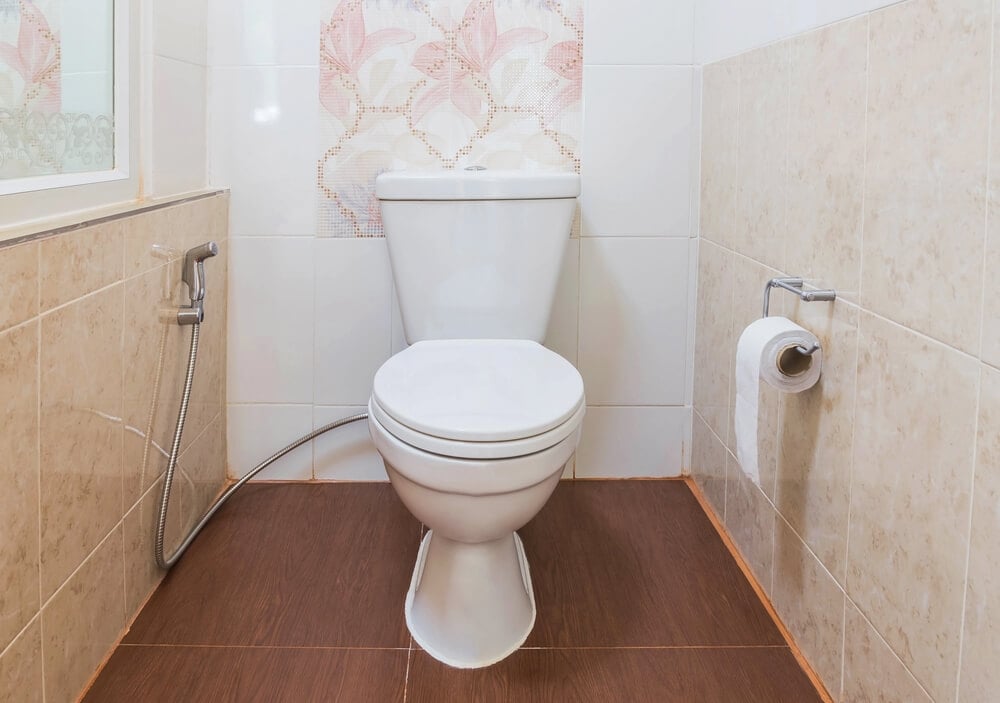
Roman homes and public buildings featured sophisticated plumbing systems with hot and cold running water, flush toilets, and sewage systems that carried waste away from living spaces, technology that would not be widespread again until the twentieth century. The public toilets, called foricae, were comfortable places where people socialized while using them.
The sewage system of Rome, the Cloaca Maxima, still functions today.
Central Heating Systems (Hypocaust)
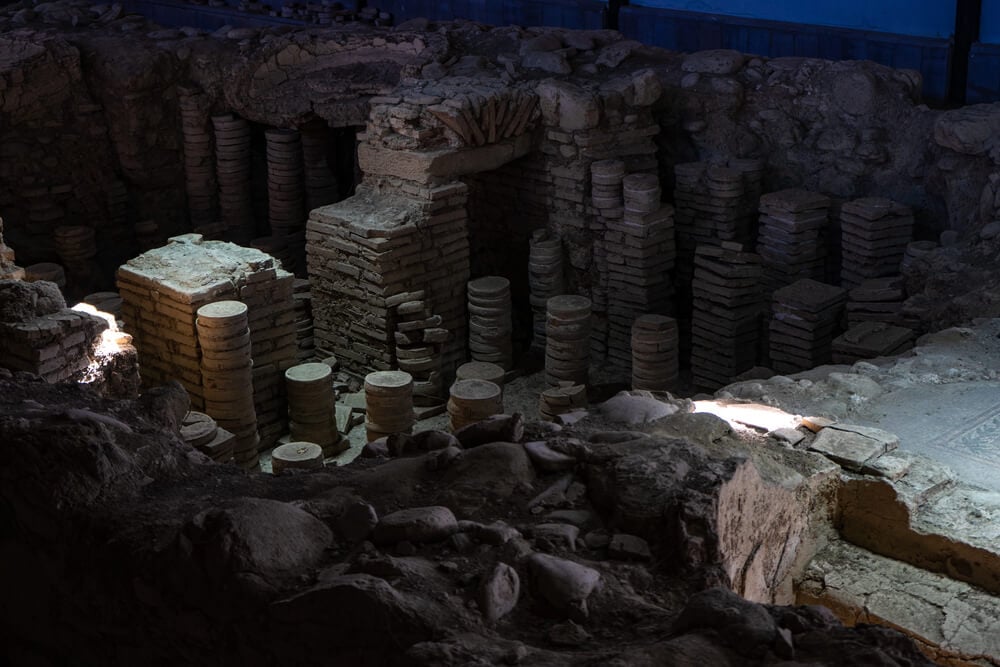
Wealthy Romans used an underfloor heating system called a hypocaust, where hot air from a furnace circulated under the floors and through walls, providing warmth in winter in ways that European buildings would not replicate for a thousand years. The system was efficient and could heat large spaces with a single furnace.
The technology disappeared during the Middle Ages.
Aqueducts and Water Distribution
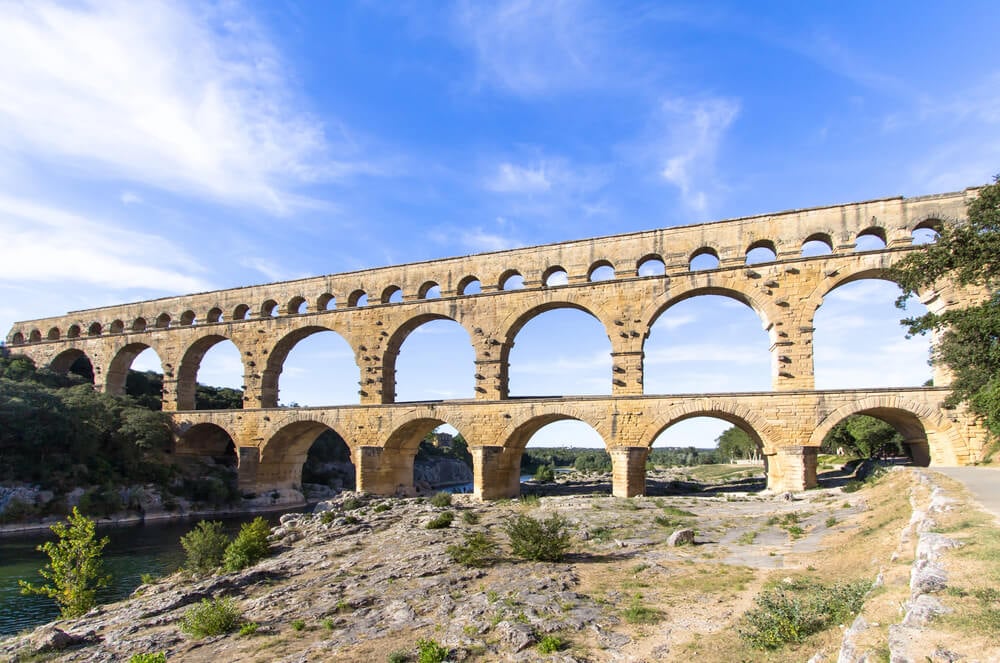
Roman aqueducts transported fresh water over long distances using gravity alone, a system so efficient that some aqueducts are still in use in Europe today. The engineering required to calculate slopes and spans was sophisticated and precise.
The Romans built eleven major aqueducts serving Rome alone, carrying millions of gallons daily.
Glass Windows

While the Romans did not invent glass, they pioneered the casting of flat glass into large sheets suitable for windows, a process that disappeared during the Middle Ages and was not rediscovered until the medieval period. Roman homes and public buildings had glass windows allowing light while blocking weather.
The technology was particularly prized in bathhouses.
Sophisticated Door Locks and Keys
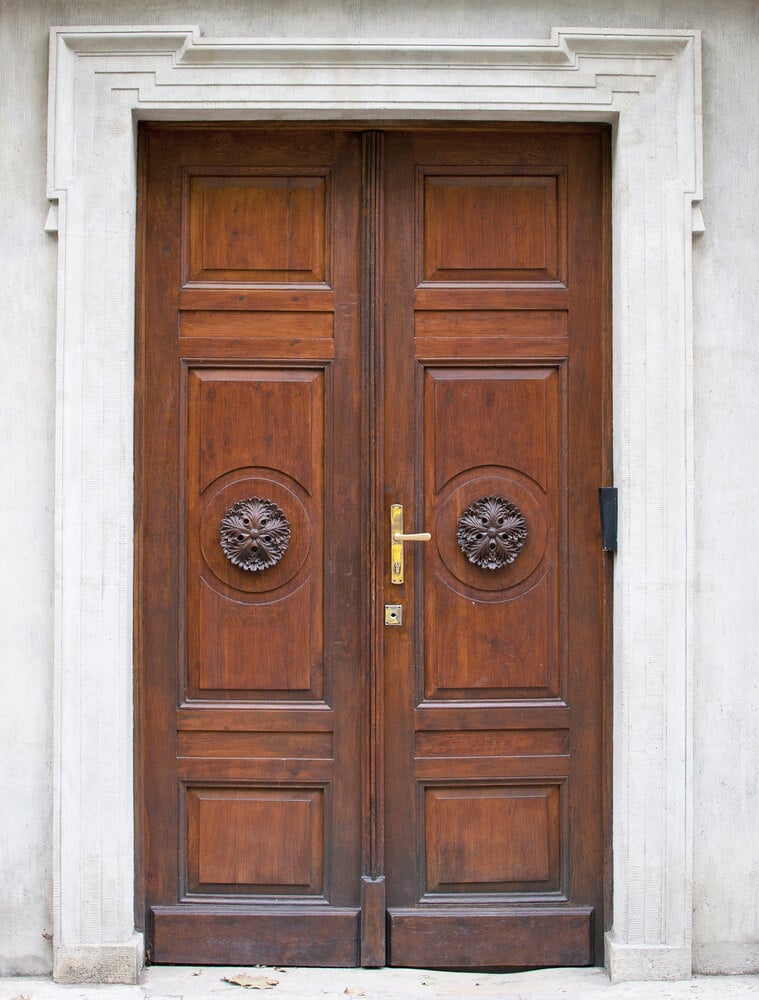
Roman locks and keys were mechanically sophisticated, using metal tumblers that could only be opened by specifically shaped keys, technology that remained essentially unchanged until the industrial age. The locks were often decorative as well as functional.
Archaeological examples show designs of remarkable complexity.
Water Mills and Mills for Grinding Grain
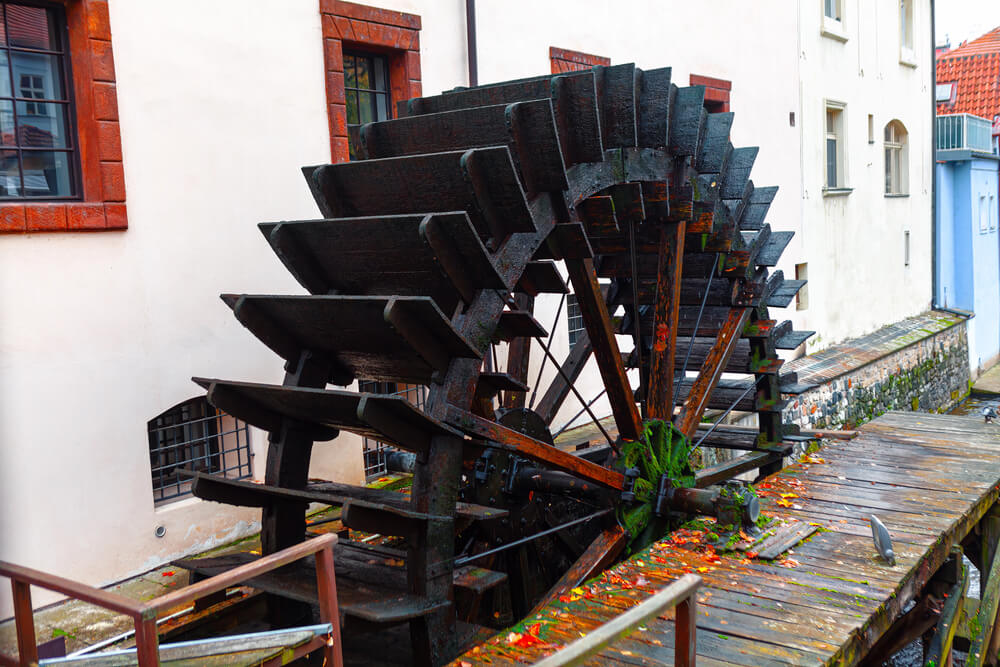
Romans used water power to grind grain into flour, a mechanical system that predated medieval mills and shows that the Romans understood how to harness flowing water for work. The technology spread throughout the empire.
Water-powered mills remained the primary grain processing technology until steam power arrived.
Newspapers and Public Announcements

The Romans published official announcements carved in stone and whitewashed on public walls, reporting military victories, legal proceedings, and official business in what functioned as a daily news system. Unofficial scribes also published daily news sheets in cities like Rome and Alexandria.
The practice of disseminating news to the public through written media predates printing by two thousand years.
Paved Roads with Drainage
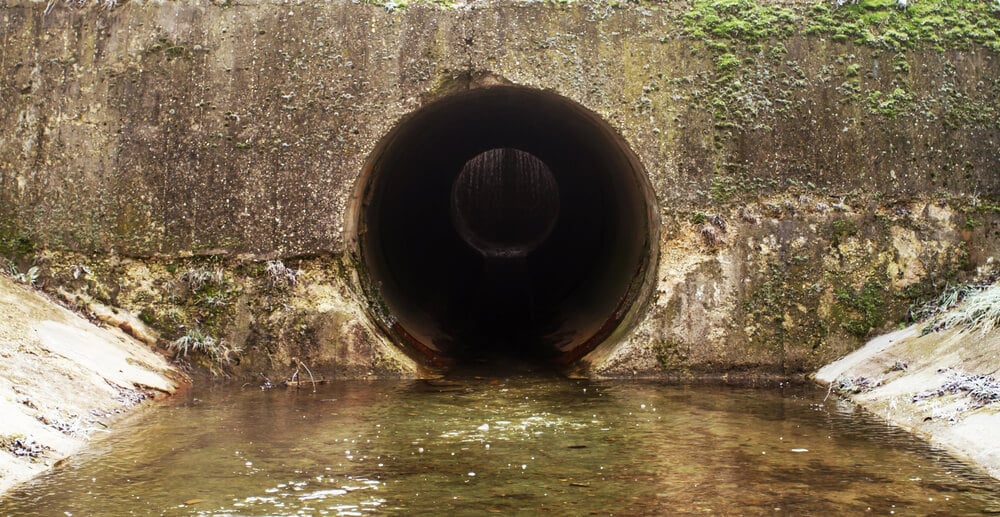
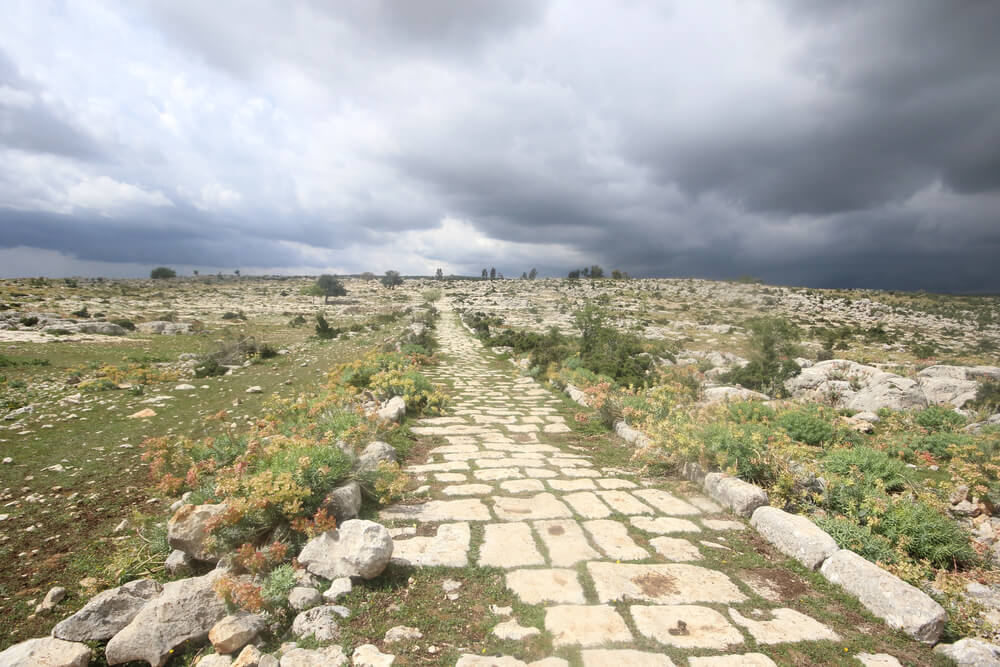
Roman roads were engineered with sophisticated drainage systems, cambered surfaces to shed water, multiple layers of material for stability, and surveying precision that modern road engineers still admire. Roads built two thousand years ago remain in use in some parts of Europe.
The engineering involved in Roman road construction was not matched in Europe for over a thousand years.
Distance Markers and Milestones
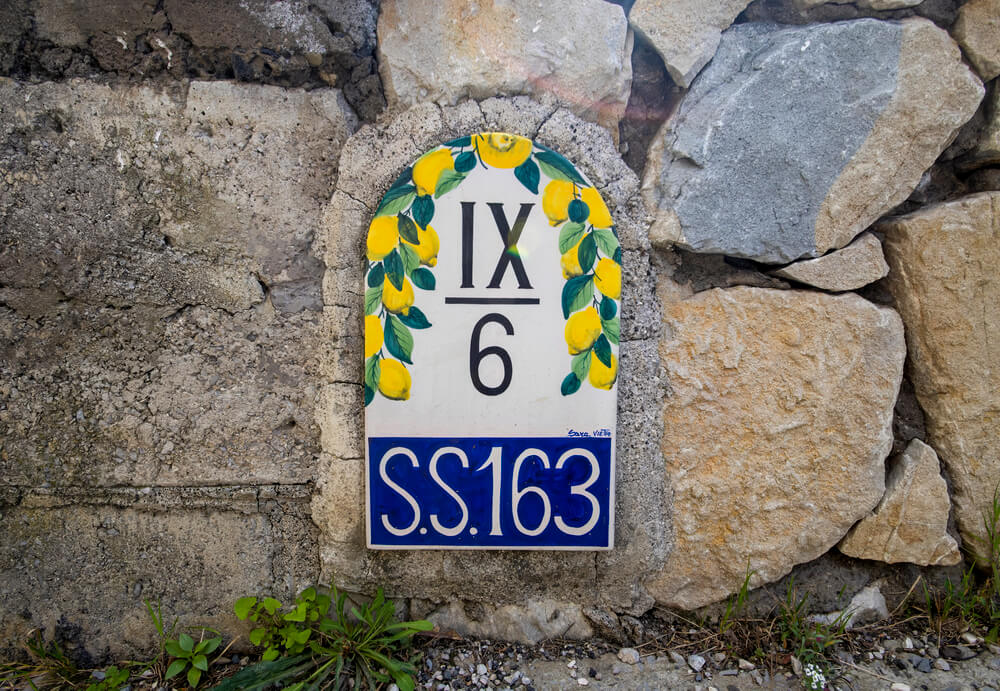
Romans placed stone milestones along roads marking distances, a system allowing travelers to measure progress and estimate journey times. The milestones often bore inscriptions with distances and the emperor’s name.
The system persisted in Europe with modifications and underlies the modern mile.
Postal System and Relay Stations

The Roman cursus publicus was an organized mail system using relay stations where messengers could exchange fresh horses, allowing urgent correspondence to travel hundreds of miles in days. The system was government-controlled and reserved for official business.
Relay station technology remained essentially unchanged until the railway.
Multi-Story Apartment Buildings
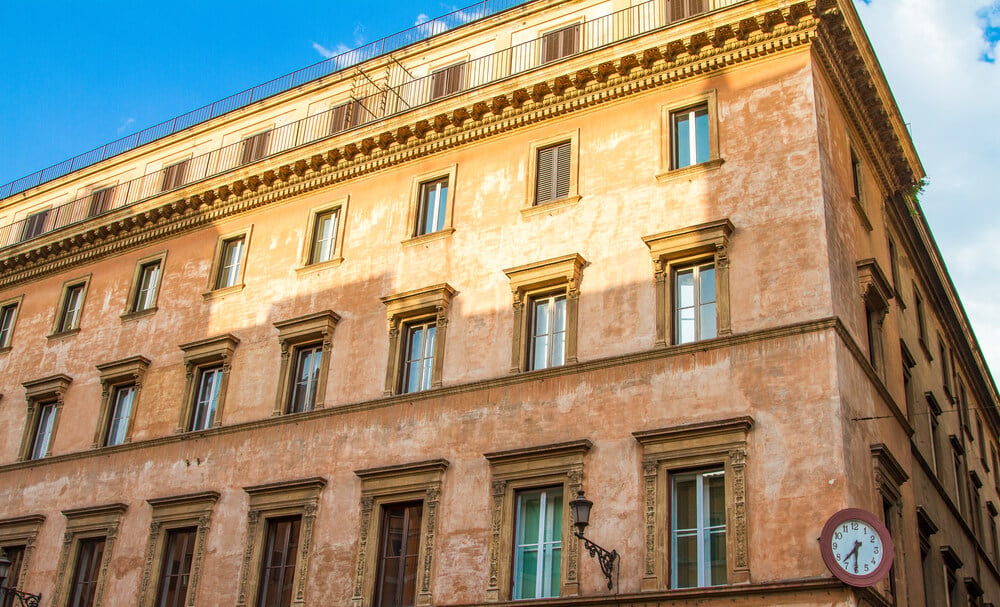
Romans built multi-story residential buildings, insulas, that housed renters in urban areas, a system of vertical urban density that paralleled modern apartment buildings. The buildings were often poorly constructed and subject to collapse and fire.
Urban Roman populations lived in these buildings at densities comparable to modern cities.
Industrial Baking and Kitchens
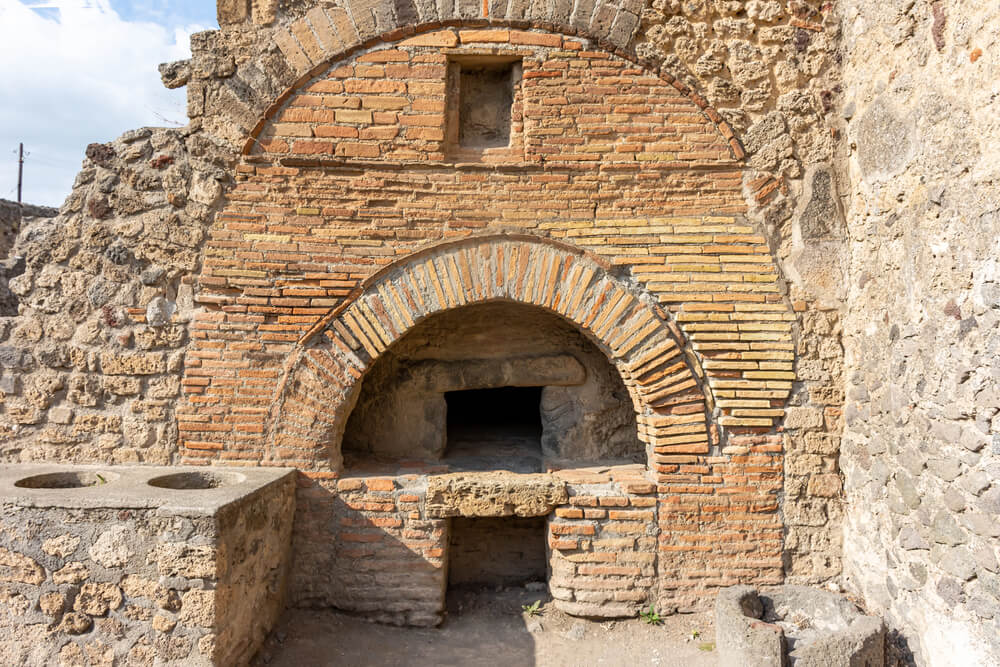
Roman bakeries were industrial operations producing bread for entire city populations, with ovens, grinding stones, and work flows that resembled modern bakeries. Bakeries were common enough in Rome that most people bought bread rather than baking at home.
Bakery ruins show evidence of sophisticated fermentation and kneading equipment.
Pumps and Hydraulic Machinery
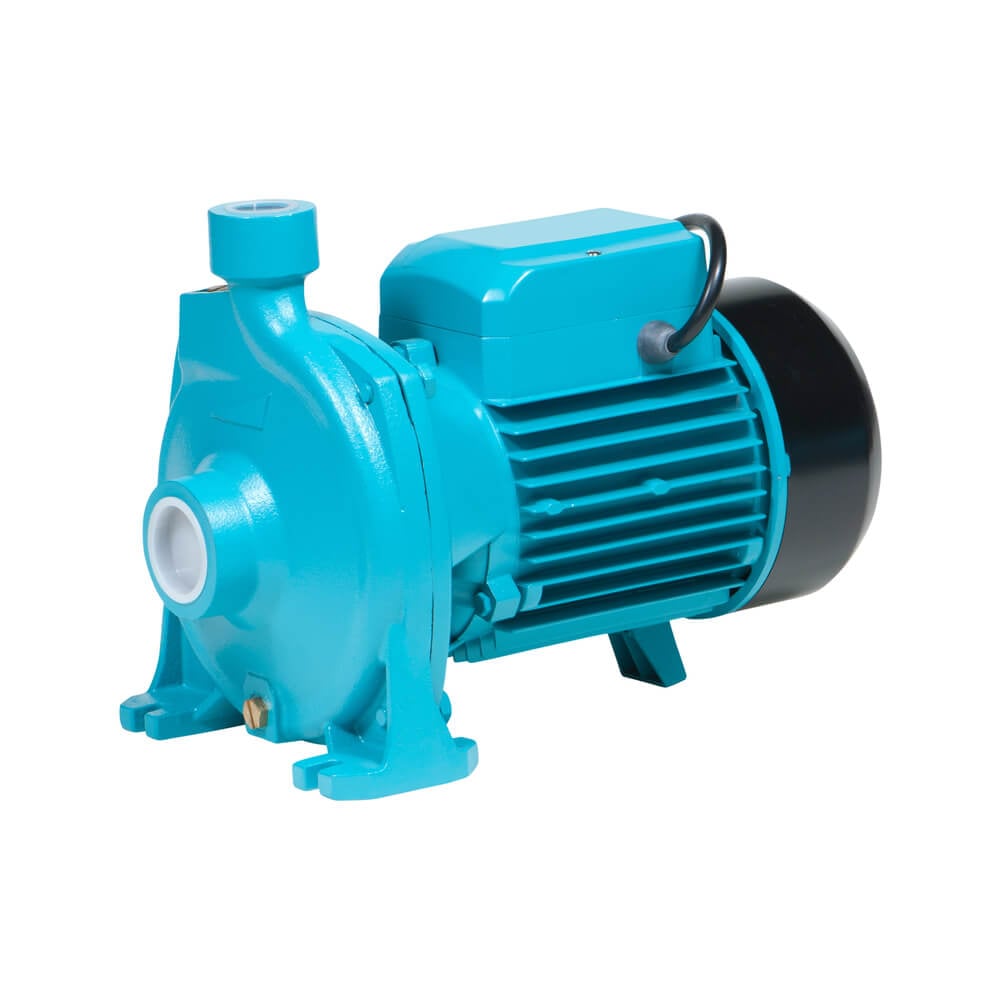
Romans engineered pumps that could move water vertically against gravity, including screw pumps (Archimedean screws) and gear-driven pumps used in mines and for irrigation. The pumps were powered by humans or animals.
The technology is documented in engineering texts and surviving examples.
Arch and Vault Construction
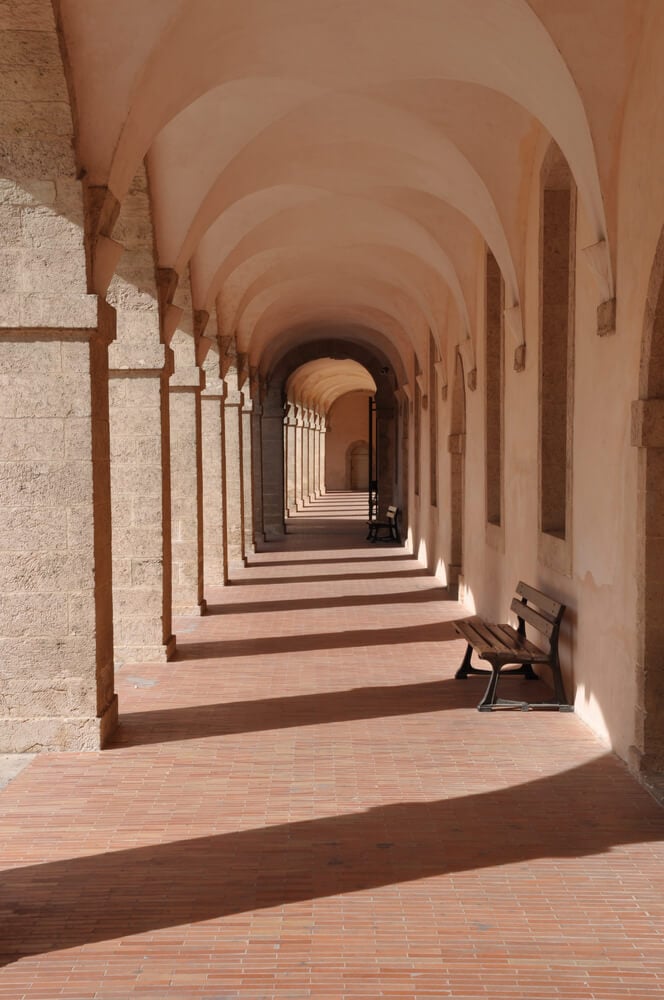
While arches existed before Rome, the Romans perfected the engineering of arches and vaults, creating larger interior spaces than post-and-beam construction allowed and distributing weight across wider spans. The arch remained the dominant structural form in Western architecture for two thousand years.
Roman engineering calculations for arches achieved spans that medieval engineers could not replicate.
Dental Work and Prosthetics

Roman dentists performed fillings, extractions, and bridgework to replace missing teeth using metals and stone, work documented in archaeological remains and in dental tools recovered from Roman sites. Dental care was available to wealthy people.
Roman dental prosthetics are often found in burial contexts.
Shock-Absorbing Technology for Chariots
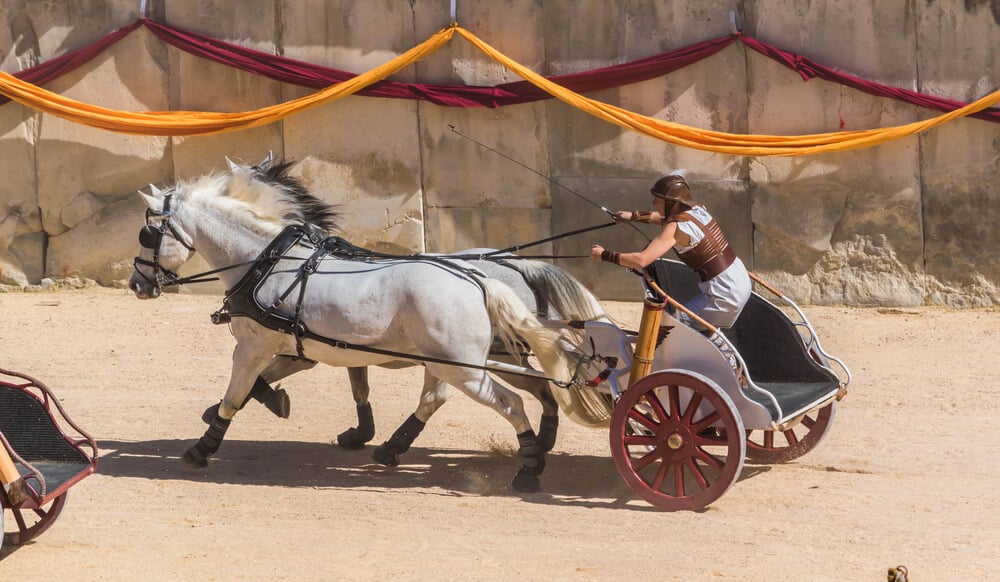
Roman chariots used suspension systems with leather straps and springs that absorbed shock, a technology that disappeared during the Middle Ages and was not widely readopted until carriage springs were invented in the Renaissance. The suspension was necessary for high-speed transport.
Medieval vehicles were far less comfortable.
Sewage Treatment Systems
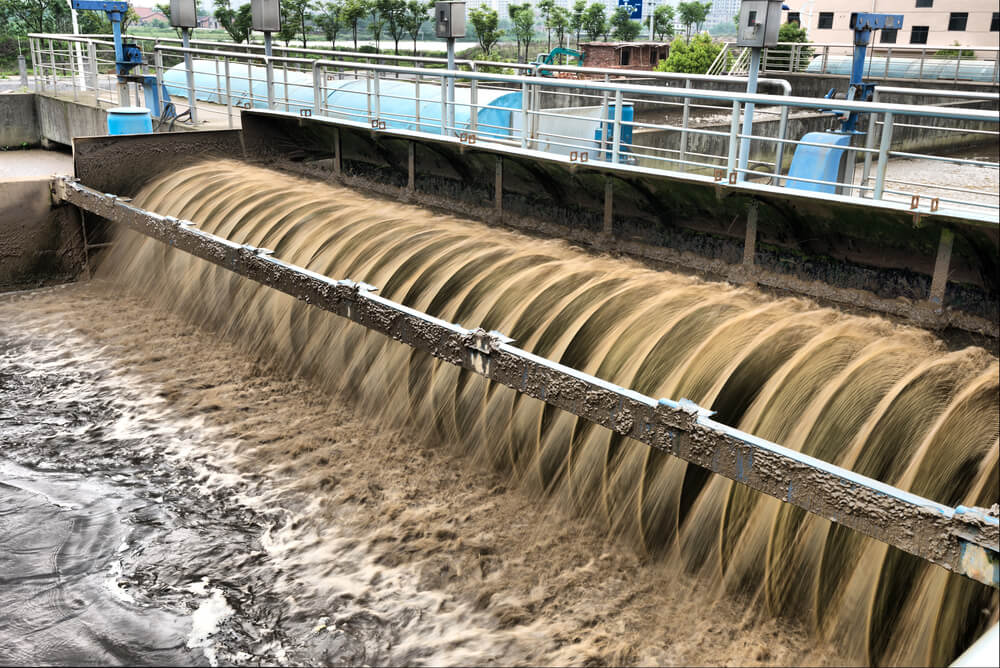
Beyond simple sewage removal, Romans developed systems to treat and manage waste, including the collection and processing of human waste for sale as fertilizer for farms, a system so efficient that it outlasted most Roman engineering. The sewage system was profitable.
Medieval cities abandoned these systems and suffered from filth for centuries.
Bridges with Arches and Pilings
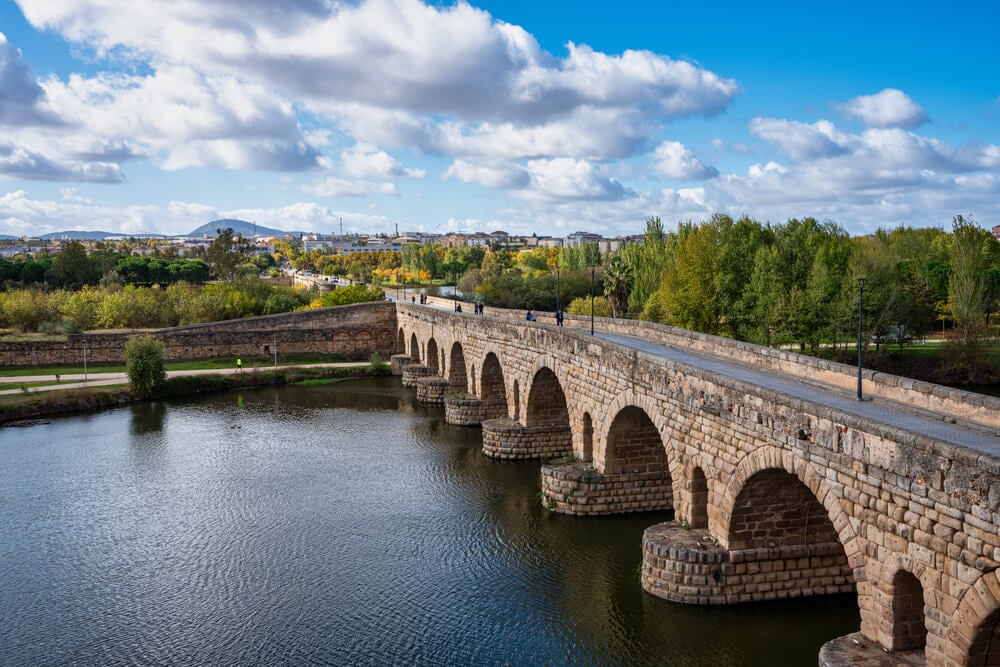
Roman bridge construction used multiple arches and deep pilings to support weight and resist water flow, engineering principles that remain in use today. Some Roman bridges built two thousand years ago still carry modern traffic.
The precision of Roman bridge construction was not matched in Europe for over a thousand years.
Surveying Instruments and Land Measurement
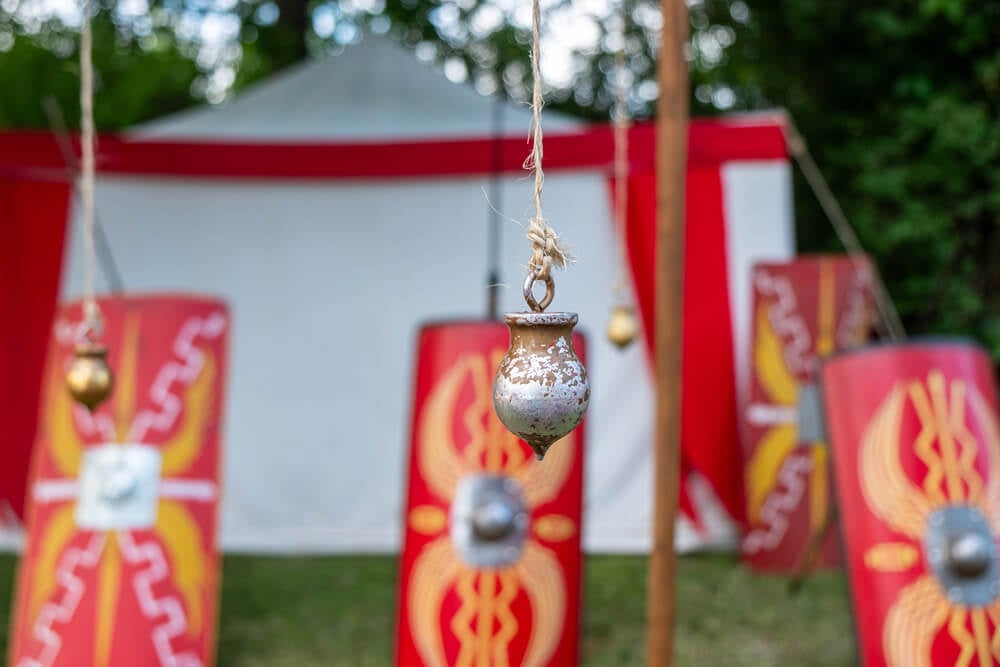
Romans used the groma, a surveying instrument consisting of crossed sighting tubes on a rotating stand, to measure distances and angles for road building, land division, and military positioning. The groma allowed precise laying out of Roman towns in a standardized grid pattern.
The technology disappeared during the Middle Ages.
Lighthouse Technology and Beacon Fires
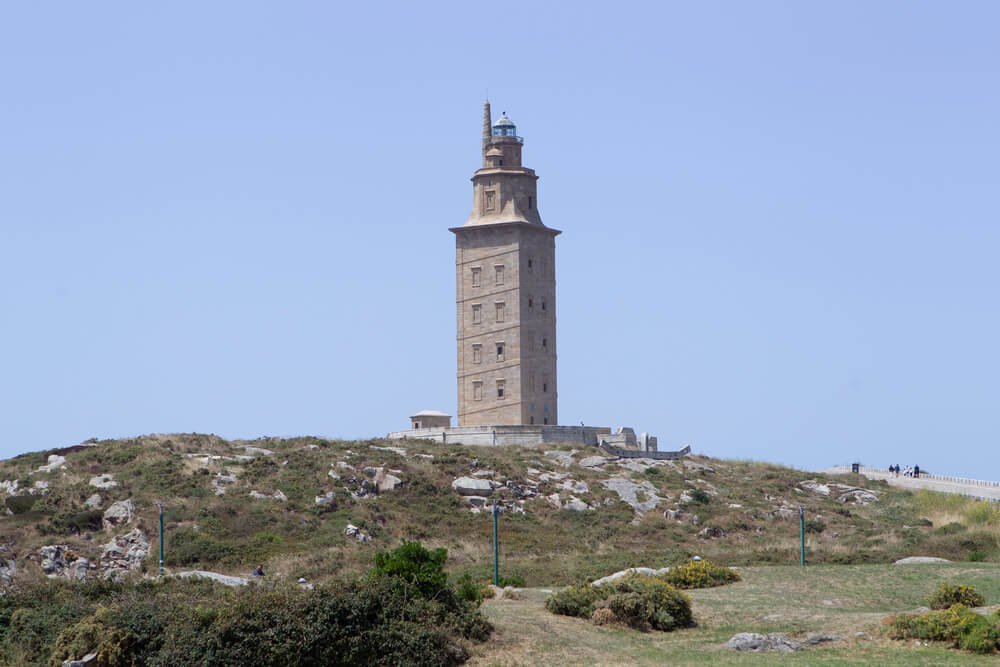
The Romans built lighthouses using mirrors and polished metal to reflect and direct light from beacon fires to guide ships, technology that remained the standard for lighthouse lighting until electric lights arrived. The Alexandria Lighthouse was one of the Seven Wonders of the Ancient World.
Roman lighthouses were remarkably sophisticated engineering.
Concrete Vaults and Domes
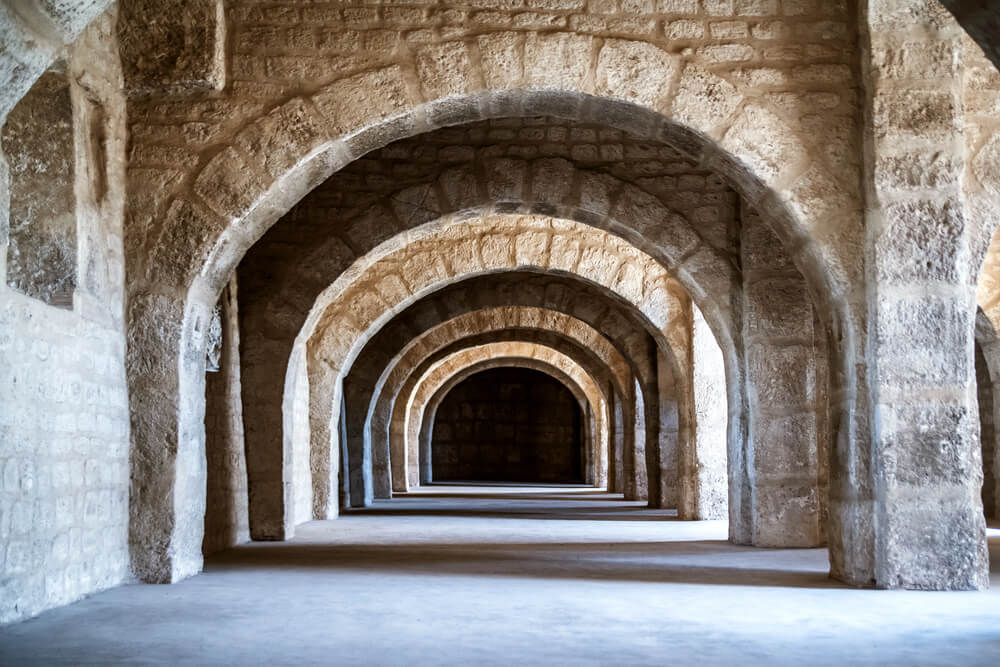
Roman engineers used concrete to create enormous unsupported concrete spans and domes, allowing unprecedented interior space without visible support, work documented most famously in the Pantheon. The dome of the Pantheon, built in concrete in 126 CE, remains the largest unreinforced concrete dome in the world.
The technology required engineering knowledge lost and rediscovered.
Banking and Financial Systems

Roman banks offered deposits, loans, currency exchange, and credit instruments, a financial system of sophistication that medieval Europe would not approach for centuries. Banking was a respected profession in Rome.
Financial documents and banking scales have survived in archaeological contexts.
Alarm Clocks and Time-Keeping Devices

Romans engineered water clocks with alarm mechanisms that used falling water to trigger gongs or other alerts at preset times, mechanical timekeeping far more sophisticated than sundials. The technology was complex and required careful engineering.
Water clocks remained the standard time-keeping technology through the medieval period.
Trade Routes and Economic Networks
Romans established long-distance trade routes extending to India, China, and Southeast Asia, moving luxury goods and raw materials across continents through relay systems and established trading ports. The Silk Road was partially a Roman creation.
Trade networks required infrastructure, security, and organization comparable to modern commerce.
Public Bathing Complexes
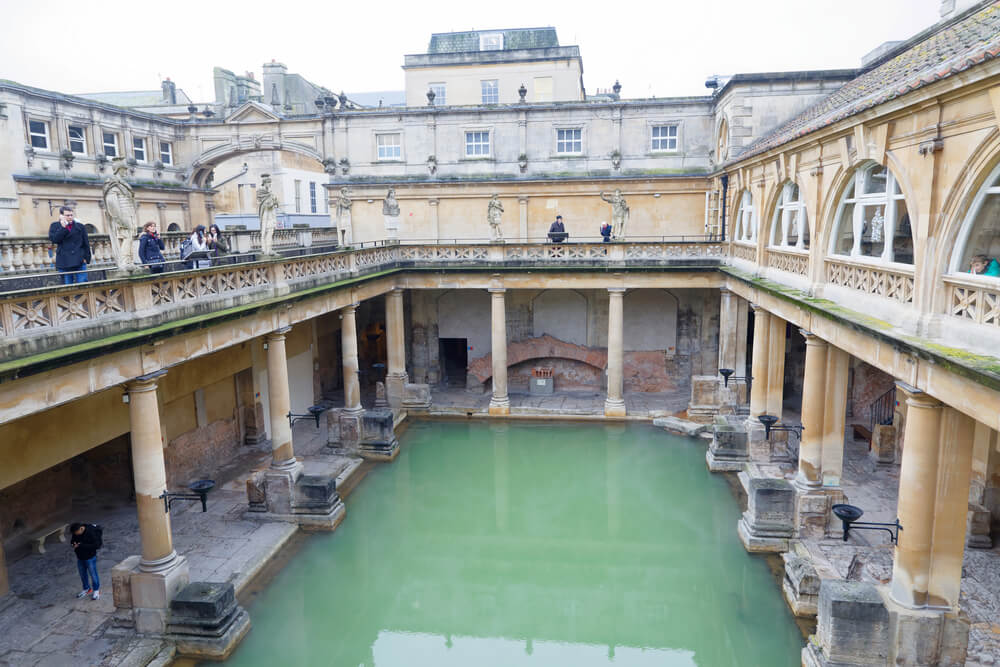
Roman bathhouses were large, multi-chambered complexes with hot, warm, and cold baths, changing rooms, exercise areas, and social spaces, buildings of sophisticated engineering maintaining precise water temperatures. The bathhouses served as social centers.
The scale of Roman bathhouses was not matched in Europe until much later.
Currency and Standardized Coinage
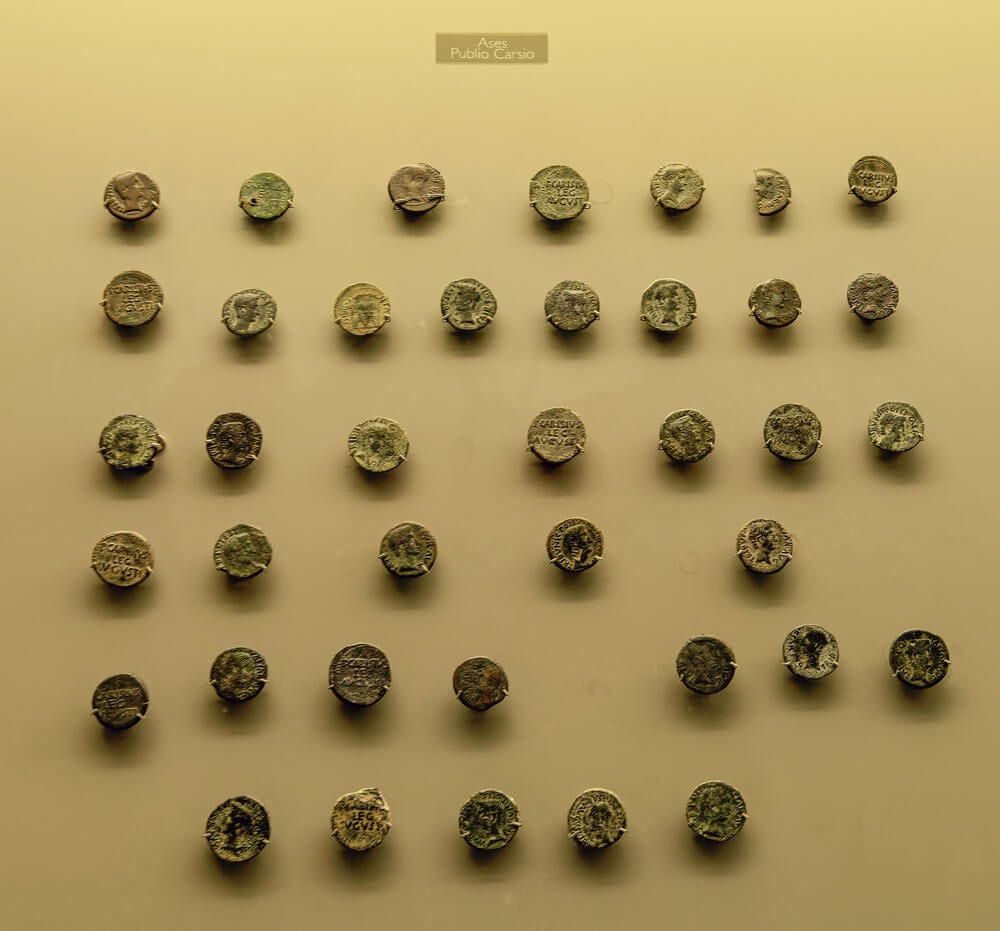
Romans minted standardized coins of known weight and purity, establishing a currency system that simplified commerce and allowed economic calculation across the empire. Counterfeiting was punished severely.
Roman coins facilitated trade at a scale that medieval barter systems could not match.
Monumental Public Works and Planning
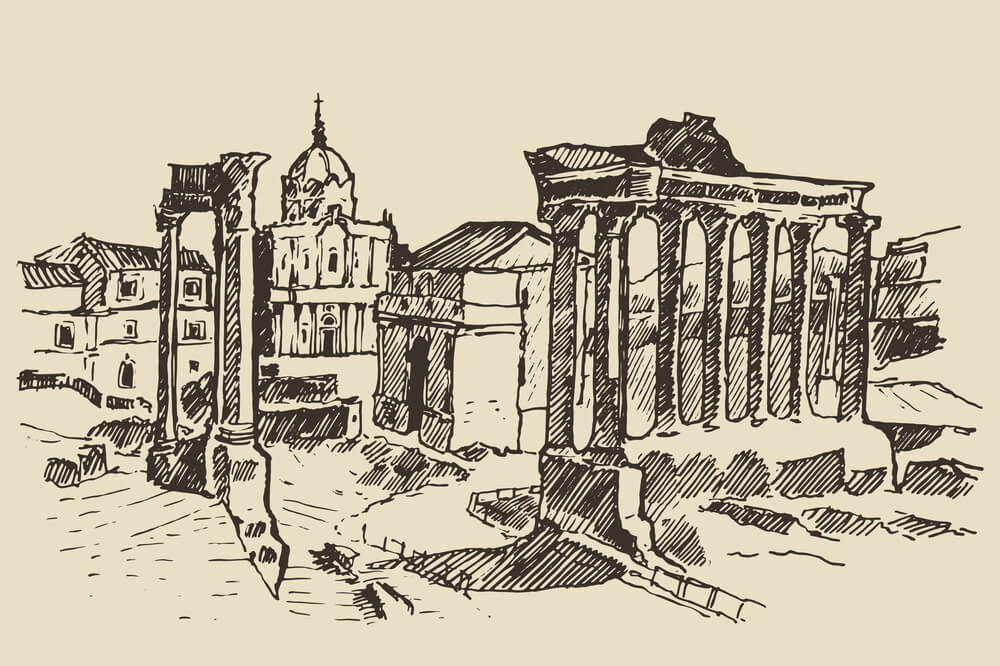
Roman cities were planned as integrated systems with organized street grids, public squares, water systems, and sewage, engineering planning that treated the city as an engineered whole. The planning required surveying, engineering, and administration on a massive scale.
Roman city planning remained unsurpassed in the West for over a thousand years.
When the Past Was More Advanced Than Expected

The engineering achievements of Rome raise unsettling questions about progress and loss. A civilization that built bathhouses maintaining exact water temperatures in the first century CE somehow lost the ability to provide indoor plumbing for over a thousand years.
A civilization that engineered concrete stronger than modern concrete somehow lost that technology until the nineteenth century. These are not isolated cases.
The Roman world achieved a level of technical sophistication and standardization that medieval Europe abandoned, with reasons that remain debated. Whether the fall of Rome was actually a fall or merely a different direction remains contested among historians.
What is clear is that most people living in medieval Europe were materially worse off than their Roman counterparts had been, in practical ways measurable in heated bathrooms and clean water.
More from Go2Tutors!

- The Romanov Crown Jewels and Their Tragic Fate
- 13 Historical Mysteries That Science Still Can’t Solve
- Famous Hoaxes That Fooled the World for Years
- 15 Child Stars with Tragic Adult Lives
- 16 Famous Jewelry Pieces in History
Like Go2Tutors’s content? Follow us on MSN.



