Facts About The Iconic Volkswagen Beetle
Few vehicles grab attention like the Volkswagen Beetle the second you spot one. Shaped like a bubble, small but full of character, it keeps appearing in films, art, and front yards everywhere, year after year.
Over time, most machines change completely – this one slips through the years barely touched by fashion. More than steel and glass, it rolls along carrying memories people pass down.
Its presence feels familiar, somehow friendly, even if you have never sat inside. Surprising details about this cherished vehicle could shift your view, spark a memory, or quietly confirm what you already sensed – it never truly faded.
Hitler’s Idea
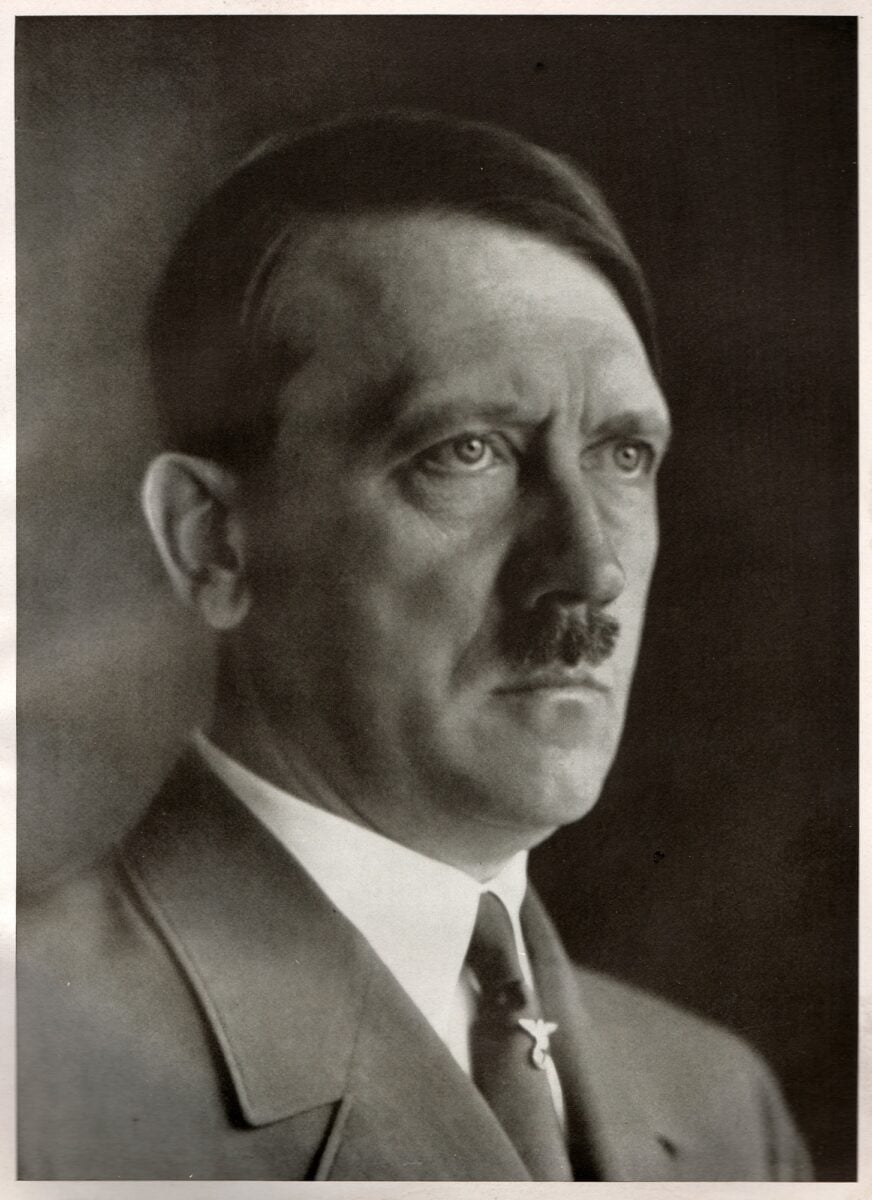
Not originally seen as charming or playful, the Beetle began as a project ordered by Adolf Hitler during the 1930s. His aim? A low-cost automobile within reach of ordinary German households.
Teaming up with engineer Ferdinand Porsche made the vision take shape slowly. What emerged was a basic yet tough little machine fit for two grown-ups plus three kids.
In German, ‘Volkswagen’ translates directly to ‘car for the people’. That phrase summed up its entire purpose without exaggeration.
Ferdinand Porsche’s Design

That German inventor Ferdinand Porsche – yes, the name behind those sleek sports cars – shaped the Beetle’s blueprint as its lead designer. A clever thinker, he packed smart solutions into every corner of the machine.
Its straightforward build wasn’t flashy, yet worked brilliantly. Light frame, basic parts, built so anyone could fix it – that was his idea of useful.
This little car, born from quiet genius, quietly changed how vehicles were made forever.
Delayed Start Of World War II
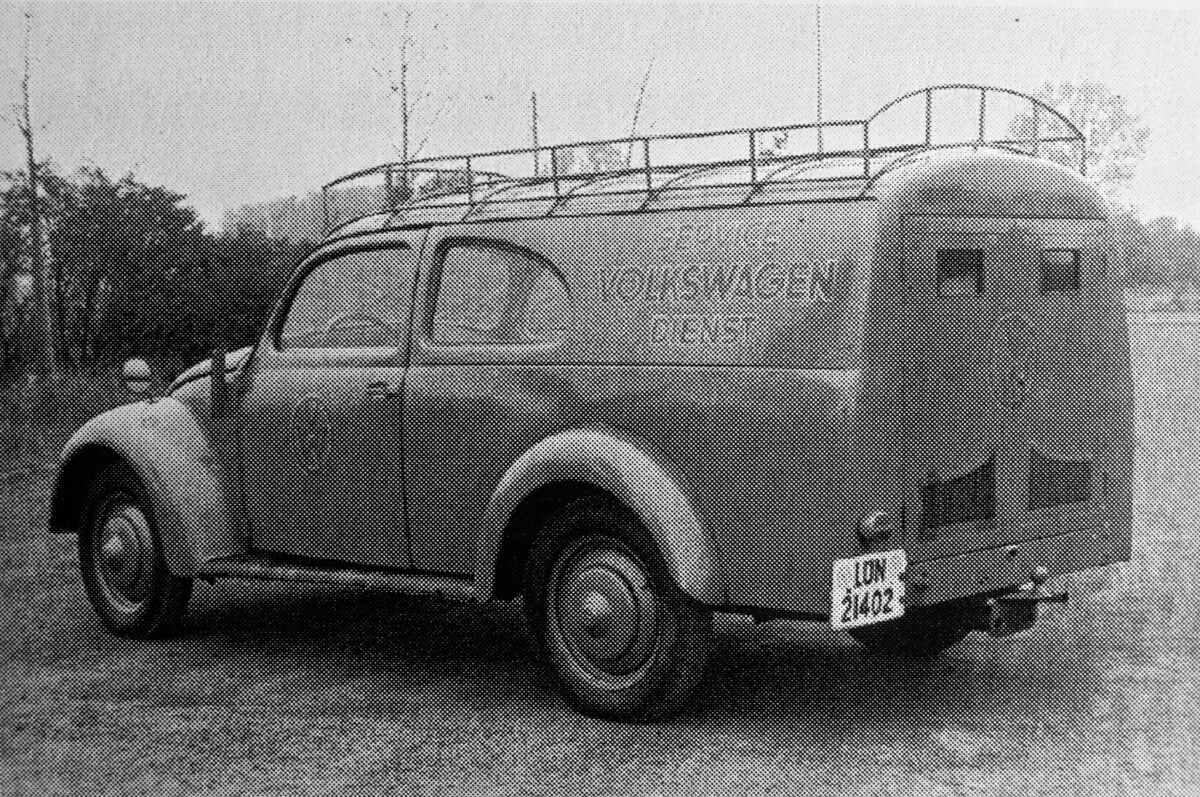
By the late 1930s, the Beetle stood prepared for large-scale manufacturing – yet everything halted when war broke out. Instead of churning out compact cars, the intended factory shifted to assembling wartime machines.
Hardly any regular models rolled out while conflict raged across Europe. Only once peace returned did assembly lines truly awaken, introducing the tiny automobile to eager roads worldwide.
The British Nearly Abandoned It

Out of the war’s aftermath, soldiers from Britain stepped into the Volkswagen plant at Wolfsburg. Though handed both the facility and the Beetle blueprint without cost, leaders in the UK auto sector walked away – dismissing its shape as unattractive, unfit for mass runs.
Looking back now, that choice seems harder to justify, especially given how widely the Beetle eventually sold across decades. Overblown certainty can hide costly misjudgments beneath a surface of confidence.
Record-Breaking Production

A tiny car once seen as unlikely to succeed managed something huge. By 1972, it edged past the Ford Model T, becoming the most sold car design ever, already clocking more than 15 million made.
Even after hitting that mark, factories kept building them – year after year. Numbers crept higher, finally blowing past 21 million.
Nothing like it had happened in auto making until then.
The Engine Was In The Back

At the back sat the engine, unlike most vehicles where it’s up front. Up ahead, instead of machinery, there was just space to store things – something new drivers often didn’t expect.
With weight shifted rearward, balance improved, especially when roads got wet or icy. Odd as it seemed at first, the layout performed better than anyone might have guessed.
Air-Cooled Engine

Fans of the Beetle often point to its air-cooled powerplant – unusual at a time when most vehicles relied on liquid systems. Without a radiator, upkeep turned less complex, also repair costs stayed low.
Fewer components under the hood translated into fewer headaches for local garages. Its straightforward design found favor far beyond factory towns, especially where replacements weren’t nearby.
Reliability bloomed quietly in places starved for resources.
The Flower Vase Inside

A little cup for flowers showed up on later Beetles’ dashboards. This small addition sparked big attention despite its size.
Not flashy, yet somehow everyone mentioned it. Cheerful by design, the car felt friendlier with something alive inside.
A bloom in place could brighten even quiet drives.
Disney’s Herbie

A small car stole hearts when it starred in a Disney movie back in 1968. That film, called The Love Bug, showed a bright white Beetle that acted like a living thing – almost as if it chose where to race on its own.
Folks watched, then smiled, then remembered why they liked the vehicle so much. Kids clapped; grown-ups chuckled.
Afterward came more films, each one bringing the little automobile back into view. Years passed, yet there it remained, humming through scene after scene.
Mexico’s Long Production Run

While Germany stopped producing the classic Beetle in 1978, Mexico kept the line going for much longer. The Volkswagen plant in Puebla, Mexico continued building the original design until 2003, making it one of the longest production runs for any single car model.
The last classic Beetle rolled off the Mexican assembly line on July 30, 2003. It was a bittersweet moment for fans around the world.
The New Beetle Relaunch

Volkswagen brought the Beetle back in 1998 with a modern redesign that kept the round shape but added updated technology and safety features. The New Beetle became a hit all over again, especially in the United States, where it sold in large numbers.
It was roomier, safer, and came in a wide range of colors that made it feel fresh. Volkswagen had successfully taken something old and made it feel new without losing what people loved about it.
The Final Beetle Ever Made

In 2019, Volkswagen officially ended Beetle production for good. The last car off the line was a grey Beetle built at the Puebla plant in Mexico, and it was sent to a museum rather than a customer.
Volkswagen’s CEO at the time described it as the end of an era. After more than 80 years, the Beetle had finally taken its last bow.
A Symbol Of The Peace Movement

During the 1960s and 70s, the Beetle became closely tied to the peace and counterculture movements in the United States. Young people, artists, and activists drove them partly because they were cheap, but also because the car felt like a rejection of flashy, over-the-top American vehicles.
It showed up at protests, music festivals, and road trips across the country. The car became a quiet statement about choosing simplicity over excess.
Unusual Aerodynamics

The Beetle’s round shape was not just for looks. It actually gave the car decent aerodynamic efficiency for its time, helping it cut through wind more smoothly than its boxy competitors.
Engineers did not set out to make it aerodynamic on purpose, but the shape worked in its favor. Nature’s most efficient forms are often round, and the Beetle happened to follow that rule without even trying.
The Beetle In Art And Advertising

Volkswagen’s advertising campaigns for the Beetle in the 1960s are still studied in marketing schools today. The ads were honest, funny, and self-aware, poking fun at the car’s small size and odd looks rather than hiding them.
One famous ad simply said ‘Think Small,’ which went against everything advertisers were doing at the time. That bold approach helped turn the Beetle into a cultural icon, not just a car.
Affordable To Buy And Run

One of the Beetle’s biggest selling points throughout its life was how cheap it was to own. The purchase price was low, repairs were straightforward, and fuel costs were easy on the wallet.
For students, young families, and anyone on a tight budget, it was one of the most sensible choices on the market. It proved that a car did not have to be expensive to be loved.
The Beetle Still Has A Fanbase Today
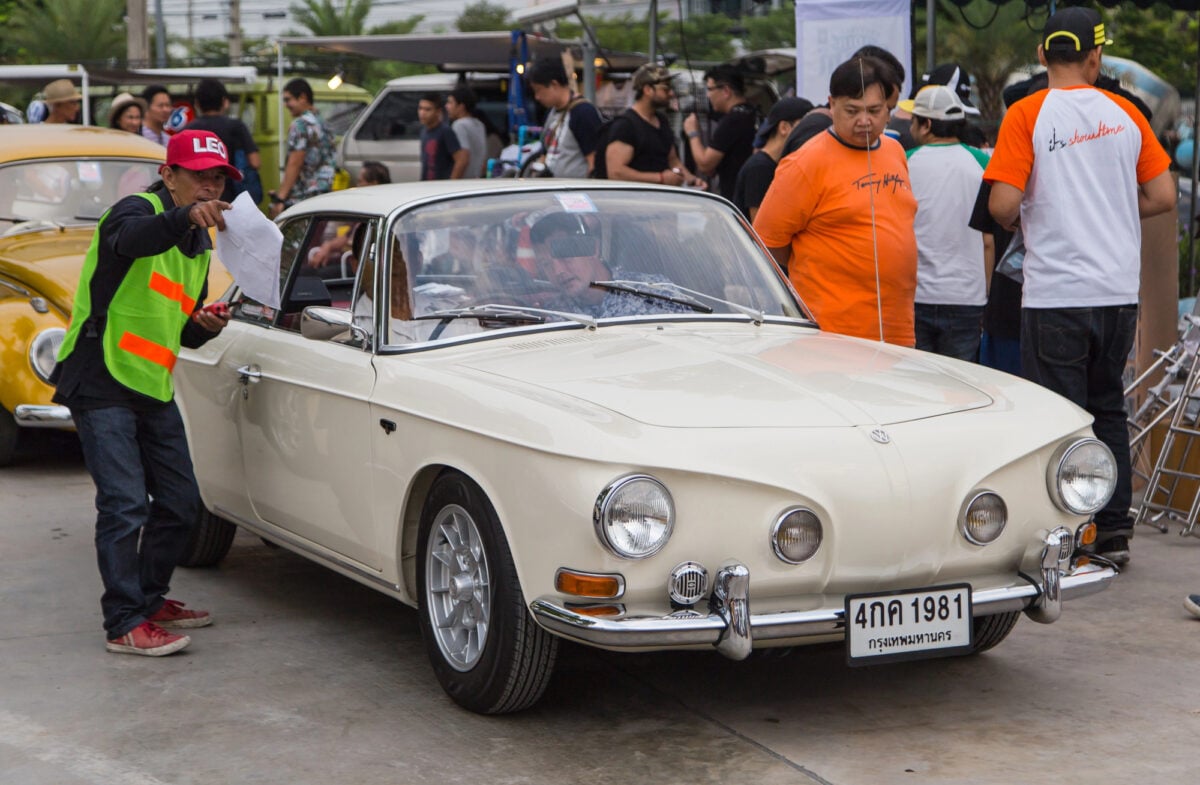
Decades after production ended, the Beetle still has an active and passionate community of fans worldwide. Classic Beetle clubs hold events, rallies, and restoration competitions every year.
Spare parts are still being manufactured and sold, which keeps thousands of old Beetles running on roads today. Few cars from the same era can claim that kind of loyal following.
Still Rolling Strong
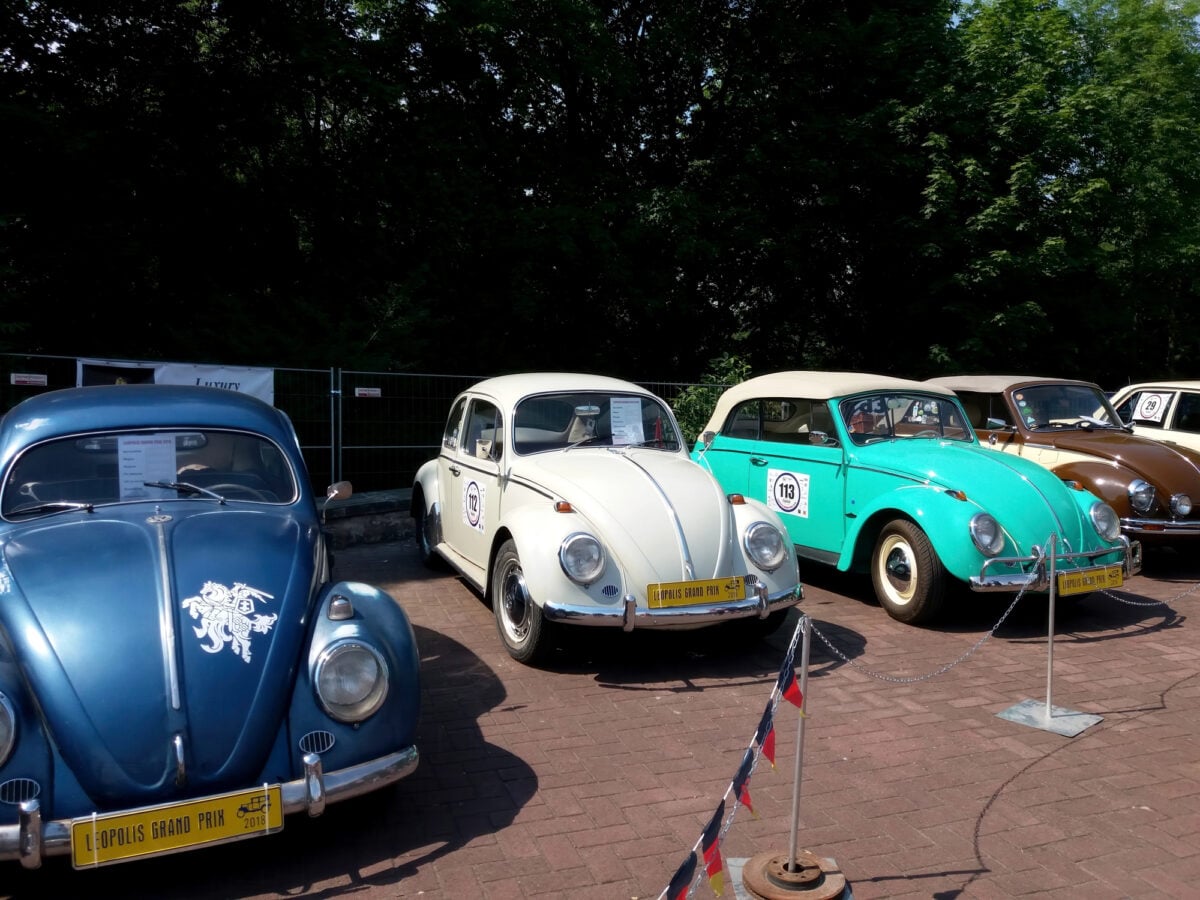
The Volkswagen Beetle started as a political project, survived a world war, outlasted its competitors, and became a pop culture symbol that crossed generations and continents. It never tried to be the fastest or the flashiest car on the road, and that might be exactly why it lasted so long.
Today, restored Beetles still turn heads at car shows and on city streets, carrying decades of history wherever they go. The Beetle did not just sell well; it meant something to people, and that is a rare thing for any object made of metal and rubber.
More from Go2Tutors!

- The Romanov Crown Jewels and Their Tragic Fate
- 13 Historical Mysteries That Science Still Can’t Solve
- Famous Hoaxes That Fooled the World for Years
- 15 Child Stars with Tragic Adult Lives
- 16 Famous Jewelry Pieces in History
Like Go2Tutors’s content? Follow us on MSN.