27 Household Inventions Sold Door to Door for Years
Before big-box stores and online shopping, a huge share of American household goods reached customers through a salesperson standing on the front porch with a demonstration kit. The door-to-door model rewarded products that could prove their value in a five-minute pitch, which is why so many of the twentieth century’s most familiar brands built their entire early business this way.
Vacuum Cleaners
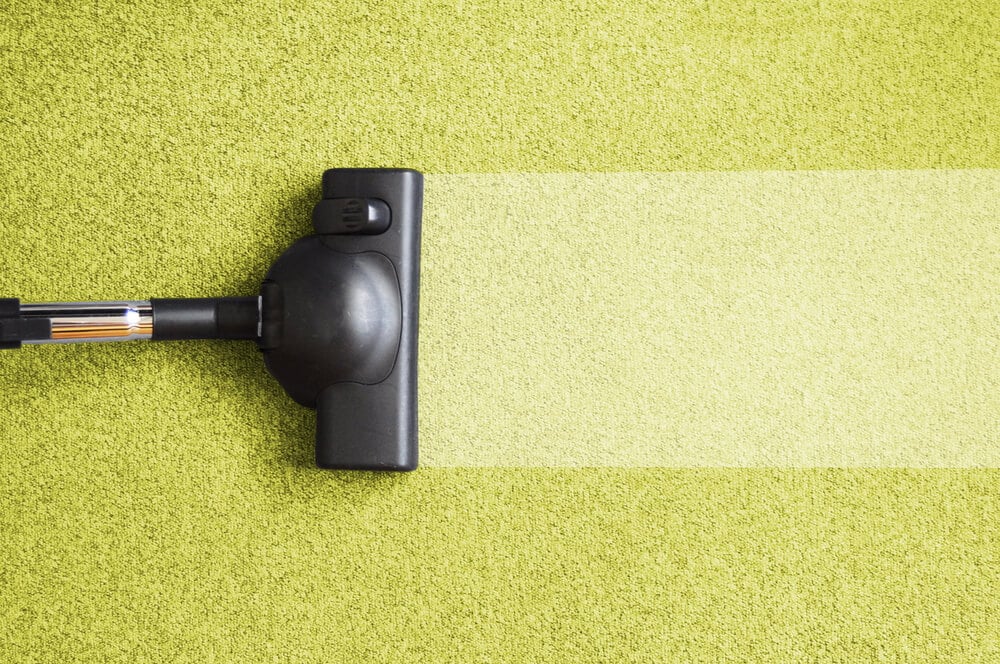
The Kirby Company built its entire sales model around door-to-door demonstrations, sending representatives into homes to vacuum a client’s mattress or carpet and then show the homeowner the dirt collected, a dramatic pitch that had sold vacuums for decades before big-box retail became dominant. Electrolux followed a nearly identical playbook, becoming one of the most recognized door-to-door brands of the mid-twentieth century.
Both companies still maintain independent dealer networks today, decades after most appliance sales shifted to stores.
Encyclopedias

World Book and Encyclopaedia Britannica built massive sales forces of door-to-door representatives through the middle of the twentieth century, pitching multi-volume sets as an investment in a child’s education worth hundreds of dollars financed over monthly installments. Sales reps often carried a single sample volume to demonstrate the quality of the binding and paper.
The business model largely collapsed once households gained internet access, and Britannica ceased printing physical encyclopedias entirely in 2012.
Fuller Brushes

The Fuller Brush Company sent traveling salesmen from house to house beginning in 1906, offering free sample brushes to earn a foot in the door before pitching household cleaning and grooming products from a sample case. The company’s door-to-door salesman became such a recognizable cultural figure that it inspired multiple Hollywood films built around the character.
Fuller Brush representatives were still active well into the later twentieth century even as the company diversified into catalog and retail sales.
Bibles

Traveling Bible salesmen canvassed rural American towns for much of the nineteenth and twentieth centuries, often selling elaborately illustrated family editions with space for recording births, deaths, and marriages inside the cover. The trade became common enough that it developed its own regional folklore and appeared as a recurring character type in American literature.
Door-to-door Bible sales persisted in some regions well into the 1970s before direct mail and religious bookstores took over most of the market.
Sewing Machines

Singer Sewing Machine Company pioneered aggressive door-to-door and installment-payment sales tactics in the mid-1800s, sending agents into homes to demonstrate the machine’s speed compared to hand sewing. The company’s financing model, allowing customers to pay in small monthly installments, is credited as one of the first large-scale consumer credit systems in American retail.
Singer’s door-to-door sales network helped make it the first truly global consumer brand of the industrial era.
Water Filtration Systems
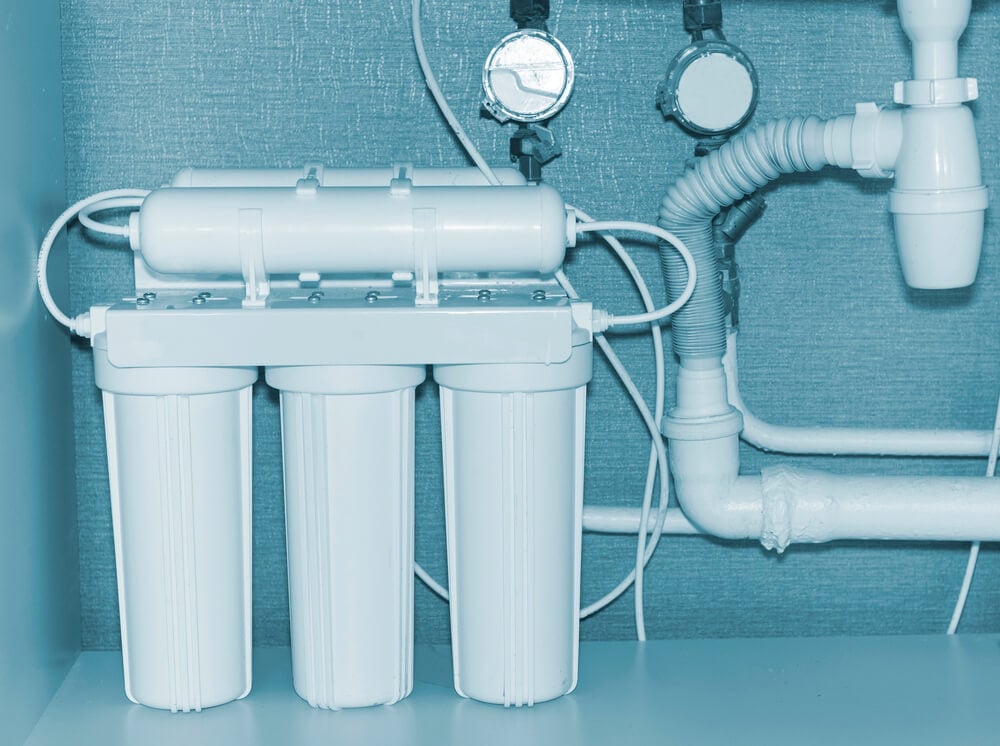
Companies selling home water filtration and softening systems built extensive door-to-door sales operations through much of the twentieth century, often using a dramatic demonstration comparing filtered and unfiltered tap water side by side. Representatives frequently tested a homeowner’s actual tap water on the spot to personalize the pitch.
Several major water treatment brands still maintain independent dealer and in-home demonstration sales models today, largely unchanged from their door-to-door origins.
Cookware Sets
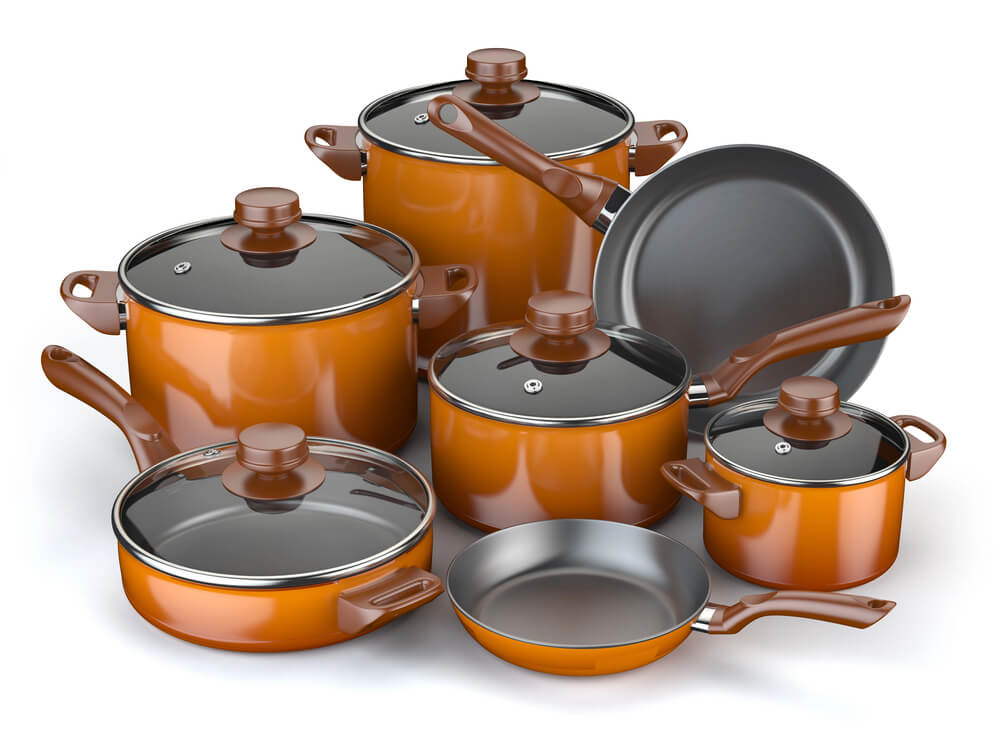
Companies including West Bend and Saladmaster built substantial businesses selling multi-piece stainless steel cookware sets through in-home demonstrations, often structured as a dinner party where a salesperson cooked a full meal for a hosting family and their invited guests. The sets were typically sold on an installment plan given their high upfront cost.
This home-party sales format became a template later adopted across other product categories, including cosmetics and plastic kitchenware.
Tupperware

Tupperware built its entire distribution model around home sales parties rather than traditional door-to-door canvassing, recruiting mostly women as independent sales representatives who hosted demonstrations in a friend’s living room rather than a stranger’s doorstep. The format, formalized by saleswoman Brownie Wise in the early 1950s, proved so effective that Tupperware pulled its products from retail stores entirely and sold exclusively through home parties for decades.
The company still relies primarily on independent representatives rather than conventional retail even today.
Cosmetics

Avon built one of the largest direct sales forces in American business history, sending representatives door-to-door and later to home parties to sell cosmetics and skincare products beginning in the late 1800s. The company’s sales model relied heavily on personal relationships between representatives and repeat customers in the same neighborhood.
Avon representatives, still commonly called “Avon ladies,” continue selling through the same essential home-visit model more than a century after the company’s founding.
Life Insurance Policies

Insurance companies including Metropolitan Life and Prudential built extensive door-to-door sales forces through the early and mid-twentieth century, particularly targeting working-class urban neighborhoods with small weekly premium policies known as industrial insurance. Agents often visited the same households repeatedly to collect premiums in person.
The practice gradually declined as banking and payroll deduction systems made in-person premium collection unnecessary, though door-to-door insurance sales persisted in some markets into the 1970s.
Kirby-Style Carpet Shampooers
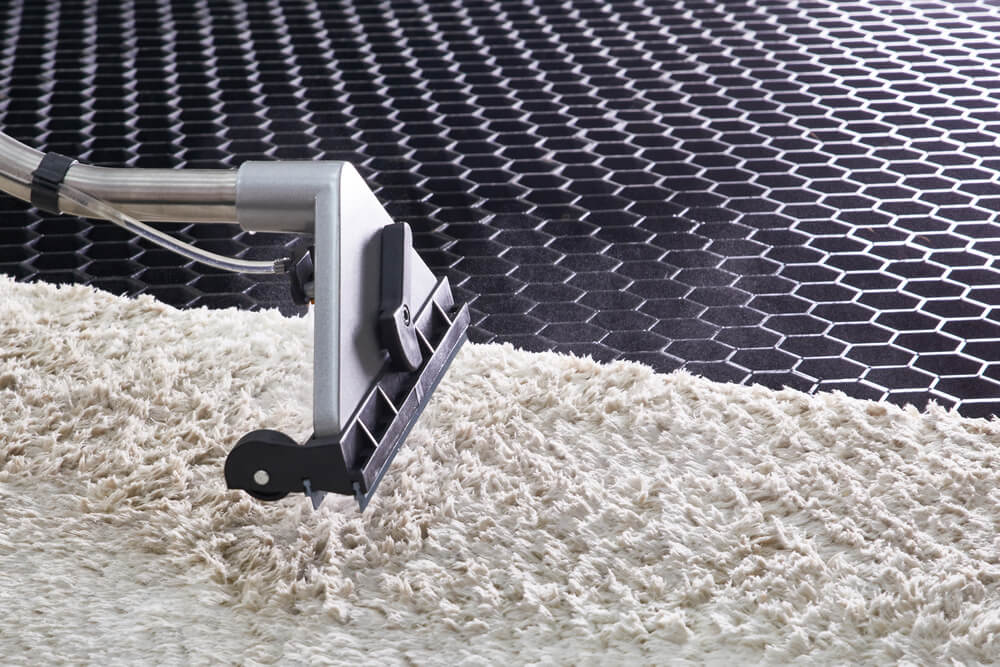
Alongside vacuum sales, several companies built door-to-door businesses specifically around carpet shampooing machines, offering an in-home demonstration on a section of the customer’s own carpet to show visible dirt removal. The pitch relied heavily on the contrast between the treated and untreated sections of carpet.
These demonstrations often ran for over an hour, reflecting how much of the sales strategy depended on a slow, trust-building conversation rather than a quick pitch.
Home Water Softeners
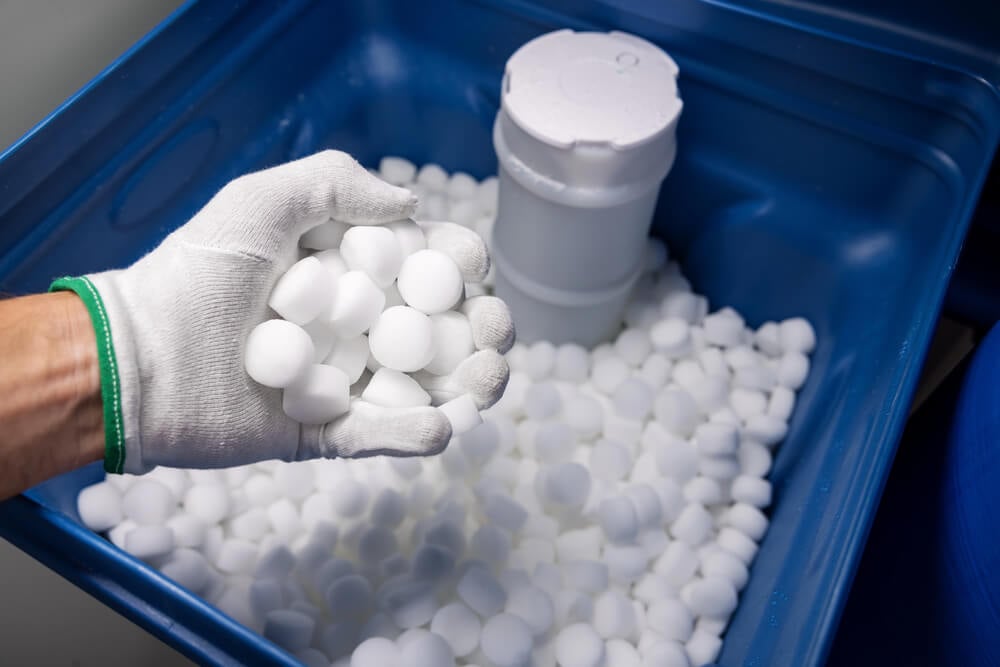
Culligan built a nationwide dealer network selling water softening systems through in-home consultations that tested a household’s water hardness before recommending a specific unit. The company’s slogan, built around asking for “Hey Culligan Man,” became one of the most recognizable advertising campaigns of the mid-twentieth century tied to a door-to-door sales identity.
Culligan’s franchise dealer model, largely unchanged, still relies on local representatives visiting homes to install and service equipment.
Storm Windows and Home Insulation
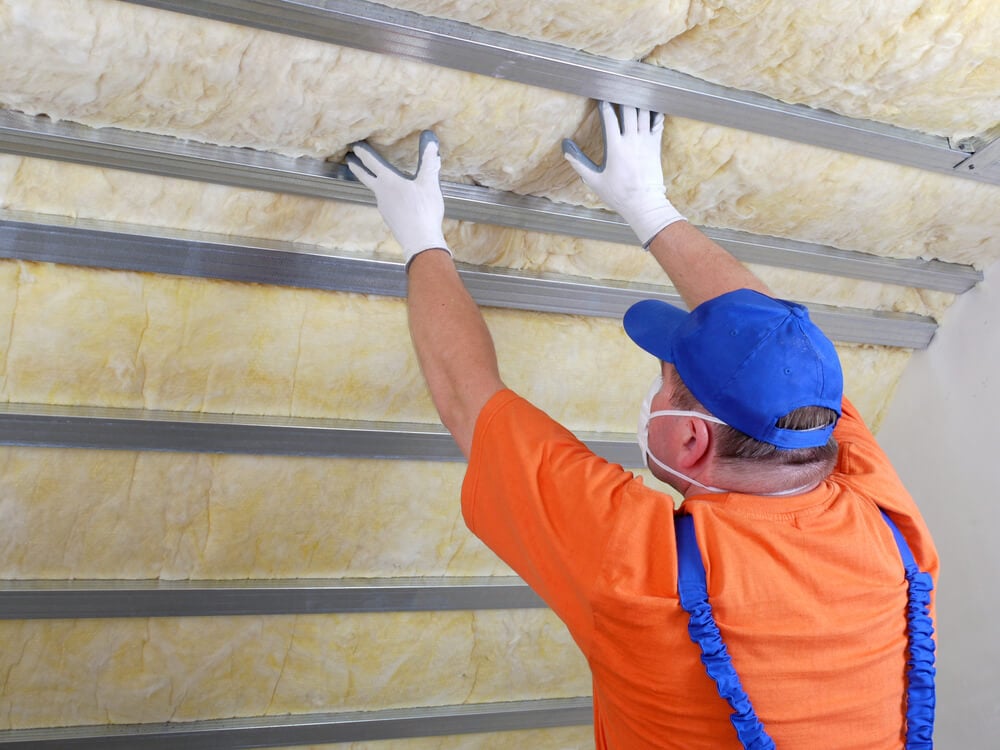
Aluminum storm window and home insulation companies expanded rapidly during the post-World War II housing boom by sending door-to-door salespeople through new suburban developments, often offering a free home energy inspection as a way to start the sales conversation. The pitch typically emphasized fuel cost savings during winter months.
The industry became infamous enough for aggressive tactics that it prompted some of the earliest state-level consumer protection laws targeting door-to-door sales specifically.
Pest Control Services
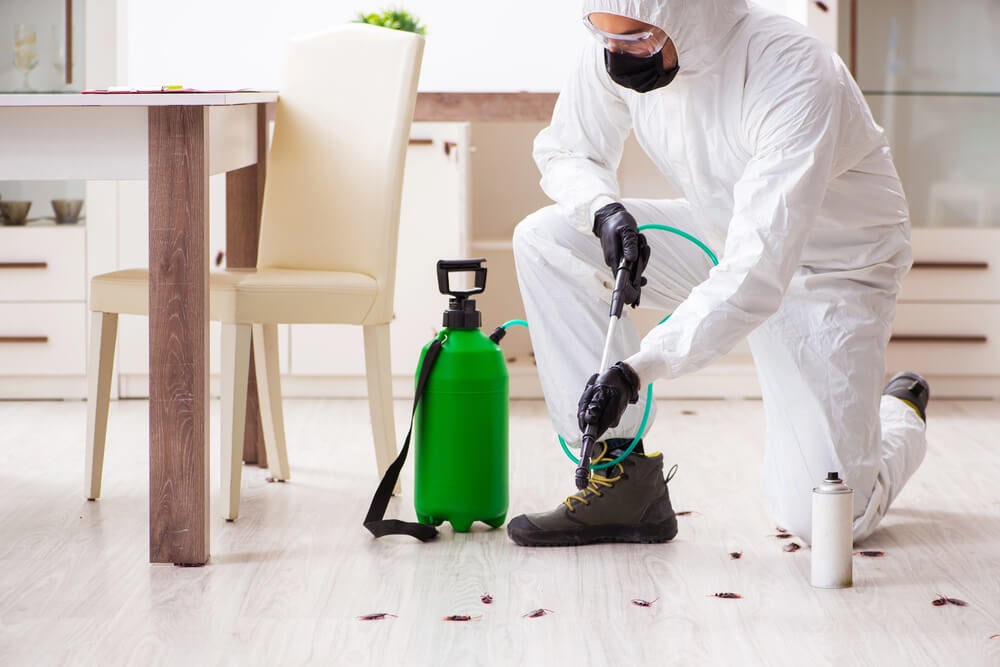
Pest control companies including Orkin and Terminix built substantial residential customer bases through door-to-door solicitation, often timed seasonally around termite swarming or ant infestation periods when homeowners were most likely to be receptive. Representatives frequently offered a free inspection to identify a problem before pitching an ongoing service contract.
The industry has since shifted heavily toward digital marketing, though door-to-door solicitation remains legal and still used in some regions.
Magazine Subscriptions

Traveling youth sales crews sold magazine subscriptions door-to-door for decades, often organized by companies that recruited young adults to travel between cities selling subscriptions on commission, framed to homeowners as a way to help a student earn money for school or a stated cause. The crews became a recognizable and occasionally controversial fixture of suburban neighborhoods.
Consumer protection agencies eventually documented enough complaints about high-pressure tactics and unfulfilled subscriptions that several states passed specific regulations governing the practice.
Home Security Systems
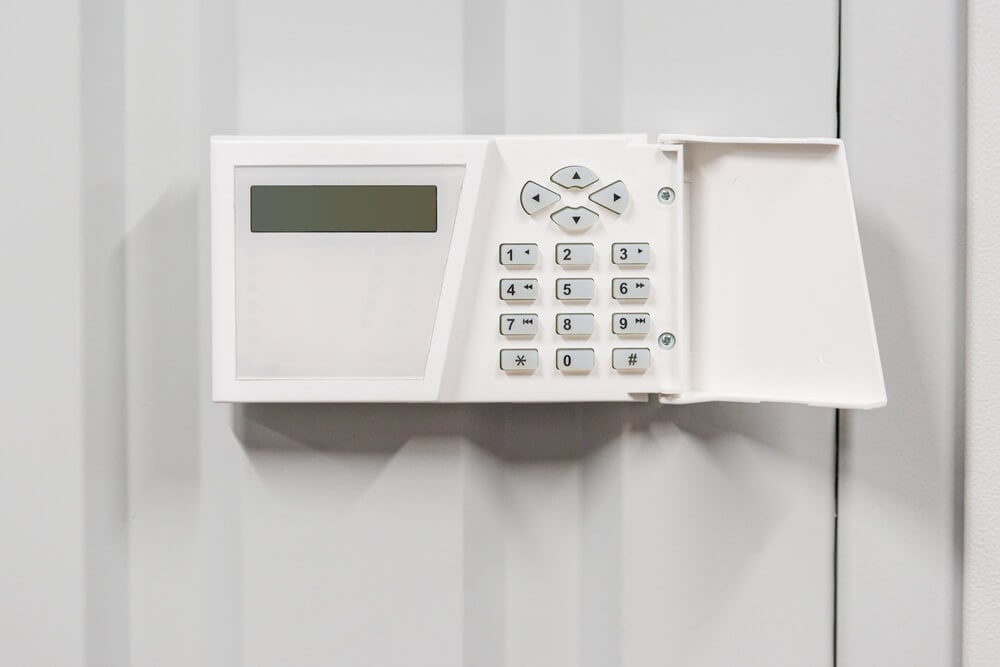
Home security companies expanded rapidly through door-to-door sales beginning in the 1970s and 1980s, often using a lawn sign from a previous nearby installation as a conversation starter with a neighboring homeowner. Representatives typically offered discounted equipment in exchange for a multi-year monitoring contract.
The industry still relies partly on door-to-door and neighborhood canvassing sales tactics today, alongside newer digital marketing channels.
Meat and Food Delivery Services

Companies including Schwan’s built a route-based direct sales model delivering frozen meat, vegetables, and prepared meals directly to homes via a branded truck that became a familiar sight in many American suburbs and small towns beginning in the 1950s. Drivers developed long-standing relationships with regular customers along a fixed route.
The company still operates a version of this direct home delivery model today, one of the last major direct-to-home food businesses of its kind still in wide operation.
Egg and Dairy Delivery

Home dairy delivery, most associated with the milkman, extended in many regions to include eggs, butter, and other perishable staples delivered directly to a home’s doorstep on a recurring schedule through much of the twentieth century. The model relied on standardized glass bottle returns and prepaid delivery routes.
Home dairy delivery declined sharply once supermarket refrigeration became widespread, though a small resurgence of local delivery dairies has emerged in recent years marketed around freshness and reduced plastic packaging.
Encyclopedic Reference Sets for Children

Beyond general encyclopedias, publishers sold specialized reference sets aimed specifically at children, including illustrated science and history collections, through door-to-door representatives who pitched the sets directly to parents as an educational necessity. Sales often targeted new parents specifically, sometimes using hospital maternity ward records to identify leads.
The practice of targeting new parents through purchased leads eventually drew scrutiny from consumer protection regulators in several states.
Home Fire Extinguishers
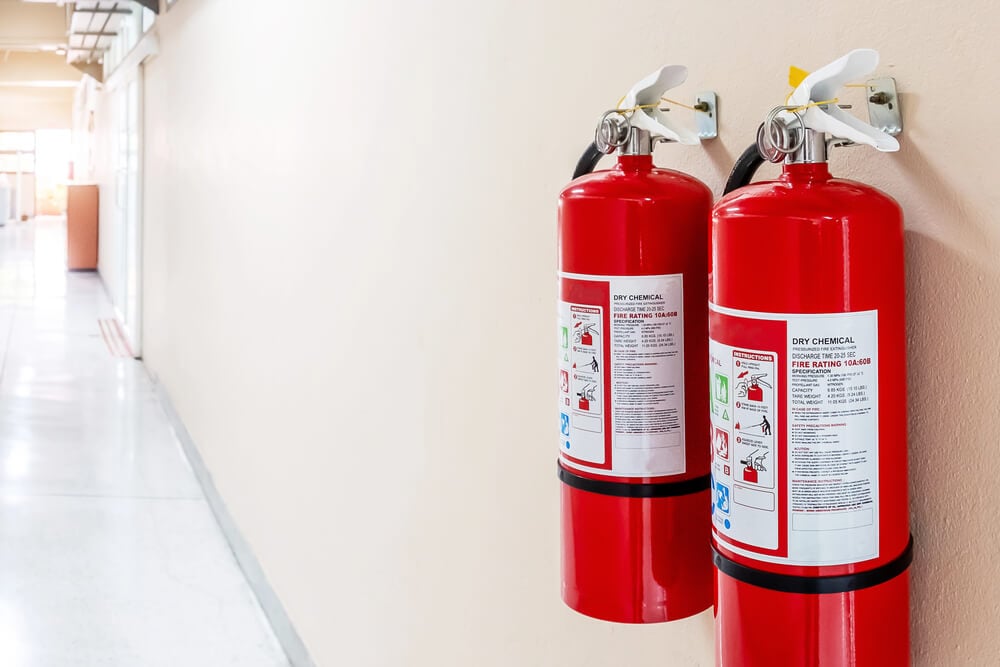
Door-to-door salespeople sold home fire extinguishers and basic fire safety kits for decades, often demonstrating a small controlled fire and putting it out on the spot to prove the product’s effectiveness. The dramatic demonstration made fire extinguisher sales one of the more memorable door-to-door pitches of the era.
Fire extinguisher sales shifted almost entirely to hardware and home improvement stores once national fire codes began requiring specific extinguisher ratings that were easier to standardize through retail.
Piano and Organ Lessons

Music education companies and instrument dealers sent door-to-door representatives through suburban neighborhoods offering free introductory piano or organ lessons, often as a lead-in to selling or financing the instrument itself. The pitch typically targeted households with young children as a long-term investment in the child’s development.
This sales approach declined significantly once big-box music retailers and later online lesson platforms took over most of the instrument and lesson market.
Home First Aid and Medical Kits

Sales representatives went door-to-door for decades selling family first aid kits and home medical supply sets, often bundled with a subscription to a first aid reference guide. The pitch relied heavily on parental anxiety about being unprepared for a child’s injury or illness.
The practice faded as pre-packaged first aid kits became a standard, low-cost item stocked at nearly every pharmacy and general retailer.
Chimney and Furnace Cleaning Services
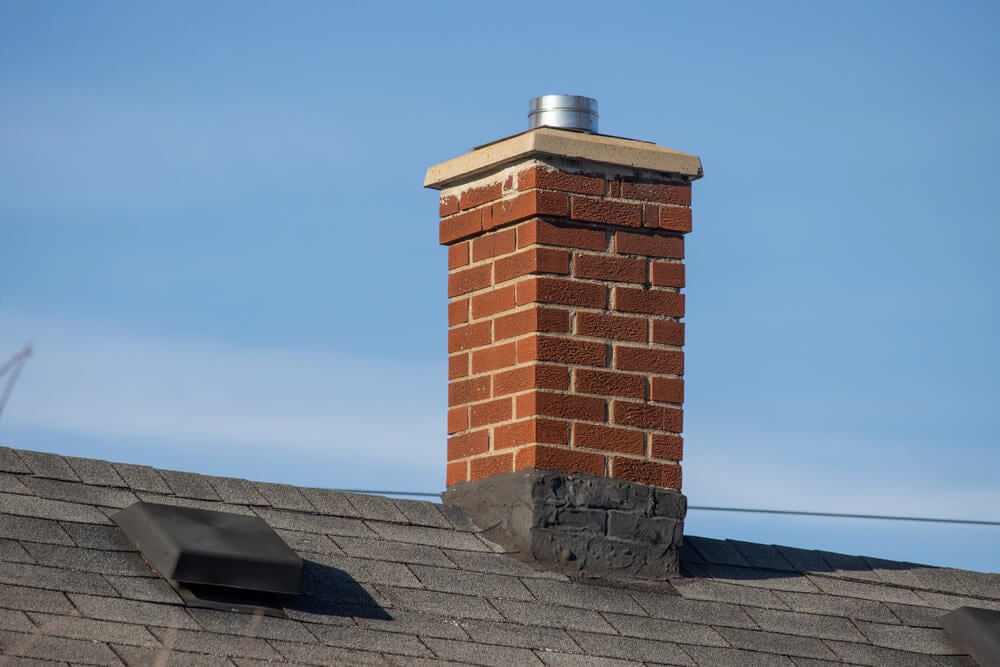
Chimney sweep and furnace cleaning companies canvassed neighborhoods each fall, timing door-to-door solicitation to coincide with the start of heating season when homeowners were most receptive to a safety-focused pitch about carbon monoxide and fire risk. Representatives often offered a free inspection to identify a specific problem before quoting a cleaning price.
The seasonal door-to-door model persists in many regions today alongside newer online scheduling services.
Aluminum Siding

Aluminum siding companies expanded aggressively through door-to-door sales during the postwar suburban housing boom, pitching the material as a permanent, low-maintenance alternative to wood siding that would never need repainting. Some companies used high-pressure tactics that later drew regulatory scrutiny, including offering a homeowner a reduced price in exchange for using their house as a visible advertisement to neighbors.
The industry’s aggressive sales reputation contributed to some of the earliest state laws requiring a mandatory cancellation period for door-to-door home improvement contracts.
Storm Doors and Screen Doors
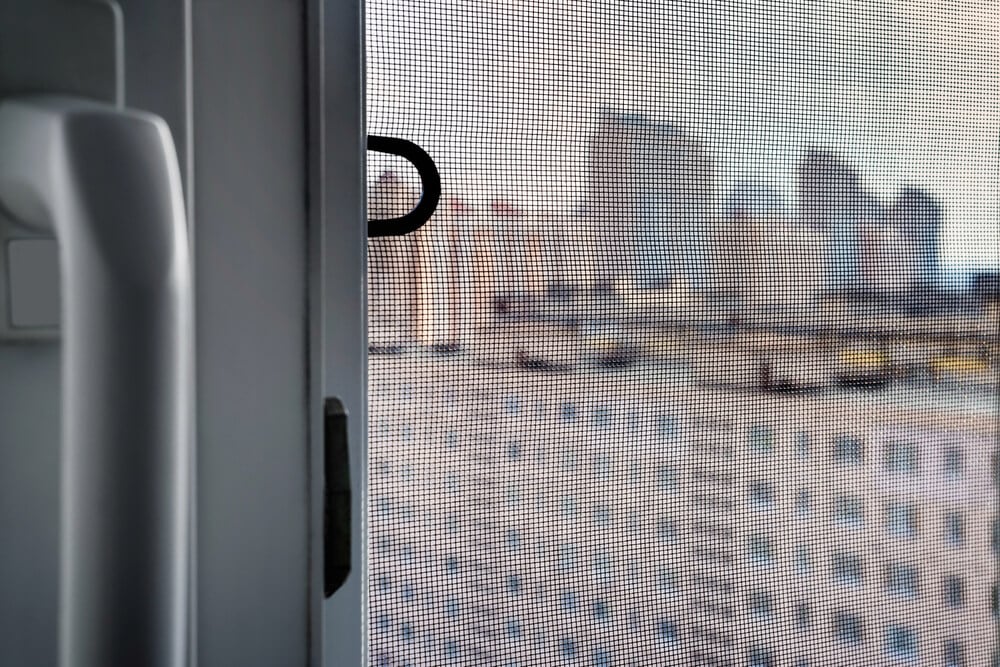
Storm and screen door companies followed a similar model to the storm window industry, sending representatives through new housing developments to pitch pre-fabricated doors as both an energy-saving and security upgrade. Installation was typically bundled into the sale itself, distinguishing the pitch from a simple retail purchase.
The category eventually shifted to home improvement retail chains as pre-made doors became a standardized, easily stocked product.
Home Photography and Portrait Packages

Traveling photography companies sent door-to-door representatives offering discounted family portrait sessions, often using a low-cost introductory sitting fee to bring families into a studio where additional prints and packages were then sold at a markup. The tactic mirrored the broader “free inspection” model used across other door-to-door categories.
Portrait studios inside department stores and big-box retailers eventually absorbed much of this business, reducing the need for door-to-door solicitation.
Health and Nutrition Supplements

Direct sales companies including Shaklee and later Herbalife built multi-level marketing structures around door-to-door and personal-network sales of vitamins, supplements, and weight management products beginning in the 1950s and 1960s. The model relied on independent distributors recruiting friends, family, and neighbors as both customers and future sales representatives.
Multi-level supplement sales remain a large industry today, though the door-to-door and home-party elements have increasingly moved toward social media-based selling.
Why the Doorstep Pitch Endured
Door-to-door sales worked for so long because the format solved a problem that advertising alone could not: it let a stranger prove a product’s value in real time, in the customer’s own home, using the customer’s own carpet, water, or dinner table as evidence. That kind of immediate, personalized demonstration is hard to replicate through a print ad or a store shelf.
What eventually broke the model wasn’t a single regulation or a single competitor, but the slow accumulation of alternatives that offered the same trust at lower cost: return policies, product reviews, and eventually a screen that let a customer see a demonstration without ever opening the front door.
More from Go2Tutors!

- The Romanov Crown Jewels and Their Tragic Fate
- 13 Historical Mysteries That Science Still Can’t Solve
- Famous Hoaxes That Fooled the World for Years
- 15 Child Stars with Tragic Adult Lives
- 16 Famous Jewelry Pieces in History
Like Go2Tutors’s content? Follow us on MSN.