27 Photographs Released Long After They Were Taken
Photography’s earliest years produced countless images that remained locked away in archives, attics, and lost collections, emerging decades later to rewrite historical understanding. Whether suppressed by circumstance, institutional gatekeeping, or simple forgetfulness, these delayed revelations transformed private moments into public historical documents that reshaped how we understand the past.
The stories behind their release often prove as compelling as the images themselves, revealing how historical narratives shift when hidden evidence finally emerges.
National Geographic Found Archives

Beginning in 2013 to celebrate the magazine’s 125th anniversary, National Geographic began digitizing and publishing thousands of photographs from its archives that had never appeared in print since their original assignment. The resulting “Found” project uncovered images from the 1890s through the 1960s depicting indigenous cultures, infrastructure projects, and everyday life across continents.
Many of these photographs had languished in physical storage for over a century, waiting for digital technology to make them accessible to the public research possible.
Notman Photographic Archives Montreal
— Photo by sainaniritu
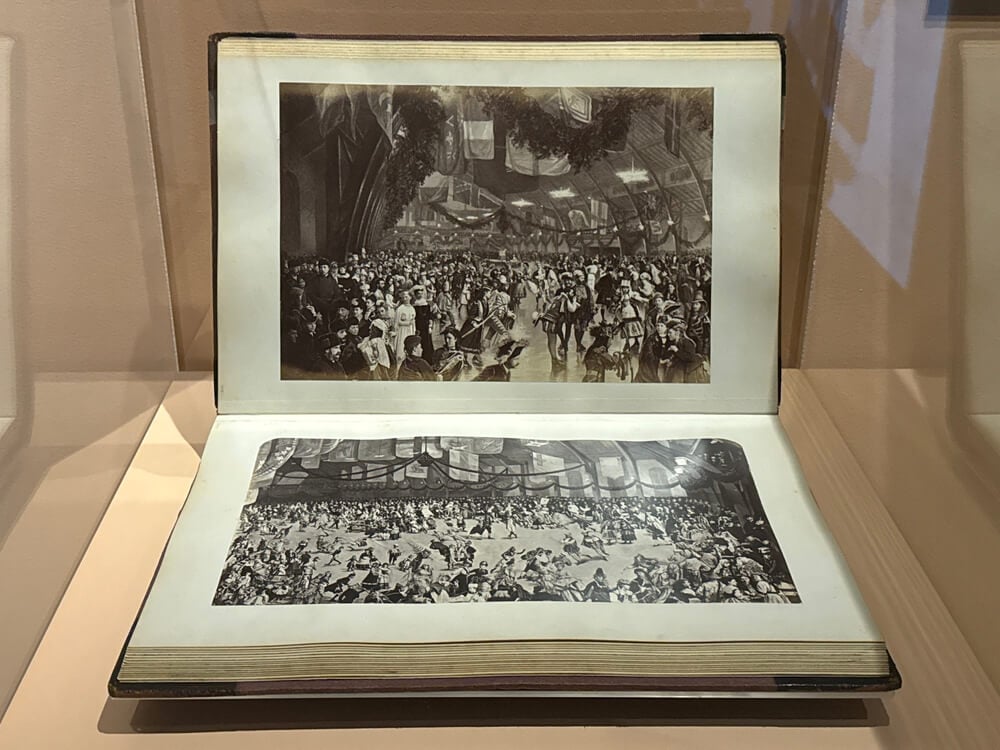
The Notman studio in Montreal produced over 450,000 photographs between the 1840s and 1920s, documenting Canadian history, prominent citizens, and landscape transformations across the nation. The McCord Museum of Canadian History holds these glass negatives and prints, yet public accessibility was limited until major digitization projects began in the 21st century.
These mid-19th-century images became invaluable resources for urban historians once they transcended the museum’s physical limitations and reached researchers worldwide.
Lascaux Cave Paintings Documentation
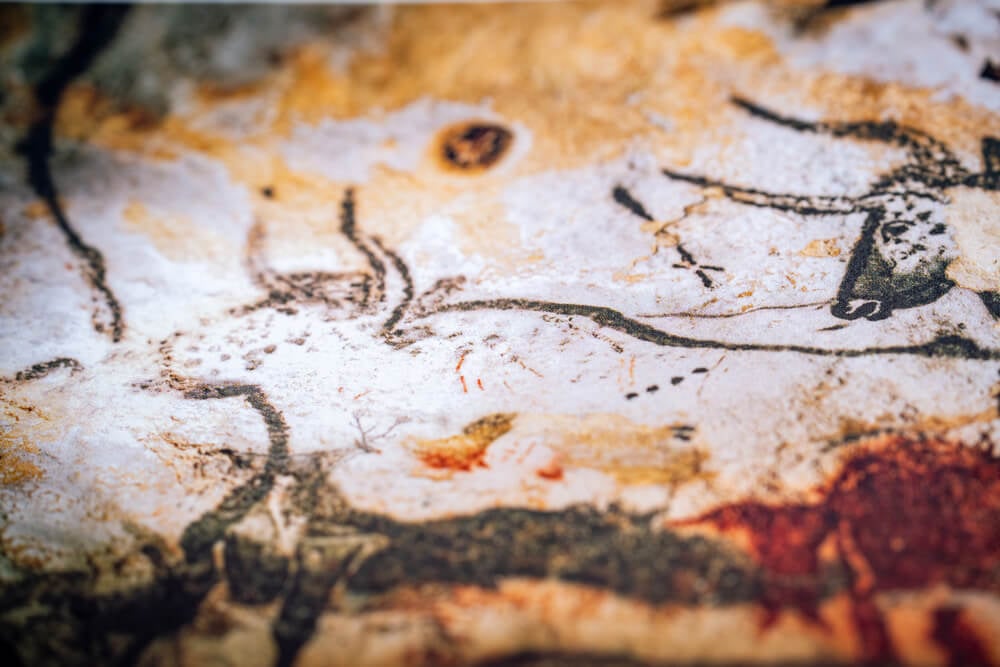
When four French teenagers followed a dog into a cave entrance in September 1940 and discovered 17,000-year-old Paleolithic art covering the walls, the initial photographs were confined to academic publications and restricted access. The full visual impact of these sophisticated animal paintings—featuring hunting scenes, handprints, and geometric symbols—remained largely invisible to the general public until systematic documentation and reproduction appeared decades later.
Photography itself became the tool that democratized access to this cave art legacy.
Dead Sea Scrolls Initial Photography

When a Bedouin shepherd discovered ancient scrolls in a cave near Qumran in 1946, initial photographs of the fragile manuscripts remained restricted to academic specialists and religious institutions for years. The seven initial scrolls—comprising biblical texts and commentary—were not extensively photographed or published until the 1950s, and complete photographic documentation continued into the 1960s.
Delayed release of these photographs perpetuated decades of speculation and conspiracy theories about the scrolls’ contents.
Rosetta Stone Comprehensive Photography

Although the Rosetta Stone arrived in British museums in 1802, comprehensive high-quality photography of all three scripts and the complete surface detailing did not occur until the 20th century. Scholarly drawings and engravings served as the primary visual references for nearly a century, introducing subtle distortions.
High-resolution photographic documentation in the 1950s-1970s revealed previously unnoticed inscriptions and nuances in the hieroglyphic sections.
Terracotta Army Discovery Photography
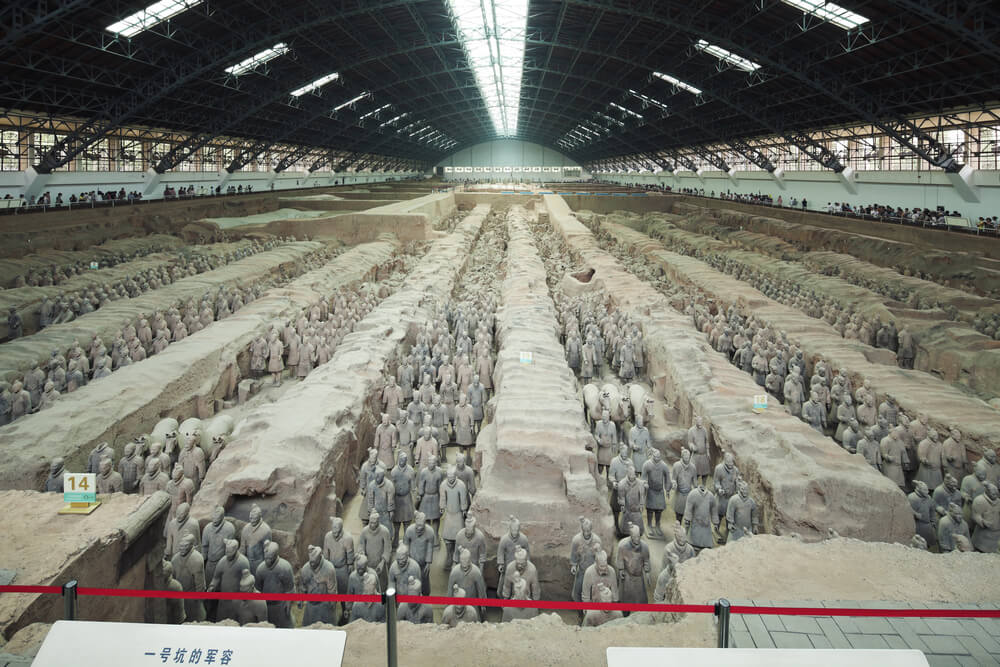
When farmers digging a well near Xi’an in 1974 discovered the Terracotta Army guarding China’s first emperor, initial photographs were confined to Chinese archaeological institutions and government oversight. The full scale of the discovery—thousands of life-sized clay soldiers with individual facial expressions—remained largely unknown outside China until systematic international publication and photography in the 1980s.
The delayed photography release reinforced Western ignorance of Chinese archaeological sophistication.
Pompeii Excavation Archives
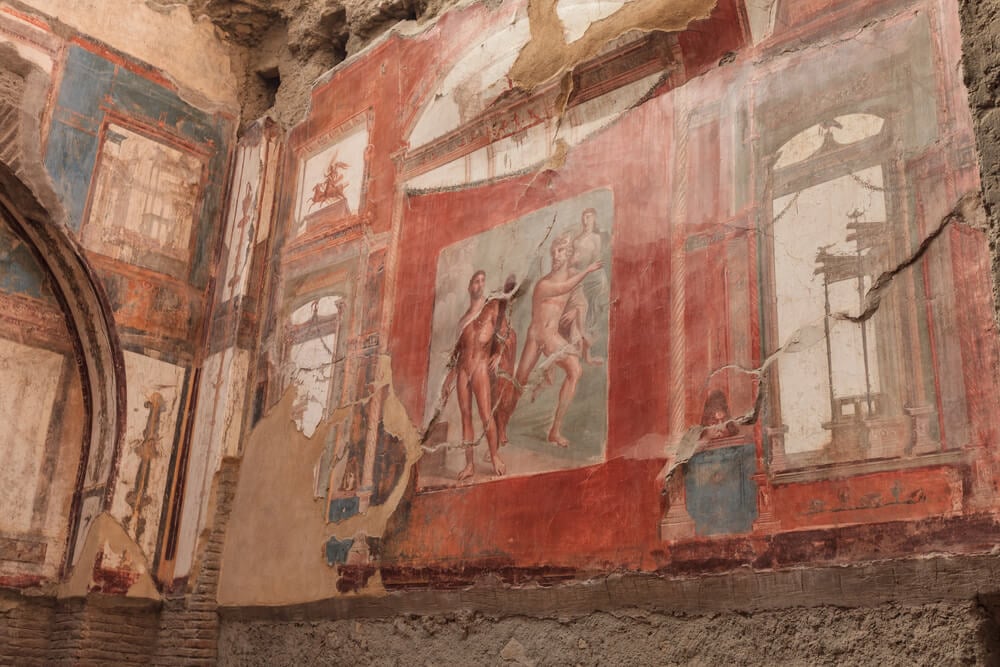
Although Pompeii’s excavations began in the mid-18th century, the earliest systematic photography dates only to the 1860s-1880s. Countless photographs from the 19th and early 20th centuries remained in storage at Italian archaeological institutions, never widely disseminated.
Modern scanning and publication projects of these historical excavation photographs have revealed 19th-century preservation states and documentation methods now invaluable to modern Pompeii research. The photographs themselves became historical artifacts worthy of study.
Afghan Girl National Geographic Rediscovery
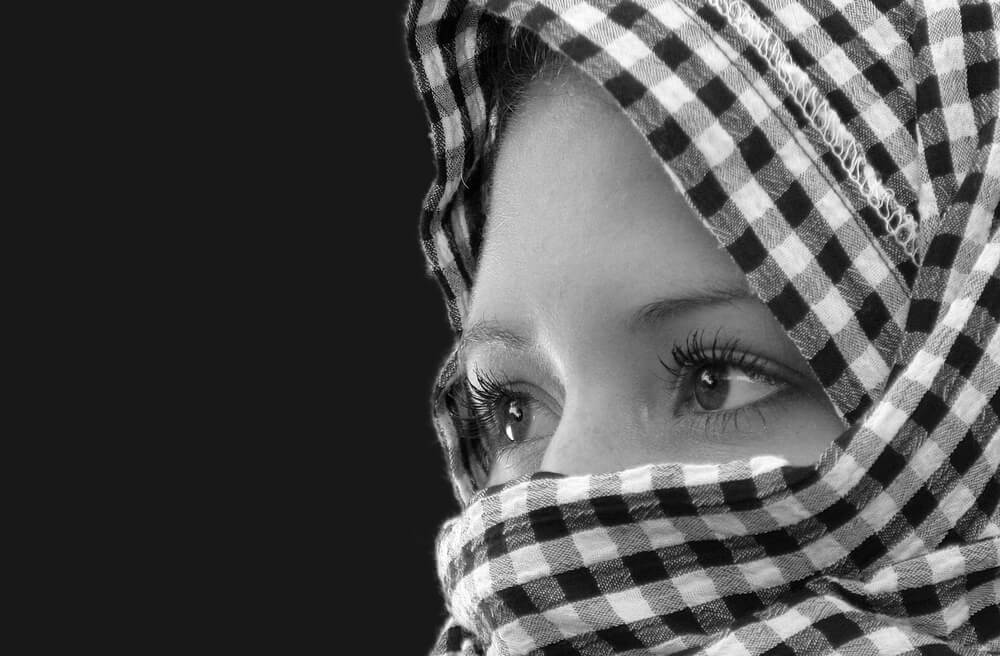
Steve McCurry’s iconic 1984 photograph of the green-eyed Afghan refugee girl appeared on the cover of National Geographic in 1985, yet the subject remained anonymous and unlocated for nearly twenty years. When McCurry relocated the now-grown woman in 2002 and photographed her again, the publication of both images—nearly two decades apart—created a powerful historical document of war’s generational impacts.
The delayed reunion photograph transformed a single image into a historical timeline.
Silent Film Archive Photographs
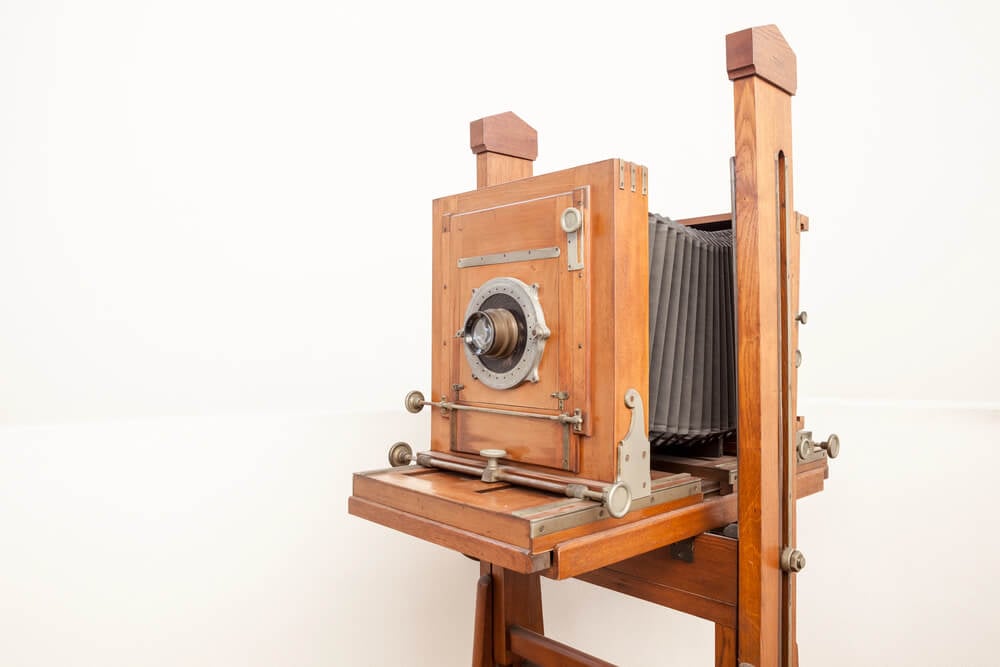
When collector Townly Cooke’s estate was donated to the Bill Douglas Cinema Museum at the University of Exeter, twenty boxes of 1920s silent film production photographs emerged from decades of private storage. These behind-the-scenes images and promotional photographs from silent cinema remained unknown to film historians until the museum’s public release began cataloging and sharing them.
The decades-long gap between their creation and public availability created entirely new research opportunities in film historical study.
1960s San Francisco Protest Photography
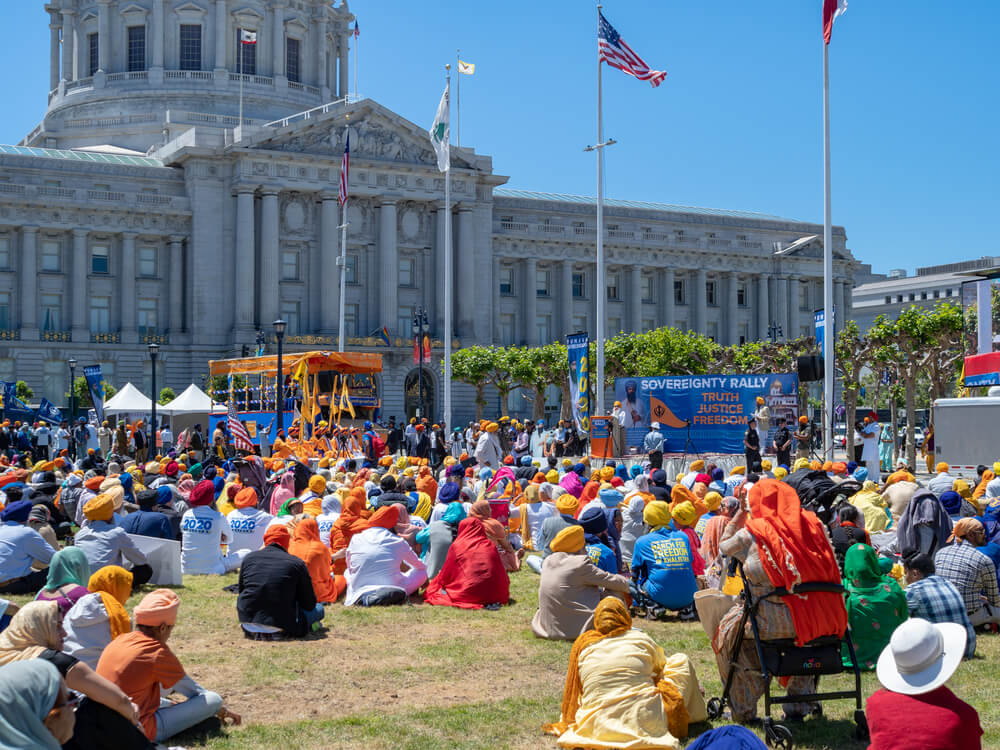
An anonymous collection of 1960s San Francisco photographs documenting civil rights demonstrations, counterculture gatherings, and everyday street life was discovered in archival storage with no photographer attribution. Through crowdsourced research, some images were eventually connected to individuals who appeared in them—including musicians and activists—but decades elapsed before their subjects could be identified.
The orphaned photographs represent found documentation that required half a century to find context.
WWII Japanese American Internment Photographs
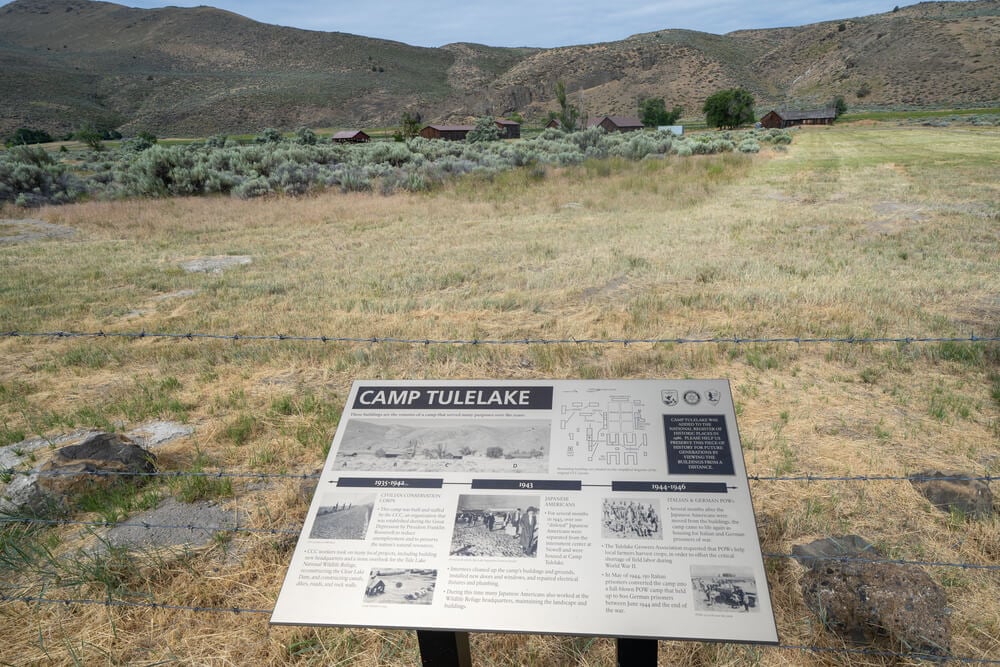
Ansel Adams’ 1943-1944 photographs documenting the Manzanar War Relocation Center remained largely suppressed by government classification and institutional sensitivities until systematic publication decades later. Adams’ technical mastery and empathetic framing contradicted official narratives about the camps, making earlier release politically complicated.
The photographs’ delayed publication extended the historical suppression of Japanese American testimony for generations.
Kodachrome Slide Collections

Countless Kodachrome color slides produced from the 1930s-1960s remained in private collections, attics, and institutional storage, surviving in extraordinary color fidelity while black-and-white photography faded and degraded. Many of these slides documented everyday life, family gatherings, and commercial activities in color that earlier photographs could not capture.
Digital scanning and publication projects beginning in the 2000s revealed an entire visual history previously invisible in the grayscale historical record.
Tutankhamun Tomb Excavation Photographs
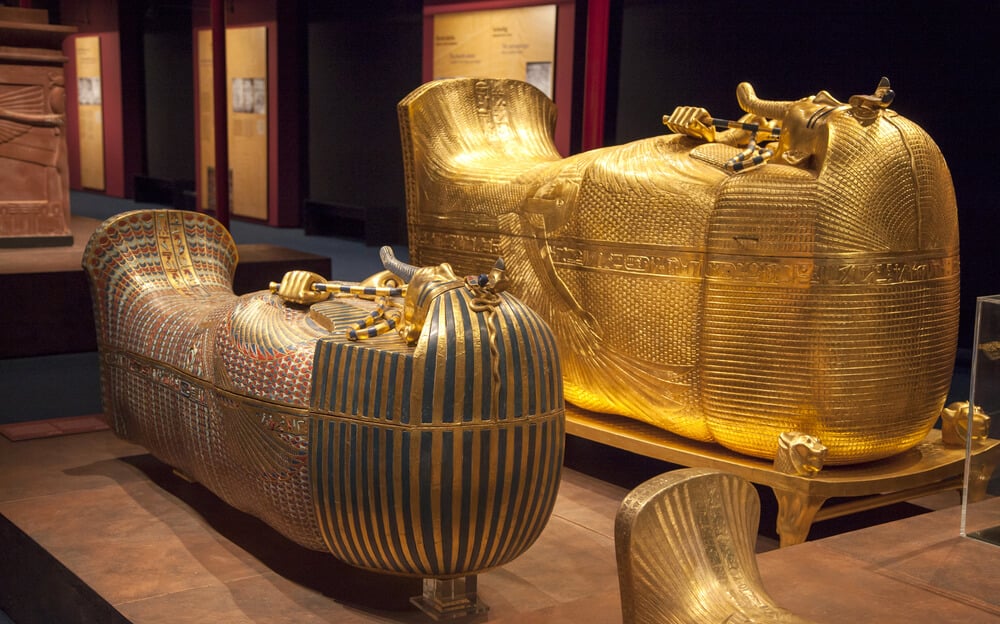
Howard Carter’s 1922-1932 excavation of Tutankhamun’s tomb produced extensive photographs documenting the chamber’s state and artifact positioning before excavation disturbed anything. These photographs remained in specialized collections, referenced by scholars but rarely published in accessible form until recent digital archiving projects made them widely available.
The photographic documentation proved invaluable for understanding burial chamber archaeology methods and artifact relationships.
Nutuk Ethnographic Film Photography
Dziga Vertov’s experimental documentary “Nutuk” was believed lost for decades, and photographs from its production circulated among film historians without clear provenance. The film’s rediscovery in Russian archives in the 1990s vindicated decades of theoretical discussion based on still images alone.
The original photographs took on new meaning once the complete film’s context was established, demonstrating how partial documentation can mislead historical interpretation.
Hiroshima Reconstruction Photographs
— Photo by baranova.beautyformat.ru
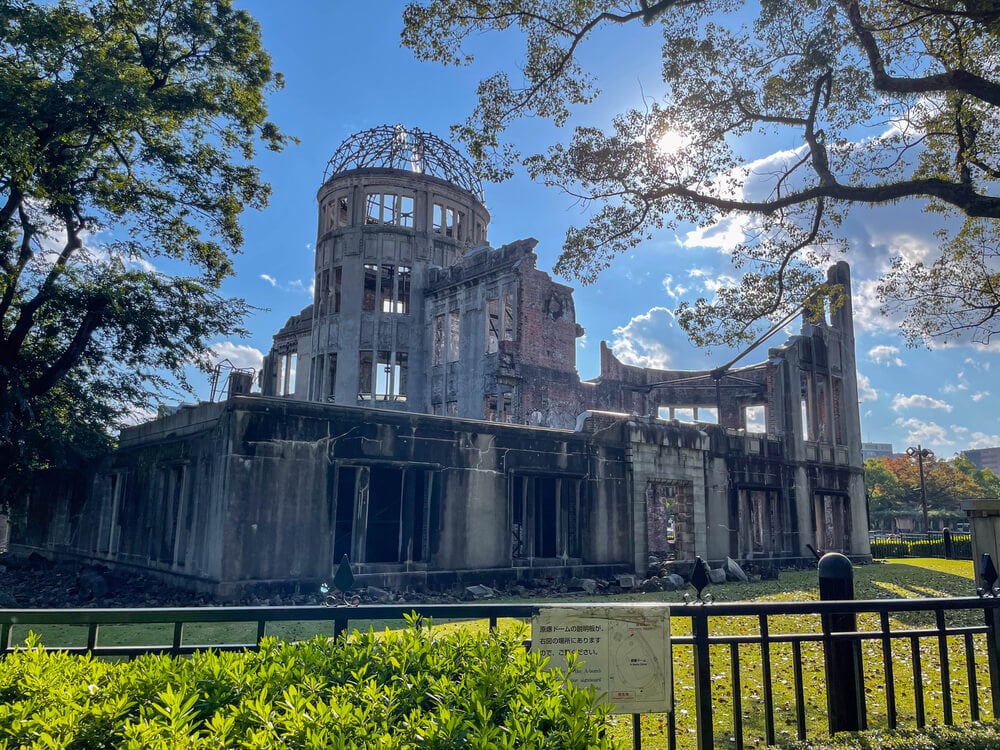
Photographs documenting Hiroshima’s rebuilding in the 1950s-1960s were produced by government agencies and journalists, yet many remained scattered across personal collections and institutional archives. The images’ potential to complicate Cold War narratives meant some were suppressed or kept circulating in obscurity.
Systematic publication and contextualization of these photographs through museum exhibitions finally centered them in nuclear war history discourse.
Chinese Opera House Construction Photography

— Photo by RuslanKal
Workers photographed the construction of Beijing’s National Center for the Performing Arts in the 2000s, yet these behind-the-scenes images remained largely confined to Chinese institutional archives and construction company records. International publication and exhibition of these photographs through museum collaborations made the technical achievement visible to global audiences.
The decades-long gap reflected language barriers and institutional gatekeeping more than any technical limitation on sharing.
Apollo Moon Mission Analog Training Photographs
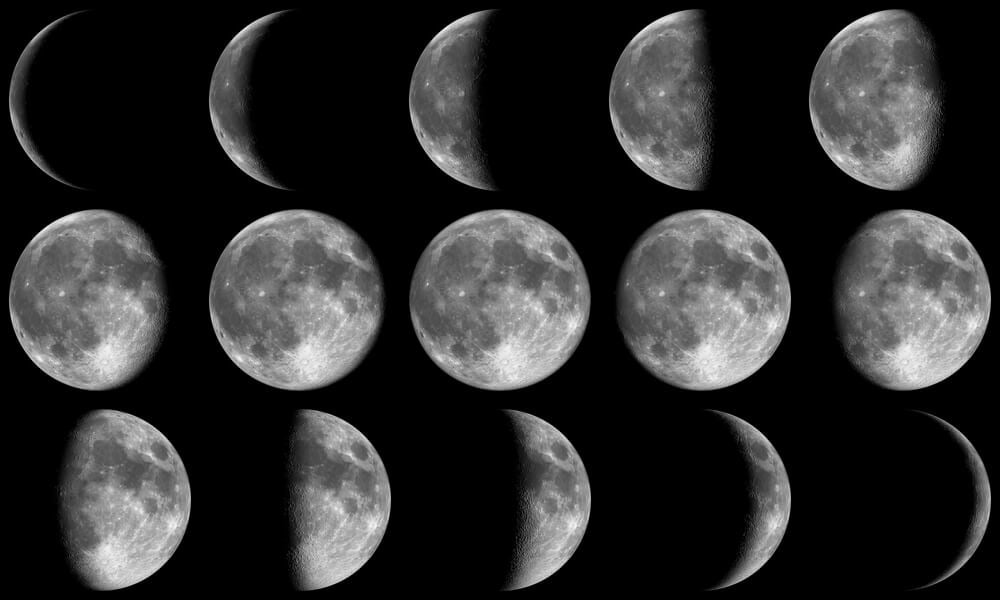
Photographs of NASA astronauts training in desert environments and laboratory simulations—documenting the technical preparation for moon missions—remained partially restricted or archived without public awareness for decades. These training photographs, when eventually released and analyzed, proved invaluable for understanding the engineering challenges and human adaptation required for spaceflight.
Professional photographers’ work in documenting preparation received recognition only after the missions’ conclusion.
Fashion Photography Archives

Vogue’s vast photographic archives from the 1920s-1960s remained largely confined to print publication or specialized fashion history circles until digital projects funded by museums began systematic research and exhibition. Photographs shot by renowned photographers including Cecil Beaton and Irving Penn that originally appeared in single issues gained new historical weight when contextualized as documentary evidence of beauty standards and cultural aesthetics.
Delayed publication revealed patterns invisible in isolated monthly appearances.
Architectural Documentation Photography
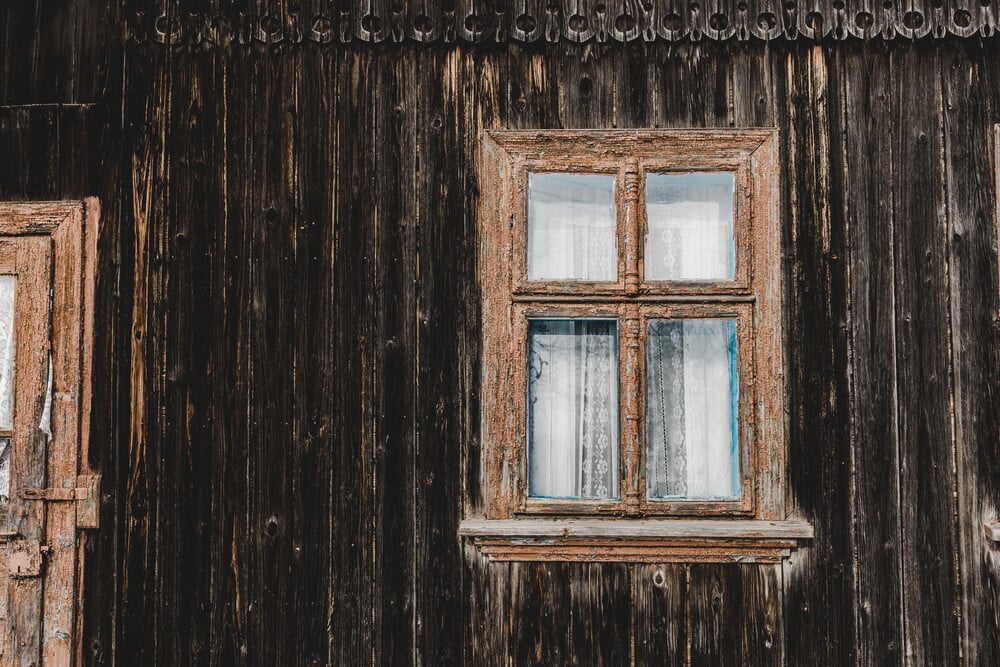
Julius Shulman’s photographs of mid-century modernist architecture were taken for design publications and promotional purposes, yet many images remained uncatalogued in archives until a comprehensive research project in the 2000s discovered previously unknown negatives. These photographs, taken in the 1950s-1960s, were not widely distributed beyond professional architecture circles.
Broader publication revealed Shulman’s role in shaping architectural aesthetics through photographic representation.
Navajo Community Oral History Photographs
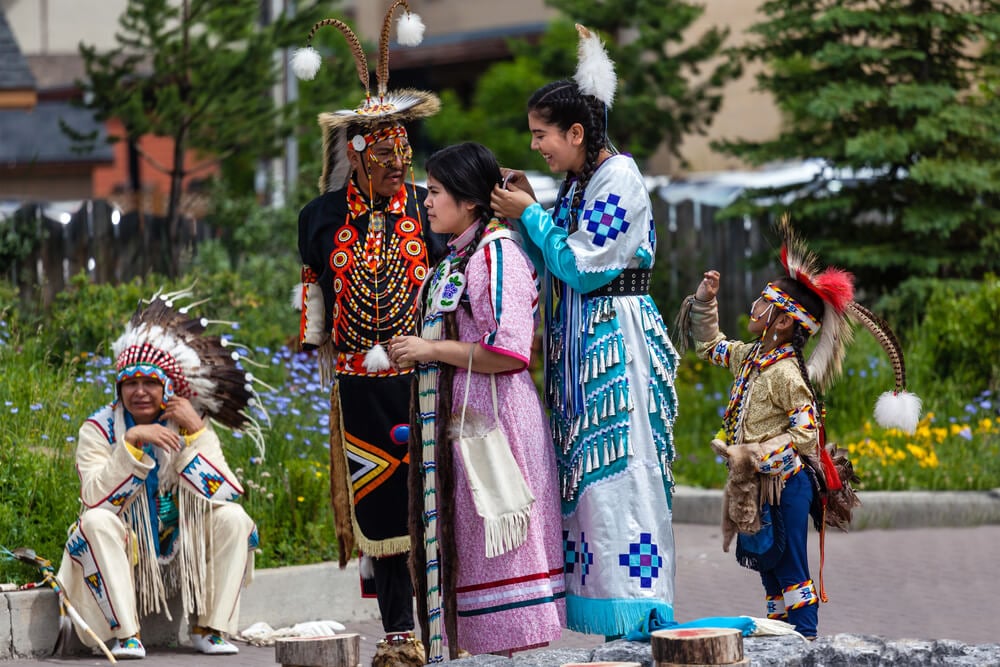
Photographs documenting traditional Navajo practices and community gatherings were taken by anthropologists and missionaries throughout the 20th century, yet remained restricted by institutions claiming cultural sensitivity protections. When these institutions finally began consulting with Navajo communities about releasing the images, the delayed collaboration produced both the photographs’ release and contextual interpretation from community members.
The decades of gatekeeping had prevented the documented communities from controlling narratives about themselves.
Korean War Photography Collections
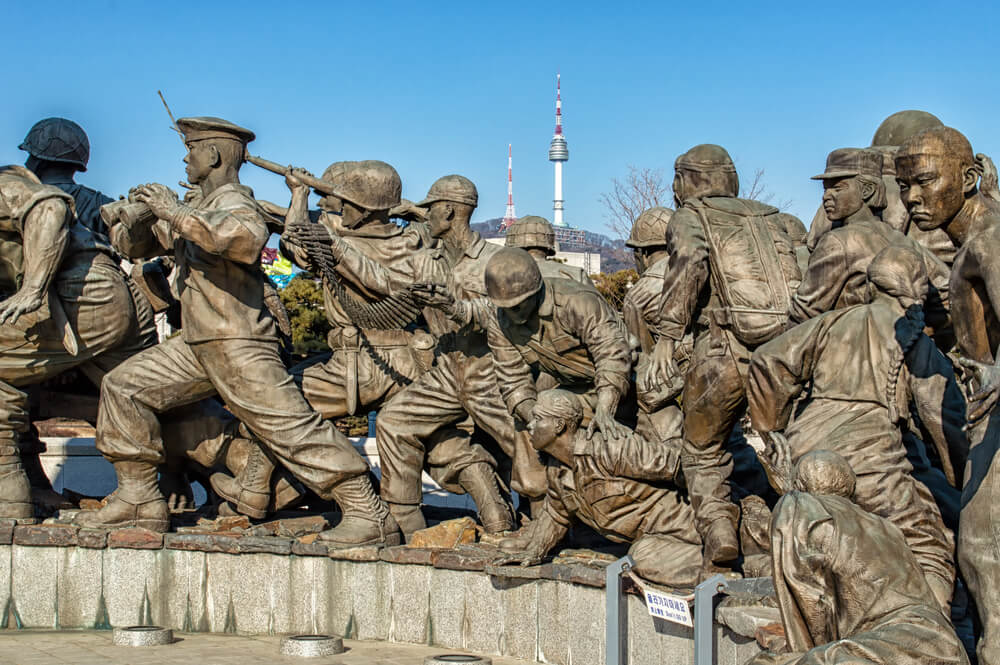
Combat and civilian life photographs from the Korean War (1950-1953) exist in military archives and personal collections, yet systematic publication and contextualization remained limited compared to WWII or Vietnam War imagery. Decades elapsed before major exhibitions and publications presented comprehensive Korean War photography, leaving the conflict visually underrepresented in public consciousness.
The delayed access to archival photographs contributed to the war’s marginalization in Western historical memory.
Pre-1960s Urban Renewal Photography
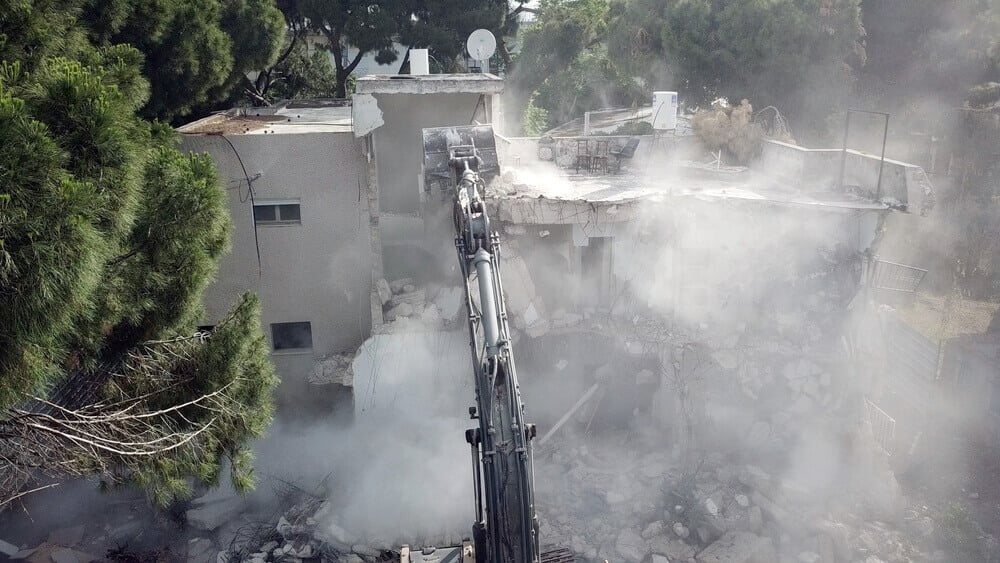
Photographers who documented urban neighborhoods before demolition for renewal projects produced extensive photographic records that remained in personal collections, city archives, and library special collections. Decades later, when urban historians and preservationists sought visual documentation of lost communities, these photographs proved invaluable.
Digital archiving projects and publications finally released these contemporary photographs from obscurity, transforming them into primary historical evidence.
Scientific Laboratory Photographs
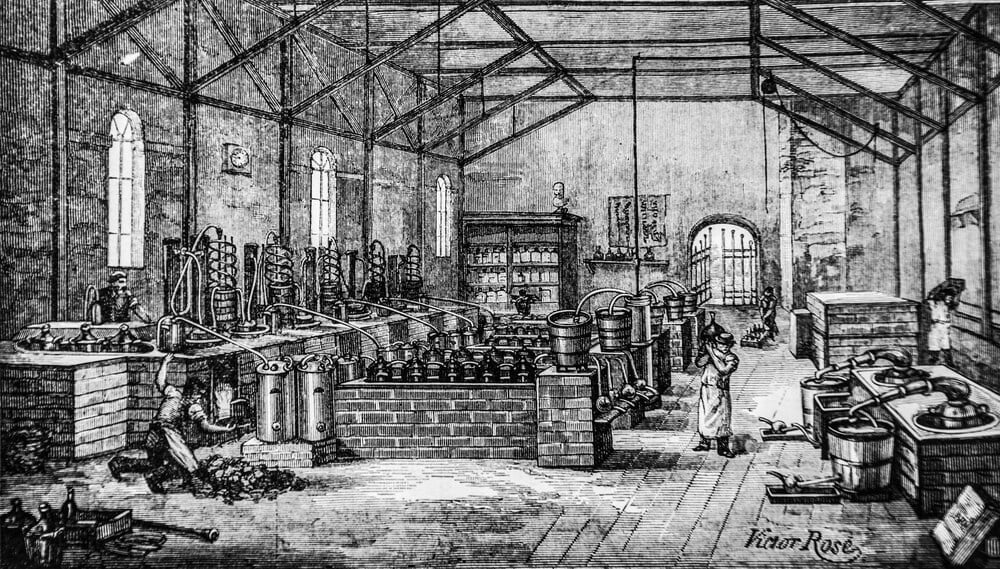
Photographs documenting experiments and research in early 20th-century scientific laboratories remained confined to institutional archives, rarely reproduced beyond specialist publications. When science history exhibitions began systematically incorporating these photographs, they revealed previously unknown female scientists, experimental methods, and technological evolution.
The decades-long gap between their creation and broad publication delayed recognition of women’s scientific contributions captured in these images.
Rock & Roll Concert Photography

Photographs of early rock and roll concerts from the 1950s-1960s were taken by professional and amateur photographers, yet many remained in personal collections or were lost entirely. Decades later, when music historians and museums began actively seeking photographs from this period, many images emerged from unexpected sources.
The delayed discovery and publication of comprehensive concert photography created ongoing revelations about performance practices and audience demographics.
Street Photography Archives
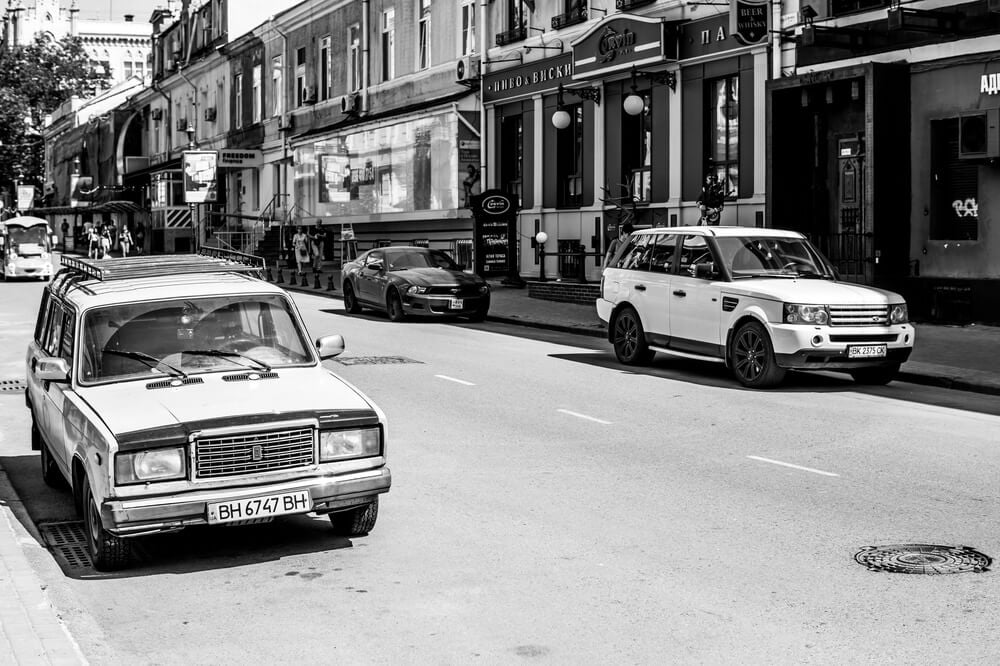
Contemporary street photographers of the 1960s-1980s produced extensive photographic series that remained unpublished because they lacked commercial appeal or narrative structure. Decades later, when photography museums and historical societies began recognizing street photography as a legitimate documentary genre, these archives emerged as valuable historical records.
The photographer’s visual interpretation of urban life, once considered insufficiently purposeful, gained recognition as genuine historical documentation.
Medical Photography Archives
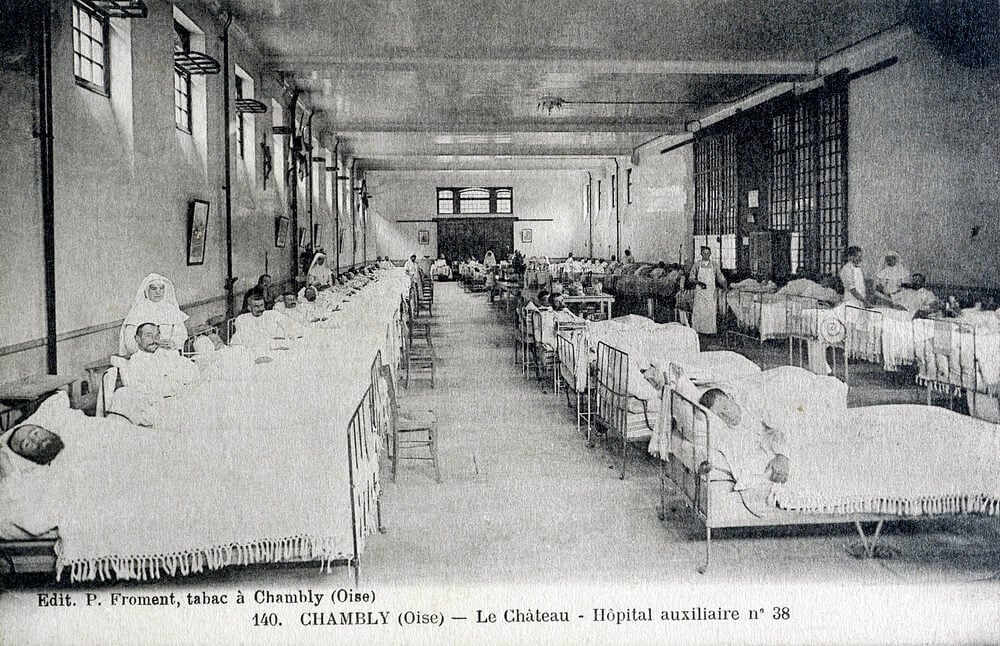
Photographs documenting medical conditions, procedures, and patient conditions were created for research and training purposes throughout the 20th century, yet remained restricted by privacy concerns and medical institutional gatekeeping. Decades later, when medical history researchers sought visual documentation of diagnostic evolution, these photographs proved invaluable despite ethical concerns about reproduction.
The delayed access revealed how photographic documentation shaped medical understanding.
Geological Survey Photographs
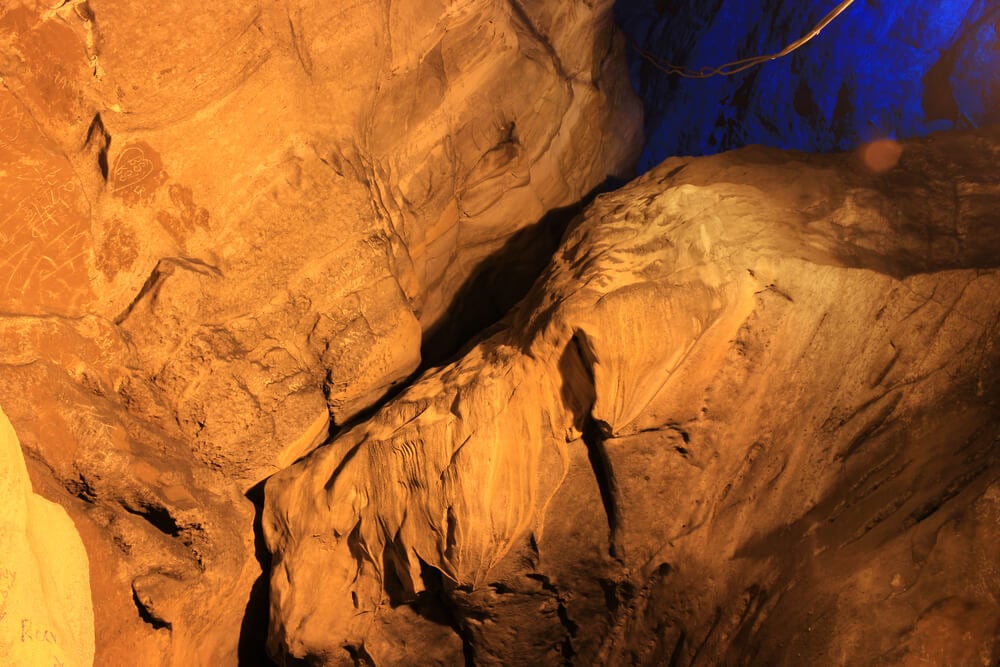
U.S. Geological Survey photographers documented landscape transformation and geological features throughout the 20th century, yet vast archives remained uncatalogued in institutional storage. Decades later, environmental historians recognized these photographs as invaluable documentation of pre-development landscapes and environmental change.
Digital projects scanning decades of accumulated slides and prints transformed geological documentation into visual environmental history previously unavailable to researchers.
Rediscovery’s Impact on Understanding
— Photo by V_Nikitenko
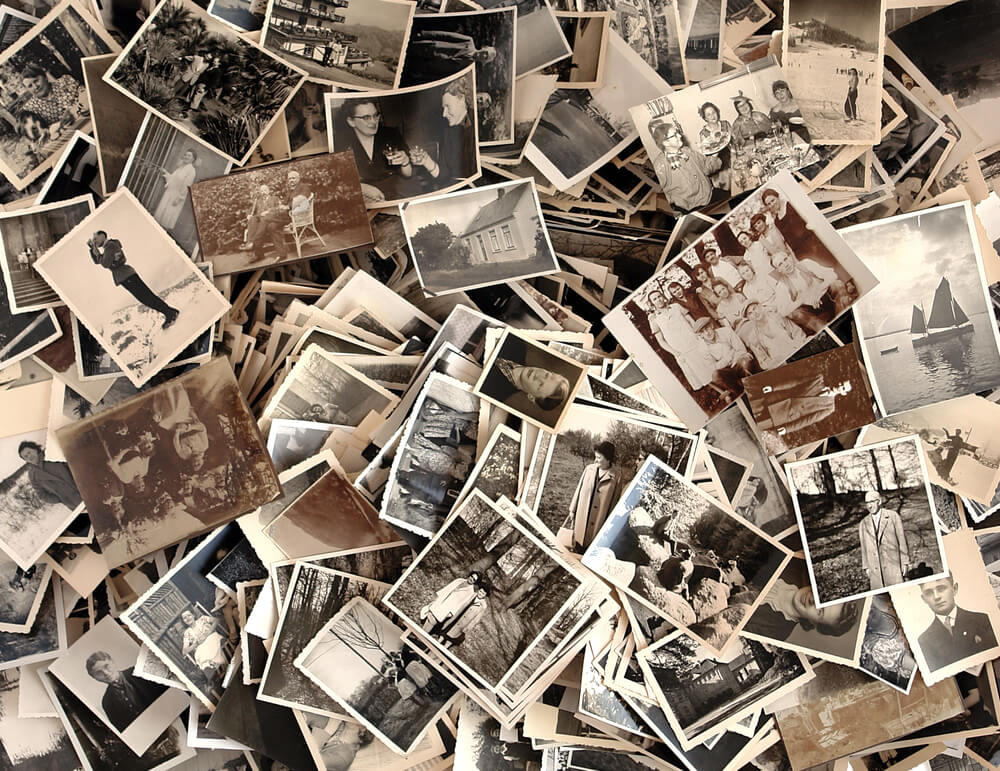
Photography’s power to preserve moments against time makes delayed publication particularly poignant—images frozen in 1945 remain visual testimony to forgotten circumstances, recovered decades later when they finally escape institutional or personal storage. The gap between creation and public release often reflects institutional power structures, technological limitations, and historical gatekeeping more than the photographs’ inherent significance.
Every delayed photograph represents a historical narrative suppressed or deferred, waiting for access conditions to finally align with research needs and public curiosity.
More from Go2Tutors!

- The Romanov Crown Jewels and Their Tragic Fate
- 13 Historical Mysteries That Science Still Can’t Solve
- Famous Hoaxes That Fooled the World for Years
- 15 Child Stars with Tragic Adult Lives
- 16 Famous Jewelry Pieces in History
Like Go2Tutors’s content? Follow us on MSN.