27 Real People Who Inspired Famous Fictional Characters
The best fictional characters often feel like they could be real—and sometimes, they nearly are. Authors have drawn inspiration from the people around them, historical figures they’ve encountered, or individuals whose lives seemed too dramatic to invent.
What results is a blend of reality and imagination that gives fictional creations an authenticity audiences can sense but might not fully understand. The following characters were shaped, directly or indirectly, by real people whose lives became the scaffolding upon which literary and cinematic icons were built.
Sherlock Holmes by Dr. Joseph Bell
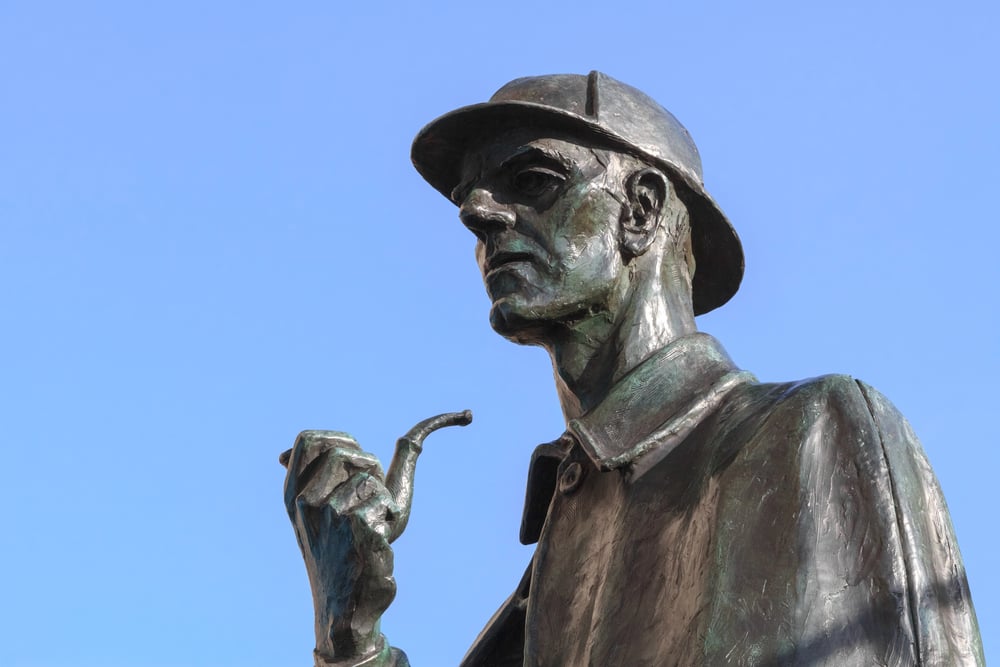
Sir Arthur Conan Doyle worked as a clerk for Dr. Joseph Bell at Edinburgh Royal Infirmary, where he witnessed the surgeon’s legendary deductive abilities. Bell could deduce a patient’s occupation, recent travels, and personal history through careful observation alone—a skill that became Holmes’s defining trait.
Doyle based Holmes’s methods directly on Bell’s approach to diagnosis and deduction, though Bell himself insisted that Doyle was actually the fictional detective.
Dr. Henry Littlejohn
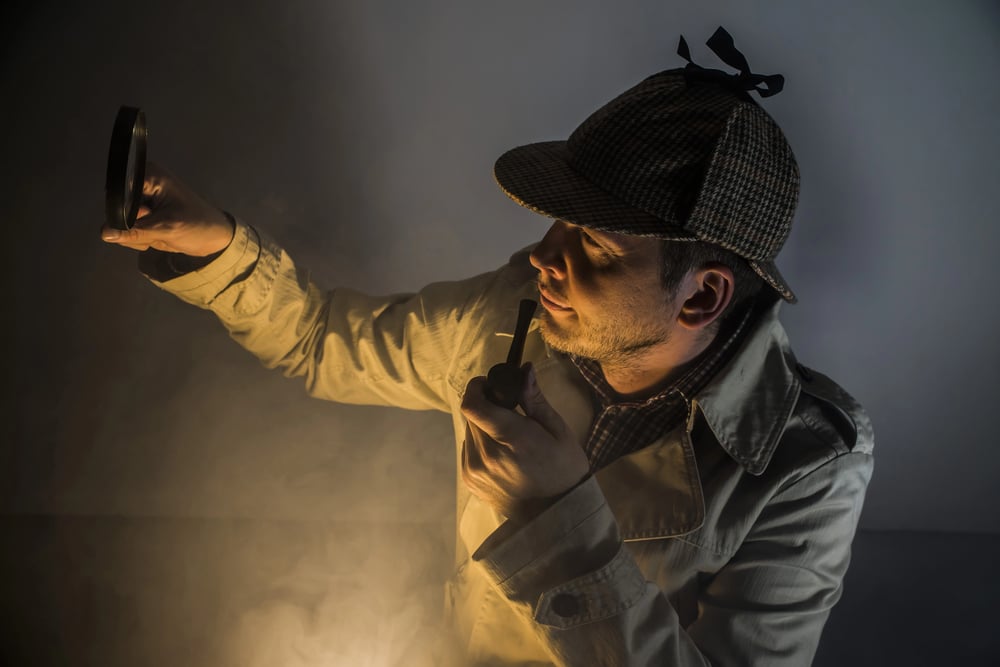
A second real inspiration for Sherlock Holmes was Dr. Henry Littlejohn, an Edinburgh forensic expert and medical officer. Littlejohn’s pioneering work linking medical science to criminal investigation influenced how Doyle portrayed Holmes’s scientific methodology and approach to solving crimes.
James Bond by Multiple Naval Intelligence Officers
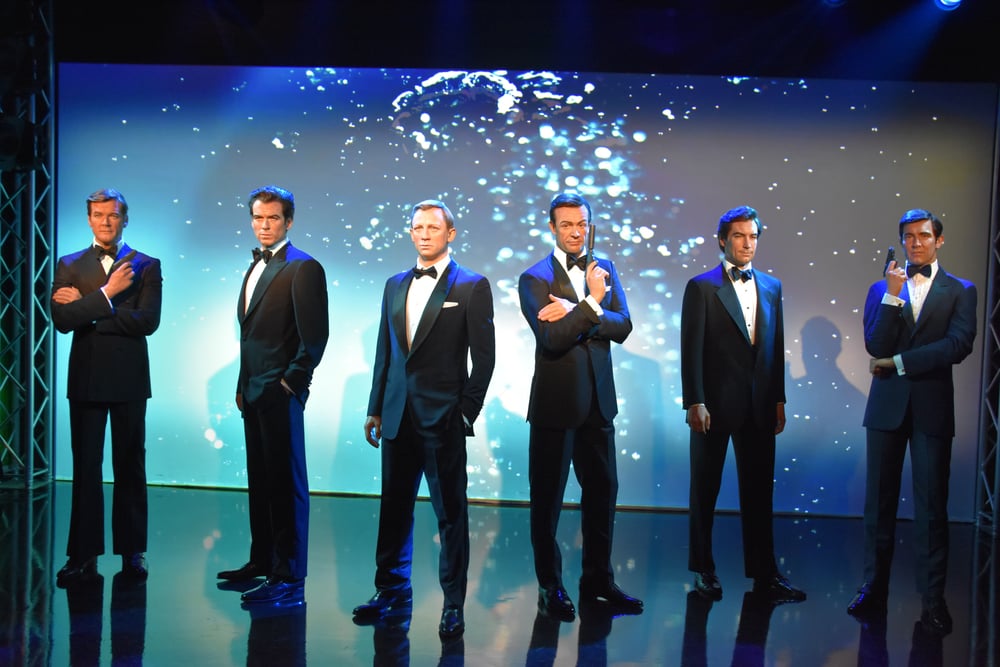
Ian Fleming didn’t base Bond on a single person but rather drew the character from multiple colleagues during his work in Naval Intelligence during World War II. Conrad O’Brien-Affrench, an elegant and daring intelligence officer, contributed Bond’s sophisticated personality and love of luxury.
Forest Yeo-Thomas, a brave SOE agent, provided Bond’s dangerous escapades and cool demeanor. The name itself came from an American ornithologist, James Bond, whose name Fleming thought perfectly suited a secret agent.
Dracula by Vlad III, the Impaler
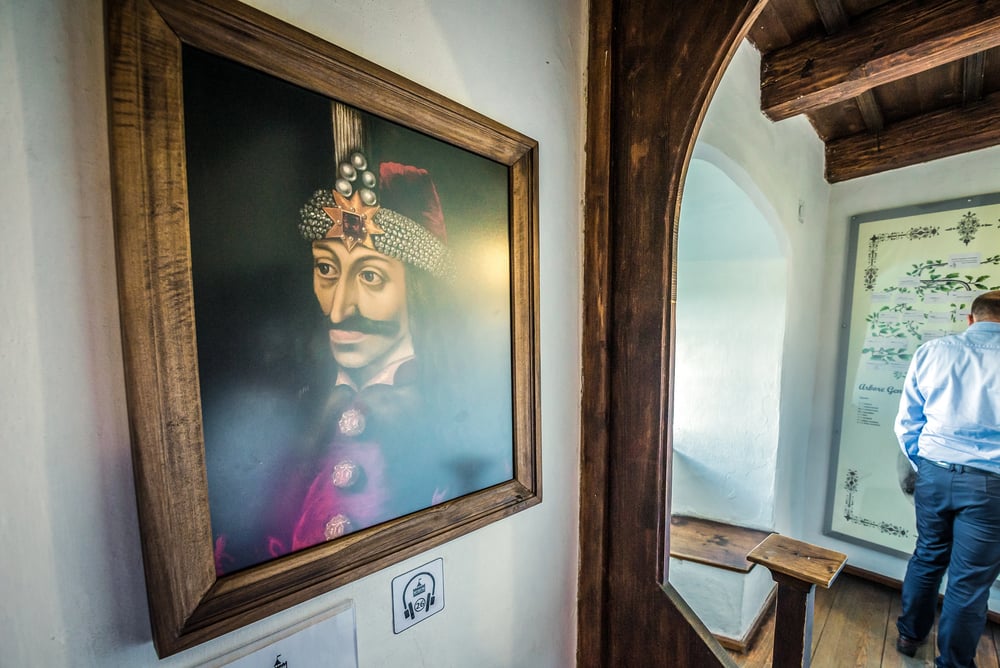
Bram Stoker based his vampire on a real historical figure: Vlad III of Wallachia, a 15th-century ruler known for his brutal impalement of enemies. Vlad’s nickname was “Dracula,” meaning “Son of the Dragon.”
Vlad allegedly killed over 20,000 Turks and was said to dine alongside impaled bodies—a reputation that captured Stoker’s imagination and shaped the character of history’s most famous vampire.
Dr. Hannibal Lecter by Dr. Alfredo Ballí Treviño
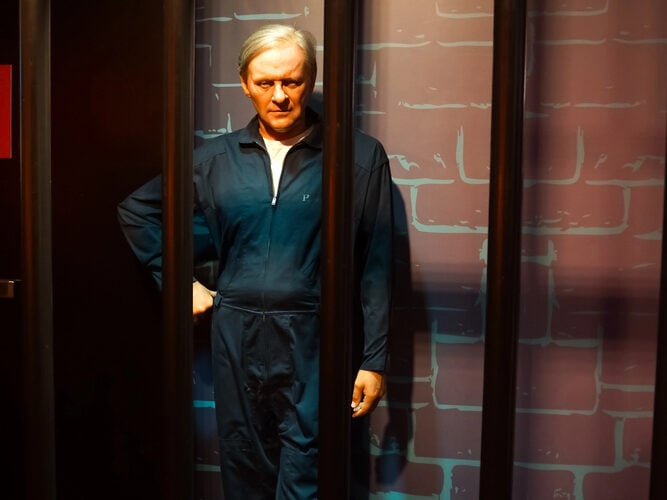
Thomas Harris based the cannibal psychiatrist on Dr. Alfredo Ballí Treviño, a Mexican surgeon Harris encountered while researching in a Mexican prison in the 1960s. Treviño was imprisoned for murdering his lover and colleague.
Harris was struck by Treviño’s unsettling charm and sophisticated cruelty, which became the template for Lecter’s calculated menace and refined persona.
Indiana Jones by Roy Chapman Andrews

George Lucas drew inspiration for Indiana Jones from Roy Chapman Andrews, a real-life paleontologist and explorer who led expeditions across Asia. Andrews began his career as a janitor at the American Museum of Natural History before becoming a celebrated adventurer known for discovering dinosaur fossils, leading expeditions, and collecting rare specimens—all elements that shaped Jones’s character.
Mary Poppins by Helen Morehead
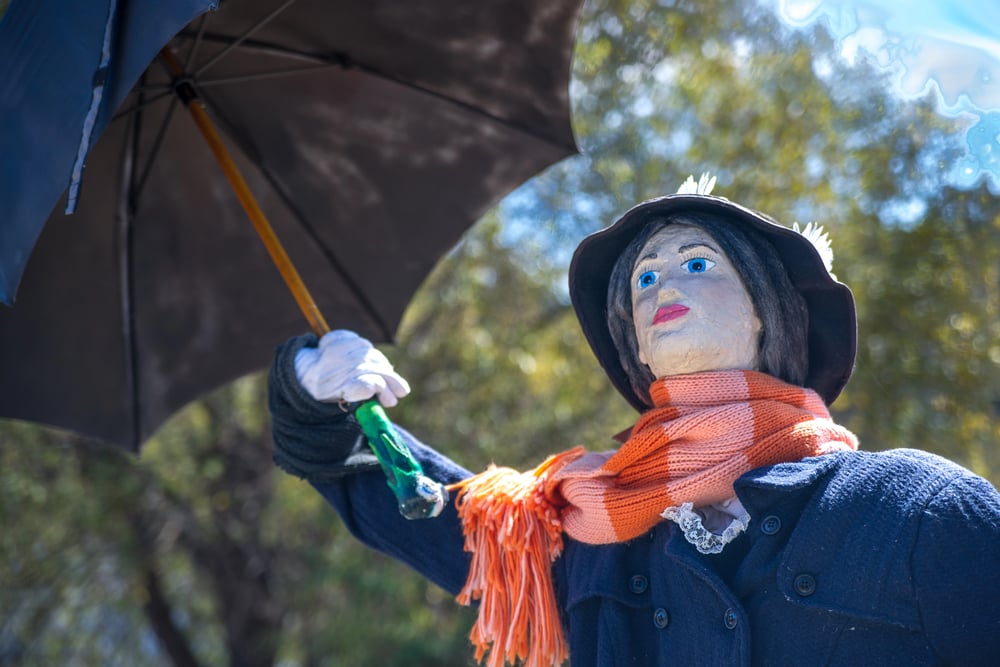
P.L. Travers based Mary Poppins on her great-aunt Helen Morehead, a woman known for her strict but loving nature. Morehead’s combination of intimidating demeanor and deep care for children provided the template for one of literature’s most memorable characters.
While Morehead couldn’t float with an umbrella, her firm yet caring presence shaped Poppins’s dual nature.
Carrie Bradshaw by Candace Bushnell

Candace Bushnell created Carrie Bradshaw for her column in the New York Observer, where she used the pseudonym to discuss her own dating life and experiences in Manhattan anonymously. The character became the basis for HBO’s hit series, transforming Bushnell’s real personal experiences into one of television’s most iconic characters.
Travis Bickle by Arthur Bremer

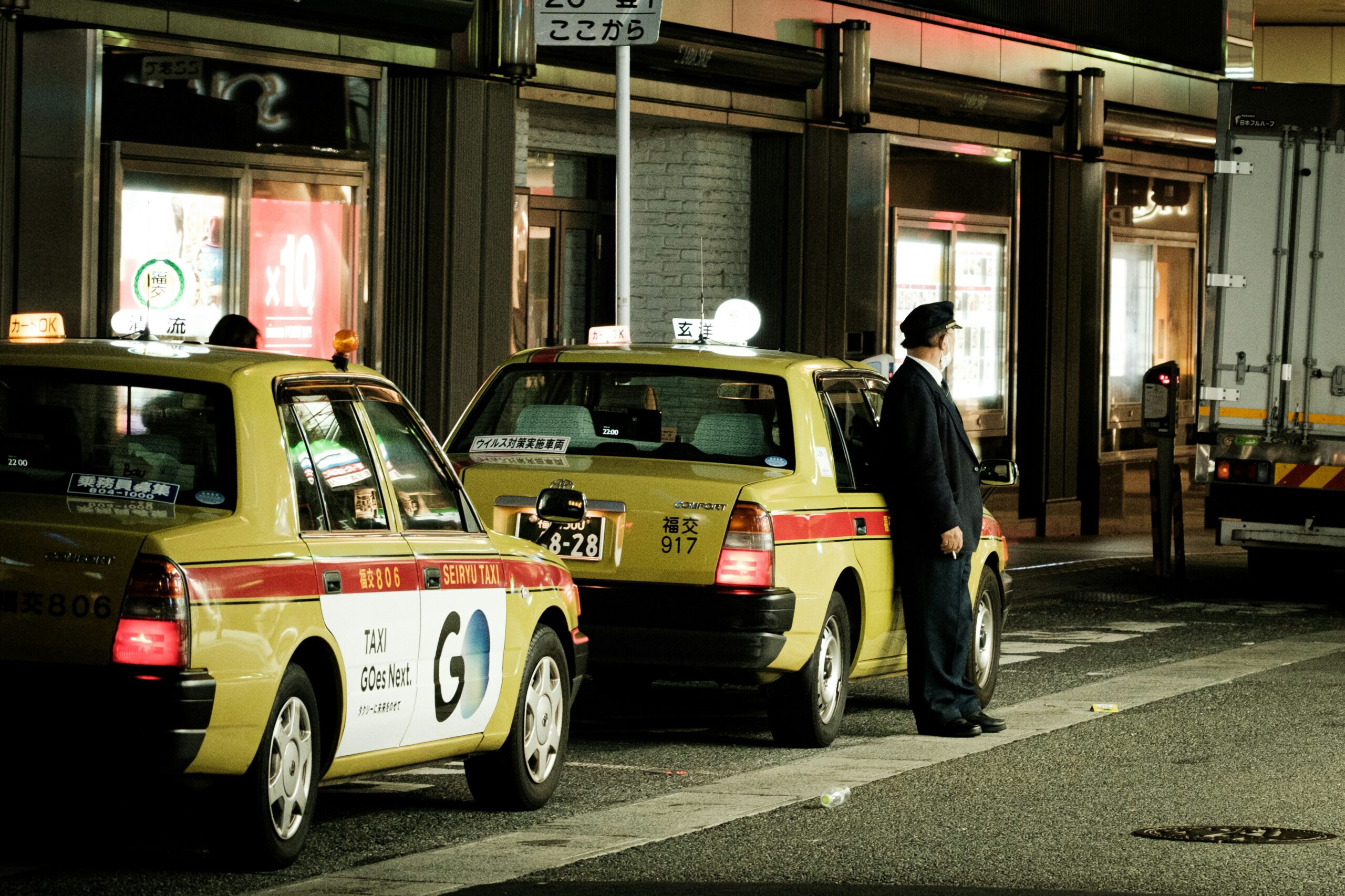
Paul Schrader based the mentally unstable protagonist of Taxi Driver on Arthur Bremer, a man who attempted to assassinate presidential candidate George Wallace in 1972. Bremer’s diary entries and erratic behavior informed Bickle’s psychology and alienation, creating a disturbing portrait of urban isolation and radicalization.
The Llewelyn Davies Boys by J.M. Barrie
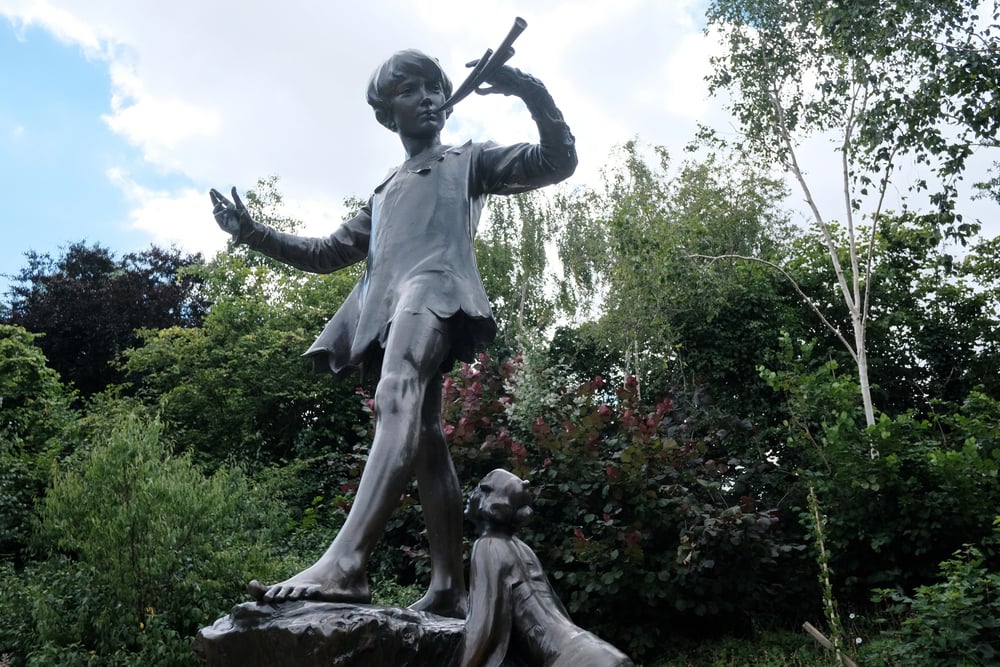
J.M. Barrie based Peter Pan and the Lost Boys on the Llewelyn Davies family—specifically George, John, Peter, Michael, and Nicholas. Barrie’s close friendship with the Davies family provided the inspiration for Peter Pan’s youthful spirit and mischief, with the Lost Boys taking the actual family members’ names and personalities.
Homer Simpson by Matt Groening’s Father
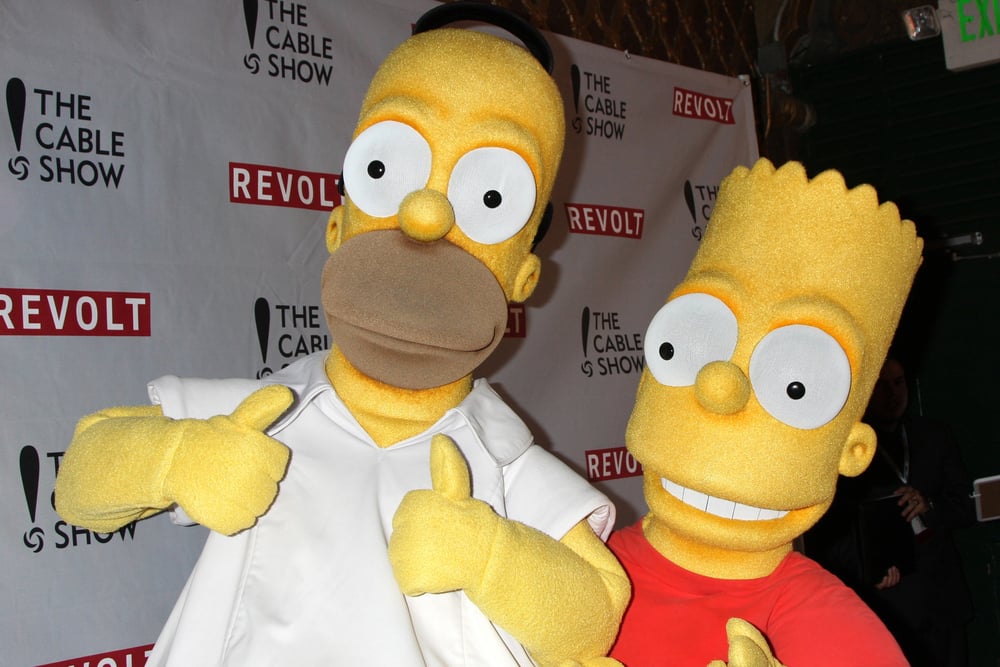
Matt Groening modeled Homer Simpson on his own father, Homer Jay Groening, a cartoonist and advertiser. The character’s combination of bumbling incompetence with genuine fatherly love and stupidity reflected Groening’s observations of his own father.
Shrek by Maurice Tillet
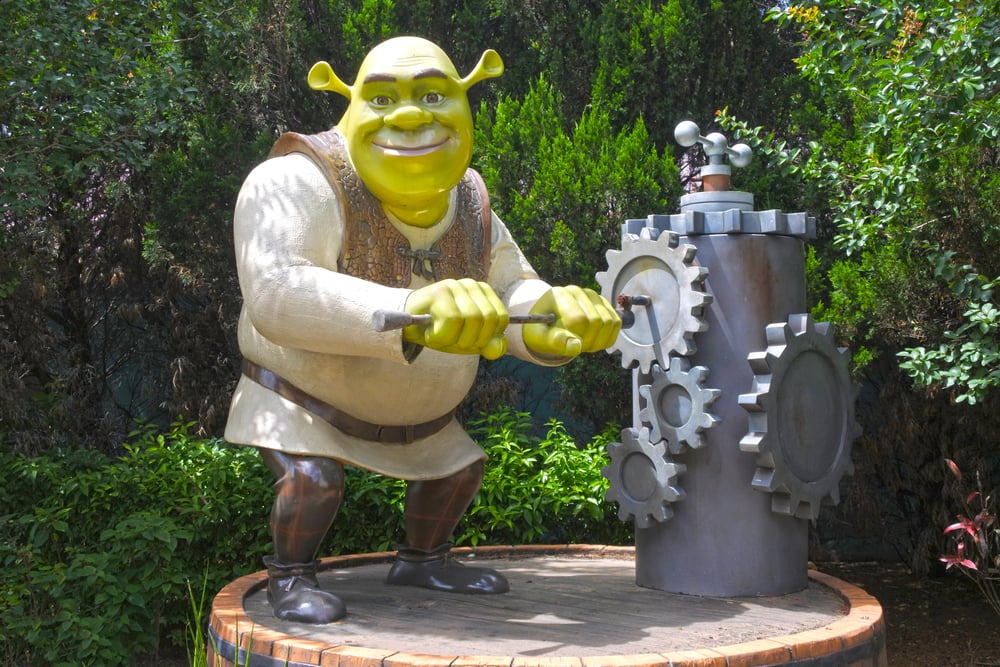
The character of Shrek was likely inspired by Maurice Tillet, a professional wrestler with acromegaly, a condition that enlarged his facial features. Tillet was known for his gentle nature despite his imposing appearance—qualities that define Shrek’s character as a misunderstood but kindhearted ogre.
Cosmo Kramer by Kenny Kramer
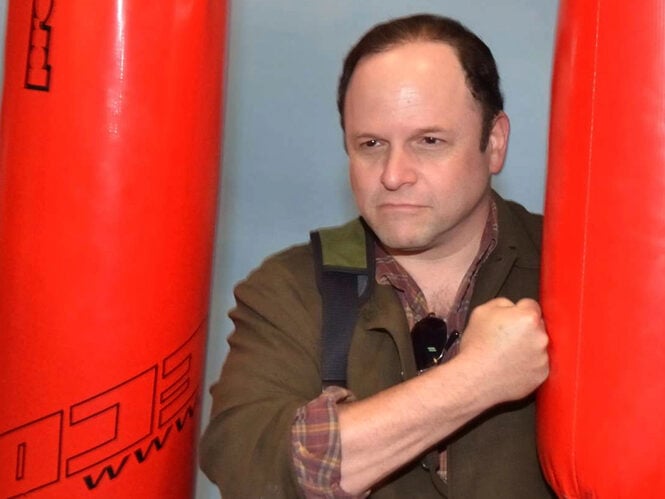
Seinfeld’s Cosmo Kramer was based on an actual neighbor of co-creator Larry David. The real Kenny Kramer was an invasive but compelling neighbor who inspired the character’s eccentric personality and unpredictable entrances into the apartment.
Charles Foster Kane by William Randolph Hearst
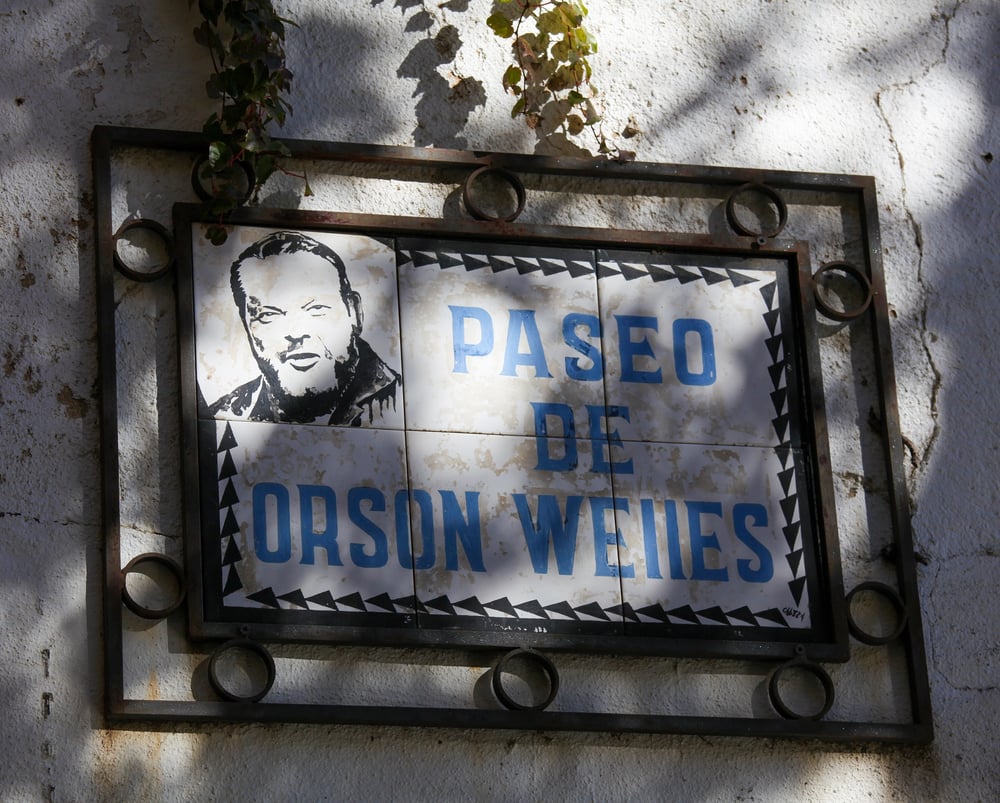
Orson Welles’s Citizen Kane drew heavily on the life of newspaper mogul William Randolph Hearst. Kane’s rise to power, accumulation of wealth, and eventual isolation mirrored Hearst’s actual career.
Hearst was so infuriated by the portrayal that he pressured studios to bury the film.
Valerie Solanas Inspired Multiple Characters
The radical feminist and artist Valerie Solanas, who shot Andy Warhol, inspired or influenced characters in multiple works, including elements of Scorsese’s Taxi Driver and other 1970s culture reflecting her radical ideology and actions.
Erin Brockovich by Herself
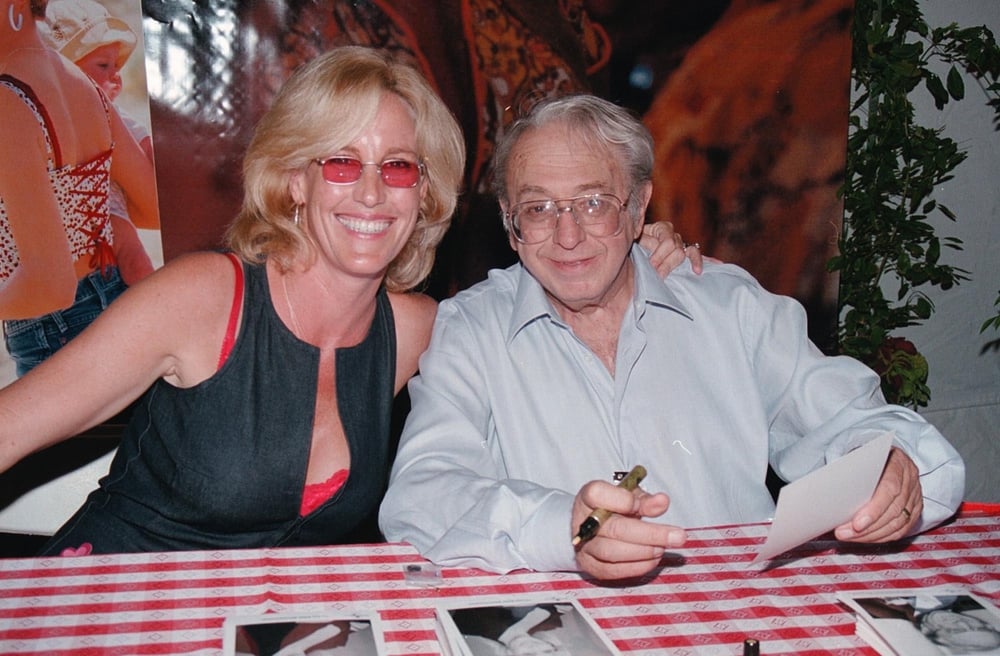
Erin Brockovich directly inspired the Julia Roberts film of the same name—based on the real legal assistant who helped expose corporate pollution while underdressed and underestimated by lawyers who didn’t believe in her.
Forrest Gump by Several People
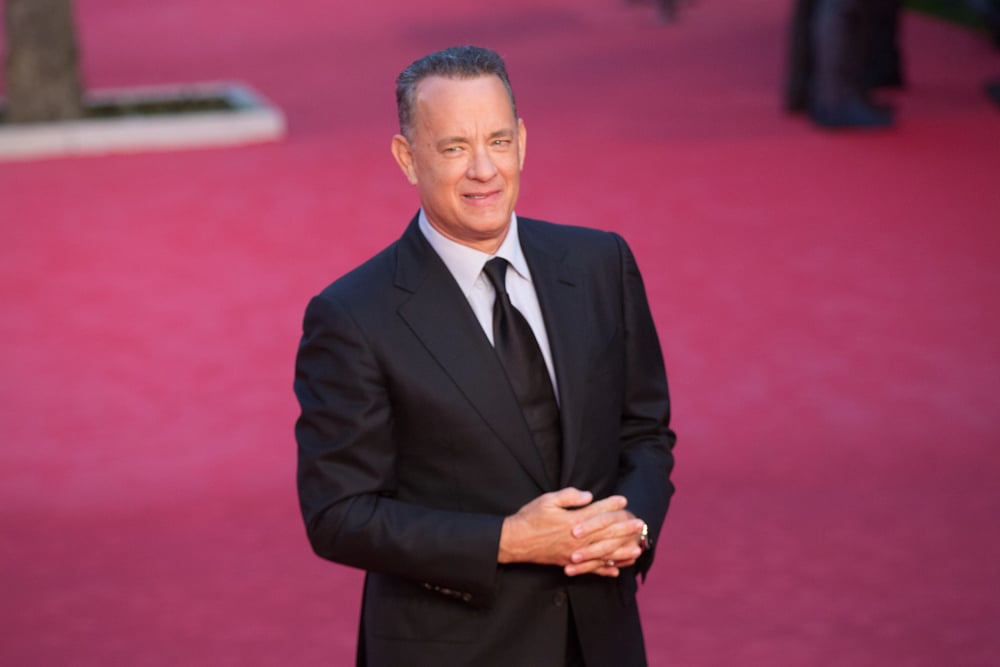
Director Robert Zemeckis drew inspiration for Forrest Gump from multiple sources, including his own family members and historical figures, creating a character that embodied American optimism while being fundamentally naive.
Captain Ahab by Contemporary Whalers
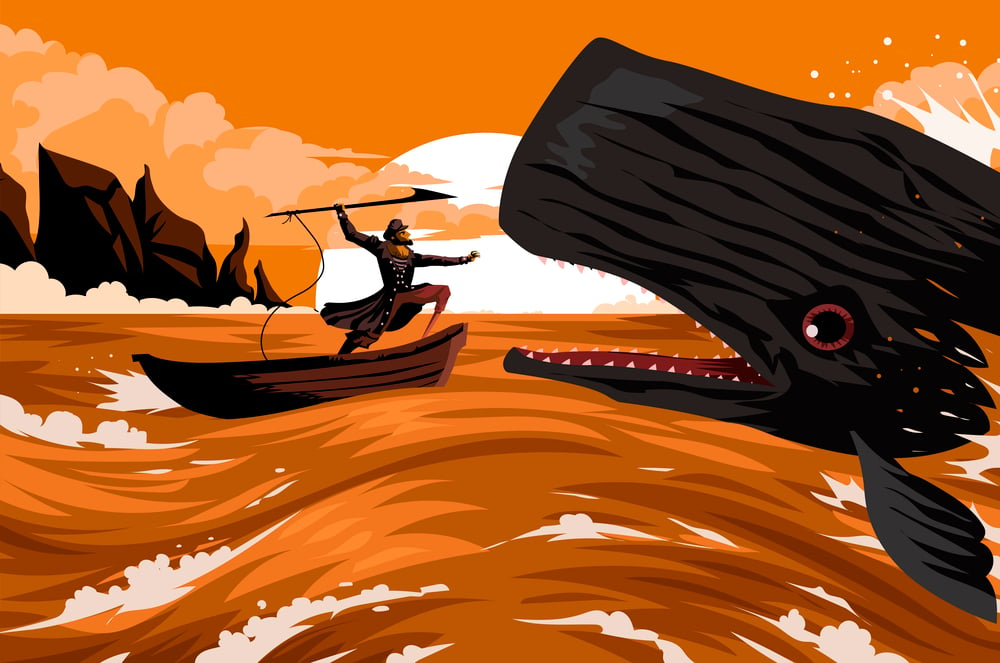
Herman Melville based Captain Ahab on accounts of real whaling captains and incidents, particularly the true story of the Essex, a whaling ship destroyed by a white whale in 1820.
Clarice Starling by Real FBI Agents
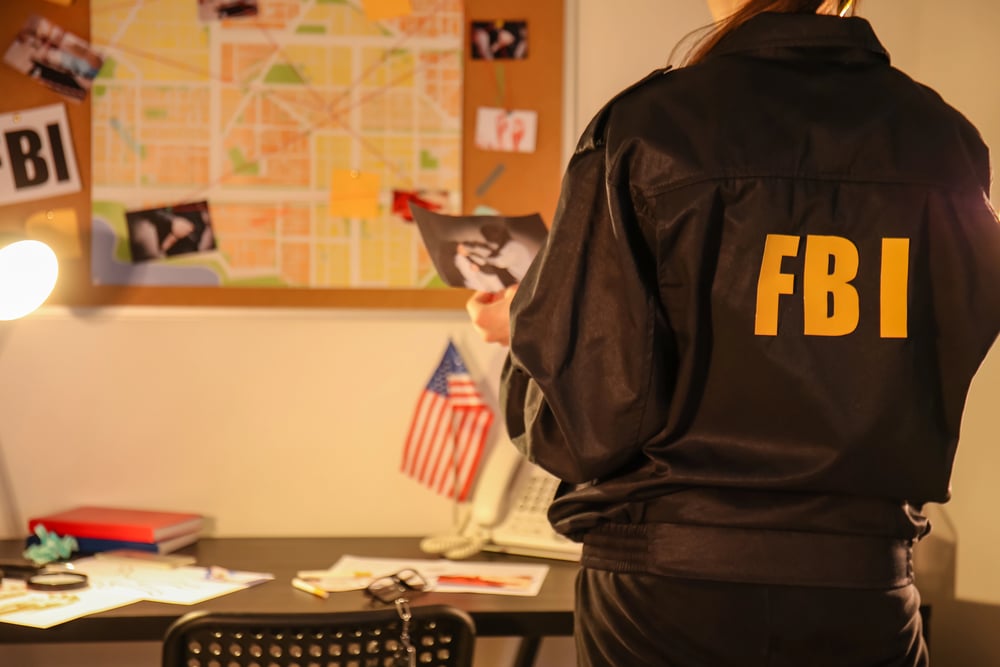
Thomas Harris created Clarice Starling drawing on interviews with real female FBI agents, capturing their professional expertise and the gender dynamics they faced in law enforcement.
The Joker by Various Criminal Figures
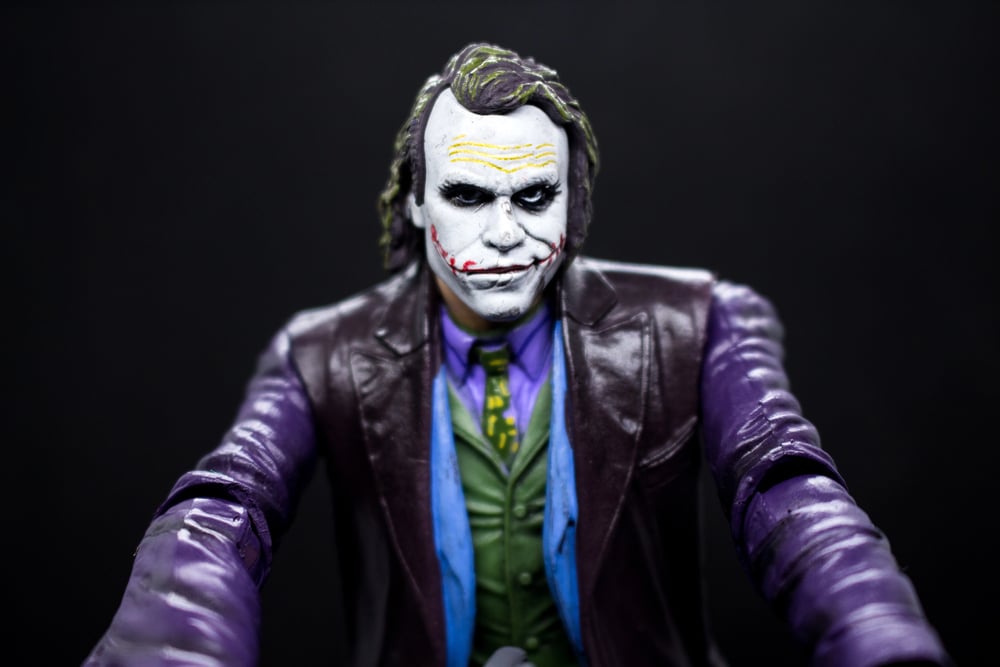
While not based on one person, the Joker character has been influenced by portrayals of various criminal psychopaths, anarchists, and figures from history and contemporary crime.
Sweeney Todd by Benjamin Barker
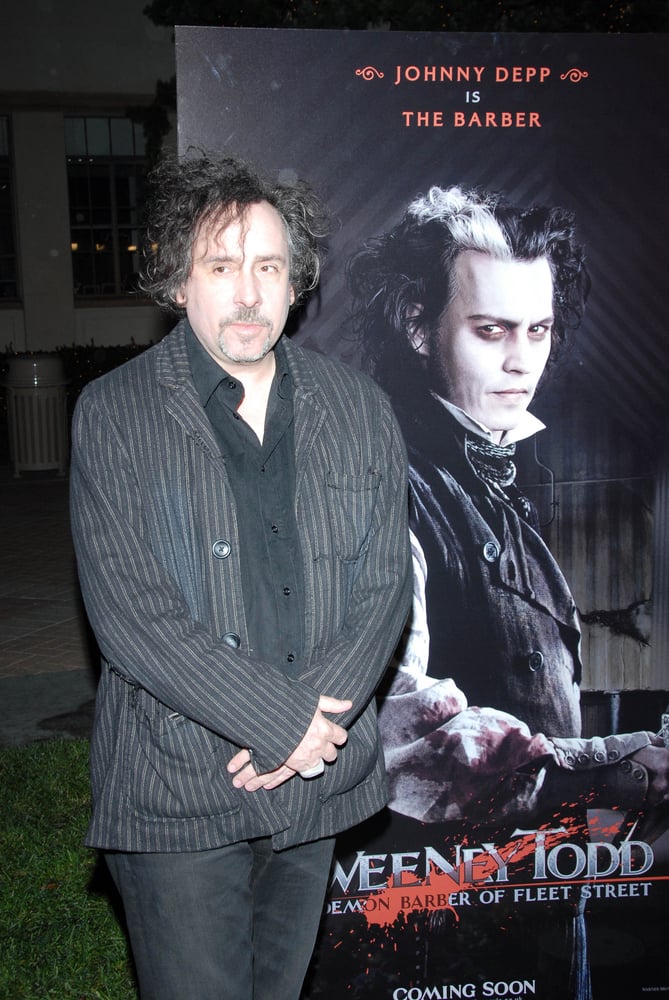
The fictional barber-murderer Sweeney Todd was inspired by various 19th-century urban legends and possibly real criminals from London history, though the exact inspiration remains debated. (Benjamin Barker is the fictional backstory given to Todd in Sondheim’s musical adaptation.)
Count Vronsky by Leo Tolstoy’s Observations
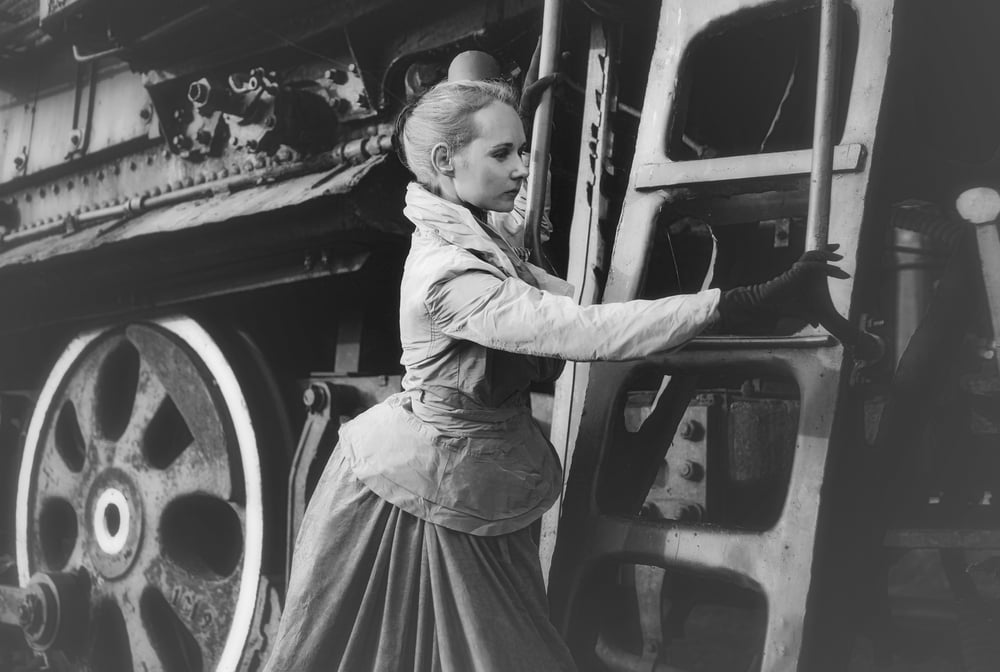
Tolstoy based characters in Anna Karenina on people he knew in Russian society, particularly military officers and aristocrats he observed during his own life.
Dorian Gray by Oscar Wilde’s Social Circles
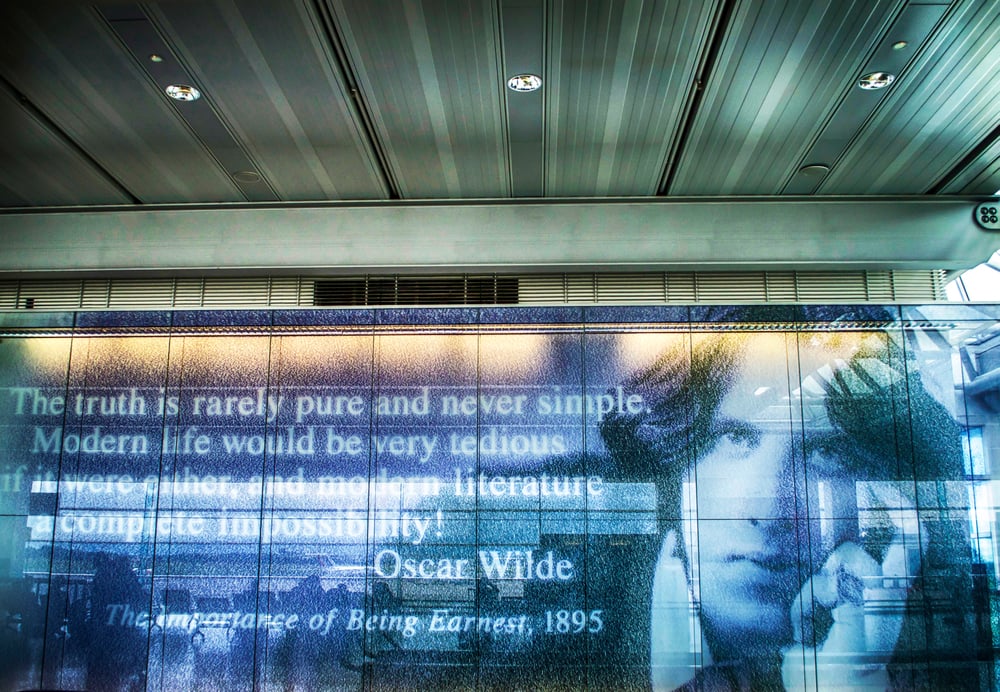
Oscar Wilde drew inspiration for The Picture of Dorian Gray from beautiful young men in London’s bohemian art circles, particularly figures like John Gray and Bosie Douglas.
Captain Hook by Specific Historical Pirates
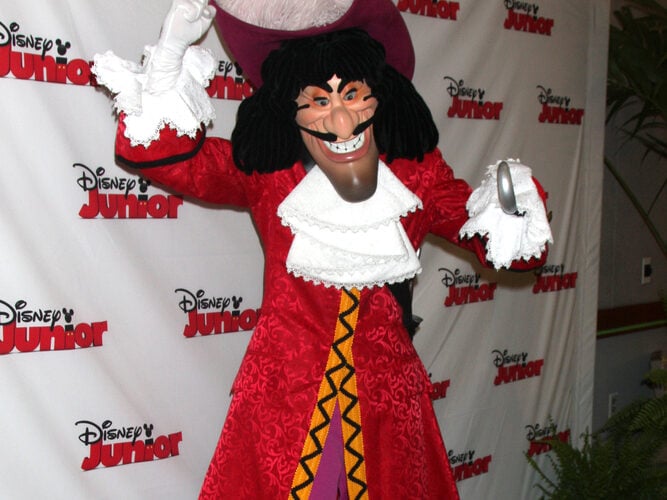
The character of Captain Hook drew from accounts of actual pirates and historical piracy, though created as a literary invention by J.M. Barrie.
Scarlett O’Hara by Multiple Southern Women

Margaret Mitchell drew inspiration for Scarlett O’Hara from multiple strong-willed women of the American South, creating a composite character that embodied various real personalities she encountered.
Tony Soprano by Real Organized Crime Figures
David Chase based the protagonist of The Sopranos on interviews and accounts of actual organized crime figures, therapeutic situations, and real New Jersey mob history.
Holden Caulfield by Salinger’s Own Youth
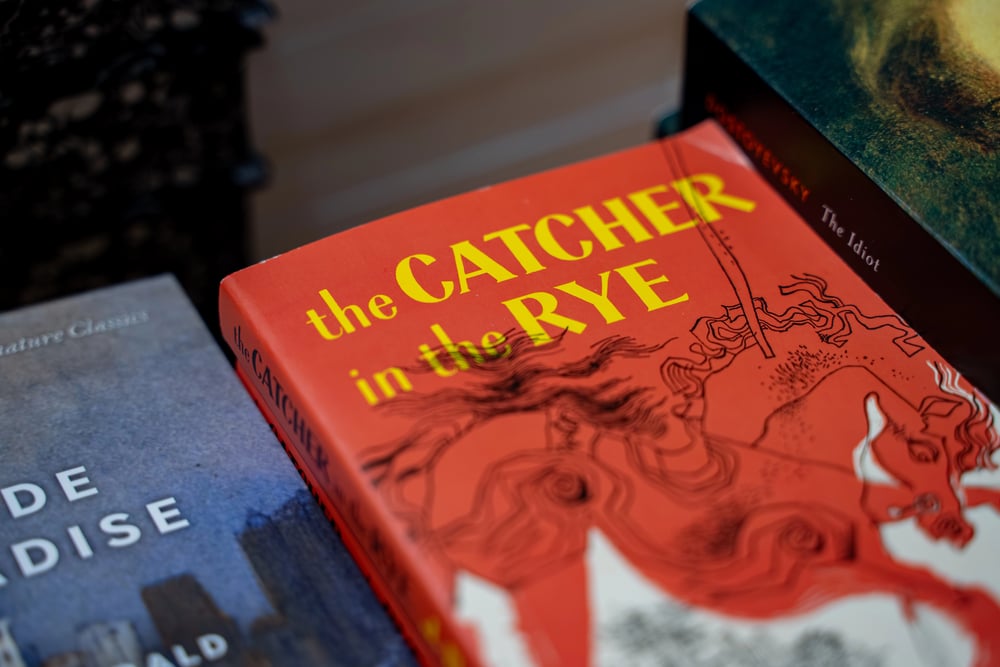
J.D. Salinger based Holden Caulfield partially on his own experiences and observations of alienated youth, creating a character that reflected the author’s own disaffection and New York experiences.
When Fiction Meets Reality
These characters demonstrate how the line between invention and observation remains permeable. Authors don’t create from nothing; they observe, absorb, and transform real people into fictional versions that capture essential truths about human nature while removing identifying details.
The result is a character that feels authentic because it contains authenticity—the real experiences and personalities of actual people filtered through imagination and craft. Readers sense this authenticity without understanding its source, which is why these characters endure while purely invented ones fade.
More from Go2Tutors!

- The Romanov Crown Jewels and Their Tragic Fate
- 13 Historical Mysteries That Science Still Can’t Solve
- Famous Hoaxes That Fooled the World for Years
- 15 Child Stars with Tragic Adult Lives
- 16 Famous Jewelry Pieces in History
Like Go2Tutors’s content? Follow us on MSN.



