27 Reasons the Town Parade Was the One Day the Whole Community Stopped What It Was Doing
Most towns have one day a year when the usual logic of the place suspends itself completely. Businesses close without apology. People who have lived within two streets of each other for a decade and have never spoken end up standing on the same pavement for two hours, watching the same thing go past.
The town parade is that day, and it produces a peculiar, temporary feeling that no other event quite replicates. What makes it stick in memory isn’t the floats or the marching bands or whatever dignitaries happen to be waving from a slow-moving vehicle.
It’s the fact that the whole town agreed, without much discussion, to show up and stand in the same place at the same time. That agreement is rarer than it looks.
Every Business Closed at the Same Hour
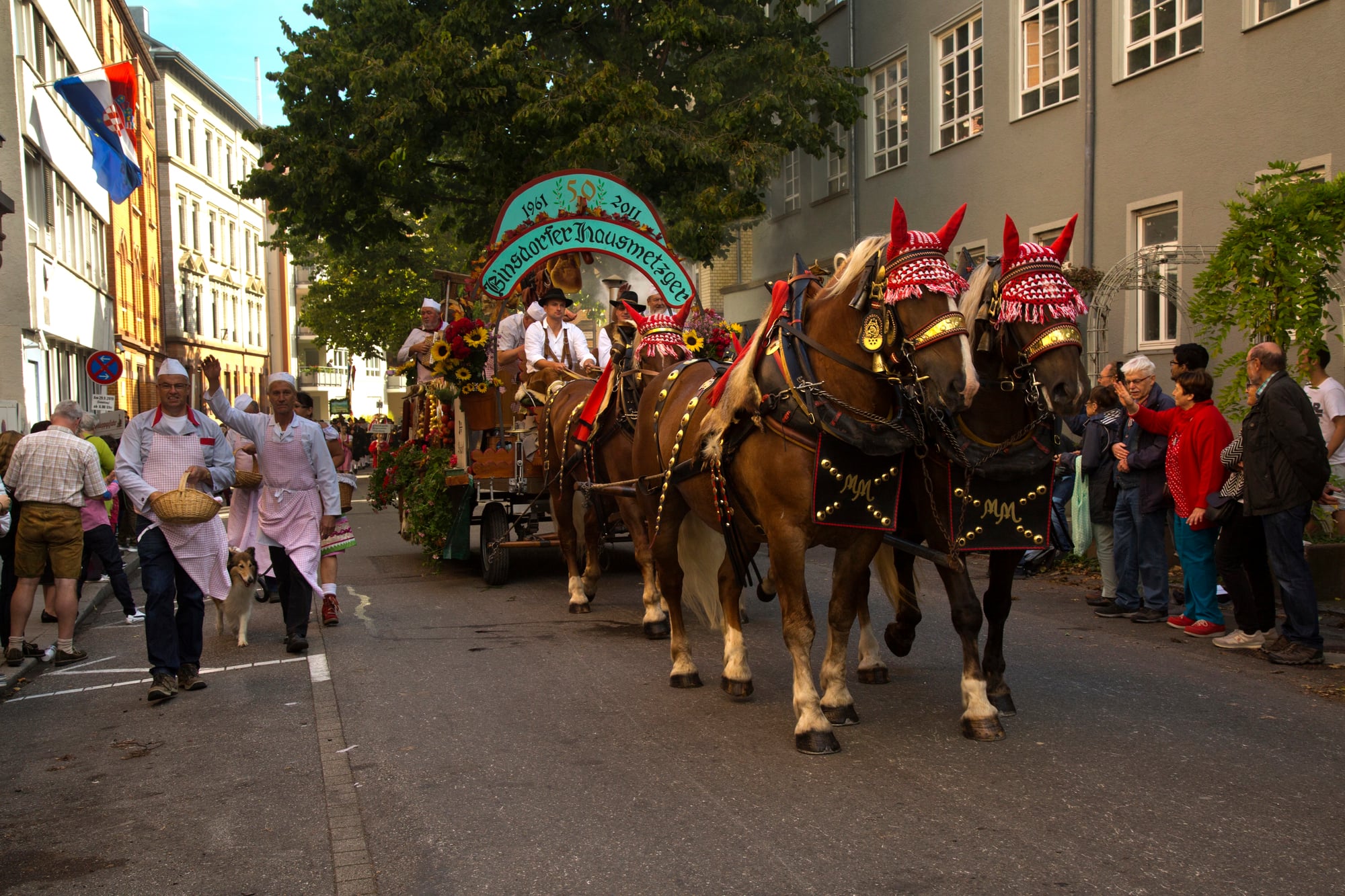
For a parade to work, the town had to actually stop. Shops locked up. Offices put a note on the door.
The hardware store that was open 363 days a year pulled down its shutter. The collective decision to halt commerce for a few hours communicated something about priority that no speech could have said more clearly.
The Route Was Announced as if Anyone Needed Reminding
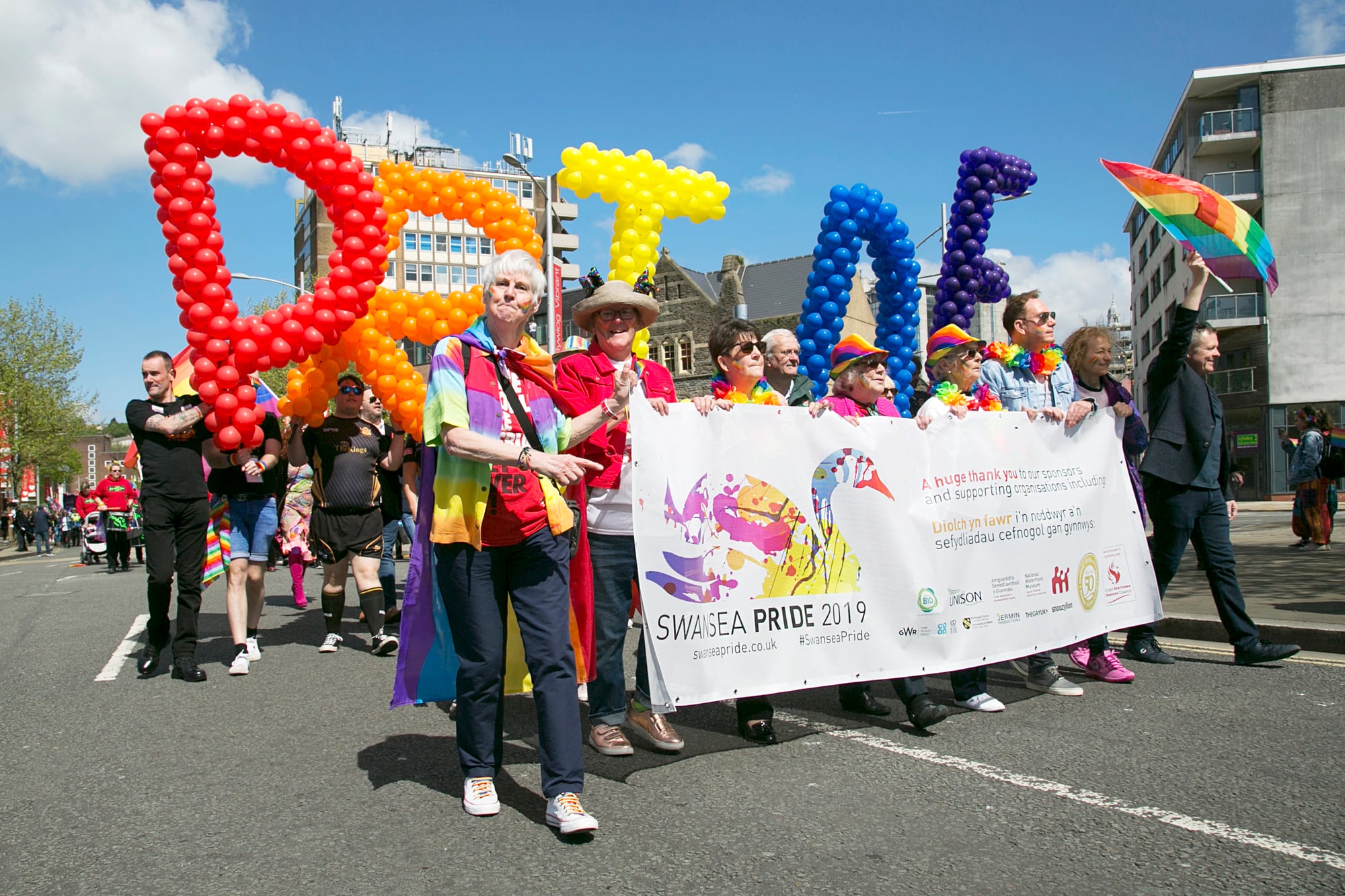
People who had lived in the same town for thirty years and had stood at the same corner for thirty parades still consulted the flyer about the route. The route never changed.
Main Street was always involved. But the announcement gave the event an official quality that mattered — it meant this was happening, on record, with the town’s formal blessing.
Children Were Positioned at the Front Without Discussion
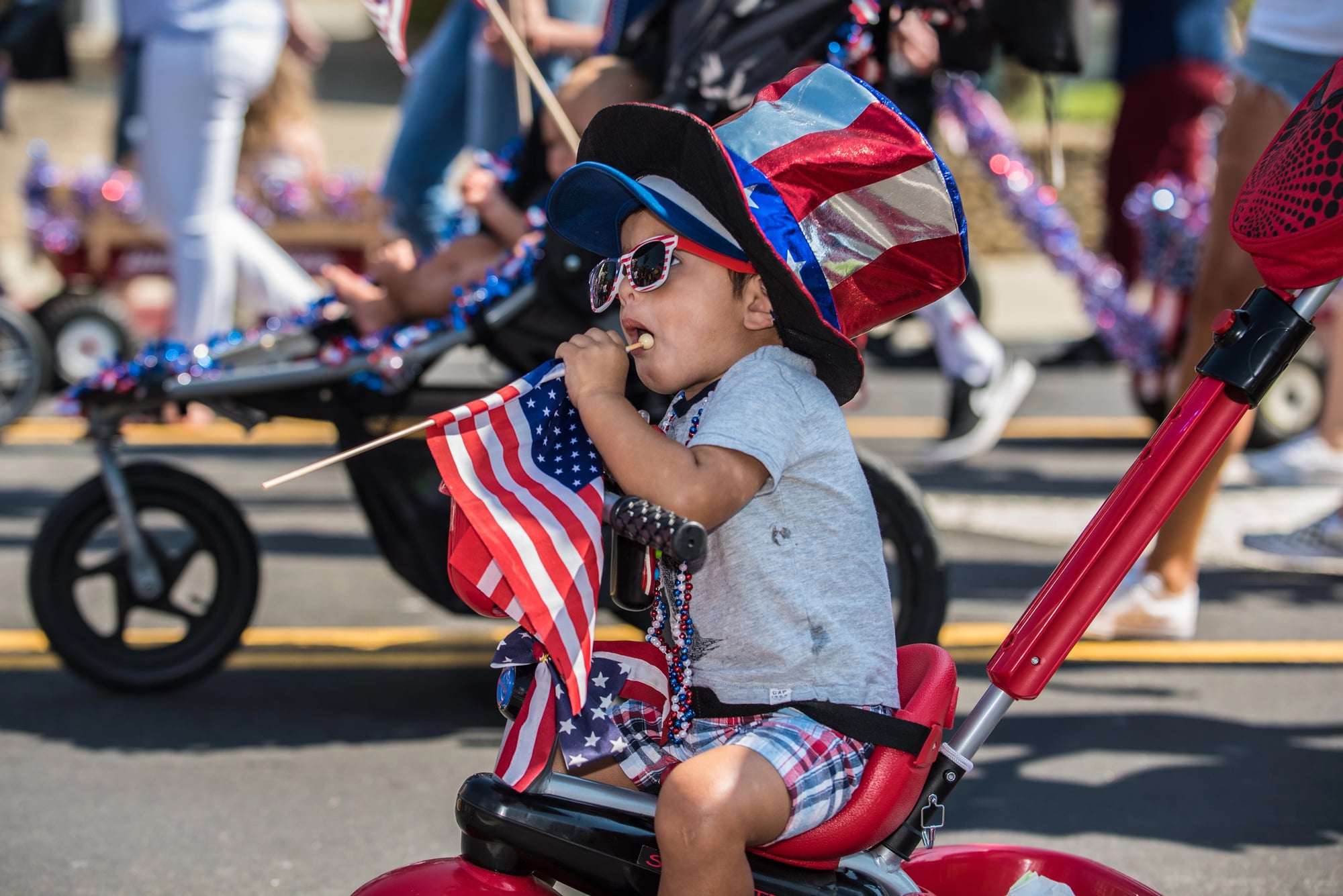
Nobody organised this. It simply happened.
Adults moved back. Children appeared at the edge of the pavement, sitting cross-legged or pressing against a rope that may or may not have been erected for that purpose.
The entire town silently agreed that children should have the best view, and acted accordingly.
The High School Band Practised for Weeks in Advance
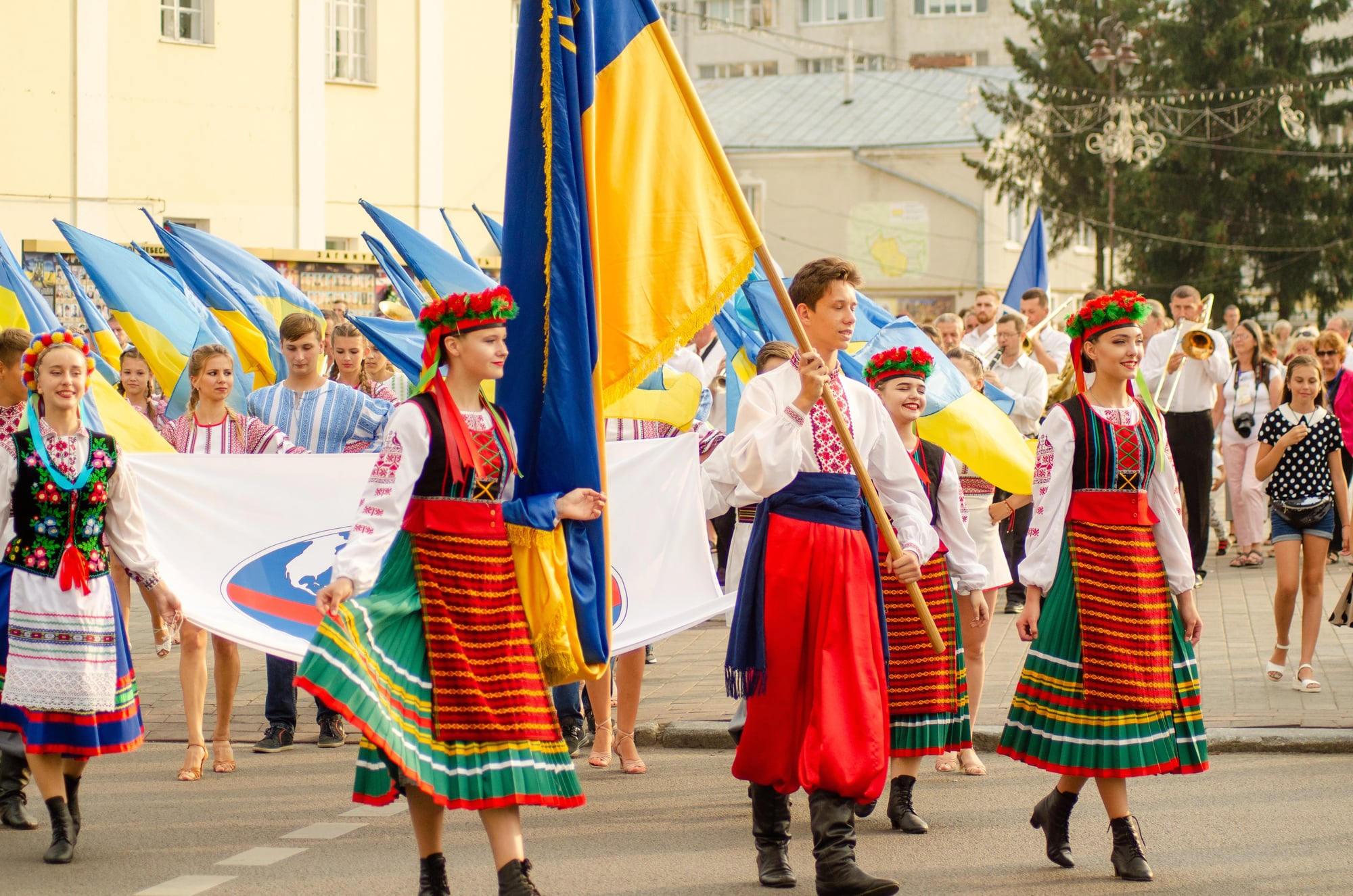
The marching band rehearsed the same three or four songs with an intensity that was out of proportion to any other activity at the school. The parade was the only public performance that mattered.
The band took the turn from the side street onto Main Street as if coming out of a tunnel into a stadium, and the crowd responded accordingly.
People Brought Lawn Chairs They Had Owned for Twenty Years
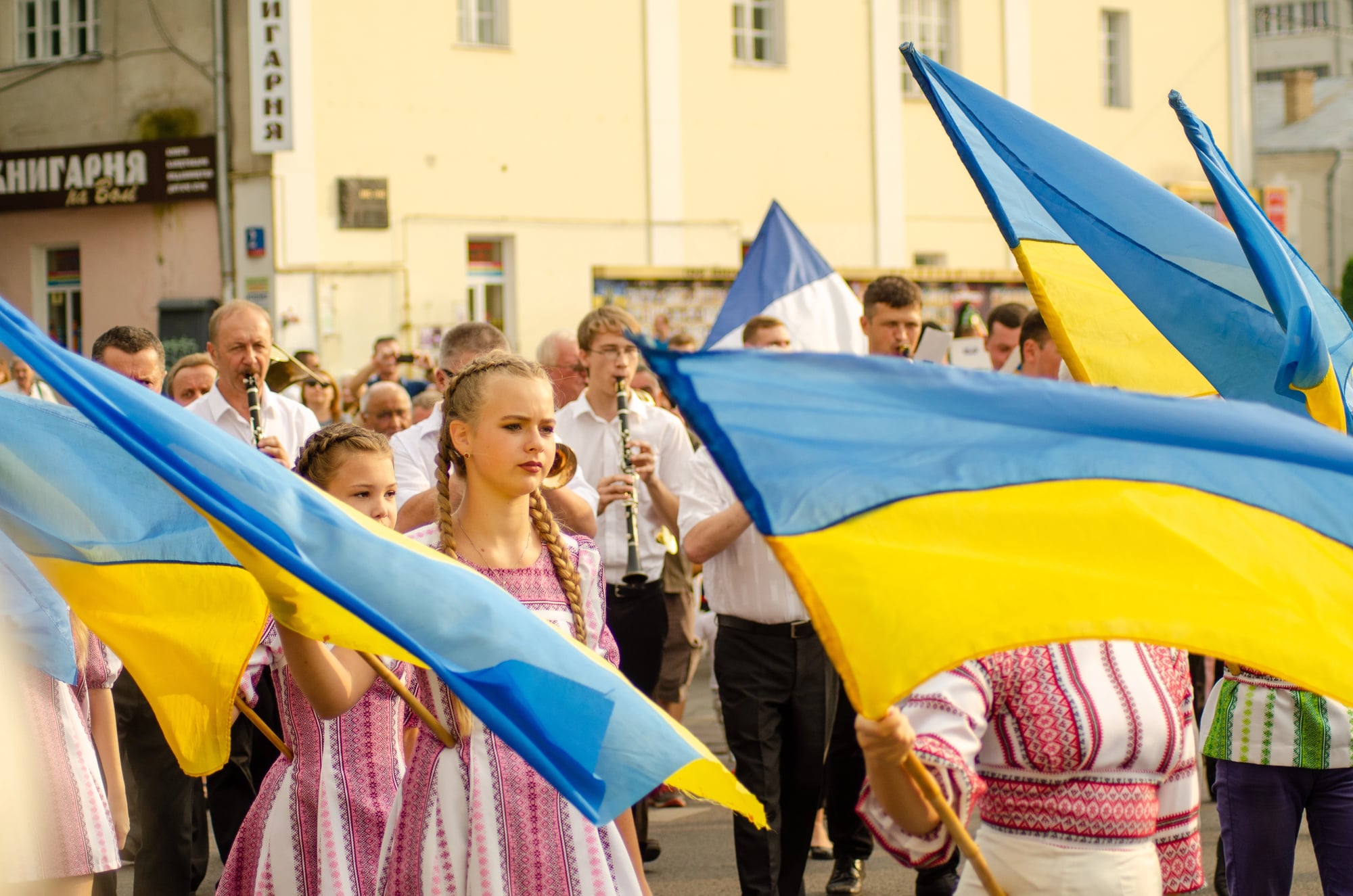
Folding chairs came out of garages and basements with the specific purpose of parade viewing. Some families brought the same chairs every year, positioning them at the same spot, arriving at the same time.
The ritual of setting up was as important as the parade itself.
The Fire Department Was Taken More Seriously Than Any Other Day
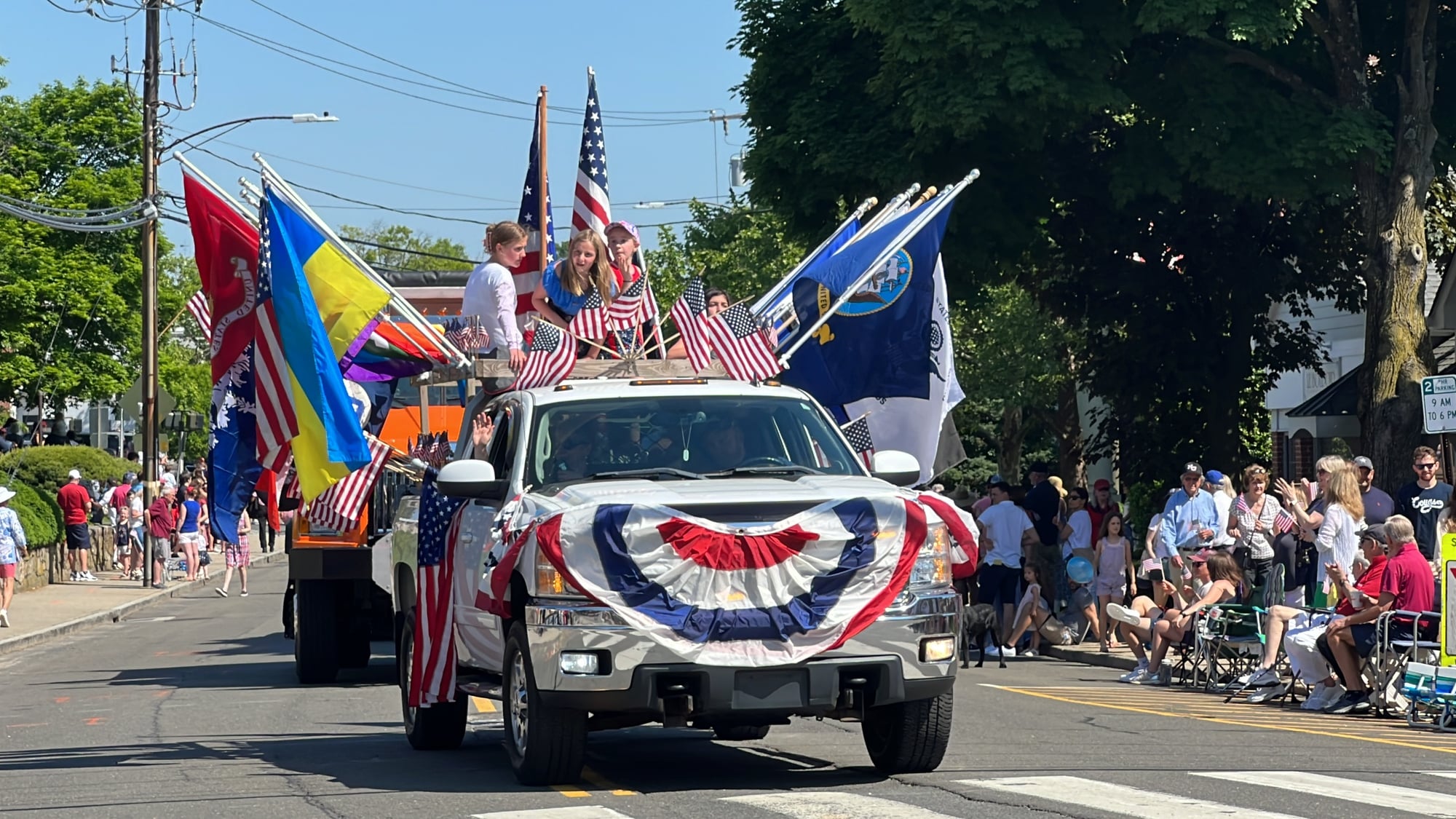
Firefighters drove slowly past in trucks that had been washed for the occasion. Children who had walked past the fire station a hundred times without giving it a thought now waved with genuine enthusiasm.
The parade bestowed significance on ordinary institutions by putting them in front of the whole town at once.
Someone Always Threw Sweets Into the Crowd From a Float
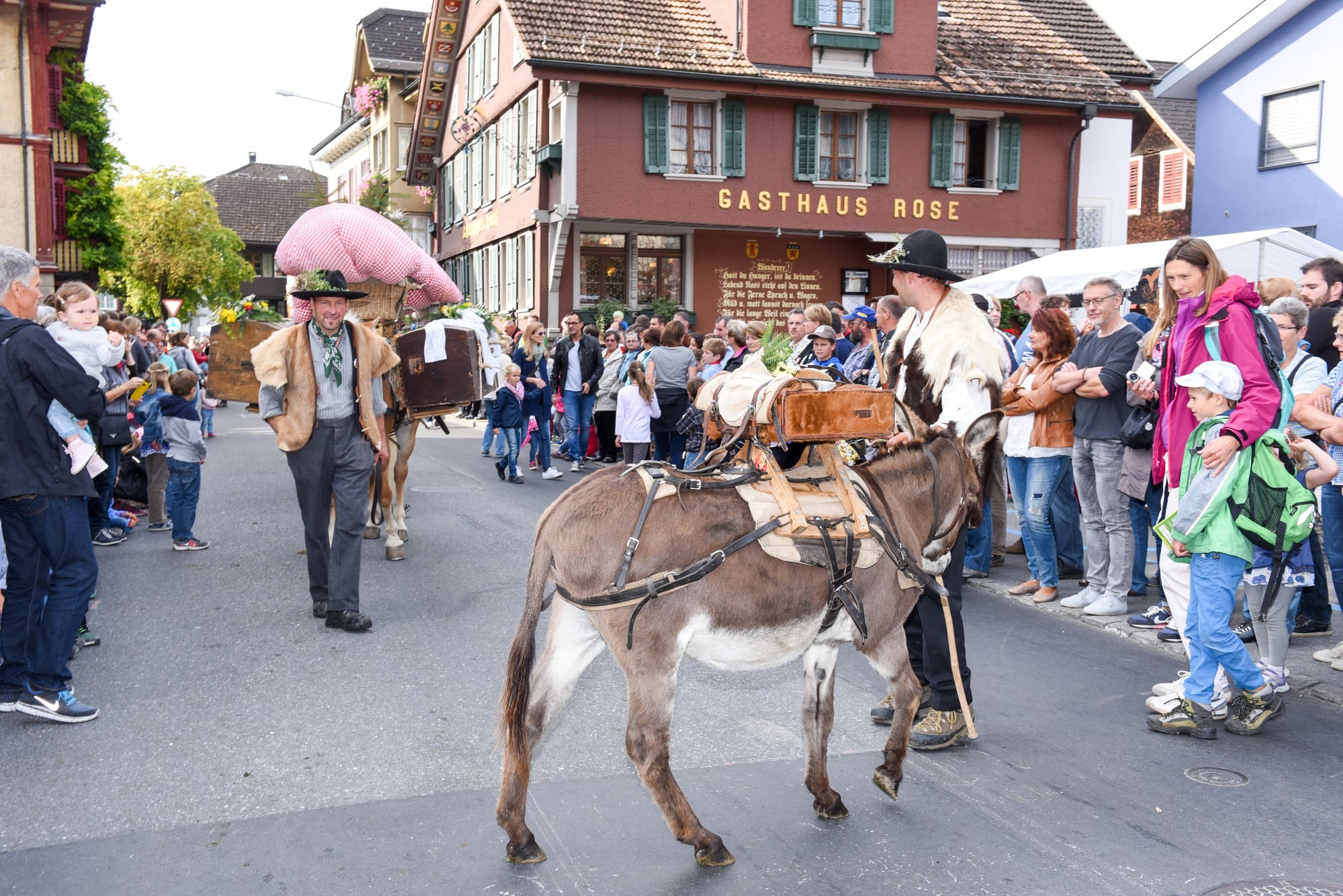
Not every float did this, which made it unpredictable enough to count as an event. When the sweets came, they were received by children with an urgency that bore no relationship to the actual value of whatever was being thrown.
The sweets were not special. The throwing of them in a public street by someone on a moving platform was what made them worth scrambling for.
The Mayor Appeared and Somehow Seemed More Real
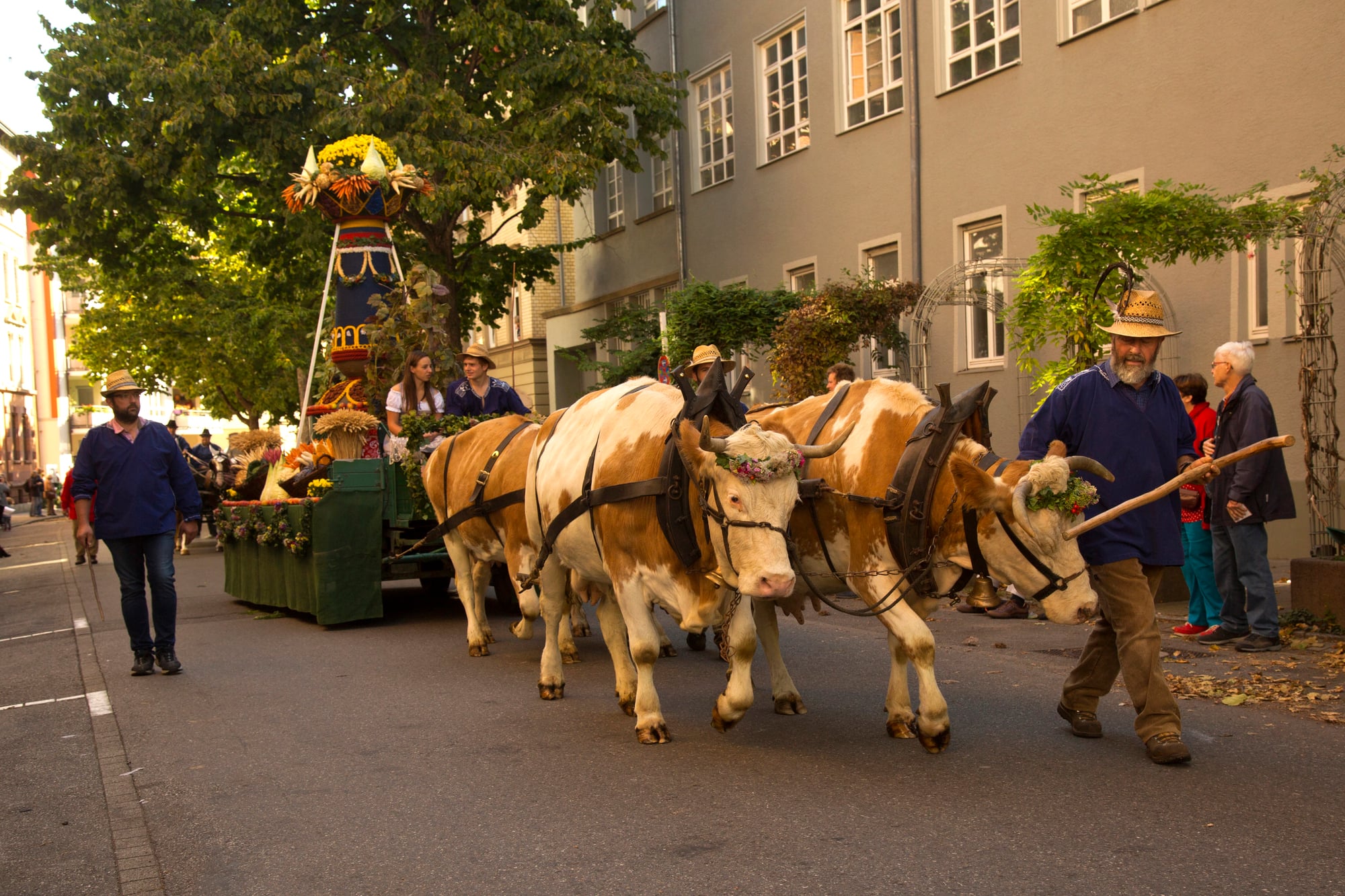
Politicians in small towns occupy a strange position — technically public figures, but also people you see at the supermarket. The parade was the one occasion when the mayor appeared in something like an official capacity, waving from a car or walking behind a banner, and the formal quality of the setting briefly transformed a familiar face into something more ceremonial.
Floats Were Built by People Who Had No Training in Building Floats
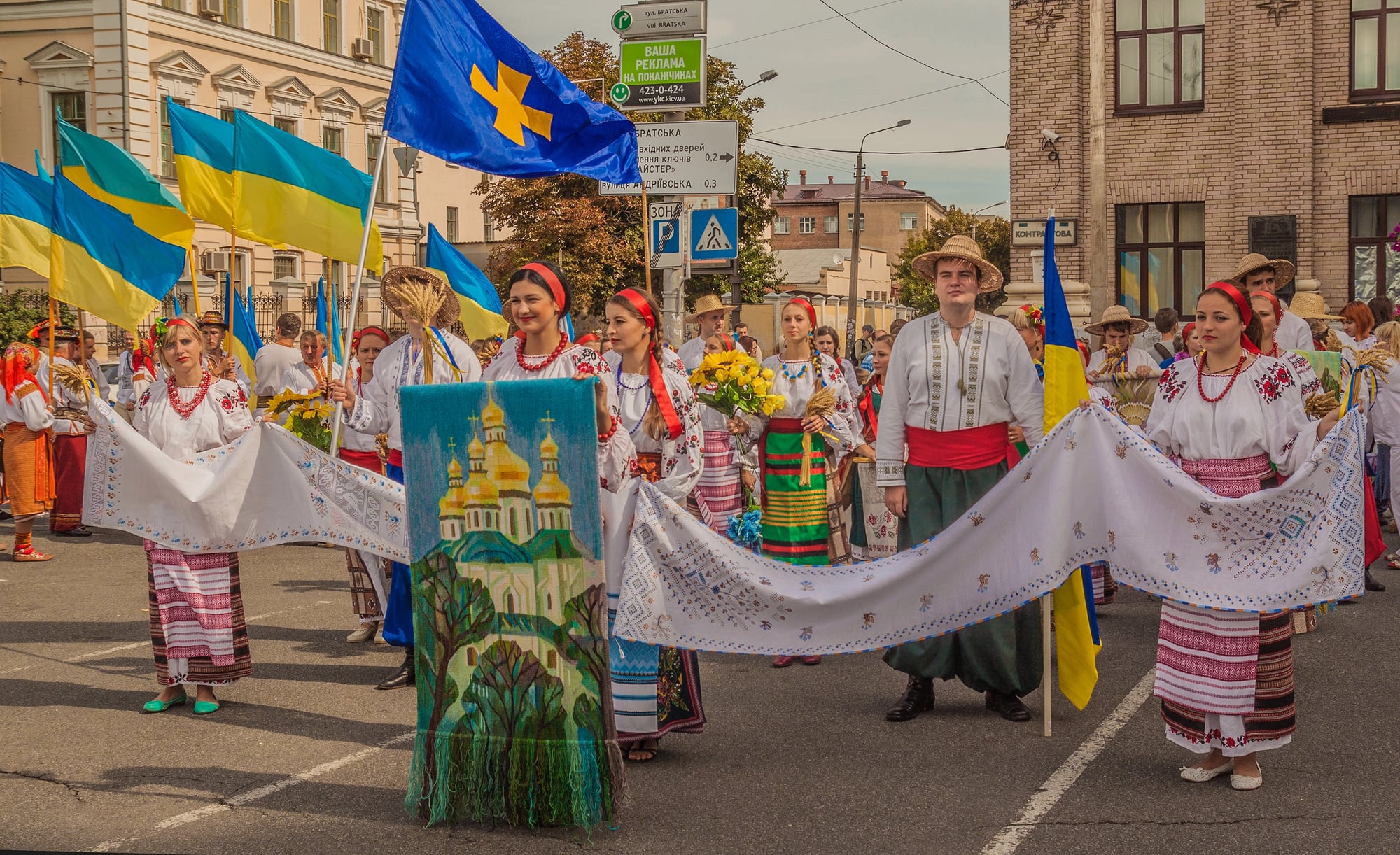
Community floats were almost always homemade by volunteers who figured it out as they went. Chicken wire, tissue paper, paint, something borrowed from a school’s art room.
The result was charmingly imperfect, and everyone knew it, and everyone cheered anyway — possibly more sincerely than they would have for something professional.
Old Arguments Were Suspended for the Duration
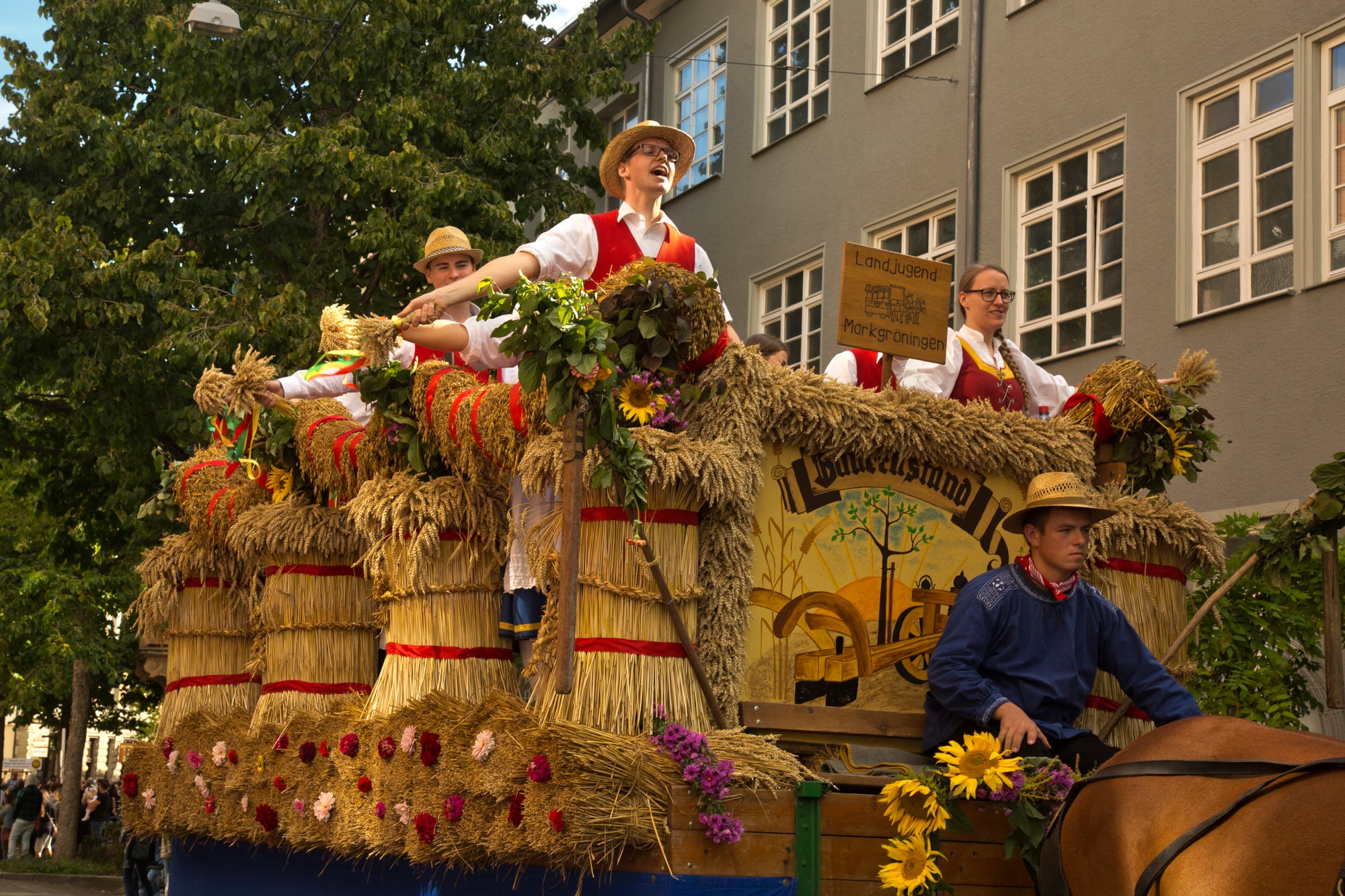
Towns are full of small grievances. Boundary disputes. Who said what at a council meeting in 2009.
The families who don’t speak. For the two hours of the parade, all of that was set aside.
Standing on the same pavement watching the same thing go past required a temporary peace that most people accepted without comment.
People Waved at People They Recognised in the Parade
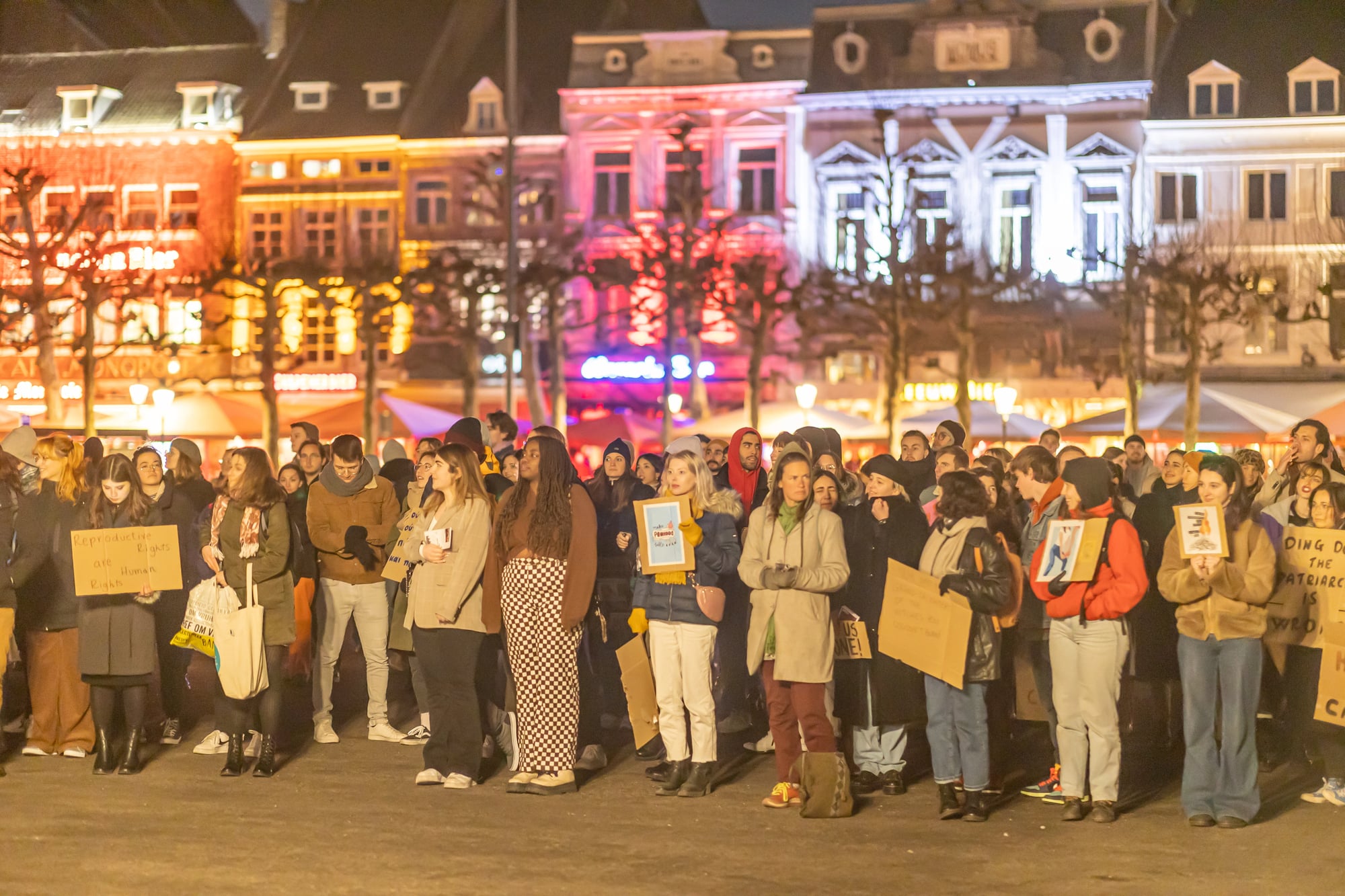
If someone’s cousin was in the marching band, or their neighbour was driving the vintage car, or their child was riding on the float, the parade became personal. Waving at someone you knew in that context — them in motion, you stationary, the whole town watching — produced a connection that was brief and oddly moving.
Strangers Talked to Each Other
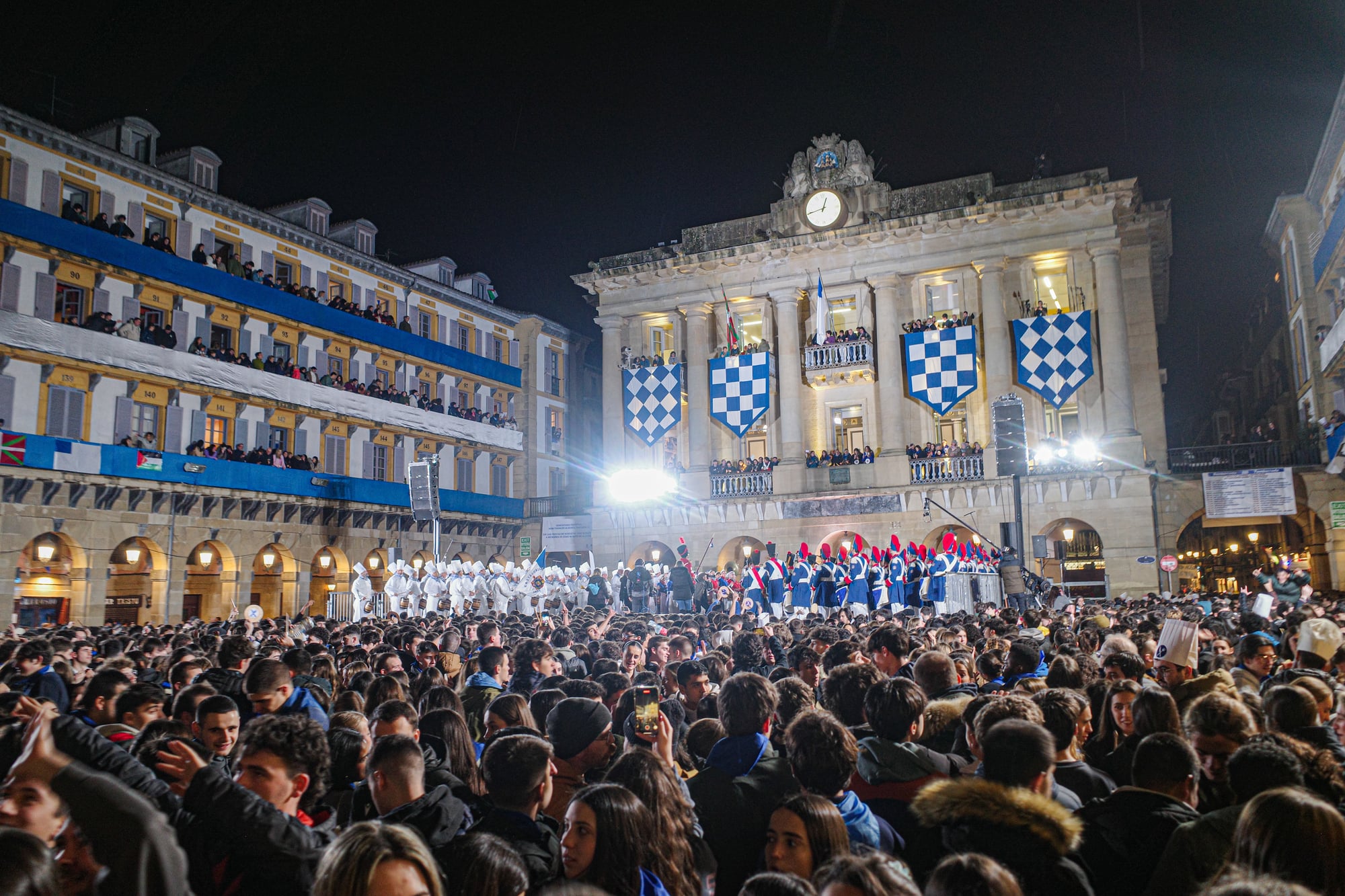
Parade crowds dissolved the normal social rules of small towns. People who would never introduce themselves in any other context commented on the weather, asked where someone was from, admired another person’s dog.
The shared activity of watching was enough of a social licence to start a conversation.
The Vintage Vehicles Came Out Once a Year
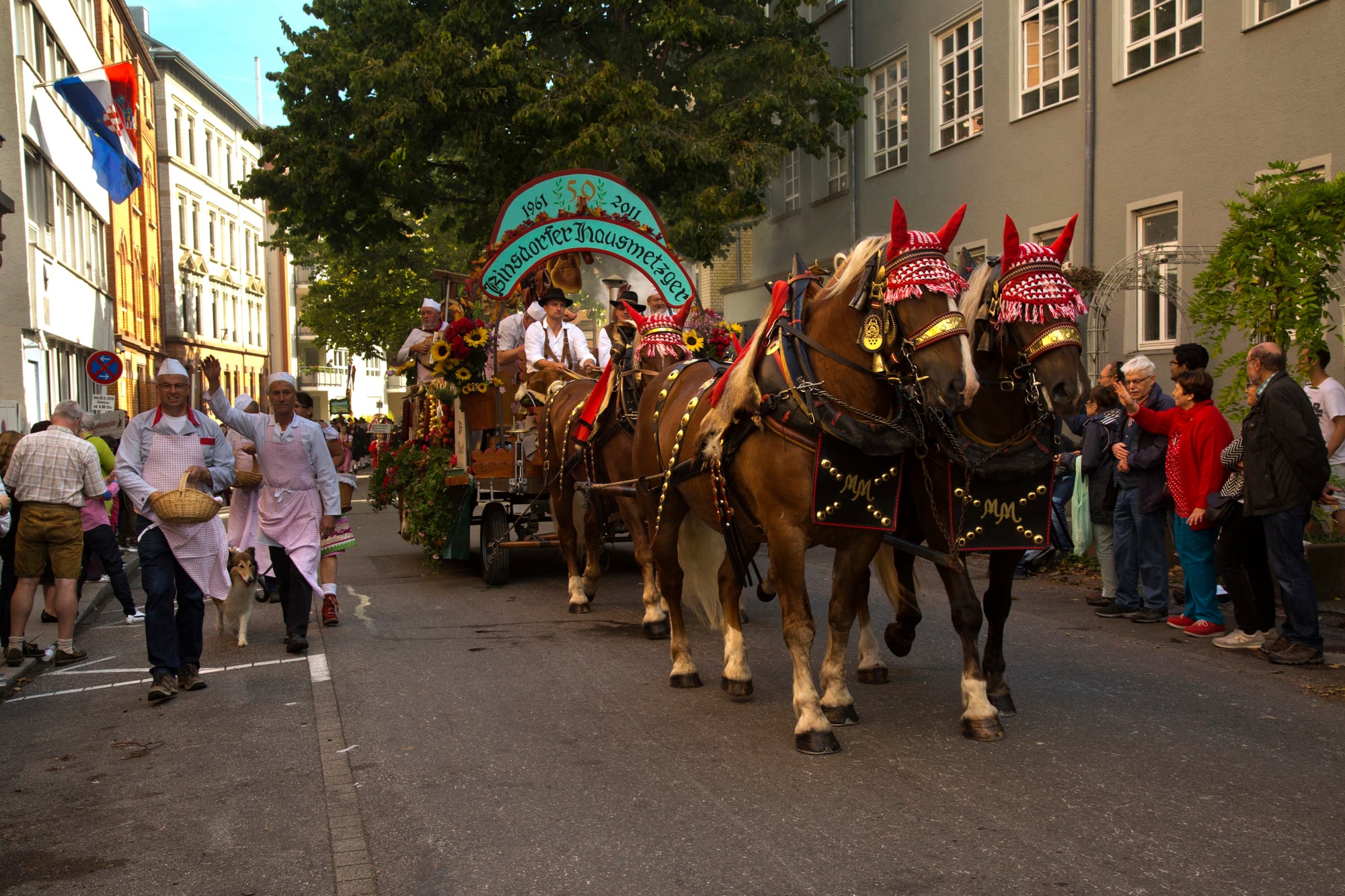
Cars from the 1930s and 1940s that spent the rest of the year in carefully temperature-controlled garages appeared at parades behind the wheel of men in period-appropriate hats. These vehicles received sustained applause that said something interesting about collective nostalgia — about the appeal of seeing something maintained and cared for against the passage of time.
Veterans Walked Together in a Way They Didn’t at Any Other Point in the Year
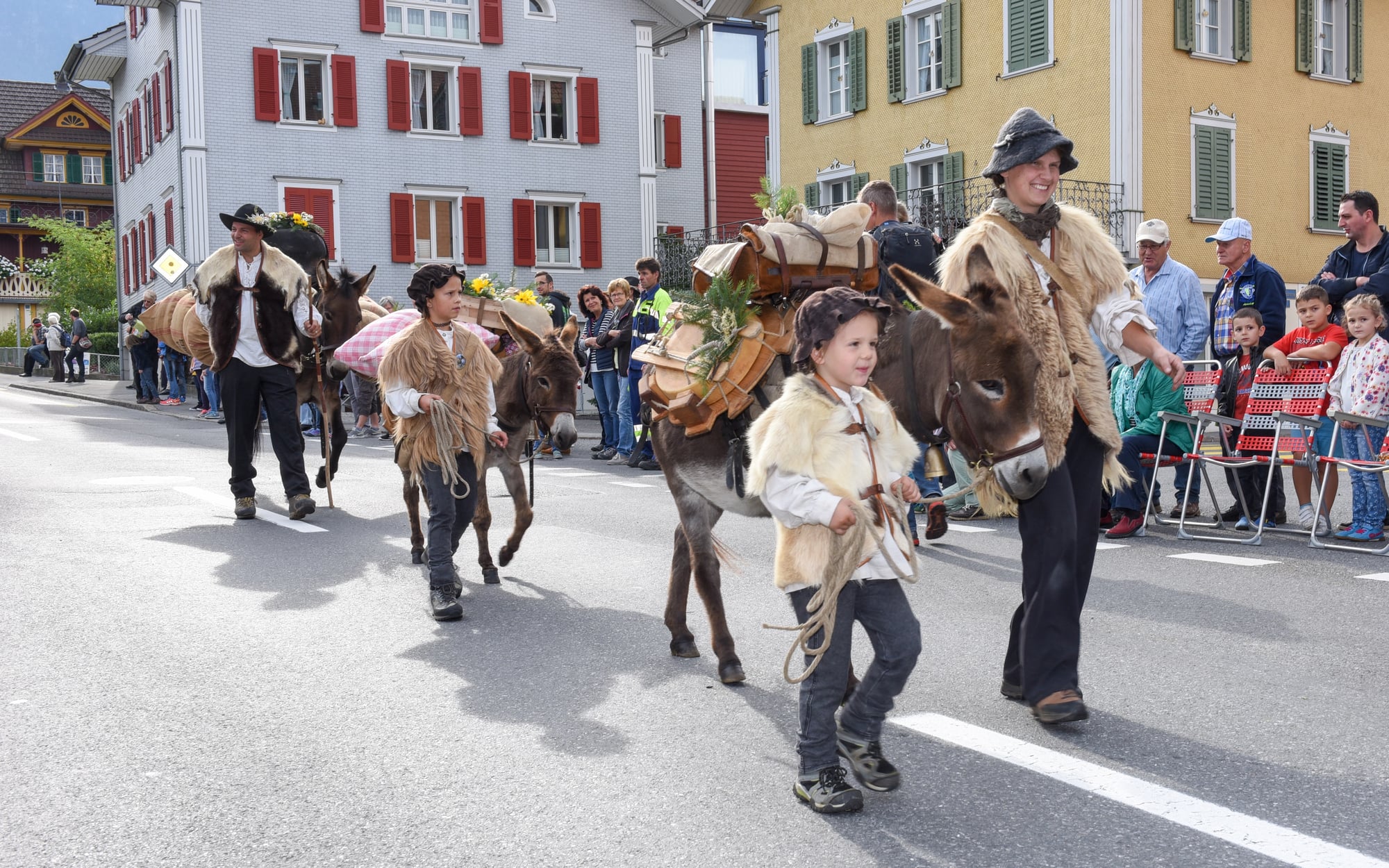
In many towns, the parade was one of the few occasions when veterans appeared as a group, in formation, publicly. The crowd’s response to this was different from its response to anything else in the procession.
Quieter. More deliberate.
Even in small towns where everyone knew each other, this part of the parade produced a specific kind of attention.
Children Spotted Their Teachers Outside of School
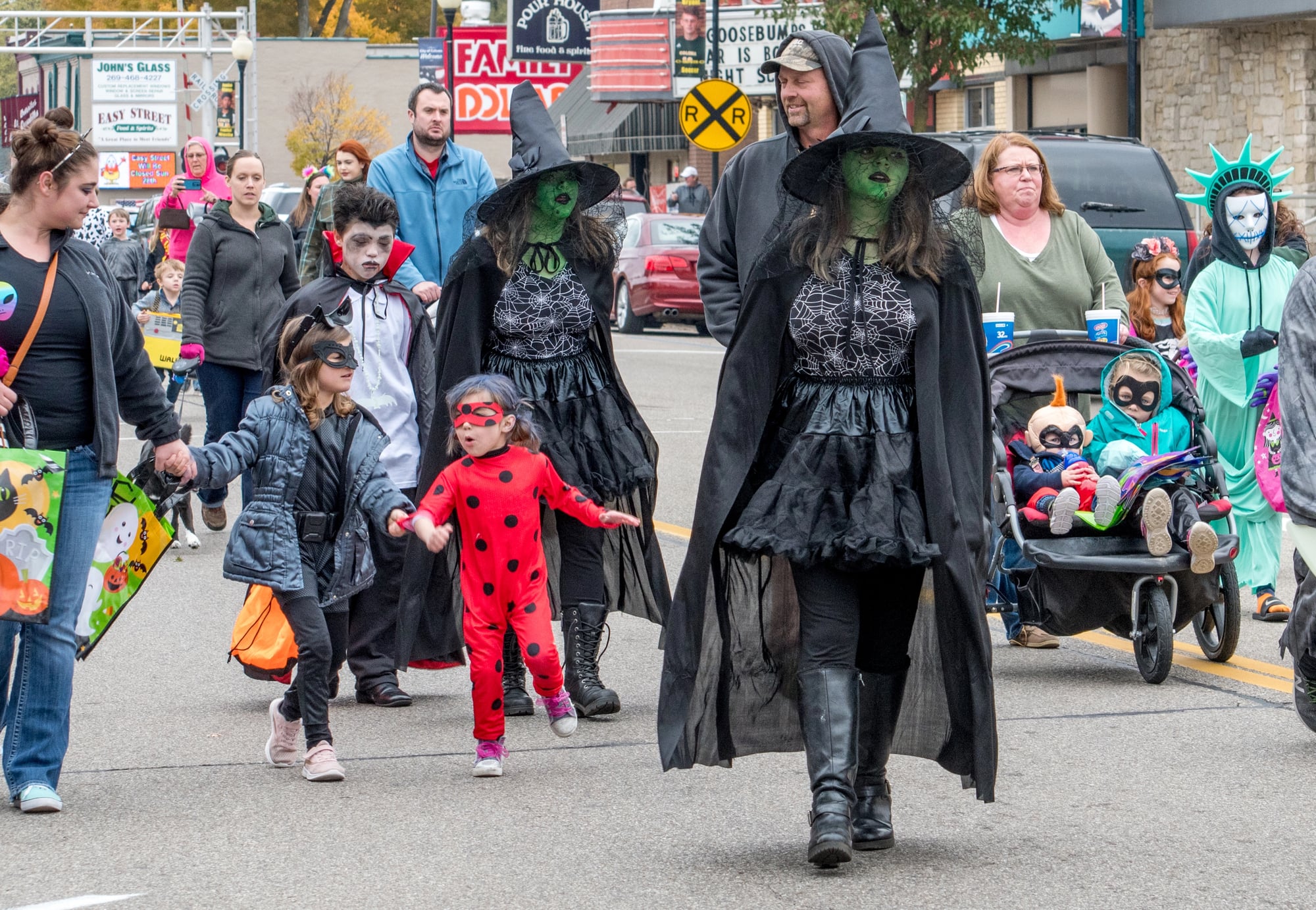
For most children, seeing a teacher in ordinary civilian clothes in a non-school context registered as genuinely startling. Seeing them at the parade — waving, eating an ice cream, carrying a folding chair like everyone else — was a collision of worlds that children found both thrilling and slightly unsettling.
The Weather Was Always Wrong in Some Way
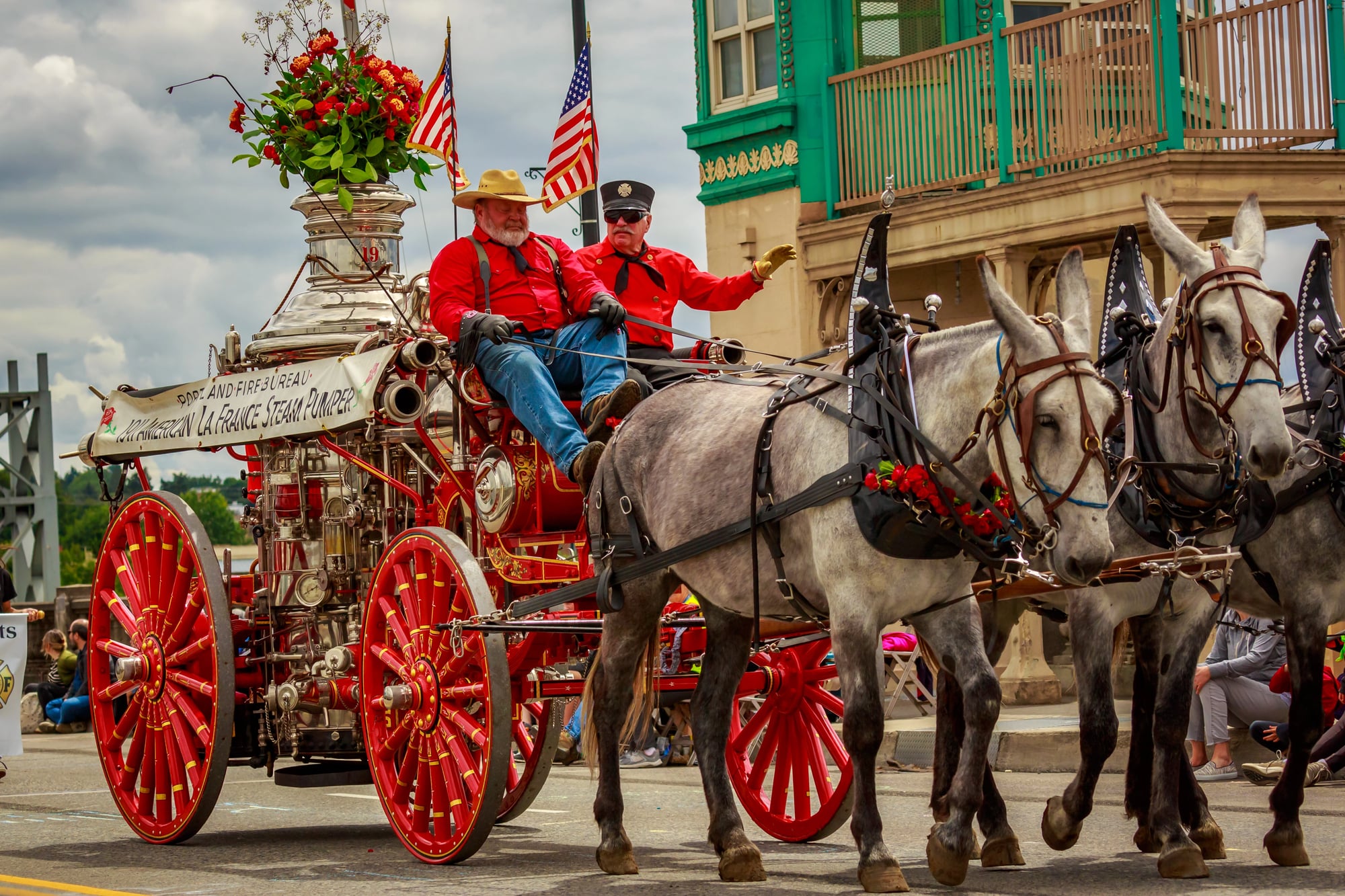
Too hot, or threatening rain that didn’t come, or actually raining in a way that everyone ignored. Parade crowds had an unusual tolerance for weather discomfort.
You didn’t drive forty minutes to a parade and then leave because it was overcast. You stayed, and the conditions became part of the story you told later.
Someone Dressed as Something That Made No Particular Sense
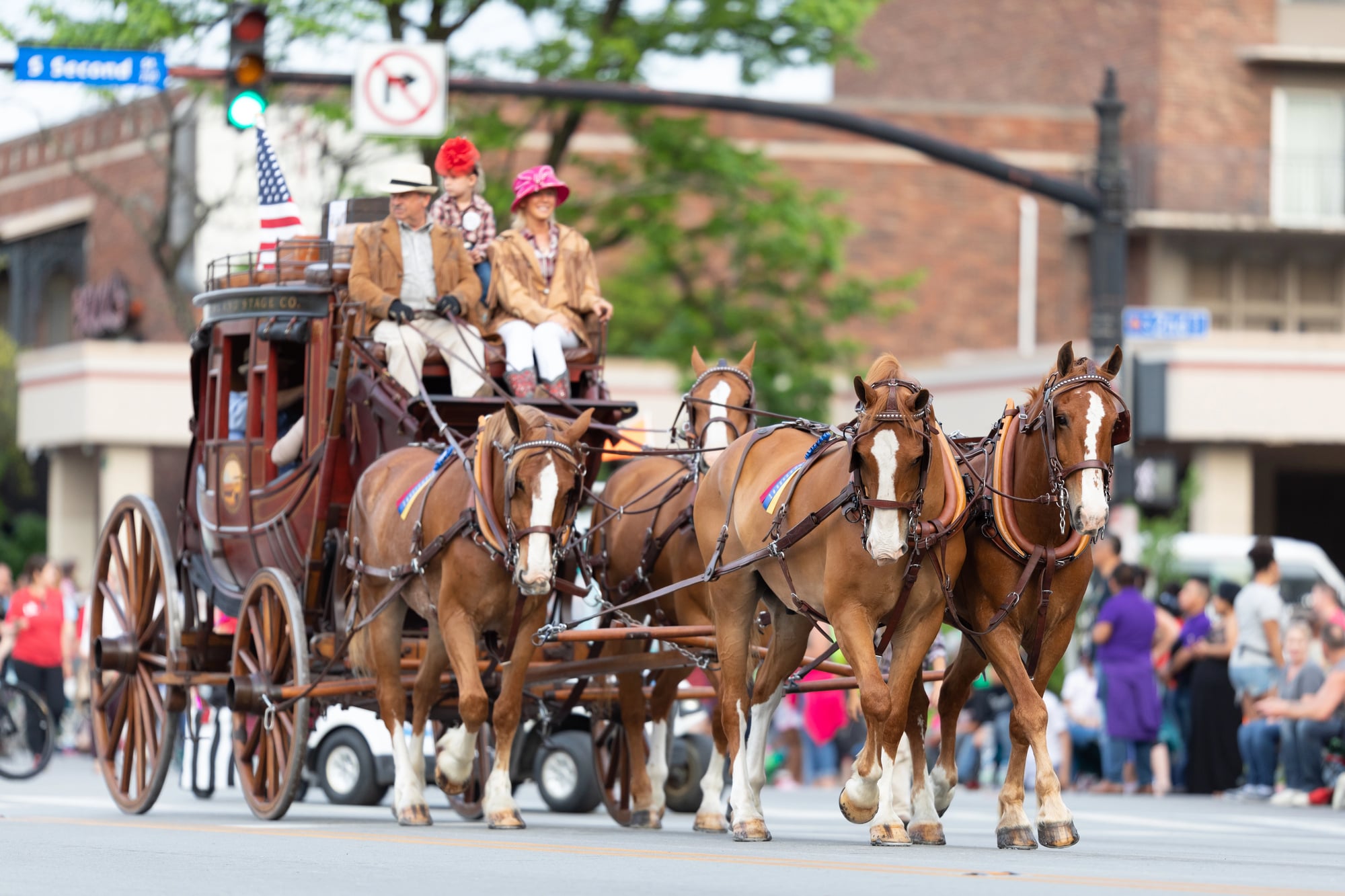
Every parade had at least one entry that was difficult to explain. A local business mascot that didn’t connect obviously to anything.
A float with a theme from a film that came out three years earlier. A person in a horse costume with no apparent affiliation.
Nobody questioned this. The inexplicable entry was as traditional as any of the official ones.
People Photographed Things They Would Never Look at Again
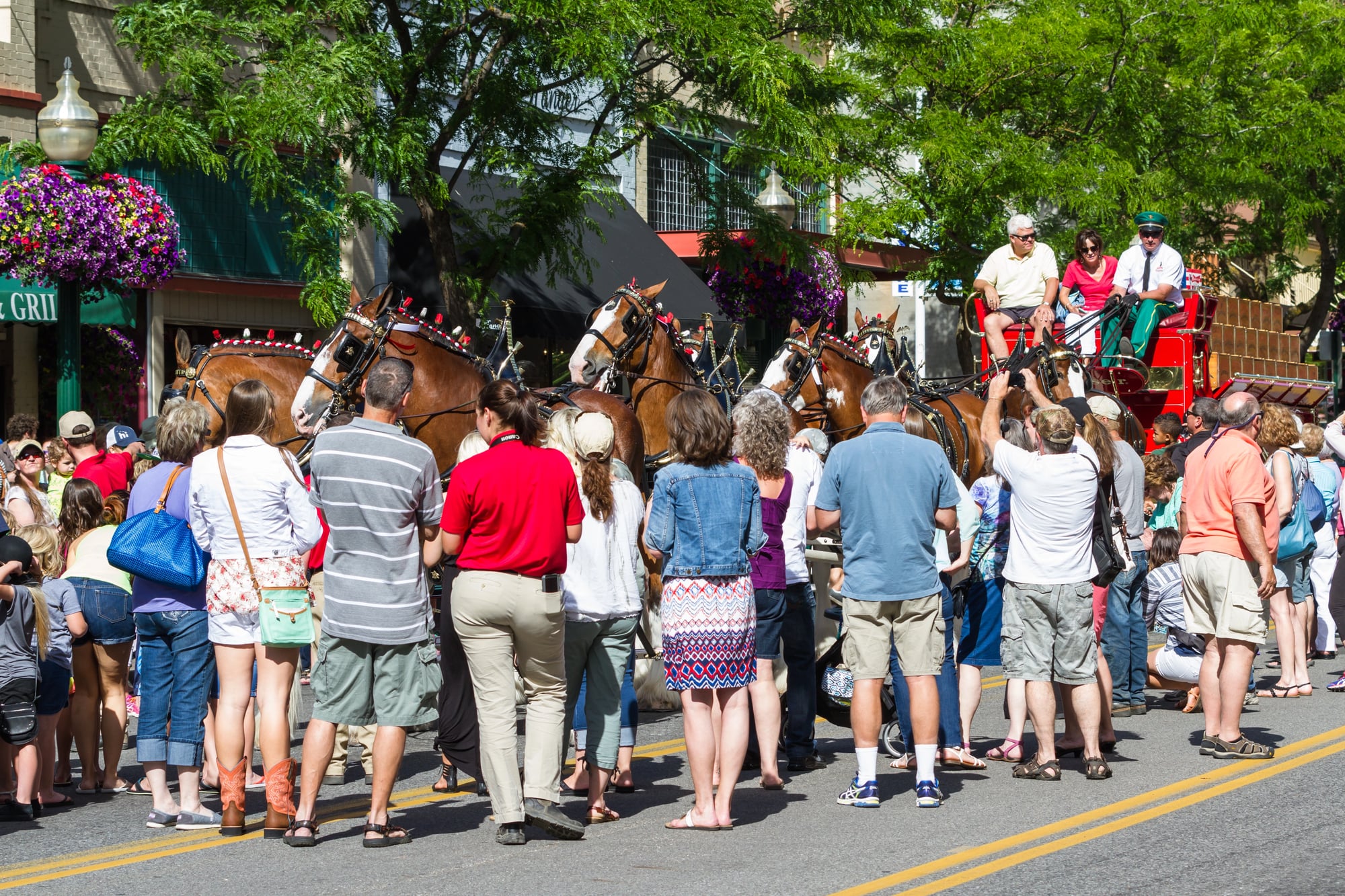
The arrival of phone cameras accelerated a behaviour that was always present: taking photographs of a parade you were not fully watching because you were too busy documenting it. The photographs were filed away and never reviewed.
The act of recording was its own participation in the event.
Local Businesses Sponsored Things That Made the Paper
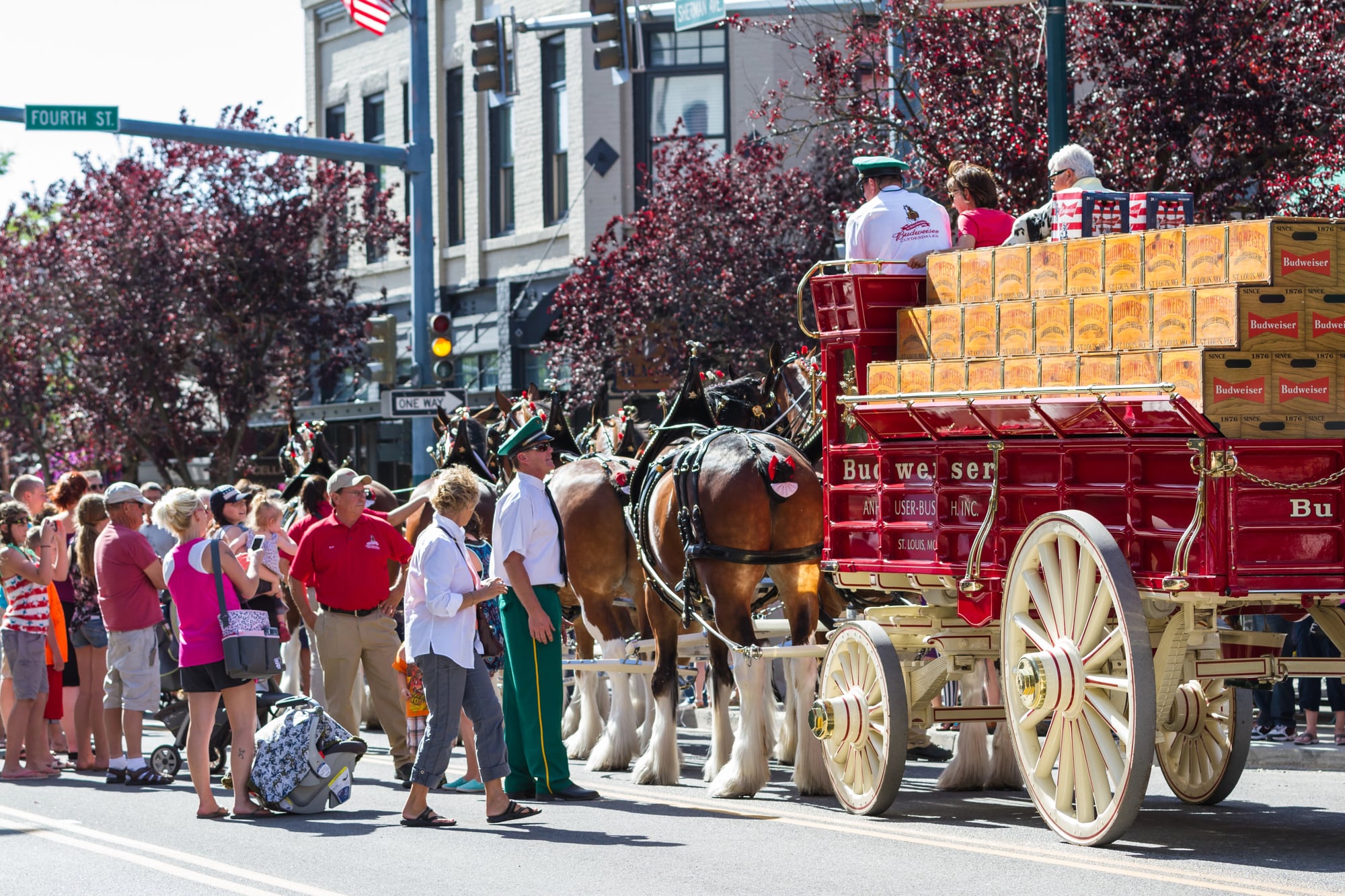
A small hardware store’s name on the back of a marching band’s jersey. A diner’s sign on a float.
The local newspaper ran a list of sponsors with the same seriousness it applied to major announcements. Being a sponsor meant the business was part of the event, and the town registered this as a form of civic loyalty.
The Dog That Wasn’t Supposed to Be There Always Showed Up
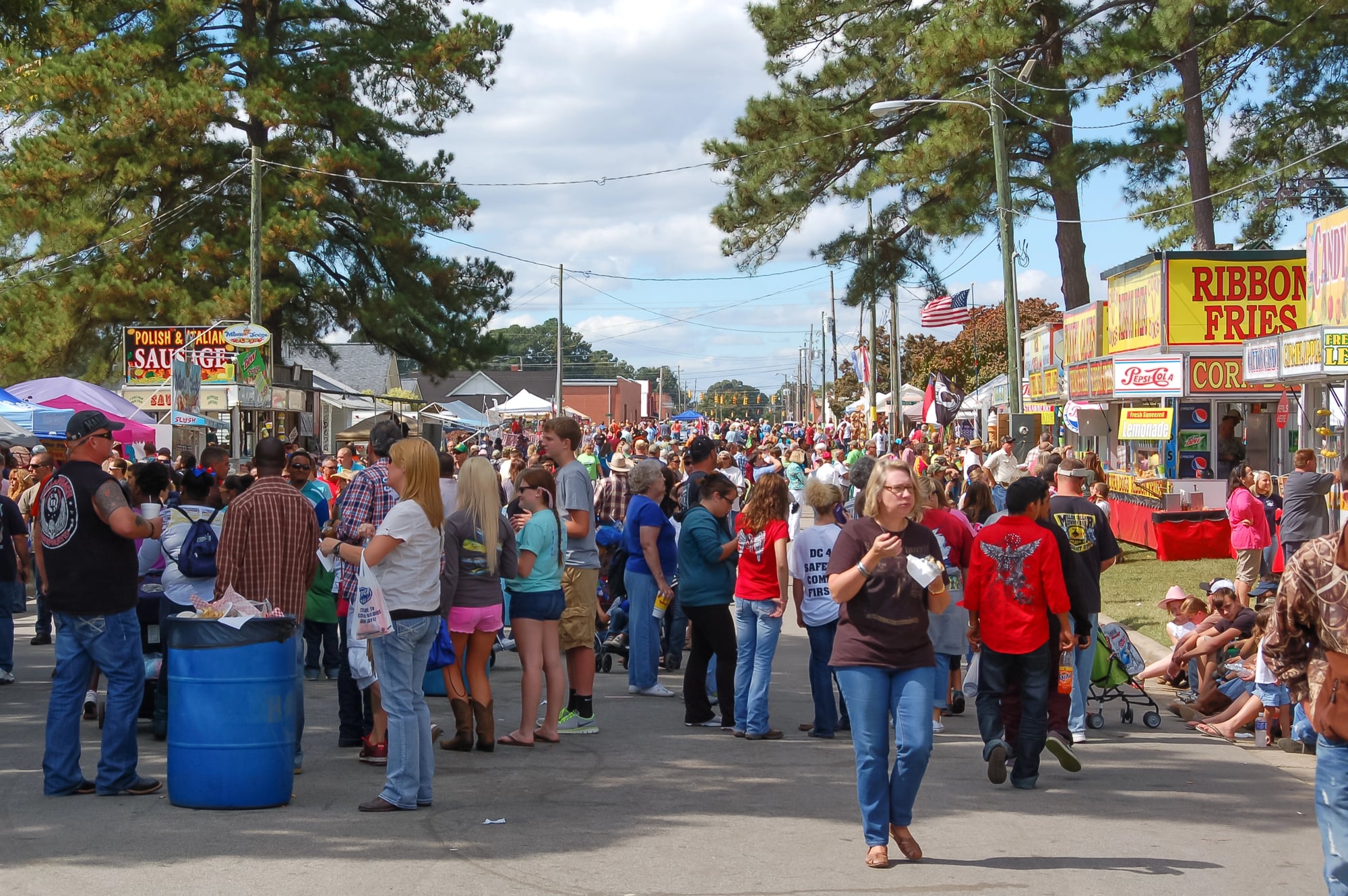
A loose dog, or a dog brought by someone who hadn’t considered how a dog would respond to a marching band and several dozen strangers, was a reliable feature of any parade. The dog’s response to the experience became a sideshow that occupied the section of the crowd nearest to it for several minutes.
Children Who Were in the Parade Felt Like the Town Belonged to Them
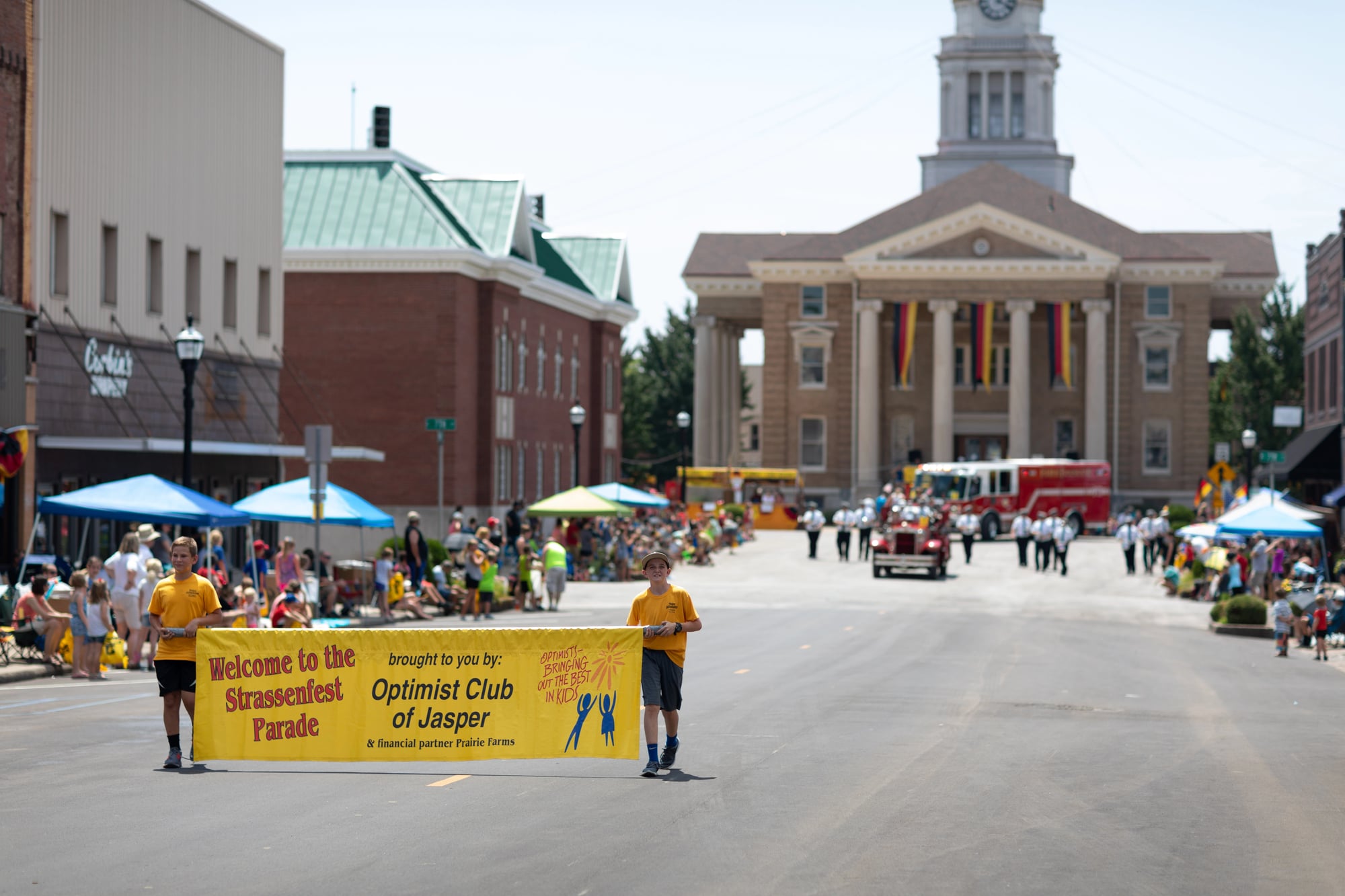
Being in the parade, rather than watching it, was a completely different experience. Marching down the main street with the whole town watching from the sides was a scale of public attention that most small-town children never encountered any other way.
Former band members and float riders remember that feeling with a specificity that suggests it didn’t fade.
Something Always Went Wrong and Became a Story
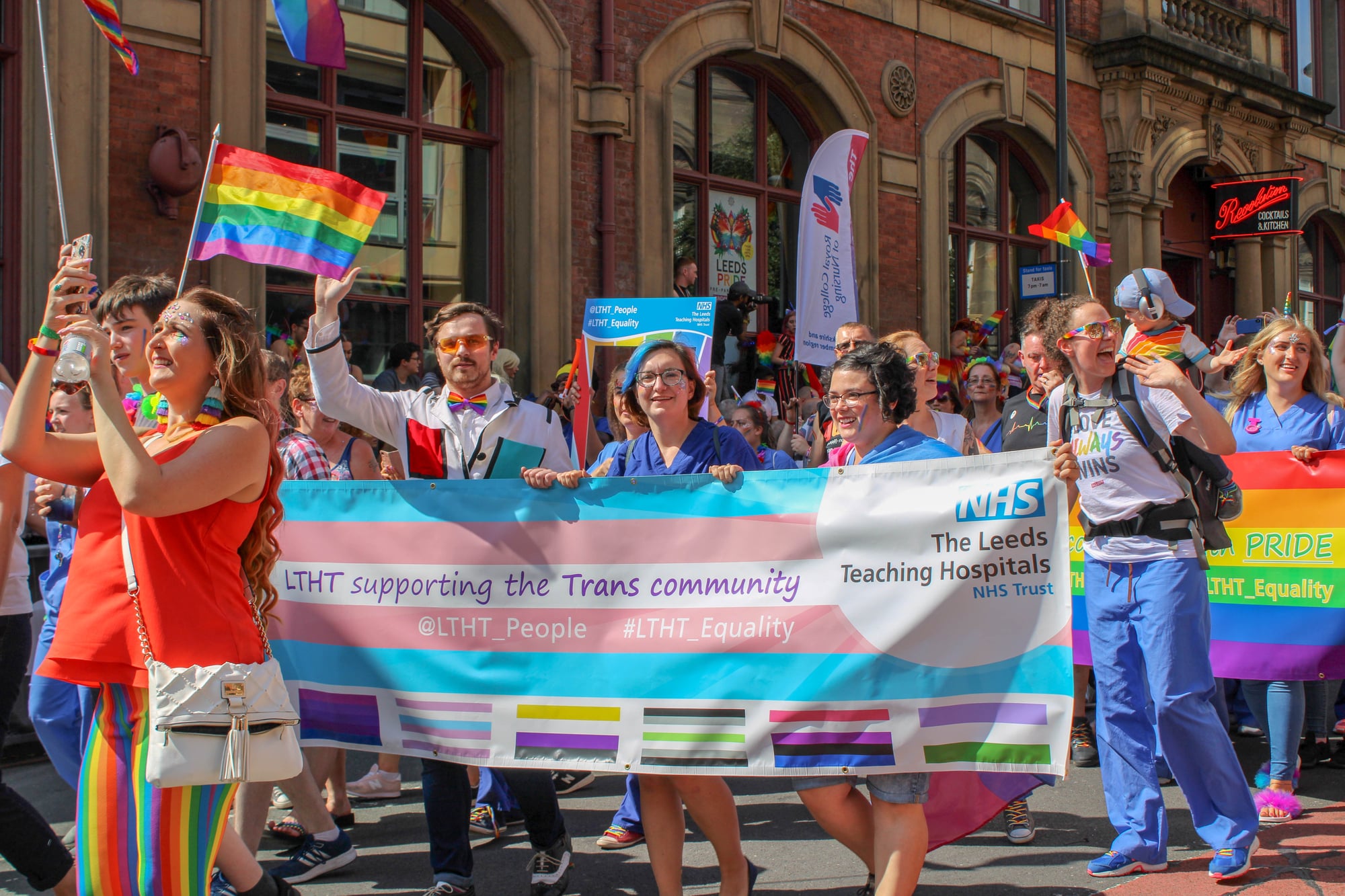
A float that broke down mid-route. A band member who took a wrong turn.
A car that stalled at exactly the wrong moment. The parade’s imperfections were not failures — they were gifts to local memory.
The year the float caught its bunting on a lamppost was discussed for longer than the year everything went smoothly.
Outsiders Arrived and the Town Quietly Sized Them Up
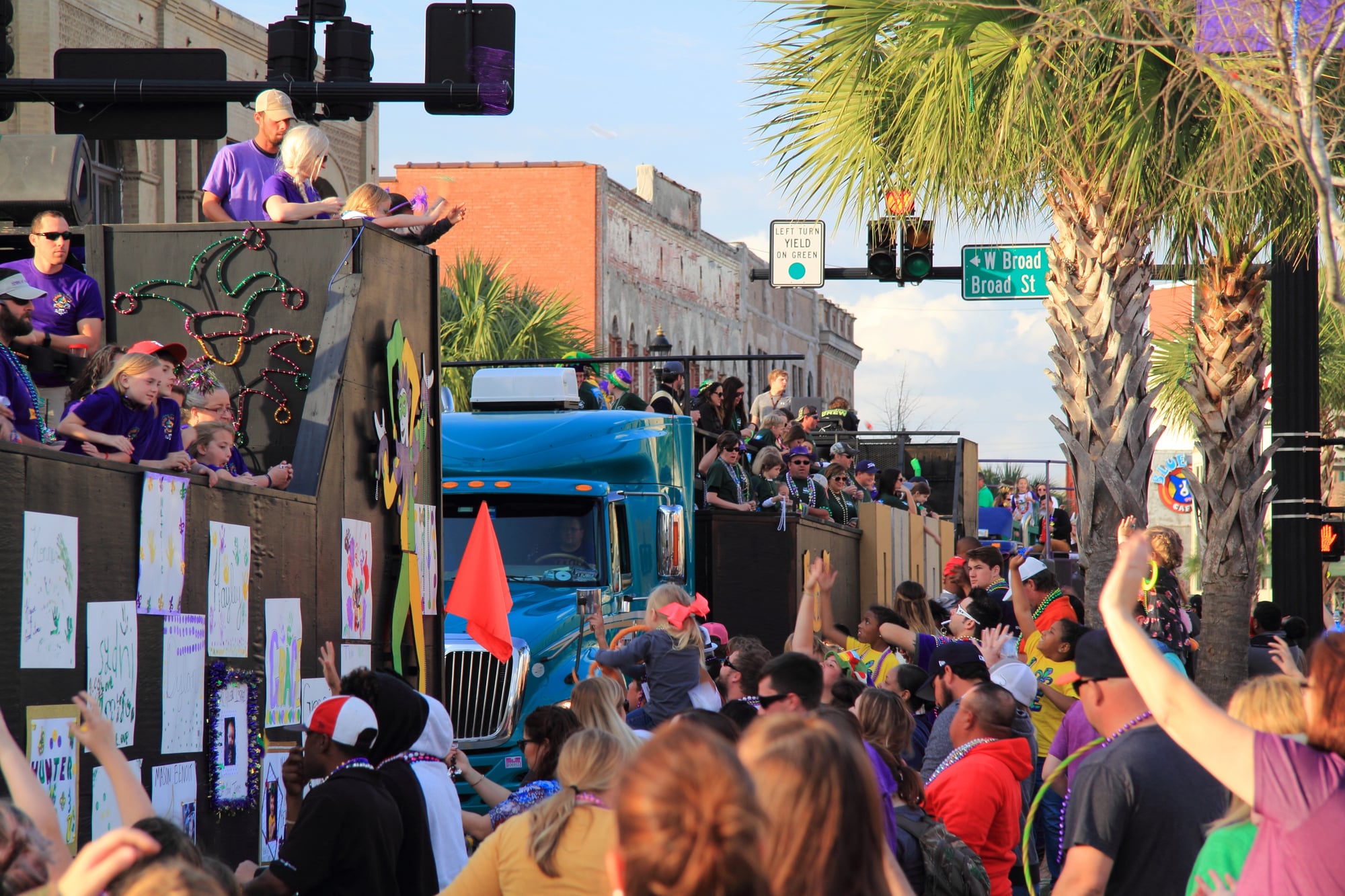
Parades drew visitors from nearby towns or from families coming back to visit relatives. The residents noticed them.
Not unfriendly — just attentive. Someone with an out-of-town number plate parked on a street that locals knew was technically private for non-residents on parade day.
These things were noted.
The Whole Thing Was Over in Less Than an Hour
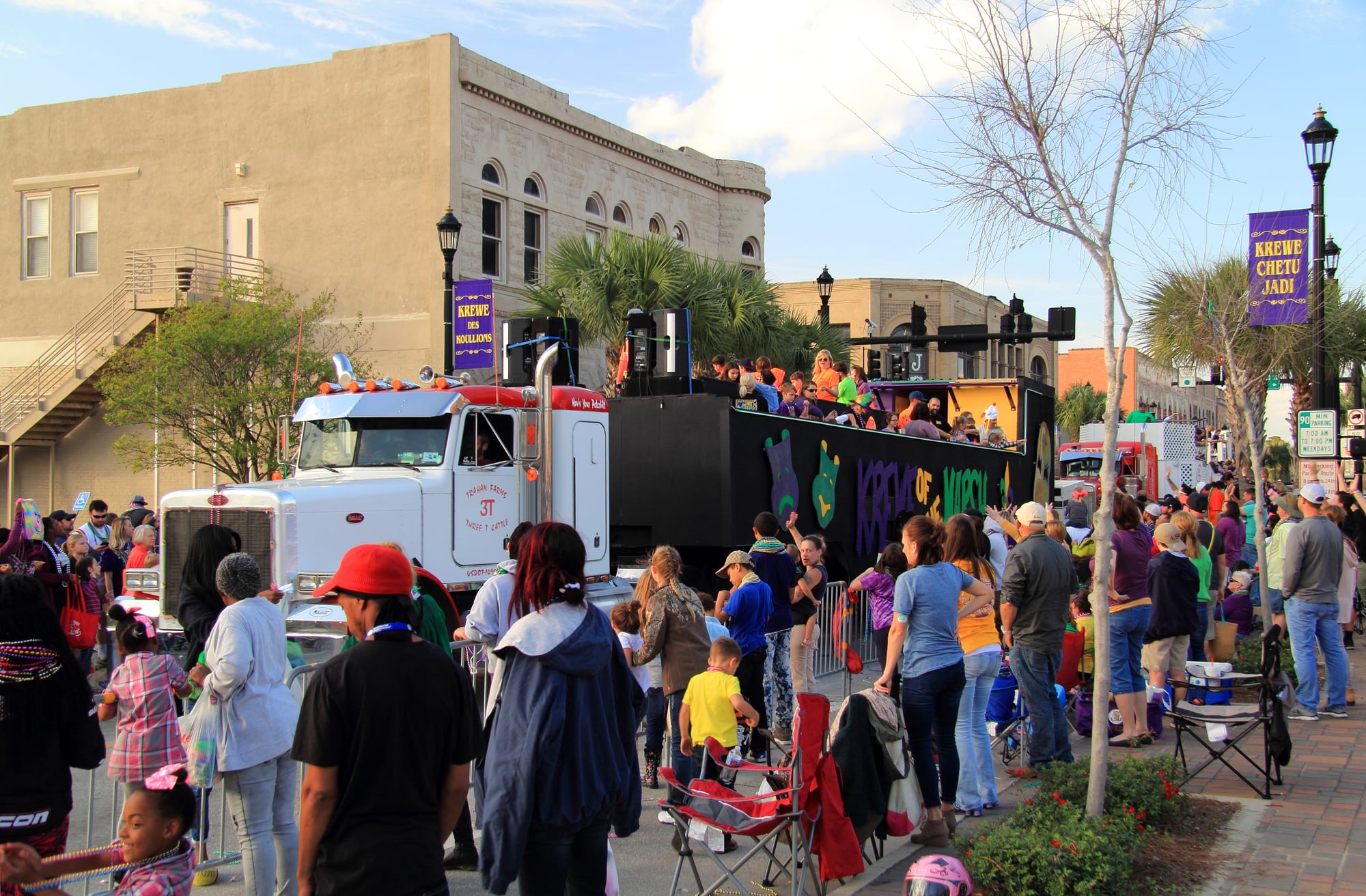
Most town parades passed in under sixty minutes, which was part of their power. Long enough to be significant, short enough that nobody had time to get tired of it.
The compression of all that preparation and community participation into a single brief procession gave the event a density that longer occasions couldn’t match.
The Crowd Dispersed Without Any Clear Direction
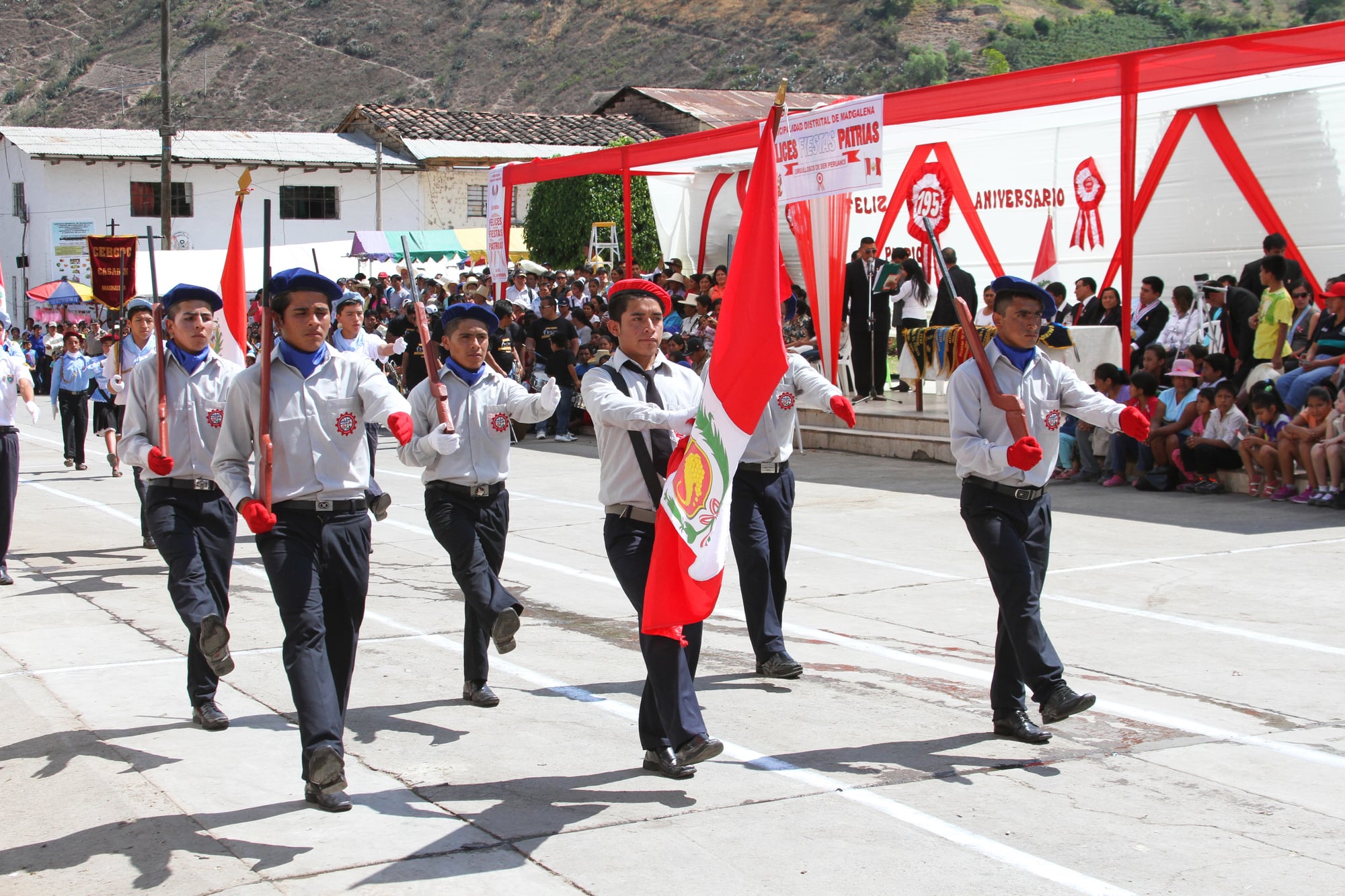
When it was done, nobody told people to leave. The crowd simply dissolved, in the particular way that a crowd does when the reason it gathered has passed.
People drifted toward the main street cafés, or back to their cars, or into shops that had quietly reopened. The transition from collective event to ordinary afternoon was almost instant.
The Town Looked Different for the Rest of the Day
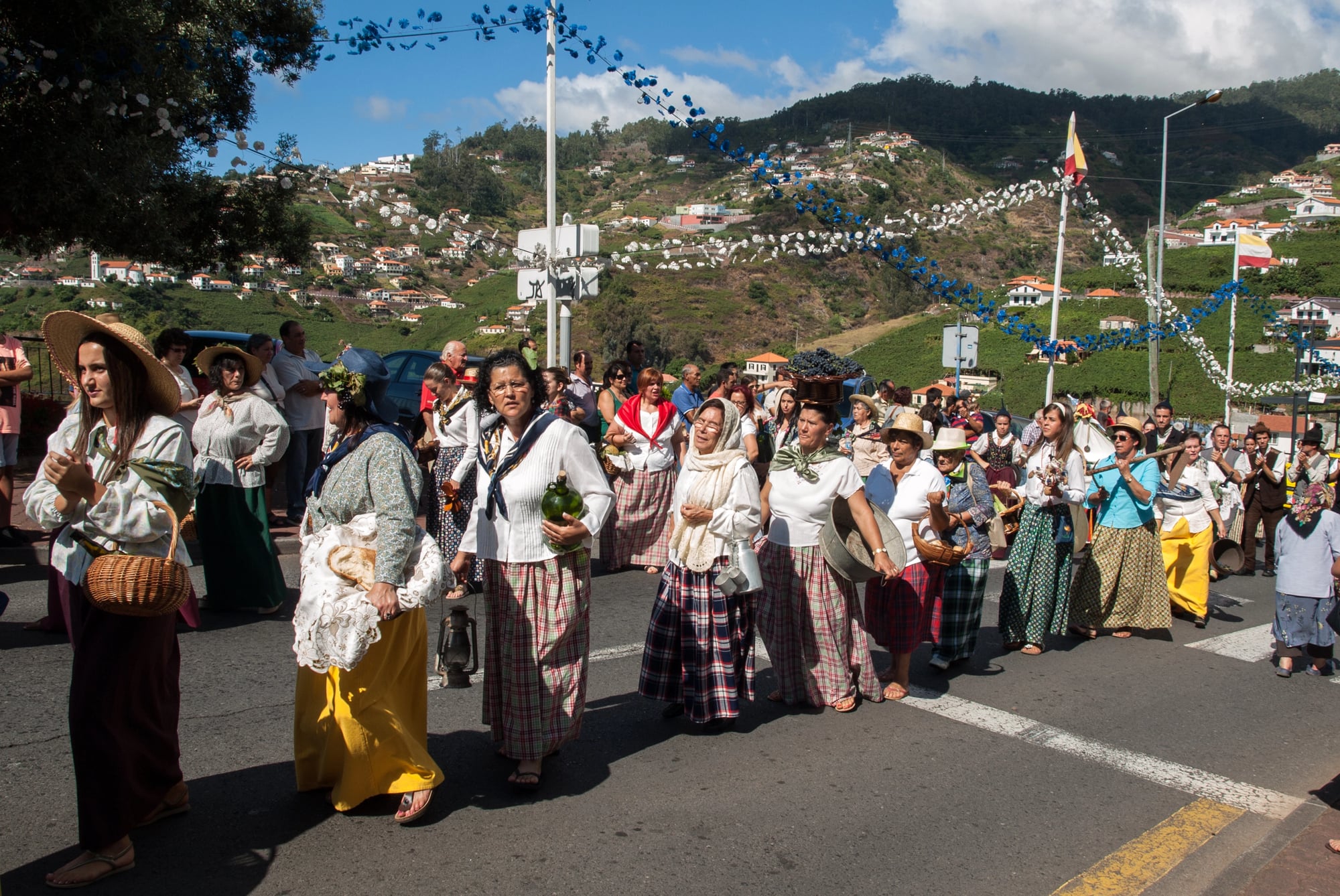
Streets that had been lined with people were suddenly empty again, confetti and sweet wrappers still on the ground, a couple of folding chairs still at the kerb. The town felt slightly more itself — or a particular version of itself that only appeared once a year.
By evening, it had mostly gone.
It Was the Same Every Year and That Was Exactly the Point
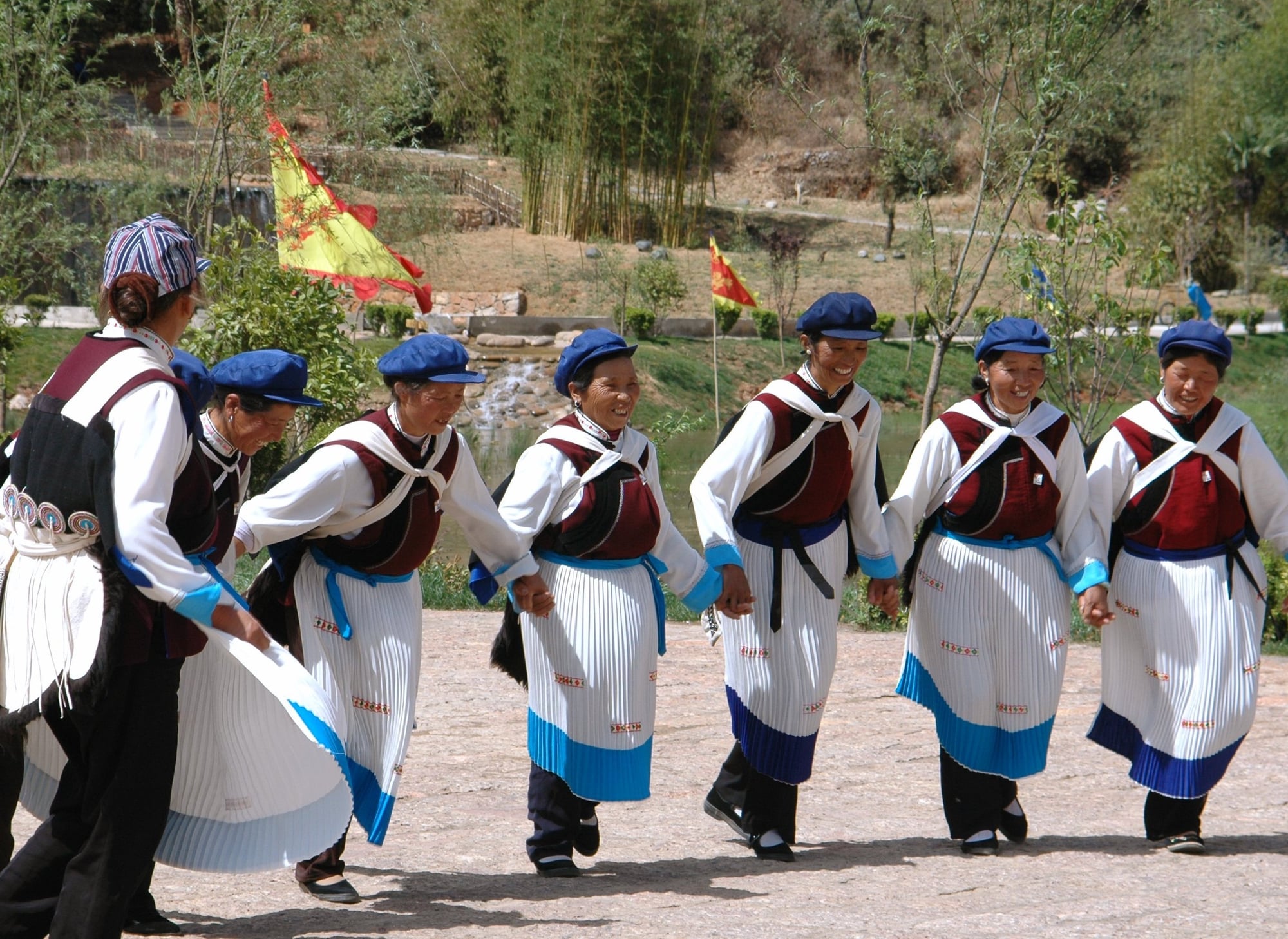
Nothing about the parade changed dramatically from one year to the next. The same bands, the same floats, the same route, many of the same faces.
Regulars would say nothing significant happened this year and return the following year regardless. The continuity was the purpose.
The same thing, held together by the same town, was a statement that the town was still there — still doing this, still pausing, still capable of standing on the same pavement together for an hour and calling it a good day.
When the Parade Is Gone, You Understand What It Was For
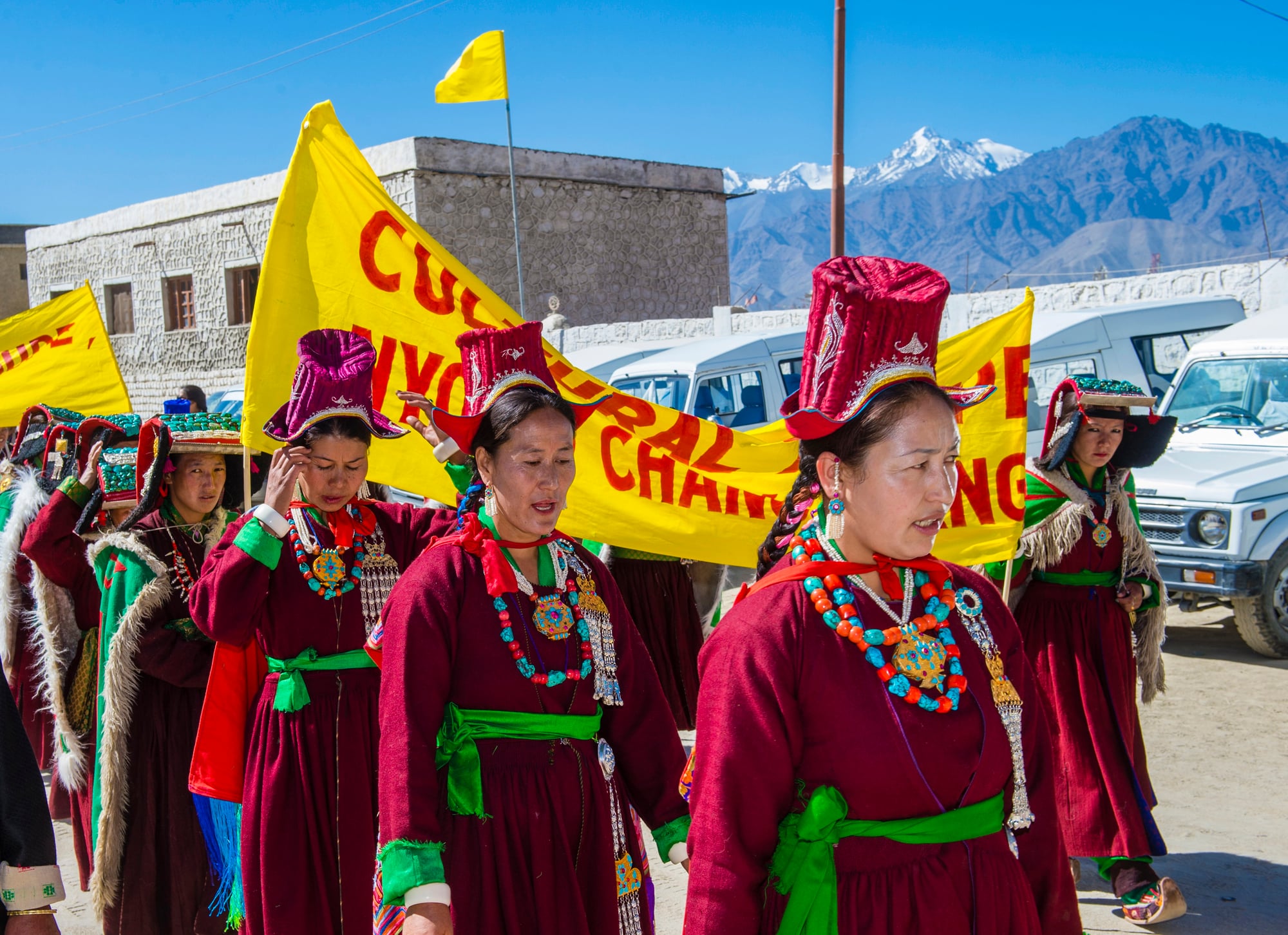
Towns that lose their annual parade rarely replace it with anything equivalent. The closure of the event tends to mark something broader — a demographic shift, a change in who the town is.
Former residents who return find the absence of the parade more disorienting than almost any other change. What they are really noticing is the loss of the annual proof that the community still believed in itself enough to stop everything and come out to the street.
More from Go2Tutors!

- The Romanov Crown Jewels and Their Tragic Fate
- 13 Historical Mysteries That Science Still Can’t Solve
- Famous Hoaxes That Fooled the World for Years
- 15 Child Stars with Tragic Adult Lives
- 16 Famous Jewelry Pieces in History
Like Go2Tutors’s content? Follow us on MSN.