27 Rules Kings Enforced on Ordinary People
You grumble about e-tolls, the TV licence, and the queue at Home Affairs. Fair enough. But at least nobody measures your front windows for tax, checks your grandmother’s burial shroud, or fines you for the smell of coffee in your kitchen.
For most of history, one person’s preferences became everybody’s law. If the king hunted, the forest was his. If he hated beards, yours cost money. Ordinary people had no vote and no appeal, only a talent for working around things. These are the rules they lived under, and a few of the ways they dodged them.
1. Hammurabi Priced Justice by Class
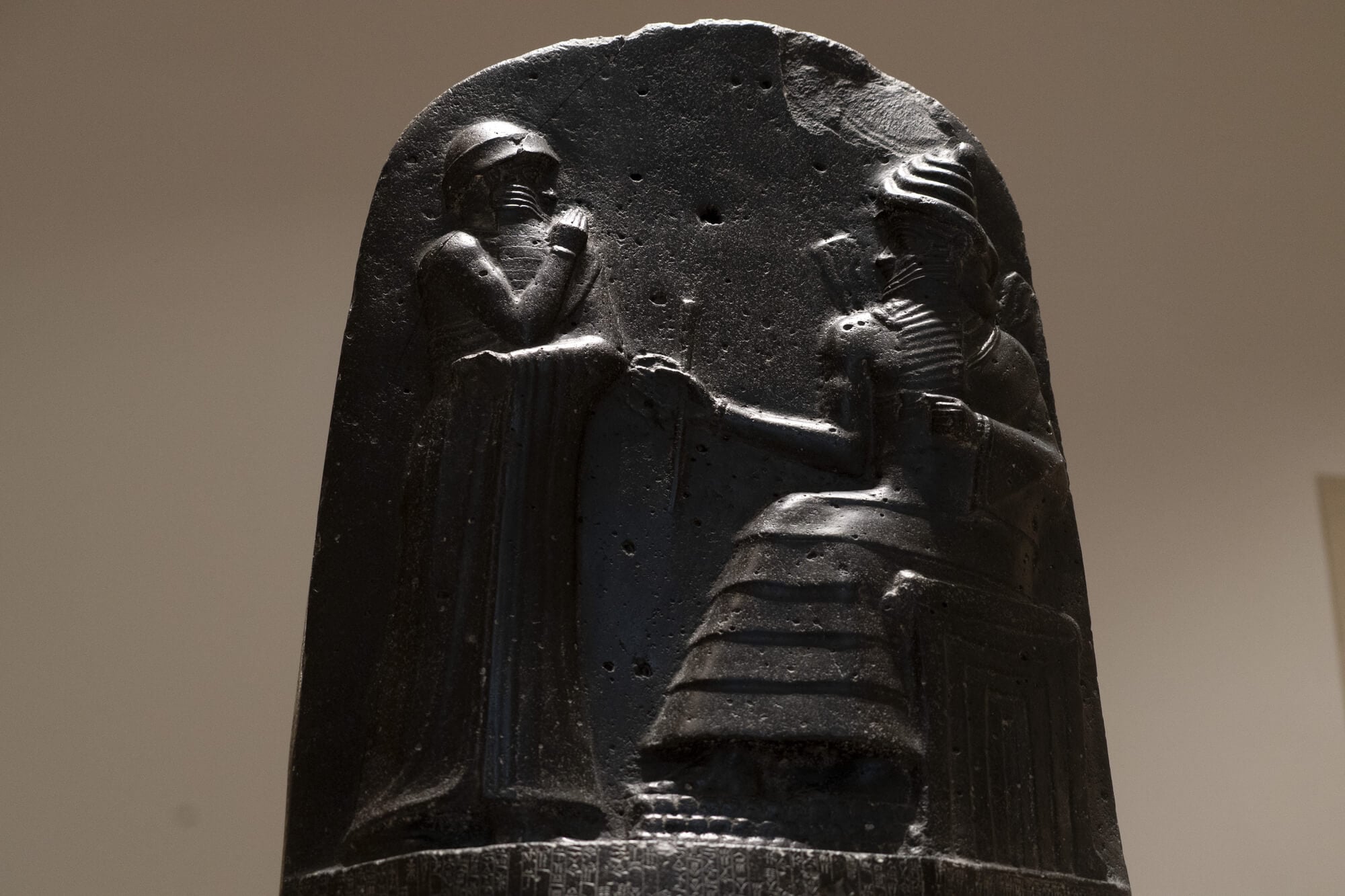
The Babylonian king’s law code, carved around 1754 BC, is famous for “an eye for an eye.” Read the fine print. That applied only when a gentleman injured another gentleman. Knock out a commoner’s eye and you paid a fine in silver. Injure a slave and you compensated the owner.
Commoners did get some protection. A builder whose house collapsed and killed the occupant faced death himself. It was the first written admission that the law weighs people differently, and it wasn’t the last.
2. William’s Forest Law
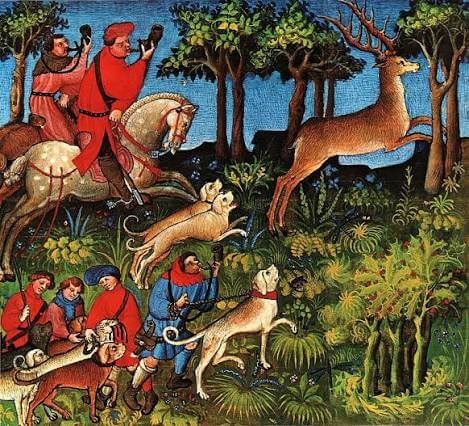
After 1066, William the Conqueror declared huge tracts of England royal forest, and his successors expanded it until it covered close to a third of the country. “Forest” was a legal term, not a description. It included farms and villages. Inside it, you couldn’t hunt deer, cut timber, clear land, or carry a bow.
Early penalties for killing the king’s deer included blinding. Anyone keeping a large dog had to have three claws cut from each front paw so it couldn’t run down game. The barons forced a separate Charter of the Forest in 1217, and it stayed on the books for 750 years.
3. Every Man a Policeman
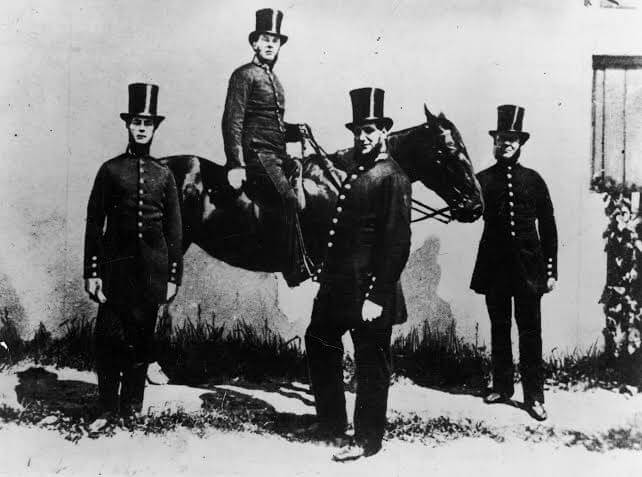
England’s medieval kings had no police force, so they made you into one. Henry II’s Assize of Arms in 1181 ordered every free man to own weapons suited to his wealth. Edward I went further in 1285. If a crime happened and someone raised the “hue and cry,” every able man within earshot had to drop his tools and chase the suspect, on pain of a fine.
Towns had to post night watchmen, and landowners had to clear the brush for 60 metres on either side of main roads so robbers had nowhere to hide. Law enforcement was unpaid, compulsory, and yours.
4. The Statute of Labourers
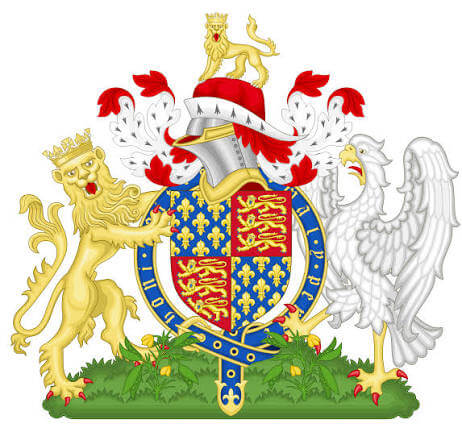
The Black Death killed perhaps half of England’s workers between 1348 and 1350. Survivors realised their labour was suddenly scarce and asked for better pay. Edward III responded with a wage freeze. His laws pegged wages at pre-plague levels, forced every able-bodied person under sixty to accept work when offered, and banned moving away to find a better deal.
Justices fined thousands of workers a year. The resentment smouldered for three decades and fed straight into the Peasants’ Revolt of 1381. It’s the oldest lesson in economics, and kings learned it the slow way.
5. Dressing Above Your Station
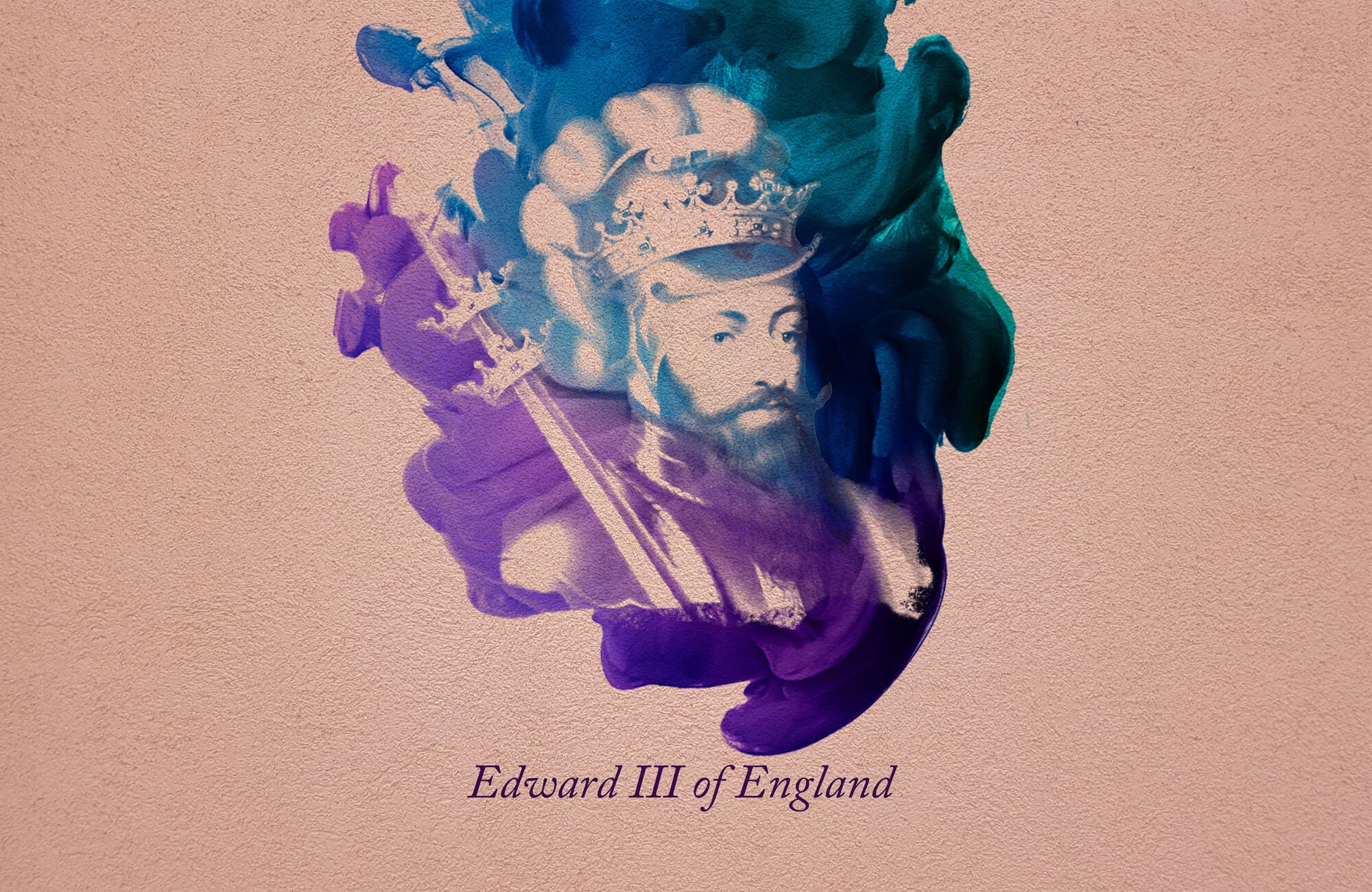
In 1363, Edward III’s parliament laid down what each rank could wear. Carters, ploughmen, and anyone with goods worth under forty shillings had to dress in plain blanket cloth and russet wool, belted with linen. Tradesmen’s wives couldn’t wear silk veils. Only the upper nobility could wear cloth of gold or sable fur.
The law proved unenforceable and lapsed within a year or so, and later monarchs kept reissuing versions of it for two centuries. Each new edition proves that people ignored the last one.
6. Compulsory Archery, Banned Games

England’s armies depended on longbowmen, and good ones took years to train. So Edward III ordered every able man to practise archery on Sundays and feast days, and forbade them from wasting time on stone-throwing, cockfighting, and the rowdy village kicking game that later became soccer. Offenders faced prison.
Henry VIII tightened it in 1541. Every man under sixty had to own a bow, and fathers had to give sons one at the age of seven. Labourers and servants could play tennis, bowls, cards, and dice at Christmas only. The law outlived the longbow by roughly 250 years.
7. The King’s Fish and the King’s Swans
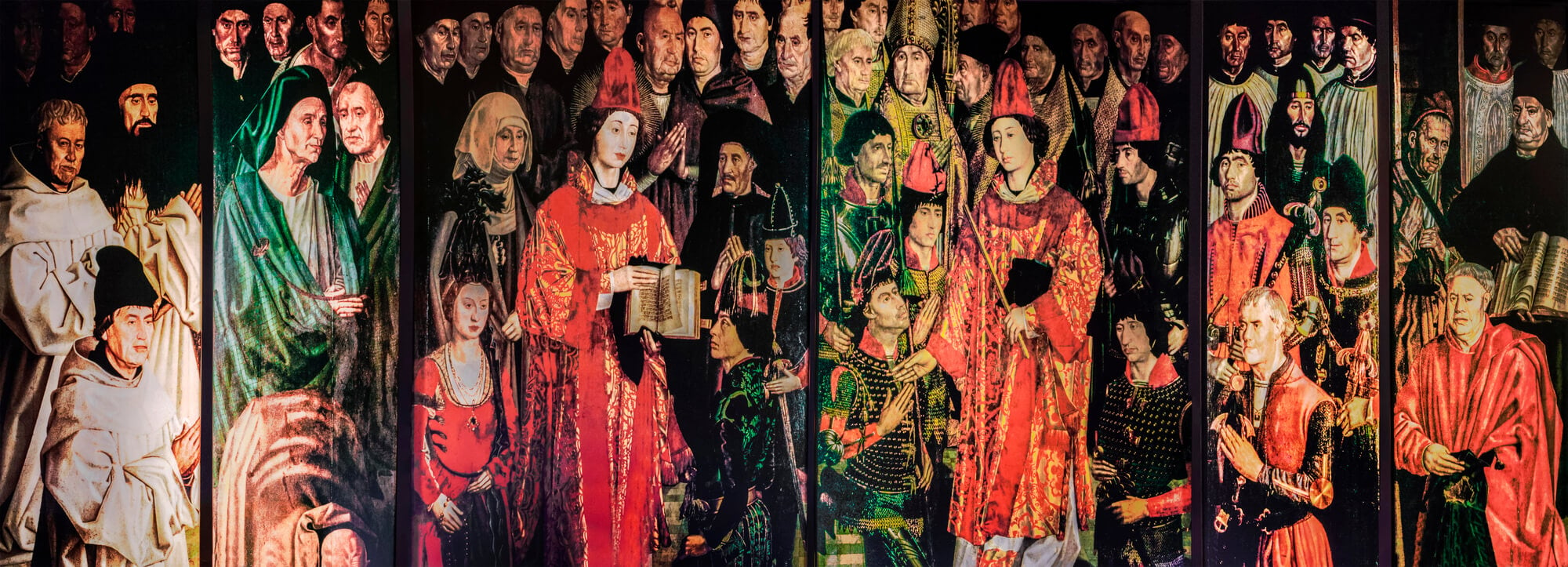
A statute from Edward II’s reign declared that every whale and sturgeon caught or washed up in English waters belonged to the Crown. A fisherman who landed a sturgeon had to offer it to the king. That law remains technically in force today.
Swans were similar. An Act of 1482 restricted ownership to landowners above a set income, and every unmarked mute swan on open water belonged to the monarch. For a peasant, the largest and tastiest bird on the river was strictly something to look at.
8. Purveyance
When the royal household travelled, it ate its way across the country. Officials called purveyors rode ahead with the legal right to take grain, livestock, ale, carts, and horses at a price they set themselves. Payment came as a wooden tally stick, redeemable later. “Later” often meant never.
Magna Carta tried to rein it in, and dozens of later statutes tried again. Villagers hid their livestock when they heard the court was coming. The practice survived until 1660, which tells you how useful kings found it.
9. Edward I Banned Coal Smoke
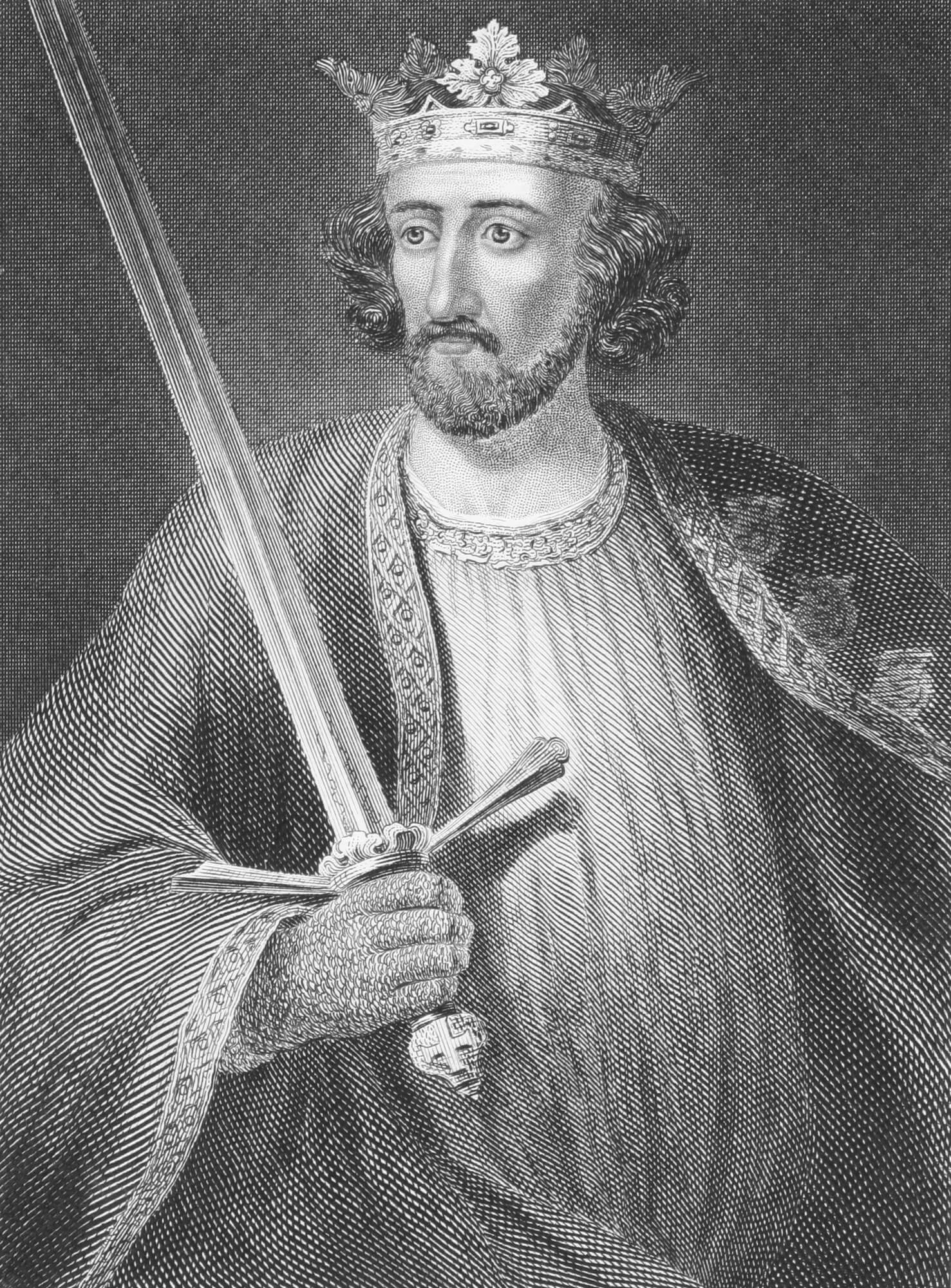
By the 1280s, London’s lime burners and brewers had switched from wood to cheap “sea-coal” shipped down from Newcastle. The smoke was foul. Nobles visiting for Parliament complained, and in 1306 Edward I issued a proclamation forbidding craftsmen from burning it in their kilns while Parliament sat.
It counts among the world’s first air pollution laws. It also failed, because wood cost more and the tradesmen had livings to earn. London went on burning coal until 1952, when a smog killed thousands and forced the issue.
10. Branding the Jobless
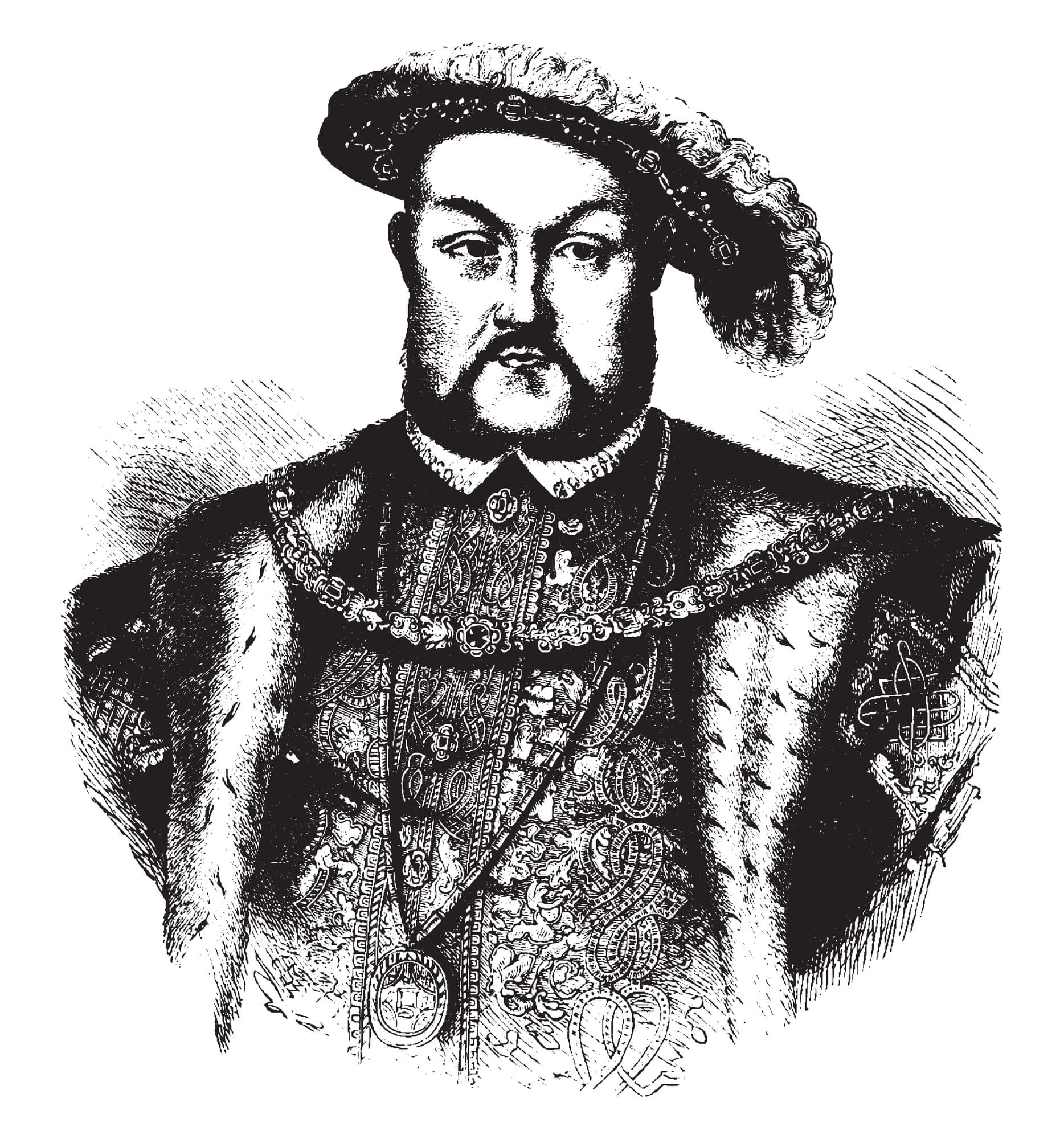
Tudor monarchs treated unemployment as a crime. Under Henry VIII, able-bodied beggars were tied to a cart and whipped through town. Then in 1547, under the boy-king Edward VI, Parliament passed the harshest version. Anyone who refused work for three days could be branded on the chest with a V for vagabond and handed to an informant as a slave for two years.
Run away and you earned an S on the face and slavery for life. Even Tudor magistrates found it too savage to apply, and it was repealed within three years.
11. Buried in Wool by Law
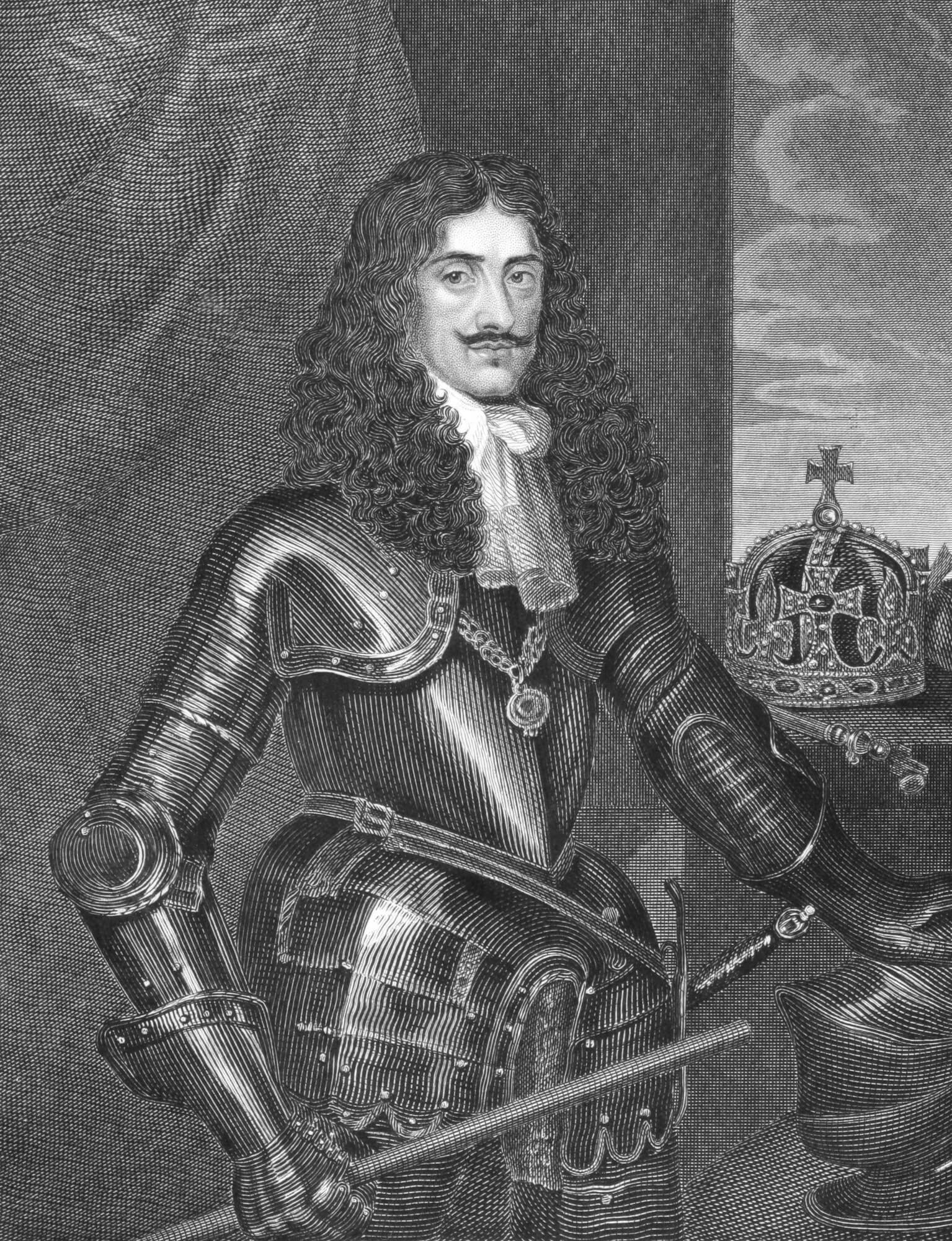
England’s wool trade was struggling in the 1660s, so Charles II’s government found it a captive market: the dead. The Burying in Woollen Acts required every corpse to be wrapped in pure English wool. No linen, no silk. Within eight days of a funeral, a relative had to swear an oath before an official that the law had been followed.
The fine for disobeying was five pounds, a huge sum, with half going to whoever informed. Wealthy families paid it as the price of a linen shroud. Parish registers across England still carry the note “buried in woollen” beside thousands of names.
12. The Window Tax
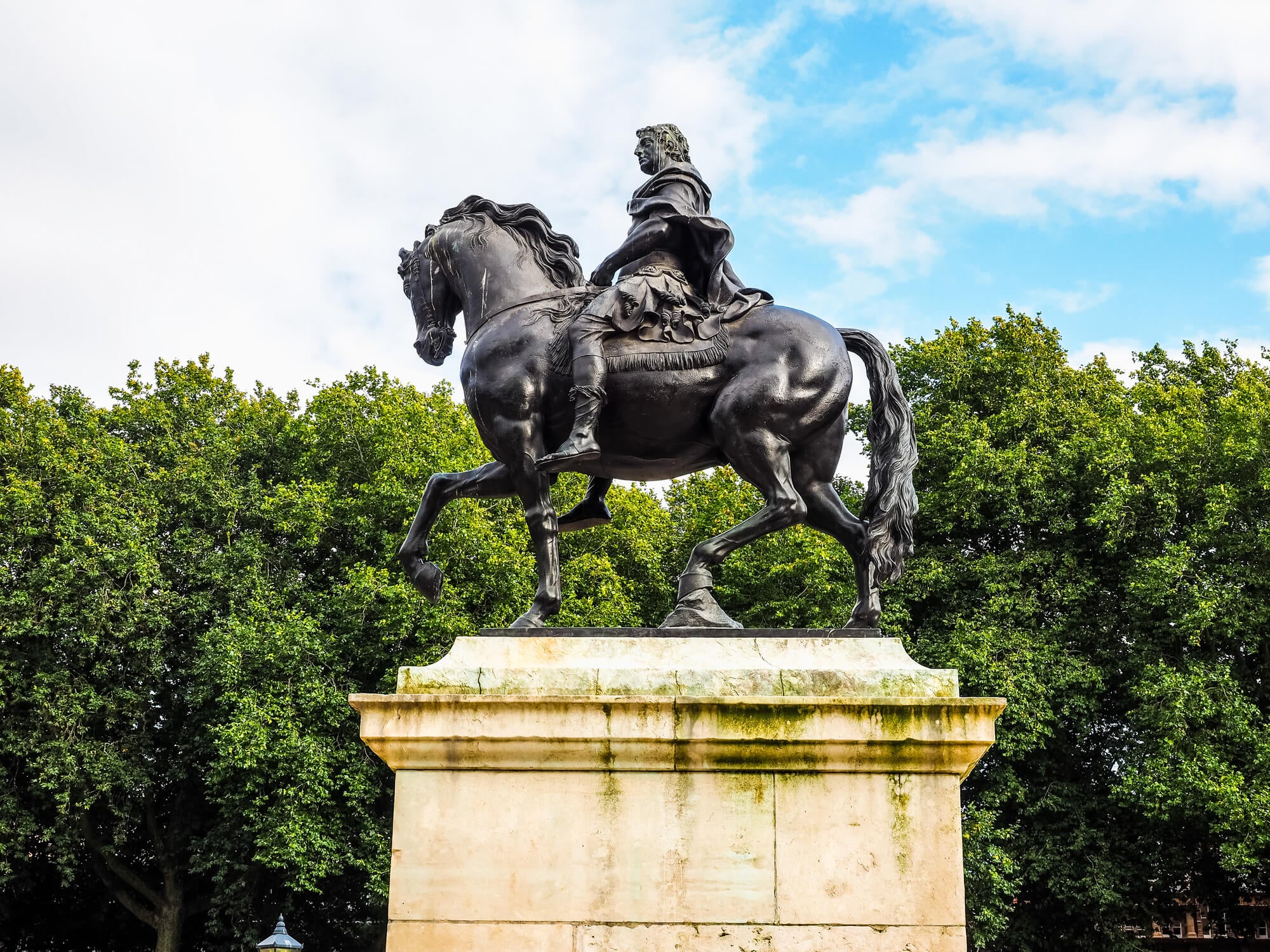
William III needed money for war in 1696, and an income tax was considered an outrageous invasion of privacy. Windows, however, could be counted from the street. Houses paid a flat rate plus a rising charge for every window above ten.
People responded at once by bricking windows up. You can still see the blank rectangles on Georgian houses across Britain. Landlords of tenement blocks sealed up stairwell and bedroom windows, and doctors blamed the tax for outbreaks of typhus. It lasted 155 years. Britain scrapped it in 1851, the year it built a palace made entirely of glass.
13. Eleven Days Without Coffee Houses
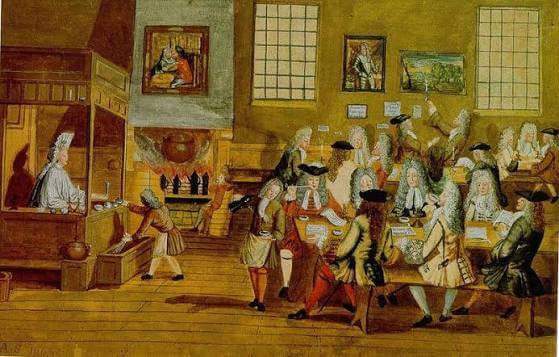
By 1675, London had hundreds of coffee houses where men of all classes read newspapers and argued about politics. Charles II, whose father had lost his head to political argument, saw them as nurseries of sedition. In late December he issued a proclamation closing every one from 10 January.
The outcry was instant and came from all sides, including his own supporters. He withdrew the order two days before it took effect. A king who had survived exile and civil war backed down before a city that wanted its morning cup.
14. The Press Gang
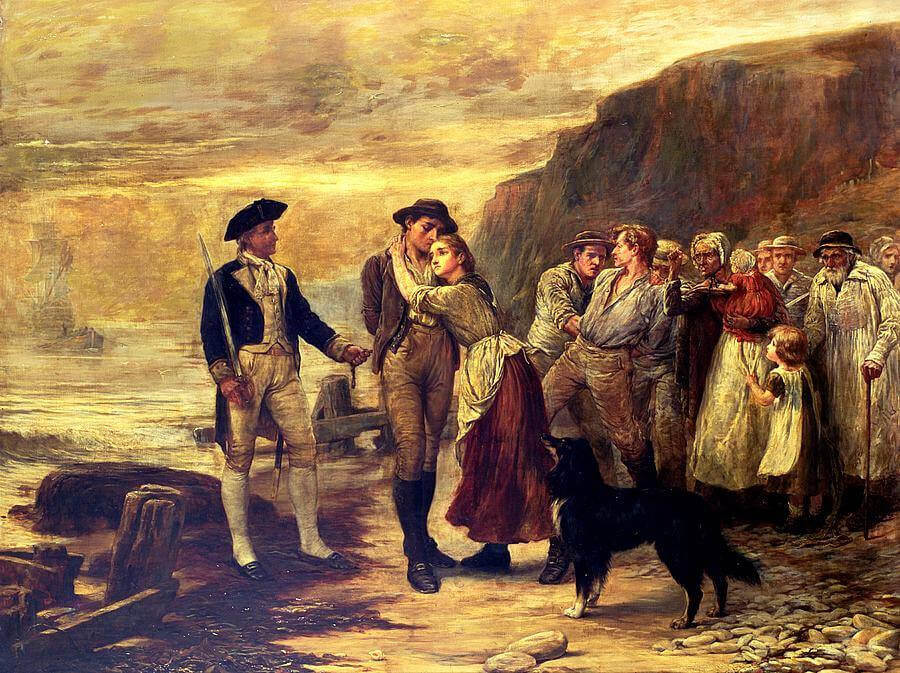
The Royal Navy never had enough sailors, and the Crown held an ancient right to seize them. Gangs of armed men roamed port towns with authority to take any seafarer between 18 and 55. In practice they grabbed whoever looked fit. A man could leave home for a drink and wake up bound for the West Indies, with his family learning of it weeks later, if at all.
Merchant crews returning from a year at sea were stopped in sight of home and stripped of their best hands. At the peak of the Napoleonic Wars, roughly half the navy’s seamen were pressed men. Britain never formally abolished the power. It just stopped using it.
15. The Salt You Had to Buy
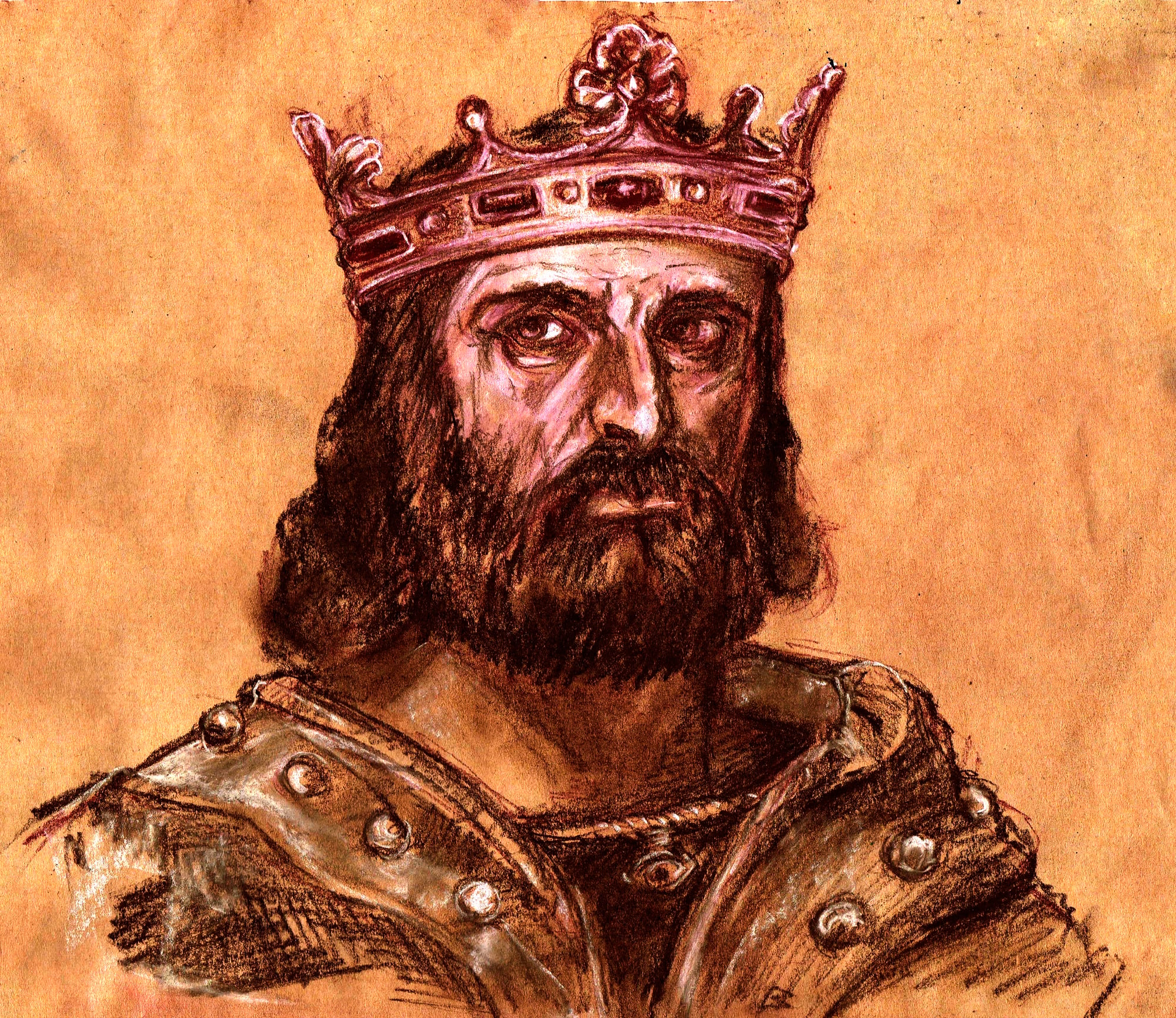
French kings taxed salt for nearly 500 years, and the gabelle was the most hated tax in the realm. In the heavily taxed provinces, the law went beyond taxing what you bought. It obliged every person over the age of eight to buy a minimum amount each year from the royal warehouse, at the royal price.
Prices varied up to twentyfold between regions, so smuggling thrived. Thousands of smugglers went to the galleys. Officials searched homes and even checked that you weren’t using your compulsory table salt to cure meat, which required a separate purchase. When revolution came in 1789, the gabelle was among the first things to go.
16. Soldiers at Your Table
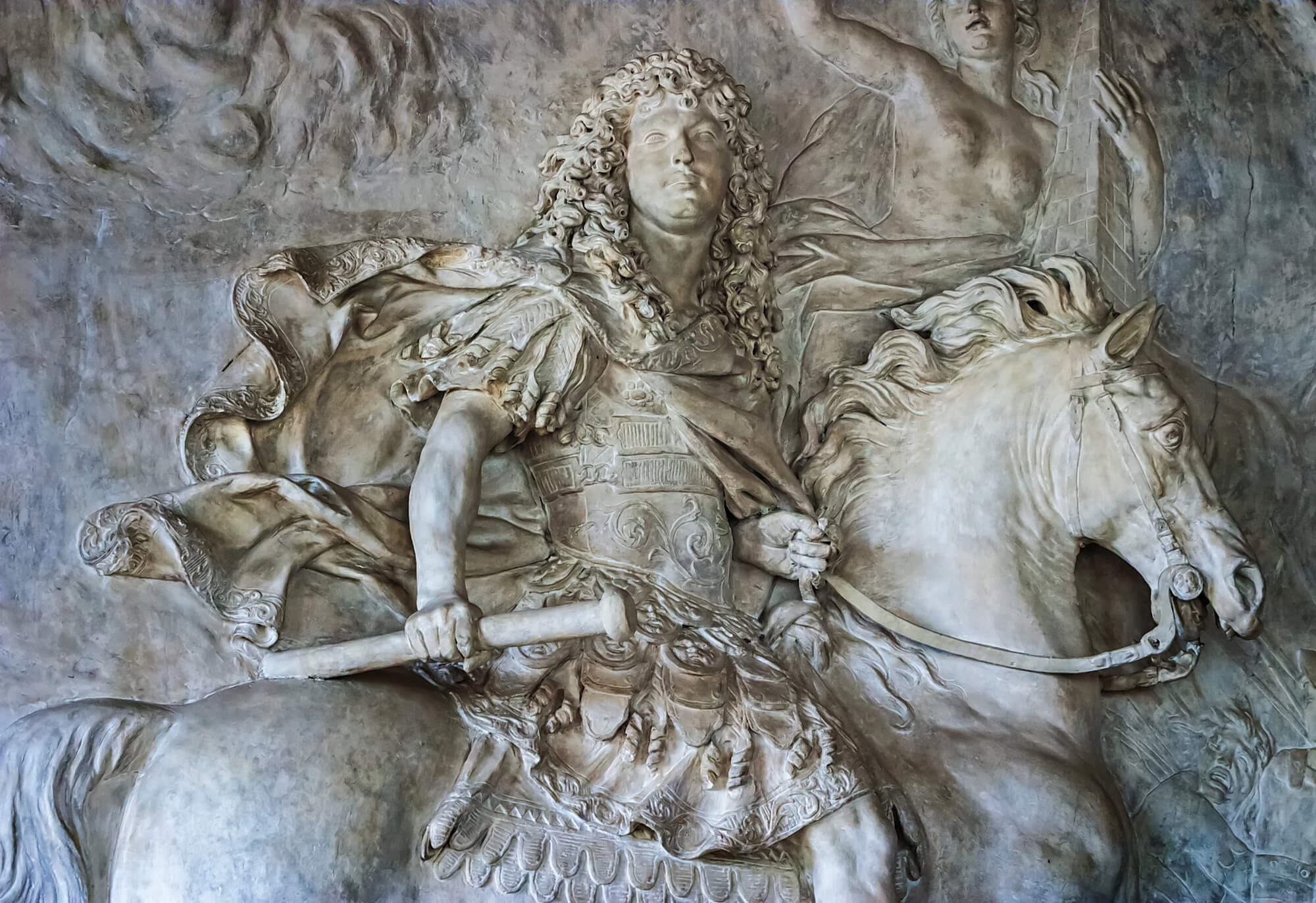
Louis XIV wanted France to have one faith. From 1681, his officials billeted dragoons, the roughest of his cavalry, in Protestant homes. The soldiers ate the family’s food, smashed their furniture, and abused them until they converted. Conversions poured in, as you’d expect.
In 1685 the king revoked the law protecting Protestants altogether. Their churches were demolished, and ordinary believers were forbidden to leave the country, with the galleys waiting for men caught trying. Around 200,000 escaped anyway. A couple of hundred of them landed at the Cape from 1688, settled a valley they named Franschhoek, and gave South Africa surnames like Du Plessis, Joubert, and De Villiers.
17. Philip II Outlaws a Culture
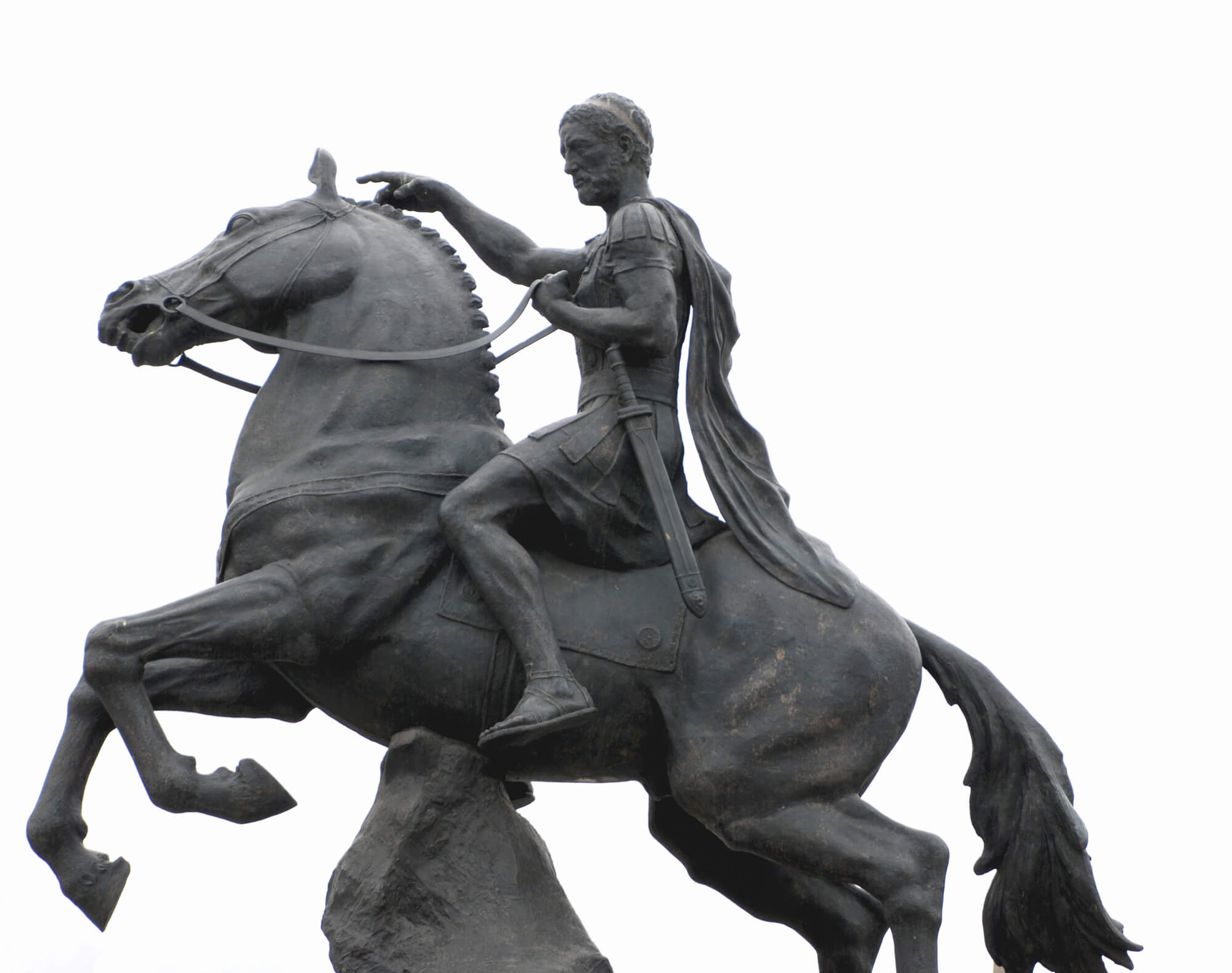
In 1567, the Spanish king issued a decree aimed at the Moriscos, descendants of Muslims who had been forced to convert to Christianity. It banned the Arabic language, spoken or written, and gave them three years to learn Castilian. It banned their clothing, their music, their surnames, and their public baths.
Families had to leave their doors open on Fridays and feast days so neighbours could check they weren’t praying. The Moriscos of Granada rose in revolt the next year, and the war lasted until 1571. It’s hard to make people loyal by criminalising their grandmothers’ recipes.
18. Peter the Great’s Beard Tax
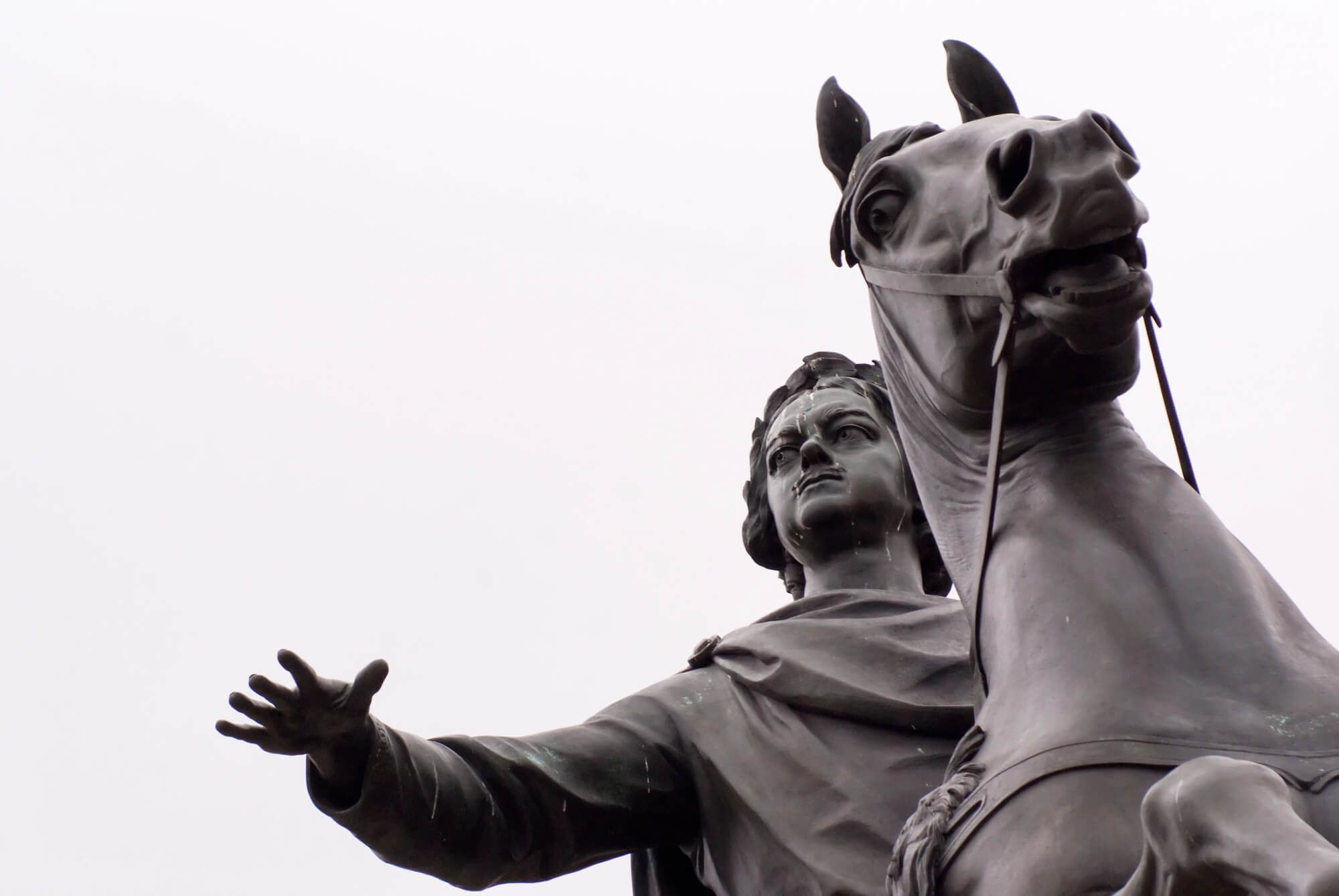
Peter returned from a tour of Western Europe in 1698 convinced that Russia looked backward. At his welcome reception he produced a razor and personally shaved his leading nobles. Then he made it policy. Any man wanting to keep his beard paid an annual tax, up to 100 roubles for a wealthy merchant.
Payers received a copper token stamped with a nose, moustache, and beard, to show to police on demand. Peasants could stay bearded in their villages but paid a kopek each time they entered a city. For Orthodox believers the beard was a religious duty, so many paid. Some who shaved kept the clippings to be buried with them.
19. Tsar Paul’s War on Round Hats
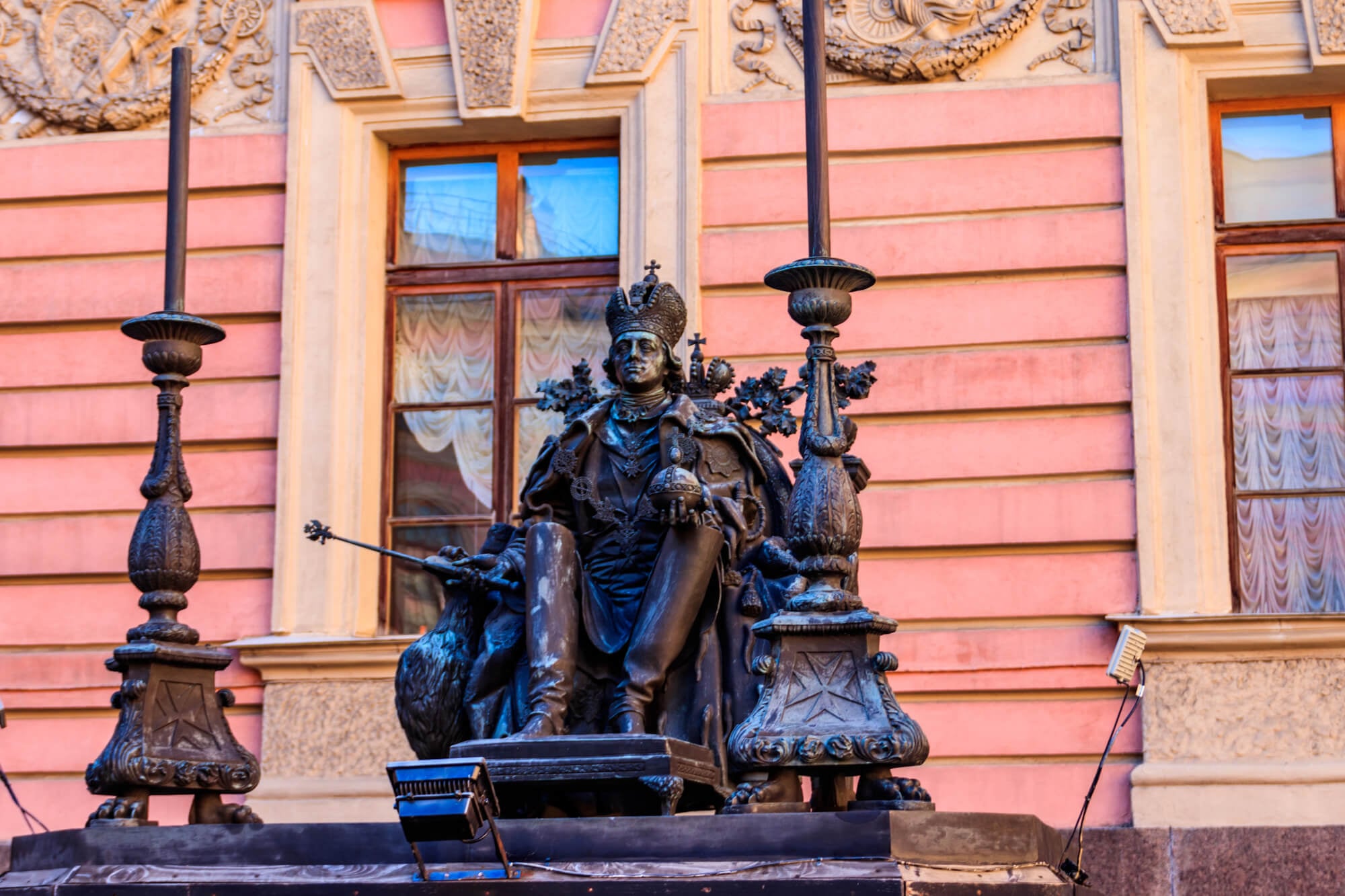
Paul I ruled Russia from 1796 to 1801 and spent those years terrified of the French Revolution. He banned anything that smelled of it. Round hats, tailcoats, waistcoats, and laced shoes were forbidden, and police tore them off people in the street. He struck words such as “citizen” and “society” from official use.
When his carriage passed, everyone had to stop, climb down from their own vehicles, and bow, in any weather. St Petersburg had a curfew. His own courtiers strangled him in his bedroom after less than five years, and the round hats were back within days.
20. Frederick the Great Picks Your Menu
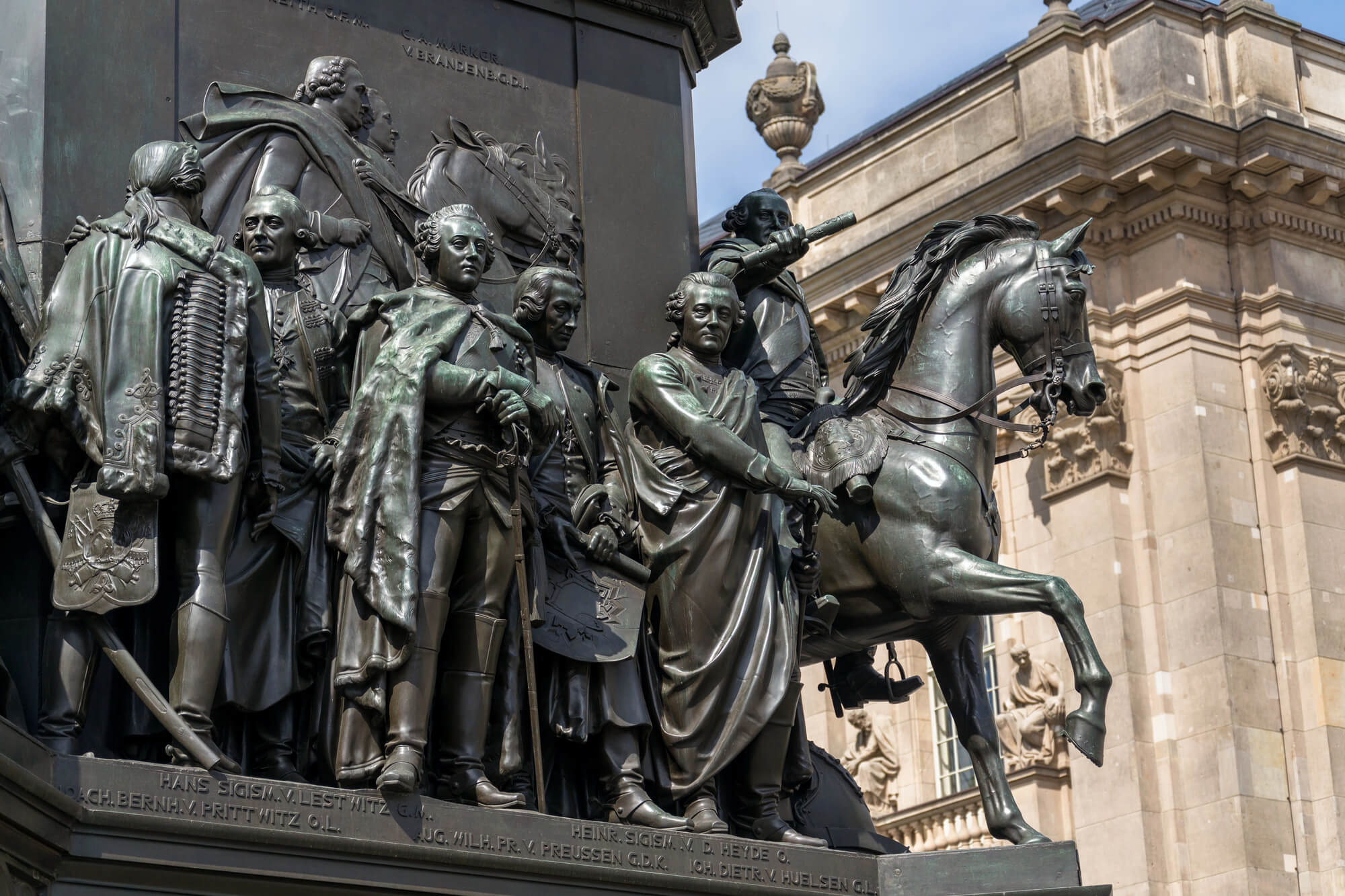
In 1756, the Prussian king ordered his officials to make peasants plant potatoes, a crop they distrusted as tasteless and possibly poisonous. His “potato order” worked well enough that Germans still leave potatoes on his grave. That was the friendly side.
Coffee got the other treatment. Frederick thought imports drained the treasury and told his subjects to drink beer as he had. In 1781 he made roasting a royal monopoly and hired about 400 disabled war veterans to walk the streets sniffing for illegal roasters. Berliners called them the coffee sniffers and hated them heartily.
21. Keep Your Hair or Keep Your Head
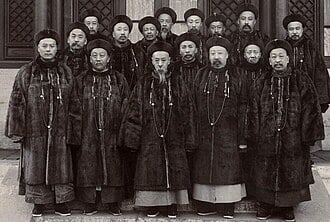
When the Manchu conquered China, their regent issued an order in July 1645. Every Han Chinese man had ten days to shave the front of his scalp and braid the rest into a queue, in the Manchu style. Confucian teaching held that hair was a gift from one’s parents and cutting it dishonoured them.
The slogan of the day put the choice bluntly: keep your hair and lose your head, or keep your head and lose your hair. Entire cities resisted and were massacred. The queue remained compulsory for 267 years, until the dynasty fell. By then many men had to be persuaded to cut it off.
22. Words You Couldn’t Write

In imperial China, the characters in the reigning emperor’s personal name became forbidden. Writers had to substitute a different word, or leave out a stroke so the character was deliberately incomplete. Scholars sitting the civil service exams memorised lists of taboo characters, because one slip meant failure. Bright yellow cloth was off limits too, reserved for the emperor alone.
The rule had teeth. In 1777 a scholar named Wang Xihou printed the emperors’ names in full in the preface to a dictionary. The Qianlong Emperor had him executed and punished his family with him.
23. Korea’s Compulsory Name Tags
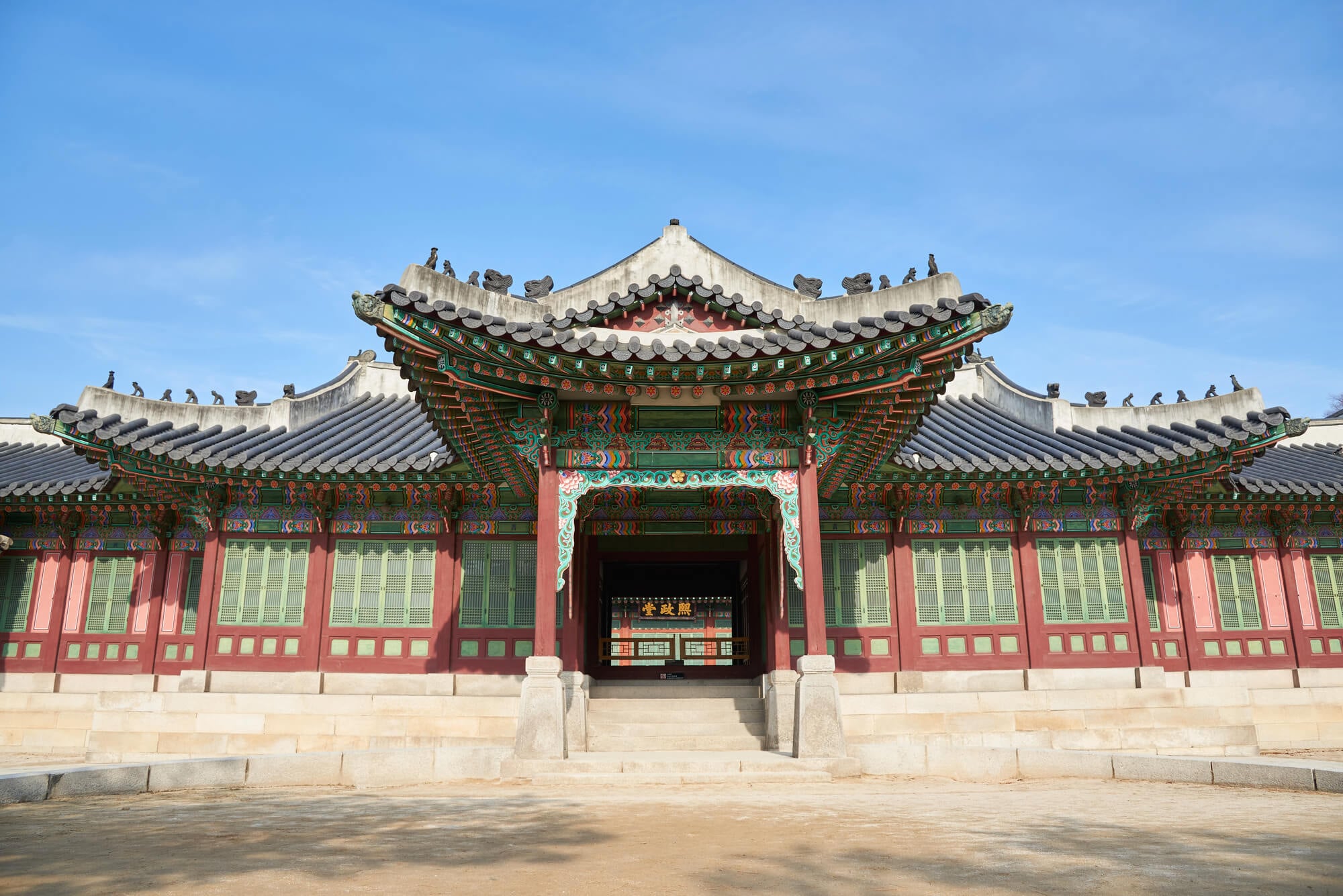
In 1413, King Taejong of Joseon ordered every male over sixteen to carry a tag called a hopae, recording his name, birth year, status, and home district. The material showed your rank. High officials carried ivory, lesser officials horn, and commoners a plain strip of wood.
The purpose was control. Tags let the state track who owed tax and military service and stop peasants drifting away from their land. People evaded it so persistently that kings suspended and revived the system several times. The identity document, and the dodging of it, are older than you’d think.
24. The Kapu of Hawaii
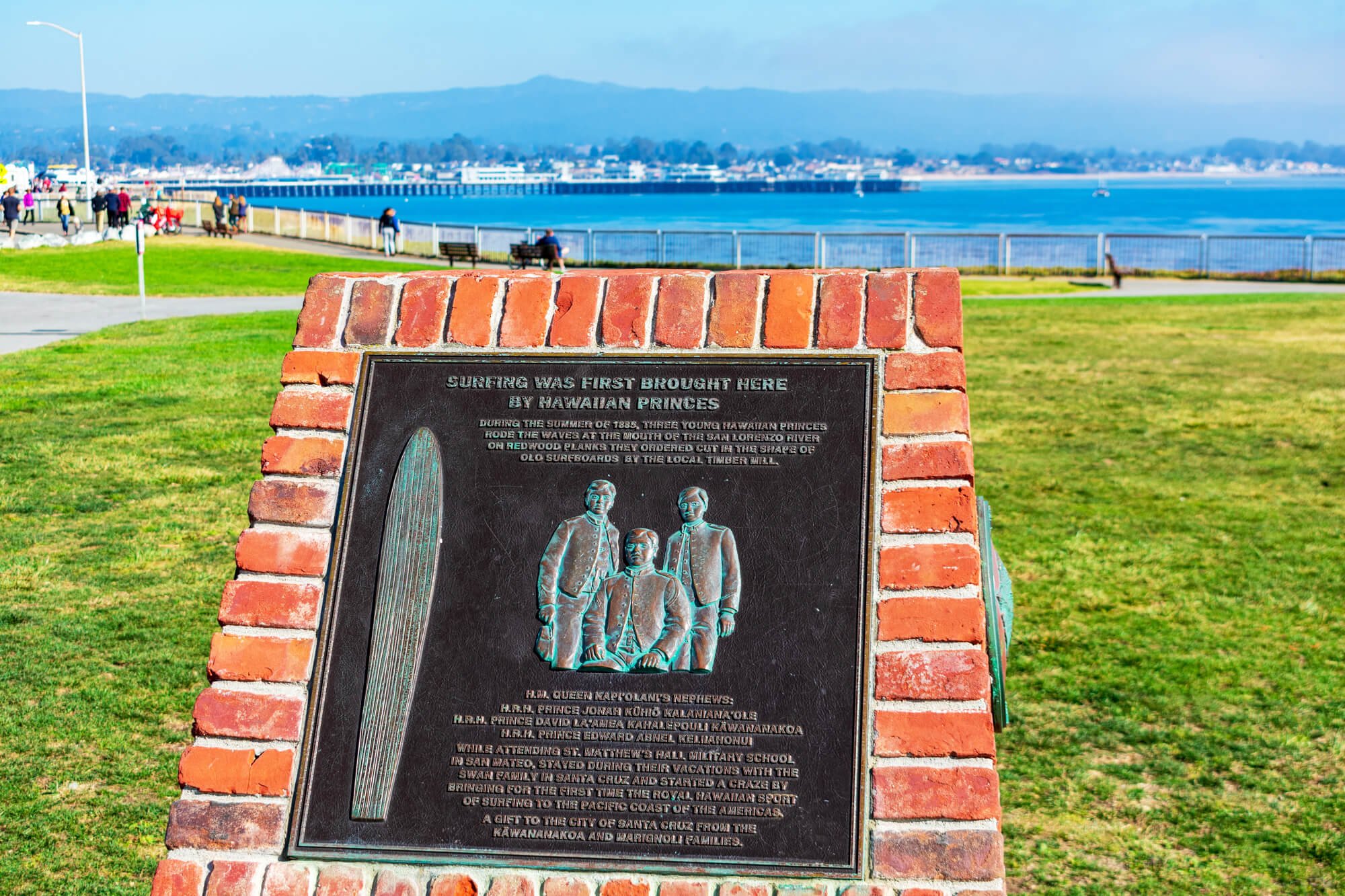
Hawaiian society ran on a system of sacred prohibitions enforced by the chiefs. A commoner whose shadow fell on a high chief, or on his house, faced death. People had to lie face-down when the highest-ranking chiefs passed. Women couldn’t eat pork, bananas, coconuts, or certain fish, and couldn’t eat with men at all.
Penalties were immediate and usually fatal. The system ended in a single meal. In 1819, months after the death of Kamehameha the Great, his son sat down at a feast and ate with the women of the court. Nothing happened. Within weeks, Hawaiians were pulling down their own temples.
25. Eyes Down in Siam
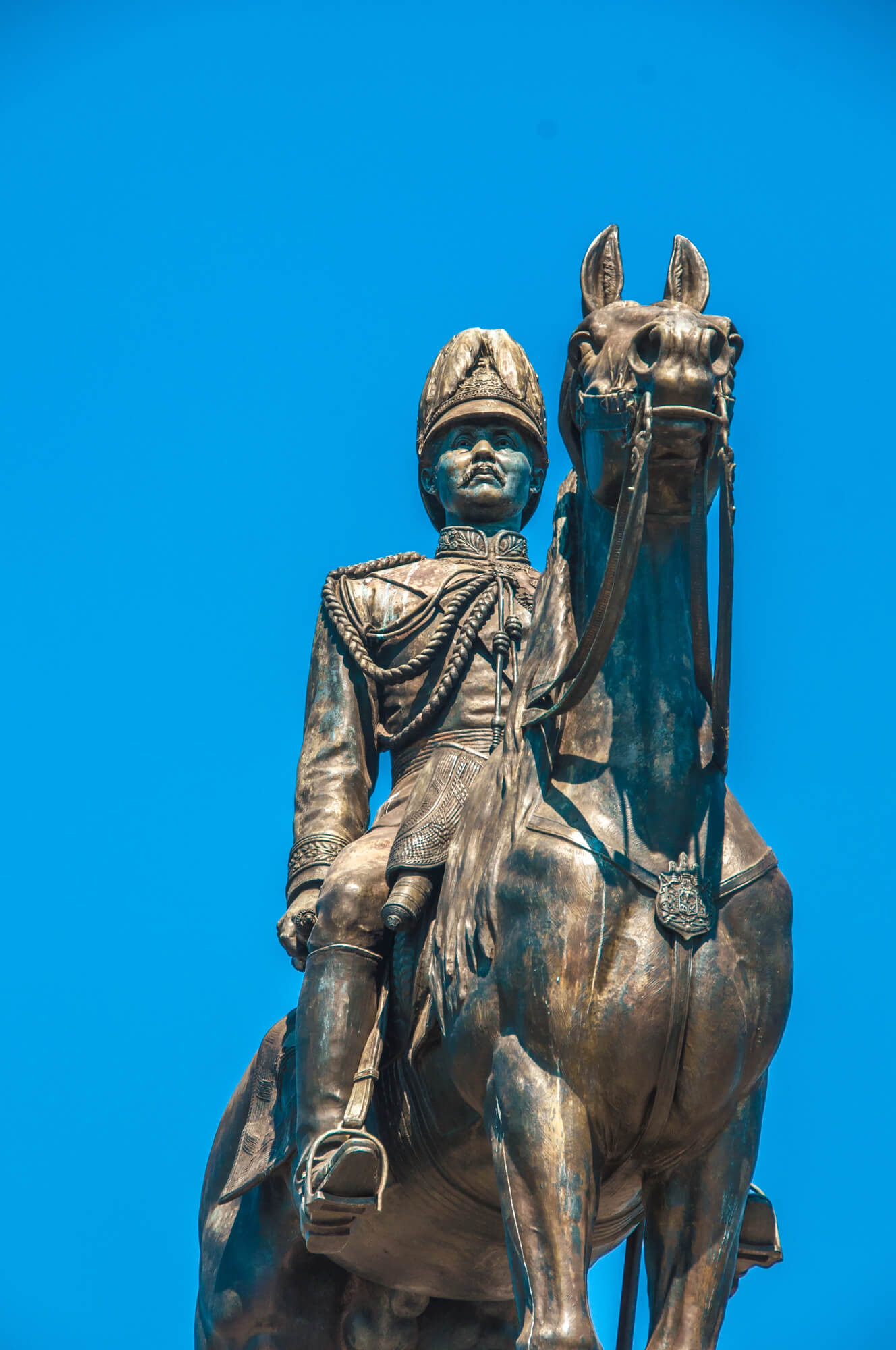
Under the old Siamese palace law, ordinary subjects prostrated themselves in the king’s presence and crawled rather than walked. Looking directly at him was forbidden, and touching a royal person carried the death penalty. When a royal procession passed, people shuttered their windows.
King Chulalongkorn abolished prostration in 1873, calling it oppressive. Old habits died harder. In 1880 his pregnant queen drowned when her boat capsized on the way to a summer palace, and the story has long been told that onlookers held back for fear of the touching law. The king, grief-stricken, punished the official in charge.
26. Shaka’s Regiments and Mourning Orders

Shaka built the Zulu kingdom on the amabutho, regiments of men grouped by age who served the king directly. A man couldn’t marry until his regiment received royal permission to put on the head-ring, and Shaka often withheld it until the men were in their late thirties. Young women were formed into matching regiments and married only when he released them.
When his mother Nandi died in 1827, he ordered a year of mourning. According to the trader Henry Francis Fynn, no crops were to be planted and no milk used, and thousands died. Historians treat Fynn’s numbers with caution, because he rewrote his diary years later and had reasons to blacken Shaka’s name. Zulu oral tradition agrees on this much: the orders were harsh enough that a man named Gala walked up to the king and told him to stop. Shaka listened, and rewarded him with cattle.
27. Moshoeshoe Bans Brandy

Here’s a royal rule with a different flavour. By the 1850s, traders from the Cape and the Free State were bringing cheap brandy into Lesotho and leaving with Basotho cattle. King Moshoeshoe I watched neighbouring chiefdoms dissolve in drink and debt. In November 1854 he issued a written law forbidding the import and sale of spirits in his country, and ordering that any brandy found be poured out on the ground.
He followed it the next year with a law against killing people accused of witchcraft. Moshoeshoe ruled by consultation and earned a reputation as one of the century’s shrewdest diplomats. His kingdom survived when most of its neighbours didn’t, and the brandy ban is a small part of why.
The Crown in the Kitchen
Next time a regulation annoys you, read up on where it came from. That habit pays. Plenty of modern rules descend from these old ones, from ID documents to pollution law to the taxman’s interest in your house, and knowing the history makes you harder to fool about the present.
What stands out across 27 of these is how personal power was. A tsar’s fear, a king’s hunting hobby, a regent’s haircut, each turned into law for millions by the following week. And people bricked up their windows, hid their pigs, smuggled their salt, and roasted their coffee with the shutters closed. Kings wrote the rules, and ordinary people decided how much of them to obey.
More from Go2Tutors!

- The Romanov Crown Jewels and Their Tragic Fate
- 13 Historical Mysteries That Science Still Can’t Solve
- Famous Hoaxes That Fooled the World for Years
- 15 Child Stars with Tragic Adult Lives
- 16 Famous Jewelry Pieces in History
Like Go2Tutors’s content? Follow us on MSN.