Photos Of Times Square In The 1970s That Are Hard To Believe Are Real
Looking at vintage photographs can feel like peering into an alternate universe, but Times Square in the 1970s pushes that feeling to its absolute limit. The iconic crossroads of New York City bore almost no resemblance to the sanitized tourist destination it has become today.
Instead of family-friendly chain restaurants and Broadway shows marketed to suburbanites, the area was a gritty urban landscape that most New Yorkers actively avoided after dark. These photographs capture a moment when America’s most famous intersection was synonymous with danger, decay, and a particular kind of urban desperation that seems almost impossible to imagine now.
Empty Streets During Rush Hour
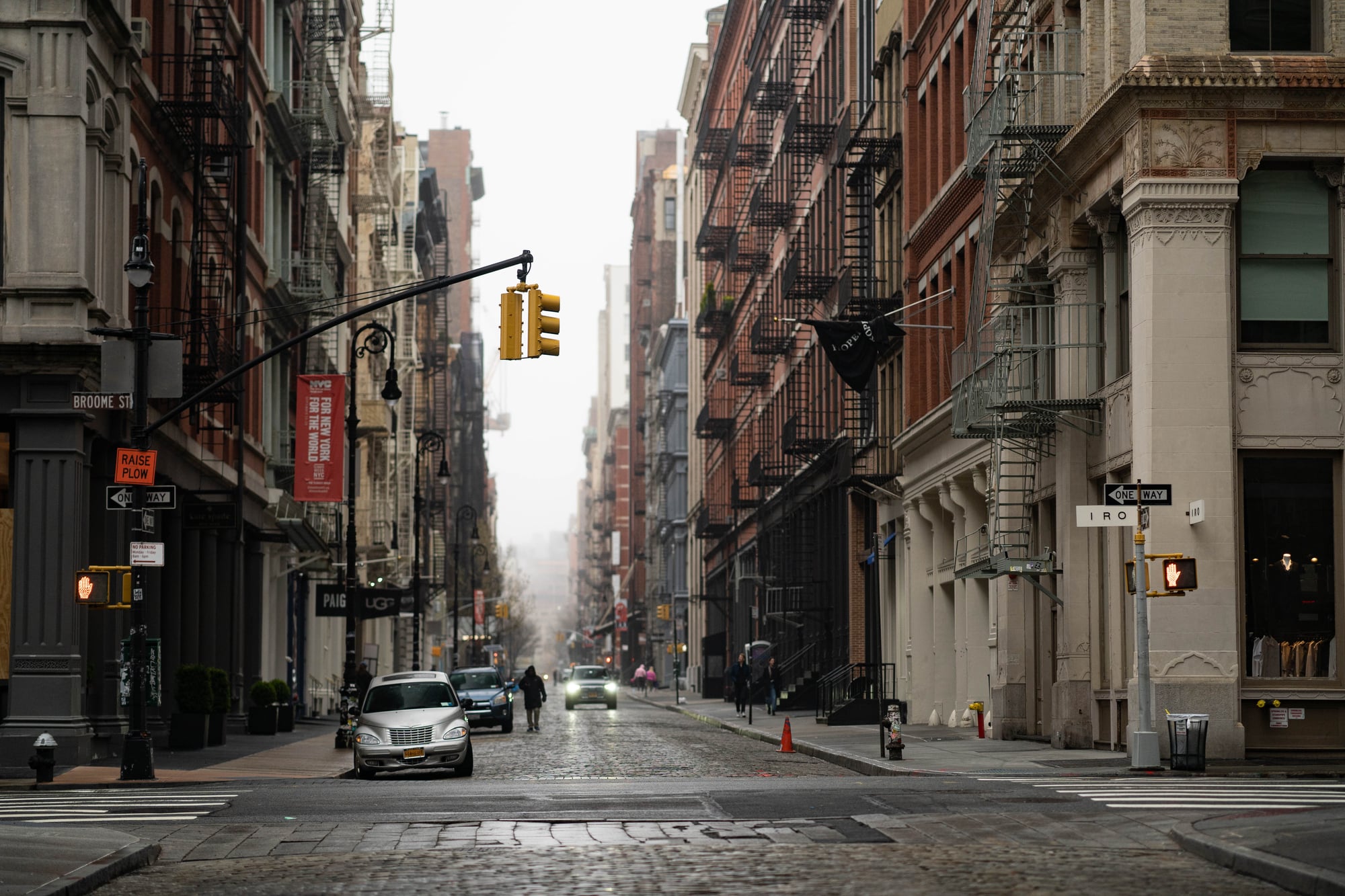
Times Square without crowds is unthinkable today. But the photos don’t lie.
The streets were genuinely empty, even during what should have been peak hours.
Adult Theaters Dominating Every Block
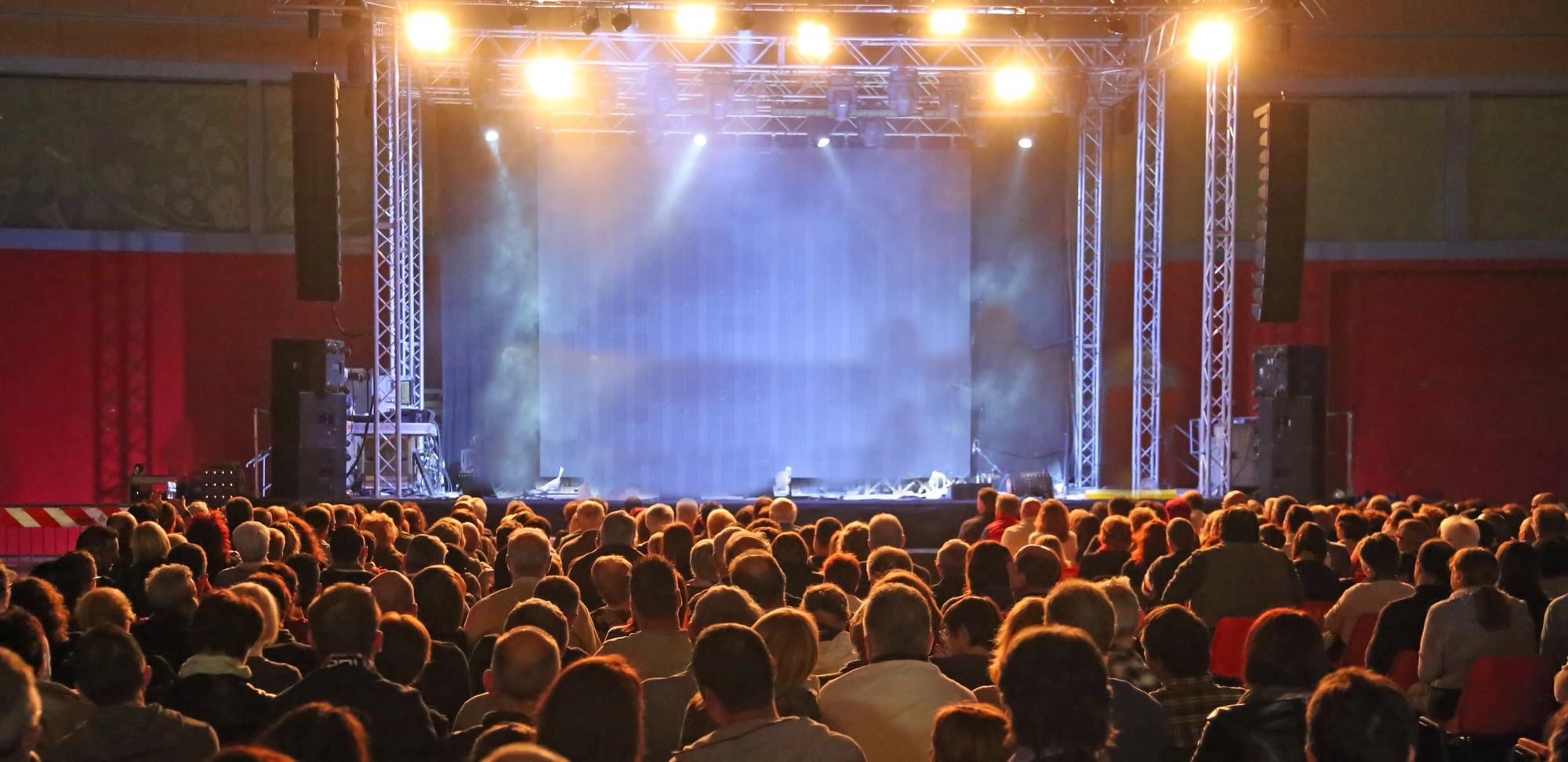
You counted at least twelve adult movie theaters within a three-block radius. Not tucked away in side streets — right there on Broadway, with marquees advertising films that would make a modern city planner faint.
The Lyric, the Victory, the Times Square Theater — all showing content that drew a very specific clientele while driving away everyone else.
Mountains Of Uncollected Garbage
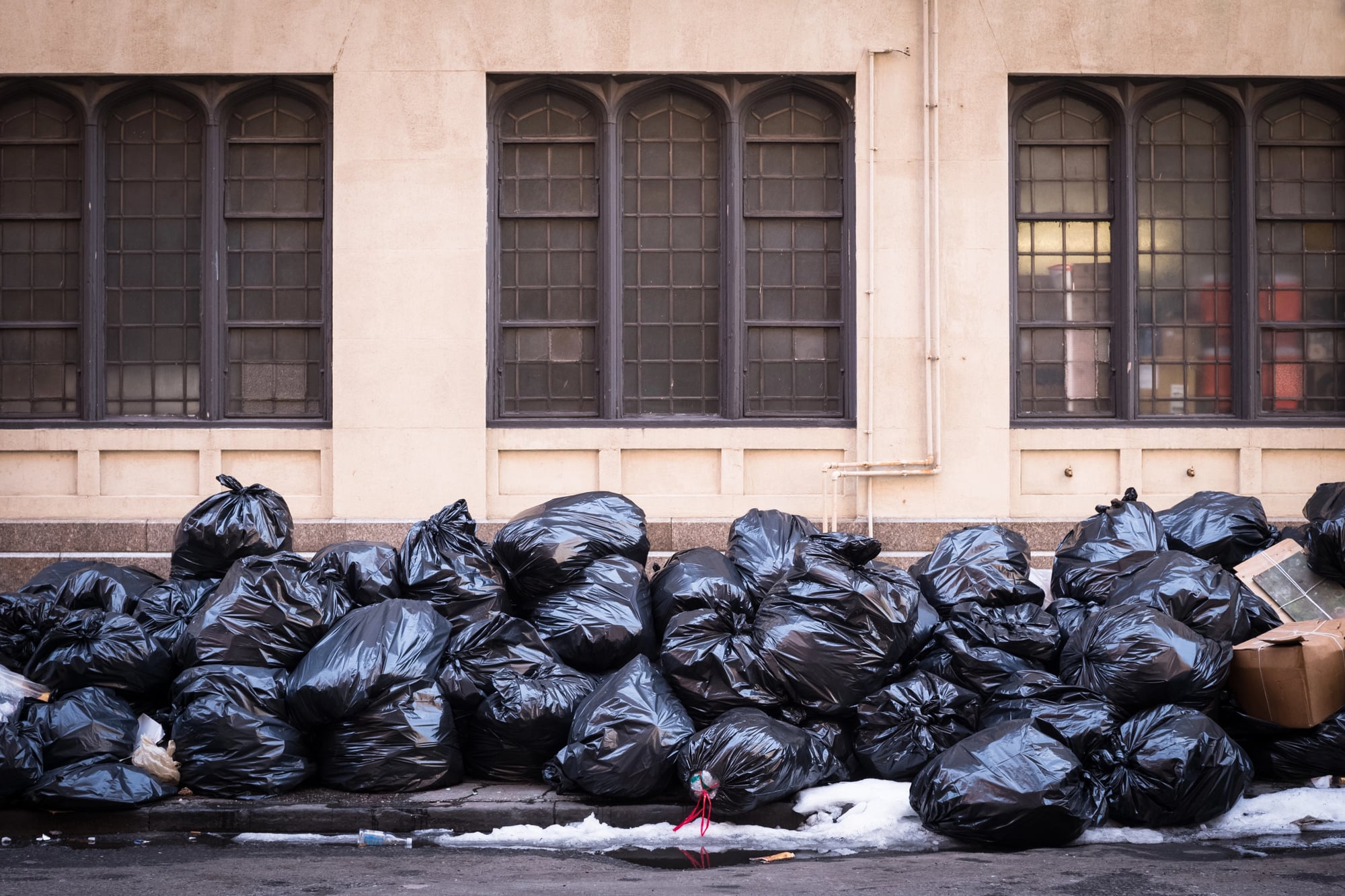
The city’s financial crisis meant basic services (including garbage collection) happened sporadically, and when the sanitation workers went on strike, Times Square turned into something resembling a post-apocalyptic movie set. The photographs show trash piled so high it blocked storefronts, and the smell — which thankfully doesn’t translate through images — was reportedly unbearable even by New York standards.
Three-Card Monte Games In Broad Daylight
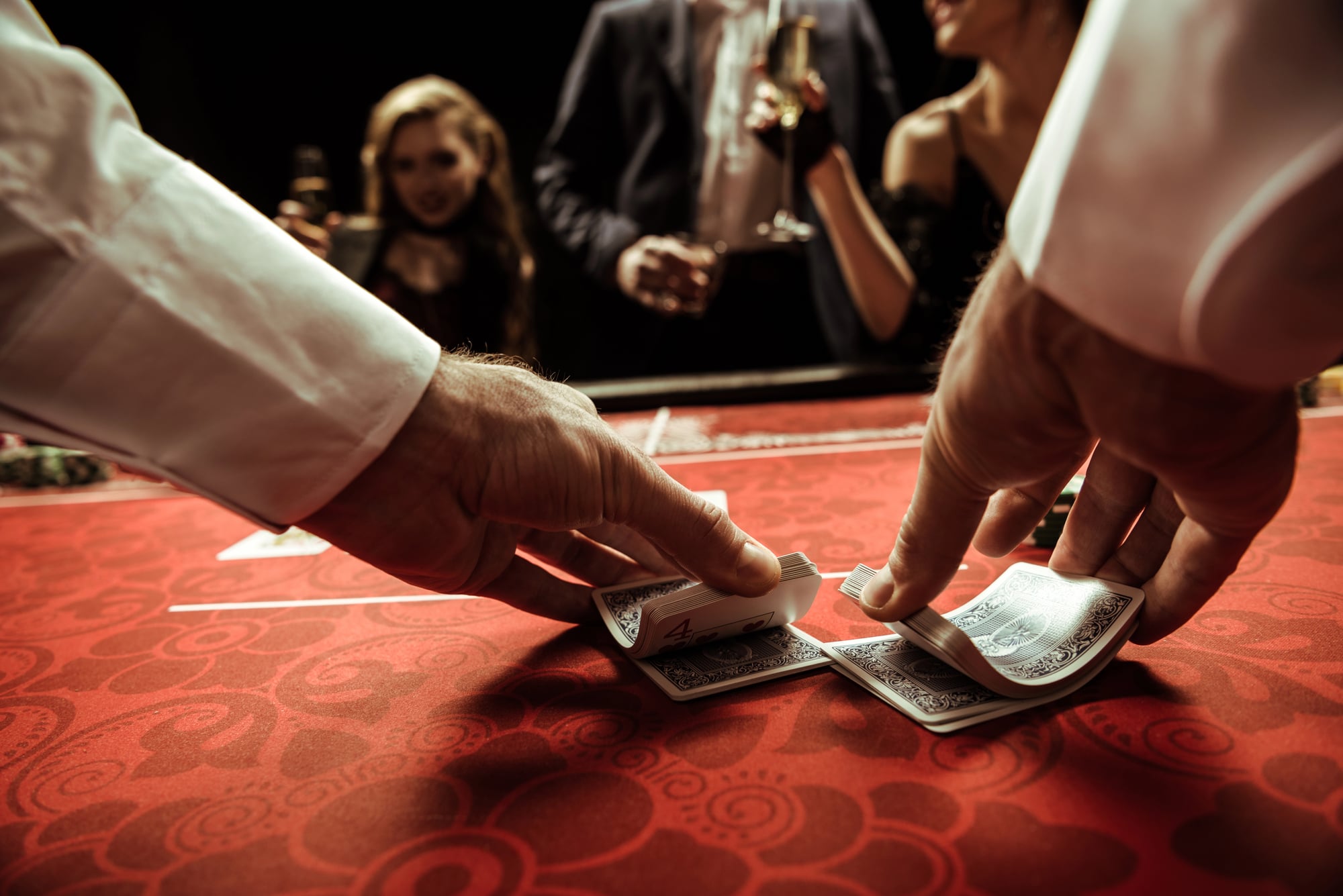
Times Square hustlers weren’t subtle about their business, which makes sense when you consider that law enforcement had essentially written off the area as unsalvageable. The three-card Monte dealers operated with the casual confidence of street vendors, because in many ways, that’s exactly what they were — just selling a different kind of product.
And the tourists who got taken (there were always tourists) learned an expensive lesson about the difference between the New York they’d imagined and the one that actually existed.
So the dealers worked their tables right in the middle of the sidewalk, often with lookouts posted to watch for the occasional police patrol, though even that precaution seemed more traditional than necessary (the cops had bigger problems to worry about). The games drew crowds of onlookers who understood the basic mathematics — the house always wins — but stuck around anyway because the theater of it was genuinely entertaining.
Even the people getting fleeced seemed to know what they were signing up for.
Boarded Up Storefronts Everywhere
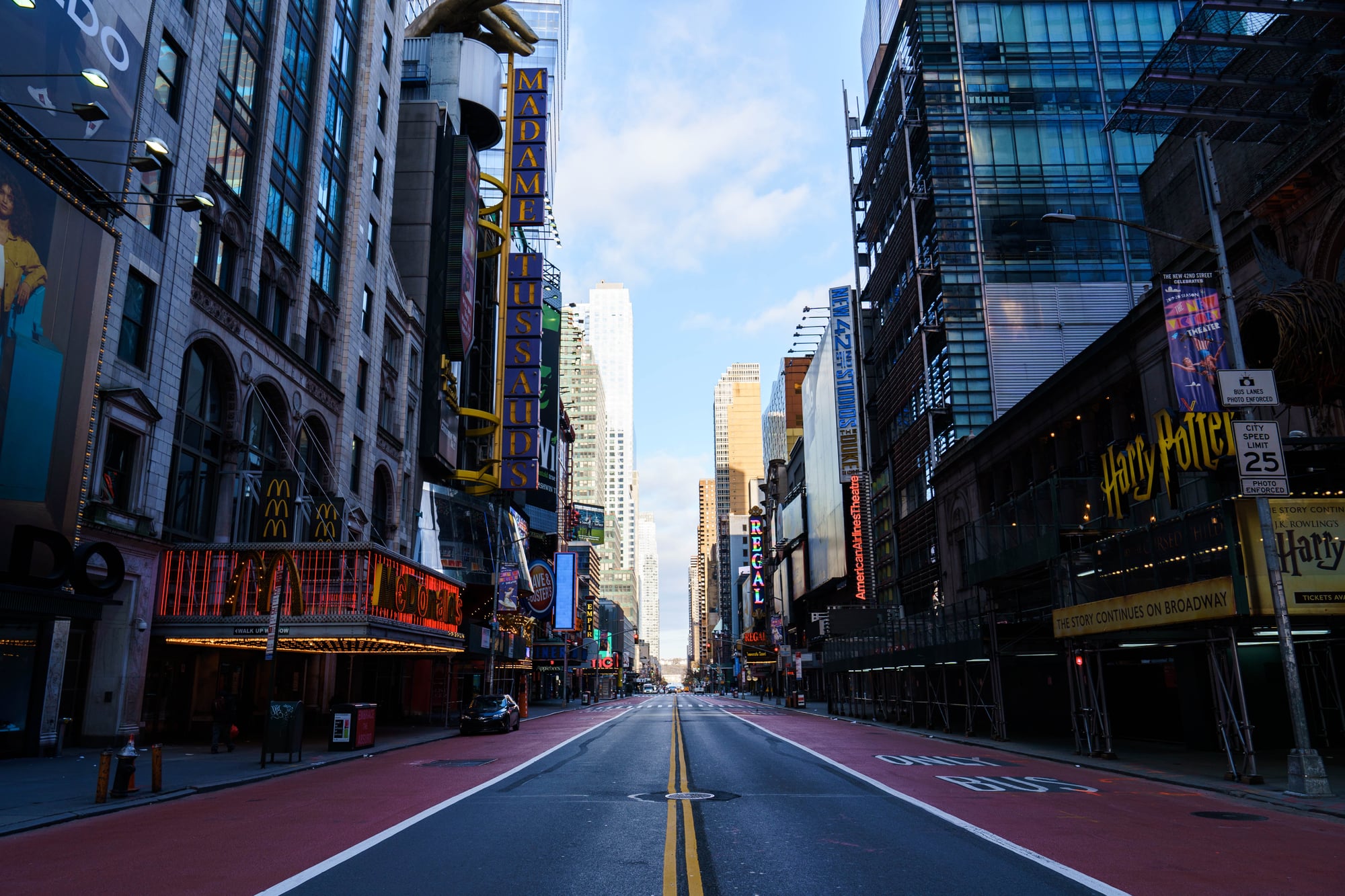
Walking through Times Square meant navigating around an astonishing number of abandoned businesses. The photographs show entire blocks where legitimate retail had simply given up and moved out, leaving behind empty shells covered in plywood and graffiti.
The few shops that remained open were either adult bookstores, cheap electronics dealers, or businesses that probably shouldn’t have been operating in broad daylight.
Street Crime Happening In Plain Sight
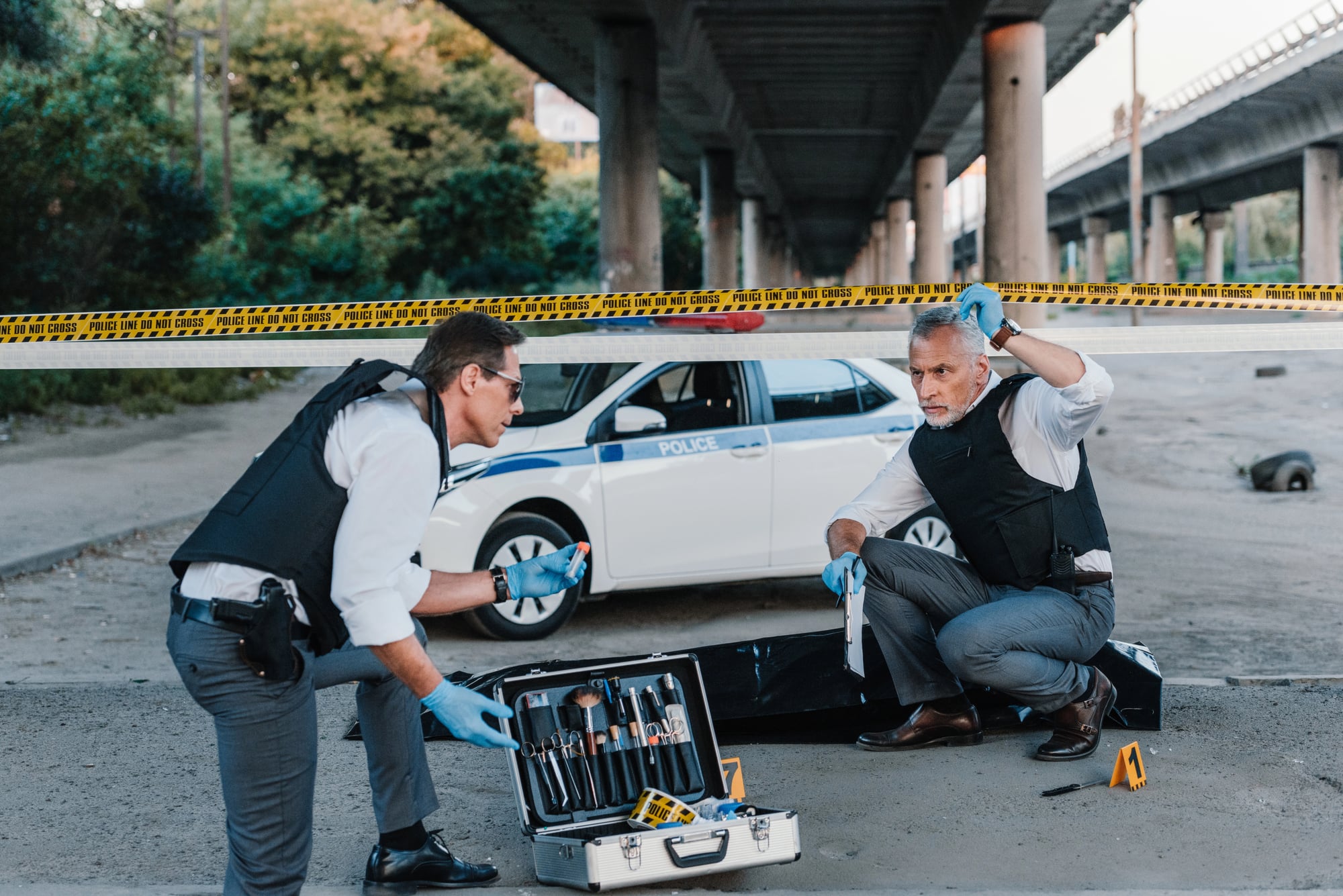
The most shocking thing about these photographs isn’t what they show — it’s what they capture happening casually in the background. Pickpocketing, drug deals, and various forms of intimidation were so common that photographers didn’t even seem to notice them while framing their shots.
The criminals weren’t hiding because they didn’t need to.
Neon Signs For Businesses That No Longer Exist
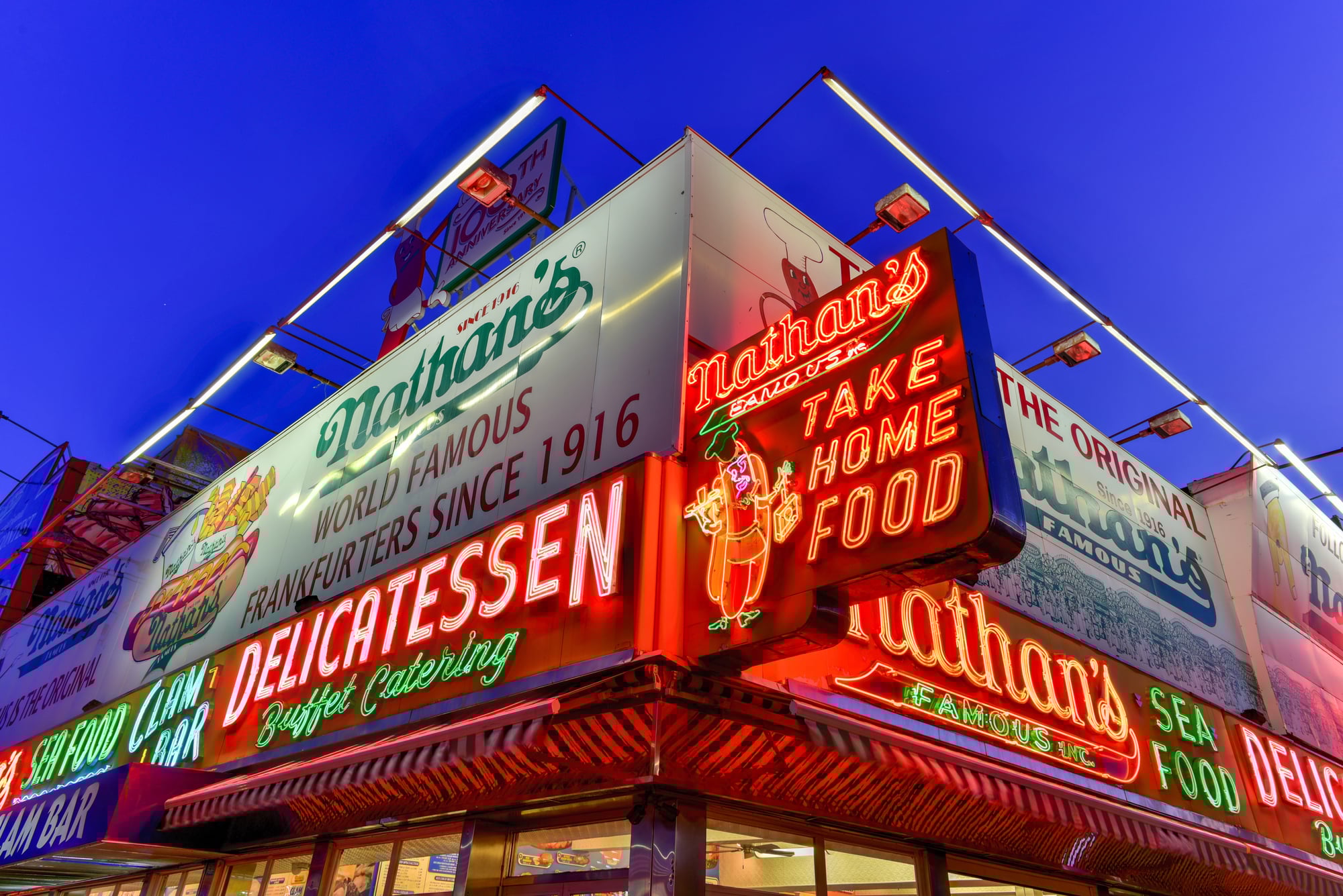
The signage told its own story about what Times Square had become. Instead of major corporations advertising their brands, the neon belonged to businesses that existed in legal gray areas — massage parlors with names like “Oriental Relaxation” and “Executive Relief,” electronics stores advertising “wholesale prices” that were obviously stolen goods, and restaurants that probably failed health inspections on a regular basis.
The signs themselves were often broken, flickering, or missing letters, which somehow made them even more effective at communicating exactly what kind of neighborhood this had become.
Police Officers In Groups Of Four Or More
Solo police patrols didn’t happen in 1970s Times Square. The photographs consistently show officers traveling in groups, which tells you everything about how dangerous the area had become.
Even the people whose job it was to maintain order were afraid to work alone, and they moved through the crowds with the careful alertness of soldiers in hostile territory.
Subway Entrances That Look Like Crime Scenes
The subway stations were somehow even worse than the streets above them, and the photographs of the entrances suggest why most people chose to walk rather than go underground. The stairways were poorly lit, often flooded with questionable water, and covered in graffiti that wasn’t artistic — just angry.
The few people entering or exiting moved quickly and kept their heads down.
Legitimate Businesses Operating Behind Security Gates

The contrast was striking — a few legitimate businesses still trying to operate in Times Square, but only behind security measures that looked more appropriate for a prison than a retail district.
Even during business hours, many shops kept their gates partially closed, with customers entering through small gaps that could be quickly sealed if trouble started.
Crowds That Look Genuinely Dangerous
Modern Times Square crowds are families, tourists, and office workers. The 1970s crowds were something else entirely.
The photographs show groups of people who looked like they were actively looking for trouble, or at minimum, wouldn’t go out of their way to avoid it.
The body language is different — more aggressive, more territorial, more aware of potential threats.
Storefronts Advertising Services That Were Obviously Illegal
The massage parlors and adult bookstores were just the beginning. The photographs show businesses advertising services that were clearly illegal, but doing so openly because enforcement was basically nonexistent.
“Personal companions,” “private modeling sessions,” and “relaxation therapy” weren’t fooling anyone, including the police, but nobody seemed particularly interested in shutting them down.
Drug Deals Visible In Every Frame
Looking closely at these photographs reveals something disturbing — drug transactions happening casually in almost every crowd shot. Not hidden in alleys or behind buildings, but right there on the sidewalk, often within a few feet of families with children.
The dealers weren’t even trying to be subtle, which suggests that getting arrested for small-time dealing wasn’t a serious concern.
When Photography Becomes Archaeology
These images feel less like documentation and more like archaeological evidence from a lost civilization. The Times Square they show existed within living memory, but the transformation has been so complete that the photographs seem almost fictional.
They remind us that cities aren’t permanent — they’re just temporary arrangements of people and buildings and social agreements that can change faster than anyone expects. What seems impossible today was just regular life forty years ago, which makes you wonder what seems normal now that future generations will find equally hard to believe.
More from Go2Tutors!

- The Romanov Crown Jewels and Their Tragic Fate
- 13 Historical Mysteries That Science Still Can’t Solve
- Famous Hoaxes That Fooled the World for Years
- 15 Child Stars with Tragic Adult Lives
- 16 Famous Jewelry Pieces in History
Like Go2Tutors’s content? Follow us on MSN.