Facts About Diamond: April’s Birthstone
There’s something fitting about April babies claiming diamonds as their birthstone. Spring arrives with its own brand of stubborn beauty — cherry blossoms that bloom for exactly two weeks, daffodils pushing through the last snow, everything tender and indestructible at once.
Diamonds share that contradiction: they’re the hardest substance on Earth, yet they catch light like captured water. The connection between birth months and gemstones stretches back thousands of years, shifting through different cultures and centuries before settling into the list most people know today.
But diamonds have always meant more than just April. They’ve been symbols of strength, clarity, and something that endures when everything else changes.
Ancient Origins
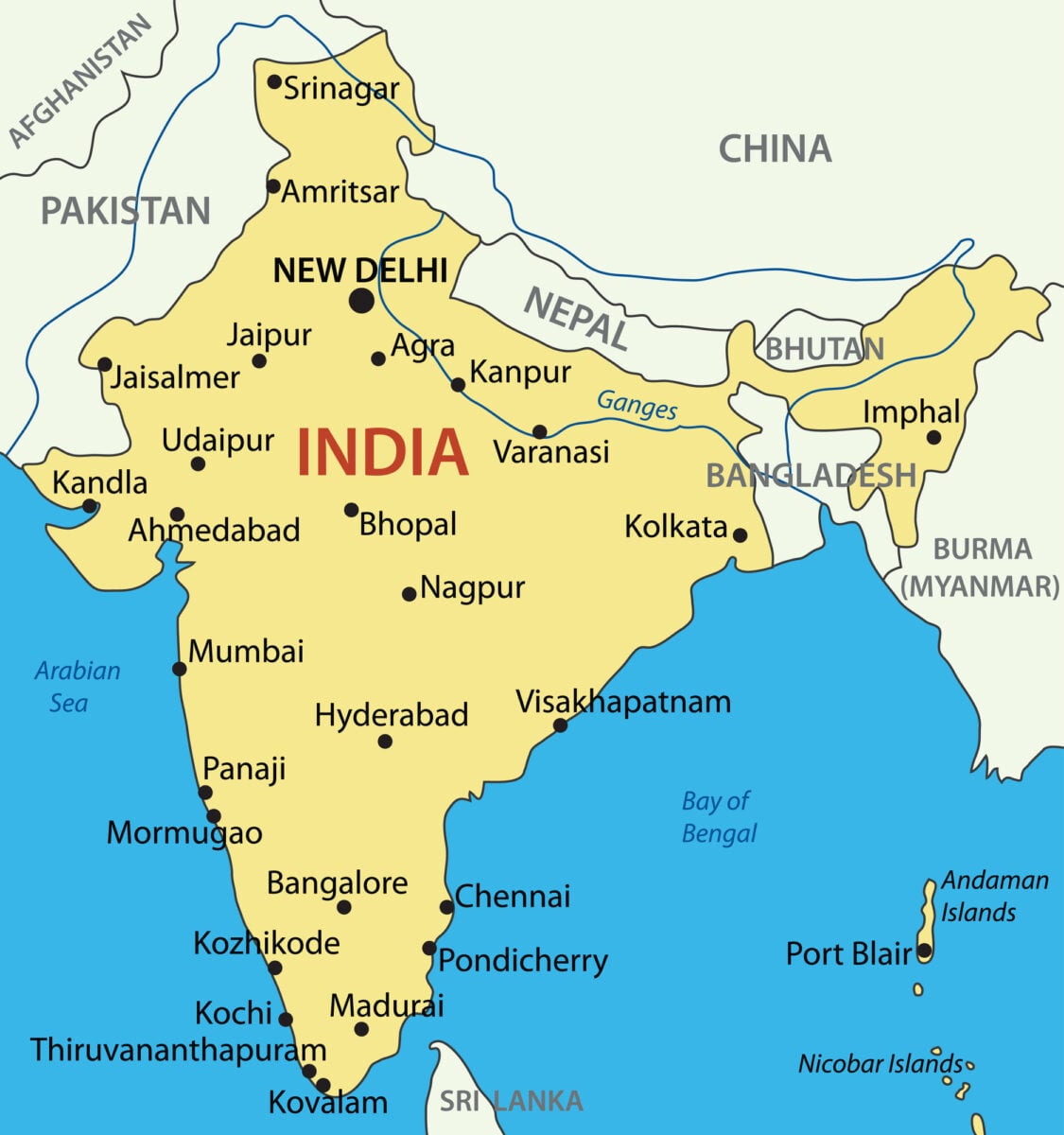
Diamonds were first discovered in India over 4,000 years ago. The name comes from the Greek word “adamas,” meaning invincible.
Ancient civilizations believed diamonds held mystical powers. Warriors embedded them in their armor, thinking the stones would make them invincible in battle.
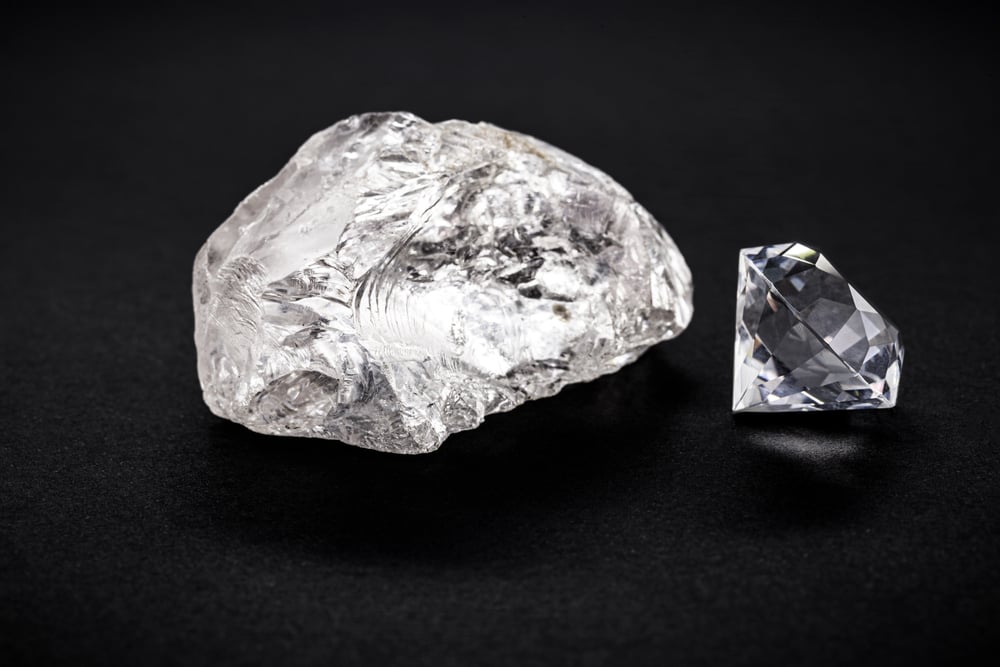
These early diamonds weren’t the brilliant cut gems sitting in jewelry stores today — they were rough, unpolished stones that still managed to captivate anyone who held one.
Formation Process
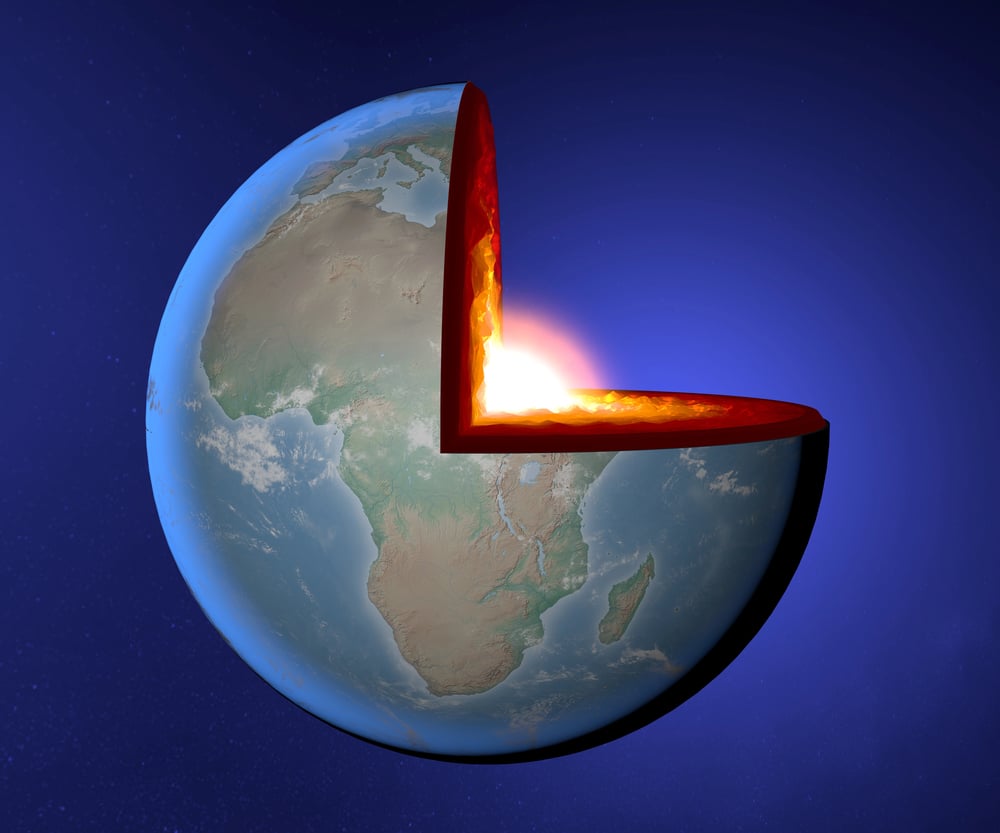
The story of how diamonds form reads like something between geology and alchemy, though the reality (when you really think about it) is far more extraordinary than any myth humans invented to explain these stones. Deep in the Earth’s mantle, about 100 miles below the surface, carbon atoms get caught in conditions that would obliterate almost anything else — temperatures around 2,000 degrees Fahrenheit and pressure roughly 725,000 times what you feel standing at sea level on a calm day.
And somehow, instead of disintegrating, the carbon decides to reorganize itself into the most perfectly structured crystal lattice nature has figured out how to build. But here’s the part that really defies belief: this process takes between one and three billion years (which is saying something, considering the Earth itself is only about 4.5 billion years old), and then — because apparently a billion years of patient construction isn’t dramatic enough — volcanic eruptions have to blast these diamonds up through miles of rock at speeds that would make a rocket launch look leisurely.
Most diamonds sitting in engagement rings today are older than the first bacteria that learned how to breathe oxygen.
Hardness Scale
Picture the difference between scratching your name in wet sand versus trying to carve it into granite with your fingernail. That’s roughly the gap between most gemstones and diamonds on the hardness scale.
Diamonds rate a perfect 10 on the Mohs scale of mineral hardness. The next hardest natural substances — sapphires and rubies — only reach 9.
This single-point difference represents an enormous jump in actual durability. A diamond can scratch every other natural substance, but nothing can scratch a diamond except another diamond.
Color Variations
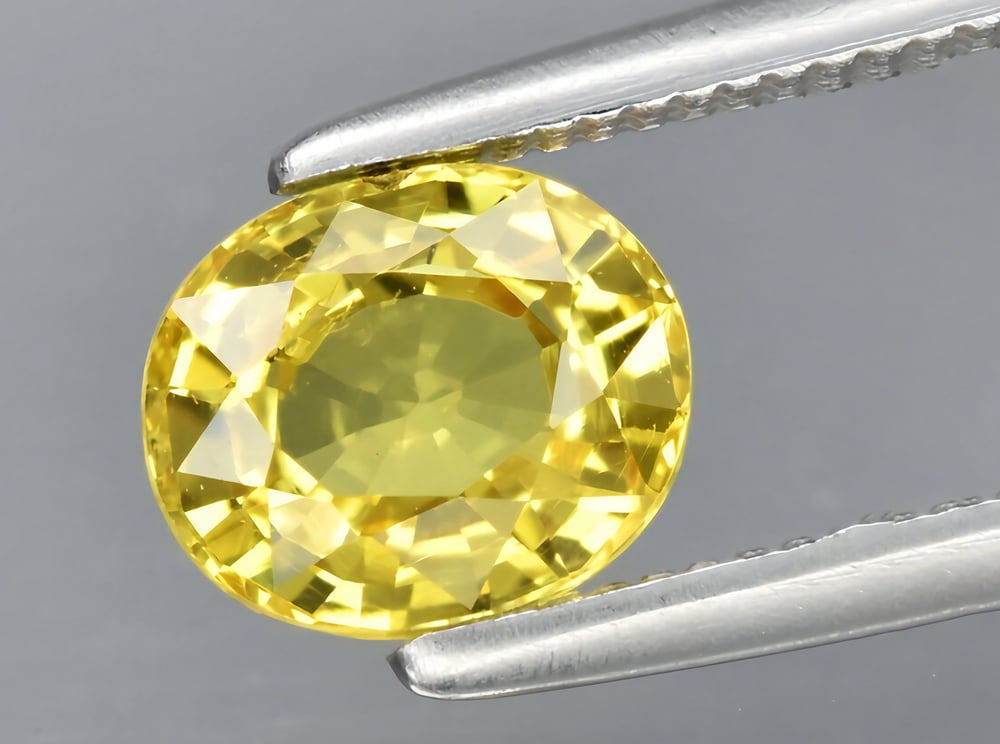
Most people think diamonds only come in crystal clear, but that’s the jewelry industry talking. Nature produces diamonds in nearly every color imaginable.
Yellow and brown diamonds are actually the most common. Pure white diamonds are relatively rare. Blue diamonds get their color from trace amounts of boron.
Pink diamonds remain a mystery — scientists still can’t definitively explain what causes that particular shade. Green diamonds absorbed natural radiation over millions of years underground.
Red diamonds are so rare that fewer than 30 true red diamonds are known to exist worldwide.
The Four Cs
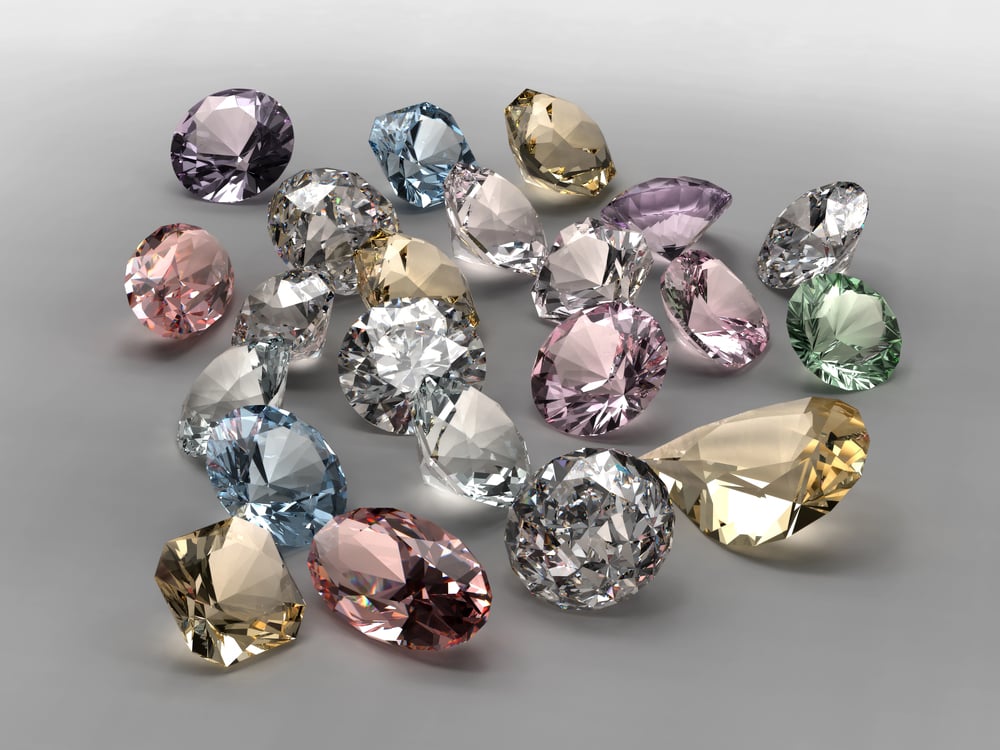
Cut, color, clarity, and carat weight. These four factors determine a diamond’s value, though the relationship between them gets complicated quickly.
Cut affects how light moves through the diamond — it’s the difference between a stone that blazes with fire and one that sits dull in its setting. Color grades run from D (completely colorless) to Z (noticeably yellow or brown).
Clarity measures internal flaws called inclusions. Carat weight is simply how much the diamond weighs, with one carat equaling 200 milligrams. The interesting part: these factors don’t add up in predictable ways.
A smaller diamond with perfect cut and clarity can cost more than a larger stone with visible flaws.
Industrial Applications
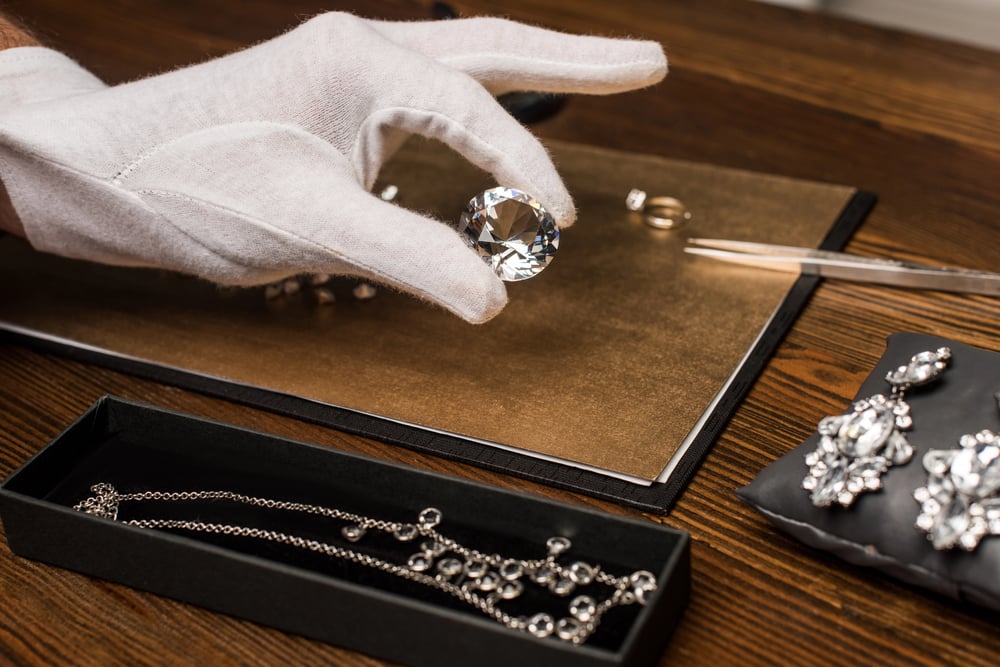
Jewelry represents only a fraction of diamond use. Most diamonds never see the inside of a jewelry store.
Industrial diamonds cut, drill, and polish everything from concrete to computer chips. Diamond-tipped drill bits bore through the hardest rock formations to reach oil deposits.
Diamond dust polishes telescope mirrors to the precision needed for space exploration. The semiconductor industry uses diamonds as heat sinks to keep computer processors from melting.
These industrial diamonds aren’t gemstone quality — they’re often synthetic or lower-grade natural stones that would never make it into a ring setting.
Mining Locations

The geography of diamond mining tells the story of continental drift and ancient volcanic activity, mapped out in places where the Earth’s crust cracked open and spat out treasure from its deepest layers. Russia produces more diamonds than any other country, most of them coming from mines in Siberia where winter temperatures drop so low that the ground stays permanently frozen and mining operations have to account for conditions that would shut down almost any other industry (but apparently not diamond mining, which seems to thrive on geographic impossibility).
Botswana built its entire modern economy around diamonds discovered in the Kalahari Desert — a success story that’s both inspiring and complicated, considering how diamond wealth has played out in other parts of Africa. Australia produces mostly industrial diamonds, along with some of the world’s rarest pink diamonds from the Argyle mine.
And Canada entered the diamond business only in the 1990s, when geologists finally found the volcanic pipes they’d been looking for in the Northwest Territories. So most of the world’s diamonds come from places where survival requires serious commitment to the idea that beautiful things are worth digging for, even when the conditions make you question the wisdom of living there in the first place.
Synthetic Diamonds
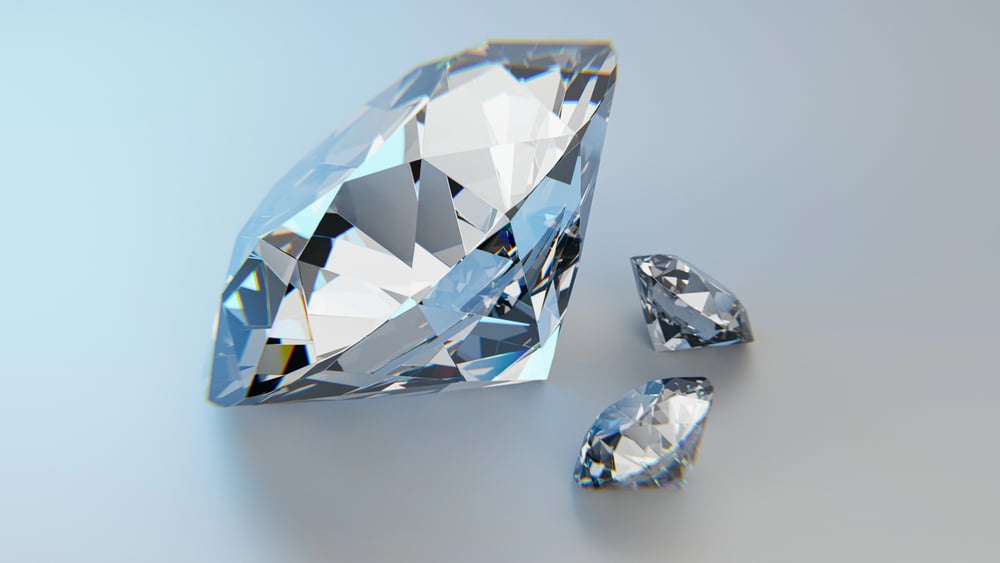
Laboratory-created diamonds are chemically identical to natural ones. Same carbon structure, same hardness, same optical properties.
The technology to grow diamonds in labs has existed since the 1950s, but only recently have synthetic diamonds reached jewelry quality. They form in weeks rather than billions of years, using either high pressure and temperature or chemical vapor deposition.
The result is a diamond that behaves exactly like a natural one, at roughly half the price.
Historical Significance
Diamonds have witnessed more human drama than most substances have any right to. They’ve been traded along the Silk Road, fought over in colonial wars, and turned into symbols of everything from eternal love to obscene wealth.
The Hope Diamond supposedly carries a curse — though that story was likely invented by a jeweler looking to drum up publicity. The Cullinan Diamond, discovered in South Africa in 1905, was so large they had to split it into nine separate gems. Several of these now sit in the British Crown Jewels.
Birthstone Traditions
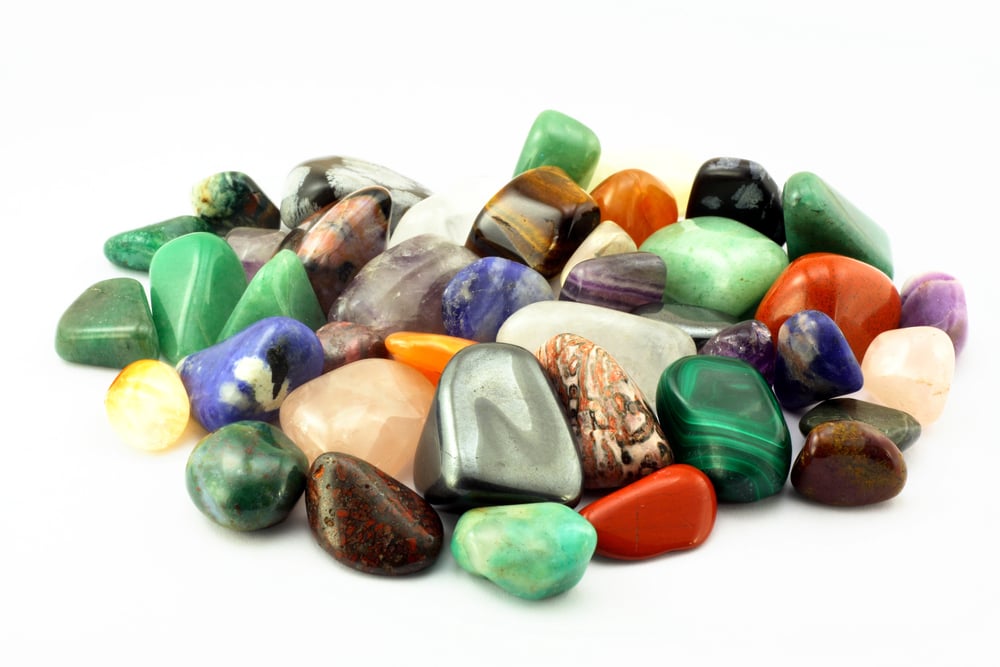
The connection between diamonds and April crystallized during the 20th century, though birthstone traditions reach back to ancient times when people believed wearing your birth month’s stone brought protection and good luck.
Different cultures assigned different stones to different months, and the modern list didn’t become standardized until jewelers’ associations made it official in 1912. April got diamonds — a pairing that feels almost too perfect, considering April’s reputation for unpredictable weather and diamonds’ reputation for lasting forever.
Metaphysical Properties
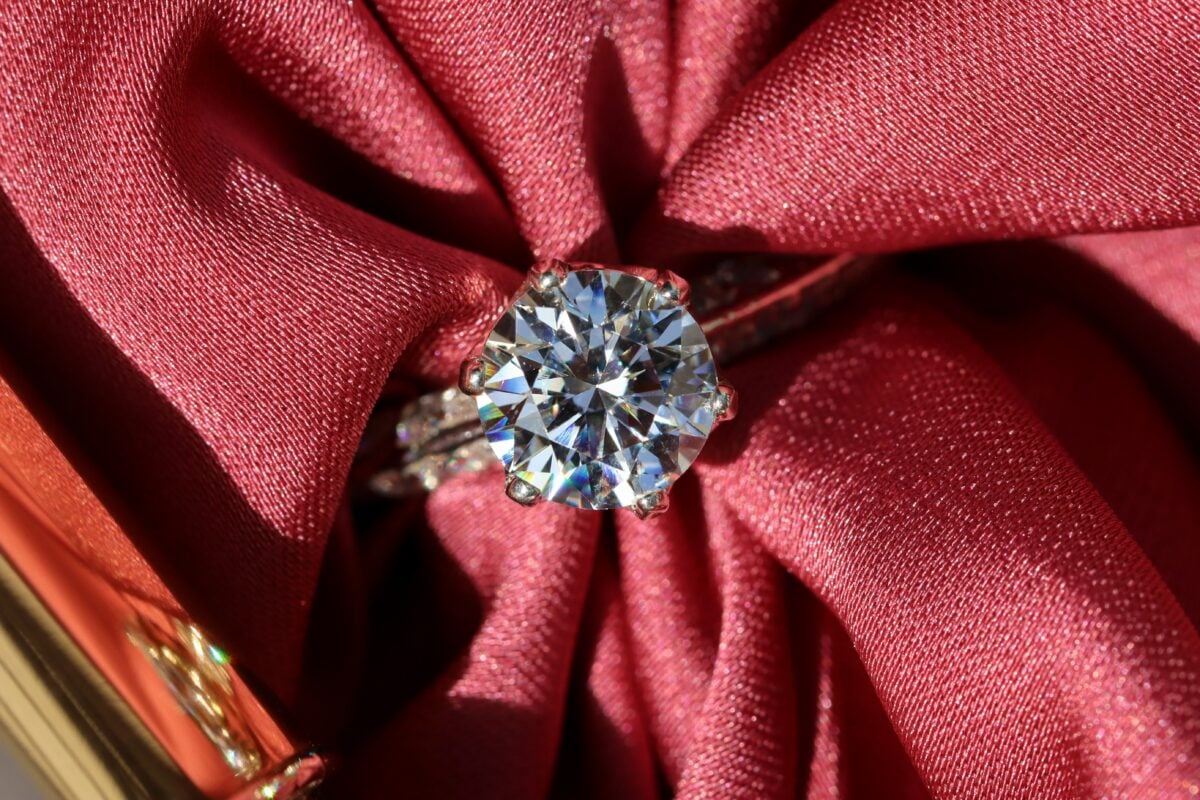
Believers in crystal healing credit diamonds with enhancing clarity, courage, and strength. The stone supposedly amplifies energy and promotes spiritual evolution.
Whether any of this holds up to scientific scrutiny is another question entirely. But humans have been attributing special powers to diamonds for thousands of years, across cultures that had no contact with each other.
The consistency of these beliefs suggests diamonds trigger something deeper than just aesthetic appreciation.
Famous Diamonds
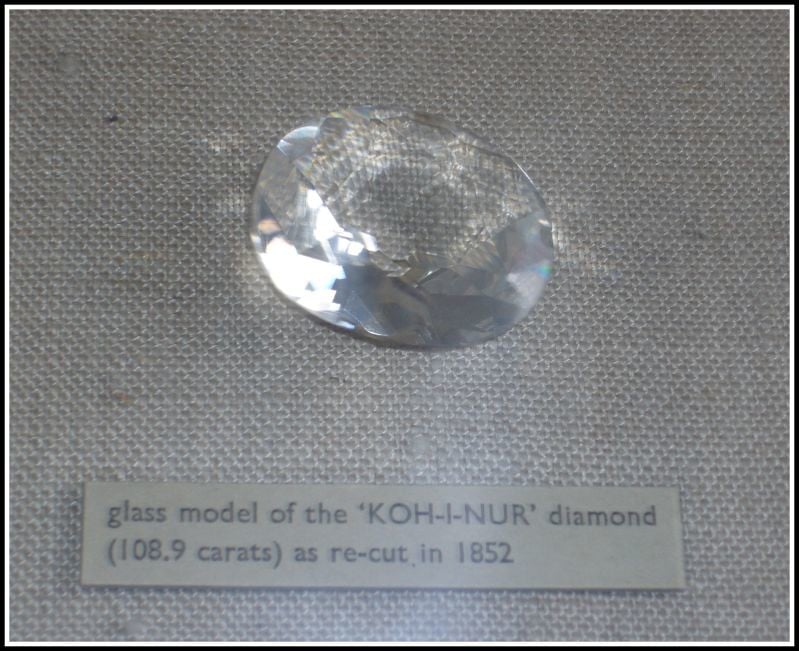
The stories behind famous diamonds read like a catalog of human ambition, vanity, and occasionally, genuine love. The Koh-i-Noor diamond has been claimed by India, Pakistan, Iran, and Afghanistan — all of whom want it back from the British Crown, where it currently resides as part of the Crown Jewels collection displayed in the Tower of London, glittering with centuries of contested ownership.
Elizabeth Taylor’s collection included the Taylor-Burton diamond, a 69-carat stone that Richard Burton bought her during one of their marriages (or remarriages — the timeline gets complicated). And then there’s the Pink Star, which sold at auction for over $71 million, making it the most expensive gem ever sold publicly.
The buyer’s identity remains private, which somehow feels appropriate for a stone that cost more than most people’s lifetime earnings.
Care and Maintenance
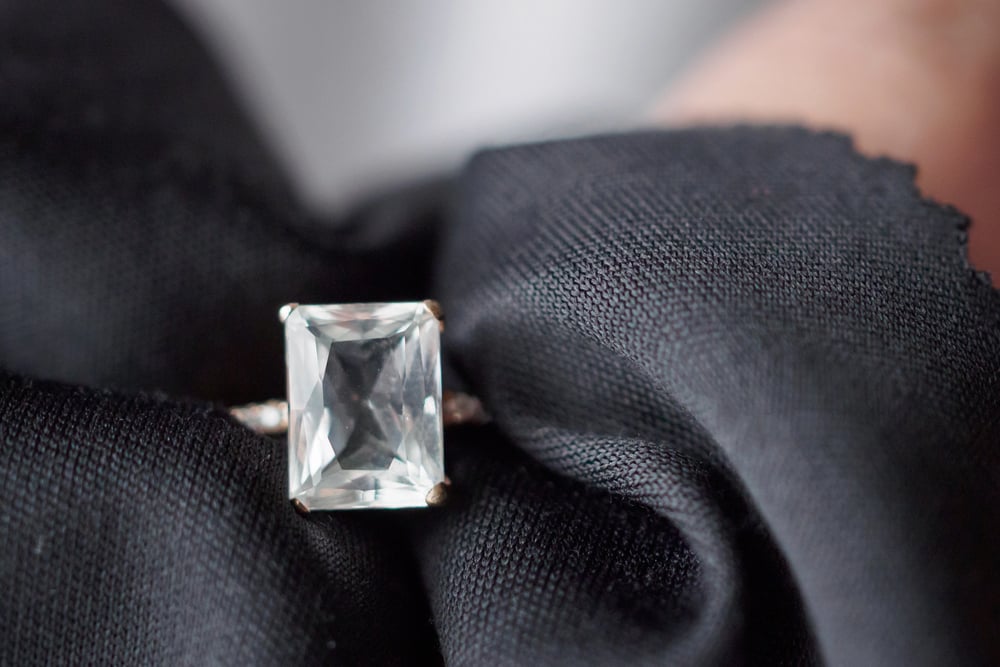
Diamonds are tough, but they’re not indestructible. They can chip if hit at the wrong angle, and they definitely get dirty.
Regular cleaning keeps diamonds brilliant. Warm soapy water and a soft brush work for most situations.
Ultrasonic cleaners are safe for diamonds without fractures or inclusions. Professional cleaning once or twice a year removes buildup that home cleaning might miss.
Storage matters too. Diamonds can scratch other jewelry, so they need separate compartments or soft pouches. Despite their hardness, they can damage each other if stored carelessly together.
A Stone Worth Waiting For
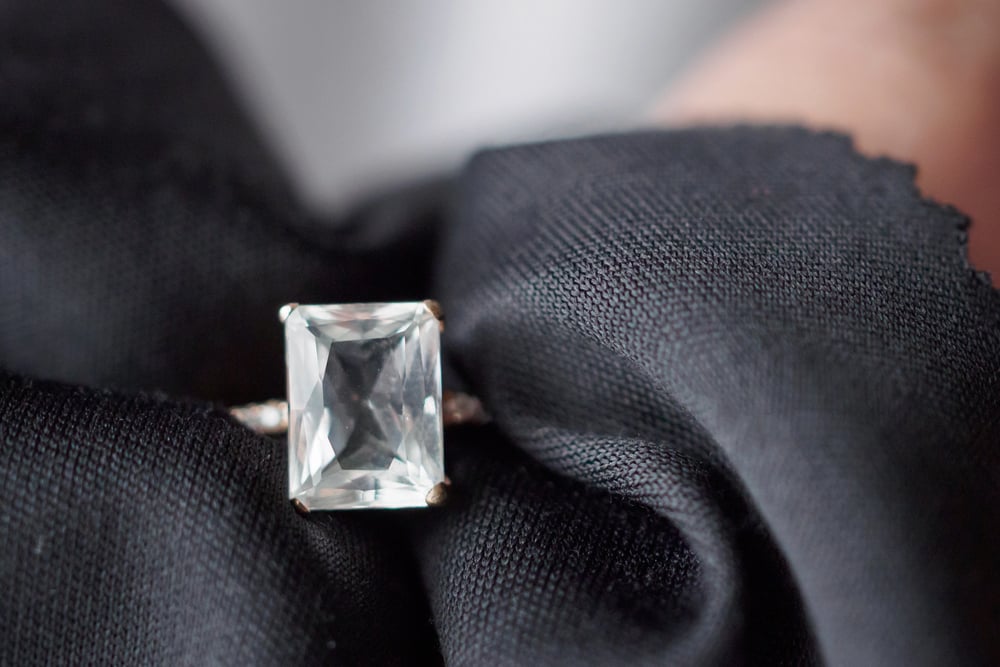
Diamonds earned their place as April’s birthstone through a combination of rarity, beauty, and timing that feels less like coincidence and more like inevitability. They represent something humans have always reached for — permanence in a temporary world, clarity in confusion, strength that endures when everything else gives way.
April babies got lucky with this assignment, inheriting a birthstone that manages to be both practical and magical, ancient and contemporary, tough enough to last forever and beautiful enough to make forever seem worth the wait.
More from Go2Tutors!

- The Romanov Crown Jewels and Their Tragic Fate
- 13 Historical Mysteries That Science Still Can’t Solve
- Famous Hoaxes That Fooled the World for Years
- 15 Child Stars with Tragic Adult Lives
- 16 Famous Jewelry Pieces in History
Like Go2Tutors’s content? Follow us on MSN.