27 School Assemblies Students Sat Through Yearly
The announcement crackled over the intercom, teachers lined everyone up by height or alphabet, and several hundred children filed into a gym that smelled of floor wax and rubber mats. Nobody knew what the assembly was about. Nobody cared, because it was not math.
The calendar of these gatherings barely changed from one year to the next. A student could predict the month by whether a firefighter, a police dog or a man with a yo-yo was standing at center court.
The Opening-Day Rules Assembly
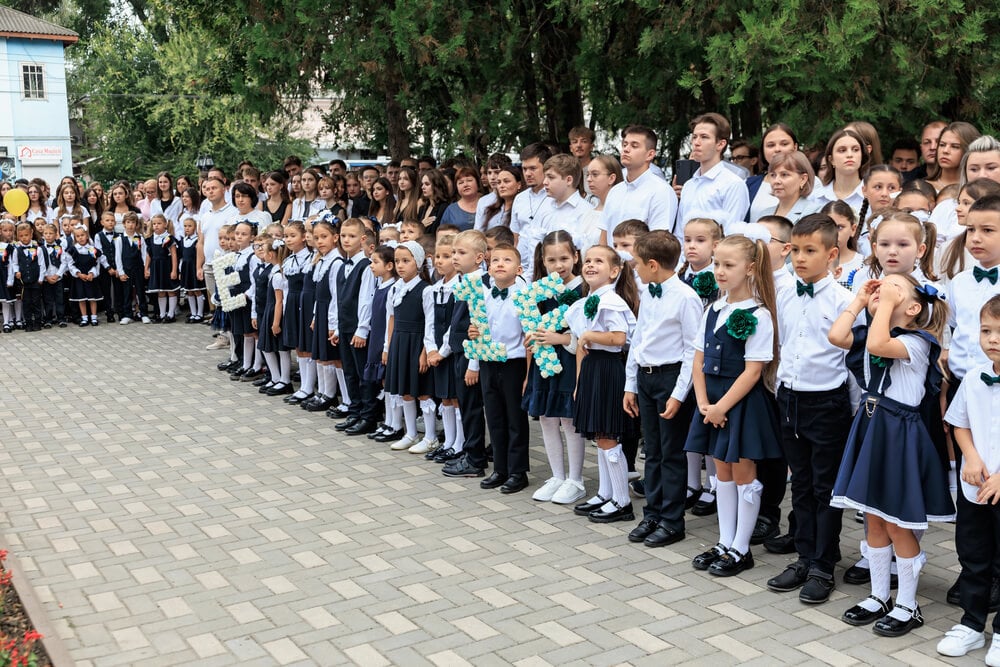
The school year began with the principal at a microphone that squealed every time, reading the handbook aloud to an audience sitting cross-legged on a freshly refinished floor. No running in the halls. No hats indoors. Hall passes required at all times.
New teachers were introduced and asked to wave, and the vice principal was presented as a figure nobody wished to meet individually. Kindergartners sat in the front row looking stunned, while the oldest grade claimed the back wall as a birthright.
The session ended with a dismissal by grade level that took longer than the speech.
Fire Safety With Sparky
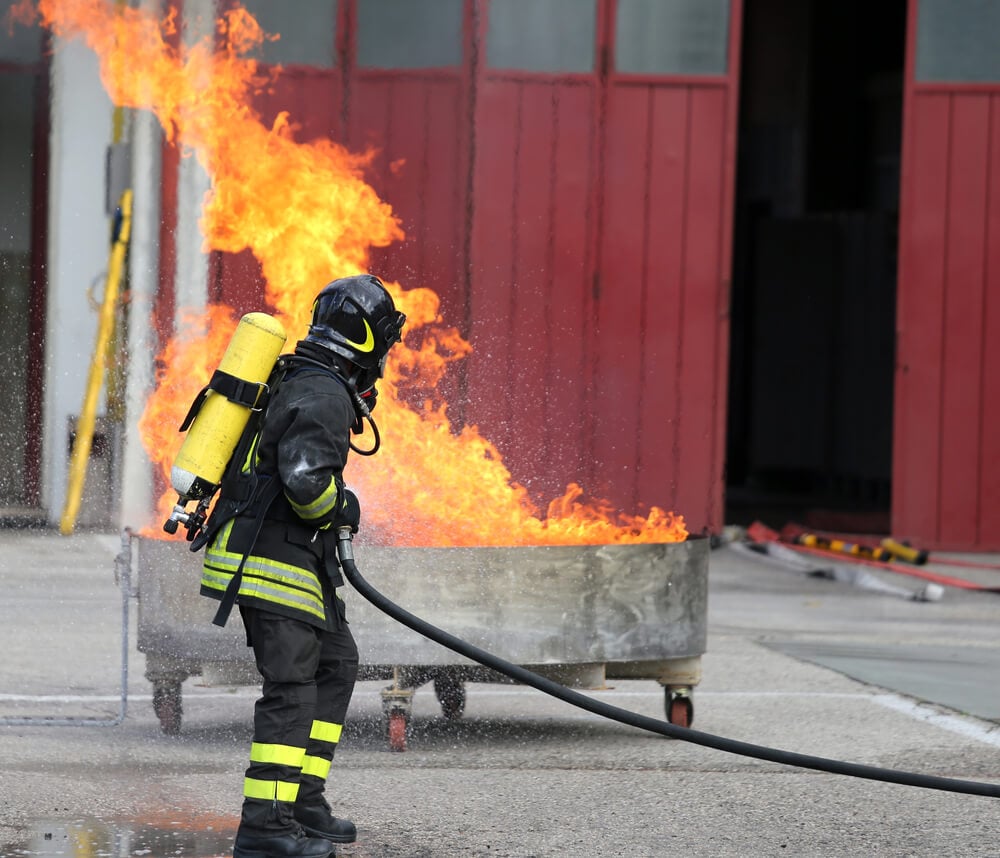
Every October, close to the anniversary of the Great Chicago Fire, the local engine company arrived for Fire Prevention Week. A firefighter pulled on full turnout gear and an air mask piece by piece so that small children would not hide from the alarming figure in an emergency.
Students practiced stop, drop and roll on gym mats and were told to agree on a family meeting spot outside the house. Sparky the Fire Dog, the Dalmatian mascot the National Fire Protection Association introduced in 1951, often made an appearance.
Everyone went home with a red plastic helmet.
The School Bus Evacuation Drill
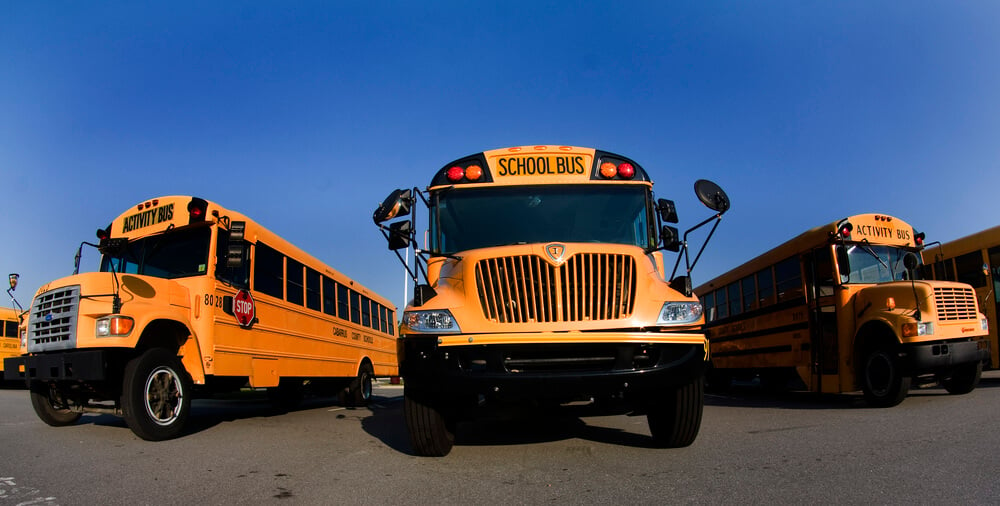
Twice a year a driver addressed the assembled riders with the weary authority of someone who had seen everything. The rules were reviewed in order. Stay seated, keep the aisle clear, keep hands inside the windows and wait for the driver’s signal before crossing in front.
Then came the part everyone had been waiting for. Classes marched out to a parked bus, and students exited through the rear emergency door, jumping to the pavement while two older kids held their elbows.
It was the only sanctioned occasion for using that door, and it never lost its thrill.
D.A.R.E. Graduation
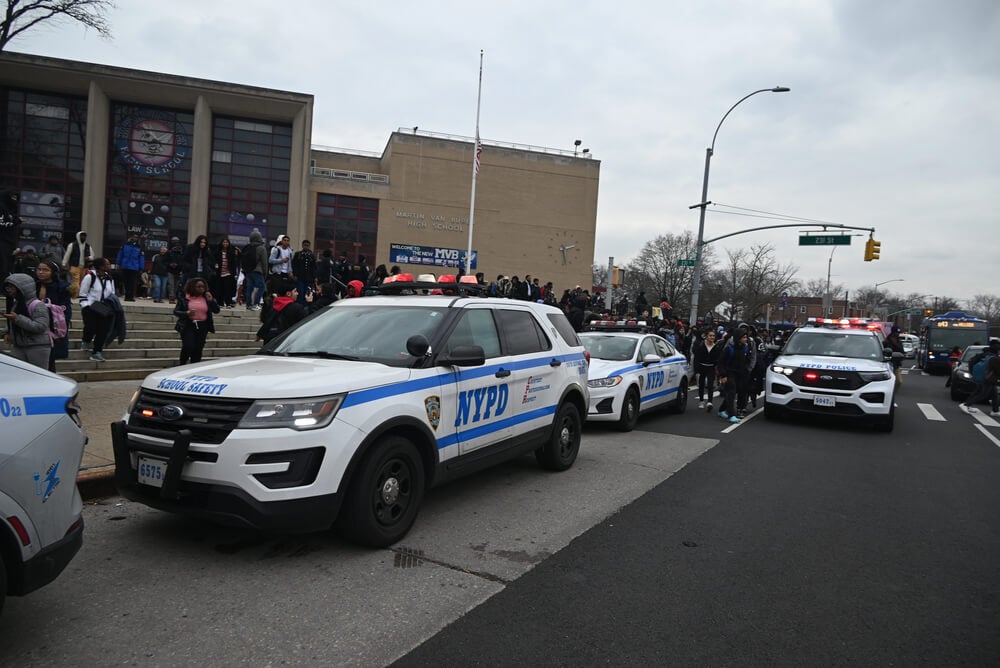
Drug Abuse Resistance Education began in Los Angeles in 1983 as a partnership between the police department and the school district, and within a decade a uniformed officer was teaching it in roughly three quarters of American districts. The course ended with a graduation assembly.
Fifth graders in oversized black T-shirts read their winning essays aloud, recited a pledge and received certificates while a lion mascot named Daren stood by. Large studies through the 1990s found the original curriculum had little measurable effect on later drug use, and the program has since been rewritten.
The shirts outlasted the syllabus.
Red Ribbon Week

The last week of October brought a second anti-drug observance, this one with a darker origin than most students were told. It honors Enrique Camarena, a federal drug enforcement agent who was kidnapped and murdered by traffickers in Mexico in 1985.
Friends and neighbors in his California hometown wore red ribbons in his memory, and the first national Red Ribbon Week followed in 1988. In schools it became an assembly, a pledge banner for everyone to sign, and a run of themed dress-up days.
Crazy sock day’s connection to narcotics policy was never fully explained.
McGruff and Stranger Safety
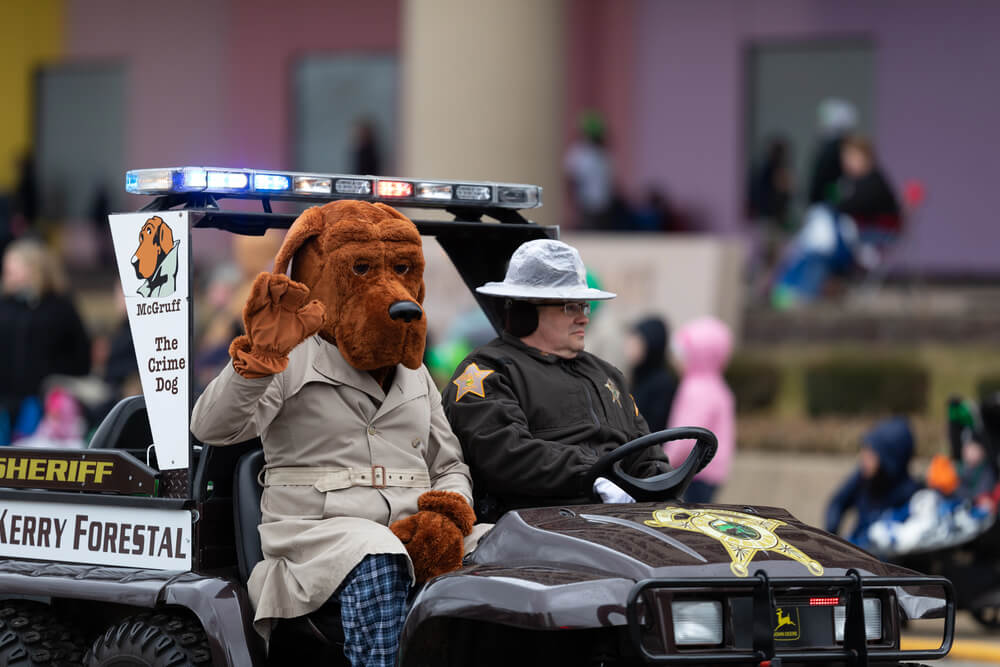
A police officer visited once a year, sometimes accompanied by a colleague sweating inside a trench coat and a dog head. McGruff the Crime Dog made his debut in 1980 with the gravelly slogan about taking a bite out of crime, and his school appearances covered locked doors, safe routes home and what to do if an unfamiliar adult offered a ride.
Children memorized their home phone numbers for the occasion. Later research showed that strangers posed a far smaller risk than the lessons implied, and modern programs spend more time on trusted adults and online contact.
Dental Health Month
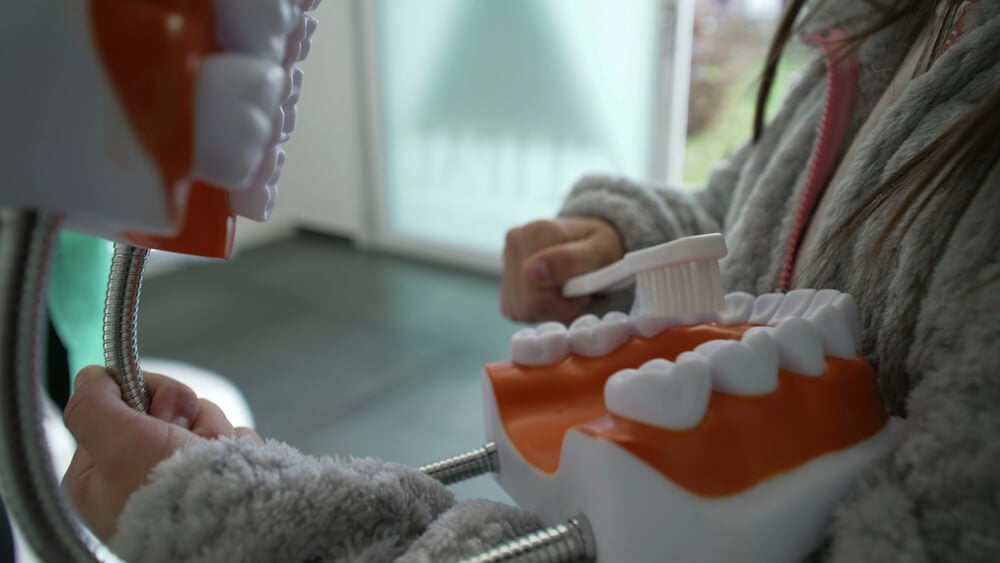
February belonged to teeth. National Children’s Dental Health Month grew from a single day’s observance in Cleveland in 1941, and by the 1970s it meant a hygienist touring elementary schools with a set of jaws the size of a suitcase and a toothbrush as long as a broom.
The memorable part was the disclosing tablet. Students chewed a small red pill that stained every patch of unbrushed plaque bright pink, then grinned at each other in horror.
Each child left with a new toothbrush, a tiny tube of paste and a brushing chart for the refrigerator.
The Jump Rope for Heart Kickoff
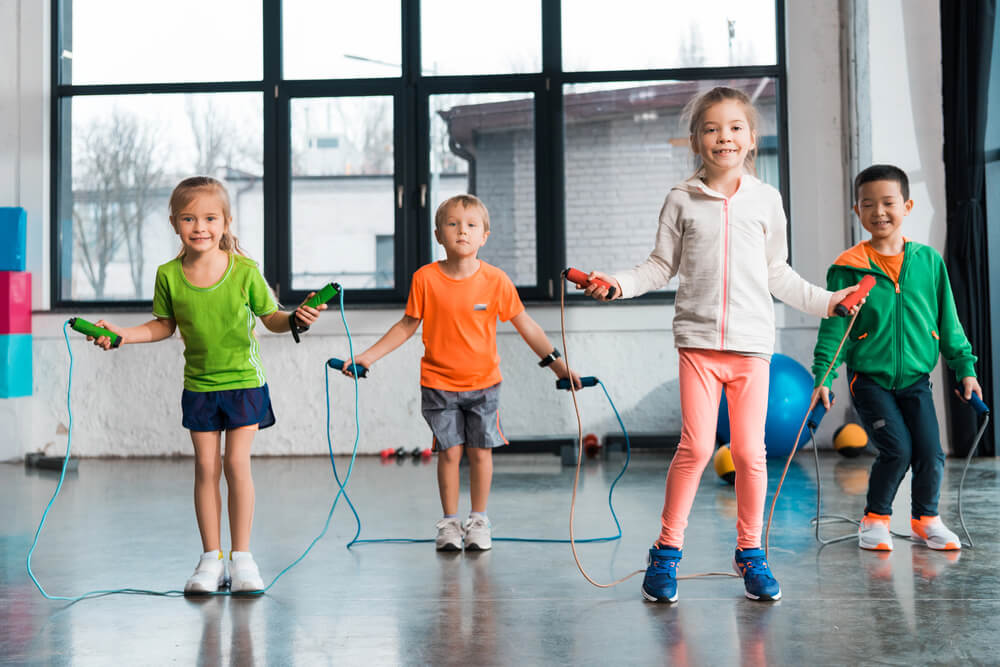
A Milwaukee physical education teacher named Jean Barkow held the first Jump-Rope-A-Thon in March 1978 with 216 students at Riverside University High School, raising money for the American Heart Association. The idea went national almost at once.
For the next four decades gym teachers ran an annual kickoff assembly featuring a demonstration team doing double Dutch, a short talk about arteries and a table of prizes keyed to donation levels. Collecting pledges from relatives earned plastic lanyards, then a T-shirt, then a jump rope with glitter in the handles.
The program has raised hundreds of millions of dollars.
The Fundraiser Kickoff
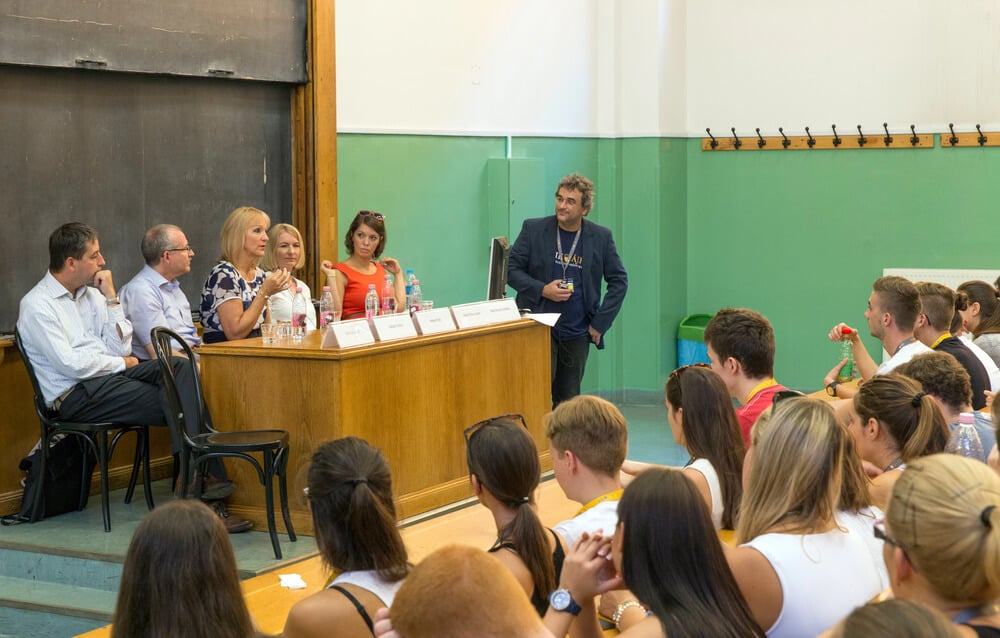
Early each autumn a very energetic visitor in a headset microphone took the stage to explain how selling wrapping paper, chocolate bars or magazine subscriptions would change students’ lives. The prize catalog did the real work.
A few sales earned a sticky rubber toy, a few more earned a flashing keychain, and an impossible number earned a limousine ride to a pizza lunch. Children left the gym believing they would sell two hundred items by Friday.
Most sold four, all to grandparents. The school’s share of the proceeds was typically forty to fifty percent.
The Pep Rally
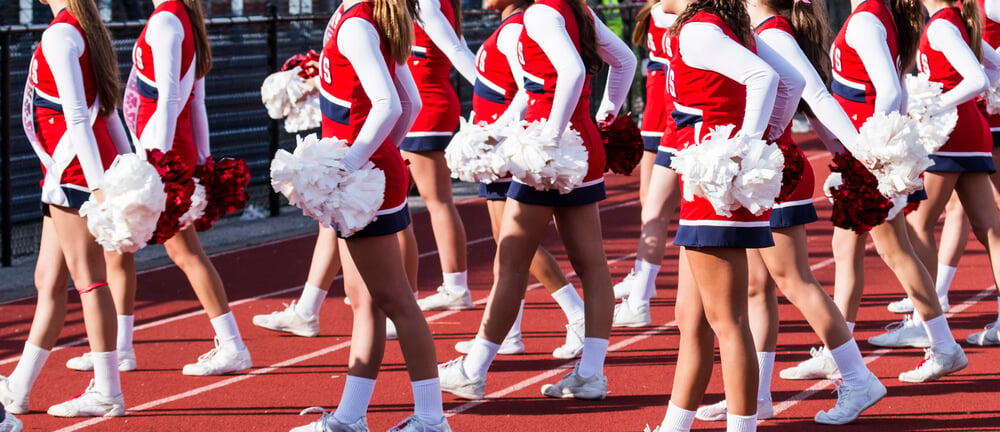
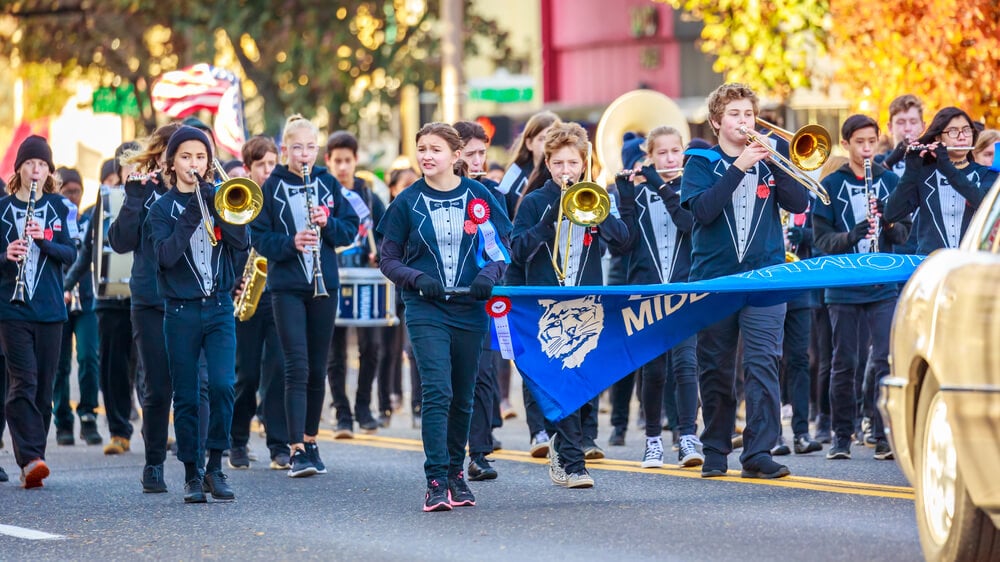
On game-day Fridays the band marched in playing the fight song at a volume the gym was never designed for, and classes were sorted into bleacher sections by grade for a shouting contest judged by a cheerleader with a cardboard megaphone. Seniors always won, regardless of the evidence.
Teams were introduced one jersey at a time, a coach mumbled something about focus and heart, and at least one teacher took a pie to the face for charity. Students who had no interest in sports still valued the rally for the forty minutes it removed from sixth period.
The Spelling Bee
The schoolwide bee put a row of nervous spellers on folding chairs while a teacher read words from an official list and the audience tried not to breathe. Each contestant had to say the word, spell it and say it again.
The national contest dates to 1925, when a Louisville newspaper gathered local champions from around the country, and an eleven-year-old Kentucky boy won it by spelling gladiolus. At the school level the final round often came down to two fifth graders and a word like rhythm.
The runner-up remembered the missed word for life.
The Traveling Science Show
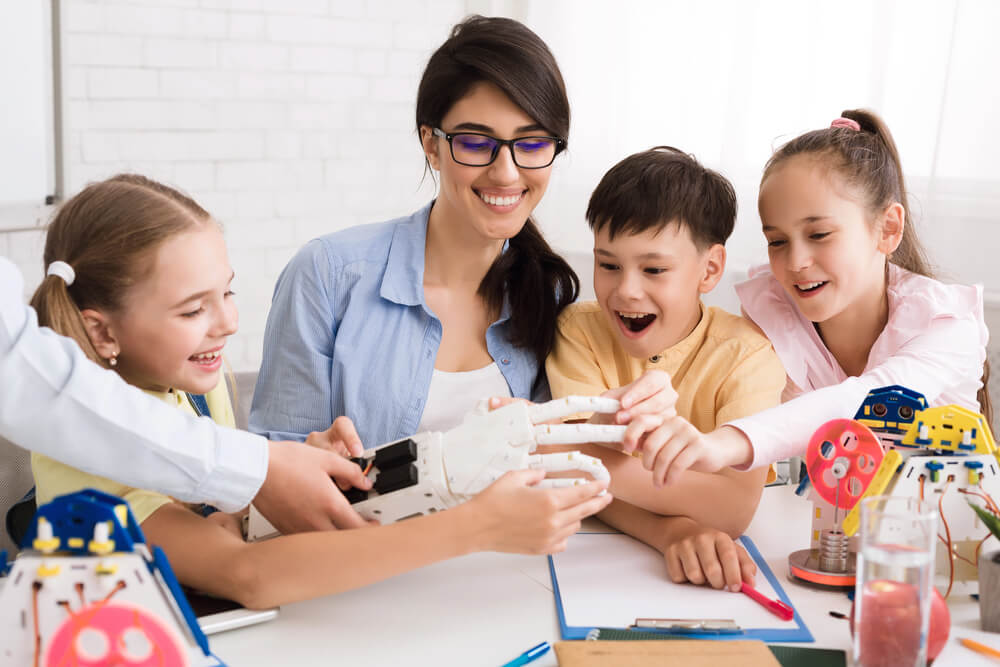
A presenter in a lab coat and safety goggles covered a table with beakers and asked for volunteers, and every hand in the room went up. The repertoire rarely changed.
Liquid nitrogen shattered a rubber glove and shrank an inflated toy to nothing, a Van de Graaff generator made a girl’s hair stand straight out, and a plastic bottle of dry ice and water sent fog rolling across the gym floor. The finale involved a controlled bang that set off a few seconds of screaming.
Teachers hoped it would inspire future chemists, and occasionally it did.
The Inflatable Planetarium
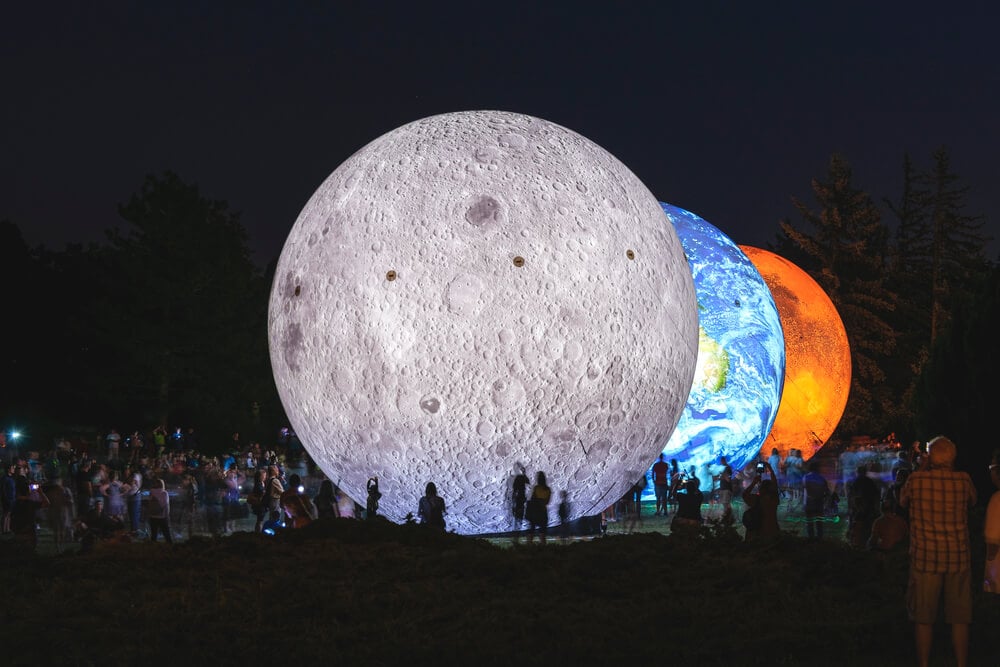
Once a year a silver dome appeared in the gym, humming with the sound of a box fan. Massachusetts science teacher Philip Sadler invented the Starlab portable planetarium in 1977 after his middle school students asked for one of their own, borrowing the inflatable idea from a cover over tennis courts at a nearby university.
Classes crawled in through a fabric tunnel, sat in a ring on the floor and watched a projector throw constellations across the ceiling. Someone always asked whether the sun would burn out.
For many children it was the darkest sky they had ever seen.
The Wildlife Show
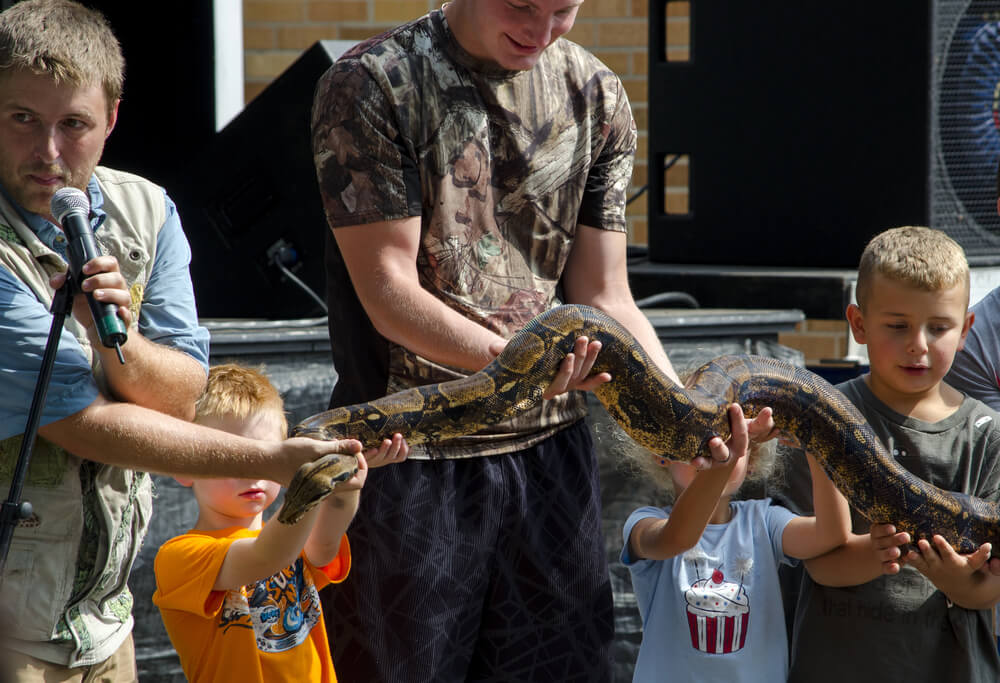
A naturalist arrived with a van full of ventilated crates and a firm request for quiet that no audience of eight-year-olds has ever honored. Out came a red-tailed hawk with an injured wing, a possum, a tortoise older than the principal and finally a large snake draped over the presenter’s shoulders.
One brave volunteer was invited to touch the snake with two fingers and reported, to general astonishment, that it was dry. The lesson covered habitats and why wild animals make poor pets.
The rehabilitated owl that turned its head nearly all the way around stole every show.
The Author Visit

The librarian spent weeks preparing students for the arrival of a real, living author, usually of picture books or middle-grade paperbacks, who turned out to be an ordinary person in a cardigan. The talk followed a pattern.
It opened with a childhood photo, moved on to a stack of rejection letters held up to gasps, and then showed a marked-up manuscript page proving that even professionals had to revise. A drawing demonstration followed if the guest was an illustrator.
Order forms had gone home the week before, and the signing line stretched down the hall.
The Veterans Day Program
Armistice Day became Veterans Day in 1954, and schools marked it each November with one of the few assemblies that held a room in real silence. Local veterans, some in uniforms that still fit and some in caps from their service organizations, sat in a row of folding chairs at the front.
The choir sang the anthem of each service branch, and veterans stood when theirs was played. A student read a poem about poppies, a trumpet player from the band attempted Taps, and the youngest classes handed over handmade thank-you cards that were received with great seriousness.
Constitution Day
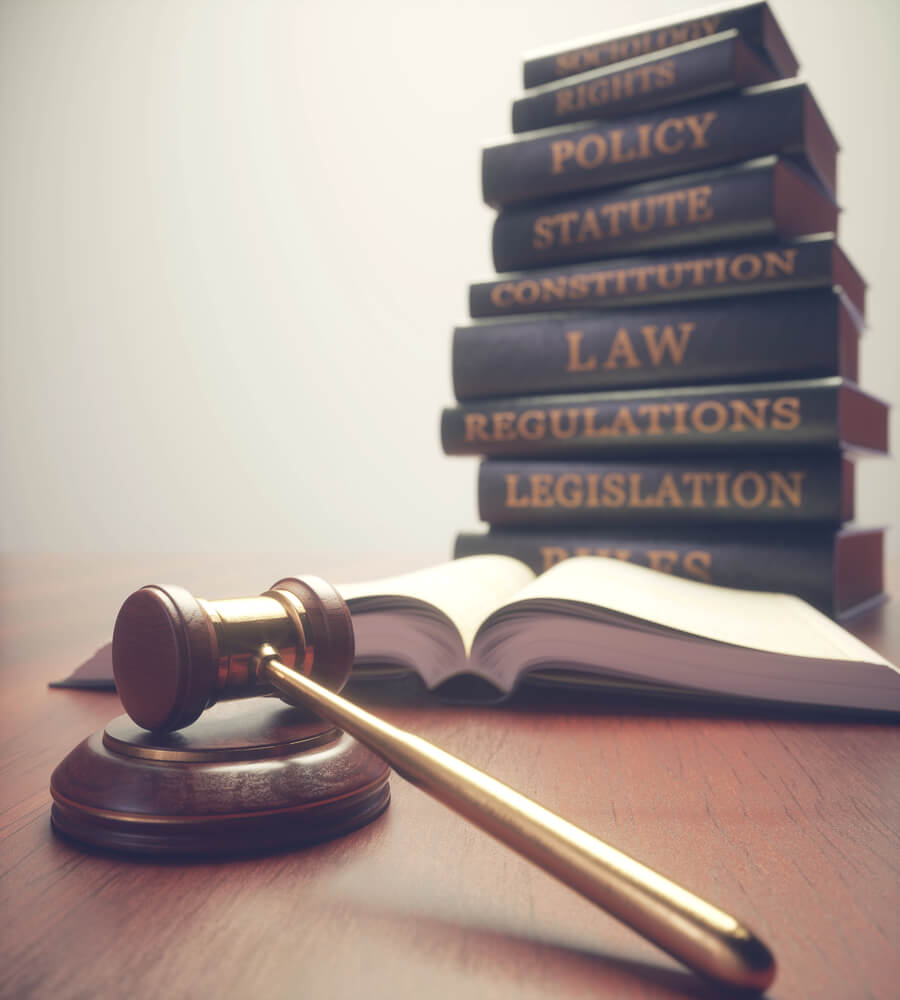
This one arrived by federal mandate. A provision added to a 2004 spending bill by Senator Robert Byrd of West Virginia, who carried a pocket copy of the Constitution everywhere, requires every school receiving federal funds to teach about the document on or around September 17.
Many schools satisfied the law with an assembly. A social studies teacher explained the three branches, students recited the preamble in unison and a local judge or legislator sometimes took questions.
Pocket Constitutions were handed out at the door and spent the rest of the year at the bottom of backpacks.
The Black History Month Program
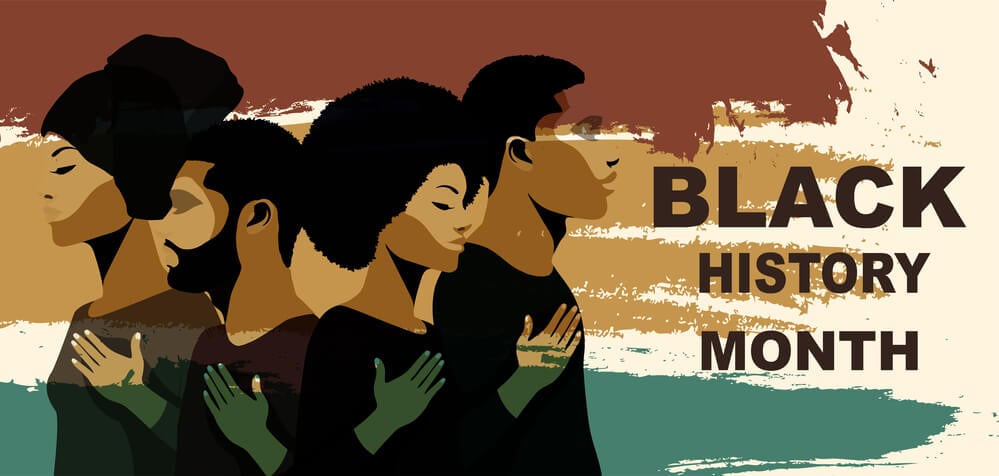
Historian Carter G. Woodson launched Negro History Week in February 1926, choosing the month that held the birthdays of Frederick Douglass and Abraham Lincoln, and it expanded to a full month with national recognition in 1976. School programs brought student speakers to the stage to portray inventors, poets and civil rights leaders in brief first-person monologues.
Choirs performed Lift Every Voice and Sing, and a class usually recited a portion of a famous 1963 speech from memory. The better programs reached past the same four or five figures and introduced names the textbooks had skipped.
The Winter Concert
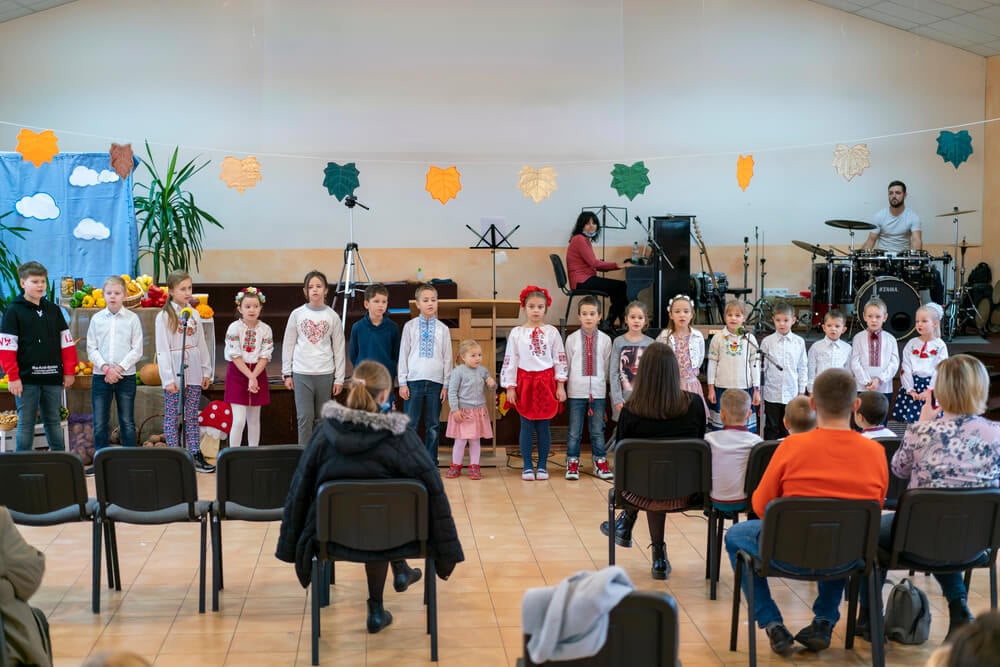
Every December, folding chairs filled the gym for an evening performance that parents recorded on whatever device the decade provided. Each grade shuffled onto the risers in turn.
Kindergartners waved at their families throughout their number, third graders played a carol on plastic recorders in something approaching unison, and the fifth-grade chorus attempted two-part harmony. One child always sang a beat ahead of everyone else with total conviction.
Music teachers spent autumn balancing the program among traditions, and the evening closed with a sing-along, cookies in the cafeteria and a parking lot that took half an hour to clear.
The Spring Band Concert

Beginning band gave its first public performance each spring after seven months of lessons. The program opened with Hot Cross Buns and progressed to a simplified movie theme in which the melody passed bravely from clarinets to trumpets and was briefly lost among the trombones.
Percussionists counted rests with visible lip movement. The director conducted with the expression of a person guiding a plane down in fog.
Parents applauded wildly, because a child who could not find middle C in September had just played in an ensemble, and that really was remarkable.
The Talent Show
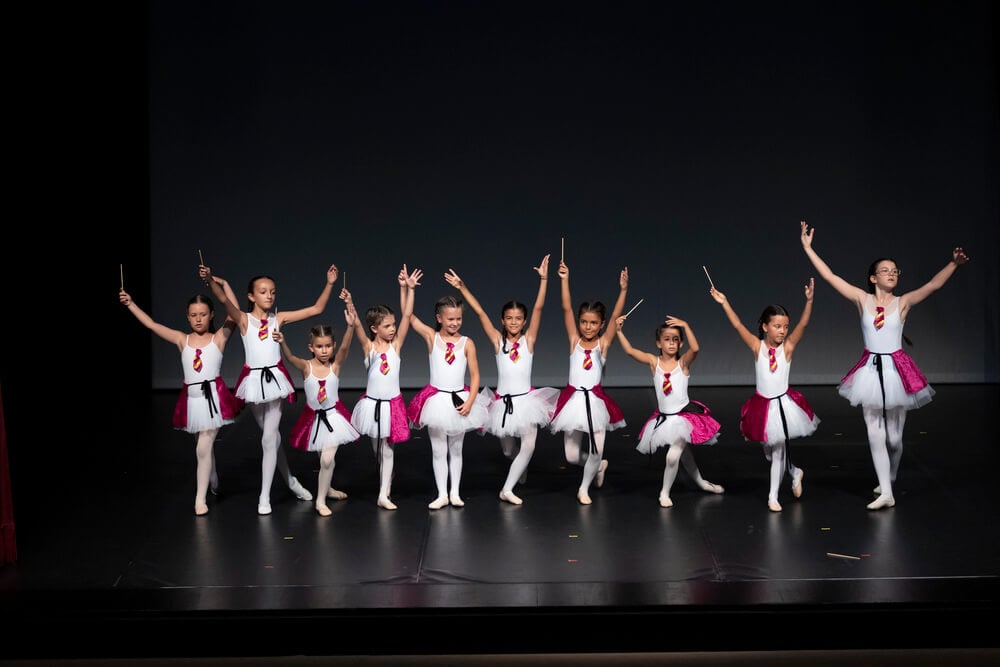
Auditions were held, though almost nobody was cut. The lineup reliably included a piano student playing Fur Elise, a lip-synced pop number with three friends in matching outfits, a karate demonstration involving a pre-scored board, and a magician whose scarf trick depended on the audience not looking too closely.
A teacher act closed the show, usually a choreographed dance to a song several years out of date. The bravest performer was always the child who stood alone at the microphone and sang unaccompanied.
The crowd, to its credit, cheered loudest for that one.
Student Council Speeches
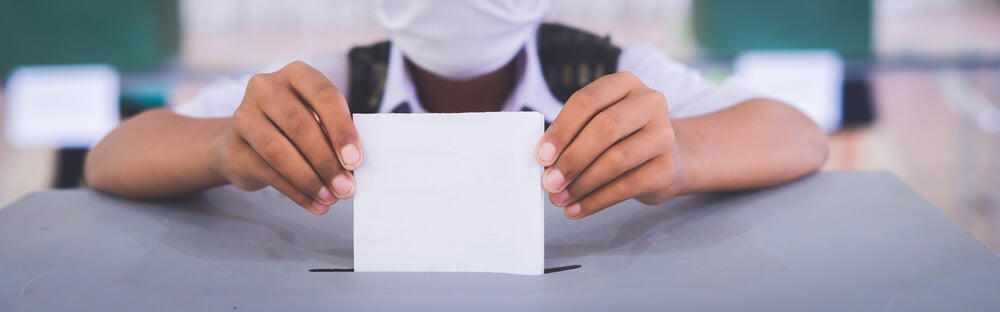
Candidates for student office addressed the electorate once a year from behind a lectern too tall for them. The platforms were ambitious. Longer recess, a soda machine in the cafeteria and an end to homework on weekends were all promised without hesitation, none being remotely within the council’s powers.
Campaign posters relied on puns built around the candidate’s name. Speeches were timed at two minutes, and a candidate who handed out candy beforehand was usually disqualified or elected.
The winners went on to organize a canned food drive and one spirit week, as every council before them had.
The Anti-Bullying Assembly
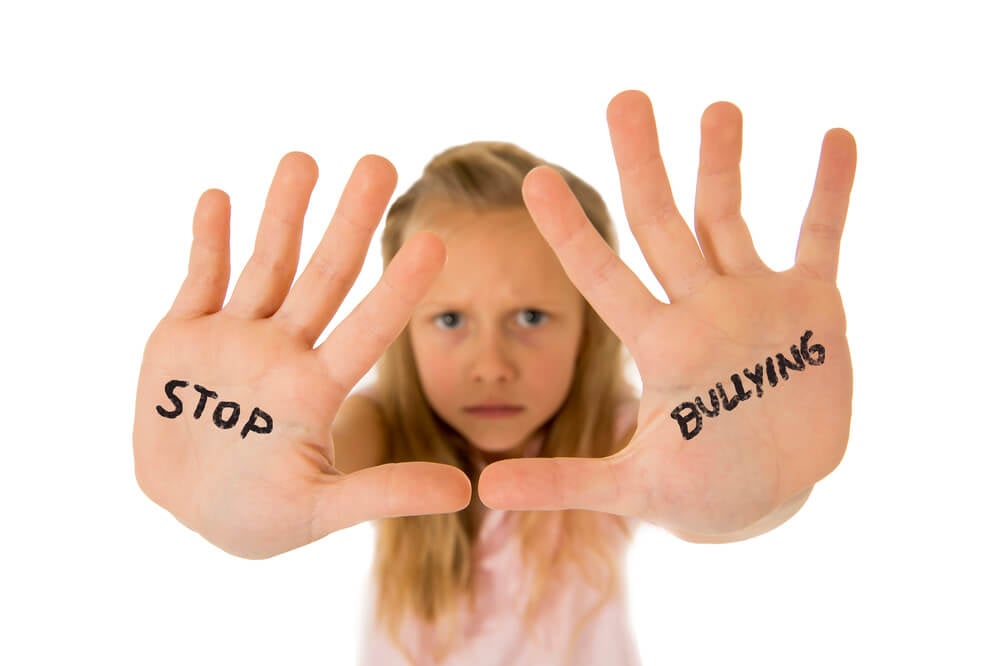
A motivational speaker with a wireless microphone and a personal story paced the gym floor for forty-five minutes. The format had been refined by repetition.
It began with jokes and a game to win the room over, turned abruptly to a painful account of being tormented or of tormenting someone else, and closed with a call to be an upstander instead of a bystander. Students signed a pledge banner that hung in the cafeteria until June.
Researchers have found that one-off assemblies change little by themselves, and that programs woven into daily school life work better.
The Yo-Yo Character Show
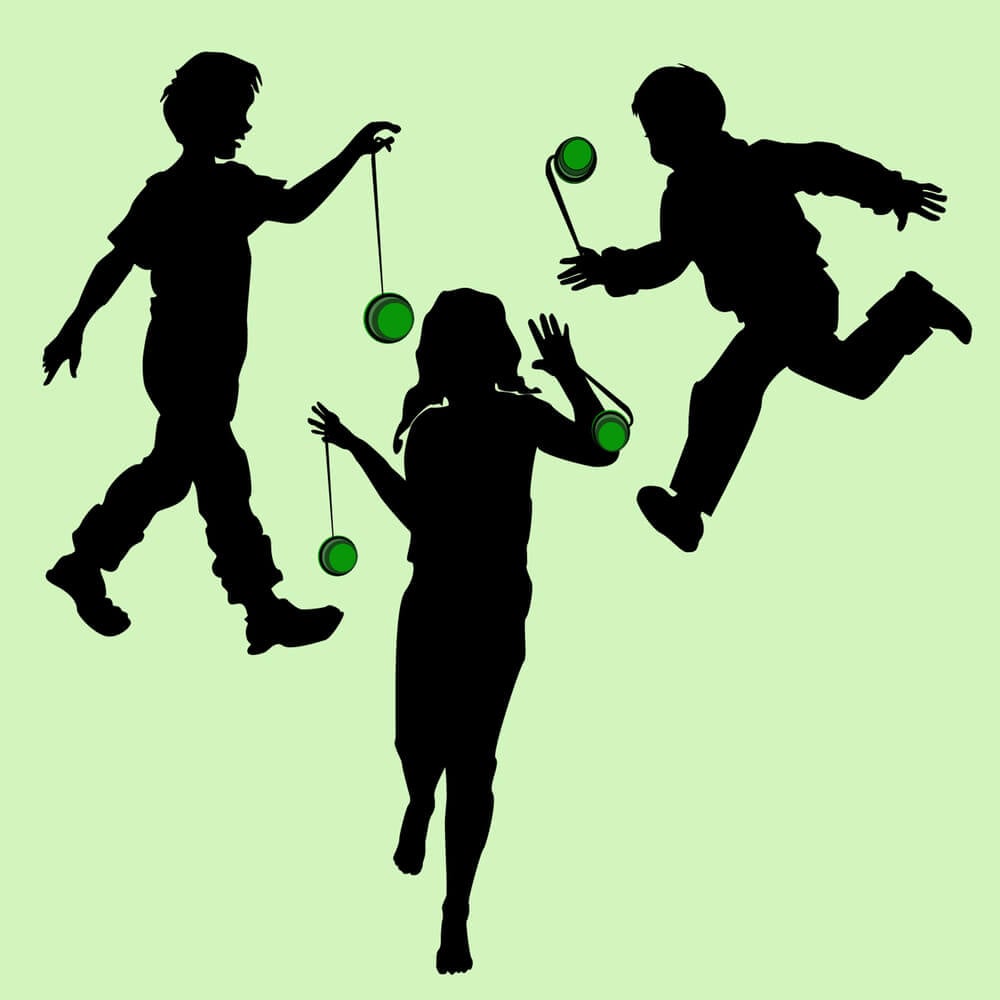
A performer took the floor with a yo-yo in each hand and a storyline about a cartoon boy whose name spelled out a lesson. In the best-known version the character was NED, which stood for never give up, encourage others and do your best.
The tricks were dazzling. Around the world, walk the dog and rock the baby all made an appearance, each tied loosely to a moral about persistence.
The show cost the school nothing, since the company earned its money selling yo-yos in the lobby for the following week.
The Testing Pep Rally
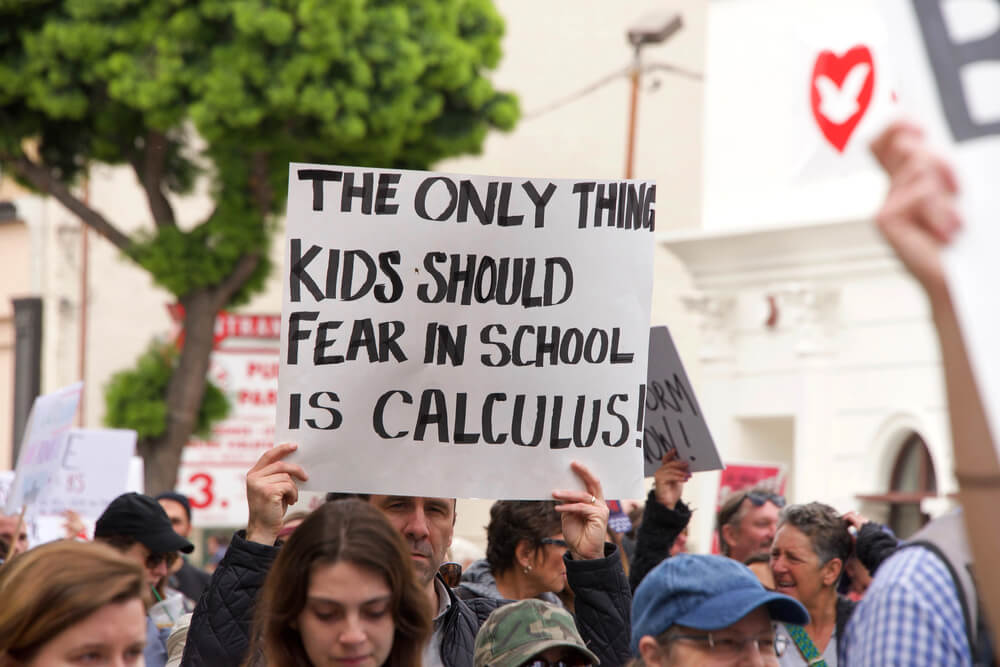
Standardized exams each spring produced a genre of assembly that would have baffled earlier generations. Teachers rewrote pop songs with lyrics about reading each question carefully and bubbling answers completely, and performed them in costume.
The principal promised to kiss a pig, sleep on the roof or be taped to a wall if scores went up. Students were urged to eat a good breakfast and get a full night’s sleep.
The rally grew common after federal law tied school ratings to annual test results in 2002, and the pig had no say in the matter.
Career Day
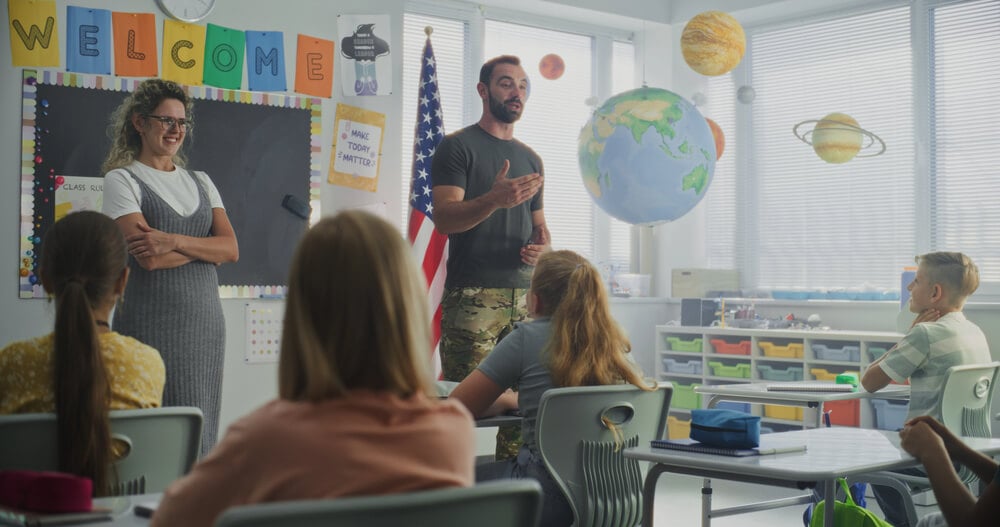
Parents and neighbors with interesting jobs were recruited to explain adult life to children in twenty-minute rotations after an opening session in the gym. The veterinarian and the helicopter pilot drew crowds.
The actuary, though better paid than both, faced a tougher room. A police officer let students try on a vest, a chef handed out samples, and a local news anchor revealed that the weather map was really a green wall.
Students filled out a worksheet naming their future careers, and the most popular answers had not changed in decades. Professional athlete led, followed by veterinarian.
The Year-End Awards Assembly

The final gathering of the year ran long and handed out paper. Certificates went to the honor roll, to perfect attendance, to the most improved, to the library’s top reader and to the winners of the physical fitness test, each name read aloud while the recipient crossed the floor to shake the principal’s hand.
Perfect attendance honored children mainly for having sturdy immune systems, and many schools have since retired it. Parents stood along the walls with cameras.
The assembly closed with a slideshow set to a sentimental song, and the oldest grade pretended not to cry.
An Hour Without Desks
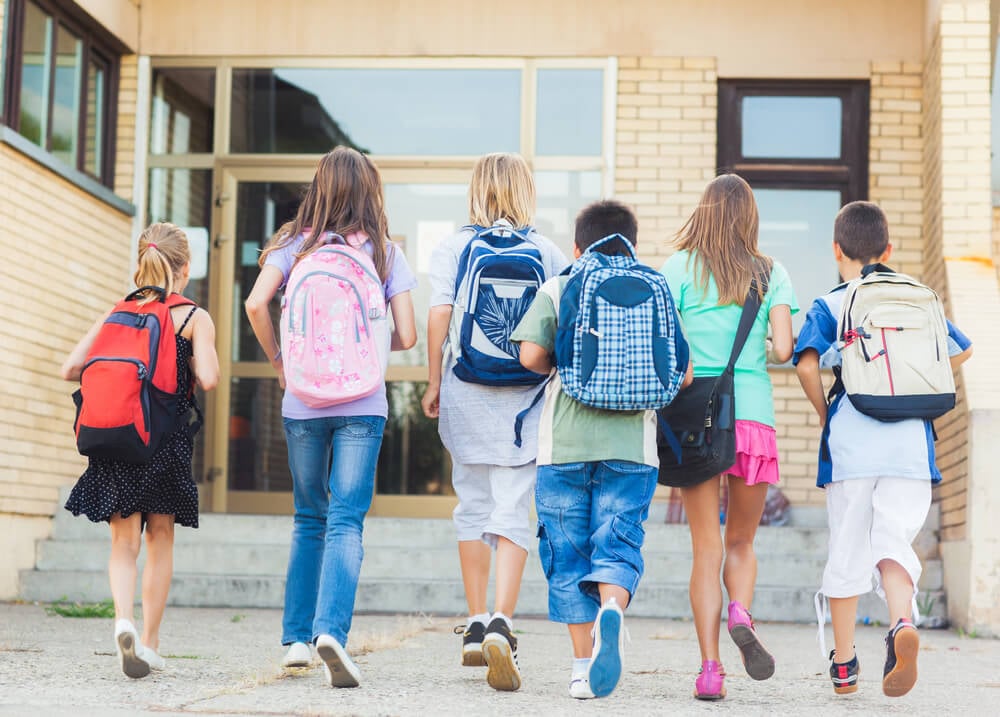
Most of these assemblies taught less than their organizers hoped. The research on one-time presentations is unkind, and few adults can recall a single fact from the dental hygienist or the visiting author.
The content was never really the point. An assembly was the one time the entire school occupied a single room, and a building full of separate classrooms briefly became a community with shared jokes and a shared floor.
Children learned how to sit in a crowd, when to clap and how to be quiet for a veteran. Those lessons were never listed in any curriculum, and they are the ones that stuck.
More from Go2Tutors!

- The Romanov Crown Jewels and Their Tragic Fate
- 13 Historical Mysteries That Science Still Can’t Solve
- Famous Hoaxes That Fooled the World for Years
- 15 Child Stars with Tragic Adult Lives
- 16 Famous Jewelry Pieces in History
Like Go2Tutors’s content? Follow us on MSN.



