Resident Evil Games Ranked by Scare Factor
The Resident Evil franchise has been making players jump out of their seats since 1996. These games didn’t just create zombies and monsters; they crafted entire worlds where fear lurks around every corner.
Some entries in the series focused more on action and explosions, while others went straight for the jugular with pure terror. The difference between a thrilling game and a truly scary one often comes down to atmosphere, sound design, and those moments when players least expect something to go wrong.
Let’s dig into which Resident Evil games actually delivered the scares and which ones felt more like action movies with zombies.
Resident Evil 7: Biohazard

The shift to first-person perspective changed everything for this entry. Players found themselves trapped in a decrepit Louisiana plantation house with the Baker family, who weren’t exactly welcoming hosts.
The cramped hallways and limited field of vision made every encounter feel personal and dangerous. Jack Baker’s relentless pursuit through the house created genuine panic, especially since players couldn’t always see what was coming from the sides.
This game brought the series back to its horror roots after years of action-heavy entries.
Resident Evil 2 (1998)

The original Resident Evil 2 set the standard for survival horror in the late 90s. Raccoon City Police Department became one of gaming’s most iconic settings, with its dark hallways and persistent threats.
Mr. X, the Tyrant who stalked players through the station, created a constant sense of dread even before he appeared. The game balanced resource management with atmosphere perfectly, making every bullet count.
Those lickers on the ceiling still give longtime fans chills when they think back to their first playthrough.
Resident Evil 2 (2019)
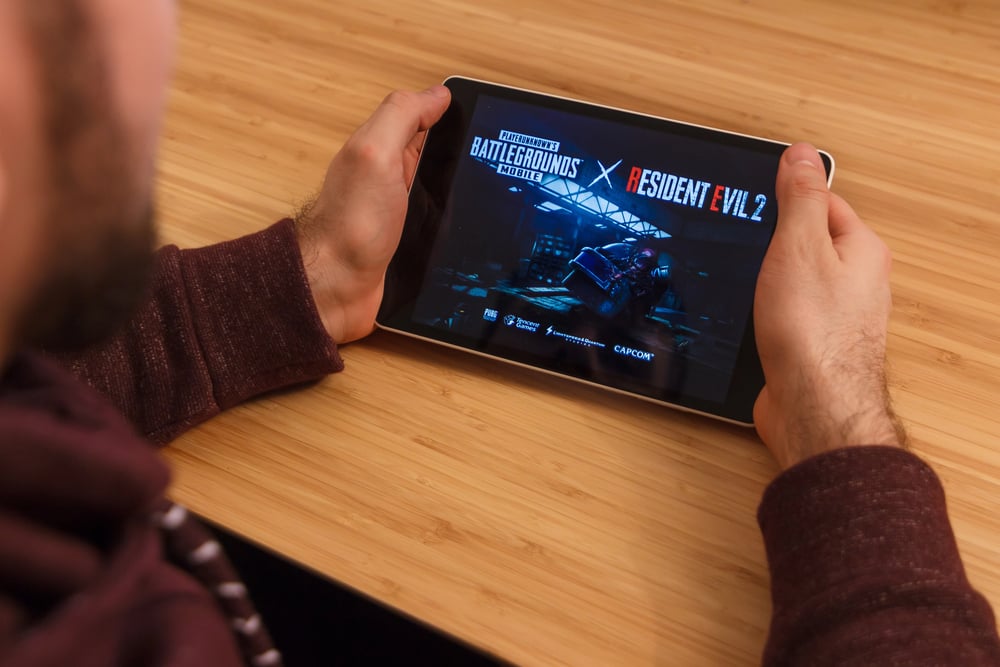
Capcom’s remake took everything that worked in the original and amplified it with modern technology. The over-the-shoulder camera brought players closer to the horror than ever before.
Mr. X’s footsteps echoing through the police station became a new form of psychological torture for a whole new generation. The darker lighting and updated enemy designs made even familiar areas feel fresh and frightening.
This version proved that old scares could feel new again with the right approach.
Resident Evil

The game that started it all still holds up as a genuinely unnerving experience. That first zombie turning around in the hallway became an iconic moment in gaming history.
Fixed camera angles created blind spots that kept players on edge constantly. The mansion setting felt alive with danger, and the limited inventory system forced tough decisions about what to carry.
Even though it looks dated now, the original game established the formula that would define horror gaming for decades.
Resident Evil (2002 remake)

The GameCube remake elevated the original in every possible way. Crimson Heads, zombies that came back faster and deadlier if not properly dealt with, added a whole new layer of strategy and fear.
Lisa Trevor’s tragic story and terrifying presence gave players one of the series’ most memorable encounters. The improved graphics and redesigned areas made the Spencer Mansion feel both familiar and completely new.
This version showed that remakes could actually improve on beloved classics without losing what made them special.
Resident Evil 3: Nemesis
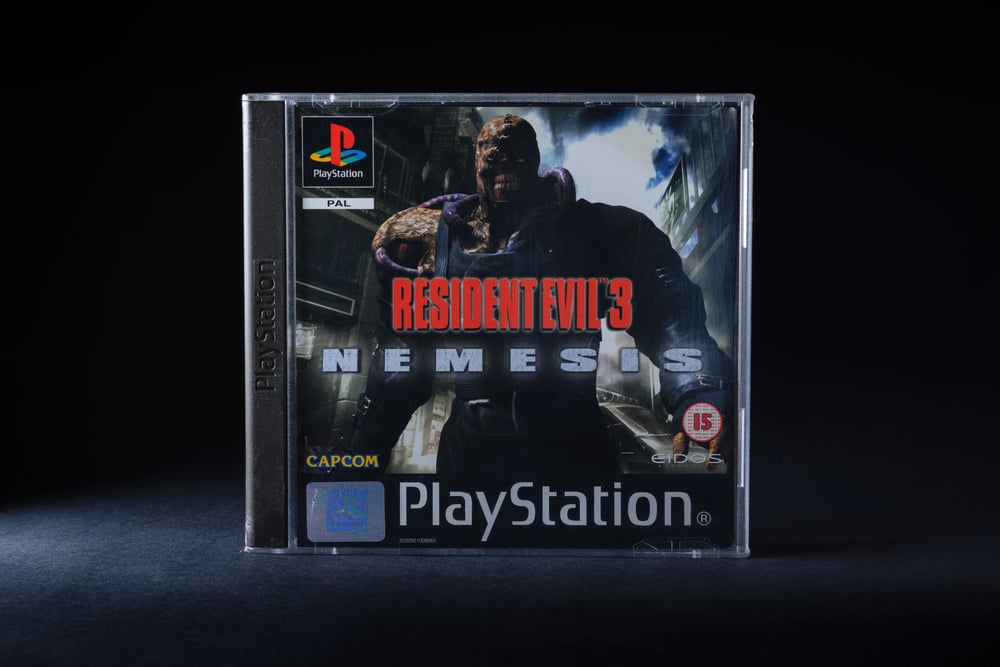
Nemesis changed the game by introducing an enemy that could follow players between rooms and areas. The constant threat of this bio-weapon crashing through walls or appearing on the streets of Raccoon City kept the tension high.
Unlike other enemies, Nemesis didn’t play fair and could show up during supposedly safe moments. The game’s pace moved faster than its predecessors, but that speed came with its own brand of anxiety.
Running through the city streets while being hunted created a unique type of stress that few other games matched.
Resident Evil 3 (2020)

The modern remake streamlined the Nemesis encounters but made each one more intense and scripted. Carlos’s hospital section delivered some of the game’s strongest horror moments, particularly with the Pale Heads in the basement.
The game traded the original’s unpredictability for more cinematic scares that hit hard when they landed. While some fans missed the randomness of the original Nemesis, the updated version still packed plenty of frightening moments.
The faster gameplay didn’t leave as much room for dread to build, but it compensated with pure intensity.
Resident Evil: Code Veronica

This overlooked entry brought players to a remote island prison facility filled with secrets and danger. The game featured some of the series’ most grotesque enemy designs, including the disturbing Bandersnatches.
Steve’s transformation scene remains one of the franchise’s most emotionally devastating moments, mixing sadness with horror. The Antarctic facility in the second half ramped up the isolation factor to uncomfortable levels.
Code Veronica proved the series could still scare players even when moving away from familiar settings like mansions and police stations.
Resident Evil Zero
Playing as two characters simultaneously added a unique twist to the standard formula. The training facility and its bizarre experiments created an unsettling atmosphere throughout.
Leeches became an unexpectedly creepy enemy, especially when they formed into humanoid shapes. The Eliminators, mutated apes with exposed brains, were harder to kill and genuinely disturbing to look at.
Zero might not rank as the scariest in the series, but it had enough weird and uncomfortable moments to keep players uneasy.
Resident Evil 4
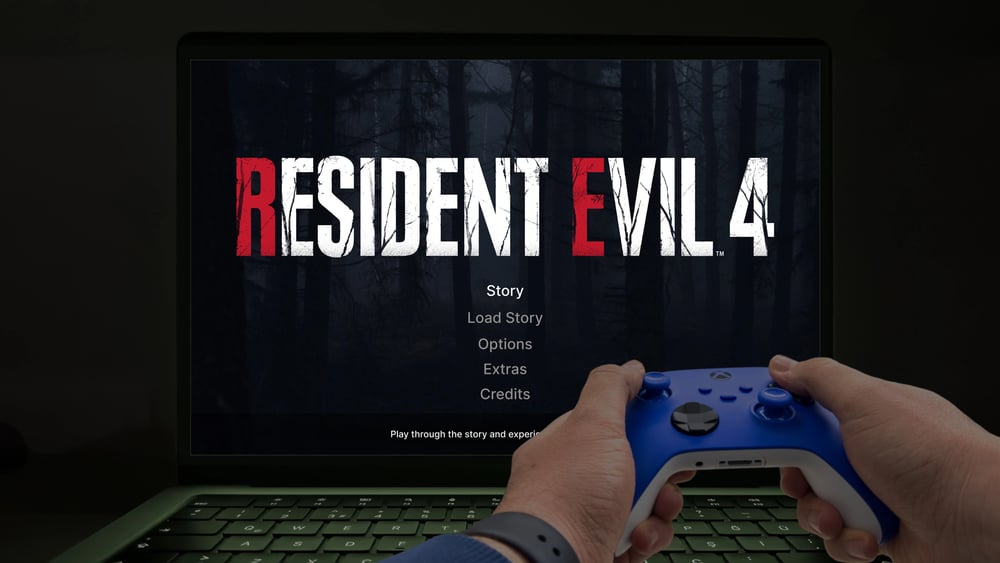
The shift to an action focus made this game less scary than its predecessors, but it still had its moments. The village opening sequence, with its chainsaw-wielding Ganados, created immediate panic and set a frantic tone.
The Regenerators, enemies that breathed heavily and kept getting back up, were nightmare fuel in an otherwise action-packed game. Del Lago’s lake encounter brought sudden terror to what seemed like a calm boat ride.
While RE4 prioritized thrills over chills, it sprinkled in enough horror to remind players of the series’ roots.
Resident Evil 5

The African setting and co-op gameplay pushed this entry firmly into action territory. Playing with a partner significantly reduced the fear factor since players never felt truly alone.
The Majini enemies were more aggressive than scary, treating combat like a shooting gallery rather than survival horror. Certain sections, like the underground Lickers area, tried to recapture that classic tension but mostly fell flat.
RE5 works better as an action game than a horror experience, which isn’t necessarily bad but doesn’t deliver many scares.
Resident Evil 6

This entry went full action movie and practically abandoned horror altogether. The multiple campaigns and globe-trotting story prioritized spectacle over scares at every turn.
Even the zombie sections felt more like crowd control than genuine threats. The game’s identity crisis showed in how it tried to please everyone and ended up satisfying horror fans the least.
RE6 has its defenders, but almost nobody claims it’s frightening.
Resident Evil: Revelations

The cruise ship setting brought the series back to confined spaces and creeping dread. The Ooze enemies, with their grotesque transformations and ability to appear anywhere, kept players guessing.
Episodic structure gave each section a clear beginning and end, building tension in digestible chunks. The game felt like a deliberate attempt to recapture the series’ horror essence after the action-heavy fifth and sixth entries.
Revelations succeeded more than it failed, proving handheld systems could deliver legitimate scares.
Resident Evil: Revelations 2
The second Revelations game introduced cooperative gameplay that actually enhanced rather than diminished the horror. Switching between Claire and Moira, then Barry and Natalia, created different gameplay rhythms and scare opportunities.
The island prison setting felt appropriately grim and dangerous throughout. The Afflicted enemies were disturbing in their tortured movements and sounds.
This sequel improved on the original Revelations in most ways, including its ability to unsettle players during key moments.
Resident Evil Village
The game started strong with the Dimitrescu Castle section, which dripped with a gothic horror atmosphere. Lady Dimitrescu and her daughters created genuine tension as they stalked players through the castle halls.
However, the game shifted gears after leaving the castle, becoming more action-oriented with each new area. Donna Beneviento’s house provided the game’s scariest sequence, a departure from combat that relied purely on psychological horror.
Village entertained throughout but couldn’t maintain its early horror intensity all the way to the end.
Resident Evil 5 Lost in Nightmares DLC

A quiet kind of tribute, this download paid homage to the first Resident Evil without saying so outright. Through creaking hallways and riddles built into locked doors, echoes of the past slipped through.
Combat stayed sparse, while wandering dark corners took center stage – just enough to stir that familiar unease. Even inside RE5’s faster pace, a slower fear found room to breathe.
Brief, yes, yet long enough to prove Capcom hadn’t forgotten how those earliest moments truly worked.
Resident Evil 7 Not a Hero DLC

Players got to steer Chris Redfield through a faster-paced mission at no extra cost. Down below, inside that hidden lab, things could have gone darker – yet bullets flew more than fear crept in.
Once you handed gamers full combat gear, those hulking Molded monsters lost some of their bite. Put together well enough, sure – but really just served as a breather after the heavier original story.
Fun? Yes. But jump-scares and dread took a back seat here unlike what came before.
Where the franchise stands now

Still scary after all these years, Resident Evil knows how to change without losing what made it special. Shifting back and forth between run-and-gun chaos and slow dread, it eventually struck a pace everyone could stand behind.
With RE7 along with the rebuilt RE2, proof arrived that quiet terror fits right into today’s game world. Trying odd new shapes and styles breathes life into old hallways, whether those choices thrill or make people jump too hard.
Almost thirty years on, the series quietly proves fear hasn’t lost its grip.
More from Go2Tutors!

- The Romanov Crown Jewels and Their Tragic Fate
- 13 Historical Mysteries That Science Still Can’t Solve
- Famous Hoaxes That Fooled the World for Years
- 15 Child Stars with Tragic Adult Lives
- 16 Famous Jewelry Pieces in History
Like Go2Tutors’s content? Follow us on MSN.