27 School Field Trips from the ’90s That Would Never Get Approved Today
The 1990s represented the final era when schools could organize field trips without litigation as the primary planning consideration. Teachers would arrange visits to locations that would now require extensive liability waivers, parental consent forms, and insurance coverage that would make the trips economically impossible.
The freedom that administrators had to authorize trips—and the assumption that parents would automatically consent to their children participating in activities that by modern standards seem recklessly dangerous—created an entire category of educational experiences that have largely vanished. What made these trips distinctive was the absence of constant supervision, the presence of genuine risk, and the assumption that minor injuries were acceptable consequences of authentic learning experiences.
These weren’t heavily chaperoned, tightly scheduled visits where every moment was accounted for. They were relatively loose expeditions based on trust that has since evaporated from institutional relationships between schools and families.
Industrial Factory Tours Without Safety Equipment
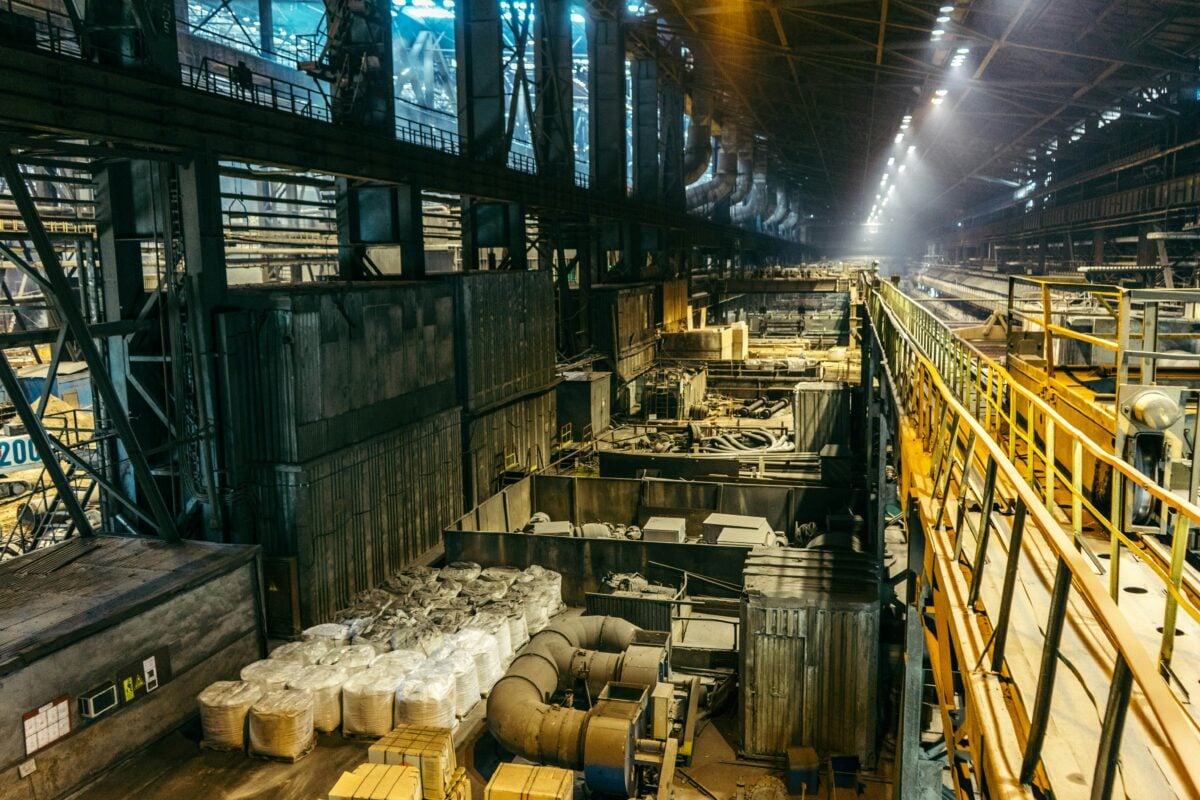
Manufacturing tours allowed students to observe active production without modern protective equipment requirements, standing mere feet from machinery that would now be completely off-limits to visitors.
Power Plant Visits With Unrestricted Access
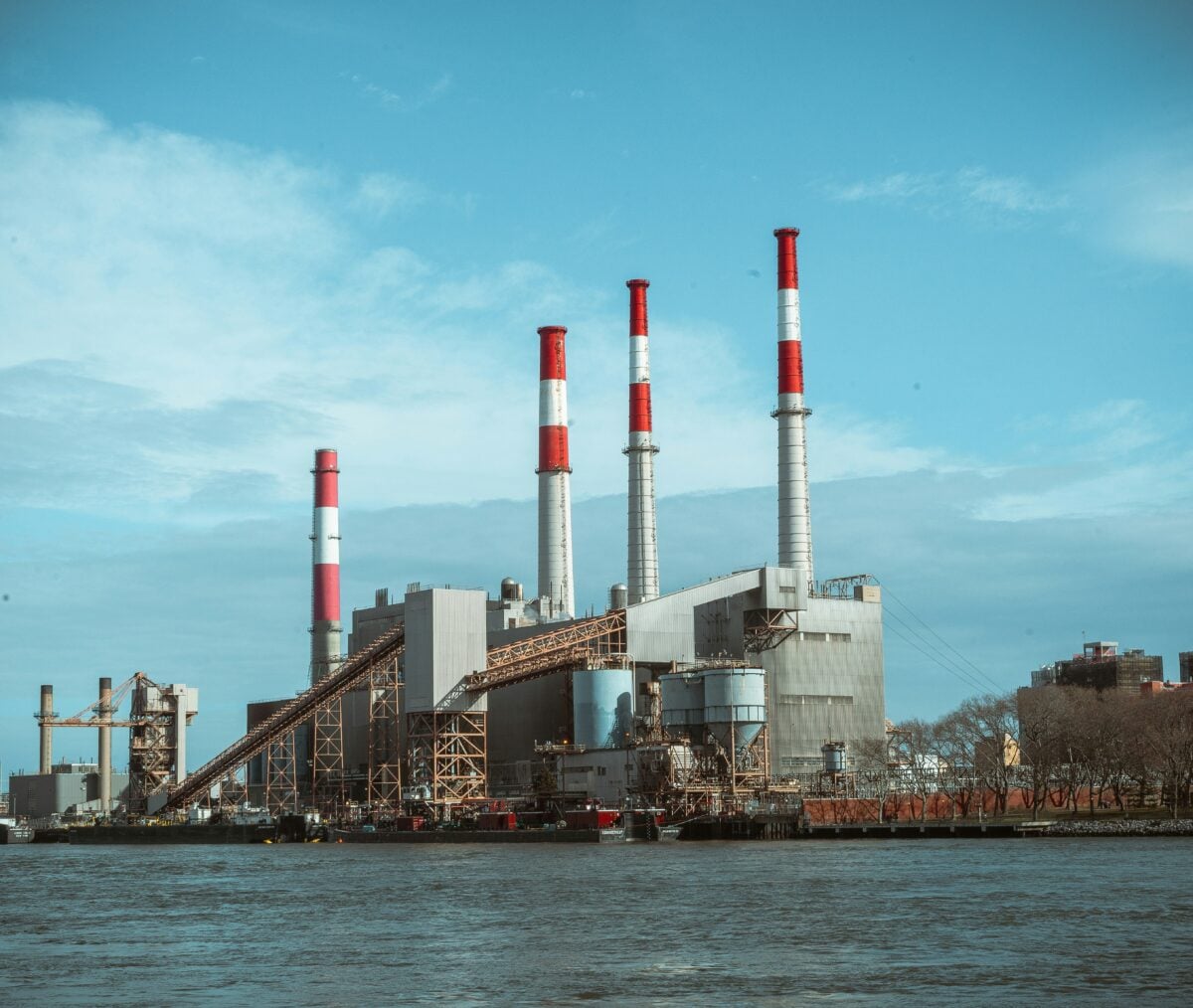
Power plant tours granted students access to active generator rooms and control centers that would now be security-restricted, driven by post-9/11 facility vulnerability concerns.
Newspaper Printing Press Demonstrations

The deafening chaos of working print shops exposed students to noise levels that would now require hearing protection requirements, watched from viewing areas dangerously close to active equipment.
Mining Operations Tours
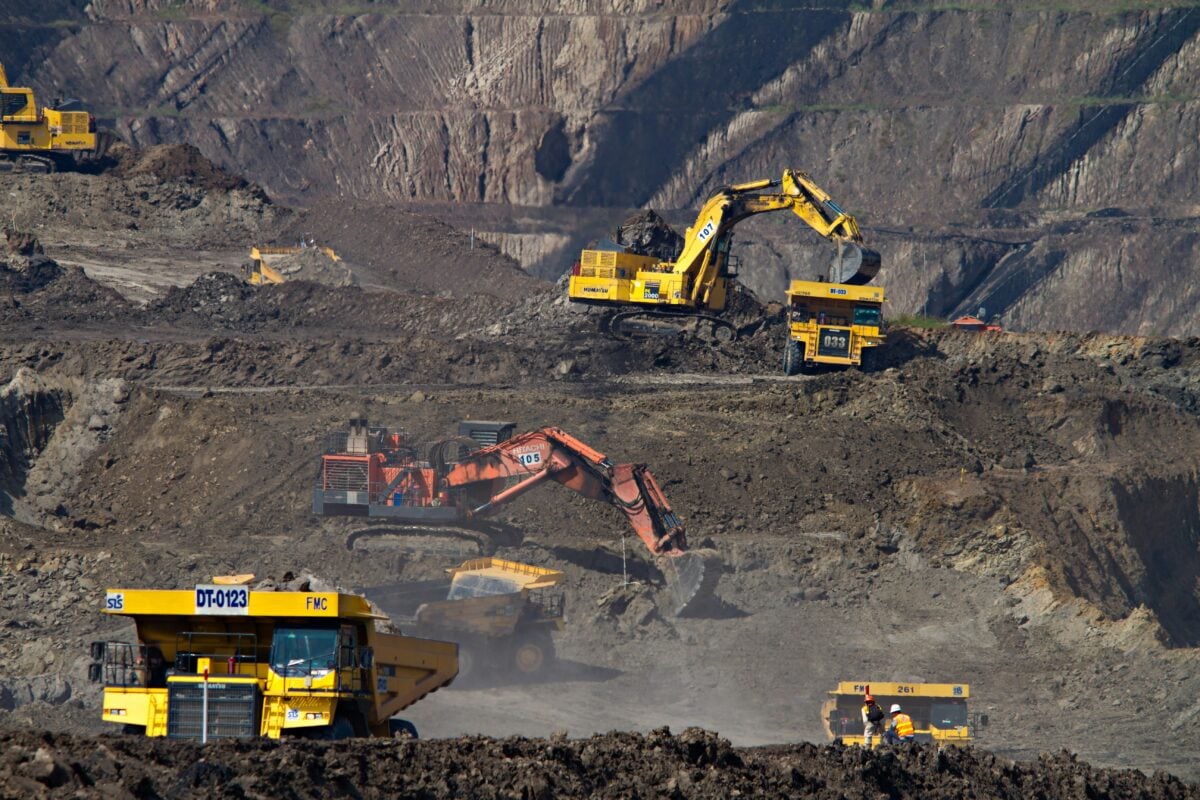
Some schools arranged trips to working mines where students descended into active tunnels, experiencing genuine geological and safety risks that no modern school would authorize.
Slaughterhouse and Meat Processing Facility Visits
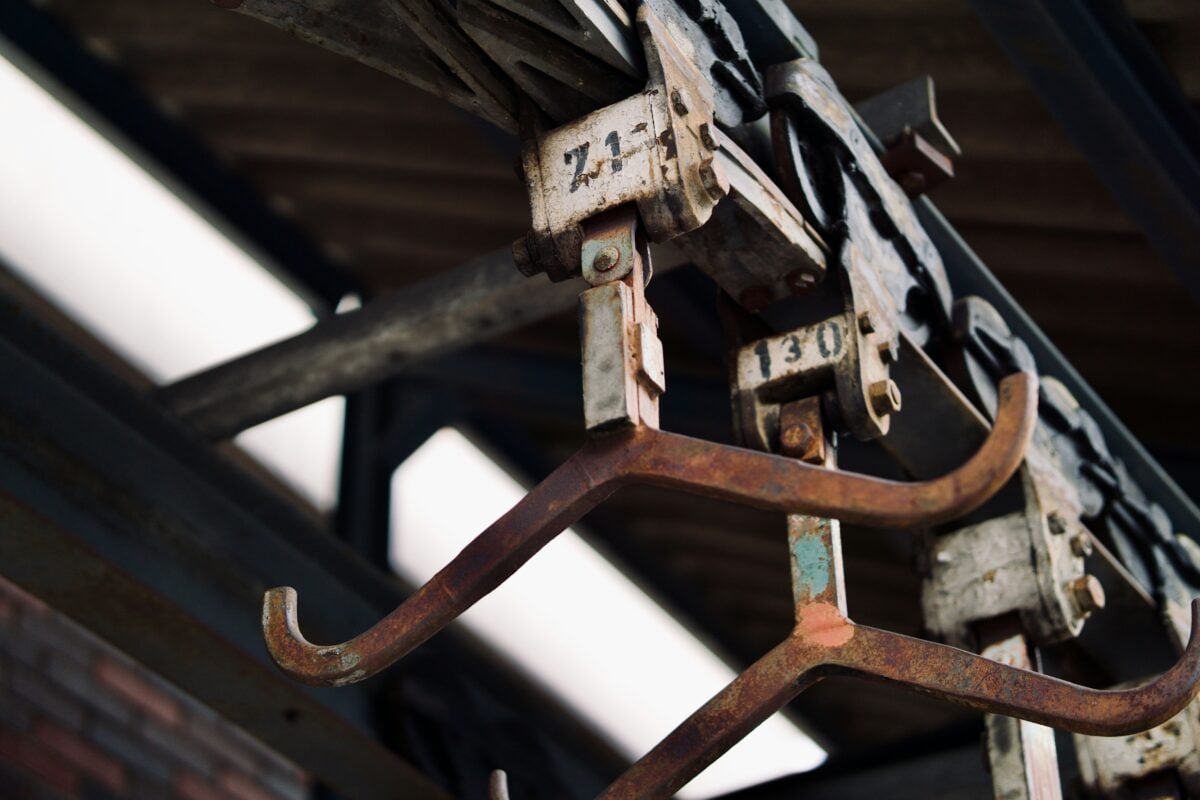
Agricultural programs sometimes included visits to processing facilities where students observed industrial-scale meat production, an educational experience now considered too controversial and graphic.
Geological Rock Climbing as Curriculum
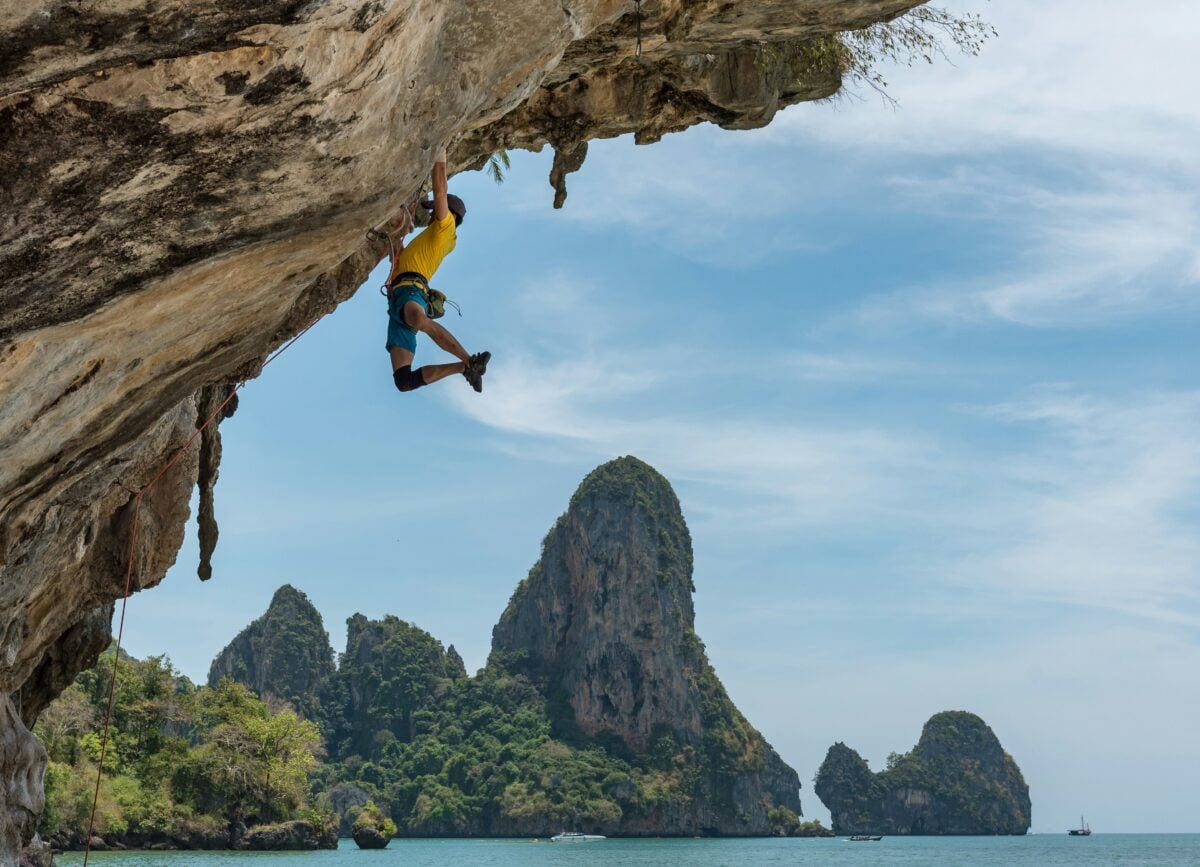
Geology classes included rock climbing expeditions to natural formations without the extensive safety equipment, rock guides, or liability insurance now considered standard.
Zoo Animal Handling Experiences
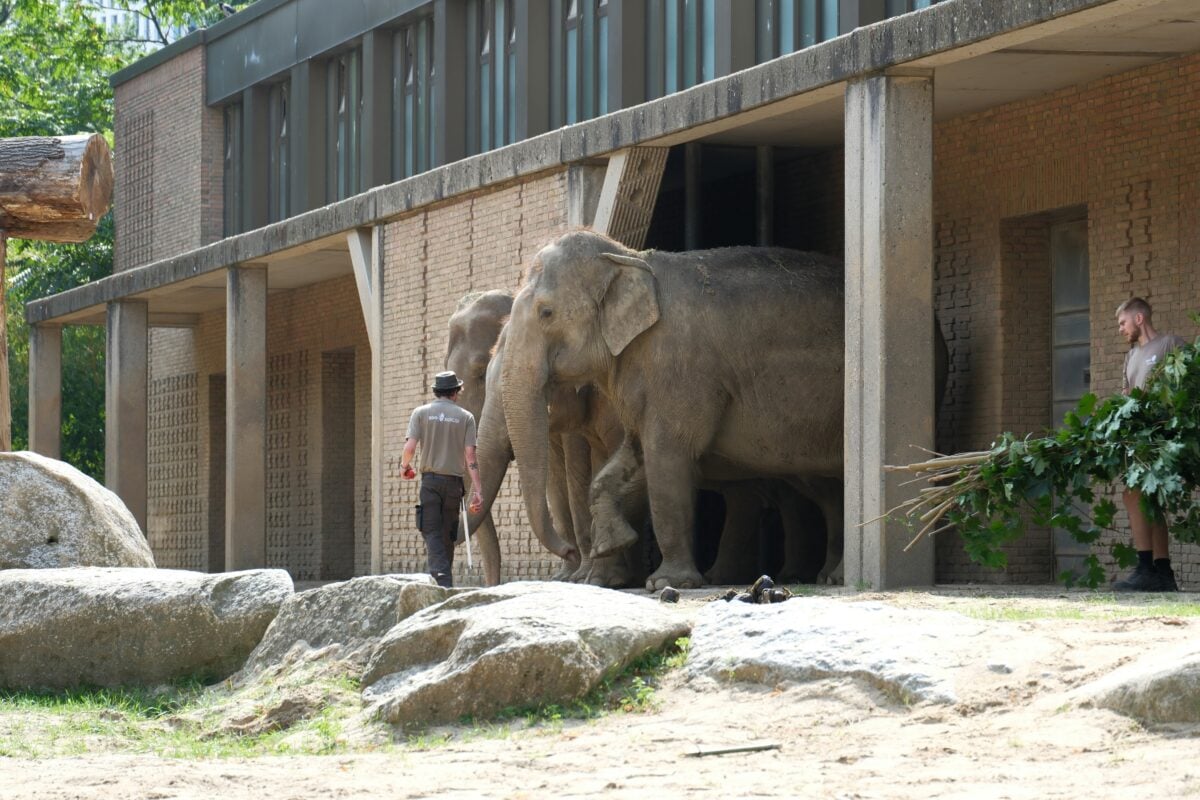
Children were permitted to directly handle snakes, reptiles, and other animals in ways that modern safety protocols forbid, based on different assumptions about risk and educational value.
Bayou and Swamp Exploration Without Disease Protocol
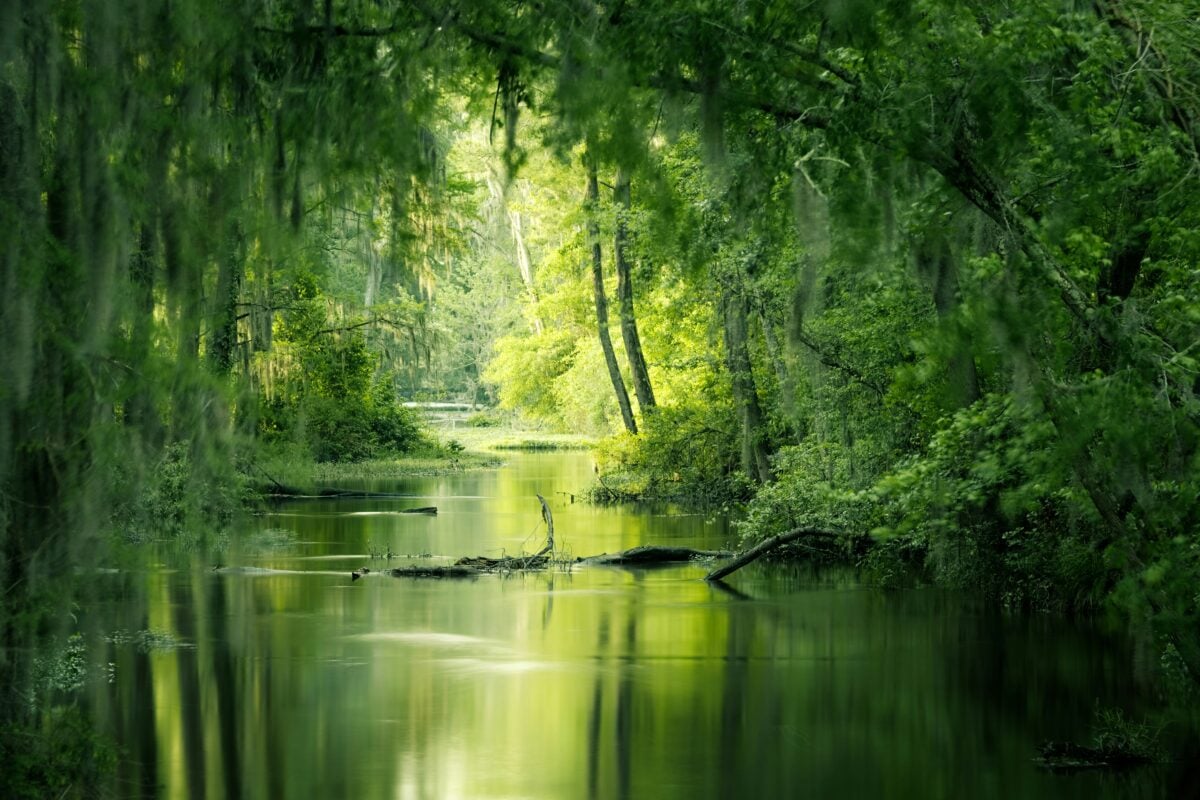
Southern schools organized unstructured exploration of wetlands and swamps where students might encounter alligators, snakes, and disease-carrying insects without current safety precautions.
Haunted House as Historical Instruction
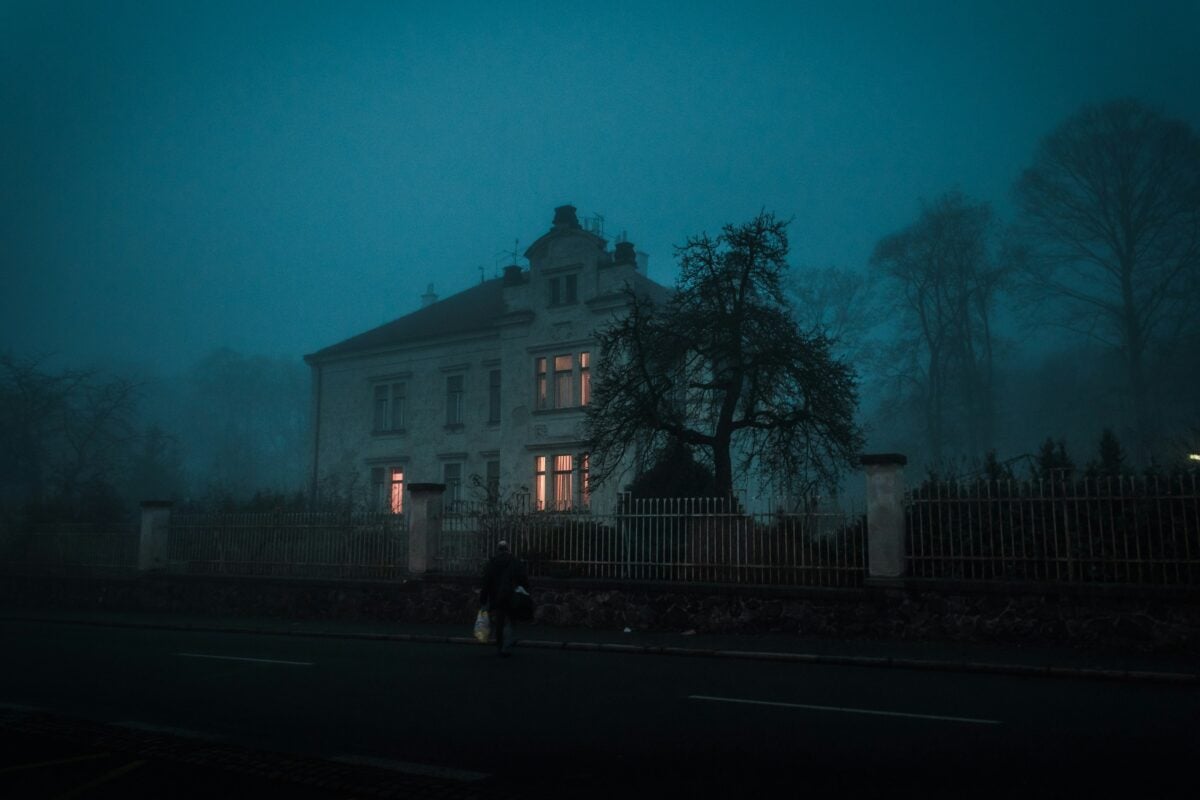
Some schools allowed overnight stays in actual historical buildings rumored to be haunted, using the experience as both tourism and education while assuming the psychological risk was acceptable.
Abandoned Building Exploration
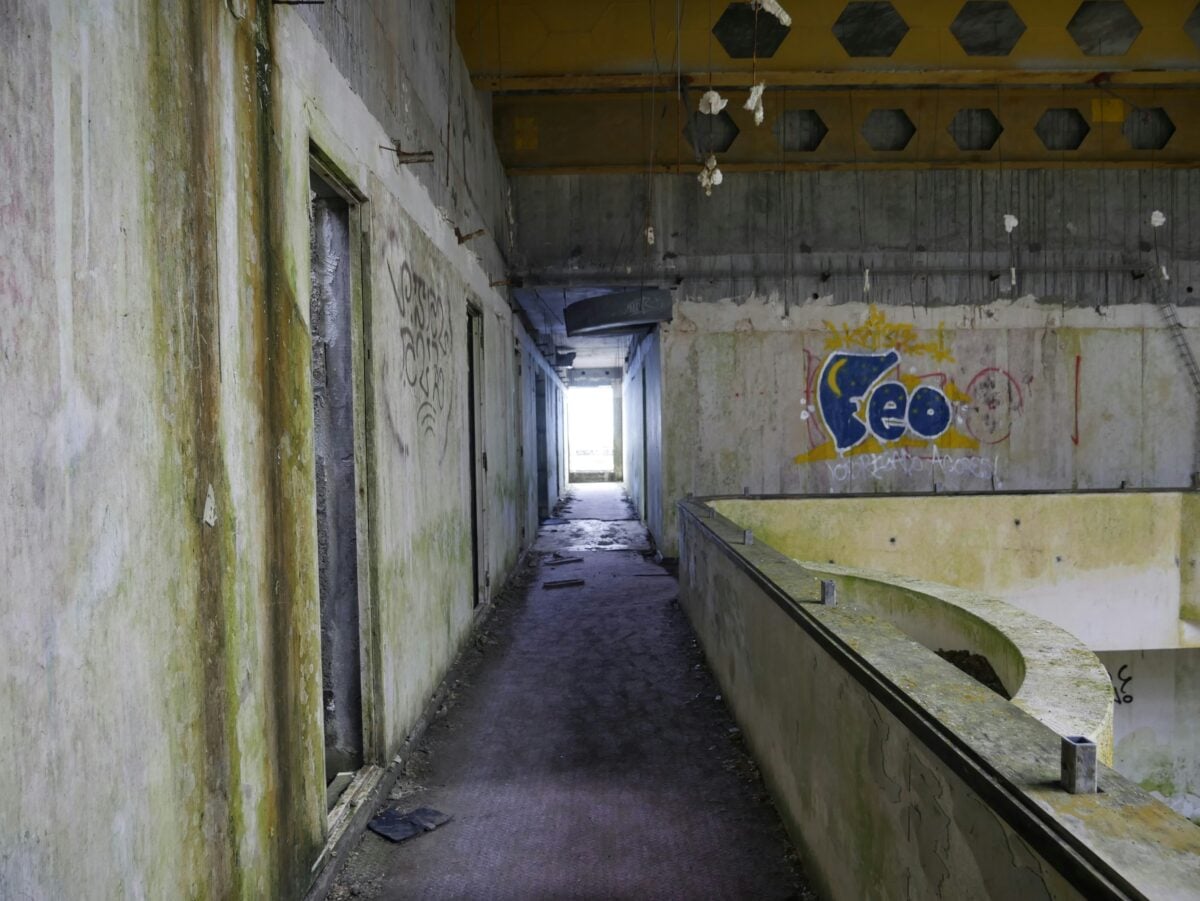
Historical societies organized tours through truly abandoned structures where structural integrity was questionable and injury risks were genuine rather than theoretical.
Urban Exploration of Construction Sites
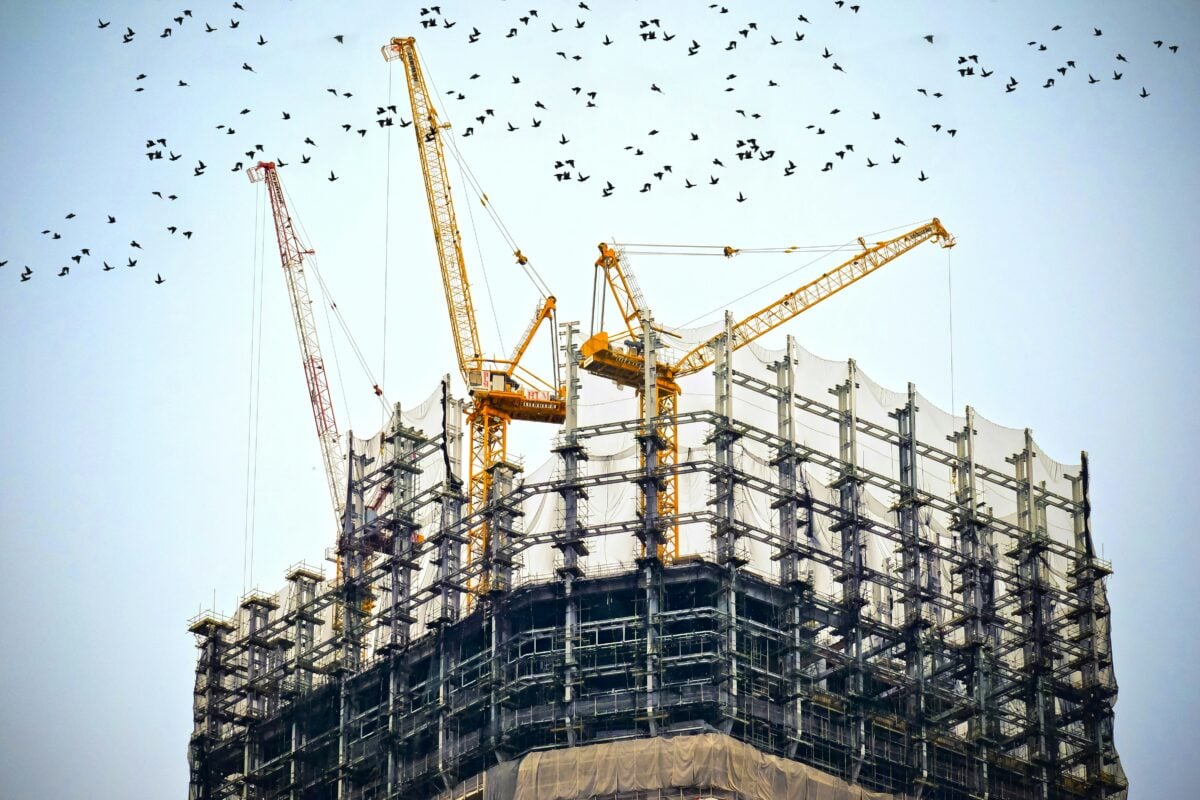
Some architecture and engineering classes organized tours of active construction sites where students observed ongoing work in progress without modern safety barriers.
Dive Trips to Coral Reefs
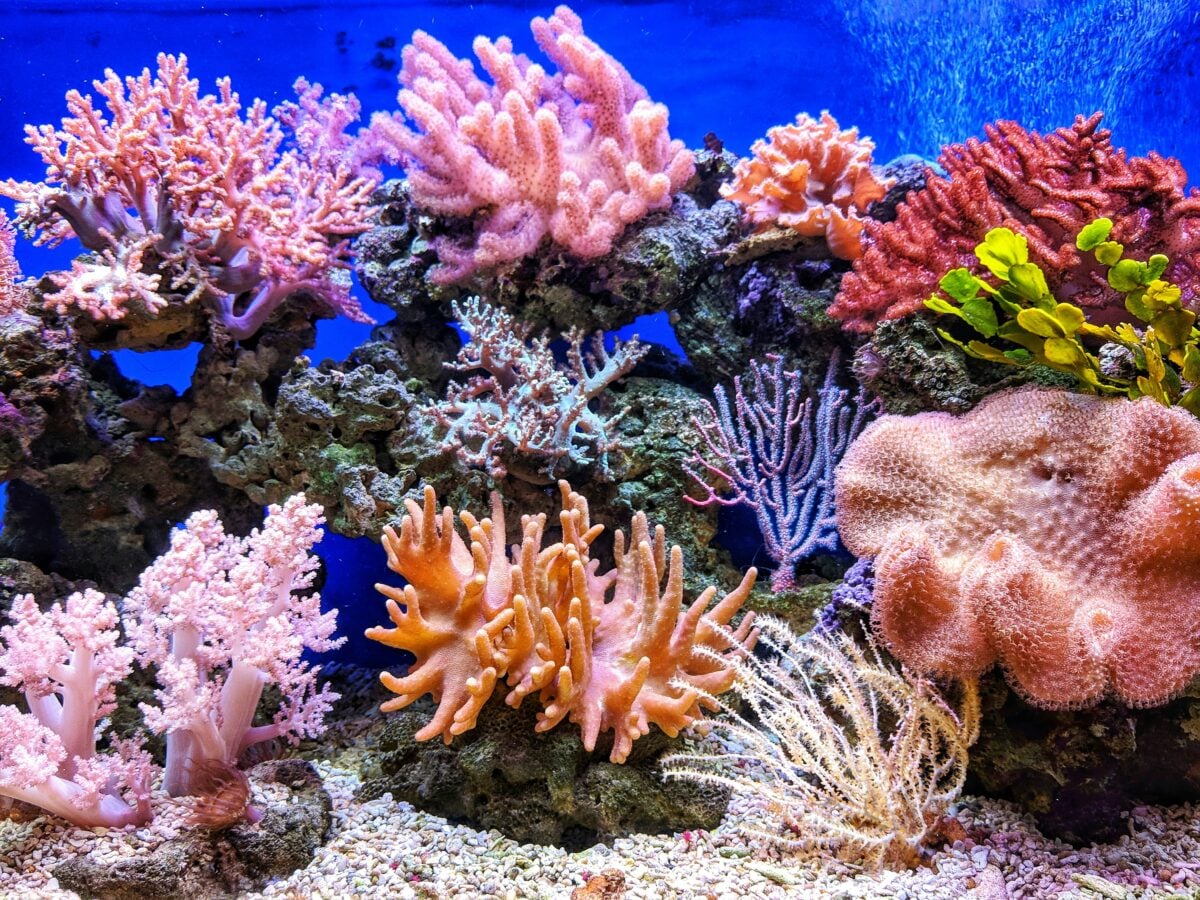
Science classes took students diving to collect specimens from coral reefs, activities now restricted due to environmental protection regulations and safety requirements.
Museum After-Hours Exploration
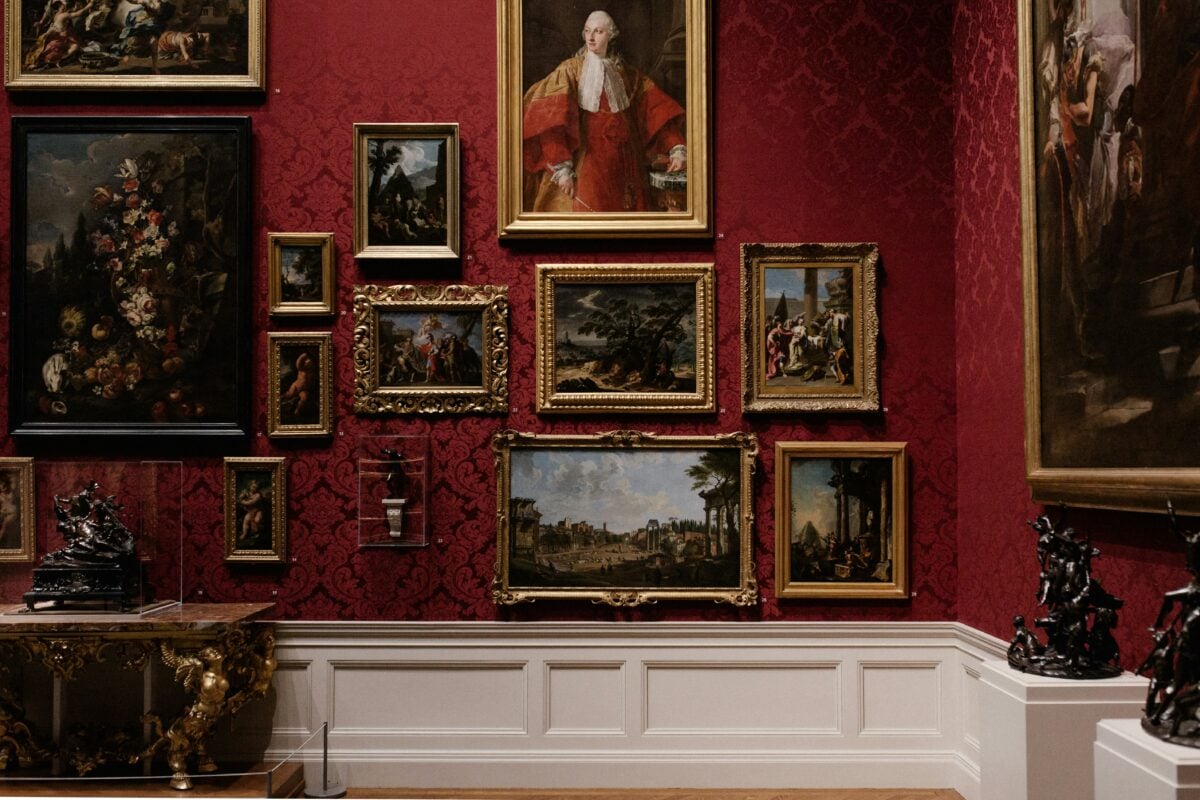
Museums sometimes permitted schools to conduct evening or after-hours explorations with minimal supervision, creating unsupervised exploration time that would now be impossible.
Television Station Production Tours

Students observed active television production without the liability concerns that now surround media facility access, seeing production processes directly.
Courthouse Observation of Real Trials
Civics classes attended actual criminal and civil trials, exposing students to graphic testimony and difficult subject matter without content warnings.
Prison Tours and Inmate Interaction

Some schools authorized visits to correctional facilities where students interacted directly with inmates, based on rehabilitation philosophy now replaced by security concerns.
Hospital Maternity Ward Observation
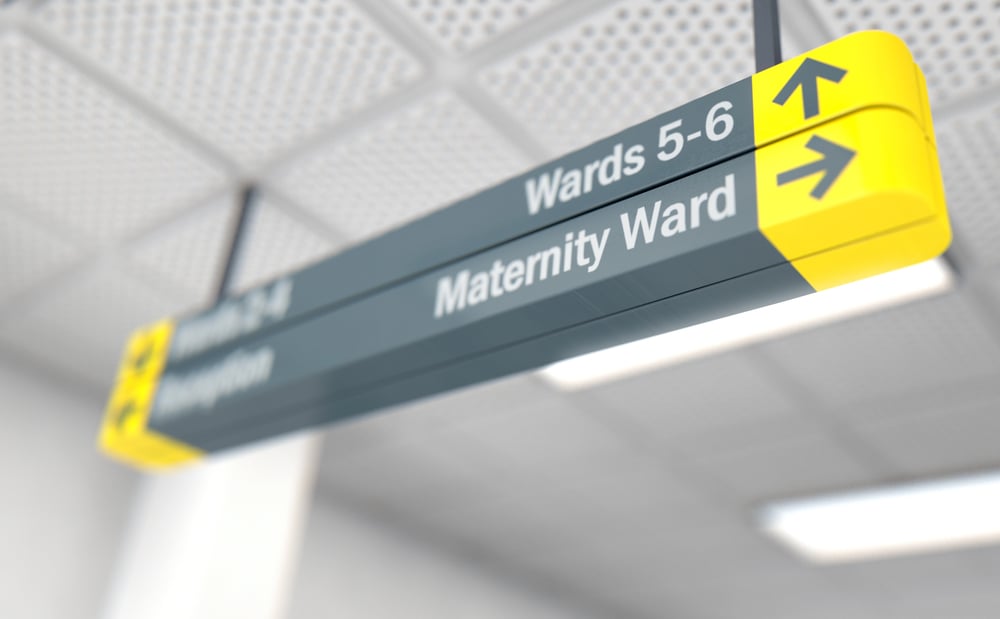
Health classes arranged observation of actual childbirth in hospital maternity wards—an educational experience now considered too intimate and subject to too many privacy regulations.
Morgue and Autopsy Observation
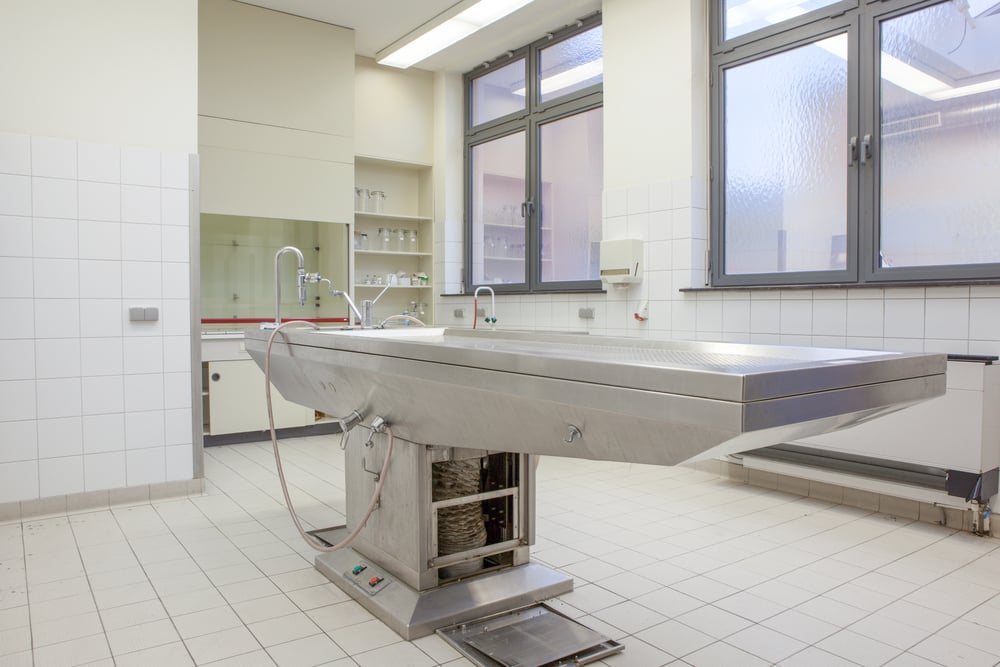
Some medical or anatomy programs permitted students to observe autopsies or visit morgues, providing direct exposure to mortality that modern sanitization of death prevents.
Wildlife Removal and Control Demonstrations

Students observed wildlife removal professionals handling snakes, raccoons, and other animals, watching procedures that would now require extensive training certifications.
Train Yard Access and Railroad Operations
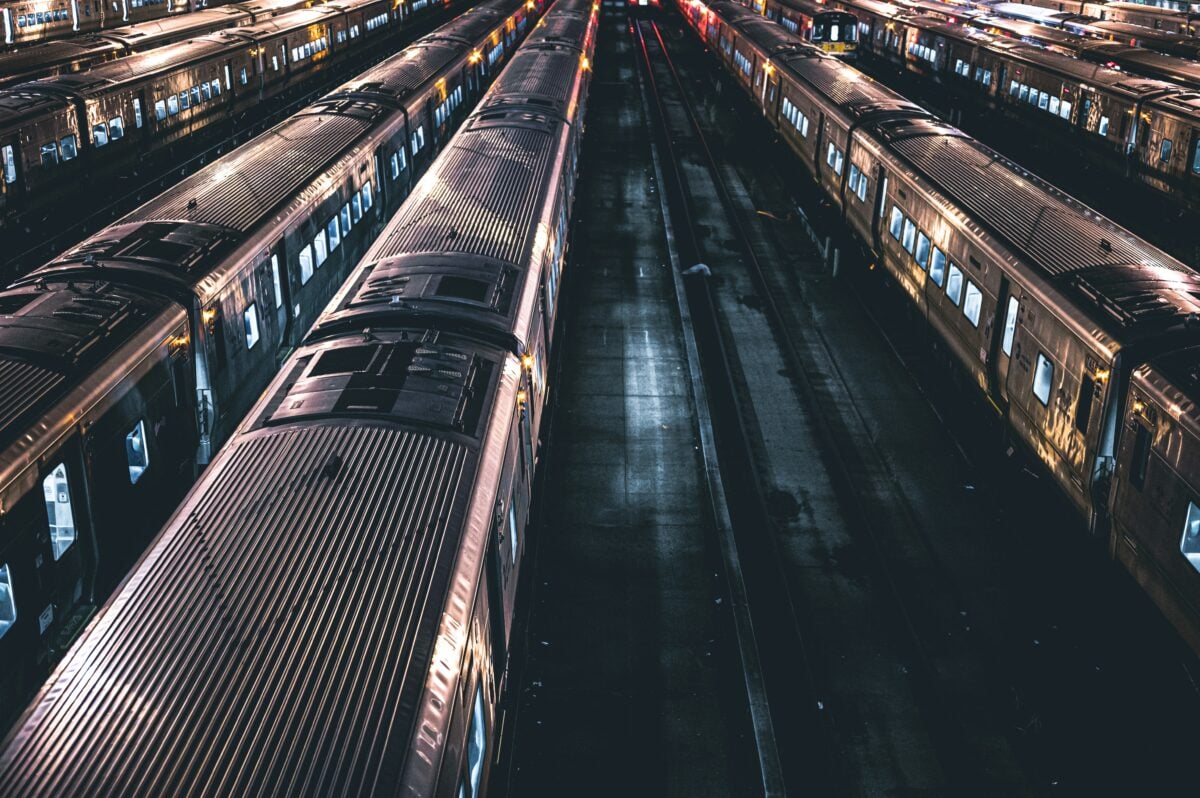
Some transportation classes arranged access to active railroad yards where students observed switching operations and locomotive movements without security restrictions.
Chemical Plant Operations Tours
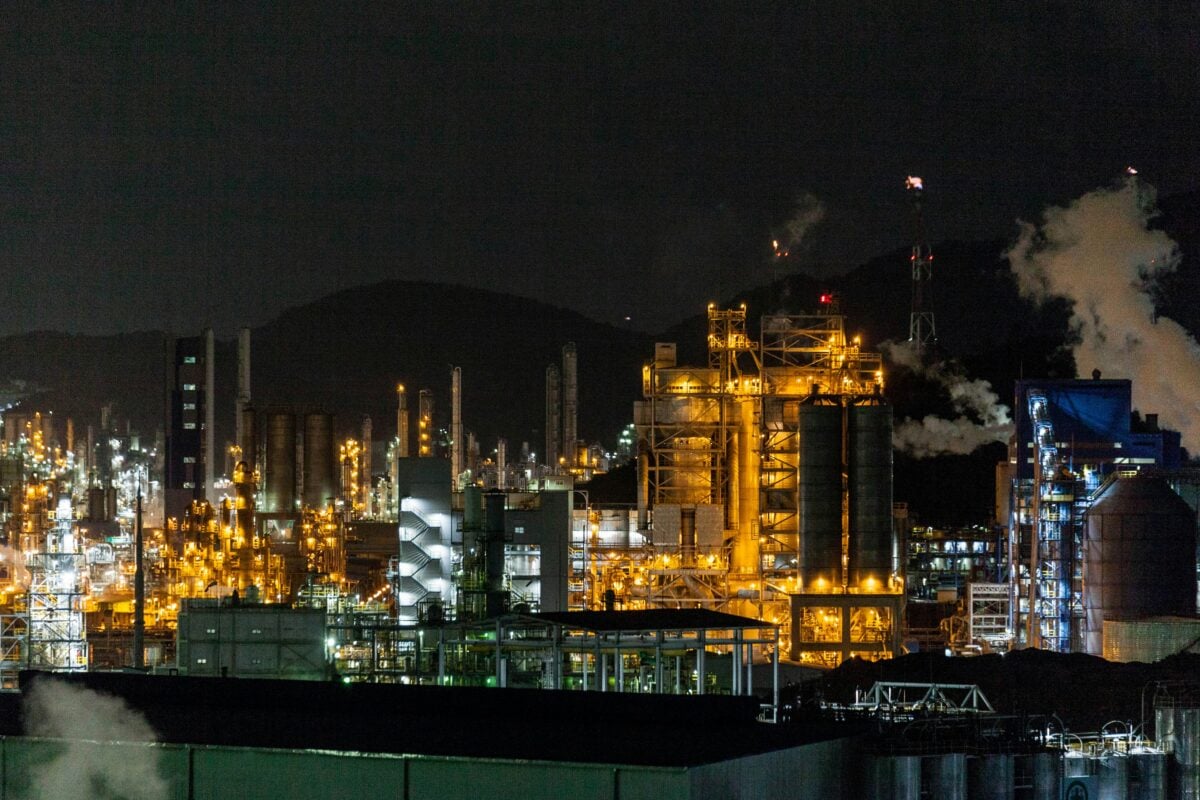
Industrial chemistry classes visited chemical facilities with active production, observing processes now restricted by security and environmental regulations.
Bridge and Highway Construction Observation
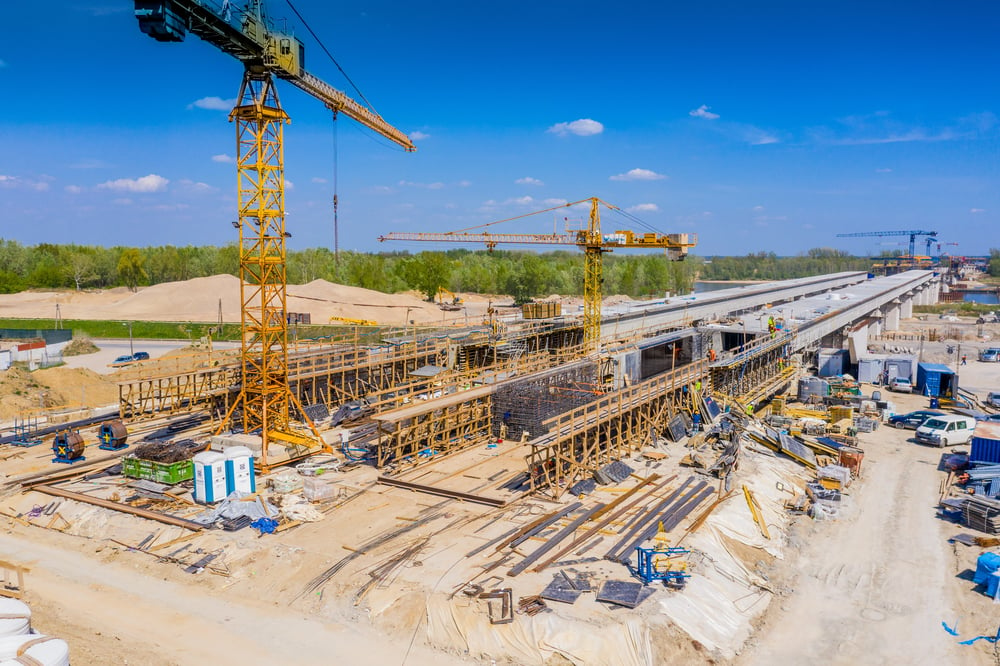
Infrastructure tours allowed students to observe highway construction and bridge building from perspectives that would now violate construction site access policies.
Landfill and Waste Management Facility Visits
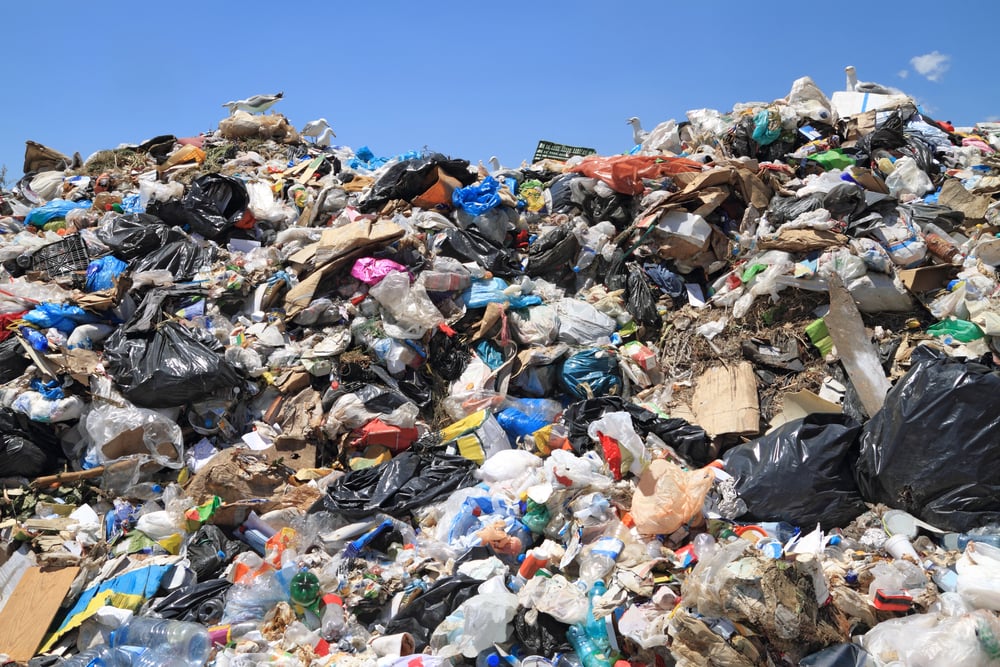
Environmental science classes visited active landfills where students observed waste processing and disposal methods now restricted by contamination and safety concerns.
Dam Operations and Spillway Access
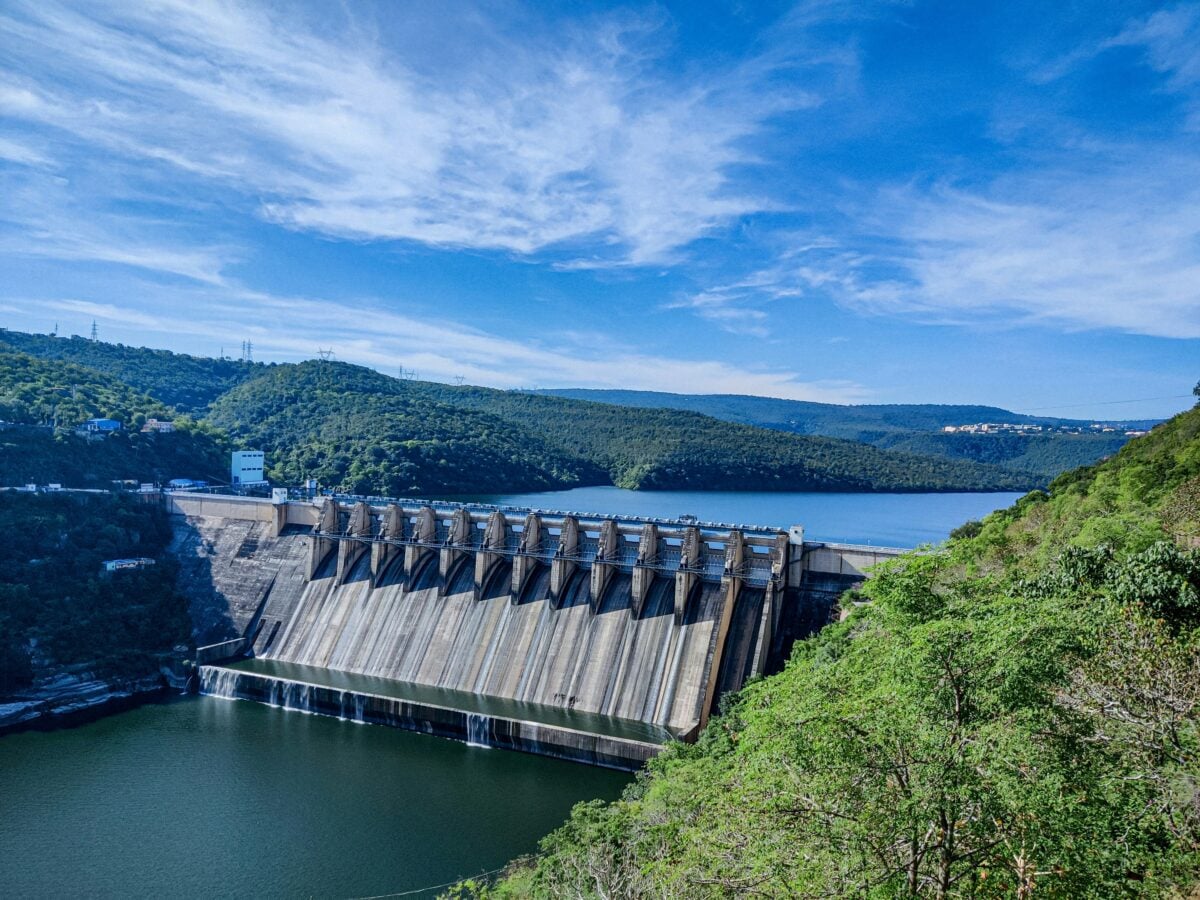
Engineering classes toured dam facilities with access to active spillways and control mechanisms, experiences now restricted by infrastructure security concerns.
Telephone Switching Station Tours
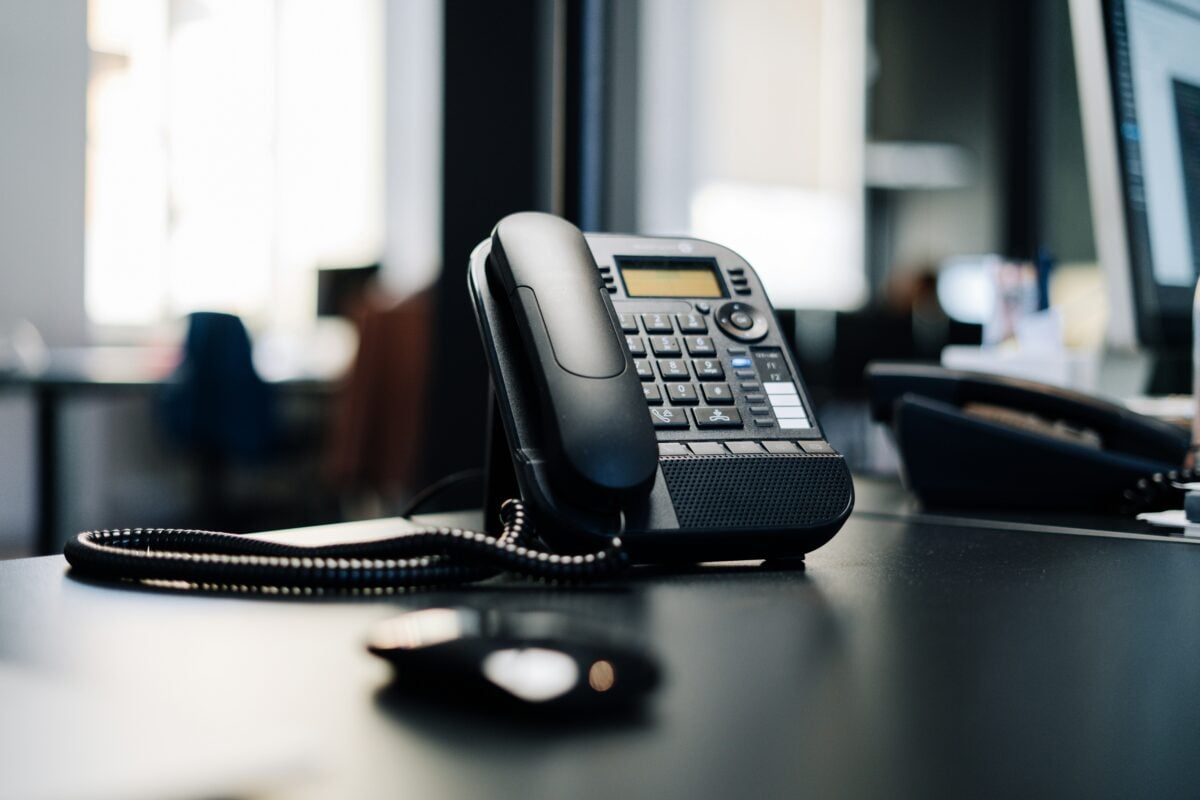
Telecommunications classes visited active telephone switching facilities, observing technology and operations that would now be security-restricted.
Unscheduled Field Trip Changes Based on Weather
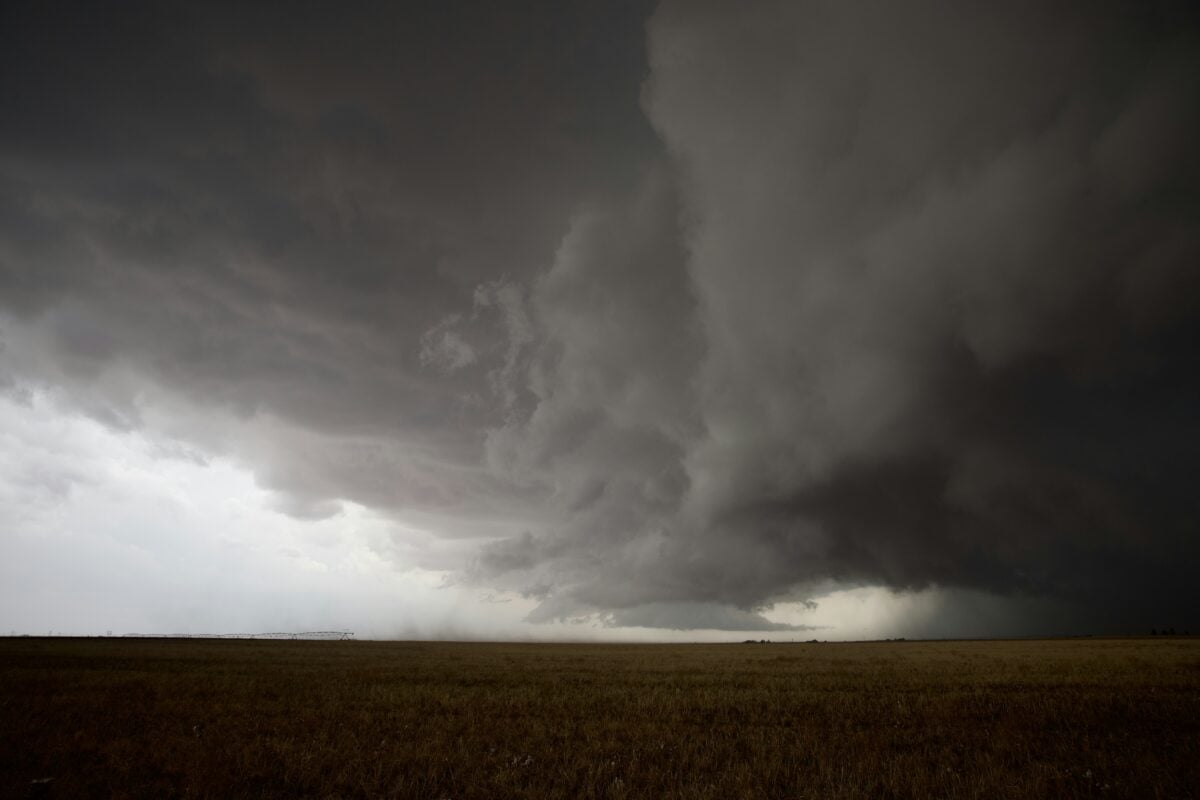
Teachers could cancel or rearrange field trips based on immediate weather conditions without the advance notification and documentation now required by liability concerns.
The Assumption of Parental Consent Without Documentation

Parents would sign generic permission slips covering entire categories of trips rather than trip-specific informed consent documents required by modern liability standards.
The Liability Erosion of Educational Spontaneity
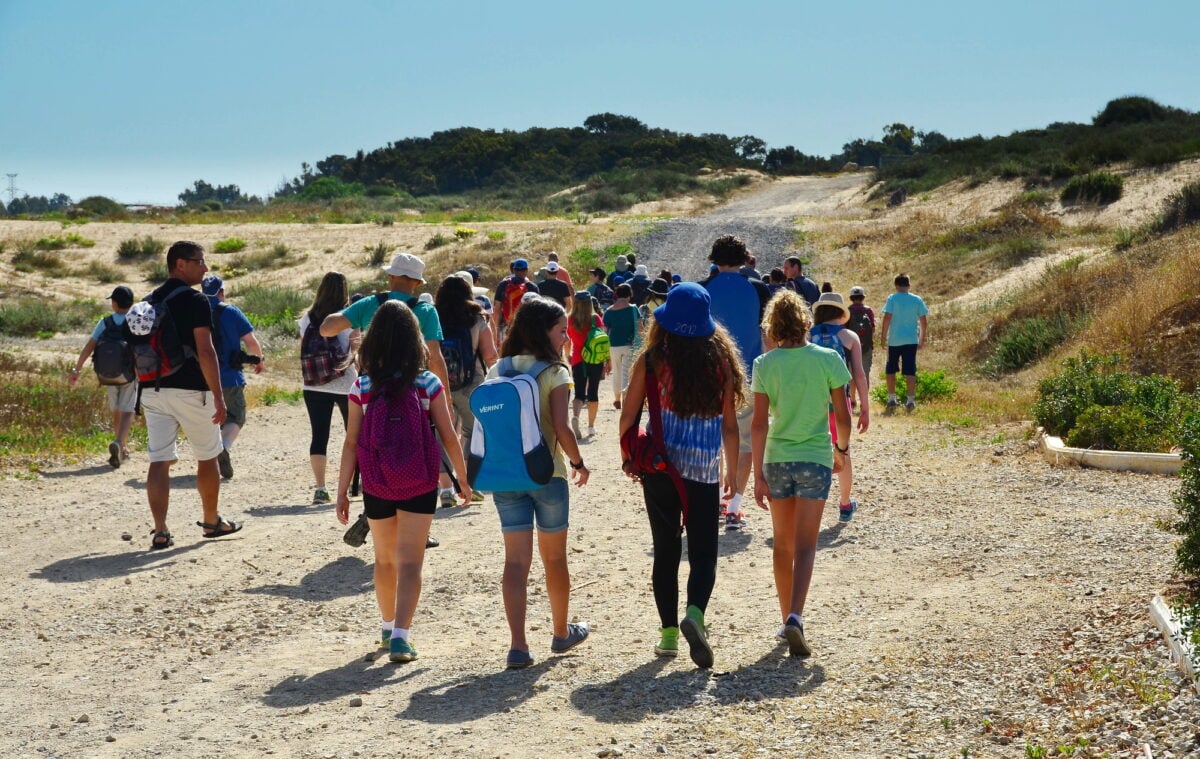
By the 2000s, most of these field trip types had become impossible through combination of litigation concerns, security restrictions, environmental regulations, and liability insurance costs that made outdoor experiential education economically unviable. The 1990s represented the last era when educational administrators could authorize genuinely risky experiences based on the assumption that the inherent value of direct observation justified the liability exposure.
Modern education, constrained by litigation fears, has gradually eliminated the very experiences that made field trips memorable and educational—replacing them with sanitized, heavily supervised, risk-minimized activities conducted indoors or in controlled environments.
More from Go2Tutors!