Cities with over 10 million People
Imagine a city so large it feels like a country, a place where over ten million people wake up every morning. These massive urban areas, called megacities, are centers of culture, money, and innovation, and they show us how most of humanity chooses to live today. They are bustling, complex, and full of energy.
It’s time to take a closer look at what life is like in these great human hubs. We will travel across continents to see the size, speed, and spirit of these colossal cities.
Tokyo, Japan
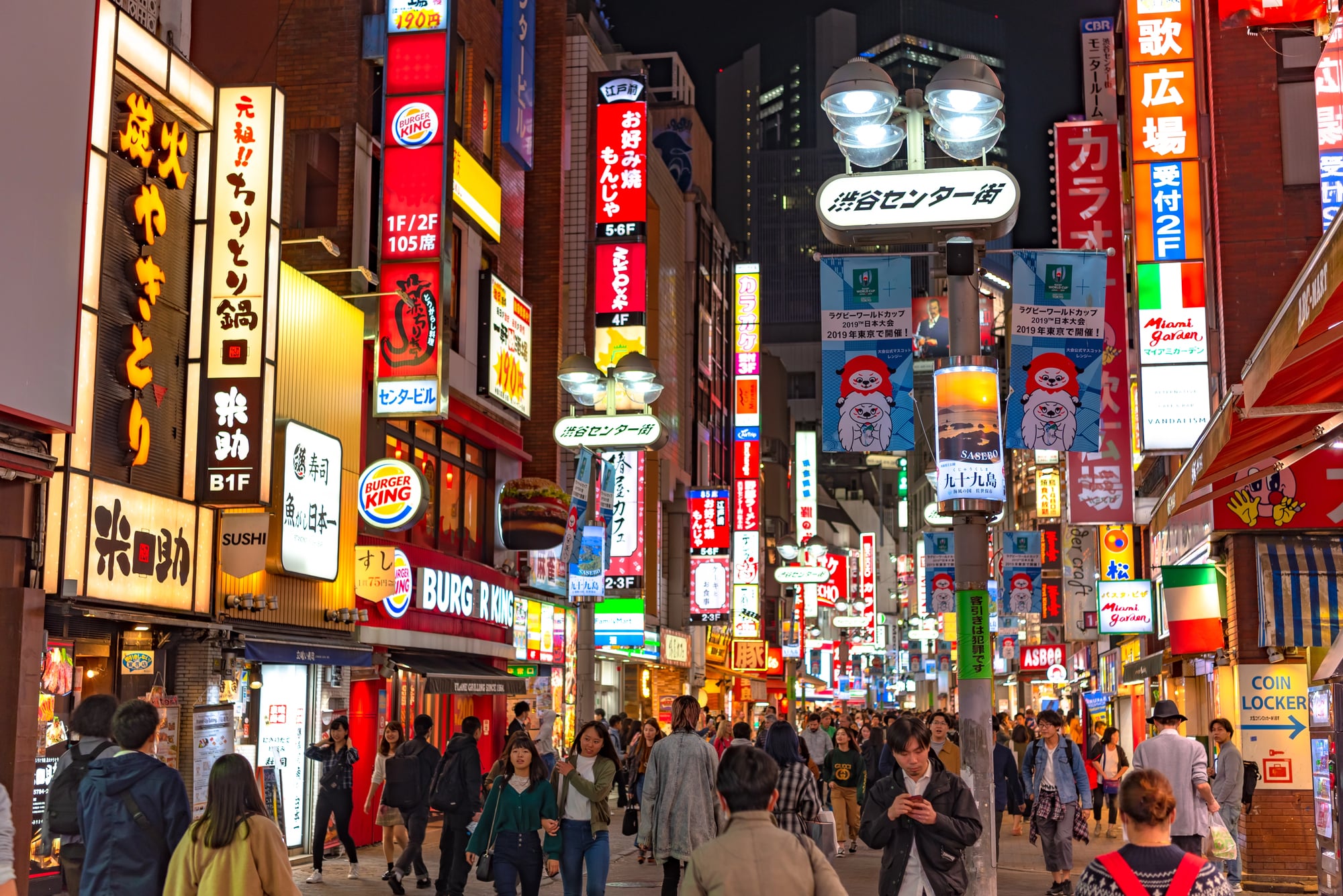
Tokyo has held the top spot as the world’s largest megacity for decades. Its massive sprawl blends the very new with the deeply traditional, creating a fascinating mix.
The city is famous for its efficient, on-time public train system, which helps millions of people move through the huge area every day, even if the rush hour is still unbelievably packed. The incredible population density here often means that living spaces are quite small, pushing residents to use space smartly and creatively.
Delhi, India

Delhi’s growth has been fast, making it one of the world’s most populous cities, and experts predict it will soon become the absolute largest. This city is a true center of power and history in India, built upon ancient roots.
Dealing with heavy air pollution and keeping up with the demand for basic public services like clean water and good roads are constant, enormous challenges for its leaders.
Shanghai, China

Shanghai started as a humble fishing village, but it grew into a global financial powerhouse, thanks to its excellent spot on the Yangtze River delta. It has some of the world’s tallest buildings and a modern skyline that truly takes your breath away.
The city is a major destination for shoppers and business people, drawing a huge flow of visitors and money.
São Paulo, Brazil
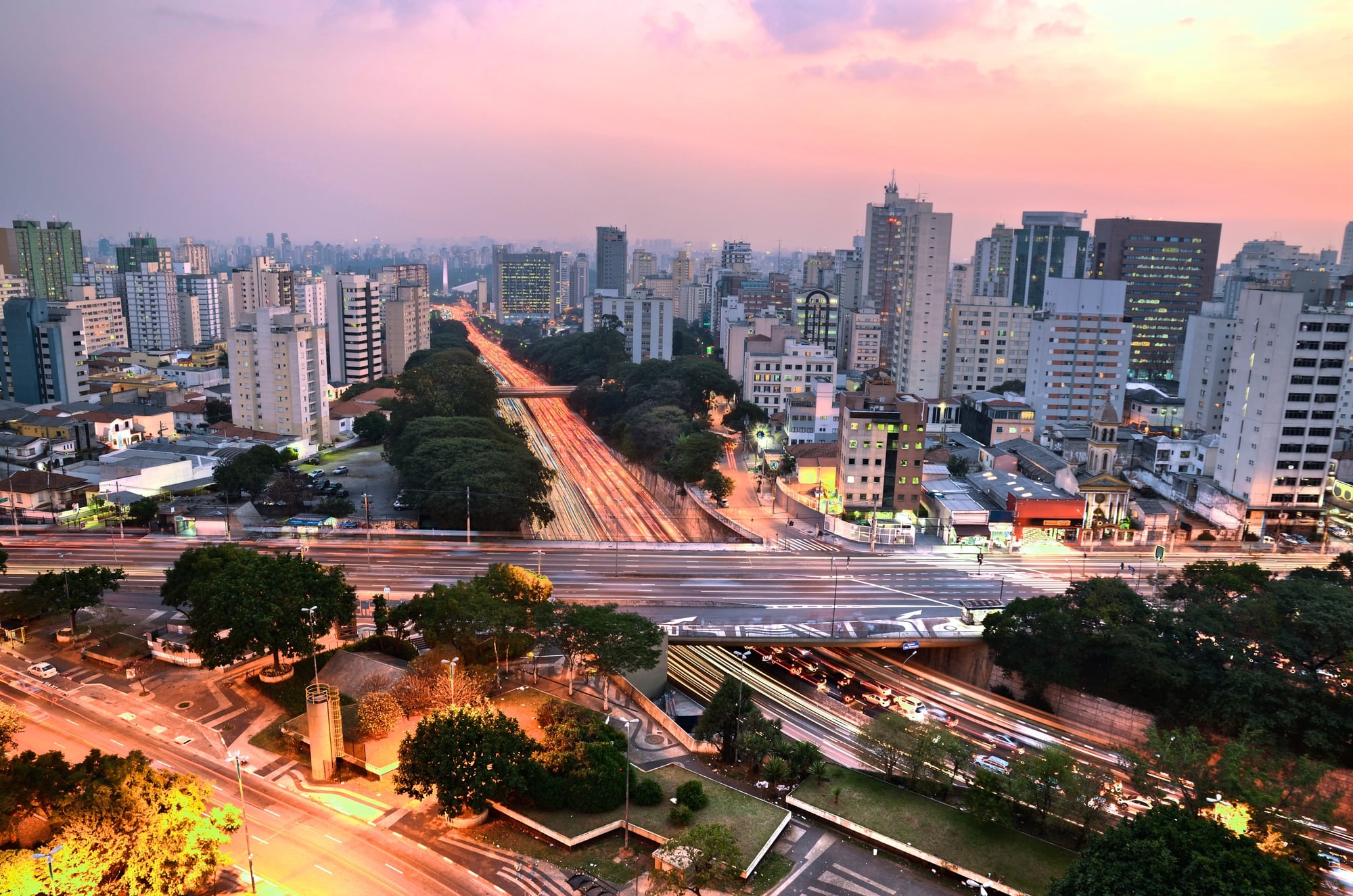
São Paulo is a city of incredible contrasts, where towering modern skyscrapers sit right next to less wealthy neighborhoods on the city outskirts. As the financial capital of Brazil, it drives much of the country’s economy and buzzes with non-stop business activity.
Keeping up with the city’s vast water needs and improving the daily commute for its many workers are ongoing large-scale projects.
Mexico City, Mexico
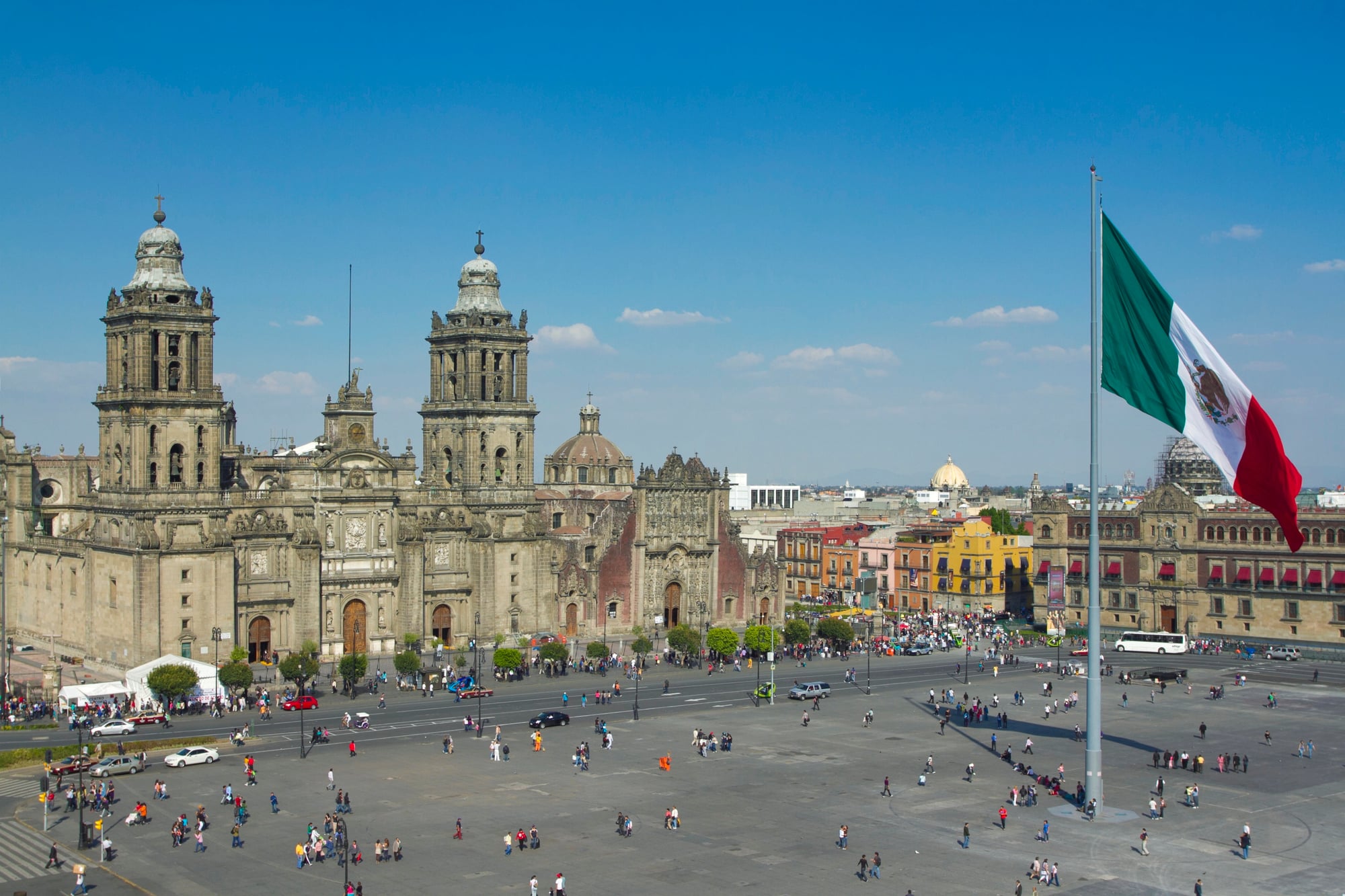
This city is one of the biggest urban areas in North America, sitting on a high plateau and dealing with the constant challenge of its geography. The city struggles with ground that is actually sinking in some places, which makes managing old buildings and public works a very hard task.
Despite this, it remains a lively center of arts, food, and history.
Dhaka, Bangladesh
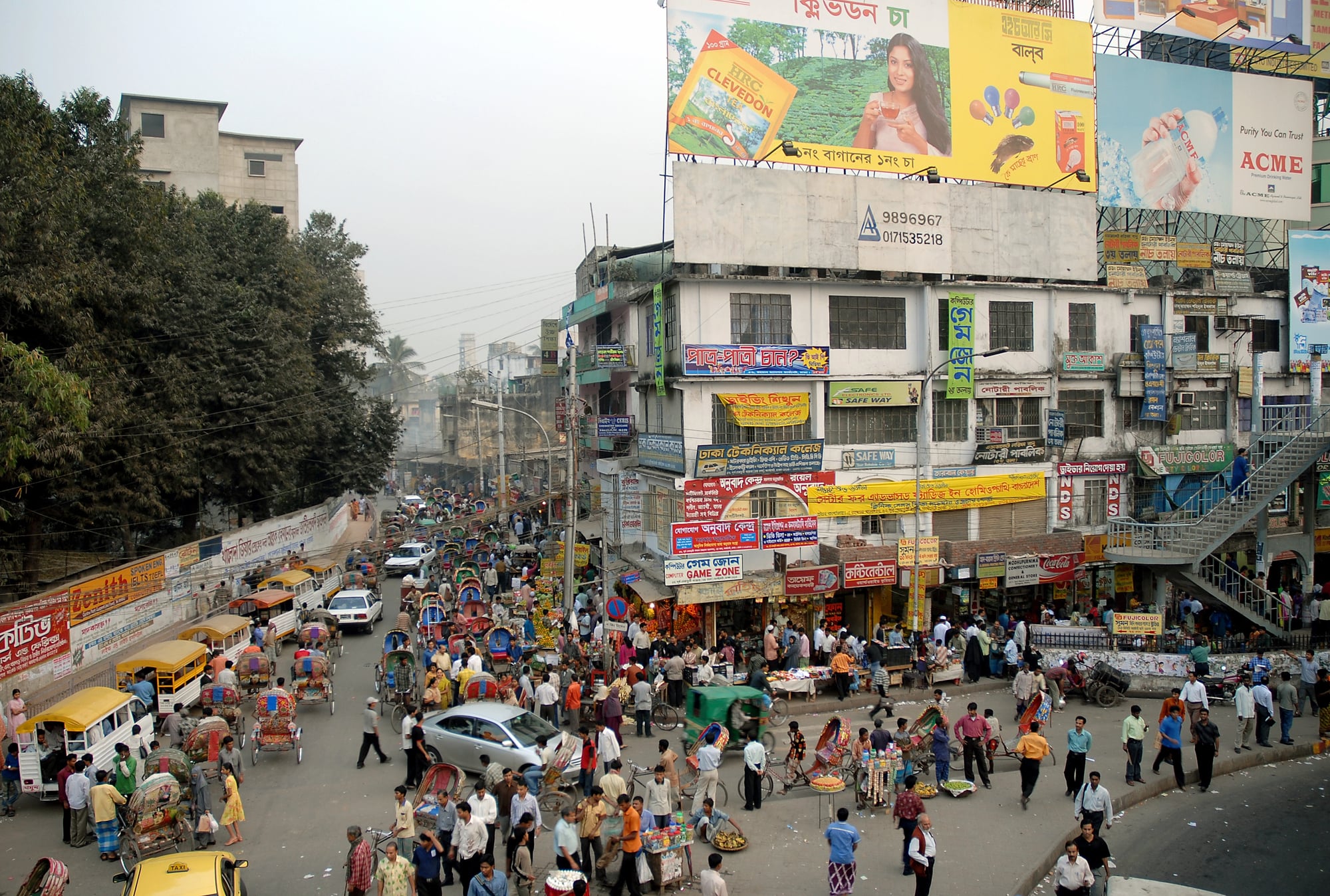
Dhaka is known for its extreme population density, which is one of the highest on the planet. This intense closeness of people creates a unique energy but also massive strain on the city’s resources and infrastructure.
Traffic congestion is a daily reality, making even short trips take a very long time.
Cairo, Egypt

Cairo has been a key city for thousands of years, and its history is evident in every street, from the ancient ruins nearby to its lively, older city sections. Located right on the Nile River, it is the heart of Egypt’s culture and politics.
Providing enough affordable homes for its quickly growing population is one of its most pressing issues right now.
Mumbai, India

Mumbai serves as the financial and entertainment hub of India, the home of the country’s huge film industry, often called Bollywood. The city is built on a series of seven islands, which limits its ability to spread out and results in extremely high prices for land and housing.
Its busy train network is famously overloaded, carrying millions every day.
Beijing, China
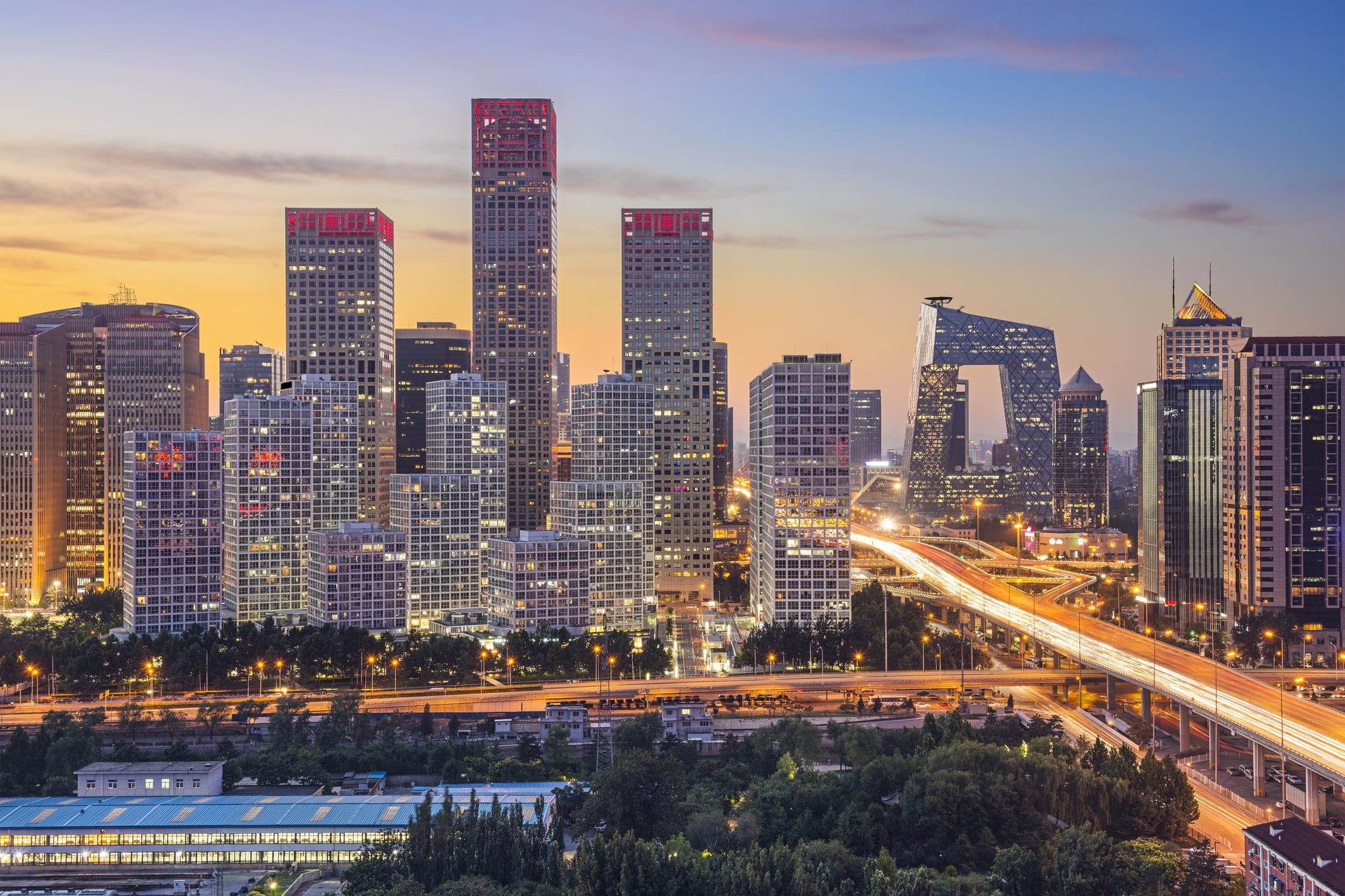
As the capital of China, Beijing is the nation’s political and cultural center, filled with grand historical sites like the Forbidden City. Like many rapidly growing cities, it works hard to keep air quality levels stable, balancing its huge industrial and population needs.
The city has undergone massive building projects to keep up with its modern growth.
New York City, United States
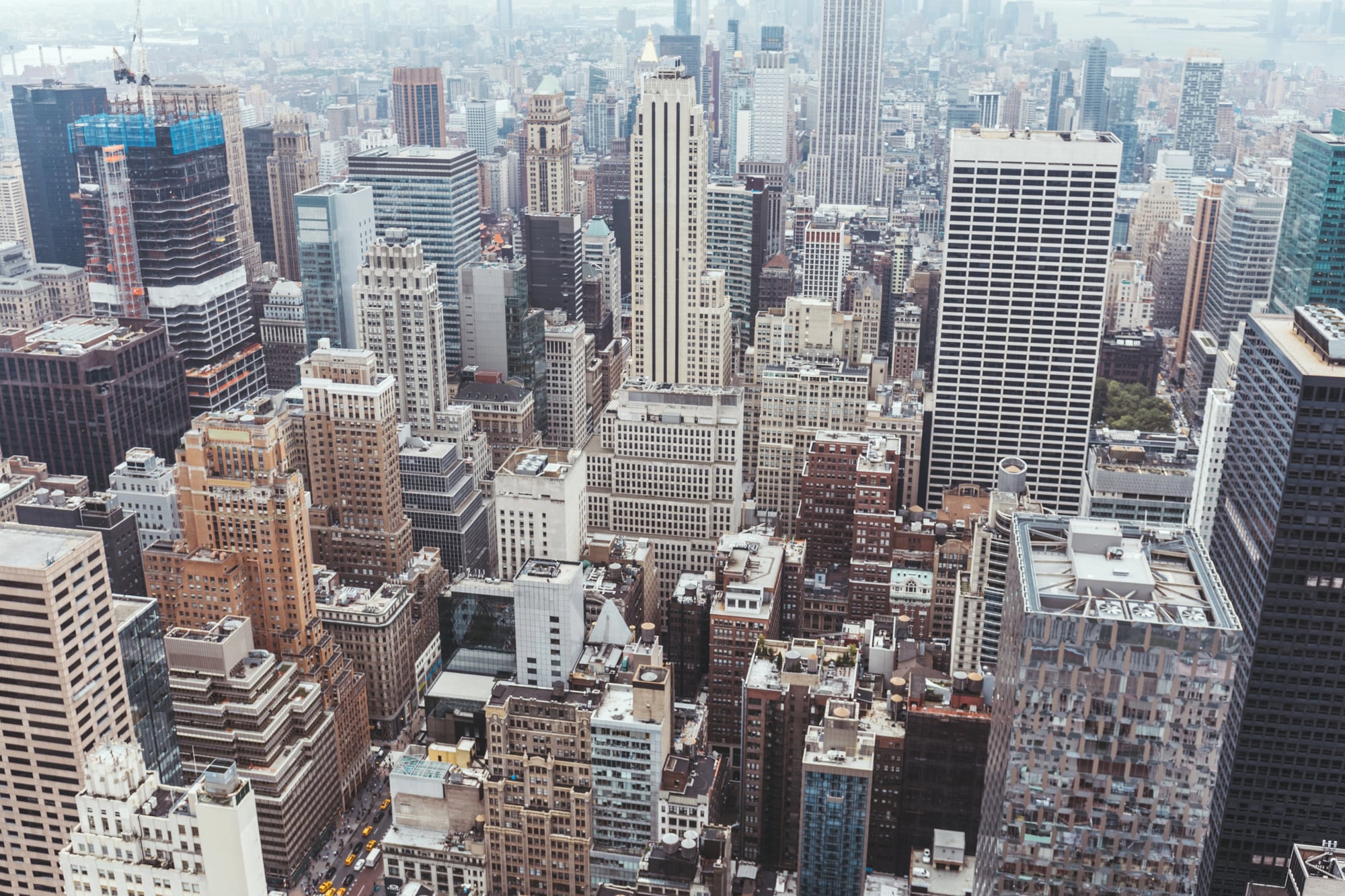
New York City, often called the city that never sleeps, is famous globally as a center for finance, media, and the arts. The dense concentration of people in a small area makes the subway system its lifeline, moving millions of commuters across the different boroughs.
Its international importance gives it a unique kind of global influence that very few other cities can match.
Osaka, Japan
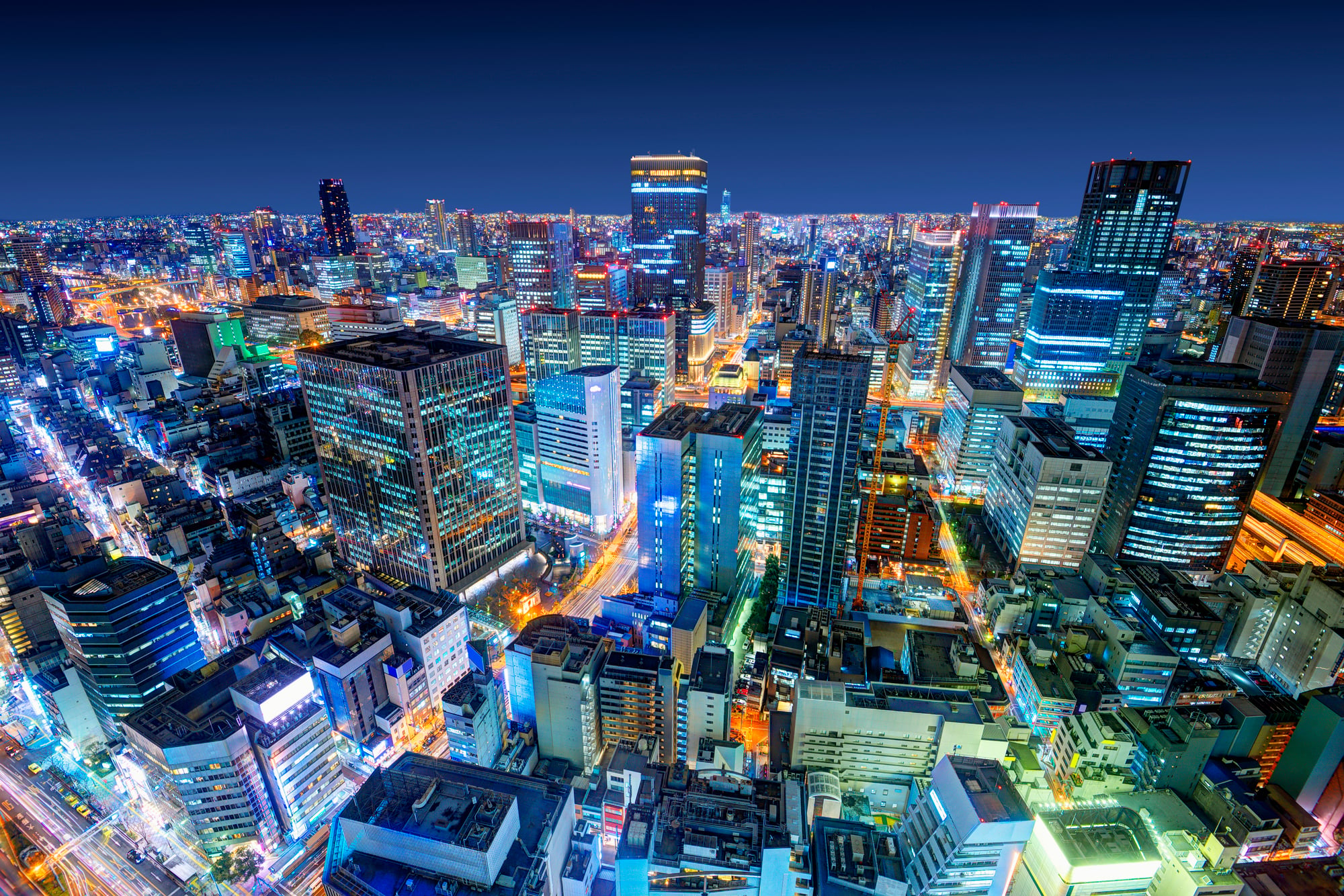
Osaka is a major economic engine in its region, often celebrated for its friendly atmosphere and amazing street food. It forms part of a large urban area that also includes nearby Kyoto and Kobe, creating one of Japan’s most important industrial zones.
The local dialect and distinct business culture give it a personality that stands out from Tokyo.
Los Angeles, United States

Los Angeles is the center of the world’s film and television industry, known for its sprawling size and car-focused culture. The famous traffic and the sheer distance between its many parts make for long and often frustrating daily drives.
It is a major center for global trade, with one of the busiest port complexes in the world.
Istanbul, Turkey

Istanbul has a unique place on the map, as the only city in the world that sits on two continents, with a strait dividing its European and Asian sides. This special location has made it a central point for trade and culture for centuries.
The city is working hard to modernize its huge infrastructure and make it more resistant to earthquakes.
London, United Kingdom

London is a historic European capital that has maintained its status as a leading global financial and business center. The city skillfully blends ancient buildings with modern architecture, keeping its classic look while remaining a powerful world player.
Its underground transport system, called the Tube, is one of the oldest and most extensive in the world, carrying millions of people daily.
A Legacy of Grand Design

Looking back at the history of cities, humans have always gathered in big groups, from ancient Rome to Tenochtitlan. The shift to today’s megacities shows the speed and scale of the modern world, where ten million people is the new benchmark for urban greatness.
These enormous centers were once the dream of future planners, but now they are the everyday reality for hundreds of millions of people. As these cities continue to expand, they teach us how to manage density, resources, and the complex, wonderful puzzle of so many lives lived together in one giant place.
More from Go2Tutors!

- The Romanov Crown Jewels and Their Tragic Fate
- 13 Historical Mysteries That Science Still Can’t Solve
- Famous Hoaxes That Fooled the World for Years
- 15 Child Stars with Tragic Adult Lives
- 16 Famous Jewelry Pieces in History
Like Go2Tutors’s content? Follow us on MSN.