27 Store-Bought Desserts from Childhood Holidays
Somewhere in every family archive is a photo of a holiday table, and somewhere on that table sits a dessert that came from a box, a tub, or a tin. Nobody remembers apologizing for it.
The packaged treat was part of the ritual, and often the part kids actually looked forward to.These are the brands that showed up at Halloween, Thanksgiving, Christmas, Easter, and every gathering in between.
Some arrived in a grocery bag, some in a freezer case, and a few in a tin that outlived the candy by decades.
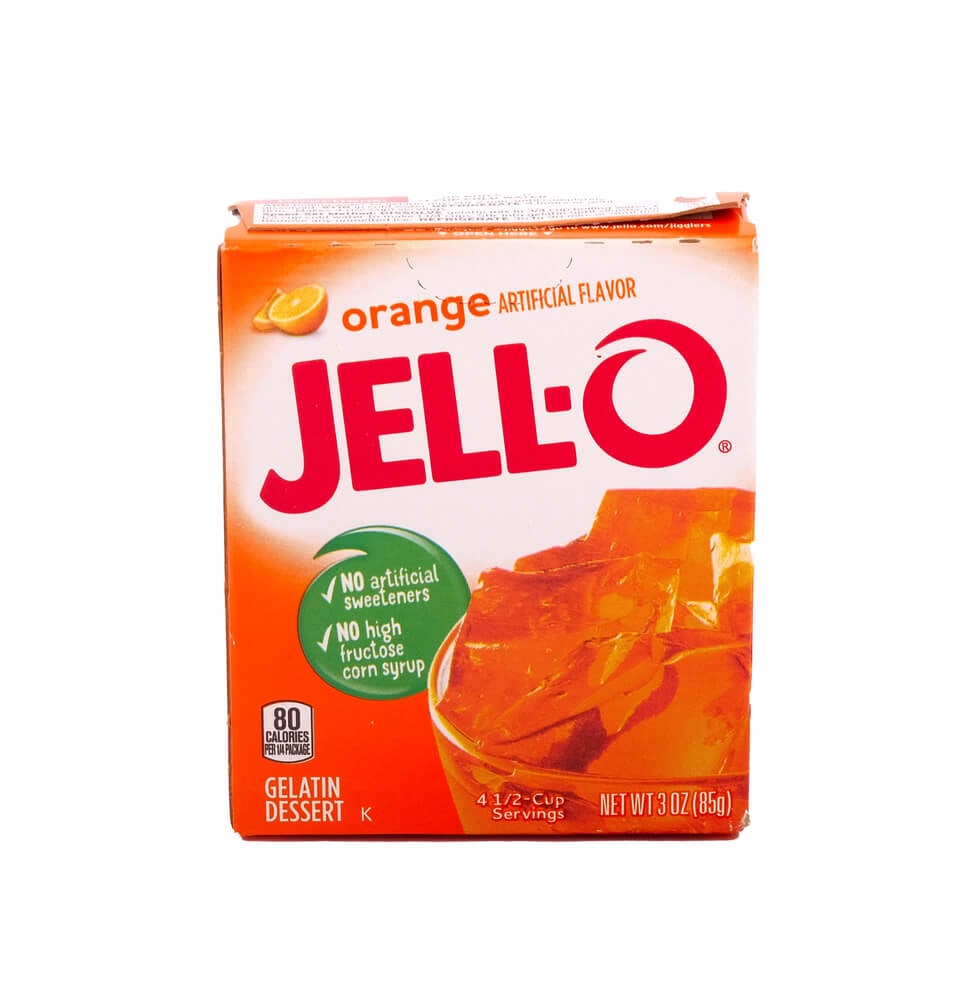
Jell-O
— Photo by dbvirago
Jell-O began in 1897 in LeRoy, New York, when a carpenter named Pearle Wait developed a fruit-flavored gelatin dessert and his wife, May, gave it the name. Wait sold the rights to Orator Woodward in 1899, and the brand grew into a fixture of American kitchens.
Holiday tables made room for layered molds in red and green, studded with fruit and sometimes topped with whipped cream. The wobbling centerpiece was as much about showing off the mold as it was about eating the contents.
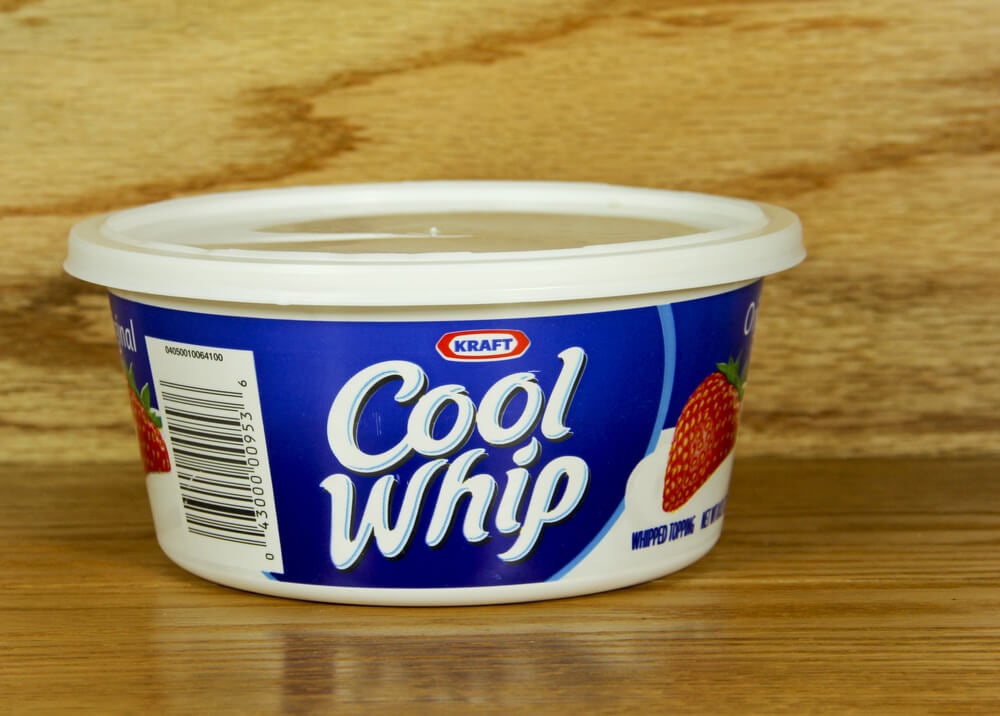
Cool Whip
— Photo by dcwcreations
Cool Whip was introduced by General Foods in 1966, and its inventor, food scientist William A. Mitchell, also created Tang and Pop Rocks. Sold frozen in a plastic tub, it gave home cooks a whipped topping that never needed a whisk and kept for weeks.
It became the default crown for pumpkin pie at Thanksgiving and for the fruit salads that crowded potluck tables. Once thawed, the tub sat in the fridge for days, which made it a quiet fixture of leftover season.
Entenmann’s Crumb Coffee Cake
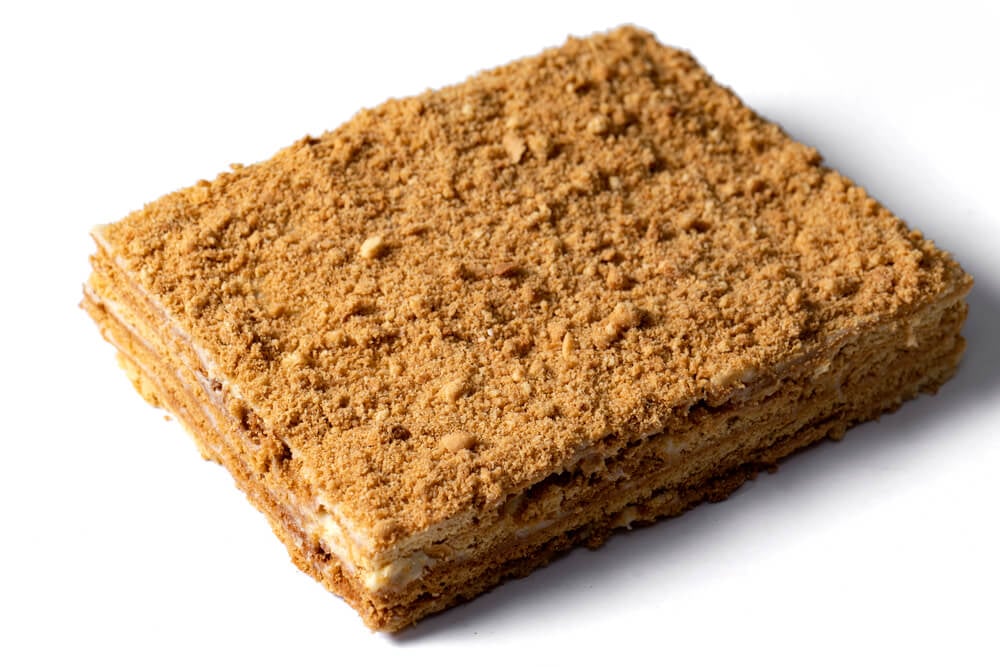
Entenmann’s traces back to 1898, when William Entenmann opened a bakery in Brooklyn and delivered bread and cakes by horse-drawn wagon. The company later became known across the Northeast and beyond for boxed bakery cakes with a clear cellophane window.
The crumb coffee cake, with its thick layer of cinnamon topping, was a staple of holiday mornings, set out for relatives who arrived before anyone had finished the dishes. Plenty of households treated the white-and-blue box as a sign that company was coming.
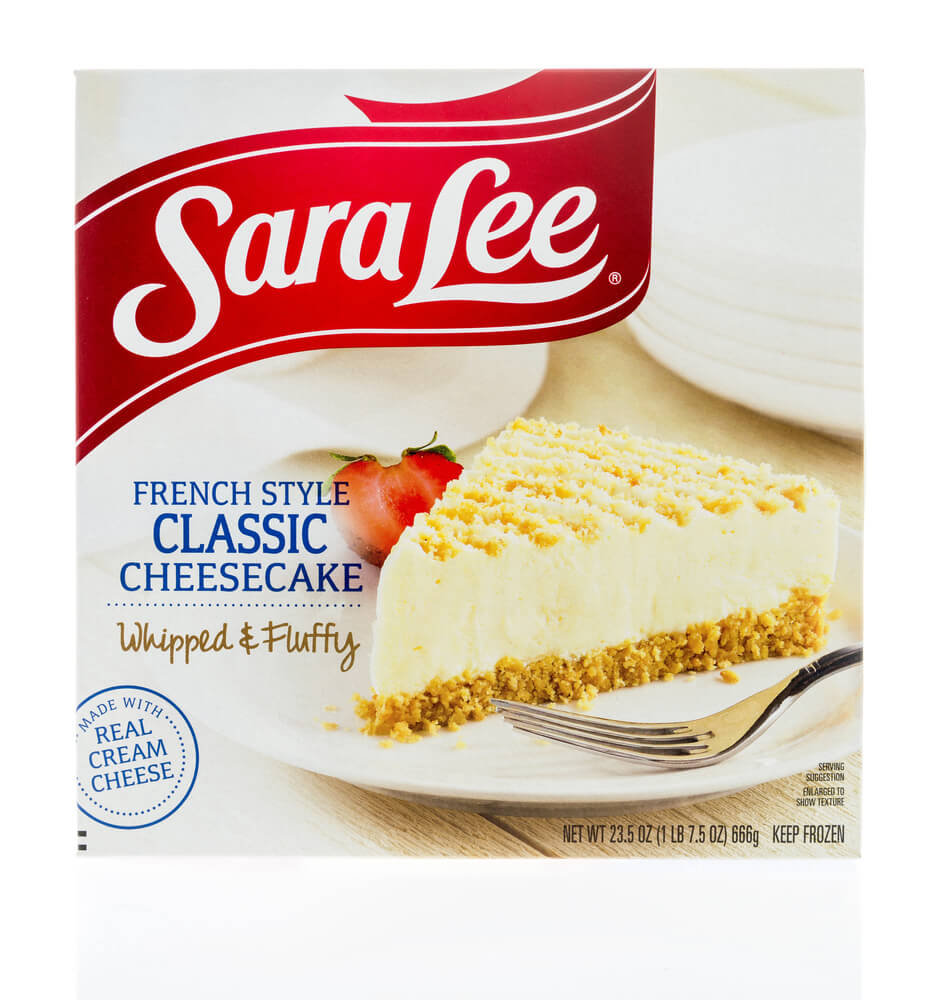
Sara Lee Original Cream Cheesecake
— Photo by homank76
Sara Lee was founded in Chicago by Charles Lubin, who named his bakery’s cream cheesecake after his young daughter, Sara Lee. The company built its reputation on frozen cakes that tasted like a bakery counter and could be pulled from the freezer for a last-minute guest.
The cheesecake arrived in a foil pan with a thin graham cracker crust, and a thaw in the refrigerator was the only prep required. For many families it was the safe dessert that nobody argued about at the Christmas table.
Claxton Fruitcake
— Photo by mkopka
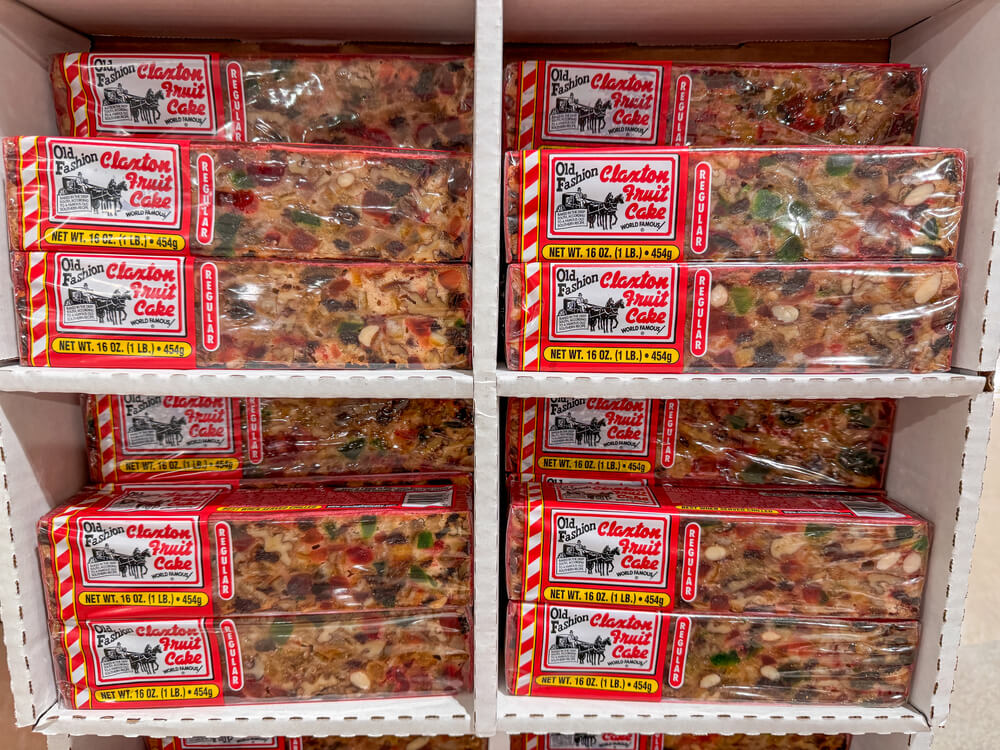
The Claxton Bakery in Claxton, Georgia, was founded in 1910 by Savino Tos, an Italian immigrant who baked fruitcakes there. The town leaned into the reputation so hard that it is widely nicknamed the fruitcake capital of the world.
Dense with candied cherries, pineapple, and pecans, the cakes shipped in tins and boxes that landed on porches every December. Fruitcake jokes are an American tradition of their own, but the Claxton version kept finding loyal buyers anyway.
Collin Street Bakery DeLuxe Fruitcake
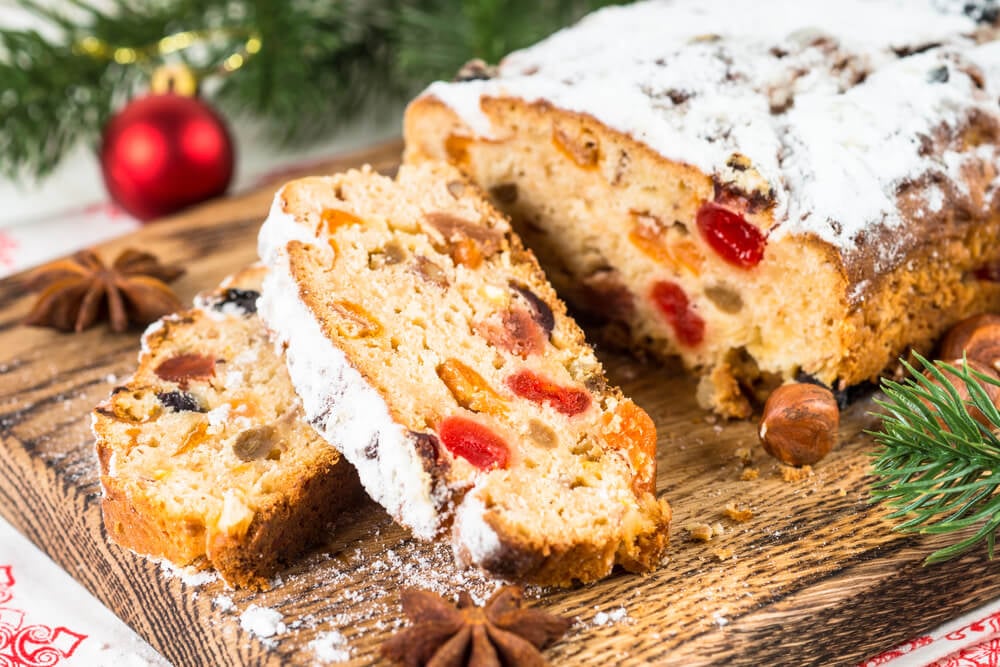
Collin Street Bakery opened in Corsicana, Texas, in 1896, founded by German baker Gus Weidmann. The bakery built its fame on the DeLuxe fruitcake, loaded with pecans and fruit and packed in a decorative tin.
Corsicana still sits at the center of the operation, and the cakes are mailed to customers in every state. For many families a tin arrived each December from a relative who sent one every year without fail.
Peeps
— Photo by madvideos.gmail.com
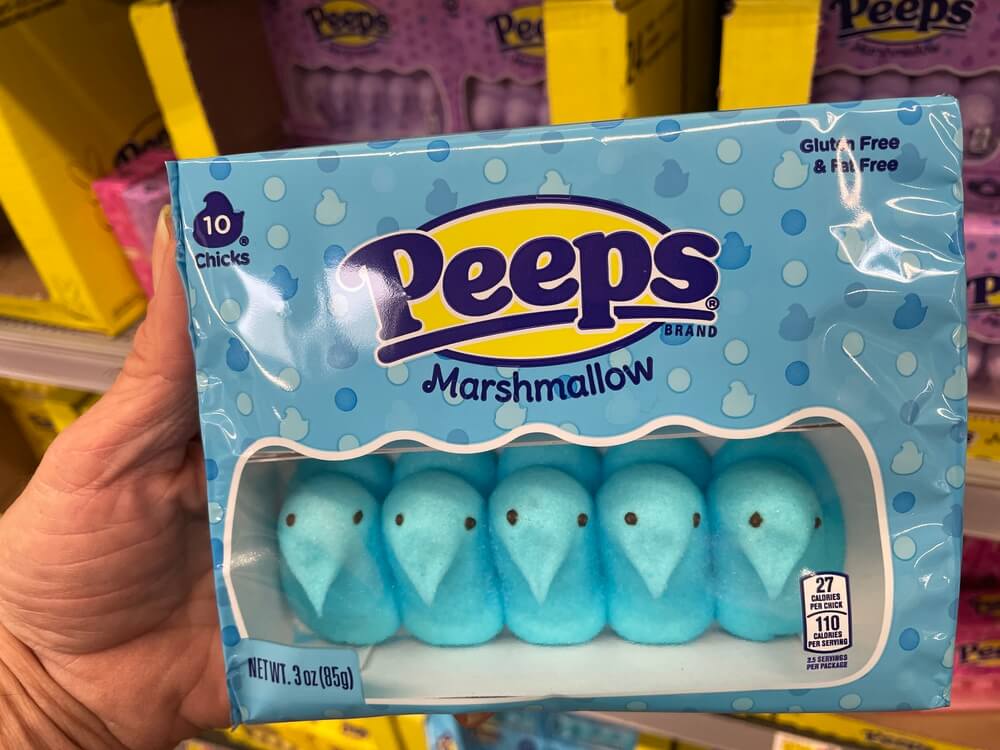
Peeps are made by Just Born of Bethlehem, Pennsylvania, which acquired the Rodda Candy Company in 1953 and inherited the marshmallow chick. In the early days workers shaped each chick by hand with a pastry tube, a process said to take around 27 hours.
Machines brought that down to a matter of minutes. Peeps appear in the Easter basket in pastel yellow, pink, and lavender, and children debate whether to eat them fresh or let them go stale on purpose.
Pillsbury Ready-to-Bake Cookies and Poppin’ Fresh
— Photo by madvideos.gmail.com
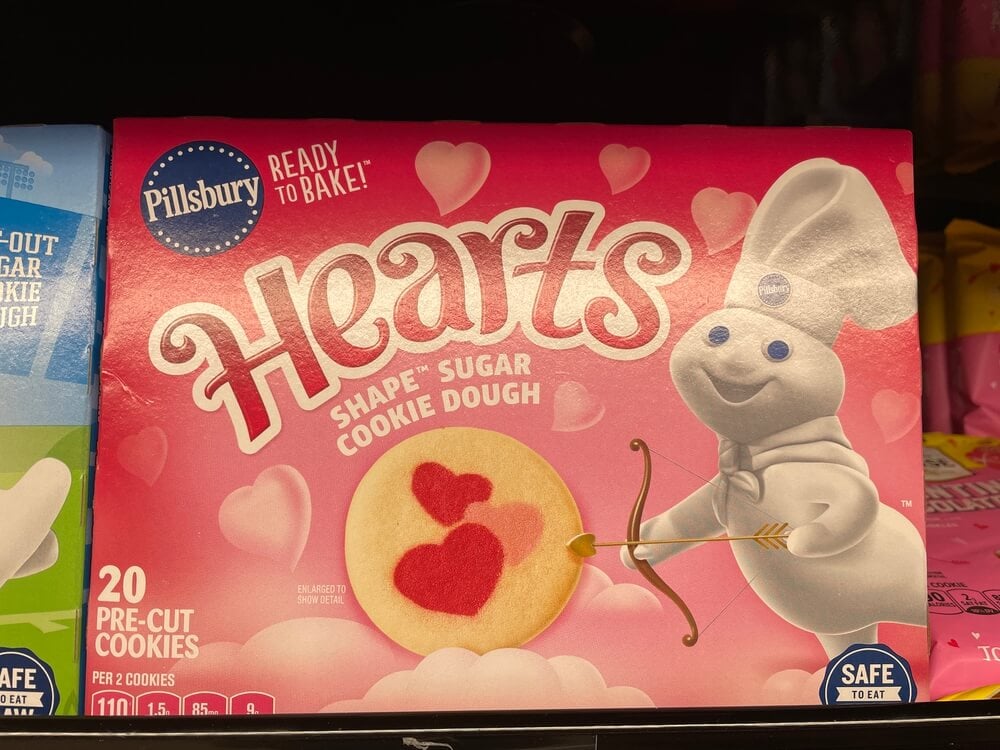
The Pillsbury Doughboy, known as Poppin’ Fresh, was created in 1965 by Rudy Perz of the Leo Burnett advertising agency. He became the face of refrigerated dough sold in cardboard tubes, which pop open when the seam is twisted.
At the holidays, those tubes turned into sugar cookies cut in tree and star shapes, and cinnamon rolls for Christmas morning. The pop of the tube was the sound that told a house something warm was coming.
Libby’s Pumpkin Pie Mix
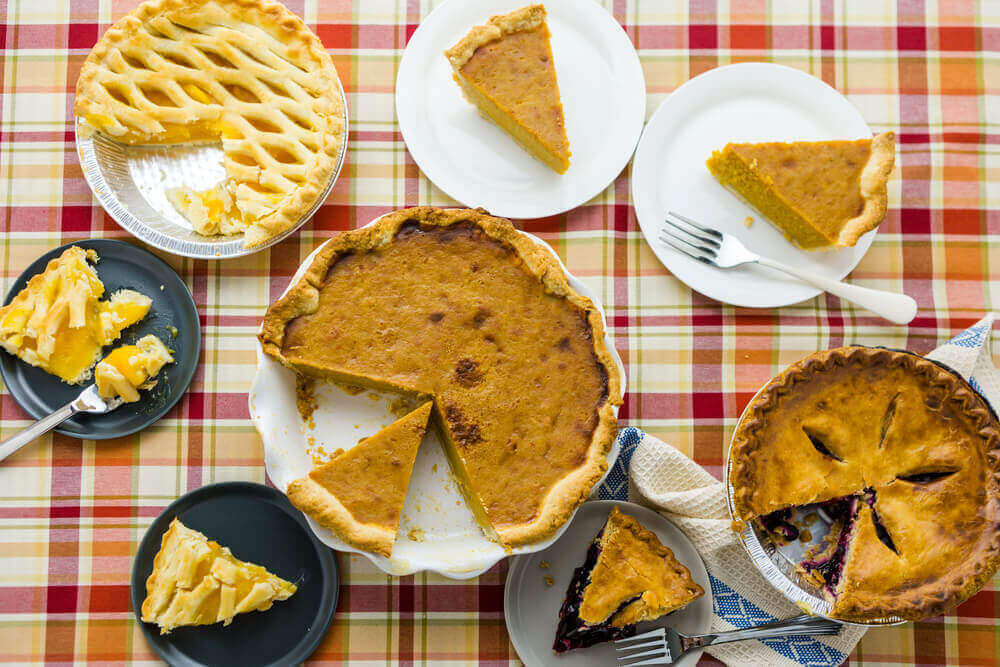
Most of the canned pumpkin sold in the United States is grown and processed in and around Morton, Illinois, where Libby’s operates its plant. The pumpkin used is not the round jack-o’-lantern type but a tan, squat variety that looks more like a large butternut squash.
The recipe printed on the label for decades became the template for Thanksgiving pie in countless homes. A can, a can of evaporated milk, some eggs, and a frozen crust was the entire project.
Brown & Haley Almond Roca
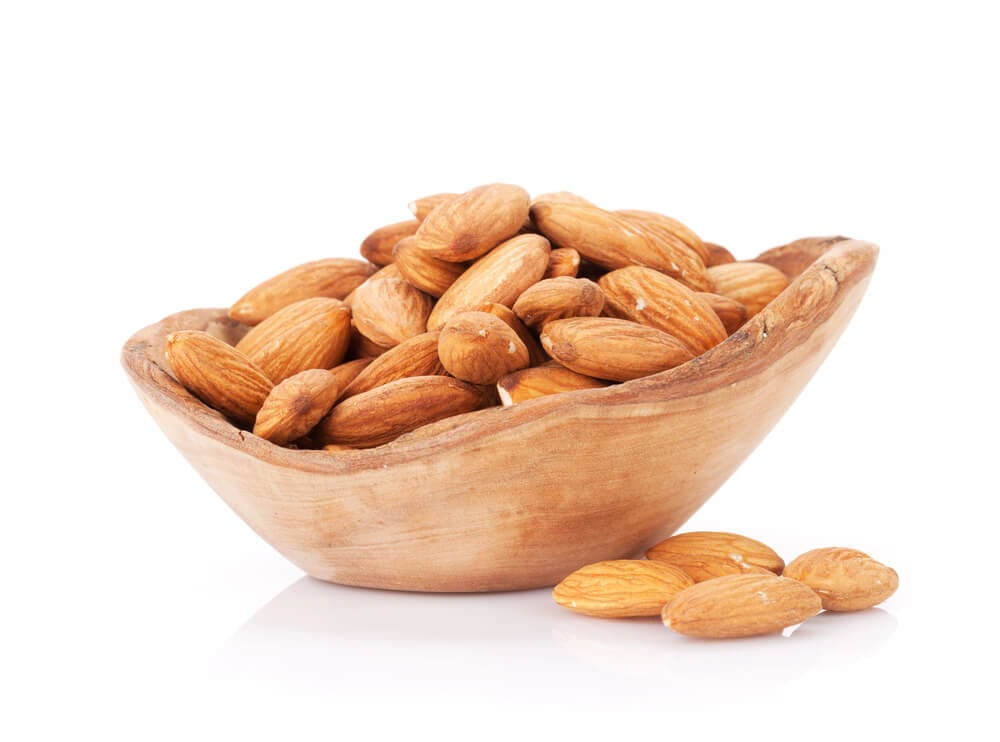
Almond Roca came out of Tacoma, Washington, where Brown & Haley launched the buttercrunch candy in 1923. Each piece is wrapped in gold foil and packed in a pink hermetically sealed tin that became part of the product’s identity.
The center is toffee and almonds, covered in milk chocolate and a dusting of chopped almonds. Because the tin stays airtight, it was a go-to Christmas gift, and many households kept the empty tin for buttons and sewing supplies.
Tootsie Roll
— Photo by WE_S
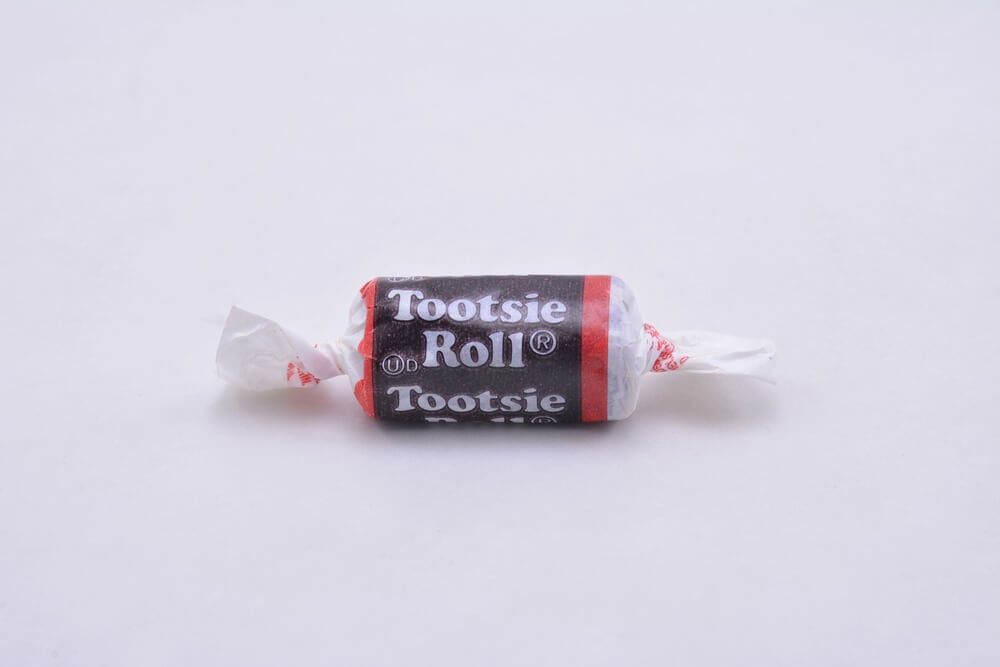
The Tootsie Roll was invented in 1896 by Leo Hirshfield, an Austrian immigrant who ran a candy shop in New York City. The candy is widely said to be named for his daughter’s nickname, Tootsie.
Tootsie Rolls became a Halloween standard because they were cheap, shelf-stable, and survived a pillowcase of trick-or-treating without melting or breaking. Kids sorted candy at the end of the night, and the chewy brown cylinder usually landed in the trade pile.
Carvel Ice Cream Cakes
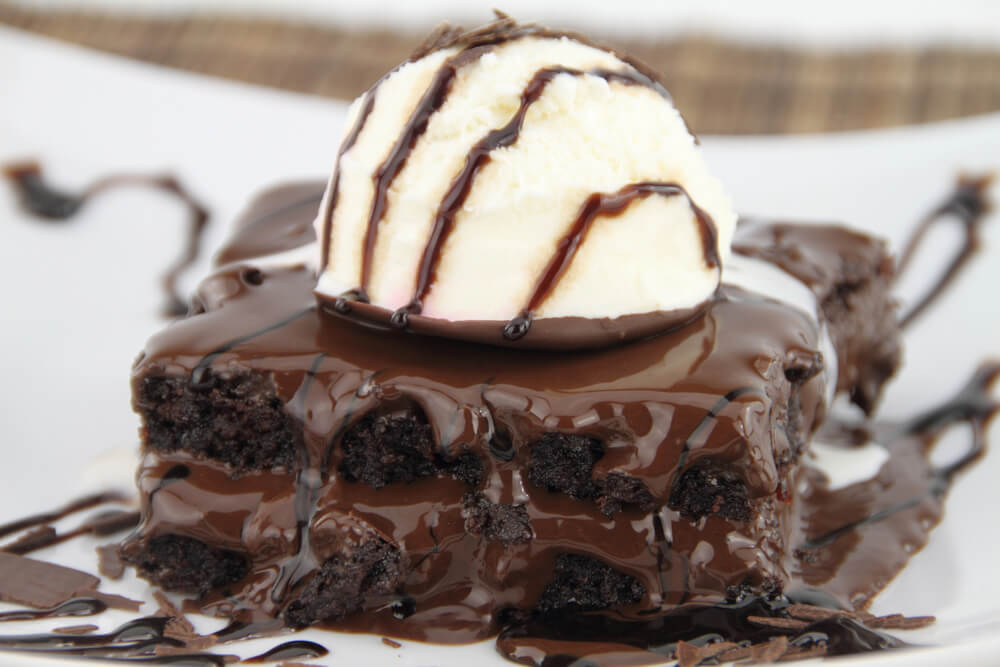
Tom Carvel built his ice cream business in New York after a broken-down truck in 1934 pushed him to sell melting product from the roadside. Fudgie the Whale, the chocolate and vanilla ice cream cake shaped like a whale, debuted in 1977 and became the star of birthday parties and holidays.
The layer of chocolate crunchies sandwiched between ice cream is the detail most people remember. A Carvel cake in the freezer meant dessert was handled before the party began.
Eagle Brand Sweetened Condensed Milk
— Photo by madvideos.gmail.com
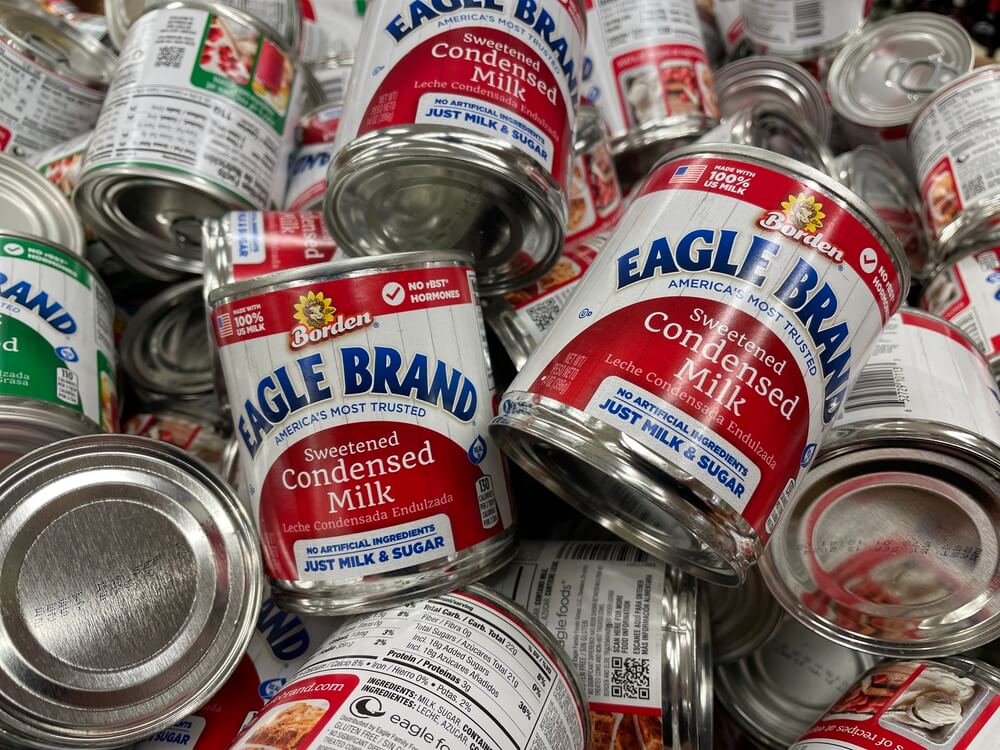
Gail Borden received a patent for condensed milk in 1856, and Borden’s Eagle Brand became the household name for the shelf-stable, sugar-sweetened version. The can became the foundation for holiday fudge, pies, and layered bar cookies made with coconut and chocolate chips.
Recipes on the label were often passed along with a faded card and a stained thumbprint. Just opening the can released a sweet smell that told kids baking season had begun.
Whitman’s Sampler
— Photo by homank76
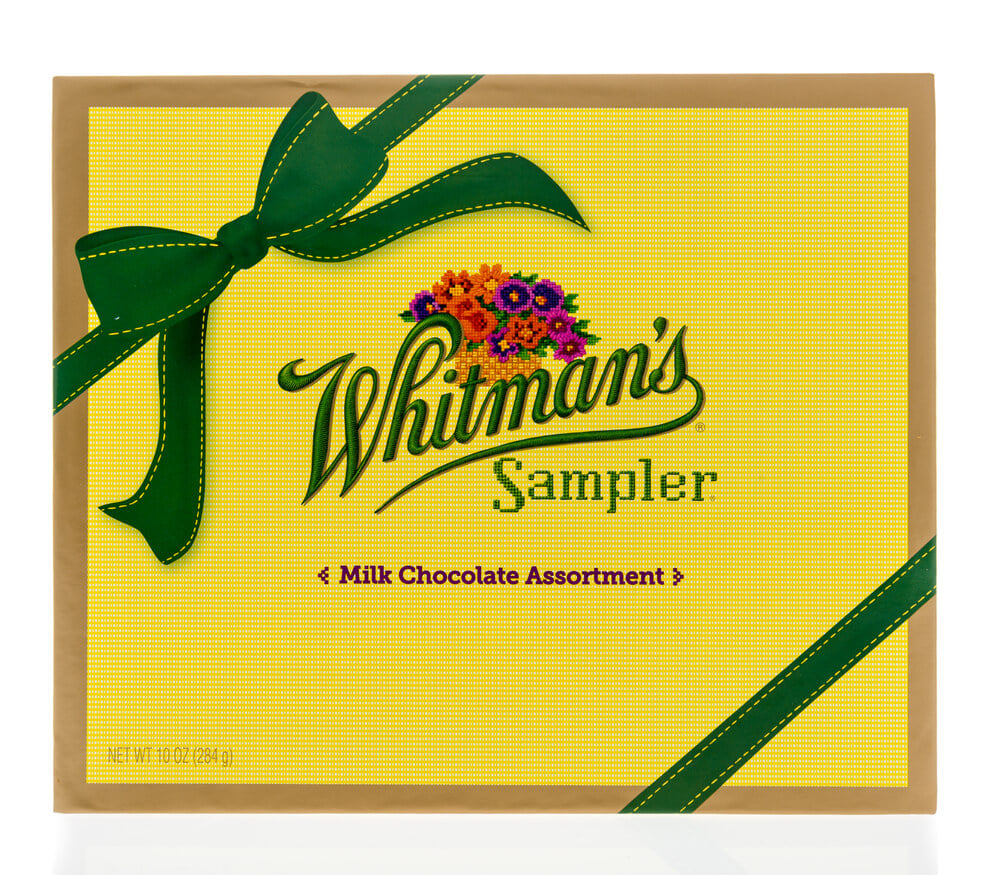
The Whitman’s Sampler launched in 1912 from the Philadelphia candy company Whitman’s, and the yellow box with its cross-stitch design became one of the most recognizable gifts in American candy. The box was styled after an embroidery sampler, a nod to craft that gave the product an old-fashioned warmth.
A diagram inside the lid mapped every piece so recipients could avoid the one they did not want. That diagram turned the box into a game of strategy for anyone who got to the good ones first.
Little Debbie Christmas Tree Cakes
— Photo by madvideos.gmail.com
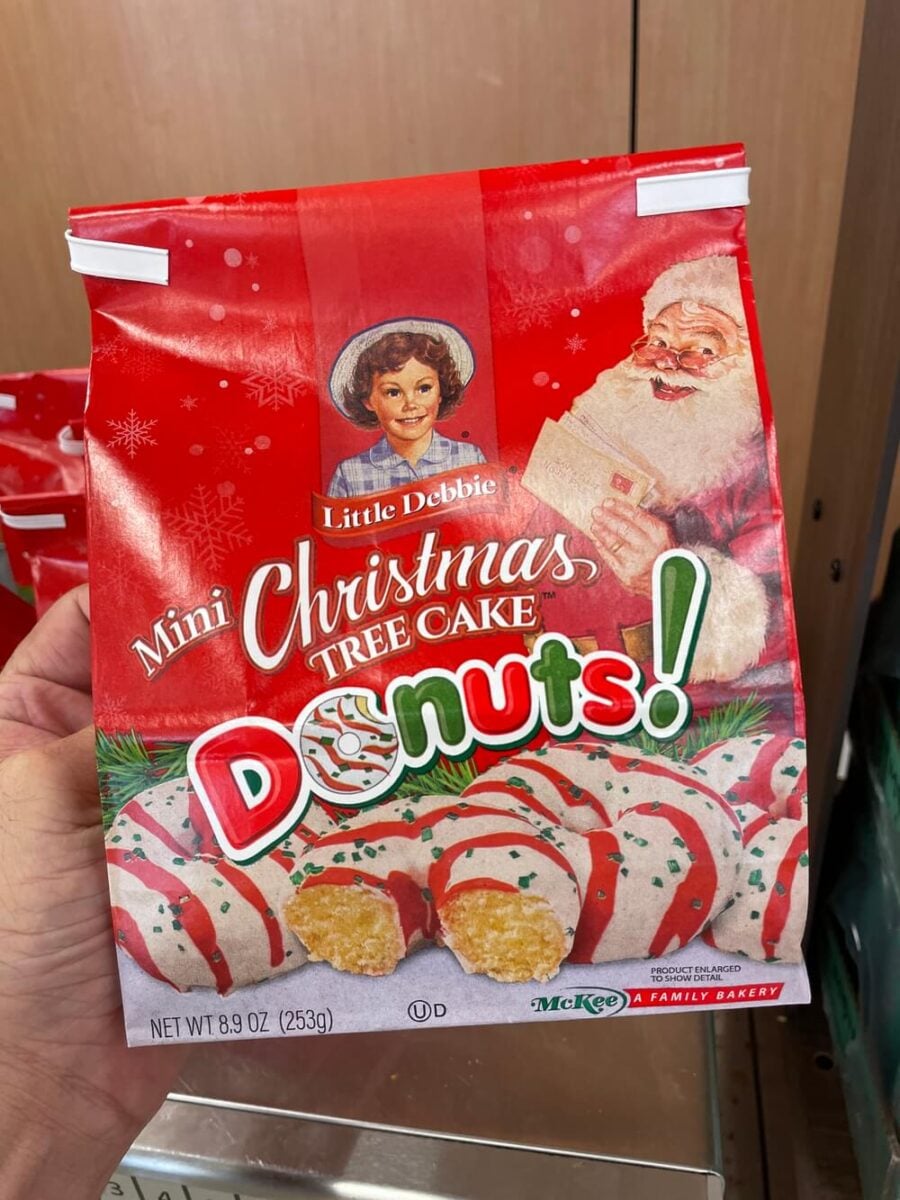
Little Debbie is the snack brand from McKee Foods of Collegedale, Tennessee, and the name and face came from Debbie McKee, the granddaughter of company founders O.D. and Ruth McKee. The Christmas Tree Cakes are shaped like small evergreen trees, covered in white icing, and dusted with green sprinkles.
They arrive in stores for the season and vanish quickly. Each one is a tiny holiday indulgence that school kids traded at lunch tables.
Hershey’s Kisses
— Photo by WE_S
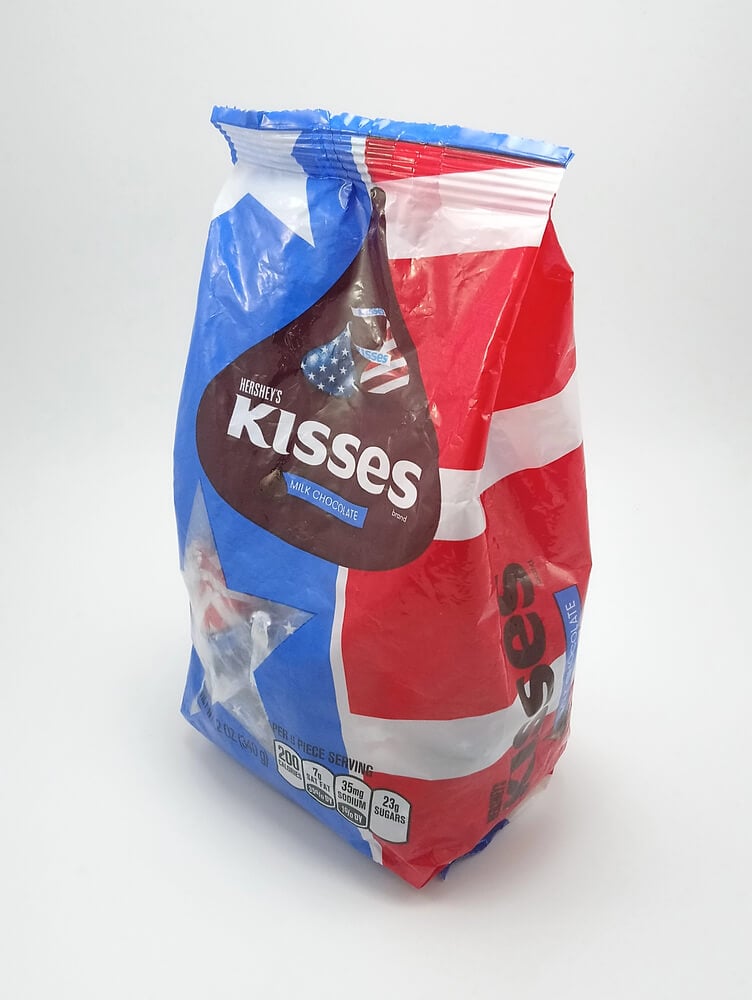
Hershey’s Kisses were introduced in 1907 in Hershey, Pennsylvania, and became one of the most recognized shapes in candy. Over the decades the silver foil gave way to seasonal colors, including red and green for Christmas, pastels for Easter, and orange and black for Halloween.
The little paper flag sticking out of the top was both a decoration and a way to unwrap them. Bowls of Kisses sat on coffee tables through December, quietly emptying.
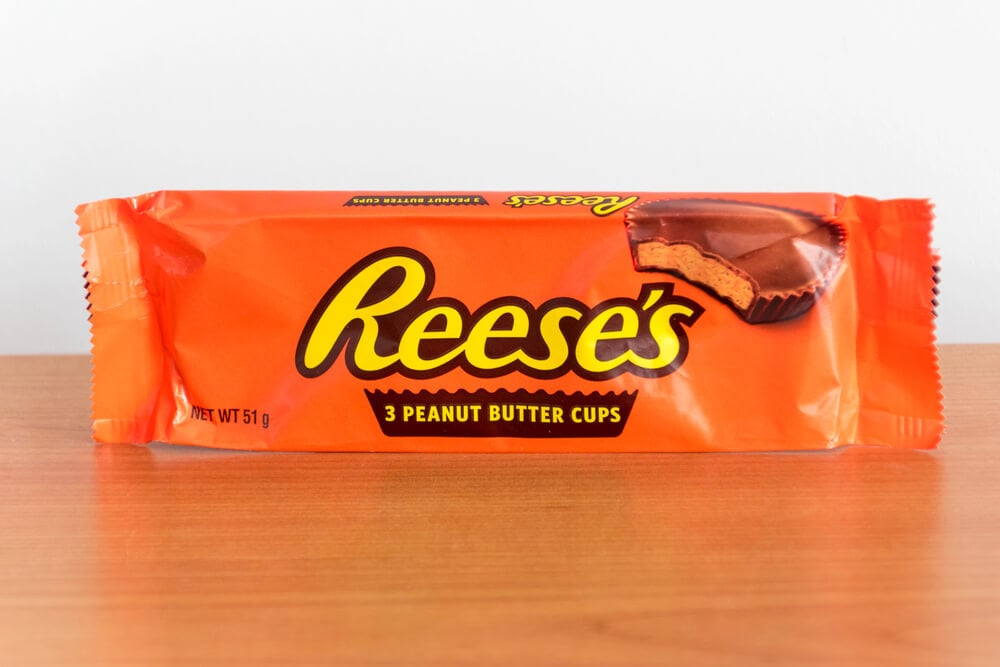
Reese’s Peanut Butter Cups
— Photo by Robson90
H.B. Reese, a former dairy farmer for Hershey, began making peanut butter cups in 1928 in Hershey, Pennsylvania, after leaving the chocolate company. The candy grew into one of the best-selling treats in the country and takes a new shape for each holiday, including pumpkins at Halloween, trees at Christmas, and eggs at Easter.
Fans insist the shaped versions taste different, even though the ingredients are the same. Seasonal boxes show up like clockwork and sell through quickly.
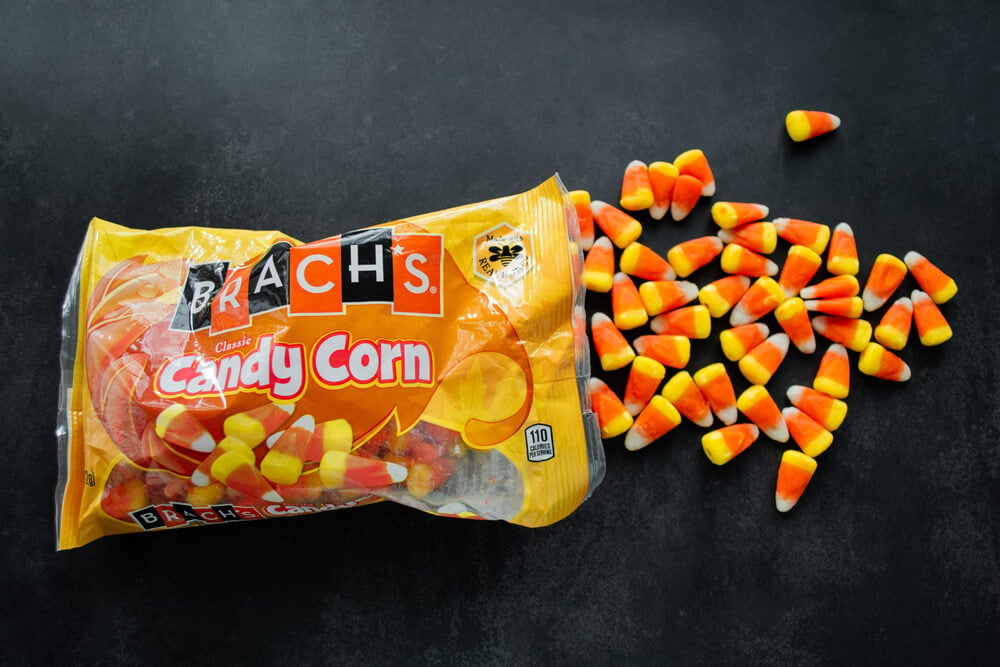
Brach’s Candy Corn
— Photo by Yuliasis
Candy corn was created in the 1880s by George Renninger of the Wunderle Candy Company in Philadelphia. The Goelitz Confectionery Company later began making it in 1898, and Brach’s of Chicago became one of the best-known names tied to it.
The three-color kernel has been a Halloween staple for well over a century. People either love it or mock it, but bags sell by the thousands each October anyway.
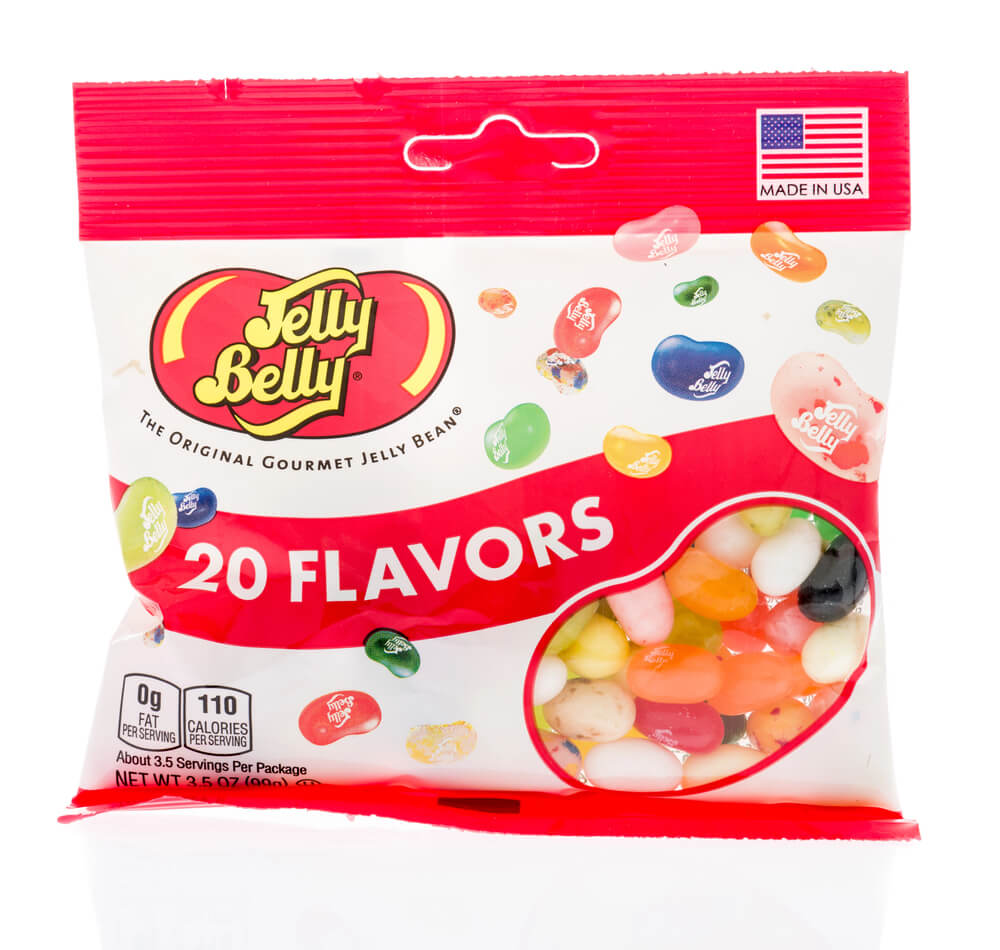
Jelly Belly Jelly Beans
— Photo by homank76
Jelly Belly jelly beans debuted in 1976 from the Herman Goelitz Candy Company with a handful of flavors that were far more intense than the usual jelly bean. President Ronald Reagan famously kept them on his desk, which helped make the candy a national name.
Easter baskets filled with the beans brought out flavors like buttered popcorn and toasted marshmallow. Kids sorted them by color and traded the licorice ones without remorse.
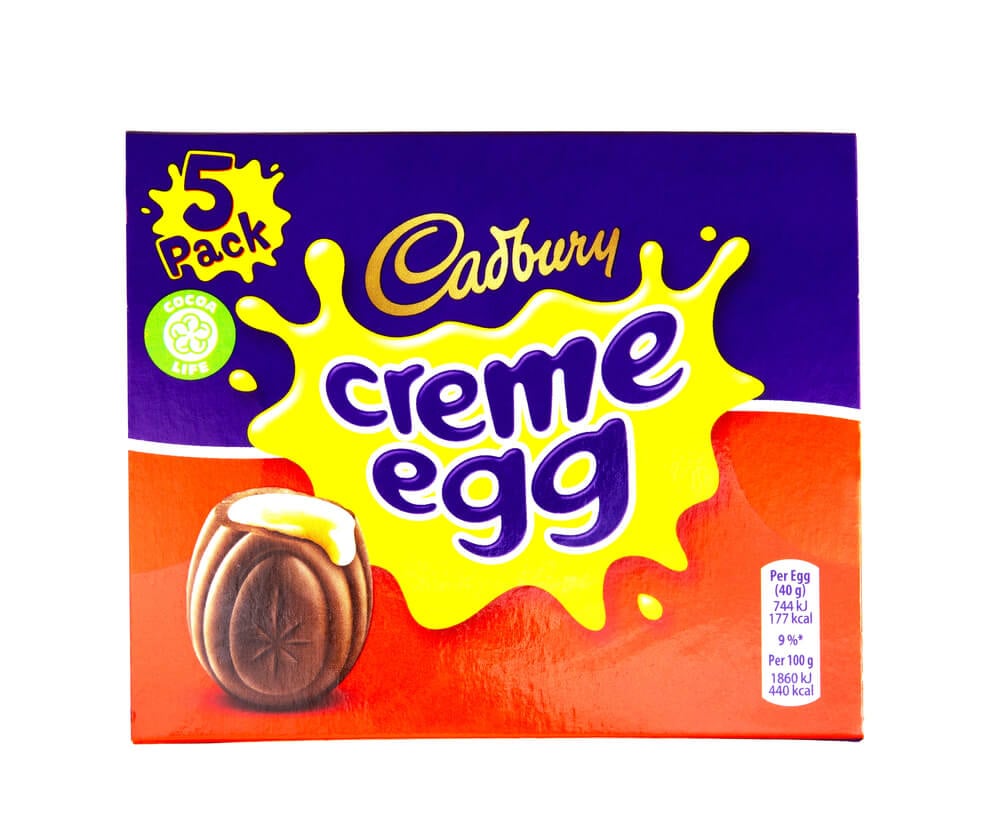
Cadbury Creme Egg
— Photo by urbanbuzz
The Cadbury Creme Egg debuted in the United Kingdom in the 1960s under the Fry’s name and was rebranded as Cadbury in 1971. In the United States the Creme Egg is distributed by Hershey, and it appears on shelves between New Year’s and Easter.
Each egg is a milk chocolate shell filled with white and yellow fondant that resembles the inside of a real egg. Kids have long been tempted to bite right through, but the practiced eaters tapped the top and scooped the yolk first.
Russell Stover Chocolates
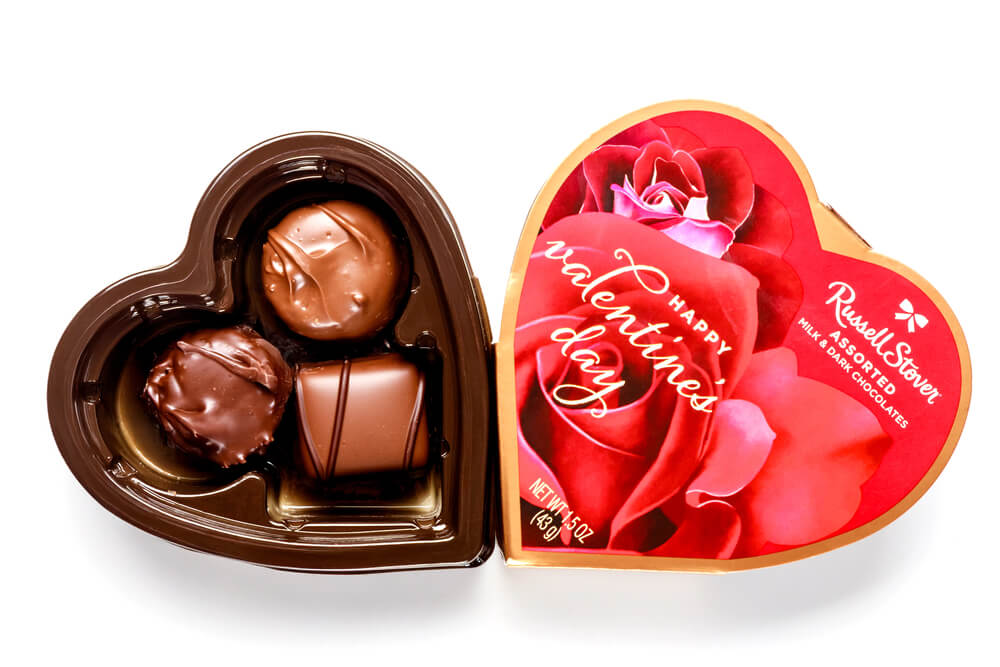
— Photo by tastyfood
Russell Stover began in Denver in 1923 as Mrs. Stover’s Bungalow Candies, run by Russell and Clara Stover, and the company took on his name in 1943. The company grew into one of the largest boxed chocolate makers in the country and became known for holiday gift boxes in the drugstore aisle.
Heart boxes at Valentine’s Day and Santa-themed assortments in December were everywhere. The pastel foil and cellophane-wrapped boxes became a familiar sight when grandparents arrived with a gift.
See’s Candies
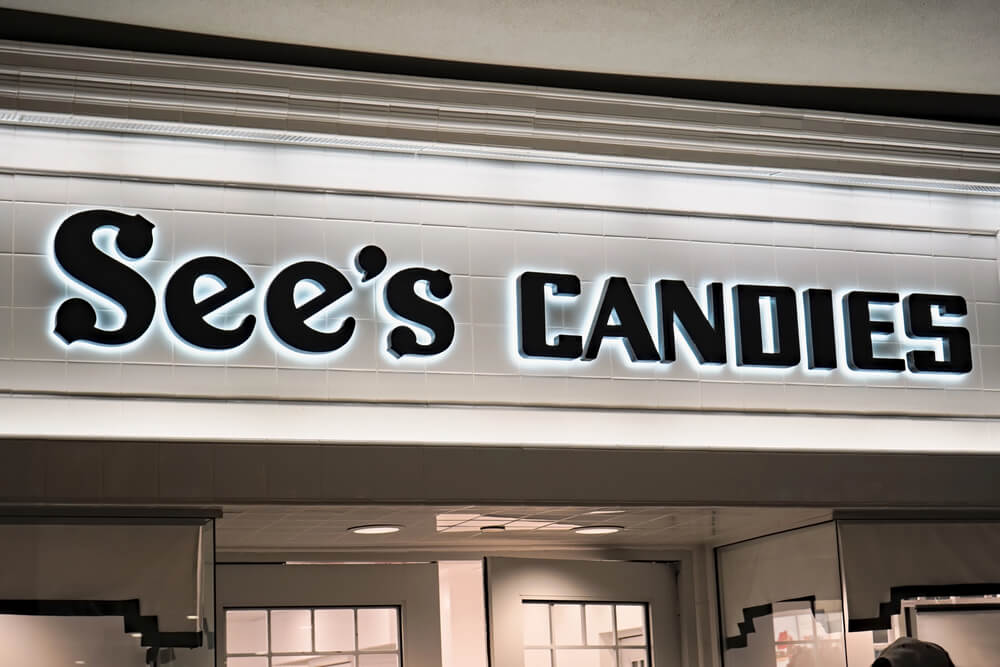
— Photo by kasasagiproductions@yahoo.com
See’s Candies was founded in Los Angeles in 1921 by Charles See and his mother, Mary See, whose smiling portrait still appears on the packaging. The shop became known for boxed chocolates, peanut brittle, and lollipops given out at the counter.
Customers lined up around the block at Christmas to pick up gifts, and holiday boxes were wrapped in ribbon. The white-and-black shop interior and the smell of chocolate inside it are what people tend to remember.
Fannie May Pixies
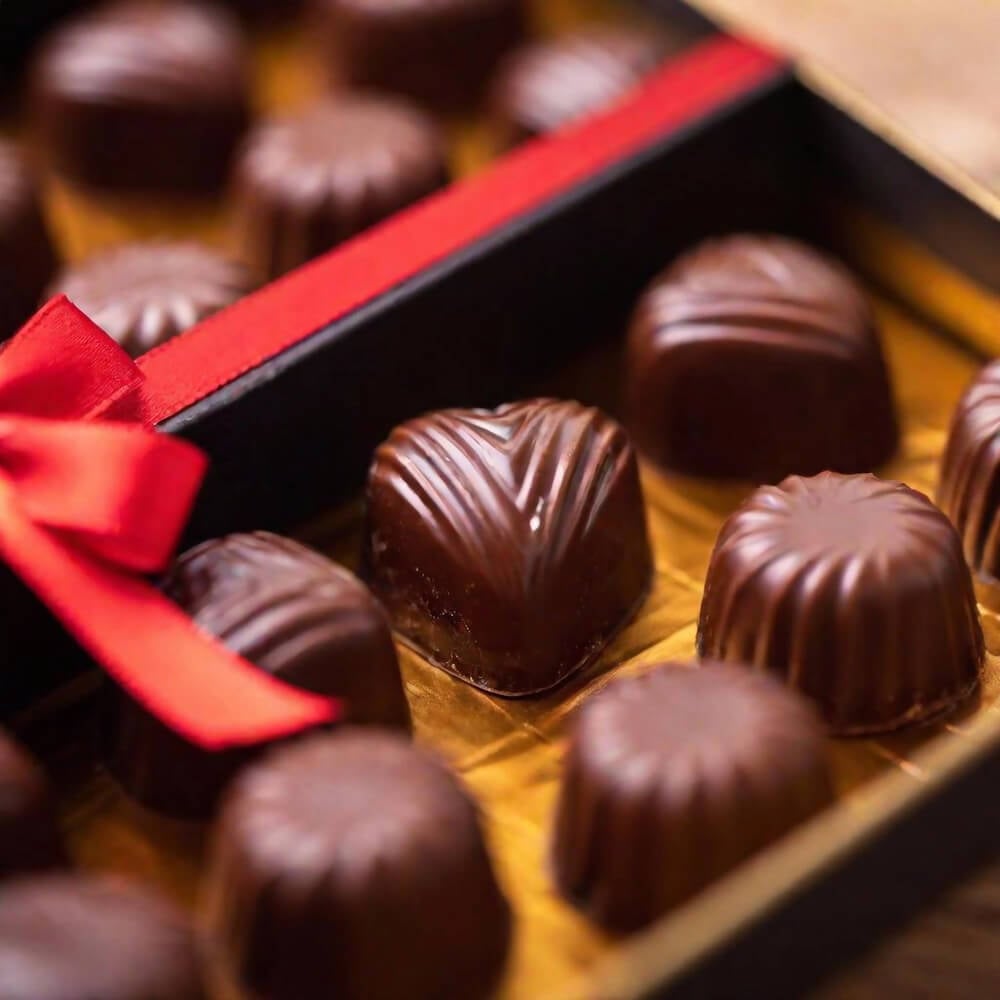
Fannie May was founded in Chicago in 1920 by H. Teller Archer and became a regional favorite across the Midwest. The Pixies, which are pecans and caramel covered in milk chocolate, have been one of its signature pieces.
Gift boxes tied to Christmas and Valentine’s Day filled the shop windows each season. A red-and-white box on a kitchen counter meant someone had thought of the house.
Marie Callender’s Pies
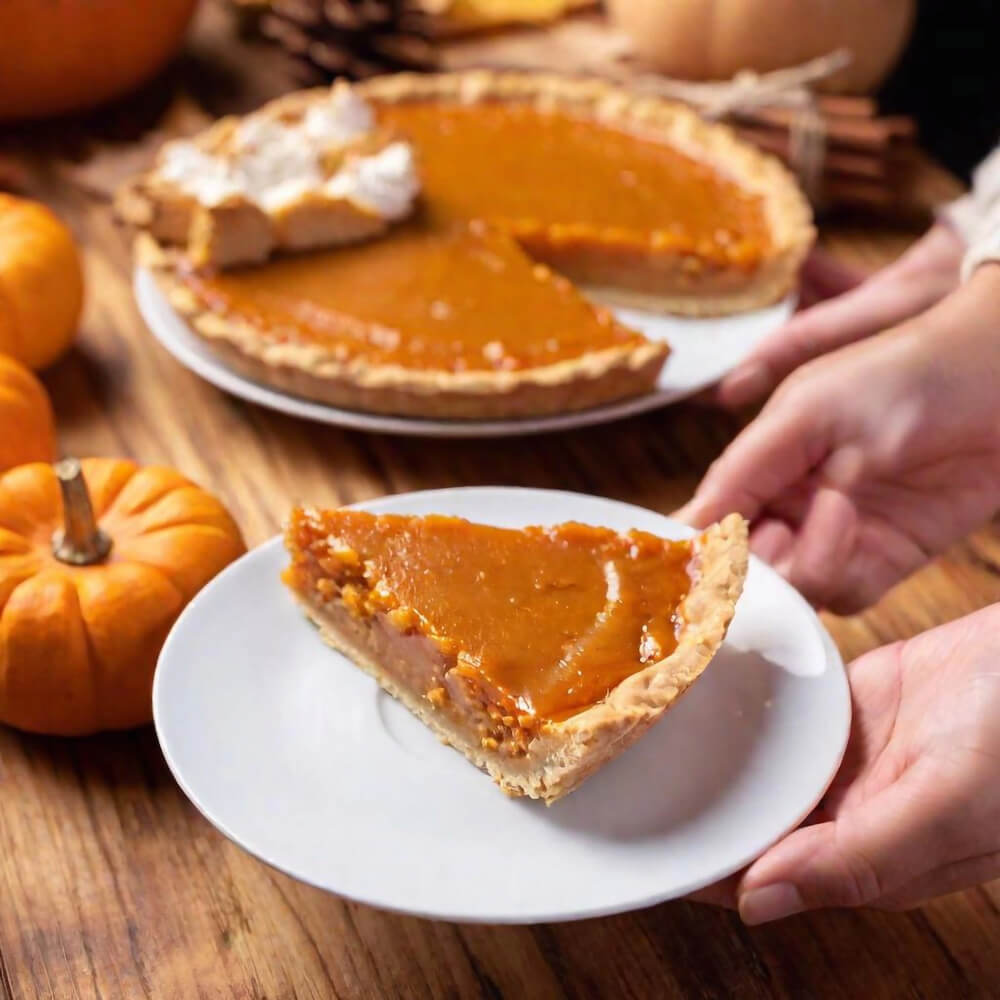
Marie Callender began baking pies in Orange County, California, in 1948 and sold them to local restaurants before the brand expanded to its own chain. The frozen pies reached supermarkets and became a staple of Thanksgiving tables for families who preferred a store-bought crust.
Pumpkin, pecan, and apple were the usual lineup, and the coconut cream and chocolate satin pies drew dedicated fans. The oven timer going off was usually the signal that dinner was almost over.
Nabisco Nilla Wafers
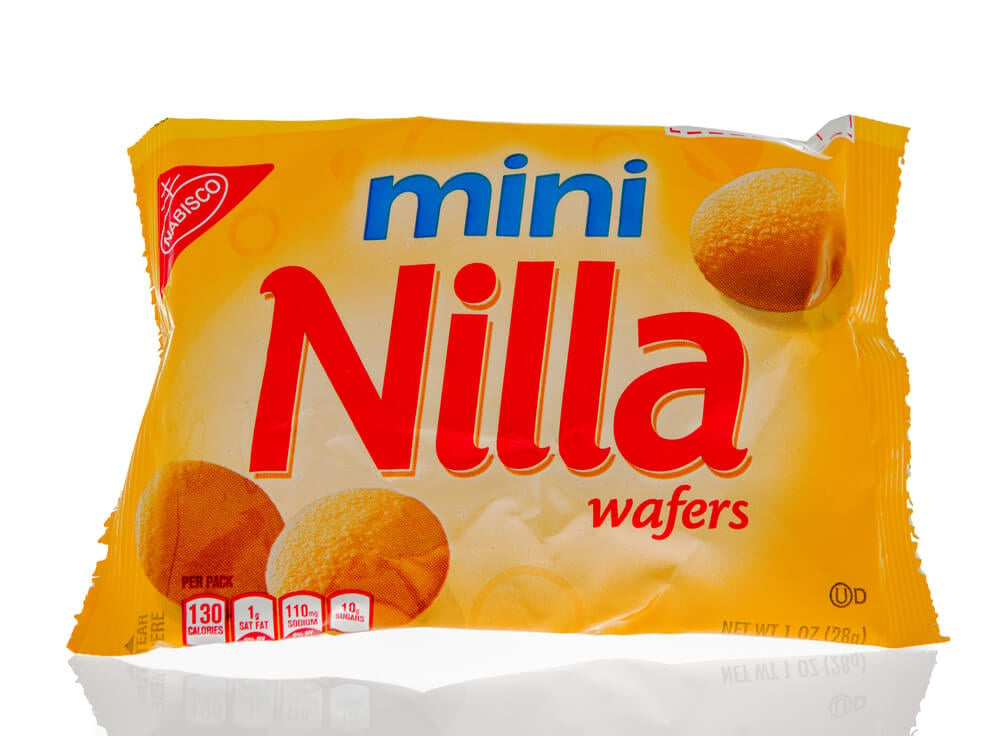
— Photo by homank76
Nabisco, formed as the National Biscuit Company in 1898, has long printed a banana pudding recipe on the Nilla Wafers box, which turned the cookie into the base of a Southern holiday staple. The recipe layers vanilla wafers with sliced bananas and vanilla pudding, then lets the wafers soften into cake.
Some families top it with whipped cream and others with meringue. The wafers also earned a place in the cookie jar, but the pudding is what stuck.
Candy Canes from Bobs Candies
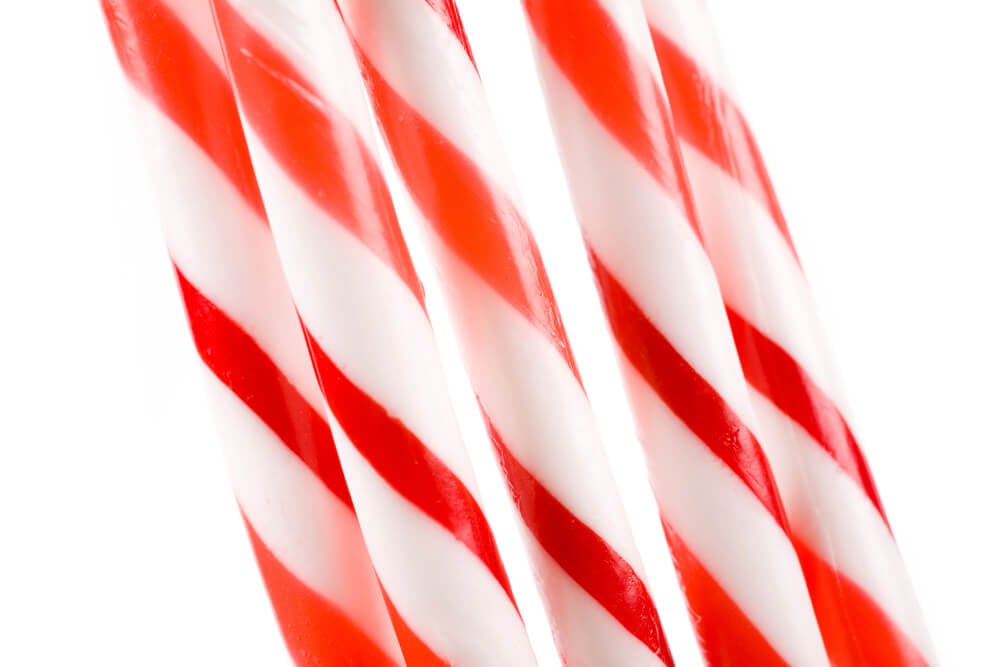
Bob McCormack began making candy canes by hand in Albany, Georgia, in 1919, and his brother-in-law, Father Gregory Keller, later invented a machine to automate the work. Bobs Candies eventually joined the Spangler Candy Company of Bryan, Ohio, which makes candy canes to this day.
The peppermint sticks hang from Christmas trees and stir cups of hot chocolate. Kids discovered that a candy cane could be a straw, a sword, and a snack in the same afternoon.
Oreo Cookies
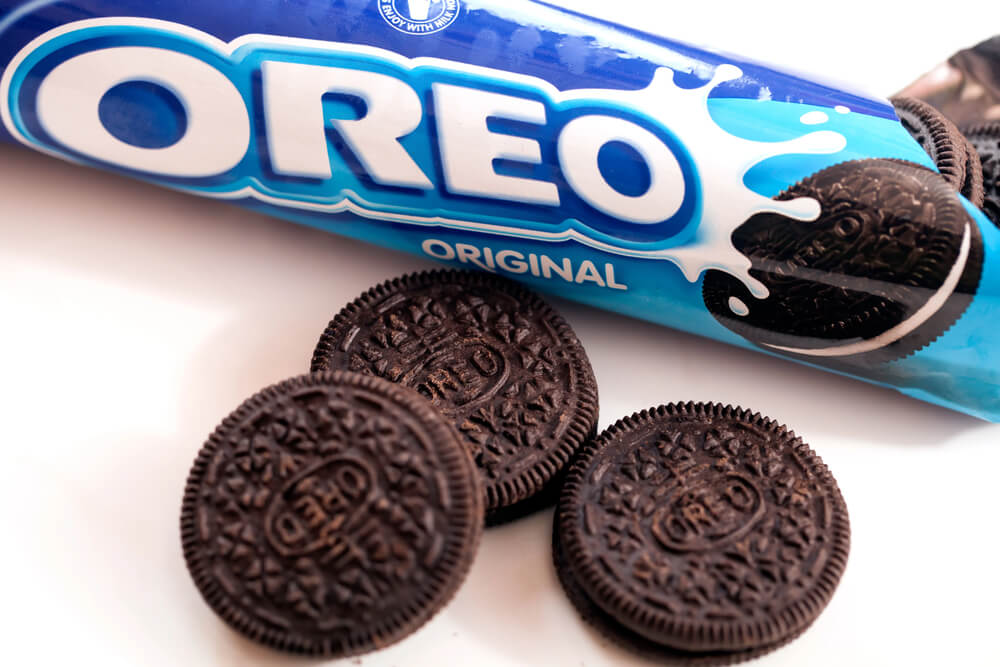
— Photo by sliper84
Oreo cookies were introduced by Nabisco in 1912, and the sandwich cookie went on to become a top seller in the country. The brand later added limited-edition holiday versions with red filling, mint creme, and festive colors for each season.
Kids debated the right technique, with twisting, dunking, and licking out the filling all counting as valid. A glass of milk and a stack of Oreos remained a seasonal ritual long after the original box was thrown away.
The Dessert Nobody Baked
— Photo by irinashatilova
The brands on this list had one thing in common: they let a family spend a holiday visiting instead of cooking. Parents could focus on the turkey or the guests while the dessert sat ready in a box. The result was a table that looked abundant, even if the person who bought it had spent the afternoon at the grocery store.
The flavor of those treats is tied to memory rather than recipe. A crumb cake, a candy tin, or a tub of whipped topping can bring back an entire season in a single bite. Store-bought did not mean less loved. It meant a tradition that anyone could afford, and one that arrived on the table year after year.
More from Go2Tutors!

- 27 Silver Dollars and Half Dollars Worth Keeping
- 28 Restaurant Menu Items Nobody Orders Anymore
- 17 Places Built in Seemingly Impossible Spots
- 27 Vintage Rings Worth More Than They Look
- 25 Restricted Sites Tourists Can’t Enter
Like Go2Tutors’s content? Follow us on MSN.