27 Vintage Cameras Collectors Still Hunt
Film photography’s revival over the past decade turned what used to be attic clutter into genuinely sought-after equipment. A camera that a thrift store might have priced at twenty-five dollars a few years ago can now draw serious interest from collectors and working photographers alike, provided it is the right model in working condition.
Brand and model drive most of the value here, and the gap between an ordinary consumer camera and a desirable one is often enormous even when both look similarly worn on the outside.
Leica M3
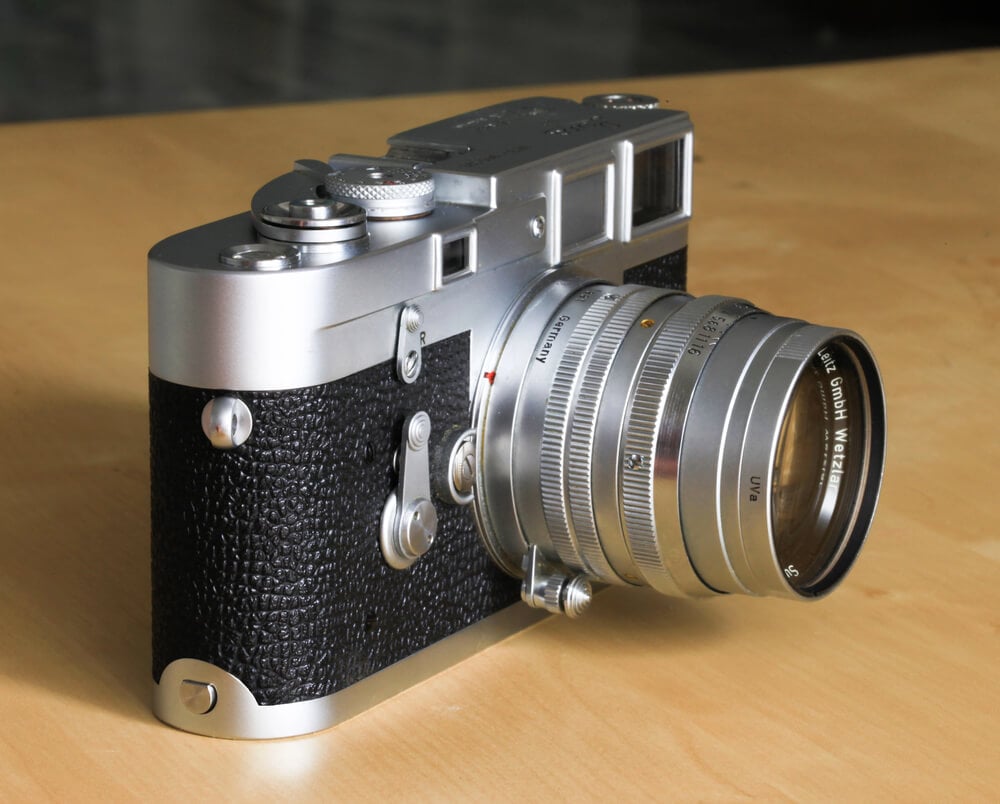
Released in 1954, the Leica M3 is widely considered the camera that established the modern rangefinder format, and working examples in solid condition regularly sell in the thousands of dollars. Its build quality set a standard the brand has spent decades maintaining, which is part of why the model has never really fallen out of collector demand.
Leica M6
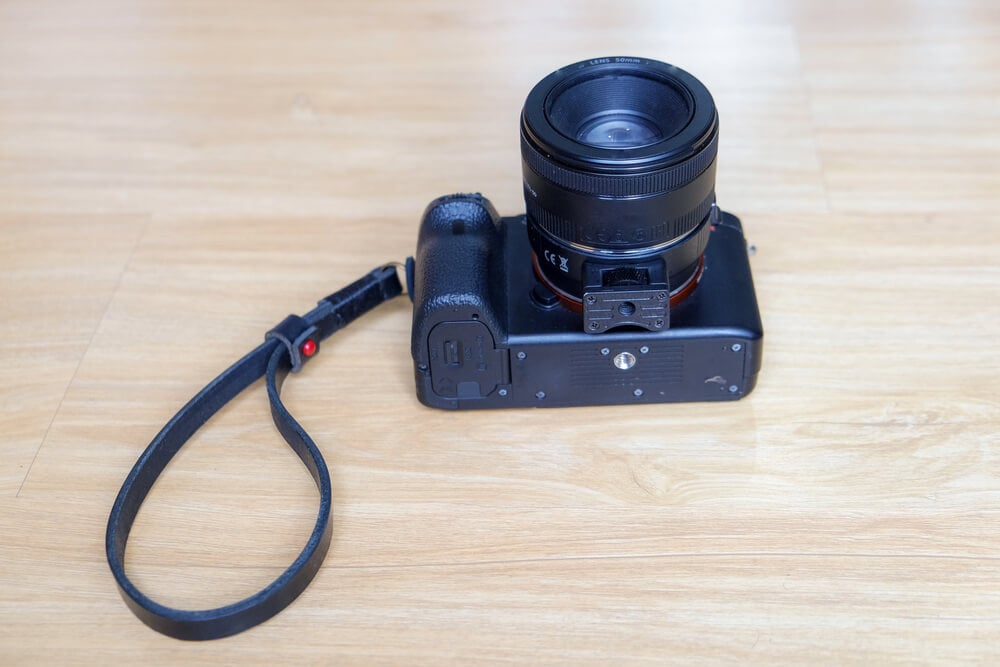
A later addition to Leica’s M-series rangefinder line, the M6 added a built-in light meter while preserving the mechanical reliability that made earlier M-series cameras so respected. Clean, working examples remain firmly in the four-figure range among serious collectors and working film photographers.
Leica 0-Series
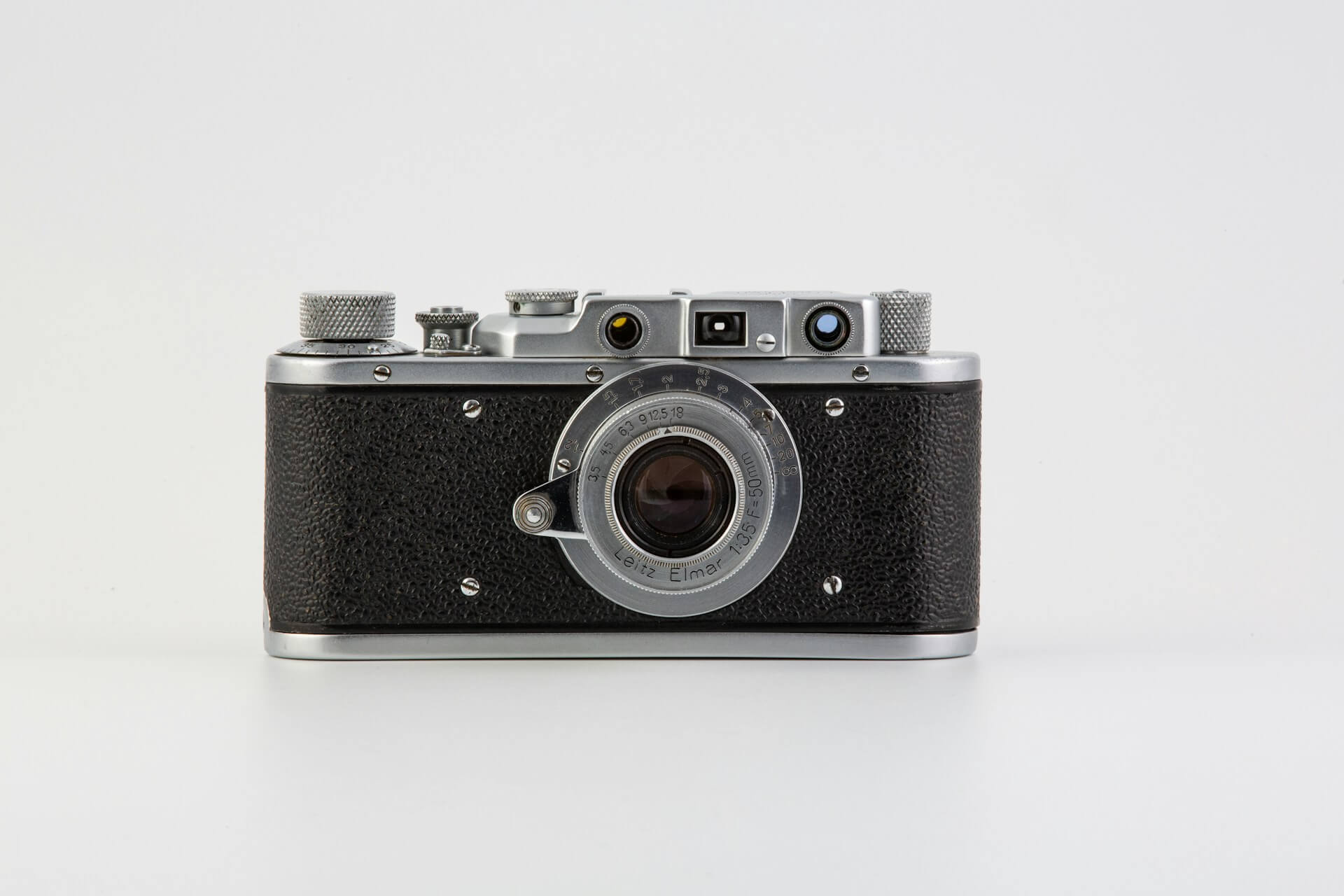
Only around twenty-five examples of this 1923 prototype were ever produced, making it the single most valuable camera in Leica’s history and one of the most valuable cameras ever sold at auction. A surviving 0-Series camera realistically only surfaces through major auction houses rather than casual estate finds, but its existence anchors the entire collector market for the brand above it.
Rolleiflex 2.8F
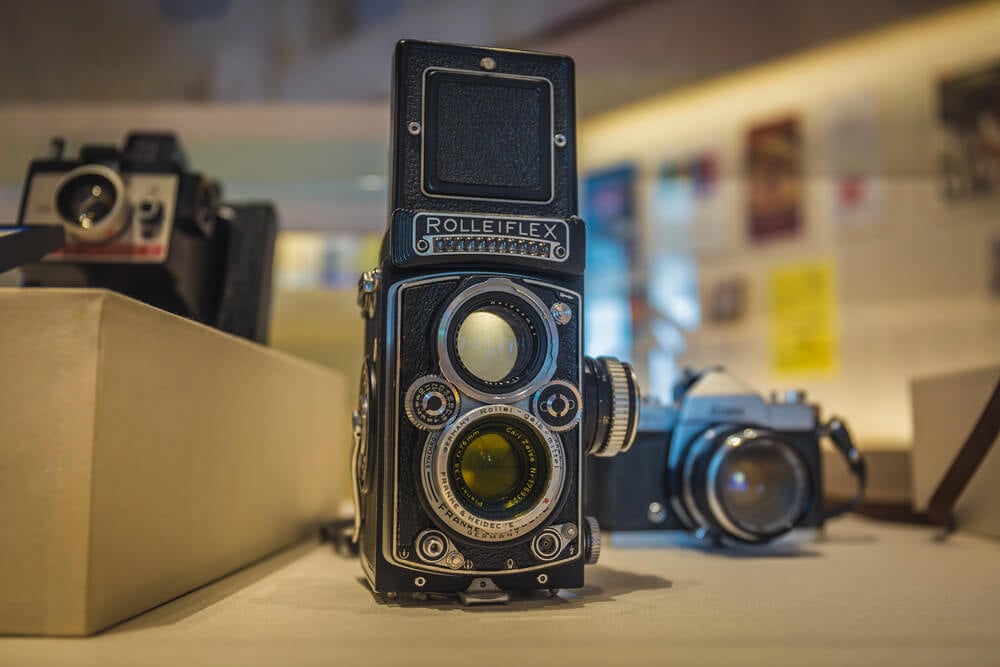
“Produced from 1960 to 1981, the Rolleiflex 2.8F represents the twin-lens reflex format at its most refined, prized for the exceptionally sharp medium-format images it produces through its distinctive waist-level viewfinder. Standard examples in working condition regularly draw prices in the thousands of dollars from collectors.
Rolleiflex 2.8GX
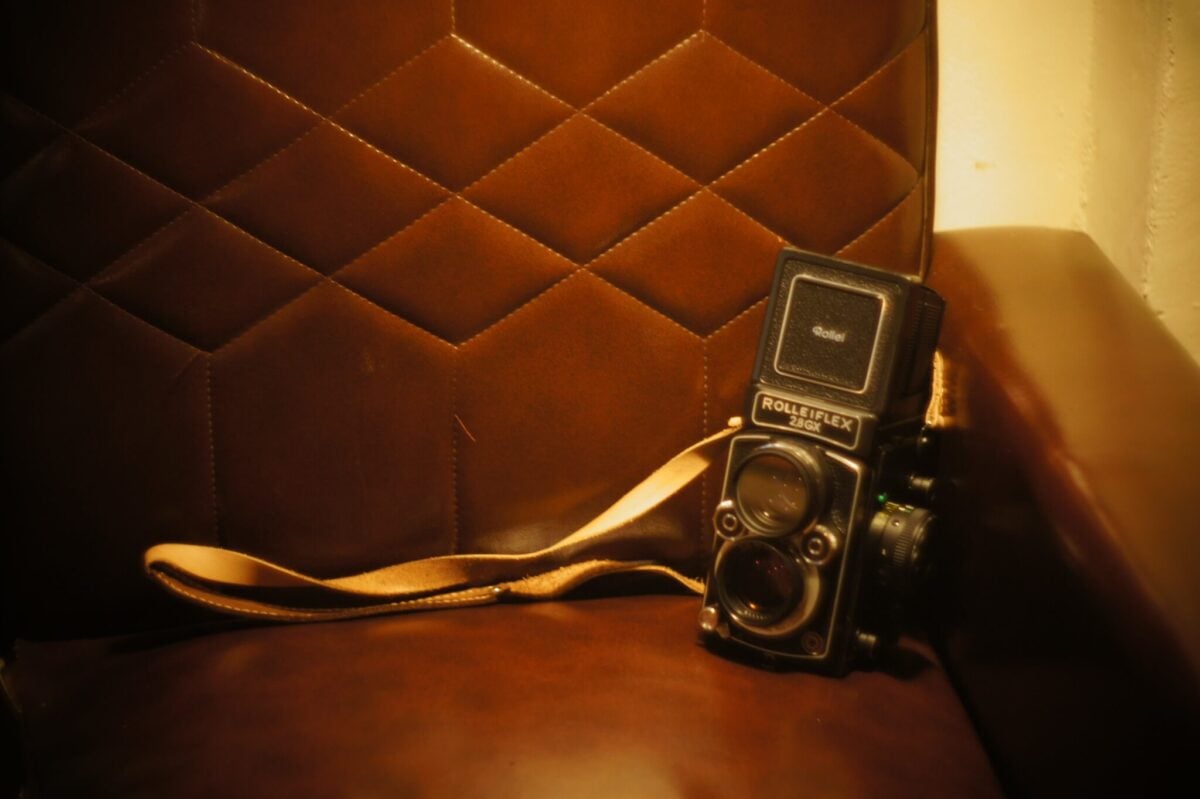
A late-production twin-lens reflex model made from 1987 to 2000, the 2.8GX combined Rollei’s classic mechanical design with improved metering technology, arriving just before the company’s prominence faded. Collectors consider it something close to the final refinement of the Rolleiflex format, and special editions have drawn especially strong prices.
Hasselblad 500C/M
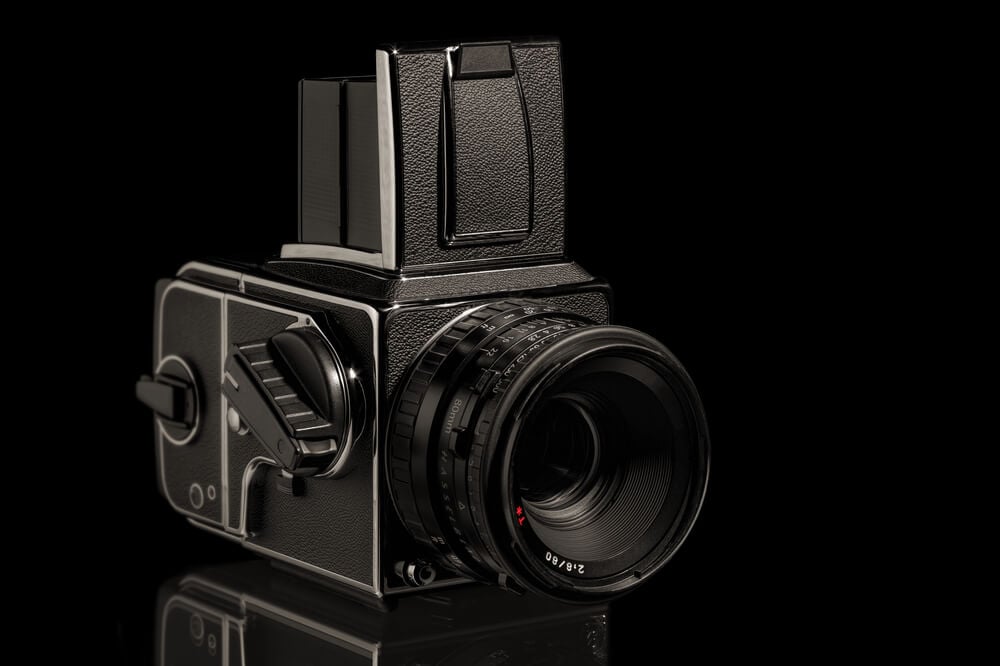
The Hasselblad 500C/M became closely associated with professional medium-format photography through its modular design, letting photographers swap lenses, backs, and viewfinders on a single body. Its connection to the space program, where modified Hasselblads were used on NASA missions, adds a layer of historical significance that keeps demand strong among collectors.
Hasselblad 503CW
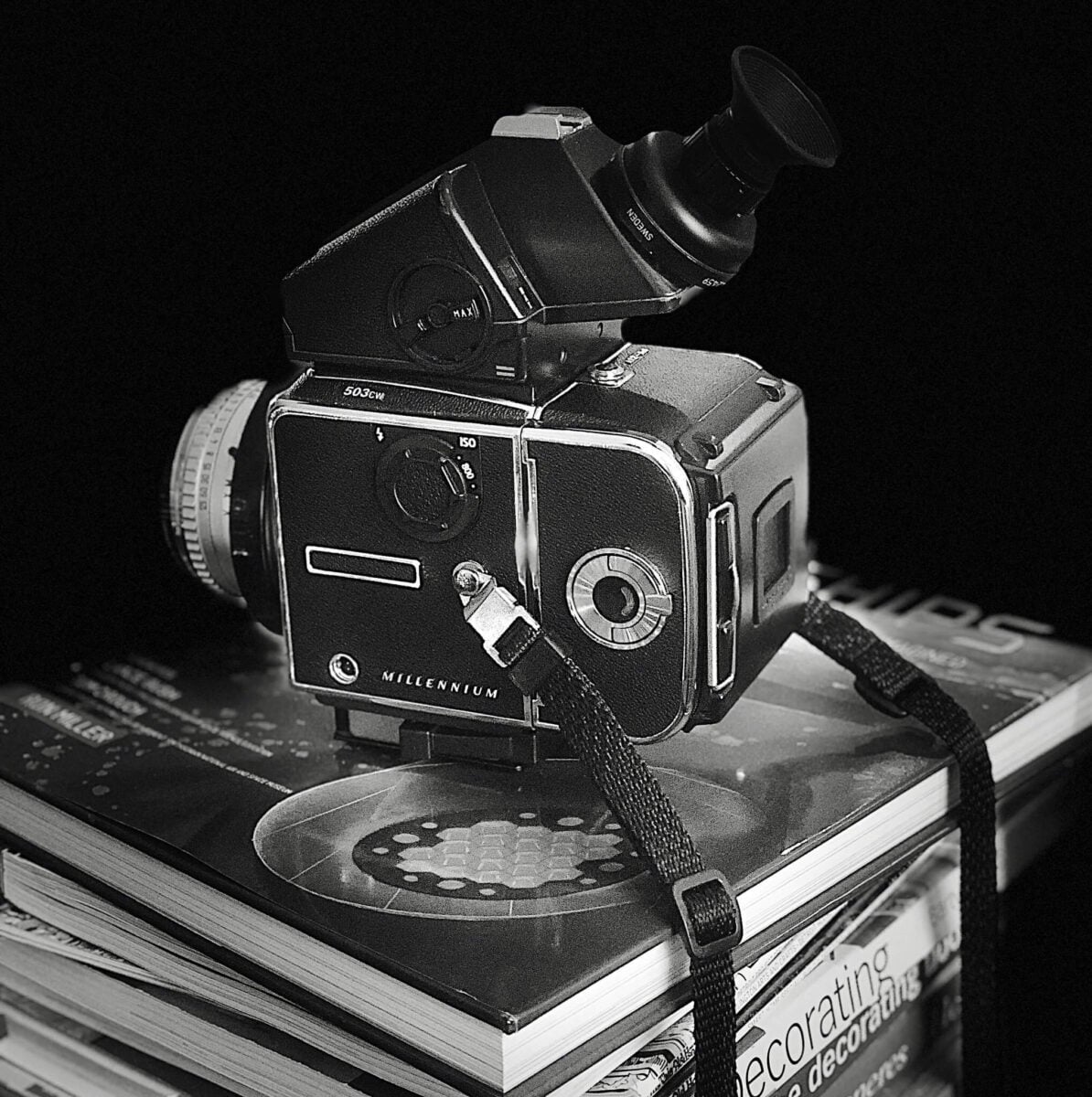
A refined successor within Hasselblad’s medium-format system, the 503CW retained the modular design collectors valued in earlier models while adding updated flash synchronization. It remains one of the more consistently sought Hasselblad bodies among photographers who want a usable, working camera rather than strictly a display piece.
Hasselblad XPan
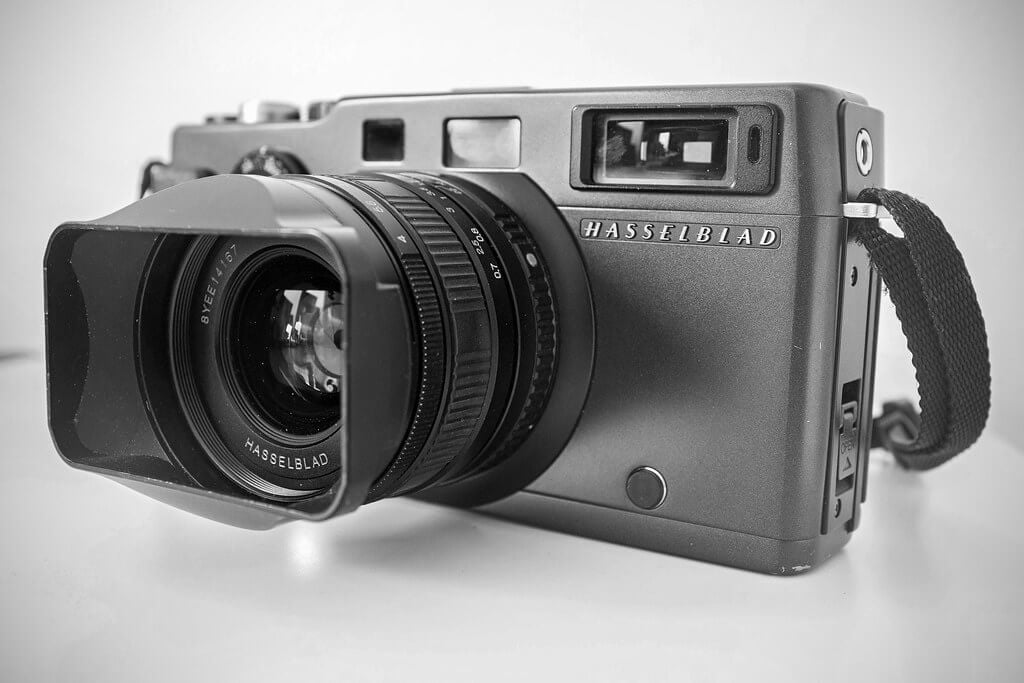
Released in 1998, the Hasselblad XPan offered a genuinely unusual feature for a 35mm camera: true panoramic exposures without any cropping required afterward. Complete kits with the original box and accessories have drawn prices well above what a body alone commands, reflecting how specialized and hard to replace the format is.
Nikon SP
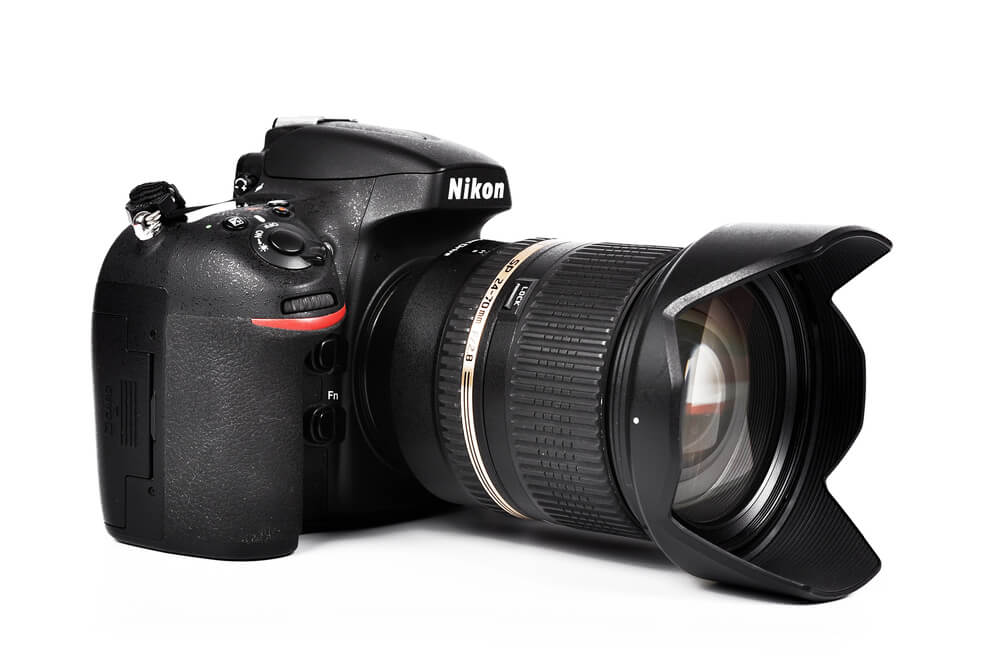
Produced during the 1950s as Nikon’s flagship professional rangefinder, the Nikon SP built its reputation partly through its association with photojournalists working through major conflicts of the era. Its connection to that history, combined with genuine scarcity, keeps it firmly among the most valuable Japanese cameras in the collector market.
Nikon F
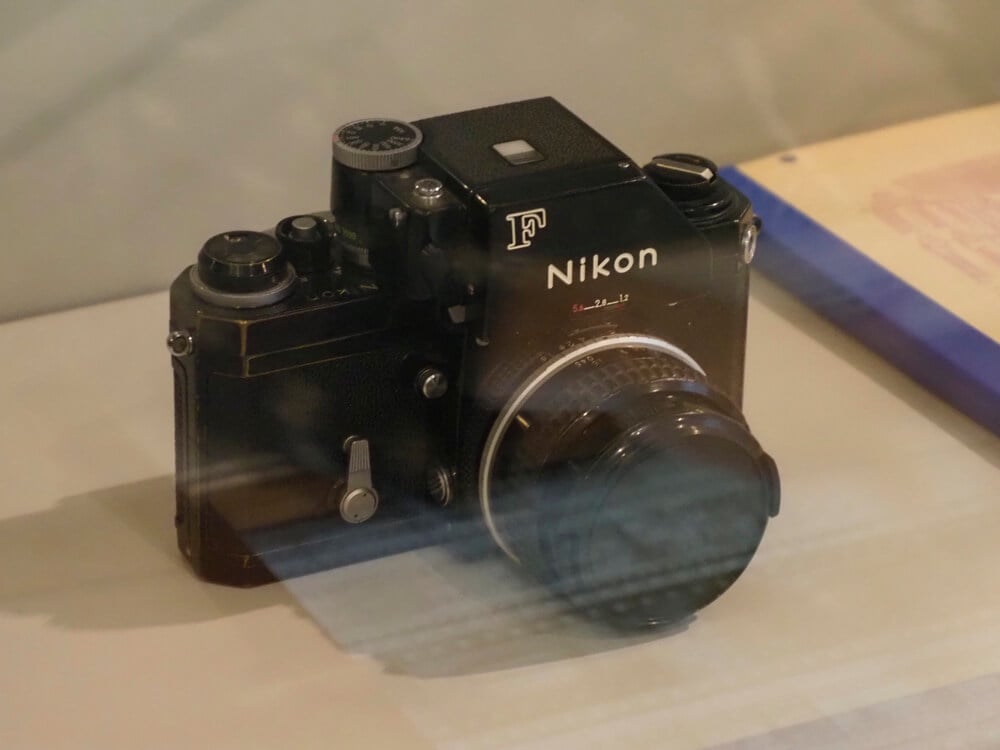
Introduced in 1959, the Nikon F was the camera that established Nikon as a serious professional system rather than just a lens maker, built around an interchangeable design that professional photographers relied on for decades. Its historical importance keeps demand steady even among collectors who never intend to shoot film with it.
Nikon F2
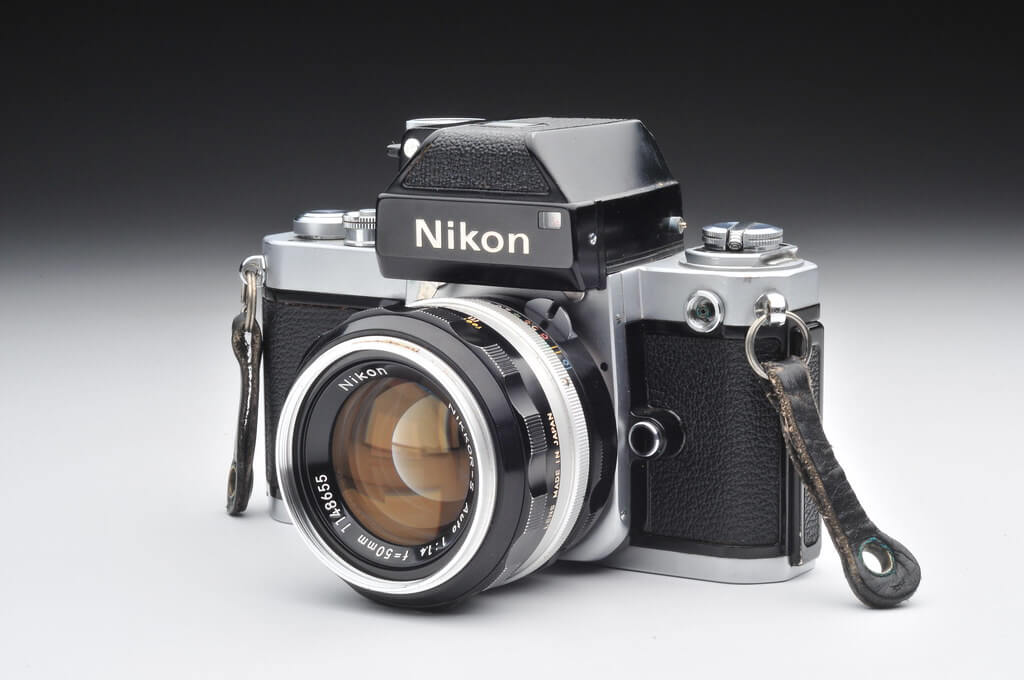
A refinement of the original Nikon F, the F2 was produced in both standard chrome and black finishes, with the black-finish examples commanding a substantial premium among collectors specifically because fewer were produced. Complete examples with original lenses and accessories draw notably more than a body sold alone.
Canon P Rangefinder
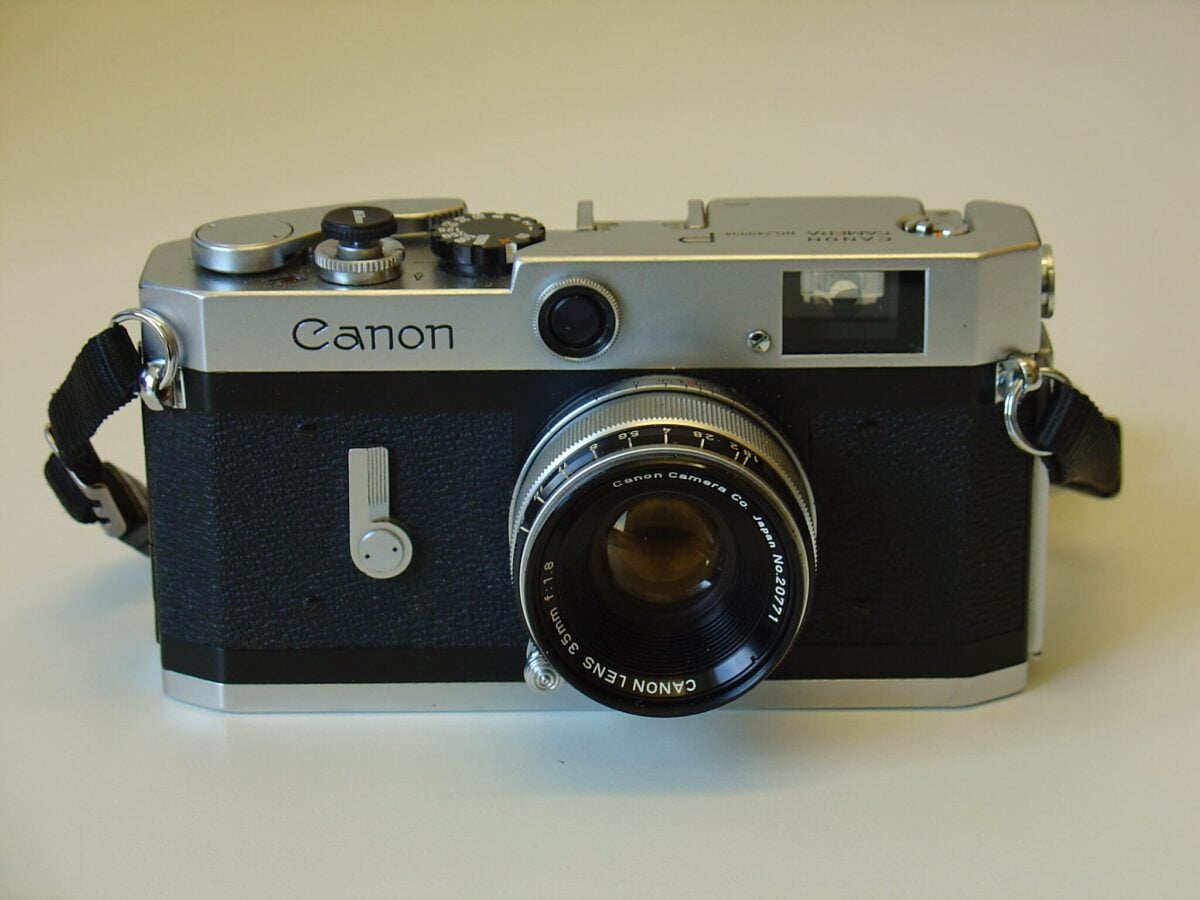
Canon’s P rangefinder from the late 1950s built a reputation for exceptional value relative to competing Leica-mount cameras of its era, and specific serial number ranges tied to production quirks have become especially prized among collectors who track those details closely. Its accessible price point at launch makes surviving examples more common than some of its rivals, but well-preserved units still draw real interest.
Canon AE-1
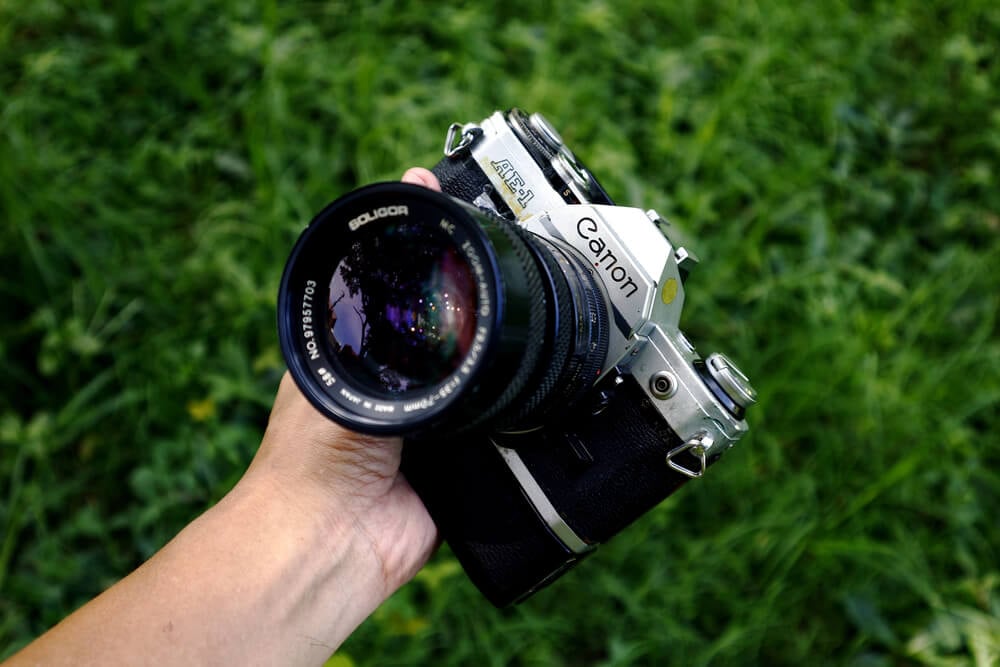
Introduced in 1976, the Canon AE-1 became one of the best-selling SLR cameras in history and remains one of the most approachable entry points into film photography today. Prices have risen sharply since the mid-2010s film revival, with clean, working examples now selling for several times what they commanded barely a decade earlier.
Contax II
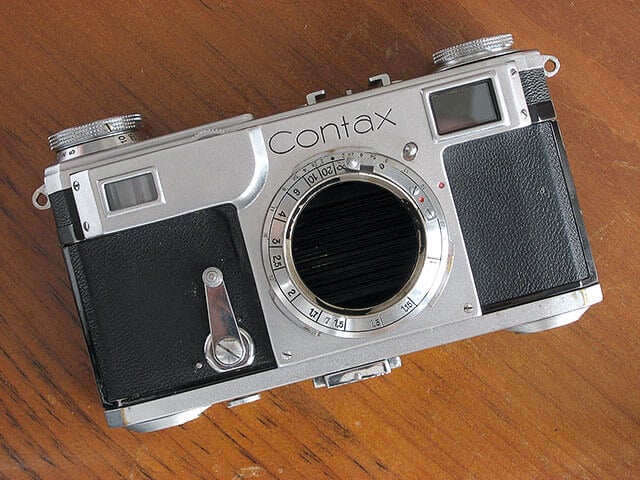
A German-made rangefinder from the 1930s, the Contax II represented one of Leica’s most serious prewar competitors, built with a distinctive coupled rangefinder mechanism that was considered technically advanced for its era. Surviving examples in working condition are scarcer than comparable Leica models, which keeps demand steady among collectors who specialize in prewar German cameras.
Zeiss Ikon Prewar Models
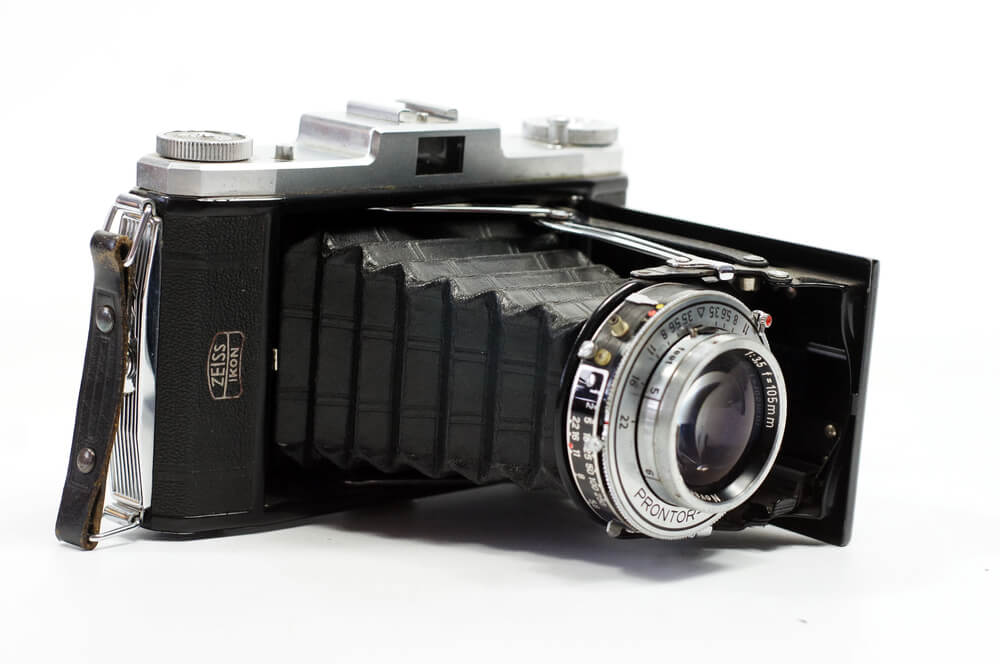
Certain Zeiss Ikon cameras from before the Second World War carry additional value because many factory records and surviving units were destroyed during wartime bombing, making authentic surviving examples genuinely rare rather than simply old. Collectors specializing in prewar German optics treat these models as some of the harder pieces to complete a collection around.
Voigtländer Bessa
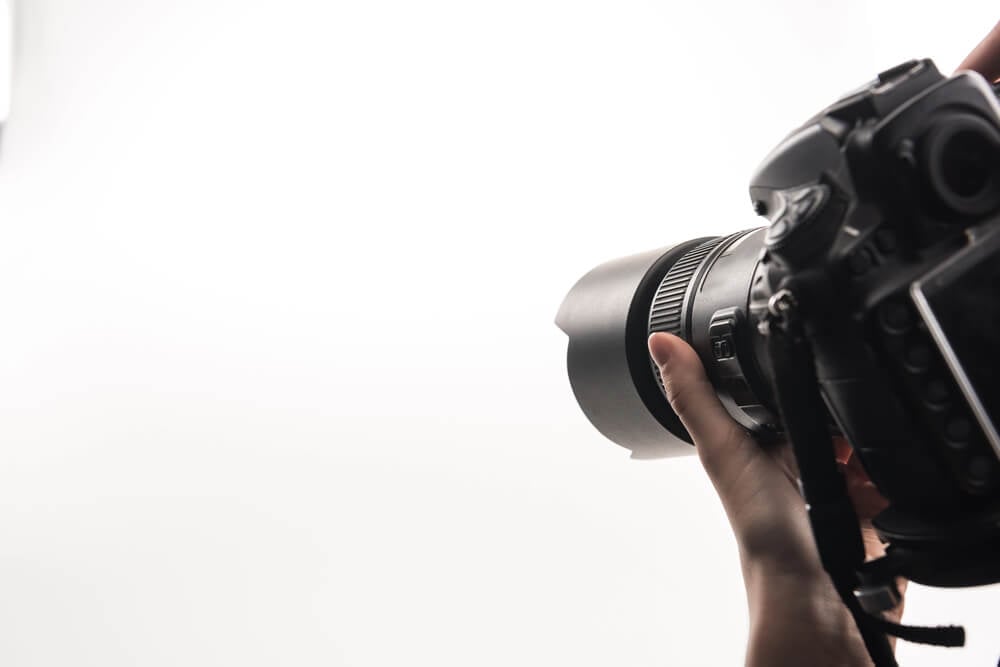
A more modern rangefinder line built specifically to accept Leica-mount lenses, the Voigtländer Bessa series gave film photographers an accessible alternative to vintage Leica bodies without sacrificing lens compatibility. Its relative affordability compared to genuine vintage Leica cameras has made it a popular entry point for collectors building out a broader rangefinder system.
Pentax K1000
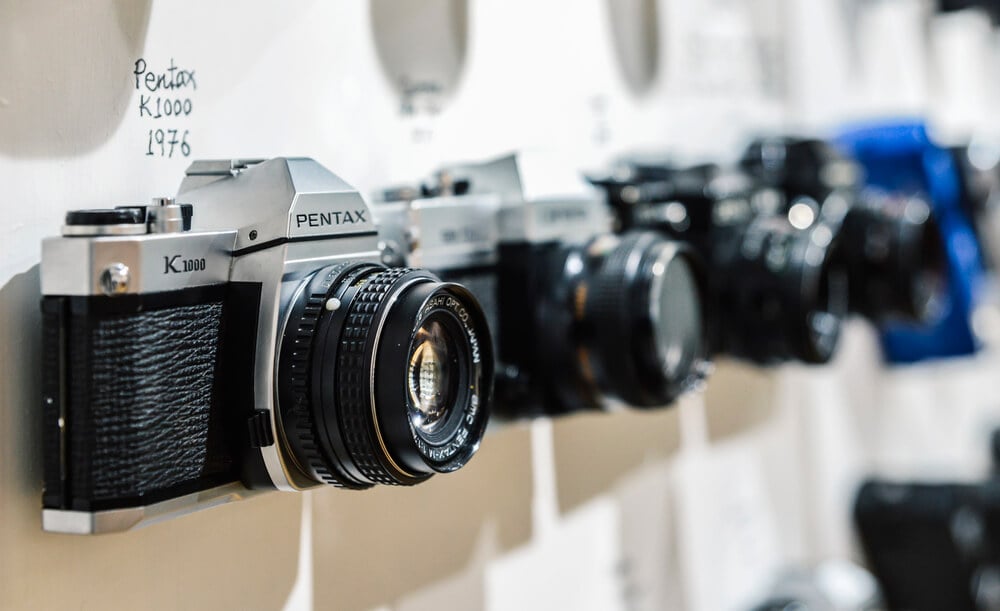
A famously simple, fully mechanical SLR with almost no dependence on batteries beyond its light meter, the Pentax K1000 became a standard camera issued in photography classes for decades. Its mechanical simplicity and reliability have kept demand steady well into the digital era, particularly among students and beginning film photographers.
Pentax Spotmatic
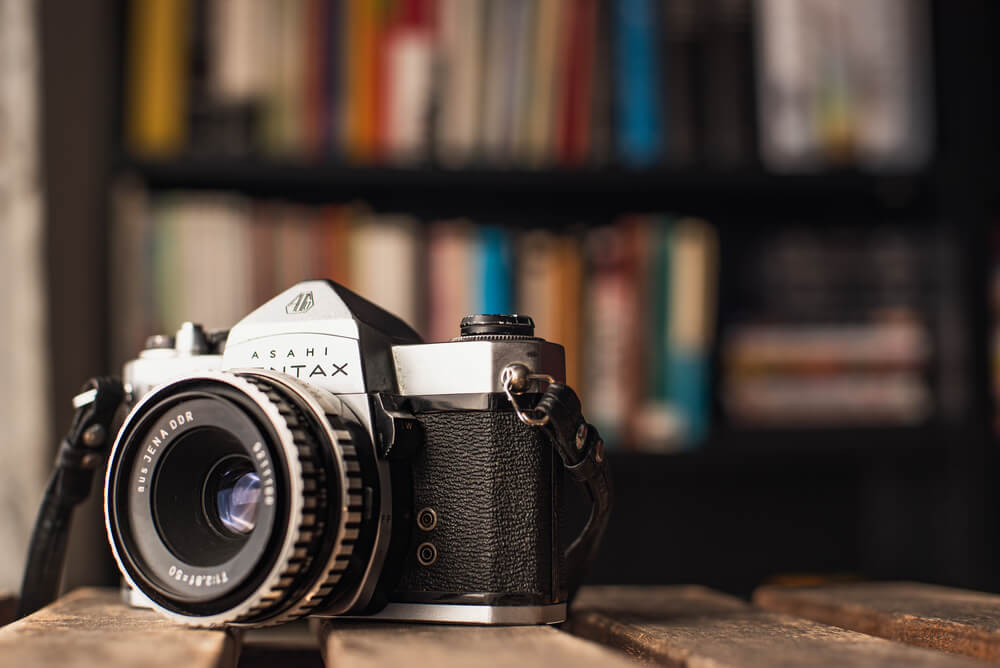
Predating the K1000, the Spotmatic line introduced through-the-lens metering to a wide audience and became one of the best-selling SLR series of the 1960s. Its screw-mount lens compatibility with a wide range of vintage optics keeps it relevant to collectors assembling a broader lens collection rather than a single camera.
Olympus OM-1
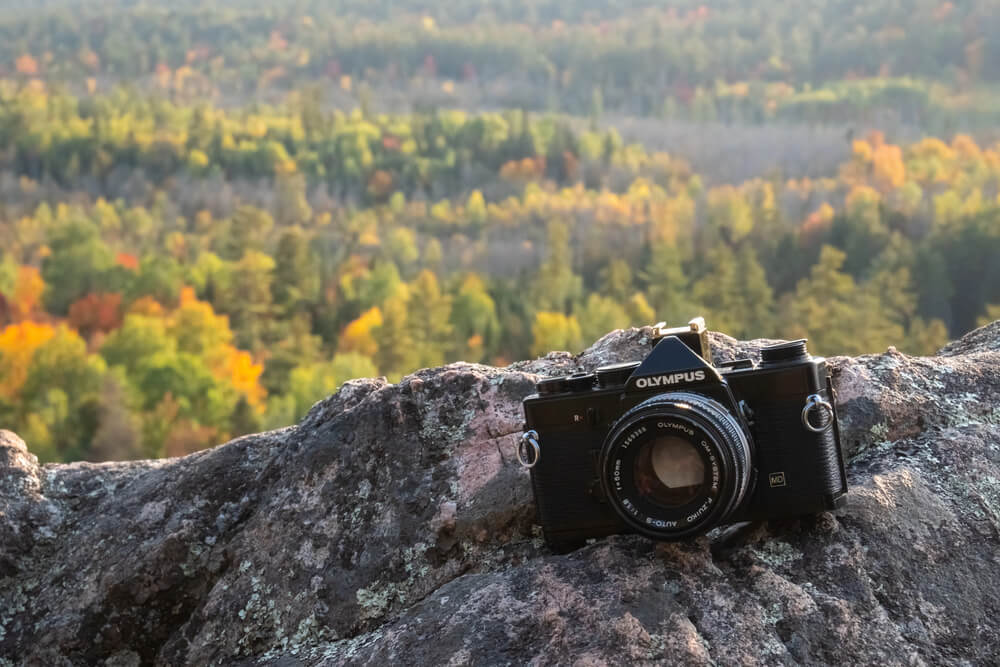
Released in 1972, the Olympus OM-1 was notably compact and lightweight compared to competing SLRs of its era, a design philosophy that made it especially popular among photographers who traveled frequently. Its combination of small size and full mechanical reliability has made it one of the more consistently sought compact SLRs among current collectors.
Minolta SR-T 101
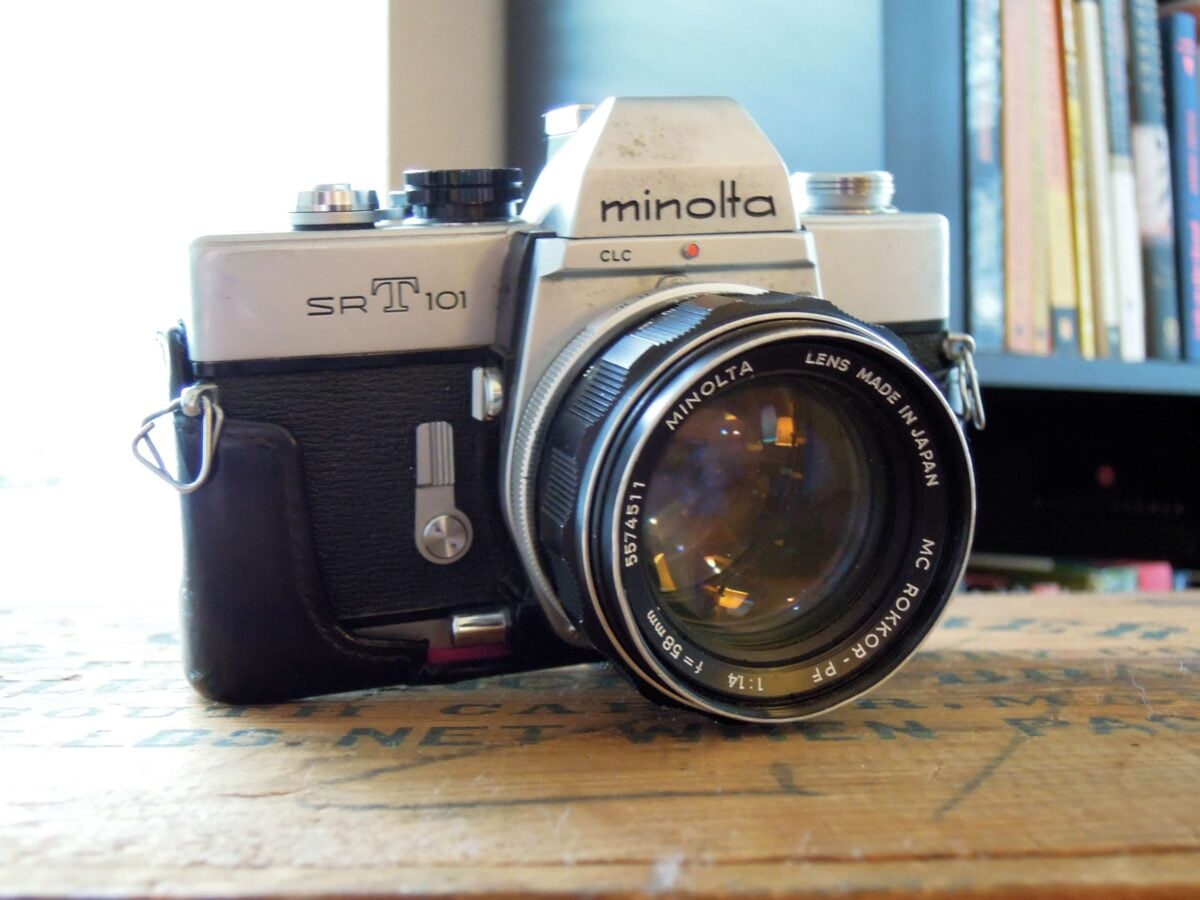
Minolta’s SR-T 101 introduced an early through-the-lens metering system that measured light from two separate areas of the frame simultaneously, an innovation ahead of many competitors at the time of its release. Its solid build and relatively affordable used prices have kept it popular among collectors building a working film kit rather than a display collection.
Yashica-Mat
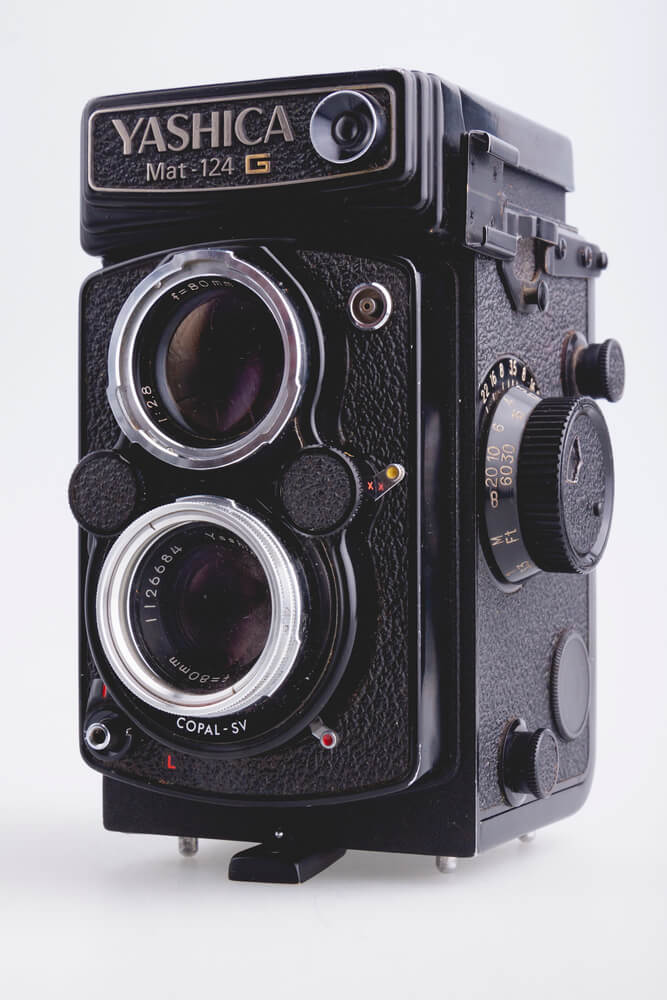
A more affordable alternative to the Rolleiflex within the twin-lens reflex category, the Yashica-Mat offered comparable medium-format image quality at a noticeably lower price point when new. Collectors today value it as an accessible entry into twin-lens reflex photography without the higher cost of a true Rolleiflex.
Mamiya RB67
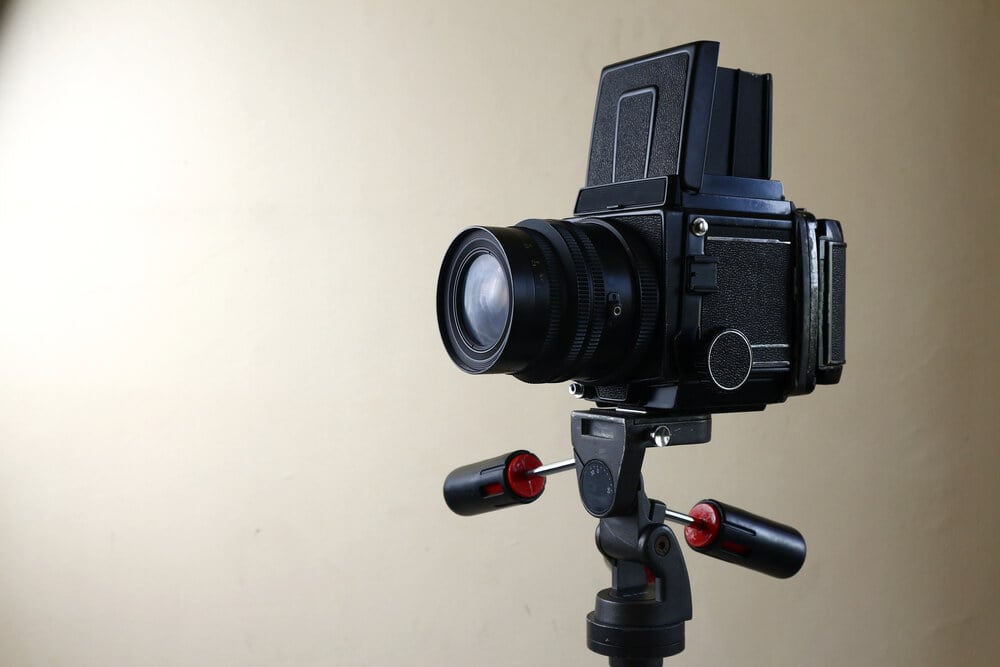
A professional medium-format system camera known for its exceptionally large negatives and modular design, the Mamiya RB67 became a studio standard for portrait and commercial photographers throughout the 1970s and 1980s. Its bulk and weight make it a less casual find than smaller cameras on this list, but working studio kits remain in steady demand.
Kodak Retina II
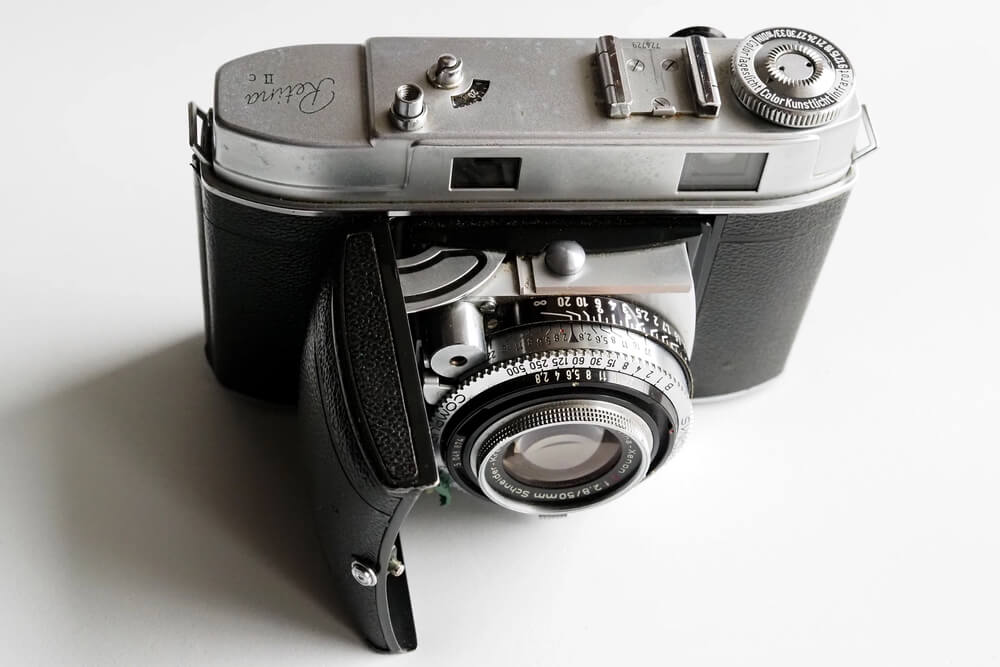
A German-made compact camera produced under the Kodak name, the Retina II combined genuine build quality with a folding design that made it notably portable for its era. Collectors specifically seeking well-preserved folding cameras treat clean Retina examples as some of the more attainable finds relative to top-tier Leica and Contax models.
Contax G2
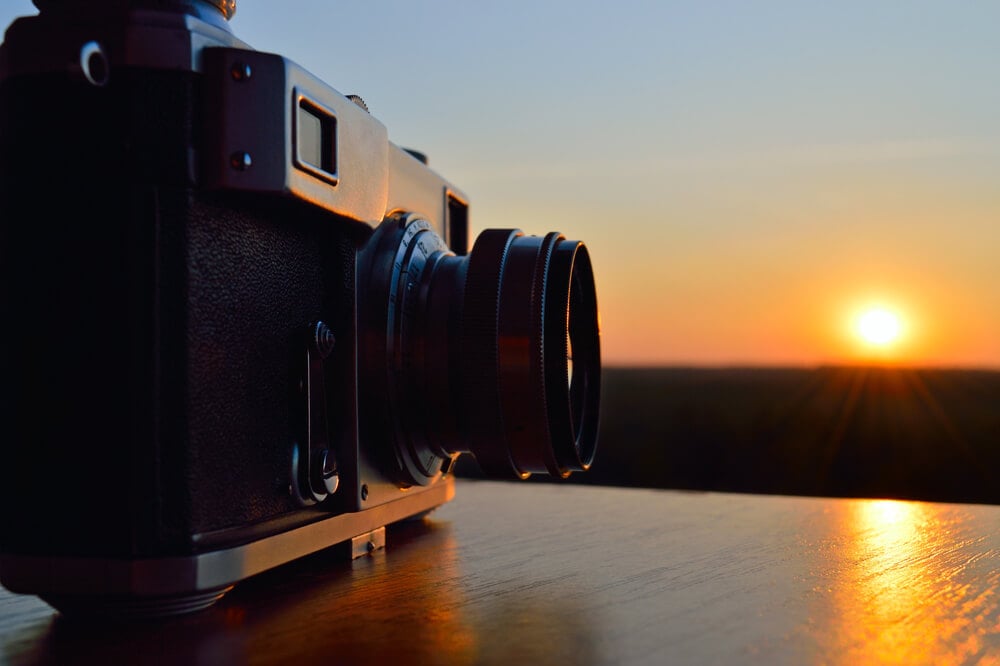
A later autofocus rangefinder released in the 1990s, the Contax G2 bridged the gap between classic rangefinder shooting and modern automation, pairing genuinely excellent Zeiss optics with electronic convenience. Its relatively recent production compared to most cameras on this list makes clean, fully functional examples somewhat more attainable.
Canon 7
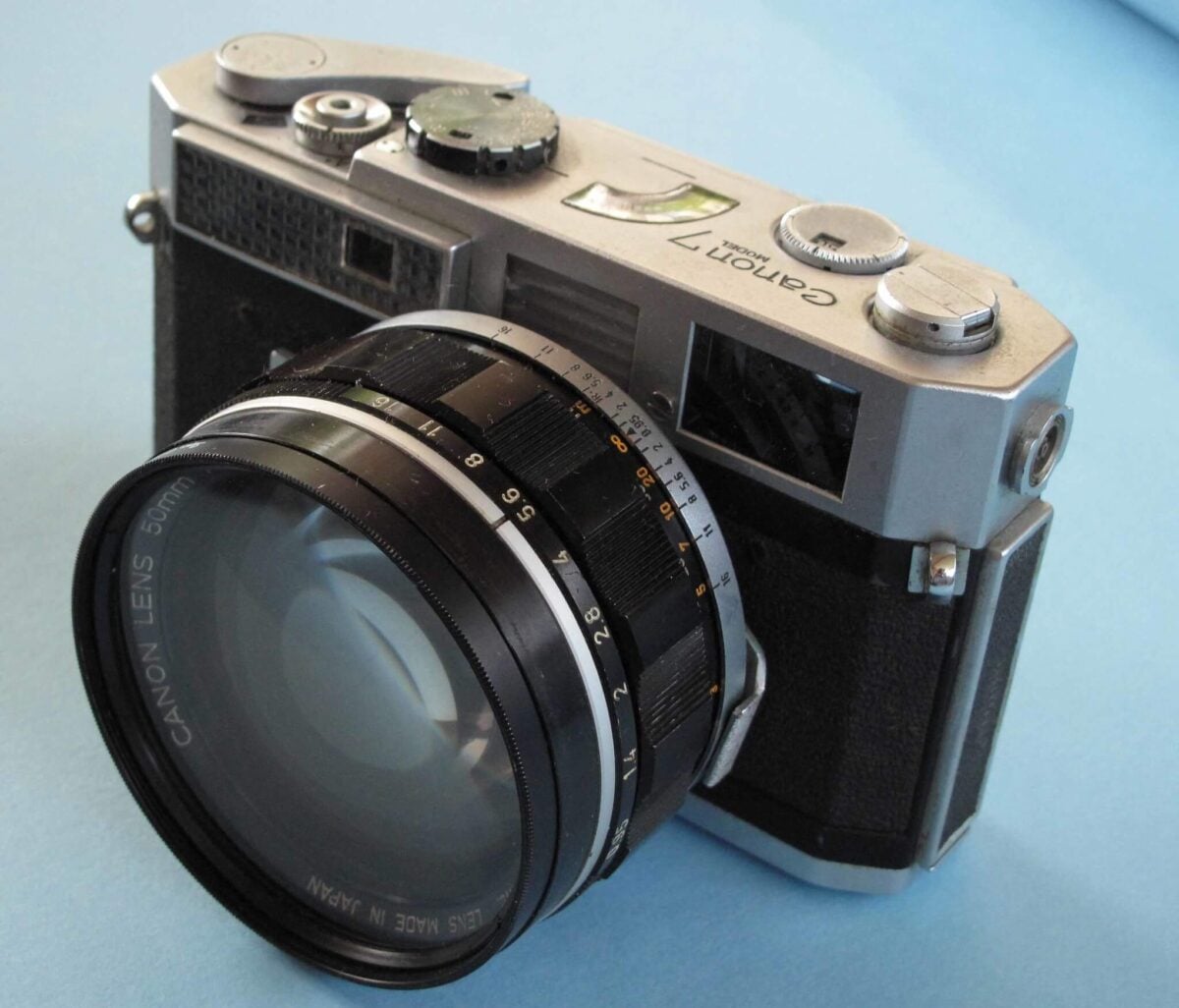
A late-generation Leica-mount rangefinder from Canon, the Canon 7 offered advanced metering and lens compatibility that made it a serious alternative to genuine Leica bodies at a notably lower price when new. Collectors today still value it as one of the more feature-complete rangefinders outside the Leica lineup itself.
Polaroid SX-70
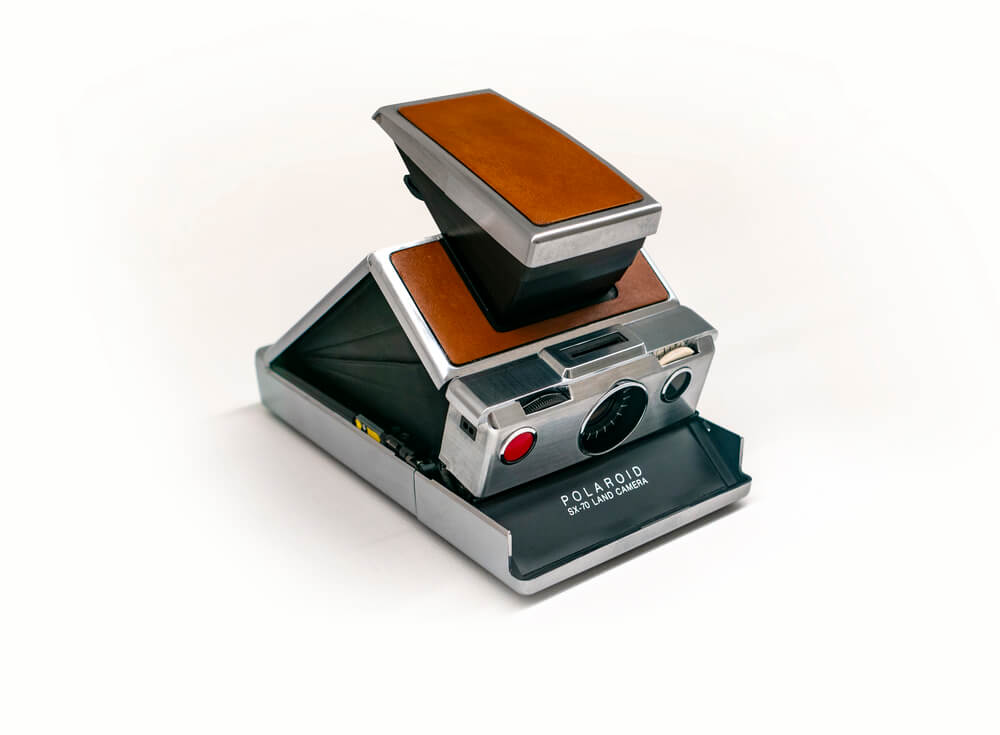
Introduced in 1972, the Polaroid SX-70 combined a folding single-lens reflex design with instant film ejection, a genuinely novel engineering achievement for its era that still impresses collectors examining the mechanism today. Working examples, particularly ones compatible with currently produced instant film, have seen renewed collector interest alongside the broader instant film revival.
Argus C3
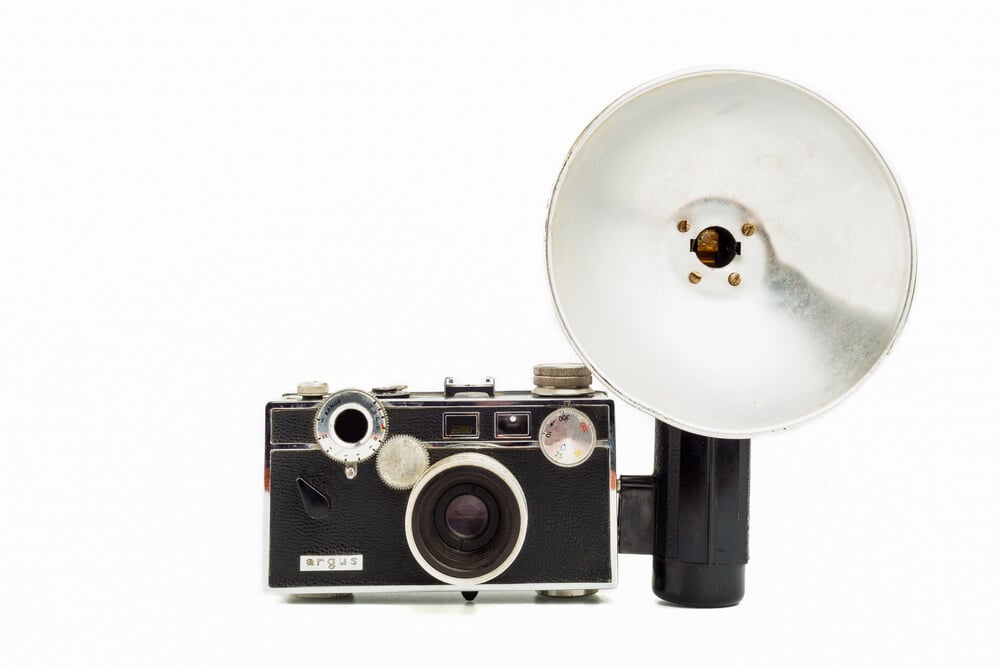
Nicknamed for its distinctive brick-like shape, the Argus C3 was one of the best-selling cameras in American history through the middle of the twentieth century, prized by collectors today more for its historical significance and sheer production volume than for rarity. Its affordability and simple mechanics also make it a popular choice for collectors who want a genuinely usable vintage camera rather than a display-only piece.
What Collectors Are Actually Buying
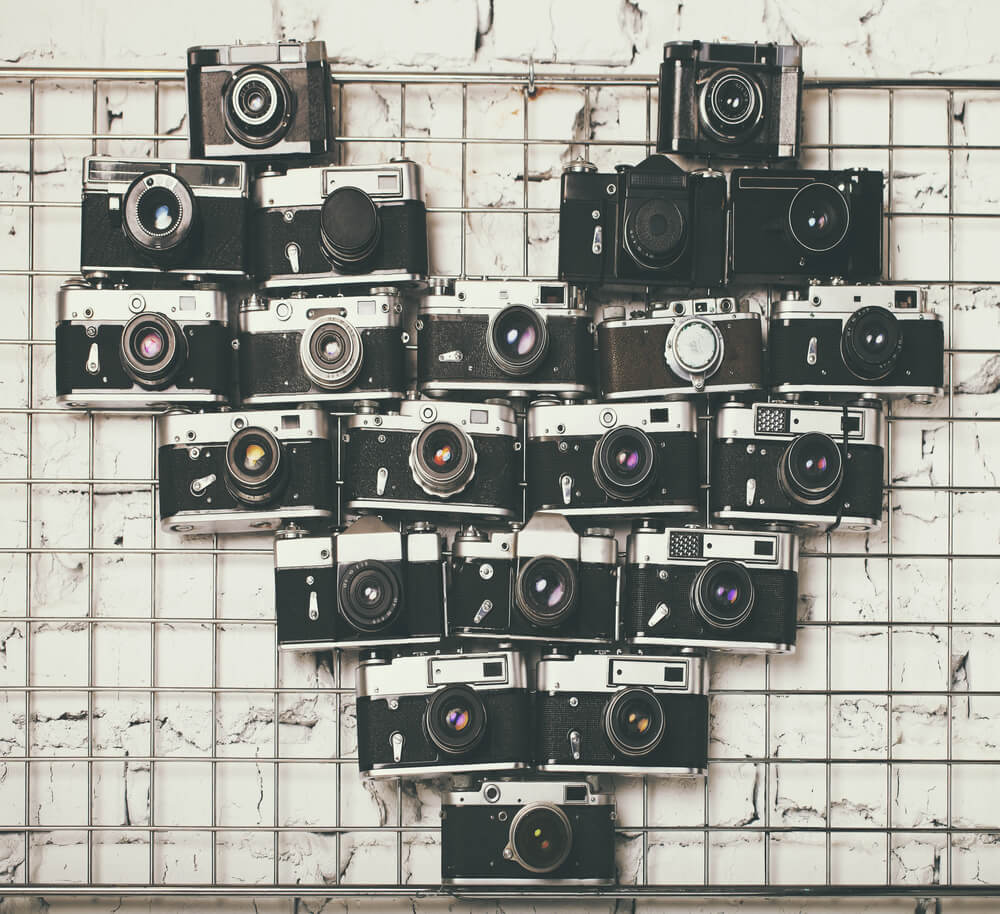
None of these cameras are valuable simply because they are old. Every model on this list earned its place in the collector market through some combination of build quality, historical significance, genuine scarcity, or a documented connection to a moment worth remembering, and the gap between a common camera and a desirable one usually comes down to exactly those factors.
That distinction is why an ordinary consumer camera from the same era as a Leica M3 might be worth almost nothing while the Leica commands thousands, despite looking similarly aged on a shelf. Knowing which name to look for, and which specific model within that name, remains the entire skill behind finding real value in a box of old cameras.
More from Go2Tutors!

- The Romanov Crown Jewels and Their Tragic Fate
- 13 Historical Mysteries That Science Still Can’t Solve
- Famous Hoaxes That Fooled the World for Years
- 15 Child Stars with Tragic Adult Lives
- 16 Famous Jewelry Pieces in History
Like Go2Tutors’s content? Follow us on MSN.



