27 Vintage Rings Worth More Than They Look
Plenty of old rings spend decades in a dresser tray because nobody in the family thought they were anything special. The stone looked small, the metal looked tired, and the style looked like somebody’s grandmother, which it usually was.
Jewelers and estate buyers read those same rings very differently. A maker’s mark inside the shank, a hand-cut stone, or a forgotten design fad can move a ring from scrap price to a figure that surprises everyone at the counter.
Georgian Paste Rings With Foil-Backed Glass
Georgian jewelers working between 1714 and 1837 set cut glass called paste into closed-back silver or gold mounts, often slipping a sheet of colored foil behind each stone to push its sparkle. Paste was fashionable on its own terms, worn by people who could also afford diamonds.
Survivors are scarce because closed backs trap moisture, and once the foil tarnishes the glass turns gray and lifeless. A ring with bright original foil and no replaced stones sells for several hundred dollars and occasionally more than 1,000 dollars.
Clouded or swapped stones cut that sharply. Fake gems, real history, real money.
Victorian Mourning Rings Holding Woven Hair
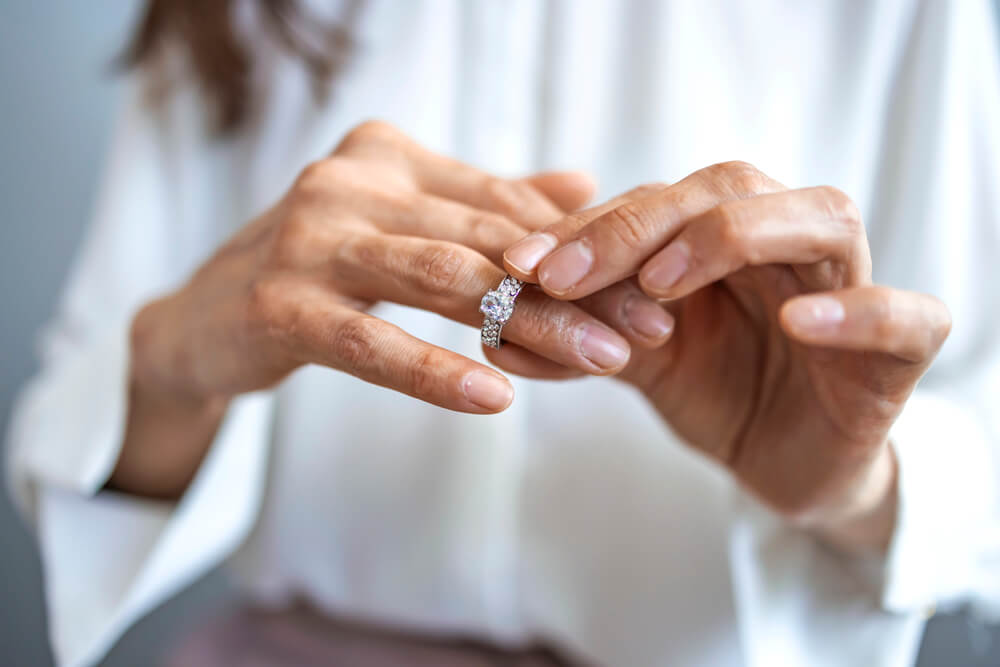
Mourning jewelry boomed after Prince Albert died in 1861 and Queen Victoria wore black for the rest of her life. Rings from the period often carry a panel of woven hair under glass, black enamel on gold, and an engraved name with a death date inside the band.
Collectors prize a legible inscription because it lets the ring be traced to a real person and a real loss. Chipped enamel, a cracked crystal, or loose hair all drag prices down.
Clean examples trade at a few hundred dollars, and earlier pieces decorated with skulls or coffins sell for considerably more.
Snake Rings Made Fashionable by a Royal Engagement
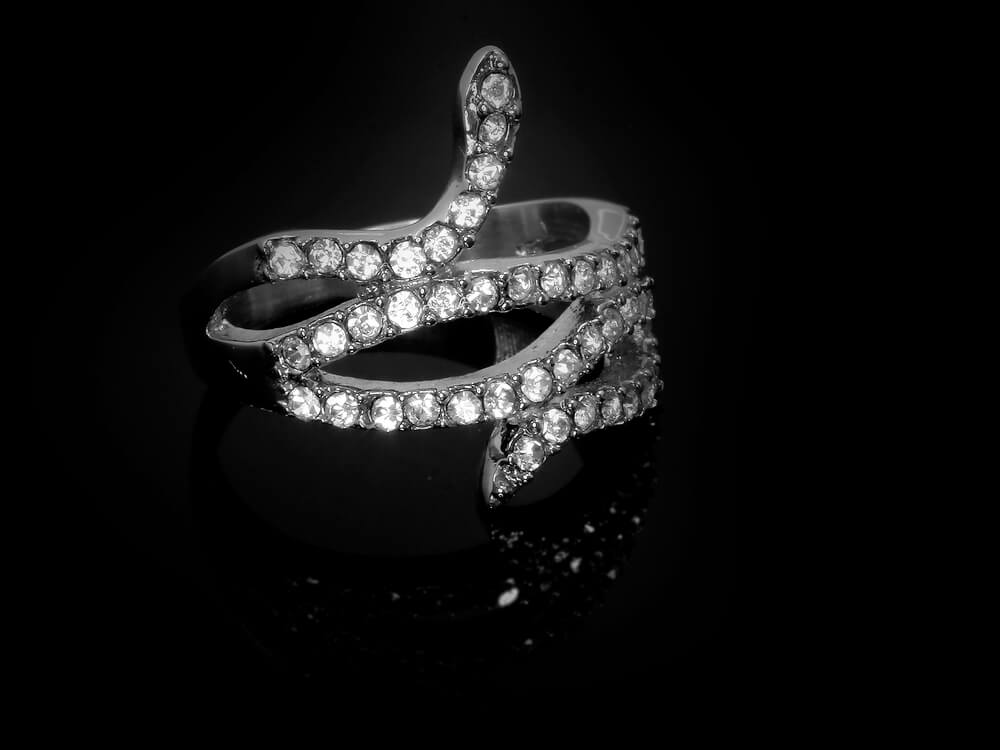
In 1839 Prince Albert gave Queen Victoria an engagement ring shaped as a serpent, with an emerald, her birthstone, set in its head. A snake biting its own tail stood for eternal love, and the young queen’s choice turned the motif into a Victorian obsession.
Coiled gold snakes with ruby or garnet eyes, turquoise scales, or pave diamond heads followed for decades. Many look like costume pieces at first glance because of their playful design.
Heads that have worn smooth from years of wear lose much of their appeal, while crisp chasing and original eyes let a good gold example sell for 800 dollars or more.
Regard Rings That Spell a Message in Stones
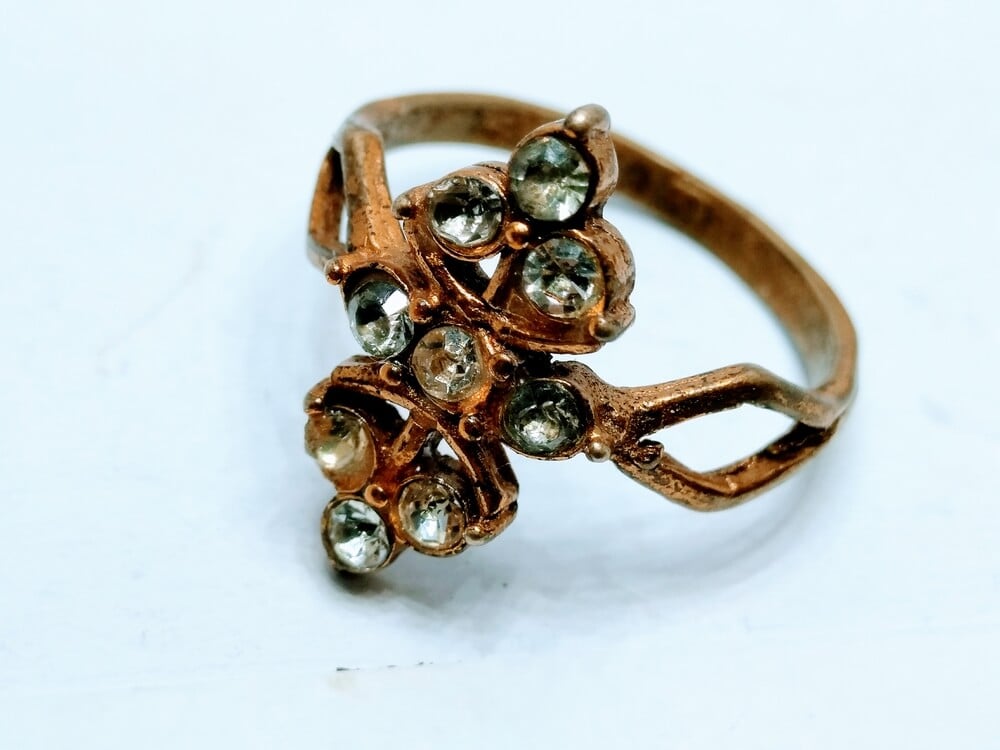
Early nineteenth century jewelers in Paris are credited with popularizing acrostic rings, where the first letter of each gemstone spells a word. A row of ruby, emerald, garnet, amethyst, ruby, and diamond reads REGARD, and a longer line spells DEAREST.
To an untrained eye the result looks like a random cluster of small, mismatched stones. That misreading is exactly why these rings turn up underpriced.
A replaced stone breaks the code and the value along with it, so originality matters more than size. Complete Georgian or early Victorian examples in good order trade at 1,500 dollars and up.
Posy Rings With Verses Hidden Inside the Band
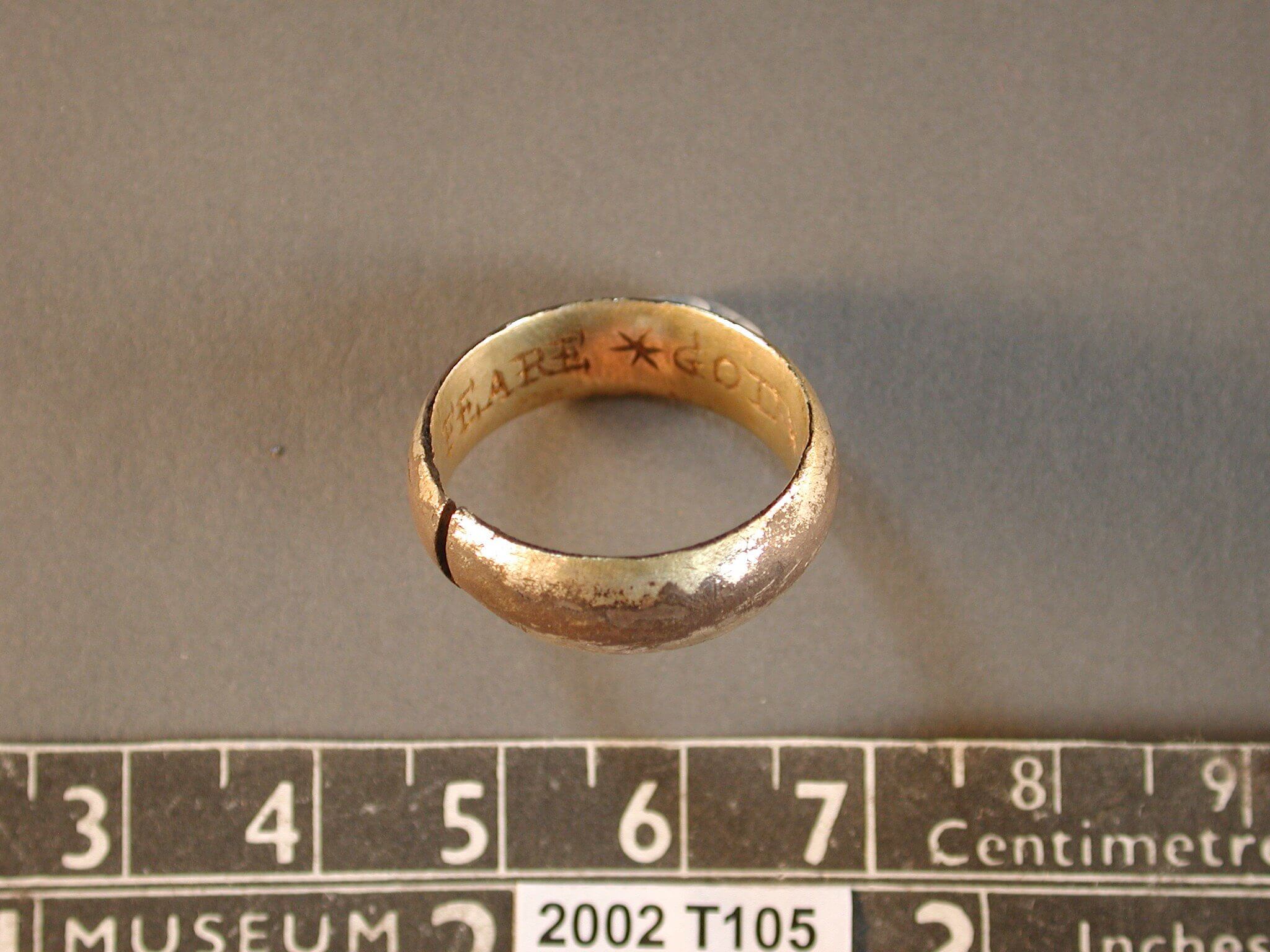
Posy rings, named from the old word poesy, were plain gold bands with a short verse engraved on the inner surface where only the wearer could read it. They were given as love and betrothal tokens from the fifteenth through the seventeenth centuries.
In England and Wales, gold finds of that age fall under the Treasure Act 1996, so metal detectorists must report them. Plain from the outside, they reward anyone who looks inside.
A legible seventeenth century inscription sells for several thousand dollars, while a band worn nearly smooth by centuries of hands brings a fraction of that.
Gimmel Rings That Split Into Two Hoops
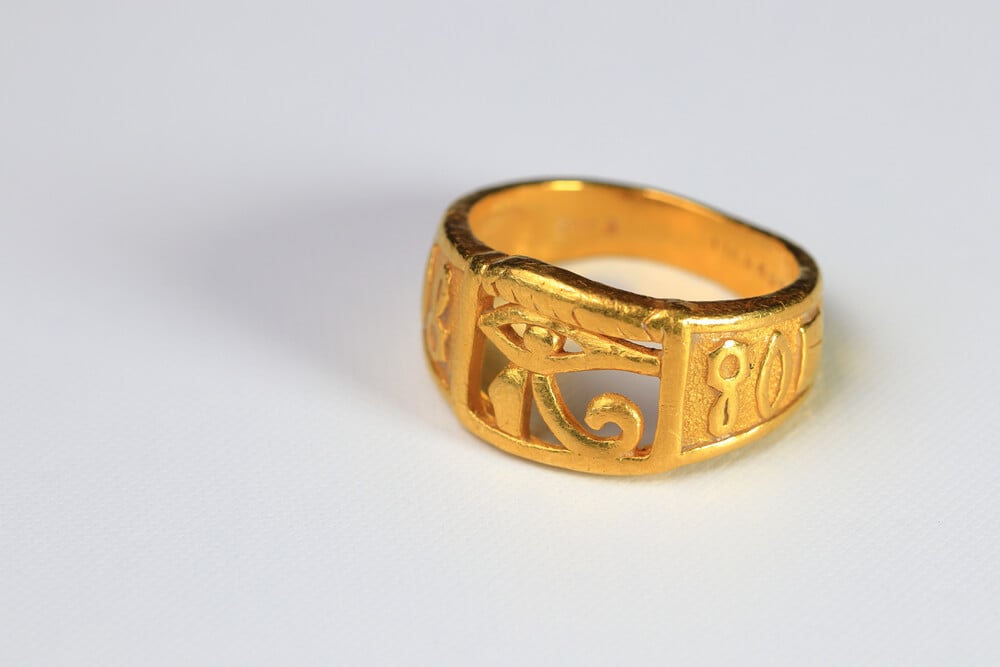
Gimmel rings take their name from the Latin gemellus, meaning twin, and consist of two or three hoops that interlock to form a single band. Engaged couples could each wear one hoop and reunite them at the wedding.
Renaissance and seventeenth century examples often show clasped hands or a hidden heart revealed only when the hoops separate. Martin Luther’s 1525 wedding ring is frequently cited as a gimmel design.
Period examples are rare and often misidentified as later reproductions. Loose pivots, missing hoops, or a soldered joint that no longer opens reduce value considerably.
Old Mine Cut Diamonds in Plain Yellow Gold
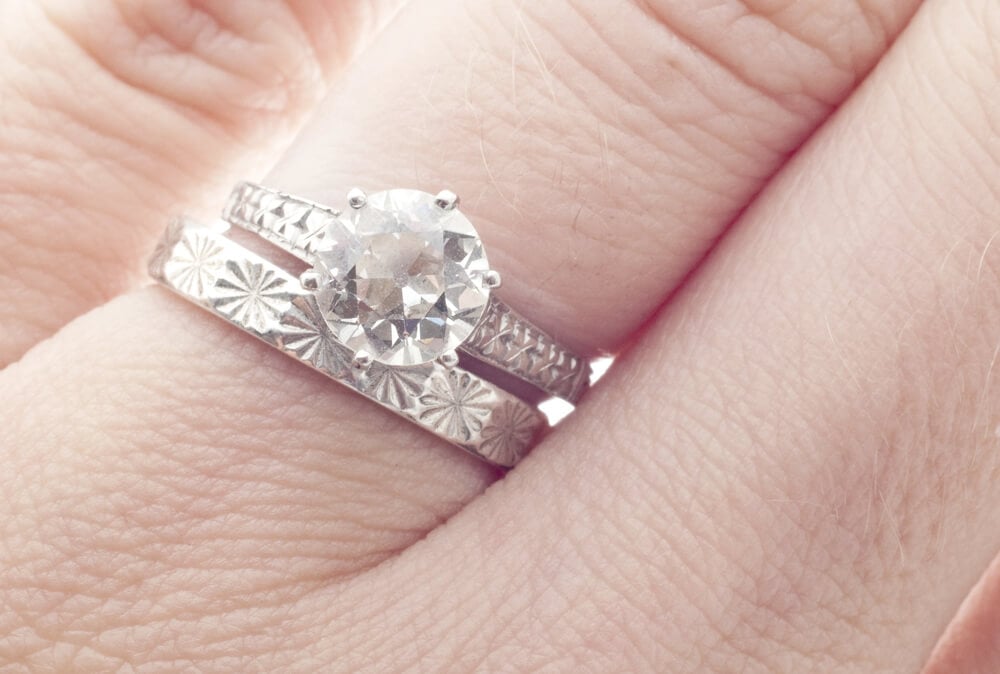
Before electric cutting wheels, diamonds were shaped by hand into the old mine cut, a squarish cushion with a high crown, a small table, and a large open culet visible as a dot through the top. These stones often sit in plain yellow gold bands and look dull under harsh store lighting.
Under candlelight or daylight they throw broad flashes of color that modern cuts rarely match. Demand for antique cuts has grown, and a good old mine stone trades at a real premium over a comparable modern one.
Chips along the girdle or abraded facet edges lower the price, and recutting erases the premium entirely.
Old European Cut Diamonds From the Late 1800s
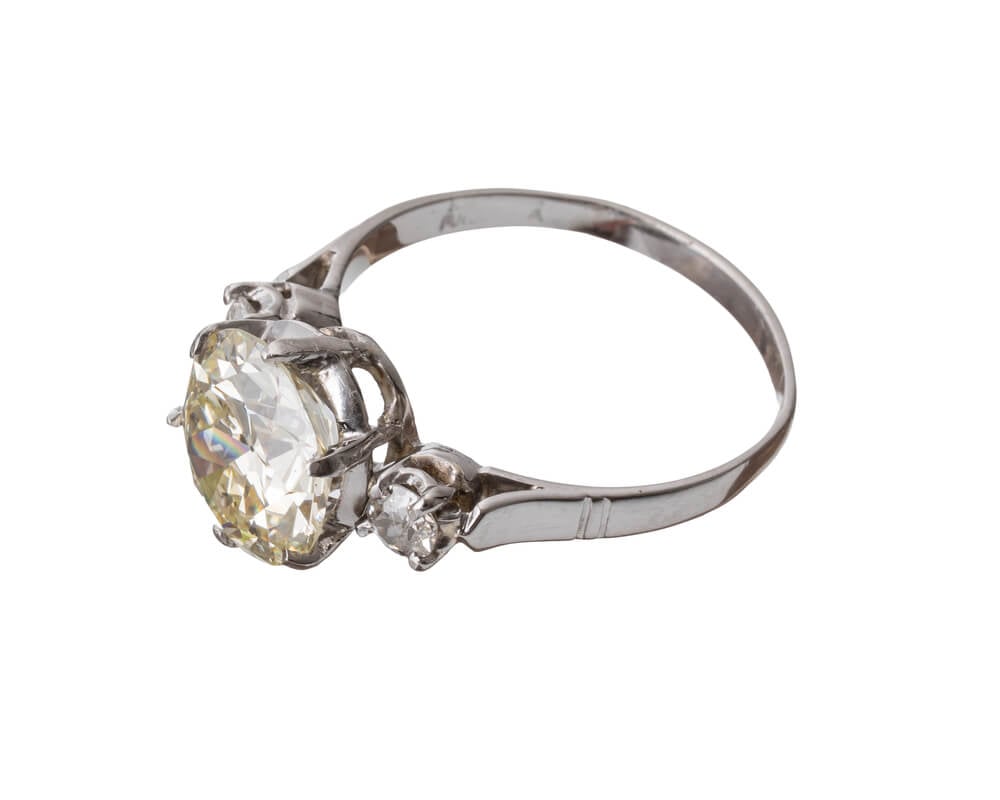
The old European cut is round with 58 facets, a small table, a tall crown, and an open culet, and it dominated from roughly the 1870s until the modern brilliant arrived. Marcel Tolkowsky’s 1919 calculations pushed the trade toward flatter, shallower proportions, so many older stones were recut and lost forever.
Surviving originals give chunky, dramatic fire that collectors now seek out. A one carat old European stone in a period mount sells for thousands of dollars, depending on color, clarity, and condition.
Worn prongs and chipped edges matter because repairs can require resetting.
Tiffany Six-Prong Solitaires Dating From 1886
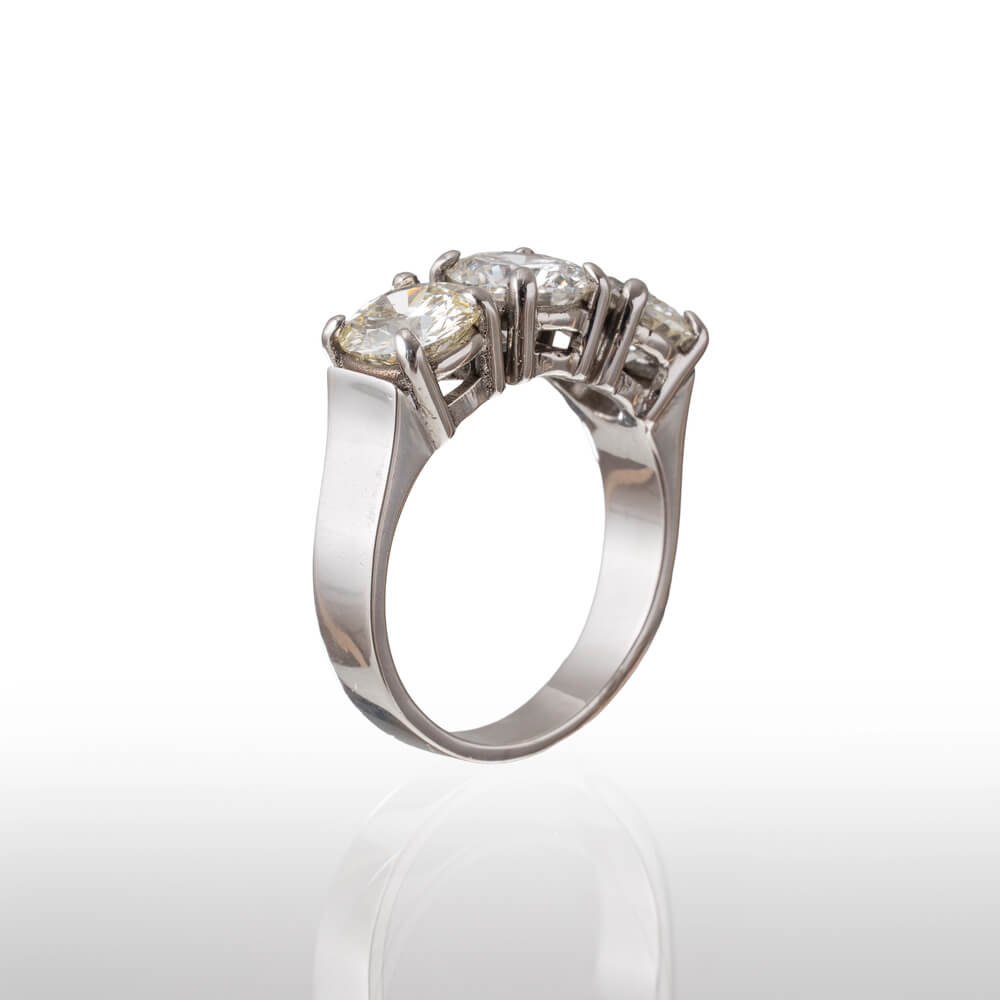
Tiffany and Co. introduced its six-prong solitaire setting in 1886, lifting the diamond above the band so light could enter from the sides. The design became the template for engagement rings across America.
Early signed examples carry the company mark inside the shank, sometimes with a platinum or gold content stamp. That signature matters because an unsigned ring with the same stone sells for noticeably less.
A ring that has been resized through the mark, or one with re-tipped prongs, loses part of its premium. Well-preserved early signed pieces trade well above what the diamond alone would suggest.
Art Deco Filigree Engagement Rings
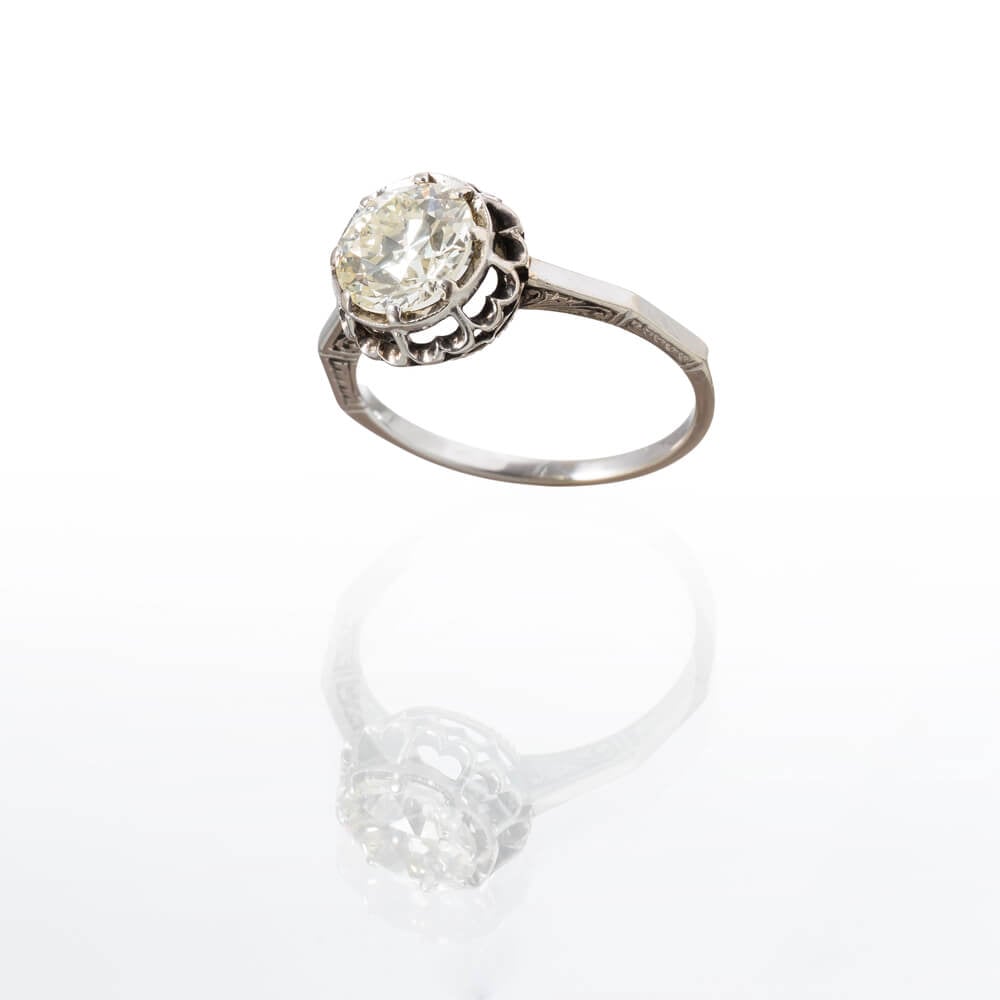
Engagement rings of the 1920s and early 1930s used pierced white gold or platinum filigree, often die-struck by specialist firms. Traub of Detroit sold its Orange Blossom line nationally with a stamped trademark, and marks from makers such as Belais and Jabel also raise interest.
These rings often carry a modest center diamond, so owners assume the value sits in the stone. Buyers pay for the craftsmanship around it.
Crisp filigree with intact milgrain edges sells for 700 to 2,500 dollars in many cases, while broken openwork, heavy wear, or a replaced head costs a large share of that.
Edwardian Platinum Rings With Milgrain Edges
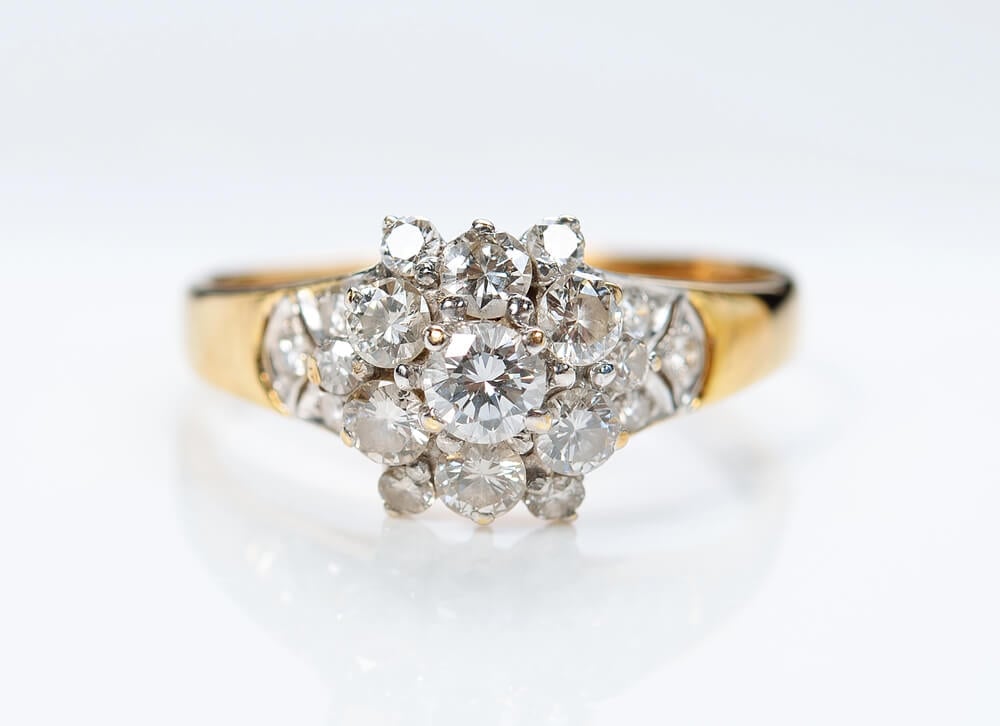
Between about 1901 and 1915, jewelers took advantage of platinum’s strength to build rings with lacy, garland-inspired settings that gold could not support. Tiny milgrain beads outline every edge, and old European diamonds or natural pearls often share the design.
Platinum’s gray tone makes these rings look like plain white metal to casual sellers. Reproductions abound, so crisp hand finishing and period diamond cuts help separate originals.
A snapped gallery, worn milgrain, or later repairs visible under magnification lower the price. Authentic examples with original stones trade at 1,500 dollars and far higher for larger diamonds.
Retro Rose Gold Cocktail Rings of the 1940s
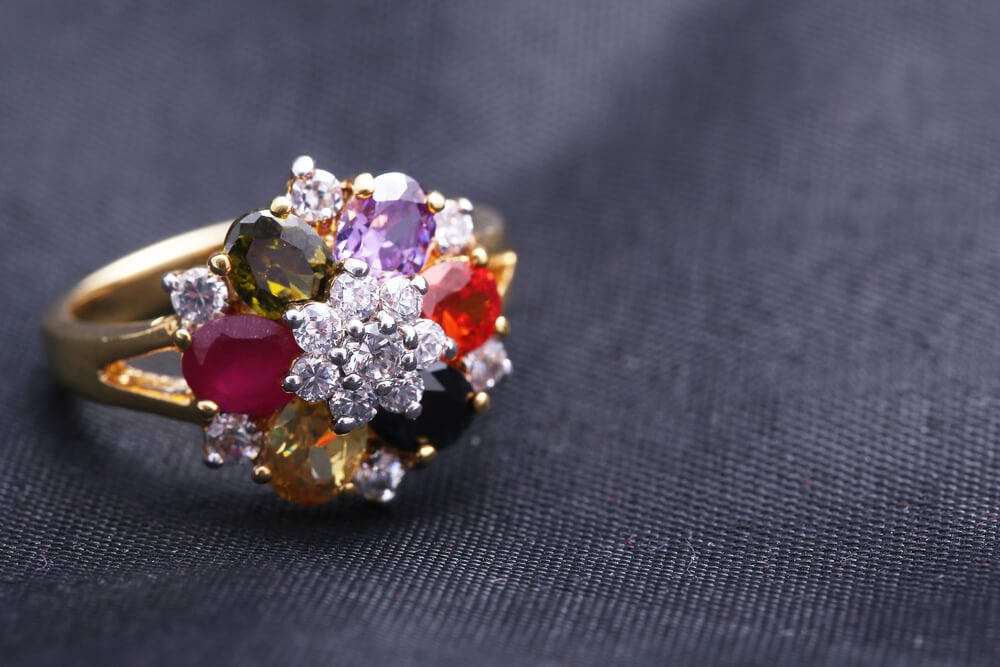
During the Second World War the United States restricted platinum for civilian jewelry, so designers turned to warm rose and yellow gold. The result was the retro cocktail ring, a big sculptural piece with scrolls, ribbons, and oversized stones such as citrine, aquamarine, or synthetic ruby.
Synthetic stones in these rings hurt value less than people expect because the gold volume and design carry the price. Many were sold off for scrap in later decades, which thinned supply.
Dents, over-polishing that softens the curves, and cracked stones reduce what they bring. Strong examples sell for 1,000 to 3,000 dollars.
Toi et Moi Rings With Two Center Stones
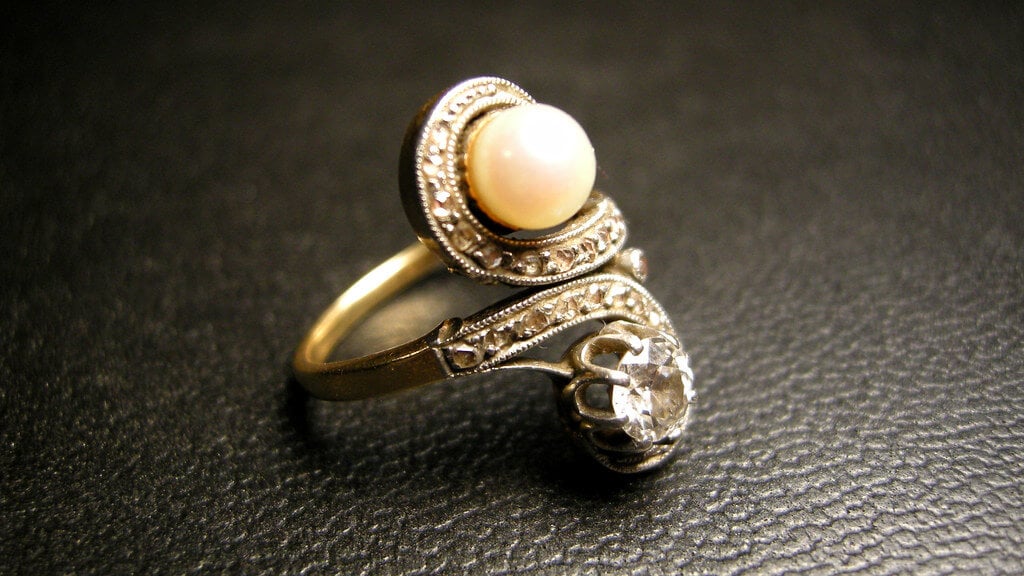
The French name describes a pair of lovers, and the design places two stones side by side or bypassing each other on a curving shank. Napoleon Bonaparte gave Josephine a toi et moi ring in 1796 with a diamond and a sapphire, and that ring sold at auction in France in 2013 for nearly 900,000 euros.
Far humbler versions from the Victorian and Edwardian eras pair pearls, sapphires, or old diamonds. To a casual eye the two-stone arrangement reads as unbalanced or mismatched.
Good period examples trade at 1,000 dollars and up, provided neither stone is chipped or replaced.
Victorian Cameo Rings Carved in Stone and Shell
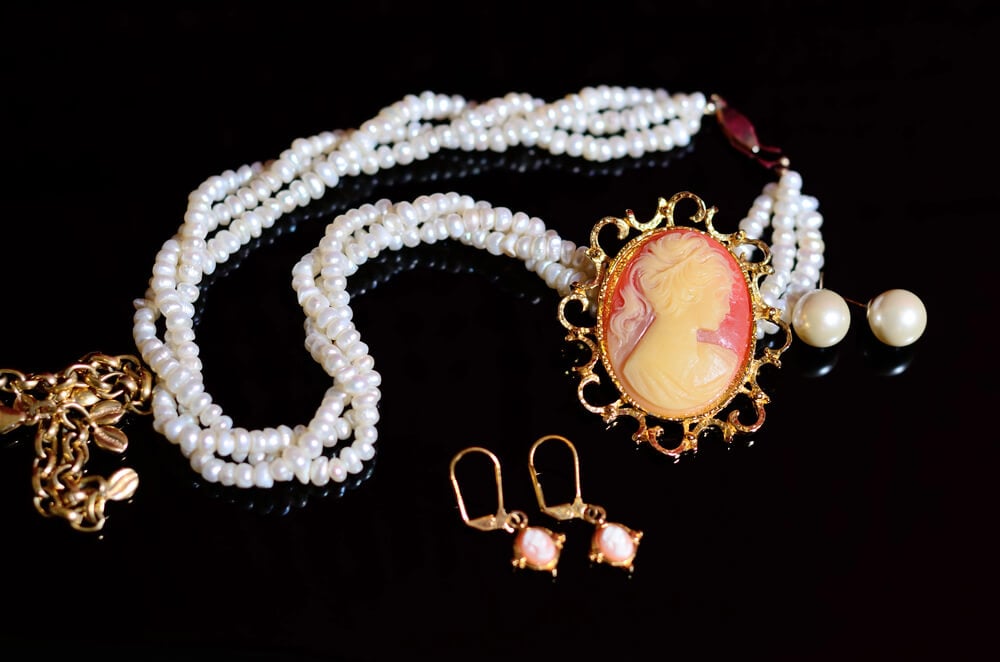
Cameo rings came home by the thousands with travelers on the Grand Tour of Italy, and the carving material decides much of the price. Shell cameos are common and softer, while hardstone cameos cut from layered agate or sardonyx took far more skill and survive better.
Lava cameos carved near Vesuvius have a matte, earthy look that confuses many sellers. Holding a cameo up to strong light reveals cracks that otherwise hide in the carving.
A crisp hardstone cameo in a gold mount sells for several hundred dollars, while chipped relief or a repaired crack cuts that quickly.
Intaglio Signet Rings Cut Into Carnelian
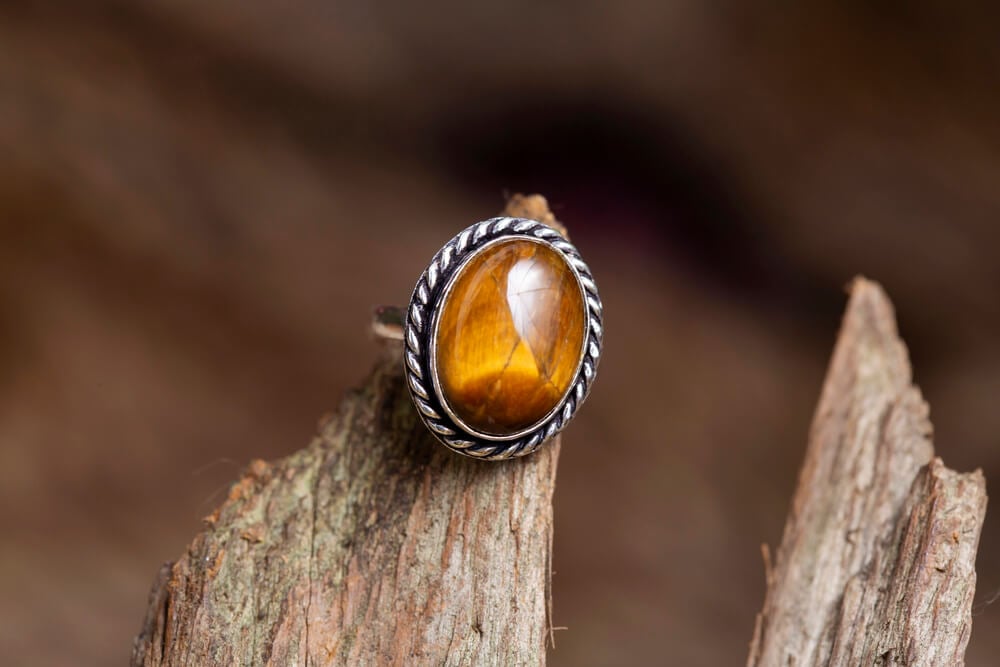
An intaglio is carved into the stone rather than raised from it, so it could press a seal into hot wax. Georgian and Victorian gentlemen wore carnelian, bloodstone, or sardonyx signets engraved with family crests and initials.
Some later rings even hold ancient Roman intaglios reset into newer gold mounts, which makes them far older than the band suggests. A crest that can be traced to a specific family adds real interest.
Chips along the stone edge and heavy wear to the carving lower value. Fine Georgian examples trade at 800 dollars and up, and ancient stones sell for much more.
Etruscan Revival Gold by Castellani
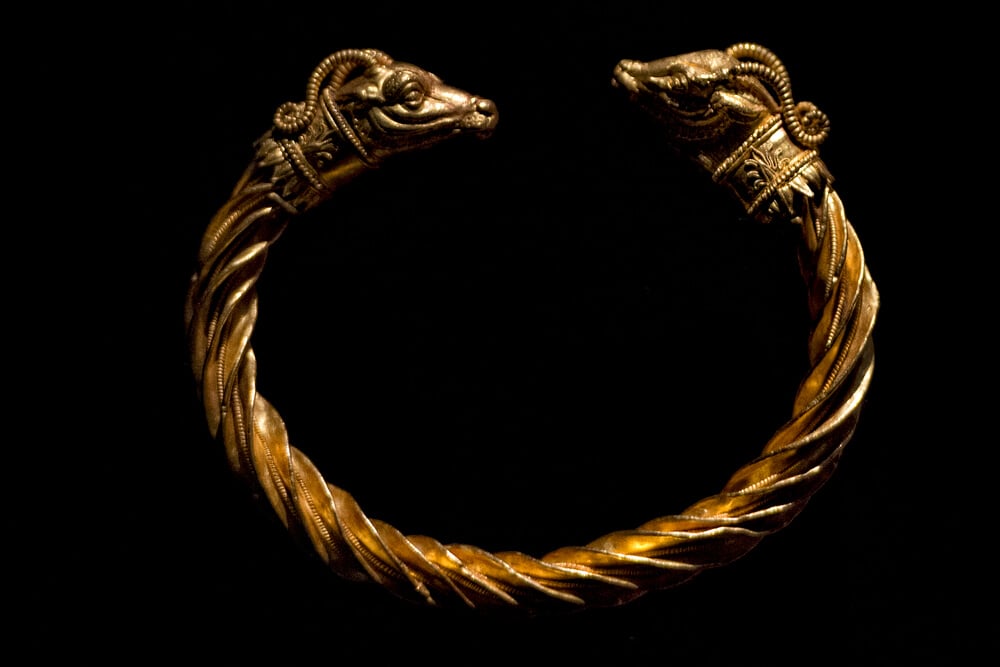
In nineteenth century Rome, Fortunato Pio Castellani and his sons studied ancient Etruscan jewelry and revived granulation, the technique of fusing tiny gold beads to a surface. Their workshop mark, a pair of interlaced letter C shapes, appears on the best pieces.
Rings from the Castellani workshop and their rivals look almost primitive at first, which is part of their charm. Buyers pay heavily for the signature, and signed rings trade in the thousands of dollars.
Missing granules, repairs, or later soldering visible under a loupe sharply reduce what a piece brings.
Arts and Crafts Silver Rings With Cabochons
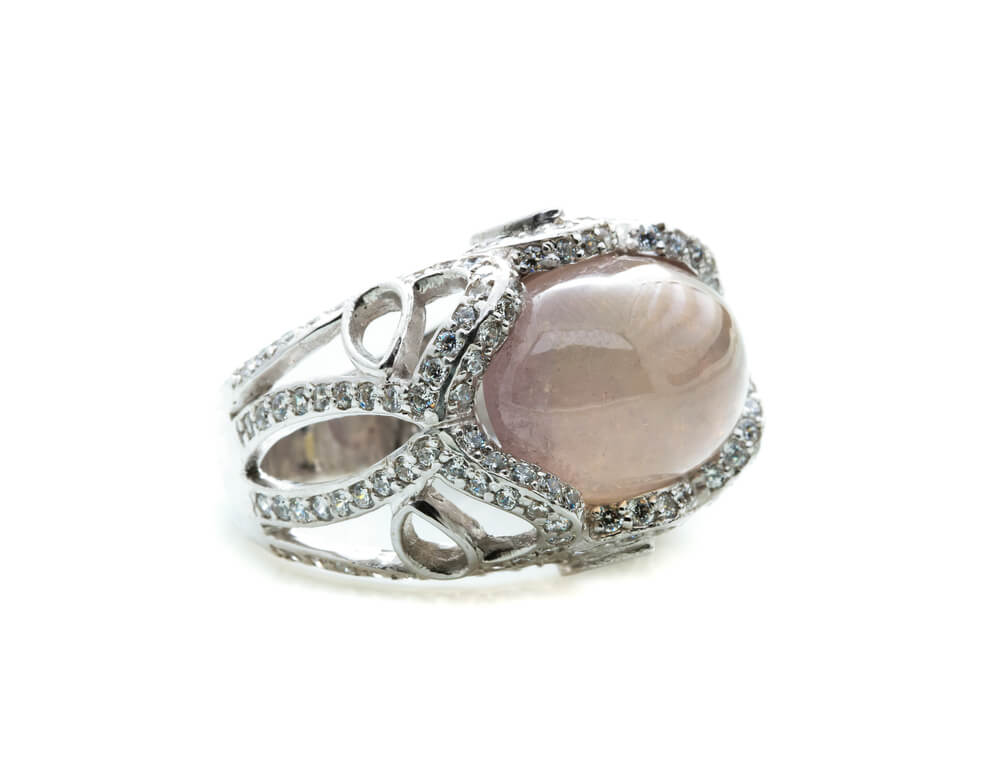
Around 1890 to 1920, the Arts and Crafts movement rejected factory polish in favor of hand-hammered silver and smooth cabochon stones such as moonstone, chrysoprase, and turquoise. In Chicago, the Kalo Shop, founded in 1900, stamped its work as hand wrought.
Liberty and Co. in London sold designs linked to Archibald Knox. Because they are silver with inexpensive stones, many are dismissed as craft fair jewelry.
Marked examples sell for 300 to 1,500 dollars, and hammer marks count as part of the appeal. Cracked stones or crude later repairs, on the other hand, lower the price.
Georg Jensen Silver Rings From Copenhagen
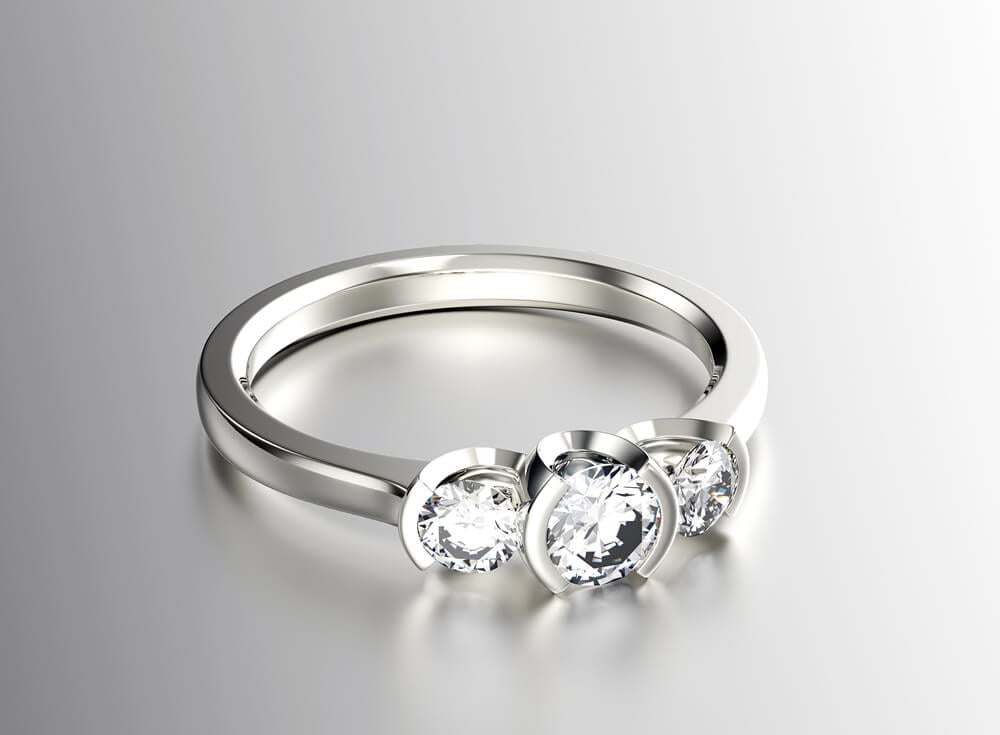
Georg Jensen opened his Copenhagen workshop in 1904, and the firm’s silver rings remain among the most collected in Scandinavian design. Marks changed over the decades, so the stamp inside the band helps date a piece.
Designs by Vivianna Torun Bulow-Hube from the 1950s through the 1970s are especially sought after for their fluid, sculptural forms. At a glance these look like simple sterling rings of the kind sold anywhere.
Signed Jensen and Torun pieces trade at several hundred dollars to more than 1,000 dollars, with dents, stone damage, or resizing marks lowering the figure.
Taxco Silver Rings From the Spratling Workshops
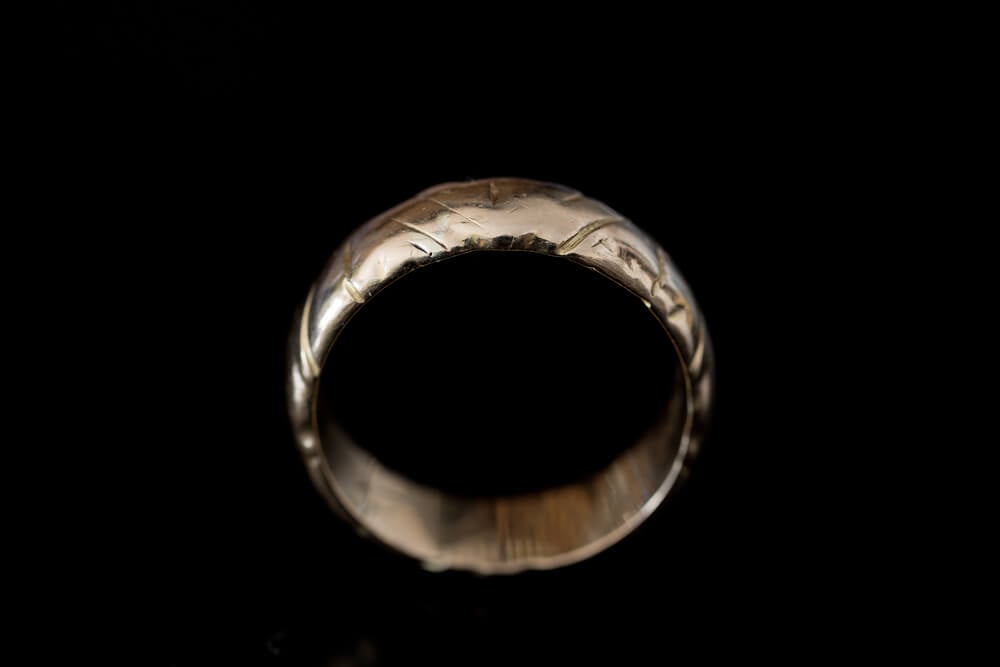
William Spratling set up a silver workshop in Taxco, Mexico, in 1931 and trained a generation of local smiths. His mark, a WS monogram, and those of alumni such as Los Castillo, Antonio Pineda, and Hector Aguilar appear on rings that often land in thrift store bins.
Many buyers lump them in with souvenir silver from any market stall. Early Spratling rings with amethyst or inlaid stone are especially prized.
A marked piece in good order sells for 200 to 800 dollars and sometimes more. Worn marks that cannot be read, missing inlay, and dents reduce value.
Navajo and Zuni Rings Set With Old Turquoise
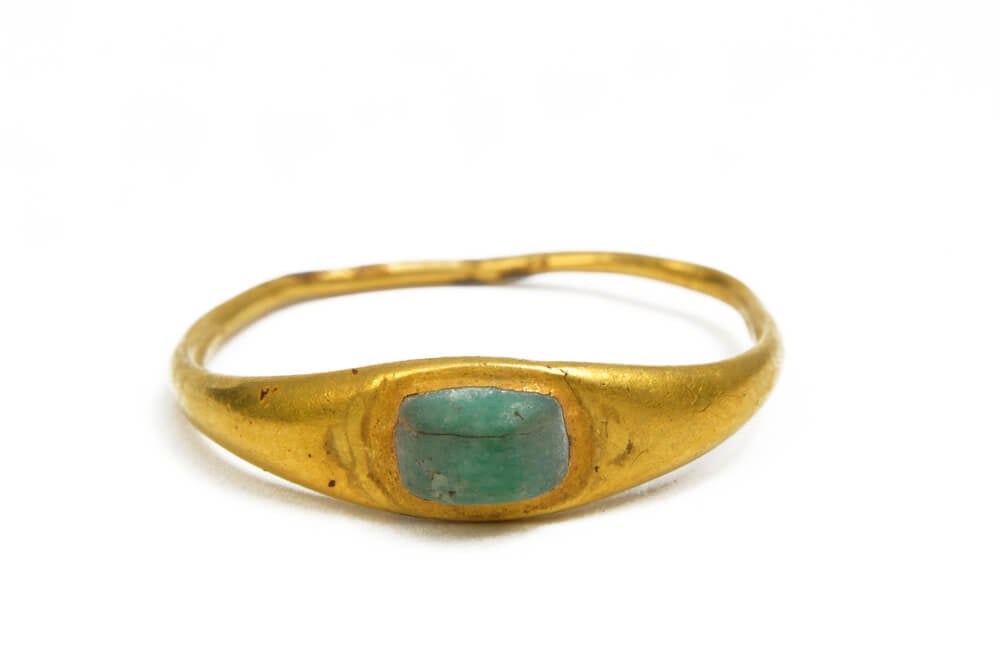
Native American rings from the Southwest are priced as much by the stone’s mine as by the silverwork. Lander Blue, a small Nevada deposit found in the 1970s, is one of the rarest turquoises on record, and Lone Mountain and Number Eight stones carry strong premiums too.
Zuni needlepoint and petit point rings set dozens of tiny stones in precise rows. Natural stones beat stabilized or reconstituted ones by a wide margin.
Hallmarks became more common after the 1970s, which helps identify makers. Cracked or replaced stones lower value, and a documented mine can turn a modest ring into a four figure piece.
Scandinavian Enamel Rings by David-Andersen
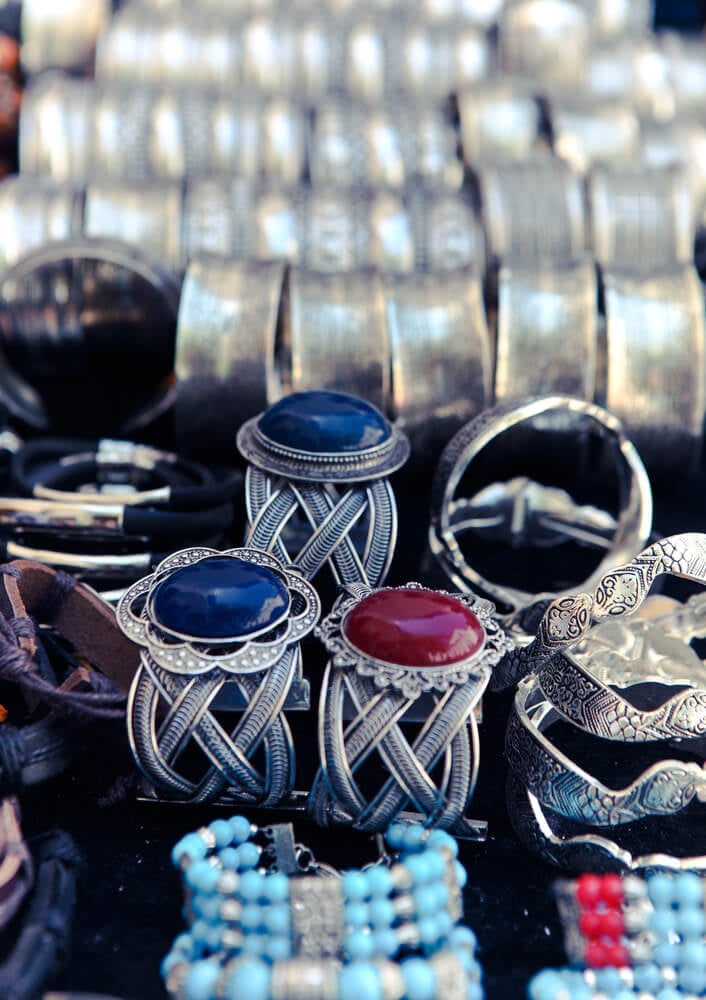
David-Andersen, founded in Oslo in 1876, produced guilloche enamel rings on silver that mid-century buyers wore as everyday jewelry. The bright enamel over engine-turned patterns looks almost too cheerful to be valuable, which keeps prices low in general sales.
Collectors know the D-A mark and seek out the brand’s modernist designs from the 1950s and 1960s. Enamel carries nearly all the value here, since chips and cracks cannot be invisibly repaired.
Clean examples sell for 100 to 400 dollars, and larger statement pieces with flawless enamel go higher.
Art Nouveau Rings With Moonstones and Enamel
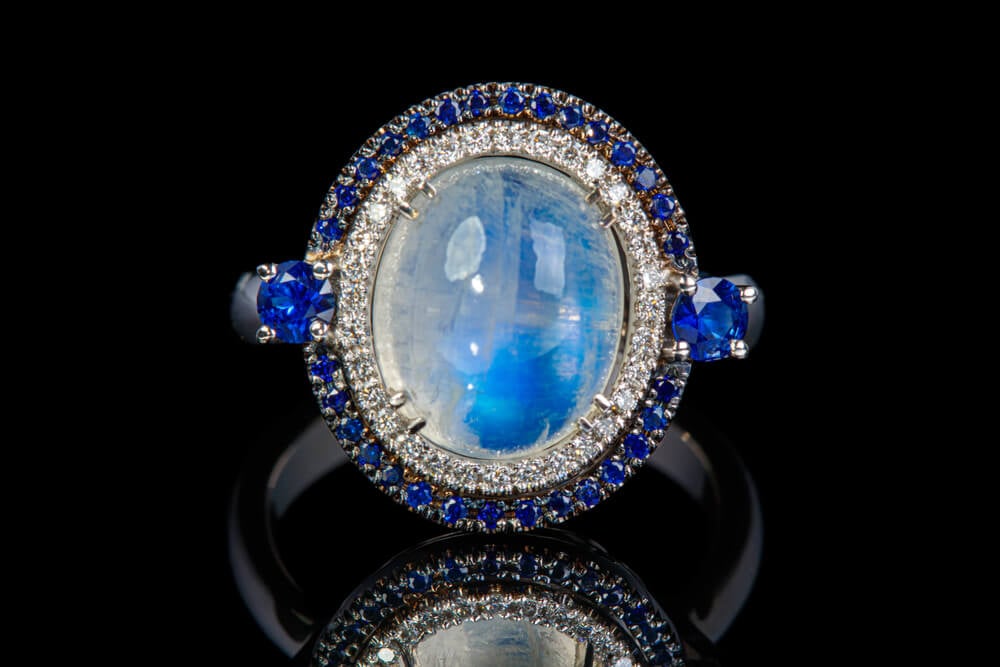
Art Nouveau jewelers of roughly 1895 to 1910 favored moonstones, opals, and flowing enamel over large diamonds. Rene Lalique pushed the style furthest with plique-a-jour enamel, which lets light pass through like stained glass.
Signed Lalique rings are rare and valuable, but unsigned period rings with whiplash curves and female profiles also draw strong interest. Many look soft and romantic rather than expensive, so they slip past sellers.
Plique-a-jour is fragile, and cracked or missing enamel can halve a price. Good unsigned rings trade at several hundred dollars.
Seed Pearl and Turquoise Forget-Me-Not Rings
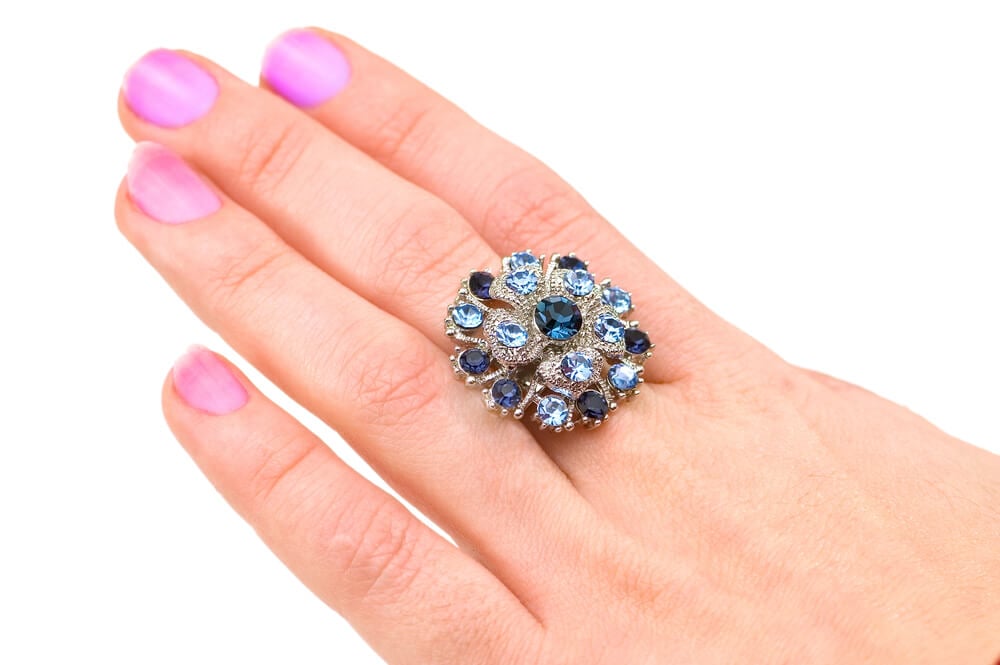
Victorian sentimental rings often clustered tiny turquoise beads into small blue flowers, sometimes ringed with seed pearls on a gold half-hoop band. The message was remembrance, and these rings were given to friends and sweethearts alike.
Turquoise absorbs skin oils and can shift from sky blue to greenish over time, which hurts value. Replaced turquoise is common and easy to spot when colors do not match.
A crisp original example sells for 300 to 900 dollars, and one with missing pearls or discolored stones trades lower.
Masonic and Fraternal Rings in Solid Gold
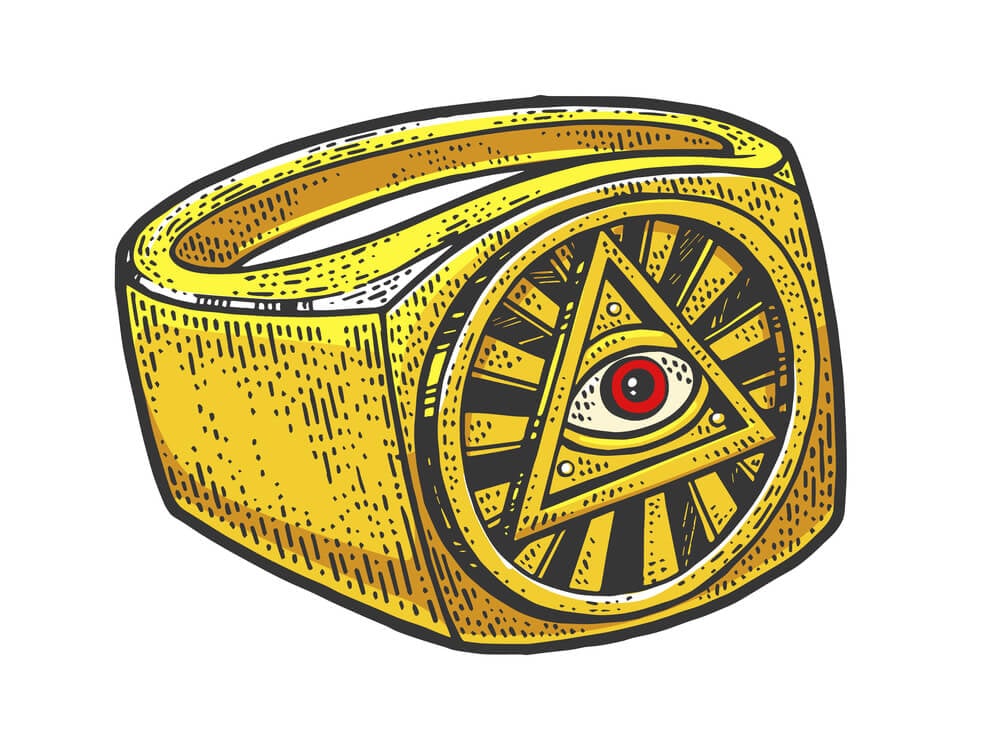
Fraternal rings for Masons, Odd Fellows, Shriners, and similar orders look like novelty jewelry to many heirs, yet many are solid 10 or 14 karat gold. Some carry diamonds, enamel emblems, or hidden compartments.
The gold weight alone gives them a reliable floor, and antique examples with fine enamel or unusual symbols sell for well above melt. Men’s rings from the 1920s through the 1950s can be surprisingly heavy.
Worn enamel and scraped emblems reduce the collector premium but not the metal value. Plain examples trade near scrap, while enameled antiques sell for several hundred dollars.
Class Rings Heavier Than Their Reputation
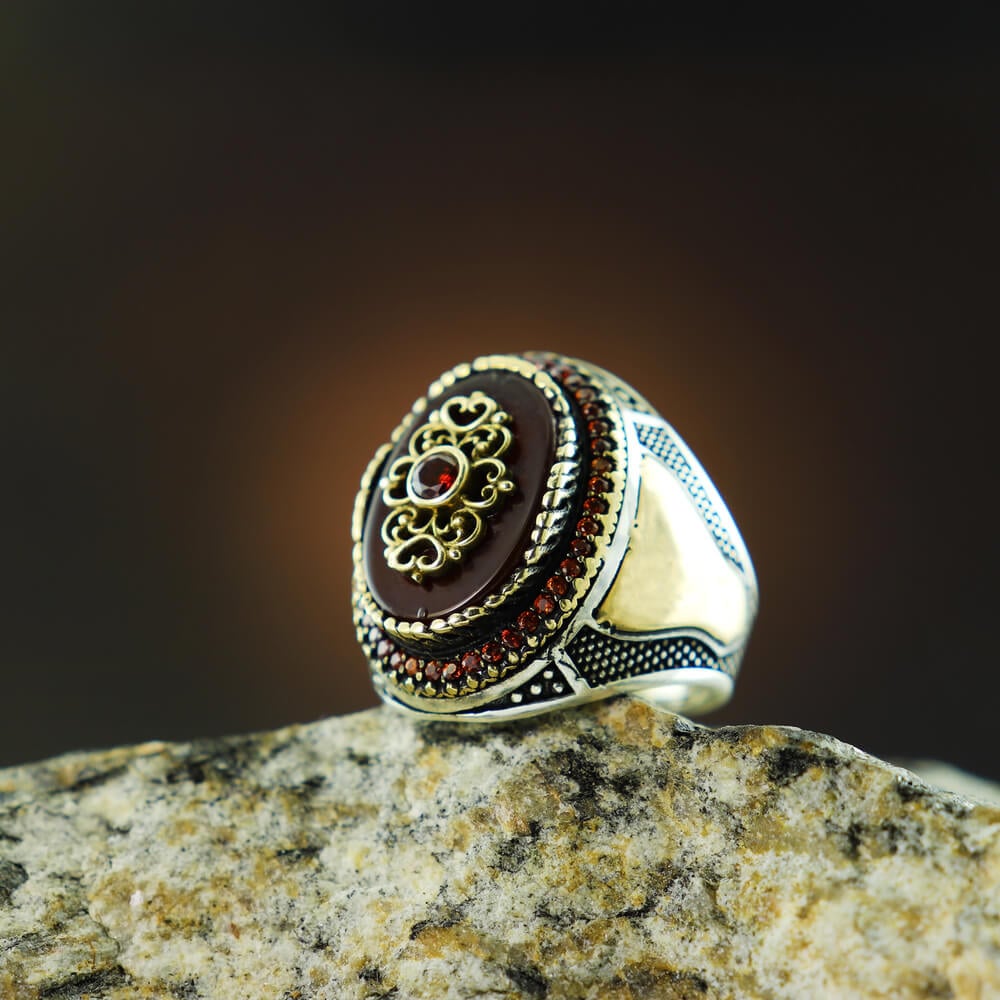
High school and college rings from the 1950s and 1960s were often cast in 10 karat gold and made heavy on purpose. Makers such as Jostens and Herff Jones stamped the karat inside the band.
At recent gold prices a chunky men’s ring can carry a melt value in the hundreds of dollars. Later decades brought white alloys sold under names such as Siladium, which look like white gold but hold almost no metal value.
The karat stamp matters more here than wear, though a named college, athletic emblem, or rare design can add collector interest.
Cartier Trinity Rings Made to Louis Cartier’s 1924 Design
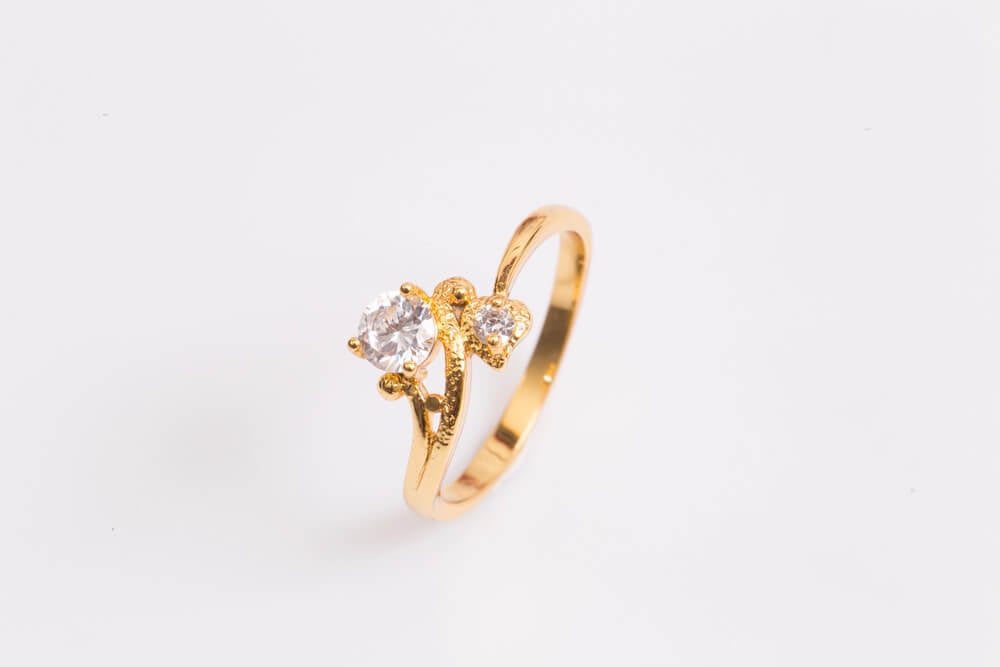
Louis Cartier designed the Trinity ring in 1924, three interlocking bands of yellow, white, and rose gold that roll around each other on the finger. It looks simple enough to be mistaken for a generic tri-color band.
Genuine pieces carry a Cartier signature and serial number, and vintage examples trade at 1,000 dollars and up on the secondary market. Many copies circulate, so marks and construction need checking.
Dents, heavy scratching, and polishing that softens the signature reduce value, and papers or an original box lift it.
Kashmir Sapphires Hiding in Plain Mounts
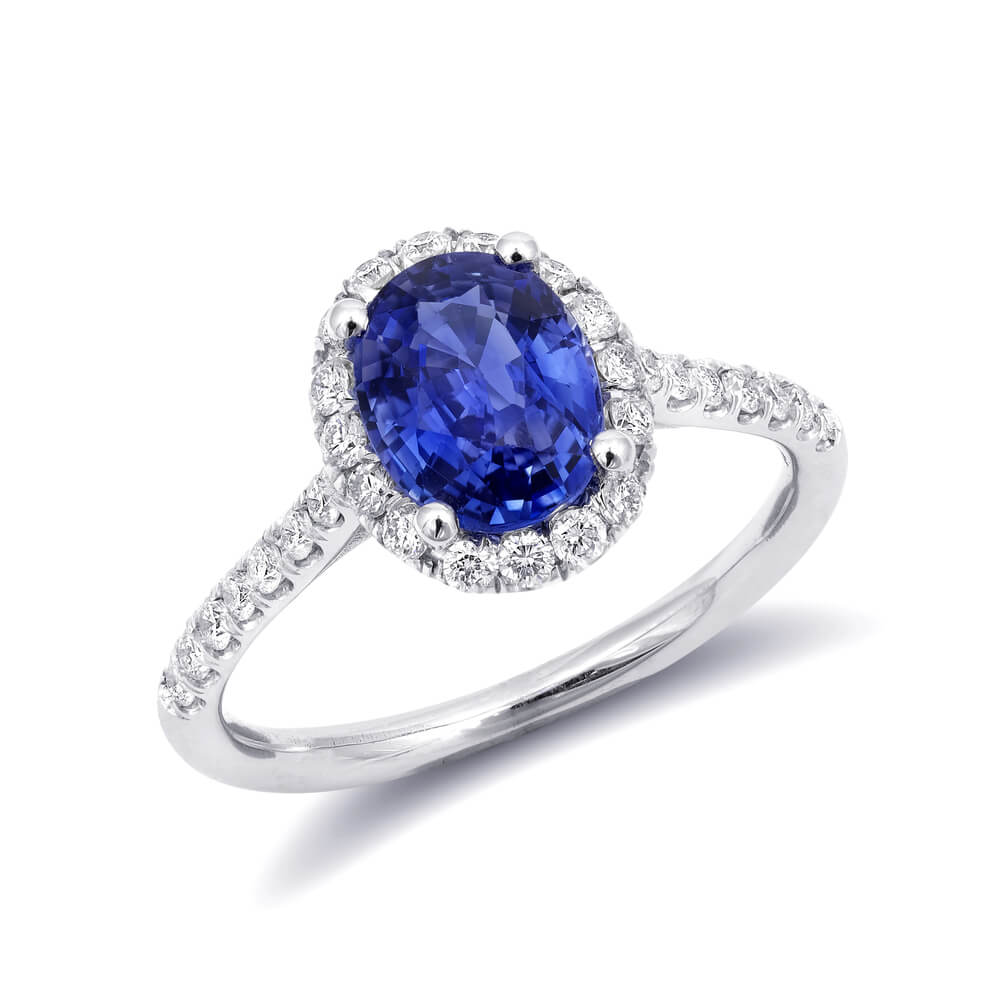
Kashmir sapphires came mainly from a remote Himalayan deposit worked intensively in the 1880s and largely exhausted within a few years. Their soft, velvety blue has set the standard for sapphire color ever since.
Older rings sometimes hold a Kashmir stone in a plain setting, sold decades ago with no origin paperwork at all. A laboratory origin report can multiply a stone’s value many times over compared with an identical-looking sapphire from elsewhere.
Chips, abrasions, and signs of heat treatment affect the result. Even small certified stones sell for thousands of dollars per carat.
Gold Keeps Its Own Secrets
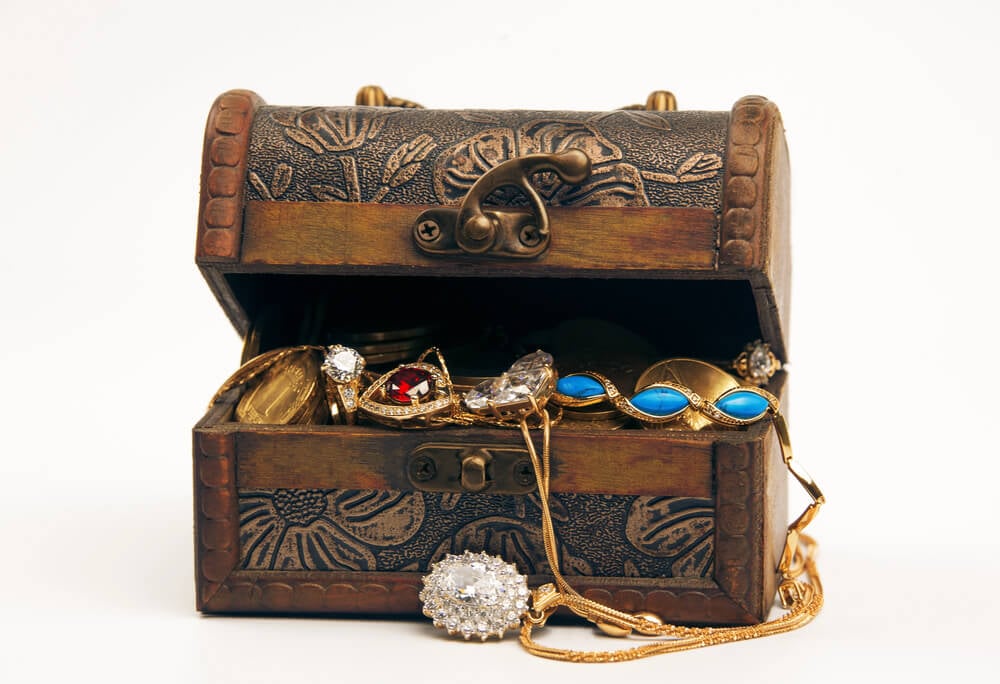
Most of these rings share one trait: they look ordinary until someone reads them closely. A mark, a cut, a mine name, or a line of engraving decides value more reliably than size or sparkle.
That is why estate jewelry rewards patience more than luck. The practical lesson is simple enough.
Old rings deserve a loupe, a scale, and a second opinion before anyone treats them as scrap. Melting a posy ring or recutting an old mine diamond destroys something that cannot be made again.
More from Go2Tutors!

- The Romanov Crown Jewels and Their Tragic Fate
- 13 Historical Mysteries That Science Still Can’t Solve
- Famous Hoaxes That Fooled the World for Years
- 15 Child Stars with Tragic Adult Lives
- 16 Famous Jewelry Pieces in History
Like Go2Tutors’s content? Follow us on MSN.