28 Board Games Sitting in Closets With Resale Value
Most board games from the last several decades are worth exactly what they seem: not much. But a handful of specific editions, early printings, and short-lived releases have quietly become valuable to collectors who specialize in game history.
The difference almost always comes down to completeness, since a game missing even one small piece is usually worth a fraction of a complete set.
Monopoly: The 1935 Parker Brothers Original
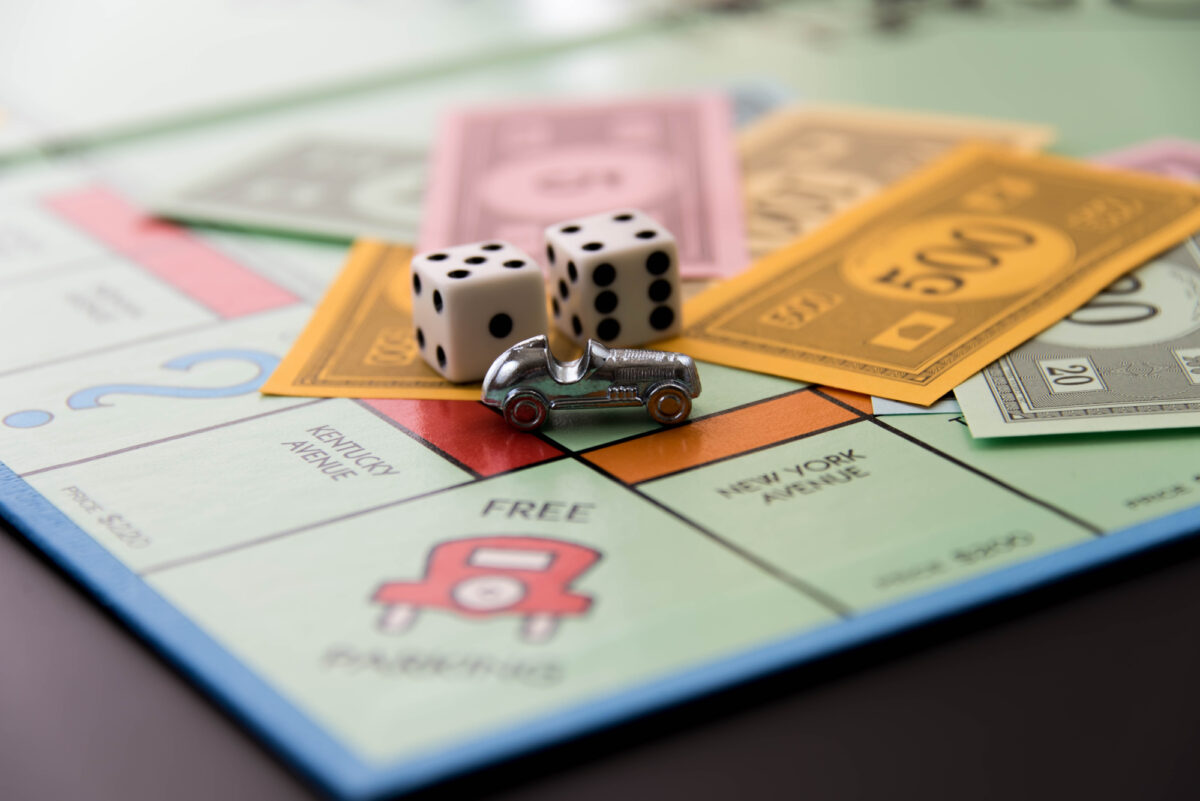
Parker Brothers’ first officially licensed edition of Monopoly, released in 1935, is the version every subsequent edition traces back to, and complete early copies with the original wooden houses and hotels can sell for $200 to $1,000 depending on condition and box graphics variant. The earliest printings used a rounded box corner and slightly different token designs than later 1930s runs, details that specialist collectors check closely before assigning a value.
A box with intact corners and a legible lid illustration matters enormously here, since the cardboard packaging rarely survived daily use as well as the pieces inside it did.
Risk: 1959 First Edition
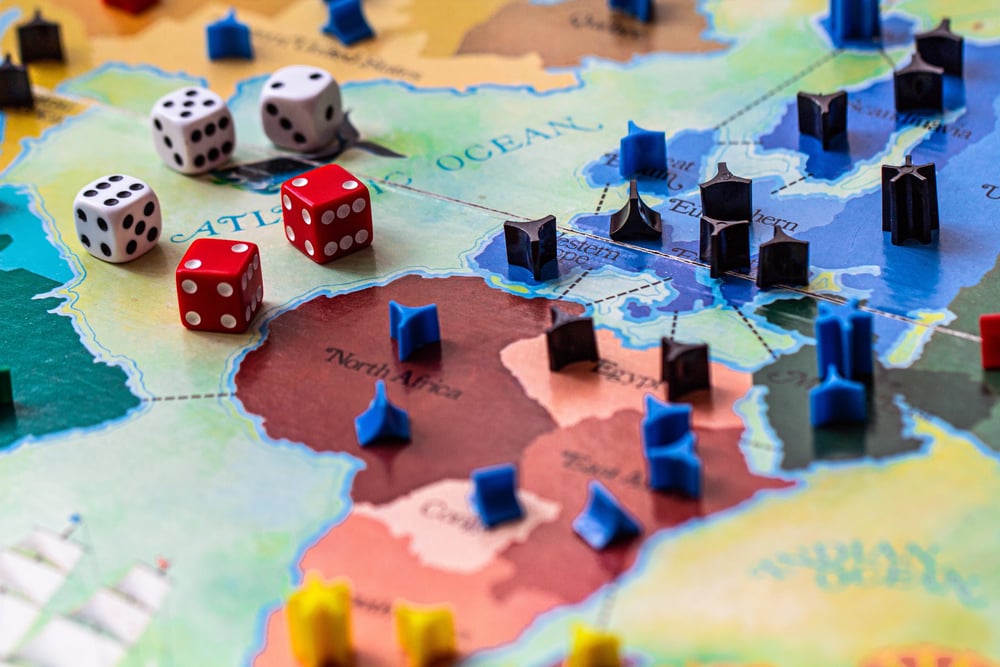
Parker Brothers released Risk in the United States in 1959, adapting a French game, and first-year American editions with wooden infantry pieces rather than the plastic ones used in later printings can sell for $75 to $200 in complete condition. The wooden pieces were phased out within a few years, making them the clearest single marker separating a true first edition from a later 1960s printing.
A worn game board is far less of a problem to buyers than missing pieces, since boards can be found as replacements more easily than period-correct wooden armies.
Clue: 1949 UK First Edition
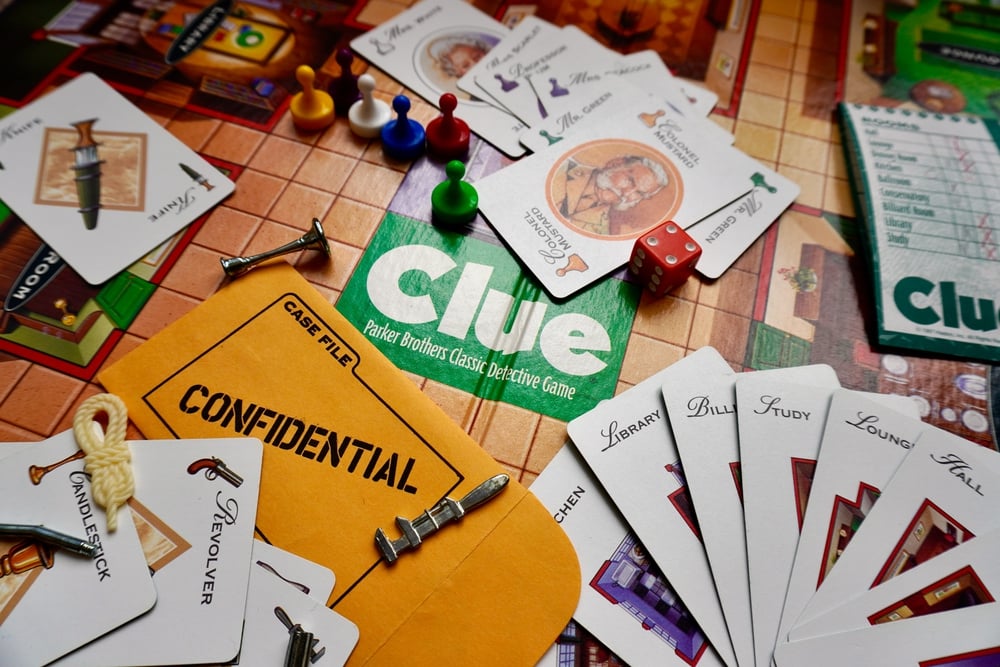
Anthony Pratt’s murder-mystery game, published in Britain by Waddingtons in 1949 as Cluedo before Parker Brothers licensed the American Clue edition a year later, is the version serious collectors want most. A complete first edition set with its original weapon miniatures and character cards can sell for $150 to $500, with the metal weapon pieces being the components most frequently lost or replaced over the decades.
Because the game changed character names and some room layouts between editions and years, matching the pieces to the correct period box is part of what determines authenticity.
Operation: Original 1965 Edition
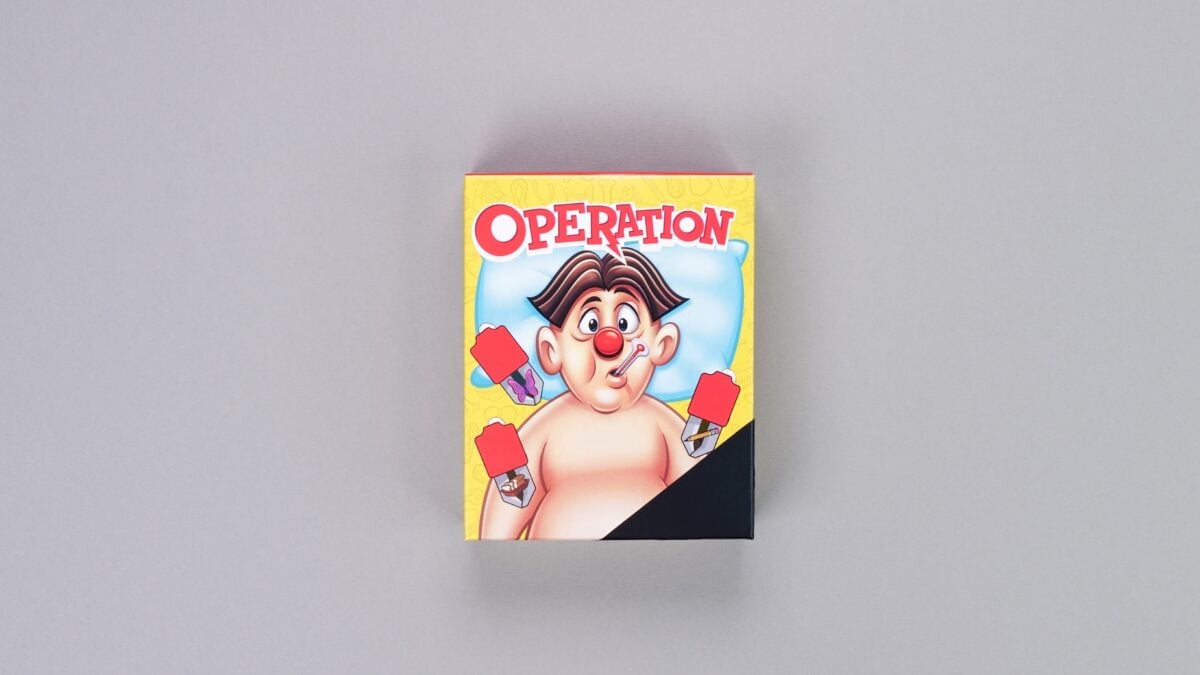
Milton Bradley’s Operation, released in 1965 with its buzzing tweezers and cavity-riddled patient board, is common enough in later printings that only the earliest editions carry real value. A first-year 1965 edition in working condition, with the original box art and all the small plastic ailment pieces present, can sell for $50 to $150.
Because the tiny plastic pieces were easy to lose down the years, a genuinely complete set is less common than the game’s overall popularity would suggest.
Candy Land: 1949 First Edition
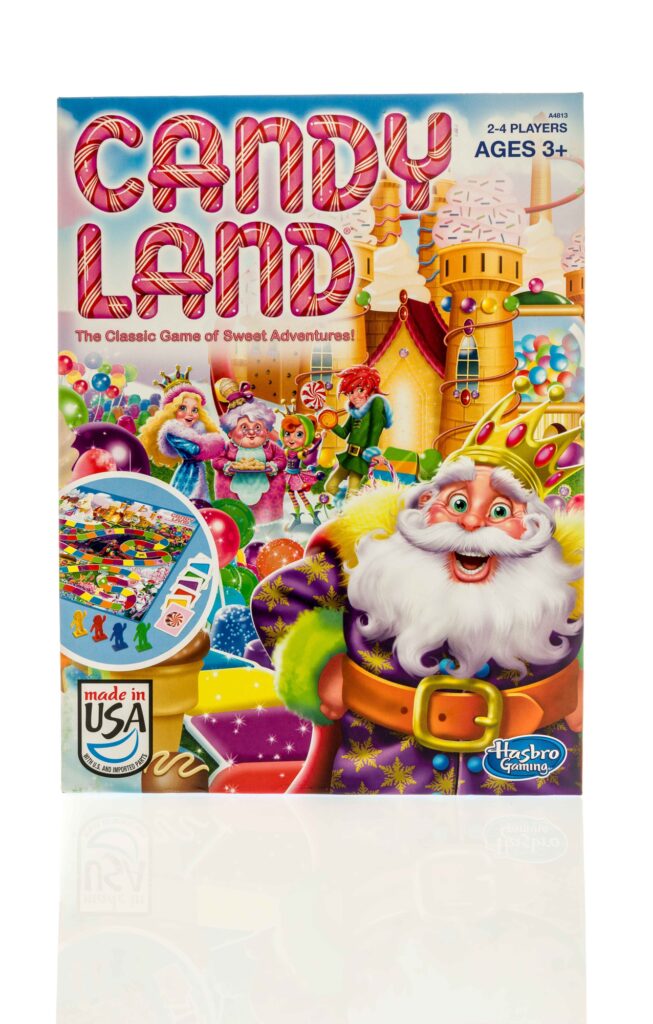
Eleanor Abbott designed Candy Land in 1949, reportedly while recovering from an illness and observing children in a hospital ward, and Milton Bradley’s earliest printings used a simpler board illustration than the more elaborate art that came later. A first-edition copy in complete, playable condition can sell for $75 to $200, considerably more than the many later reprints that flood secondhand shops.
The straightforward wooden gingerbread-man pawns used in the earliest sets are one of the details collectors check to confirm the year of production.
The Game of Life: 1960 Centennial Edition
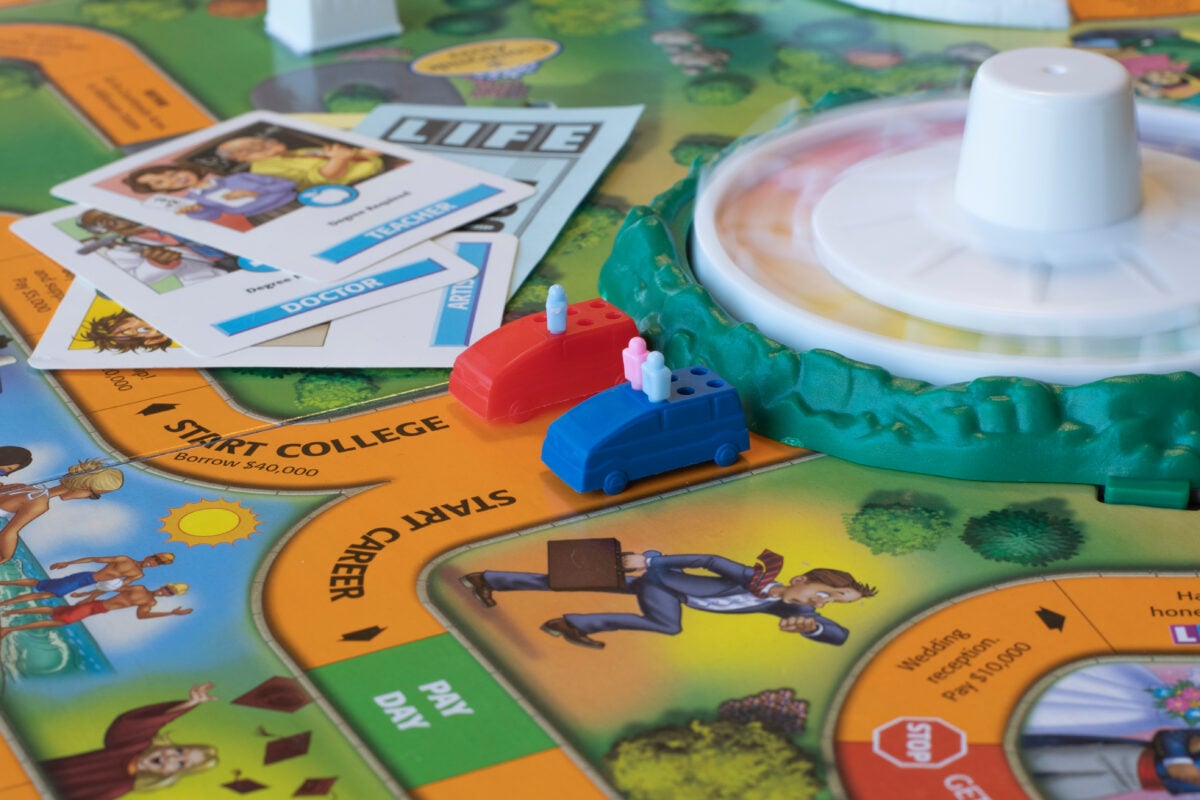
Milton Bradley released a centennial edition of The Game of Life in 1960 to mark the game’s hundredth anniversary, updating Milton Bradley’s original 1860 design with the spinning wheel and plastic car pieces still recognizable today. A complete 1960 centennial edition in good condition can sell for $50 to $125, and the tiny pink and blue peg “people” that ride in the plastic cars are almost always the first pieces to go missing, so a full peg count matters a great deal to price.
The game’s continuous production since 1960 means only specific early printings, not the game generally, carry meaningful value.
Sorry!: Early Waddingtons and Parker Brothers Editions
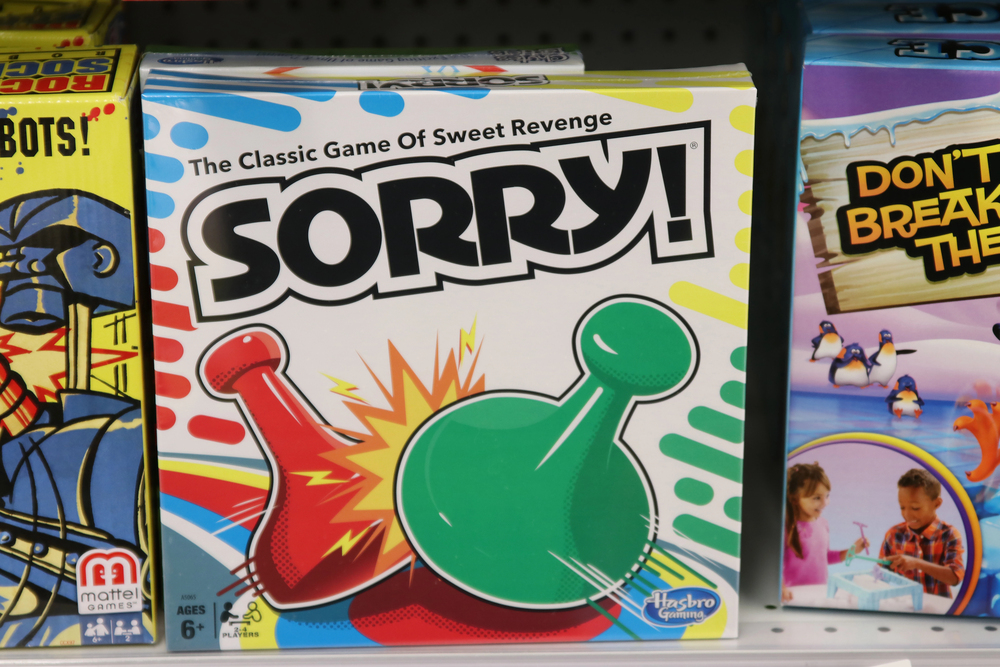
Sorry!, originally published by Waddingtons in Britain before Parker Brothers brought it to the United States in the 1930s, has early editions distinguished by a different, more muted color palette on the board than the bright primary colors used from the 1950s onward. A complete early edition in playable condition can sell for $40 to $100, with the game’s simple design meaning the condition of the board itself, rather than any complex piece count, is the main factor buyers weigh.
Scrabble: 1948 Production Run
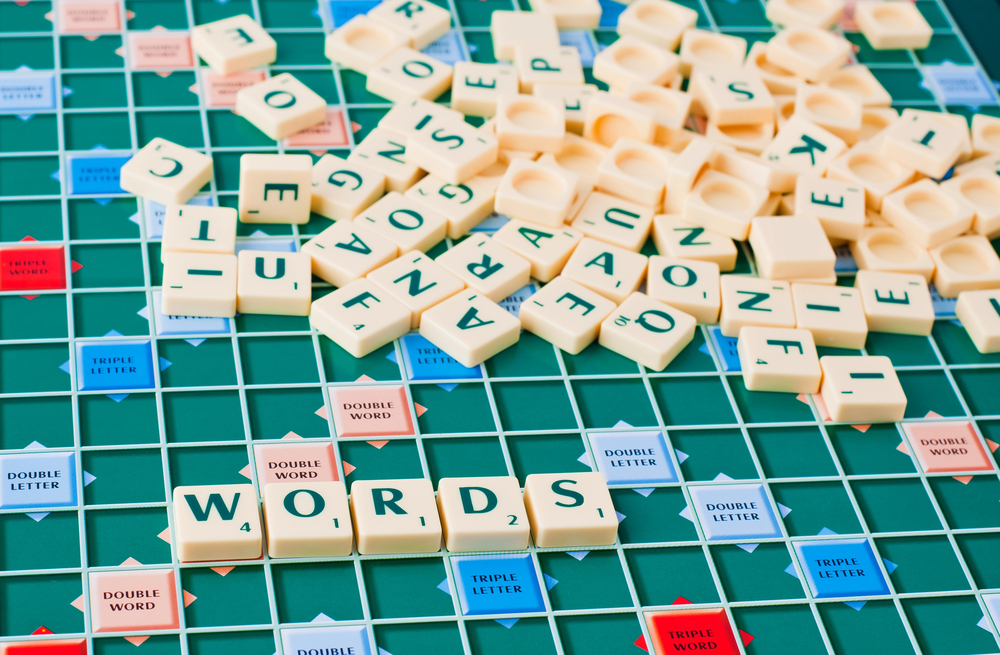
James Brunot began producing Scrabble commercially in 1948 out of a converted schoolhouse after acquiring the rights from inventor Alfred Mosher Butts, and these earliest hand-assembled sets, made before Selchow and Righter took over mass production in the early 1950s, are the most valuable Scrabble editions that exist. A verified Brunot-era set can sell for several hundred dollars, with the hand-stamped wooden tiles and simple cardboard box construction being the key identifying features.
Because these were made in small numbers before the game became a national phenomenon, authenticating one usually benefits from research into the specific box and tile characteristics of that short production window.
Mouse Trap: 1963 First Edition
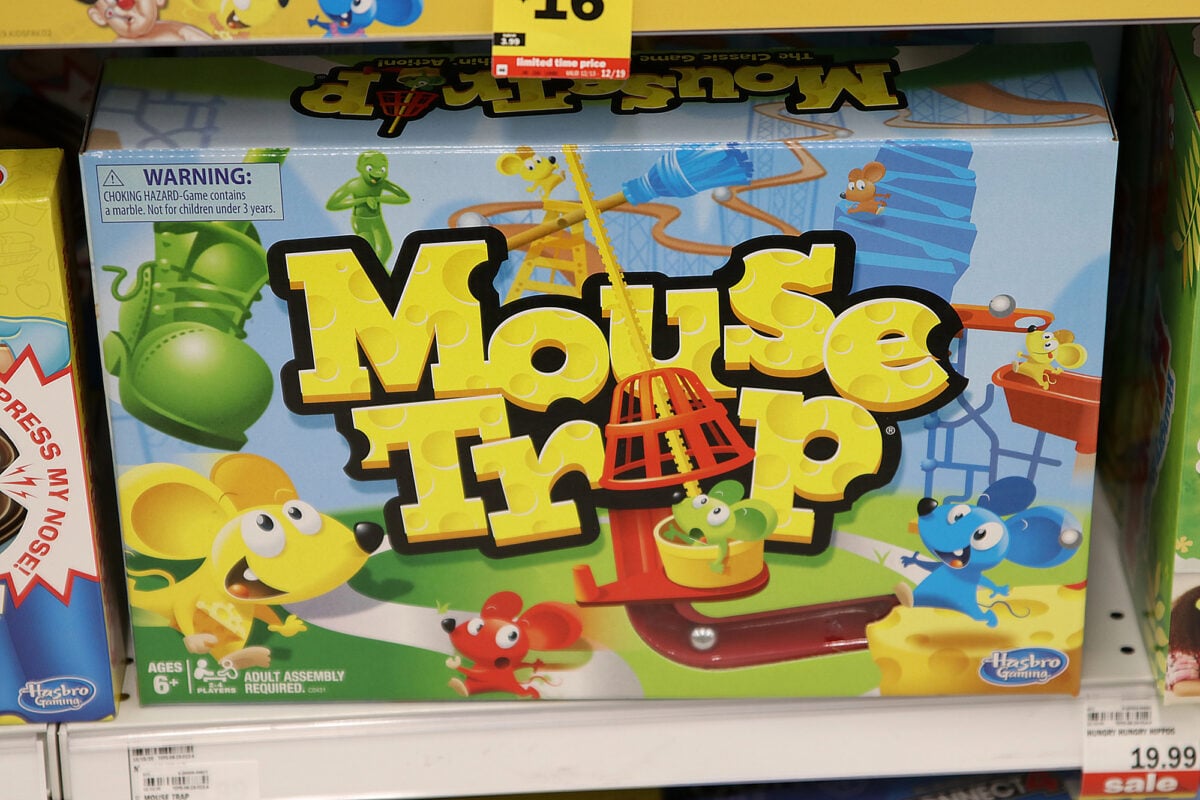
Ideal Toy Company’s Mouse Trap, released in 1963 as one of the first mass-market games built around a working mechanical contraption, is genuinely difficult to find complete because the elaborate plastic Rube Goldberg-style pieces were both fragile and easy to misplace. A first edition with every gear, chute, and lever present and undamaged can sell for $75 to $200, a steep premium over incomplete copies which often sell for under $20.
The bathtub piece and the diver figure are frequently the first parts to go missing, so their presence alone is a strong indicator of a genuinely complete set.
Battleship: 1967 Electronic Board Game Edition
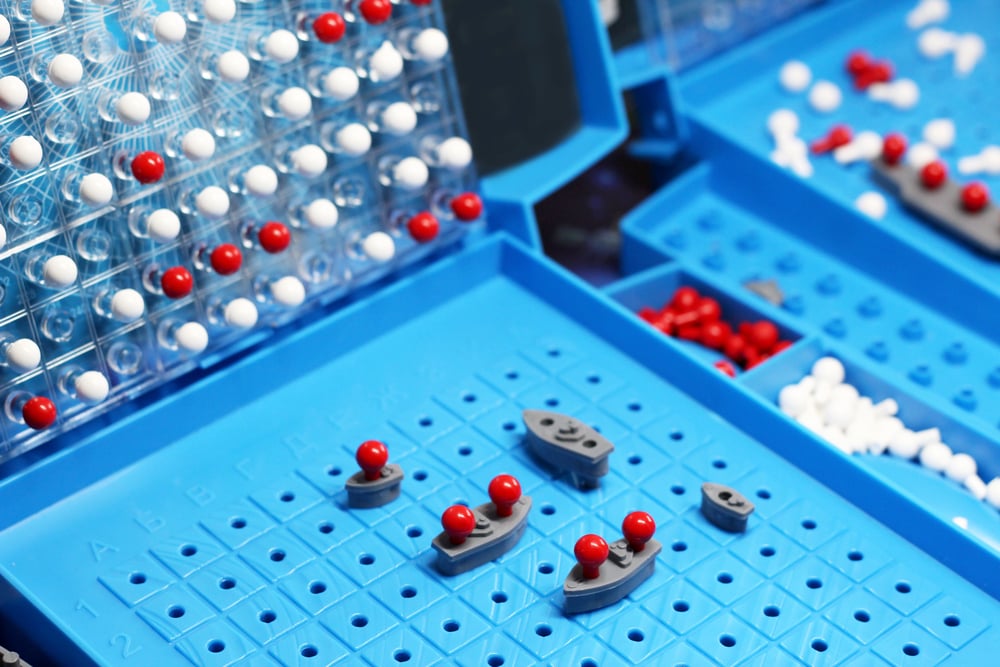
Milton Bradley’s 1967 plastic pegboard edition of Battleship, adapting a paper-and-pencil game that had existed for decades earlier, is the version that established the game’s familiar red-and-white peg format. A complete 1967 edition with both intact grid units and a full peg set can sell for $30 to $75, with the game’s simple two-piece construction making completeness relatively easy to verify at a glance compared to more piece-heavy games on this list.
Trivial Pursuit: 1981 Genus Edition

Trivial Pursuit’s original Canadian Genus Edition, developed in 1979 and first sold in 1981 before Selchow and Righter licensed American distribution in 1983, is the version collectors specifically seek out over the many themed spin-off editions that followed. A complete first Genus Edition with all six wedge colors and a full card set can sell for $30 to $80, a modest but real premium over the widely available later reprints.
Because so many card-based themed editions exist, confirming the box says “Genus Edition” and carries the correct early copyright date is the key step before assuming a copy is valuable.
Stratego: Early Milton Bradley American Editions
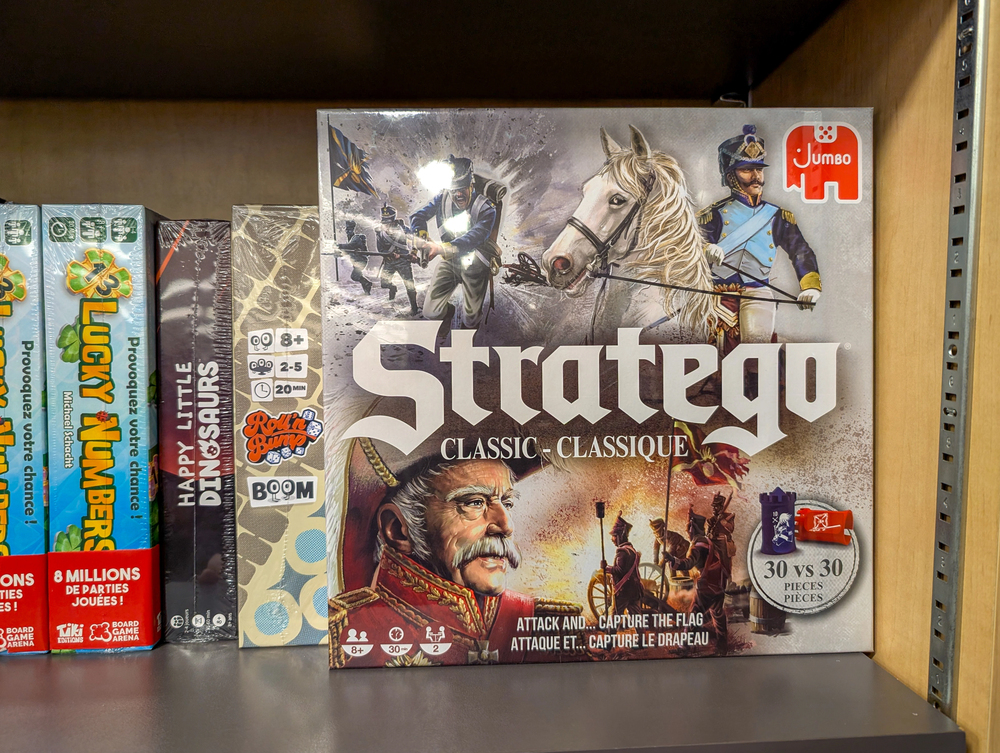
Stratego, based on a game design with roots in early 20th-century Europe, was first licensed for American release by Milton Bradley in the 1960s, and early American printings with wooden playing pieces rather than the later plastic ones are what collectors look for.
A complete wooden-piece edition in playable condition can sell for $30 to $70, with the wooden pieces themselves being more durable and less prone to warping than many plastic game pieces of the same era.
Chutes and Ladders: Early Milton Bradley Editions
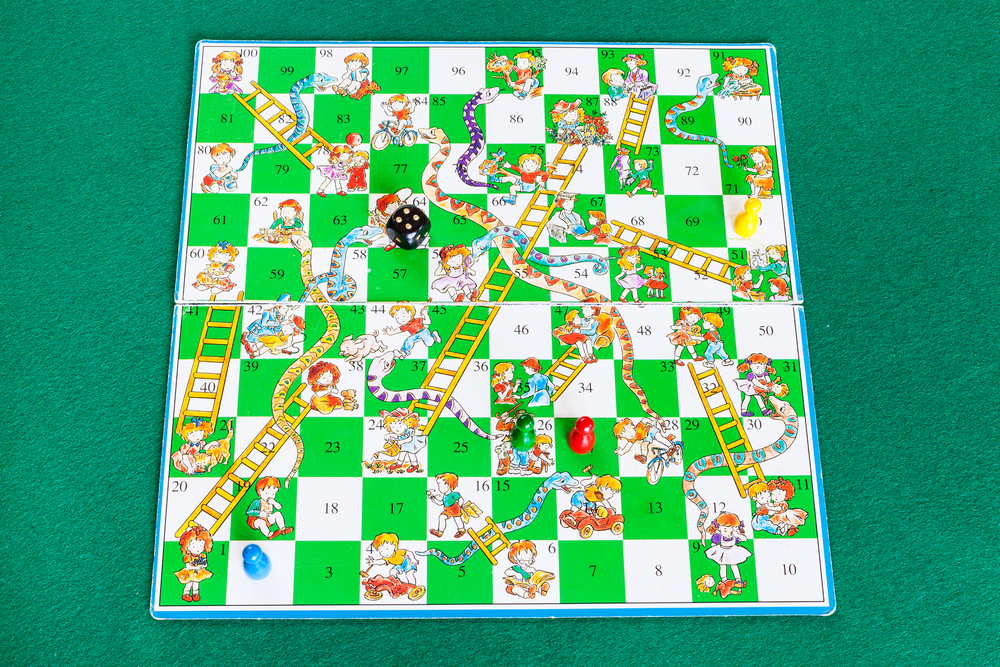
Milton Bradley’s American adaptation of the British game Snakes and Ladders debuted in 1943, and early 1940s printings with their period-specific board illustrations depicting children in period clothing can sell for $30 to $80 in complete condition.
Later printings updated the artwork repeatedly over the following decades, so matching the illustration style to a specific era is the main way collectors date a copy without relying on the box alone, since boxes for this simple game were often discarded early.
Yahtzee: Original 1956 Edition
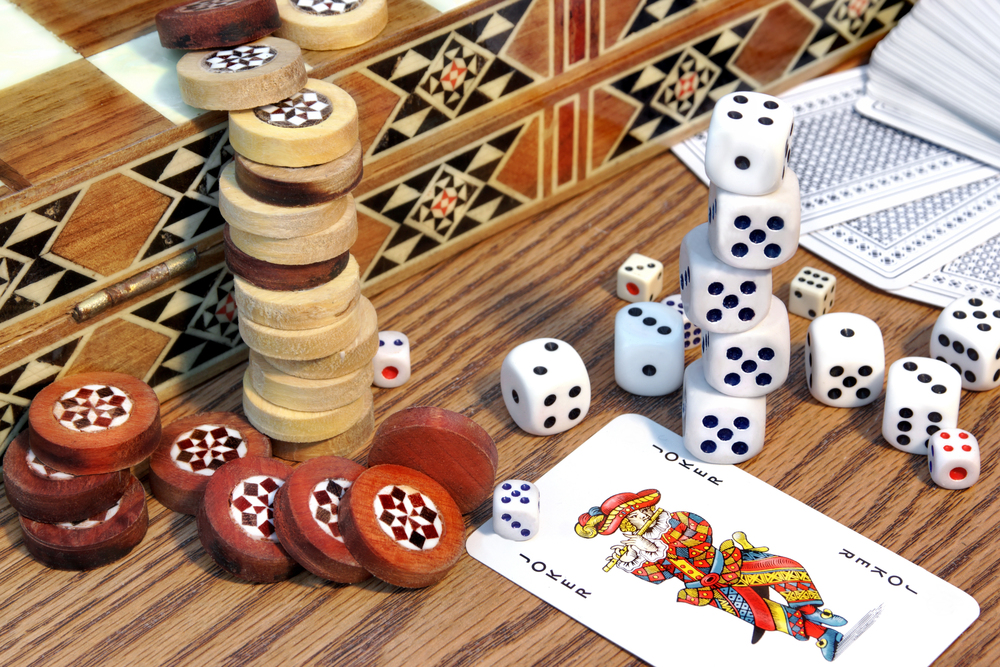
Edwin Lowe acquired the rights to Yahtzee and began marketing it in 1956, and the earliest editions came packaged in a simple, unadorned box quite different from the more colorful graphics used in later decades.
A complete original edition with its five dice, cup, and scorepads can sell for $25 to $60, with unused original scorepads being a small but real factor since the pads were consumable and are often missing entirely from played sets.
Careers: 1955 First Edition
Parker Brothers released Careers in 1955, a game in which players define their own version of success by choosing a mix of money, fame, and personal happiness before setting out on the board.
A complete first edition in playable condition can sell for $30 to $75, with the game’s relatively simple piece count making it easier to verify completeness than more component-heavy games of the same era.
Payday: Original 1975 Edition
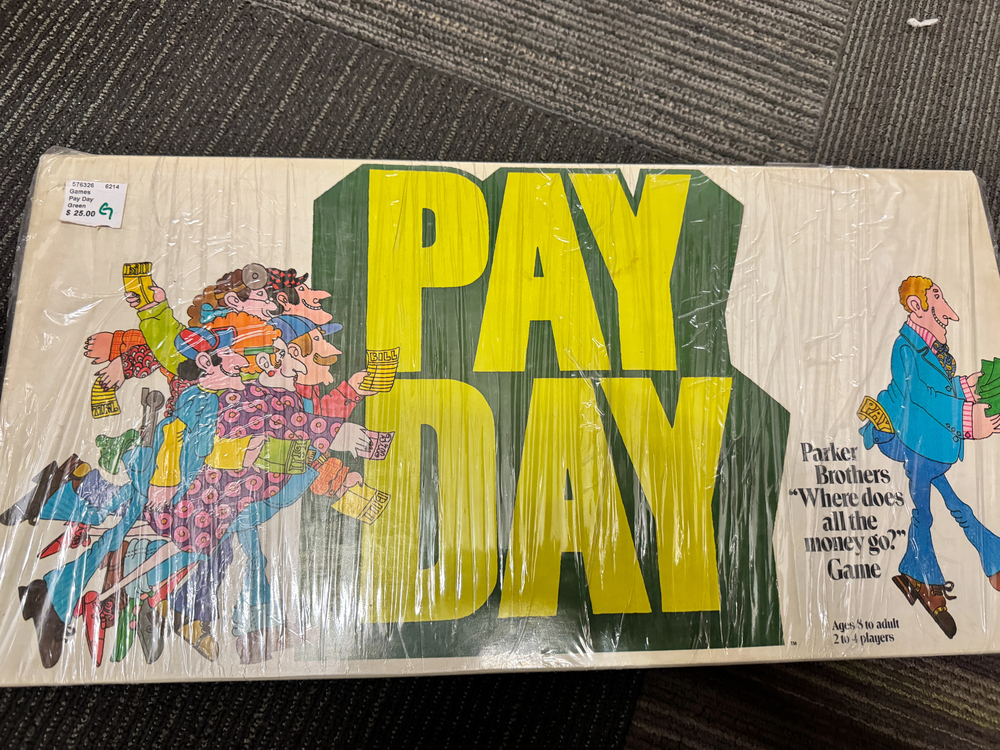
Parker Brothers’ Payday, designed by Alan Lee and Frank Thibault and released in 1975, simulates managing a monthly budget of bills, paychecks, and unexpected expenses across a calendar-style board.
A complete first edition in good condition can sell for $25 to $60, and the game’s colorful, era-specific illustrations of 1970s consumer goods are part of what appeals to collectors focused on that particular decade’s design aesthetic.
Aggravation: Early Lakeside Editions
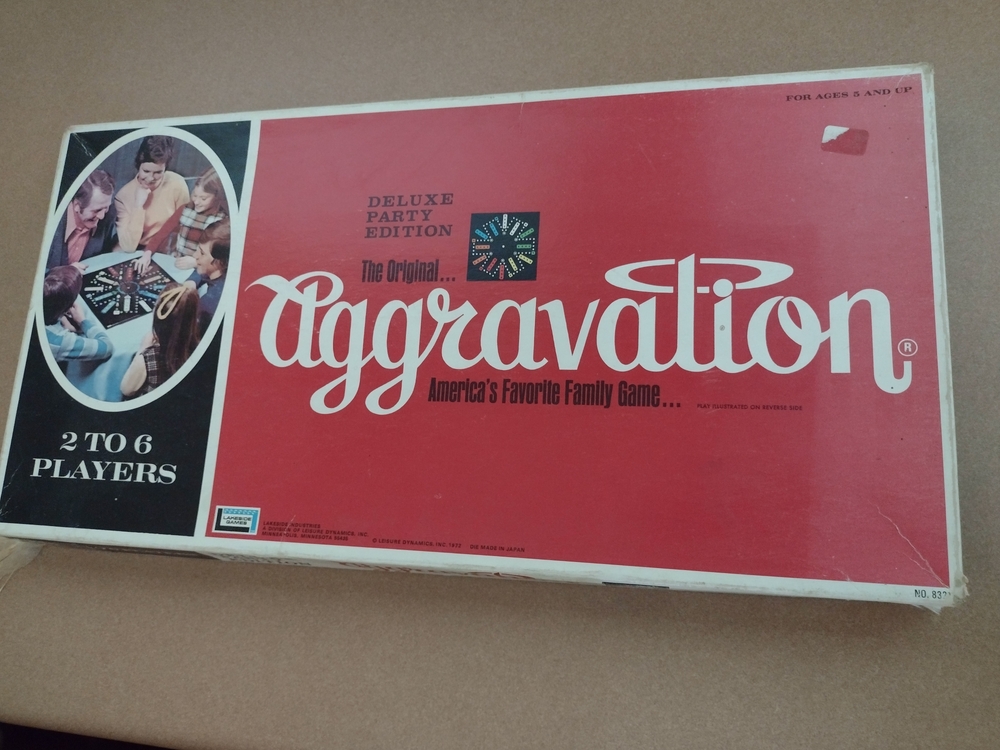
Lakeside Games released Aggravation in the 1960s, a marble-race game built around a wooden or heavy cardboard board with a raised track, and early wooden-board editions with intact glass marbles can sell for $25 to $60.
Because the game’s core mechanic depends on having a full, matching set of colored marbles, a set with mismatched or missing marbles sells for considerably less than a genuinely complete one.
Uncle Wiggily: Early Milton Bradley Editions

Based on Howard Garis’s popular early 20th-century children’s book character, Uncle Wiggily board games were published by Milton Bradley beginning in the 1910s and reprinted with updated illustrations for decades afterward.
Early editions with period-correct artwork and an intact spinner can sell for $25 to $70, with the game’s long publishing history meaning careful attention to the specific illustration style is necessary to date a copy accurately.
Pit: Early Parker Brothers Editions

Pit, a fast-paced trading card game simulating a commodities trading floor, was first published by Parker Brothers in the early 1900s and reprinted with a distinctive cow bell accessory in later 20th-century editions.
Early card-only editions without the bell can sell for $15 to $40, while later editions that include the bell accessory, a fun but non-essential addition, are generally more common and sell for somewhat less to collectors focused specifically on the earliest printings.
Go to the Head of the Class: Early Editions
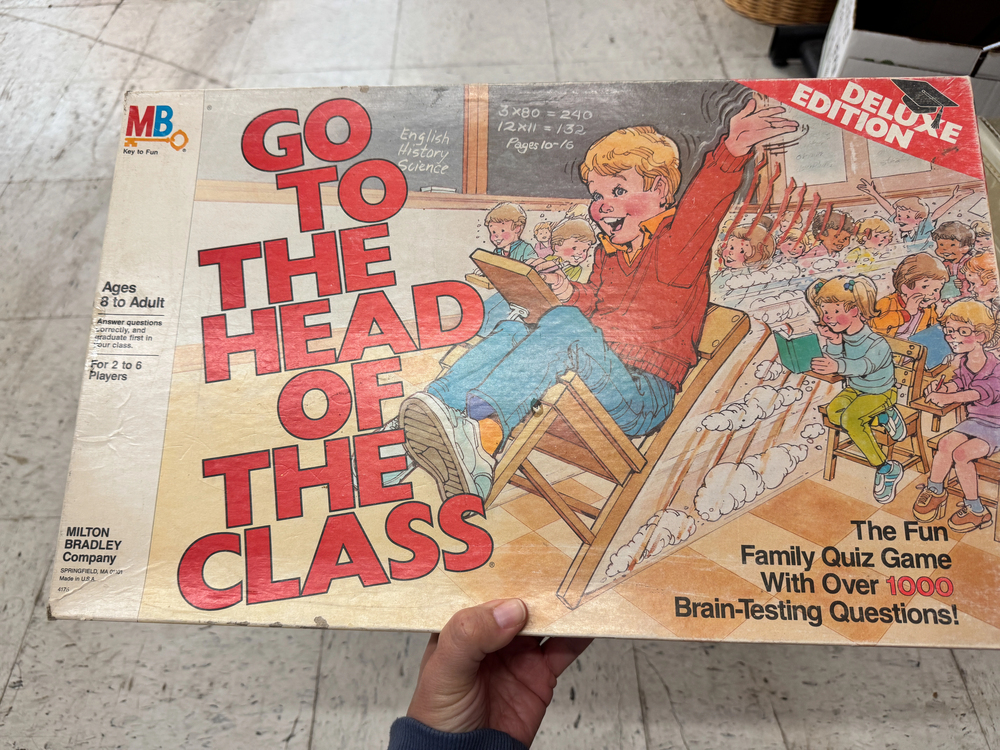
Milton Bradley’s educational trivia game Go to the Head of the Class, first published in the 1930s and reissued with updated questions across many subsequent decades, is collected largely for its nostalgic classroom-themed board art.
Early editions in good condition can sell for $20 to $50, with the game’s long reprint history making precise dating dependent on comparing the specific question categories and board illustration to known editions.
Dark Tower: 1981 Electronic Edition
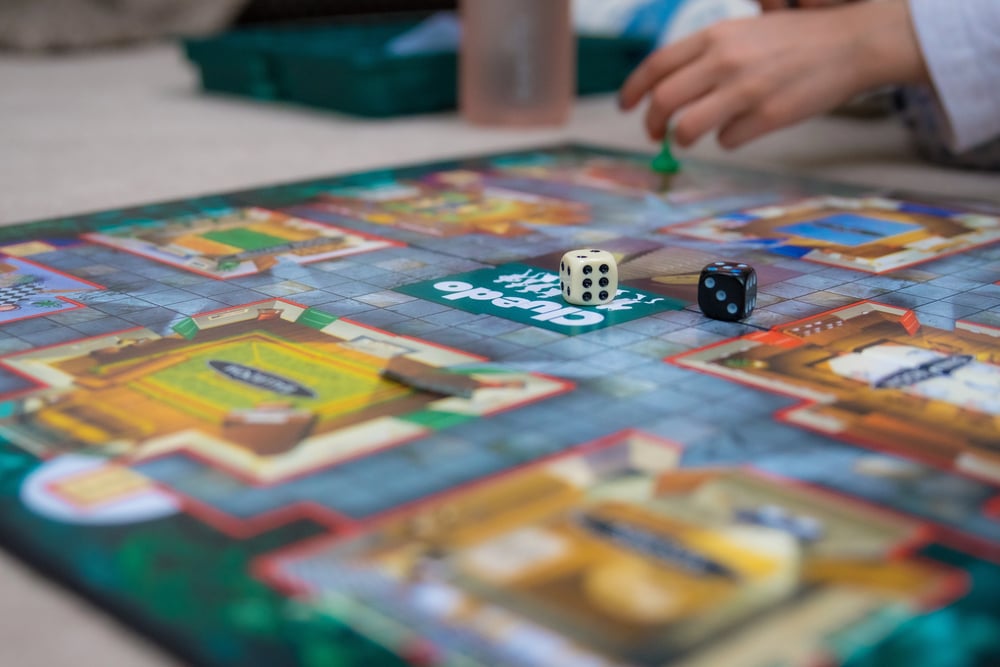
Milton Bradley’s Dark Tower, released in 1981, combined a traditional board with a battery-powered electronic tower unit that tracked hidden information, an ambitious and expensive design for its era.
A complete, functioning set with a working electronic tower can sell for $75 to $200, considerably more than sets where the tower unit no longer powers on, since the electronics are the entire point of the game and are difficult to repair.
Twister: Original 1966 Edition
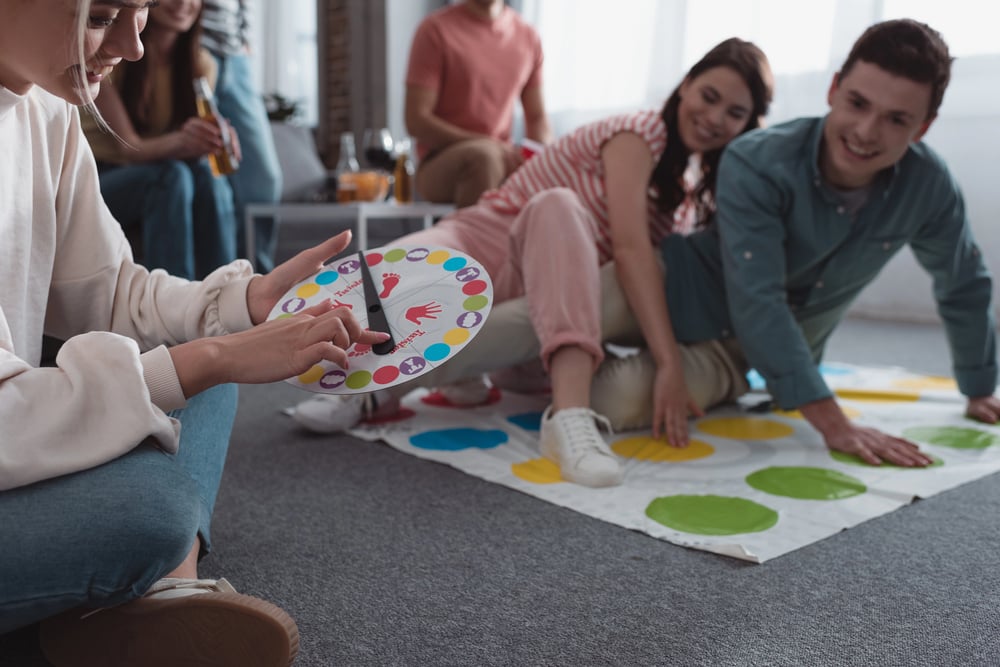
Milton Bradley’s Twister, released in 1966, became notable at launch partly because it was one of the first mass-market games in which the players themselves, rather than pieces, were the game components.
A complete early edition with an intact vinyl mat and working spinner can sell for $20 to $50, with cracking or tearing in the vinyl mat, a common issue after decades of storage, being the primary factor that lowers value.
The Ungame: Early Editions
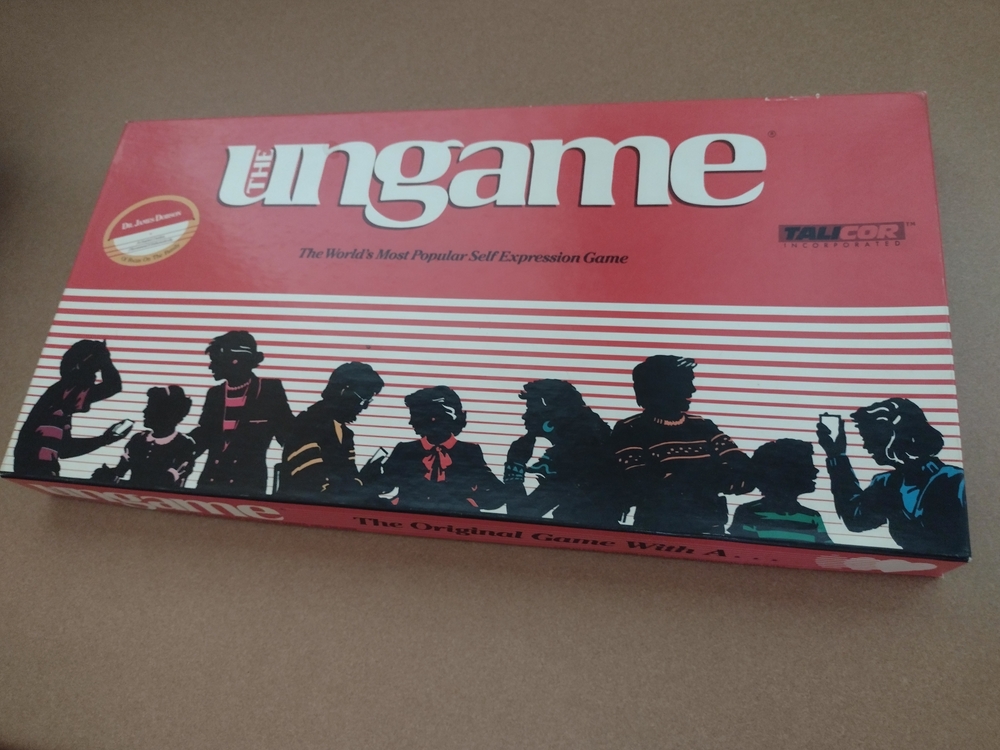
The Ungame, a non-competitive conversation-based game first self-published in the early 1970s before being picked up by a larger publisher, has a small but dedicated following among collectors interested in the history of therapeutic and educational games.
Early self-published editions can sell for $20 to $45, a modest niche value driven mainly by collectors specifically researching the history of games designed around communication rather than competition.
Booby Trap: 1965 Edition
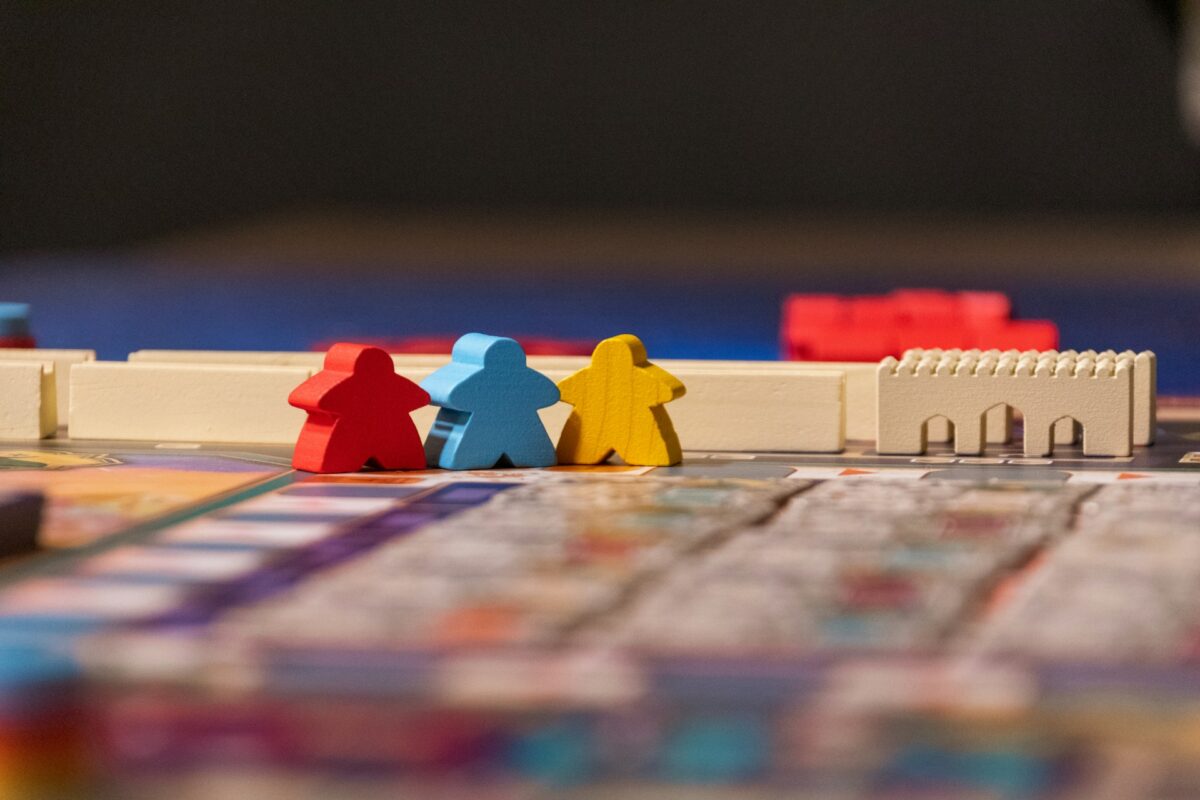
Ideal Toy Company’s Booby Trap, released in 1965, tasked players with removing colored discs from a spring-loaded frame without triggering a plastic bar that would launch the remaining pieces across the table.
A complete edition with a working spring mechanism can sell for $25 to $60, and the tension spring itself, which can weaken or seize with age, is the component most likely to determine whether a set is worth buying for play rather than display.
Perfection: Original 1973 Edition
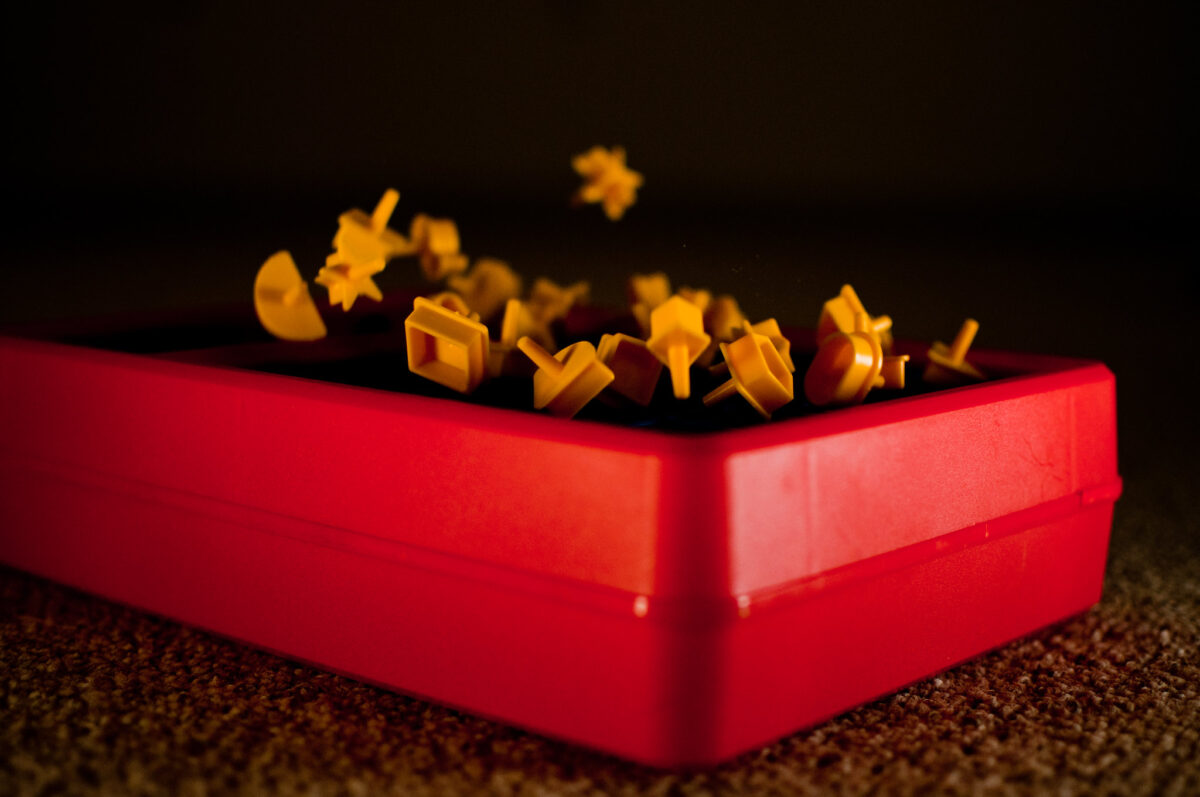
Lakeside’s Perfection, released in 1973, challenged players to fit small plastic shapes into a matching tray before a timer expired and the entire tray popped upward, ejecting every piece.
A complete edition with all its small shaped pieces and a working timer and pop-up mechanism can sell for $25 to $60, with the tiny individual shapes being extremely easy to lose over the decades, making a genuinely full set harder to find than the game’s popularity would suggest.
Concentration: Early Milton Bradley Editions
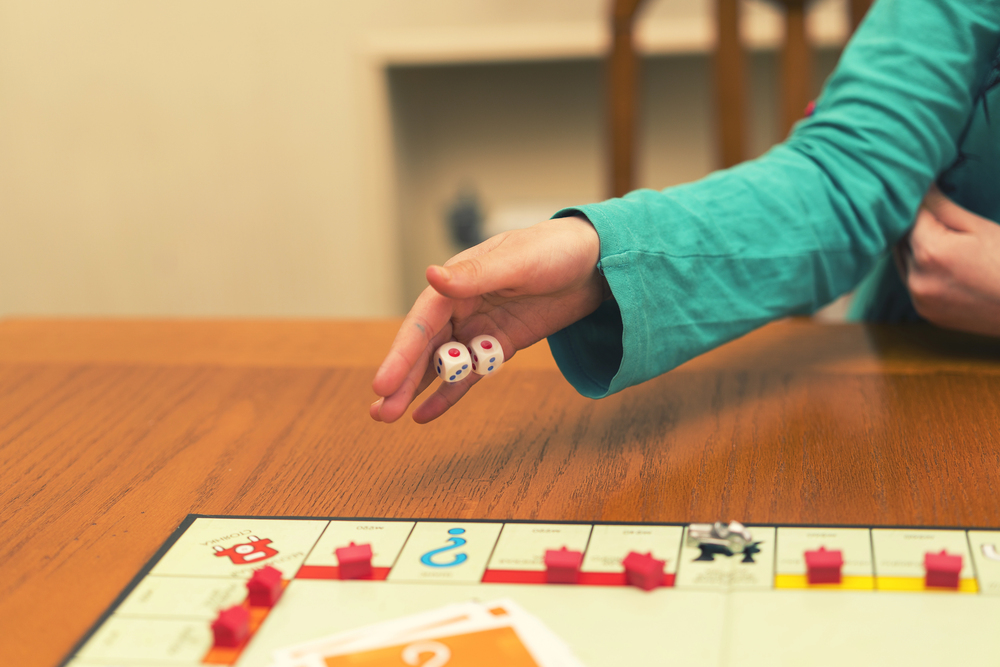
Based on the long-running television game show, Milton Bradley’s Concentration board game was published beginning in the 1950s and updated across several television-era reprints through the 1970s.
Early editions with period-correct puzzle boards and matching game cards can sell for $20 to $45, with collectors of vintage television-tie-in games representing a meaningful, if narrow, part of the buyer pool.
What a Closet of Old Games Really Holds
Very few of these twenty-eight games were valuable the day they were bought. Most were mass produced by the millions, sold at ordinary toy-store prices, and eventually shelved when a family moved on to something newer.
What separates the ones worth real money from the ones worth nothing is almost entirely a matter of what survived the intervening decades intact. That is the quiet lesson underneath board game collecting: value here rewards preservation, not rarity of design.
A game that has kept every card, every peg, and its original box has simply outlasted the version of itself that got played to pieces, and buyers are willing to pay for exactly that kind of luck.
More from Go2Tutors!

- The Romanov Crown Jewels and Their Tragic Fate
- 13 Historical Mysteries That Science Still Can’t Solve
- Famous Hoaxes That Fooled the World for Years
- 15 Child Stars with Tragic Adult Lives
- 16 Famous Jewelry Pieces in History
Like Go2Tutors’s content? Follow us on MSN.