16 Exploration Missions That Found the Unexpected
Throughout history, explorers have set out with specific goals in mind, only to stumble upon discoveries that changed our understanding of the world. Sometimes they were searching for trade routes and found entire civilizations. Other times they hunted for one thing and discovered something far more valuable.
The most groundbreaking discoveries often happen when explorers least expect them. Here is a list of 16 exploration missions that found something completely different from what they were originally seeking.
Columbus’s Search for Asia
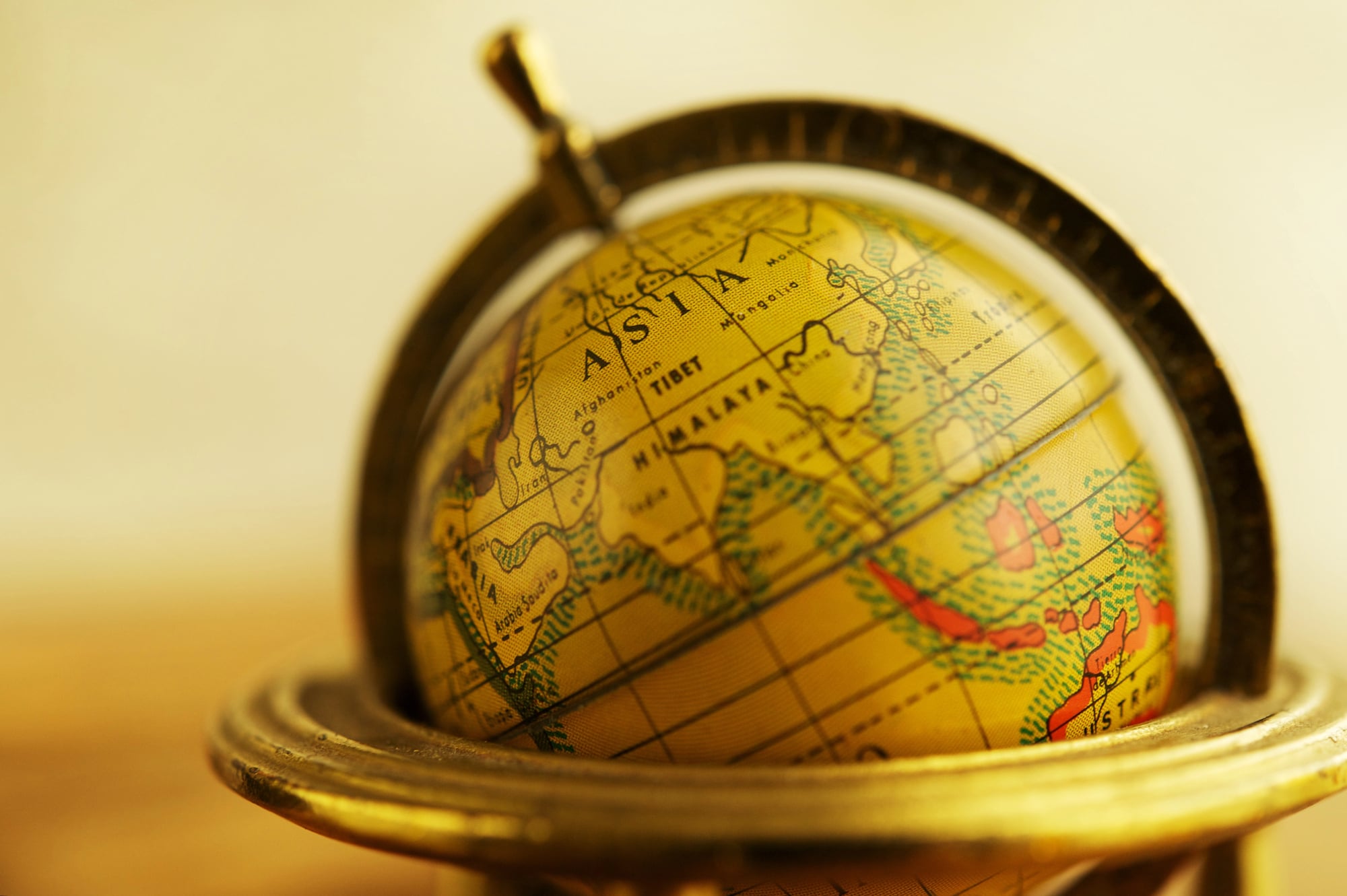
Christopher Columbus was absolutely convinced he’d found a western route to Asia when he landed in the Caribbean. He called the native people ‘Indians’ because he thought he’d reached the Indies — and that mistake stuck for centuries.
Instead of Asian spices and silk, Columbus had stumbled upon two entire continents that Europeans didn’t even know existed.
Lewis and Clark’s Wildlife Catalog
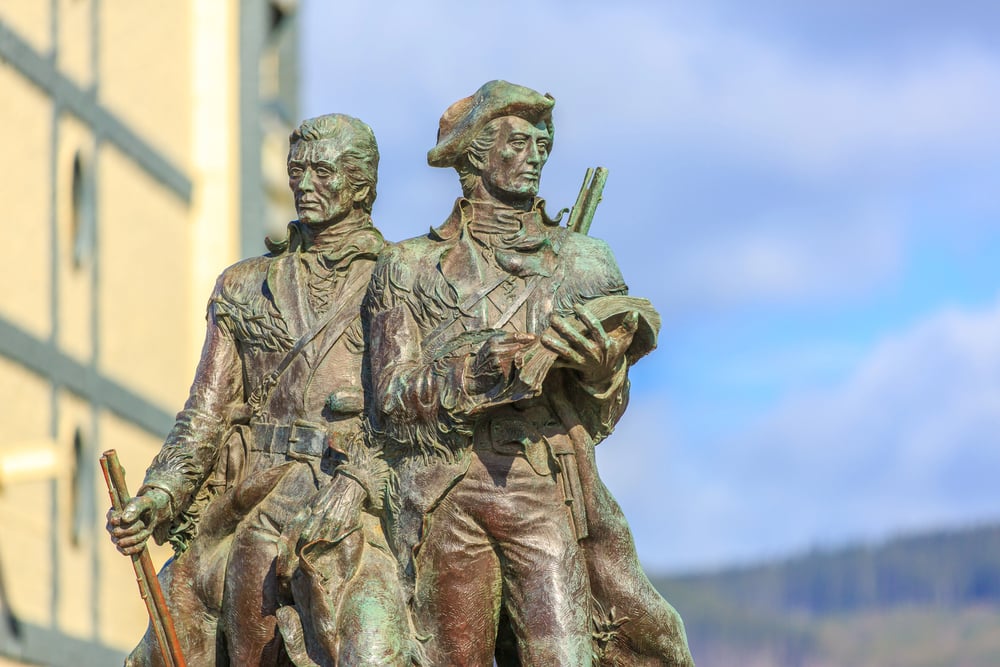
President Jefferson sent Meriwether Lewis and William Clark to map the Louisiana Purchase and find a water route to the Pacific. What they found instead was an incredible menagerie of animals nobody back east had ever seen.
The expedition documented over species, including prairie dogs, grizzly bears, and mountain goats that amazed scientists when specimens finally reached Philadelphia.
Like Go2Tutors’s content? Follow us on MSN.
Cook’s Transit of Venus Mission

Captain James Cook sailed to Tahiti with a straightforward scientific mission — to observe Venus passing in front of the sun to help calculate Earth’s distance from our star. After completing that task, Cook opened his secret orders and discovered he was actually supposed to search for the mythical southern continent.
He didn’t find that either, but he did map New Zealand and Australia’s east coast instead.
Shackleton’s Endurance Expedition

Ernest Shackleton planned to cross Antarctica from sea to sea, becoming the first person to traverse the entire continent on foot. The Endurance got trapped in pack ice before the team even reached land, crushing their dreams of crossing anything.
What followed became one of history’s greatest survival stories — months of incredible hardship that turned a failed exploration into a legendary tale of human endurance.
Magellan’s Global Circumnavigation

Ferdinand Magellan set out to reach the Spice Islands by sailing west, hoping to prove that Spain could claim them under existing treaties with Portugal. He never made it that far, dying in the Philippines during a local conflict.
His crew completed the first circumnavigation of Earth, though — accidentally proving the planet’s true size and opening new maritime routes.
Like Go2Tutors’s content? Follow us on MSN.
Burke and Wills Cross Australia

Robert O’Hara Burke and William John Wills aimed to cross Australia from south to north, racing against competing expeditions for fame and prize money. They reached the Gulf of Carpentaria but couldn’t actually see the ocean through dense mangroves.
The mission ended in disaster with both leaders dying, yet their journey provided crucial geographic knowledge about Australia’s harsh interior.
Franklin’s Lost Arctic Expedition

Sir John Franklin’s expedition sought the Northwest Passage through Arctic waters, carrying enough supplies for years in the frozen wilderness. The entire crew of men vanished without a trace, sparking dozens of rescue missions over the following decades.
These search efforts accidentally mapped vast areas of the Canadian Arctic that would have taken centuries to explore otherwise.
Cabeza de Vaca’s Unexpected Trek

Álvar Núñez Cabeza de Vaca joined an expedition to conquer Florida, expecting quick riches and easy victories over native populations. Instead, he spent years walking across North America after shipwrecks and disasters decimated his companions.
His journey became the first European exploration of the American Southwest, providing invaluable information about indigenous cultures and geography.
Like Go2Tutors’s content? Follow us on MSN.
Stanley’s Search for Livingstone

Henry Morton Stanley went to Africa with a simple mission — to find the missing missionary David Livingstone and determine if he was still alive. ‘Dr. Livingstone, I presume?’ became history’s most famous greeting when Stanley found his target.
The publicity from this rescue mission launched Stanley’s career as Africa’s most prominent explorer, leading to extensive mapping of the Congo River system.
Coronado’s Quest for Gold Cities

Francisco Vázquez de Coronado marched across the American Southwest, convinced he’d find the Seven Cities of Gold that Spanish rumors claimed were loaded with treasure. He found Pueblo villages with impressive architecture but no gold whatsoever — just ordinary people living ordinary lives.
The expedition mapped enormous territories from Arizona to Kansas, though Coronado returned to Mexico in disgrace.
Darwin’s Voyage on the Beagle
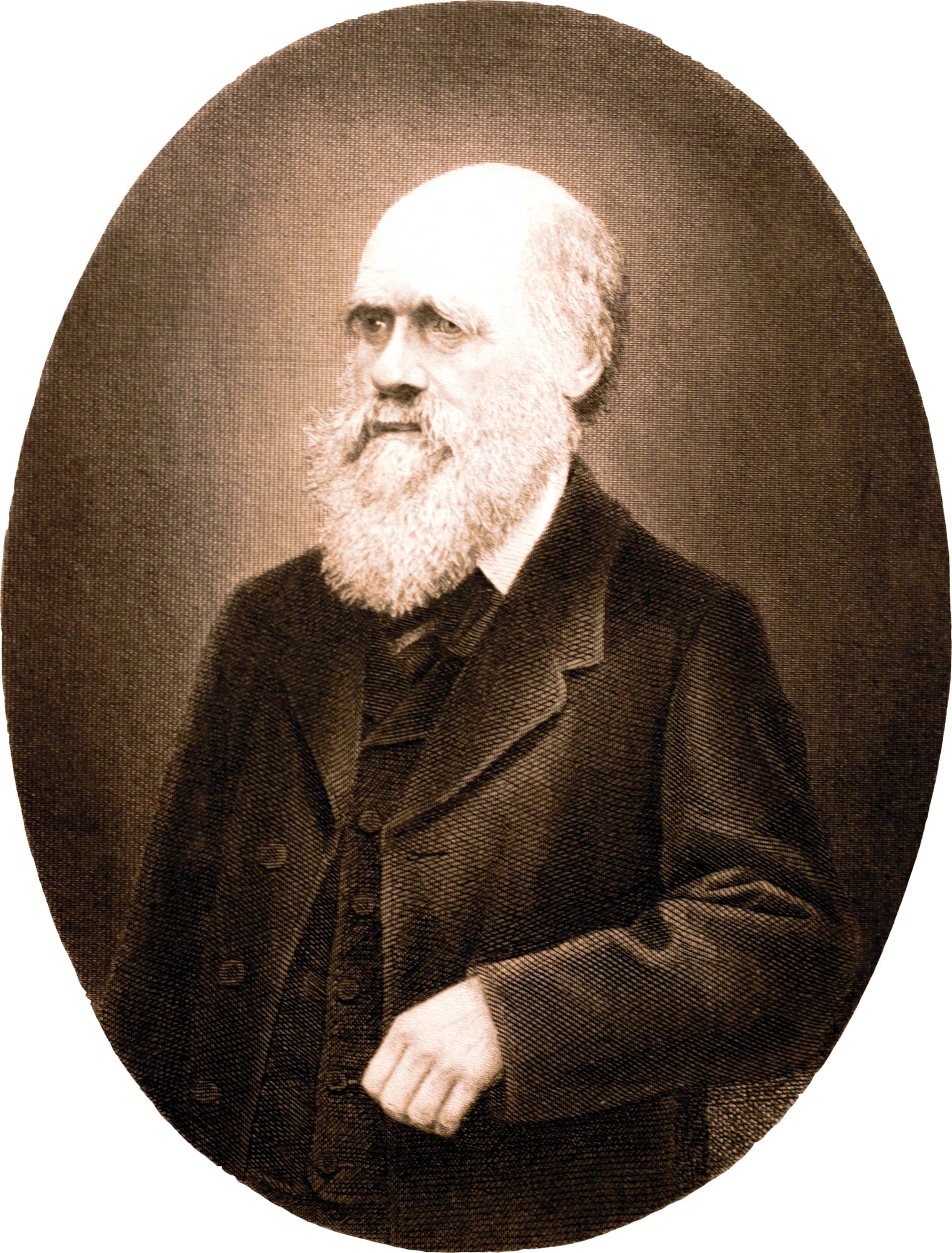
Charles Darwin joined the HMS Beagle as a gentleman naturalist, expecting to collect interesting specimens while the ship conducted hydrographic surveys around South America. The journey transformed him from an amateur collector into the scientist who would revolutionize biology.
His observations of finches, tortoises, and fossils eventually led to the theory of evolution that changed how humans understand their place in nature.
Like Go2Tutors’s content? Follow us on MSN.
Ponce de León’s Fountain of Youth

Juan Ponce de León explored Florida while supposedly searching for the mythical Fountain of Youth, though historians debate whether he actually believed in such nonsense. He definitely didn’t find eternal youth, but his expeditions established Spanish claims to Florida and provided the first detailed maps of the region.
The fountain story probably came from later writers who wanted to make his mundane territorial exploration sound more romantic.
Hudson’s Northeast Passage Attempt
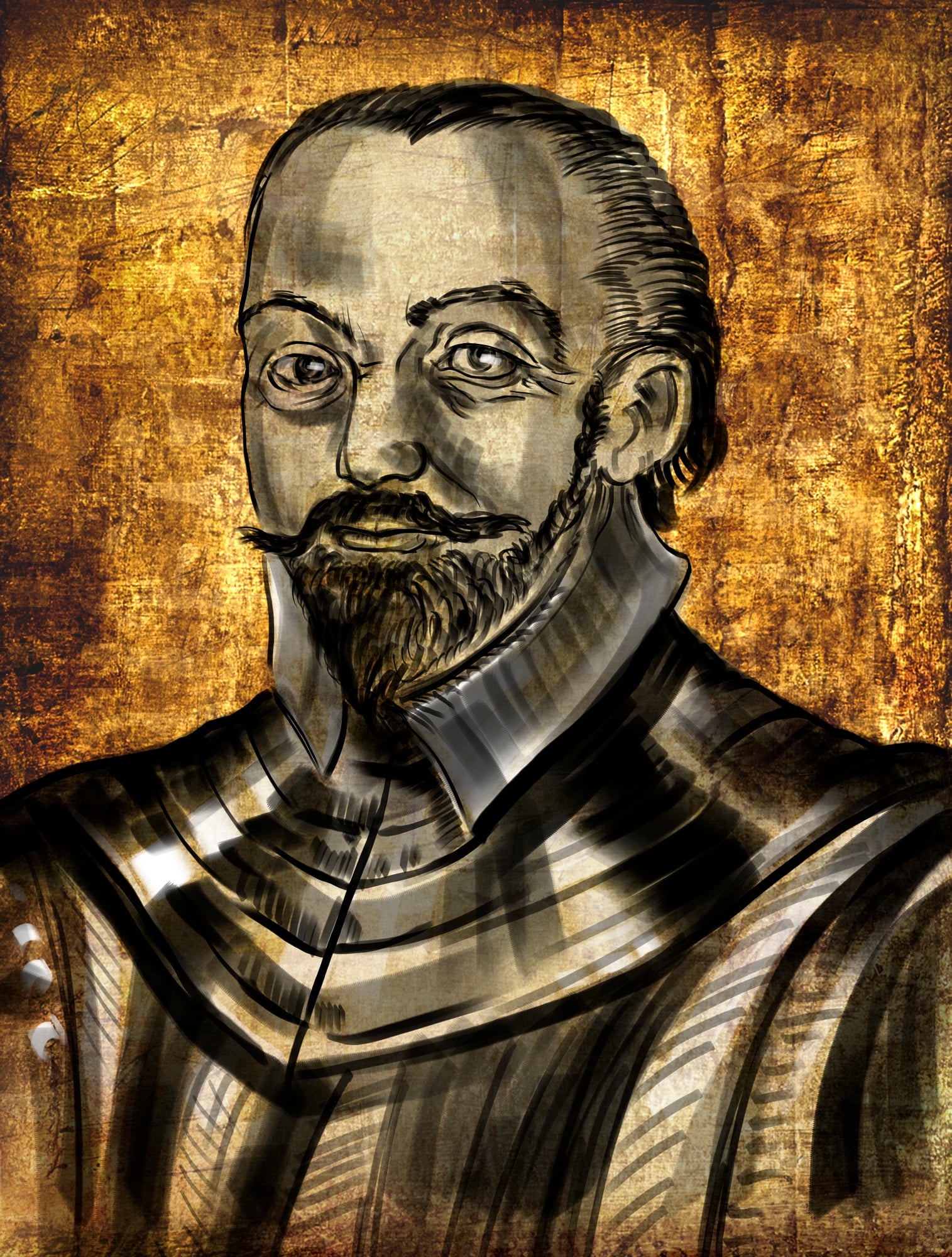
Henry Hudson tried multiple times to find a northern sea route to Asia, convinced that summer ice melts would open navigable waters above Russia or Canada. His voyage up the river that now bears his name was actually a detour from his original Arctic mission.
Hudson never found his passage to Asia, but he inadvertently established Dutch claims to Manhattan and the Hudson Valley.
Byrd’s Antarctic Flights

Admiral Richard Byrd flew over Antarctica, primarily seeking geographic discoveries and national prestige for the United States. His expeditions revealed massive mountain ranges, previously unknown territories, and evidence of the continent’s geological history.
Byrd also discovered that Antarctica contained enough ice to raise global sea levels dramatically if it ever melted — a finding that seems remarkably prescient today.
Like Go2Tutors’s content? Follow us on MSN.
Peary’s North Pole Controversy

Robert Peary spent decades trying to reach the North Pole, finally claiming success after multiple failed attempts had nearly killed him. Whether he actually reached degrees north remains disputed among historians and navigators.
His Arctic expeditions mapped Greenland’s coastline and provided crucial meteorological data, regardless of whether his final polar claim was accurate.
Amundsen’s Northwest Passage Success

Roald Amundsen set out to navigate the Northwest Passage that had eluded explorers for centuries, using a small ship and crew to slip through Arctic waters. He succeeded in reaching the Pacific, but the journey took years instead of the single season he’d optimistically planned.
The expedition also conducted extensive magnetic observations that proved the North Magnetic Pole moves constantly — knowledge that became essential for modern navigation.
When Plans Meet Reality

These exploration missions remind us that the most significant discoveries often happen by accident, when careful plans collide with unexpected reality. Explorers who failed to find what they sought frequently stumbled upon something far more important — new continents, revolutionary scientific insights, or geographic knowledge that reshaped human understanding.
Their willingness to adapt when faced with the unexpected transformed both their own lives and the course of history, proving that sometimes the best discoveries come from the journeys we never planned to take.
More from Go2Tutors!

- 16 Restaurant Chains That Went Too Fast
- 12 Things Sold in the 80s That Are Now Illegal
- 15 Strange Things People Have Tried to Ban (And Failed)
- 16 Collectibles People Tossed Out Too Soon
- 17 Myths from Your Childhood That Were Actually Based on Real Things
Like Go2Tutors’s content? Follow us on MSN.