28 Childhood Afternoon Routines That Made Time Feel Like It Stood Still
There was a specific quality to weekday afternoons as a child that adulthood has never quite managed to replicate. Between the end of school and dinner, time operated differently — it stretched, doubled back on itself, and occasionally seemed to stop entirely.
An hour of cartoons felt longer than a full workday does now. A bike ride around the block with no particular destination could swallow an entire afternoon without either party noticing or minding.
The routines that filled that stretch weren’t grand. Most of them involved the same spots, the same people, the same small sequence of events repeated until they became ritual.
That repetition was the point. Predictability, at that age, wasn’t boring — it was the scaffold that made everything feel safe enough to truly be present in.
Dropping Everything the Moment You Got Through the Door

There was a specific satisfaction in unloading the weight of the school day the second you crossed the threshold. The backpack hit the floor, the shoes came off with a kick, and everything that had accumulated since morning — the homework, the social calculations, whatever had gone wrong at lunch — was briefly suspended.
That transition moment, lasting maybe thirty seconds, was one of the more reliable small pleasures of the day.
The After-School Snack That Was Always the Same

For many kids, the after-school snack never varied: the same crackers, the same glass of juice, the same apple cut into the same number of slices. The predictability was its own comfort.
Sitting at the kitchen bench eating something familiar while the afternoon light came through the window was a ritual that anchored the rest of the day without anyone ever explicitly planning it that way.
Cartoons in the Order They Aired
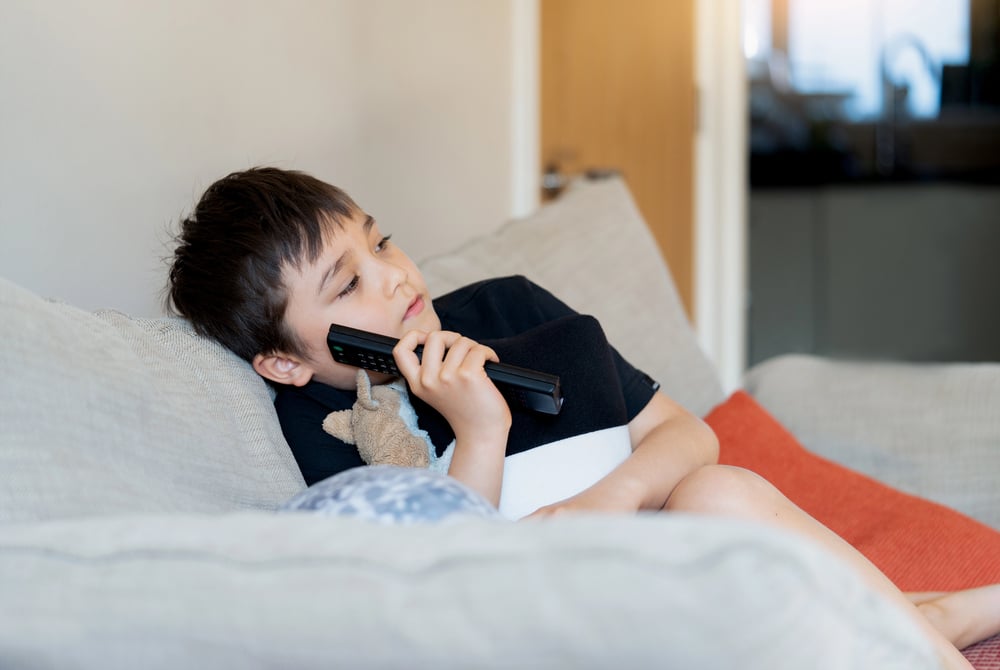
Before streaming, you watched what came on when it came on. The lineup was fixed, and the knowledge of it was almost encyclopedic — which show led into which, how long each one ran, and whether you could squeeze in a second episode before homework had to start.
Kids who timed this right felt genuinely accomplished. The TV schedule was the clock, and everyone knew how to read it.
Homework at the Kitchen Table While Someone Else Made Dinner
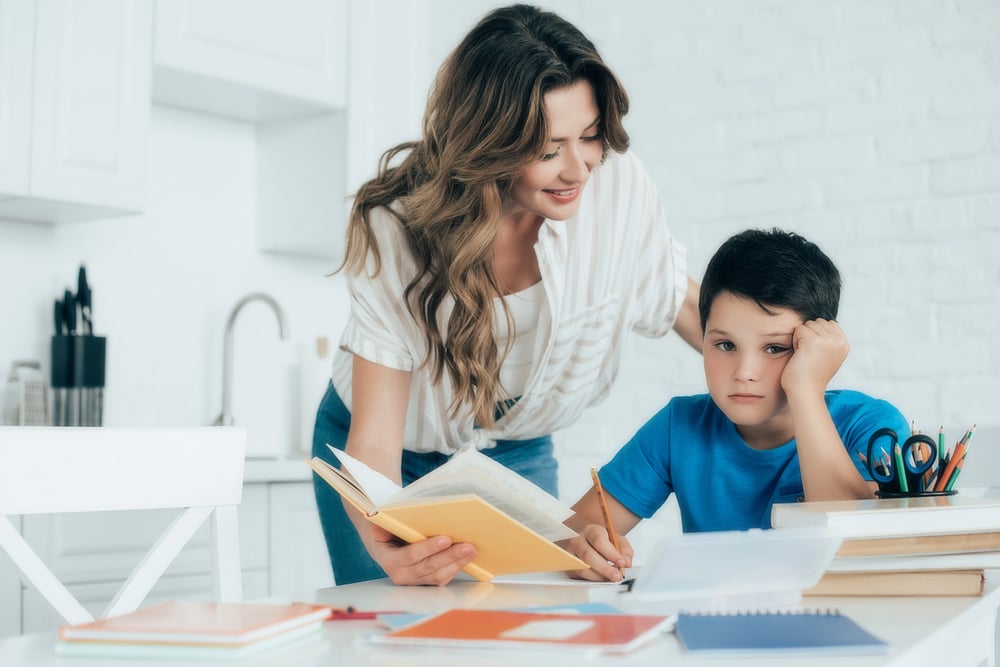
The kitchen table version of homework was a sensory experience. The smell of something cooking drifting across the room, the low hum of conversation or radio in the background, the occasional question shouted in from the other side of the bench.
It was never a quiet, focused environment. It was also never lonely.
The work got done anyway, and the memory of those evenings is mostly warmth.
Riding Bikes Until the Street Lights Came On

The street lights coming on served as the universal curfew of an entire generation. No one set an alarm or made a plan — you just knew that the moment the lights flickered on, it was time to head home.
That gave the whole afternoon a natural clock that didn’t require any adult to enforce it, which somehow made it feel like your own. The ride home after the lights came on had a different quality: quieter, slightly cooler, already part of the evening.
Playing Outside With No Particular Goal
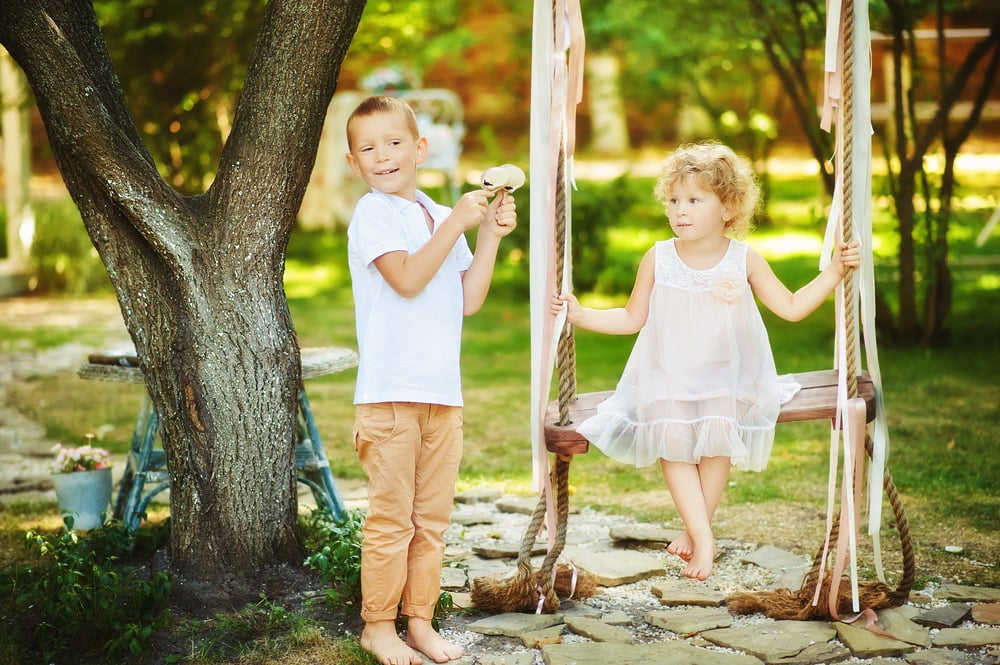
Some afternoons didn’t have a game. You went outside because going outside was what you did, and whatever happened next was improvised.
A stick became a bat. A patch of dirt became a building site.
Two people and a fence became a sport with rules invented on the spot and subject to constant revision. The lack of a plan was the plan, and nothing about it felt empty.
Reading in a Specific Spot That Was Always Yours
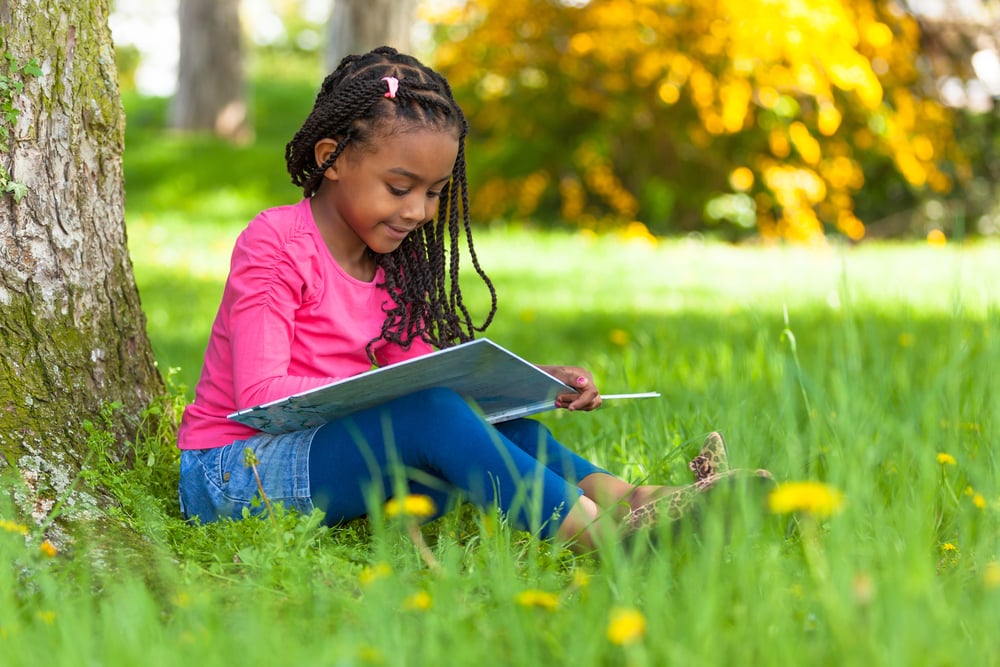
Most kids who read had a spot — a particular chair, a specific corner of the couch, a patch of floor near the window where the light fell at the right angle in the afternoon. The spot mattered as much as the book.
Returning to it day after day turned reading into something more than a solo activity — it became a ritual with a setting, almost like a room within a room.
Calling a Friend on the Landline for No Specific Reason
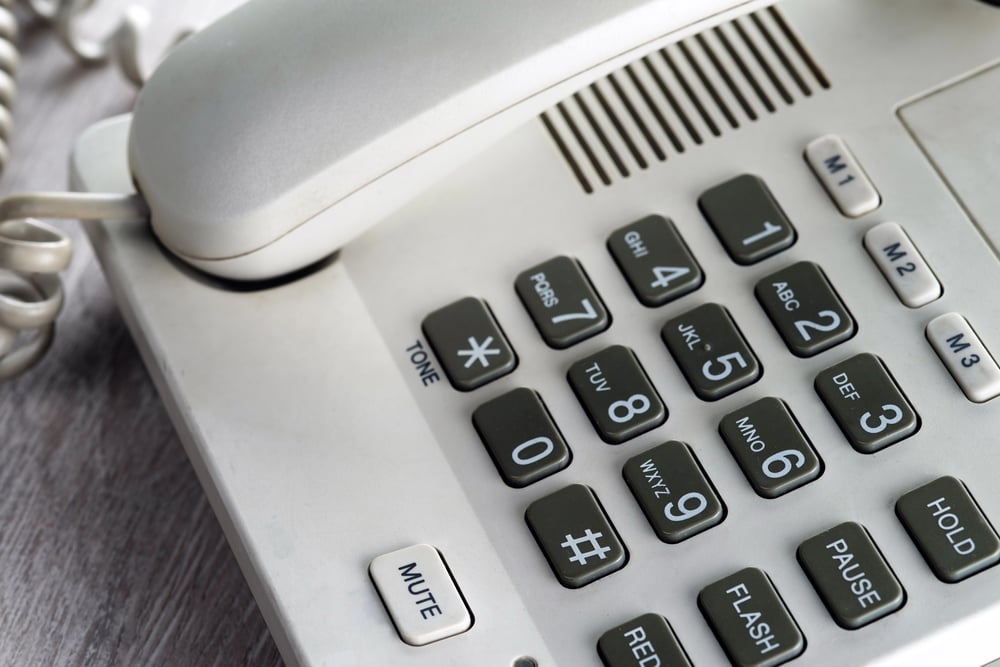
Before text messages, calling someone on the landline was the only option, and the calls were often without agenda. You picked up the phone, dialed the number you’d memorized, and talked for however long seemed reasonable.
The absence of a reason to call was not a barrier. Kids would talk for forty-five minutes and cover nothing of consequence and feel entirely satisfied at the end of it.
Rewinding a VHS Tape Before Watching It

If the tape was still wound to the end of the previous viewing, you had to wait. The rewinder made its own specific sound — a mechanical whir that rose in pitch and then clicked when it was done — and the wait was just part of the process.
Nobody skipped it. Nobody fast-forwarded from somewhere in the middle.
You started from the beginning, and you respected the tape enough to leave it ready for next time.
Drawing or Colouring With Total Concentration
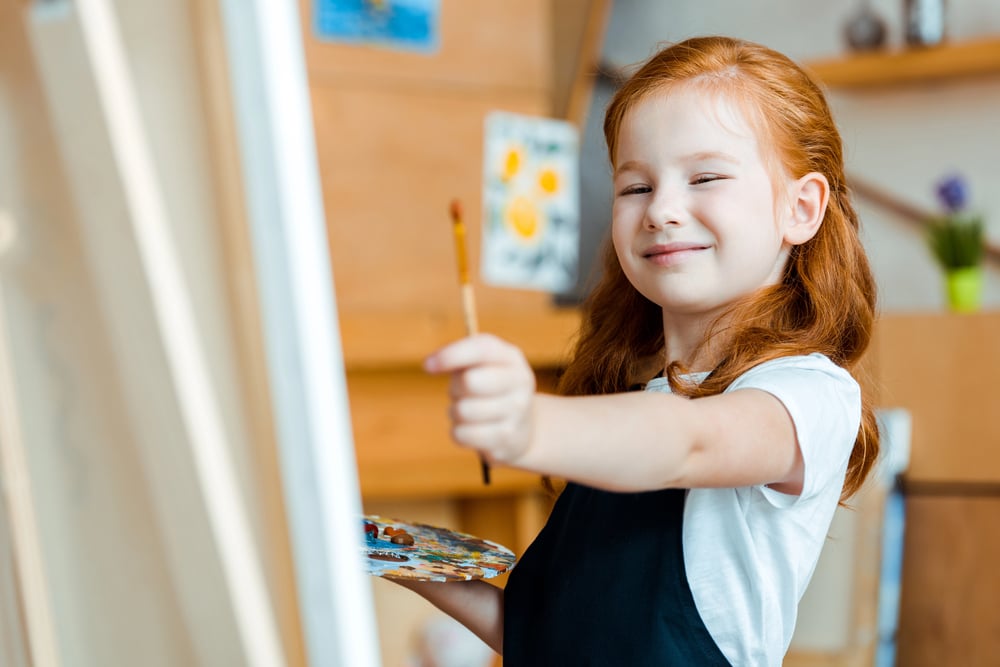
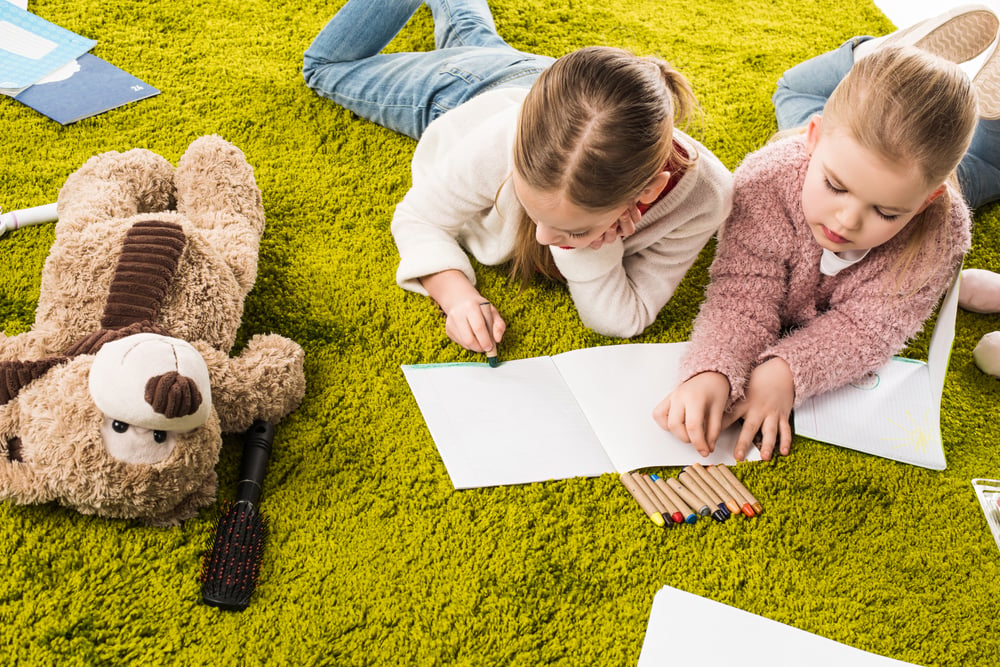
There was a version of focus that children accessed easily during creative activities that had no outcome attached to them. Drawing something because you felt like drawing it — not for school, not to show anyone — produced a specific kind of absorbed quiet.
An hour could disappear without effort. The finished picture was almost beside the point.
The state of being in it was what the afternoon was actually for.
Playing With Action Figures or Dolls in Extended Story Arcs
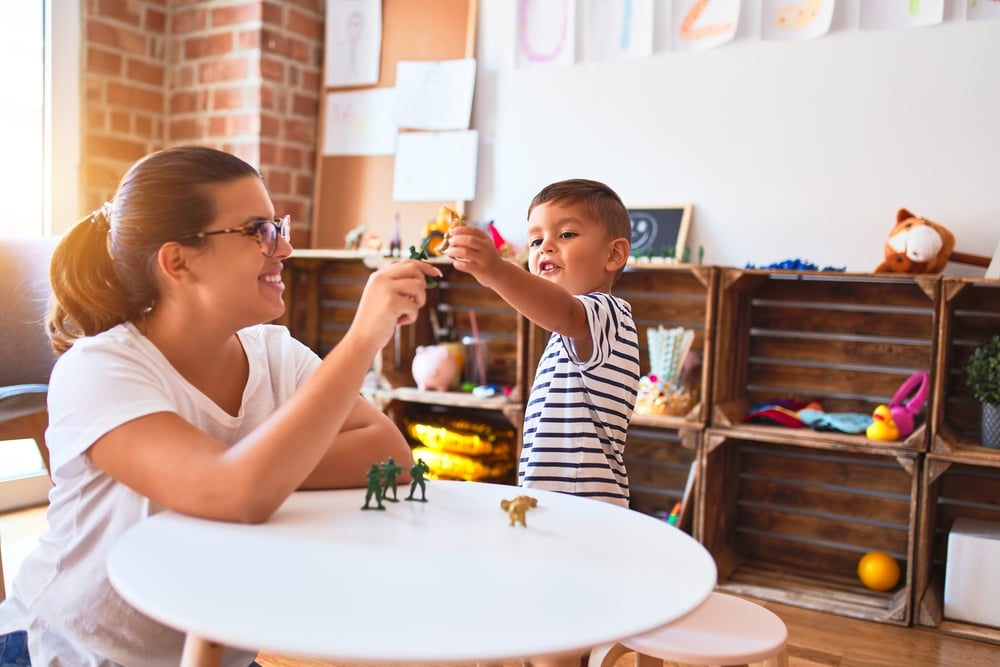
The best afternoon play sessions weren’t single incidents — they were ongoing serials. Characters had histories, relationships, and grudges carried over from last Tuesday.
An action figure could be mid-conflict for three weeks across separate sessions. Kids who played this way were essentially writing long-form fiction by hand, and the worlds they built in their heads were considerably more detailed than anything they ever described out loud.
Flipping Through a Toy Catalogue
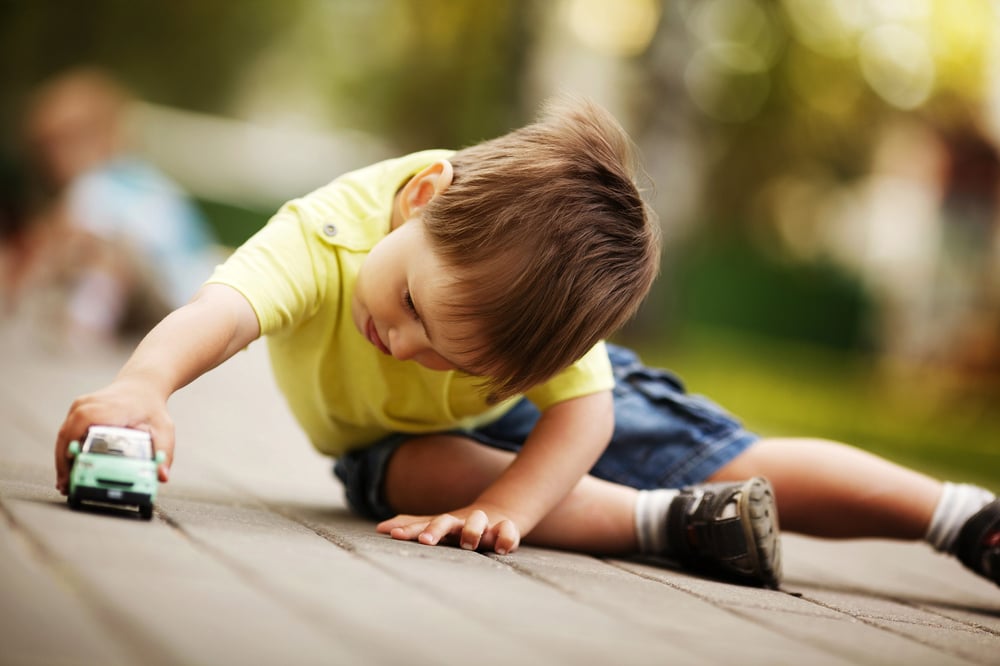
The arrival of a toy catalogue in the mail, especially in the months before birthdays or major holidays, turned an ordinary afternoon into a serious research exercise. Kids studied it with the focus of investors — circling items, revising their preferences, negotiating internally between want and actual likelihood of receipt.
The catalogue was also entirely aspirational reading. Most of what was circled never arrived.
The circling was the activity.
Building Something With What Was Available
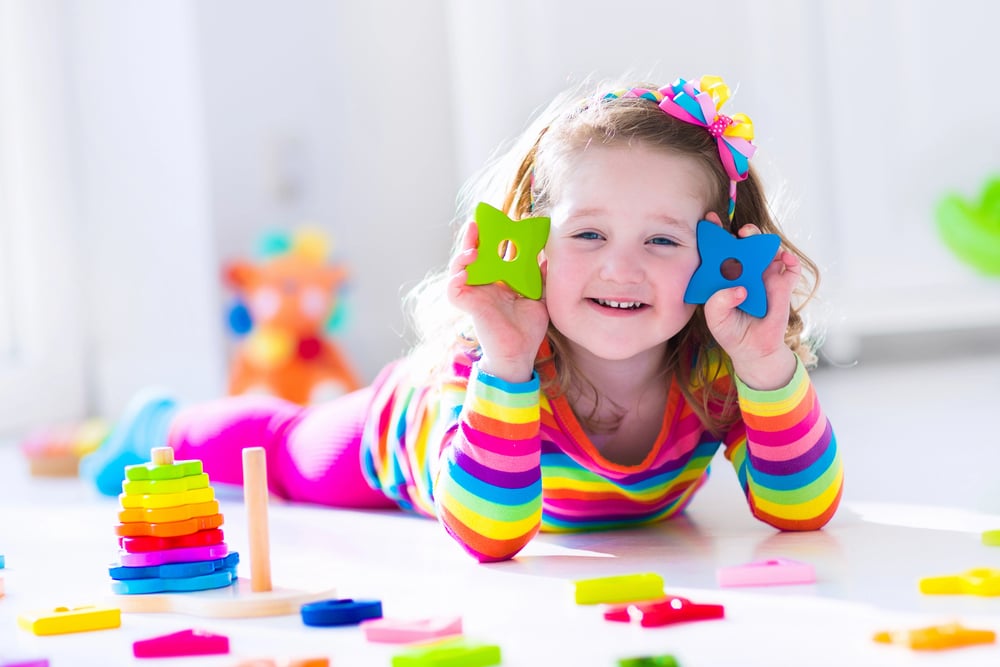
Couch cushions arranged as walls, blankets draped over chairs as roofs, cardboard boxes repurposed as everything from cars to castles — the afternoon building project was driven entirely by available materials and no instruction manual. The completed structure was always slightly unstable and usually came down before dinner.
The construction itself was the point, not the product.
Roller Skating or Rollerskating Around the Neighbourhood
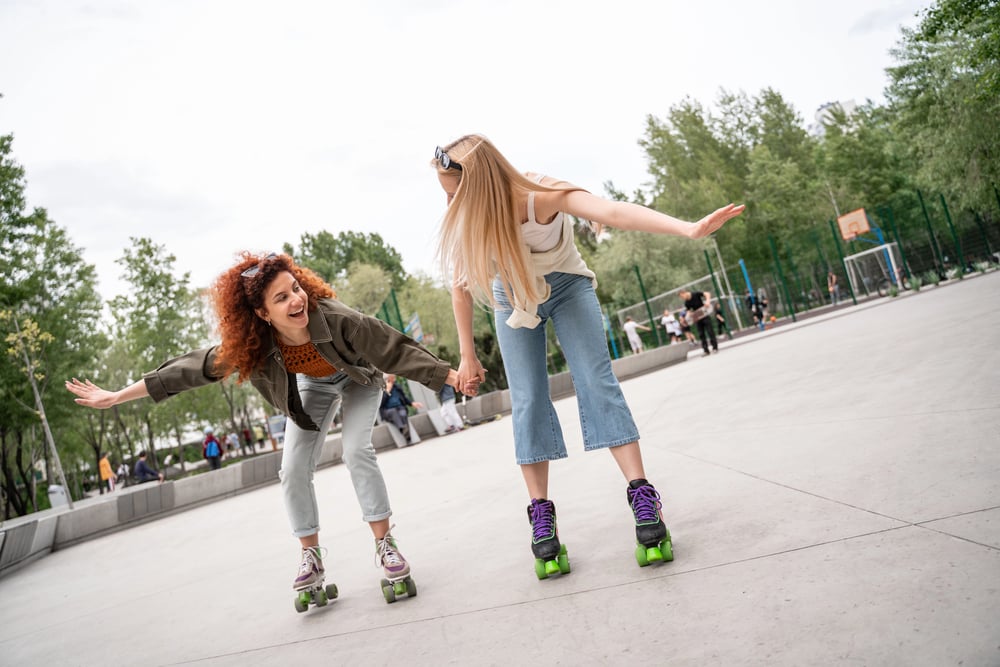
Strapping on a pair of roller skates or lacing up rollerblades turned the footpath into a personal circuit. Kids who had a route — a particular loop around several blocks — would complete it repeatedly, improving their time by instinct rather than timer, and adding variations as the afternoon allowed.
The physical rhythm of skating, once learned, was meditative enough that an hour felt like twenty minutes.
Making Up Games With Neighbourhood Kids
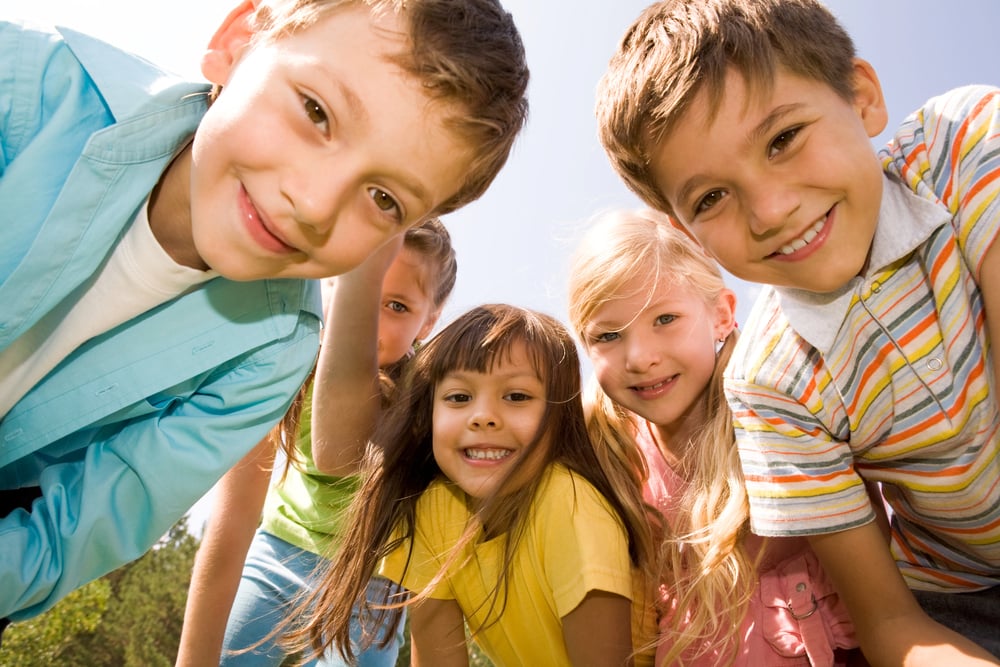
When enough kids gathered in the same yard or street, games emerged from negotiation rather than tradition. Someone suggested a premise, someone else modified it, and within ten minutes there was a game with rules, objectives, and consequences for losing that everyone had agreed to.
These games often bore no resemblance to anything official. Some of the best ones lasted years, evolved seasonally, and were mourned when the last player moved away.
The Rituals of Collecting Something
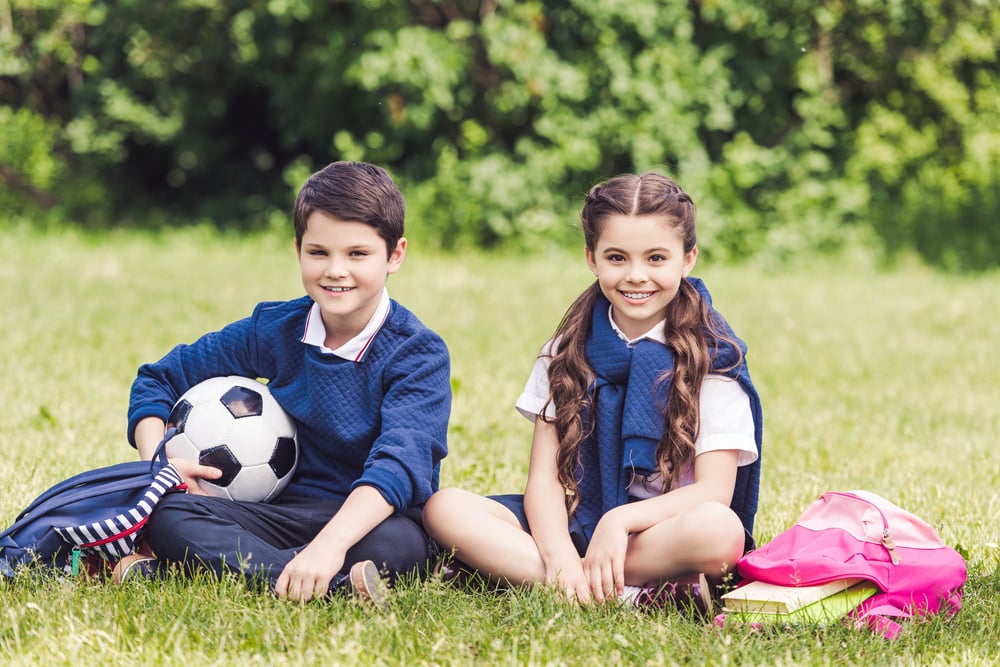
Whether it was trading cards, stickers, marbles, shells, or something nobody else could quite explain the logic of, a collection gave a child a private ordering system for the world. You knew what you had, what you needed, and what was rare.
The collection itself lived in a tin or a binder and was reviewed regularly with the seriousness of an archivist. Trades were considered carefully.
Losses were felt.
Helping With Something in the Garden or Yard
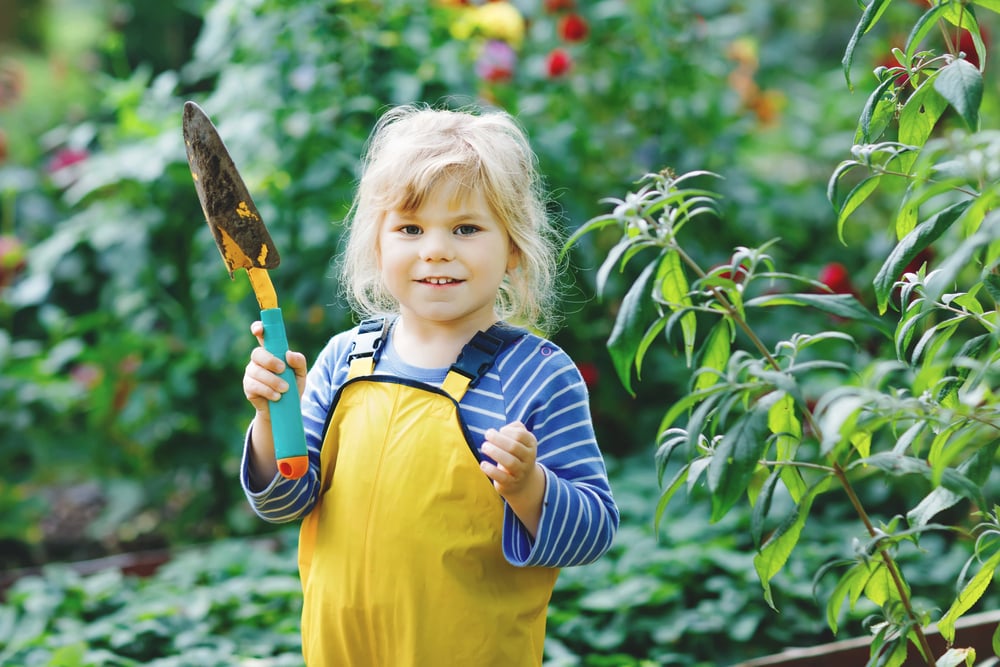
Being handed a small task in the garden — pulling weeds, watering a section, carrying something from one end to the other — was a form of participation that felt different from being assigned a chore. When a parent explained what the plant was doing or why the soil needed to be turned a certain way, the information landed differently than anything from a classroom.
A lot of quiet, practical knowledge arrived this way.
Walking or Cycling to a Friend’s House Without Calling Ahead
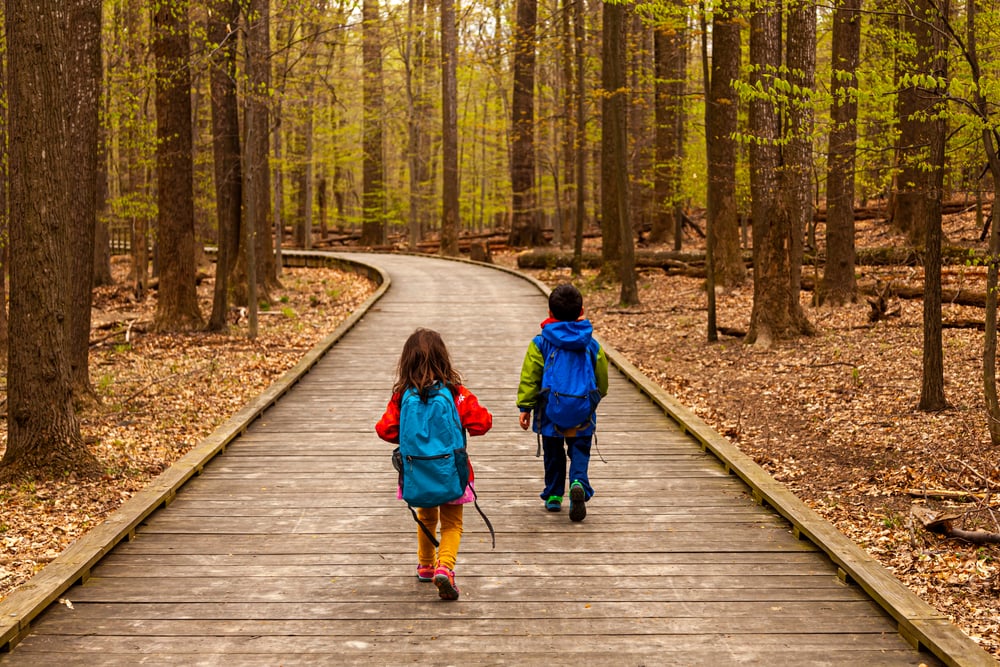
Showing up unannounced at a friend’s house was a completely normal move. You knocked.
Either they were home or they weren’t. If they weren’t, you tried the next option.
The absence of advance coordination meant you were always operating on faith that someone you wanted to see would also want to see you, and the moments when that turned out to be true were their own small warmth.
Shooting Hoops Alone in the Driveway
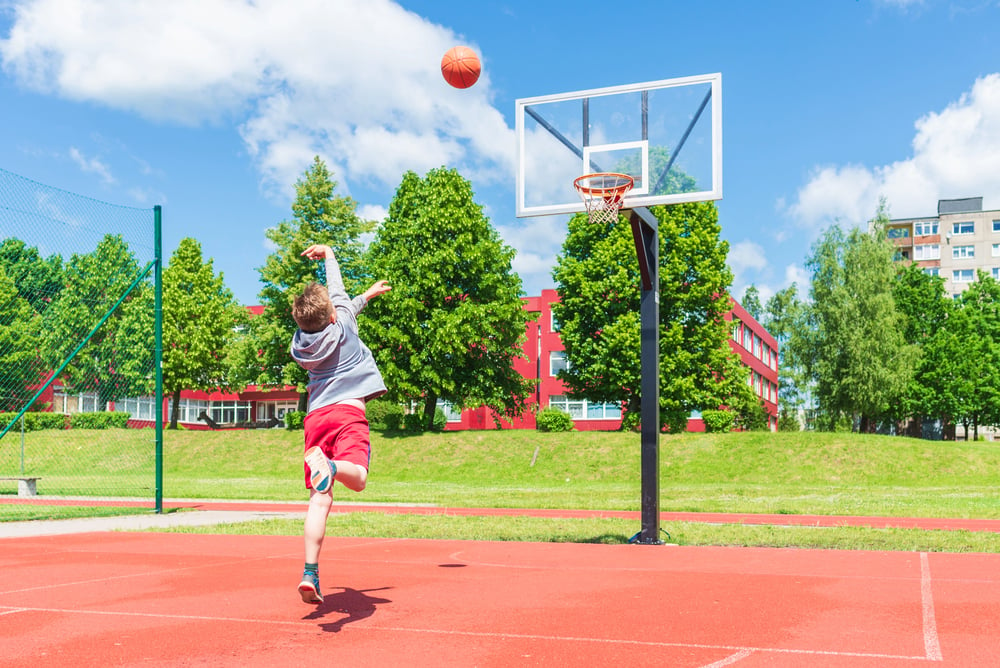
A basketball hoop at the end of the driveway was one of the more reliably useful things a childhood could contain. Solo sessions had their own rhythm — a series of shots from different angles, self-imposed challenges, the personal satisfaction of a streak, and the private disappointment of missing one that should have gone in.
No one was watching. No one needed to be.
Making Up a Secret Language or Code With a Sibling or Friend
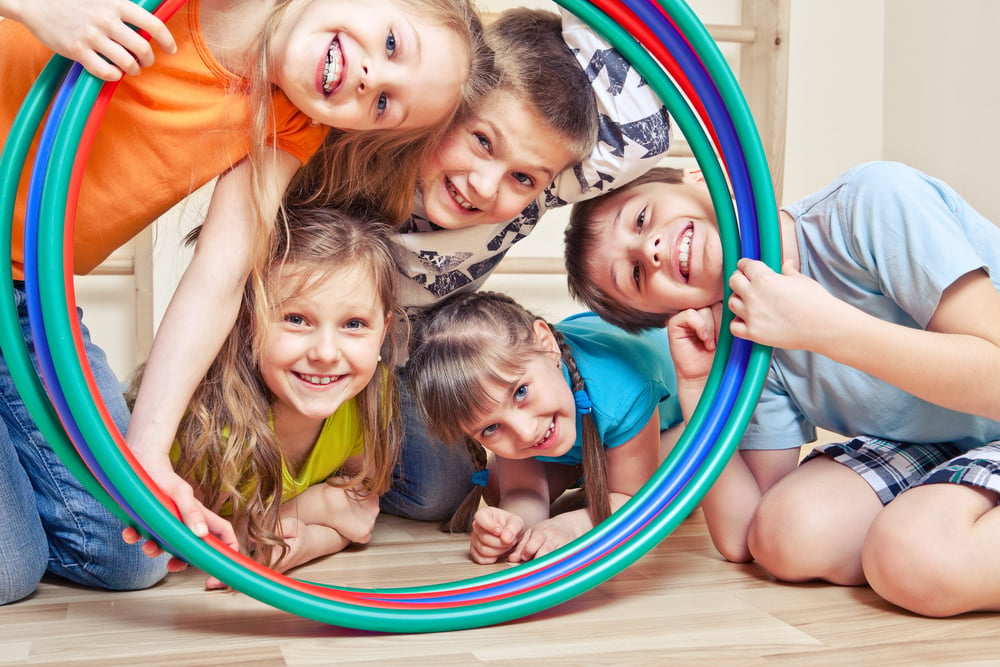
Two people who spent enough time together inevitably developed a shorthand — a set of references, substituted words, or a system of signals that only made sense to them. The code wasn’t necessarily useful for anything.
Its function was entirely social: to mark the two of you as a unit, to make ordinary communication feel slightly clandestine, and to exclude no one specific while still being something that was only yours.
Lying on the Floor Staring at the Ceiling
On certain slow afternoons, a child could lie on the living room rug and stare at the ceiling for an extended period without anyone finding this alarming. The ceiling was interesting in a passive way — the light shifted, shadows moved, patterns in the plaster or paint revealed themselves over time.
This was not boredom. This was something closer to thinking without a subject, or resting in a way that adulthood has largely made unavailable.
Watching the Same Movie Repeatedly
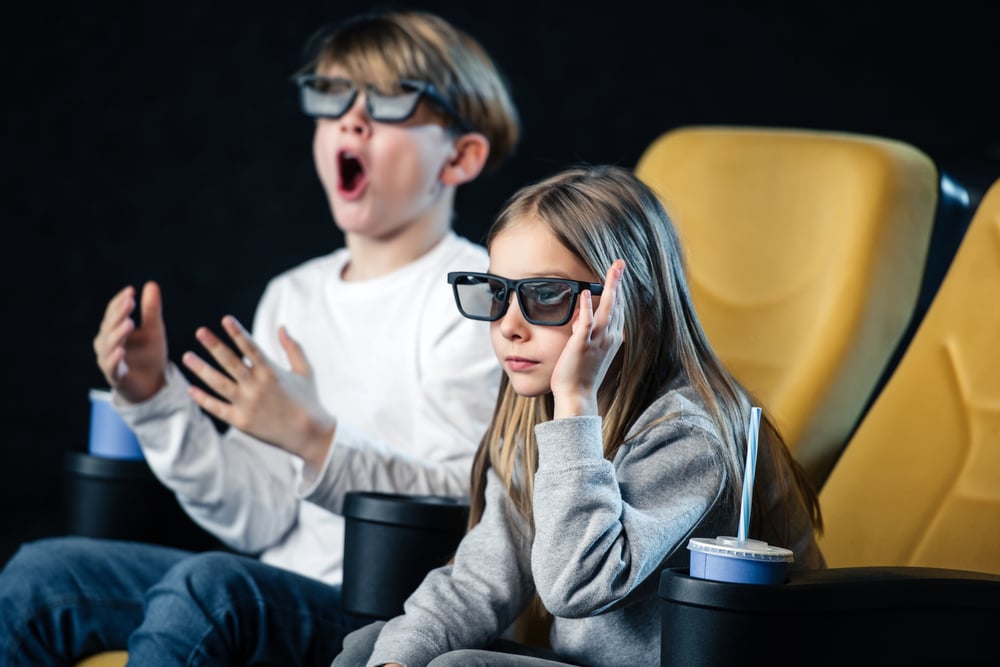
Owning a film on tape meant watching it more times than anyone who hadn’t grown up that way might consider reasonable. Kids who loved a film watched it until they could anticipate every line, every transition, every piece of music.
The repetition wasn’t tedium — it was mastery. Some scenes got better on the fifteenth viewing.
Some lines, heard enough times, became private vocabulary. A child and their favourite movie were sometimes inseparable.
The Walk Home From School

For kids who walked, the walk home was the unofficial decompression buffer between school and the rest of the day. The route rarely varied, but what happened on it did — who you walked with, what you talked about, what you noticed.
Certain stretches became associated with certain conversations. A particular corner might be where you stopped to look at something every time.
The walk was short enough to not feel like exercise and long enough to feel like your own.
Catching Things — Insects, Tadpoles, Leaves

A jar with a lid made a child a naturalist for an afternoon. Tadpoles from the creek, fireflies at dusk, caterpillars from the garden — whatever was available became the subject of careful study.
The catch was usually released eventually, either out of compassion or because dinner was called. The skill being developed was observation, and it was practiced with more genuine intensity than most formally taught subjects.
Listening to an Album All the Way Through
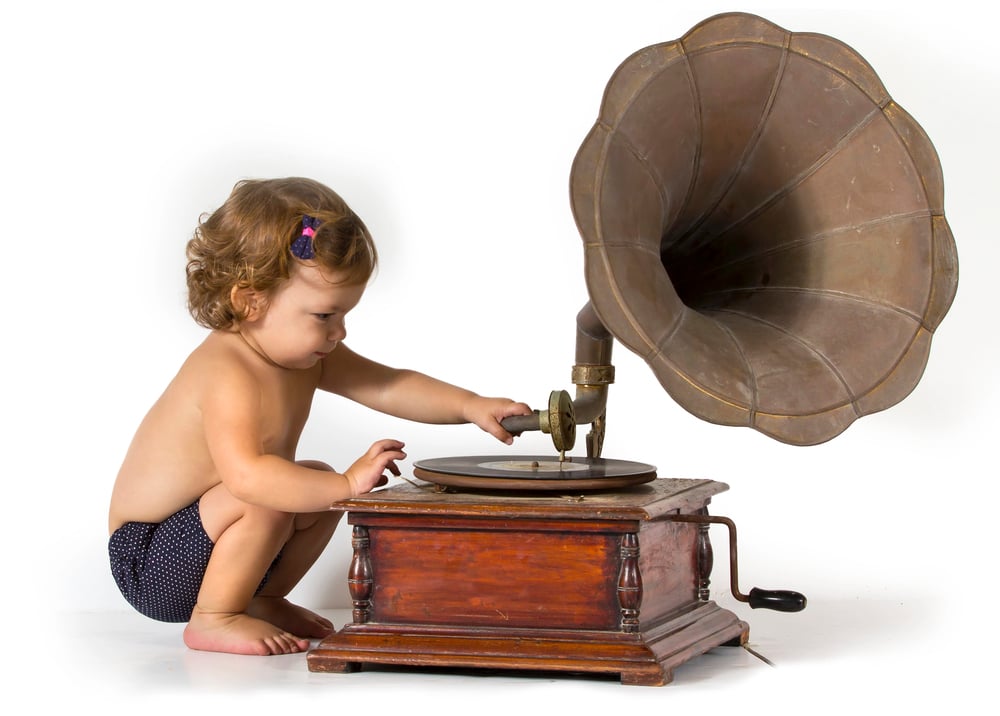
Kids who had a cassette player or a portable CD player and a favourite album listened to it from track one to the end, in order, as it was intended. The knowledge of what came next — which song followed which, how a particular track ended before the next one began — was a form of intimacy with the music that shuffle mode has made almost structurally impossible to replicate now.
Writing in a Diary or Making Up Stories
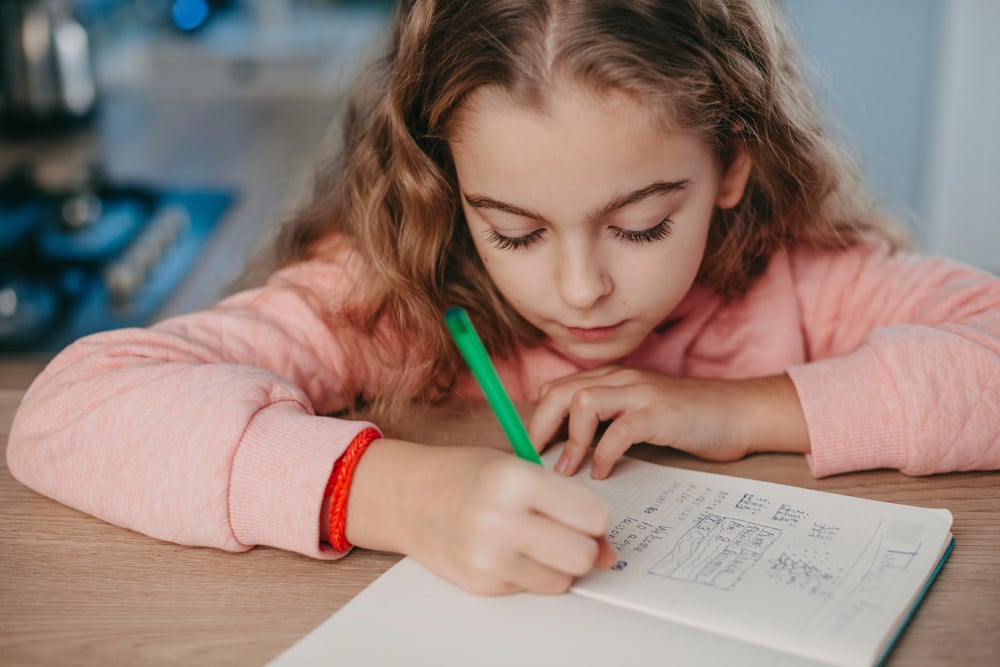
The private written record of a child’s afternoon was typically not literature, but it was entirely honest. Events were recorded, feelings were named badly and specifically, and predictions were made about the future with a confidence that later life rarely justifies.
For kids who wrote stories rather than diary entries, the afternoons provided both time and raw material — characters pulled from school, conflicts loosely based on real events, outcomes more satisfying than reality usually offered.
Watching the Ice Cream Truck Approach From Far Away
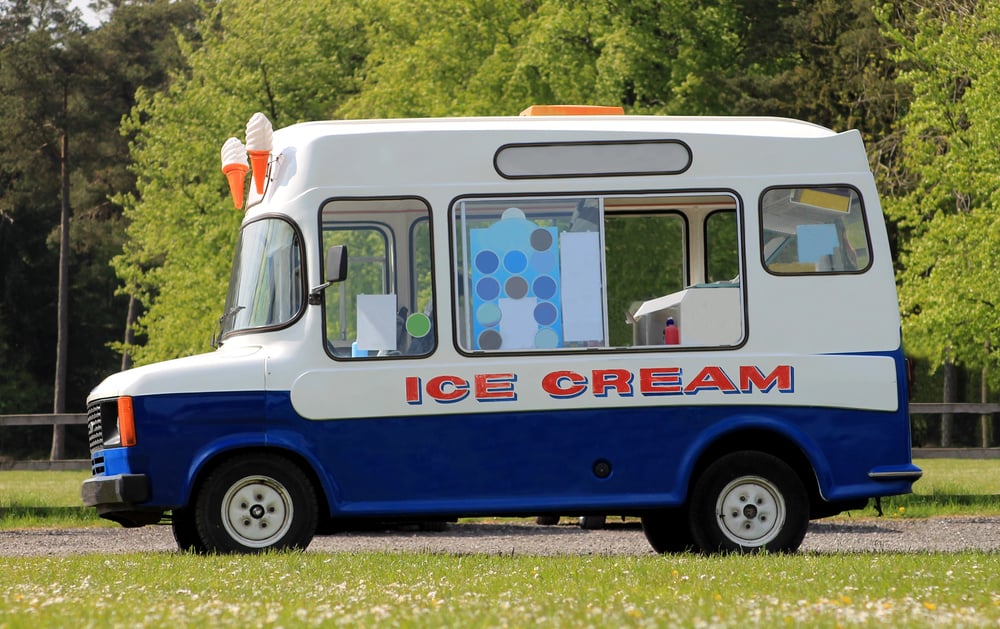
The faint music that announced an approaching ice cream truck could be detected by a child from an extraordinary distance, and the gap between hearing it and it arriving was spent in real suspense. Negotiating money from whoever was home, making the selection decision before the truck arrived, and completing the transaction before it moved on — this was a compressed sequence of events that felt far more consequential than it had any right to.
That Last Half-Hour Before Dinner When Everything Softened
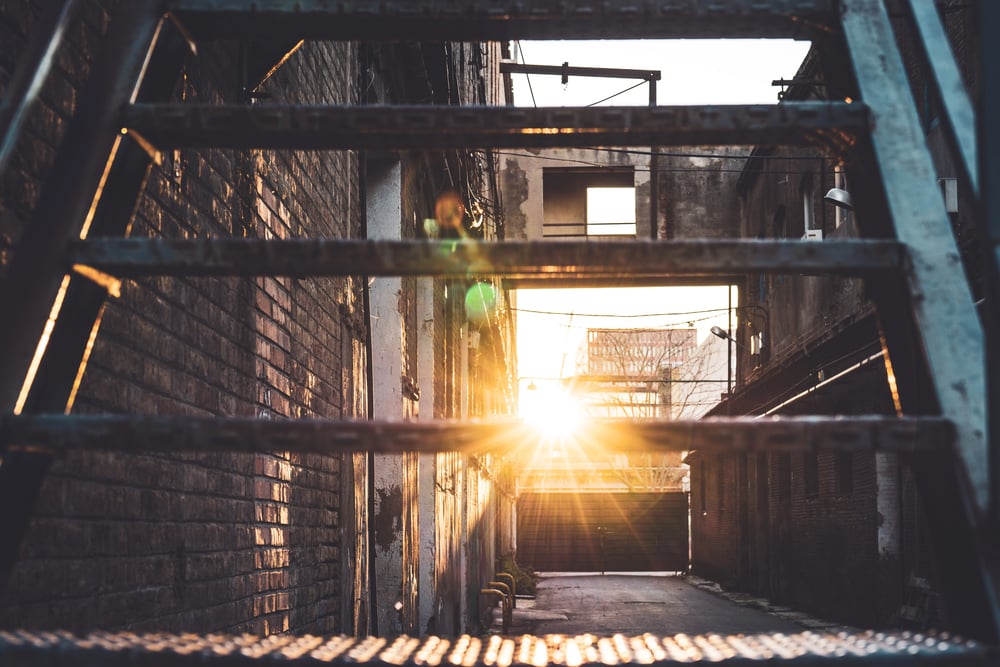
Late afternoon had a specific quality when the day was almost done. The light changed — longer shadows, warmer colour — and the pace slowed naturally.
Whatever had felt urgent an hour earlier seemed less pressing. People gathered in the same rooms without being asked to.
The sounds of dinner being prepared became background music for a gentler version of the same afternoon, and the day wound down not with a hard stop but with a gradual, comfortable fade.
The Afternoon Was Never Wasted, Even When Nothing Happened
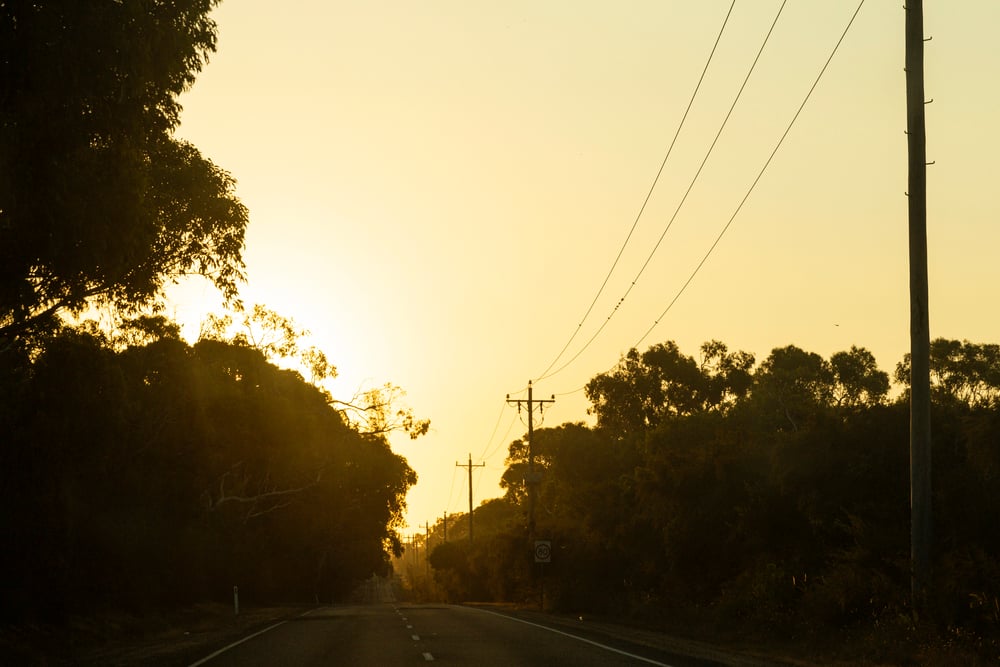
What gets called “doing nothing” in childhood was almost never actually nothing. It was the imagination testing the limits of what a driveway or a stretch of carpet or a patch of grass could be turned into.
It was the development of an interior life that had room to exist because no screen was filling the space where it would otherwise grow. Adults who remember those slow afternoons with particular warmth are often remembering something that looks, from the outside, like exactly nothing at all.
The ones who had the most of that time often ended up with the richest version of themselves. Those afternoons didn’t feel important while they were happening.
They felt normal — the way ordinary light at the end of the day feels normal until you’re somewhere that doesn’t have it anymore. The routine gave the hours a shape, and the shape gave the time a quality that had nothing to do with productivity and everything to do with simply being a child in the middle of an ordinary Tuesday that somehow managed to feel, right up until the street lights came on, like it could go on indefinitely.
More from Go2Tutors!

- The Romanov Crown Jewels and Their Tragic Fate
- 13 Historical Mysteries That Science Still Can’t Solve
- Famous Hoaxes That Fooled the World for Years
- 15 Child Stars with Tragic Adult Lives
- 16 Famous Jewelry Pieces in History
Like Go2Tutors’s content? Follow us on MSN.