28 Church Picnic Dishes Families Brought Yearly
Every congregation had a fellowship hall, a row of folding tables, and an unwritten seating chart for casseroles. Nobody assigned dishes. Families brought the same thing every summer, and the table filled itself in the same order it had the year before.
The food followed rules nobody wrote down. It had to travel in a hot car, sit out for two hours, and feed forty people from one pan. The dishes that survived those conditions became tradition, and the names taped to the bottoms of the pans became a kind of membership roll.
Deviled Eggs on the Dimpled Plate
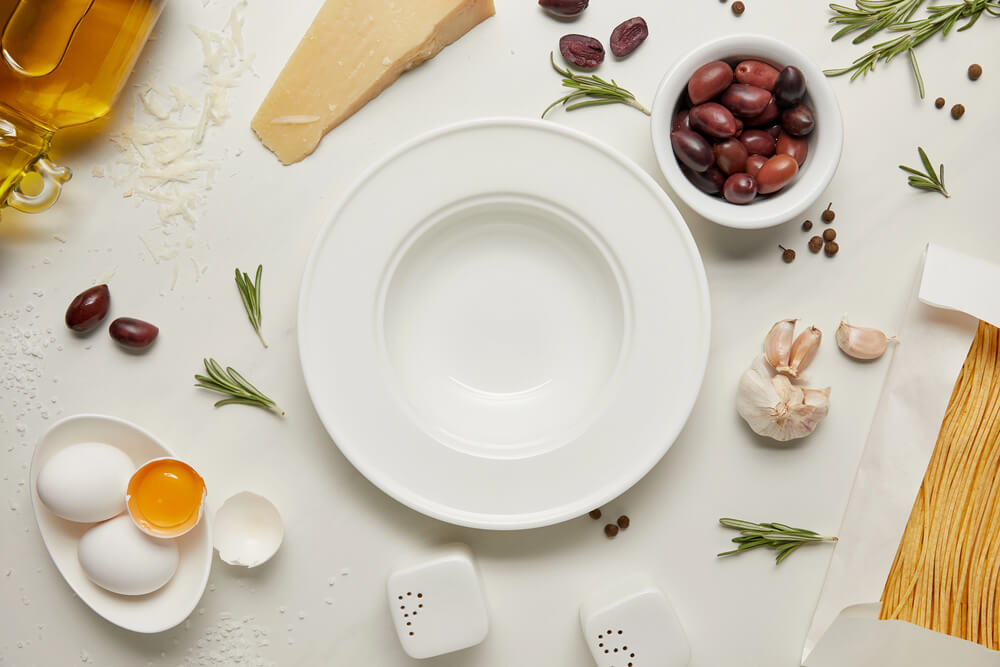
The egg plate existed for one job. Pressed glass or milk glass, it held a dozen halves in shallow oval wells so nothing slid into the potato salad on the drive over. The word deviled dates to the 1700s as kitchen slang for anything sharpened with mustard or pepper, which is why some churches preferred to list them as dressed eggs on the sign-up sheet. Paprika was the only garnish anyone trusted. The plate came home empty every year, and whoever brought it knew to make two dozen next time.
Cold Fried Chicken in a Shirt Box
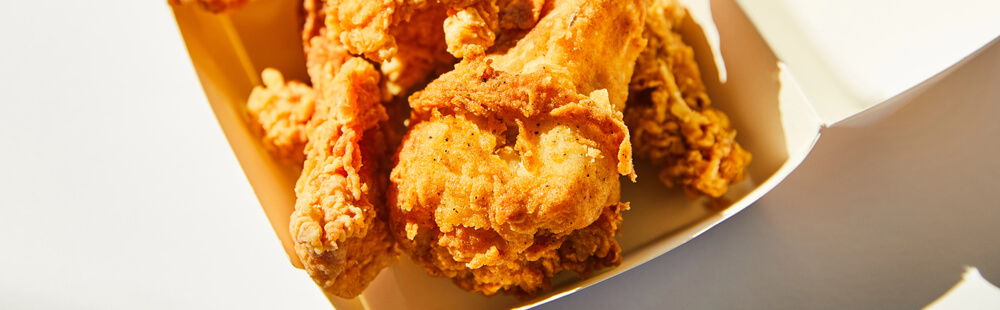
Fried chicken went to the picnic cold on purpose. Cooked the night before, cooled on a rack, and packed in a box lined with wax paper, it held its crust better than chicken kept warm under foil, which steams itself soft within the hour. Older cooks fried in lard in a cast iron skillet with the lid on for the first half, a method that cooks the meat through before the crust darkens. A drumstick eaten standing beside a parked station wagon needed no plate. That portability kept it at the head of the table for a century.
Potato Salad, Mustard or Mayonnaise
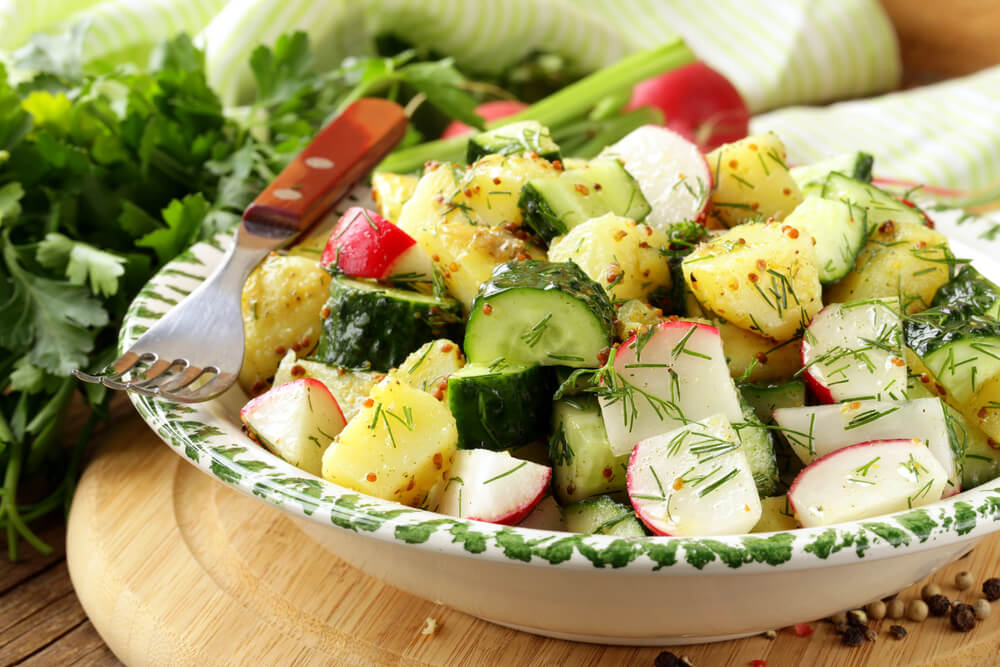
Every church had two potato salad families, and they did not trade recipes. One side used yellow mustard, sweet pickle relish, and chopped boiled egg. The other stayed pale with mayonnaise, celery, and a little onion. Both camps dressed the potatoes while still warm, because a warm potato absorbs seasoning and a cold one only wears it. The bowl rode to the picnic packed inside a larger bowl of ice, a precaution handed down long before anyone printed food safety charts. The serving line slowed at that spot every single year.
Vinegar Coleslaw That Survived the Sun
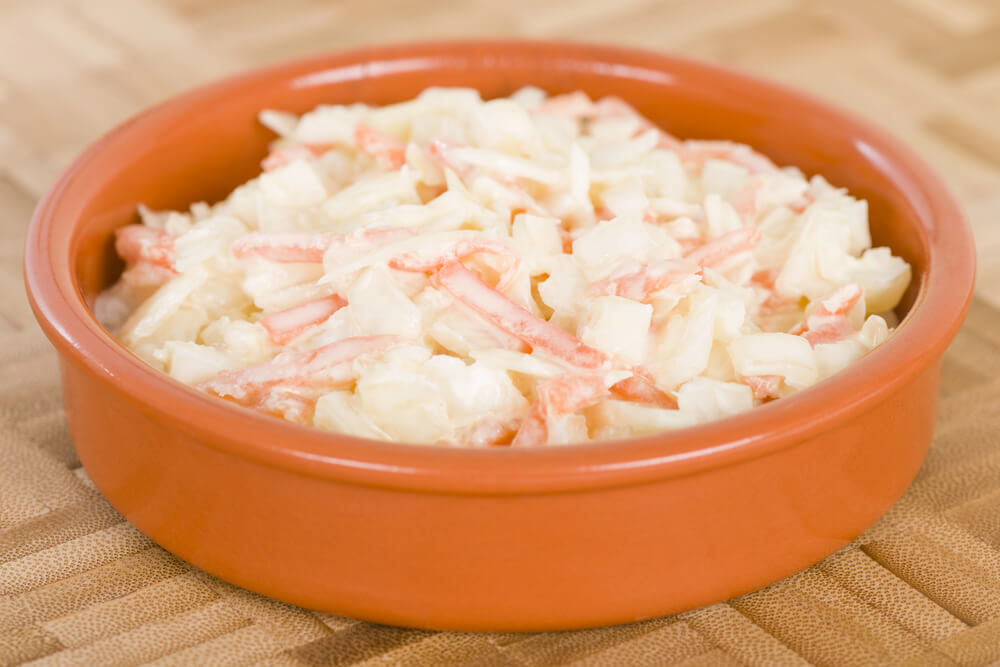
The slaw that lasted at outdoor dinners skipped the mayonnaise entirely. Shredded cabbage, a little carrot, and a boiled dressing of cider vinegar, sugar, oil, celery seed, and dry mustard went over the top hot, which wilts the cabbage just enough to soak it through. Made a day ahead, it improved overnight and kept for a week. Cooks in the Carolinas and across the Midwest called it by different names, including freezer slaw and nine-day slaw. It shared a plate with fried chicken so often that the two became one order.
Three-Bean Salad From the Pantry Shelf
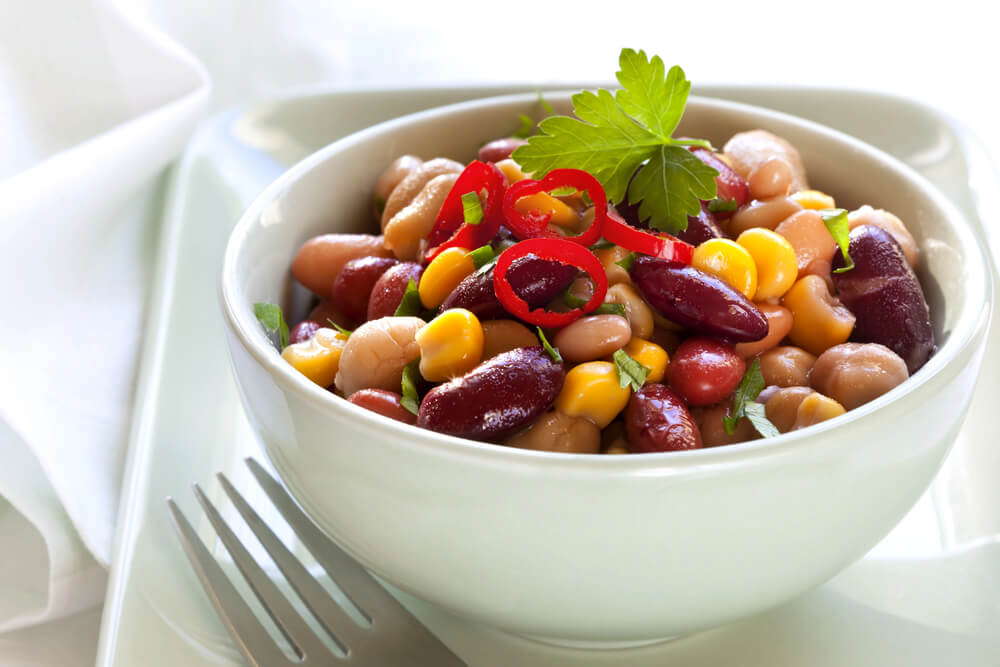
Three cans, one onion, and a sweet vinegar dressing made a dish that cost almost nothing and could be assembled on a Saturday night. Green beans, yellow wax beans, and red kidney beans supplied the colors, and a day in the refrigerator supplied the flavor. It needed no refrigeration at the picnic itself, which made it a favorite of whoever arrived first and claimed table space before the ice showed up. Some families added chickpeas and called it four-bean salad. The recipe card was always stained in the same corner.
Seven-Layer Salad in the Glass Bowl
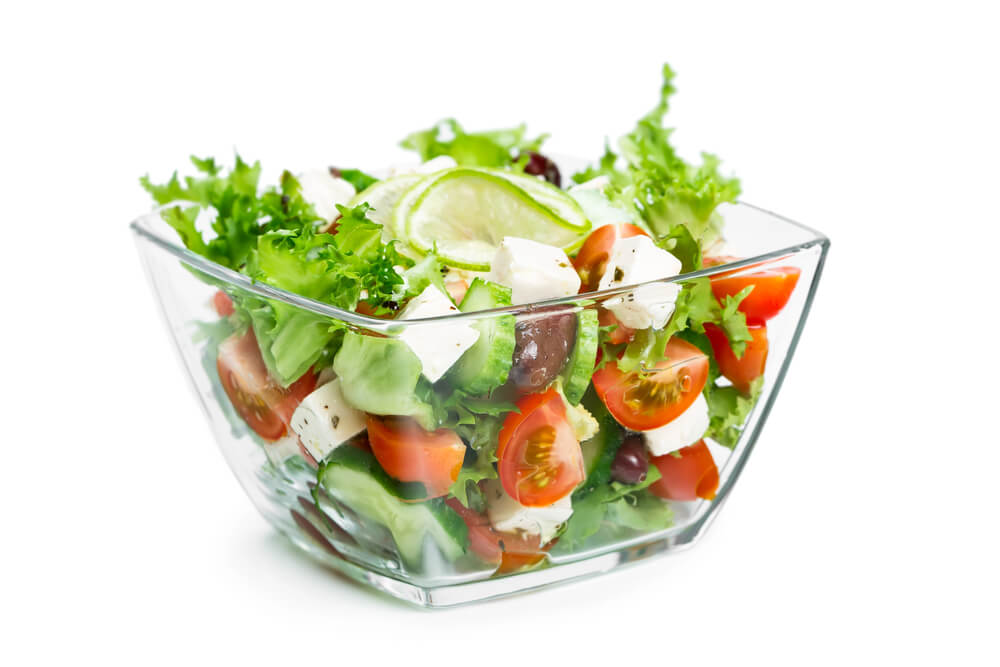
The seven-layer salad was built to be looked at. Iceberg lettuce, celery, green pepper, red onion, and frozen peas went into a straight-sided glass bowl in visible stripes, then got sealed under a lid of mayonnaise sweetened with a spoonful of sugar. Shredded cheddar and crumbled bacon finished the top. The mayonnaise seal was functional, keeping air off the lettuce so the salad could be made a full day ahead. Nobody tossed it. The first person through the line had to dig straight down with the spoon to be fair about it.
Cucumbers and Onions in Vinegar
This was garden surplus with a dressing. Thin cucumber slices and rings of white onion sat in a brine of vinegar, water, sugar, salt, and black pepper, and July supplied the rest. German and Scandinavian congregations often stirred in sour cream and dill instead. The bowl arrived sloshing, usually in a repurposed margarine tub with the lid taped down. It cost nothing, cut through a plate of heavy casseroles, and disappeared faster than anything that had taken three hours to make. Gardeners brought it as a quiet point of pride.
Lime Gelatin Salad With Cottage Cheese
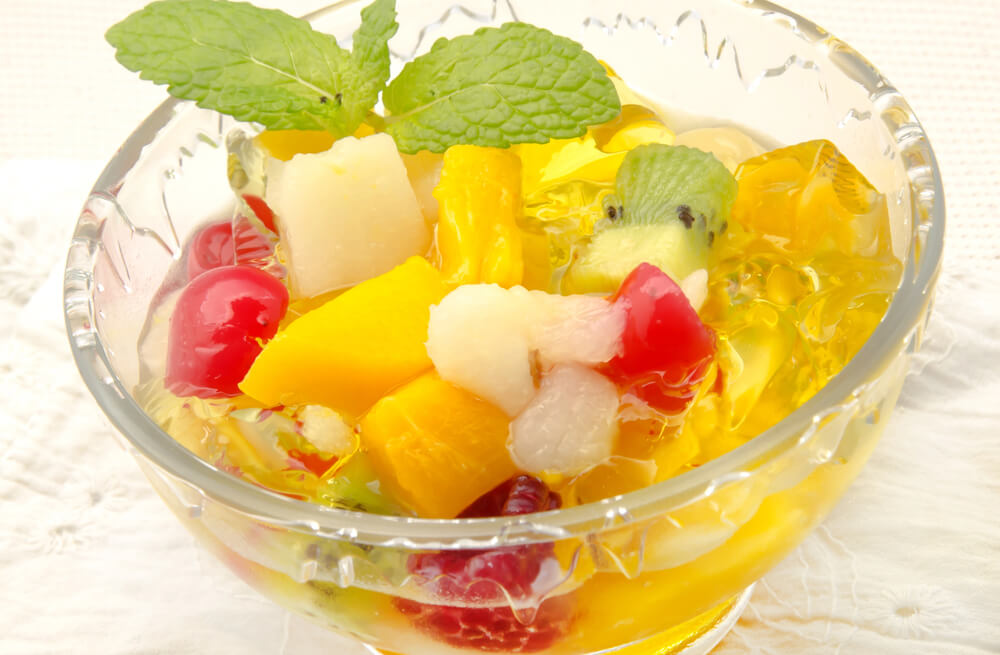
Congealed salad held a place of honor that younger relatives never fully understood. Lime gelatin, cottage cheese, crushed pineapple, and sometimes chopped pecans or a little horseradish set overnight in a ring mold or a flat glass dish. Lime was the savory-leaning flavor of its day, and gelatin makers once sold celery and seasoned tomato versions for exactly this kind of use. The dish wobbled to the table on a bed of lettuce leaves. It counted as a salad, a fact defended with total seriousness by the women who made it.
Ambrosia

Ambrosia appeared in American cookbooks in the late 1800s as something close to austere, only sliced oranges, grated fresh coconut, and sugar. Both ingredients were expensive then, which made it a holiday dish across the South. The church picnic version grew softer over the decades, picking up canned mandarin segments, pineapple tidbits, miniature marshmallows, maraschino cherries, and sour cream or whipped topping. Purists still made the three-ingredient original and said so. Either way it went in the good cut glass bowl, and either way it sat with the salads instead of the desserts.
Watergate Salad
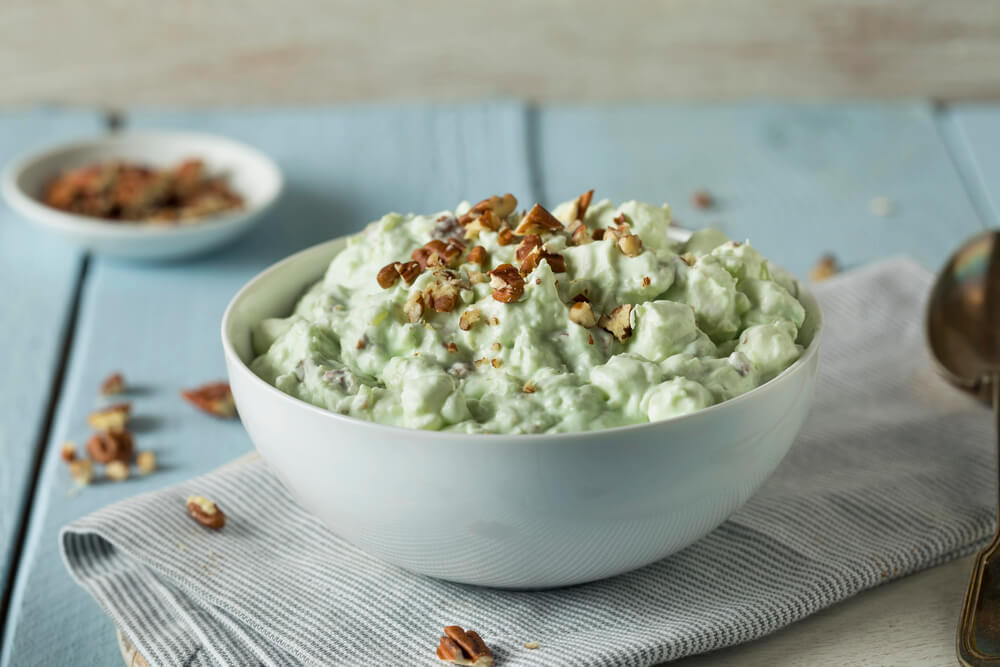
Pistachio pudding mix, crushed pineapple, miniature marshmallows, pecans, and whipped topping made a pale green fluff that took five minutes and no stove. Kraft has said its kitchens developed the recipe in the mid-1970s under the name Pistachio Pineapple Delight, and the company did not print the Watergate name on its own materials until 1993. Nobody has ever documented where the scandal name came from. Church cooks did not care. They called it green stuff, brought it in a lidded plastic bowl, and watched children take it instead of vegetables.
Frog Eye Salad
The name did the dish no favors, and it thrived anyway. Frog eye salad is built on acini di pepe, a pasta the size of peppercorns, cooked and folded into a cooled custard of pineapple juice, egg, sugar, and flour. Mandarin oranges, pineapple, marshmallows, and whipped topping went in last. It belongs mostly to the Mountain West and the northern Plains, where it remains a fixture at church suppers in Utah, Idaho, and the Dakotas. Visitors from elsewhere asked what it was, took a polite spoonful, and came back for a second one.
Baked Beans With Bacon Laid Across the Top
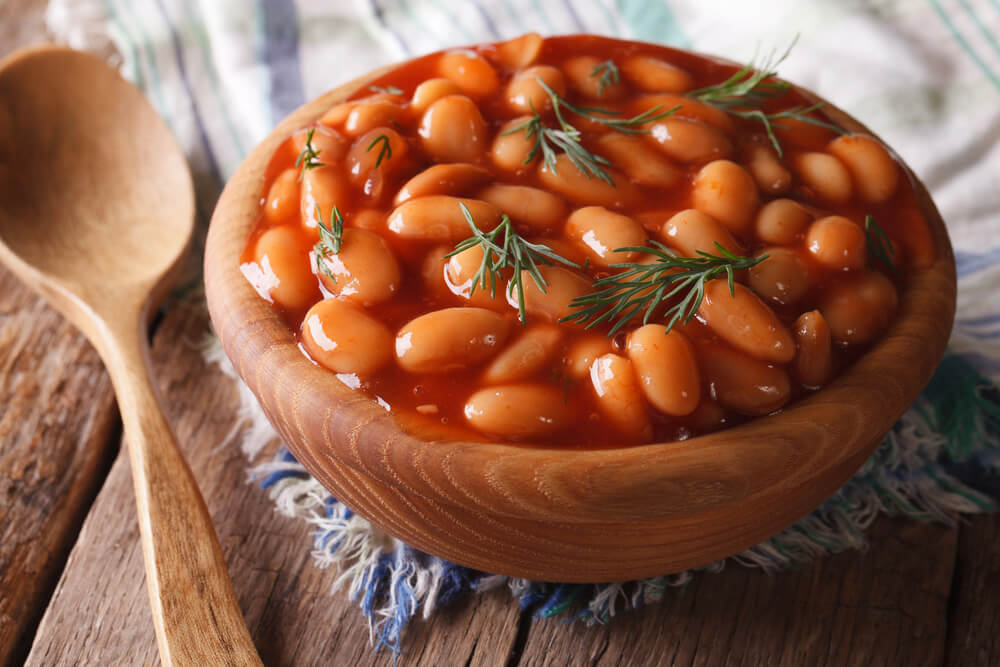
Picnic baked beans usually began with canned pork and beans and ended up somewhere better. Brown sugar or molasses, ketchup, yellow mustard, and chopped onion went in, strips of bacon went across the top, and the pan baked low for a couple of hours until the edges turned sticky. The dish traveled in the same enamel roaster it cooked in, wrapped in a bath towel to hold the heat. Men who cooked nothing else all year often claimed this recipe. The corner pieces with the most bacon went first.
Green Bean Casserole
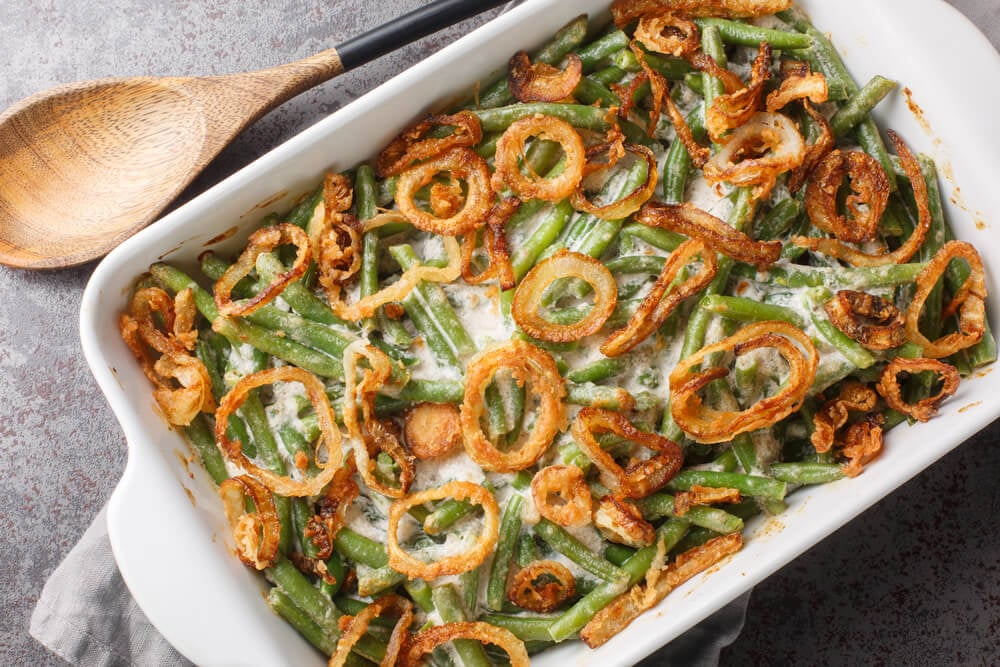
Dorcas Reilly developed this casserole in the Campbell Soup test kitchen in 1955, working from two things most households already had on the shelf, canned green beans and condensed cream of mushroom soup. The original used six ingredients and took about ten minutes to assemble. Her recipe card now sits in the archives of the National Inventors Hall of Fame. The fried onion topping had to be added near the end so it stayed crisp, which meant somebody always carried a separate can to the picnic and finished the dish on site.
Funeral Potatoes
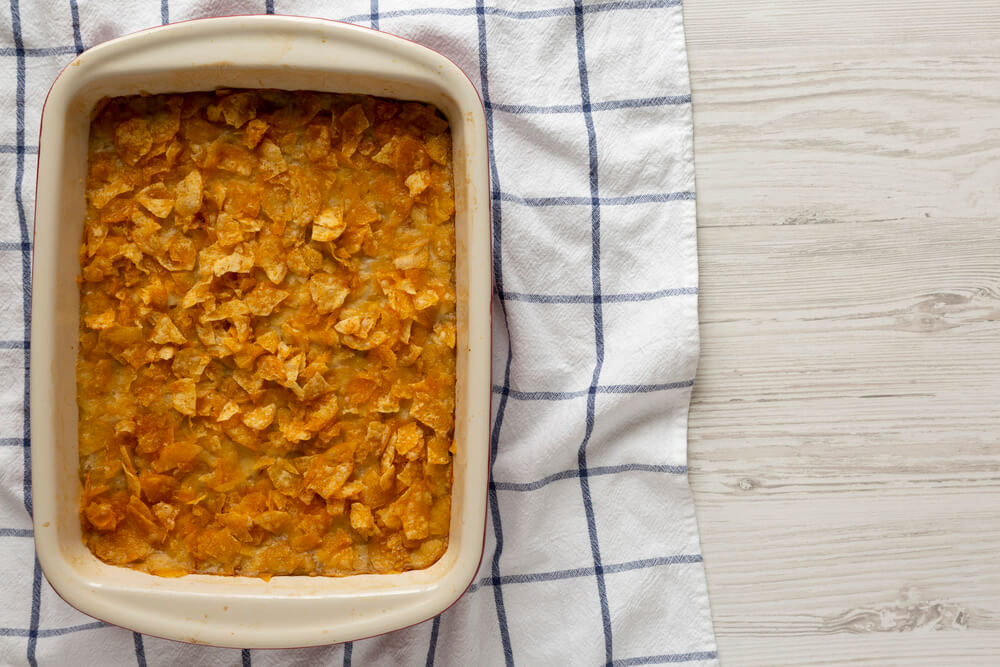
Shredded or cubed hash browns, sour cream, condensed cream of chicken soup, butter, and cheddar baked under a crust of crushed cornflakes. The name comes from the dish’s standing assignment at luncheons after services, particularly among Latter-day Saint congregations, where Relief Society members could produce a dozen pans on short notice. It showed up at happier gatherings just as often. During the 2002 Winter Olympics in Salt Lake City, one of the souvenir pins traded by visitors depicted a pan of funeral potatoes. Elsewhere it was called cheesy potatoes or party potatoes, and the pan came back scraped clean.
Tater Tot Hotdish
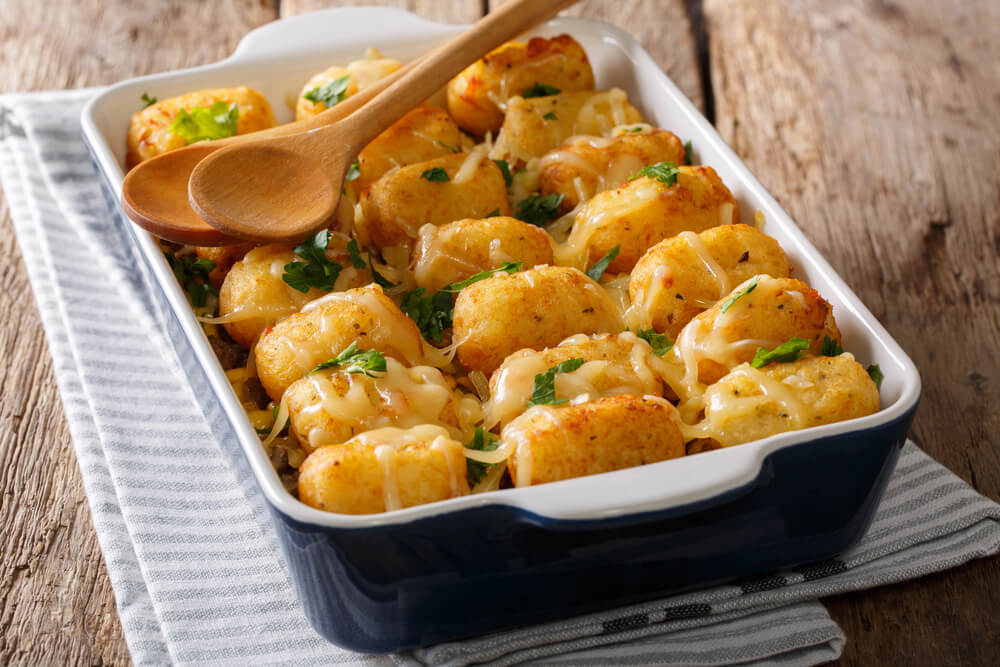
In the Lutheran belt of Minnesota and the Dakotas, a casserole is a hotdish, and this one ruled the basement supper. Browned ground beef and onion, a can of cream of mushroom soup, and a layer of green beans or corn went under neat rows of frozen potato puffs. Ore-Ida introduced Tater Tots in the 1950s as a way to use the shavings left over from cutting french fries. The rows mattered. A cook who scattered the potatoes at random was understood to be in a hurry, and people noticed.
Squash Casserole With Cracker Crumbs
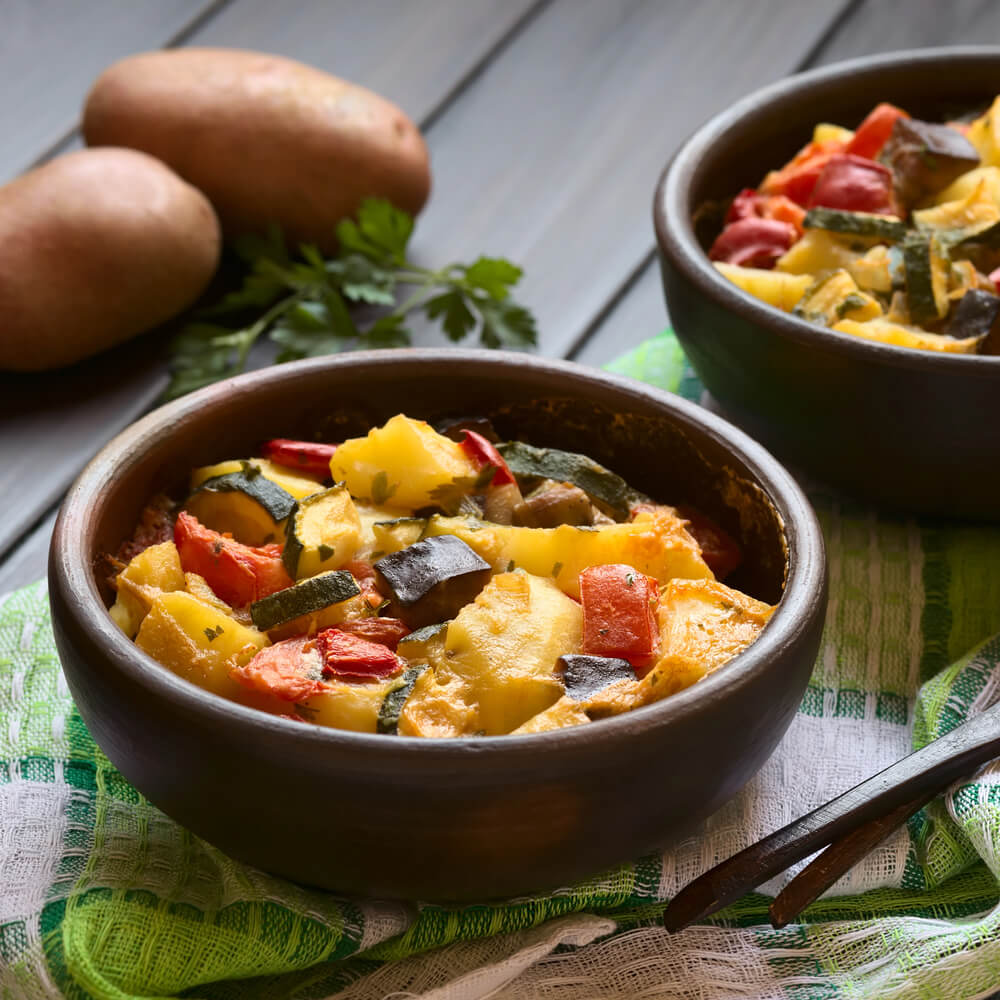
By midsummer every gardener in the congregation had more yellow crookneck squash than any household could eat, and this casserole was the answer. Sliced squash and onion were simmered soft, drained hard, and mixed with egg, cheddar, and a little mayonnaise or sour cream, then topped with buttered cracker crumbs. Draining was the entire secret, since squash carries enough water to turn the dish to soup. It was a Southern side above all. People who claimed to dislike squash ate it without comment, which the cook took as the highest available praise.
Corn Pudding From the Blue Box
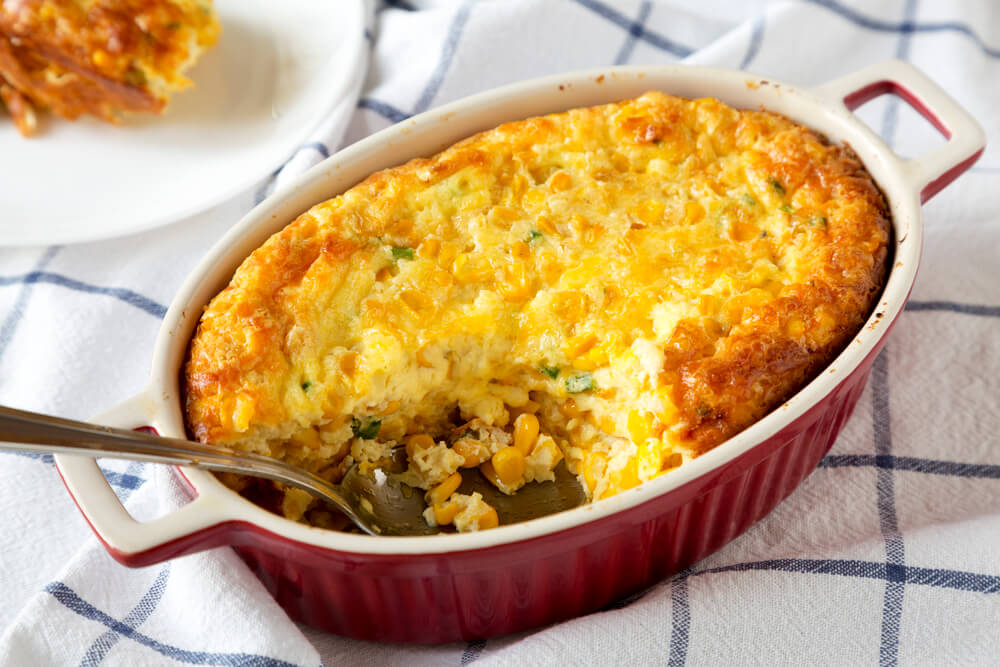
This spoonable cornbread, also called corn casserole, used one box of corn muffin mix, a can of cream-style corn, a can of kernel corn, sour cream, melted butter, and sometimes an egg. The mix in question came from Chelsea, Michigan, where Mabel White Holmes developed the first Jiffy baking mix in 1930. The small blue and white box has barely changed in appearance since. The pudding baked up golden at the edges and soft in the middle. It fit every menu, which is why three families sometimes brought it on the same Sunday.
Baked Macaroni and Cheese
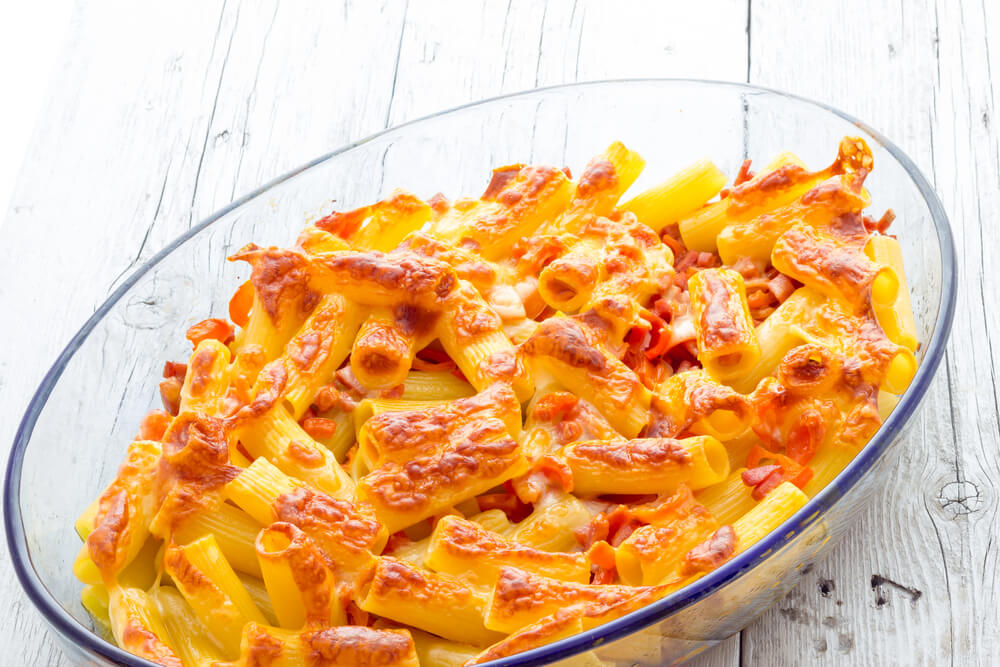
Church macaroni and cheese was a baked custard, not a stovetop sauce. Cooked elbows were layered with sharp cheddar, then covered with a mixture of eggs and evaporated milk that set firm in the oven. The result sliced into squares and held its shape on a paper plate, which a creamy version never could. The browned cheese at the corners was the contested territory. In many Black congregations across the South this pan carried real status, and the person trusted to make it kept the assignment for decades.
Pimento Cheese Sandwiches
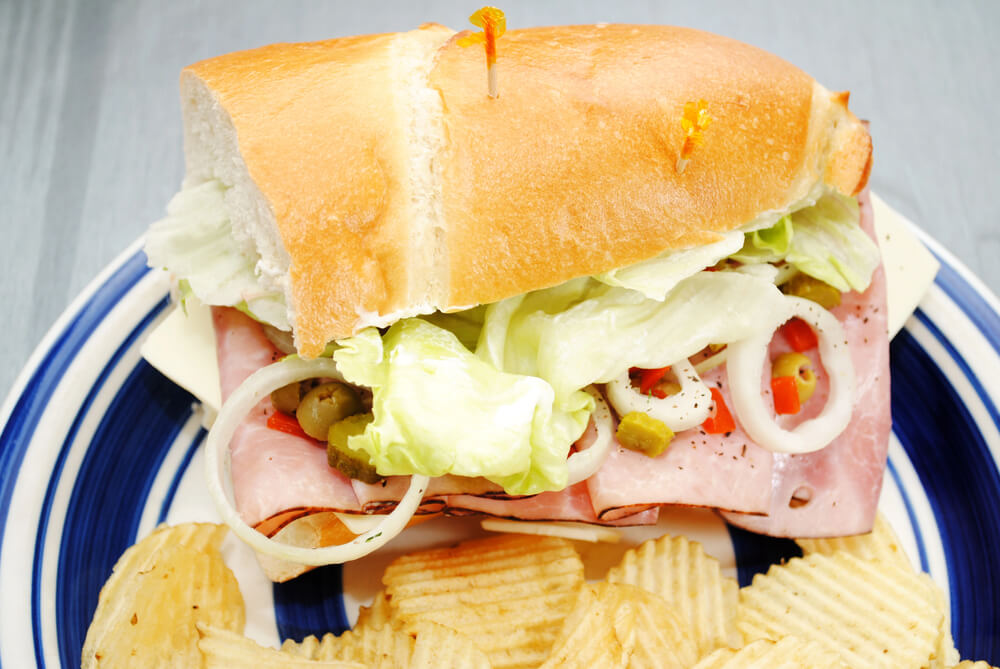
Pimento cheese began in the North in the early 1900s as a blend of cream cheese and canned pimientos sold in jars, and the South later made it its own with grated sharp cheddar and mayonnaise. For a church picnic it went between slices of soft white bread with the crusts trimmed, cut into triangles, and stacked under a damp tea towel to keep the edges from drying. Some cooks added a little grated onion or cayenne. The sandwiches cost pennies apiece and fed children who would not touch a casserole.
Sliced Ham on Yeast Rolls
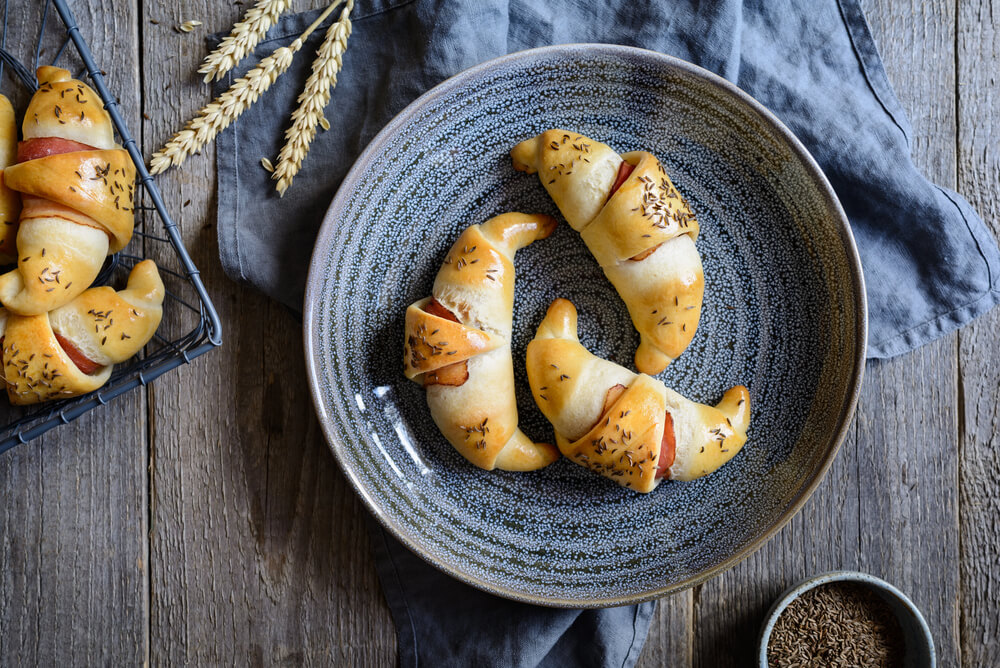
A baked ham sliced thin and tucked into homemade yeast rolls covered a lot of ground. In Virginia, Kentucky, and Tennessee the ham was often salt-cured country ham, shaved nearly transparent because a thick slice was too intense to eat. The rolls came from whoever in the congregation had the touch, and that person made ten dozen without being asked. A little butter or mustard was the only dressing. They stacked neatly in a roaster pan, needed no utensils, and fed the men who had been setting up tables since morning.
Banana Pudding With Vanilla Wafers
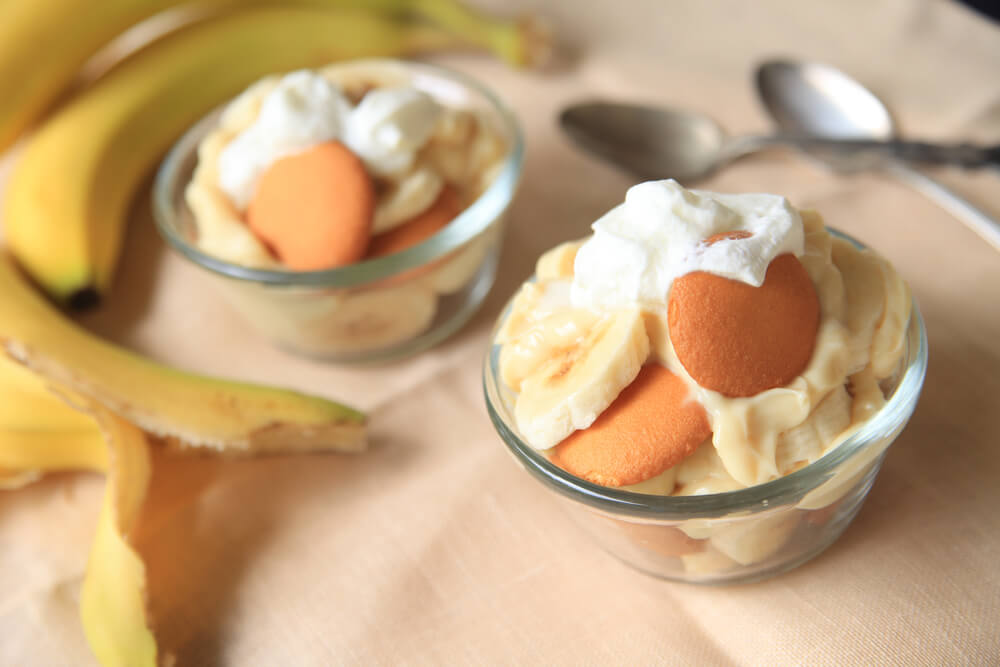
Layers of vanilla wafers, sliced bananas, and cooked custard went into a deep dish and sat overnight until the cookies softened to cake. The traditional finish was a browned meringue, made from the egg whites left over after the yolks went into the custard. Nabisco has printed a version of the recipe on its vanilla wafer box since the 1940s, which helped fix the formula across the South. Later cooks switched to instant pudding and whipped topping. The old guard could tell at a glance, and they chose their serving accordingly.
Texas Sheet Cake
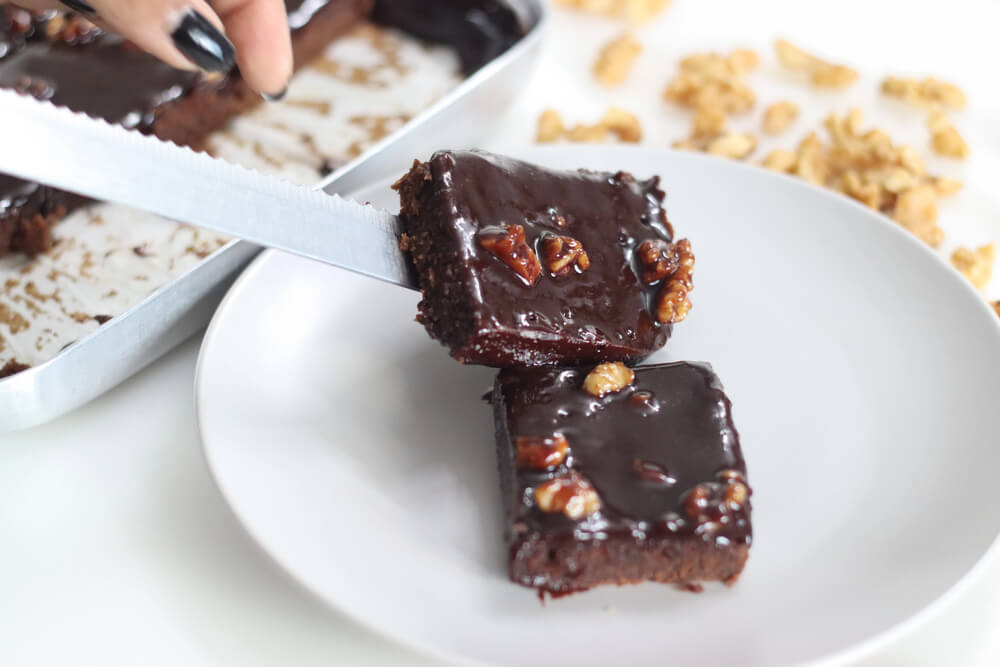
This thin chocolate cake bakes in a rimmed jelly roll pan and gets its icing while still hot. The batter is mixed in a saucepan with butter, cocoa, and water, then finished with buttermilk. The frosting, cooked on the stove with more cocoa and a full cup of pecans, is poured over the warm cake so it sets into a thin fudge shell. Nobody has pinned down the origin of the name. The practical appeal was arithmetic, because one pan cut cleanly into forty squares and rode to church in the pan it baked in.
Pound Cake
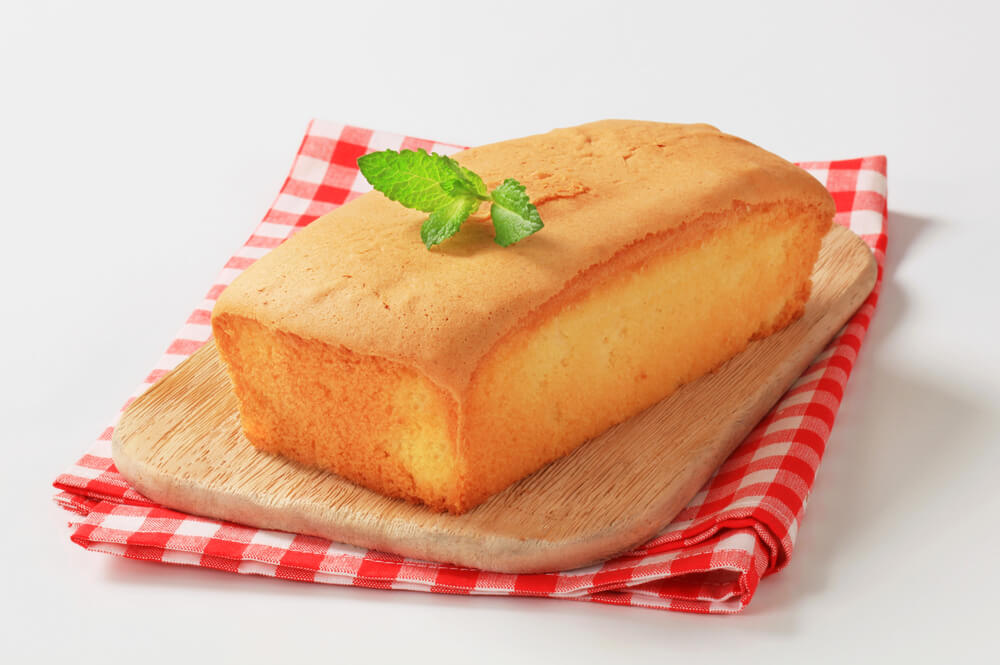
The name is the original recipe, a pound each of butter, sugar, eggs, and flour. Church bakers adjusted from there with sour cream, cream cheese, or a splash of lemon extract, and each version had loyal defenders. A pound cake traveled better than anything frosted. It did not melt, slump, or stick to plastic wrap, and it sliced thin enough to feed a crowd from one tube pan. The crust that formed on top, slightly crackled and sugary, was the part people quietly broke off while walking past the dessert table.
Hummingbird Cake
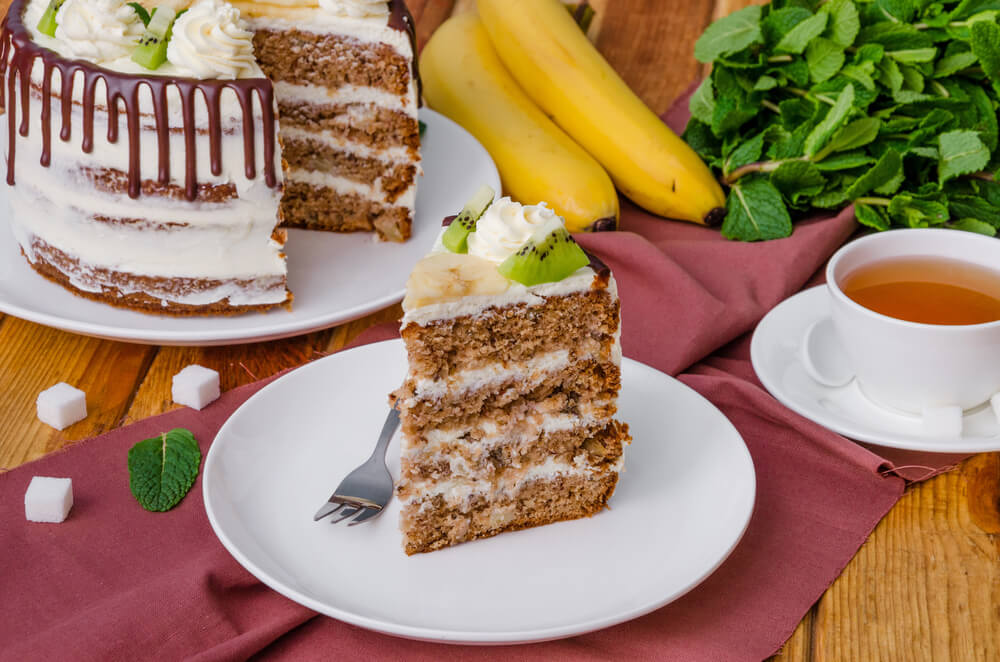
Southern Living published this recipe in February 1978, credited to a reader from Greensboro, North Carolina, and it became the most requested recipe in the magazine’s history. The cake combines mashed banana, crushed pineapple, pecans, and cinnamon in an oil-based batter, stacked in three layers with cream cheese frosting. Versions had circulated earlier under other names, and the fruit points to Caribbean roots. Within a few years it was standard at church homecomings across the South. It needed a cooler for the drive, and the baker considered that a small price.
Pineapple Upside-Down Cake
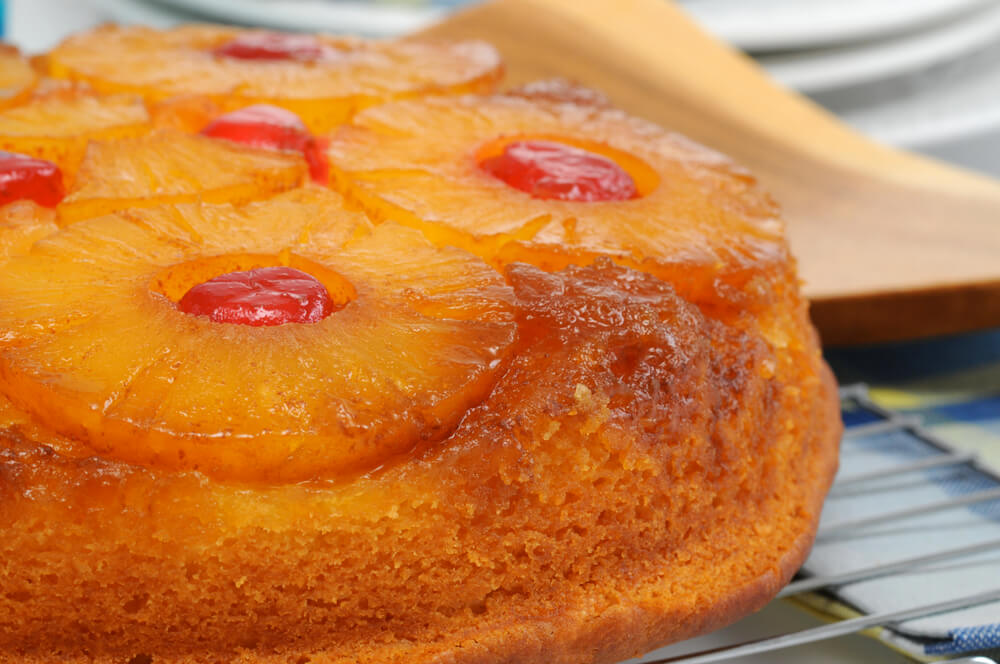
Canned pineapple rings made this cake possible, and a 1925 recipe contest run by the Hawaiian Pineapple Company showed how fast it had spread. Of roughly sixty thousand entries, about twenty-five hundred were for pineapple upside-down cake. The method was already old, borrowed from skillet cakes that put fruit and brown sugar under the batter. A cast iron skillet still makes the best version because it caramelizes the edges. Each ring got a maraschino cherry in its center, and the cake arrived already decorated, which saved a step.
Peach Cobbler
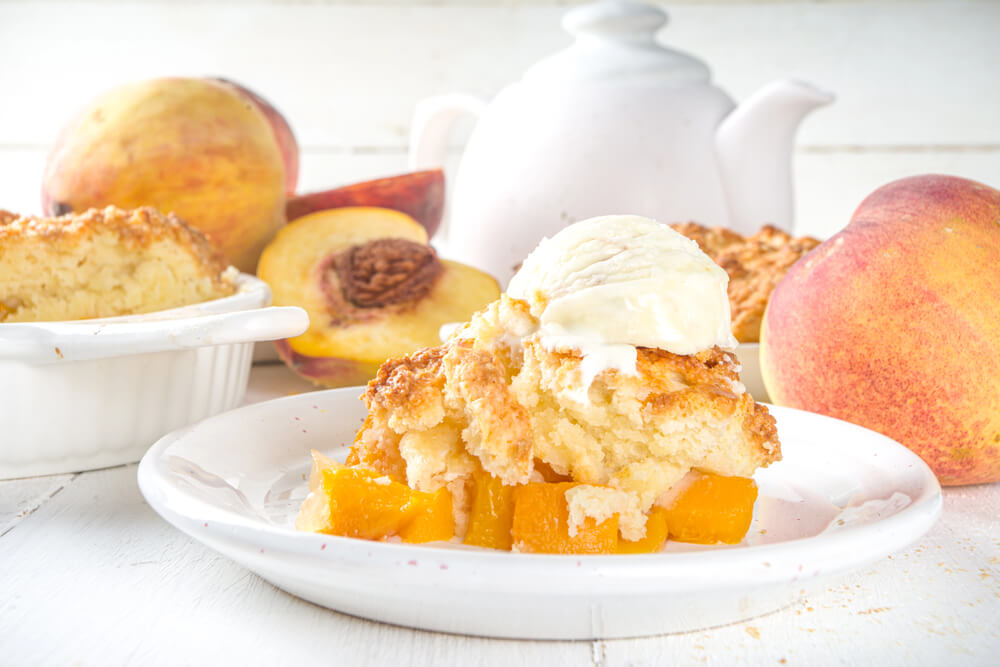
Cobbler was the dessert of whoever had a peach tree. Sliced fruit cooked with sugar and a little nutmeg went into a deep pan under biscuit dough, pie crust strips, or a poured batter that rose up through the fruit as it baked. Each style had a region and a grandmother behind it. The pan came to the picnic wrapped in newspaper and towels so it was still warm at serving time. It was sloppy, impossible to portion evenly, and always gone before the layer cakes, which says plenty about what people actually wanted.
Rice Krispies Treats
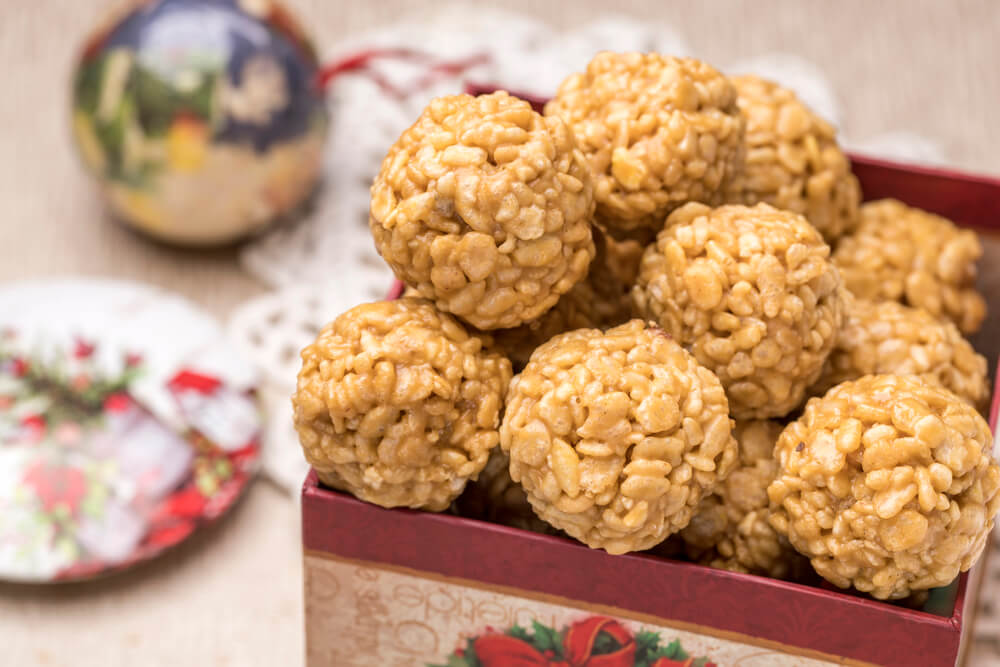
Kellogg’s home economists Mildred Day and Malitta Jensen worked out this recipe in 1939, and it first served as a fundraiser item for a Camp Fire Girls group. The formula was butter, marshmallows, and cereal, pressed into a buttered pan and cut into squares. Kellogg’s began printing it on the box in the 1940s. At church picnics the treats were the contribution of the family with small children and no time, and no one held it against them. The pan emptied within ten minutes, mostly into the hands of people under four feet tall.
Hand-Cranked Vanilla Ice Cream
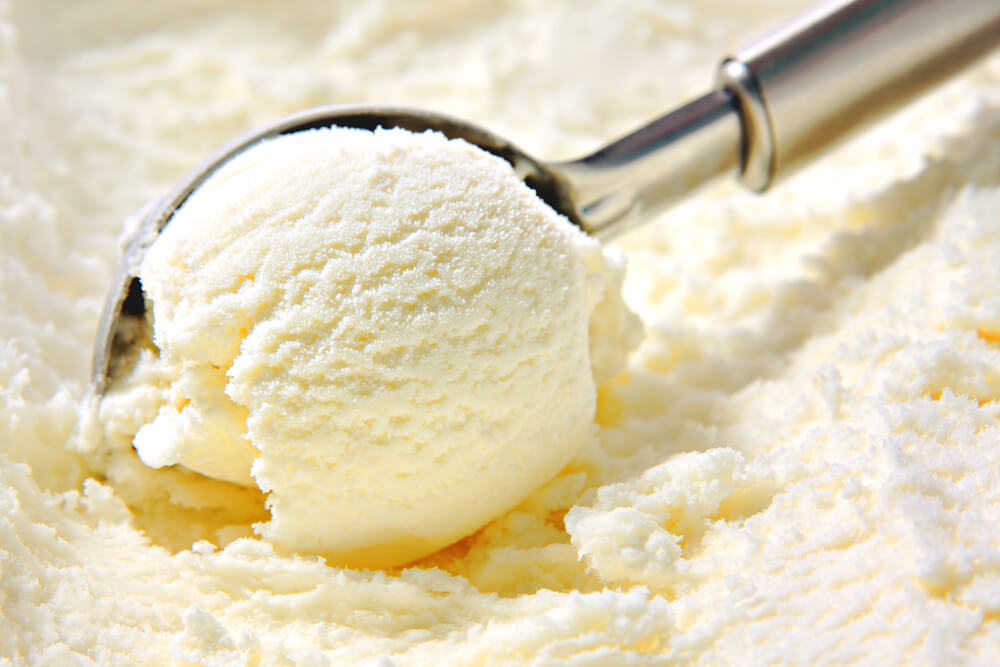
The freezer was a wooden bucket with a metal canister inside, packed around with crushed ice and rock salt. Salt lowers the freezing point of the ice, which pulls enough heat out of the custard to freeze it. Children took the early turns at the crank while it spun easily, and the men took over when it stiffened. Someone sat on the bucket with a folded towel to hold it steady. After twenty or thirty minutes the dasher came out coated, and whoever had cranked longest earned the right to lick it clean.
The Pan With a Name on the Bottom
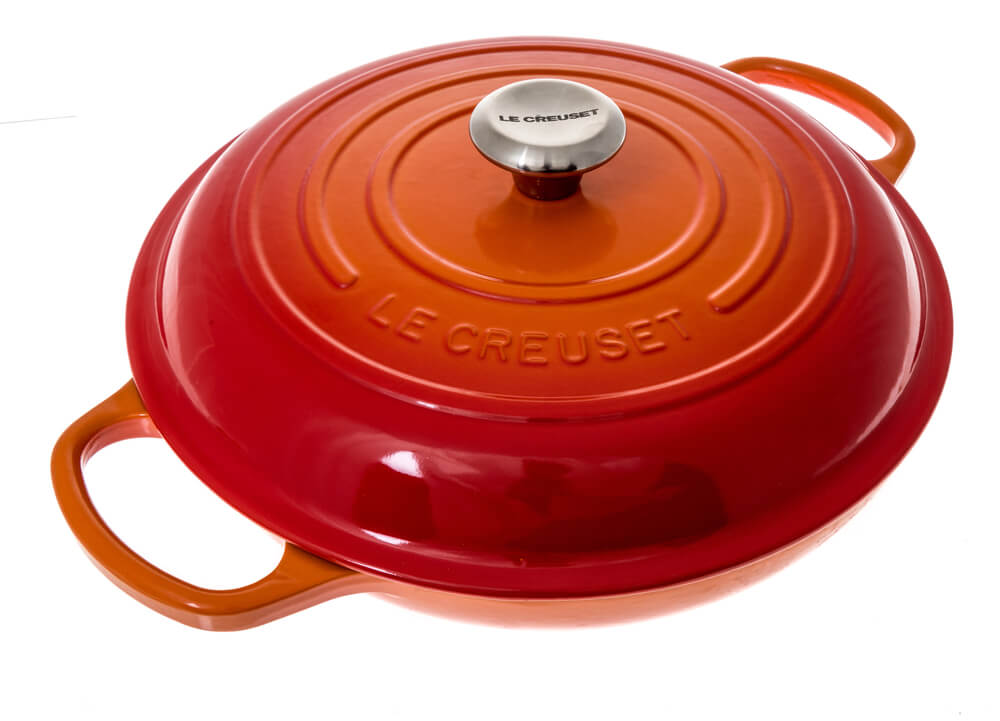
None of these dishes was difficult, and that was never the point. A church picnic ran on reliability. The table worked because forty households each did one familiar thing well, without a committee and without a menu.
The masking tape on the bottom of the dish carried a surname, and the surname carried a promise that the pan would be back next year with the same thing in it. Recipes changed hands at weddings and after funerals. Many of those dishes are still being made by people who never met the cook whose name first went on the tape.
More from Go2Tutors!

- The Romanov Crown Jewels and Their Tragic Fate
- 13 Historical Mysteries That Science Still Can’t Solve
- Famous Hoaxes That Fooled the World for Years
- 15 Child Stars with Tragic Adult Lives
- 16 Famous Jewelry Pieces in History
Like Go2Tutors’s content? Follow us on MSN.