28 Coins Hiding in Pocket Change That Collectors Pay Far Above Face Value For
Loose change gets treated like lint. It collects in cup holders, jars, and couch cushions until someone hauls it to a counting machine that keeps a cut for the trouble.
Some of those coins deserve better. A doubled letter, a missing mintmark, or the wrong metal can turn a cent into a coin worth hundreds, and most of them look ordinary until someone bothers to check.
Lincoln Cent Marked S VDB From 1909
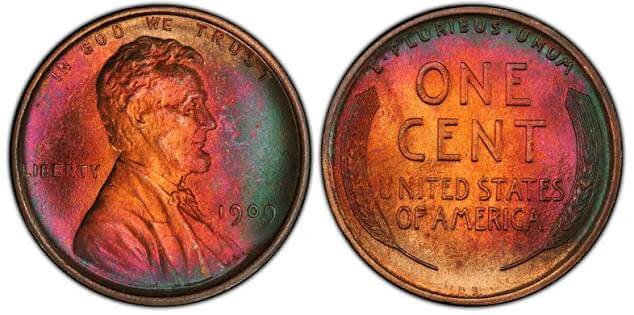
Lincoln cents from early 1909 carried the initials of designer Victor David Brenner on the reverse, and critics complained they were too prominent. The Mint removed them within weeks, which left the San Francisco version with a mintage of just 484,000.
Even well-worn examples are worth close to a thousand dollars, and bright uncirculated pieces climb far past that. Counterfeiters love this coin, so experts check for added S mintmarks and altered dates on common 1909 cents.
Heavy wear, scratches, and cleaning all reduce value, and a harshly cleaned coin loses a surprising share of its price.
Denver Cents From 1922 Missing the D
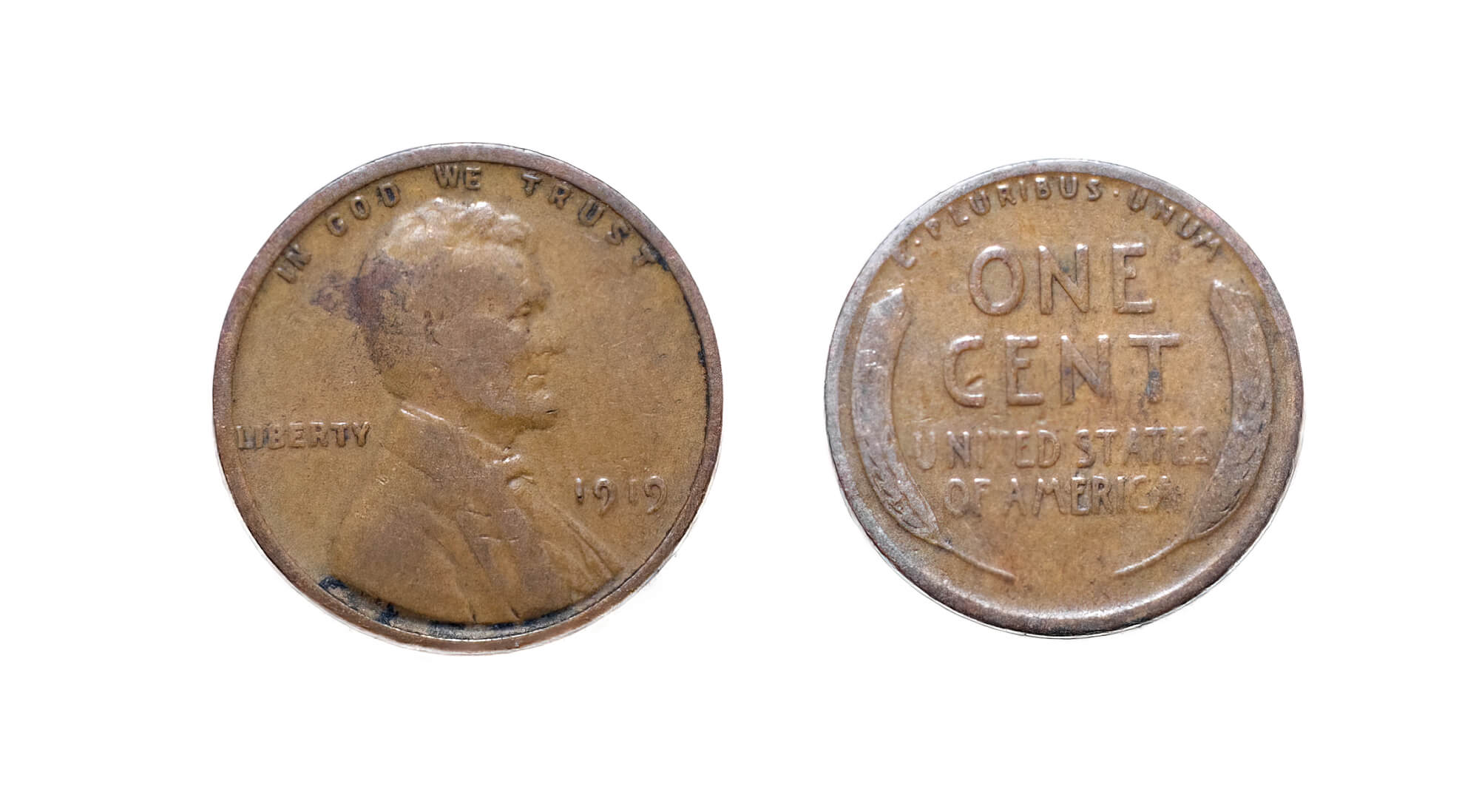
Every Lincoln cent struck in 1922 came from the Denver Mint, yet some show no mintmark at all. Overused dies clogged with grease and wore down until the D vanished, and one die pair produced a strong, clear reverse that collectors prize above the rest.
Worn examples from that die sell for several hundred dollars, and sharp ones reach the thousands. Coins with a weak reverse or a faint trace of the D are worth much less.
Collectors also watch for removed mintmarks on ordinary 1922-D cents, which leave telltale tooling marks under magnification. Corrosion and dark spots lower value quickly.
Bronze Cents Struck in 1943
Wartime copper needs pushed the Mint to make cents from zinc-coated steel in 1943 to save copper for the war effort, but a few leftover bronze blanks slipped into the presses. Only about 20 genuine bronze 1943 cents are known across the three mints, and a Denver example sold for about 1.7 million dollars in 2010.
A magnet provides the first test, since steel cents stick and bronze ones do not. Copper-plated steel fakes and altered 1948 dates are common, so experts weigh and examine every candidate.
Even a worn genuine example brings six figures, though scratches and damage still reduce the price.
Steel Cents Dated 1944
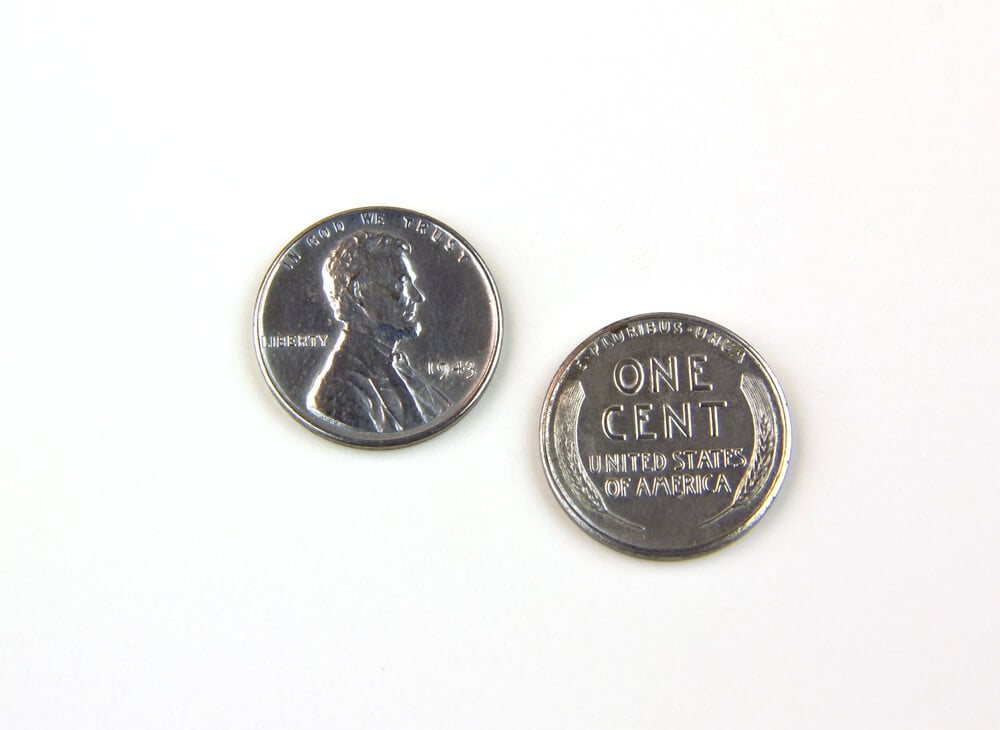
When the Mint returned to bronze in 1944, a handful of leftover steel blanks were struck by mistake, reversing the error of the year before. Only a few dozen genuine 1944 steel cents are known, and they trade in the six figures.
The magnet test works in the opposite direction here, since a real one will stick. Fakes are made by plating or altering 1943 steel cents, so authentication by a grading service is essential.
Surface rust is the main condition issue with steel cents, and spots of corrosion bring the price down noticeably even on a rare coin.
Doubled Die Cent From 1955
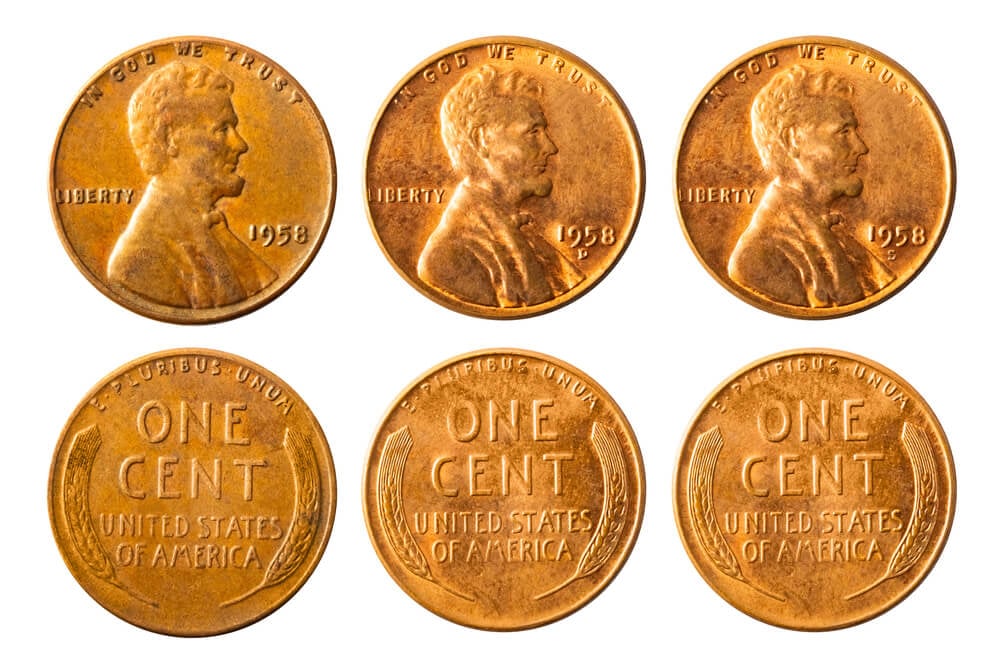
A misaligned die at the Philadelphia Mint in 1955 stamped a strong double image onto the date and lettering of thousands of cents. The doubling on this coin is visible without magnification, especially on the date and the word LIBERTY.
Roughly 20,000 or more entered circulation before anyone caught the problem. Worn examples trade at about 1,000 to 2,000 dollars, while uncirculated coins bring much more.
Another 1955 cent with milder, smeared doubling, often called the poor man’s doubled die, is worth far less. Scratches, cleaning, and heavy wear on the date all cut into the price.
San Francisco Doubled Die Cent of 1969
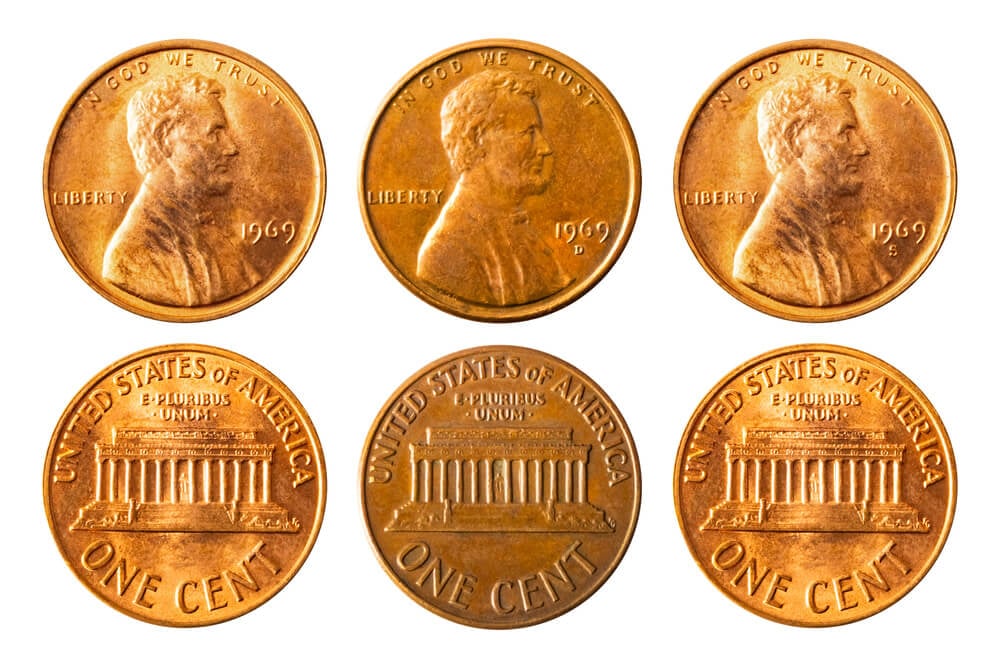
So rare is the 1969-S doubled die cent that the Secret Service seized the first examples, assuming they were counterfeits. Only a few dozen genuine pieces are confirmed, with clear doubling on the date and the lettering.
Prices run into the tens of thousands of dollars for circulated coins, and fine uncirculated examples go well past that. Counterfeits made from doctored 1969-S cents circulate, so grading service authentication is mandatory.
Wear, spots, and cleaning all reduce value, though any genuine example in any grade is a serious find.
Small Date San Francisco Cent of 1970
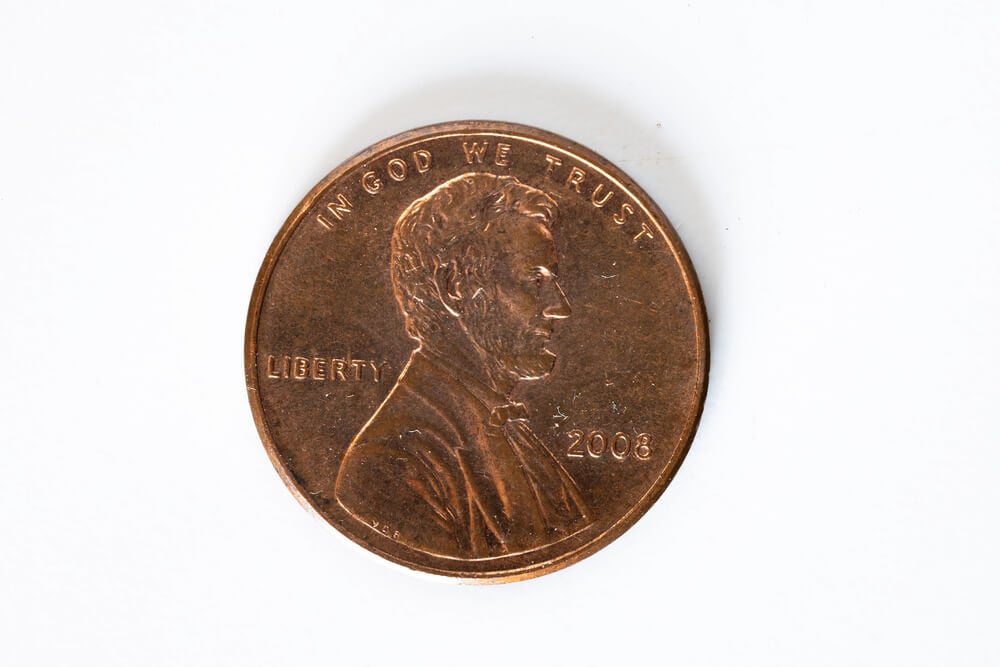
San Francisco struck 1970 cents with two different date styles, and the small date version is much scarcer. On the small date, the top of the 7 aligns evenly with the other numbers, while the common large date shows a 7 that dips slightly lower.
The small date also tends to show a sharper LIBERTY. Circulated examples sell for tens of dollars, while bright red uncirculated coins bring hundreds.
A magnifying glass settles the question quickly. Toning, wear, and scratches all lower the price, and the difference between red and brown coins matters a great deal.
Hubbed Doubling on the 1972 Cent
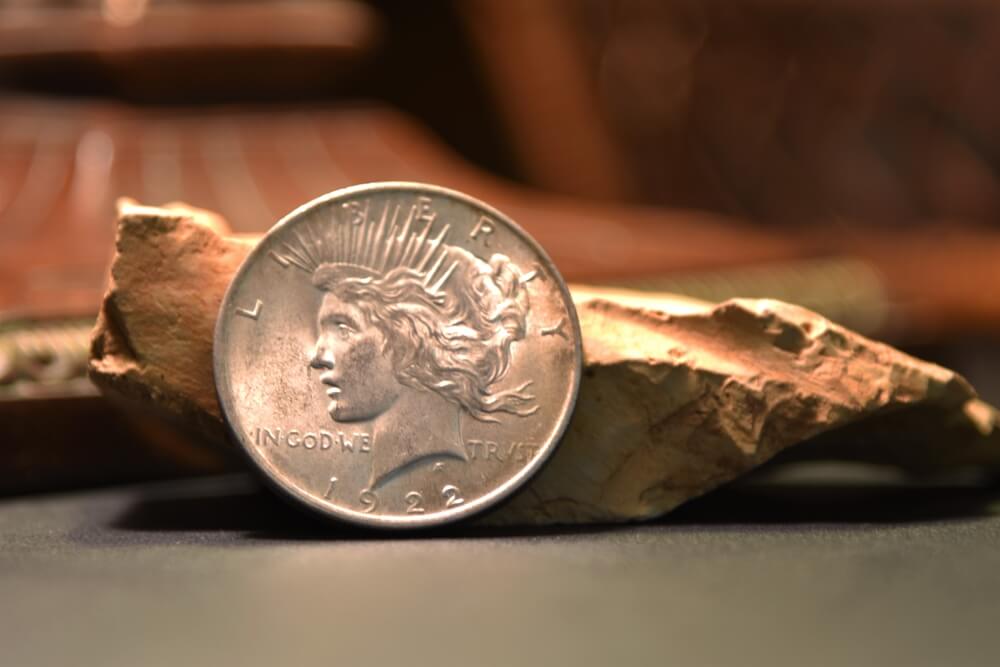
Bold doubling marks the 1972 doubled die cent, especially across IN GOD WE TRUST and LIBERTY, visible without magnification on many examples. Several doubled dies were used that year, but the strongest one, known to collectors as die 1, carries most of the value.
Circulated examples trade at a few hundred dollars, and uncirculated red coins reach much higher. Collectors compare candidates against reference photos to separate true doubled dies from machine doubling, which looks flat and shelf-like.
Spots, scratches, and cleaning bring prices down, since many examples spent years rattling around in change.
Philadelphia Dime Missing Its P in 1982
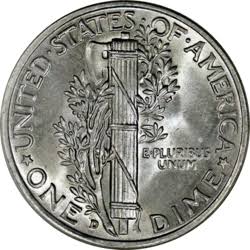
Philadelphia began putting a P on dimes in 1980, but in 1982 one die went out without the mintmark. The resulting no-P dimes were mostly released in Ohio, and estimates suggest around 8,000 to 10,000 exist.
Circulated examples sell for about 50 to 150 dollars, and uncirculated coins bring several hundred. Strong strikes are worth more than weak ones.
Buyers check for signs that the P was removed after the fact, which is rare on dimes but possible. Wear on Roosevelt’s hair and scratches on the face lower the value.
Reverse Doubling on the 1983 Cent
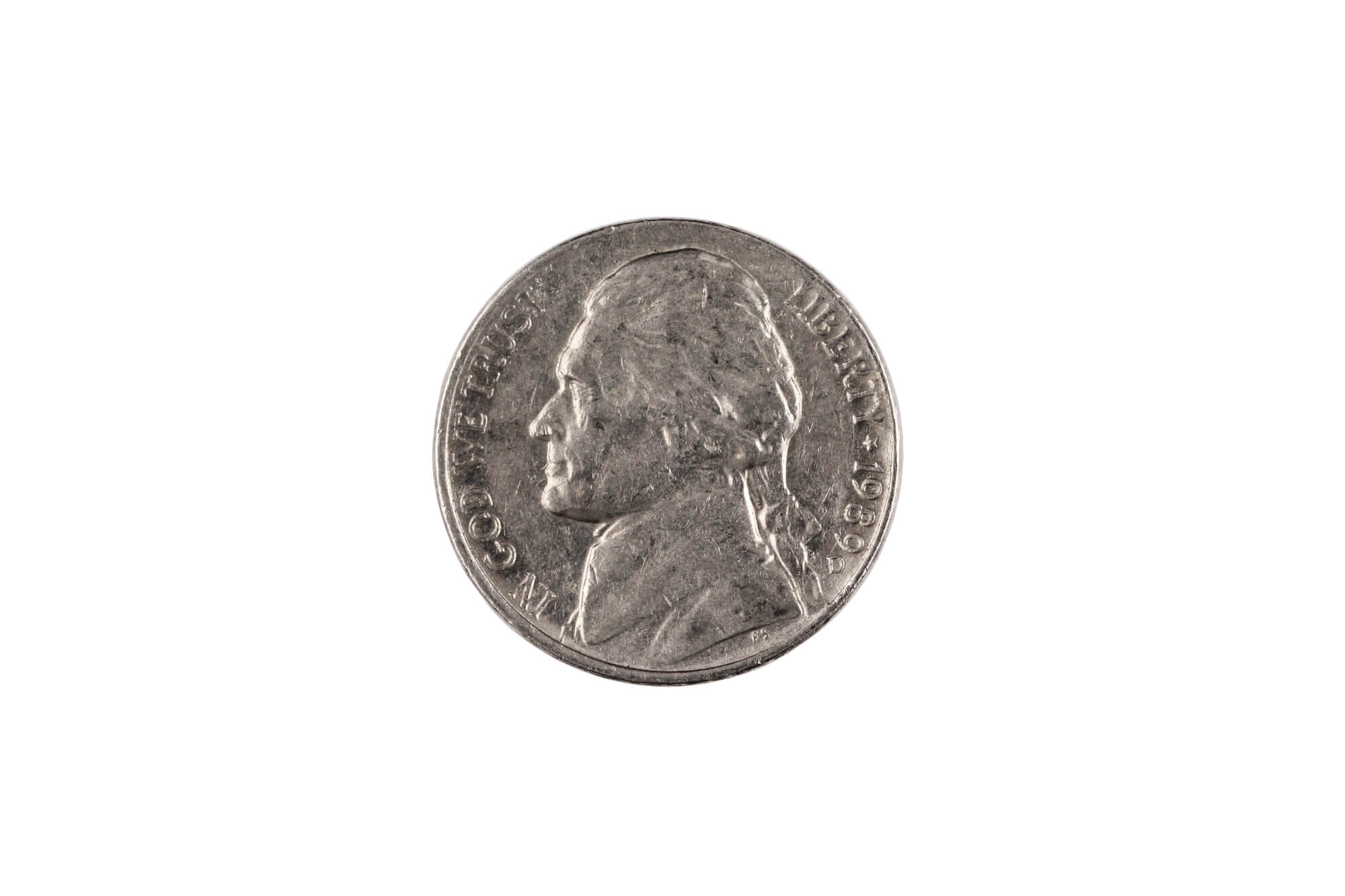
Most doubled dies appear on the front of the coin, but the 1983 doubled die cent shows its doubling on the reverse, particularly in ONE CENT and the phrase E PLURIBUS UNUM. The doubling is clear under magnification.
Circulated examples sell for a couple hundred dollars, and uncirculated red coins reach higher. Zinc cents from this era corrode easily, and spotted or bubbled surfaces lower value considerably.
Collectors check reference images, since mechanical doubling can mimic the real thing. A coin with sharp doubling and clean copper surfaces is the best find.
Doubled Ear Cent of 1984
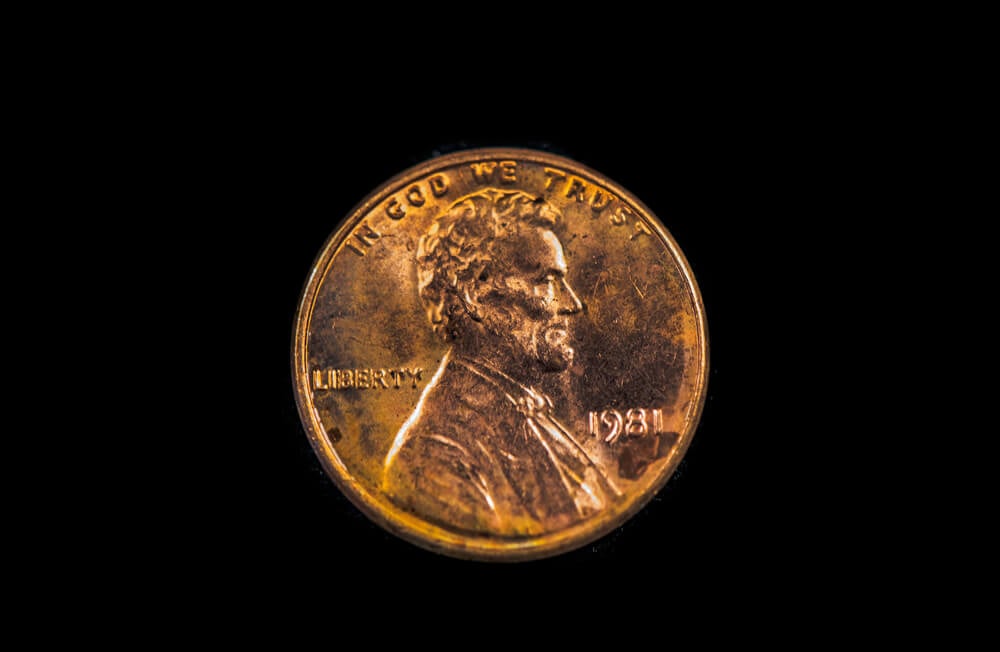
Collectors call it the doubled ear, and the name says it all. A doubled die used at Philadelphia in 1984 gave Lincoln a second earlobe just below the first, with lighter doubling visible on the beard and chin under magnification.
Circulated examples sell for about 100 to 300 dollars, and bright uncirculated coins bring more. Once the extra lobe is spotted, the coin is easy to confirm against reference photos.
Corrosion is common on zinc cents from this period, and bubbled or spotted surfaces cut the price. Cleaned coins also lose much of their appeal, since the scrubbing leaves an unnatural shine.
Close AM Cent of 1992
In 1992, the Mint used a die meant for proof coins on a small number of regular cents. On that die, the A and M in AMERICA on the reverse nearly touch, while on normal 1992 cents they sit apart.
Only a handful of these close AM cents have been found, and they sell for thousands to tens of thousands of dollars. Both Philadelphia and Denver examples exist.
Checking the spacing takes a few seconds with a magnifying glass. Wear and damage lower the price, but even a worn close AM is a remarkable find.
LIBERTY Doubled on the 1995 Cent
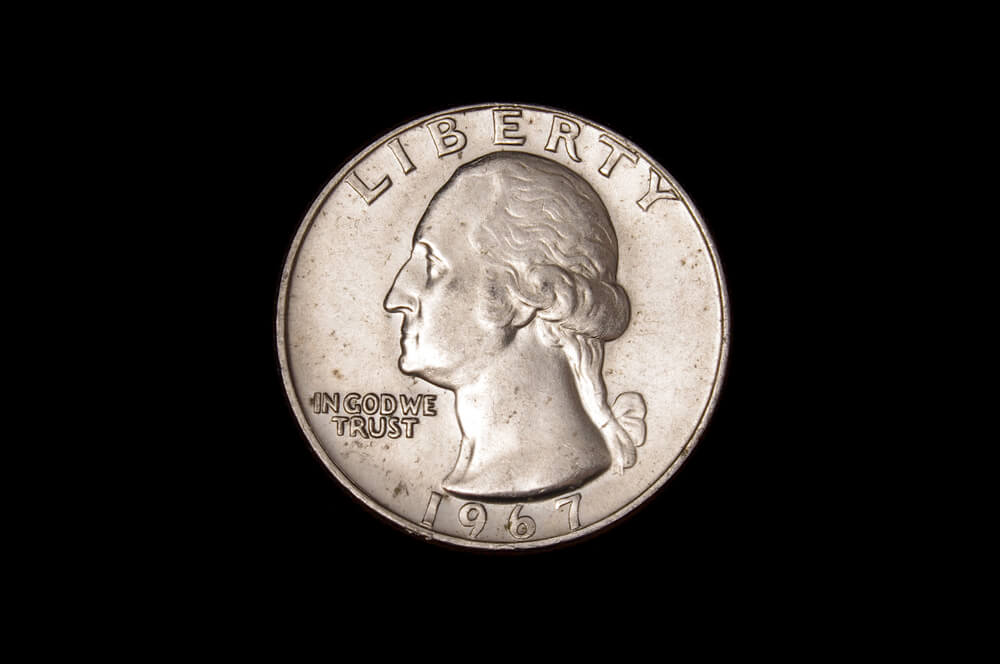
Doubling on the 1995 cent appears in LIBERTY and IN GOD WE TRUST, visible under light magnification. The doubling is milder than on earlier famous cents, but still clear enough to identify.
Circulated examples sell for about 20 to 50 dollars, while uncirculated red coins reach higher. Zinc cents of this era are prone to spotting and corrosion, which reduce value.
The coin is common enough that jars of 1995 cents are worth sorting through. Clean red coins with sharp doubling bring the best prices.
Wide AM Cents From 1998 to 2000
For a few years around the turn of the millennium, the Mint mixed up proof and regular reverse dies. Some regular cents from 1998, 1999, and 2000 show the A and M in AMERICA widely spaced, which should only appear on proofs.
The 1999 wide AM is the scarcest and brings hundreds, while the 1998 and 2000 versions sell for tens to low hundreds. A quick look at the spacing identifies them.
Corrosion, scratches, and spotting lower value. Uncirculated red examples carry the best prices.
Three-Legged Buffalo Nickel
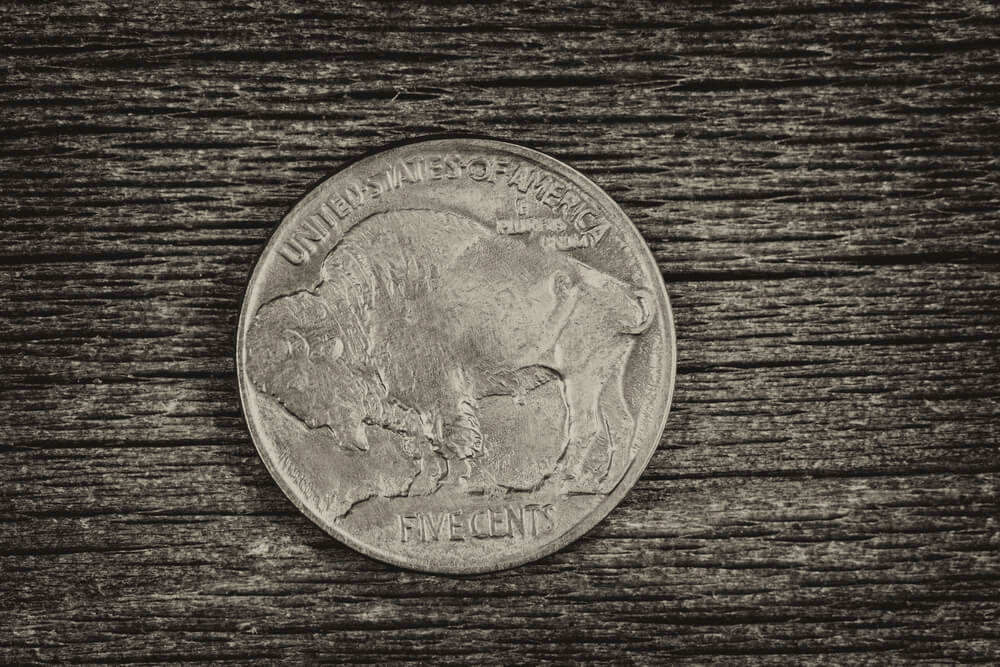
A Denver Mint worker in 1937 overpolished a die to remove damage, accidentally erasing the buffalo’s front leg. The resulting coins show a three-legged buffalo, and they are worth hundreds even in worn condition, with uncirculated examples reaching thousands.
Genuine coins show a trail of small raised dots beneath the belly, left from the polishing. Fakes made by grinding off the leg lack those dots and often show tool marks.
Wear on the date is common on buffalo nickels, and a missing or partial date lowers value sharply.
Mercury Dime From Denver in 1916
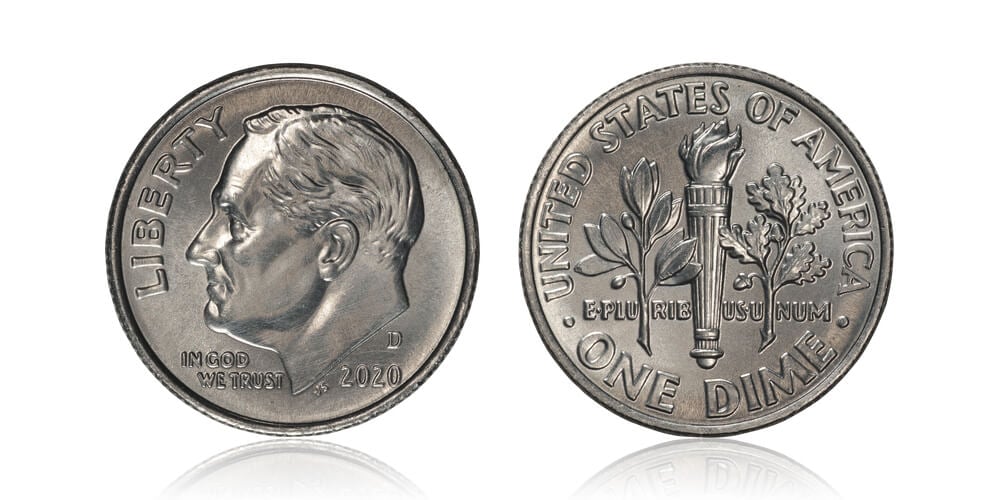
Denver struck only 264,000 Mercury dimes in 1916, the first year of Adolph Weinman’s winged Liberty design, and that small run made the 1916-D the key date of the entire series. Even heavily worn examples sell for several hundred dollars, and uncirculated coins reach into the thousands.
The D mintmark sits on the reverse, to the left of the fasces bundle. Adding a D to a common Philadelphia 1916 dime is a known counterfeiting method, so authentication matters before any sale.
Wear, scratches, and cleaning all lower the price, but any genuine example is worth a careful trip to a dealer.
Silver War Nickels
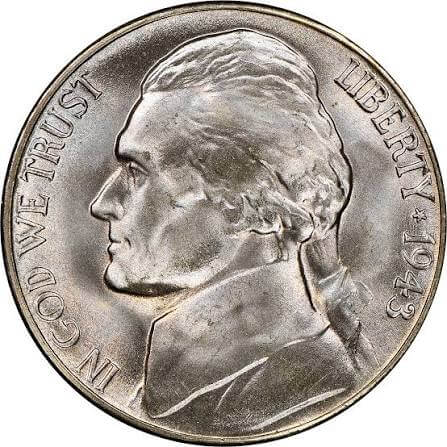
From 1942 to 1945, the Mint removed nickel from five-cent coins to save it for the war effort and used an alloy containing 35 percent silver. These war nickels carry a large mintmark above Monticello’s dome, and for the first time a P appeared for Philadelphia.
Each coin holds a few dollars in silver, depending on current prices. The 1943/2-P overdate brings much more.
Circulated examples sell near melt value, while uncirculated coins bring premiums. Wear and toning are common, but the silver content gives even worn examples real value.
Silver Dimes and Quarters From Before 1965
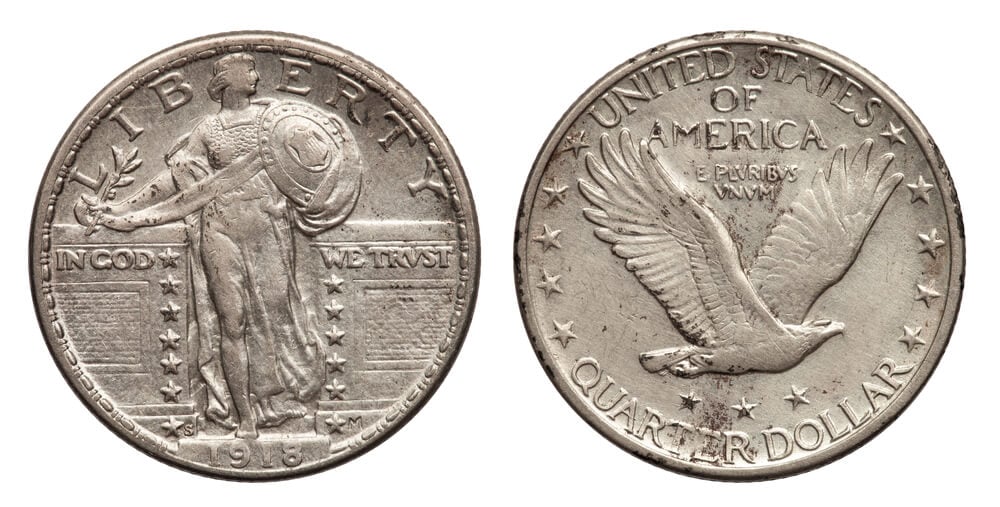
Dimes and quarters dated 1964 or earlier contain 90 percent silver, and their value follows the silver market rather than the number stamped on them. A glance at the edge settles the question, since silver coins show a solid gray edge instead of the copper stripe on later clad coins.
They still turn up in change, bank rolls, and old piggy banks. Common dates trade at melt value, which is several times face value, while scarce dates and uncirculated coins bring premiums on top.
Wear matters less on melt coins, though bright, lightly worn pieces still sell faster to collectors.
Kennedy Half Dollars With Silver
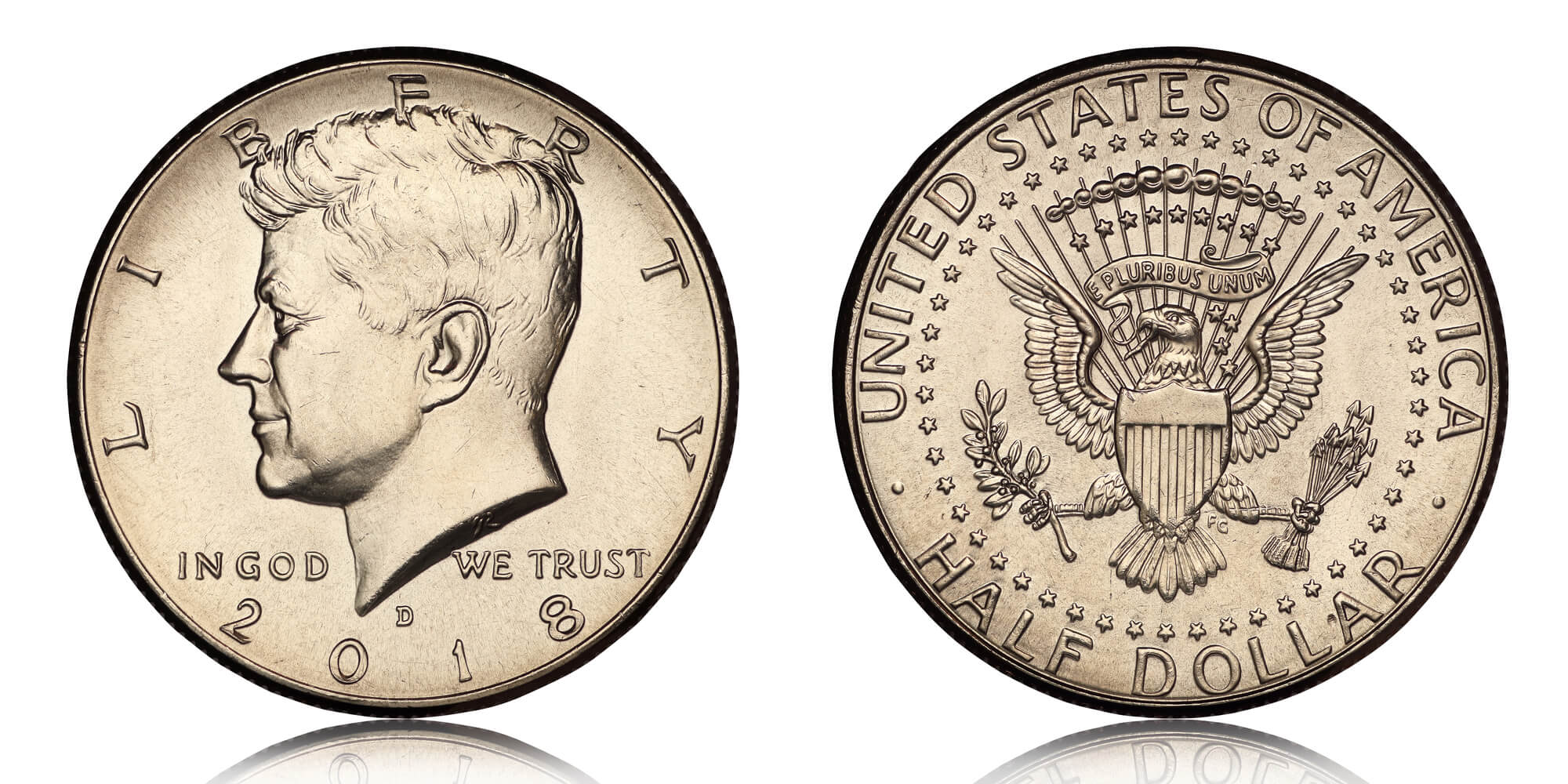
Kennedy half dollars dated 1964 contain 90 percent silver, and those from 1965 through 1970 still carry 40 percent. After the president’s assassination, millions of the 1964 halves were saved as keepsakes instead of spent, which is why they so often surface in dresser drawers.
Both silver versions are worth well above face value, and the 1970-D, issued only in mint sets, brings more. The edge helps here too, since 40 percent coins show a faint silvery band rather than a bold copper stripe.
Heavy wear, scratches, and harsh cleaning lower the collector premium, though the metal value holds.
Wisconsin Quarter With an Extra Leaf
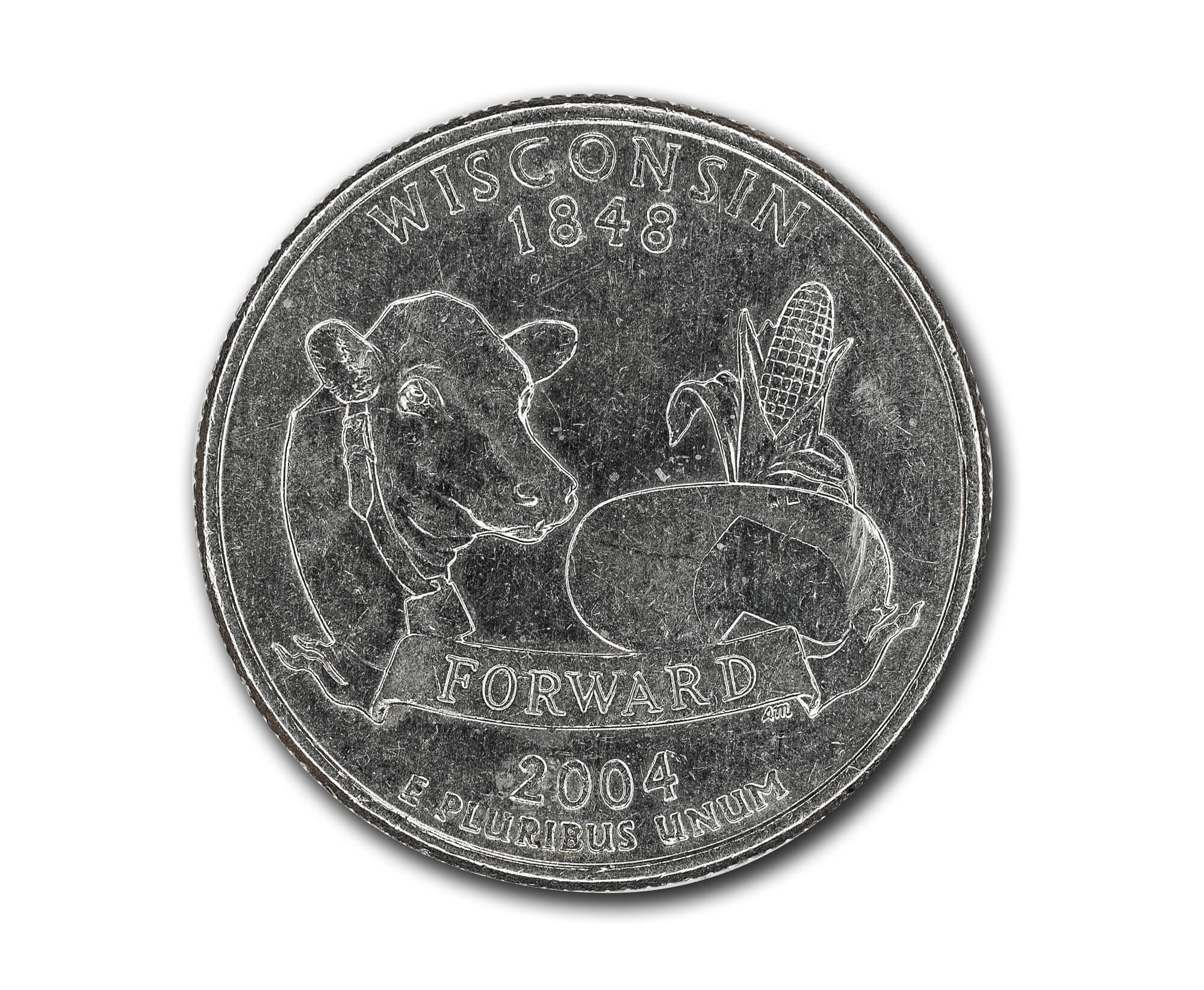
Some 2004 Wisconsin state quarters struck at Denver show an extra leaf on the left side of the corn stalk, either curving up in a high position or down in a low one. Nobody has settled whether the marks were accidental die gouges or deliberate, but the coins are recognized varieties.
Circulated examples sell for about 50 to 200 dollars, and uncirculated pieces bring more, with the high leaf usually a little ahead. Many were pulled from change in the Southwest, near where they were released.
Scratches across the stalk and heavy wear make the extra leaf harder to see and harder to sell.
Speared Bison Nickel
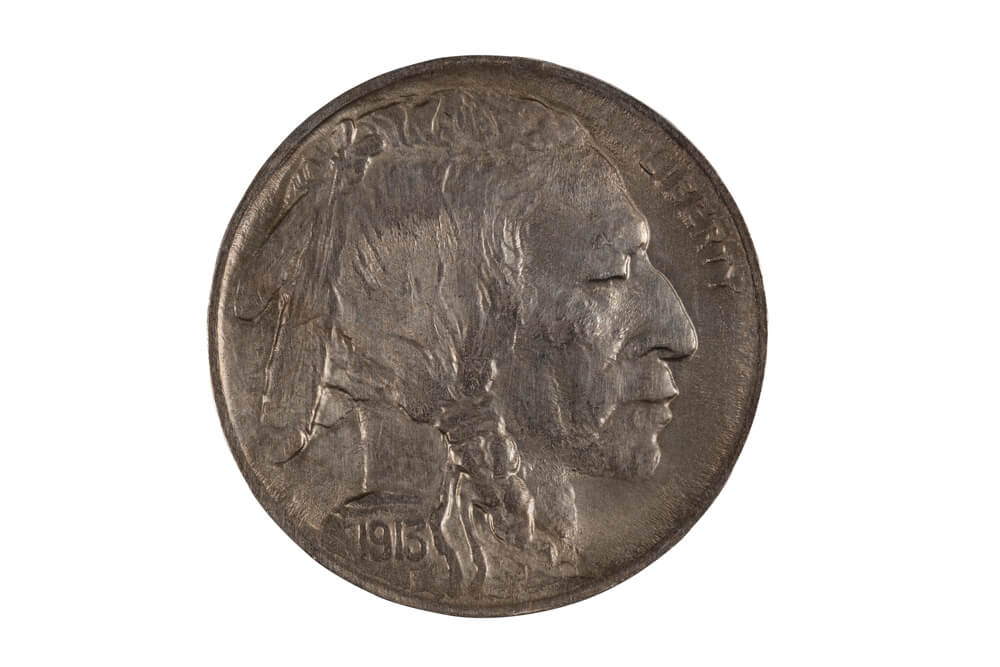
Struck for just one year, the 2005 bison nickel picked up a die gouge on some Denver coins that left a raised line that runs through the animal’s back like a spear. Collectors call it the speared bison, and uncirculated examples sell for 100 to several hundred dollars.
Worn coins bring less, since the line fades along with the fur detail. The mark has to connect clearly across the back to count, and short scratches on the coin surface do not qualify.
Collectors compare candidates with reference photos. Bag marks, dark spots, and rim dings all bring the price down.
Kansas Quarter With the T Missing From TRUST
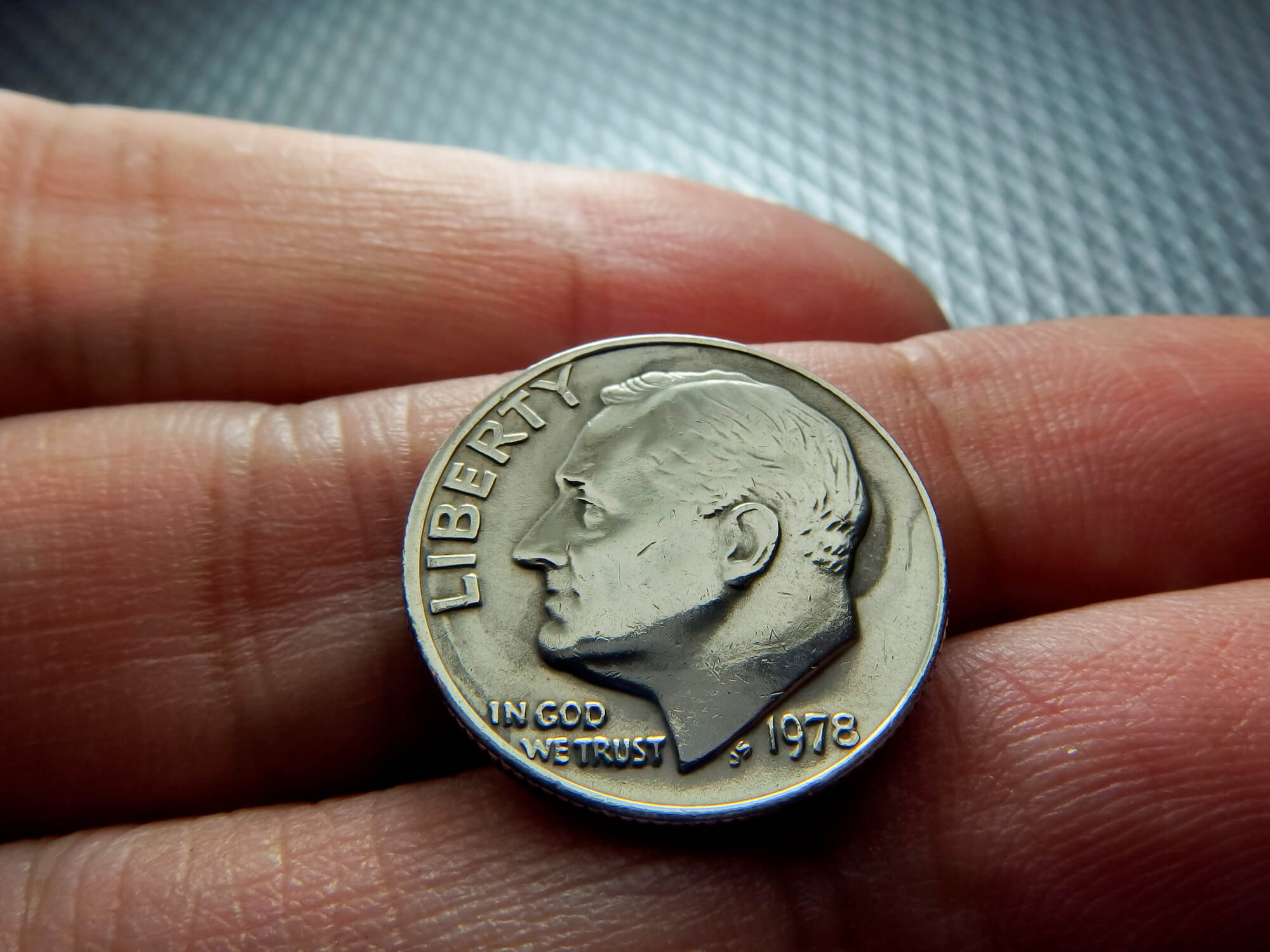
A clump of grease filled part of a die used for some 2005 Philadelphia Kansas quarters, and the T in TRUST failed to strike. The motto now appears to promise rust instead of trust, which makes this one of the easiest errors to explain at a dinner table.
Examples sell for about 10 to 100 dollars, with the strongest missing letter bringing the most. Partial filled letters are more common and worth less.
Collectors look for a clean gap where the T should be. Heavy wear, scratches on the motto, and corrosion lower value, since the appeal depends on how clearly the phrase reads.
West Point Quarters Released in 2019
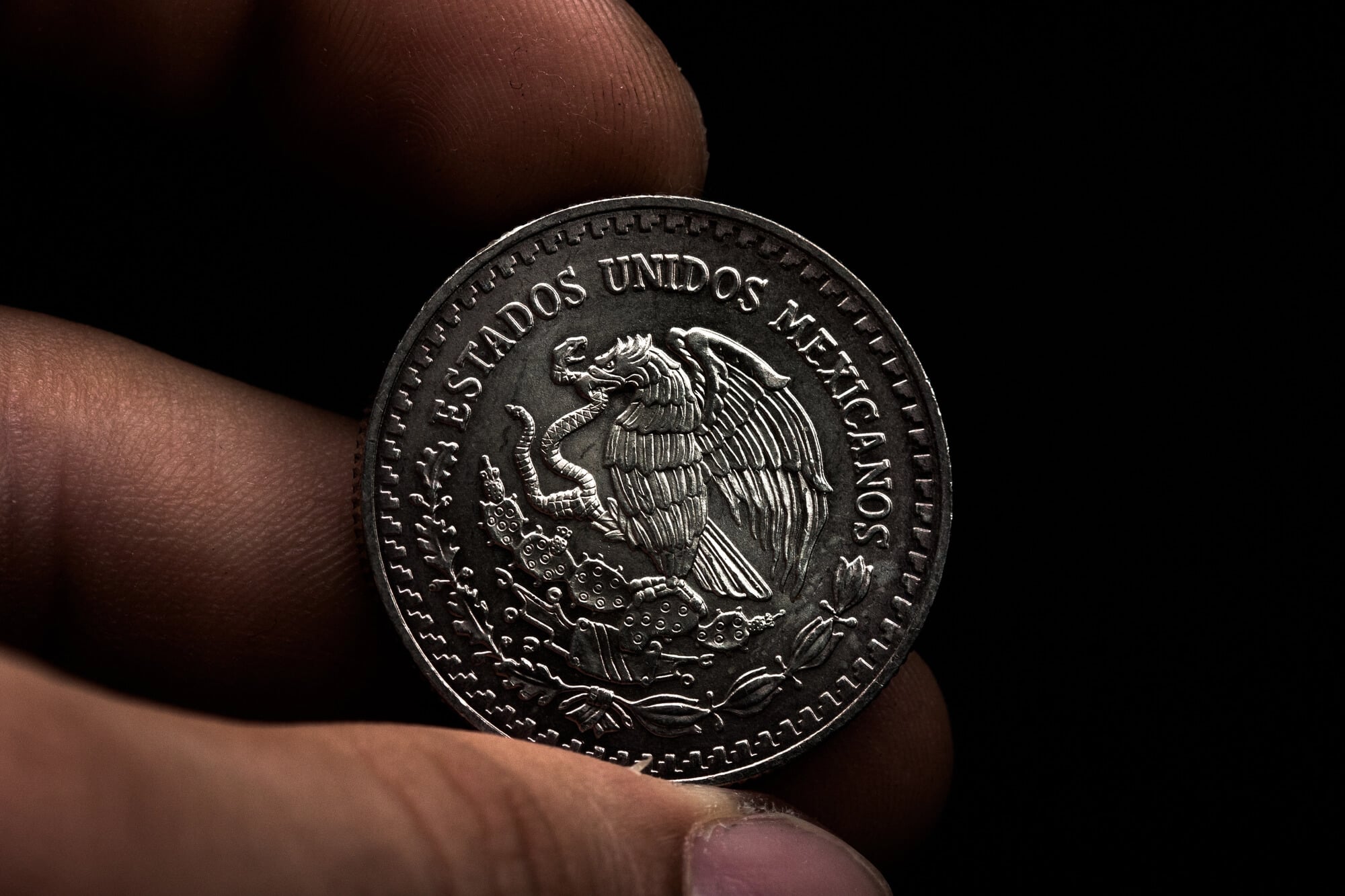
In 2019 the West Point Mint released 10 million quarters into circulation, two million each of five national park designs, and they were the first quarters to carry a W mintmark. The Mint repeated the program in 2020 with five more designs.
The coins were dropped into ordinary circulation on purpose to encourage people to look through change. Circulated examples sell for about 5 to 20 dollars, and uncirculated or graded pieces go higher.
The W sits on the front near Washington’s ponytail. Scratches and wear lower value, though these coins are still turning up in change and rolls.
Wide Rim Susan B. Anthony Dollar
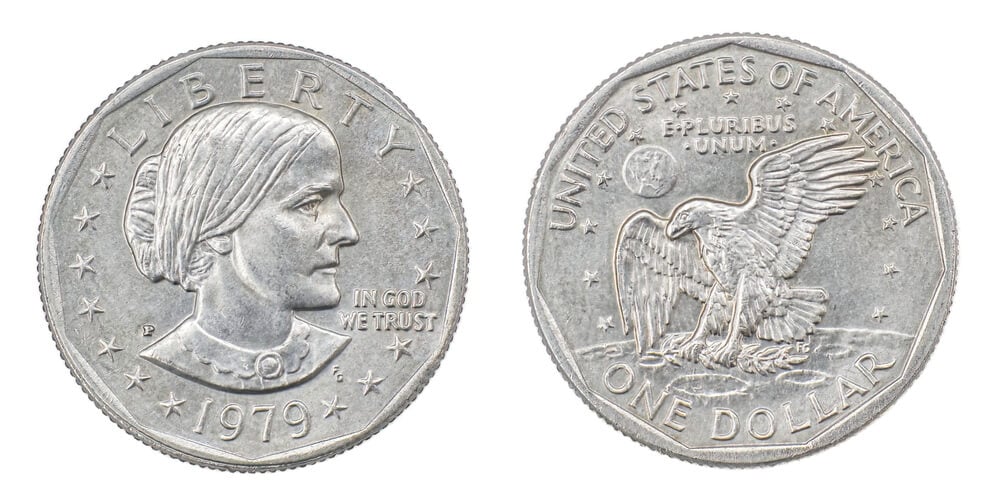
Unpopular from the day it appeared, the 1979 Susan B. Anthony dollar was mocked for looking too much like a quarter, but one variety has held collector attention. Some Philadelphia coins were struck with a wider rim that pushes the date close to the edge, a variety known as the near date or wide rim.
Circulated examples sell for about 20 to 50 dollars, and uncirculated ones reach 100 or more. The difference is easy to see side by side with a normal coin.
Wear, scratches, and dull toning lower value, though the variety sometimes still surfaces in rolls and forgotten coin jars.
Cheerios Sacagawea Dollar
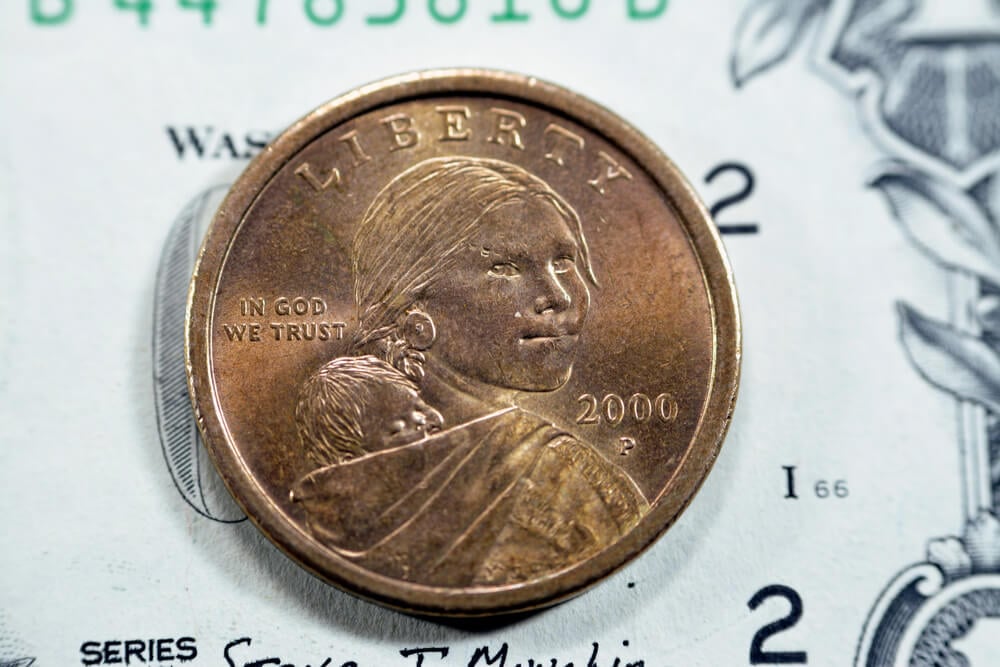
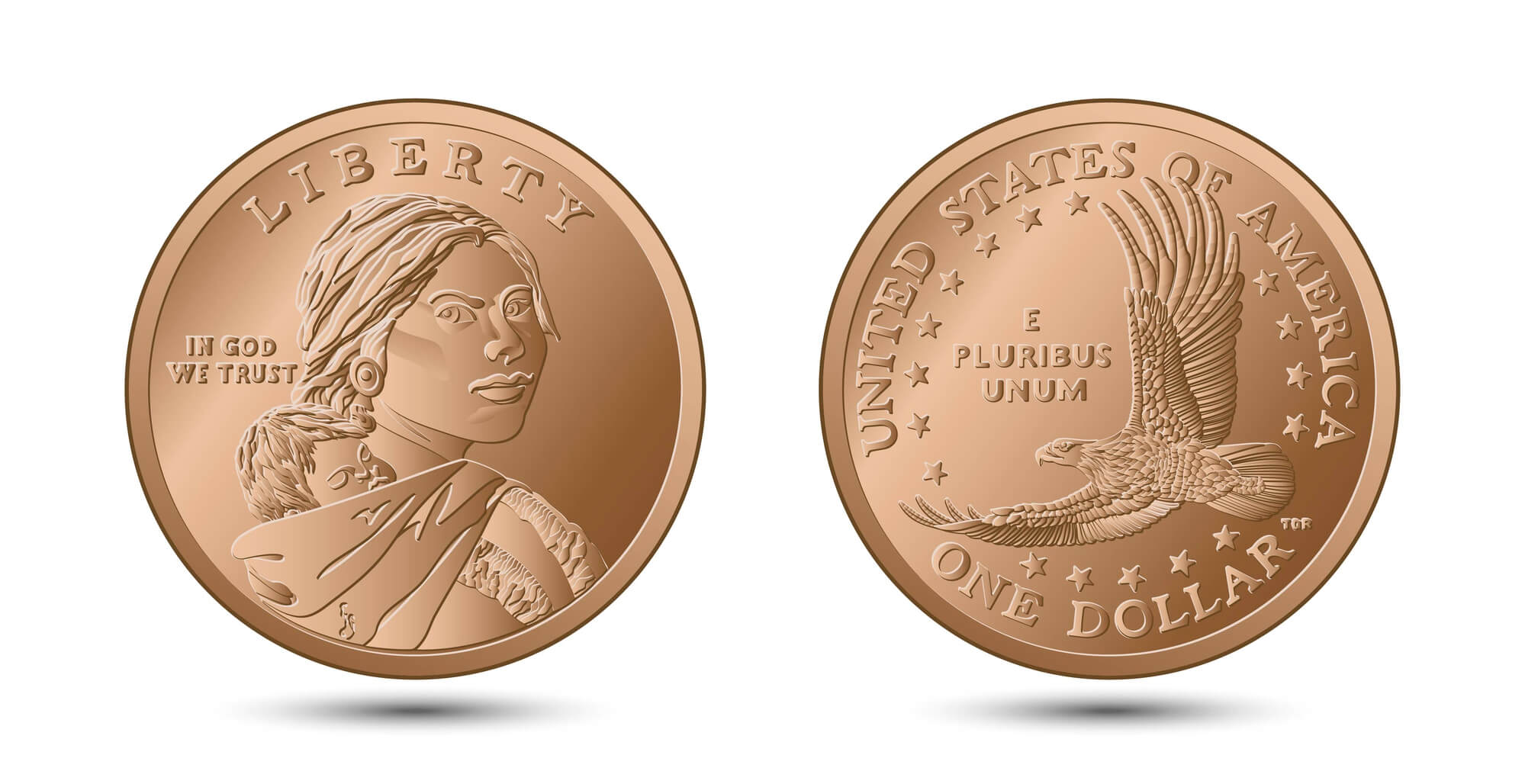
To promote the new golden dollar in 2000, the Mint arranged for 5,500 Sacagawea dollars to be packed in Cheerios cereal boxes. Years later, collectors noticed that these coins had a slightly different reverse, with more detailed feathers in the eagle’s tail, apparently from a prototype die.
The variety was identified in 2005, long after most coins had been spent or tossed in drawers. Examples sell for thousands of dollars.
Authentication requires close examination of the tail feathers. Wear, spotting, and scratches lower the price, though any genuine example remains a remarkable find for something that arrived with breakfast.
Presidential Dollars Missing Edge Lettering
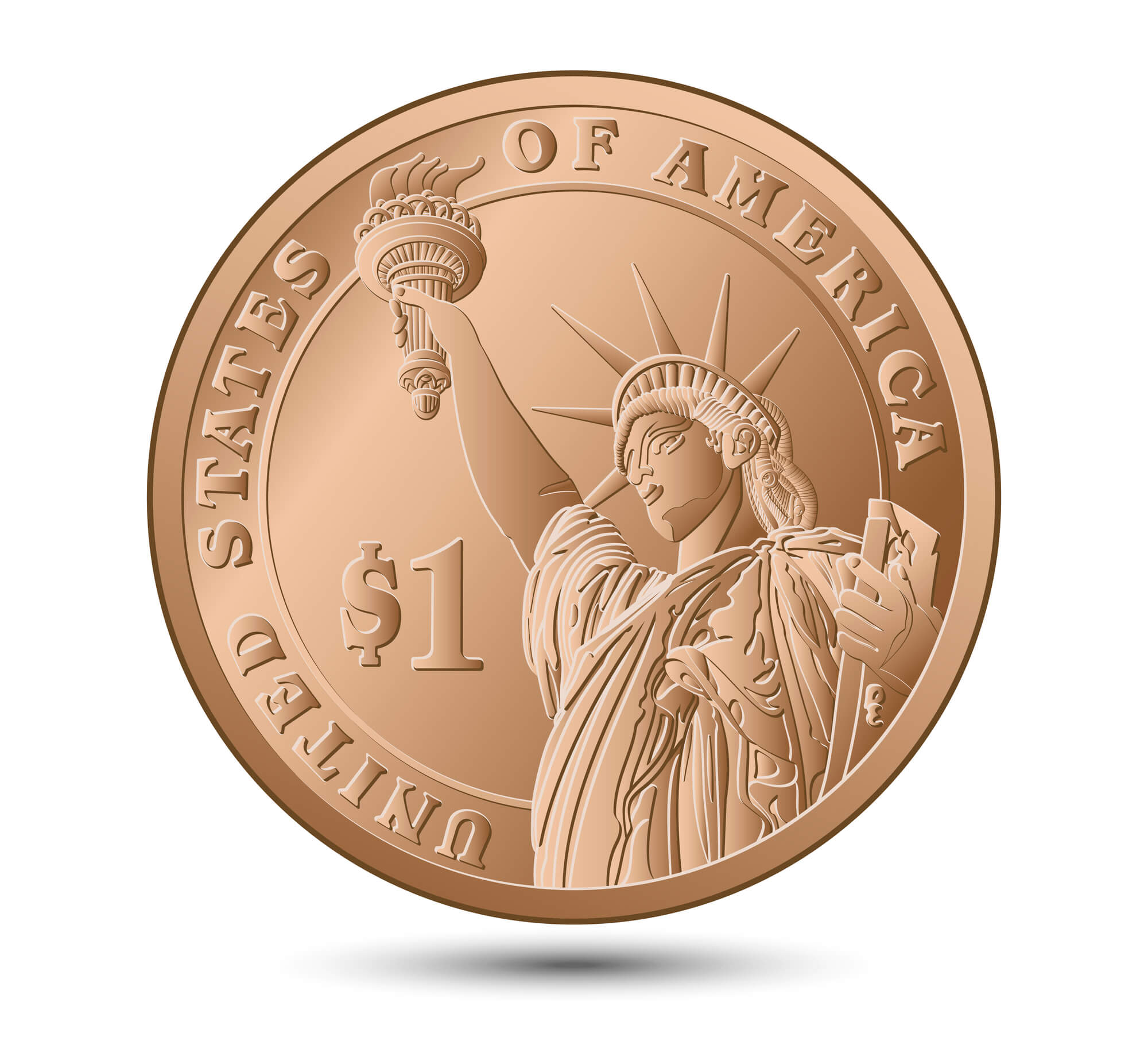
When the Presidential dollar series launched in 2007 with George Washington, the date, mintmark, and motto were moved to the edge of the coin. Some Washington dollars skipped the edge lettering step entirely and left the Mint with a plain edge.
Collectors nicknamed them Godless dollars, and they sell for about 30 to 100 dollars. Other presidents in the series also have missing lettering errors, with values varying by rarity.
Collectors turn the coin sideways to check. Scratches and spotting on the golden surface lower value, and a bright, unmarked example brings the best price.
Off-Center Strikes
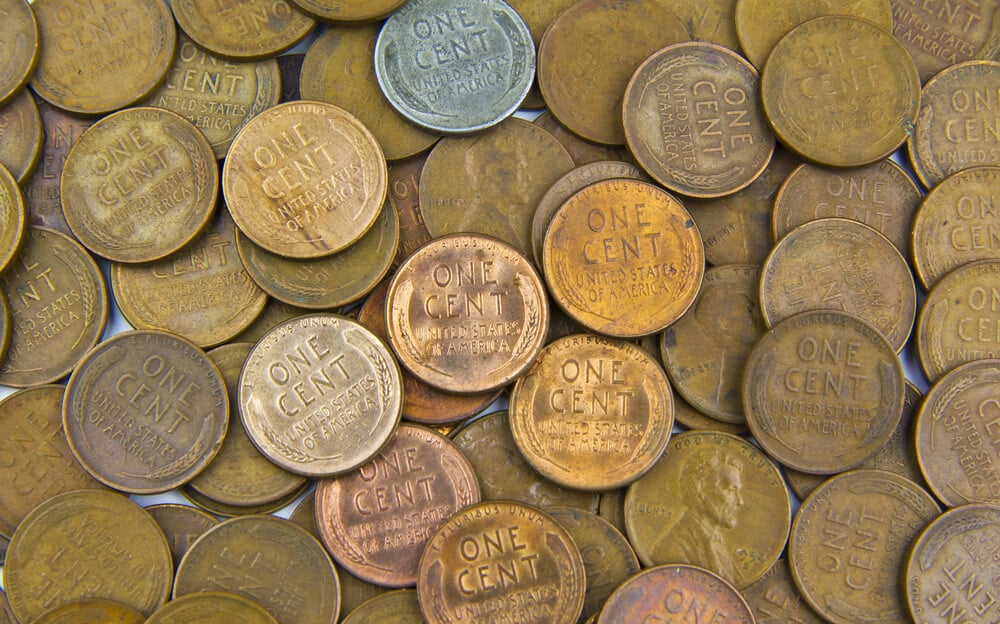
When a blank slips partly out of position in the press, the design lands off-center and leaves a crescent of blank metal. Value depends on how far off-center the strike is and whether the date remains visible.
A cent struck 50 percent off-center with a full date sells for more than one missing the date. Off-center cents bring tens of dollars, while nickels, dimes, and quarters reach hundreds.
Larger denominations and older coins bring more. Wear, scratches, and damage lower value, and a clean strike with a readable date is the best find.
Coins Struck on the Wrong Planchet
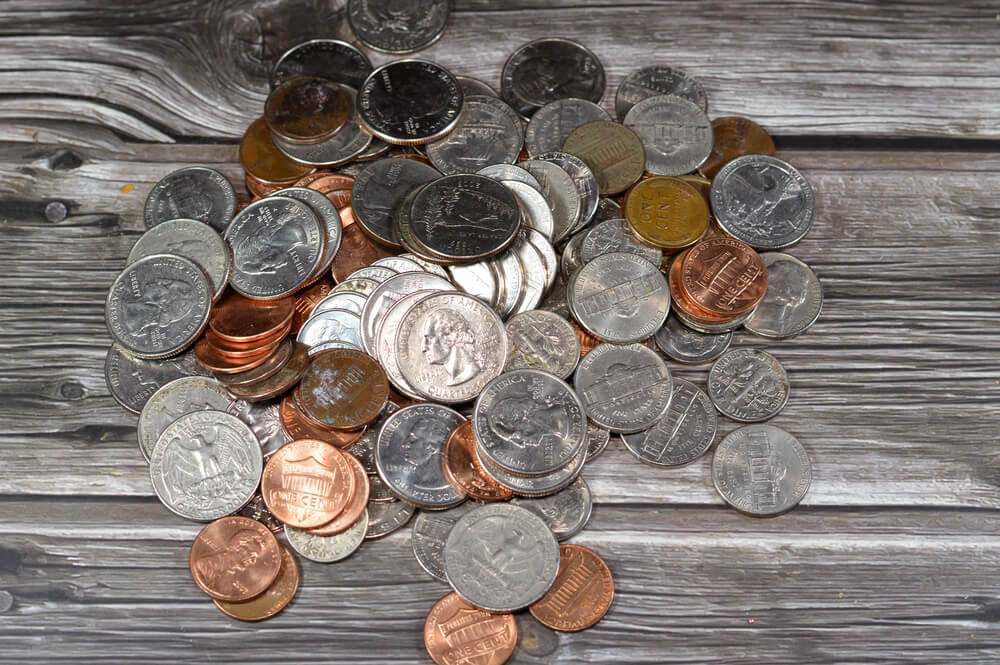
Occasionally a blank meant for one denomination ends up in the press for another, producing a cent struck on a dime blank or a quarter struck on a nickel blank. The result shows the wrong design on the wrong metal, often with part of the design missing because the blank is smaller.
A kitchen scale helps confirm the error, since the weight will match the wrong denomination. These errors sell for hundreds to thousands of dollars.
Wear and damage lower value. Collectors should get suspected wrong-planchet coins authenticated, since fakes and altered coins exist.
Change Counts Twice
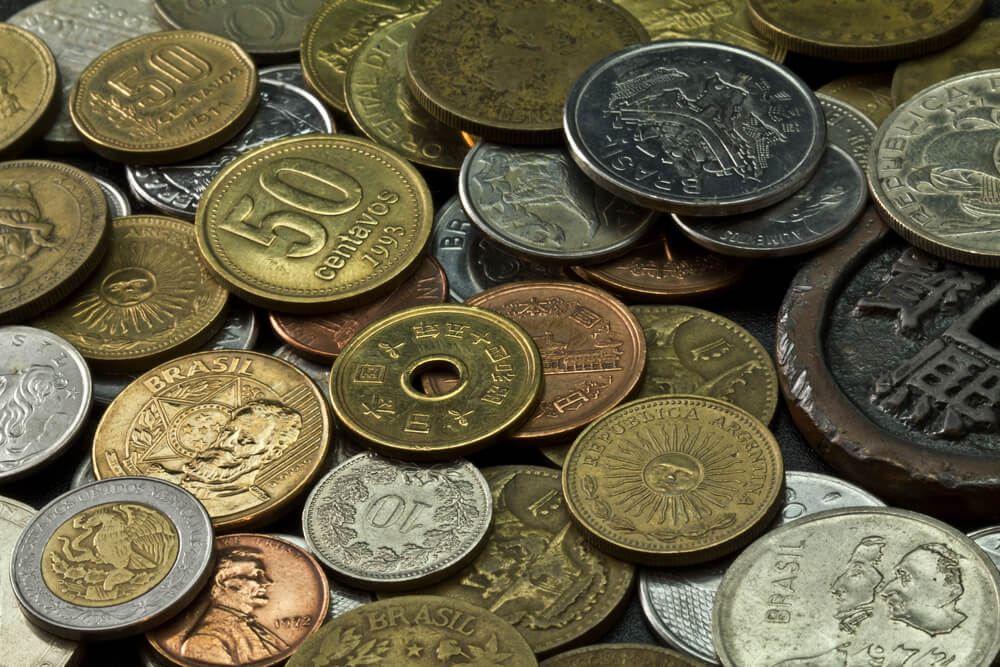
A coin is only worth face value until someone looks at it closely. Most of these errors and varieties were spent, saved, or tossed in a jar by people who never noticed anything unusual.
The Mint produces billions of coins every year, and mistakes slip through at every step. Checking change takes a few seconds and a magnifying glass.
The payoff is rarely large, but the odds are better than most people assume. A coin jar is the cheapest lottery ticket in the house, and the drawing never closes.
More from Go2Tutors!

- The Romanov Crown Jewels and Their Tragic Fate
- 13 Historical Mysteries That Science Still Can’t Solve
- Famous Hoaxes That Fooled the World for Years
- 15 Child Stars with Tragic Adult Lives
- 16 Famous Jewelry Pieces in History
Like Go2Tutors’s content? Follow us on MSN.