28 Comic Books From Childhood Collections That Dealers Grab Before Anyone Else Can
Most comic books were bought for a dime or a quarter, read on a porch, and traded away by Tuesday. Parents threw out millions of them when kids went off to college.
The copies that escaped that fate now sit in basements, closets, and long boxes, and a few are worth more than the house they are stored in. Dealers know the key issues on sight, and they move fast when a childhood collection turns up at an estate sale.
Action Comics No. 1
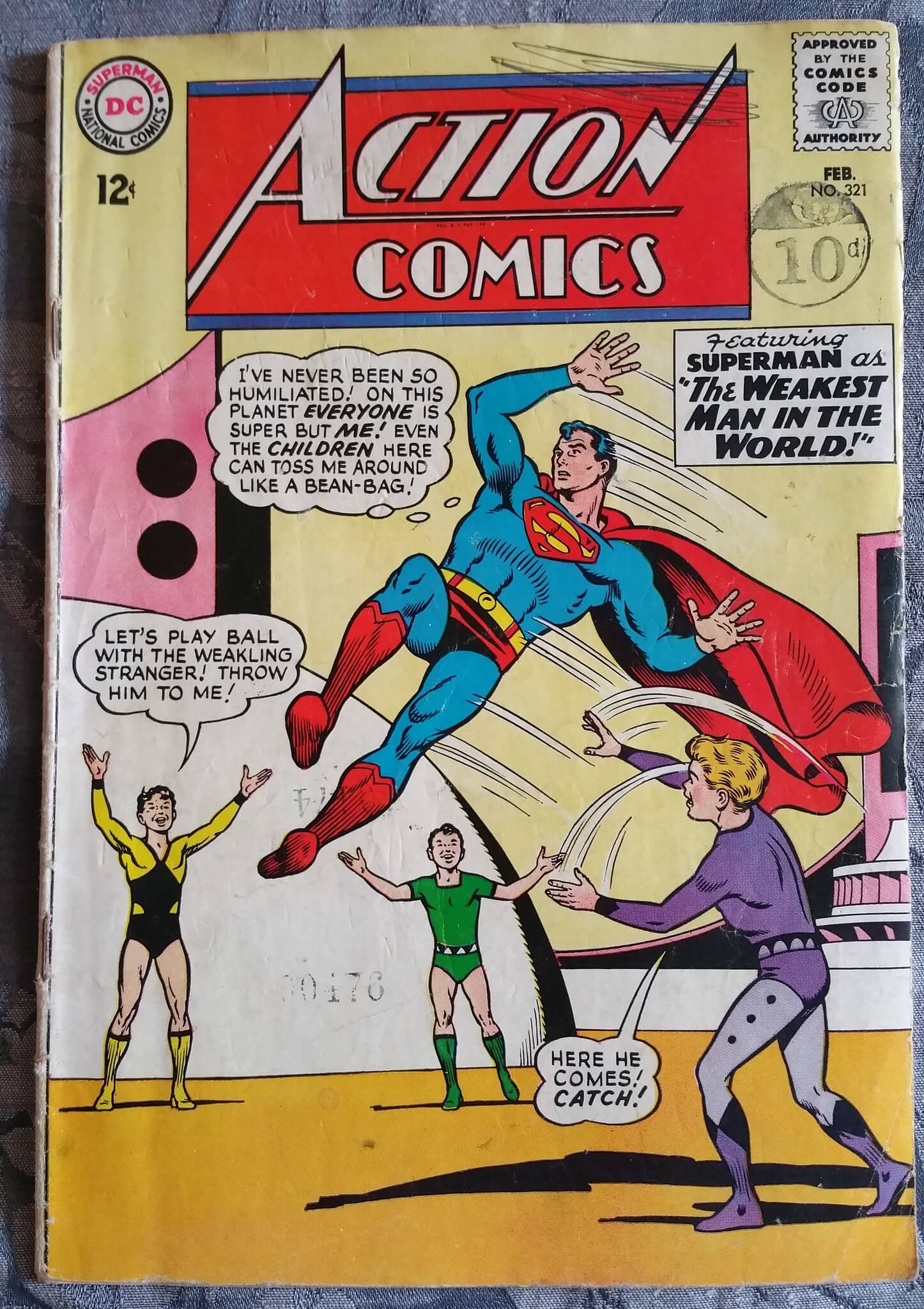
Superman made his debut in Action Comics No. 1, cover dated June 1938, and the issue sold for 10 cents on newsstands. Collectors generally estimate that around 100 copies survive, many of them restored or missing pages.
A copy graded 8.5 by CGC sold for 6 million dollars in 2024, making it one of the most expensive comic books ever sold. Even heavily worn, incomplete copies bring six figures.
Condition drives everything here, and grading services also note restoration, since restored copies sell for far less than unrestored ones. Any copy of this issue deserves professional authentication before a sale.
Detective Comics No. 27
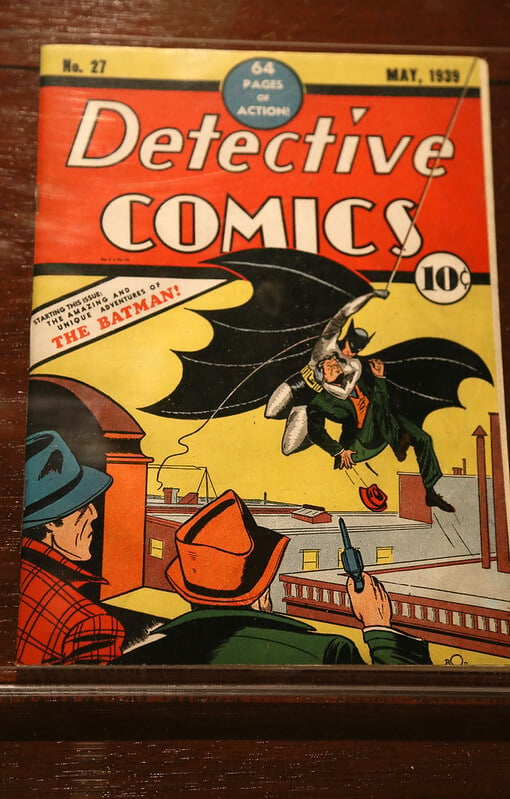
Batman first appeared in Detective Comics No. 27, cover dated May 1939, in a six-page story credited to Bob Kane, with Bill Finger later recognized as co-creator. The issue is one of the rarest major keys, and unrestored copies seldom come to market.
Graded examples have sold for more than 1 million dollars, while low-grade copies still bring hundreds of thousands. Collectors check for restoration, missing pages, and cover detachment.
The grading label and any notes about color touch or trimming matter as much as the number. Clean, unrestored copies command the highest prices by a wide margin.
Amazing Fantasy No. 15
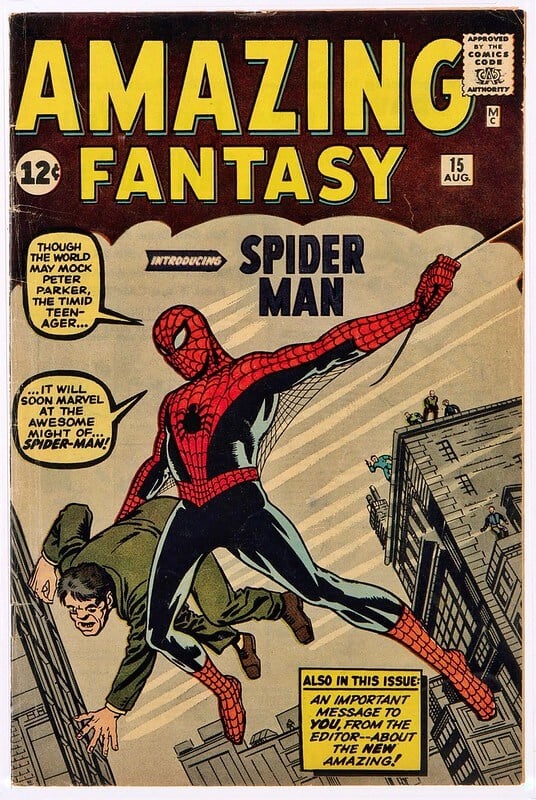
Spider-Man appeared for the first time in Amazing Fantasy No. 15, cover dated August 1962, in the final issue of a series Marvel had already planned to cancel. Stan Lee and Steve Ditko created the character, and Jack Kirby drew the cover.
A copy graded 9.6 by CGC sold for 3.6 million dollars in 2021, a record for the issue. Mid-grade copies sell for tens of thousands, and even worn examples bring five figures.
Collectors check for spine stress, color breaks, and cover wear. The cover is prone to showing creases, which lowers the grade quickly.
Incredible Hulk No. 181
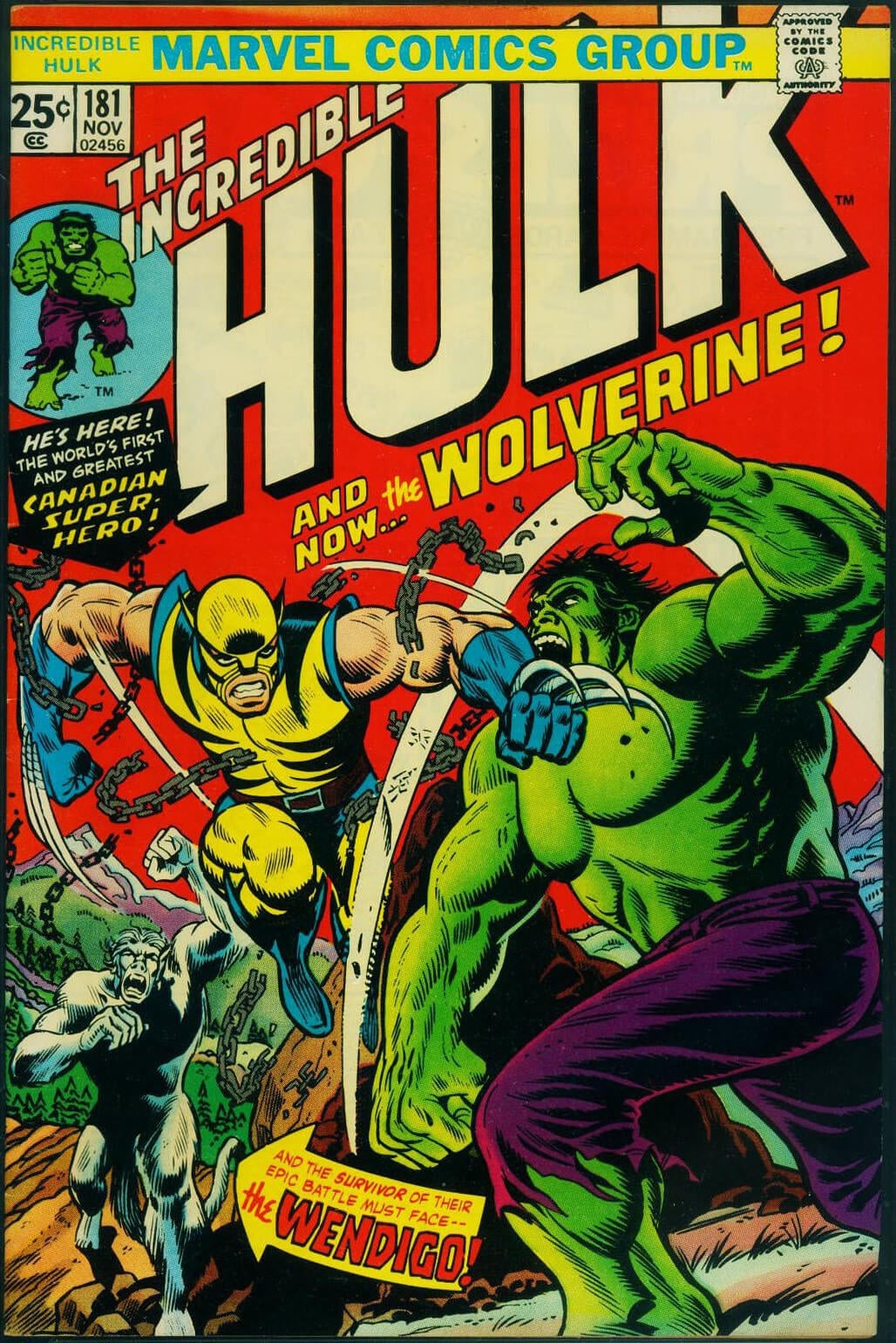
Wolverine made his first full appearance in Incredible Hulk No. 181, cover dated November 1974, fighting both the Hulk and the Wendigo in Canada. The issue cost 25 cents, and many copies were clipped for the Marvel Value Stamp printed inside, which lowers value.
Mid-grade copies sell for a few thousand dollars, while top grades have reached six figures. Collectors check for the stamp, spine wear, and color breaks on the cover.
A copy missing the stamp is considered incomplete and sells for far less. Unrestored copies with bright colors and flat covers draw the strongest interest from dealers.
Giant-Size X-Men No. 1
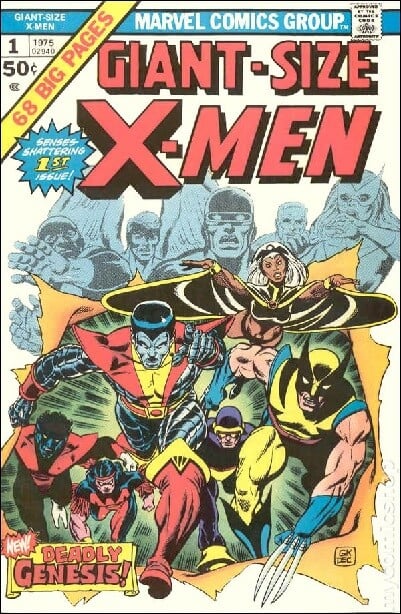
Giant-Size X-Men No. 1, released in 1975, introduced a new team that included Storm, Nightcrawler, and Colossus, and gave Wolverine a lasting home. The book revived a series that had been reduced to reprints, and the new team became the foundation of decades of X-Men stories.
Mid-grade copies sell for hundreds to a few thousand dollars, and high grades bring much more. Collectors check for spine wear, creasing, and the condition of the dark cover, which shows every flaw.
The issue has a larger format than regular comics, so edges and corners take damage in storage more easily.
Fantastic Four No. 1
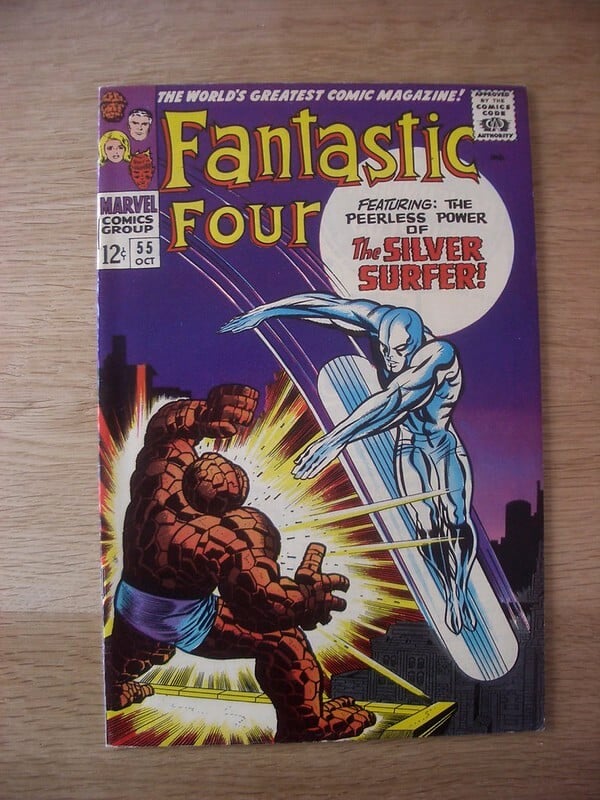
Fantastic Four No. 1, cover dated November 1961, launched what fans call the Marvel Age of comics, with Stan Lee and Jack Kirby introducing Reed Richards, Sue Storm, Johnny Storm, and Ben Grimm. The issue sold for 10 cents.
Top graded copies have passed 1 million dollars, while mid-grade examples sell for tens of thousands. Collectors check for restoration, spine wear, and color loss.
The cover’s bright colors show wear clearly, and many surviving copies have tears and creases from being read repeatedly. Unrestored, high-grade copies are scarce and bring prices far above those of lower grades.
Amazing Spider-Man No. 129
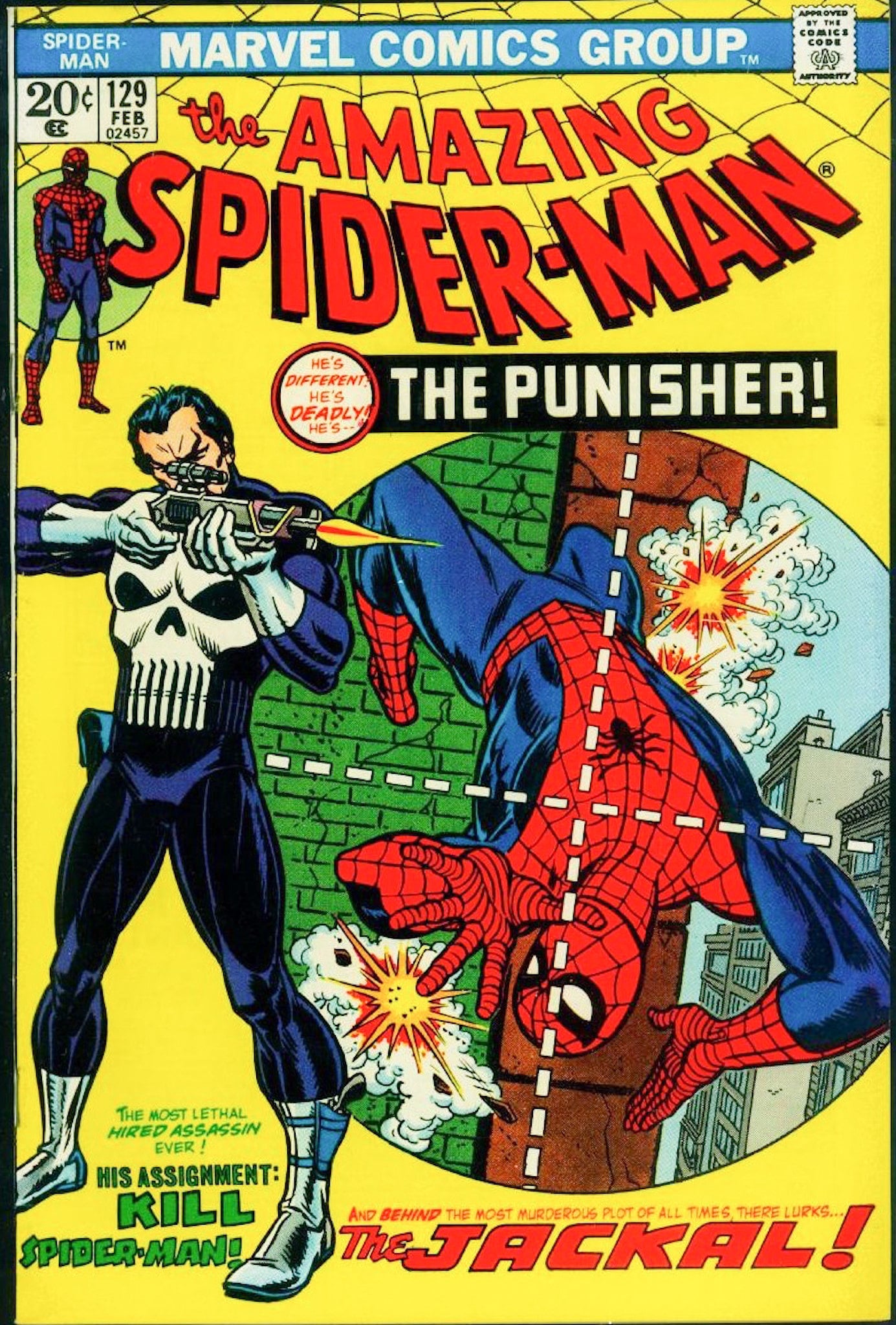
Frank Castle, better known as the Punisher, first appeared in Amazing Spider-Man No. 129, cover dated February 1974, as a hired gunman targeting Spider-Man. The Jackal also debuted in the same issue.
Mid-grade copies sell for a few hundred to a few thousand dollars, while top grades have sold for much more. Collectors check for spine wear, color breaks, and the Marvel Value Stamp in the letters page, since missing stamps lower value.
The character’s popularity on television added demand in recent years. High-grade copies with bright colors and flat covers draw the most attention from dealers and collectors.
Star Wars No. 1 With the 35-Cent Price

Marvel’s Star Wars No. 1 from 1977 normally carried a 30-cent price, but the publisher tested a 35-cent cover price in a few markets. Those variants are rare, and collectors generally estimate only a small number survive in high grade.
Graded copies of the price variant have sold for thousands to tens of thousands of dollars, while the regular edition usually sells for far less. Collectors check the price box first, then look for spine wear, creases, and color breaks.
Condition matters heavily, since the black cover shows every mark. Authentication by a grading service confirms the variant and protects both sides of a sale.
Teenage Mutant Ninja Turtles No. 1
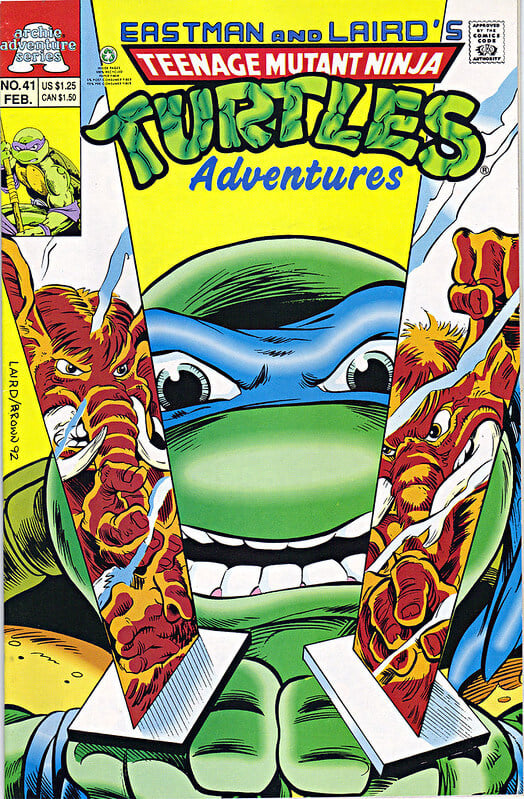
Kevin Eastman and Peter Laird self-published Teenage Mutant Ninja Turtles No. 1 through Mirage Studios in 1984, printing about 3,000 copies in a black-and-white magazine-size format. The comic began as a parody of popular titles of the era.
First printings sell for thousands of dollars, and high-grade copies reach tens of thousands. Collectors check the printing details, since later printings are worth far less.
Spine wear, creases, and cover stains lower value. The comic was cheaply produced, and many copies suffered in storage, which makes clean first printings scarce.
Authentication is essential before any sale.
New Mutants No. 98
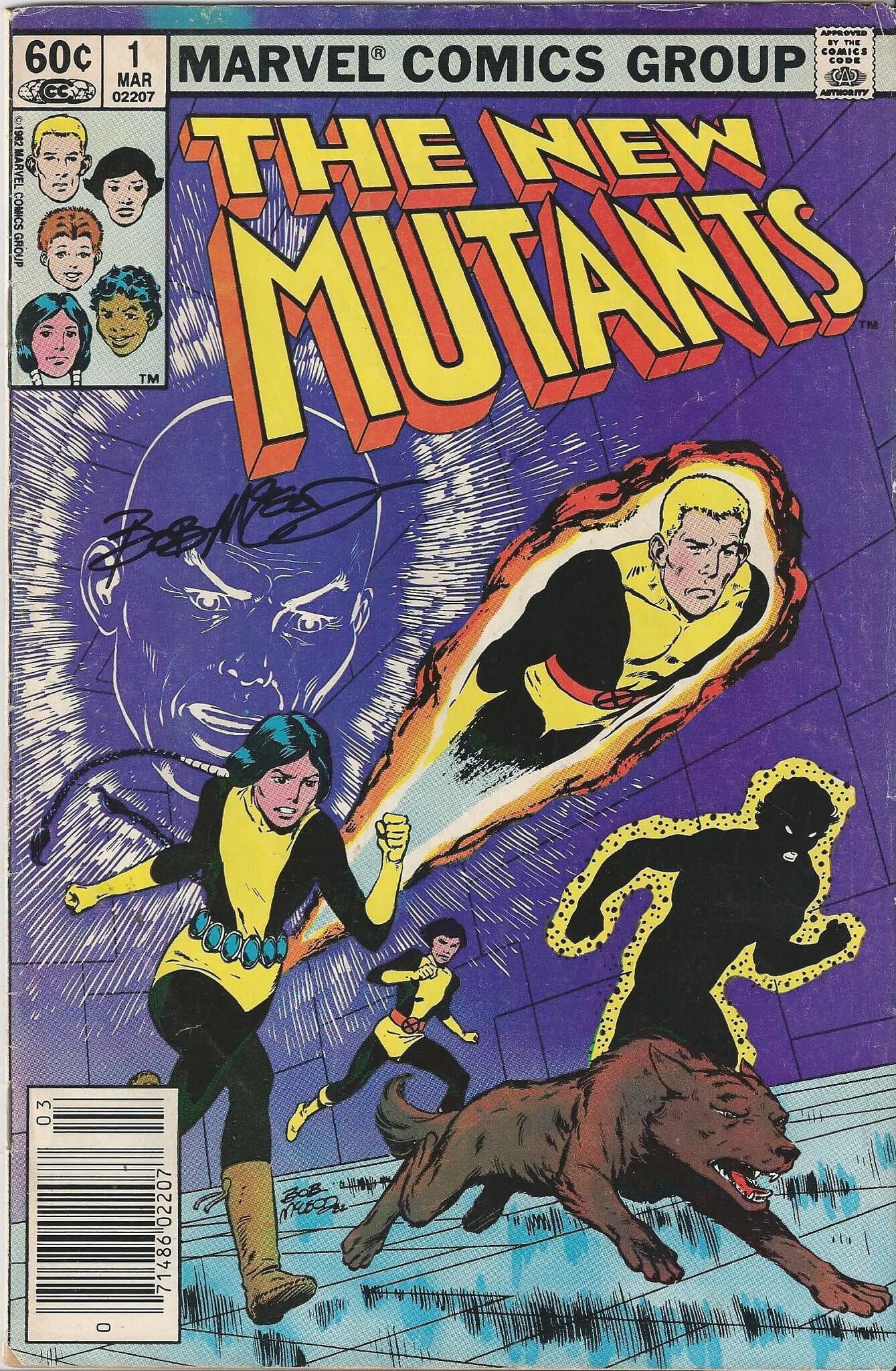
Deadpool made his first appearance in New Mutants No. 98, cover dated February 1991, created by Rob Liefeld and Fabian Nicieza. The issue was printed in large numbers during the speculator boom of the early 1990s, so copies are not rare.
Raw copies sell for 100 to 300 dollars, while copies graded 9.8 have sold for a few thousand. Collectors check for spine stress, corner wear, and cover color.
The Deadpool films drove sharp price increases over the past decade. High grades matter most here, since the issue survives in enough numbers that only near-perfect copies bring the big money.
Batman Adventures No. 12
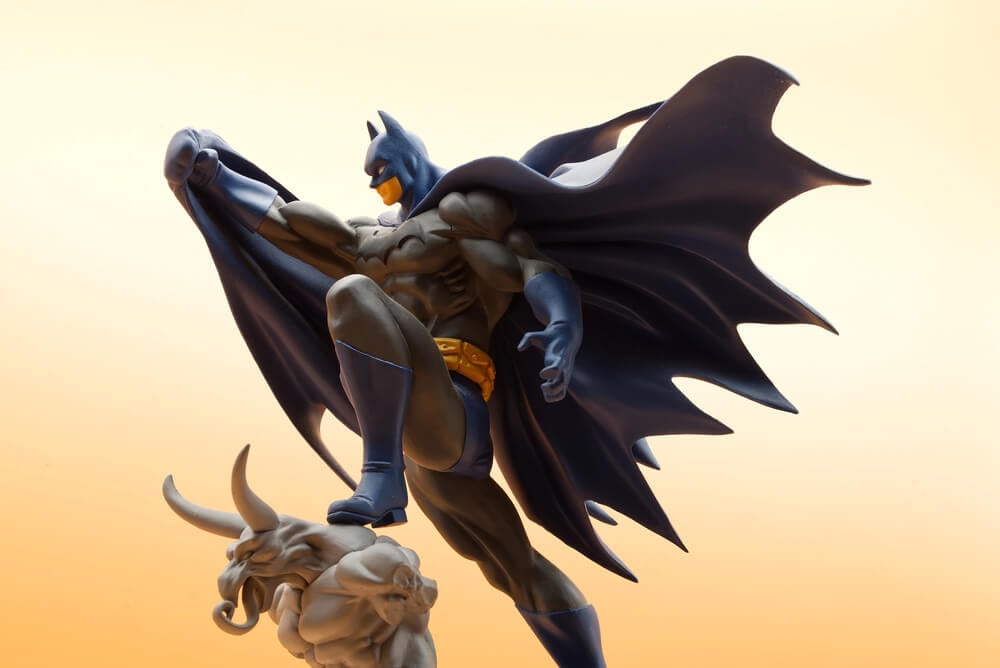
Harley Quinn made her first comic book appearance in Batman Adventures No. 12, cover dated September 1993, after debuting on Batman: The Animated Series. The issue was based on the television show and did not draw much attention when first released.
Raw copies sell for hundreds of dollars, while high-grade copies have reached several thousand. Collectors check for spine wear, corner wear, and cover color.
The white areas of the cover show stains and handling marks easily. Harley Quinn’s rise in films and animation drove demand upward, and the issue is now considered a modern key.
The Walking Dead No. 1

Robert Kirkman and Tony Moore launched The Walking Dead No. 1 through Image Comics in October 2003, with a small first print run that collectors estimate at around 7,000 copies. The series became a hit television show in 2010, driving demand for early issues.
First printings sell for hundreds to a few thousand dollars, depending on grade. Collectors check the printing information inside, since later printings are worth far less.
Spine wear, creases, and cover stains lower value. The black-and-white interior and cheaper paper stock mean clean copies take careful storage to survive in high grade.
X-Men No. 1
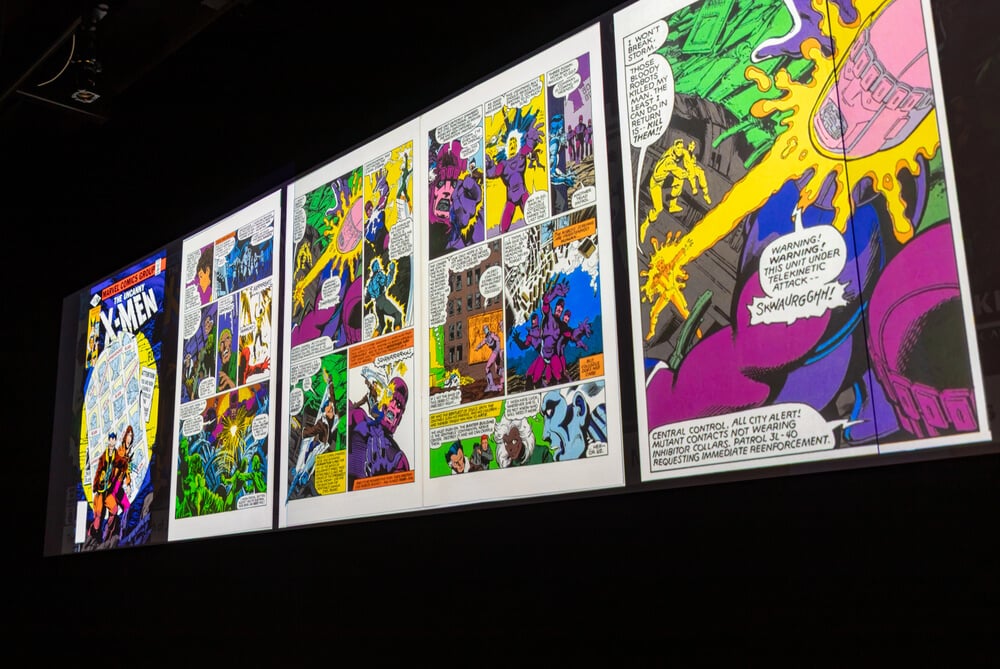
X-Men No. 1, cover dated September 1963, introduced Professor X, Cyclops, Marvel Girl, Beast, Angel, and Iceman, along with the villain Magneto. Stan Lee and Jack Kirby created the team.
Mid-grade copies sell for tens of thousands of dollars, and top graded copies have reached several hundred thousand. Collectors check for restoration, spine wear, and color breaks.
The issue is a Silver Age key, and demand stays strong because of decades of films and animation. High-grade, unrestored copies with bright colors and flat covers are scarce, and even low-grade copies sell for thousands.
Tales of Suspense No. 39
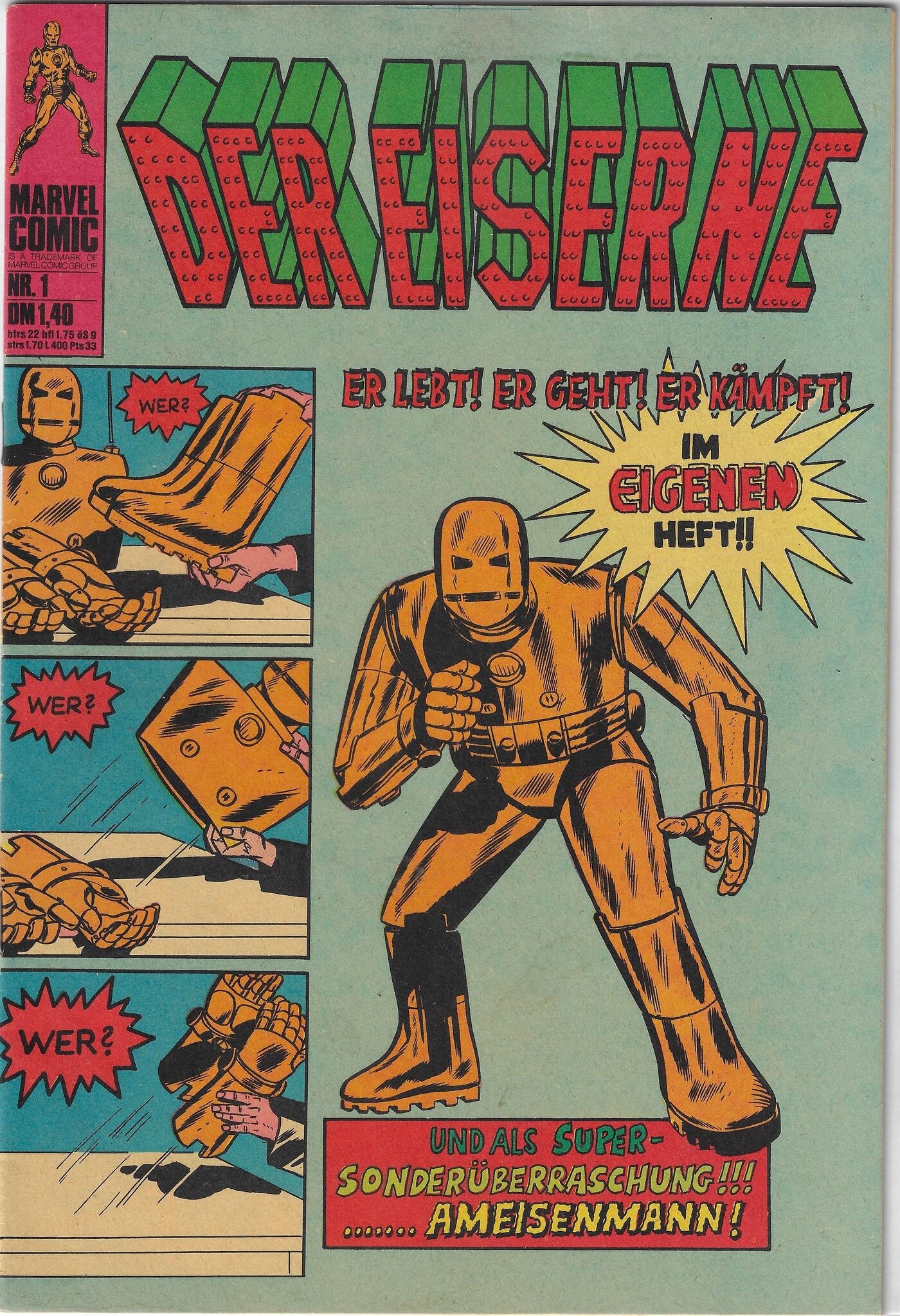
Iron Man made his debut in Tales of Suspense No. 39, cover dated March 1963, with Tony Stark building his first armor to escape captivity. The character became a major film star beginning in 2008, pushing demand for the issue upward.
Mid-grade copies sell for thousands to tens of thousands of dollars, while top grades have sold for several hundred thousand. Collectors check for spine wear, color breaks, and restoration.
The gray armor on the cover shows wear easily. High-grade copies are scarce, and dealers watch closely for them at estate sales and in collections.
Showcase No. 4
Showcase No. 4, cover dated October 1956, introduced Barry Allen as the Flash and is widely considered the beginning of the Silver Age of comics. DC updated a Golden Age character with new costume and origin, a formula that shaped the industry for decades.
Mid-grade copies sell for thousands to tens of thousands of dollars, and top graded copies have sold for hundreds of thousands. Collectors check for restoration, spine wear, and color loss.
The cover’s filmstrip design shows wear clearly. Unrestored high-grade copies are rare, and even worn copies draw strong interest from dealers and collectors.
Avengers No. 1
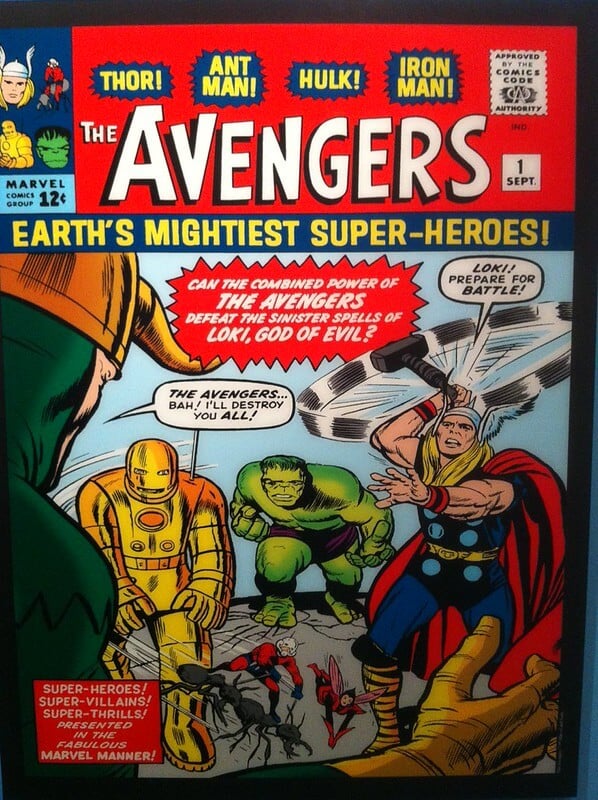
Avengers No. 1, cover dated September 1963, brought together Iron Man, Thor, the Hulk, Ant-Man, and the Wasp to fight Loki. Stan Lee and Jack Kirby created the issue, and the team later became the center of a major film franchise.
Mid-grade copies sell for thousands of dollars, and top grades reach six figures. Collectors check for spine wear, color breaks, and restoration.
The cover’s busy design and bright colors show handling marks and creases easily. High-grade, unrestored copies draw the most interest, and dealers value them highly because demand remains steady.
Marvel Spotlight No. 5
Ghost Rider first appeared in Marvel Spotlight No. 5, cover dated August 1972, with stunt rider Johnny Blaze making a deal that left him with a flaming skull. The issue became a major key after film and television appearances increased the character’s profile.
Mid-grade copies sell for hundreds to a few thousand dollars, while high grades reach five figures. Collectors check for spine wear, color breaks, and the cover’s dark areas, which show flaws clearly.
Copies with flat covers and bright colors bring more. Clean, unrestored examples are scarce and draw strong interest from dealers.
House of Secrets No. 92

Swamp Thing first appeared in House of Secrets No. 92, cover dated July 1971, in a standalone horror story by Len Wein and Bernie Wrightson. The character, a scientist named Alex Olsen in this story, was later reimagined in his own series.
Mid-grade copies sell for hundreds to a few thousand dollars, and high grades reach more. Collectors check for spine wear, color breaks, and the cover’s dark areas.
Wrightson’s cover artwork is highly regarded, which adds appeal. Copies with bright colors and flat covers bring the most, since many were read heavily and stored poorly.
Tomb of Dracula No. 10
Blade the vampire hunter first appeared in Tomb of Dracula No. 10, cover dated July 1973, created by Marv Wolfman and Gene Colan. The character gained wide recognition after the 1998 film starring Wesley Snipes.
Mid-grade copies sell for hundreds to a few thousand dollars, while high grades reach five figures. Collectors check for spine wear, color breaks, and cover creases.
The dark cover shows wear easily, so clean copies are scarce. Demand rises and falls with news about new Blade films, and dealers watch the market closely for high-grade copies.
Iron Man No. 55
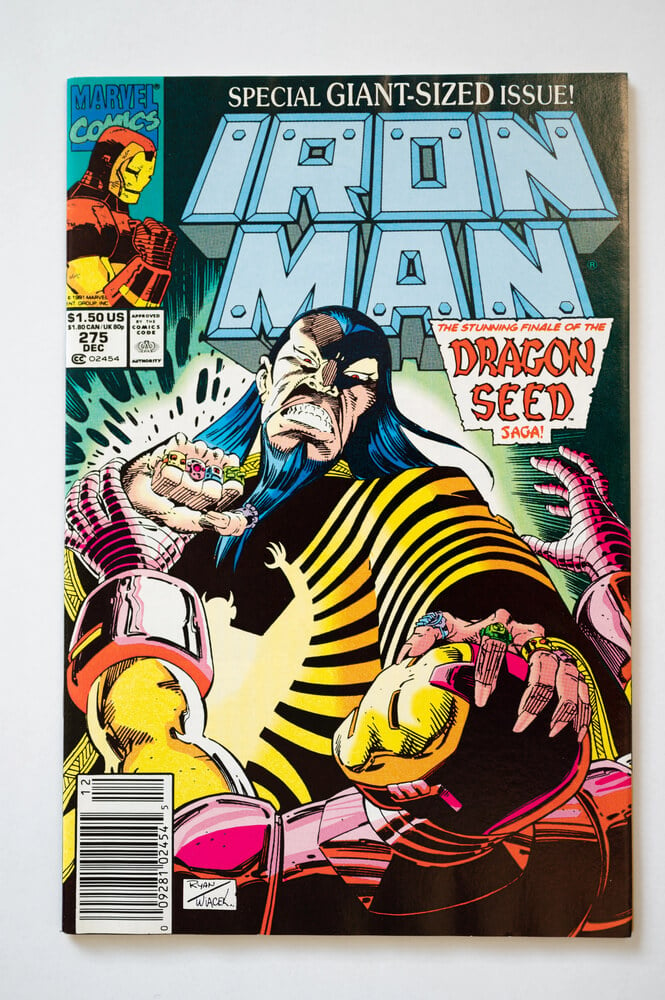
Thanos made his first appearance in Iron Man No. 55, cover dated February 1973, created by Jim Starlin, who also introduced Drax the Destroyer in the same issue. The character became the main villain of the Marvel film series, driving demand upward.
Mid-grade copies sell for hundreds to a few thousand dollars, while top grades reach much more. Collectors check for spine wear, color breaks, and the Marvel Value Stamp, which may have been clipped.
Missing stamps lower value significantly. Copies with bright colors and flat covers draw the most interest from dealers.
Amazing Spider-Man No. 300
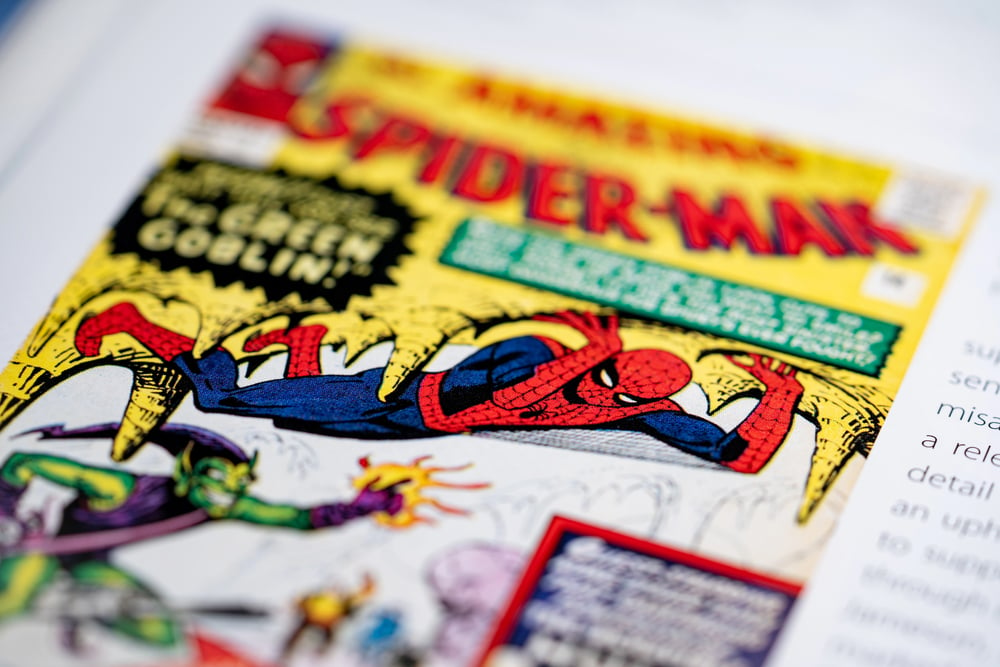
Venom made his first full appearance in Amazing Spider-Man No. 300, cover dated May 1988, with artwork by Todd McFarlane. The issue was the 25th anniversary edition of the series and sold well at the time.
Raw copies sell for hundreds of dollars, while copies graded 9.8 have sold for several thousand. Collectors check for spine stress, corner wear, and the black areas of the cover, which show flaws clearly.
The Venom films and animated appearances pushed demand upward. High grades matter most here, since the issue survives in large numbers.
Secret Wars No. 8
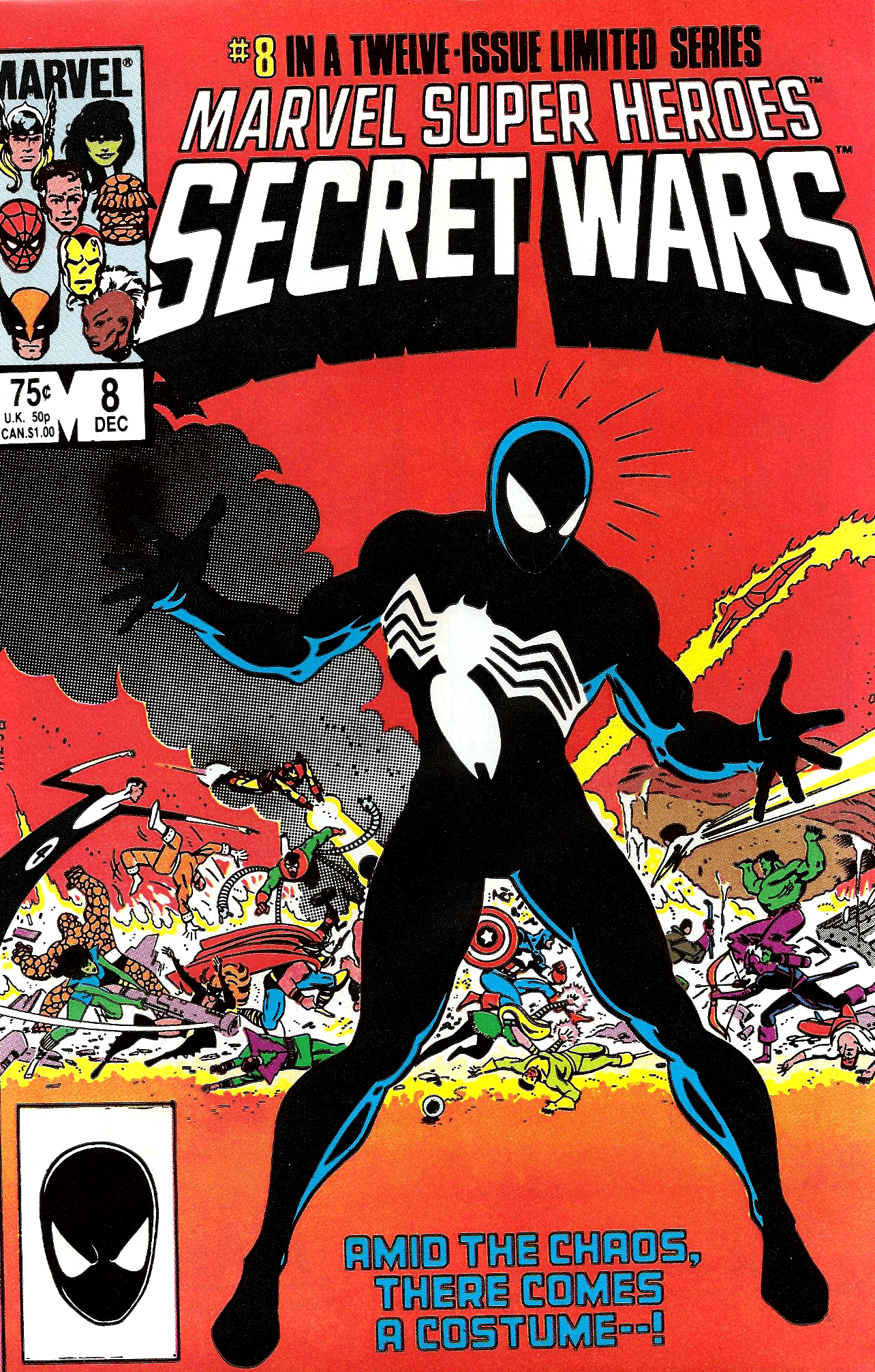
Secret Wars No. 8, cover dated December 1984, told the origin of Spider-Man’s black costume, which later became Venom. The limited series was built around a toy line, and it drew large sales.
Raw copies sell for tens to hundreds of dollars, while high-grade copies bring more. Collectors check for spine wear, corner wear, and cover color.
The black costume on the cover shows handling marks easily. Demand rises with every Venom film or major Spider-Man release.
Copies with bright colors and flat covers bring the best prices from collectors.
Cerebus No. 1
Dave Sim self-published Cerebus No. 1 in December 1977, printing about 2,000 copies of the story about an aardvark barbarian. The series ran for 300 issues, finishing in 2004, and became a landmark of independent comics.
First printings sell for hundreds to thousands of dollars, depending on condition. Counterfeits exist, and collectors check the paper stock and printing details to confirm authenticity.
Spine wear, creases, and cover stains lower value. The black-and-white printing and cheap paper make clean copies scarce.
Authentication by a grading service is common before sale.
Mark Jewelers Insert Copies
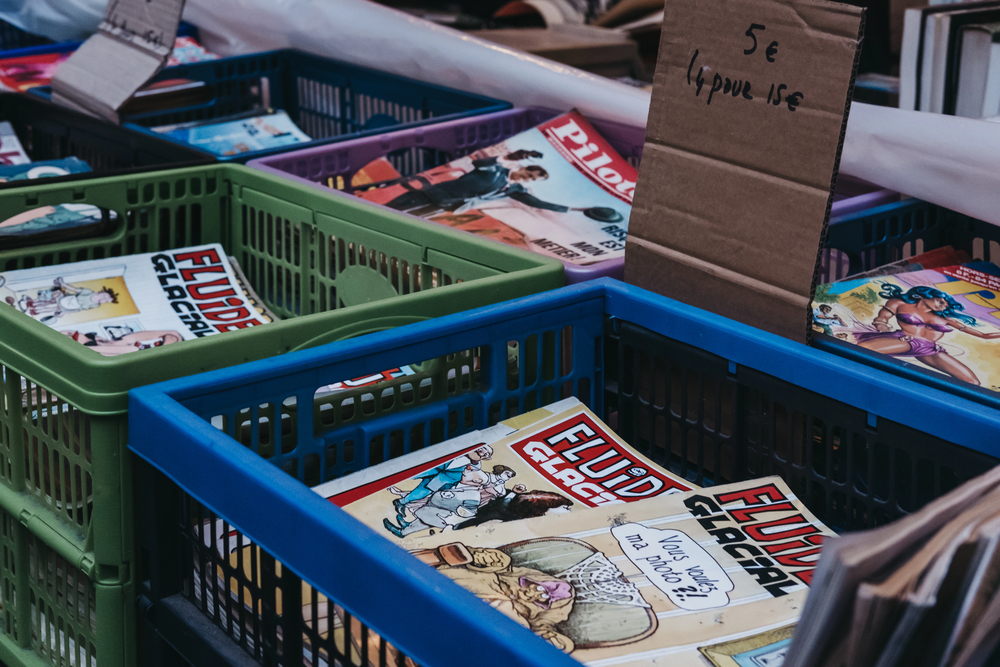
Marvel comics sold at military bases in the 1970s and 1980s often came with a full-color advertising insert for Mark Jewelers, a company that sold jewelry to service members. These copies are considered variants, and key issues with the insert, such as Incredible Hulk No. 181, can sell for more than standard copies.
Collectors check that the insert is present and attached, since missing inserts lower value. Spine wear, creases, and cover condition also matter.
Grading services note the insert on the label, which helps confirm authenticity. Dealers look for these copies in collections from military families.
Uncle Scrooge in Four Color No. 386
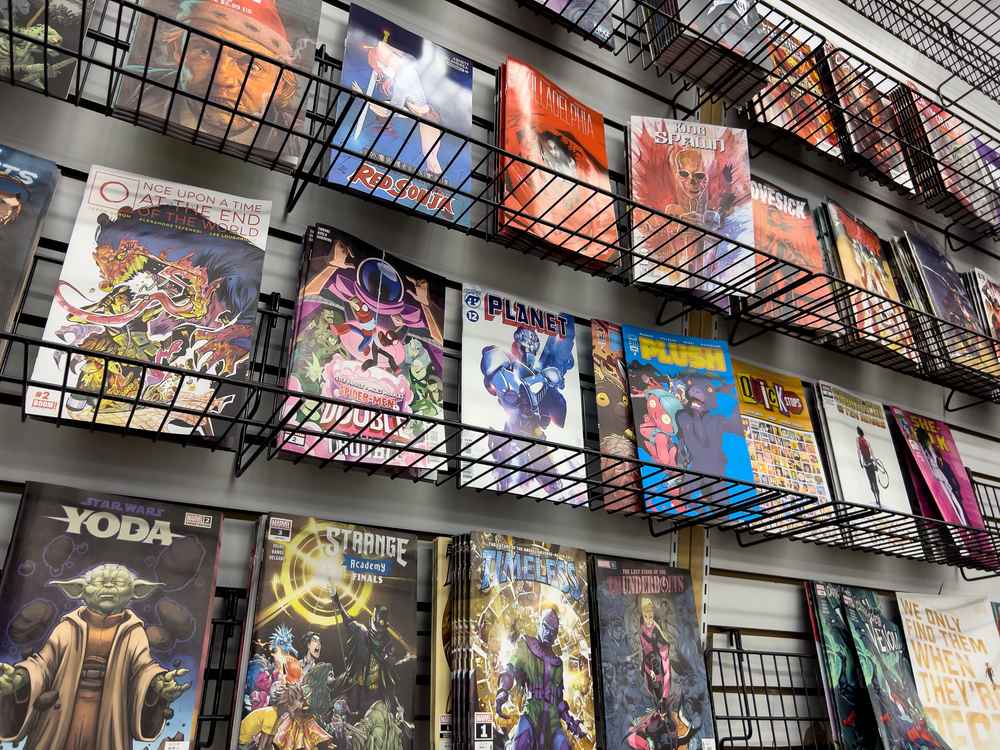
Uncle Scrooge got his first comic book of his own in Four Color No. 386 in 1952, with the story Only a Poor Old Man written and drawn by Carl Barks. Barks created the character in 1947, and his duck stories are considered classics of comic art.
Mid-grade copies sell for hundreds to a few thousand dollars, while high grades bring more. Collectors check for spine wear, color loss, and cover creases.
The issue was read heavily by children, so clean copies are scarce. Collectors value Barks stories highly, and demand remains steady.
Mad No. 1
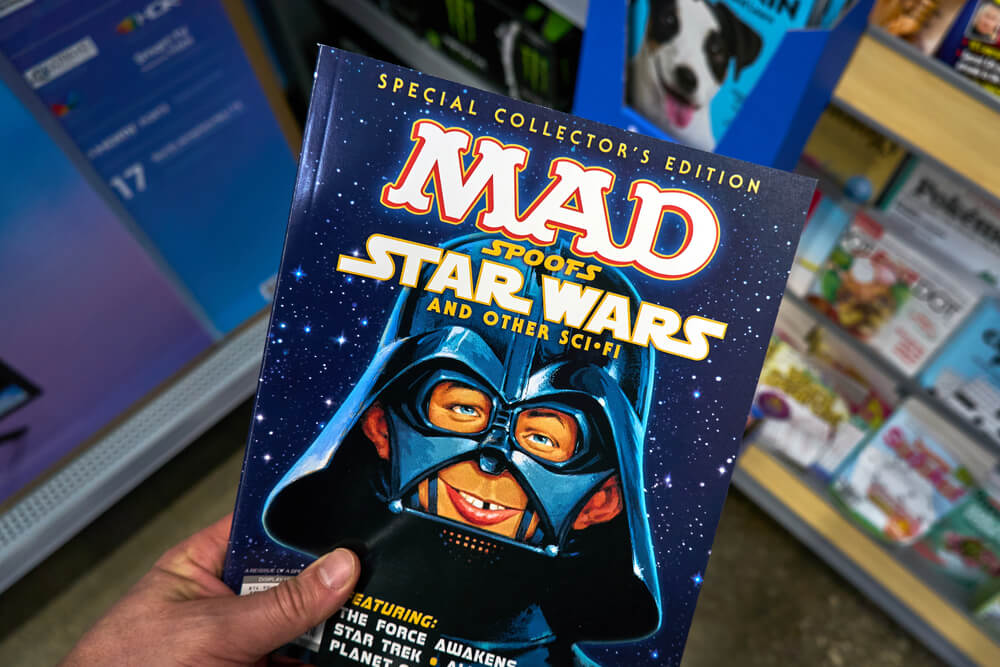
Mad No. 1, cover dated October to November 1952, began as a comic book published by EC Comics, edited and largely written by Harvey Kurtzman. It became a magazine in 1955 and went on to become one of the best-known humor publications in the country.
Mid-grade copies of the first issue sell for thousands of dollars, and high grades reach much more. Collectors check for spine wear, color breaks, and cover creases.
Many copies were read heavily and passed around, so clean examples are scarce. Unrestored copies bring the most from dealers.
Gold Key Star Trek No. 1

Gold Key published Star Trek No. 1 in 1967, featuring a photo cover of the Enterprise crew. The comic was released while the original series was still on the air.
Mid-grade copies sell for hundreds of dollars, while high grades reach a few thousand. Collectors check for spine wear, color loss, and the photo cover, which shows creases and scratches clearly.
Star Trek fans and comic collectors both chase the issue, which keeps demand steady. Copies with bright covers and flat spines bring the most from collectors.
Batman: The Dark Knight Returns No. 1

Frank Miller’s Batman: The Dark Knight Returns No. 1, published in 1986, presented an aging Batman returning to fight crime in a dark future. The series changed how comics were viewed, influencing films and later books.
First printings sell for tens to hundreds of dollars, while high grades bring more. Collectors check the printing information, since later printings are worth less.
Spine wear, corner wear, and the dark cover show flaws easily. Copies in high grade with bright covers draw strong interest from collectors and dealers.
Cheap Paper, Expensive Memories
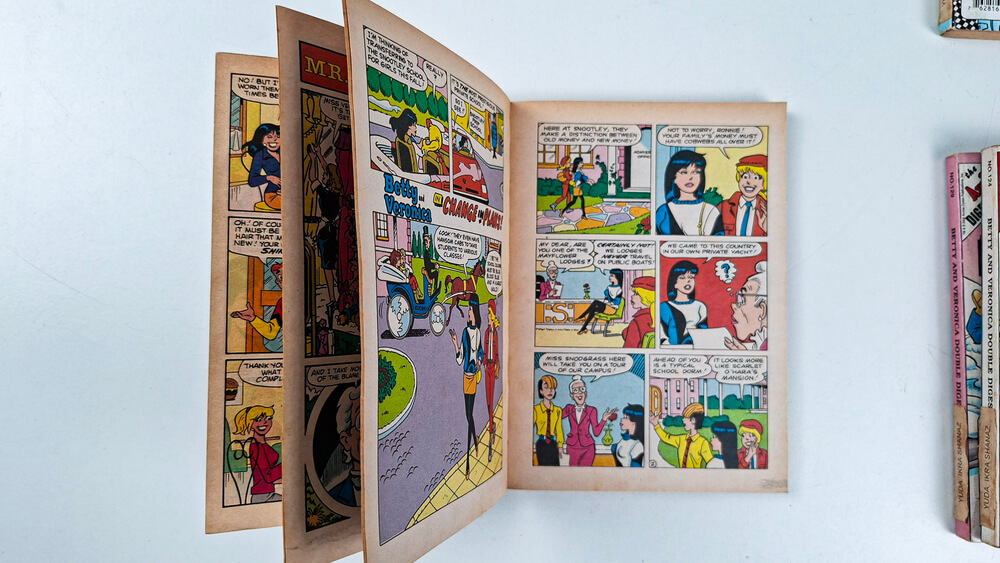
Nearly every comic on this list was printed on paper meant to last a few weeks. Publishers expected them to be read, traded, and thrown away.
The survivors are valuable precisely because most copies met that fate. Anyone who finds an old stack of comics should store them flat, away from light and moisture.
Grading services can confirm condition and authenticity before a sale. The difference between a worn copy and a clean one can be thousands of dollars.
More from Go2Tutors!

- The Romanov Crown Jewels and Their Tragic Fate
- 13 Historical Mysteries That Science Still Can’t Solve
- Famous Hoaxes That Fooled the World for Years
- 15 Child Stars with Tragic Adult Lives
- 16 Famous Jewelry Pieces in History
Like Go2Tutors’s content? Follow us on MSN.