The Tallest Buildings Ever Built In Human History
Up there, where sky meets structure, people keep reaching. Long ago, stacked rocks became shrines.
Now, steel frames stretch beyond sight. Each era studies the skyline left behind.
Then builds something sharper, bolder, harder to ignore. Reaching high isn’t new – it’s routine.
Truth is, getting these sky-high structures finished has happened more often than you’d think. These stand as the highest constructions humans have ever made, each rising for reasons rooted deep in their own time and place.
The Great Pyramid Of Giza
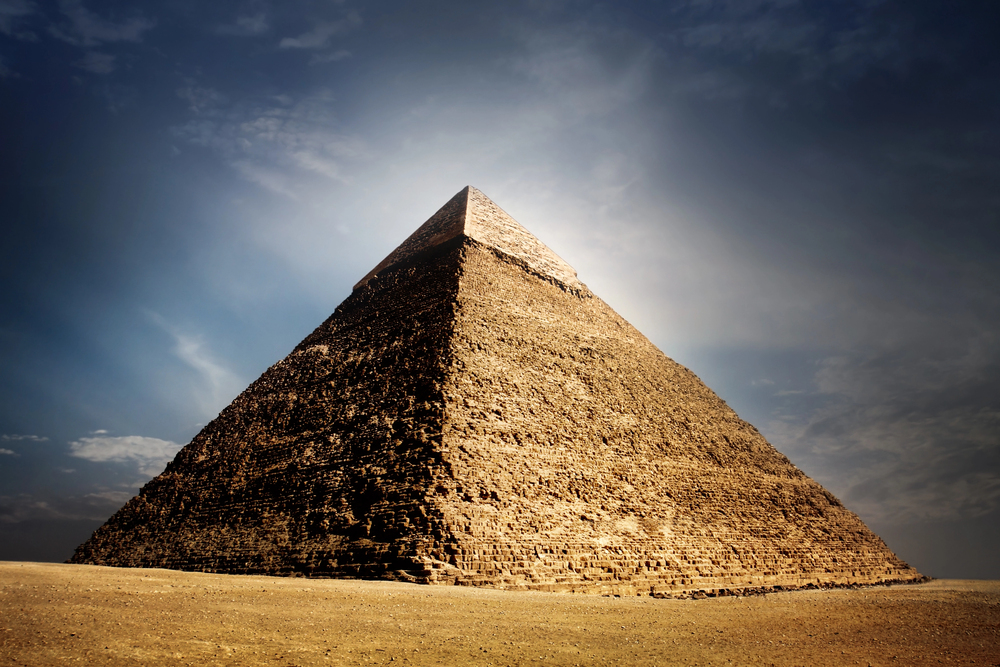
Almost four millennia passed before any building dared rise higher than the Great Pyramid of Giza. Built near 2560 BC in Egypt as a tomb for Pharaoh Khufu, it first reached close to 481 feet into the sky.
Time wore away its smooth outer layer, shrinking it to about 455 feet by now. Erosion plus centuries took their toll, yet it still stands firm.
Some 90,000 to 100,000 laborers shaped its form over two long decades. They hauled more than two million heavy stones into place, block after backbreaking block.
No machine helped, just human effort guided by skill. Among the Seven Wonders of the Ancient World, it alone survives intact.
Others have vanished, leaving only stories behind. Its presence defies time, quietly towering where few ever could.
Lincoln Cathedral
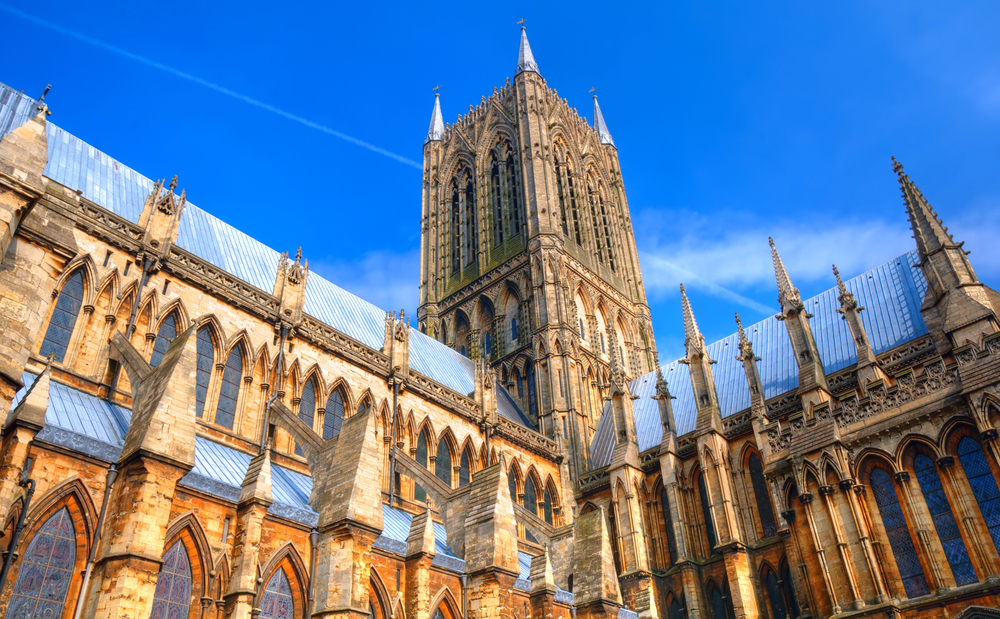
Something tall happened in England when Lincoln Cathedral finished around 1311 – it quietly claimed the title once held by the Great Pyramid. Rising up roughly 525 feet, its central spire became the world’s highest point back then.
Storms tore that peak down in 1549, knocking it off its long-standing perch. While the crown slipped away, the building remained standing through centuries.
Even now, few places show Gothic design better across Europe.
St. Mary’s Church, Stralsund
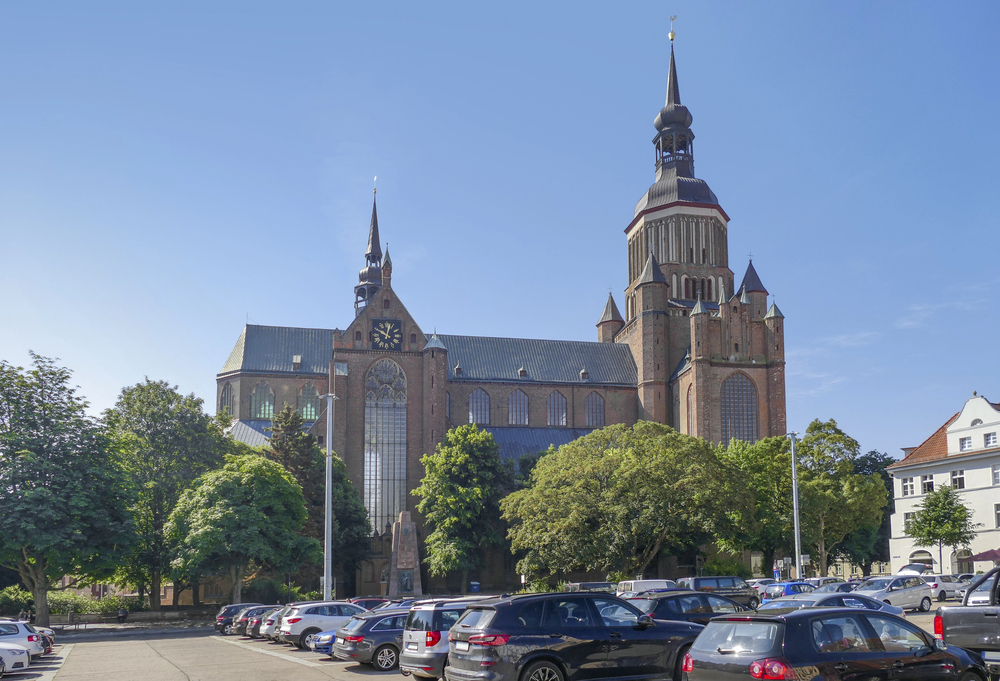
For a short time in the 1300s, the tallest thing on Earth stood in Stralsund, Germany – St. Mary’s Church claimed that title. Reaching close to 492 feet high, its spire became a symbol of deep local pride.
Though fire took the tower years after, the main building remained standing through centuries. People come now just as they did then, drawn by stone walls shaped long ago.
Back in those times across Europe, such steeples rose like modern towers do today.
Cologne Cathedral
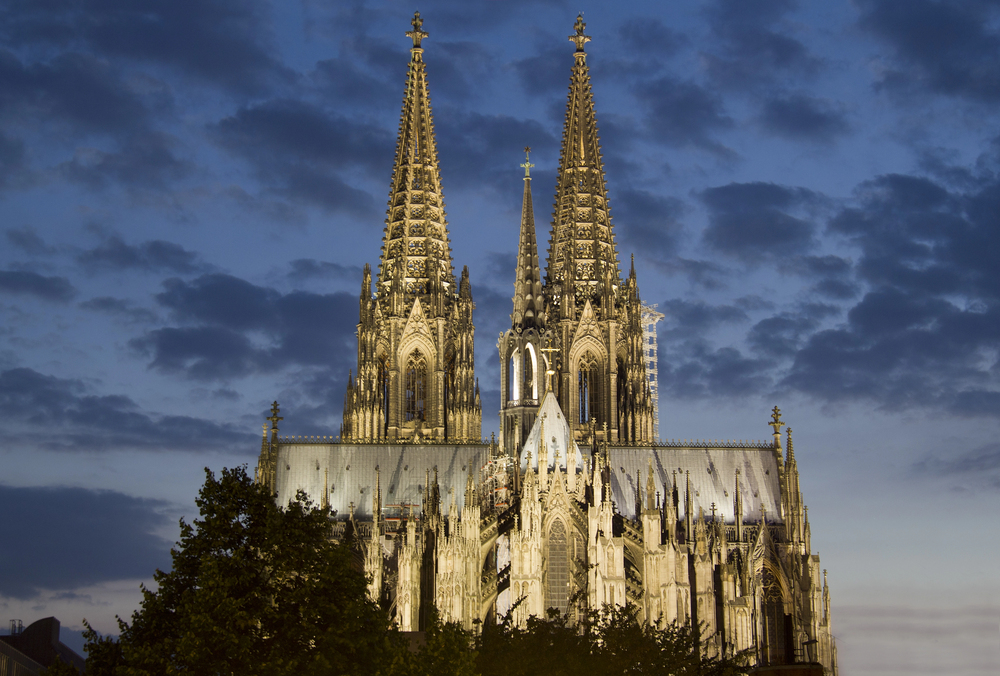
Work on Cologne Cathedral started in 1248, yet it wasn’t until 1880 that builders put down their tools for good. Once done, its two tall towers stretched up 516 feet – high enough to claim the sky’s top spot at the time.
That honor didn’t last; by 1884, a newer, loftier structure rose across the Atlantic. Even without being the highest anymore, the church draws huge crowds year after year.
Today, it stands as both a German favorite and a site protected by UNESCO.
Washington Monument

Finished in 1884, the Washington Monument claimed the global height title from Cologne Cathedral by reaching 555 feet. Built to commemorate George Washington – the nation’s first president – construction dragged on for almost four decades because of money shortages and war disruptions.
Midway up the tower, a subtle shift in shade hints at something unusual: stone layers from separate sources form the bottom versus the top. Though time passed, it remains unmatched among masonry towers worldwide.
Eiffel Tower
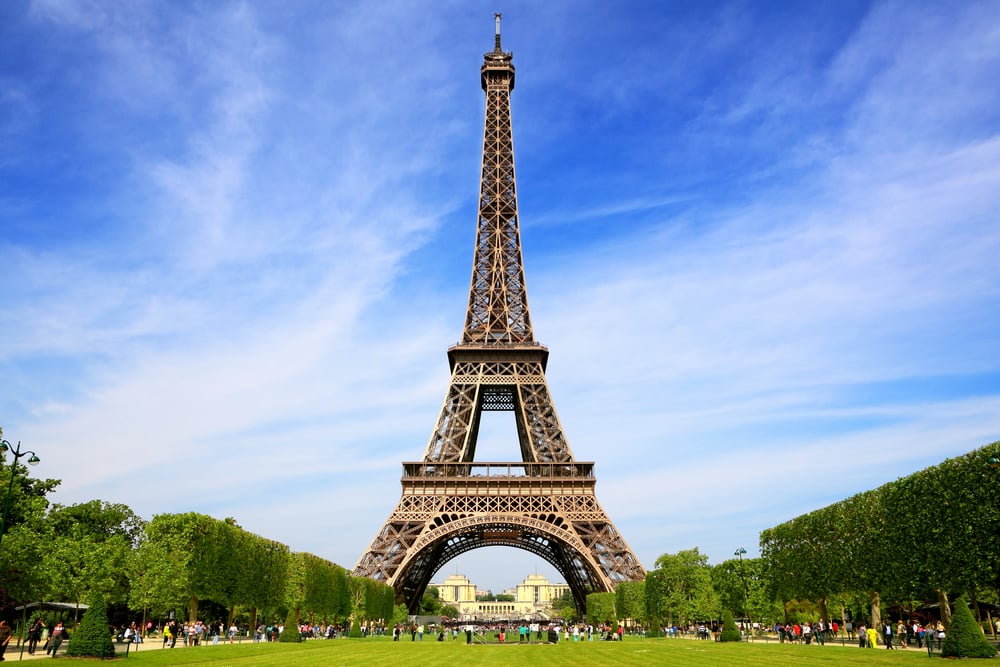
That iron tower in Paris? People loathed it at first. Rising up in 1889 for an international exhibition, Gustave Eiffel’s creation reached 1,083 feet with its spike included.
For four decades, nothing else climbed higher anywhere. Writers mocked it, artists protested – called it ugly, unnatural.
After the event closed, voices insisted it should vanish. Now, millions journey there each year.
Time turned scorn into pride, rejection into identity. Hard to imagine the city without it.
Chrysler Building
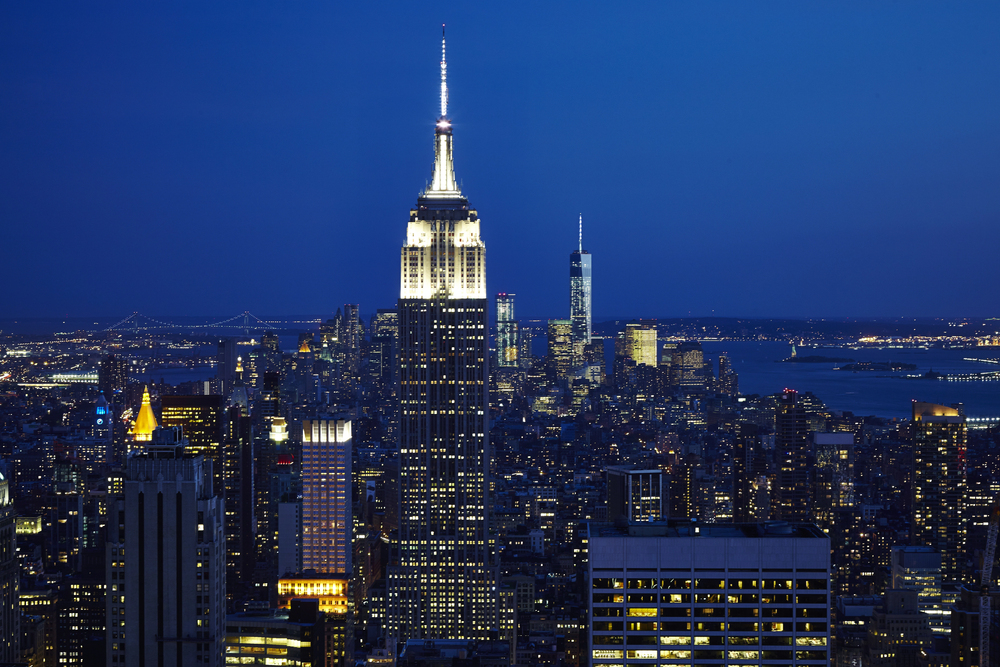
One year after opening, the Chrysler Building lost its height crown. Rising 1,046 feet above Manhattan, it sparkled with sharp lines and metal eagles staring down from high up.
Though short-lived as the tallest, people still point skyward when they talk about beauty in stone and steel. Before the Empire State claimed the lead, this tower wore the peak like a crown.
Even now, eyes linger on its tiered spire more than many taller neighbors.
Empire State Building
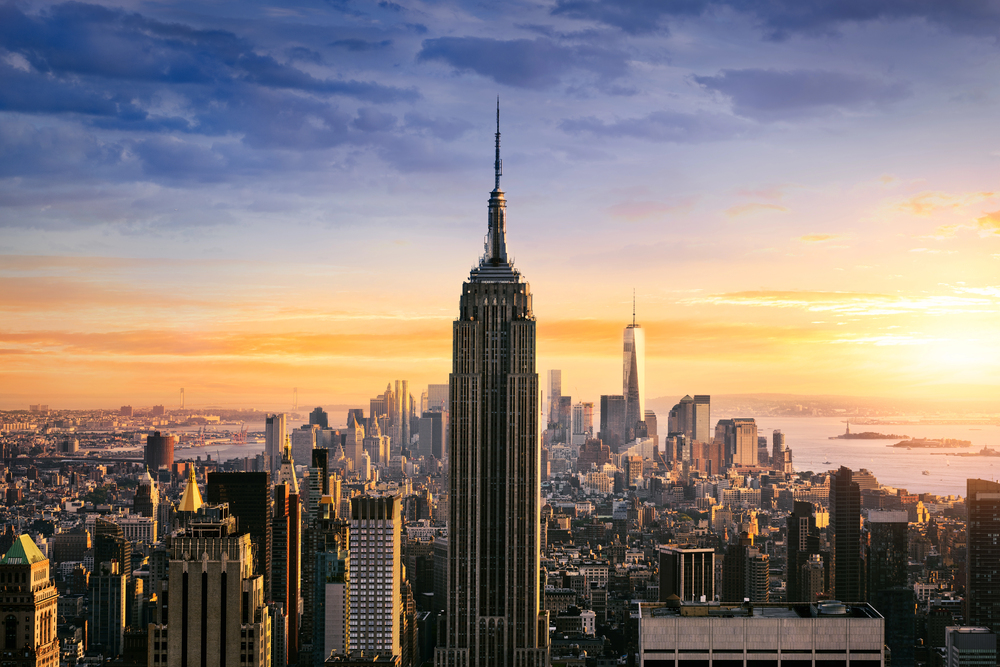
The Empire State Building in New York City opened in 1931 and stood 1,454 feet tall including its antenna. It held the title of world’s tallest building for 41 years, which is a remarkable run in an era of constant construction and competition.
The building went up in just 410 days, a construction speed that still impresses engineers today. It remains one of the most recognizable buildings on earth and continues to be a working office building.
World Trade Center (Original)
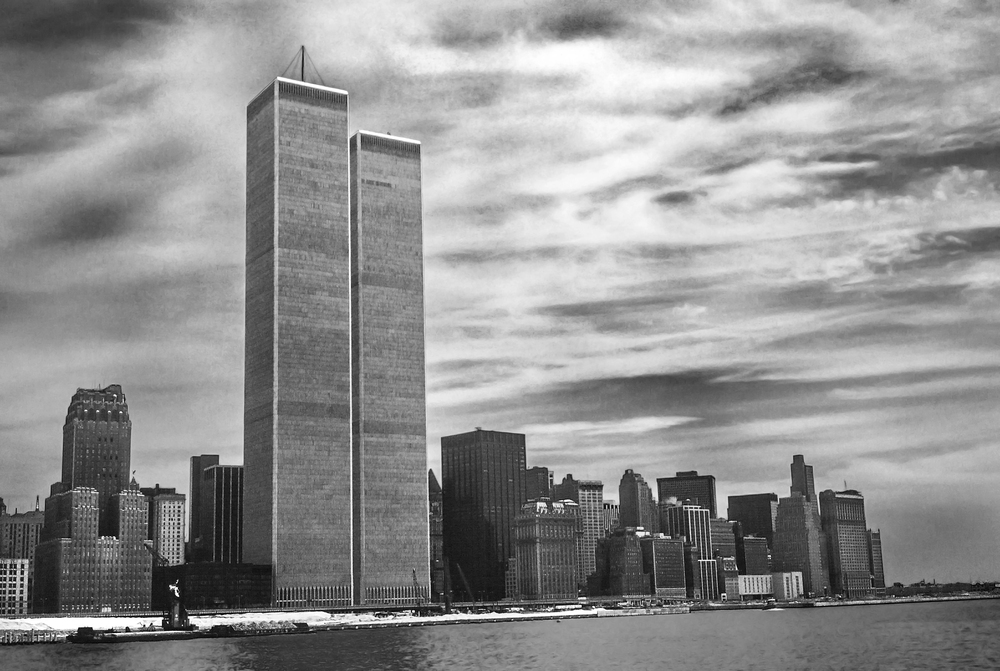
The original Twin Towers of the World Trade Center in New York City opened in 1972 and 1973, standing at 1,368 and 1,362 feet respectively. At completion, the North Tower became the tallest building in the world, ending the Empire State Building’s 41-year reign.
The towers were built to symbolize global commerce and New York City’s economic dominance. They were destroyed in the September 11, 2001 attacks, an event that permanently changed how the world thinks about skyscrapers and city planning.
Sears Tower
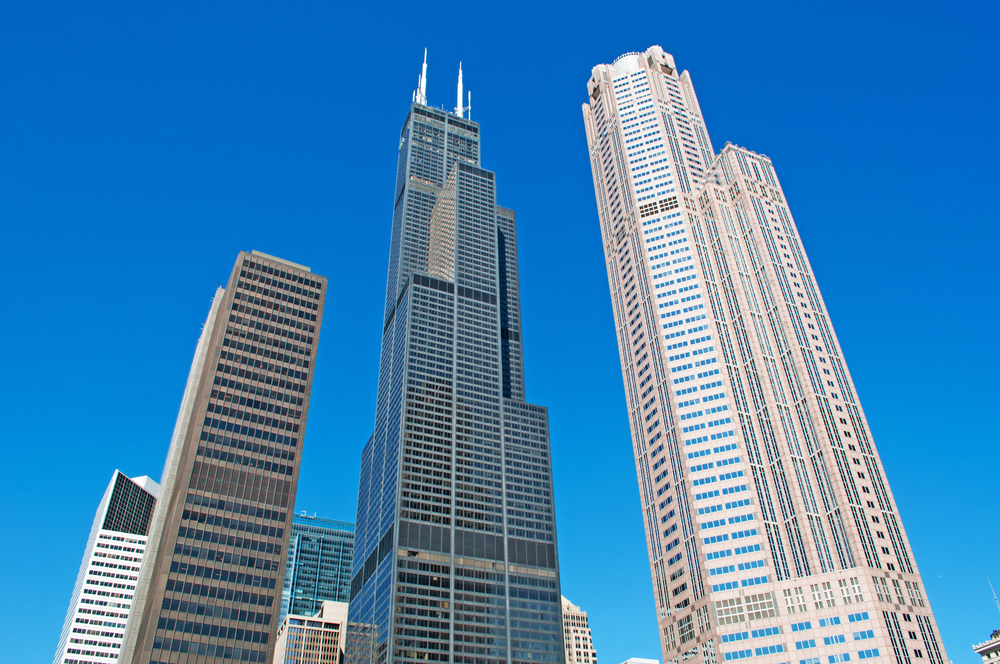
When the Sears Tower opened in Chicago in 1973, it immediately became the tallest building in the world at 1,450 feet, surpassing the World Trade Center. It held the global height record for 25 years, longer than any other building in the 20th century.
The tower was renamed Willis Tower in 2009 after a new tenant took over the naming rights, a change that Chicagoans have been arguing about ever since. Its glass-floored observation decks, called ‘The Ledge,’ now let visitors stand over the city with nothing but glass beneath their feet.
Petronas Towers
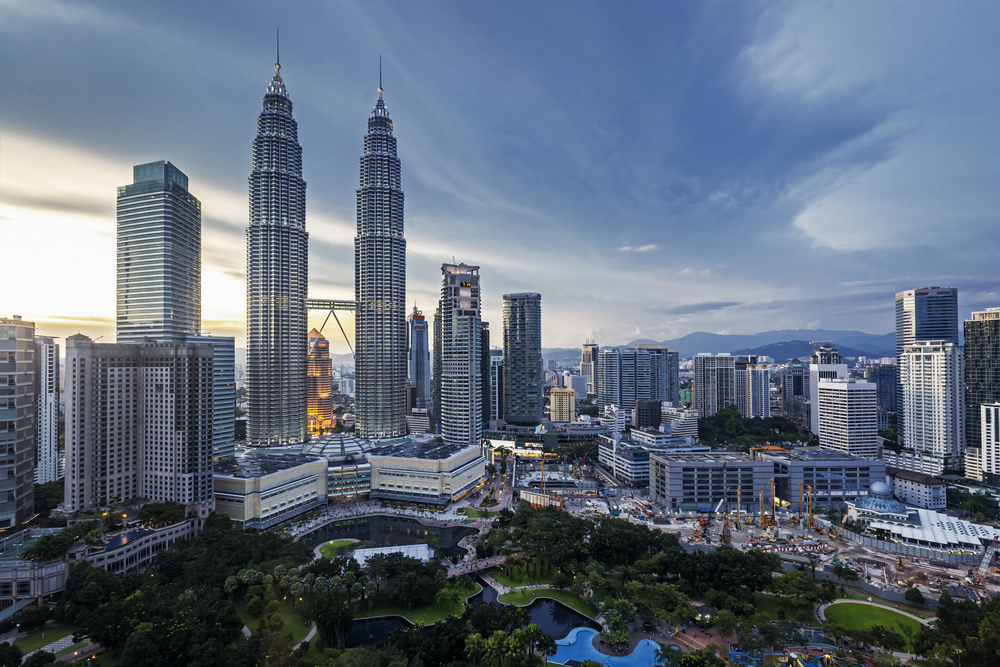
The Petronas Towers in Kuala Lumpur, Malaysia, claimed the world’s tallest building title in 1998 at 1,483 feet, ending America’s long dominance at the top. Designed by architect César Pelli, the twin towers were built to showcase Malaysia’s rapid economic growth.
A sky bridge connects the two towers on the 41st and 42nd floors, which has become one of the most photographed architectural details in Asia. The towers remain the tallest twin buildings in the world to this day.
Taipei 101

Taipei 101 in Taiwan opened in 2004 and took the world’s tallest building title at 1,667 feet. The building sits in an earthquake-prone region, so engineers installed a massive 728-ton steel pendulum inside it to counteract the movement caused by earthquakes and typhoons.
That pendulum, which hangs between the 87th and 92nd floors, is one of the largest of its kind in any building on earth. Taipei 101 held the height record until 2010.
Burj Khalifa
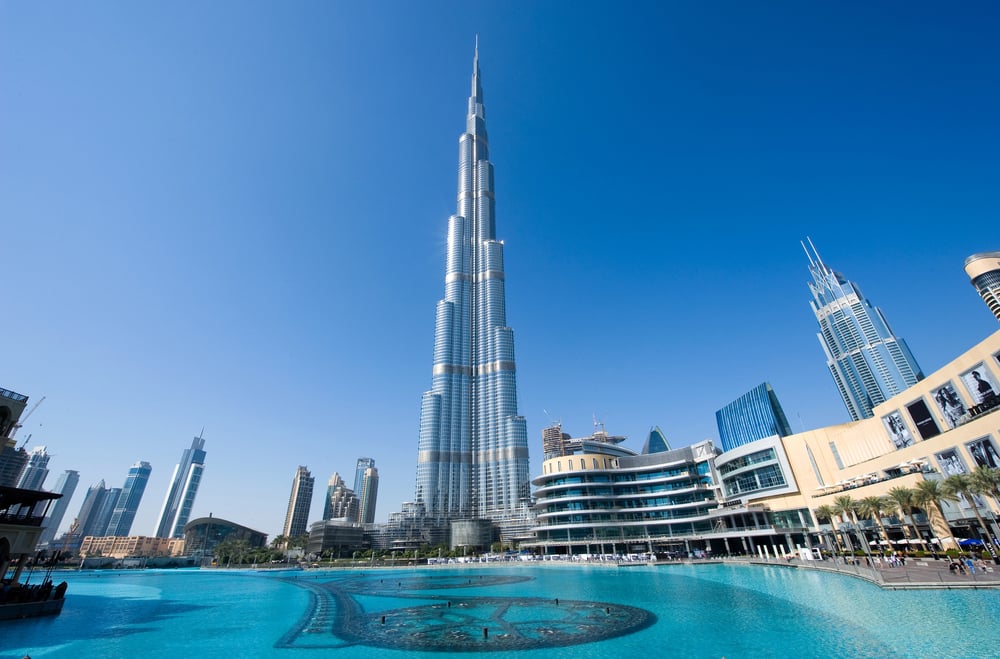
The Burj Khalifa in Dubai, United Arab Emirates, opened in 2010 and shattered every height record that came before it. It stands at 2,717 feet, which is nearly twice the height of the Empire State Building.
The building has 163 floors, holds the world’s highest observation deck, and serves as a mixed-use space with offices, apartments, and a hotel. At the time of its completion, it was so far ahead of everything else that no other building came close for over a decade.
Canton Tower
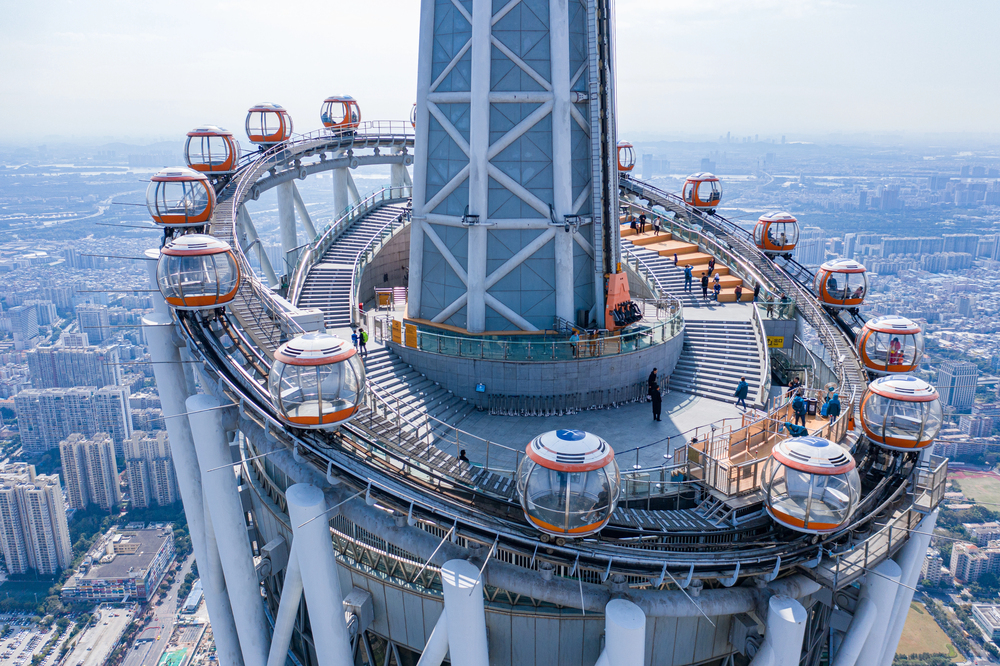
The Canton Tower in Guangzhou, China, completed in 2010, stands at 1,969 feet and held the title of the world’s tallest tower (as opposed to a building) for a brief period. Its twisted lattice exterior gives it a look unlike anything else in any city skyline.
The structure serves as a television broadcast tower and tourist attraction, with a sky walk and observation deck near its top. It is a strong example of how countries use landmark towers to announce themselves on the global stage.
Shanghai Tower
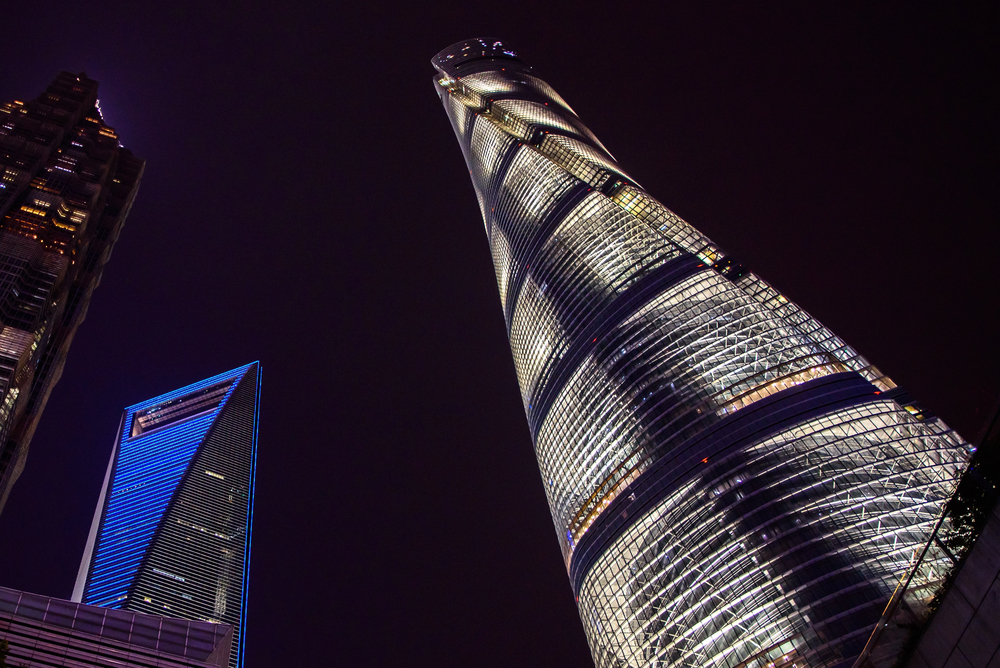
The Shanghai Tower in China, completed in 2015, stands at 2,073 feet and is the second-tallest building in the world. Its design spirals upward, which reduces wind load by about 24 percent compared to a straight-sided tower of the same size.
The building contains sky gardens at various levels, giving workers and visitors access to green spaces without ever going to the ground floor. It is a good example of how modern skyscraper design prioritizes efficiency alongside height.
Merdeka 118
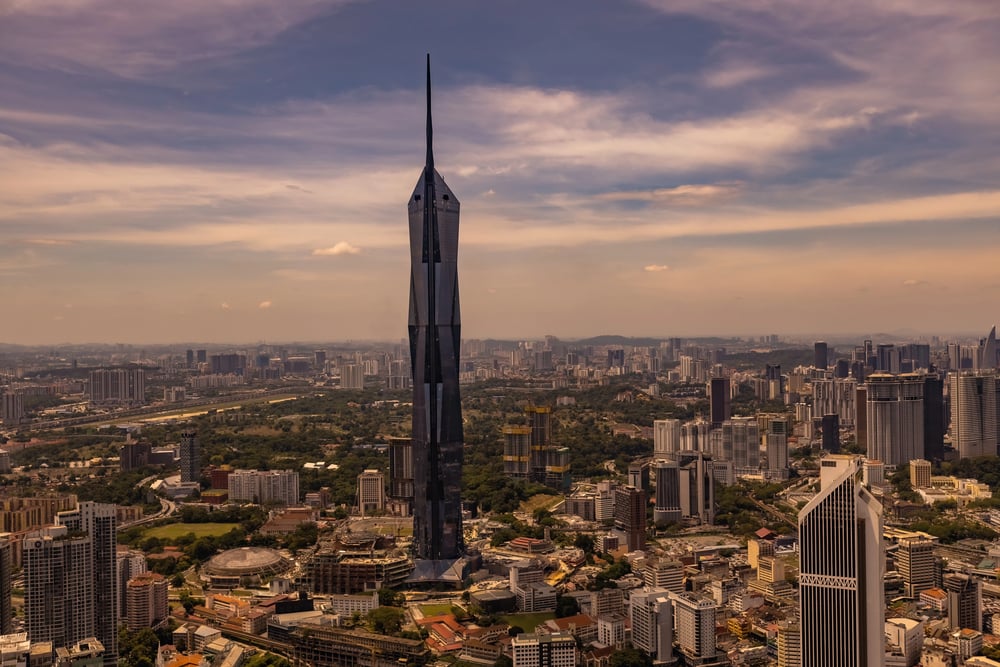
Merdeka 118 in Kuala Lumpur, Malaysia, opened in 2023 and stands at 2,227 feet, making it the second-tallest building ever constructed. Its name references Malaysia’s independence, with ‘118’ corresponding to the number of floors and the date of the country’s independence proclamation.
The building brings the world height record back to Southeast Asia for the first time since the Petronas Towers held it in the late 1990s. It is a full-circle moment for a country that has been quietly building toward this for decades.
The Race That Never Really Ends
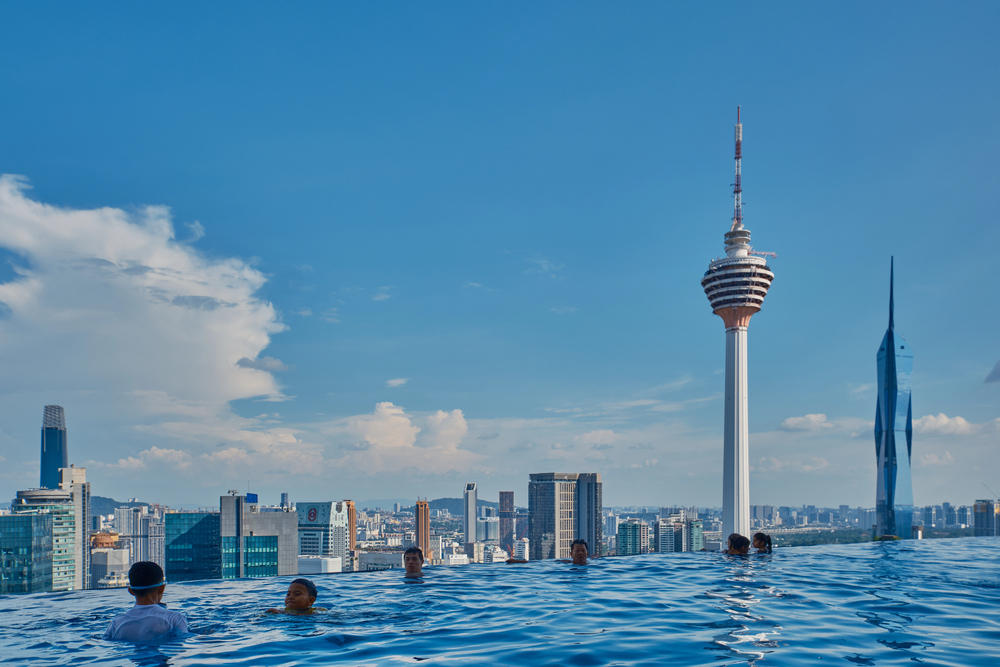
The history of the world’s tallest buildings is really a history of human ambition measured in feet. Every record-breaking structure was someone’s way of saying that a city, a country, or a company had arrived.
What makes these buildings more than just tall objects is that most of them became beloved landmarks long after the height record moved on to something newer and bigger. The Burj Khalifa will eventually lose its title too, but like the Eiffel Tower and the Empire State Building before it, the building will likely outlast the record by centuries.
More from Go2Tutors!

- The Romanov Crown Jewels and Their Tragic Fate
- 13 Historical Mysteries That Science Still Can’t Solve
- Famous Hoaxes That Fooled the World for Years
- 15 Child Stars with Tragic Adult Lives
- 16 Famous Jewelry Pieces in History
Like Go2Tutors’s content? Follow us on MSN.