How a Stack of Forgotten Postcards Can Hold Finds Worth More Than Anyone Expected
Most people treat old postcards the way they treat old receipts — something to glance at and then move on from. They get shuffled into shoeboxes, rubber-banded into bundles, and left in attic corners until a house clearance forces a decision.
The decision is usually the donation bin. That’s a mistake that costs people real money more often than the collector market would like to admit.
A Babe Ruth real-photo postcard from around 1915 sold at auction for $564,000. The world’s oldest known picture postcard sold in London for just under $50,000.
These are extreme examples, but they sit on the same continuum as the much more common finds — a Halloween card from 1910 worth $295, a birds-eye view of a Nevada ghost town selling for $688, a Virginia street scene by a sought-after photographer fetching $900. What determines where on that continuum your stack of forgotten cards lands comes down to a surprisingly small number of factors.
The Golden Age Is Where Most Value Lives
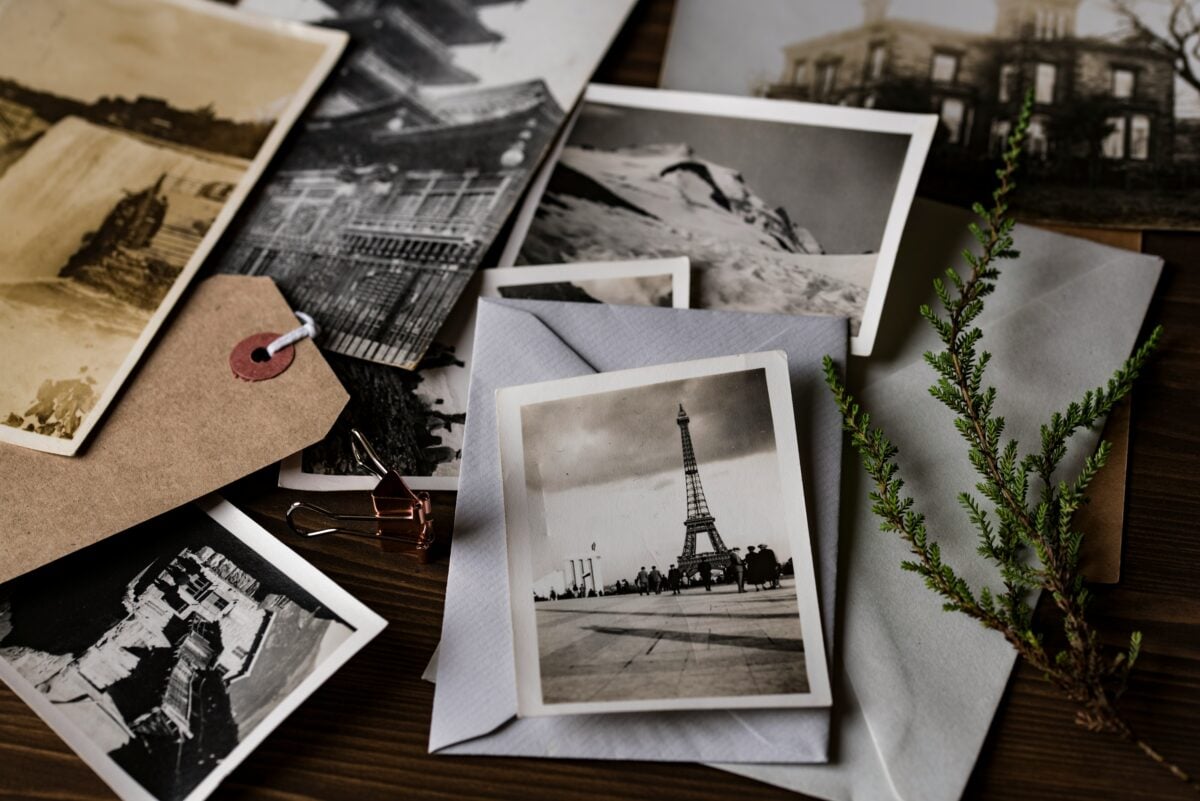
The era between roughly 1893 and 1920 is what collectors call the Golden Age of postcards. During this period, postcards were the primary means of fast communication — texts and emails compressed into a 3.5 by 5.5 inch card.
In the United States alone, approximately one billion postcards were mailed per year at the market’s peak. Most of what survived from this period is widely available and worth only a few dollars.
But a small fraction — the cards with the right subjects, the right photographers, and the right conditions — command serious prices.
Real Photo Postcards Are a Category Apart
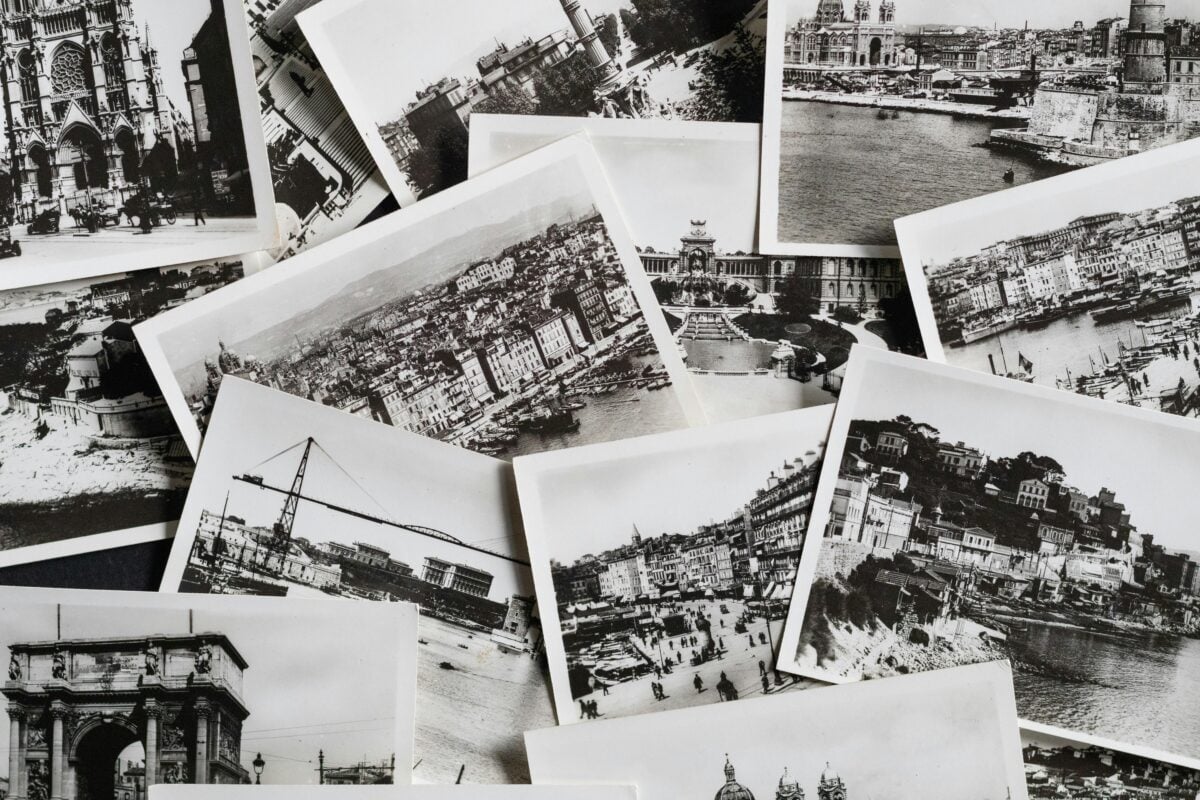
Of everything in a postcard collection, real photo postcards (called RPPCs by collectors) are the most likely to hold significant value. These aren’t printed cards — they’re actual photographs developed directly onto postcard stock, usually by local photographers in limited quantities during the 1900s to 1920s.
Because no large printing run existed, surviving copies are often the only ones known. An RPPC of Nathan Road in Kowloon from the 1940s, hand-tinted in soft colours, represents a type of historical image that simply cannot be replicated by a mass-printed card.
Hong Kong postcards from before 1950 are particularly rare because relatively few survived the twentieth century intact.
Certain Photographers Make Cards Worth Hunting
Not all postcard photographers were equal, and the market reflects that. W.E. Burgess, who worked extensively in Virginia in the early 1900s, produced cards that consistently sell for $800, $900, and higher — including examples that are blurry, poorly lit, or in mediocre condition. Jessie Tarbox Beals, who photographed New York City locations extensively, is another name that raises prices on cards bearing her work.
If a postcard identifies a specific photographer, that attribution alone can be worth investigating before you price the card at a dollar.
Subject Matter Matters as Much as Age
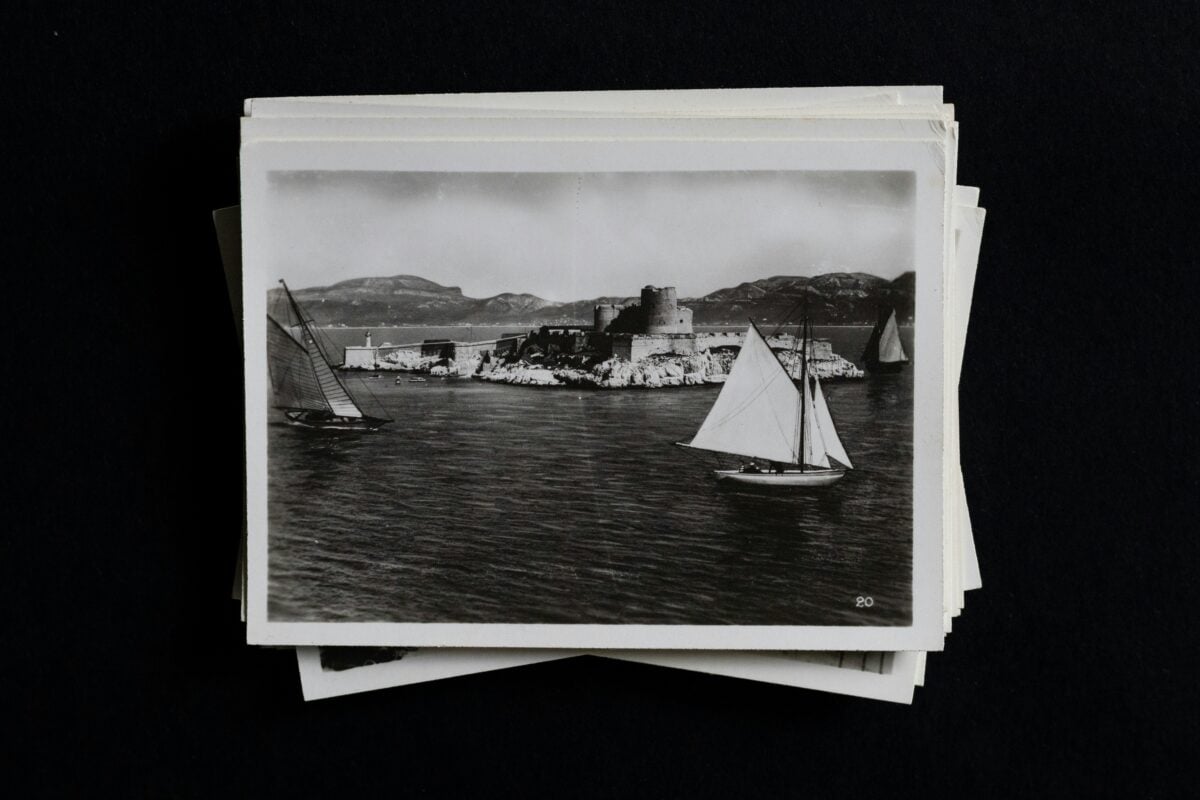
Two postcards from the same year, in the same condition, can differ in value by a factor of one hundred based purely on what they show. A chrome postcard of Niagara Falls from the 1960s is worth a quarter.
A real photo postcard of a small Mississippi town from before 1920 can sell for hundreds of dollars. What collectors actually want are subjects that are rare, specific, and no longer reproducible — ghost towns, demolished buildings, streetscapes showing long-gone businesses, and any scene that documents a place or community that has since disappeared entirely.
Baseball Postcards Command Extraordinary Premiums
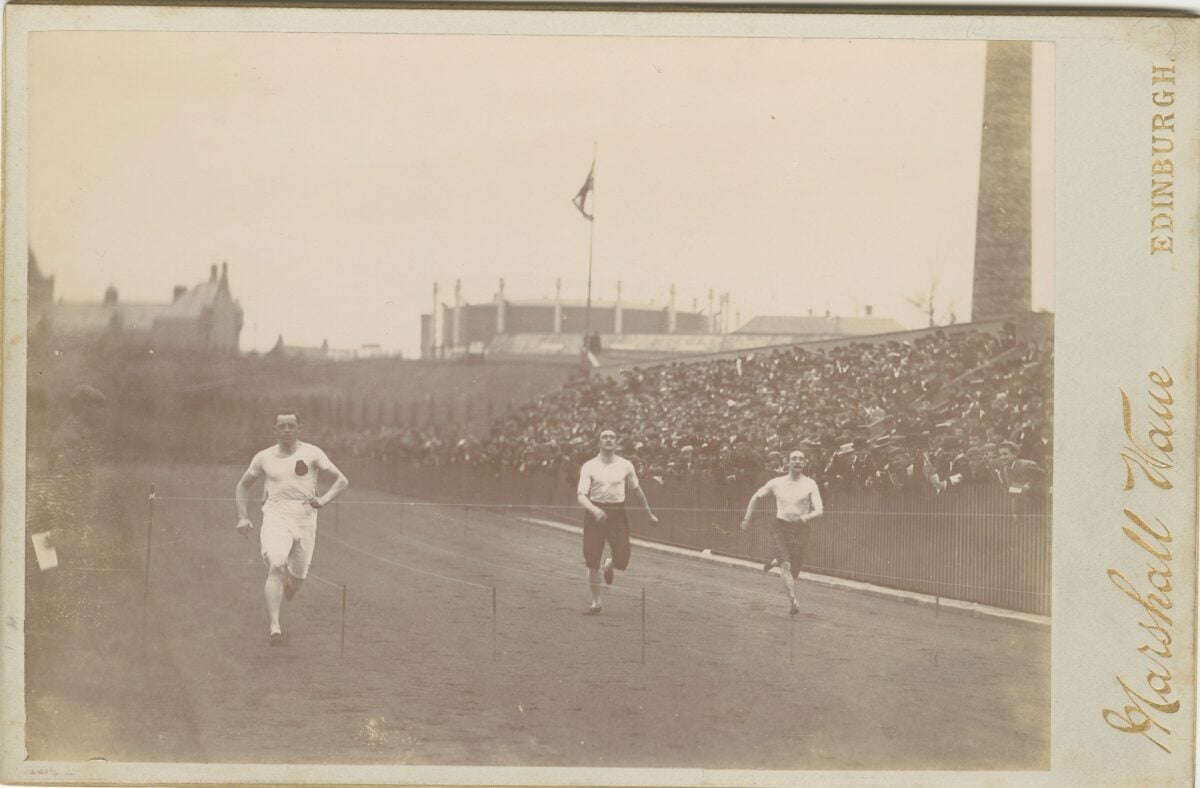
Sports subjects have long driven postcard prices upward, and baseball in particular has a collector base willing to pay dramatically for the right card. A 1915 postcard showing the Boston Red Sox — with Babe Ruth visible in the team photo — sold at auction in 2016 for $43,000.
The card predates Ruth’s rookie baseball card, which makes it one of the earliest known items documenting his career. A separate Ruth real-photo postcard from around the same period later sold for $564,000.
Any postcard featuring a recognisable major league player from the early twentieth century deserves a second look before it goes into the recycling pile.
Halloween and Holiday Cards Have Their Own Devoted Market
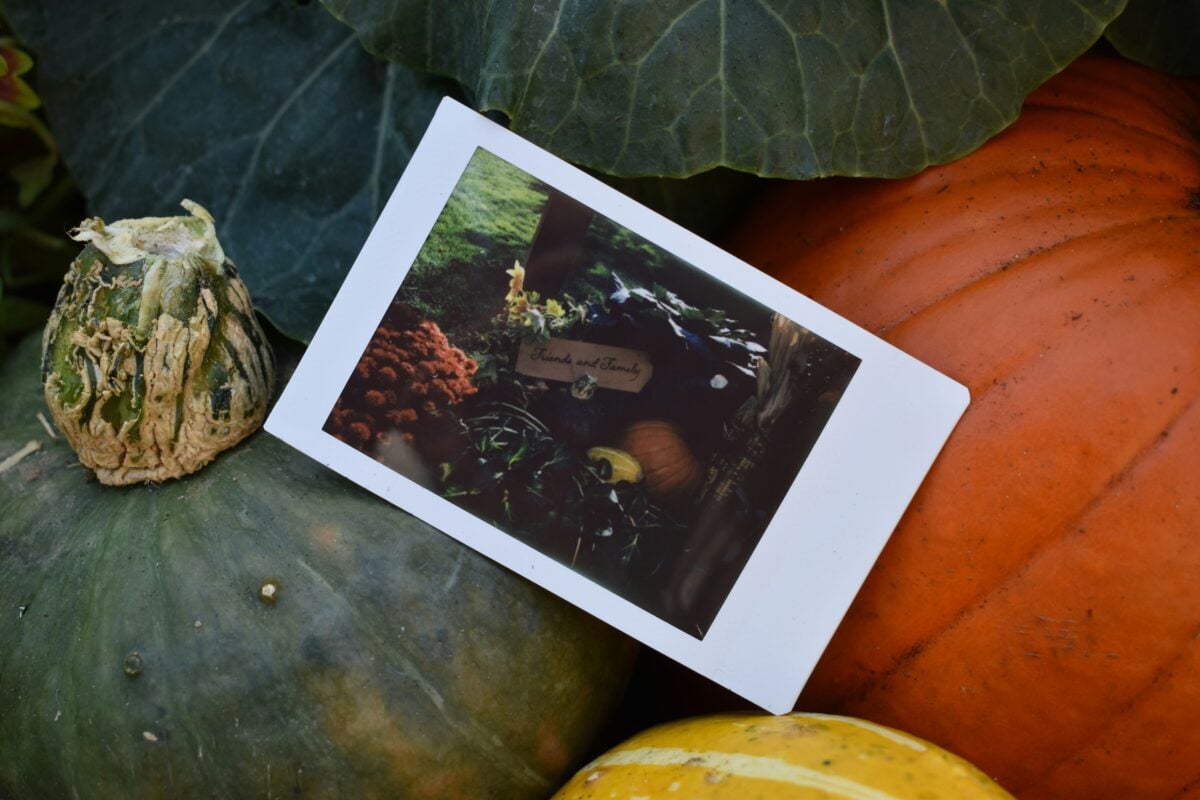
Halloween postcards from the early 1900s occupy a specific and surprisingly lucrative collector niche. Cards featuring devils, costumed figures, grim reapers, and black cat imagery — particularly those with rich colour lithography from German printing houses — attract buyers who collect them independently of any broader postcard interest.
A vintage Halloween card from the 1910s featuring a grim reaper serenading goblins in moonlight was recently listed at $295. Well-preserved examples from established publishers in this genre consistently outperform expectations at auction.
Hold-to-Light Cards Are Routinely Missed
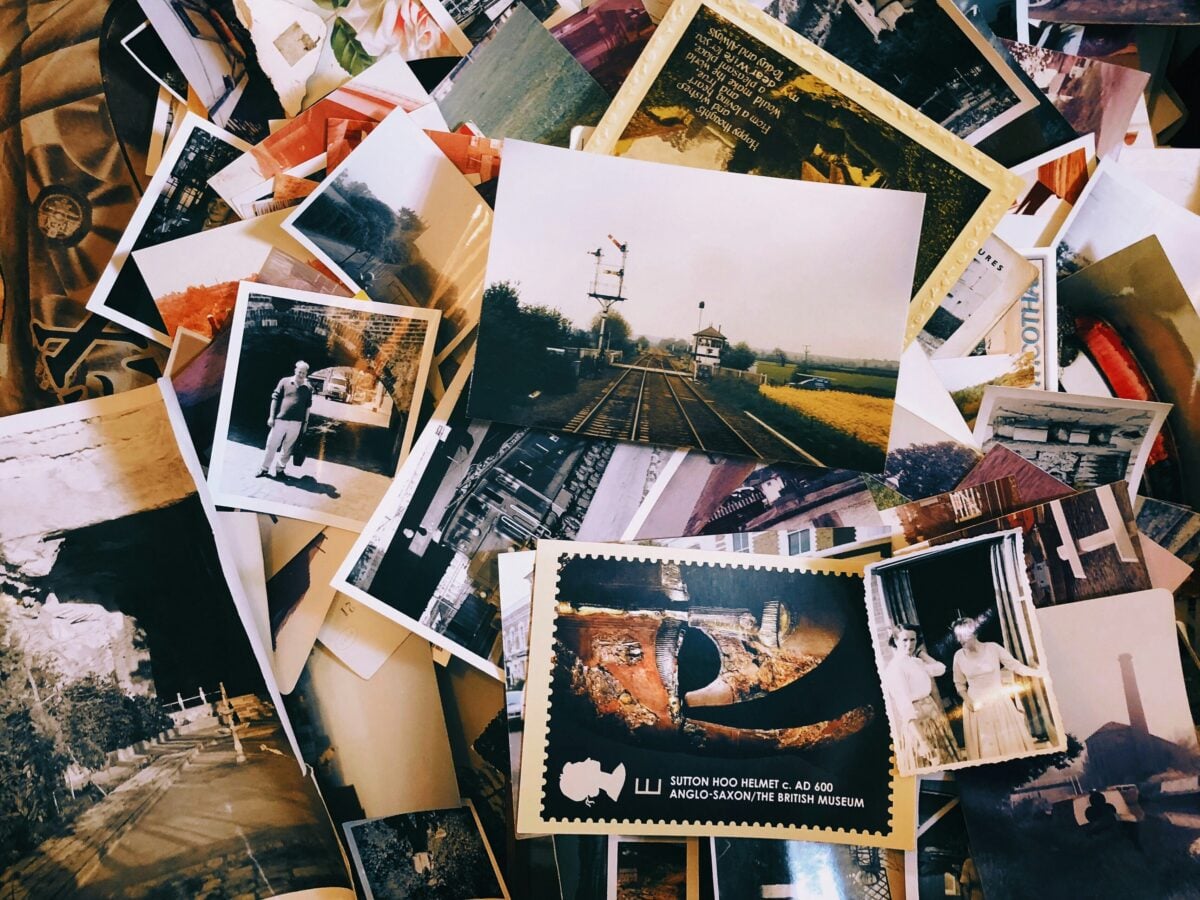
One of the most undervalued postcard types is the hold-to-light card — a two-layer card with die-cut apertures that reveal a different scene when held up to a bright light source. Windows glow, jack-o-lanterns illuminate, candles appear to flicker.
These were produced primarily in Germany between 1900 and 1915, and they’re almost always missed by non-collectors sorting through an estate. A person who doesn’t know what they’re looking at sees an ordinary illustrated card.
A collector sees something worth between $20 and $800 depending on the subject and condition.
WWI Silk Postcards Are Deceptively Common-Looking
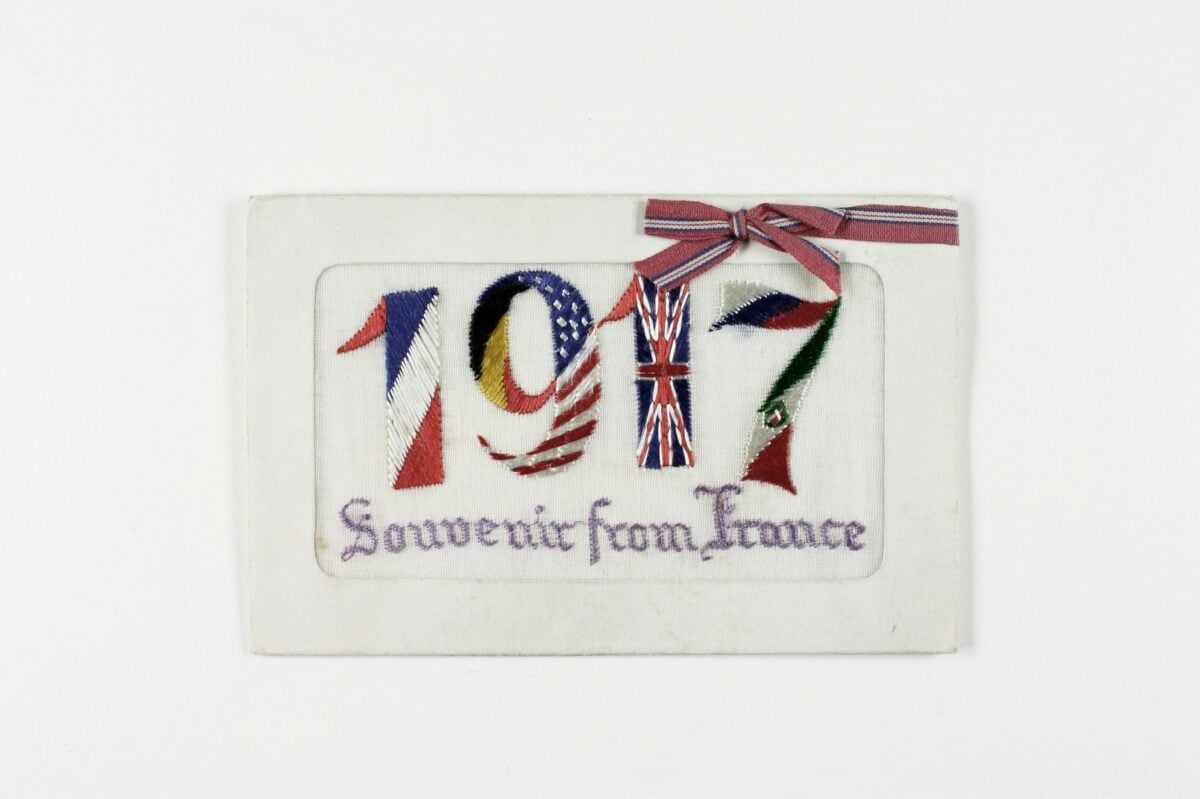
Woven silk postcard inserts — produced by French and Belgian vendors for soldiers to send home during the First World War — look fragile and decorative. Many people assume they’re purely sentimental and value them accordingly. In fact, examples from rare regiments or in unusually good condition sell for $30 to $300 or more.
The envelope-style cards, which open to reveal a woven silk panel inside, are the most sought-after format. Millions were made, but millions were also lost, worn out, or discarded, and the surviving pool of high-quality examples is smaller than the production numbers suggest.
Mechanical Cards With Moving Parts
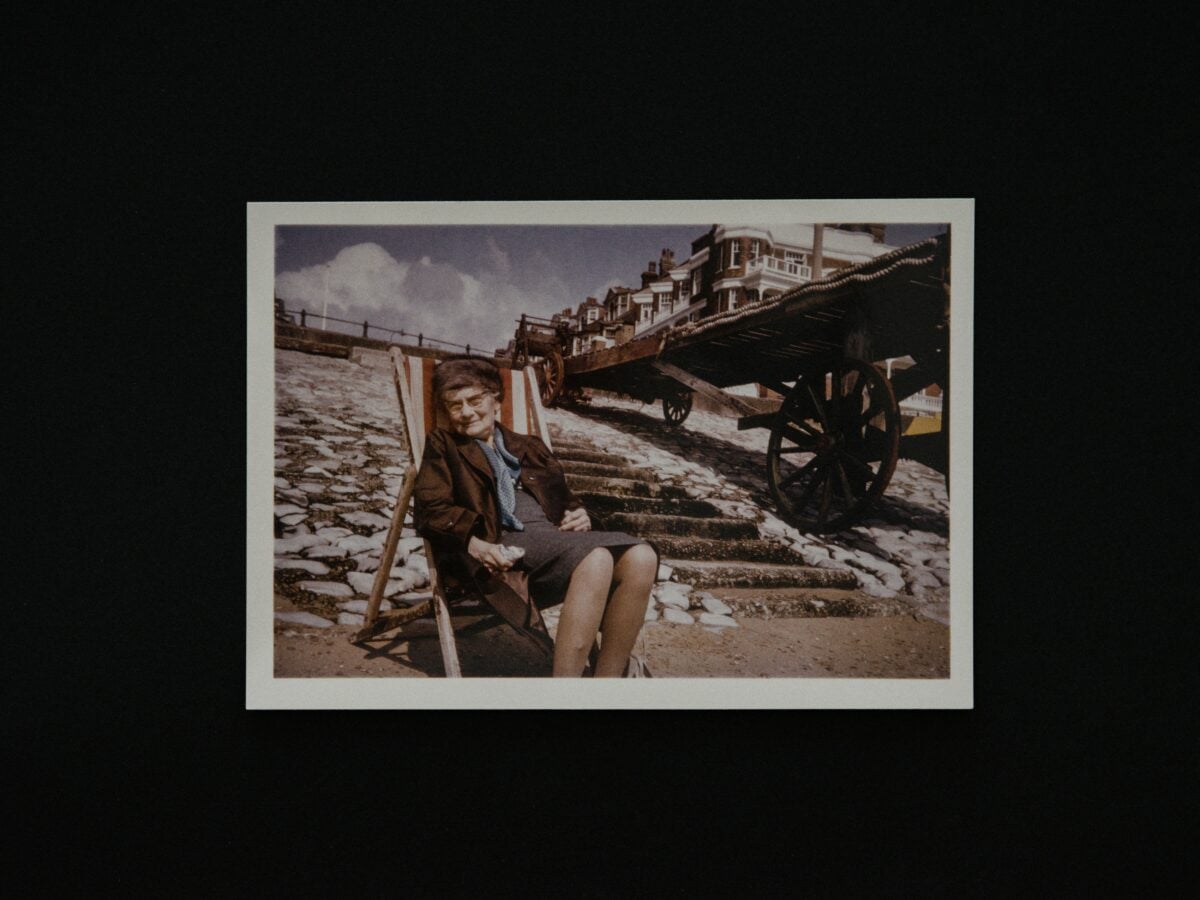
Postcards with physical mechanisms — spinning wheels, sliding panels that change the image, or tab-pull reveals — were novelty items at the time and curiosities now. They’re harder to find in working condition than standard cards, which drives value upward for examples where the mechanism still functions properly.
Collectors of mechanical ephemera and postcard collectors overlap here, creating a dual demand that pushes prices above what either group alone would generate.
Famous Signatures Can Transform an Ordinary Card
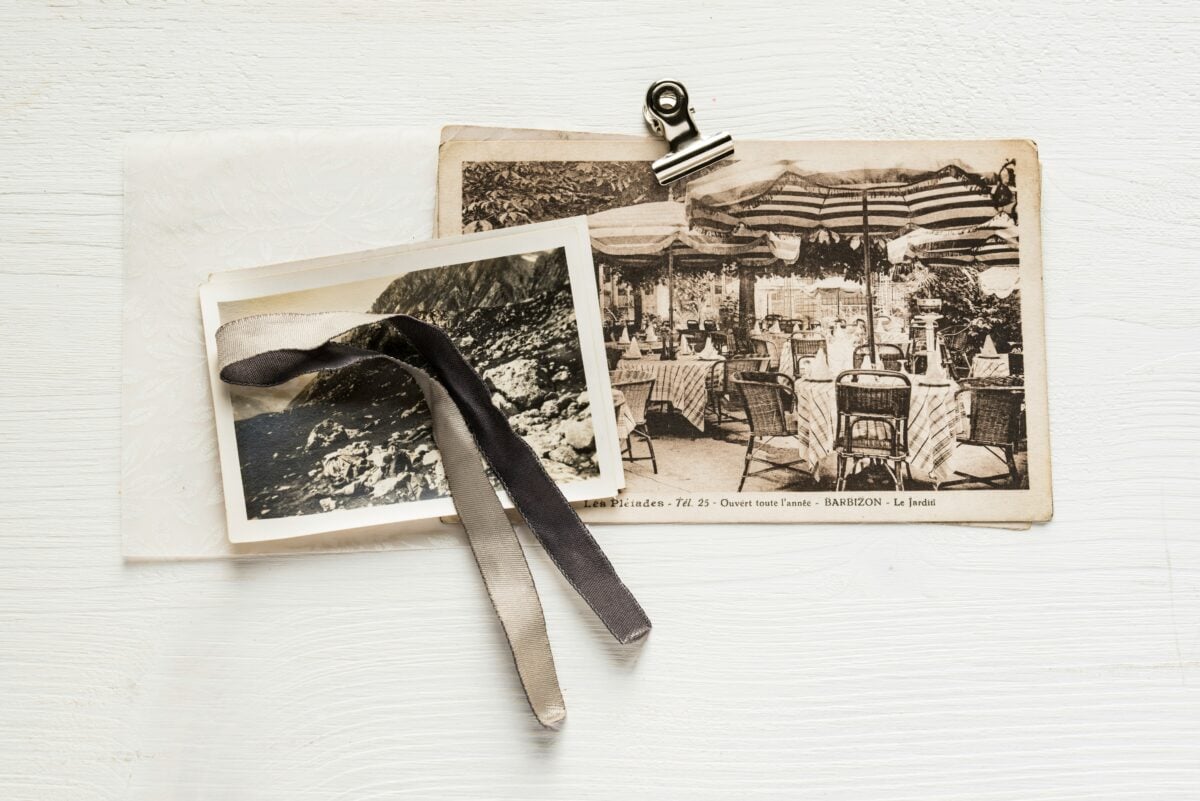
A postcard signed by a recognisable name is a different category of object entirely. Any handwriting on a card from a well-known person — writer, politician, athlete, artist — needs to be assessed for authenticity before the card is valued at face.
A quickly-scrawled name in the message section that can be verified as authentic can shift a card’s value from cents to thousands. This is not hypothetical: postcard dealer Daniel May of Mailseum specifically notes that famous names found in greetings on the back of cards represent one of the most significant and least-anticipated value shifts in the market.
Artist-Signed Cards Are a Separate Collecting Category
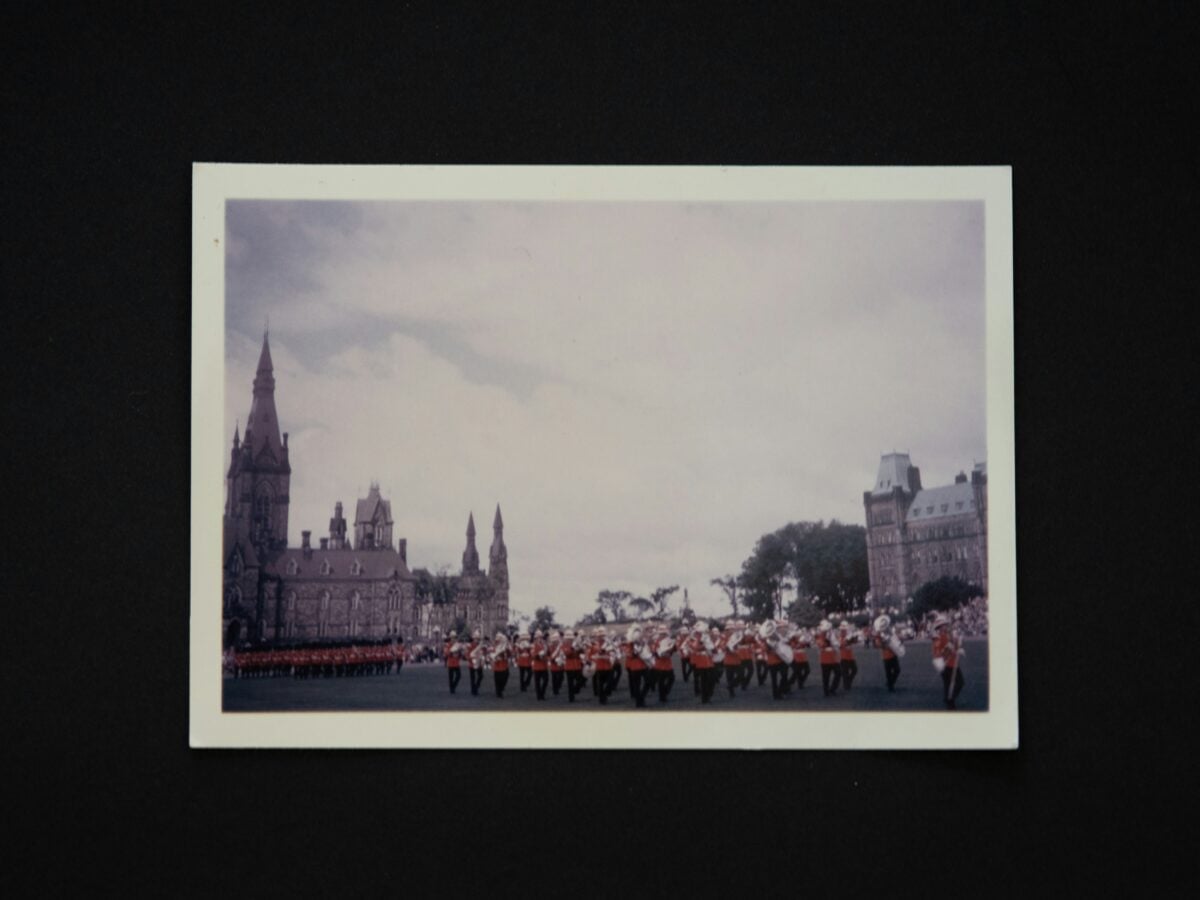
Certain postcards were designed as art objects by recognised illustrators and painters. A hand-drawn postcard created in 1911 by the German Expressionist artist Karl Schmidt-Rottluff sold for approximately $30,000 — a price that reflects the art market’s valuation of his work more than the postcard market’s standard pricing.
Any postcard that carries an identifiable artist’s signature or monogram, particularly from European fine art circles of the late nineteenth and early twentieth centuries, warrants research before it gets priced as a generic antique.
The Oldest Known Picture Postcard
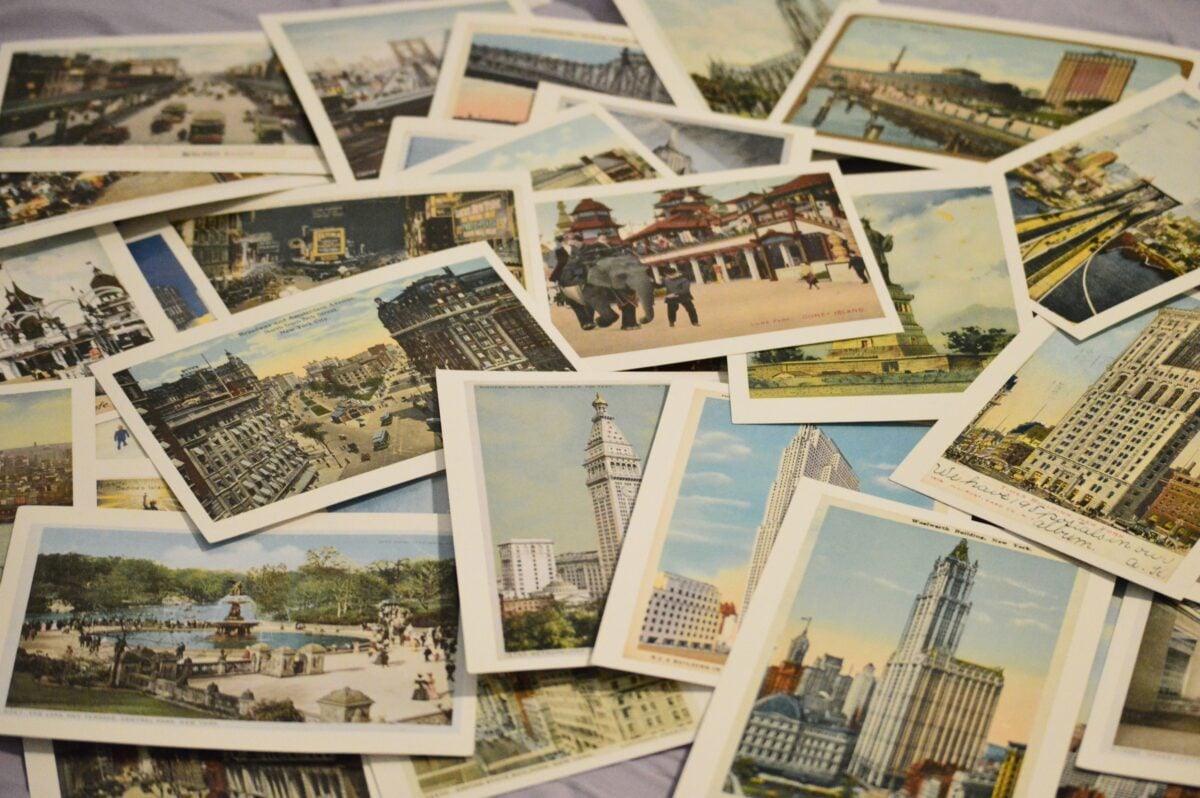
The record holder for oldest known picture postcard sold in 2002 at the London Stamp Exchange for just under $50,000. Its value rested on historical primacy — being first is always its own form of rarity.
For most collectors, this level of the market is academic, but it establishes the outer boundary of what the category is capable of producing and illustrates that the form itself has a documented history of generating extraordinary prices.
Advertising Postcards From Niche Categories
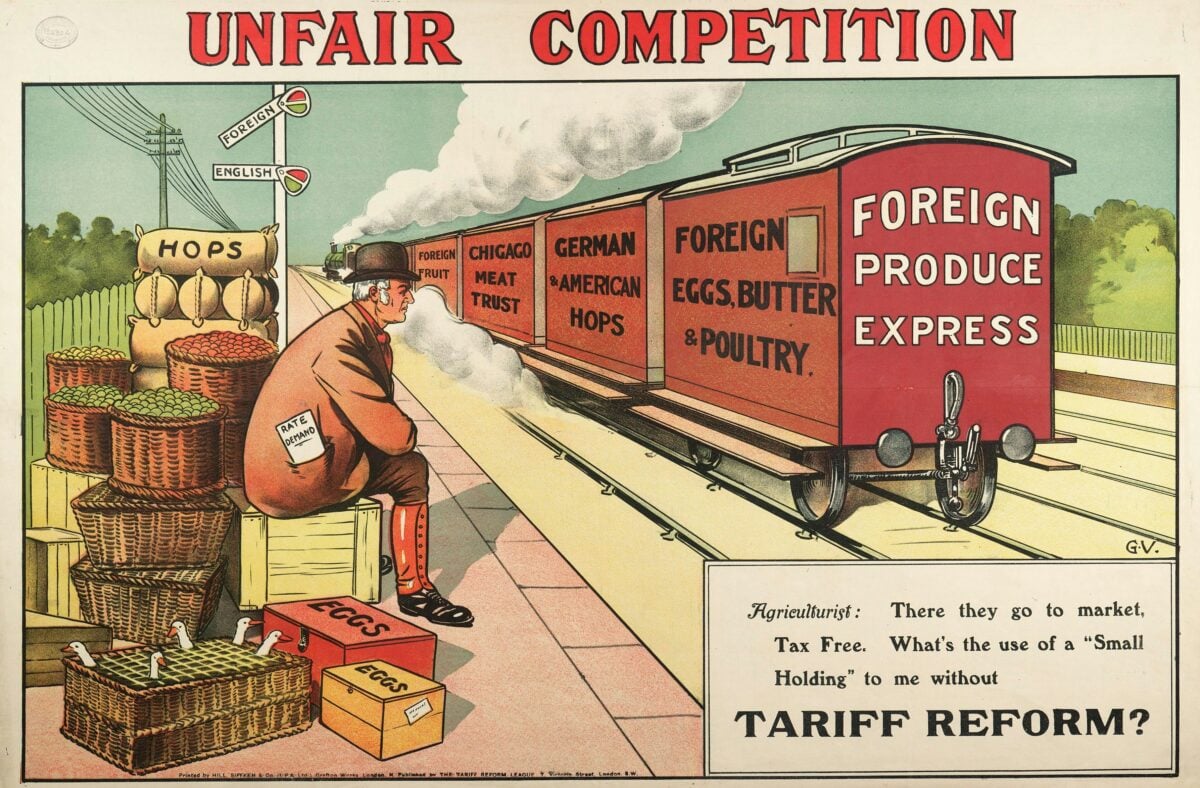
Early advertising postcards — particularly those promoting products, businesses, or events that no longer exist — have built a specific collector base. An advertising postcard for sparkling grape soda sold for $1,126, a price entirely disconnected from the card’s obvious decorative appeal and driven instead by the niche collecting interest in early beverage advertising.
Food and drink advertising from the early 1900s, circus and carnival promotion, and early automotive advertising all fall into this territory.
Geographic Rarity Is the Overlooked Factor
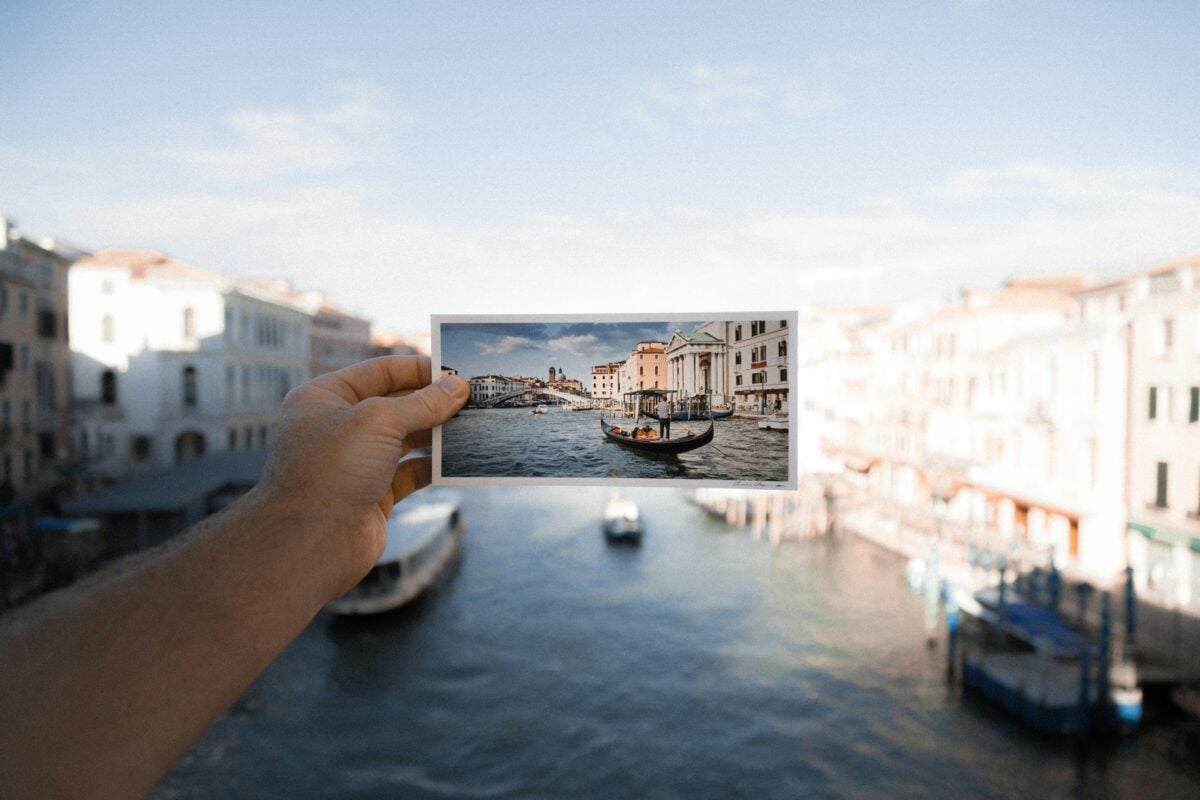
A postcard’s monetary value is partly determined by how many collectors want that specific location. Mississippi postcards from before 1920 are consistently underpriced by non-collectors and overperform at auction because the collector base for Southern regional history is active and competitive.
Certain New York City neighbourhoods produce postcards that sell for dramatically more than others. A small Nevada mining ghost town’s birds-eye view sold for $688.
The logic is simple: the fewer surviving images of a specific place, the more a collector who wants that place will pay.
Condition Is Critical, But Not Always Final
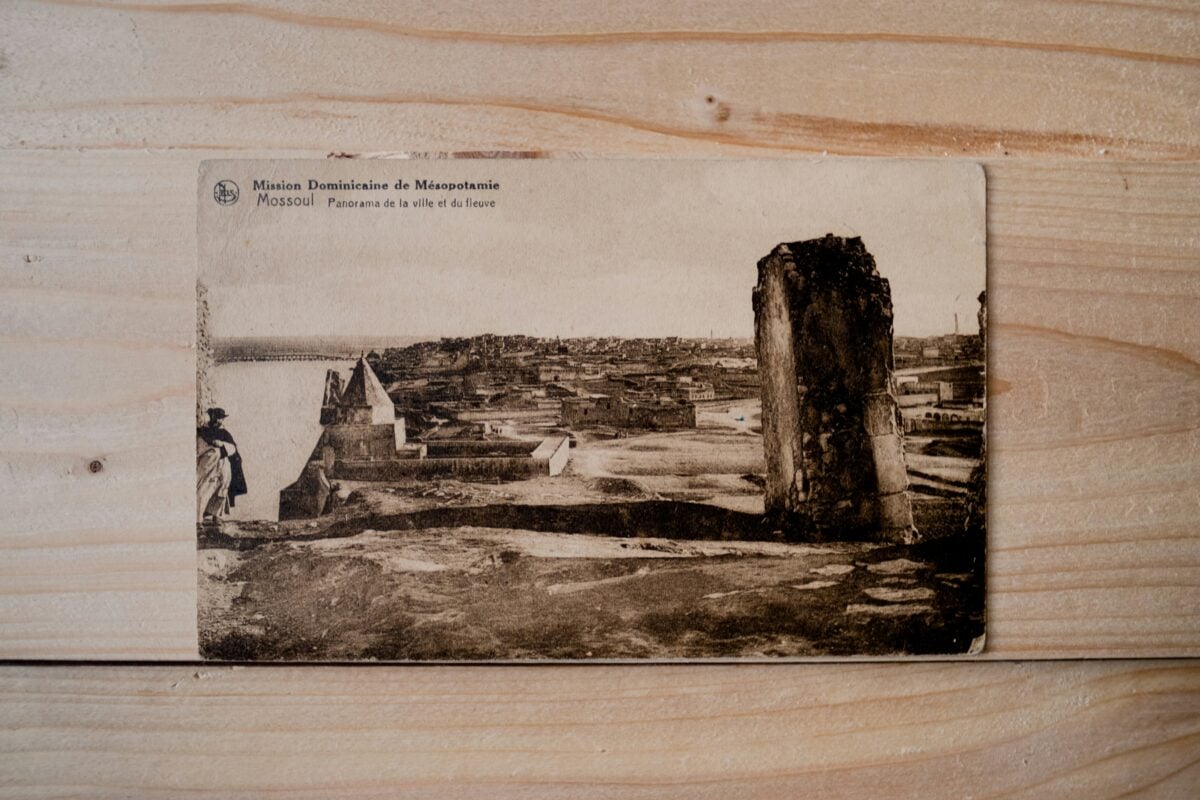
Standard postcard grading follows the same logic as most paper collectibles — no discolouration, no foxing, no tears, no writing on the front, no creases in the corners. Cards in fine shape fetch the highest prices.
But for genuinely rare subjects, conditions can be forgiven to a degree that surprises new collectors. A Mississippi postcard sold for $784 despite having a punch mark through it because the subject was rare enough to override the damage.
The baseline rule is that condition matters more for common cards than for rare ones.
Writing on the Back: It Depends

Unused postcards are generally worth more than written ones, but the calculation isn’t simple. For real photo postcards and topographical cards, a postmark can add historical context that supports rather than reduces value. Cards from the “front writing era” of 1901 to 1907 — when postal regulations required the front of the card to carry any message, since the back was reserved for the address — are expected to have front writing, and that writing doesn’t reduce value the way back-side annotation on a later card might.
Bulk Lots Obscure Individual Value

Collections sold as lots — like the 6,250 postcards from the 1900s to 1950s that sold on eBay in September 2024 for $2,000 — are priced as averages. A buyer purchasing a bulk lot at roughly $0.32 per card is betting that the average conceals outliers.
It often does. Experienced postcard resellers specifically look for bulk lots that contain unidentified real photo postcards, early Halloween cards, or topographical subjects of known high-value regions, because the seller priced the collection as a whole rather than examining each card individually.
What Is Almost Never Worth Much
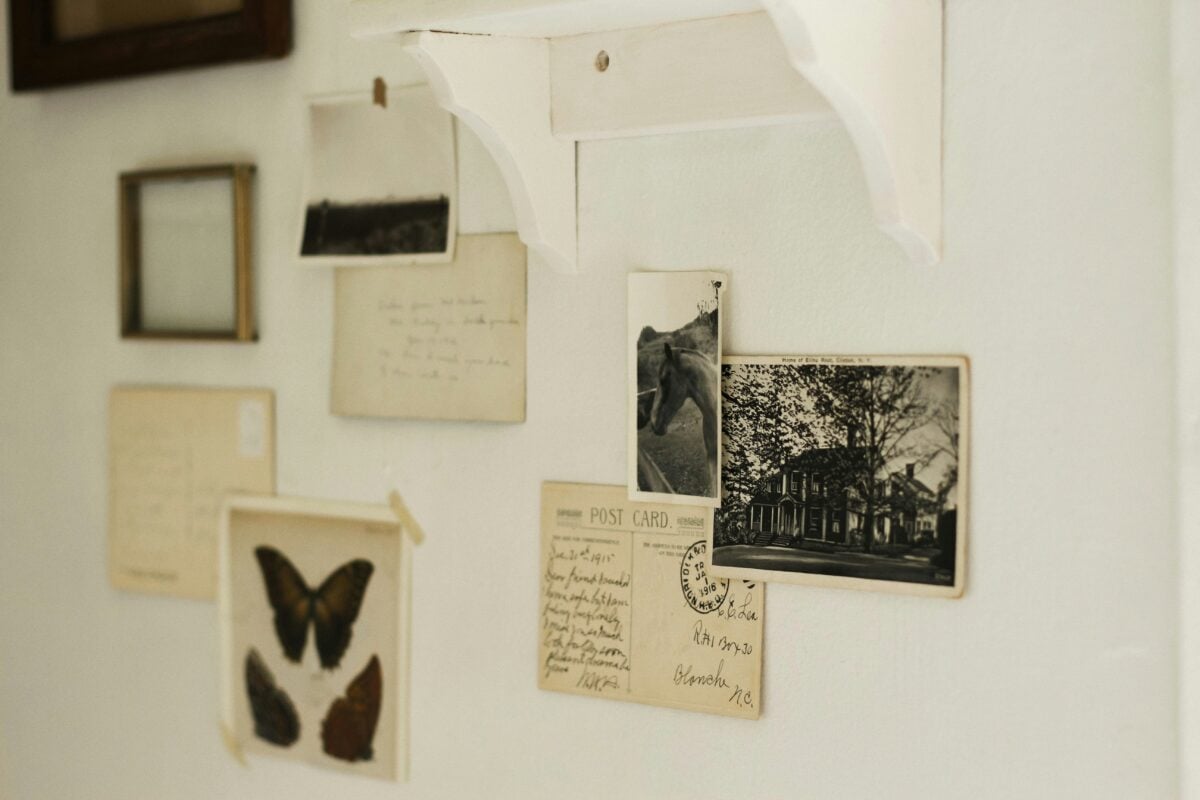
Chrome tourist cards from the 1950s through 1980s — the glossy photographic cards sold at every petrol station and roadside attraction — are worth between 25 cents and a dollar each regardless of subject or condition. Billions were produced.
Standard greeting cards from the white border era with no interesting subject matter are in the same position. Common birthday, sympathy, or holiday cards that could have come from any house in any decade are not worth sorting through with any expectation of discovery.
The valuable material in any collection tends to cluster in the earlier decades.
The Honest Assessment of Any Collection
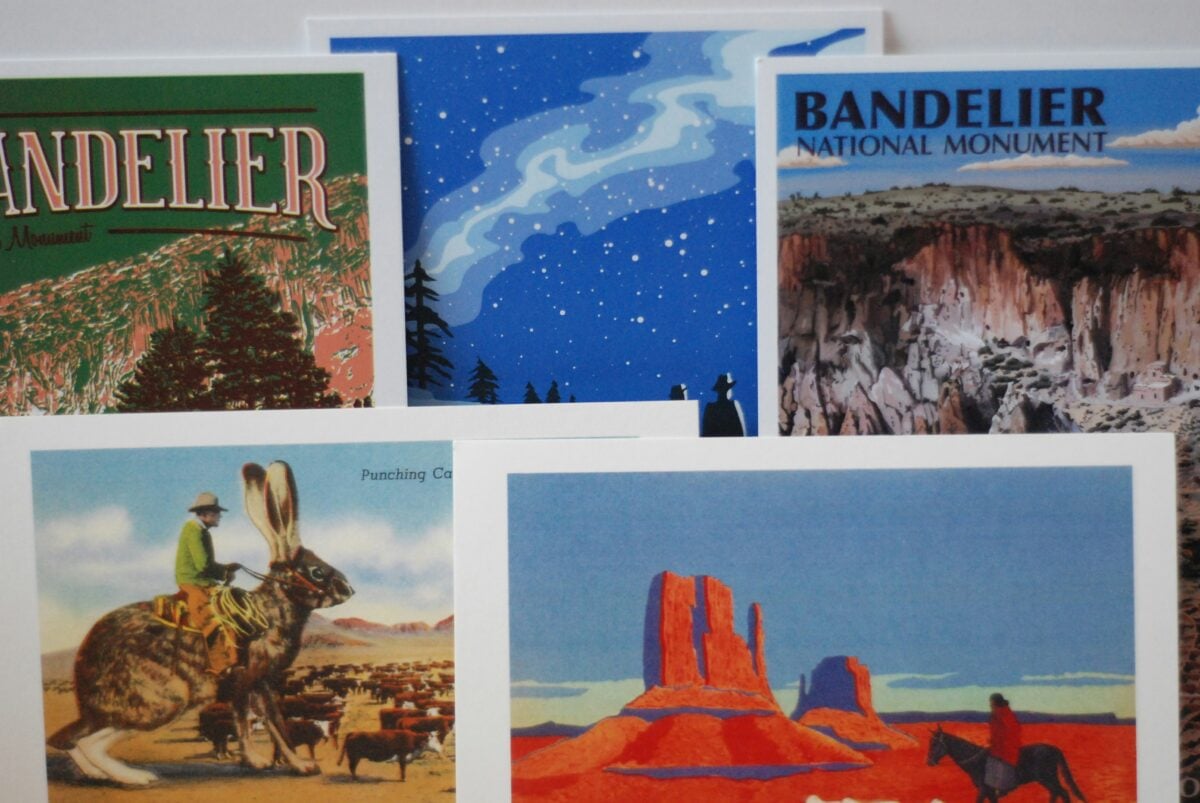
Most postcard collections contain far more common cards than significant ones. A realistic approach involves sorting by era first — pulling everything before 1920 for individual examination — and then looking within that group for real photo examples, identifiable subjects, and unusual physical formats.
The cards that remain after that process are the ones worth pricing individually. The rest can go into bulk lots or general donation without much loss.
The discovery, when it happens, tends to come from the early group, often from a card that looked ordinary until someone held it up to the light.
The Cost of Not Looking
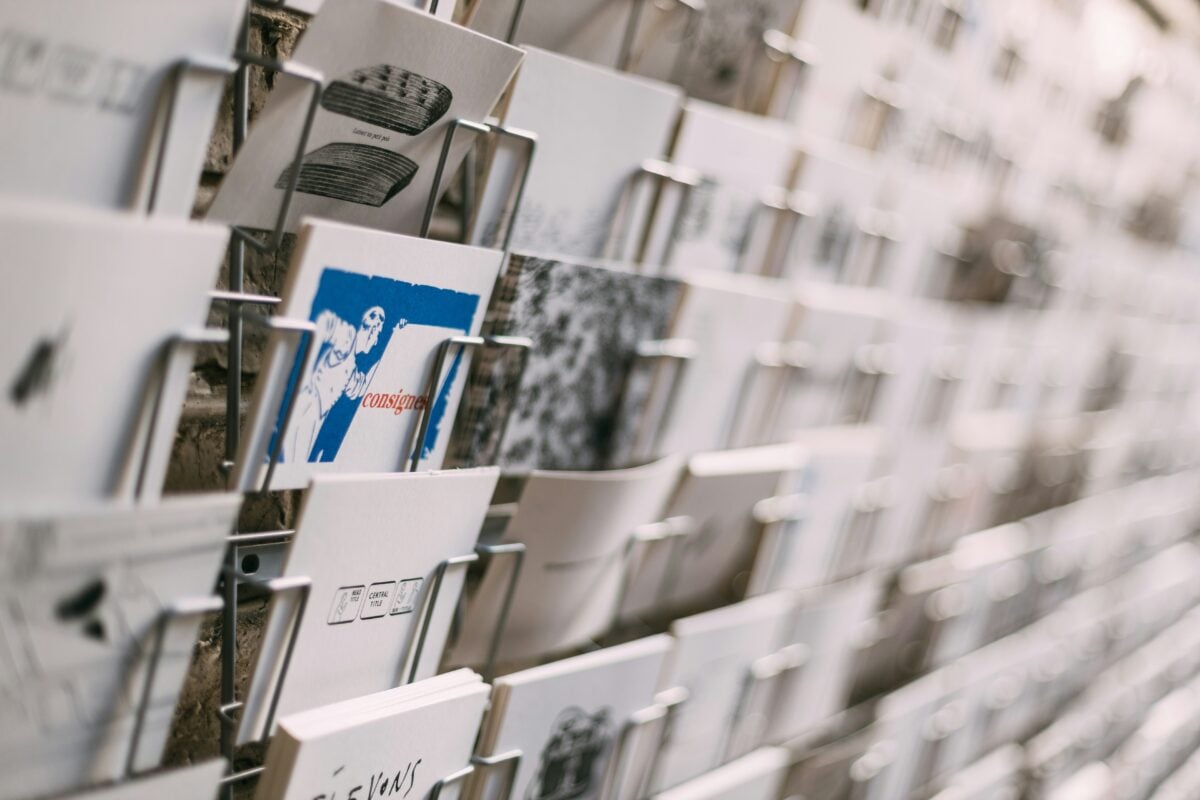
The most expensive mistake in postcard collecting is not the card you overpay for — it’s the one you throw away. Estate clearances regularly produce stories of significant finds that got donated, bundled, or binned because no one in the family thought to have the collection assessed.
A stack of rubber-banded cards from a grandparent’s bureau is exactly where the most interesting examples tend to live, because those cards were saved by someone who valued them, not culled by someone trying to declutter. That preservation instinct, exercised decades ago by someone now gone, is the reason the collection is still intact.
Respecting it enough to look carefully before dispersing it is the minimum the collection deserves.
More from Go2Tutors!

- The Romanov Crown Jewels and Their Tragic Fate
- 13 Historical Mysteries That Science Still Can’t Solve
- Famous Hoaxes That Fooled the World for Years
- 15 Child Stars with Tragic Adult Lives
- 16 Famous Jewelry Pieces in History
Like Go2Tutors’s content? Follow us on MSN.



