15 Extinct Animals Known From Fossils
When we think about the incredible creatures that once roamed our planet, it’s fascinating to realize that everything we know about them comes from ancient remains buried in rock. These fossilized bones, teeth, and sometimes even footprints tell amazing stories of animals that lived millions of years ago. From massive predators with knife-like teeth to gentle giants that munched on prehistoric plants, the fossil record reveals a world that’s vastly different from today.
The following list showcases some of the most remarkable extinct animals that scientists have pieced together from fossil evidence. Here is a list of 15 extinct animals known from fossils.
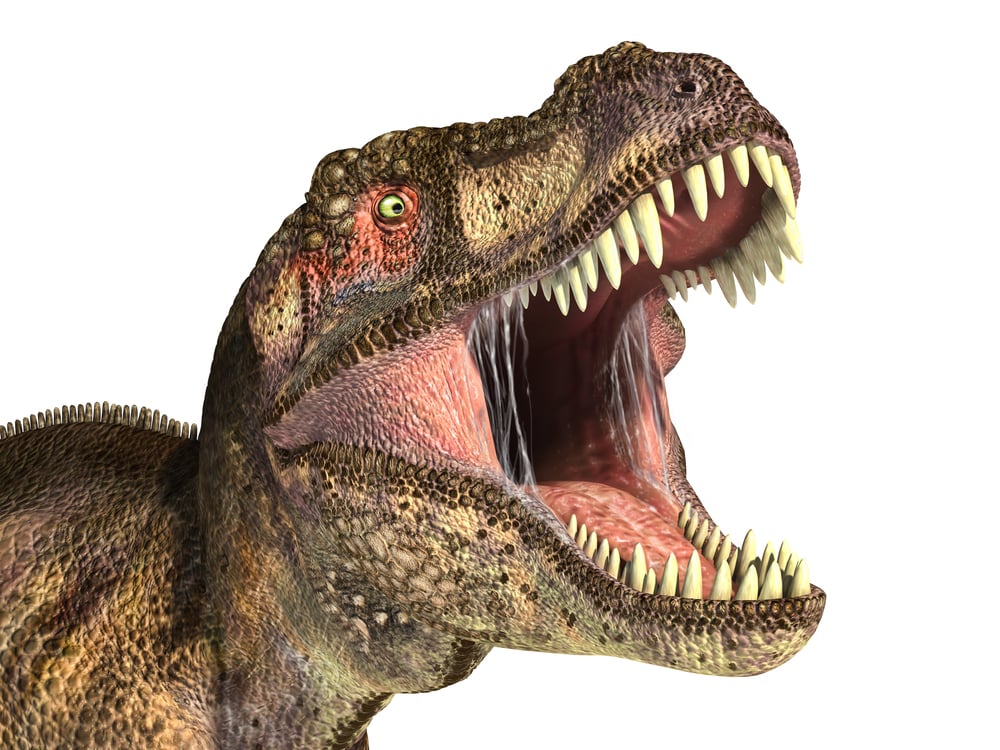
Tyrannosaurus Rex
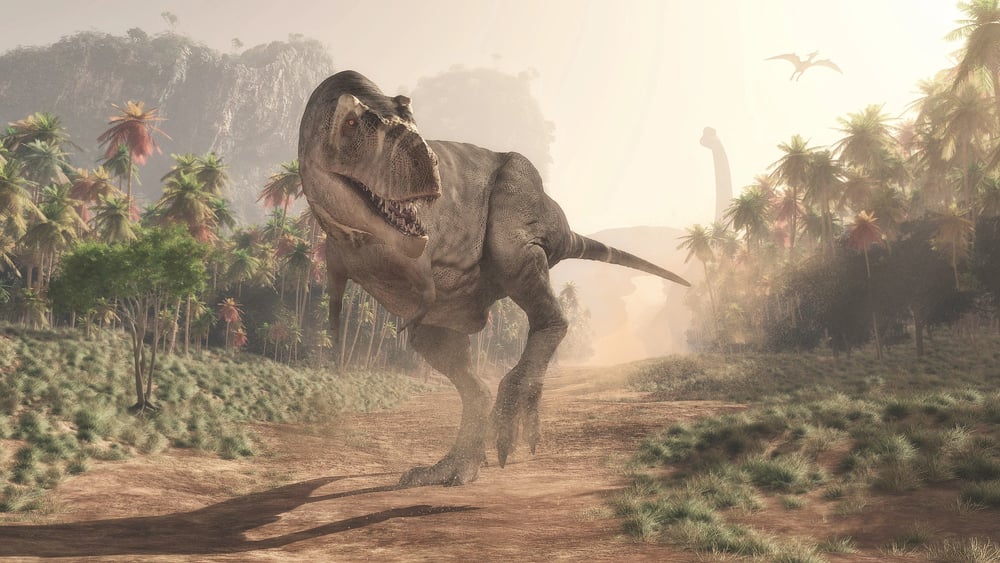
The king of the dinosaurs needs no introduction — T. rex remains one of the most famous fossils ever discovered. This massive predator stood about 12 feet tall while stretching 40 feet long, boasting teeth the size of bananas plus a bite force that could crush a car.
Scientists know T. rex lived roughly 68 million years ago in what’s now North America, though numerous fossil finds (including the famous specimen ‘Sue’ at Chicago’s Field Museum) continue revealing new details about this apex predator.
Woolly Mammoth

These shaggy giants roamed frozen landscapes during the last ice age. Their fossils have been found across North America, Europe, and Asia.
Woolly mammoths stood about 11 feet tall — impressive, yet their curved tusks could grow up to 16 feet long, making them even more spectacular. What makes mammoth fossils especially exciting is that some have been found with intact fur and stomach contents intact, giving scientists a remarkably detailed picture of how they lived and what they ate.
Like Go2Tutors’s content? Follow us on MSN.
Triceratops
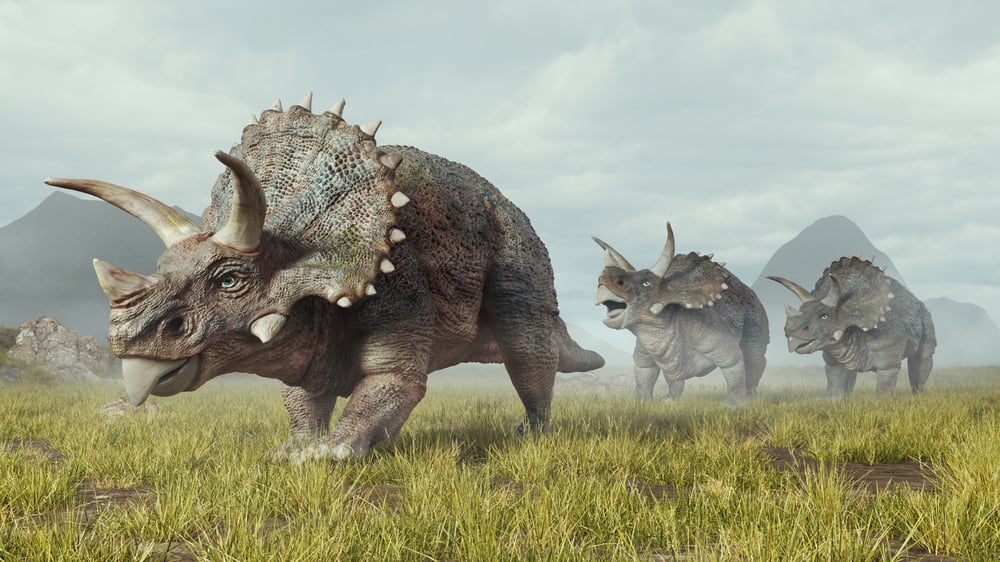
With its iconic three-horned face plus massive bony frill, Triceratops looked like something straight out of a fantasy movie. This plant-eating dinosaur was built like a living tank.
It weighed up to 12 tons while measuring 30 feet long. Fossil evidence shows that some Triceratops skulls are 10 feet long, and bite marks on their frills suggest they used those impressive horns to fight each other — probably to impress potential mates.
Saber-toothed Cat

Despite being called saber-toothed tigers, these fearsome predators weren’t actually related to modern tigers at all. The most famous species, Smilodon fatalis, had canine teeth that grew up to 7 inches long — they could open their mouths 120 degrees wide to accommodate those massive fangs.
Thousands of saber-toothed cat fossils have been discovered at California’s La Brea Tar Pits, where they got stuck in sticky asphalt about 50,000 years ago.
Stegosaurus

This dinosaur looked like nature’s version of a medieval knight — complete with rows of plates along its back plus four sharp spikes on its tail. Stegosaurus lived during the Late Jurassic period, about 150 million years ago, making it much older than T. rex.
Despite having a body the size of a school bus, fossil evidence suggests its brain was only about the size of a walnut, though it was apparently smart enough to survive for millions of years.
Like Go2Tutors’s content? Follow us on MSN.
Archaeopteryx

Often called the ‘missing link’ between dinosaurs and birds, Archaeopteryx had features of both reptiles and birds that make it one of the most important fossils ever found. It possessed feathers plus wings like a bird — yet also had teeth, claws, and a long bony tail like a dinosaur.
The first fossil was discovered in Germany in 1861, helping scientists understand how birds evolved from their dinosaur ancestors.
Giant Ground Sloth
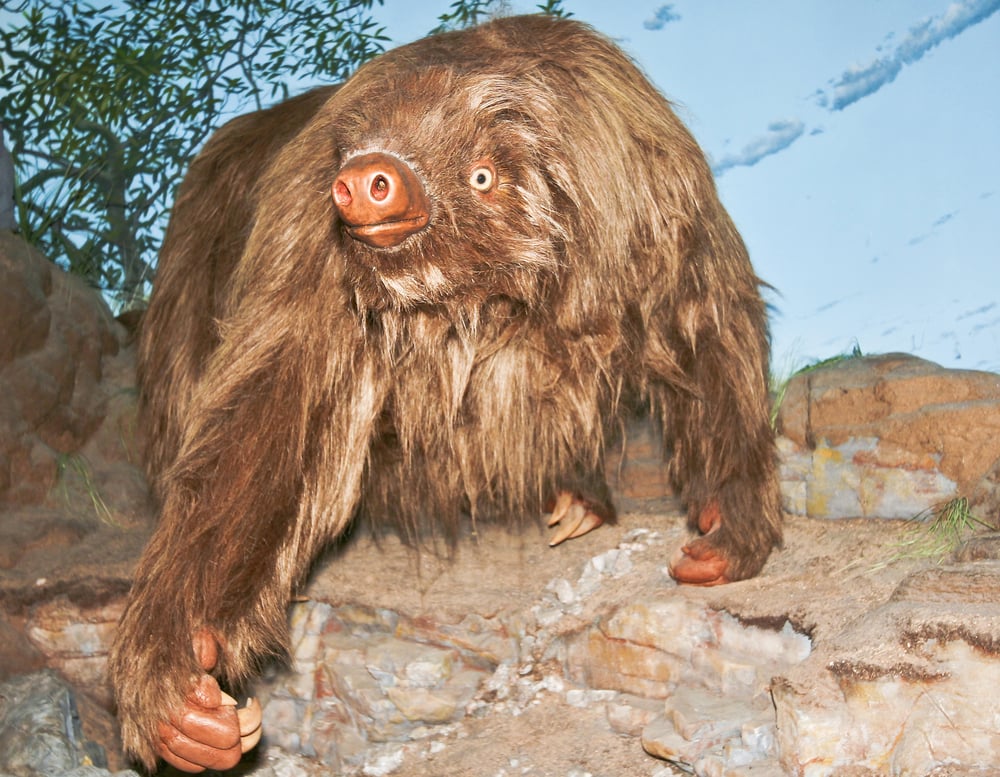
Imagine a sloth the size of an elephant — that’s the giant ground sloth that lived in the Americas until about 12,000 years ago. These massive creatures could reach 10 feet in length while weighing over 2,000 pounds, making them anything but slow when they needed to defend themselves.
Fossil evidence shows they had enormous claws that they used for both digging and stripping leaves from trees, though some specimens suggest early humans may have hunted them.
Allosaurus
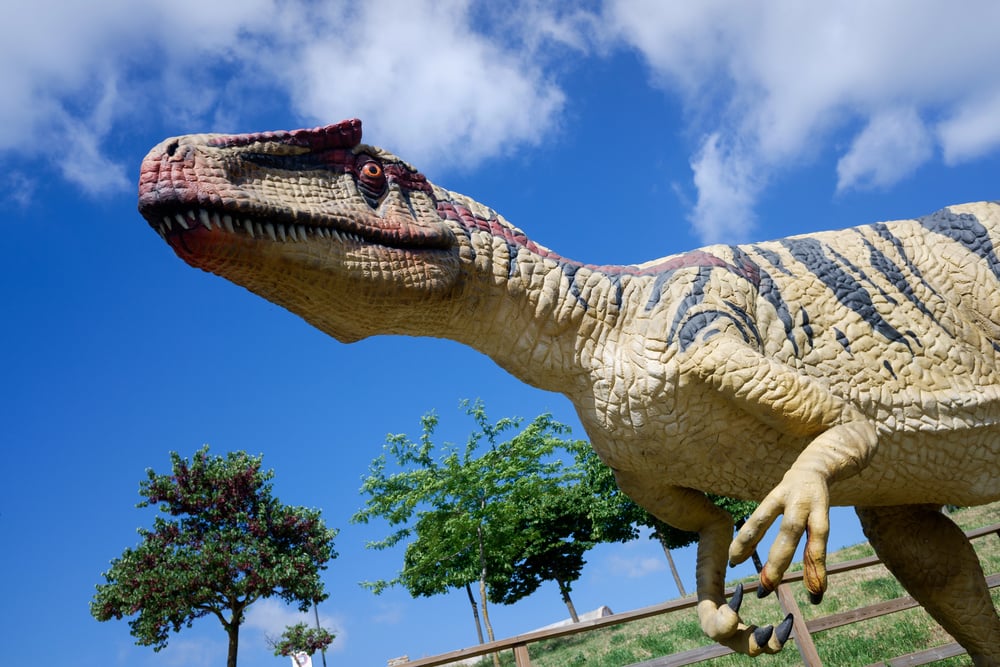
Long before T. rex ruled the Late Cretaceous, Allosaurus was the apex predator of the Late Jurassic period about 155 million years ago. This fierce carnivore grew up to 40 feet long — it had razor-sharp teeth perfectly designed for slicing meat.
Fossil discoveries in places like Colorado and Utah have made Allosaurus one of the best-understood predatory dinosaurs, while bite marks on other dinosaur bones show evidence of its hunting prowess.
Like Go2Tutors’s content? Follow us on MSN.
Irish Elk
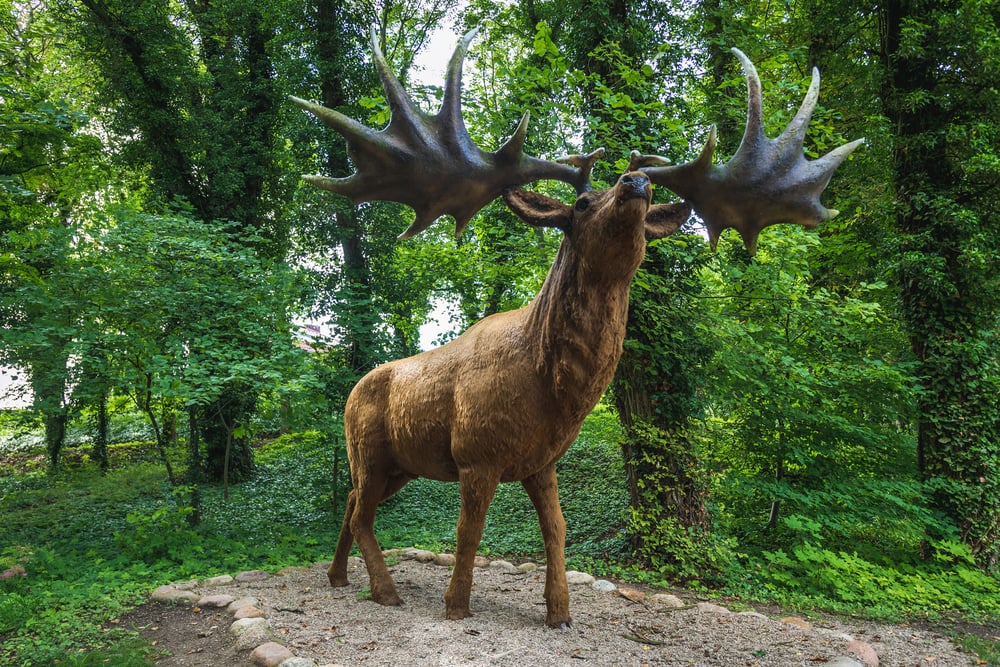
Despite its name, the Irish elk wasn’t actually an elk and didn’t live only in Ireland. It was a giant deer with the largest antlers of any deer that ever lived.
Male Irish elk had antlers that could span 12 feet across — they weighed up to 90 pounds, making them impressive but potentially cumbersome. Fossil evidence from across Europe and Asia shows these magnificent animals lived until about 7,700 years ago, when climate changes plus human hunting likely drove them to extinction.
Diplodocus

This gentle giant was one of the longest dinosaurs ever discovered — stretching up to 90 feet from nose to tail tip. Diplodocus had an incredibly long neck plus an even longer whip-like tail, though its head was surprisingly small for such a massive animal.
Fossil skeletons show that despite its enormous size, Diplodocus was built for efficiency, with hollow bones that kept its weight manageable while it browsed treetops for food about 150 million years ago.
Dodo
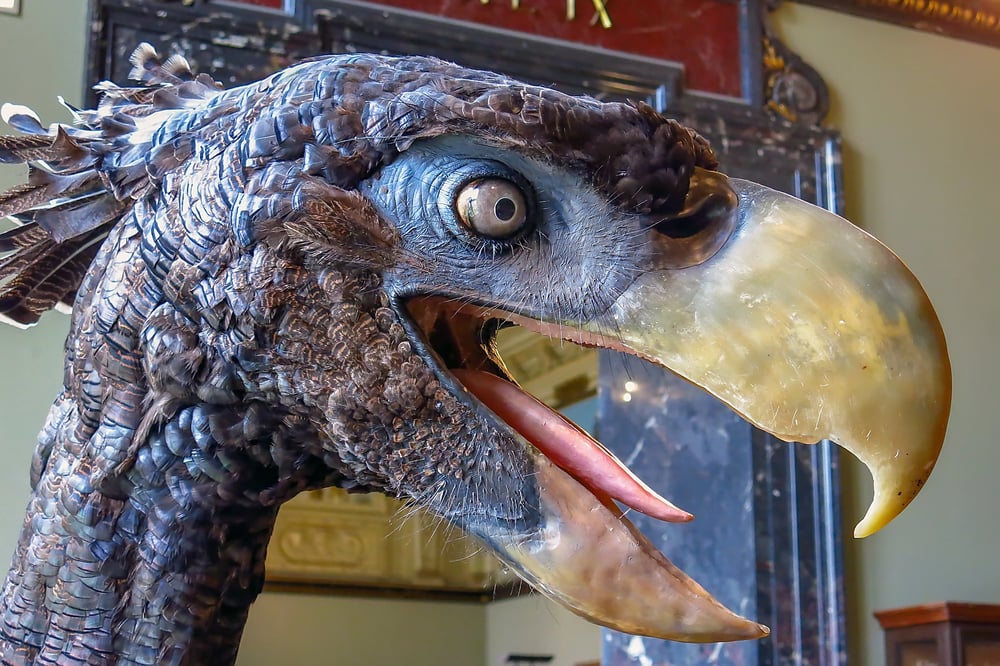
The dodo has become the poster child for human-caused extinction. This flightless bird lived only on the island of Mauritius in the Indian Ocean.
Fossil evidence shows that dodos were actually quite large, weighing up to 50 pounds, with strong legs and a distinctive curved beak. They went extinct in the late 1600s, less than 100 years after humans first arrived on their island, making them one of the first documented cases of human-driven extinction.
Like Go2Tutors’s content? Follow us on MSN.
Glyptodon

Picture an armadillo the size of a small car, and you’ve got Glyptodon, which lived in South America until about 10,000 years ago. These heavily armored mammals had shells made of bony plates that could be up to 2 inches thick, providing excellent protection from predators.
Fossil evidence suggests that early humans used Glyptodon shells as shelters, while some specimens show what appear to be tool marks from human hunting activities.
Short-faced Bear
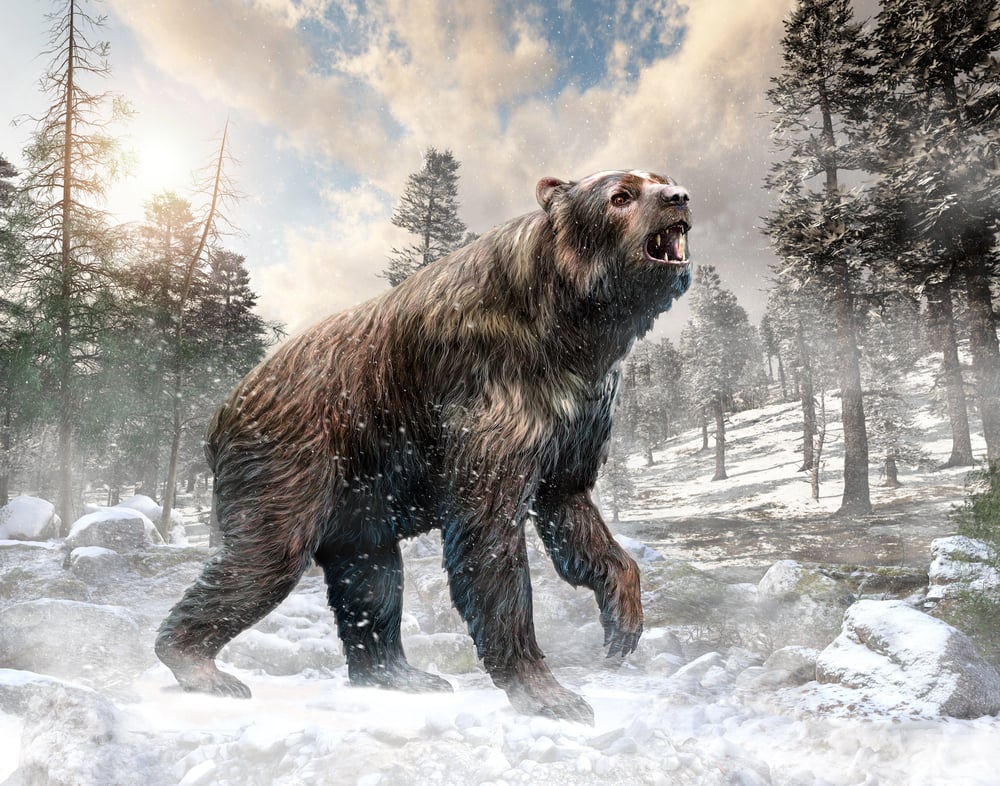
The short-faced bear was one of the most formidable predators that ever lived in North America. It stood 6 feet tall at the shoulder and possibly reached 12 feet when standing on its hind legs.
Despite being called ‘short-faced,’ these bears had incredibly powerful jaws and long legs that made them excellent hunters and scavengers. Fossil remains from across North America show they lived alongside early humans yet went extinct about 11,000 years ago, possibly due to competition with both humans and other large carnivores.
Pteranodon
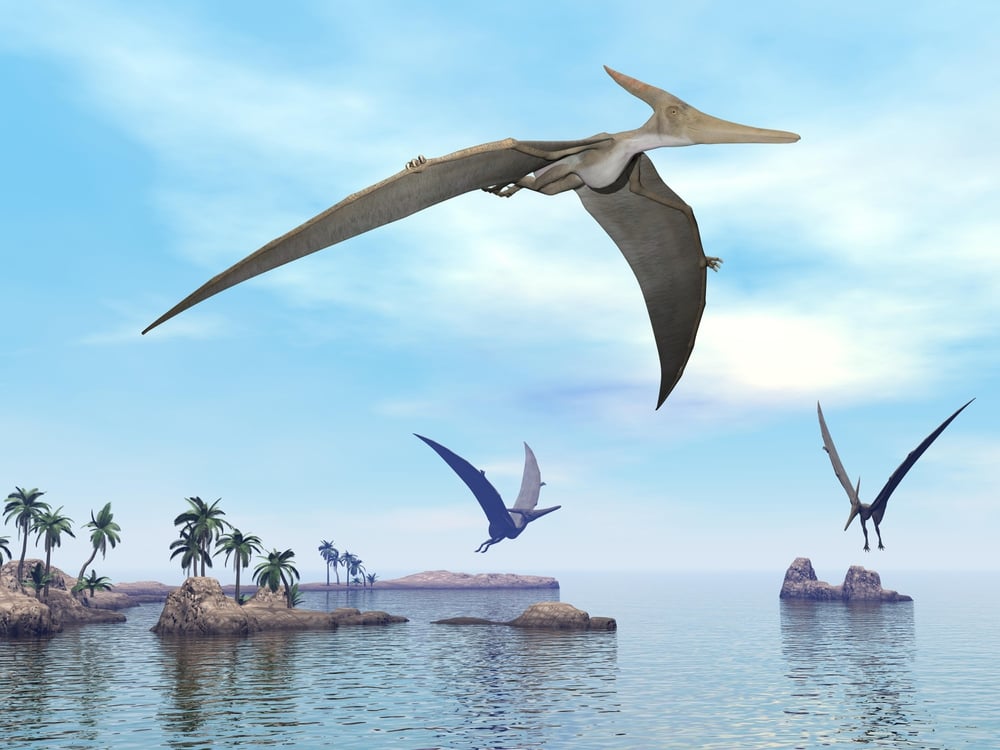
While technically not a dinosaur, Pteranodon was one of the largest flying reptiles ever discovered, with a wingspan that could reach 23 feet across. These amazing creatures soared over ancient seas about 85 million years ago, using their toothless beaks to scoop up fish like modern pelicans.
Fossil evidence from Kansas, where an ancient sea once covered the land, shows that Pteranodon had hollow bones and a distinctive backward-pointing crest that may have helped with flight stability.
Like Go2Tutors’s content? Follow us on MSN.
Cave Bear

Cave bears were massive relatives of modern bears that lived in Europe and Asia until about 24,000 years ago. These impressive animals could weigh up to 1,500 pounds while standing over 5 feet tall at the shoulder, making them significantly larger than today’s brown bears.
Despite their intimidating size, fossil evidence from their teeth and bones suggests they were primarily vegetarian. They spent much of their time in caves during winter hibernation, which is why so many complete skeletons have been found in European cave systems.
When Giants Walked Among Us
The fossil record reveals that our planet was once home to creatures that would seem impossible if we hadn’t found their bones buried in ancient rock. These 15 animals represent just a tiny fraction of the millions of species that have come and gone throughout Earth’s history.
Many of these giants disappeared due to climate changes, asteroid impacts, or competition with early humans, though their fossilized remains continue to amaze and educate us. Today’s paleontologists are still discovering new species regularly, reminding us that there are countless more incredible stories waiting to be unearthed from the rocks beneath our feet.
More from Go2Tutors!

- 16 Historical Figures Who Were Nothing Like You Think
- 12 Things Sold in the 80s That Are Now Illegal
- 15 VHS Tapes That Could Be Worth Thousands
- 17 Historical “What Ifs” That Would Have Changed Everything
- 18 TV Shows That Vanished Without a Finale
Like Go2Tutors’s content? Follow us on MSN.