Super Bowl Tickets That Sold for Record Prices
Most of the time, going to the Super Bowl felt rare yet possible. Saving money and getting a seat didn’t mean stepping into luxury territory.
That shifted slowly at first. Instead of just being football’s biggest game, it became a worldwide show.
With that shift came rising costs – gentle increases early on, then sudden jumps later. Prices climbed because the event stopped being only about sport.
Right now, sky-high Super Bowl ticket costs aren’t random glitches. These prices come from limited supply mixed with massive fan energy, cities drawing crowds, plus a secondary market where seats trade like rare collectibles.
Some editions of the big game stand out less because of touchdowns and more due to how far fans went to get inside the stadium. A fresh peek into Super Bowl tickets – ones that fetched wild sums – shows exactly when and where the old highs got crushed.
Prices climbed fast, driven by tight supply meeting fierce demand. What once seemed like extreme costs now looks normal as bidding wars heat up each year.
Fans keep reaching deeper, resetting what people expect to pay.
The Early Super Bowls and Modest Ticket Costs

When the first Super Bowls were played in the late 1960s, ticket prices were modest by any modern standard. Seats were priced comparably to other major sporting events, and in some cases, the stadiums were not even sold out.
The game mattered, but it had not yet become a cultural phenomenon that extended far beyond football fans. Through the 1970s and much of the 1980s, prices rose gradually.
Even as television viewership exploded, live attendance remained accessible. The Super Bowl was important, but it had not yet transformed into a once-in-a-lifetime experience in the public imagination.
That shift would come later, as media coverage, sponsorship, and spectacle grew.
The Rise of the Secondary Market

The first major break from affordability came with the growth of the secondary ticket market. As online platforms made reselling easier, Super Bowl tickets began behaving less like event passes and more like commodities.
Demand increasingly outpaced supply, and prices adjusted accordingly. By the early 2000s, it was no longer unusual to see resale prices climb into the thousands.
Fans who missed official sales found themselves competing in open markets where scarcity and urgency drove bidding behavior. This period marked the beginning of record-priced Super Bowl tickets becoming a recurring headline rather than a rare surprise.
Super Bowl XLIX and the New Price Reality
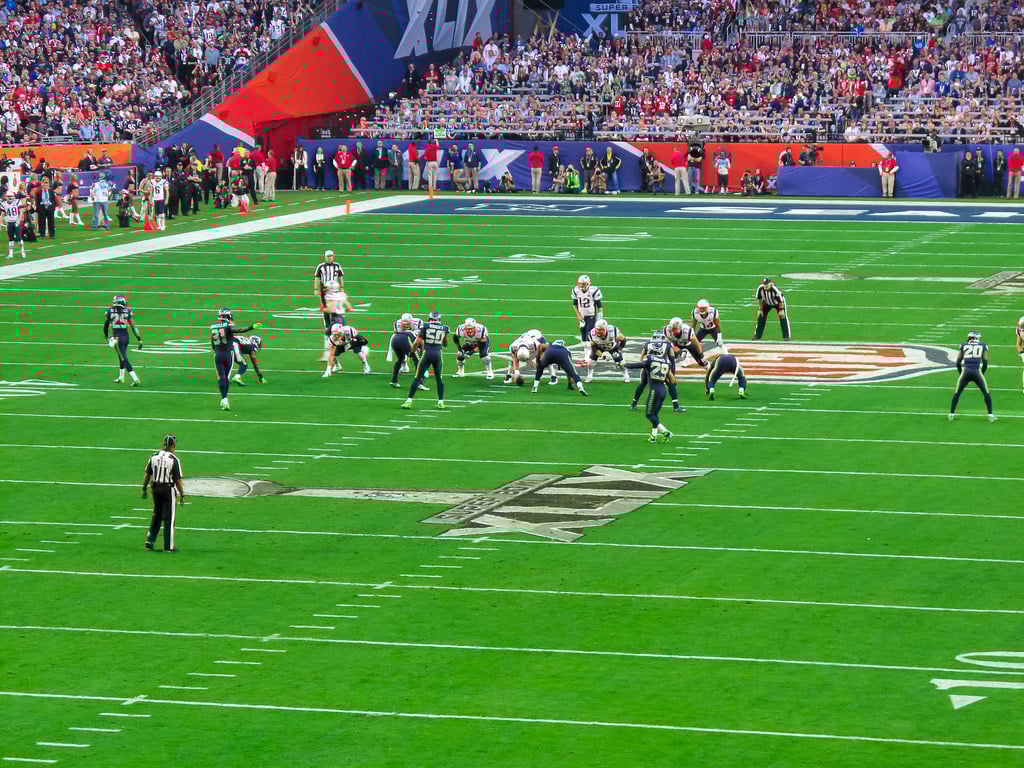
Super Bowl XLIX represented a turning point in public awareness around ticket prices. By this point, paying several thousand dollars for a seat had become normalized among buyers willing to participate in the resale market.
Average prices climbed sharply, and premium seats began commanding sums that would have once seemed implausible. What made this game stand out was not just the matchup, but timing.
The Super Bowl had fully entered the social media era, where attendance itself became a status symbol. Being in the stadium was no longer just about watching the game. It was about being part of a moment that would live online long after it ended.
Record Prices Accelerate in the Late 2010s

As the decade progressed, record prices became less about incremental increases and more about breaking psychological thresholds. Super Bowls in the late 2010s routinely saw average resale prices push well beyond previous highs.
Individual listings, particularly for midfield or premium sections, began creeping toward five-figure territory. This escalation reflected more than fan enthusiasm.
Corporate buyers, sponsors, and high-income travelers increasingly dominated the market. For them, the cost of a ticket was part of a broader experience that included travel, hospitality, and exclusive events.
The Super Bowl became a luxury destination as much as a sporting event.
Super Bowl LV and Limited Capacity Effects
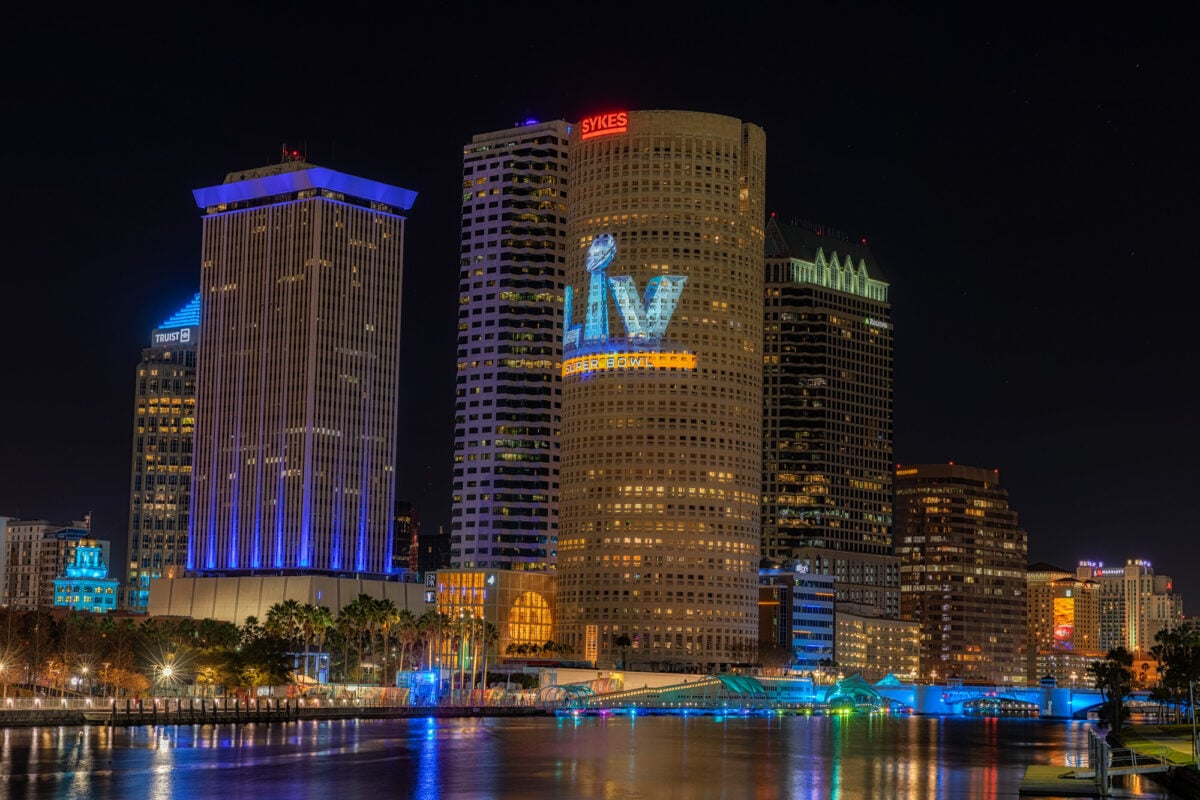
Super Bowl LV marked one of the most dramatic price surges in the event’s history. With attendance capacity reduced compared to previous years, the supply of available tickets shrank significantly.
Demand, however, did not follow the same downward trend. As a result, resale prices spiked to unprecedented levels.
Average prices climbed sharply, and select individual tickets reached figures that placed them among the most expensive sports tickets ever sold. The situation illustrated how sensitive the Super Bowl market is to scarcity.
Even a modest reduction in available seats can send prices soaring.
Super Bowl LVI Pushes Past New Milestones
Super Bowl LVI reinforced that the previous year was not an anomaly. Ticket prices remained exceptionally high, with averages reportedly moving firmly into five-figure territory on the resale market.
For many fans, attending the game now required financial planning comparable to a major vacation. The location played a role.
Destination appeal added another layer of demand, drawing buyers who viewed the Super Bowl as part of a broader travel experience. That combination of prestige, scarcity, and location pushed prices to levels that redefined expectations yet again.
Super Bowl LVII Sets a New Benchmark
Super Bowl LVII became one of the clearest examples of record-breaking ticket prices in action. Average resale prices hovered near historic highs, and premium seats consistently sold for sums far above the average.
For many observers, this game confirmed that the Super Bowl had entered a new pricing era. What stood out was how normalized these prices felt within the market.
Buyers were no longer reacting with shock. Instead, they treated the cost as an accepted consequence of attending the most visible sporting event in the country.
The record prices reflected not just demand, but acceptance.
Super Bowl LVIII and the Destination Effect
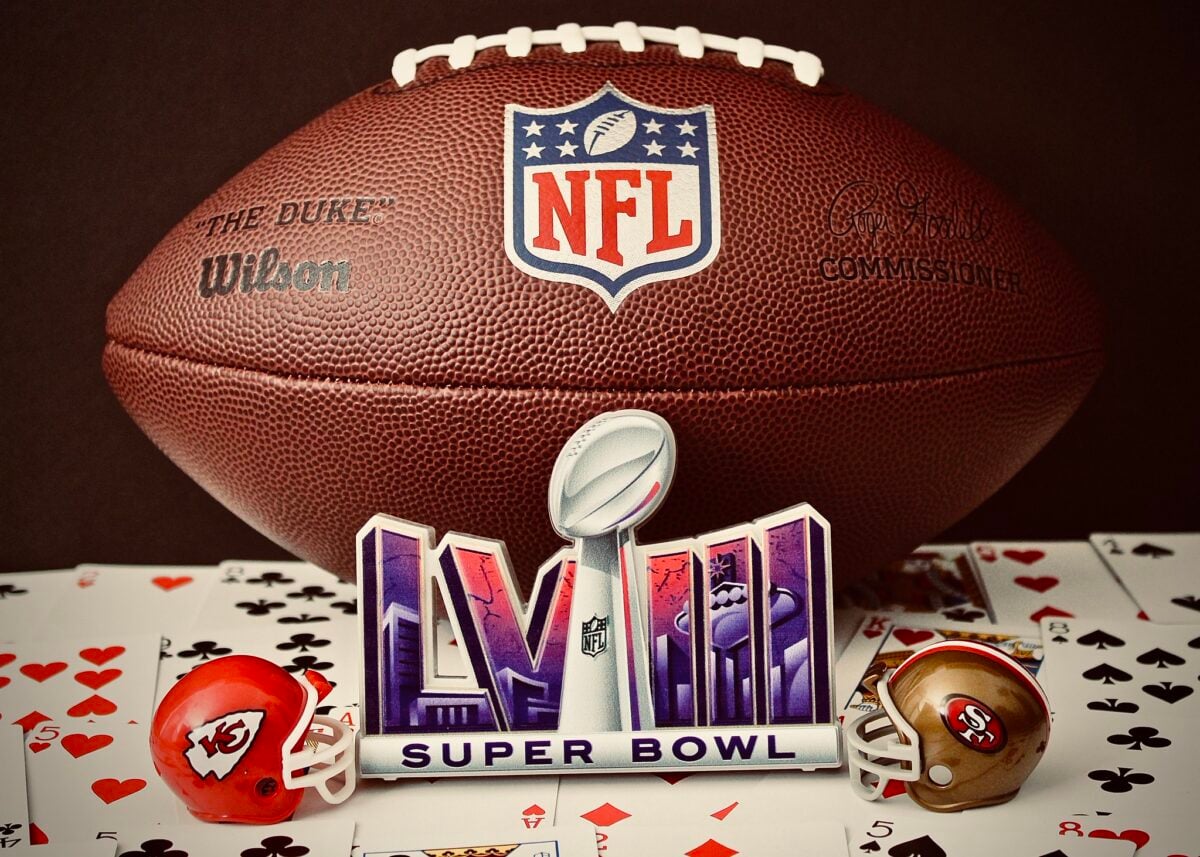
When the Super Bowl arrived in Las Vegas for the first time, ticket prices responded immediately. The city’s reputation as an entertainment hub amplified demand, drawing fans who might not otherwise prioritize live attendance.
Resale prices hovered near record levels, and premium listings pushed even higher. In a city built on spectacle and exclusivity, the Super Bowl fit naturally into an environment where high prices signal desirability rather than deterrence.
The event demonstrated how location alone can elevate ticket prices to record territory.
Individual Tickets That Reached Extraordinary Prices
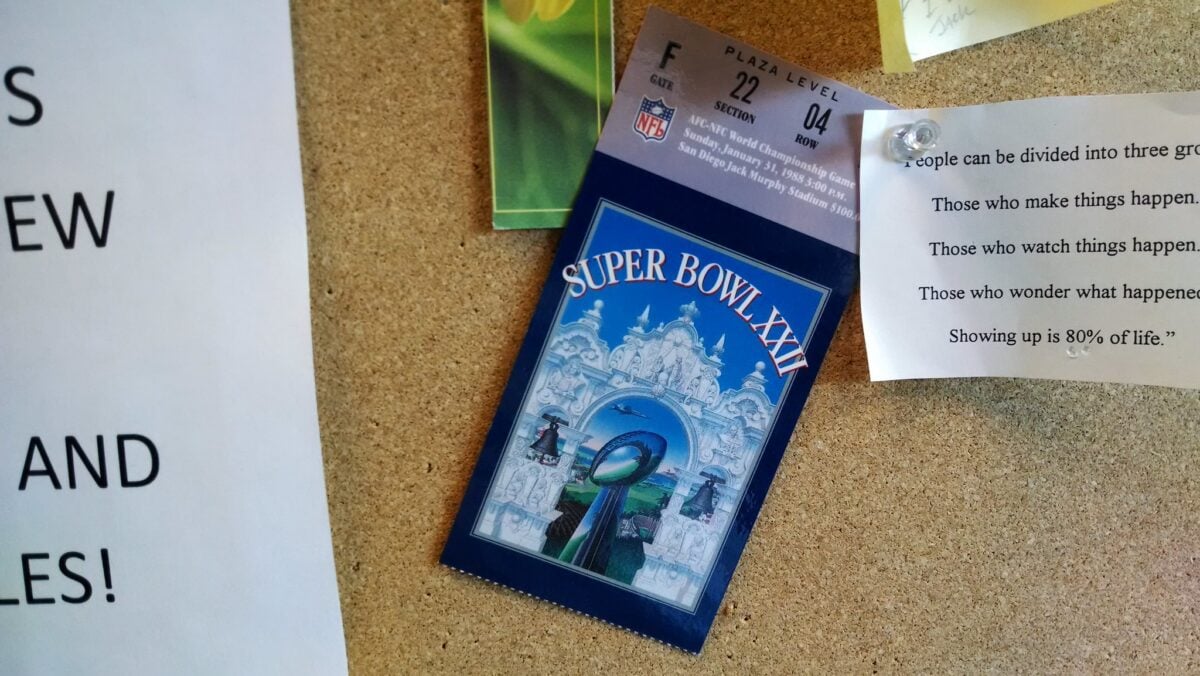
While averages tell one story, the most eye-catching records come from individual ticket sales. Over the years, certain single seats have sold for astonishing amounts, often tied to prime locations near midfield or bundled with exclusive amenities.
These record-priced tickets are usually purchased by buyers seeking more than a view of the game. They represent access, prestige, and proximity to history.
Although they account for a small fraction of total sales, they shape public perception of how expensive the Super Bowl has become.
Why Super Bowl Ticket Records Keep Falling
Several forces continue to push Super Bowl ticket prices upward. Demand remains global, while supply is permanently fixed by stadium capacity.
The resale market enables instant price discovery, ensuring that seats are priced at what buyers are willing to pay rather than at face value. Cultural factors also matter.
The Super Bowl is no longer a single-day event. It is a week-long spectacle filled with concerts, brand activations, and exclusive gatherings.
Attending the game itself has become the centerpiece of a much larger experience, which helps justify higher costs in the minds of buyers.
How These Prices Reflect the Modern Super Bowl
Record Super Bowl ticket prices are not just about football. They reflect how live events have changed in an era of constant digital access.
When nearly everyone can watch from home, being physically present gains added value. Attendance becomes a marker of participation rather than necessity.
The Super Bowl now sits at the intersection of sport, entertainment, and status. Ticket prices reflect that reality, rising as the event grows more culturally significant.
What the Future Likely Holds

If recent trends continue, future Super Bowls will almost certainly set new pricing records. Larger destination cities, increased international interest, and continued reliance on resale platforms all point toward sustained upward pressure.
While face-value tickets will still exist, the secondary market will remain the true indicator of what attendance is worth. For better or worse, record-breaking Super Bowl ticket prices now feel less like exceptions and more like the standard trajectory.
Why These Record Prices Matter

What those Super Bowl ticket numbers show isn’t just about money changing hands. It’s about a game slowly becoming something bigger – part ritual, part spectacle.
With every high mark set, the journey takes another quiet turn. Home viewers might barely notice how much things cost now.
Yet for the few who go, ticket prices shape their whole experience. These days, being at the Super Bowl isn’t simply seeing a match unfold.
It means stepping into a spotlight seen by millions across the world.
More from Go2Tutors!

- The Romanov Crown Jewels and Their Tragic Fate
- 13 Historical Mysteries That Science Still Can’t Solve
- Famous Hoaxes That Fooled the World for Years
- 15 Child Stars with Tragic Adult Lives
- 16 Famous Jewelry Pieces in History
Like Go2Tutors’s content? Follow us on MSN.