28 Historic Photos That Were Staged and Passed Off as Real for Decades
Photography arrived as technology carrying an implicit guarantee of authenticity. “The camera doesn’t lie,” people said, treating photographs as objective records of reality.
Yet from photography’s inception, photographers have staged images, recreated events after the fact, and manipulated what appeared to be documentary evidence. Many of these deceptions persisted for decades, influencing historical understanding and public memory.
Only later analysis, technological examination, or confession revealed that celebrated photographs documenting significant events were deliberate reconstructions, artistic fabrications, or elaborate hoaxes. Below are photographs that fooled not only the public but also historians, scholars, and critics for extended periods.
Roger Fenton’s Cannonball Photograph (1855)
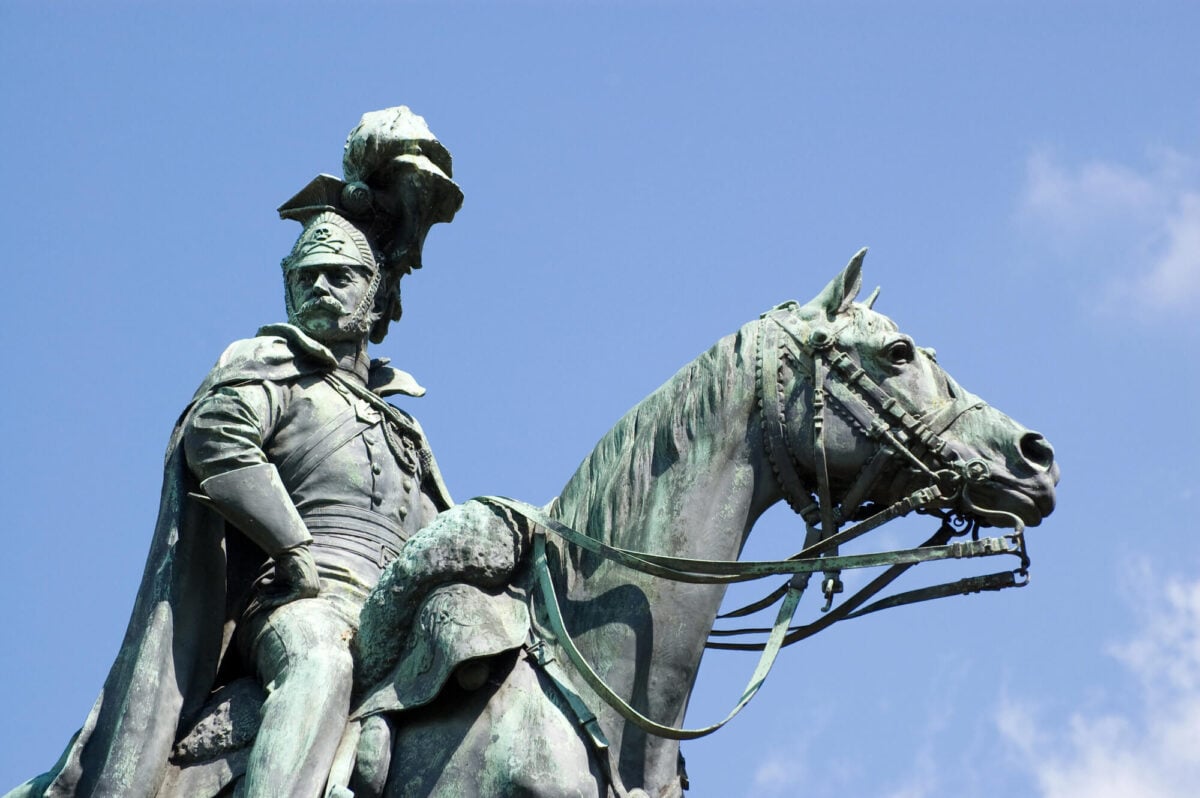
One of photography’s most famous deceptions is Robert Fenton’s photograph supposedly documenting a cannonball-strewn valley after the Battle of Balaclava during the Crimean War. The image shows a barren landscape littered with cannonballs, appearing to document the destructive aftermath of battle.
Later analysis revealed that Fenton moved cannonballs to create the composition. Multiple photographs of the same valley show different arrangements of cannonballs.
The image was celebrated as documentary war photography for over a century before the staging was discovered. The photograph demonstrated early photography’s susceptibility to manipulation while retaining the appearance of objective documentation.
Composite Civil War Photographs
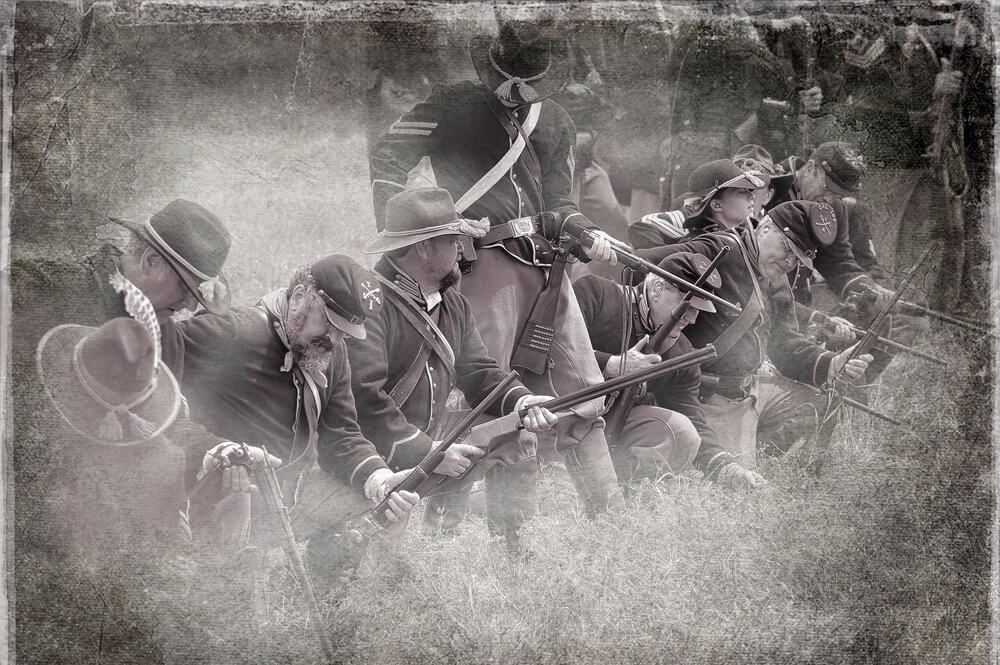
Civil War photographers created composite images combining separate photographs into unified scenes. Individual photographs of generals, battlefields, and soldiers were cut and reassembled to create photographs purporting to show entire battle scenes or group portraits that never actually existed as unified moments.
These composites were presented as documentary evidence while actually being artistic creations. The technique was not universally concealed—some photographers acknowledged their compositing—but many composites entered historical record as authentic documents before the manipulation was discovered.
World War I Trench Photographs
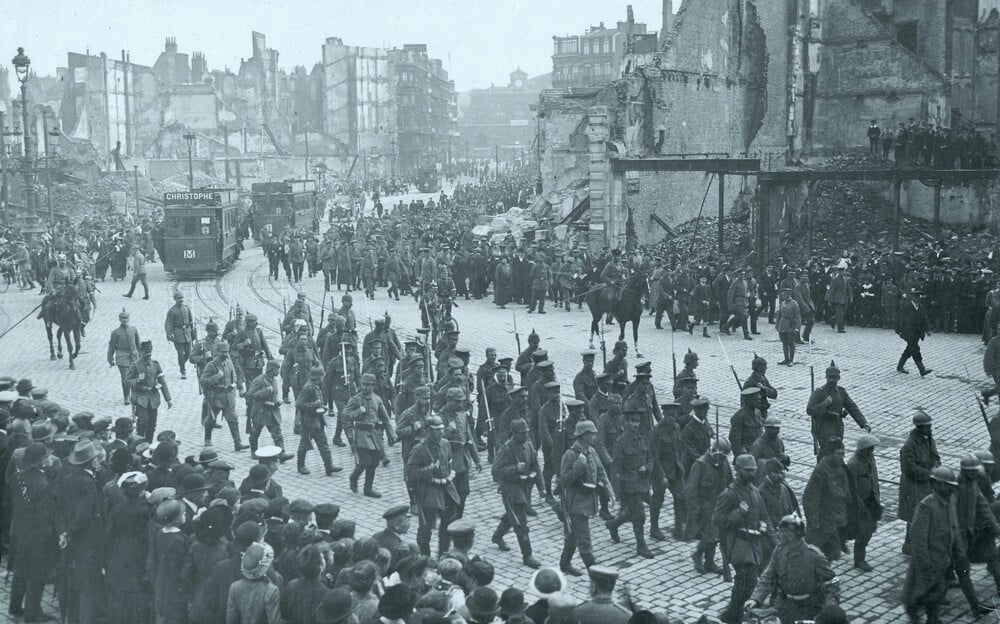
Many celebrated photographs supposedly documenting World War I trench warfare and heroic charges were later revealed to be staged recreations. Photographers constructed trenches away from active combat and photographed soldiers in simulated battle conditions.
Photographs of “going over the top” typically showed soldiers charging predetermined paths with cameras positioned to capture the action. The staged nature of these photographs was not always disclosed, allowing reconstructed battles to enter historical understanding as documentary evidence of actual combat conditions.
Mammoth Mining Operations Photos (1870s-1890s)
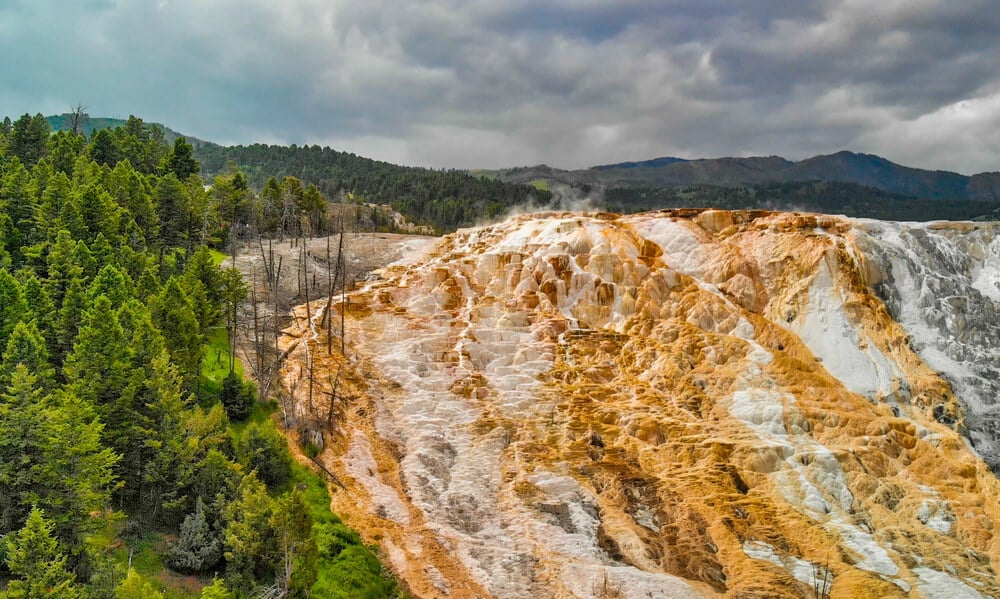
Photographs supposedly documenting massive mining operations at reduced scale were revealed to be taken of miniature models or small operations photographed to appear vast. The deception created false impressions of mining scale, technological capacity, and resource extraction.
Investors made decisions based on photographs that misrepresented operation size. The photographic deception combined with economic incentives to create intentional misrepresentation of industrial activity.
Antarctic Exploration Photographs
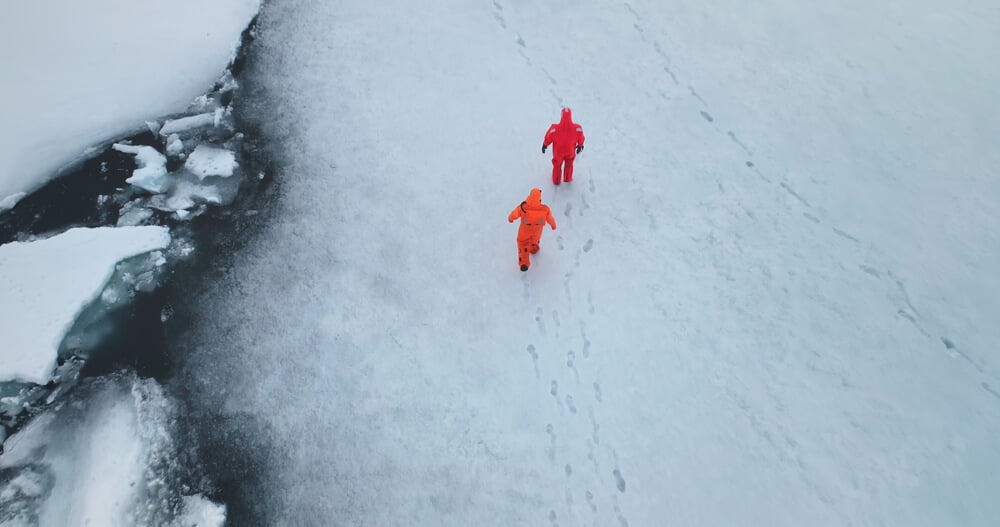
Early Antarctic expeditions’ photographs often included elements that were staged or recreated. Explorers posed dramatically for cameras, reconstructed activities specifically for photography, and sometimes photographed models rather than actual conditions.
The dramatic nature of Antarctic photography created incentives for staging compelling images. Photographs that appeared to document desperate survival conditions sometimes depicted re-enacted versions rather than actual events as they occurred.
Early Aviation Photographs
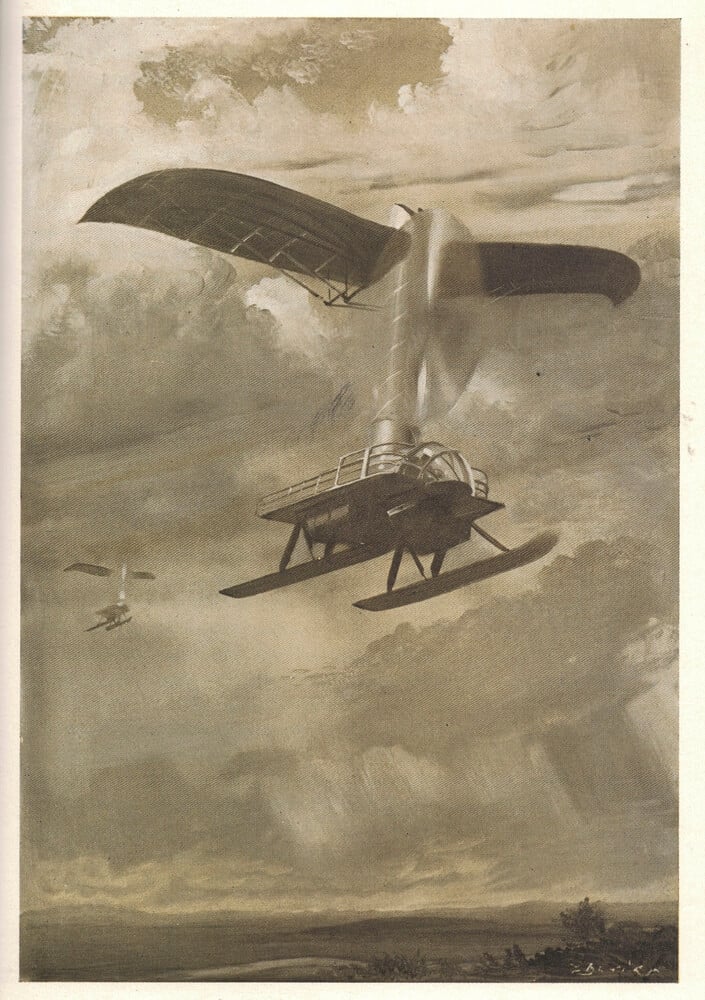
The Wright Brothers’ famous flight photographs were later revealed to have been carefully orchestrated events, with specific angles and moments selected for documentation. The historical significance of these photographs created incentives for staging images that captured the technological achievement clearly.
Photographs supposedly documenting first flights were sometimes recreations of the actual event rather than captures of the original occurrence.
Native American Photographs by Edward Curtis
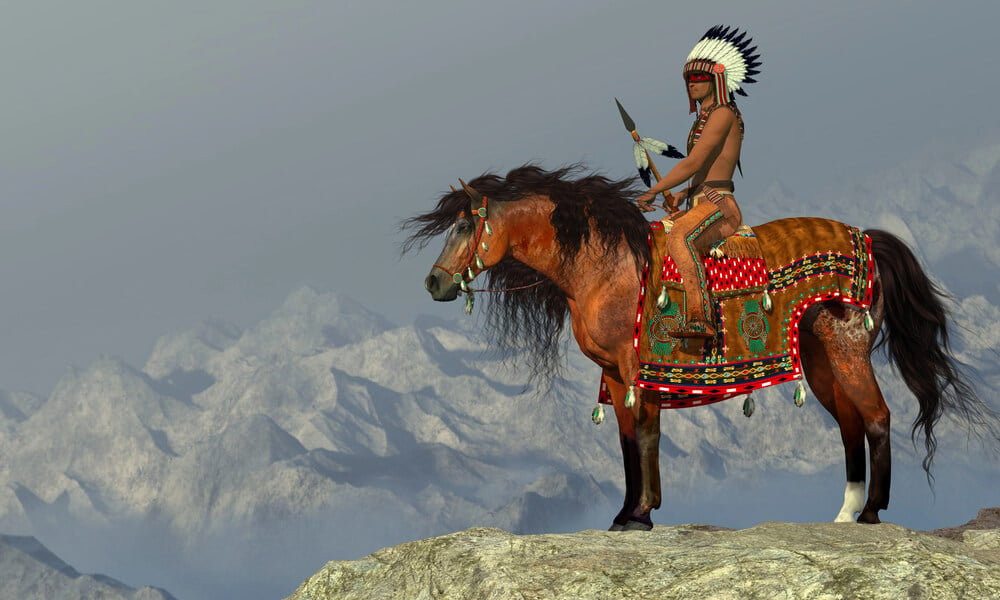
Edward Curtis’s extensive photographic documentation of Native American cultures included staging, posed reconstructions of traditional activities, and removal of elements he considered “too modern.” Photographs supposedly documenting authentic traditional cultures actually showed people dressed, posed, and positioned according to Curtis’s artistic vision.
The photographs presented a romanticized past that was partially constructed for the camera. These images shaped European and American understanding of Native American cultures while misrepresenting actual contemporary conditions.
Loch Ness Monster Photographs
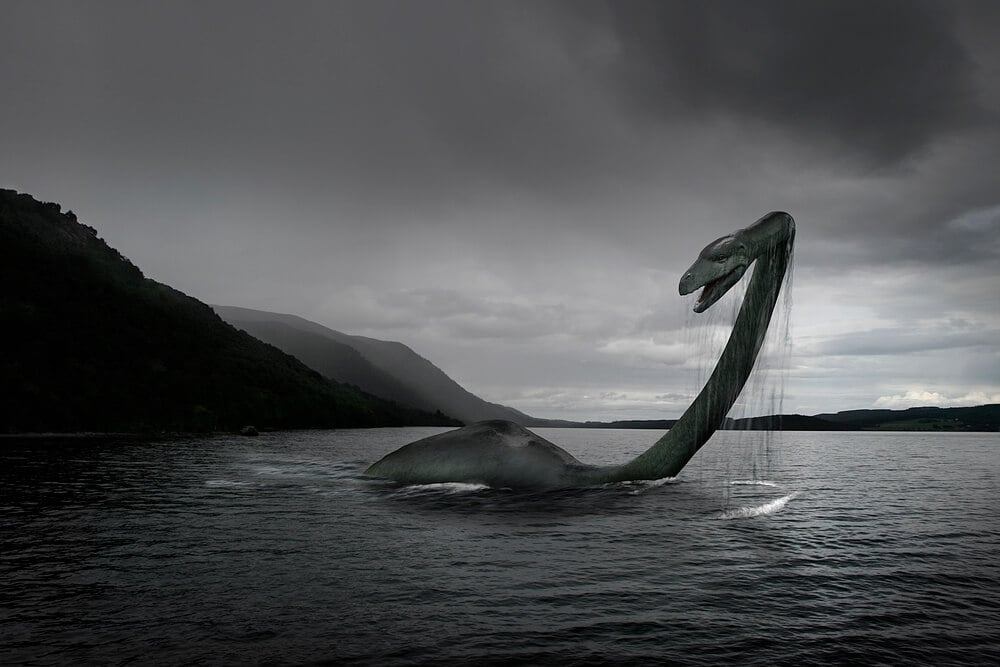
The famous “Surgeon’s Photograph” supposedly documenting the Loch Ness Monster was revealed to be a hoax constructed from a toy submarine and a sculpted head. The photograph fooled scientists, cryptozoologists, and the public for decades.
The deception involved careful photography that created credibility through presentation and context rather than actual documentation of a real creature. The photograph’s exposure as a hoax eventually came through technological analysis rather than observation.
Depression-Era Farm Photographs
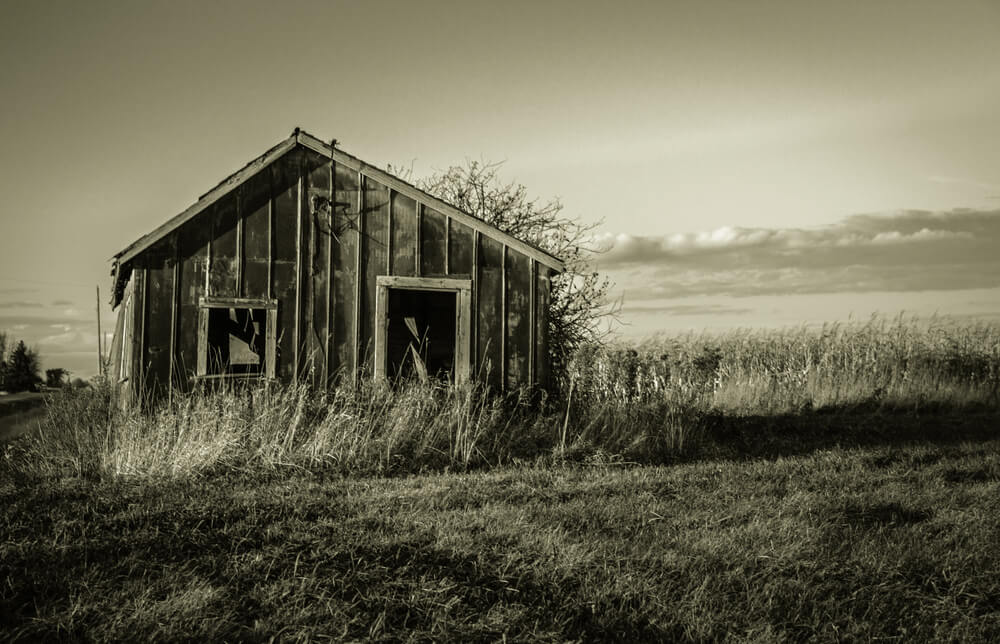
Some celebrated photographs supposedly documenting Depression-era rural poverty were revealed to be posed reconstructions. While genuine poverty existed, some documentary photographers arranged scenes, instructed subjects to pose, and selected specific moments for composition.
The distinction between candid documentation and staged photography sometimes blurred, with photographers treating their subjects as elements of composition rather than autonomous individuals. The staged nature of some images did not render their social commentary invalid, but it complicated their status as documentary evidence.
Margaret Bourke-White War Photography
Some of Margaret Bourke-White’s celebrated war photographs were later revealed to involve arrangement and staging. While her photographs documented genuine conditions, the composition involved directing subjects and arranging elements for maximum dramatic effect.
The distinction between documentary photography that captures events as they occur and documentary photography that arranges subjects to appear natural blurred her practice. Her photographs’ artistic power did not diminish even after the staging was revealed.
Jacob Riis Social Documentation
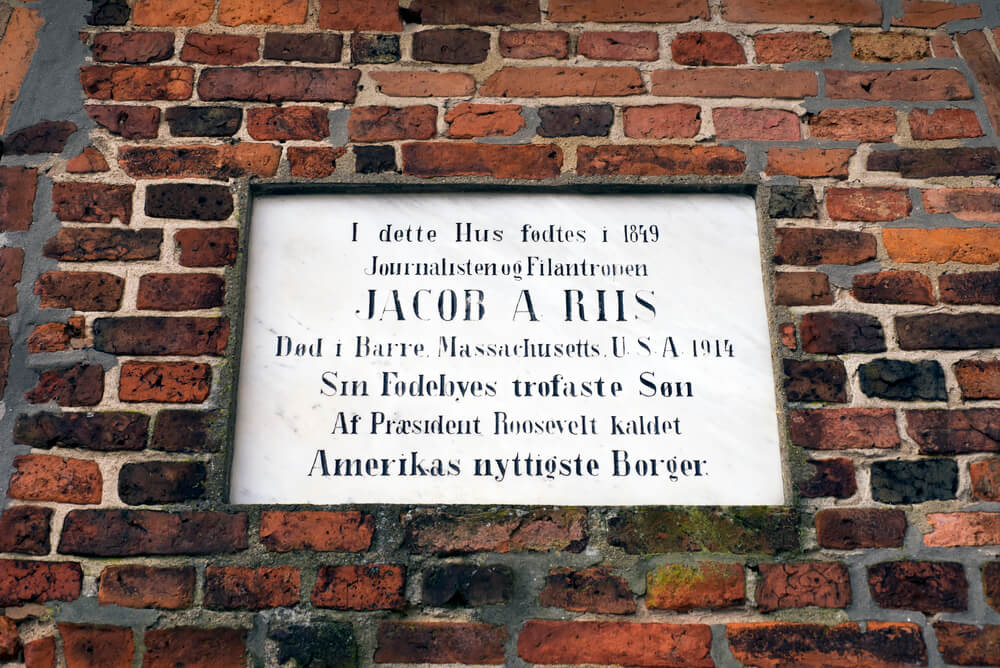
Jacob Riis’s celebrated photographs documenting tenement poverty involved flash photography and staged elements that were not initially disclosed. Riis arranged subjects for composition and used dramatic lighting to enhance the emotional impact of images.
The photographs’ social power led to reform, but their status as documentary evidence of actual conditions was complicated by the staging involved. Riis’s practice demonstrated that photographs could be simultaneously staged and socially truthful.
Photographic Hoaxes of Supernatural Phenomena
Photographs supposedly documenting ghosts, fairies, and supernatural phenomena were revealed to be double exposures, trick photography, or obvious props positioned for effect. The “Cottingley Fairies” photographs, which fooled even renowned skeptics, used paper cutouts and careful composition to create apparently authentic supernatural documentation.
These hoaxes remained credible for extended periods because they aligned with public desire to believe in supernatural phenomena and because photographic analysis techniques were underdeveloped.
World War II Heroic Moment Photographs
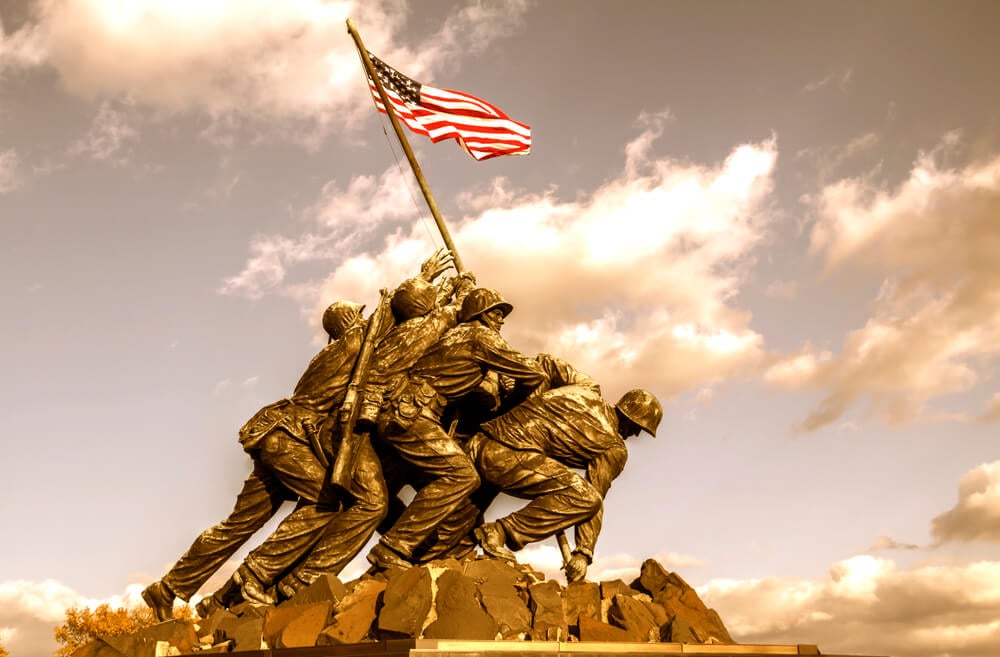
The famous photograph of soldiers raising the American flag at Iwo Jima was later revealed to be a restaging of an earlier flag-raising. Photographer Joe Rosenthal photographed a second flag-raising organized for documentary purposes.
While the first flag-raising occurred, the iconic photograph documented a reconstructed version. The photograph’s emotional power and historical significance persisted despite the revelation that it documented a staged recreation rather than the original event.
Atrocity Photographs and War Crime Documentation
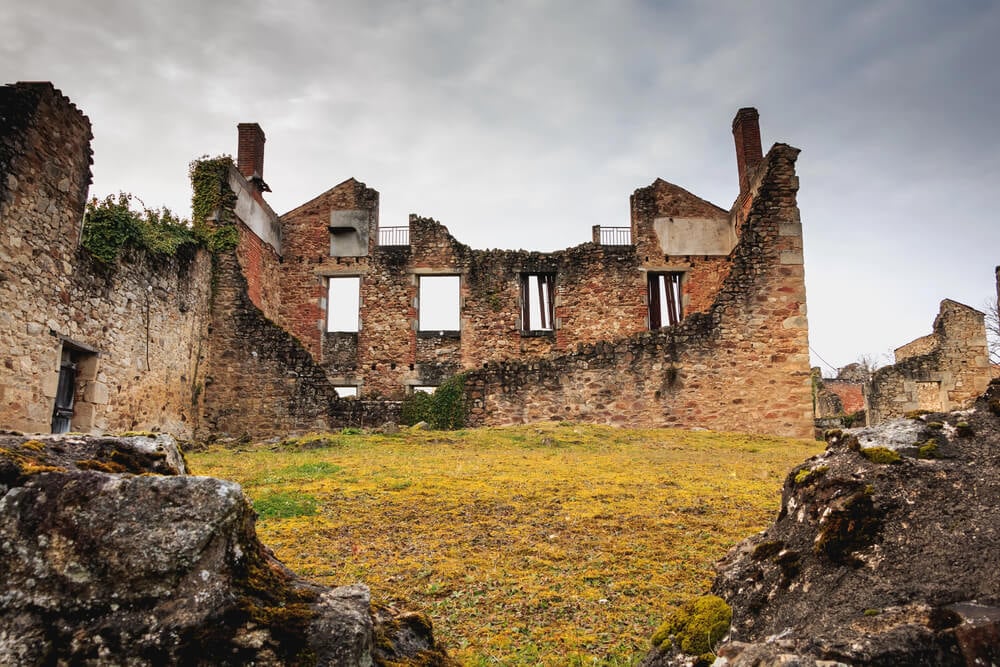
Some photographs purporting to document specific war crimes were later revealed to be photographs of different locations or events that were misidentified or intentionally mislabeled. Attribution errors and deliberate mislabeling complicated the evidentiary value of photographs.
Photographs of genuine atrocities were sometimes paired with false captions, or photographs from one conflict were presented as evidence of crimes in another. The manipulation complicated efforts to document war crimes through photographic evidence.
Fossil and Archaeological Photographs
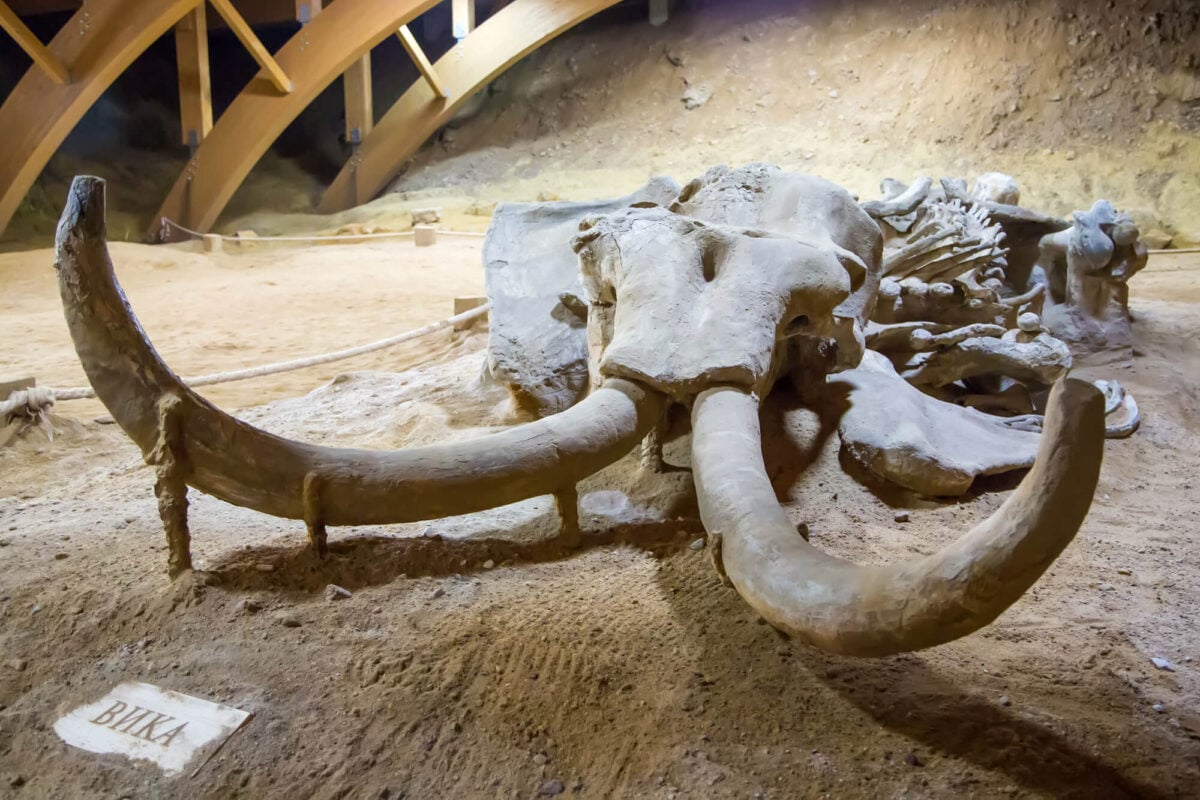
Photographs were sometimes manipulated to exaggerate or misrepresent fossil size or condition. Perspective tricks made fossils appear larger than actual dimensions.
Archaeological photographs positioned objects to create false impressions of context or historical significance. The photographs’ scientific authority meant that misrepresentation had consequences for paleontological and archaeological understanding.
Verification through direct examination revealed discrepancies between photographs and actual specimens.
Early Aviation Disaster Photographs
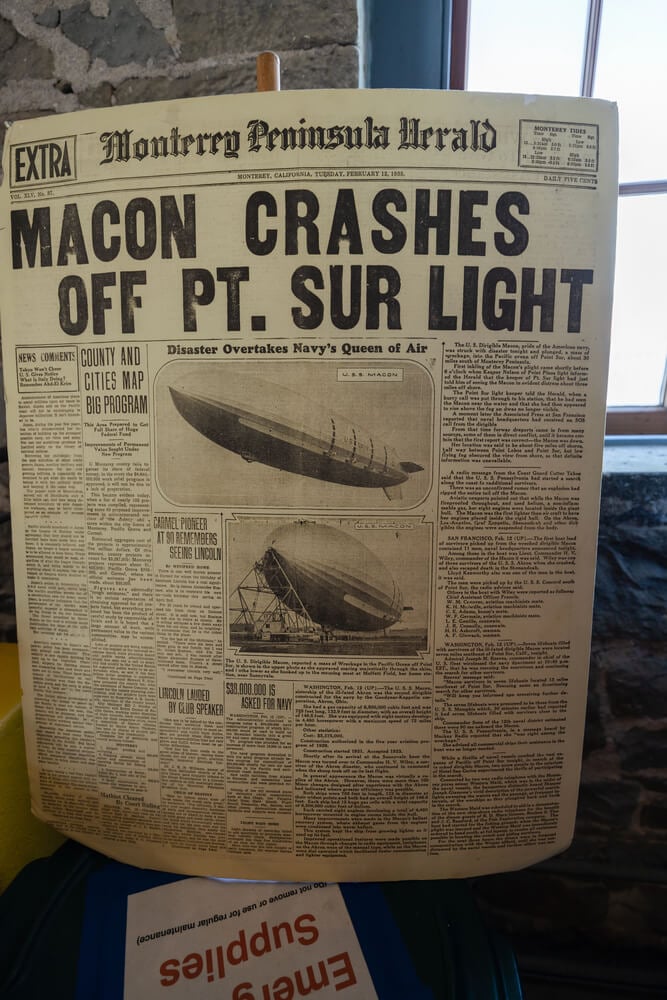
Photographs supposedly documenting specific aviation disasters were revealed to be photographs of other crashes, mislabeled or misattributed. The dramatic nature of disaster photography created demand for images that exceeded actual documentation availability.
Photographs were recycled, mislabeled, and presented as documentation of events they did not depict. The misattribution persisted because verification was difficult without detailed records or eyewitness accounts.
Tinted and Colored Photographs Presented as Color Photography
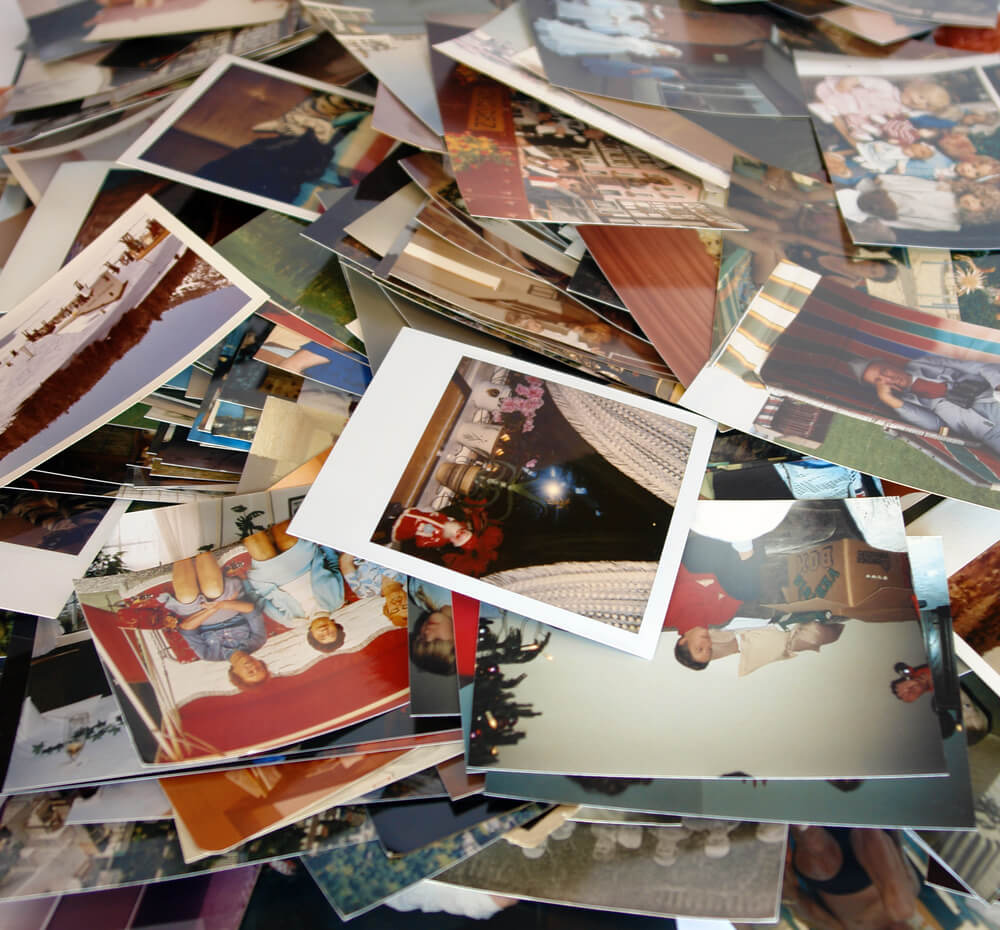
Early colored photographs were sometimes revealed to be hand-tinted black-and-white images presented as color photography. The coloring was often inaccurate, representing artists’ interpretations rather than actual color conditions.
Photographs presented as evidence of color appearance sometimes misrepresented actual colors through artistic tinting. The distinction between documentary color record and artistic color interpretation was not always clear.
Animal Behavior Photographs
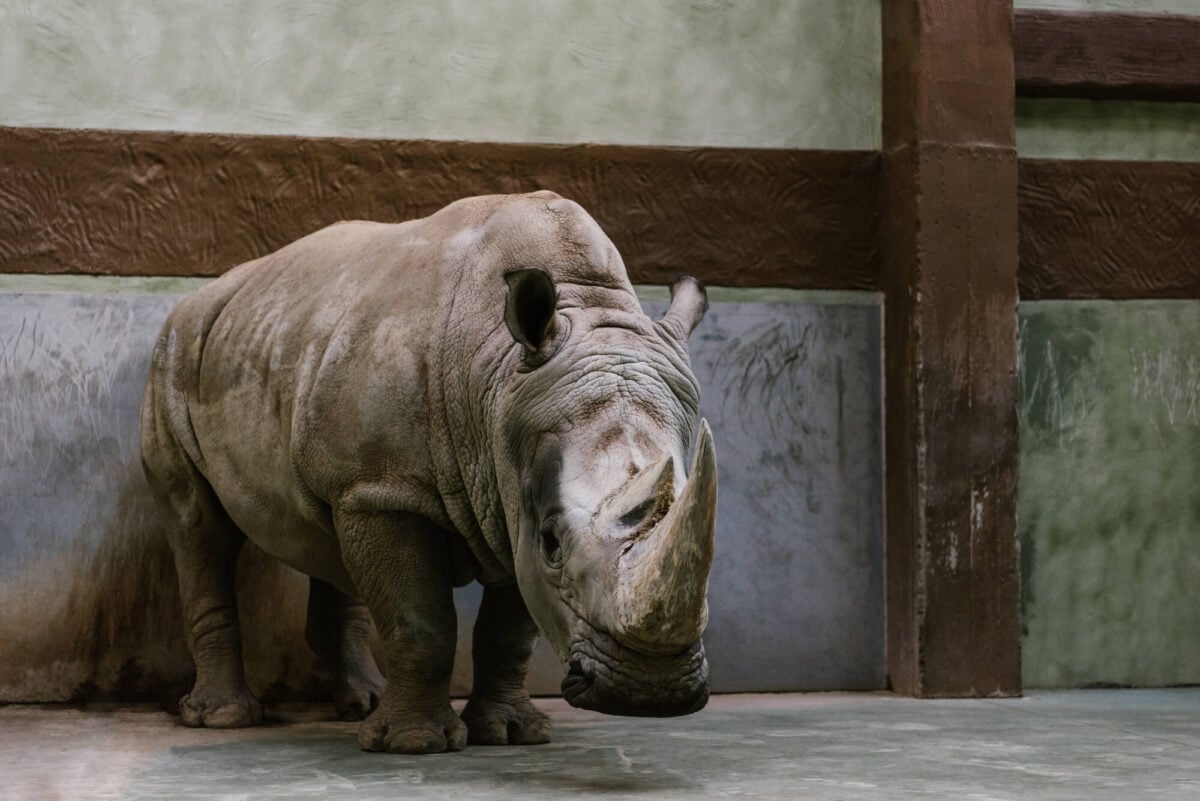
Photographs purporting to document specific animal behavior were sometimes revealed to be photographs of zoo animals or animals in controlled conditions presented as wildlife documentation. Behavioral photographs were sometimes staged by placing animals in specific situations for photograph capture.
The photographs’ scientific authority meant that staged images influenced understanding of actual animal behavior in the wild.
Scientific Experiment Photographs

Photographs purporting to document scientific experiments were sometimes revealed to be photographed recreations rather than documentation of the actual experimental occurrence. The scientific authority of photographs created pressure to present visually clear documentation, leading to staged recreations that conveyed the theoretical content more clearly than chaotic actual experiments.
The staged nature of these photographs complicated their status as scientific evidence.
Archaeological Excavation Photographs
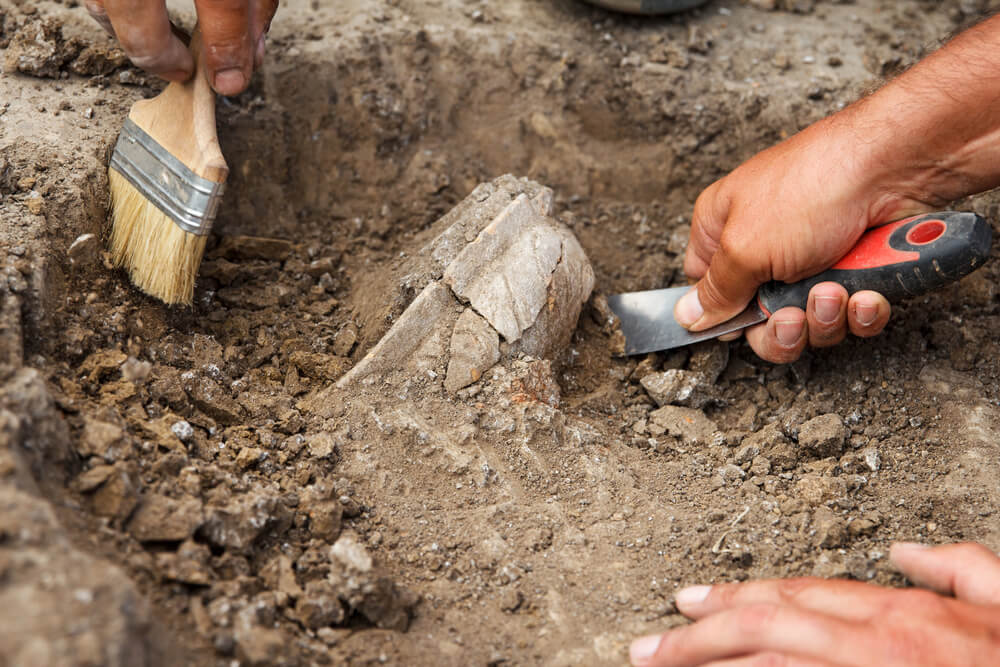
Excavation photographs were sometimes arranged for dramatic effect or clarity rather than documenting actual excavation conditions. Artifacts were repositioned for photography, layers were reorganized for clearer documentation, or photographs were taken after excavation was completed rather than during the process.
These staged photographs created false impressions of excavation conditions and artifact discovery contexts.
Natural Disaster Photographs
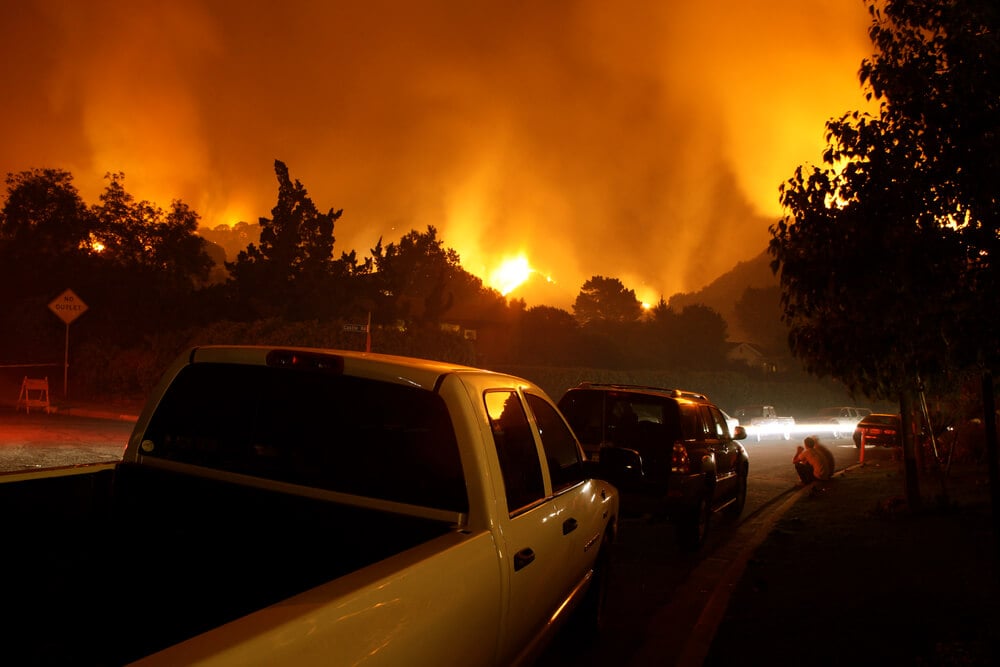
Some celebrated photographs supposedly documenting specific natural disasters were revealed to be photographs of other disasters, misidentified or deliberately mislabeled. The demand for dramatic disaster photographs exceeded the actual photographic documentation of specific disasters.
Images were recycled and presented as documentation of different events. Verification revealed discrepancies between captions and actual photographs.
Geographic Expedition Photographs
Photographs supposedly documenting specific geographic locations were sometimes revealed to be photographs of different places or miniature models photographed to appear as actual landscapes. Explorers faced incentives to document discoveries visually, leading to staged photographs or photographs taken at earlier explorations mislabeled as documentation of later discoveries.
The geographic authority of photographs complicated efforts to document actual exploration routes.
Political Leader Photographs
Photographs of political leaders were sometimes staged reconstructions created after events supposedly documented. Photographs of leaders in dramatic moments were sometimes recreated for clarity or composition after the original moments passed.
The political authority of photographs created incentives for staging compelling images of leadership moments. Revelation of staging sometimes diminished confidence in photographic documentation of political events.
Fashion and Beauty Photographs

Early fashion photographs were heavily staged, with models positioned for effect and clothing arrangements adjusted for composition. Photographers controlled every element of appearance, creating idealized presentations rather than casual documentation.
The staged nature of fashion photography was not always disclosed, creating false impressions of natural appearance and movement. The distinction between documentary photography and fashion styling sometimes blurred.
Medical and Surgical Photographs

Medical photographs were sometimes staged recreations rather than documentation of actual procedures. Surgical photographs might document clean, organized simulations rather than chaotic actual surgeries.
The medical authority of photographs created pressure for clear, organized documentation that staged photographs sometimes provided better than candid documentation of actual medical practice.
Industrial Process Photographs

Photographs supposedly documenting specific industrial processes were sometimes revealed to be staged recreations or simplified demonstrations rather than documentation of actual production conditions. Workers were posed, processes were slowed or arranged for clarity, and dangerous or chaotic actual conditions were replaced with staged demonstrations.
The photographs’ industrial authority meant that misrepresentation influenced understanding of actual production methods.
Botanical and Specimen Photographs

Botanical specimens were sometimes arranged, positioned, and sometimes artificially constructed for photographic documentation. Pressed plants were positioned for maximum visibility, arrangements of specimen were organized for composition, and artificial specimens sometimes supplemented or replaced actual botanical materials.
The scientific authority of photographs created pressure for clear, organized documentation that sometimes involved staging.
Urban Condition Photographs
Photographs supposedly documenting specific urban conditions were sometimes revealed to be posed reconstructions. Subjects were arranged, scenes were composed for dramatic effect, and photographs were taken at specific moments rather than representing typical conditions.
The social authority of urban photographs meant that staging could misrepresent actual conditions while appearing to document them. The distinction between documentary photography of actual conditions and staged photography representing conditions blurred frequently in urban documentation.
The Persistence of Photographic Deception
Despite technological advances in analysis and detection, photographs continue to fool audiences. The camera’s apparent objectivity creates credibility that persists even after deceptions are revealed.
Early photographers’ staged images entered historical record and influenced understanding of events for decades before exposure. Modern digital manipulation has made photographic deception easier, yet audiences maintain assumptions about photographic truthfulness.
The history of photographic staging demonstrates that what appears to be documentary evidence can be elaborate artistic construction concealed by photographic technique.
More from Go2Tutors!

- The Romanov Crown Jewels and Their Tragic Fate
- 13 Historical Mysteries That Science Still Can’t Solve
- Famous Hoaxes That Fooled the World for Years
- 15 Child Stars with Tragic Adult Lives
- 16 Famous Jewelry Pieces in History
Like Go2Tutors’s content? Follow us on MSN.



