28 Household Products First Sold to Solve Another Problem
Walk down any store aisle and most of what is sitting on the shelf was originally built for a completely different job. Products marketed today for cleaning, cooking, or personal care often began life as industrial chemicals, medical treatments, or failed experiments that someone repurposed only after the original plan fell apart.
The path from first invention to familiar household item is rarely straight, and in most cases it took a completely unrelated crisis to get a product into the form people actually recognize now.
Listerine
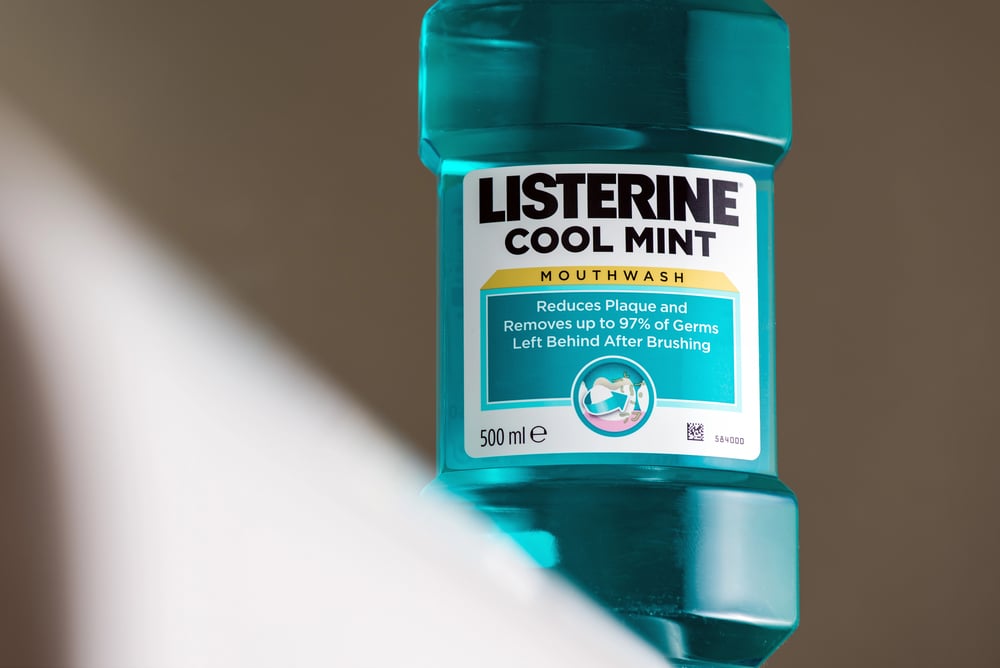
Chemist Joseph Lawrence developed Listerine in 1879 as a surgical antiseptic, and for its first several decades on the market it was sold as a floor cleaner and a treatment for various infections rather than a mouthwash. It was not until the 1920s that the manufacturer began marketing it specifically to treat chronic bad breath, a condition the company’s advertising helped popularize under the medical-sounding term halitosis, turning a modest antiseptic into a household staple.
Play-Doh
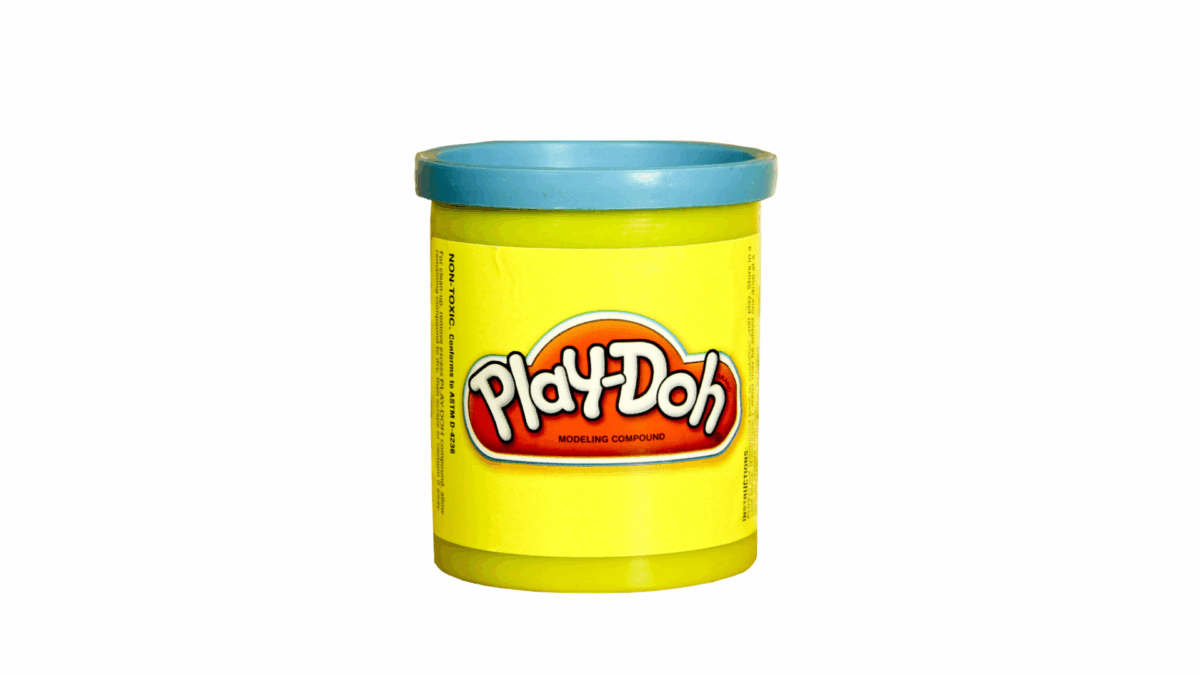
Play-Doh started out in the 1930s as a putty designed to clean soot off wallpaper in homes heated by coal. When cleaner heating methods reduced demand for wallpaper cleaner in the 1950s, the manufacturer reformulated the product, added color and scent, and began marketing it as a children’s modeling compound instead.
Bubble Wrap
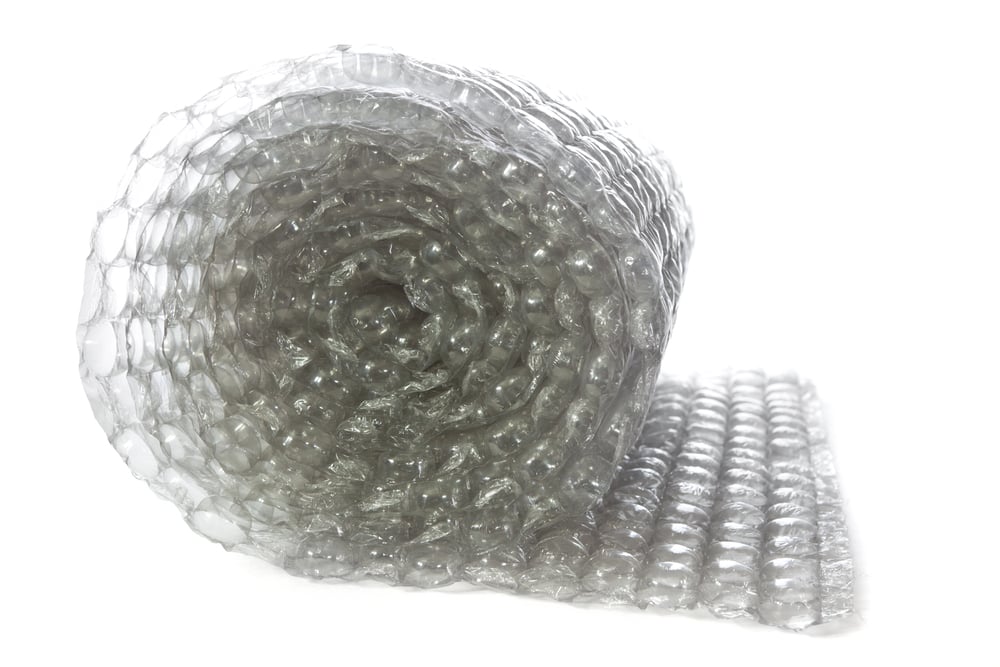
Engineers Alfred Fielding and Marc Chavannes sealed two shower curtains together in 1957 while trying to invent a textured plastic wallpaper, a product that never caught on. After failed attempts to market it as greenhouse insulation, the pair discovered its real use in 1959 when IBM began using it to cushion computers during shipping.
Coca-Cola
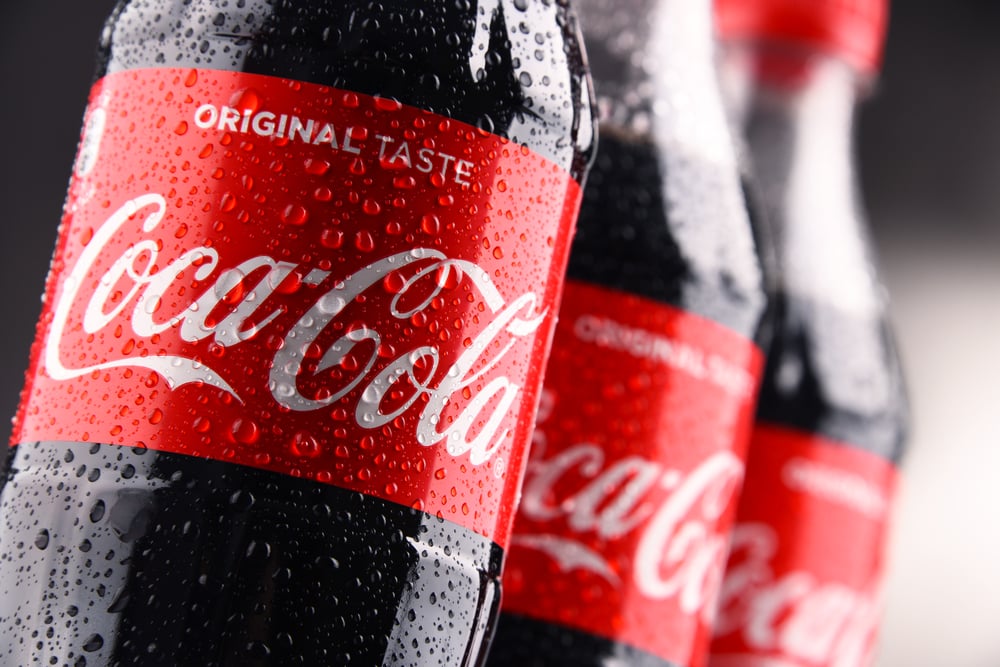
Pharmacist John Pemberton created Coca-Cola in 1886 as a medicinal tonic, marketed to treat headaches, fatigue, and morphine addiction and originally containing coca leaf extract. It was sold through pharmacy soda fountains as a patent medicine before gradually being rebranded as a general refreshment beverage in the following decades.
WD-40
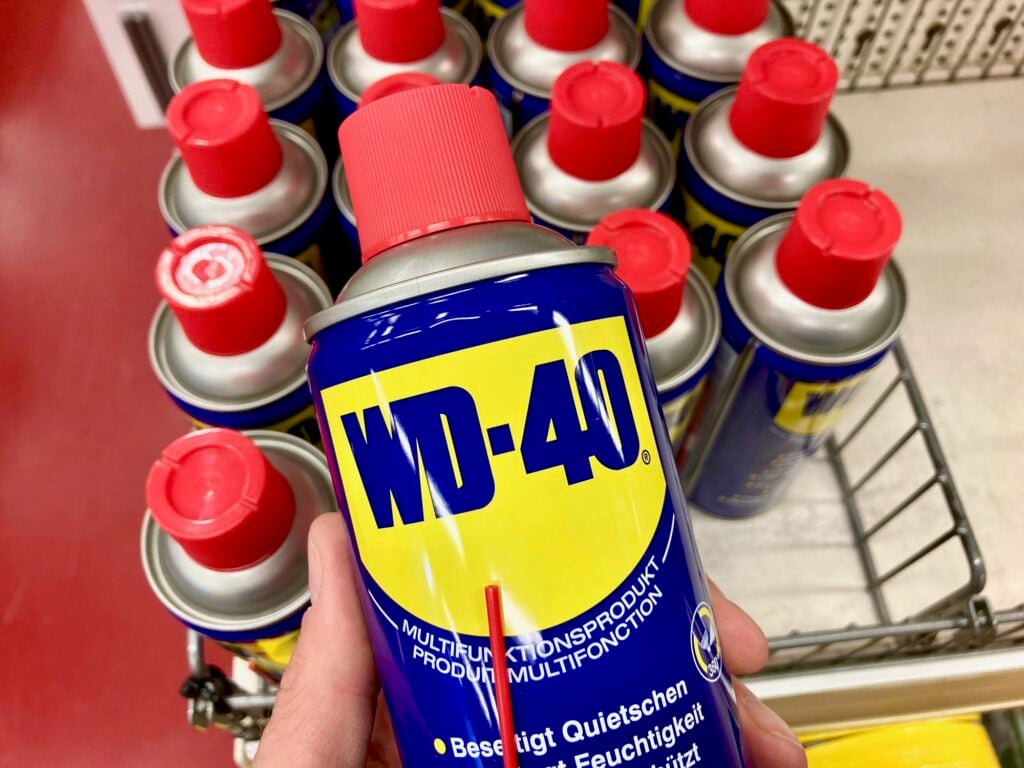
The Rocket Chemical Company developed WD-40 in 1953 to prevent corrosion on the outer skin of Atlas missiles, part of a series of water displacement formulas that gave the product its name. Employees began sneaking cans home to use around the house, and the company recognized the consumer demand and began selling it directly to the public in 1958.
Kleenex Tissues

Kimberly-Clark introduced Kleenex in 1924 as a disposable cloth substitute for removing cold cream and makeup, building on cellulose wadding technology originally developed for gas mask filters during the First World War. Customer letters reporting they used the tissues to blow their noses instead led the company to reposition the product as a disposable handkerchief by the early 1930s.
Corn Flakes

Dr. John Harvey Kellogg developed corn flakes in the 1890s as part of a bland, plain diet meant to promote digestive health for patients at his Michigan sanitarium. His brother Will Keith Kellogg later added sugar and marketed the flakes as a mainstream breakfast cereal, launching the company that turned a dietary treatment into a household breakfast staple.
Vaseline
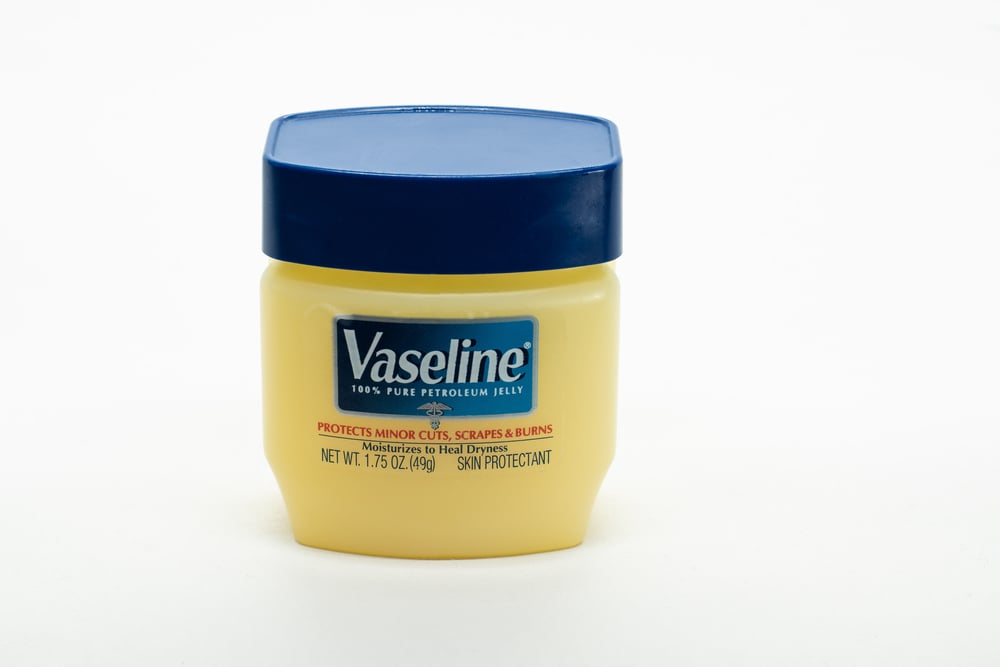
Chemist Robert Chesebrough developed Vaseline in 1870 after noticing oil rig workers using a waxy petroleum byproduct called rod wax to heal cuts and burns. He refined the substance into petroleum jelly and initially marketed it directly as a wound-healing salve before it broadened into the general-purpose skin product sold today.
Slinky

Naval engineer Richard James was developing springs in 1943 meant to stabilize sensitive equipment aboard ships, intended to keep instruments steady in rough seas. After accidentally knocking one off a shelf and watching it “walk” down in a series of arcs, he recognized its potential as a toy and brought the Slinky to market in 1945.
Post-it Notes

Chemist Spencer Silver was trying to develop an extremely strong adhesive at 3M in 1968 and instead produced a weak, reusable one that seemed useless. A colleague, Art Fry, found a practical use for the failed adhesive years later in 1974 as a way to keep bookmarks from falling out of his hymnal, leading to the Post-it Note’s commercial launch in 1980.
Rogaine
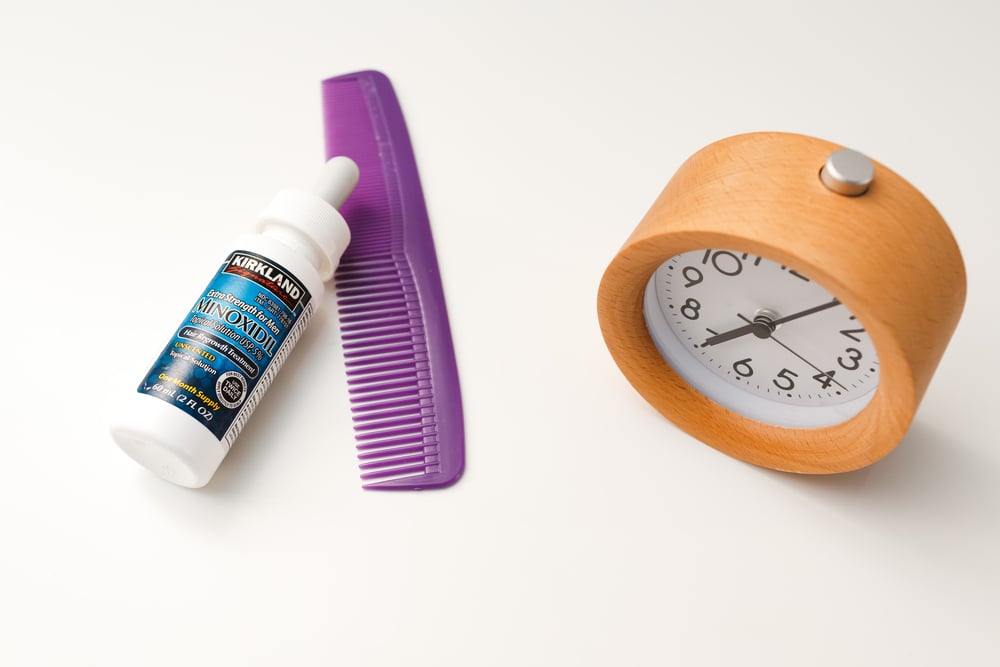
Minoxidil was developed and approved in the late 1970s as an oral medication to treat high blood pressure. Researchers noticed that patients taking it grew extra body hair as a side effect, leading to a topical version being reformulated and approved specifically to treat hair loss, launching as Rogaine in 1988.
Frisbee

College students in the 1930s began tossing empty pie tins from the Frisbie Pie Company for fun, a habit that inventor Walter Morrison later adapted into a plastic flying disc design. Morrison’s design was eventually purchased and marketed by the Wham-O company starting in 1957 under the name Frisbee, borrowed from the original pie company.
Silly Putty

Engineer James Wright was attempting to develop a synthetic rubber substitute for the military during World War II when a mixture of boric acid and silicone oil produced a bouncy, stretchy substance with no practical industrial use. A marketing consultant later recognized its novelty appeal, and it was repackaged and sold as the toy Silly Putty starting in 1950.
Scotchgard
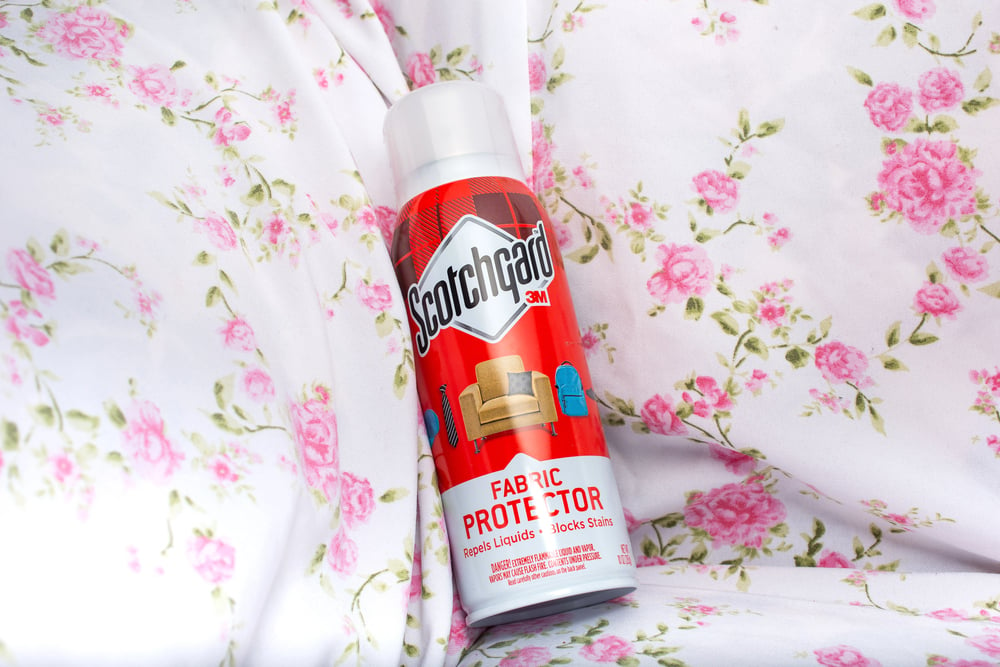
3M researcher Patsy Sherman was working on developing a rubber compound resistant to jet fuel in 1953 when a lab assistant accidentally spilled a sample on her canvas shoe, which resisted staining and cleaning while the rest of the fabric wore normally. The accidental discovery was developed into the fabric protector Scotchgard, launched commercially in 1956.
Super Glue
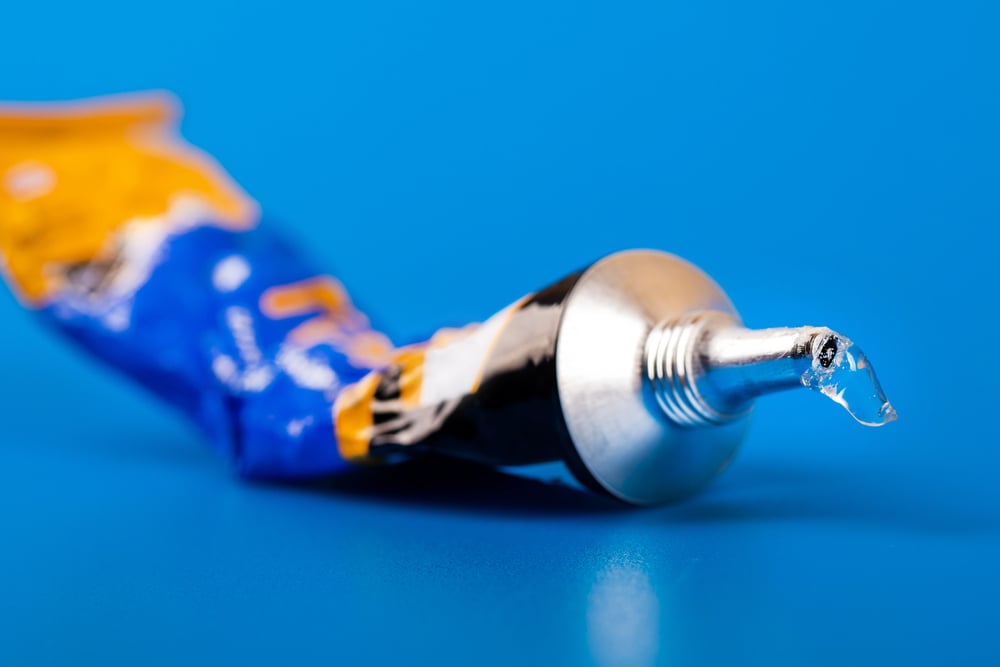
Chemist Harry Coover was researching materials for clear plastic gun sights during World War II when he developed a cyanoacrylate compound that stuck to everything it touched, making it useless for the original purpose. Years later, while overseeing a different project, Coover recognized the same compound’s commercial potential, and it launched as an adhesive product in 1958.
Teflon Cookware Coating
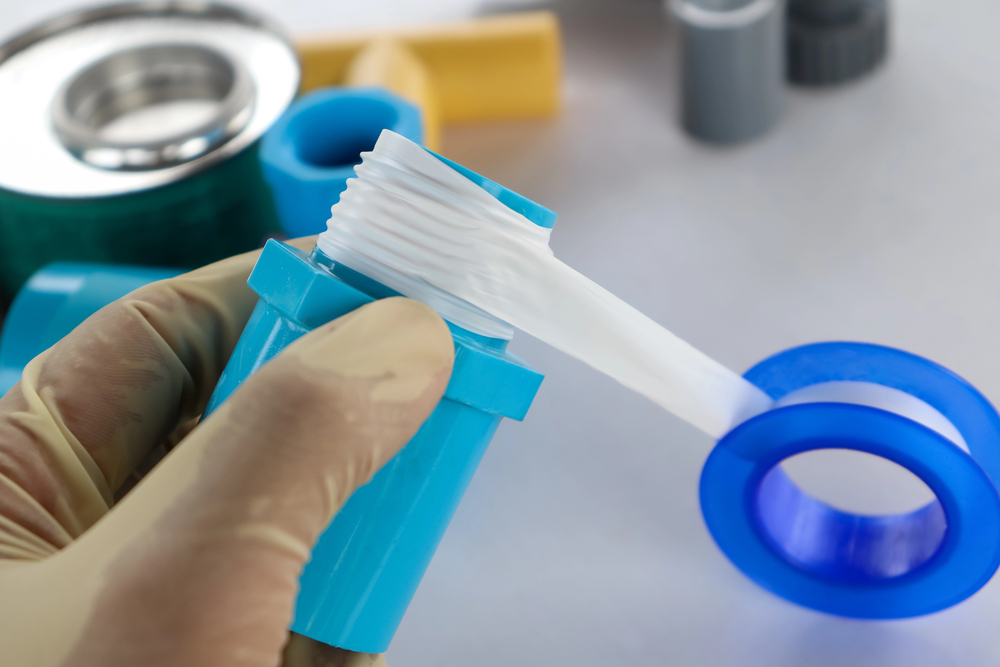
Chemist Roy Plunkett was researching new refrigerant compounds for DuPont in 1938 when he discovered a strange, slick, chemically inert substance had formed in a pressurized cylinder. The material, later named Teflon, was first used in military and industrial applications before being adapted for non-stick cookware coating starting in the 1960s.
Arm & Hammer Baking Soda
Baking soda was originally sold and marketed almost exclusively as a leavening agent for baking starting in the 19th century. The manufacturer began actively promoting it as a refrigerator deodorizer in the early 1970s after customer surveys revealed many people already kept an open box in the fridge for exactly that purpose.
Milk of Magnesia
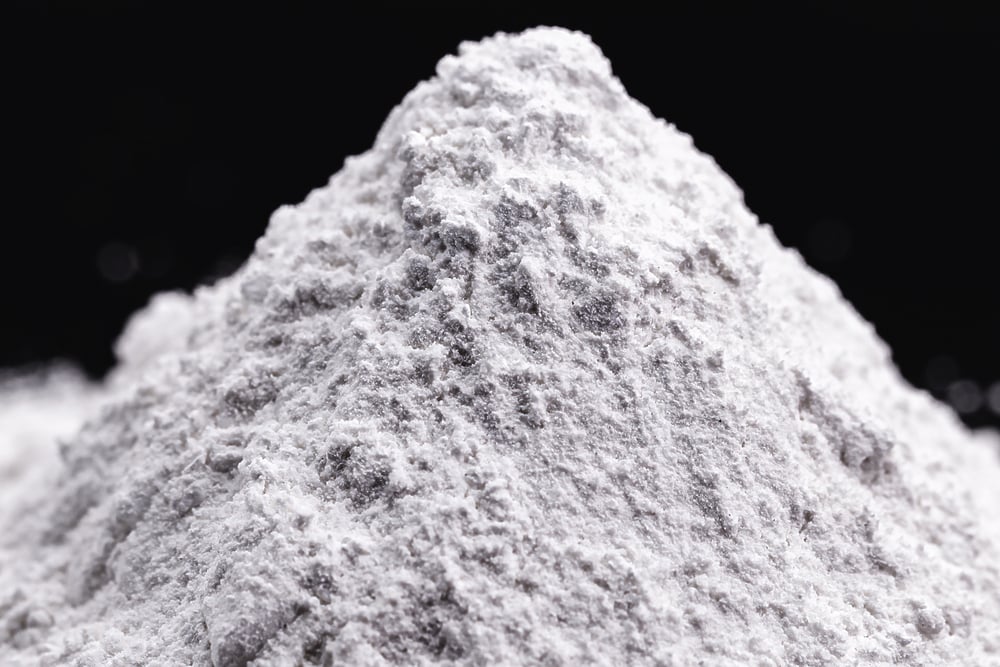
Magnesium hydroxide suspension, later branded Milk of Magnesia, was developed in the late 19th century and marketed broadly as a general remedy for a range of stomach ailments and as an antacid. Over subsequent decades its marketing narrowed specifically toward its laxative use, the purpose most associated with the product today.
Ivory Soap

Procter & Gamble was manufacturing a standard white soap in 1879 when a factory worker accidentally left a batch mixing too long, whipping extra air into the mixture. The resulting bars floated in water, an unplanned quirk the company turned into a signature marketing feature for what became Ivory Soap.
Graham Crackers

Presbyterian minister Sylvester Graham developed graham flour and the cracker made from it in the 1830s as part of a strict dietary regimen he promoted to encourage clean living and curb what he considered unhealthy urges. The bland, healthful cracker gradually shed its moral marketing over the following decades and became a mainstream sweetened snack food.
Vicks VapoRub
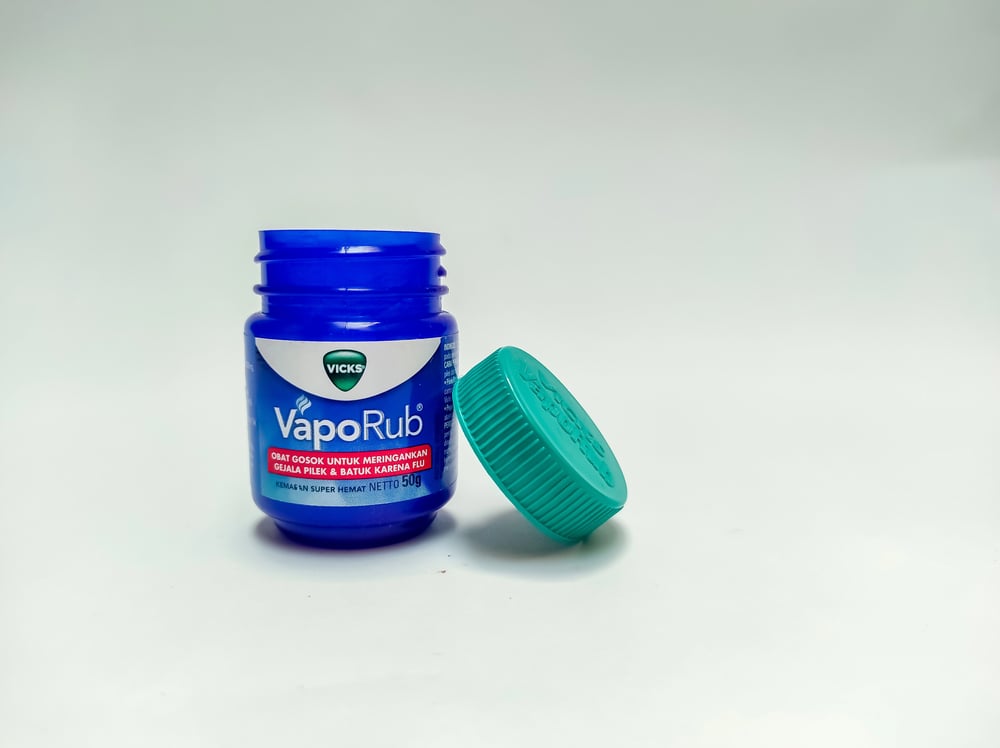
Pharmacist Lunsford Richardson developed a menthol-based salve in the 1890s and initially marketed it as a general-purpose ointment for a wide variety of ailments, from headaches to minor burns. The product’s cough and congestion relief use became dominant only gradually, cemented after a severe flu outbreak in 1918 drove massive demand specifically for its vapor-inhalation effect.
Murphy Oil Soap
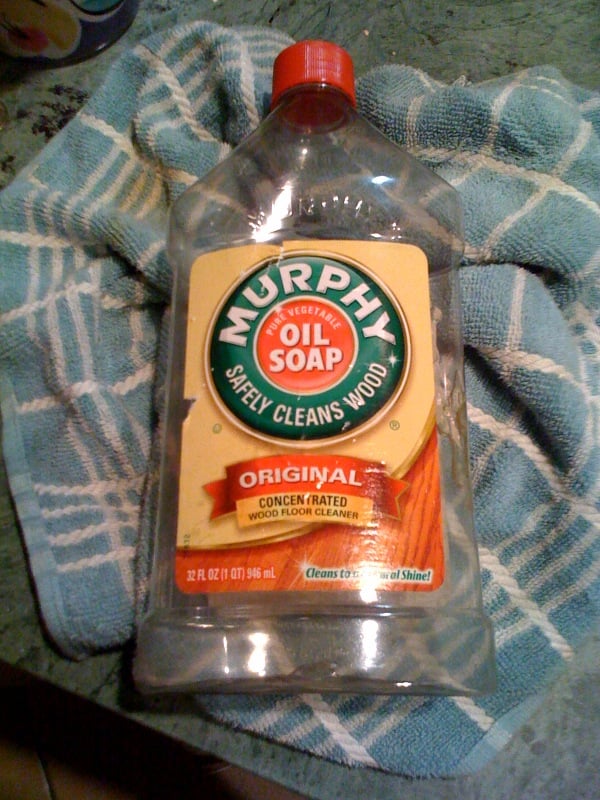
Developed in the 1890s, Murphy Oil Soap was originally formulated and sold primarily as a heavy-duty cleaner for industrial and commercial equipment. Its gentler formulation was later marketed toward home use, eventually becoming best known as a wood floor and furniture cleaner rather than an industrial product.
Duct Tape
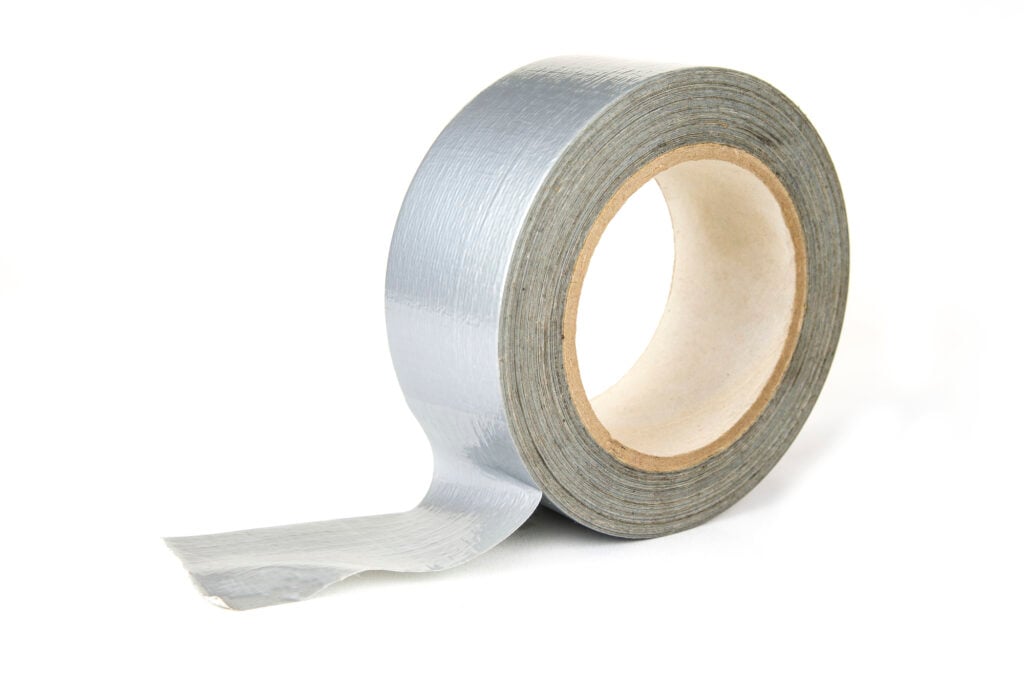
A cloth-backed, waterproof tape was developed during the Second World War to keep moisture out of sealed ammunition cases, valued for tearing easily by hand while remaining strong. After the war, workers found it useful for joining sheet metal heating and cooling ducts, which is how the product picked up the name it is sold under today.
Kotex
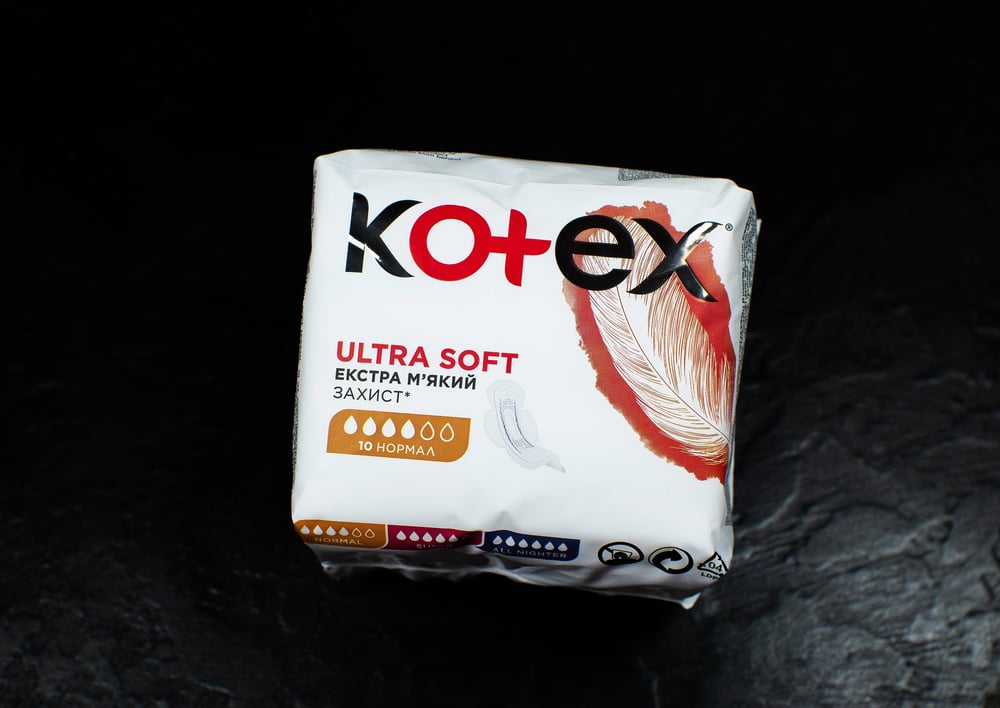
During the First World War, a cellulose-based material called Cellucotton was developed as an absorbent surgical bandage material for treating wounded soldiers. Nurses discovered additional practical uses for the surplus material after the war, and the manufacturer repurposed it into the Kotex product line starting in 1920.
Scotch Tape

3M developed a cellophane adhesive tape in 1930 originally intended for sealing and masking edges during the two-tone paint jobs popular in the automotive industry at the time. The tape’s usefulness for sealing packages and general household repair quickly overtook its original industrial application.
Lysol
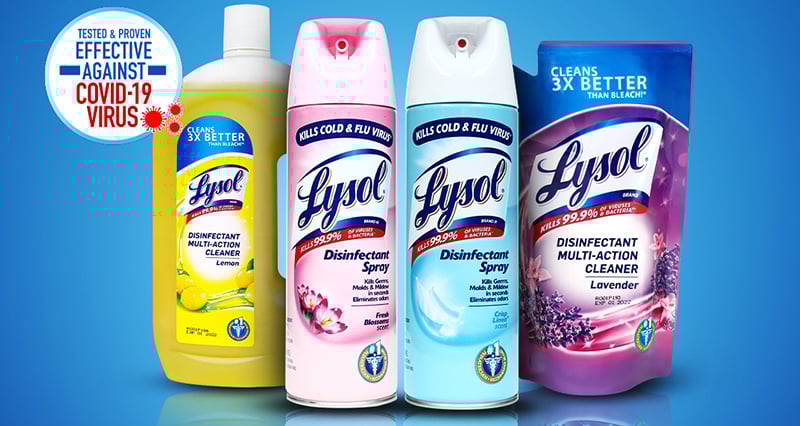
Introduced in Germany in 1889, Lysol was originally marketed as a powerful general disinfectant intended for hospitals, credited at the time with helping combat a cholera outbreak, and was later promoted for an unusually broad range of household uses. Its marketing gradually narrowed over the 20th century toward the surface and air disinfecting use most associated with the brand today.
Chewing Gum from Chicle
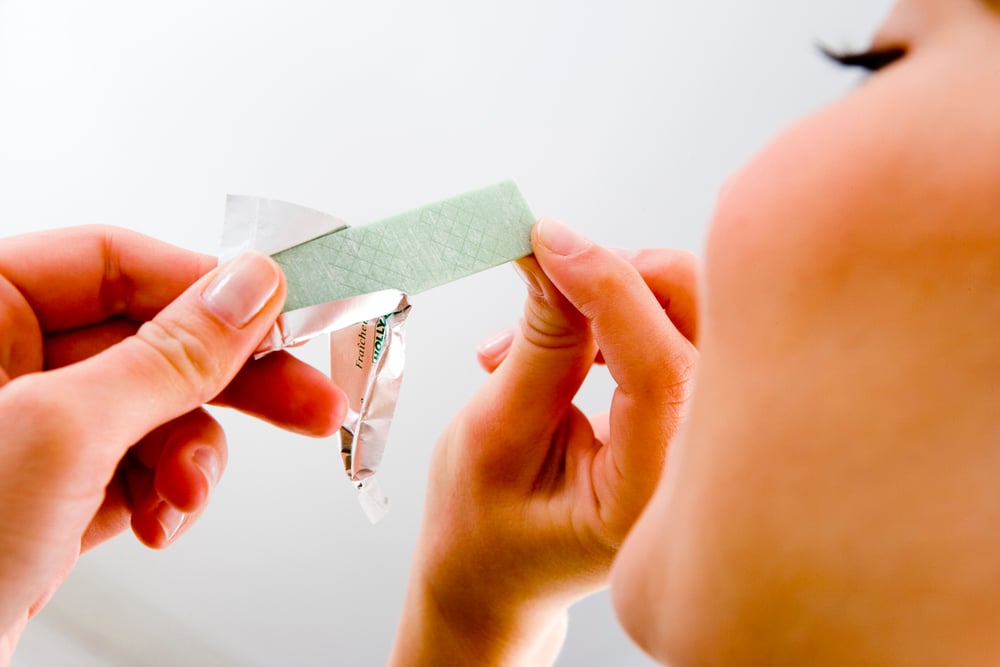
Inventor Thomas Adams acquired a supply of chicle, a natural latex from the sapodilla tree, in the 1860s while attempting to develop it as a rubber substitute for products like tires and toys. When the rubber experiments failed, Adams boiled the chicle down, added flavoring, and sold it as chewing gum instead, launching the modern chewing gum industry.
Marshmallow Candy
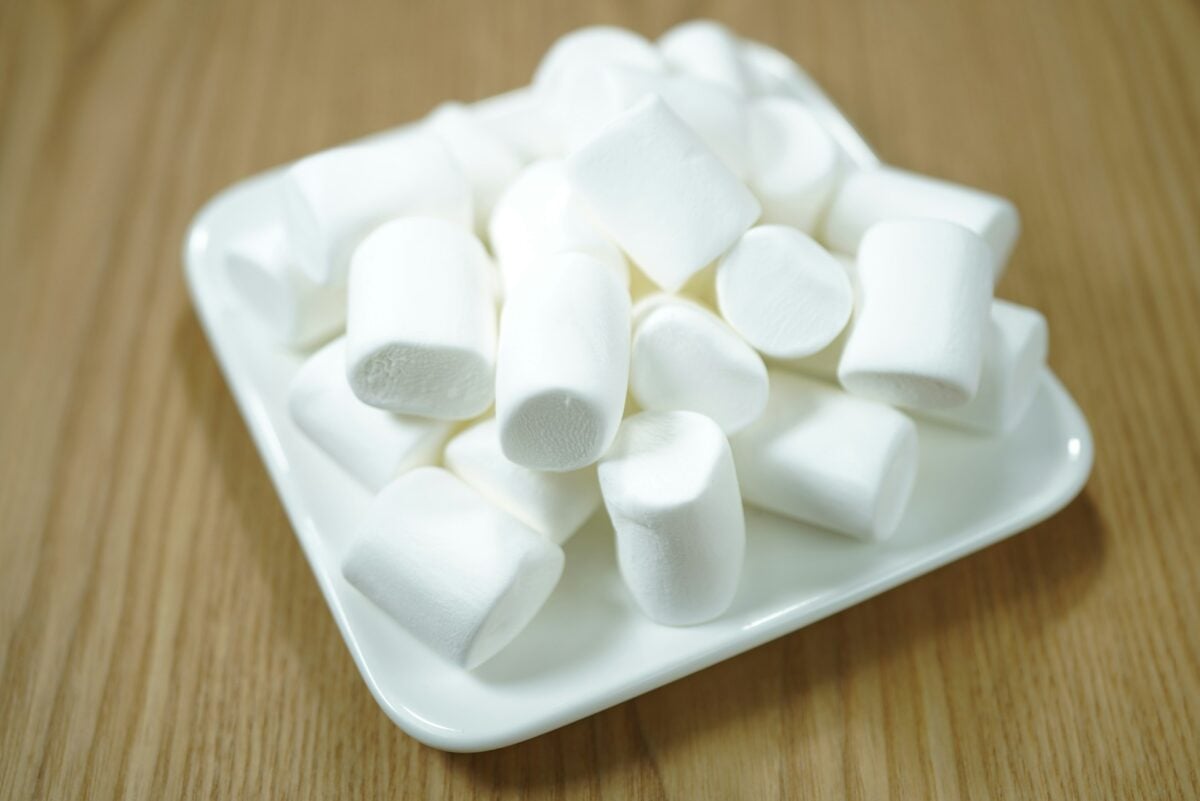
The marshmallow plant’s root was used in ancient Egypt and later in 19th-century France as a soothing medicinal remedy for sore throats, mixed into a paste-like confection for that purpose. As sugar confectionery techniques advanced through the 19th century, manufacturers gradually replaced the actual root extract with gelatin, turning the original throat remedy into the modern sugar candy.
The Accident Behind the Aisle

A striking number of these products exist because something else failed first. A wallpaper cleaner that stopped selling, a rubber substitute that would not bounce back right, a missile coating that employees liked too much to leave at work: in each case, the original assignment collapsed, and someone paying attention noticed the leftover had value anyway.
That pattern is easy to overlook once a product has spent decades sitting quietly on a supermarket shelf looking permanent and obvious. Almost nothing in a modern kitchen or bathroom cabinet started out intending to be there, and the ordinary version people reach for today is usually just the second, unplanned idea that happened to work better than the first.
More from Go2Tutors!

- The Romanov Crown Jewels and Their Tragic Fate
- 13 Historical Mysteries That Science Still Can’t Solve
- Famous Hoaxes That Fooled the World for Years
- 15 Child Stars with Tragic Adult Lives
- 16 Famous Jewelry Pieces in History
Like Go2Tutors’s content? Follow us on MSN.