28 Mistakes That Changed the Course of an Entire War
Wars are decided by armies, weapons, logistics, and leadership — or so the tidy version of history suggests. The messier truth is that some of the most pivotal moments in military history came down to something far more human: a bad call, a missed message, a commander who was too proud to ask for clarification, or a soldier who simply went the wrong way.
These weren’t abstract failures of strategy. They were specific, concrete blunders — the kind that, replayed just slightly differently, might have produced a completely different map of the world.
What follows are 28 of them.
The Charge of the Light Brigade
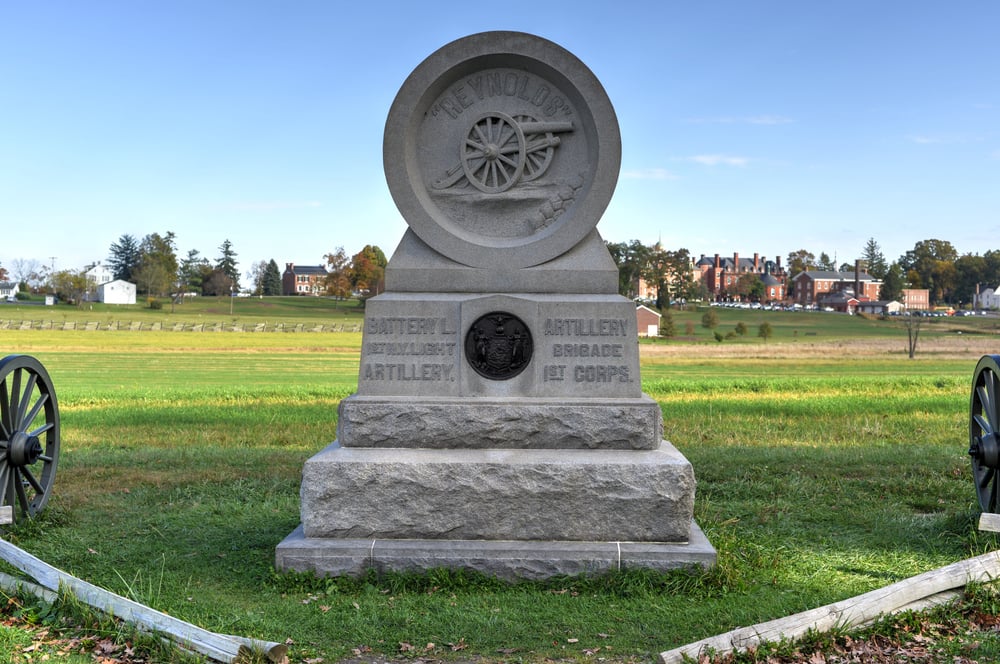
A miscommunicated order during the Battle of Balaclava in 1854 sent 670 British cavalry charging directly into a heavily fortified Russian artillery position. Lord Raglan meant to recapture guns on a different ridge entirely — Lord Lucan and Captain Nolan read the order as pointing toward the valley guns instead.
Over a third of the men were dead or wounded within twenty minutes.
Napoleon’s Decision to Invade Russia
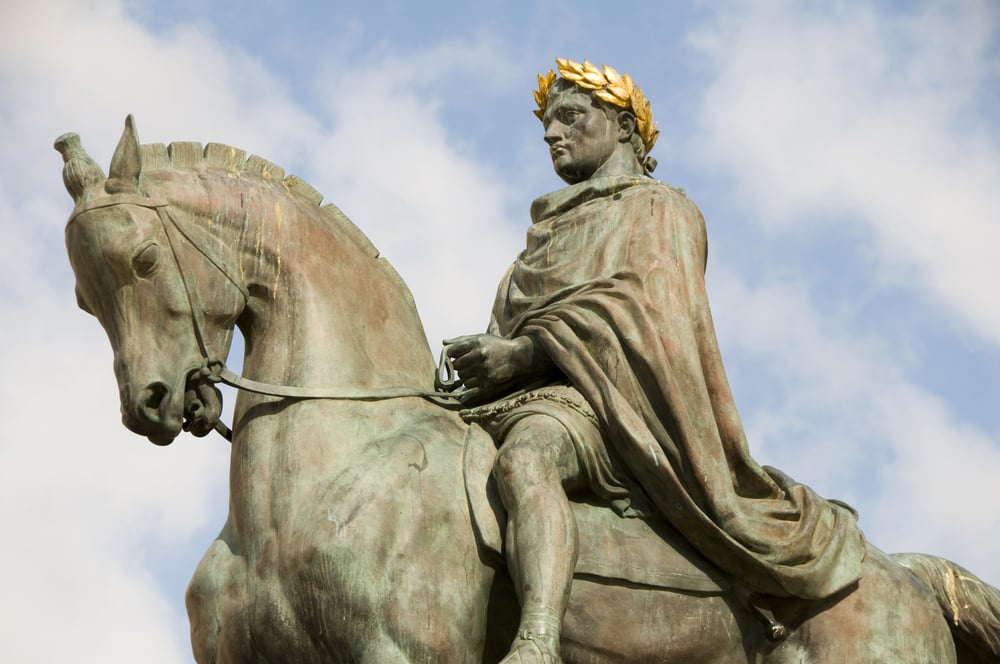
Napoleon invaded Russia in 1812 with roughly 685,000 men and lost the vast majority of them — not to Russian soldiers, but to winter, starvation, and a strategy that depended on a decisive early battle that never came. The Russians simply retreated, burning supplies as they went, and waited.
So Napoleon marched deeper into a country that had no intention of fighting him on his terms, and the army that came back was barely recognizable as one.
The Failure to Pursue at Gettysburg
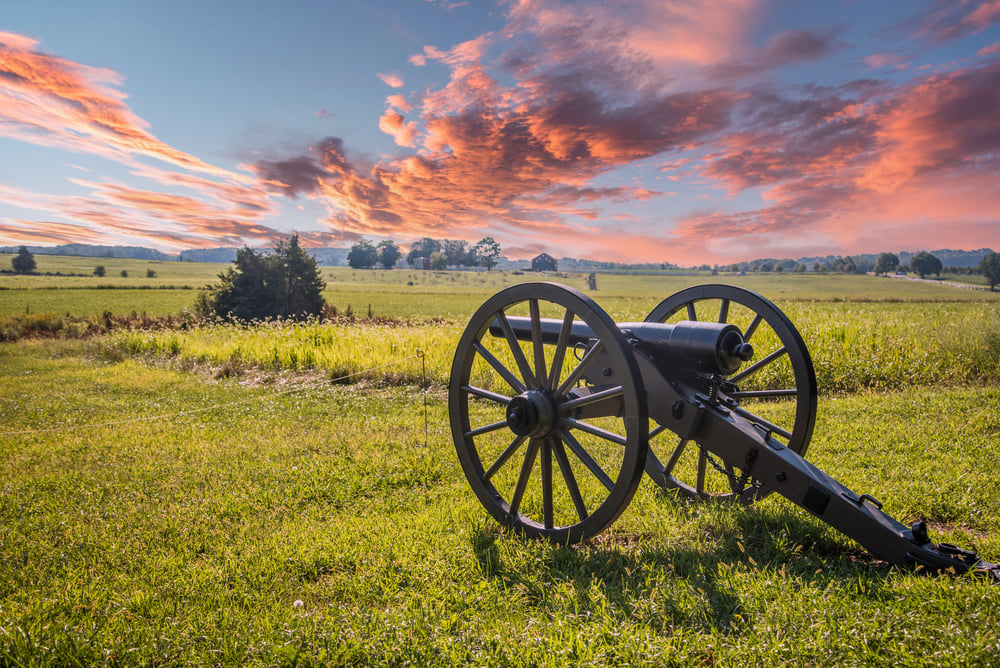
Gettysburg is remembered for what happened during those three days in July 1863 — but the war might have ended there if General Meade had ordered a pursuit of Lee’s retreating, battered army on July 4th. Lee’s men were exhausted, decimated, and cornered against a flooded Potomac River.
Meade hesitated, Lee crossed, and the war ground on for nearly two more years.
Hitler’s Halt Order at Dunkirk
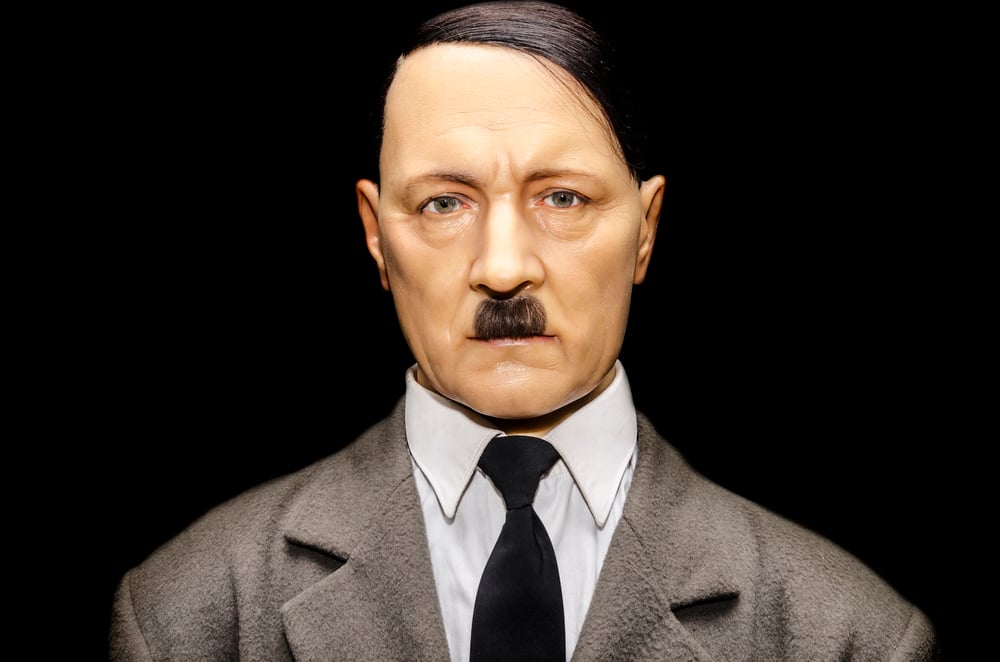
In May 1940, German Panzer units had the British Expeditionary Force effectively trapped against the English Channel. Hitler — persuaded partly by Göring’s insistence that the Luftwaffe could finish the job alone — issued a halt order that froze the armored advance for three critical days.
Over 338,000 Allied soldiers were evacuated. Those men would form the backbone of the armies that eventually liberated Western Europe.
Japan’s Decision to Skip the Oil Tanks at Pearl Harbor
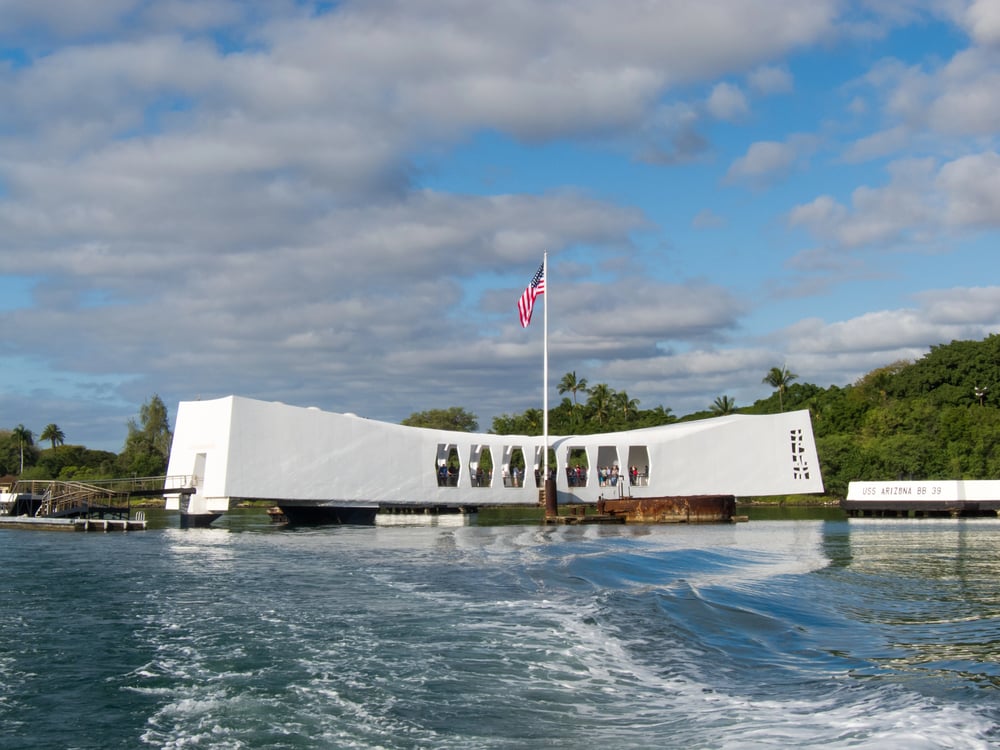
The Pearl Harbor attack of December 7, 1941 was devastating, but it left the Pacific Fleet’s fuel storage entirely intact — nearly 4.5 million barrels of oil sitting in above-ground tanks, completely exposed. Like a painter who finishes the wall and forgets the ceiling, Admiral Nagumo called off the third strike, satisfied with what had been destroyed.
Without those oil reserves, the U.S. Pacific Fleet might have been paralyzed for months rather than weeks.
The Misread Cipher at the Battle of Tannenberg
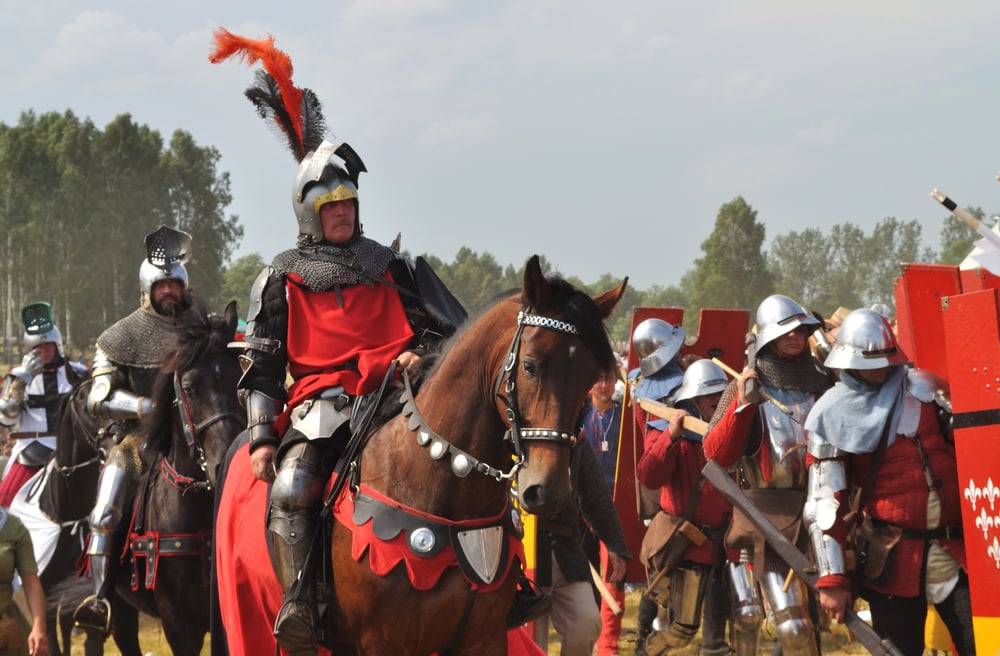
At the very opening of World War I, Russian forces in East Prussia transmitted their operational plans in the clear — unencrypted — because the two Russian armies couldn’t communicate with each other otherwise. The Germans intercepted the orders, repositioned their forces accordingly, and annihilated the Russian Second Army at Tannenberg in August 1914.
General Samsonov, encircled and defeated, walked into a forest and shot himself.
The Schlieffen Plan’s Underestimation of Belgium
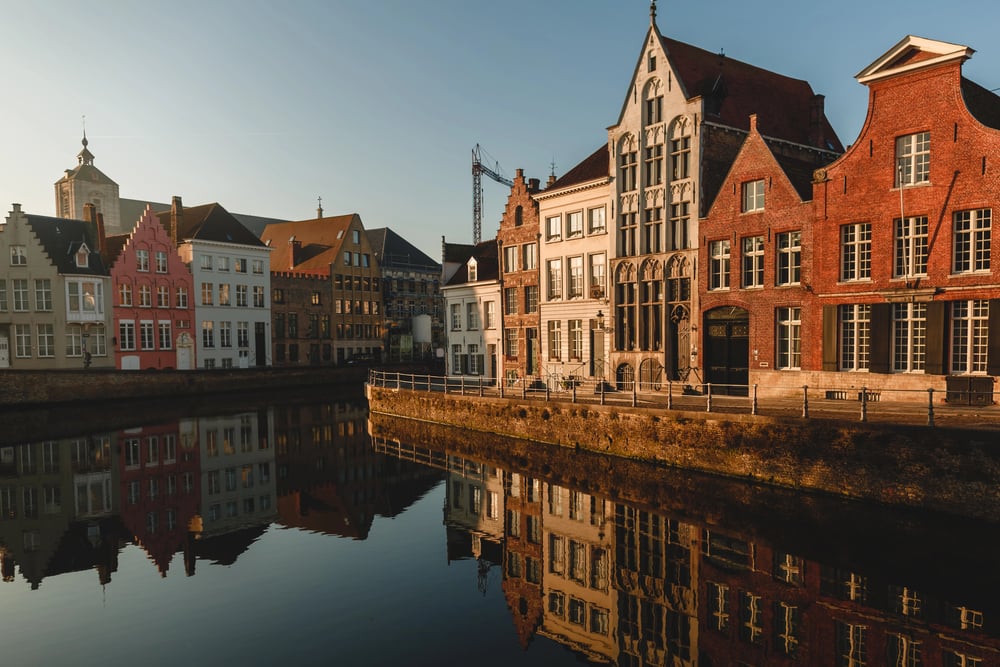
Germany’s entire western strategy in 1914 assumed Belgium would offer little or no resistance, allowing German armies to sweep through in days. Belgium fought, and fought stubbornly — holding up the German advance long enough for Britain to enter the war and for France to stabilize its lines.
The timetable collapsed before the war was three weeks old.
Stalin’s Refusal to Believe the German Invasion Was Coming
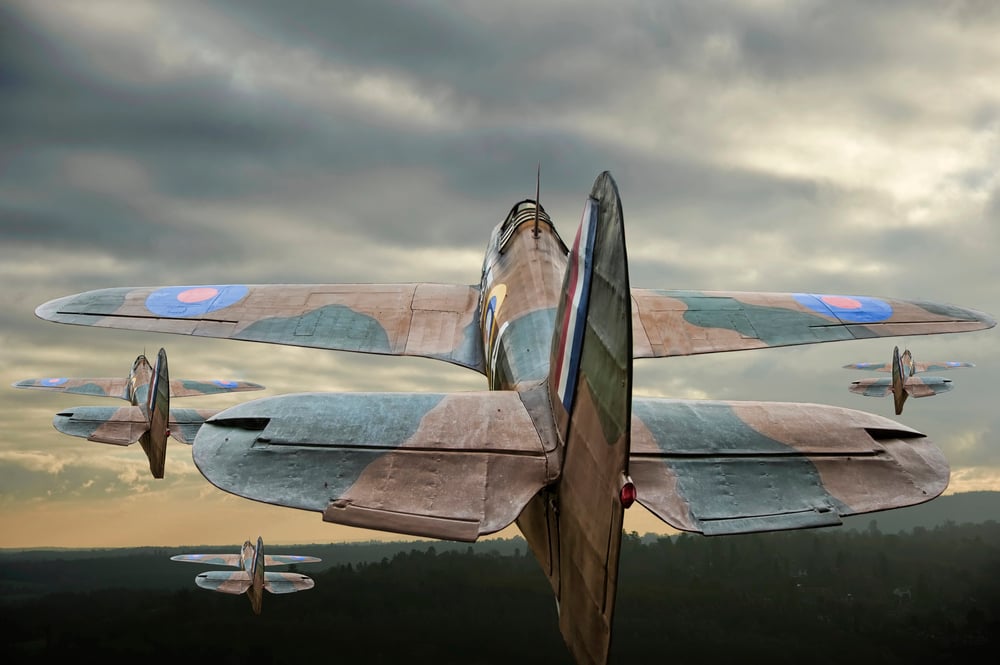
By June 1941, the Soviet intelligence apparatus had received over eighty warnings — from agents, defectors, and diplomatic sources — that Germany was about to invade. Stalin dismissed virtually all of them, convinced that Hitler wouldn’t open a second front.
Operation Barbarossa launched on June 22nd, catching the Red Army catastrophically unprepared; the Soviet Air Force lost over 1,200 aircraft on the first day alone, many of them still on the ground.
The Loss of Special Order 191
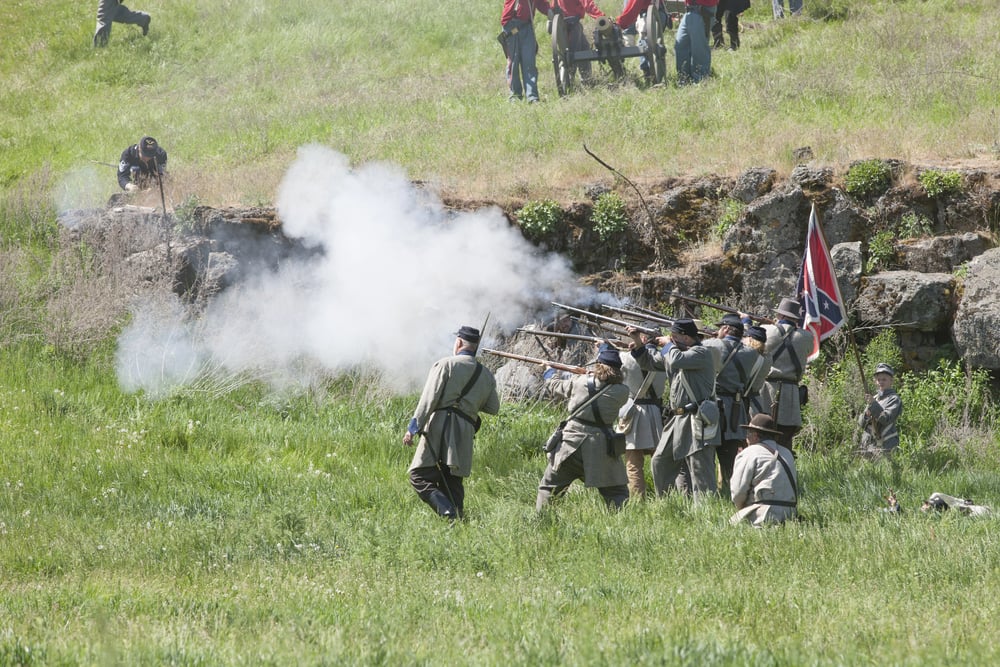
In September 1862, a copy of Robert E. Lee’s operational orders — detailing the entire disposition of the Confederate Army — was found wrapped around three cigars in a field outside Frederick, Maryland, and handed to Union General George McClellan. McClellan had Lee’s complete plan.
He moved too slowly to fully exploit it, but the intelligence still contributed to the Confederate defeat at Antietam, the bloodiest single day in American military history.
The British Failure at Gallipoli
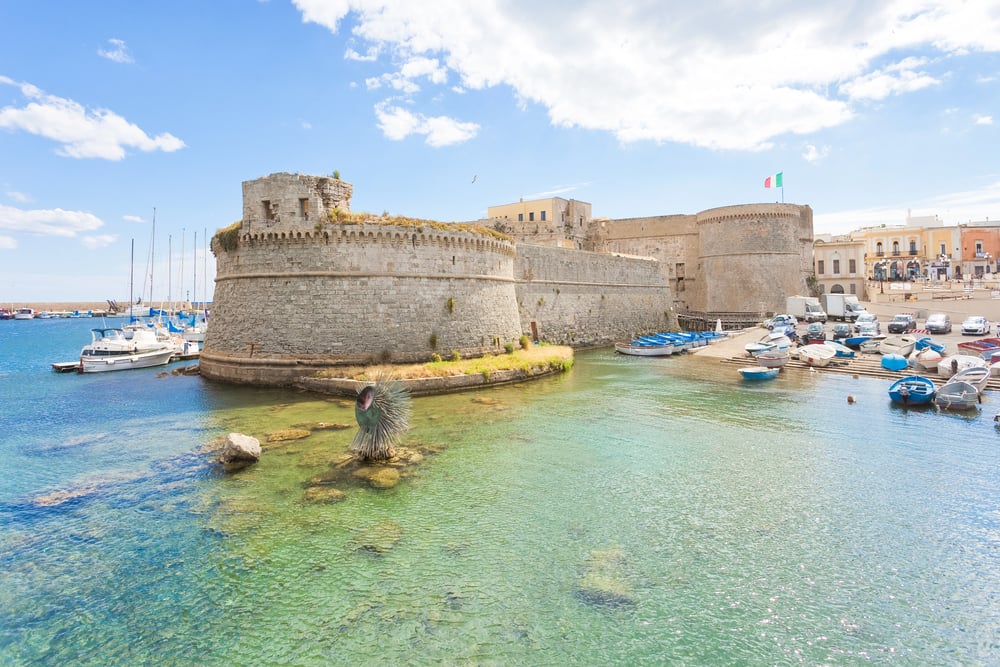
The Gallipoli landings in 1915 were meant to knock the Ottoman Empire out of the war and open a supply route to Russia. The concept had genuine strategic merit — it was the execution that became a catastrophe, with delays, poor intelligence about the terrain, and a command structure that seemed constitutionally incapable of pressing any advantage.
Men sat in trenches on those cliffs for eight months before the Allied forces withdrew, having accomplished nothing and lost over 56,000 dead.
Admiral Kimmel’s Unguarded Fleet
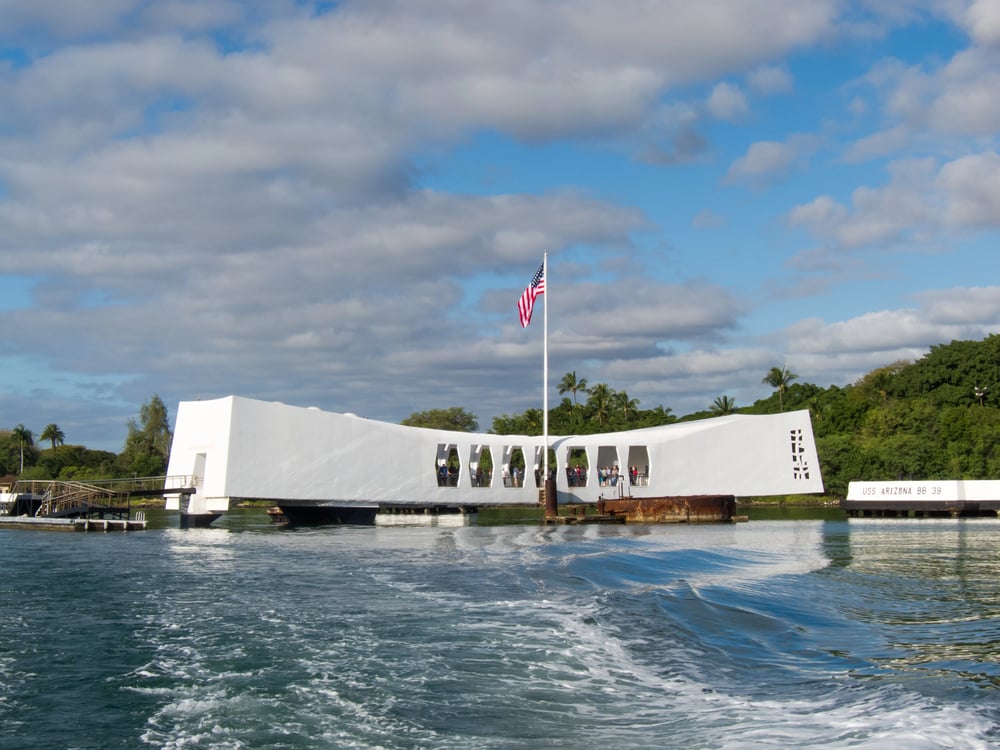
The U.S. Pacific Fleet at Pearl Harbor had no torpedo nets deployed, no aircraft on combat air patrol, and no meaningful warning system active on the morning of December 7th. To be fair, some of this was bureaucratic failure rather than individual negligence — but Admiral Husband Kimmel had access to enough intelligence intercepts to have been on a higher state of alert.
Turns out, “we didn’t think they’d actually do it” is not a viable strategic posture.
The Death of Stonewall Jackson
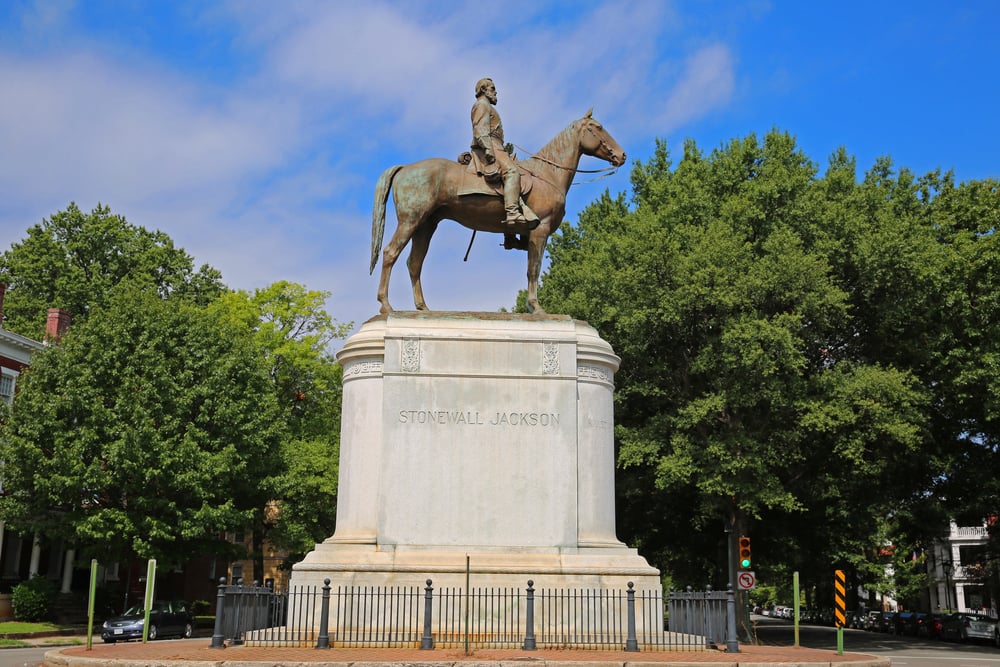
Stonewall Jackson was accidentally shot by his own men while returning from a night reconnaissance on May 2nd, 1863, during the Battle of Chancellorsville — his greatest tactical victory. He died eight days later from pneumonia following the amputation of his arm.
Lee, who said Jackson had lost his left arm while Lee had lost his right, would never have another subordinate capable of executing flanking maneuvers with that kind of autonomous ferocity.
The German Failure to Develop Radar Countermeasures
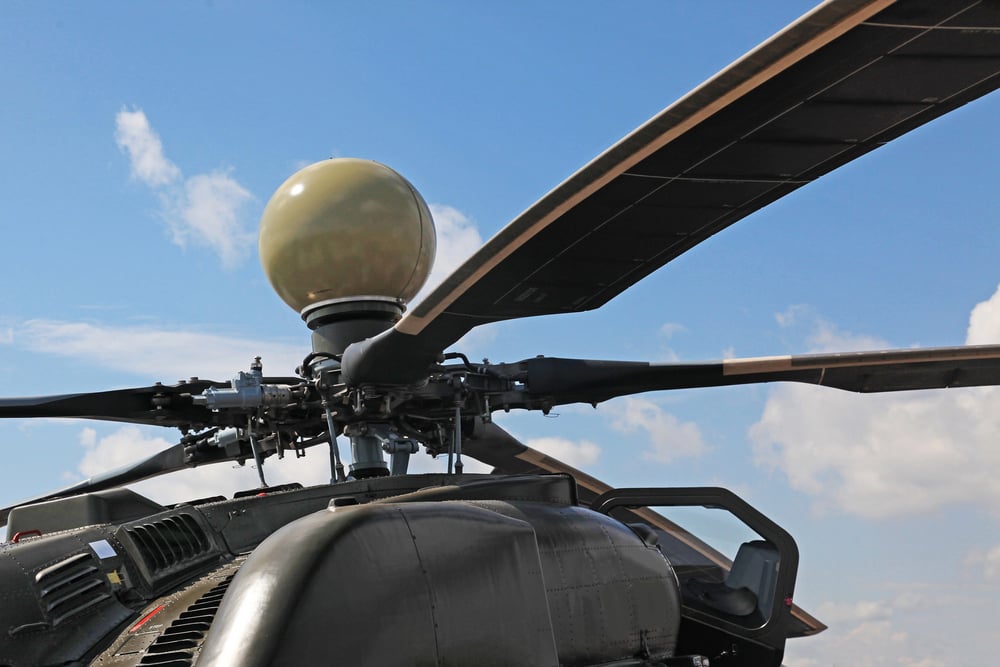
Britain’s Chain Home radar network was primitive by almost any technical standard — operating on frequencies that any competent engineer might have jammed, with towers that weren’t even camouflaged — and Germany’s Luftwaffe either failed to understand what those towers were doing or underestimated their value. Like a lock that looks flimsy but actually works, the system guided RAF fighters directly onto incoming German formations throughout the Battle of Britain.
The Luftwaffe never found a reliable way around it.
MacArthur’s Aircraft Caught on the Ground in the Philippines
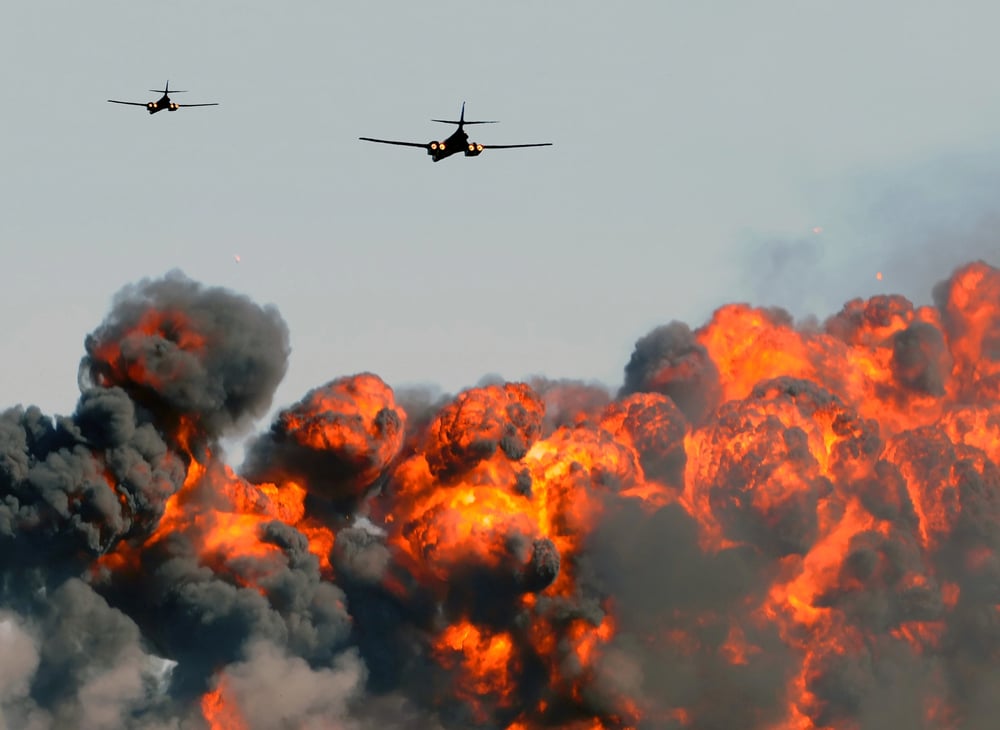
Nine hours after Pearl Harbor, with full knowledge that war had started, General Douglas MacArthur’s air forces in the Philippines were still sitting on the ground at Clark Field when Japanese bombers arrived. The reasons remain disputed — confused orders, MacArthur’s own paralysis, a bureaucratic delay — but the result was the destruction of his air power before it could mount any serious defense.
The Philippines fell within months.
The Kaiser’s Unrestricted Submarine Warfare Decision
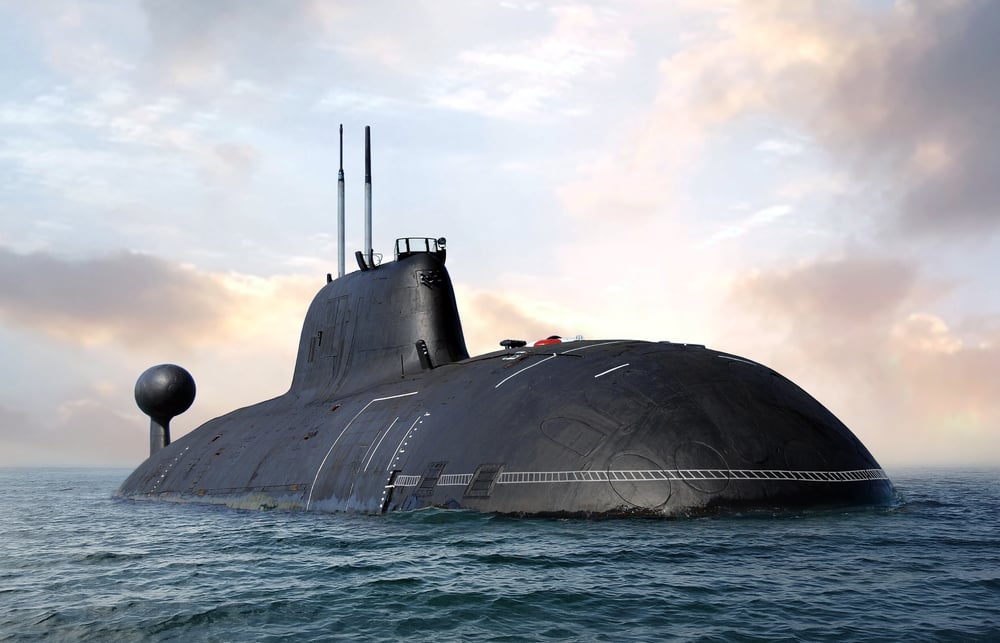
Germany’s decision in February 1917 to resume unrestricted submarine warfare — sinking any ship in British waters regardless of flag — was calculated on the assumption that Britain could be starved into submission before the United States could mobilize. The calculation was wrong on the timeline by roughly eighteen months, and the policy handed Woodrow Wilson the political justification to bring America into the war.
Germany gambled its entire strategic position on a shipping interdiction campaign and lost.
Rommel’s Absence Before D-Day
Field Marshal Erwin Rommel was in Germany on June 6, 1944, celebrating his wife’s birthday. He had requested additional Panzer reserves be positioned near the Normandy coast, been refused by Hitler, and then left for home — convinced, partly based on weather forecasts, that an invasion was at least several days away.
By the time he was back in France, the Allies had a foothold they would never relinquish.
The Confederate Loss at Antietam Creek Crossing
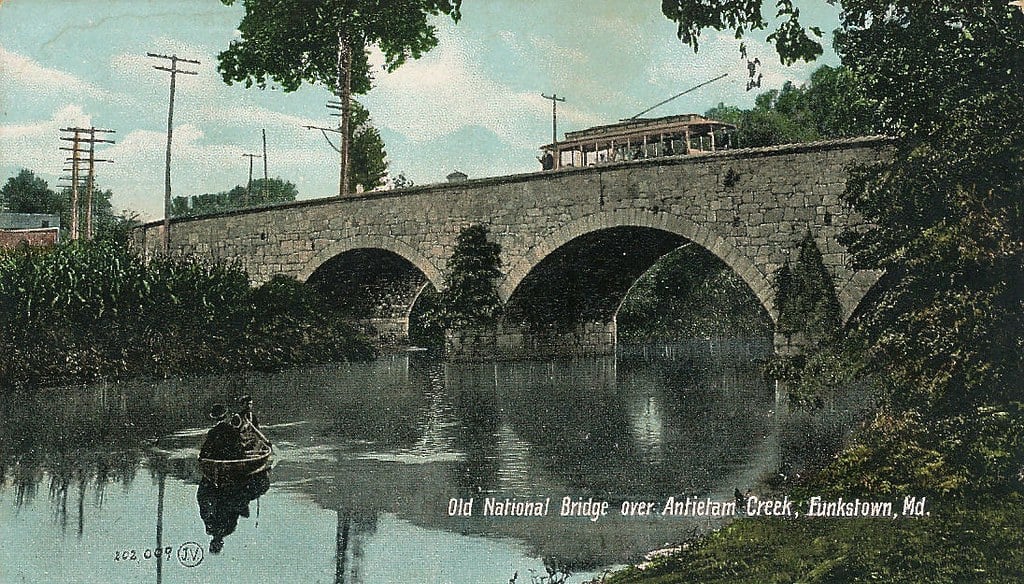
After Antietam, Lee was arguably beaten — his army battered, his invasion of the North stalled — and yet McClellan’s characteristic paralysis allowed the Confederates to withdraw in reasonable order across the Potomac. The political consequences were disproportionate: Lincoln had been waiting for a Union victory to announce the Emancipation Proclamation without it looking like an act of desperation.
Antietam gave him just enough cover, and the proclamation reshaped the war’s international dimension overnight.
The Miscommunication at the Battle of Chancellorsville
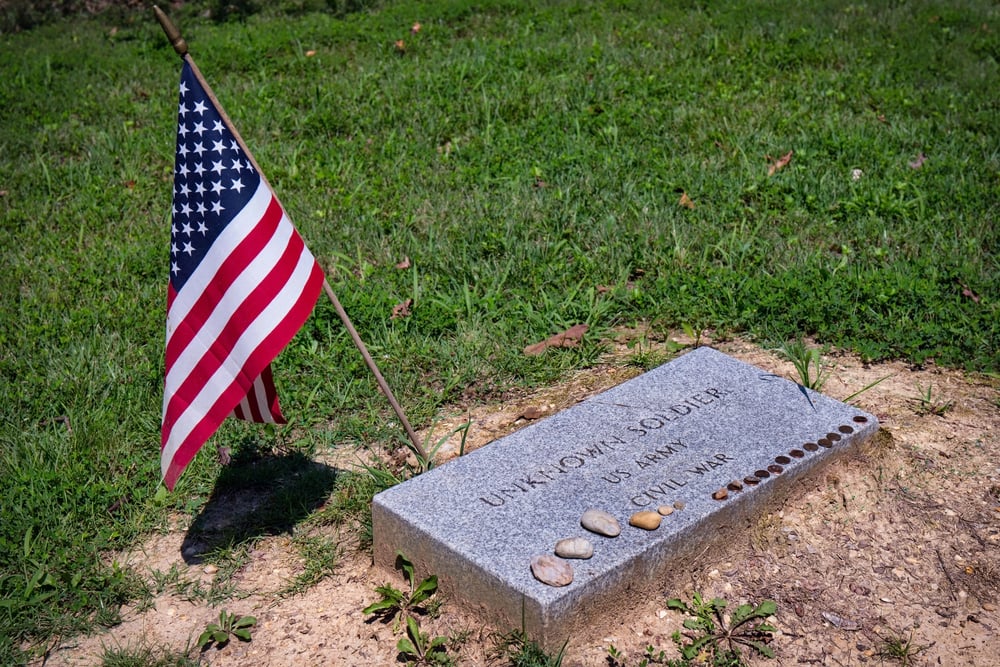
The Union Army’s defeat at Chancellorsville in May 1863 had a specific, traceable origin: General Joseph Hooker was briefly stunned by a near-miss cannon blast, and in the hours following the impact, he issued confused and contradictory orders that nullified every advantage his army had built. He wasn’t incapacitated — he simply wasn’t fully himself — and the Army of Northern Virginia, outnumbered two-to-one, won anyway.
Germany’s Redirection of the Blitz to London
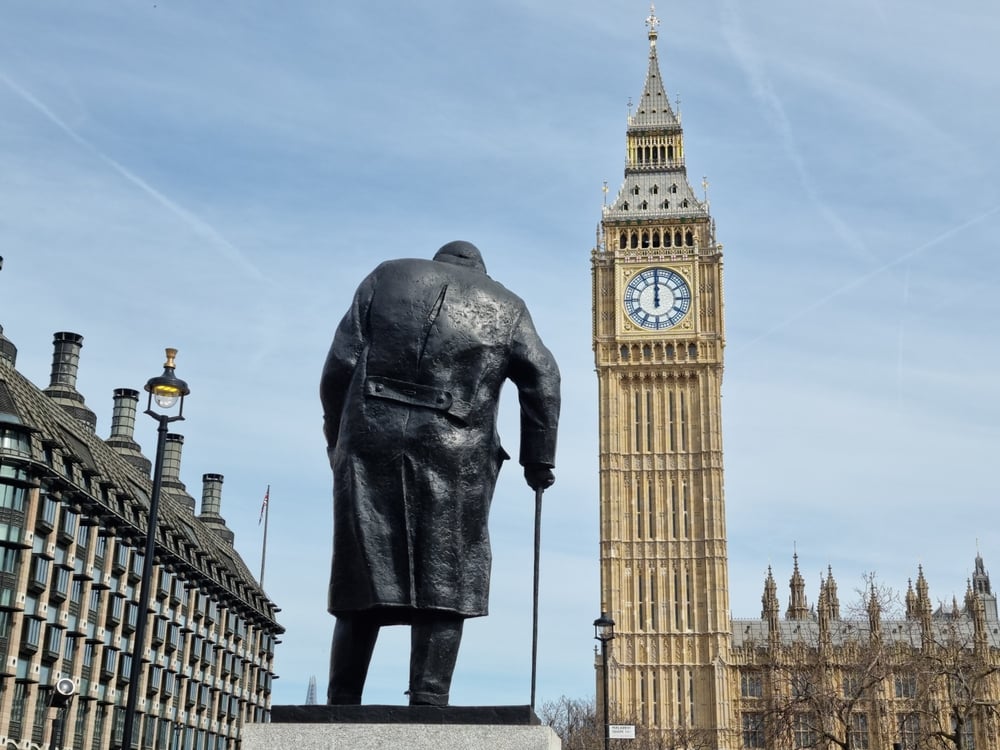
In August 1940, a German bombing navigation error caused bombs to fall on civilian areas of London. The RAF retaliated by bombing Berlin.
An infuriated Hitler ordered the Luftwaffe to shift its targeting from RAF airfields — which were close to collapse — to London. That decision gave the battered British fighter bases exactly the breathing room they needed.
The RAF survived; the Battle of Britain was won.
The American Failure at the Battle of the Kasserine Pass

The Kasserine Pass defeat in February 1943 was the U.S. Army’s first major engagement against the Germans in North Africa, and it was a disaster — green troops, inexperienced officers, poor coordination between units, and a command structure that sent reinforcements to the wrong locations. Two thousand Americans were killed and nearly 2,500 taken prisoner in a matter of days.
It was a brutal education, and it forced a reorganization that, one could argue, produced the army that actually won the war in Europe.
Japan’s Failure at the Battle of Midway
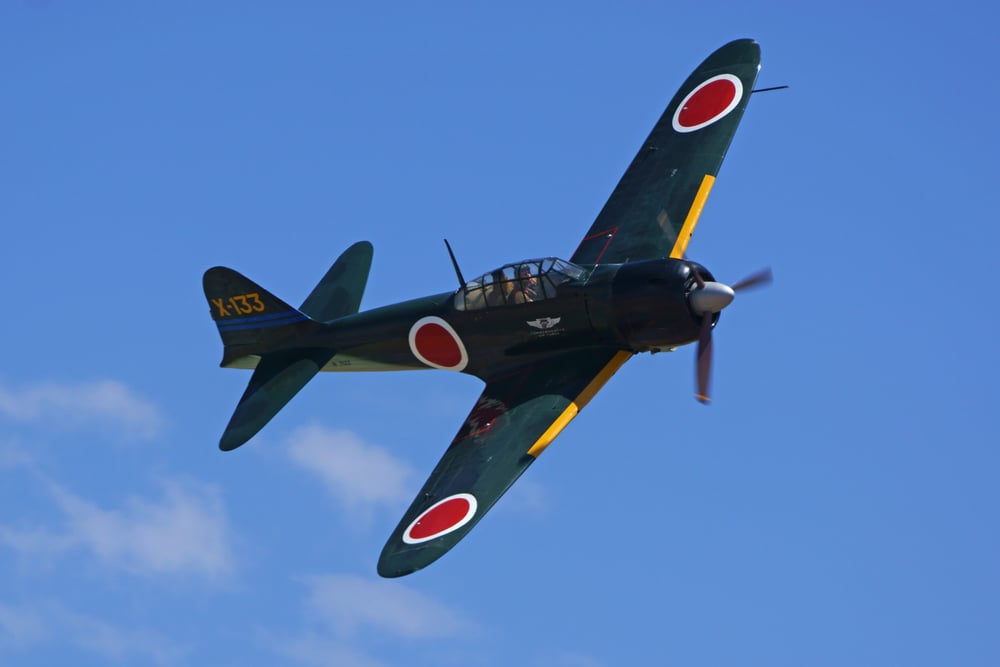
The Japanese plan at Midway in June 1942 was elaborate to the point of self-defeat — so many moving parts, so many assumptions, so little margin for error. Admiral Nagumo’s carriers were caught in the middle of rearming their aircraft (switching between bombs and torpedoes based on conflicting intelligence) when American dive-bombers arrived, and four fleet carriers went to the bottom in a single afternoon.
Japan never fully recovered its offensive naval capability in the Pacific.
The French Failure to Anticipate the Ardennes

In May 1940, the French and British high commands were thoroughly convinced that the Ardennes forest was too dense and too hilly to permit a major armored advance. The Germans thought otherwise, ran over 1,500 tanks through those exact hills, emerged behind the Allied lines, and cut the entire Allied force in two within a week.
It remains one of the most consequential intelligence failures in the history of modern warfare.
Custer’s Divided Force at Little Bighorn
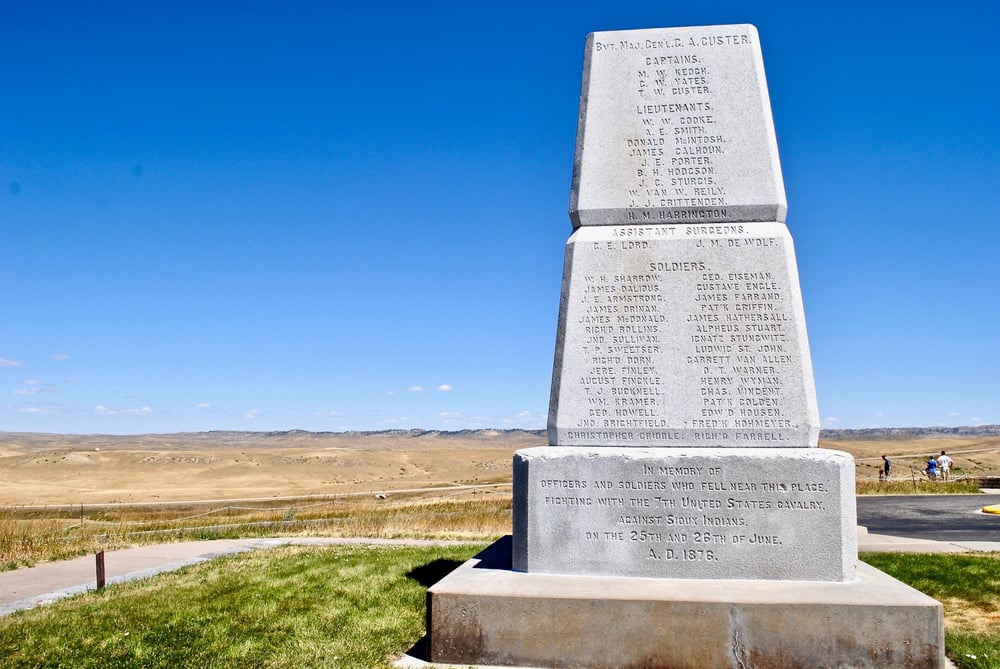
George Armstrong Custer divided his regiment into three separate columns before attacking a Lakota and Northern Cheyenne encampment he’d been warned was far larger than his scouts initially suggested. He had no reliable intelligence on the size of the force he was engaging, he split his men anyway, and he died with 268 soldiers on a hill in Montana in June 1876.
The exact reasoning behind his decisions remains debated, which is perhaps the most damning thing that can be said about them.
The Italian Armistice Announcement Disaster
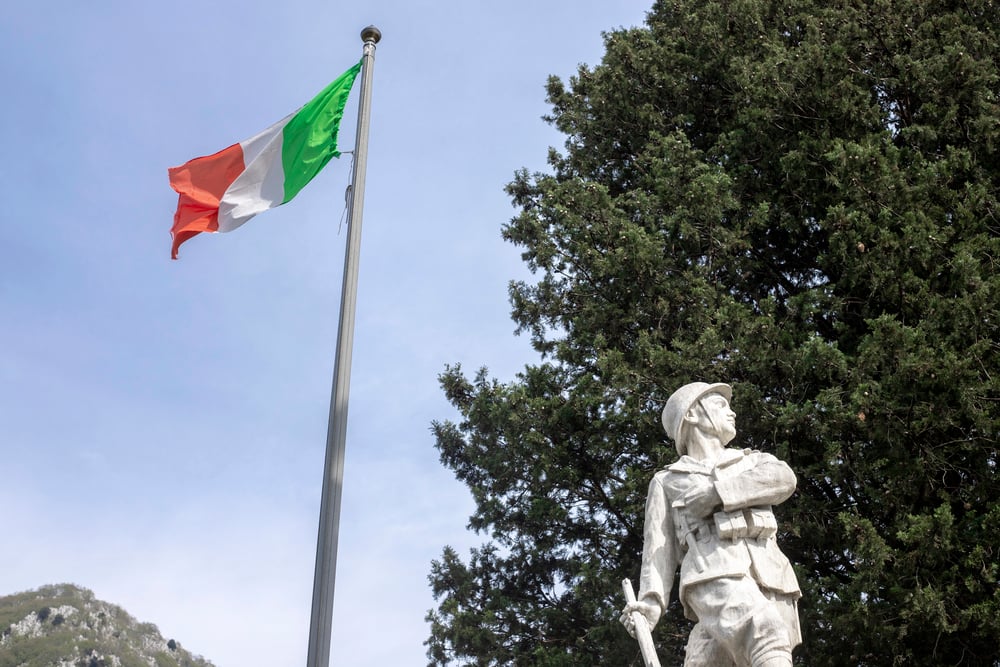
When Italy announced its armistice with the Allies in September 1943, the timing and handling were botched so badly that the Germans — who had anticipated the possibility — were able to disarm most of the Italian military within 48 hours before any coordinated resistance could be organized. The Allied plan assumed Italian forces would hold key positions; instead, most of those positions fell immediately to German troops.
The Italian campaign became far bloodier and more protracted than the initial planning had projected.
The British Failure at Singapore
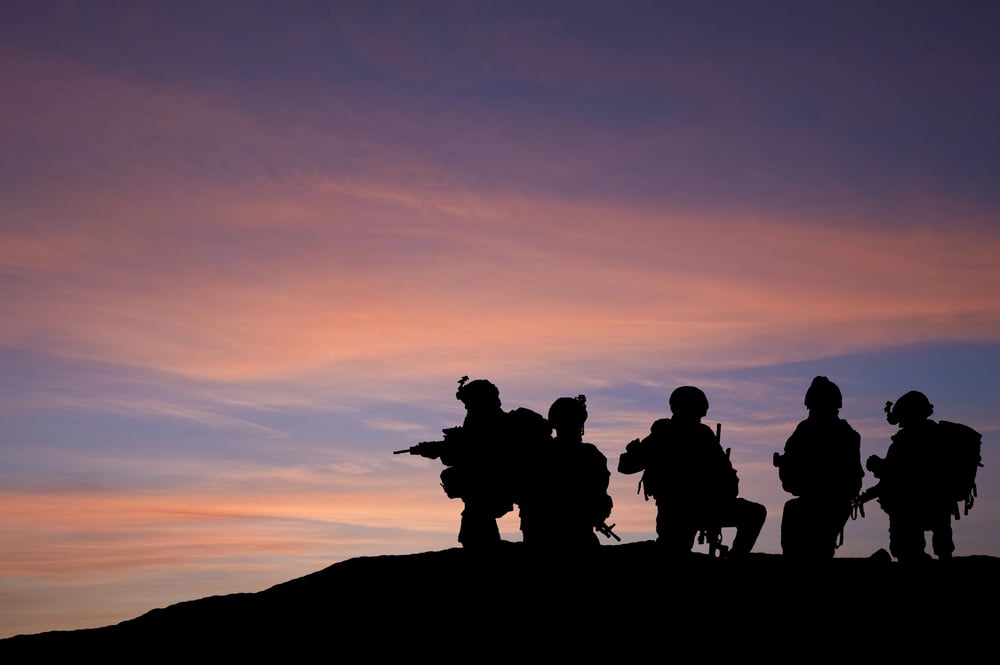
Singapore in February 1942 was supposed to be the impregnable fortress at the heart of Britain’s Pacific empire — a myth, as it turned out, built largely on bluster. The massive shore-facing guns were fixed or had limited traverse, the defenses on the northern land approach were minimal, and General Percival surrendered 80,000 troops to a Japanese force that was, by some estimates, outnumbered and nearly out of ammunition.
Churchill called it the worst disaster in British military history.
The Doomed Pickett’s Charge
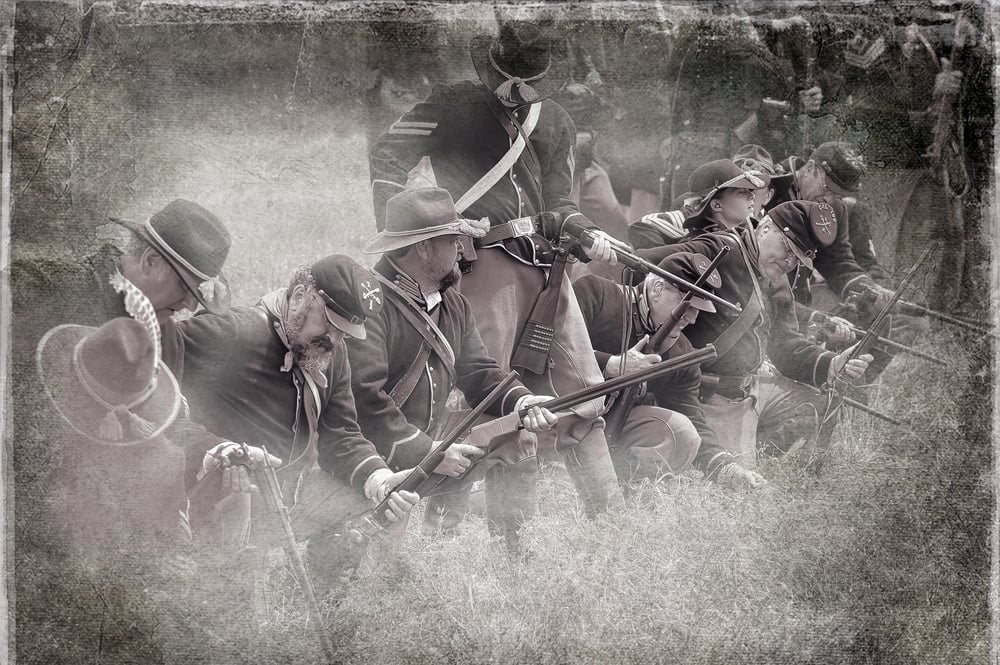
On the final afternoon of Gettysburg, General Lee ordered roughly 12,500 Confederate soldiers to cross nearly a mile of open ground under direct fire and assault the strongest point of the Union line on Cemetery Ridge. General James Longstreet, who was supposed to coordinate the attack, disagreed so fundamentally that he reportedly couldn’t bring himself to give the verbal order — he just nodded.
Over 6,000 Confederate soldiers were killed or wounded in under an hour.
The Failure to Reinforce Market Garden
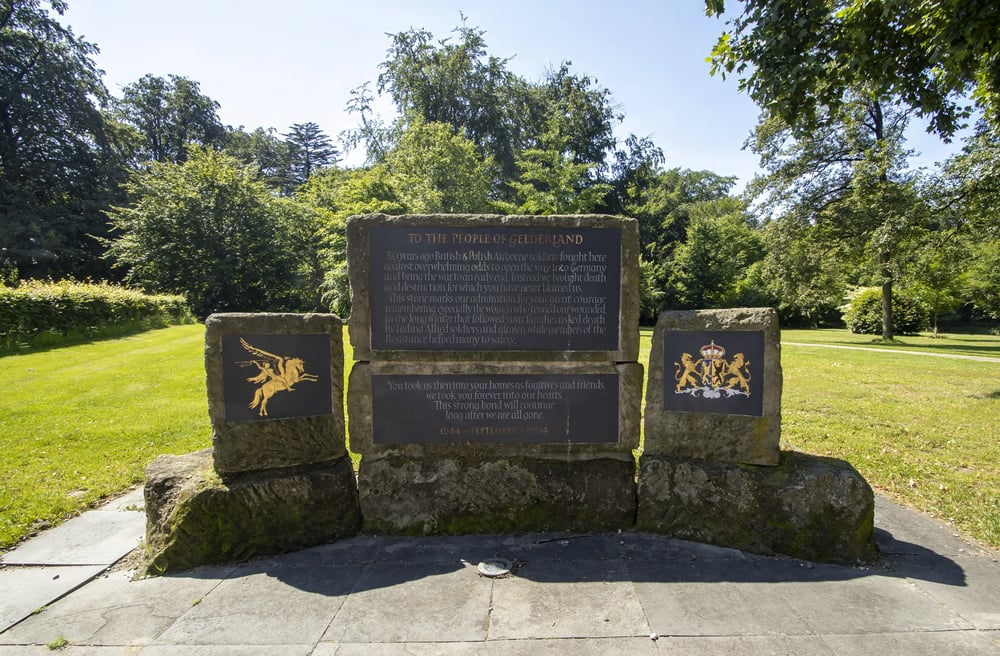
Operation Market Garden in September 1944 was designed to end the war by Christmas — a bold airborne thrust through the Netherlands to seize a series of bridges, culminating at Arnhem. Field Marshal Montgomery’s plan left the ground forces only one road for the entire advance, then allotted insufficient time and resources for the relief of the paratroopers at the far end.
The 1st Airborne Division was dropped nearly 8 miles from their primary objective, the reserve was withheld, and the operation collapsed.
The Bay of Pigs Aerial Strike Failure
The CIA’s plan for the 1961 Bay of Pigs invasion hinged on a preliminary air strike that would destroy the Cuban Air Force on the ground before the landing. The strike was reduced at the last moment — from 16 aircraft to 8 — for political reasons, and it failed to destroy the remaining Cuban jets.
Those jets then sank the supply ships carrying the invasion force’s ammunition and communications equipment on the second day. Without ammunition resupply, the 1,400-man Brigade 2506 had no realistic chance.
The Weight of a Single Wrong Turn
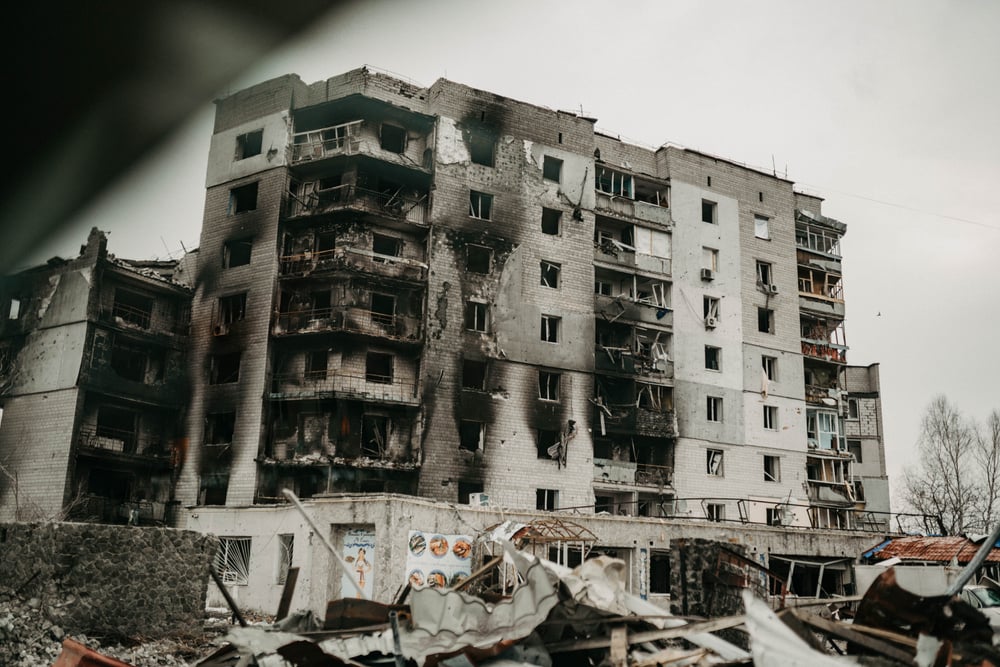
There’s something almost unbearable about how contingent history turns out to be. The driver who took the wrong turn in Sarajevo on June 28th, 1914 — returning Archduke Franz Ferdinand to the Appel Quay after the initial assassination attempt had failed — brought the car to a halt directly in front of Gavrilo Princip, who had given up and stopped to buy a sandwich.
Two shots, and the world that existed before that moment was gone. None of the 28 mistakes in this list happened in isolation — they happened because human beings, under pressure, with incomplete information and competing priorities, made calls that turned out to be wrong.
That’s not a comforting thought. But it’s the honest one.
More from Go2Tutors!

- The Romanov Crown Jewels and Their Tragic Fate
- 13 Historical Mysteries That Science Still Can’t Solve
- Famous Hoaxes That Fooled the World for Years
- 15 Child Stars with Tragic Adult Lives
- 16 Famous Jewelry Pieces in History
Like Go2Tutors’s content? Follow us on MSN.