28 Pieces of Music That Were Banned by Governments Terrified of Their Message
Music has always been more than entertainment. When artists pour their frustrations, hopes, and defiance into melodies, governments take notice.
Throughout history, songs have been banned, censored, and outlawed — not for their sound, but for their ability to unite people around dangerous ideas like freedom, equality, and truth. These 28 pieces of music were considered so threatening that entire governments moved to silence them.
Strange Fruit
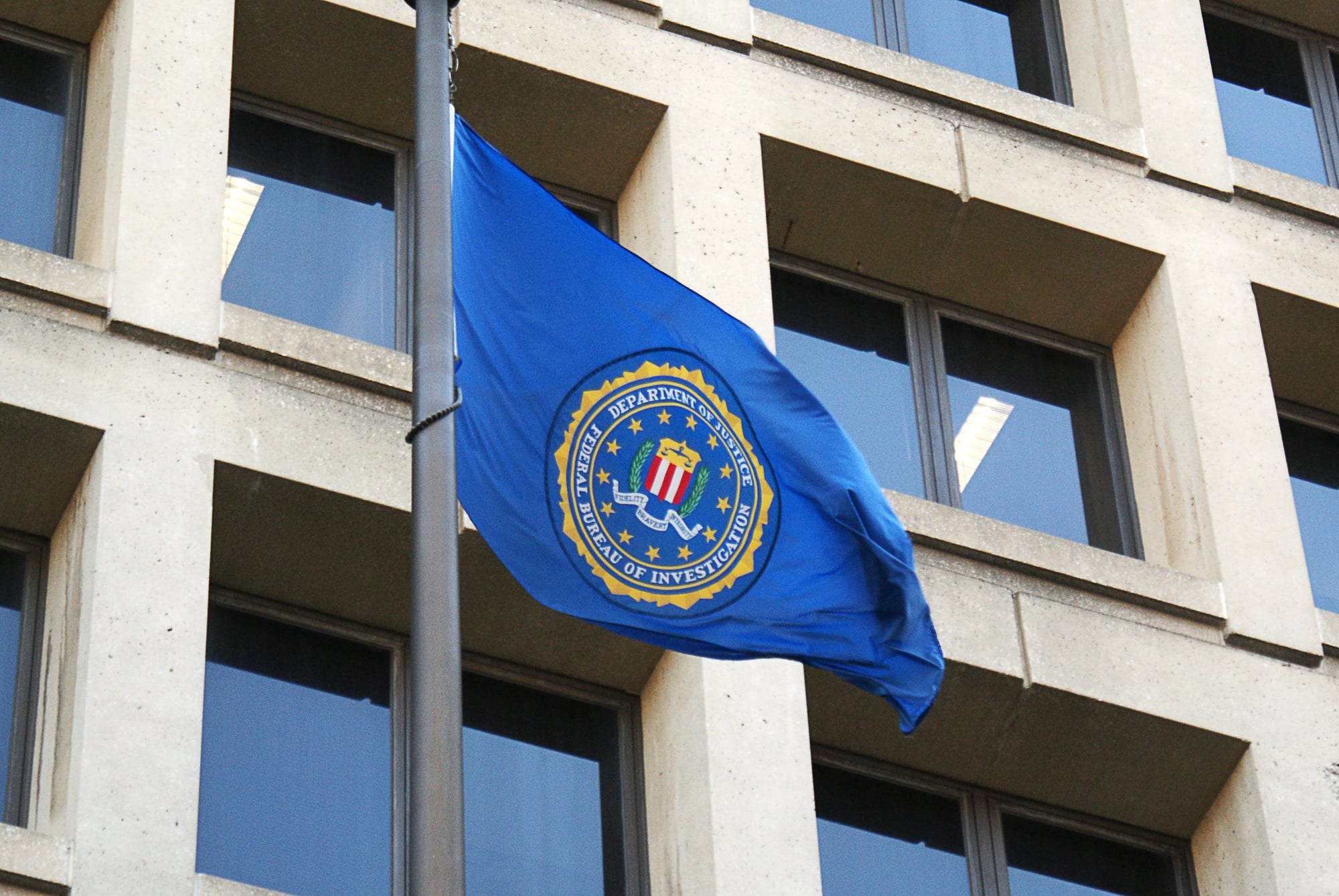
Billie Holiday’s haunting ballad about lynching in the American South got banned from radio stations across the country in 1939. The FBI kept a file on Holiday for years.
They knew what everyone in power knew: some songs don’t just describe injustice — they make it impossible to ignore.
Born in the U.S.A.
Reagan wanted to use it for his campaign (which tells you everything about how politicians hear what they want to hear), but radio stations and venues across conservative America banned Springsteen’s Vietnam critique when they finally listened to the lyrics. The irony was thick enough to cut with a knife, but the message was clear: questioning American wars wasn’t welcome, even when wrapped in an anthem that sounded patriotic.
We Shall Overcome
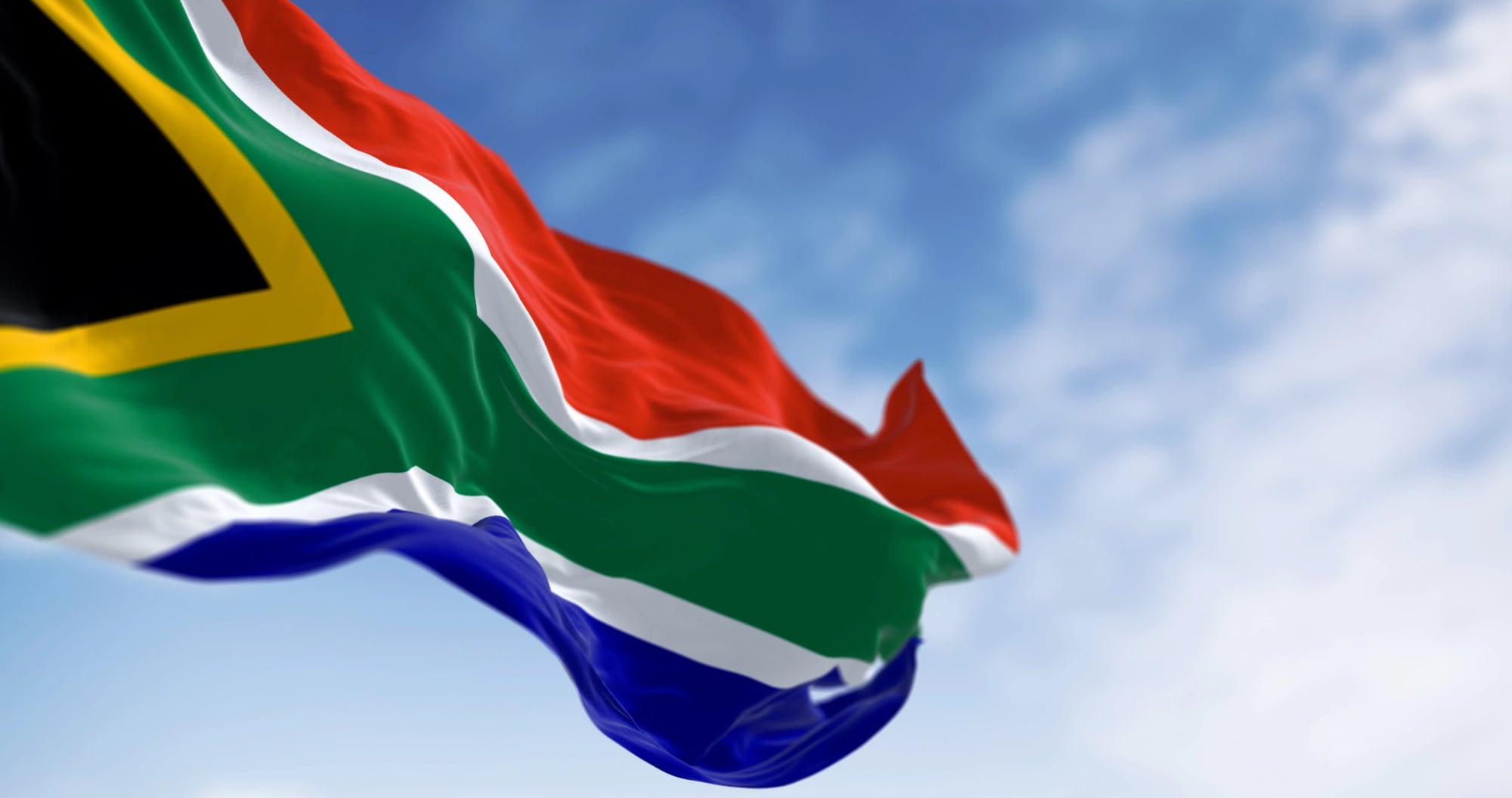
You’d think a song about hope would be harmless, but the South African apartheid government banned this civil rights anthem because they understood something most people miss: hope is the most dangerous emotion of all. When people start believing change is possible — that’s when governments start losing sleep.
And when that hope gets set to music, when it becomes something people can sing together in the streets, it transforms from an emotion into a movement.
Killing in the Name
Radio stations banned this track not just for profanity, but because Rage Against the Machine managed to distill everything wrong with police brutality into four minutes of pure rage. The BBC famously cut the microphone when the band performed it live, which only proved the song’s point about censorship and control.
Sometimes the response to art reveals more truth than the art itself.
Hurricane
The FBI kept tabs on Dylan, and this song about wrongful imprisonment didn’t help his case. Radio stations banned it for being too political.
Here was a folk singer turned rock star using his platform to expose judicial corruption, and the establishment responded exactly as you’d expect: by trying to silence the messenger rather than addressing the message.
Fight the Power
Public Enemy’s call to action got banned from numerous radio stations for its direct challenge to white supremacy. The song didn’t just criticize — it demanded action.
There’s a difference between protest music that lets people feel better about injustice and music that actually pushes them to do something about it. This fell squarely in the second category.
Zombie
The Cranberries’ take on the Northern Ireland conflict was banned by the BBC and multiple radio networks. Political violence has always made broadcasters nervous, but this song went further — it forced listeners to confront the human cost of political stubbornness.
When art makes people uncomfortable enough to examine their own complicity, that’s when censors start reaching for the off switch.
Ohio
CSNY recorded this about the Kent State shootings, and radio stations across America refused to play it. The song was raw, immediate, and angry — everything that makes authorities nervous.
Four dead students became four minutes of music that asked questions nobody in power wanted to answer. The speed of the ban told you everything about how quickly protest music could spread and how afraid officials were of that spread.
Imagine
Banned during the Gulf War for its pacifist message, Lennon’s utopian dream suddenly seemed too dangerous for wartime radio. The irony wasn’t lost on anyone: a song about peace getting silenced during a conflict, proving exactly why we needed to imagine something better in the first place.
Get Up, Stand Up
Marley’s call for human rights was banned across multiple countries, particularly in South Africa and parts of the Caribbean where his message hit too close to home. Reggae had always carried political weight, but this song stripped away any ambiguity — it was a direct instruction manual for resistance.
Governments don’t ban music because it sounds bad; they ban it because it works.
The song worked like a slow burn rather than an explosion. It didn’t scream its message (though Marley certainly could when he wanted to) — instead, it planted an idea and let that idea grow.
When someone tells you to get up and stand up for your rights, they’re not just making a suggestion; they’re handing you a blueprint for change, and that blueprint becomes harder to ignore when it’s backed by a rhythm that gets inside your head and stays there.
Blowin’ in the Wind
Dylan’s seemingly innocent questions about war and freedom got banned from radio during Vietnam. The song never stated a position outright, but asking the right questions can be more dangerous than shouting the wrong answers.
Sometimes the most subversive thing you can do is make people think.
Say It Loud – I’m Black and Proud
James Brown’s declaration of Black pride was banned from multiple radio stations in 1968, right when America was grappling with civil rights. The establishment had grown somewhat comfortable with protest songs that asked for equality — but a song that declared pride, that refused to apologize for existing, that shifted the conversation from pleading to proclaiming?
That was a different threat entirely.
Brown wasn’t asking for anything. He was stating a fact and daring anyone to argue with it.
The song became a anthem not because it complained about injustice, but because it celebrated identity without seeking permission first.
The Times They Are A-Changin’
Another Dylan track that made authorities nervous, this one got banned for its direct challenge to established order. Radio stations didn’t want to broadcast a song that told older generations to step aside.
The message was clear: change was coming whether you liked it or not. That kind of certainty makes people in power very uncomfortable.
War
Edwin Starr’s Vietnam-era anthem asking “What is it good for?” was banned from radio stations across America for its anti-war stance. The song didn’t parse the complexities of foreign policy or debate the merits of different conflicts — it simply declared war itself to be pointless.
That kind of blanket statement was too dangerous for airwaves during wartime.
A Change Is Gonna Come

Sam Cooke’s civil rights anthem got banned from numerous Southern radio stations for its hopeful message about racial equality. The song combined gospel tradition with political activism in a way that made it impossible to dismiss as either purely religious or purely political.
When music transcends categories like that, it becomes harder to contain — and more necessary to ban.
Fortunate Son
CCR’s critique of class inequality during Vietnam was too pointed for many radio stations. The song called out the wealthy for avoiding military service while poor kids did the fighting.
That kind of class consciousness, set to a catchy rock rhythm, was exactly the kind of thing that made establishment figures nervous about popular music’s political potential.
You can trace a direct line from this song to every subsequent piece of music that dared to point out how different rules apply to different classes. The melody was irresistible, but the message was uncomfortable: some people’s children go to war, and other people’s children go to college.
When that observation gets wrapped in three minutes of perfect rock and roll, it becomes much harder to ignore.
Universal Soldier
Buffy Sainte-Marie’s anti-war ballad questioning individual responsibility for violence was banned during multiple conflicts. The song didn’t just critique war — it asked listeners to examine their own role in perpetuating it.
That kind of personal accountability was more threatening than general protest because it couldn’t be dismissed as someone else’s problem.
The song worked because it refused to let anyone off the hook. Politicians start wars, but individuals fight them.
The question wasn’t whether war was wrong — it was whether you, personally, would choose to participate.
Give Peace a Chance
Lennon’s simple plea for non-violence was banned during various military conflicts for its pacifist message. The song’s strength lay in its simplicity — it didn’t offer complex political solutions or nuanced foreign policy alternatives.
It just asked people to consider peace as an option, which apparently was too radical for wartime radio.
I Can See Clearly Now

Johnny Nash’s optimistic song about personal clarity and overcoming emotional obstacles has been mischaracterized as politically dangerous. While the song’s hopeful message might resonate broadly, the claim of government bans for inspiring political change lacks documented support, as the song itself addresses personal relationships rather than political systems.
Masters of War

Dylan strikes again with this direct attack on war profiteers. Radio stations banned it for naming names and pointing fingers at those who profit from conflict.
The song didn’t just oppose war — it identified specific people responsible for perpetuating it. That kind of targeted criticism was too dangerous for public airwaves.
People Get Ready
Curtis Mayfield’s spiritual call for social change was banned from certain radio markets for its civil rights message. The song combined religious imagery with political activism in a way that made it hard to dismiss as either purely spiritual or purely political.
That ambiguity made it more powerful and more threatening to those who wanted to maintain the status quo.
The track operated on multiple levels simultaneously — you could hear it as a gospel song about salvation, or as a protest song about civil rights, or as both at once. That flexibility made it harder to ban outright (how do you ban a spiritual?) but also more subversive (how do you contain a message that works on multiple frequencies?).
So certain markets simply refused to play it, hoping that silence would prevent the song’s various meanings from taking root.
Eve of Destruction
Barry McGuire’s apocalyptic view of the 1960s was banned from numerous radio stations for its dark assessment of American society. The song listed current problems without offering solutions, which made authorities nervous about its potential to spread despair and discontent.
Sometimes describing reality accurately is the most subversive thing you can do.
Which Side Are You On?

This labor union anthem by Florence Reece was banned from radio during various labor disputes. The song forced listeners to choose sides rather than remaining neutral, which made it dangerous during times when authorities preferred public apathy to public engagement.
Beds Are Burning
Midnight Oil’s song about Aboriginal land rights was banned from certain Australian radio stations for its political content. The band used their platform to highlight indigenous issues that the government preferred to ignore.
When music shines light on inconvenient truths, censorship often follows.
White Man’s Got a God Complex
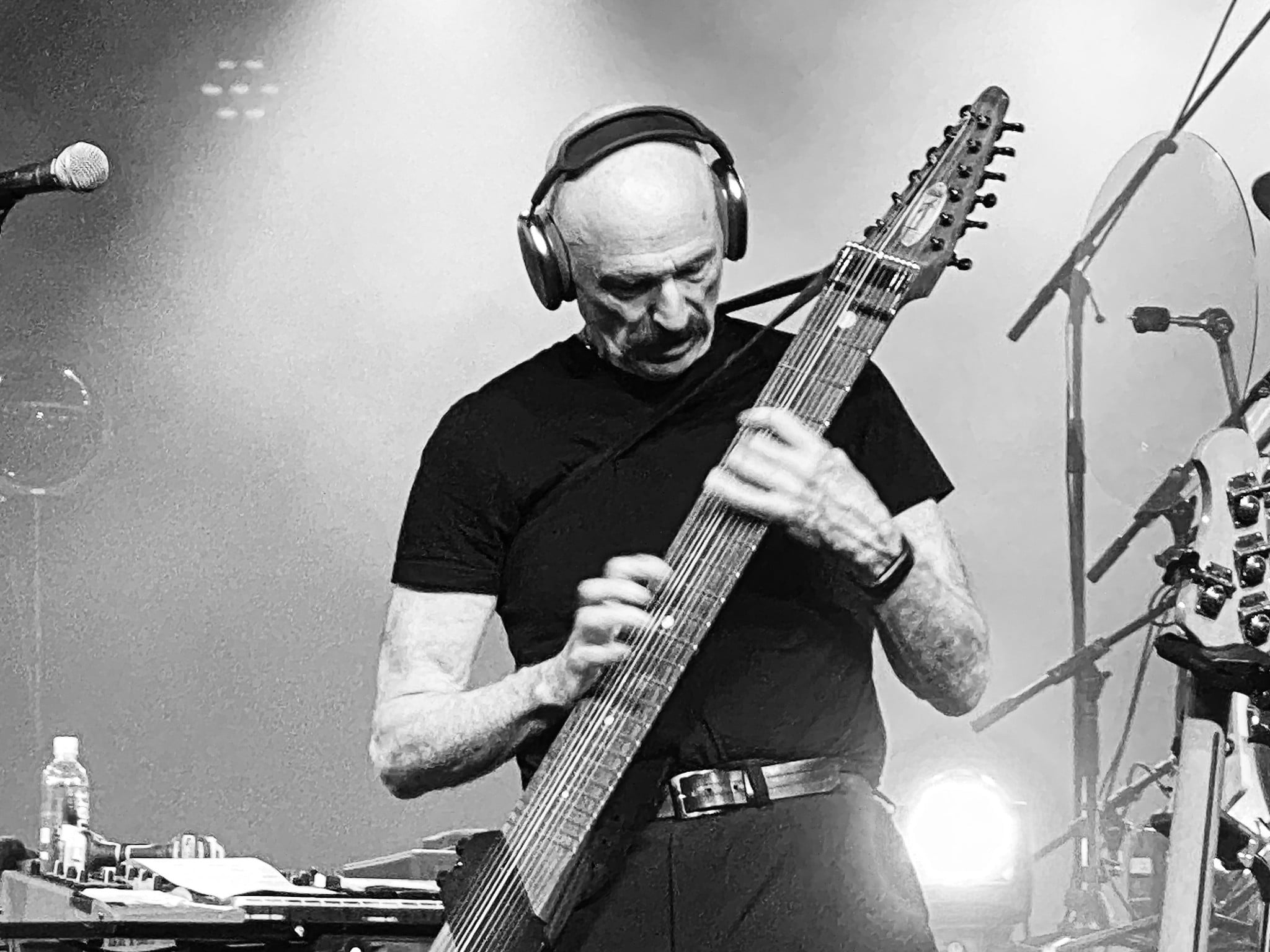
King Crimson’s critique of colonialism and religious imperialism was banned in several countries for its direct challenge to Western dominance. The song questioned fundamental assumptions about cultural superiority that many governments weren’t ready to examine.
Sometimes a song gets banned not because of what it says directly, but because of the questions it raises indirectly. This track forced listeners to confront uncomfortable truths about power, religion, and cultural domination — topics that colonial and post-colonial governments would rather leave unexamined.
The ban was really an admission: yes, we do have a god complex, and no, we don’t want to talk about it.
Won’t Get Fooled Again
The Who’s cynical take on political revolution was banned in some countries for its anti-authoritarian message. Even though the song expressed skepticism about change rather than advocating for it, authorities found its questioning of leadership too dangerous for public consumption.
For What It’s Worth
Buffalo Springfield’s commentary on the Sunset Strip riots was banned from certain radio stations for its criticism of police tactics. The song’s gentle melody masked its pointed observations about authority and resistance, making its message more palatable but no less subversive.
What’s Going On
Marvin Gaye’s plea for understanding during the Vietnam era was initially banned by his own record label before facing radio censorship. The song asked difficult questions about war, poverty, and social justice that made both corporate executives and government officials uncomfortable with its potential impact.
When the Music Stops

Everything changes when the music stops. These songs were banned because authorities understood what artists have always known: music doesn’t just reflect society — it shapes it.
A melody can carry an idea further than any speech, and a rhythm can unite people more effectively than any manifesto. When governments ban music, they’re not just censoring art — they’re acknowledging its power to change minds, move hearts, and shift the world in directions they can’t control.
The fact that so many of these songs are now considered classics tells you something important about the relationship between censorship and lasting artistic value. The music that scares authorities today often becomes the soundtrack of tomorrow’s freedom.
More from Go2Tutors!

- The Romanov Crown Jewels and Their Tragic Fate
- 13 Historical Mysteries That Science Still Can’t Solve
- Famous Hoaxes That Fooled the World for Years
- 15 Child Stars with Tragic Adult Lives
- 16 Famous Jewelry Pieces in History
Like Go2Tutors’s content? Follow us on MSN.



