Interesting Facts About Mount Kilimanjaro
High up in northern Tanzania, Mount Kilimanjaro stands out like a towering shape cut into the skyline. Seen from far off, its huge outline catches the eye – wide flanks climbing slowly under a cap of white, sometimes floating just above swirling mist.
A lot of visitors find it among the continent’s most familiar wild landmarks. Oddly enough, Kilimanjaro isn’t just some towering shape against the sky.
Along its inclines lie tangled forests, traces of ancient movement, secrets locked in rock layers – each piece adding depth beyond what meets the eye. Peeking behind the scenes uncovers quirks about Mount Kilimanjaro that explain its standout place among planetary peaks.
Though icy summits sit near the equator, this giant wears snow like a crown despite tropical heat below. Rising without volcanic explosions lately, it built itself quietly over ages.
Layers of ancient lava stack beneath thin air where few dare to breathe. Travelers from distant lands arrive not for conquest but quiet awe.
Its slopes hold secrets – ecosystems shifting with every step upward. Rare animals linger in forests nobody sees.
Scientists return often because change happens fast here. Each fact peels back a layer others miss.
It Rises Alone Above The African Plains
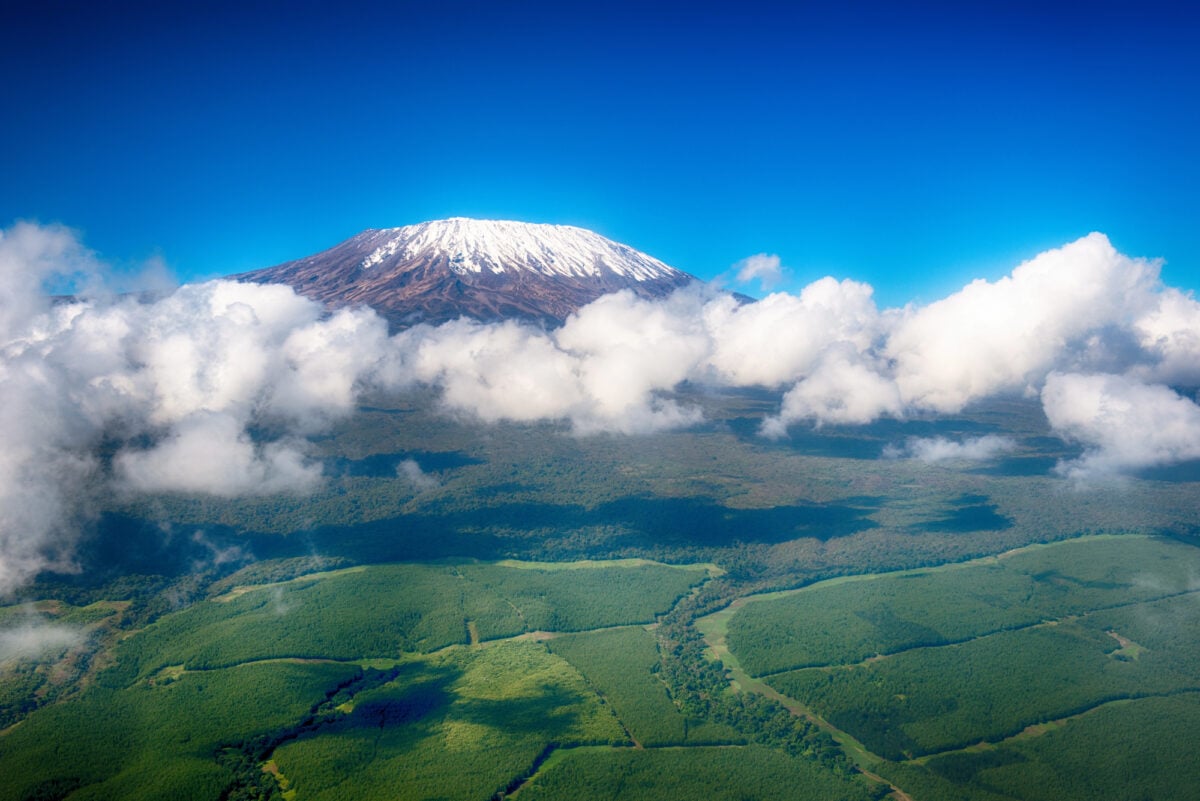
Mount Kilimanjaro reaches about 19,341 feet above sea level, making it the highest point on the African continent. What makes the mountain particularly striking is that it does not sit within a long chain of peaks.
Instead, it rises almost independently from the surrounding landscape. This type of formation is known as a free-standing mountain, and it gives Kilimanjaro an unusual visual presence.
From the savannas below, the mountain appears almost impossibly large, its slopes climbing gradually before rising steeply toward the summit. Because the surrounding terrain is relatively flat, Kilimanjaro dominates the skyline in a way few mountains do.
Kilimanjaro Is Actually Three Volcanoes
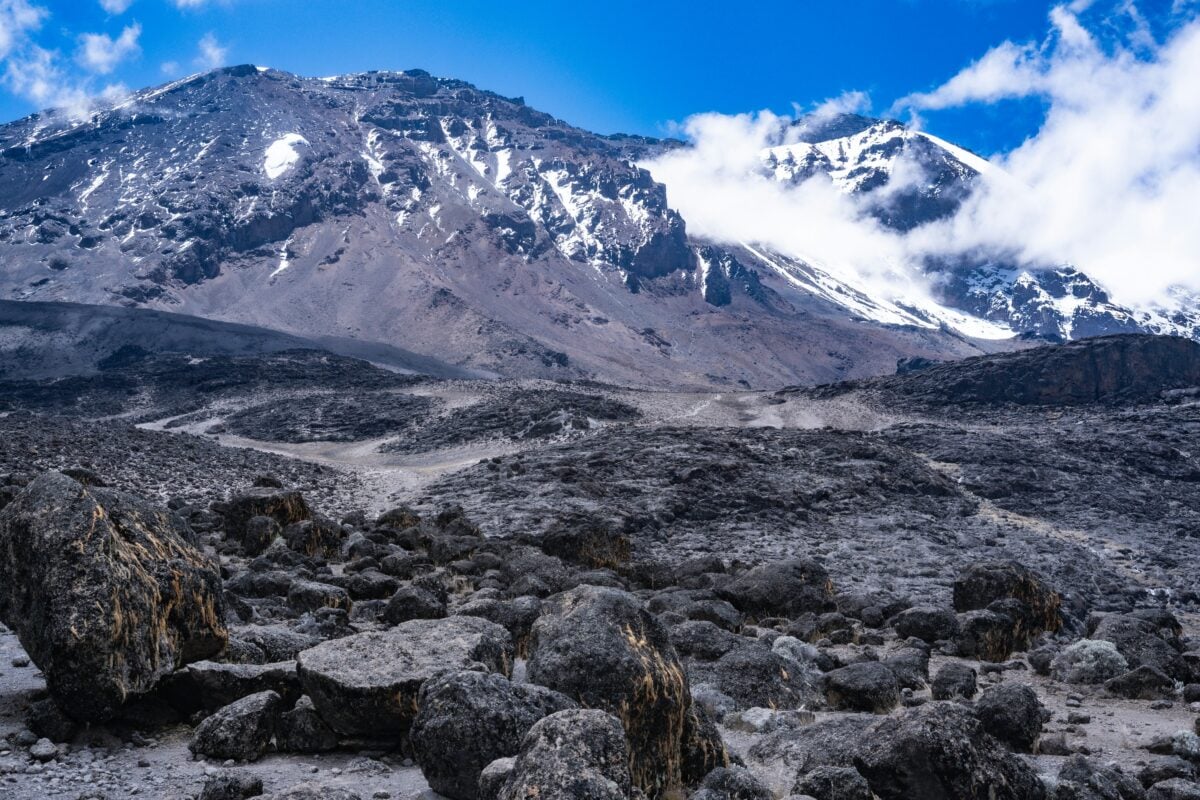
Although many people think of Kilimanjaro as a single mountain, it is technically made up of three volcanic cones. These are known as Kibo, Mawenzi, and Shira.
Kibo is the tallest and youngest of the three. It forms the central dome and contains the summit known as Uhuru Peak.
Mawenzi, which lies to the east, has a jagged and rugged appearance created by thousands of years of erosion. Shira, the oldest cone, collapsed long ago and now appears as a wide plateau.
Together these three formations created the massive structure that now defines the landscape of northern Tanzania.
Snow Exists Near The Equator
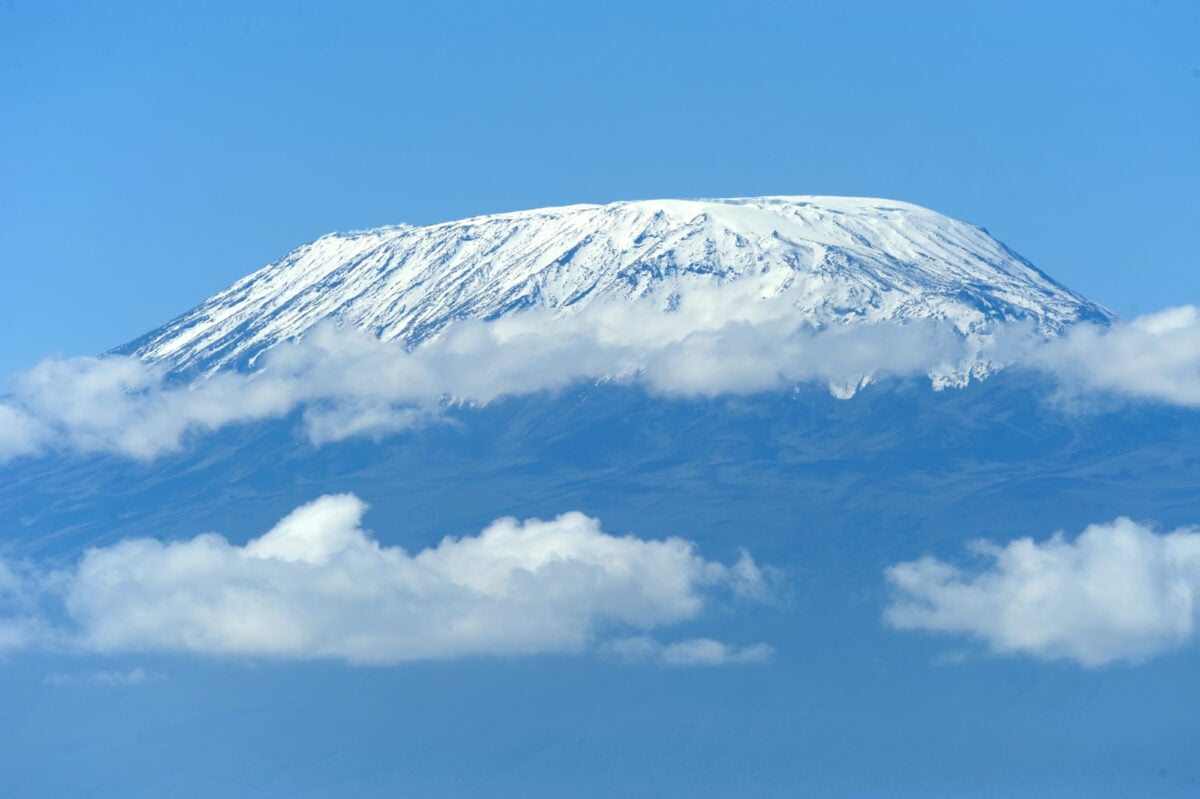
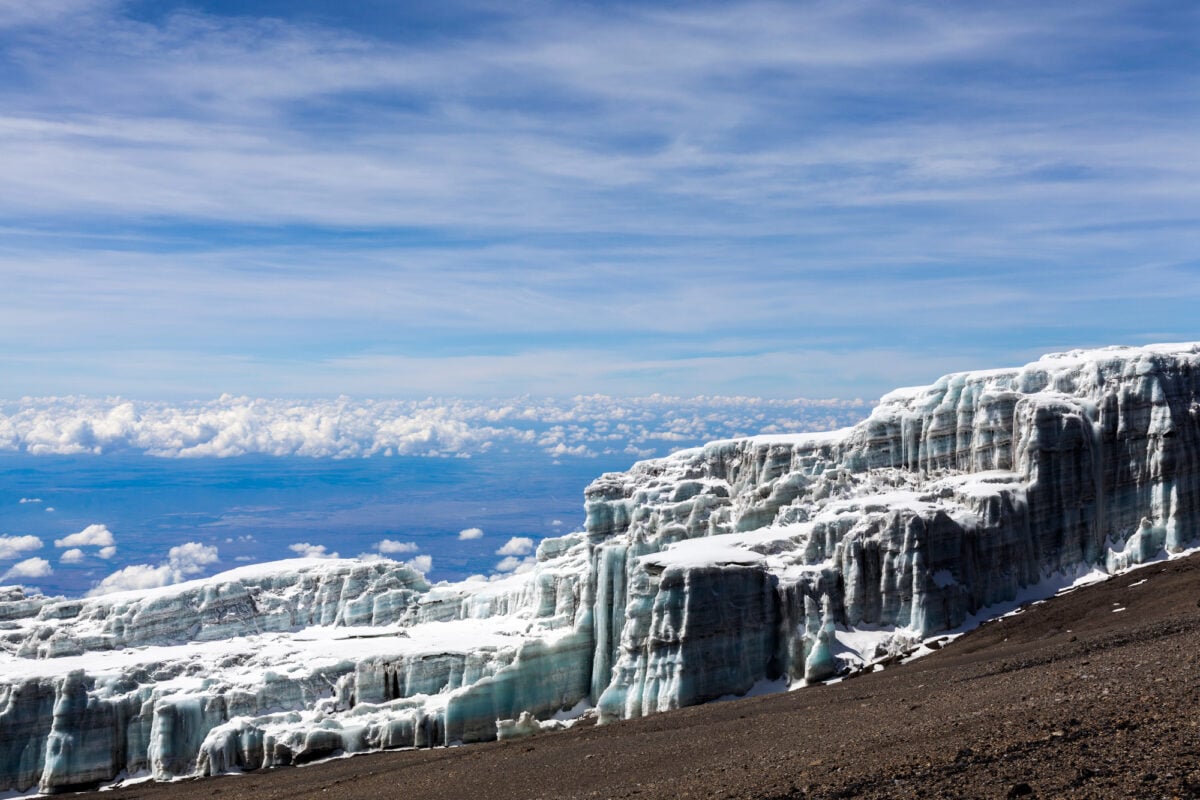
One of Kilimanjaro’s most unusual features is the presence of ice and snow so close to the equator. The mountain’s extreme elevation allows temperatures at the summit to drop well below freezing, even though the surrounding region experiences tropical heat.
Early explorers were often skeptical when local communities described the snowy summit. Reports of ice in equatorial Africa sounded almost impossible to European audiences in the 19th century.
Eventually, explorers confirmed that glaciers and ice fields covered parts of the summit. Those ice formations became one of the mountain’s most iconic features.
The Glaciers Are Slowly Disappearing
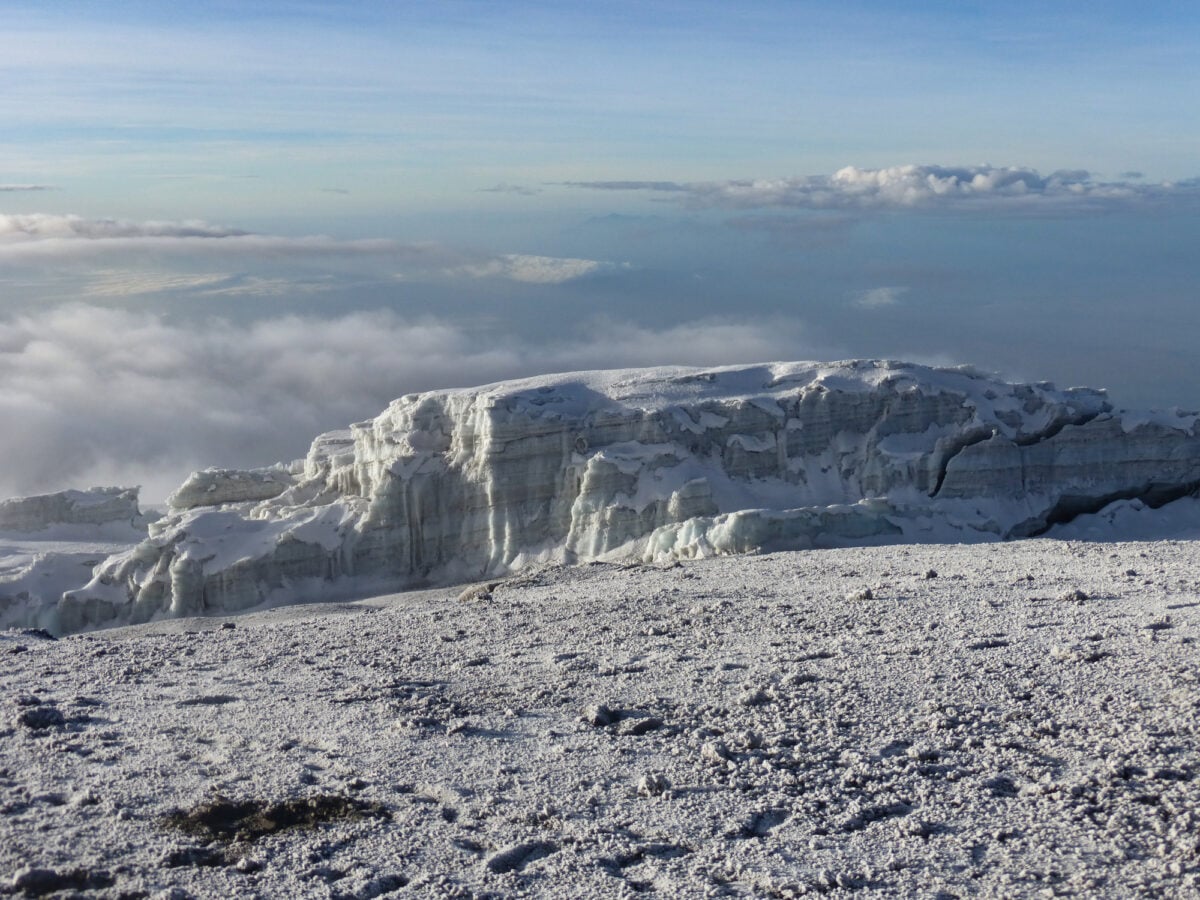
Scientists have carefully monitored Kilimanjaro’s glaciers for decades. Historical photographs show that the ice fields once covered a much larger area than they do today.
Over the past century, those glaciers have steadily shrunk. Researchers attribute the changes to shifting climate patterns and warmer temperatures at high elevations.
Although the summit still holds patches of ice, many experts believe the glaciers could vanish within the coming decades if current trends continue.
The Climb Crosses Several Climate Zones
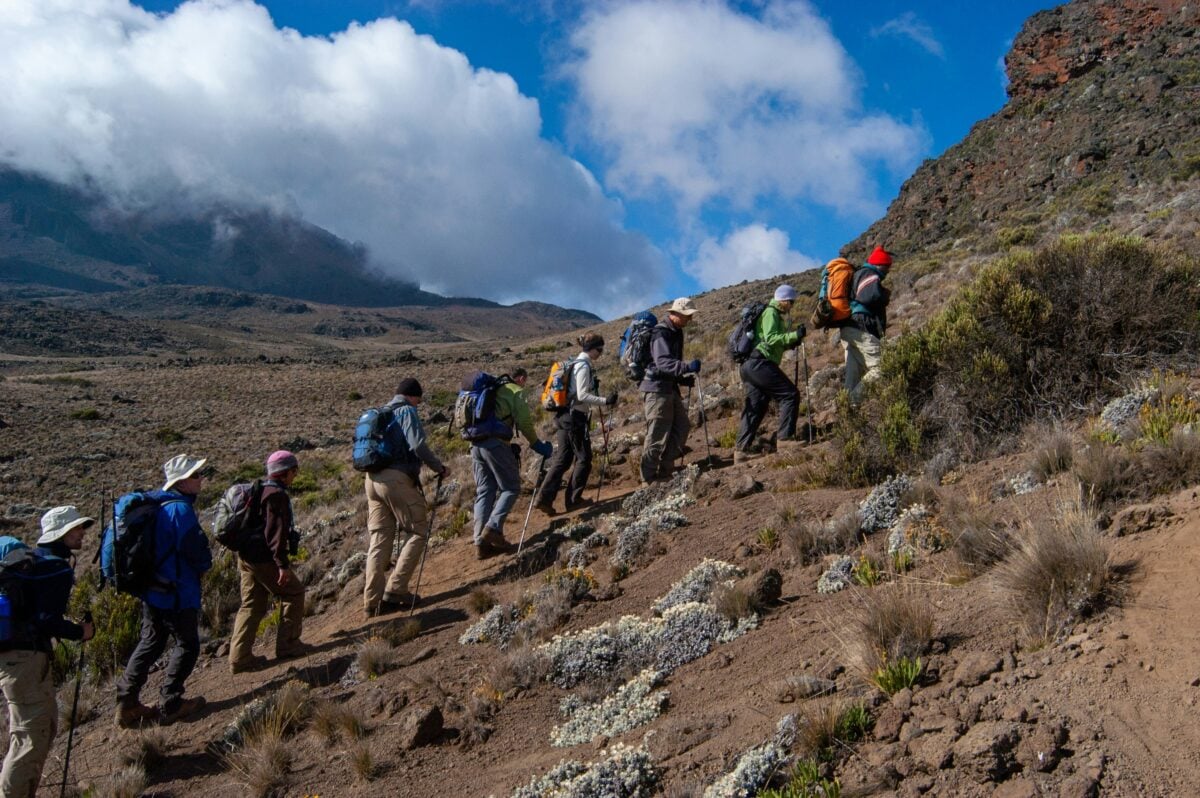
Climbing Kilimanjaro often feels like traveling across continents. The mountain’s slopes contain several distinct climate zones stacked one above the other.
At the base lies a dense rainforest filled with towering trees and thick vegetation. Higher up, the landscape shifts into open heathland and moorland dotted with unusual plants adapted to cooler conditions.
Beyond that lies a stark alpine desert where temperatures swing dramatically between day and night. Near the summit, the terrain becomes cold and barren, resembling a high polar environment.
The Name Kilimanjaro Has Several Possible Meanings
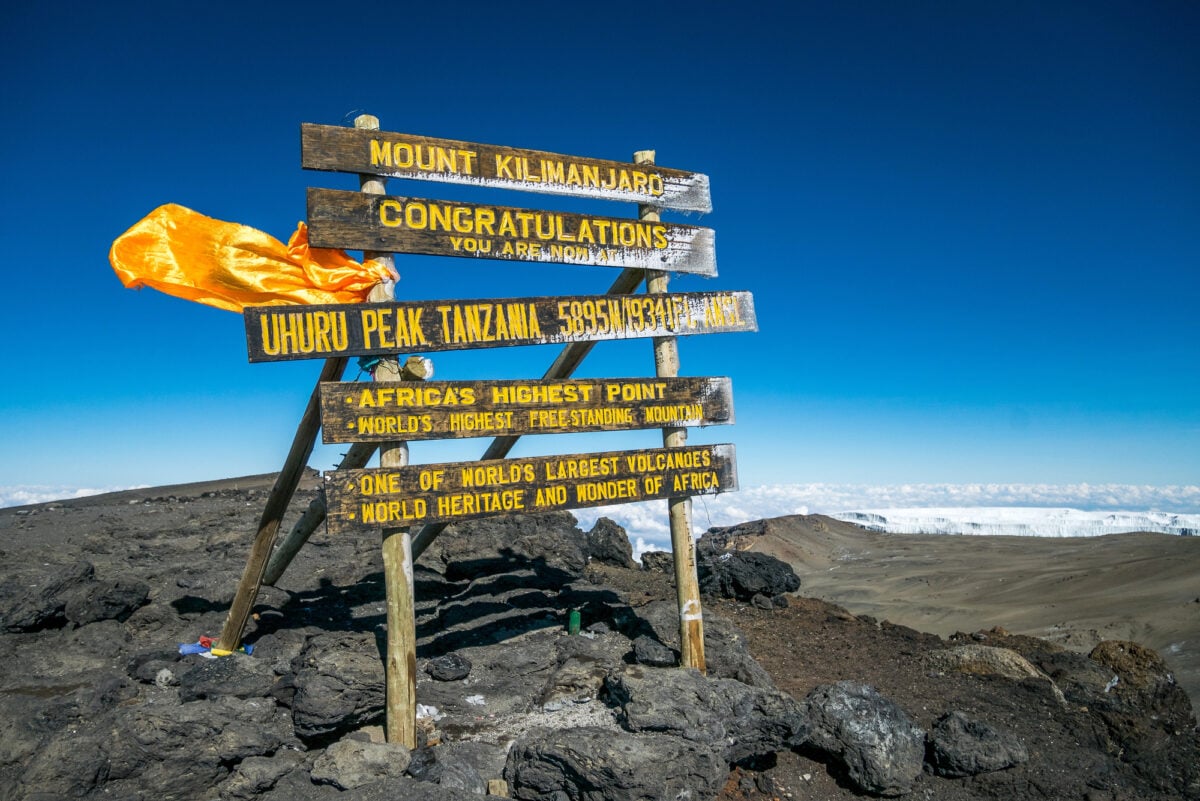
The name Kilimanjaro has long puzzled historians and linguists. Several theories attempt to explain where the name originated.
One popular interpretation suggests the word combines elements of Swahili and local Chagga languages. Some translations describe it as a shining mountain, while others interpret it as a mountain of greatness.
Because the region has been home to many cultures over centuries, the name likely evolved through a mix of languages and traditions rather than a single clear origin.
The First Successful Summit Was In The 19th Century
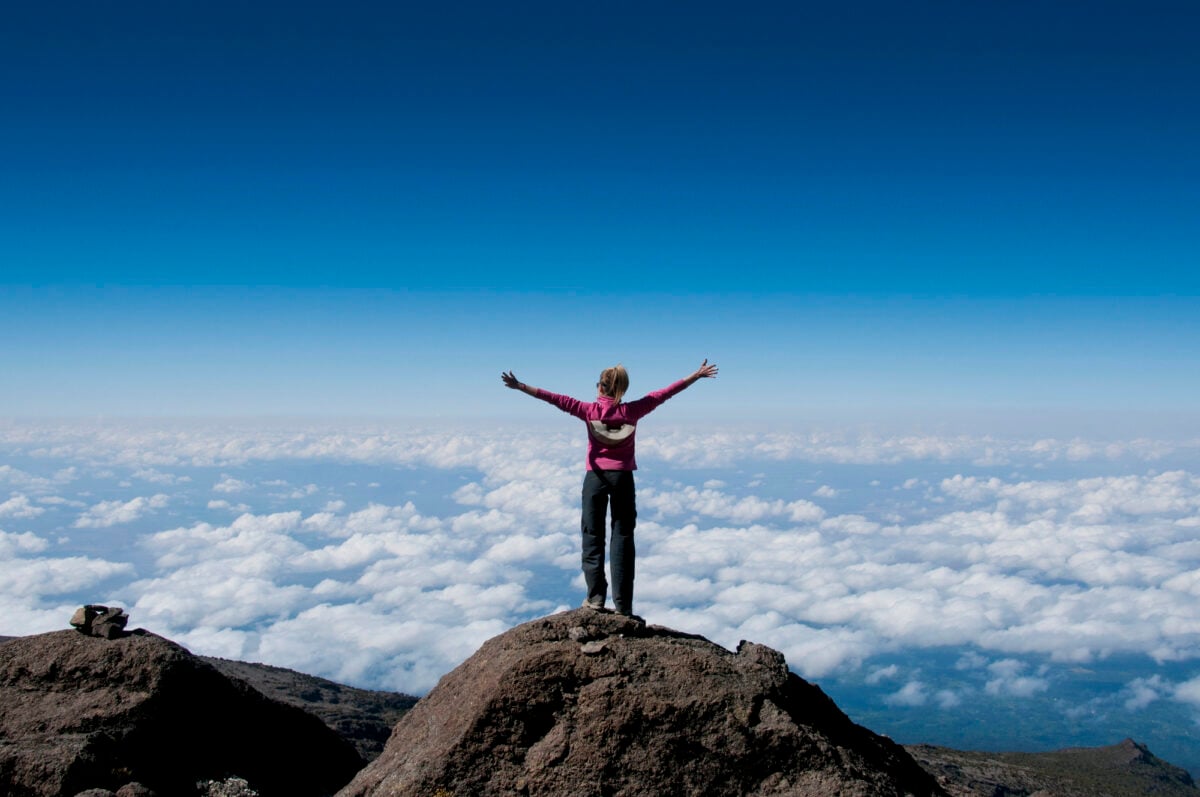
Although local communities had known the mountain for generations, the first recorded climb to the summit happened relatively recently in historical terms.
In 1889, German explorer Hans Meyer and Austrian climber Ludwig Purtscheller reached the highest point after several earlier attempts failed. Their expedition required careful planning and multiple acclimatization stages to adjust to the altitude.
Reaching the summit was a major achievement at the time and helped introduce Kilimanjaro to explorers and scientists across the world.
The Mountain Influences Local Weather
Kilimanjaro is so tall that it affects weather patterns in the surrounding region. Warm, moist air rising from the plains cools as it moves up the mountain’s slopes.
That cooling causes clouds and rainfall to form, especially along the lower elevations. As a result, the mountain supports dense forests that contrast sharply with the drier landscapes nearby.
These rainfall patterns make Kilimanjaro an important source of water for nearby communities and ecosystems.
Wildlife Thrives On The Lower Slopes
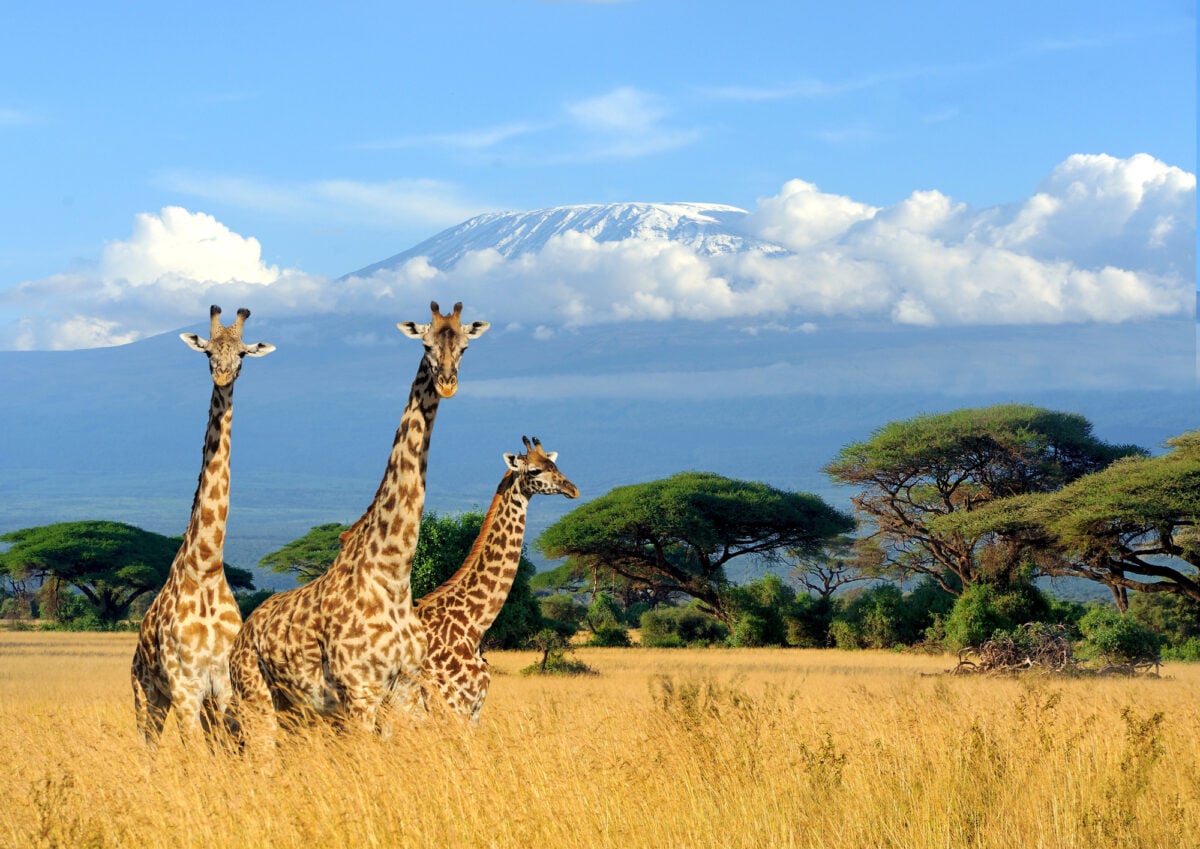
The forests surrounding Kilimanjaro support a wide range of wildlife. Elephants, monkeys, antelope, and other animals move through the thick vegetation at lower elevations.
Birdlife is particularly diverse in the rainforest zone, where colorful species thrive in the warm and humid environment.
As climbers move higher up the mountain, animals become less common due to colder temperatures and harsher conditions. Still, the biodiversity near the base makes Kilimanjaro an important ecological region.
The Summit Crater Is Enormous
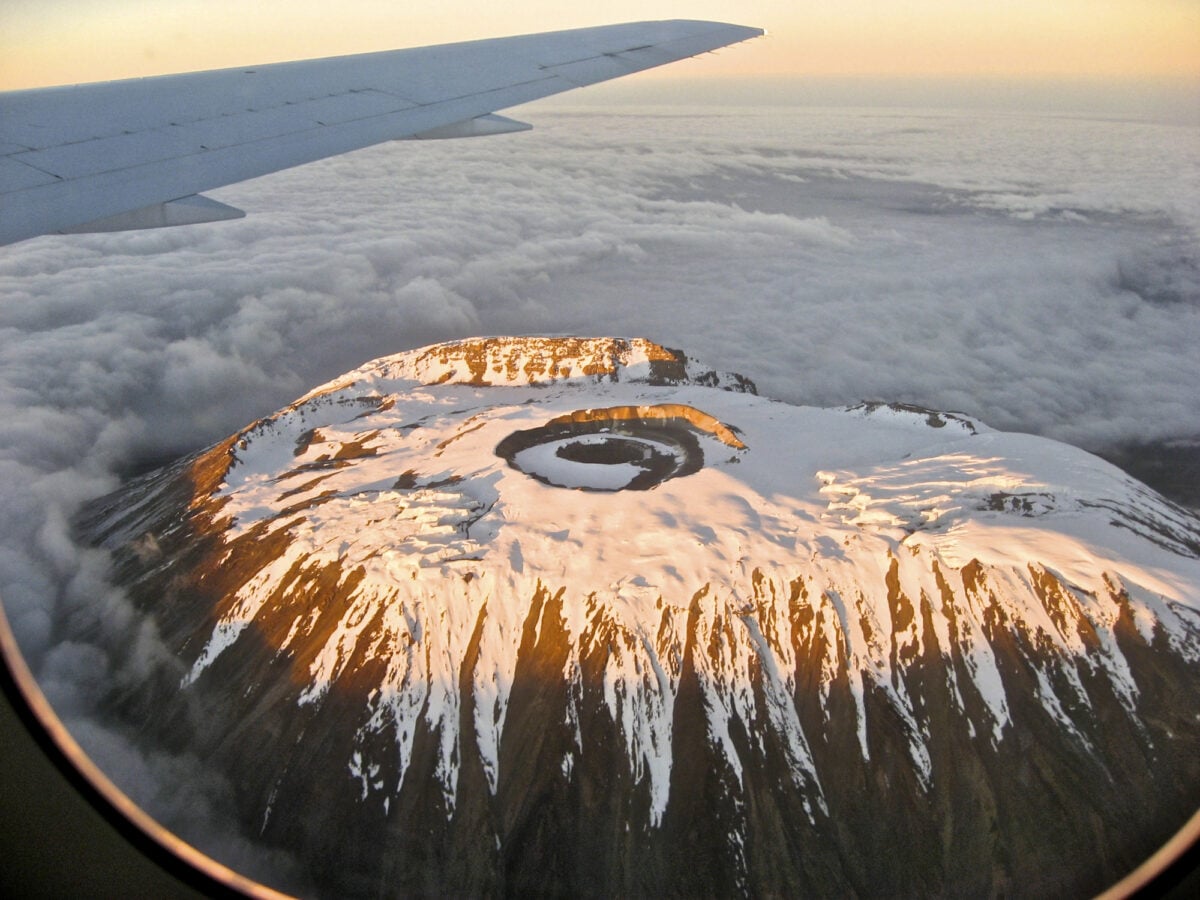
At the top of the mountain sits a massive volcanic crater measuring roughly 1.5 miles across. The crater formed during ancient volcanic activity when the central cone partially collapsed.
Inside the crater lies another formation known as Reusch Crater, which contains vents that still release small amounts of volcanic gas.
Although Kilimanjaro is considered dormant today, these geological features reveal that the mountain once experienced powerful volcanic eruptions.
Kilimanjaro Is A UNESCO World Heritage Site
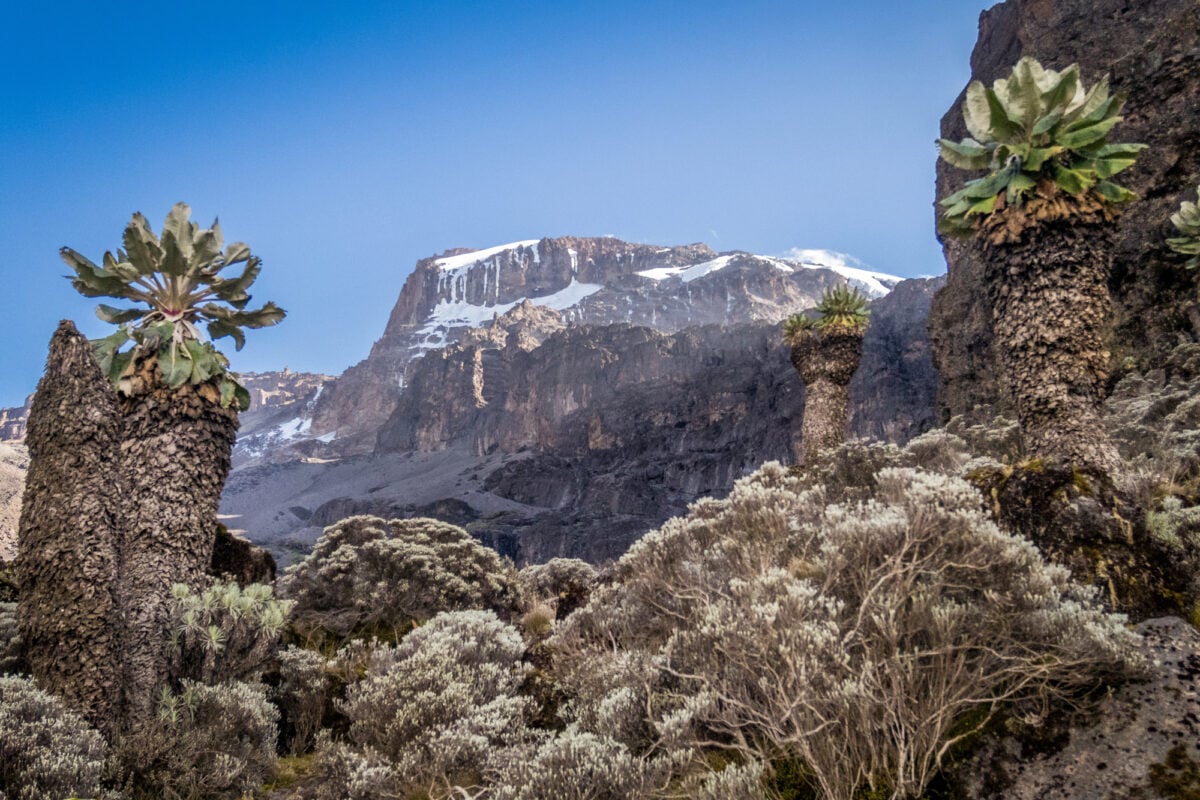
The mountain and its surrounding ecosystems are protected within Kilimanjaro National Park. In 1987 the park was added to the UNESCO World Heritage list because of its ecological and cultural importance.
The protected area includes forests, highland ecosystems, and the famous summit glaciers.
Preserving this environment helps protect the wildlife, water sources, and natural beauty that make Kilimanjaro such a remarkable place.
Why Kilimanjaro Still Captures The World’s Imagination
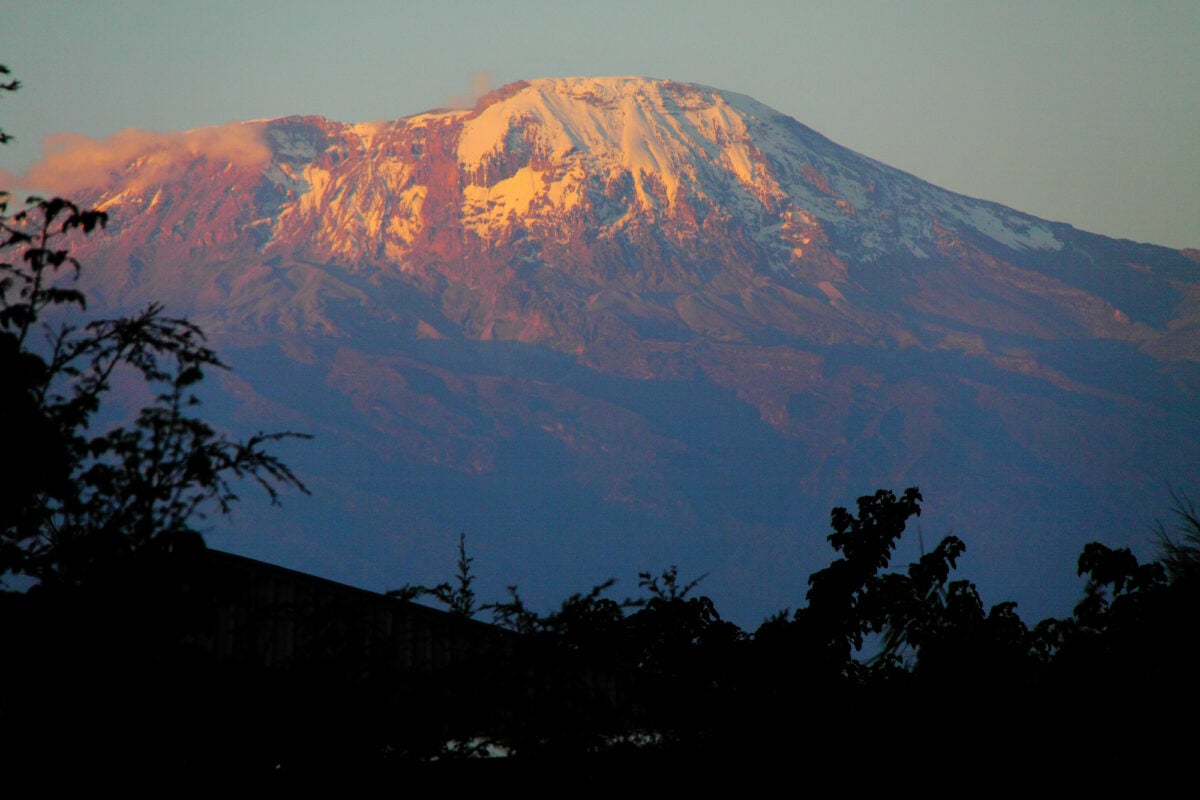
High above the clouds, Mount Kilimanjaro rises like a giant among landscapes. Towering and silent, it holds layers of life within its slopes – forest giving way to alpine desert without warning.
While many peaks claim grandeur, few carry such quiet power across so many worlds at once. Up top, reaching the peak means grit mixed with discovery for those who climb.
Researchers find clues about Earth’s shifts and weather patterns when they study its slopes. Standing far off, visitors see a towering wonder jutting from flatlands across Africa.
Still, people stare at Kilimanjaro’s white peak just like their grandparents did. The mountain speaks without sound, showing wildness that doesn’t need to explain itself.
More from Go2Tutors!

- The Romanov Crown Jewels and Their Tragic Fate
- 13 Historical Mysteries That Science Still Can’t Solve
- Famous Hoaxes That Fooled the World for Years
- 15 Child Stars with Tragic Adult Lives
- 16 Famous Jewelry Pieces in History
Like Go2Tutors’s content? Follow us on MSN.