28 Radio Shows from the Golden Age That Captivated Millions of Listeners
Families once gathered in living rooms when the sun went down, drawn not by glowing screens but by the sound of a single voice emerging from a wooden box. These shows arrived at scheduled times that shaped how people organized their evenings, turning radio into the heartbeat of American home life.
Between 1930 and the mid-1950s, before television replaced radio’s supremacy, these programs became so woven into daily conversation that missing an episode felt like missing news from a close friend.
The Jack Benny Program

Jack Benny’s program ran for twenty-three years on radio, beginning in 1932, and his understanding of comedic timing transformed what radio comedy could accomplish. He played himself as a perpetually 39-year-old miser with a terrible violin, and his famous pauses—moments where he said nothing at all—became more powerful than most comedians’ punchlines.
The show’s success proved that character-driven humor could thrive in a medium where audiences couldn’t see facial expressions.
Amos ‘n’ Andy
This sitcom arrived in 1928 and remained on the air for twenty-seven years, making it one of radio’s longest-running programs. The show centered on the lives and schemes of two African American characters, though the parts were performed by white actors, a practice that was standard in that era.
Despite its complicated legacy, the program demonstrated radio’s ability to create compelling serial narratives that kept listeners returning week after week.
Fibber McGee and Molly
Fibber McGee and Molly began in 1935 and ran for more than two decades, becoming a weekly ritual for millions. The show was built around the domestic adventures of a married couple in the fictional town of Wistful Vista, with gentle humor rooted in recognizable family situations.
The program’s most famous running gag was Fibber’s overstuffed closet, from which sound effects operators unleashed a cacophony of tumbling objects—a joke so anticipated that by the 1940s, audiences laughed before the chaos even began.
Burns and Allen
George Burns and Gracie Allen brought vaudeville’s rapid-fire dialogue to radio, with their show running from 1932 to 1950. Burns played the straight man to Allen’s dizzy charm, creating a dynamic that audiences found endlessly entertaining.
The pair later successfully transitioned to both film and television, but their radio foundation proved how powerful the spoken word could be in the hands of skilled comedians.
The Shadow
Beginning in 1930, The Shadow transformed the mystery genre on radio with atmospheric sound design and psychological thrills. The program opened with one of radio’s most iconic lines: “Who knows what evil lurks in the hearts of men?” Listeners were held in suspense by stories of crime and detection, unfolding in their imaginations in ways that visual media couldn’t replicate.
The Lone Ranger
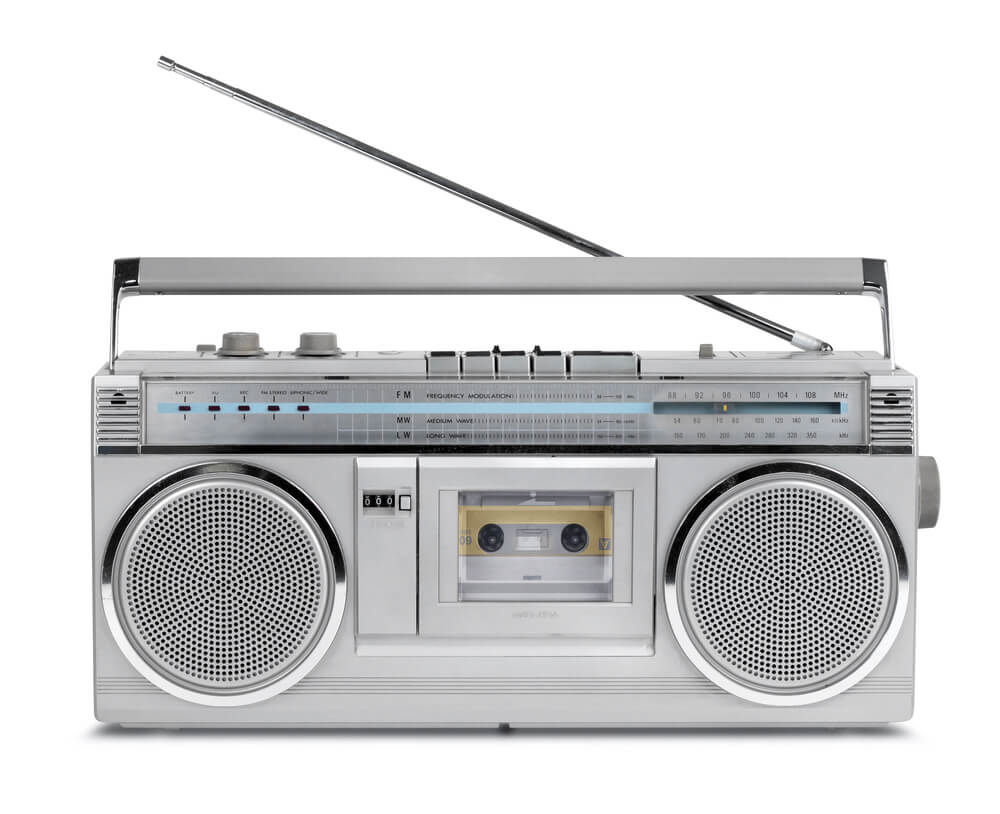
This adventure series premiered in 1933 and stayed on the air for twenty-two years, creating a hero whose story eventually moved to television and film. The program featured the exploits of a masked ranger and his Native American companion Tonto, with dramatic music and sound effects that transported listeners to the American West.
The show’s opening with William Tell Overture became as recognizable to audiences as any theme in entertainment history.
Little Orphan Annie

From 1930 to 1943, Little Orphan Annie brought serialized drama to younger listeners, though adults tuned in too. The show featured the adventures of an orphan girl and her dog, along with various rescues and misadventures designed to keep audiences coming back.
Sponsors used the show’s popularity to distribute premiums and merchandise, creating a merchandising model that later became standard practice.
Lum and Abner

This rural comedy aired from 1931 to 1954 and centered on two business partners running a general store in a fictional Arkansas town. The show’s appeal lay in its ability to capture small-town humor and folksy wisdom, often dealing with problems that reflected listeners’ own lives.
The program’s longevity proved that comedy didn’t need elaborate production or celebrity guests—just believable characters in recognizable situations.
Lux Radio Theater
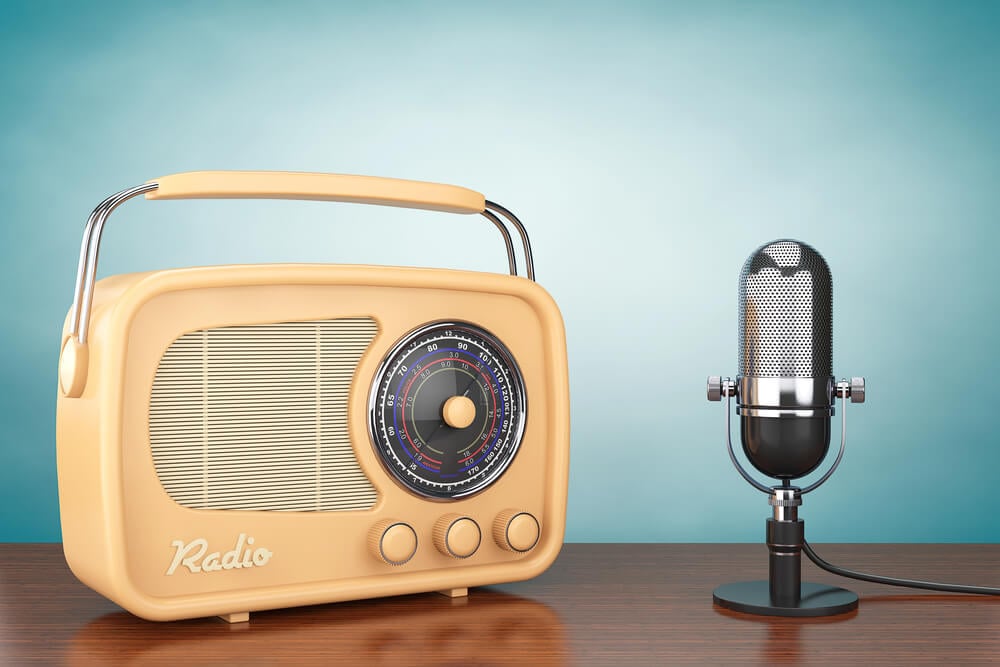
Premiering in 1934, Lux Radio Theater brought movie adaptations to radio audiences, featuring major Hollywood stars performing condensed versions of famous films. Each episode was a full-hour dramatic production, allowing listeners to experience cinema-quality entertainment without leaving home.
The program ran for two decades and demonstrated radio’s ability to attract top talent from other media.
Lights Out
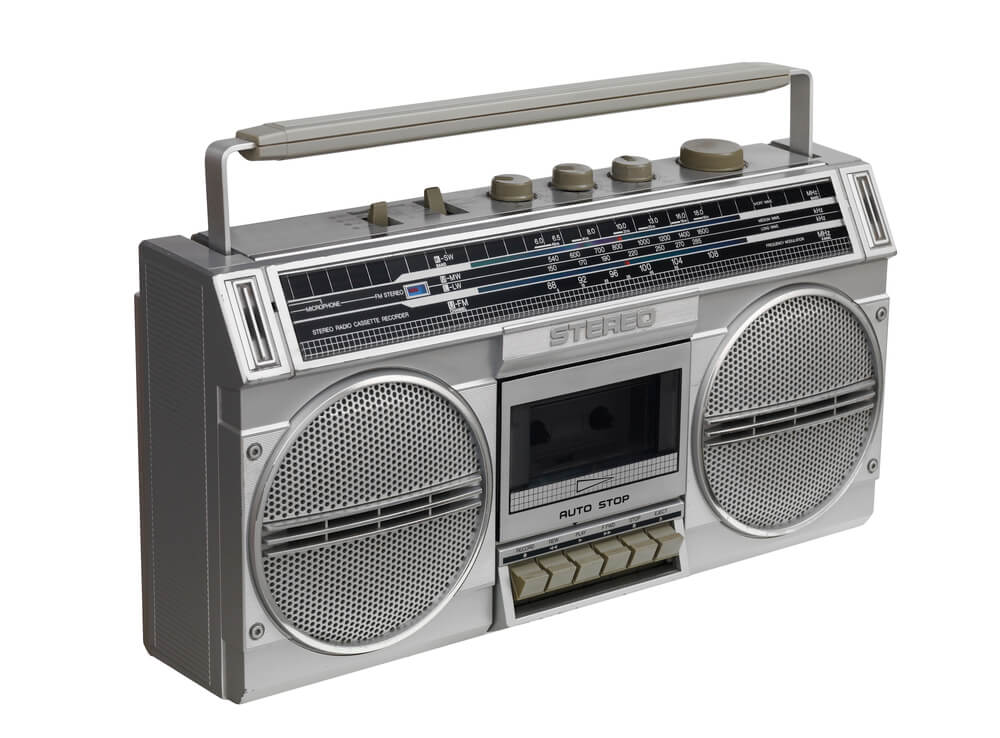
This horror anthology series debuted in 1934 and ran until 1947, specializing in psychological terror and the supernatural. Each episode presented a complete story designed to frighten listeners through sound design and narrative rather than visual shocks.
The program proved that radio could deliver genuine suspense without relying on imagery, relying instead on what audiences imagined in the darkness of their minds.
Edgar Bergen and Charlie McCarthy
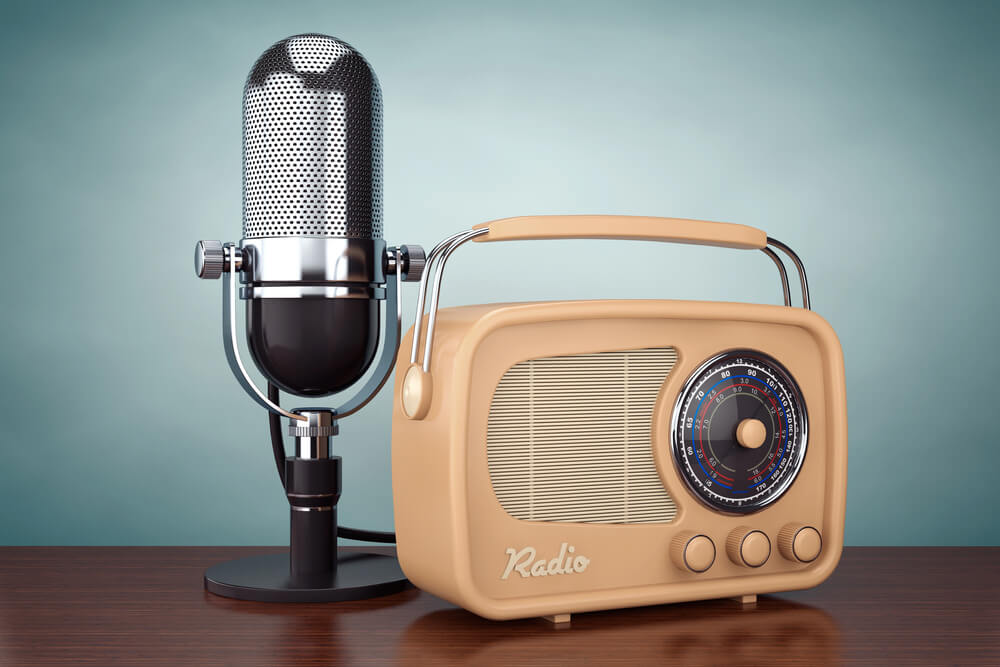
Beginning in 1937, ventriloquist Edgar Bergen performed on radio with his famous wooden dummy Charlie McCarthy—a peculiar choice for a medium where the dummy couldn’t be seen. Yet the program worked brilliantly because Bergen’s vocal talents and the chemistry between himself and the character were so compelling that listeners forgot they were listening to a one-man performance.
The show ran for nearly two decades.
The Mercury Theater on the Air
This ambitious dramatic program aired from 1938 to 1940 under the direction of Orson Welles, presenting adaptations of classic literature and original stories. The show became famous for its 1938 production of “The War of the Worlds,” which caused panic among listeners who believed the dramatization was an actual news broadcast.
The program proved that radio could deliver serious dramatic work alongside entertainment.
Guiding Light
Beginning in 1937 as a fifteen-minute soap opera, Guiding Light eventually became one of broadcasting’s most successful programs, running for over seventy years. The show’s initial fifteen-minute format allowed for serialized storytelling that kept audiences invested in characters’ ongoing struggles and relationships.
Its success spawned numerous imitators and established the soap opera as a radio and television staple.
The Great Gildersleeve
This spin-off from Fibber McGee and Molly ran from 1941 to 1957 and proved that secondary characters could anchor their own successful programs. The show followed Throckmorton P. Gildersleeve, an eccentric bachelor managing his uncle’s estate.
The character’s pompous dignity and comedic misadventures made him a fan favorite, and the program successfully made the transition to television as well.
The Green Hornet
Premiering in 1936, The Green Hornet brought masked vigilante justice to radio with a unique premise—a newspaper publisher who secretly fought crime as the Green Hornet. The show featured distinctive sound design, particularly the hornet’s buzz that accompanied the character’s appearance.
The program ran for sixteen years and influenced superhero stories that followed.
Life of Riley
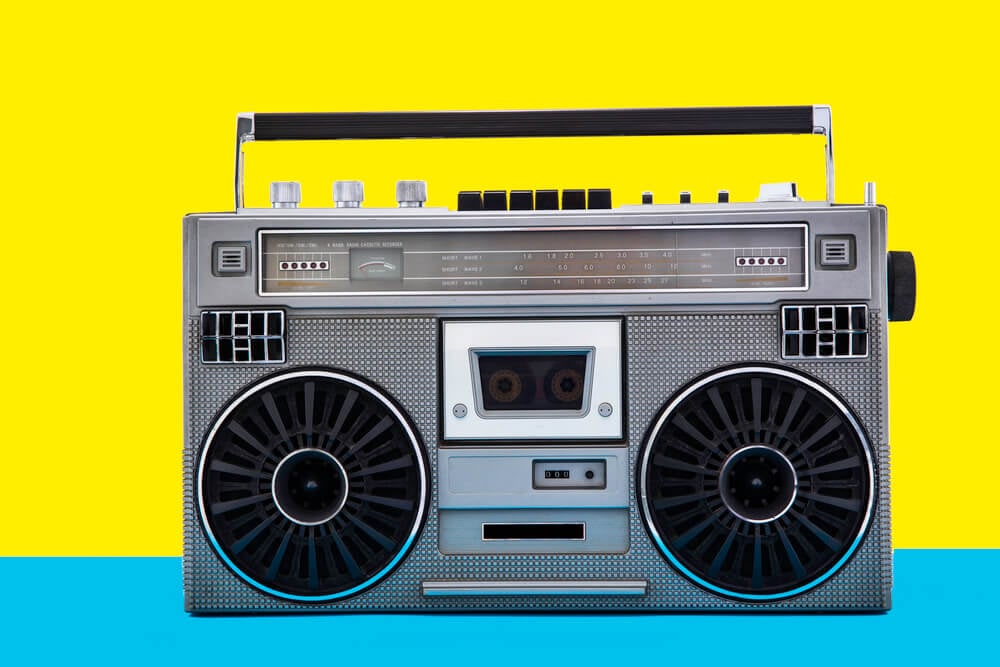
This sitcom began in 1941 and ran for ten years, following a working-class family dealing with everyday problems. The show’s protagonist, Chester Riley, was known for his malapropisms and good-natured bumbling through situations that resulted from his own misunderstandings.
The program’s appeal came from its portrayal of ordinary life and the humor in mundane problems that audiences recognized.
Suspense
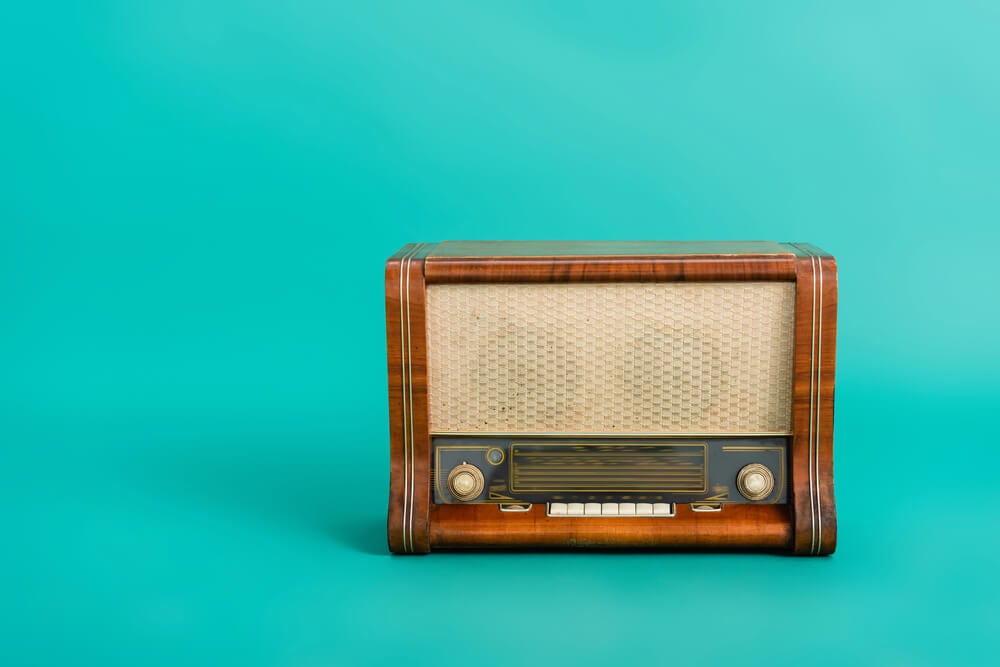
Launching in 1942, Suspense became radio’s most celebrated drama anthology series, running for twenty years. The program featured famous actors performing one-off thrillers, mysteries, and psychological horror stories.
Notable episodes starred major Hollywood talent and included “Sorry, Wrong Number,” a psychological thriller that became the most famous old-time radio drama of all.
The Whistler
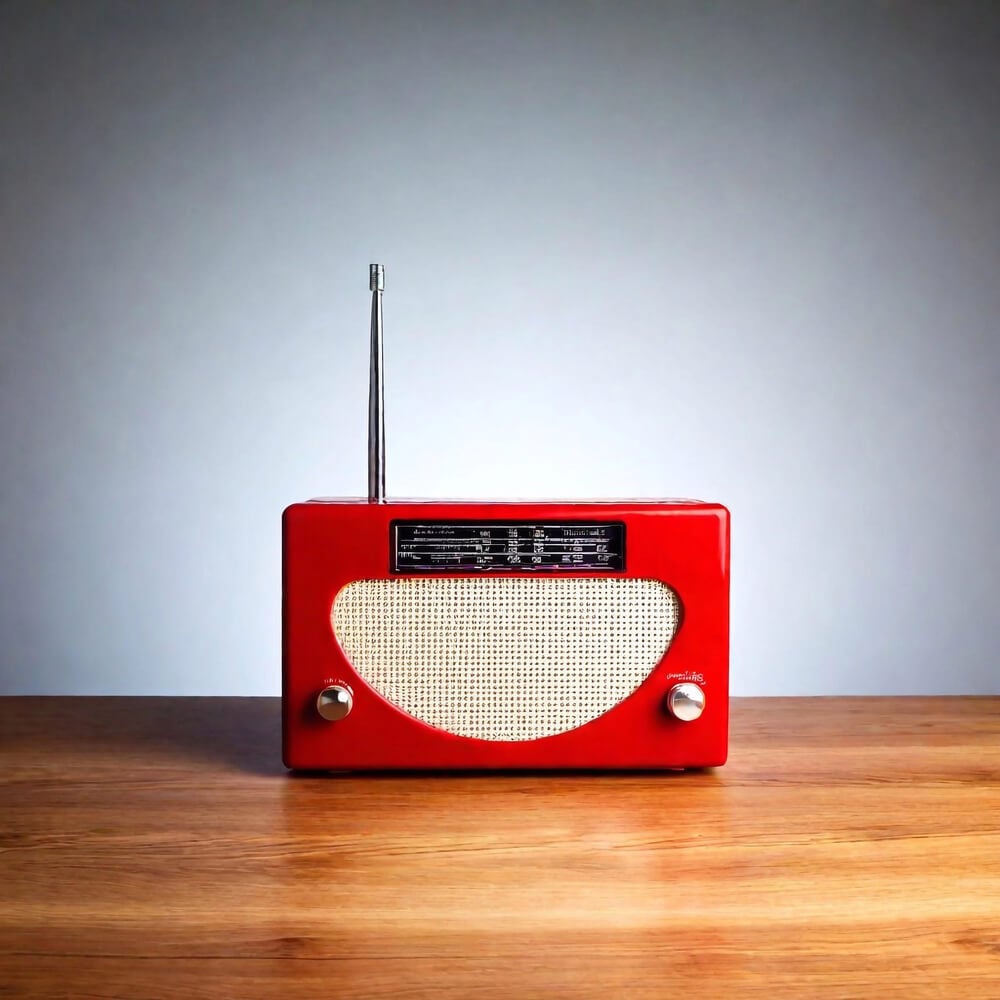
This mystery and suspense series debuted in 1942 and featured stories of crime, danger, and moral ambiguity. Each episode opened with a distinctive whistled tune, and the program became known for its twist endings and morally complex scenarios.
The show demonstrated that mystery programming could be both popular and sophisticated.
The Abbott and Costello Show
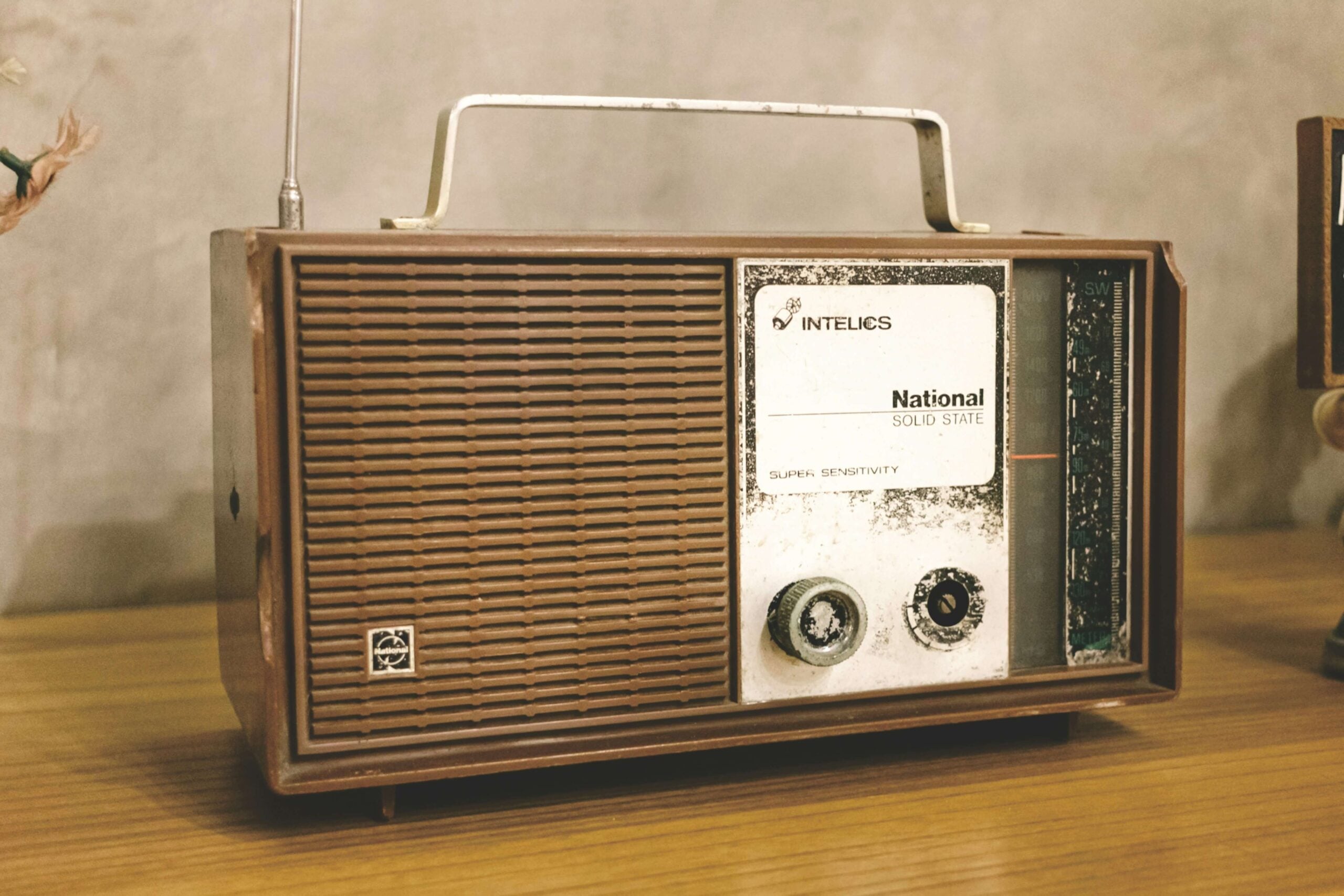
Abbott and Costello brought their famous vaudeville comedy routine to radio, running from 1940 to 1949 with some years off for other projects. The duo’s rapid-fire sketches and their famous “Who’s on First?” routine remained effective on radio even without visual performance.
Their ability to maintain chemistry and comedic timing purely through audio proved that physical comedy could be translated to sound.
Dragnet
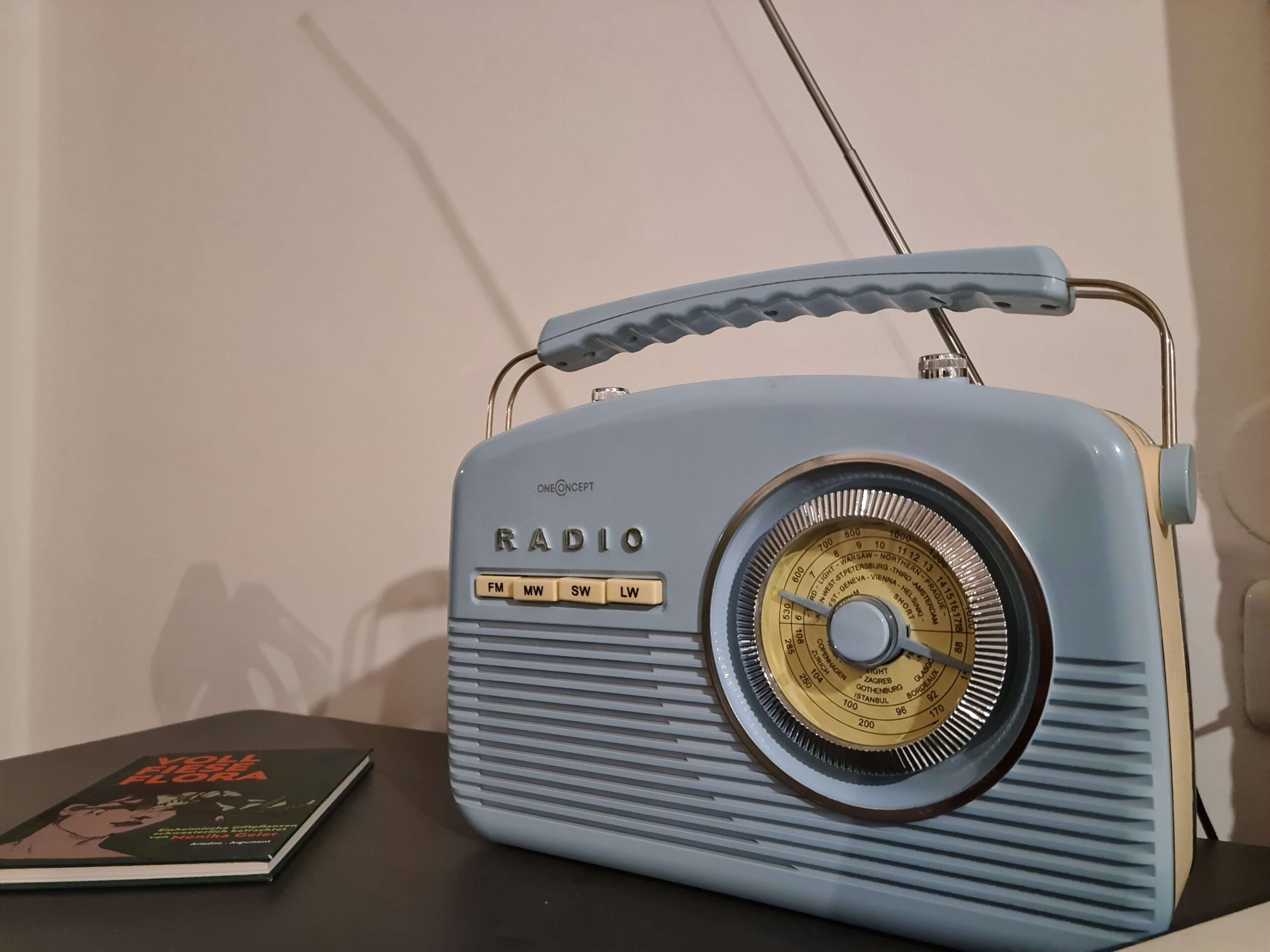
Premiering in 1949, Dragnet pioneered the police procedural format with its realistic depiction of police work. Jack Webb created and starred in the show, using the catchphrase “just the facts” that became part of popular culture.
The program’s success led to film and television adaptations and established a template for detective storytelling still used today.
Gunsmoke
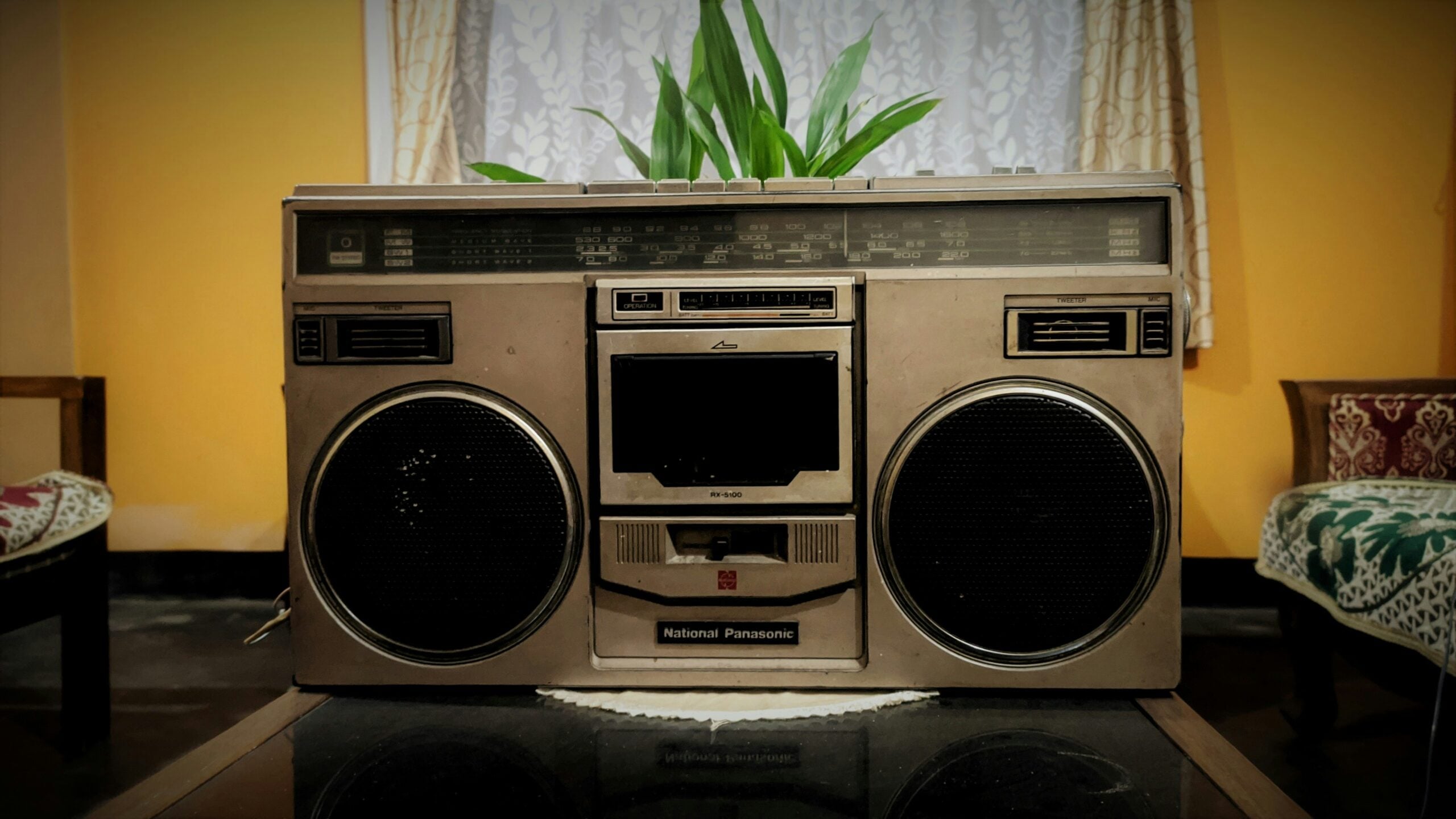
Beginning in 1952, Gunsmoke brought the Western frontier to radio audiences and later became a legendary television program. The show featured the law enforcement adventures of Marshal Matt Dillon in the fictional Kansas town of Dodge City.
The program’s longevity and success proved that Westerns could sustain extended narratives on radio before dominating television.
Gangbusters
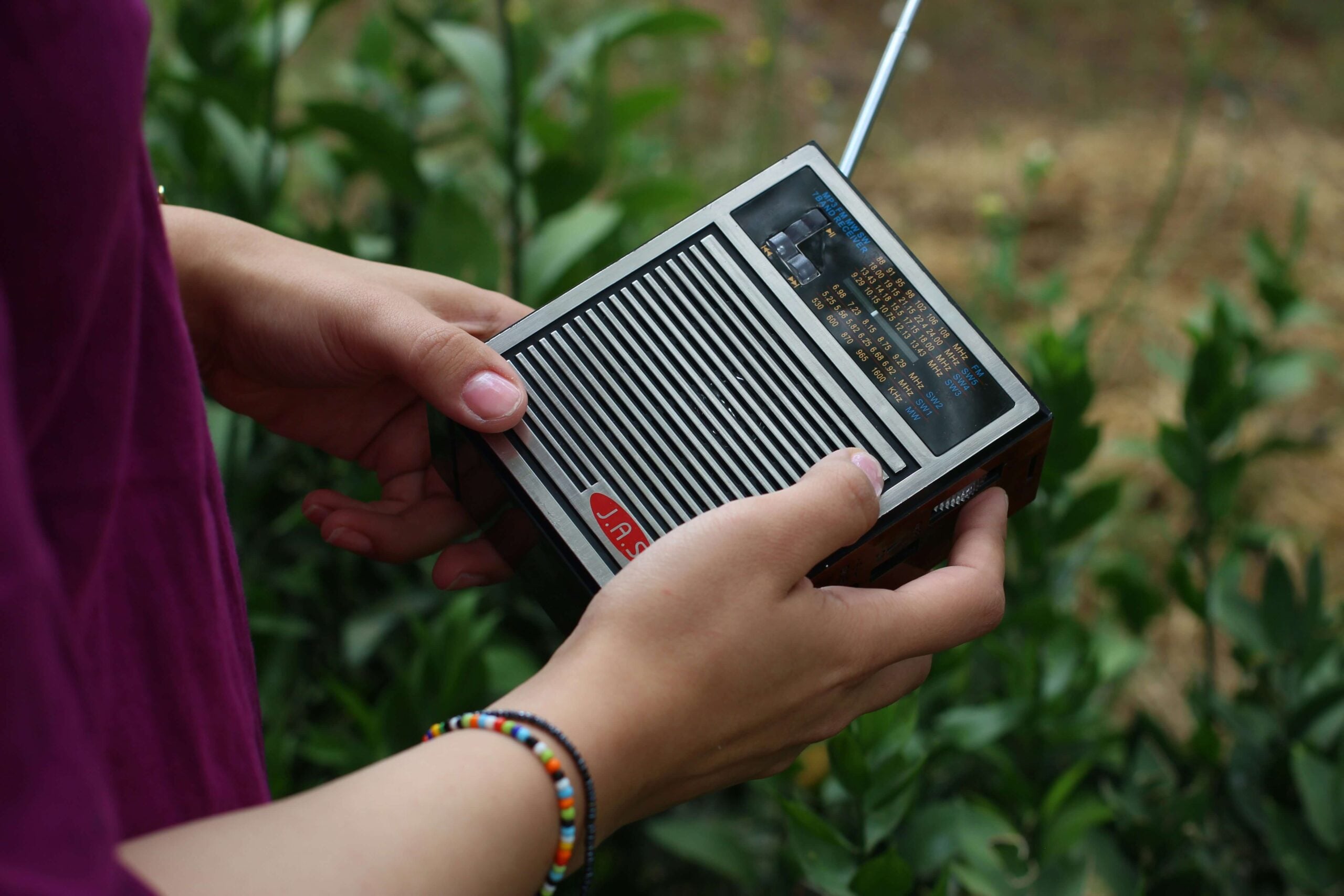
This action-adventure program aired from 1935 to 1957, presenting dramatized accounts of actual crimes and police investigations. The show opened with police sirens and gunfire, immediately grabbing listeners’ attention.
The format—real cases adapted for dramatization—gave the program a sense of immediacy and significance that audiences found compelling.
Our Miss Brooks
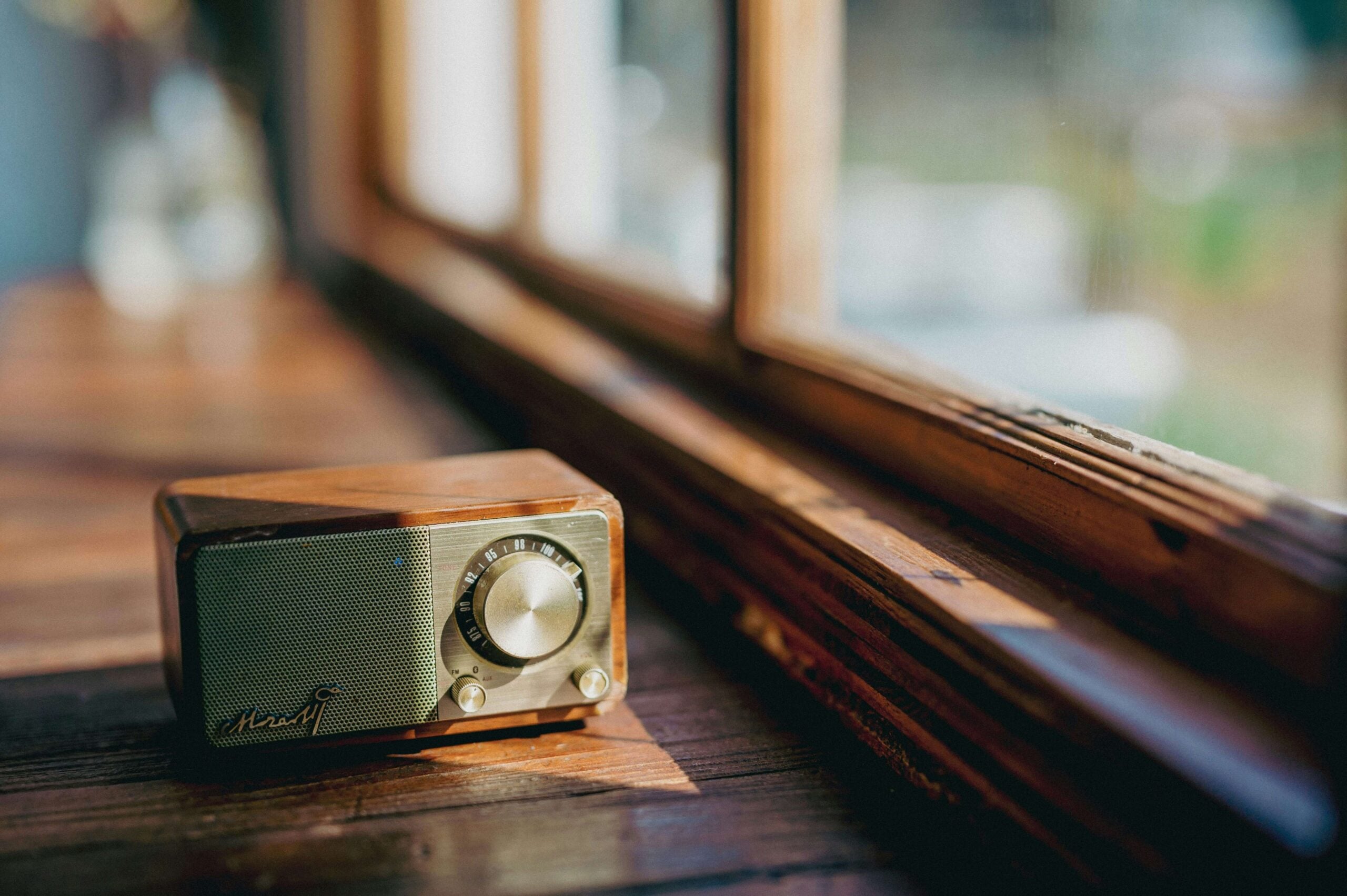
Running from 1948 to 1957, this comedy focused on a high school English teacher navigating her professional life and romantic prospects. The show’s appeal came from the character’s relatability and the humor emerging from school settings and workplace dynamics.
The program successfully transitioned to television and demonstrated that comedy could center on professional rather than domestic situations.
The Red Skelton Show
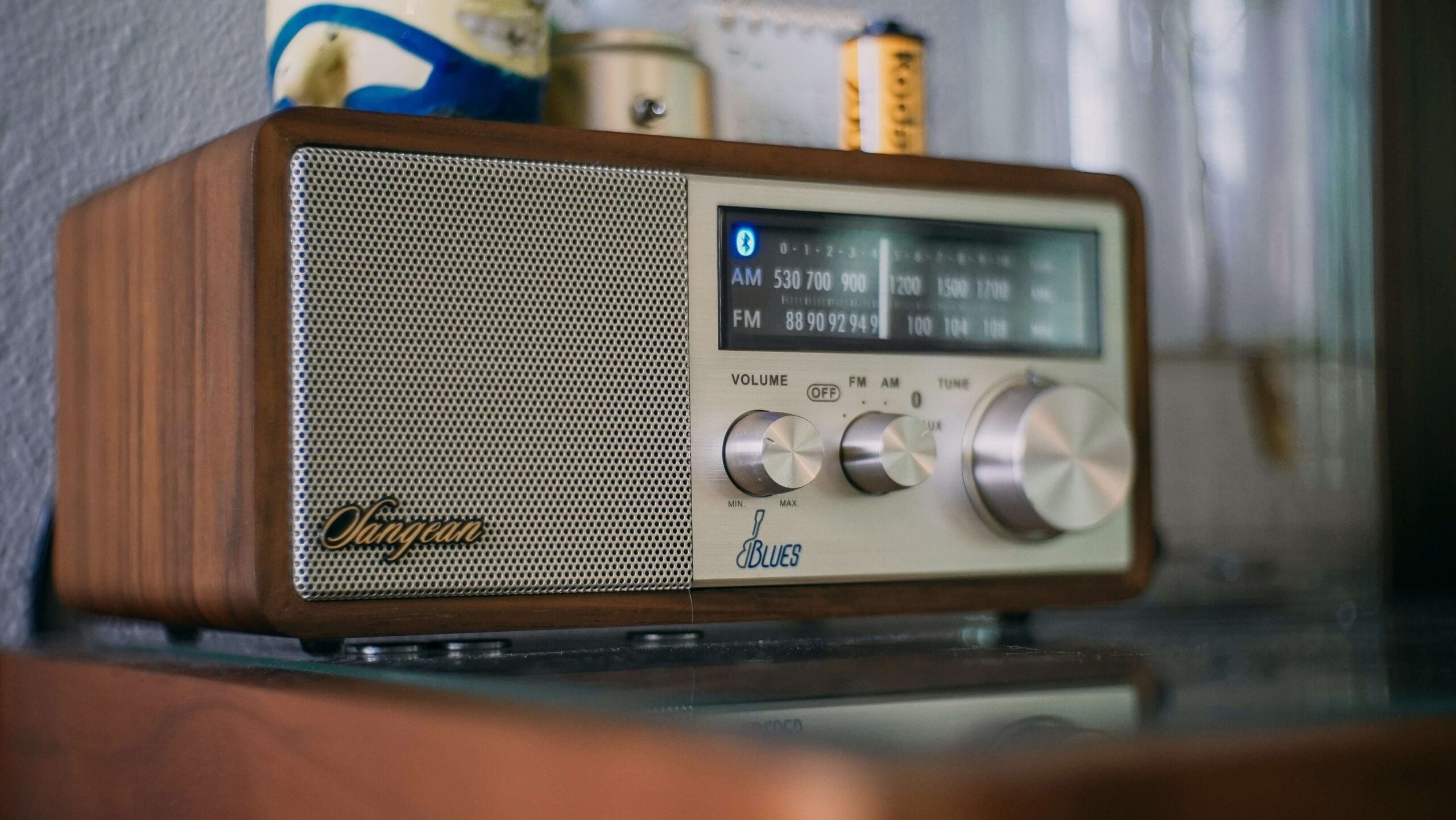
Red Skelton’s radio program ran from 1937 to 1957, showcasing the comedian’s various characters and comedic talents. Skelton created memorable characters like Clem Kadiddlehopper and developed his comedy routines on radio before moving to television.
His program proved that a single performer with multiple characters could sustain a successful radio show across two decades.
Bob Hope’s Radio Program
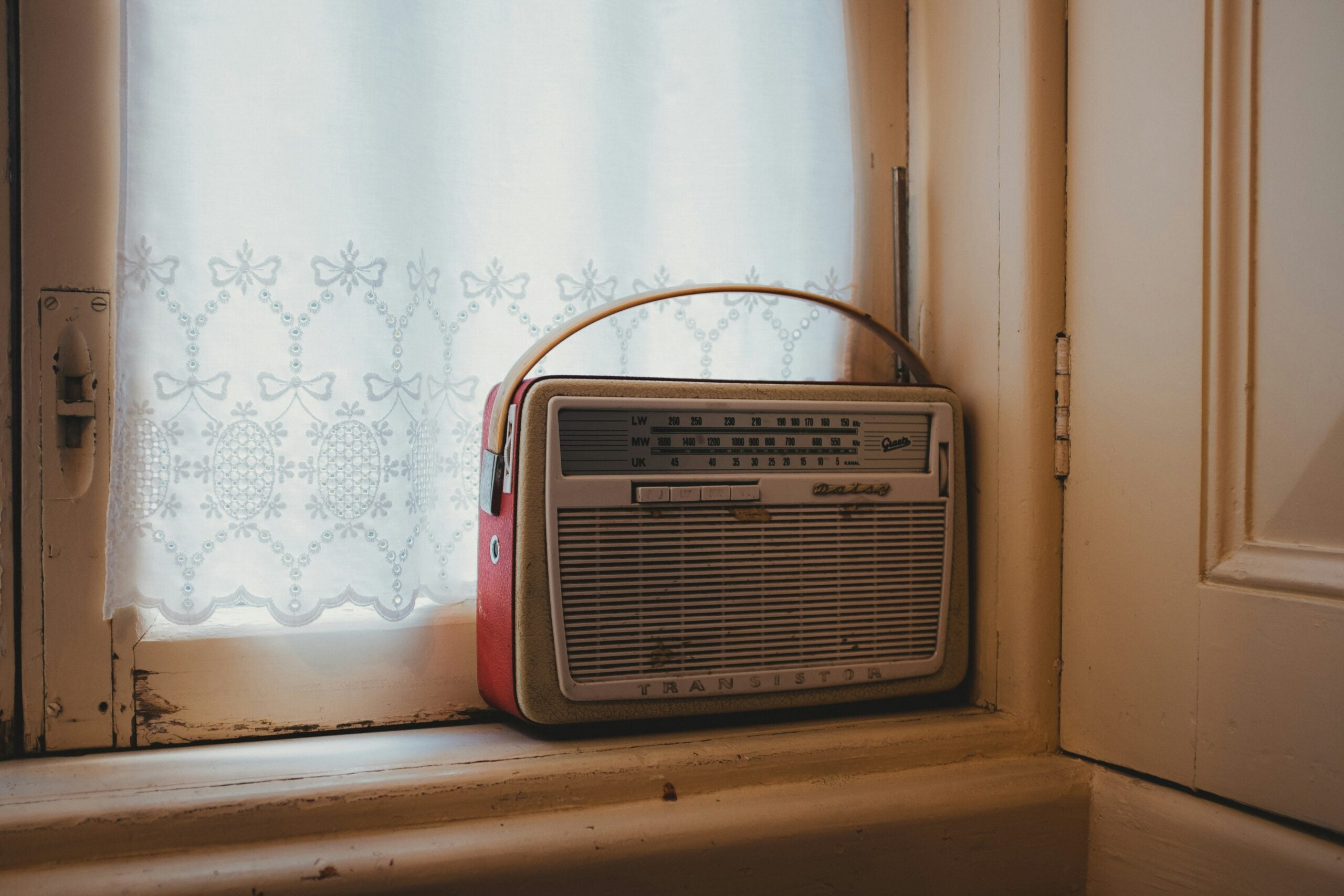
Bob Hope launched his radio program in 1938 and performed for nearly two decades, bringing comedy, music, and celebrity guests to his show. Hope’s rapid-fire one-liners and ability to work with different types of comedy material made his program consistently popular.
He later transitioned to television and films while maintaining his radio presence.
Gene Autry’s Melody Ranch
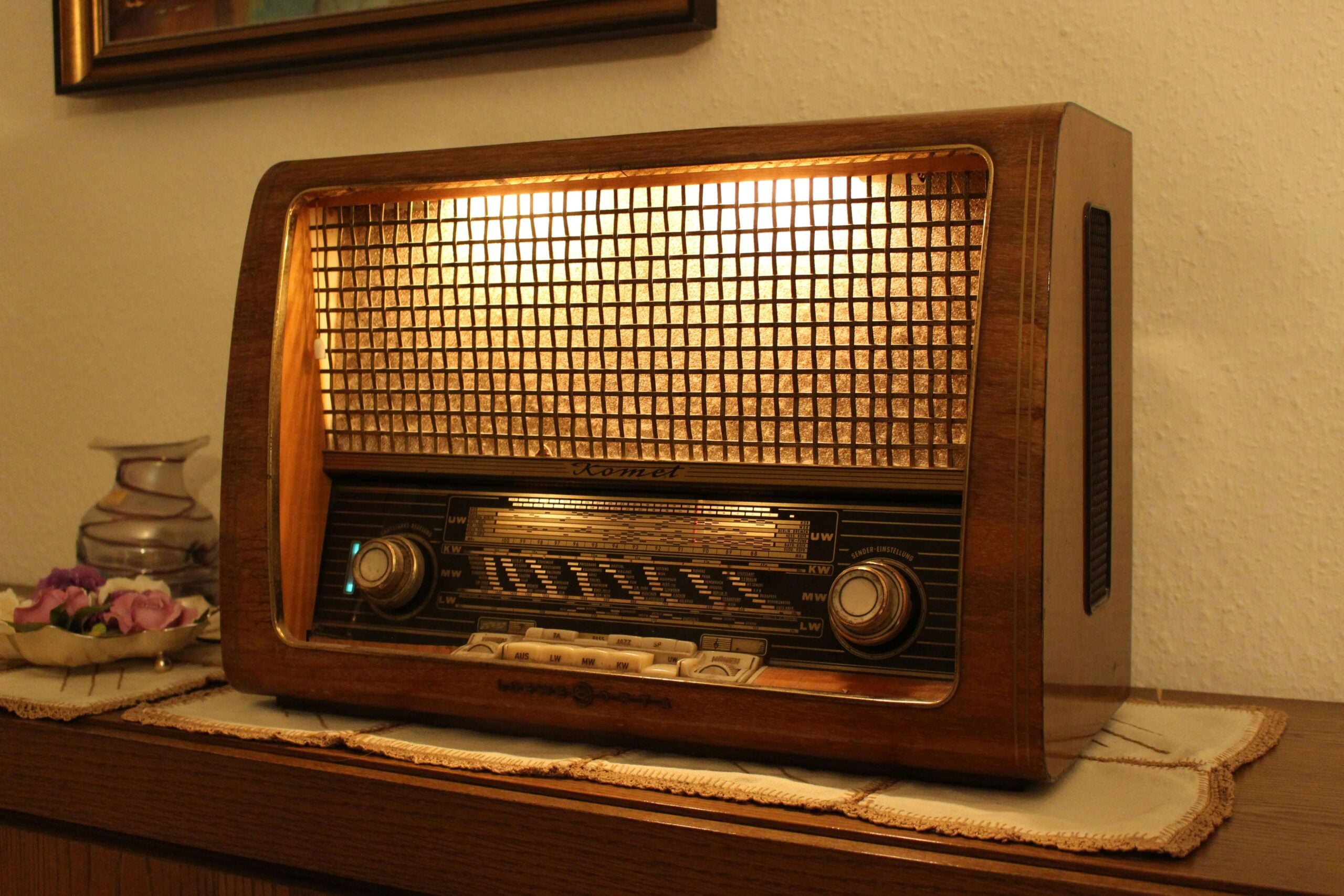
This Western variety and adventure show aired from 1940 into the 1950s, featuring singing cowboy Gene Autry in dramatic situations. The program mixed musical performances with Western adventure narratives, appealing to both music lovers and Western fans.
Autry’s crossover success in film, television, and radio made him one of the era’s most versatile entertainers.
I Love a Mystery
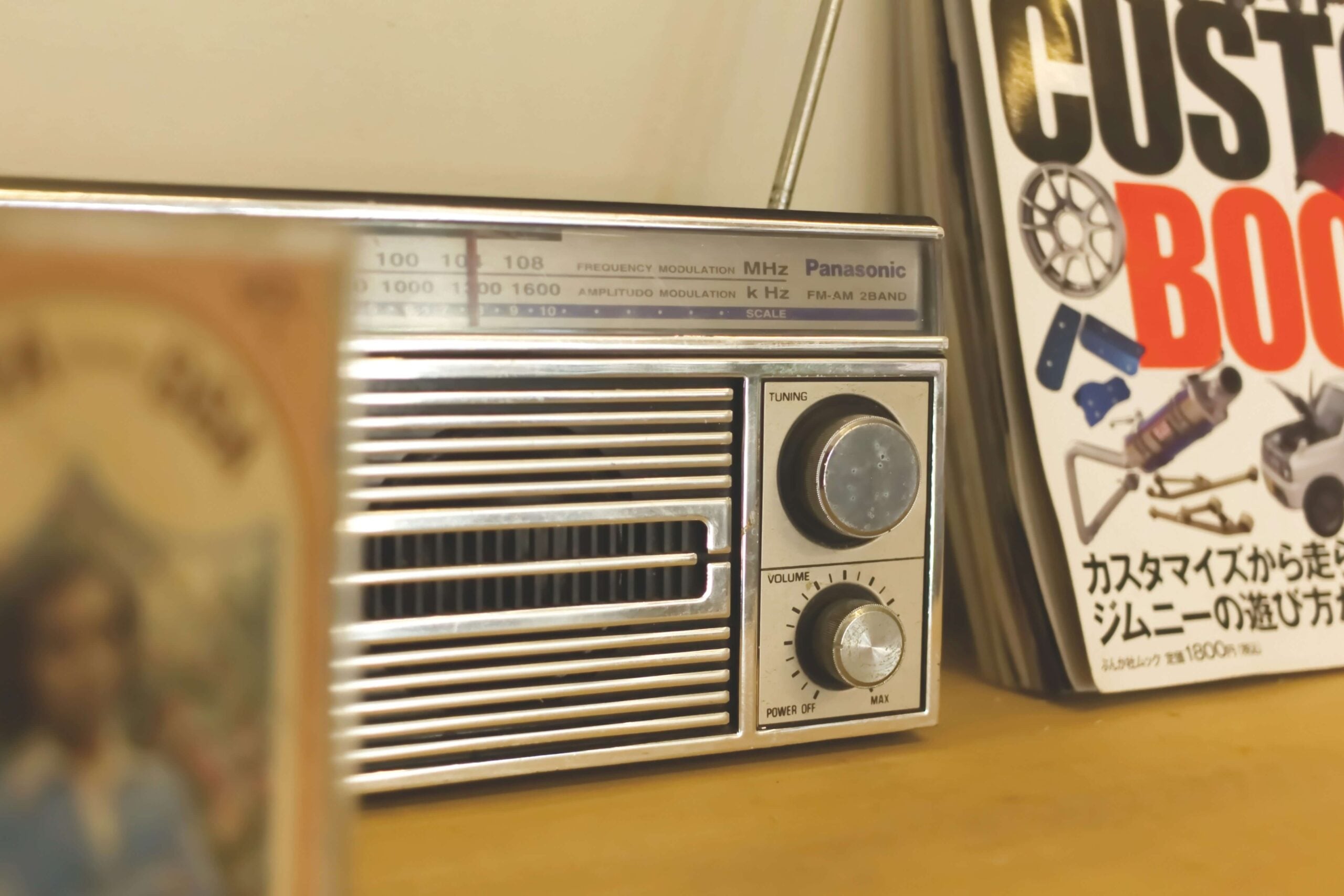
This adventure mystery series began in 1939 and ran throughout the early 1950s, following a team of private investigators solving unusual cases. The program featured serialized storytelling, with mysteries often unfolding across multiple episodes.
The format proved popular enough to inspire countless imitators and continue in various forms for decades.
Escape

Premiered in 1947 and running until 1954, Escape was a dramatic anthology series featuring stories of adventure, danger, and exotic locations. Each episode placed characters in situations where they needed to escape from danger or circumstance.
The program attracted major talent and demonstrated that anthology series could sustain audiences through quality storytelling and production values.
The Voices That Shaped an Era
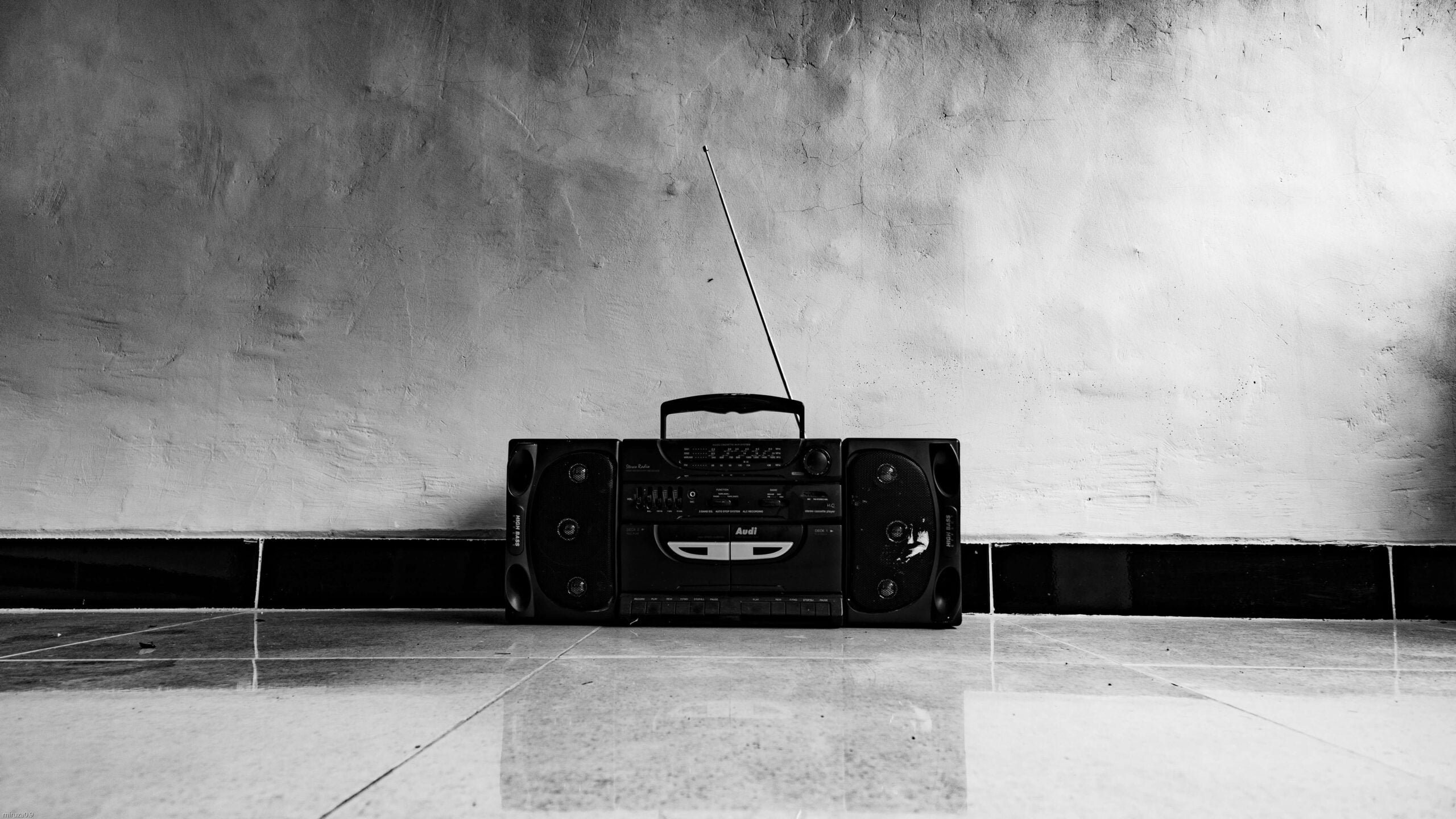
Radio’s golden age created a shared national experience, with millions of people hearing the same voices at the same moment each week. These programs didn’t require wealth or special access—a household with a radio and electricity could experience entertainment equal to what wealthier households received.
The medium’s power lay not in spectacle but in the ability to engage imagination, creating visions in listeners’ minds that were as vivid and personal as any film or stage production could offer. What radio provided was intimacy.
A voice entering a home, speaking directly to listeners sitting in darkness, created a connection that seemed personal even when delivered simultaneously to millions. When these shows ended and television arrived, it offered visual entertainment but lost something ineffable—the space for each listener’s imagination to complete the picture, to transform sound into a world that belonged entirely to them.
More from Go2Tutors!

- The Romanov Crown Jewels and Their Tragic Fate
- 13 Historical Mysteries That Science Still Can’t Solve
- Famous Hoaxes That Fooled the World for Years
- 15 Child Stars with Tragic Adult Lives
- 16 Famous Jewelry Pieces in History
Like Go2Tutors’s content? Follow us on MSN.



