Summer Camp Traditions That Vanished Without Anyone Noticing
There’s a particular kind of nostalgia that doesn’t announce itself — the kind that arrives sideways, when someone mentions something you haven’t thought about in twenty years and suddenly you’re eight years old again, standing at the edge of a lake in wet sneakers. Summer camp had a whole world of rituals that felt permanent at the time.
The morning bugle. The color war.
The handshake your counselor taught you on the first day. Most of those things are gone now, not because anyone decided to end them, but because the summers kept coming and nobody was keeping count.
The Buddy System

The buddy system is gone, and good riddance is not the right response. It was annoying, yes — being tethered to someone who walked too slow or refused to swim past the rope — but it was also the first social contract most kids ever signed, one that said: you are responsible for another person right now, and that matters.
Camps phased it out quietly, replacing it with counselor headcounts and wristband check-ins that feel safer on paper but teach nothing about watching out for someone else.
Campfire Talent Shows

Talent shows used to be the social event of the entire session — three weeks of sidelong glances and whispered rehearsals building toward one sweaty, firelit night where someone inevitably performed a magic trick that didn’t work and got a standing ovation anyway. The campfire itself was the stage: no spotlight, no sound system, just the uneven glow of burning wood making everyone look braver than they felt.
Screens replaced them, not all at once but gradually, the way a language disappears — one generation stops passing it down and then it’s simply not there anymore.
Handwritten Letters Home

There’s a reason people kept letters in shoeboxes under beds for decades — the object carried the feeling, not just the words. Camp letters were often barely legible, crayon-smudged things that said “I miss you” and “we had spaghetti” and somehow conveyed more than most adults manage in long emails.
The tradition of mandatory letter-writing before mail call vanished the moment camps allowed phones, which is understandable, and also a small, quiet loss.
Color War

Color war deserves a proper eulogy. It was the most chaotic, emotionally consuming event in any camp’s summer calendar — two teams, arbitrary colors, and suddenly kids who had been indifferent to each other were weeping about a relay race.
Camps have traded it in for “unity days” and “community events” that are kinder in spirit but lack the particular electricity of being temporarily, joyfully, at war with your best friend.
Trading Friendship Bracelets
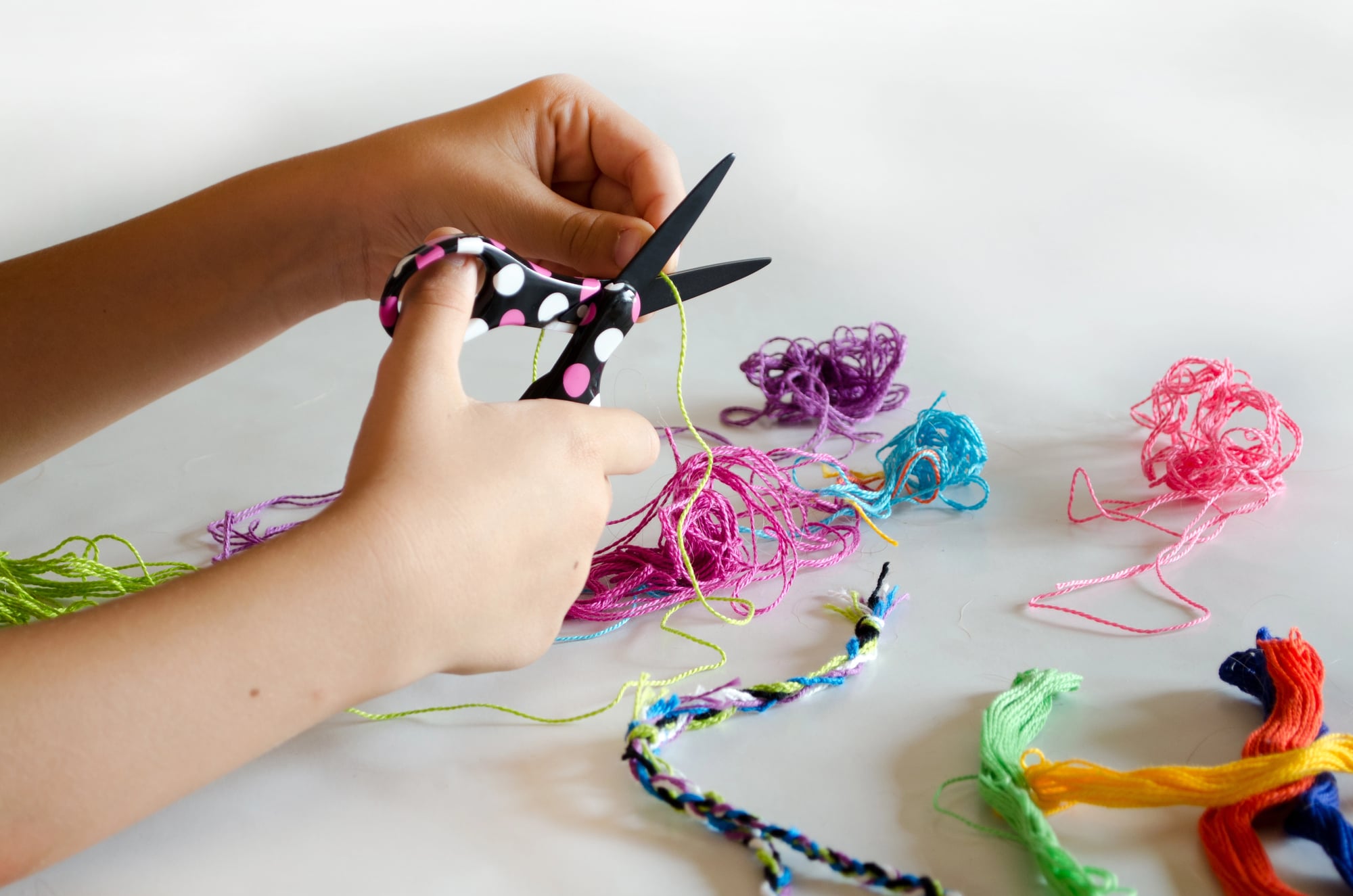
Friendship bracelets — the knotted, fraying kind made from embroidery floss that took three days to finish and turned your wrist green — were a form of currency at summer camp that had nothing to do with money. The ritual of sitting in a circle, fingers working patiently through the same pattern someone’s older sister had taught them, was one of the few genuinely unhurried moments in the camp day.
That specific, stubborn patience is hard to find in a generation that grew up with instant everything.
The Canteen

The canteen was not just a snack shack. It was the closest thing summer camp had to a social economy — a place where a pack of Twizzlers represented negotiating power, where alliances formed over shared Swedish Fish, where the particular agony of arriving second meant the Snickers bar was already gone.
Budget pressures and dietary guidelines combined to shut most canteens down or convert them into supervised, allergen-aware distribution points, which is responsible and also completely charmless.
Rainy Day Camp Songs
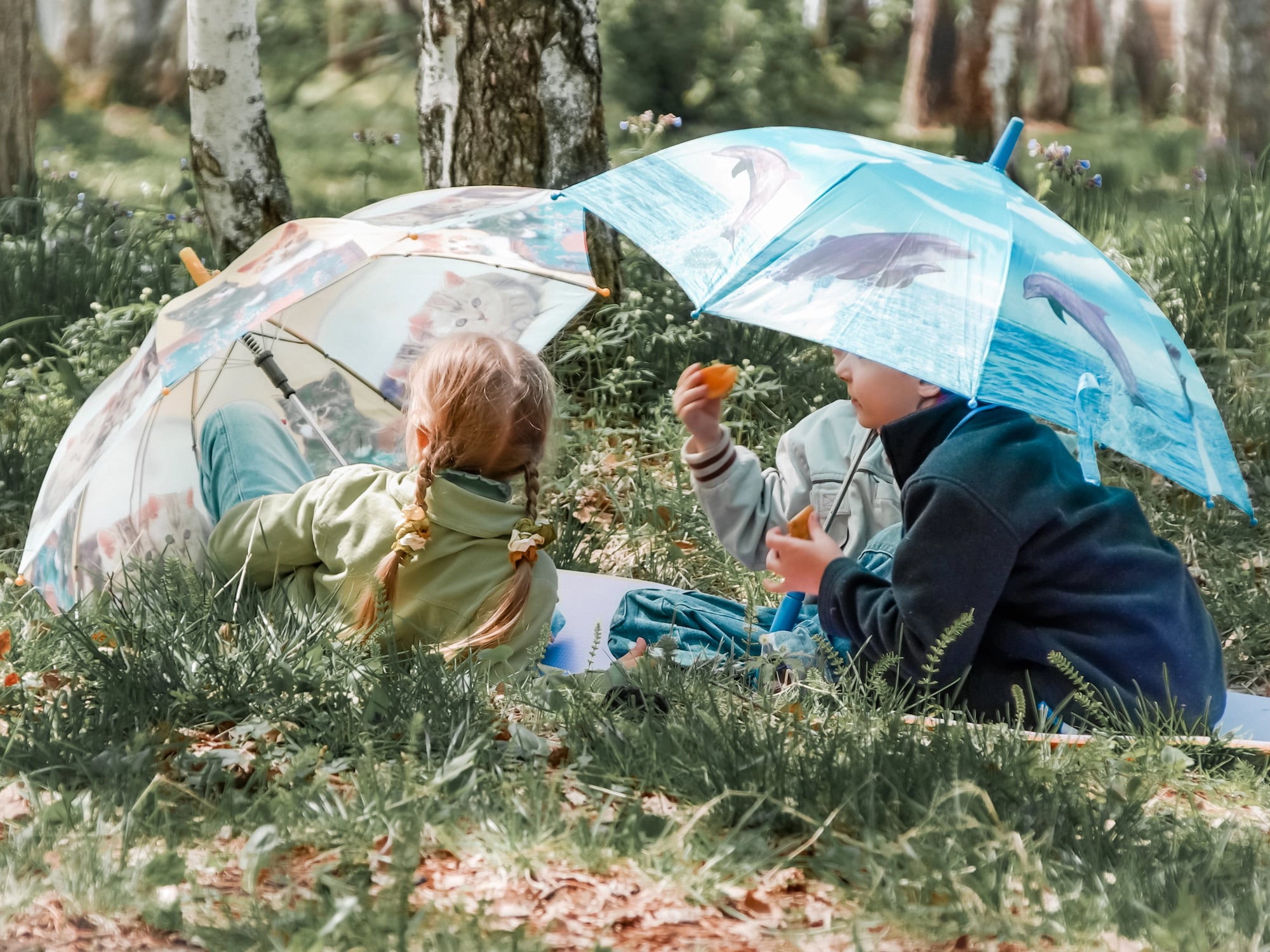
The songs that camps sang on rainy days — stuck inside the mess hall, rain on the roof, someone banging a guitar in a key that didn’t entirely work — had an oral tradition quality to them, passed from one generation of campers to the next with slight lyrical mutations every few years. “On Top of Spaghetti,” “Great Green Gobs,” “I Know a Song That Gets on Everybody’s Nerves” — nonsense songs that existed purely to fill time and somehow became some of the most indelible memories anyone carries from childhood.
Most camps moved to movies during rain days sometime in the early 2000s, and the songs went with them.
Capture the Flag After Dark
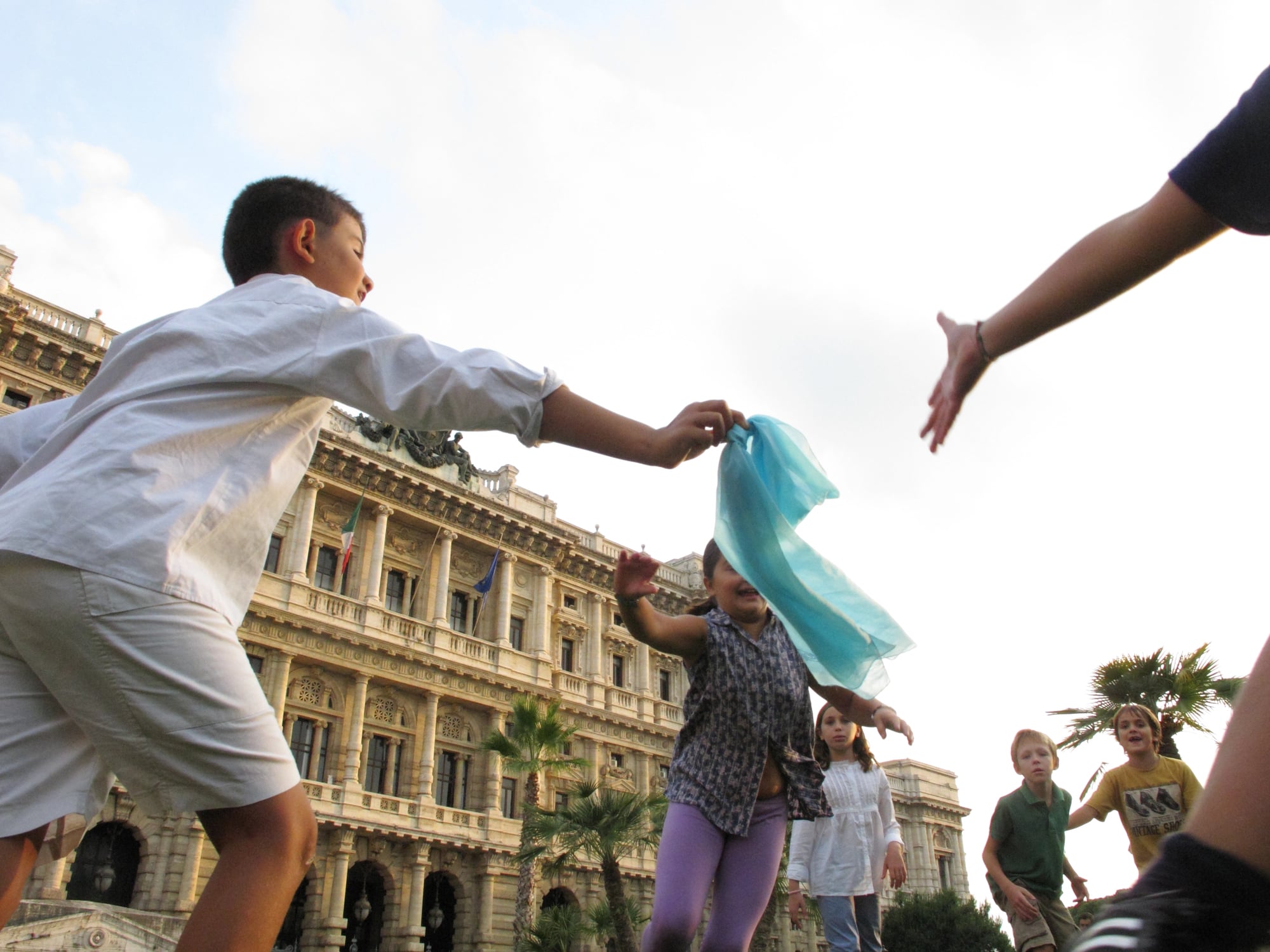
Nighttime capture the flag was its own particular kind of freedom — the woods getting serious, flashlights slicing between trees, the rules of daytime relaxing just enough to let something slightly dangerous in. It was the kind of activity that would require seventeen liability waivers now, which is part of why it disappeared; risk management is a real thing, and skinned knees in the dark have a way of escalating.
But that game taught something about reading darkness, about trusting your own judgment when you couldn’t see very far ahead, that no daylight activity quite replicated.
Nature Journals

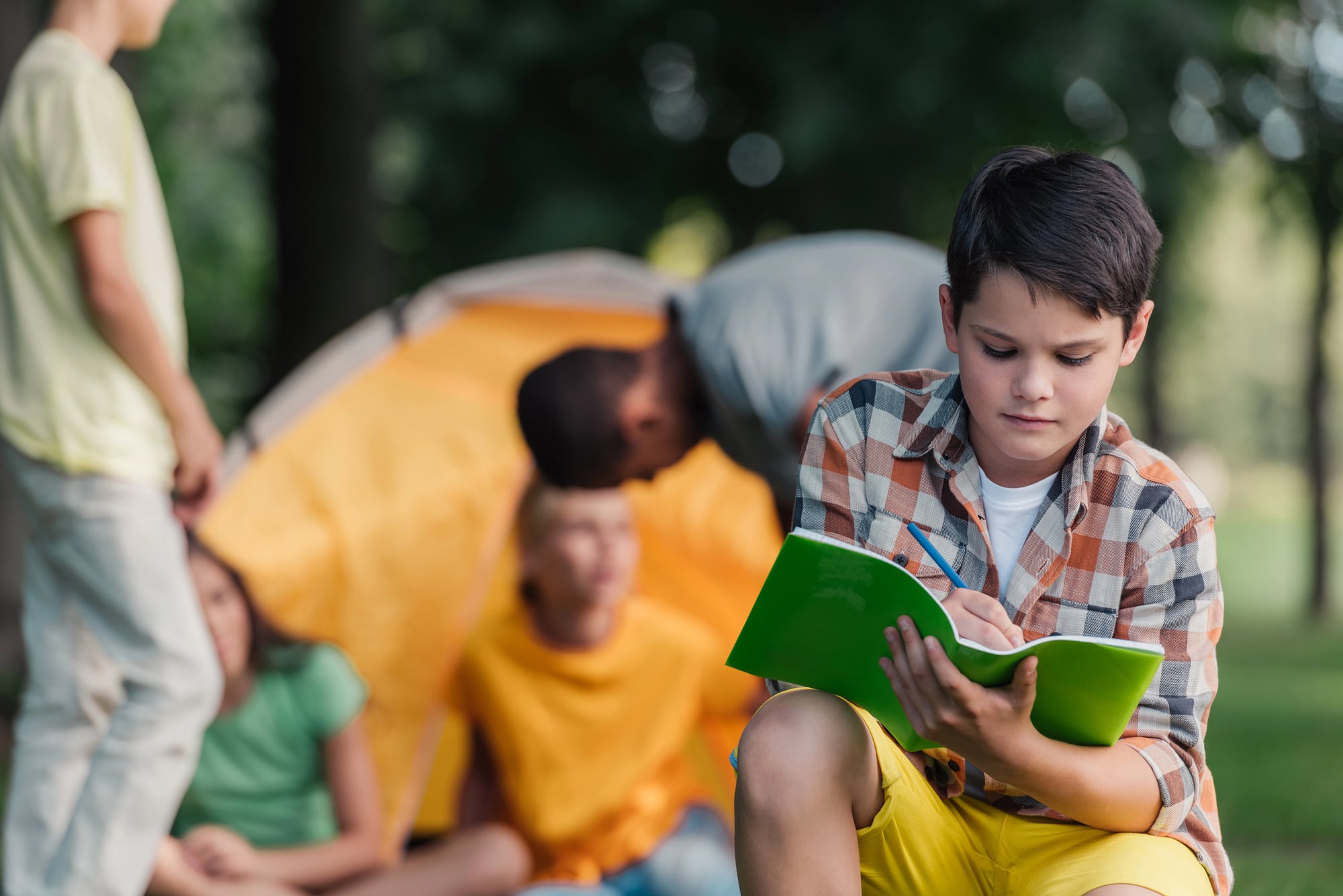
Nature journals — actual paper notebooks where campers were asked to draw what they observed, press a leaf inside the back cover, write the name of a bird they’d identified — required a quality of attention that felt slow even then, even to kids. The practice assumed that sitting quietly and watching a spider rebuild its web for twenty minutes was a worthwhile use of an afternoon, which it was, and which almost nobody will argue for out loud anymore.
Replaced by nature apps, which identify everything instantly and teach nothing about the patience of looking.
Skits Around the Fire
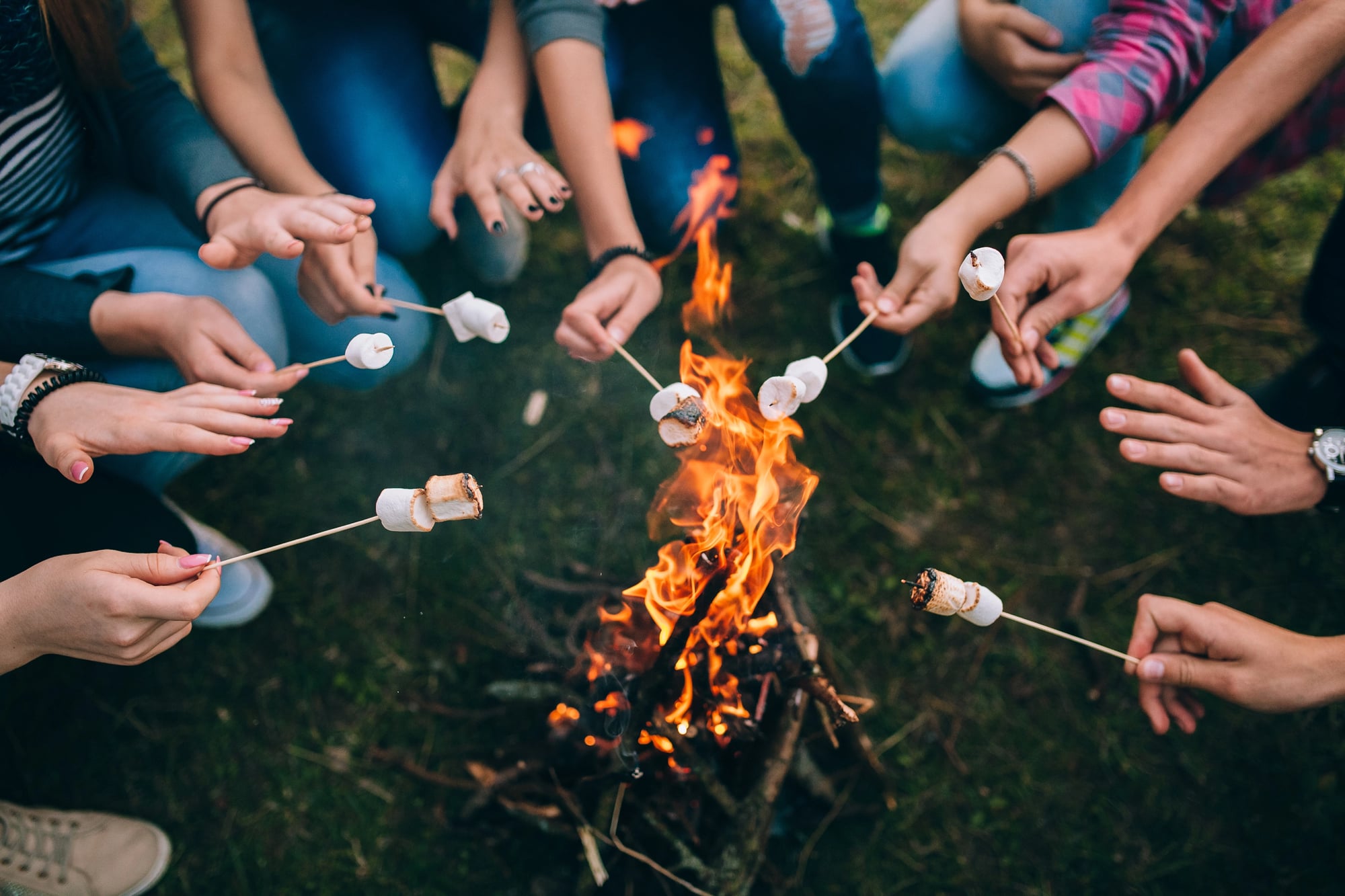
The campfire skit was an art form with no prestige attached to it — three minutes of rehearsal, a pillowcase as a costume, some plot that made no sense but landed on a pun everyone groaned at anyway. What made it remarkable wasn’t the quality, which was reliably terrible, but the unguarded willingness of it: kids performing without any thought of how it would look to anyone outside that circle of firelight.
Social media killed this one, not through any camp policy, but because performing now means performing for a record, and something changes when that’s the condition.
Visiting Day
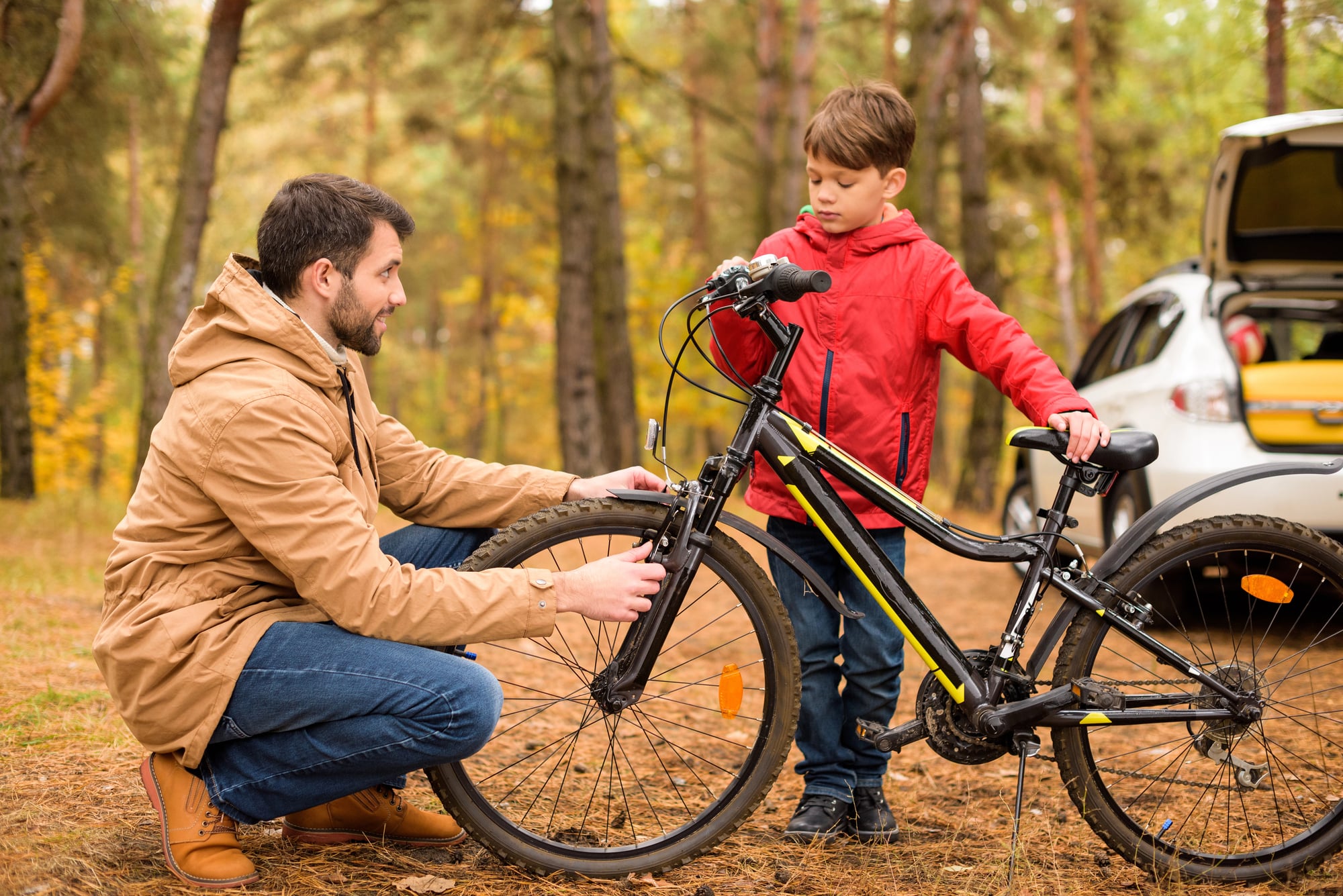
Visiting day had its own specific emotional weather — the morning anxiety of waiting to see if your parents would show up before the other kids’ parents, the strange vertigo of two worlds colliding at the flagpole, and then the peculiar relief of watching the cars drive away again and feeling, somewhat guiltily, okay about it. Camps in the 1970s and 1980s ran a single visiting day per session; by the 1990s many had expanded it; by the 2010s some had eliminated it entirely in favor of constant phone access.
The ritual had weight precisely because it was bounded — one day, then back to the world the campers had made for themselves.
Mail Call
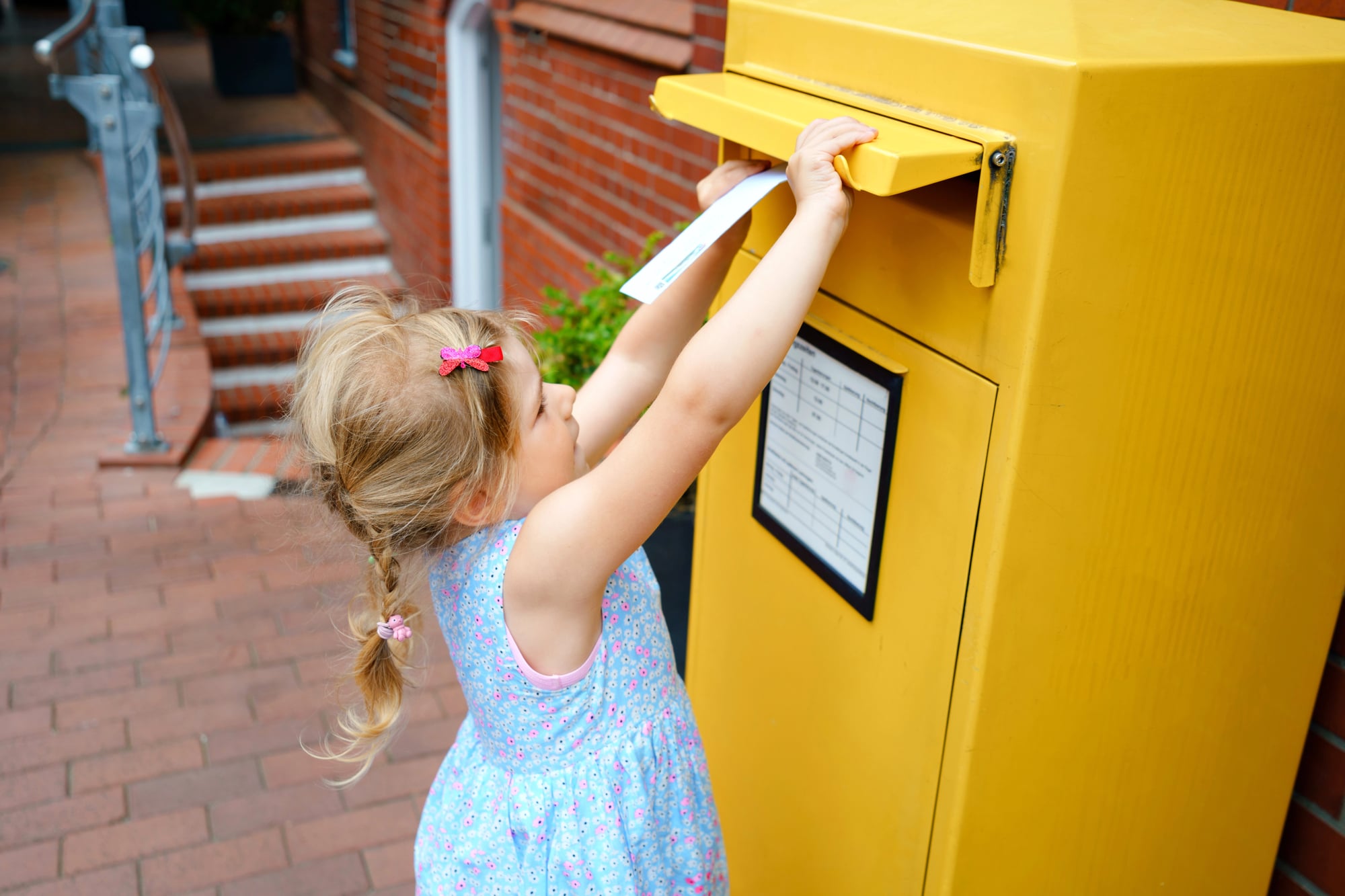
Mail call was theater. The counselor would read names aloud, packages would be hoisted with ceremony, and the kids whose names weren’t called that day would construct elaborate theories about postal delays to preserve their dignity.
Receiving a letter meant someone had sat down and thought about you for long enough to fill a page — an act that feels almost archaeological now, something you’d read about in a book set in a different era.
The last summer camps to hold formal mail call likely retired the tradition sometime around 2015, replaced by nothing, which is the most honest possible tribute.
Tug-of-War

Tug-of-war is one of the oldest competitive games in recorded human history and it is now essentially banned from most American summer camps. The official reasoning involves rope burns, shoulder injuries, and one genuinely catastrophic incident in 1997 in Hawaii that resulted in mass injuries and made liability attorneys everywhere pay close attention.
Fair enough — the specific horror of that event was real. But something was lost when the rope came down: the primal, exhausting, team-or-nothing quality of it, the way it required everyone to pull at exactly the same moment, which is a lesson that scales badly when you’re trying to describe it without a rope.
The Overnight Without Counselors
The solo overnight — or the overnight with minimal adult supervision, where a group of older campers would hike to a designated spot, set up their own shelter, cook their own food, and sleep without a counselor in eyesight — was the capstone of the camp experience for decades. It wasn’t truly unsupervised (adults were nearby, watching from a distance, in the way that good supervision sometimes works), but it felt unsupervised, and that feeling was the entire point.
Insurance requirements and shifting ideas about appropriate risk made these disappear from most camp programs by the late 1990s, taking with them the particular confidence that comes from a night spent in the dark with no adult to ask.
The End-of-Summer Ceremony
The end-of-summer ceremony was once a genuine ritual — a fire, spoken words, the passing of some symbolic object from the oldest campers to the youngest, a moment that acknowledged something real had happened here over the past eight weeks and that it was worth marking. The ceremonies varied wildly by camp — some involved torches, some involved songs that had been sung every closing night for forty years, some involved a moment of silence that an eleven-year-old would remember for the rest of their life.
Streamlined into award ceremonies and slideshow presentations, most of them now feel like the last day of school rather than the close of something that mattered.
Swim Tests
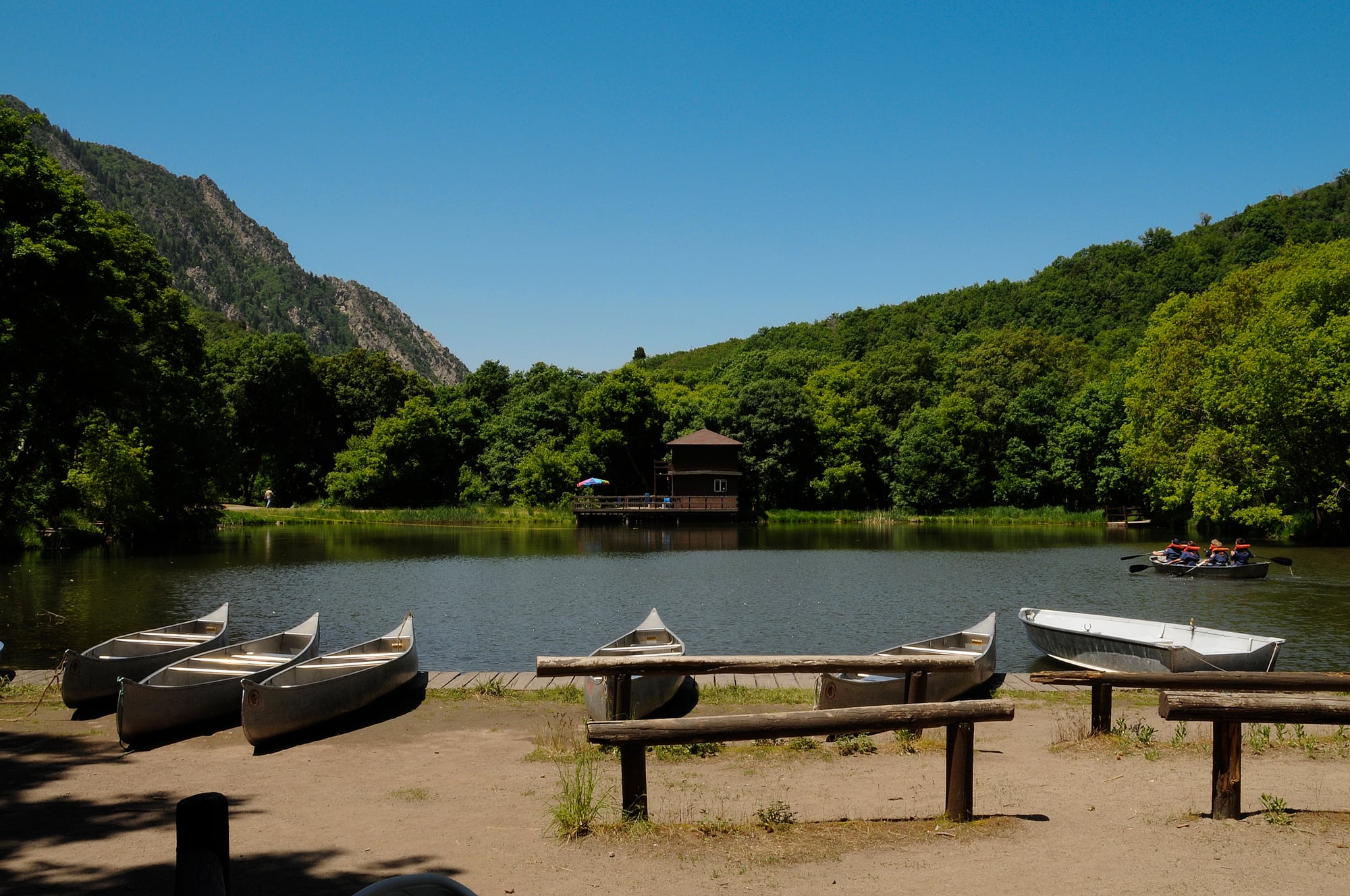
The swim test — that first morning, the cold water, the lifeguard watching impassively while you swam across the roped-off section of the lake and back — sorted the world into two groups with a clarity that nothing else at camp could match. You either made it to the deep end or you didn’t, and there were no participation points for trying, no retest on Thursday.
It was one of the last meritocracies most kids ever encountered before adulthood, which explains both why it vanished and why people who passed it remember the exact feeling of touching that far dock.
The Camp Newspaper

Some camps ran a weekly newspaper — mimeographed or photocopied, typed on an actual typewriter in the early years, filled with in-jokes and fictional sports scores and a gossip column that was technically about fictional characters but was obviously about real people. It was ridiculous journalism and also, for the kids who wrote it, the first time they understood that words could make an entire room react.
Social media absorbed whatever appetite the camp newspaper was feeding, which makes perfect sense, and is also exactly the kind of thing worth mourning.
Lanyard Making

Lanyard-making — the plastic lace braided into keychains or lanyards through repetitive, meditative patterns — had no real purpose, and that was the point. The box stitch, the spiral, the diamond: each one learned from another kid, passed around like a recipe, practiced during the slow afternoon hours when nothing else was scheduled.
The absence of purpose was the gift; you weren’t developing a skill or working toward an outcome, you were just making something with your hands, which is one of the most reliably calming things a human being can do and one of the first things modern camp schedules cut.
Closing Banquet
The closing banquet — a genuine dinner, sometimes with tablecloths and candles, where the mess hall became something else for one night and kids dressed up in whatever approximation of formal wear they’d brought — was camp’s way of saying that beauty and ceremony belong to ordinary people too, not just to weddings and funerals. Counselors would say something real, the kind of thing adults don’t usually say to children directly; campers would cry in a way that surprised them; the food was usually the same as every other dinner but tasted different that night.
It got replaced by pizza parties, which are objectively more popular and entirely beside the point.
What the Summers Remembered
The strange thing about all of this is that nobody held a meeting to decide any of it. Insurance policies shifted, phone policies changed, the demographic of families sending their kids to camp evolved, and one by one these rituals became impractical or inconvenient or simply forgot to keep happening.
The camps that still exist are better supervised, more inclusive, and more thoughtfully run than most of their predecessors — and that’s worth something, which is saying something for anyone who remembers the rougher edges of the old version.
But rituals don’t just organize time; they teach children that certain things are worth doing slowly, with attention, because the moment deserves it — and that particular lesson is harder to schedule.
More from Go2Tutors!

- The Romanov Crown Jewels and Their Tragic Fate
- 13 Historical Mysteries That Science Still Can’t Solve
- Famous Hoaxes That Fooled the World for Years
- 15 Child Stars with Tragic Adult Lives
- 16 Famous Jewelry Pieces in History
Like Go2Tutors’s content? Follow us on MSN.