33 Musical Instruments Sitting in Closets That Hold Their Value
An unused instrument tends to get treated like furniture, shoved into a closet after lessons stop or a band breaks up, and left there for decades. Some of those forgotten cases hold genuinely significant value, driven by a combination of original craftsmanship, brand history, and a finite supply that new manufacturing cannot replicate.
Gibson Les Paul Electric Guitar
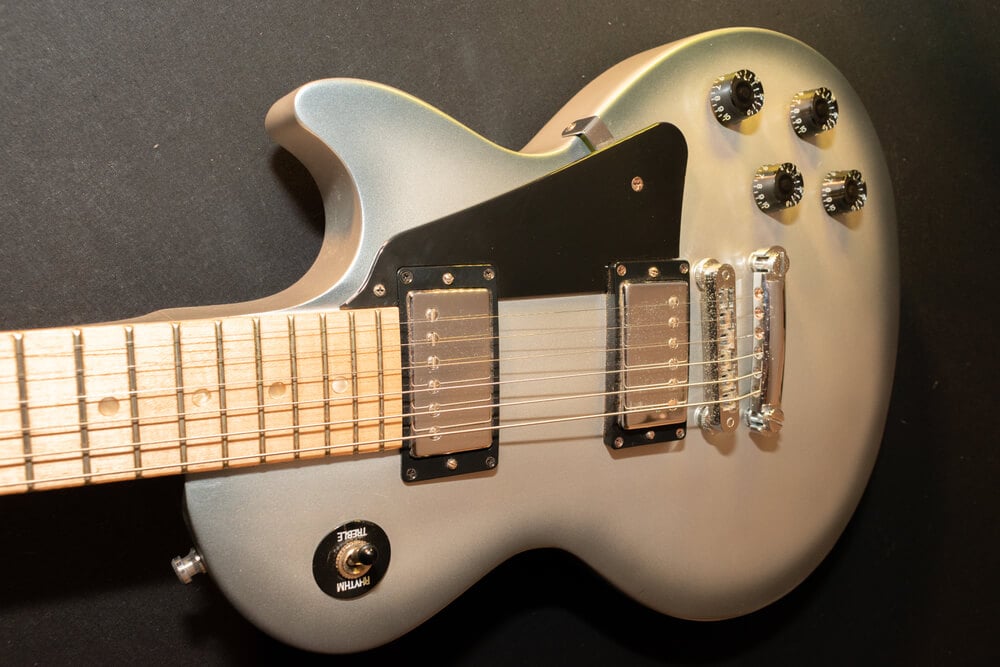
Introduced in 1952 and refined through the following decades, the Gibson Les Paul is one of the most collected electric guitars in the world, with certain vintage years, particularly examples from the late 1950s, commanding especially strong prices due to specific wood and pickup characteristics from that production era. Originality of components, including pickups, hardware, and finish, is closely scrutinized by serious buyers.
A guitar that has been refinished or had parts replaced is typically worth considerably less than one in fully original condition, even with honest playing wear.
Fender Stratocaster
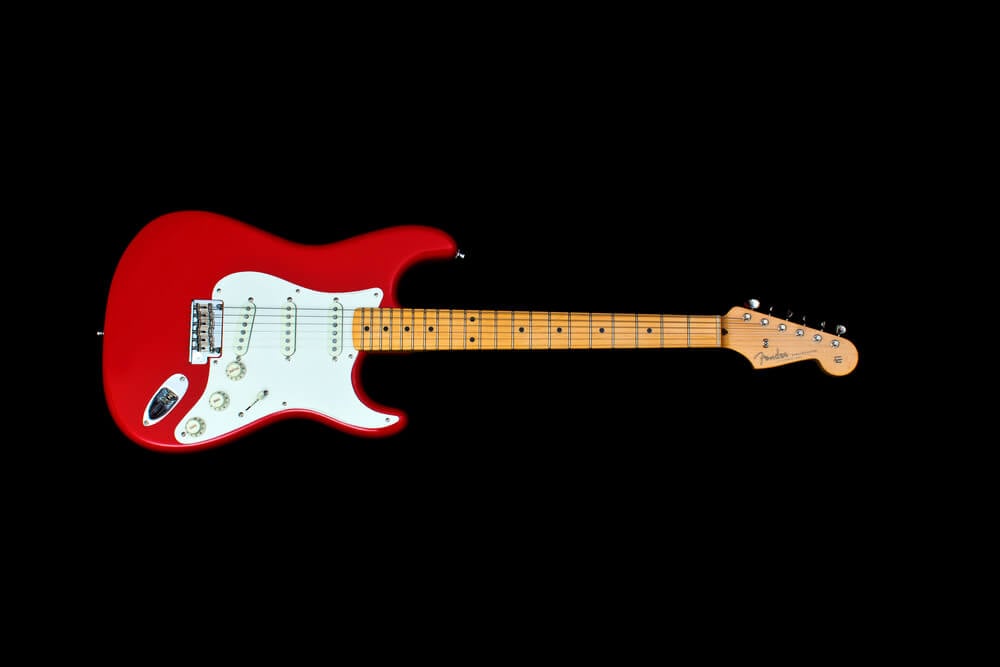
Introduced in 1954, the Fender Stratocaster established a body shape and electronics layout that remains one of the most widely copied guitar designs in the world. Early production examples, along with guitars from specific well-regarded manufacturing periods, are particularly sought after by collectors and working musicians alike.
As with most vintage electric guitars, originality of the finish, pickups, and hardware plays a major role in determining value.
Fender Telecaster
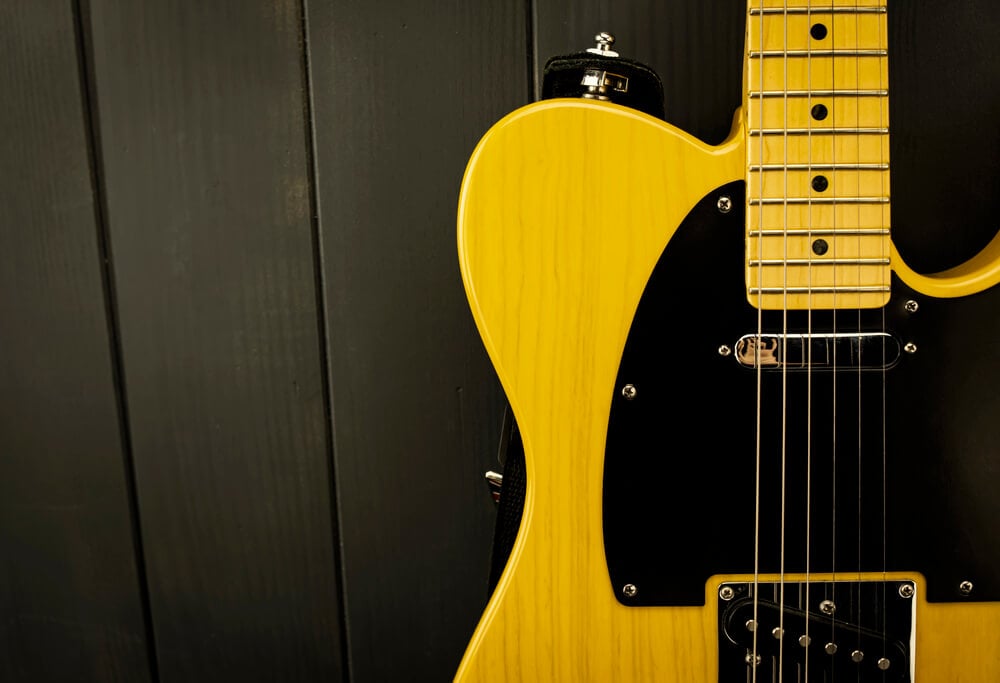
Predating the Stratocaster, the Fender Telecaster, introduced in the early 1950s under an earlier name before being renamed, is considered one of the first commercially successful solid-body electric guitars. Its simpler construction compared to later Fender models has made it a favorite among musicians who value its distinctive twangy tone.
Early examples in original condition, particularly with desirable finish colors, can be worth substantially more than later reissues built to the same specifications.
Martin D-28 Acoustic Guitar
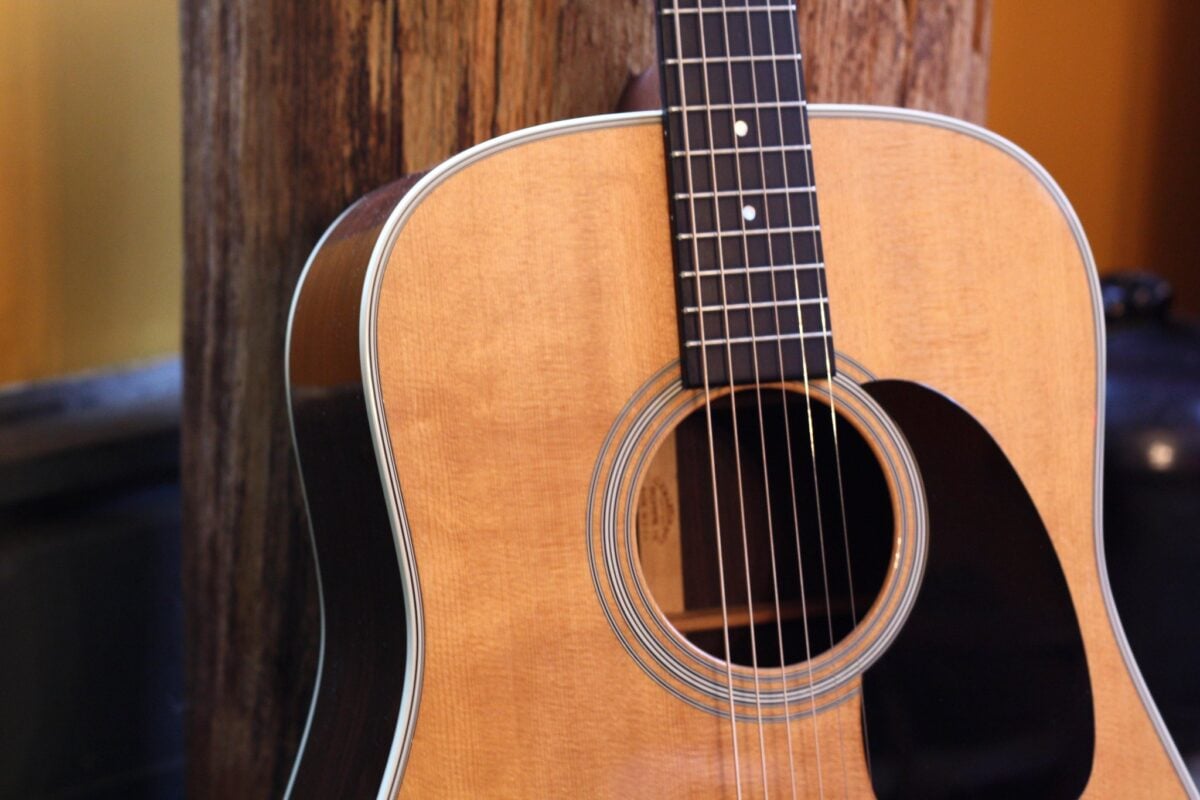
C.F. Martin & Company’s D-28 dreadnought acoustic guitar, in continuous production in various forms since the 1930s, is widely regarded as one of the benchmark acoustic guitars against which others are measured. Pre-war examples, built before changes in bracing and materials during the World War II era, are especially prized by collectors and are correspondingly rare.
Even later production D-28s hold value well due to Martin’s consistent reputation for build quality across its long history.
Gibson J-45 Acoustic Guitar
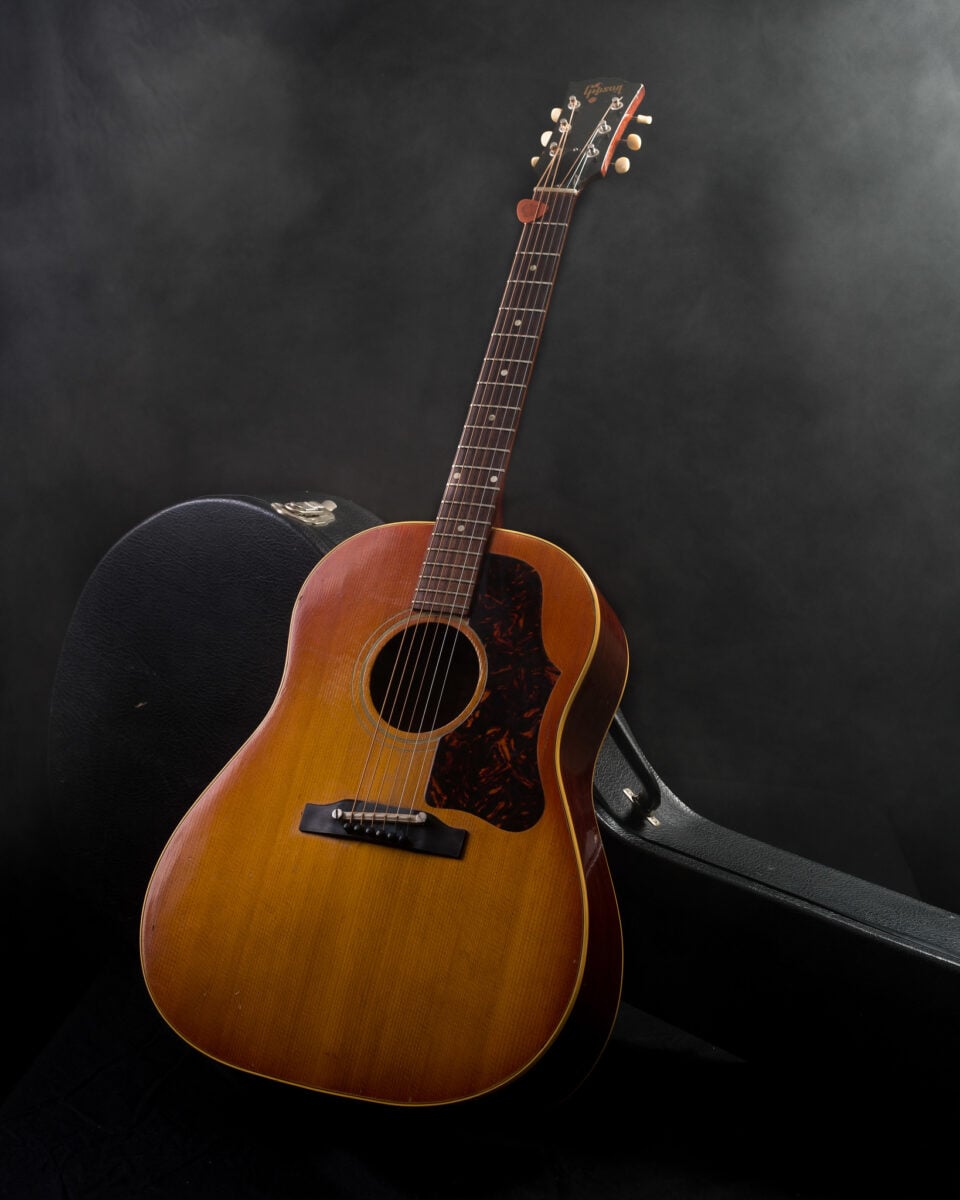
Introduced in 1942 and nicknamed the workhorse guitar by generations of musicians for its reliability and balanced tone, the Gibson J-45 has remained in near-continuous production. Vintage examples from specific decades are valued differently depending on changes in Gibson’s construction methods over the years.
A well-maintained example with its original finish and bracing intact generally commands a stronger price than one that has undergone significant repair work.
Rickenbacker 360 Electric Guitar
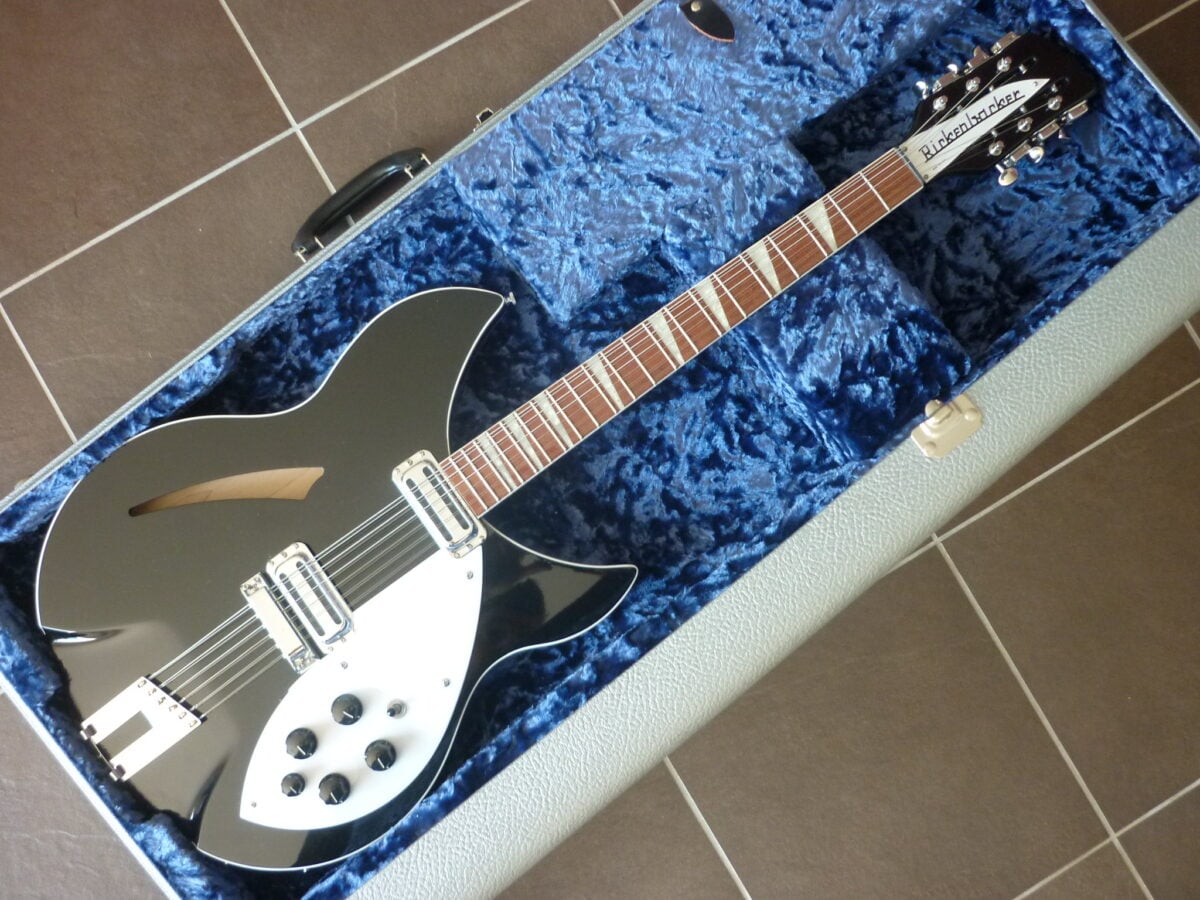
Rickenbacker’s 360 model, particularly associated with its distinctive jangling tone used prominently in 1960s rock recordings, remains highly sought after for both its sound and its association with specific well-documented recordings from the period. The model’s semi-hollow construction and distinctive body shape set it apart visually from competing designs of the same era.
Vintage examples from the 1960s in original condition are considerably scarcer and more valuable than later reissues.
Gretsch Hollow-Body Guitars
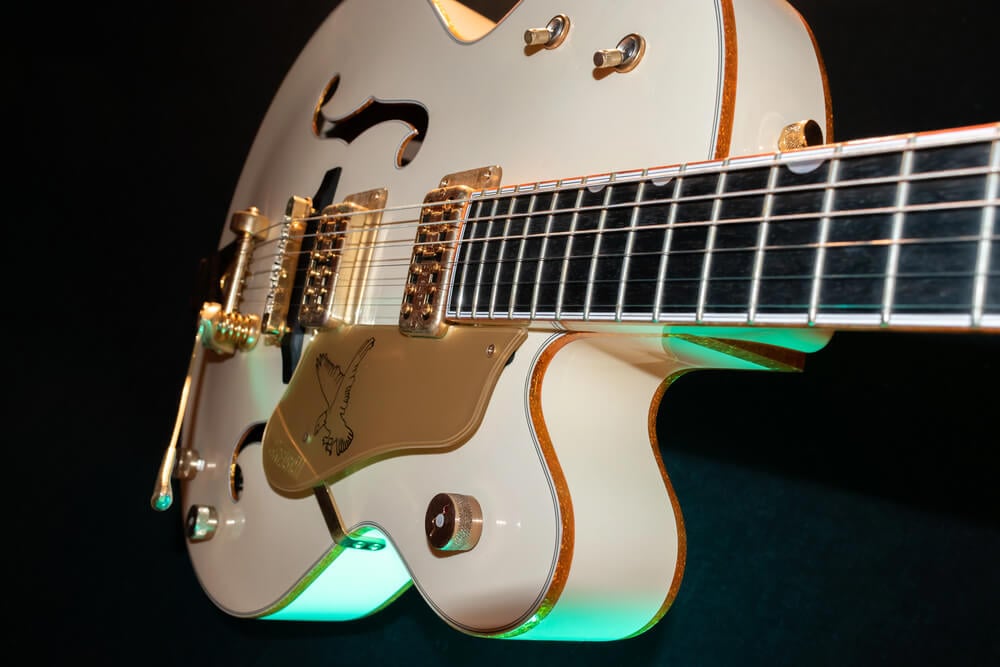
Gretsch’s hollow-body electric guitars, popular from the 1950s onward and associated with both rockabilly and country music of the period, are valued for their distinctive resonant tone that differs meaningfully from solid-body designs. Specific vintage models with original Filter’Tron pickups are particularly sought after by collectors focused on period-correct tone.
As with most vintage guitars, originality of hardware and finish drives value more than age alone.
Ludwig Drum Kits
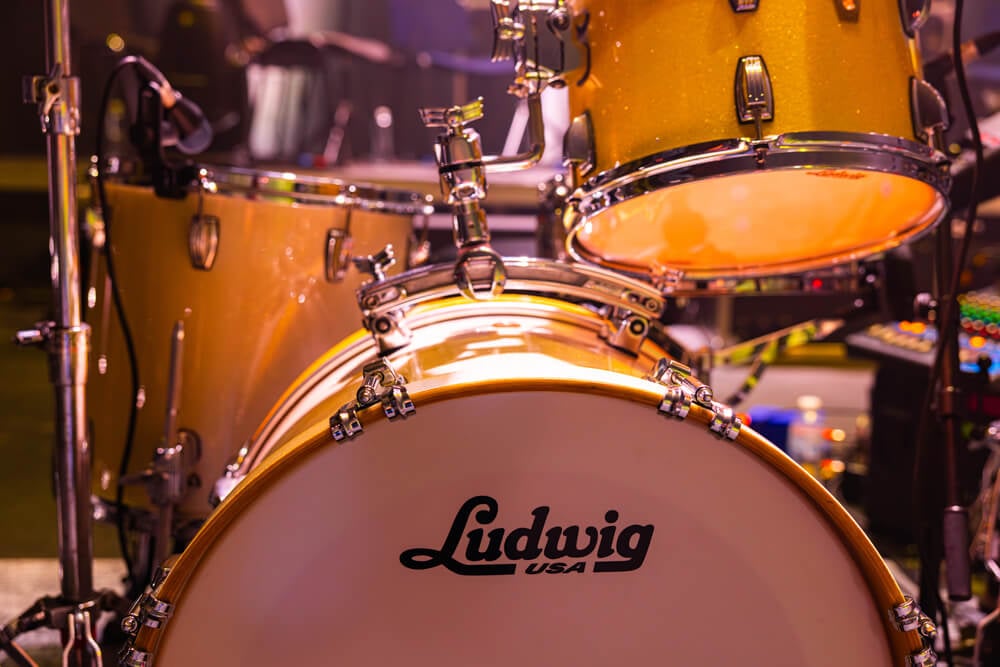
Ludwig Drum Company, based in Chicago and closely associated with drummers across multiple genres throughout the twentieth century, produced kits that remain benchmark examples of American drum manufacturing. Certain vintage finishes and hardware configurations from specific production decades are particularly sought after by collectors.
A complete matched vintage kit with original hardware and hoops is considerably more valuable than a set assembled from mismatched pieces of different eras.
Steinway & Sons Grand Pianos
Steinway & Sons, founded in New York in the mid-nineteenth century, has maintained a reputation for concert-quality pianos that keeps demand for well-preserved vintage instruments strong among both performers and collectors. Value depends heavily on the piano’s specific age, size, and the condition of its soundboard and action, since a full restoration can be a significant undertaking in its own right.
A vintage Steinway that has been properly maintained or restored by a qualified technician generally holds value far better than one left to deteriorate in storage.
Wurlitzer Electric Pianos
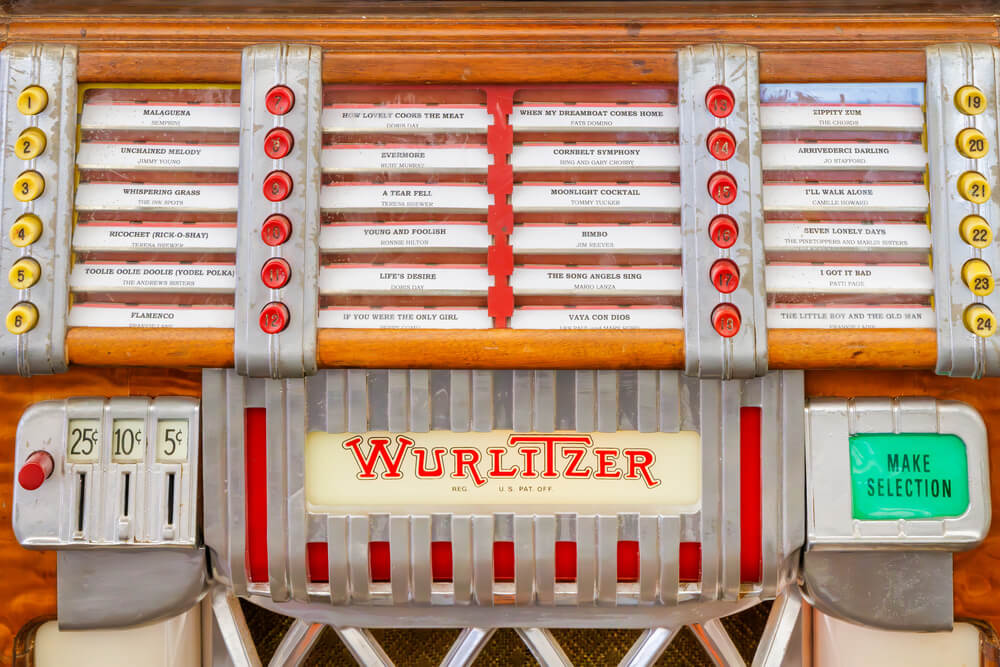
Wurlitzer’s electric piano models, particularly those produced from the 1950s through the 1970s, became closely associated with specific musical genres of the period due to their distinctive reed-based tone, quite different from the later electric piano designs that followed. Working examples with functioning original electronics are considerably more valuable than non-functioning ones, since repair requires specialized knowledge of the instrument’s reed and pickup system.
Cosmetic condition of the wooden cabinet also factors into overall value for collectors who display the instrument.
Hammond B3 Organ
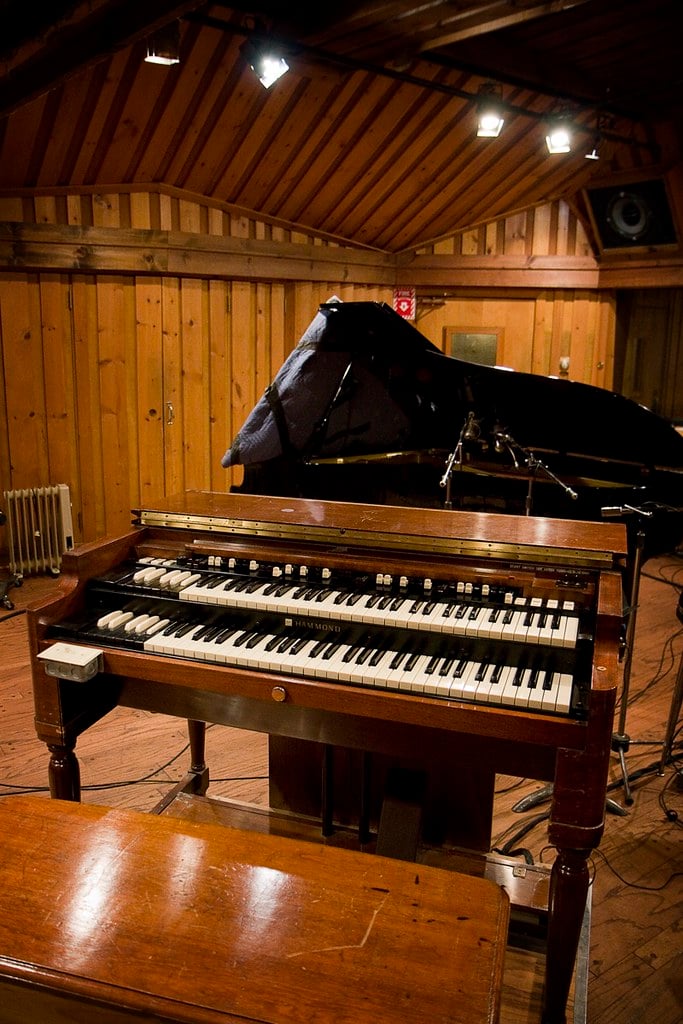
The Hammond B3 organ, produced from the 1950s through the 1970s, remains one of the most recognized electric organs in music history, valued for its distinctive tonewheel-generated sound that later digital instruments have struggled to fully replicate. A functioning original tonewheel generator significantly affects value, since these mechanical components are complex and increasingly difficult to service.
Organs paired with their original matching Leslie rotating speaker cabinet are typically worth more as a set than either component sold separately.
Fender Precision Bass
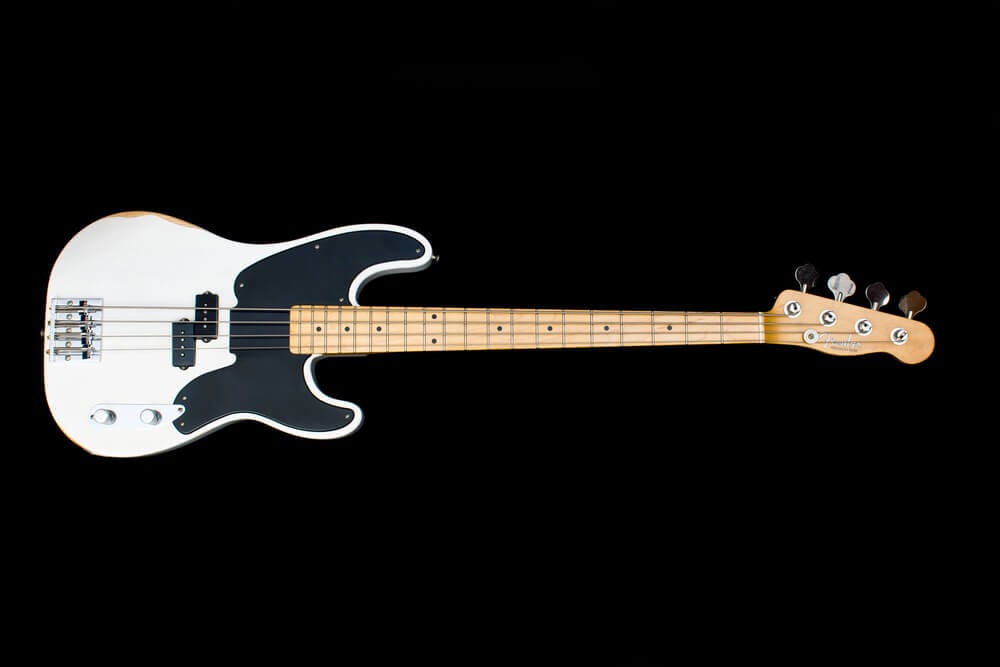
Introduced in 1951, the Fender Precision Bass is widely credited as the first commercially successful electric bass guitar, fundamentally changing how bass was played and recorded compared to the upright basses it began to replace. Early production examples are particularly significant to collectors given the model’s foundational role in the instrument’s history.
As with other vintage Fender instruments, originality of components and finish plays a major role in determining a given example’s value.
Selmer Mark VI Saxophones
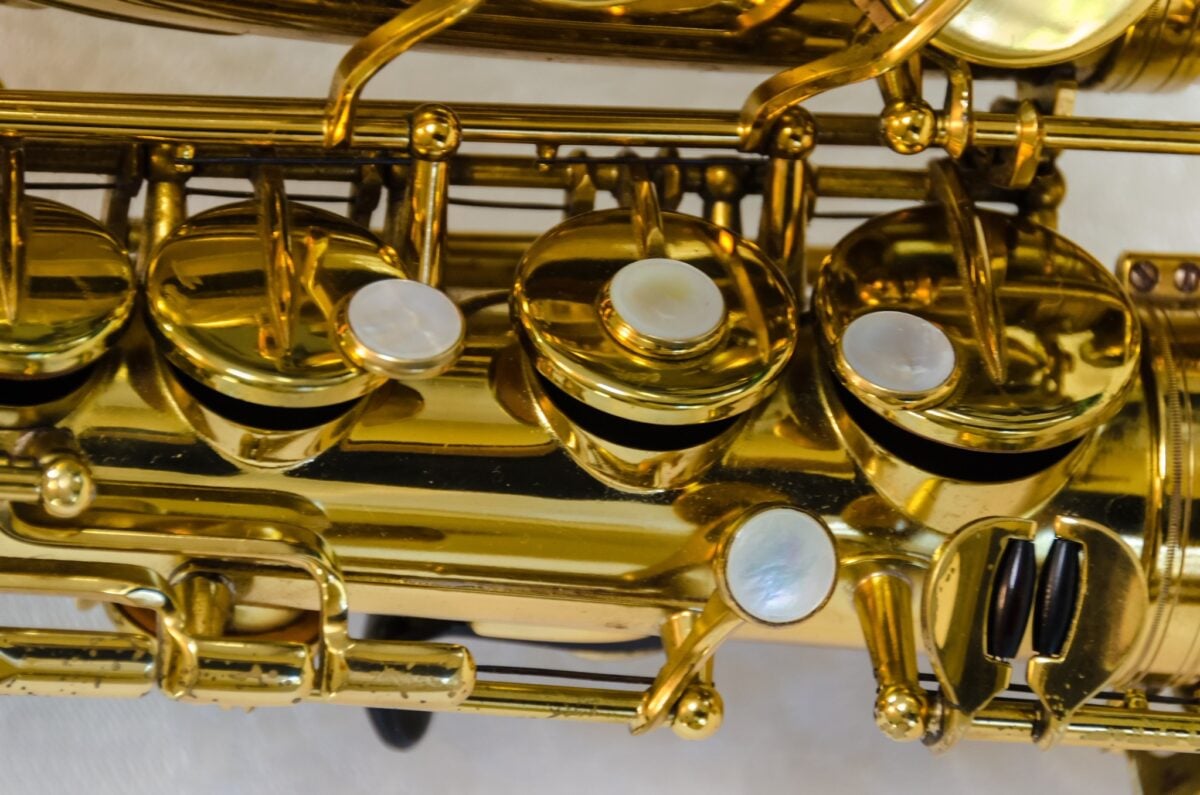
Produced by the French manufacturer Selmer from 1954 through 1981, the Mark VI saxophone is widely regarded by professional players as one of the finest saxophones ever produced, a reputation that has kept vintage examples in strong demand for decades. Specific serial number ranges within the Mark VI production run are associated with particular tonal characteristics that specialist buyers seek out.
A well-maintained example with its original lacquer finish intact commands a significant premium over a heavily worn or relacquered horn.
Conn 8B Trumpets
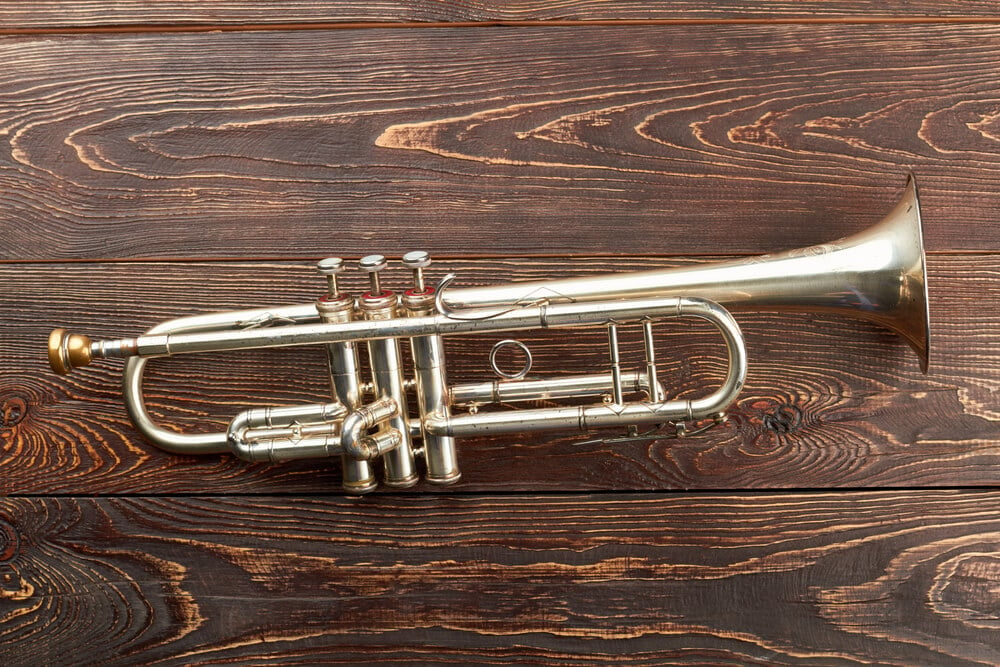
C.G. Conn, a longtime American brass instrument manufacturer, produced trumpets through the twentieth century that remain respected among collectors and players for their build quality, with certain vintage models from specific manufacturing eras particularly sought after. Instruments produced during the company’s Elkhart, Indiana manufacturing period are generally regarded more highly than later production from other facilities.
Valve condition and the presence of original, undamaged slides are essential factors in a vintage trumpet’s playability and value.
Bach Stradivarius Trumpets
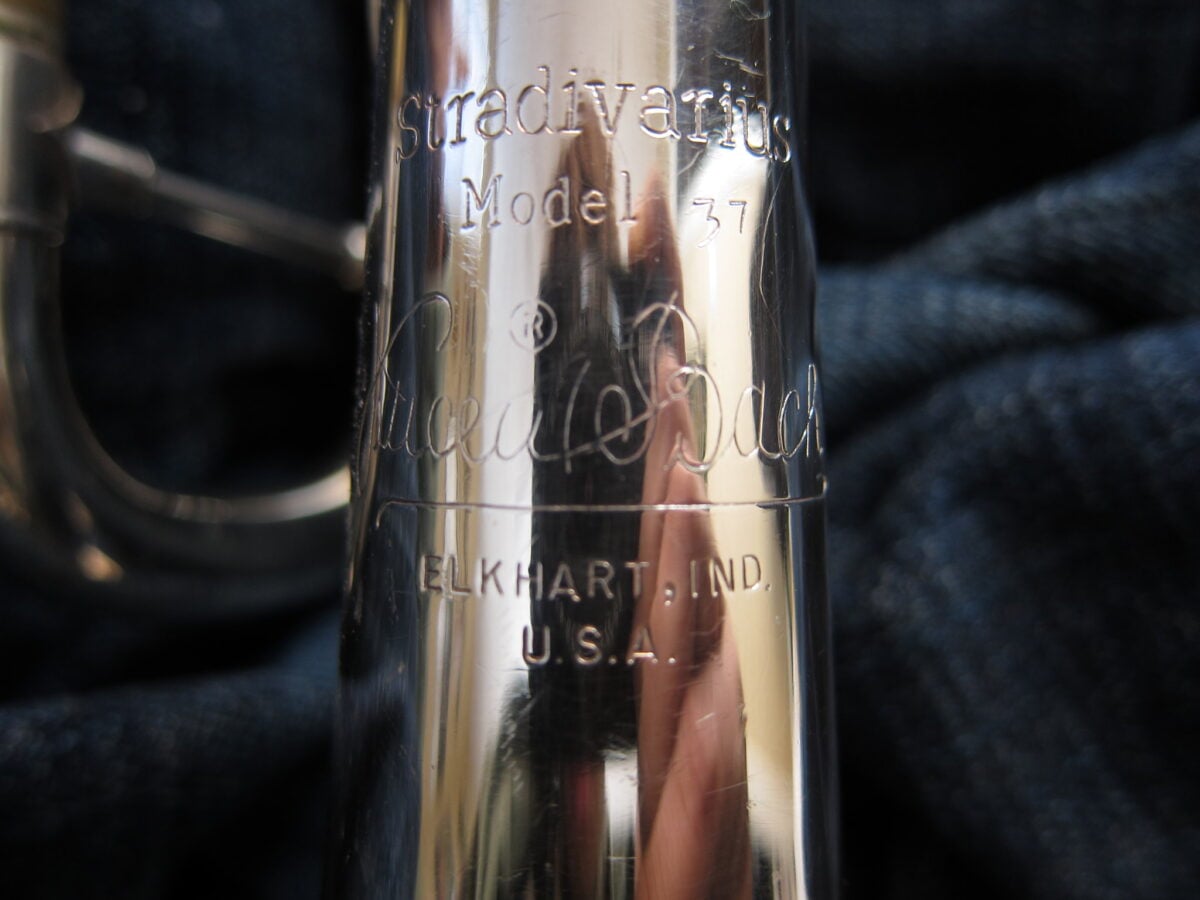
Despite sharing a name with the famous violin maker, the Bach Stradivarius trumpet line, developed by American instrument maker Vincent Bach in the twentieth century, earned its own reputation as a benchmark professional trumpet independent of any connection to the historical violin family. Vintage examples from specific desirable production years are actively sought by professional and collecting trumpet players alike.
As with most brass instruments, originality of the bell and undamaged valve casings are central to assessing a vintage horn’s value.
Gibson F-5 Mandolins
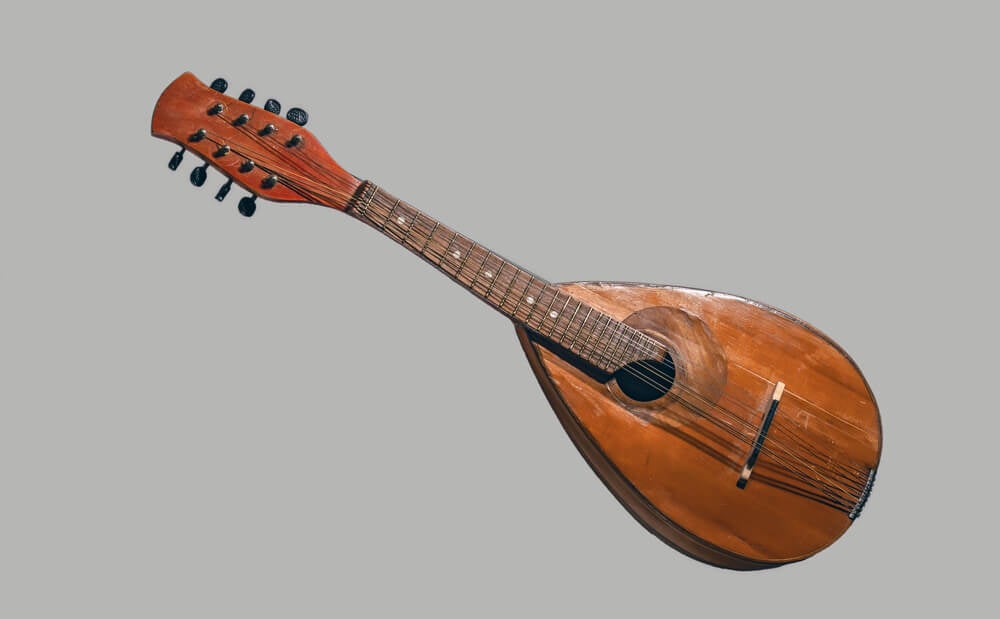
Gibson’s F-5 mandolin, particularly examples produced during the 1920s under the direction of acoustic engineer Lloyd Loar, is considered by bluegrass and mandolin specialists to represent the high point of the instrument’s design and tone. Loar-signed examples from this specific short production period are exceptionally rare and can command prices far beyond typical vintage instruments.
Even later Gibson F-5 mandolins produced after Loar’s departure hold strong value due to the enduring reputation the model established.
Antique European Violins
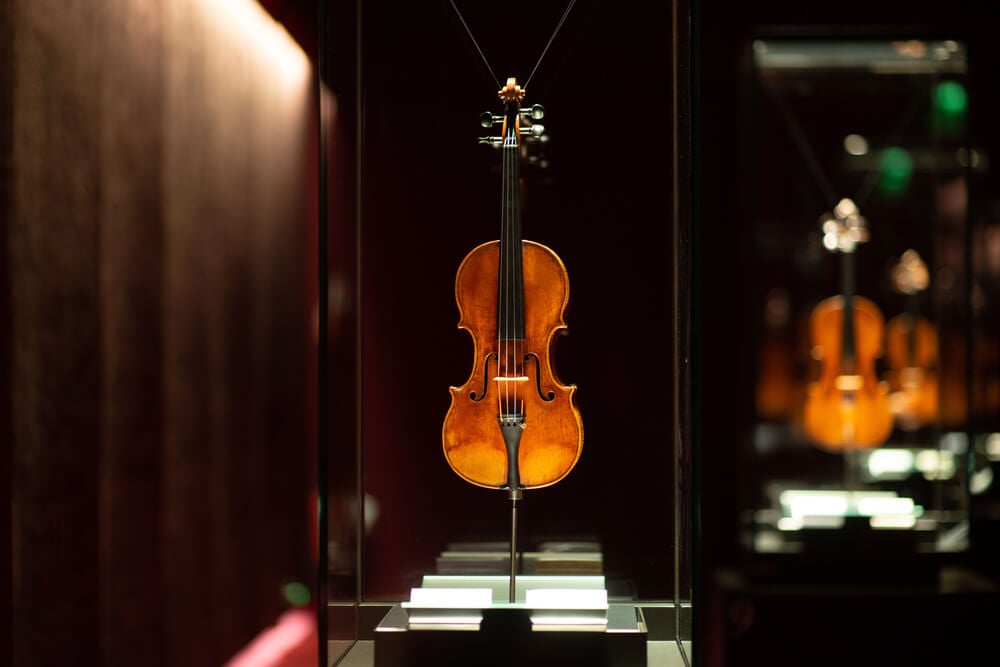
Violins produced by skilled European makers over the past several centuries vary enormously in value depending on maker, provenance, and condition, with instruments by historically documented makers occasionally reaching extraordinary prices at auction. Even violins by less individually famous makers from historic violin-making regions can hold significant value if well preserved and properly attributed.
Because the violin authentication field is highly specialized and the market has attracted convincing fakes, buyers of higher-value instruments typically rely on expert appraisal rather than labels or family history alone.
Gibson Mastertone Banjos
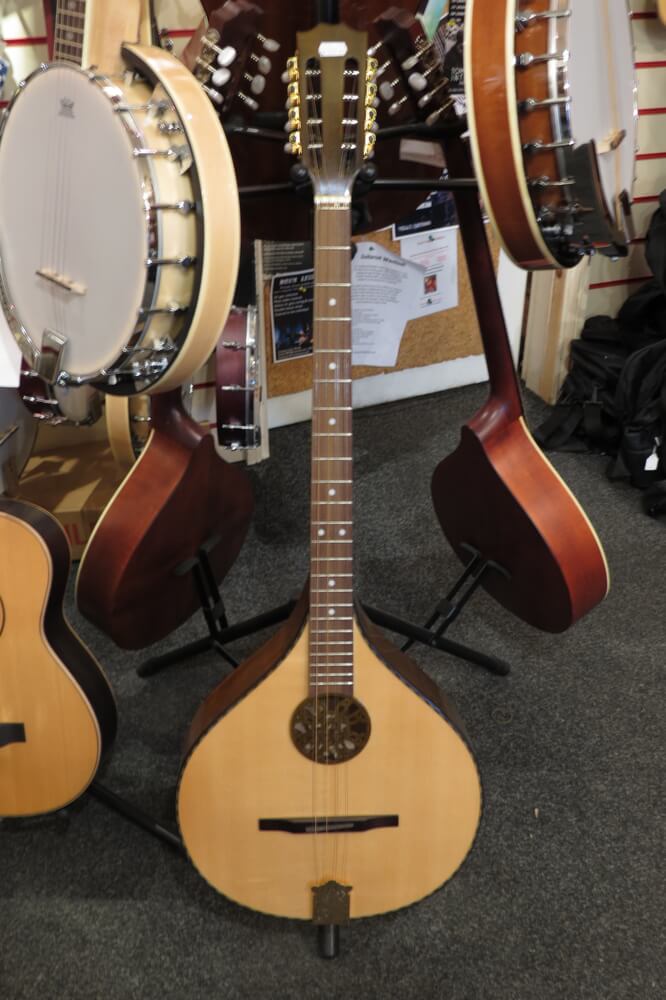
Gibson’s Mastertone banjo line, particularly examples produced during the 1920s and 1930s, is regarded by bluegrass specialists as representing some of the finest banjo craftsmanship of the twentieth century. Specific tone ring designs used during different production periods are closely associated with the distinctive sound sought by serious players and collectors.
A well-preserved original Mastertone from the desired pre-war era can be worth many times more than a later reissue built to similar specifications.
Vintage Italian Accordions
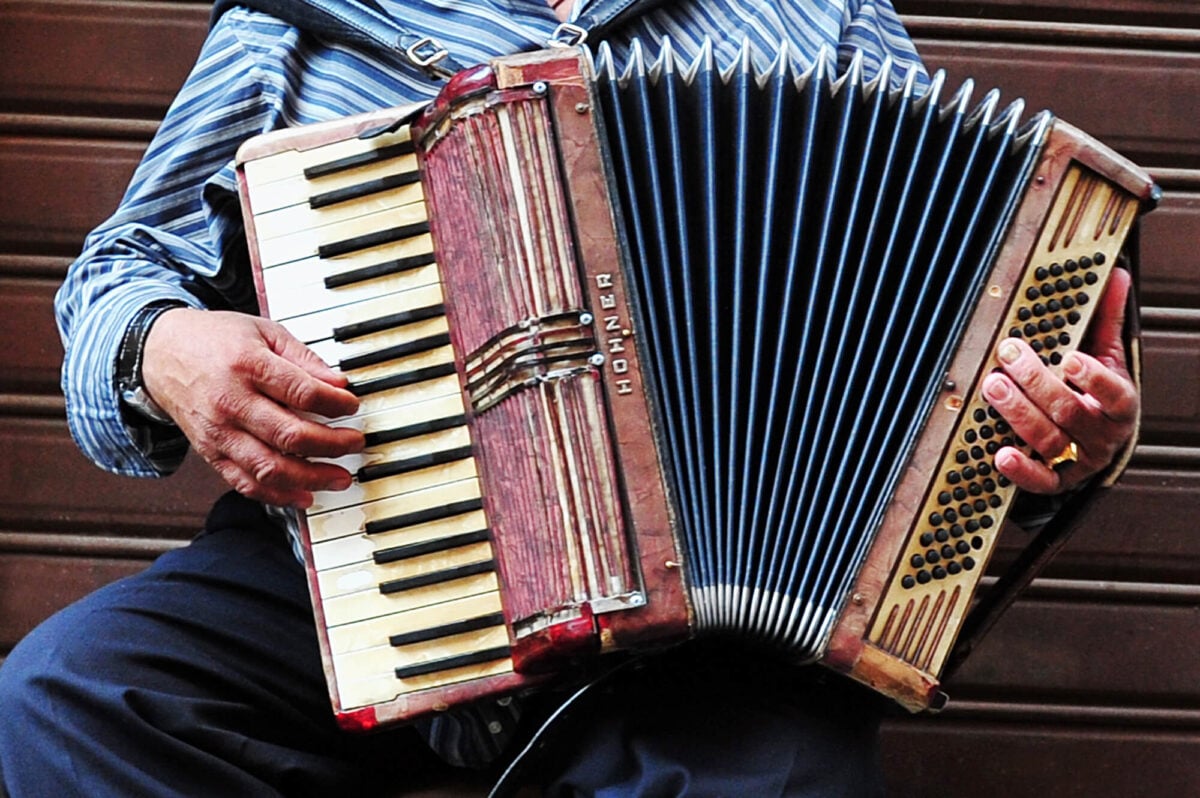
Italian manufacturers, particularly those based in the accordion-making region around Castelfidardo, produced high-quality accordions through much of the twentieth century that remain respected among players for their tone and construction. Ornately decorated vintage examples, sometimes featuring elaborate mother-of-pearl inlay, are more collectible than plainer working models.
A fully functioning bellows and reed system significantly affects an accordion’s value, since repair of these components requires specialized expertise that fewer technicians still offer.
Hohner Marine Band Harmonicas
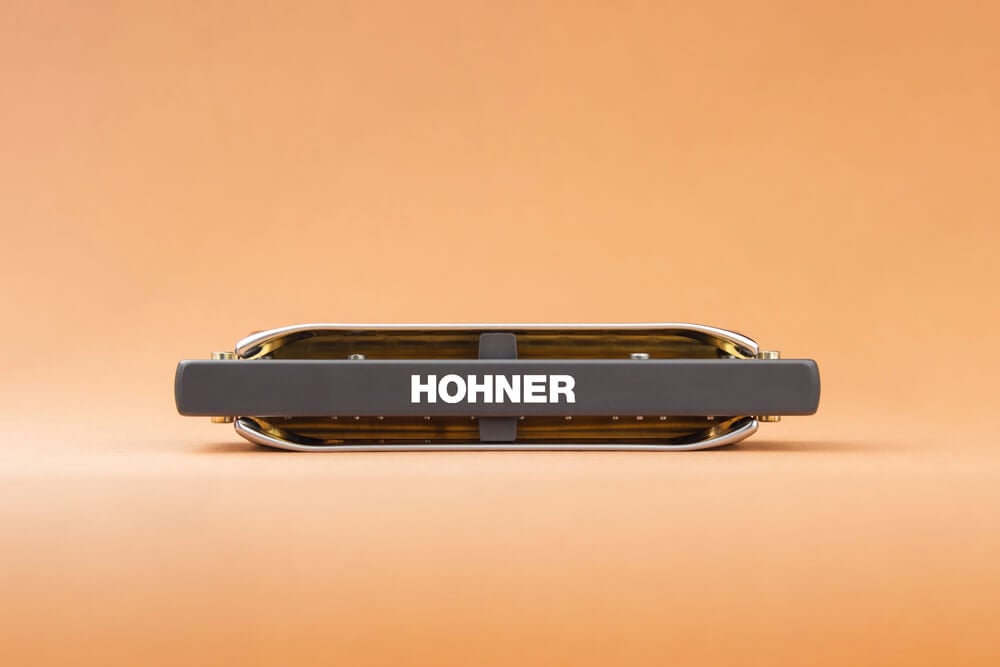
Hohner’s Marine Band harmonica, introduced in the late nineteenth century and remaining in production in a similar form for well over a century, is one of the most widely used harmonicas in blues and folk music history. While individual common examples are relatively affordable, vintage models from specific historic production periods, particularly with period-correct branding and box packaging, hold more collector interest than a plain modern equivalent.
Working condition matters considerably for buyers who intend to actually play the instrument rather than simply display it.
Minimoog Synthesizers
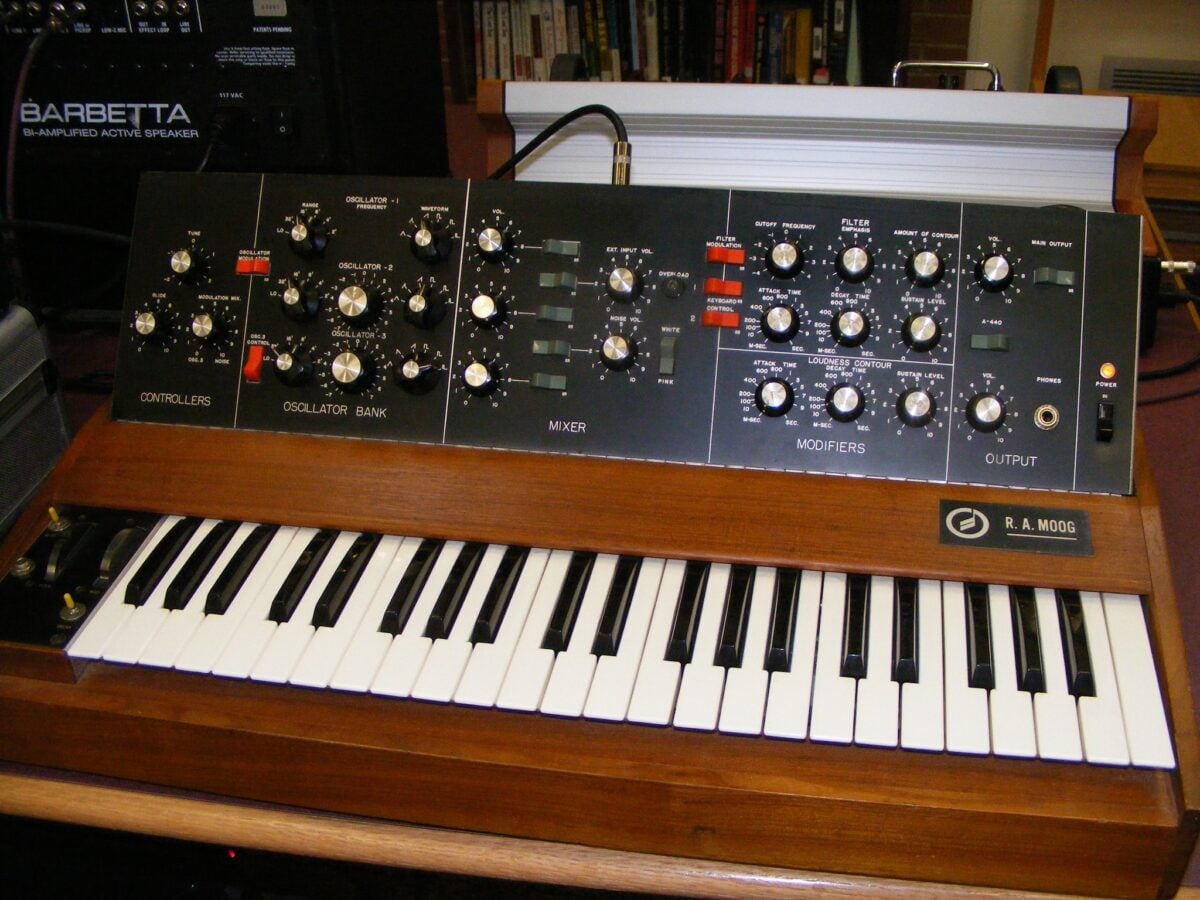
Introduced by Moog Music in 1970, the Minimoog was among the first widely available portable analog synthesizers and remains highly influential in the history of electronic music. Original units in working condition are increasingly scarce and valuable, since the aging analog circuitry requires specialized technical knowledge to service properly.
A fully functioning original Minimoog, with its distinctive analog sound intact, can be worth a substantial sum well above what its original retail price might suggest.
Fender Rhodes Electric Piano
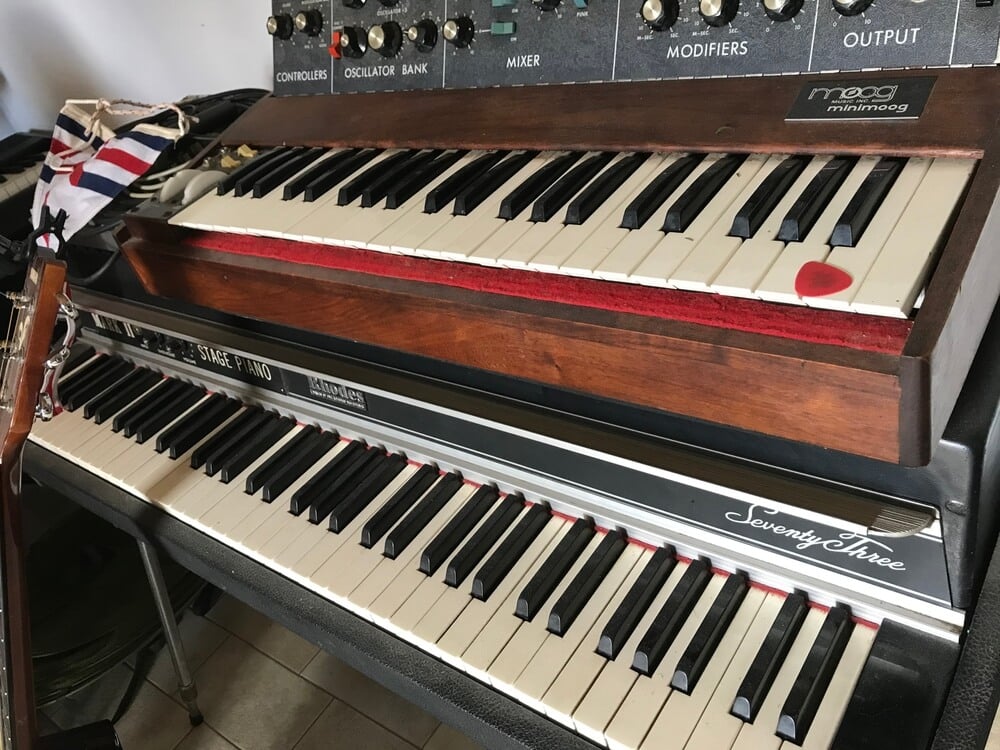
The Fender Rhodes electric piano, developed by Harold Rhodes and produced under the Fender name and later independently, became a defining keyboard sound across multiple genres from the 1960s through the 1980s. Specific production years are associated with particular tonal characteristics that keyboard specialists actively seek out.
A properly maintained example with functioning tines and pickups commands considerably more than a non-working unit sold primarily for parts.
Buffet Crampon R13 Clarinets
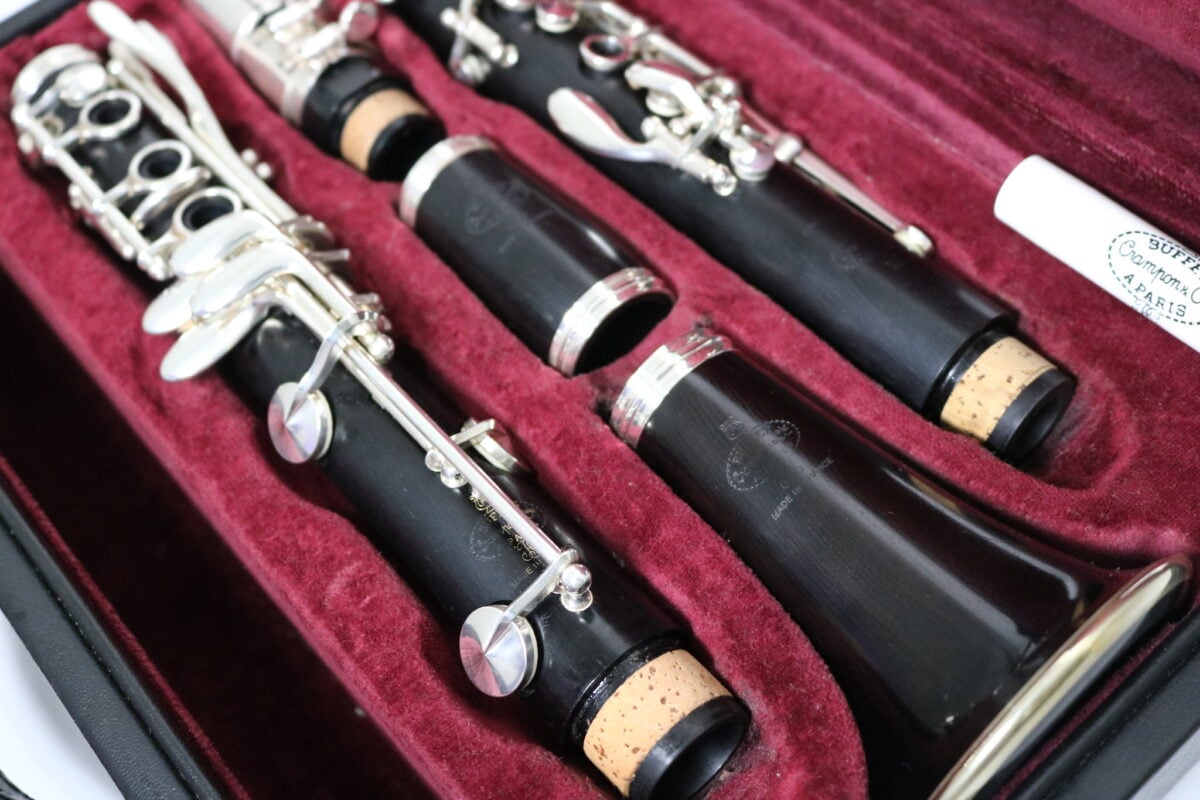
Buffet Crampon’s R13 clarinet, introduced in the 1950s and remaining a benchmark professional clarinet model for decades afterward, is widely regarded by classical and jazz clarinetists as one of the finest clarinets available. Vintage examples from specific desirable production periods are actively sought by professional players in addition to collectors.
Bore condition and the absence of cracks in the wood body are essential factors in a vintage clarinet’s playability and resale value.
Vintage Powell and Haynes Flutes
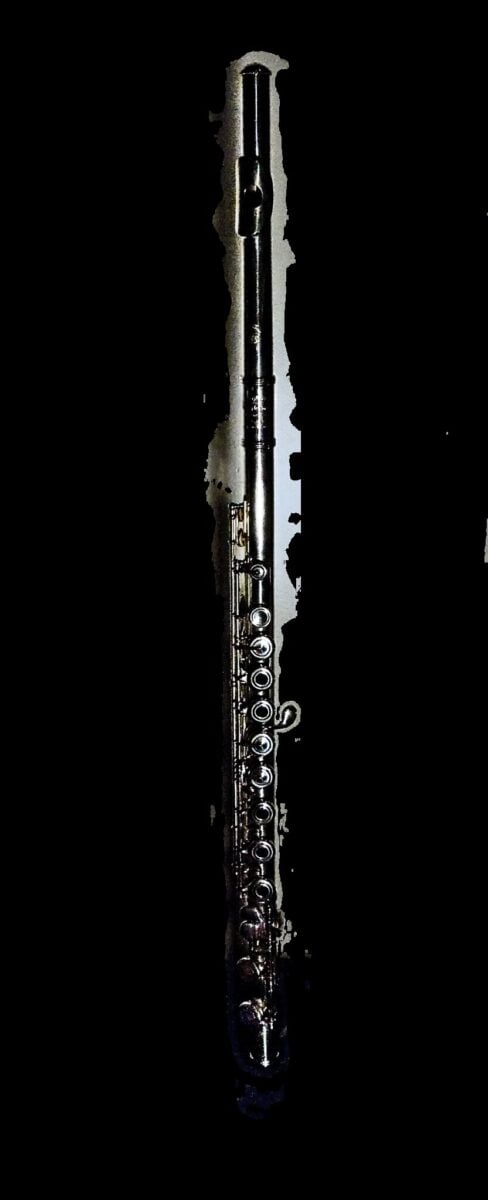
American flute makers Powell and Haynes, both based in Boston and active for much of the twentieth century, are recognized among flutists for producing handcrafted instruments regarded as among the finest available. Vintage examples in solid silver or gold, rather than plated metal, generally command significantly higher prices reflecting both craftsmanship and material value.
Because these are handmade instruments produced individually rather than on a mass assembly line, each surviving example carries its own specific history that specialist dealers document carefully.
Conn 8H Trombones
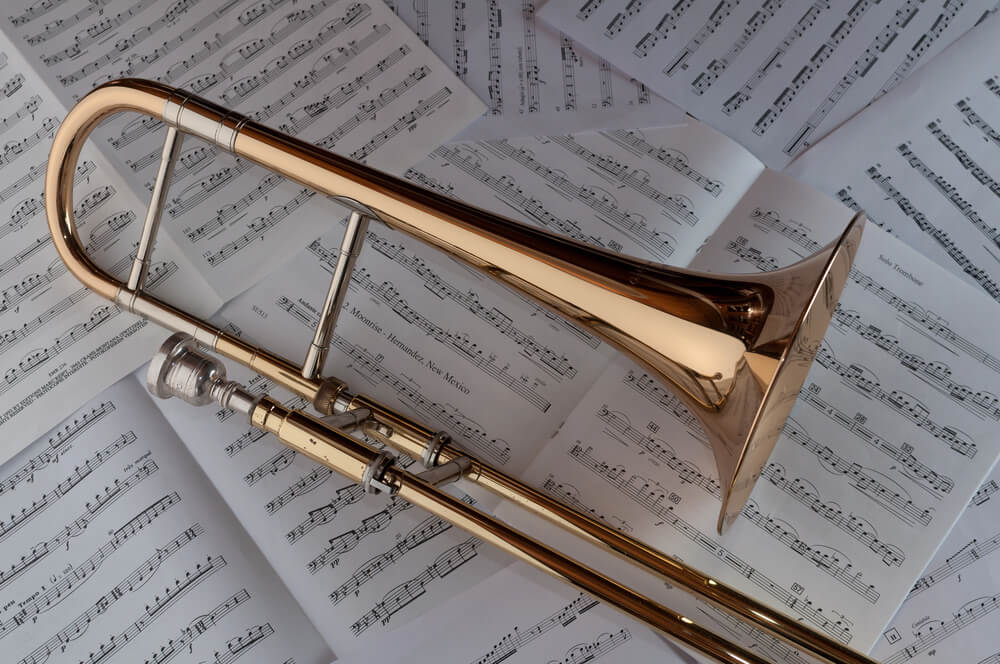
C.G. Conn’s 8H trombone, a professional-grade model produced through much of the twentieth century, remains respected among trombonists for its tone and build quality, with certain vintage production years particularly favored by players. As with other Conn brass instruments, examples from the company’s Elkhart manufacturing period generally hold stronger reputations than some later production.
Undamaged slide action and an intact original bell are essential to both playability and resale value.
Conn 8D French Horns
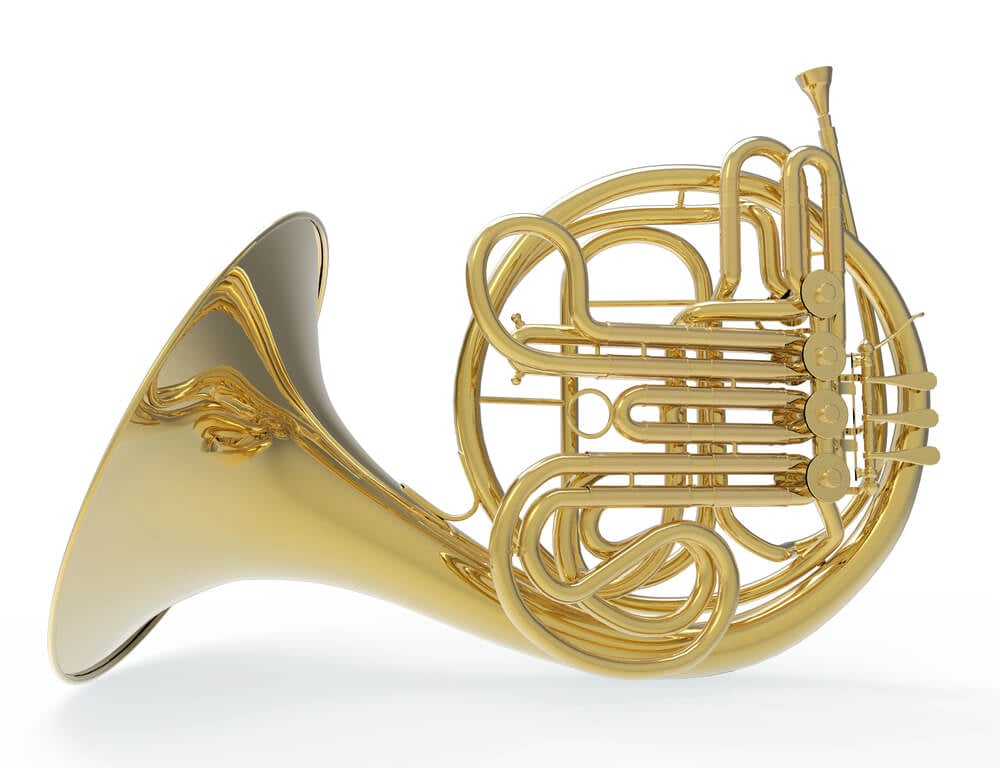
Conn’s 8D French horn, in production since the mid-twentieth century, became one of the most widely used professional French horns in American orchestras, a reputation that has kept vintage examples in steady demand among serious players. Because French horns are mechanically complex instruments with numerous rotary valves, proper functioning of the entire valve system is essential to a vintage instrument’s value.
Well-maintained examples from respected production years can rival the performance of much newer instruments at a comparatively lower price.
Vintage Martin and Kamaka Ukuleles
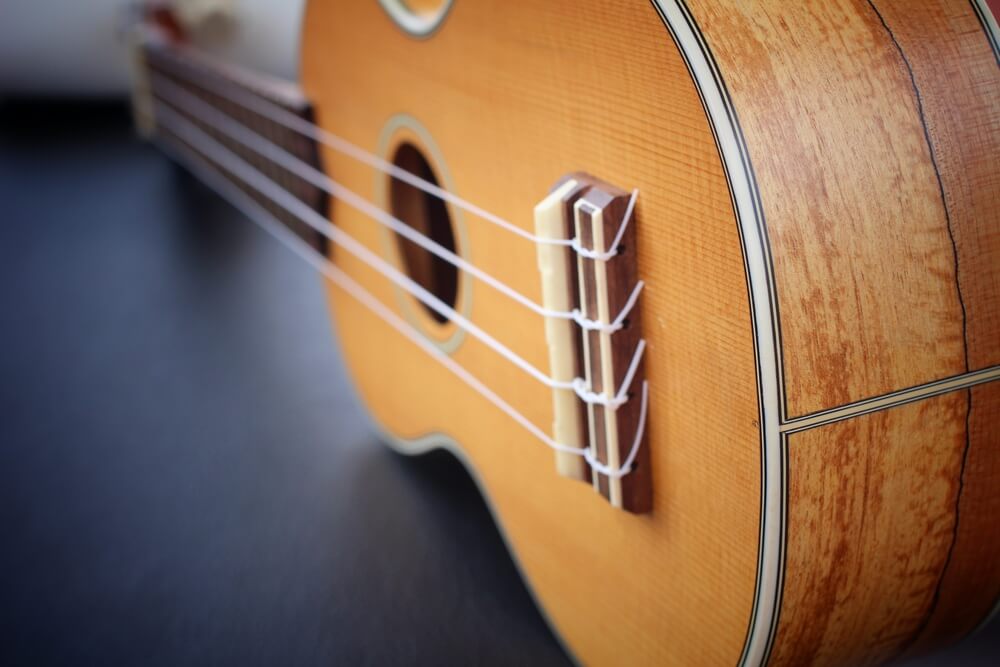
C.F. Martin’s early ukulele production, alongside the Hawaii-based Kamaka Ukulele company founded in the early twentieth century, produced instruments now considered benchmark examples of vintage ukulele craftsmanship. Kamaka in particular has maintained continuous family ownership and production since its founding, giving its vintage instruments a well-documented history that collectors value.
Original, unrepaired bracing and finish significantly affect a vintage ukulele’s tone and, correspondingly, its resale value.
Oscar Schmidt Autoharps
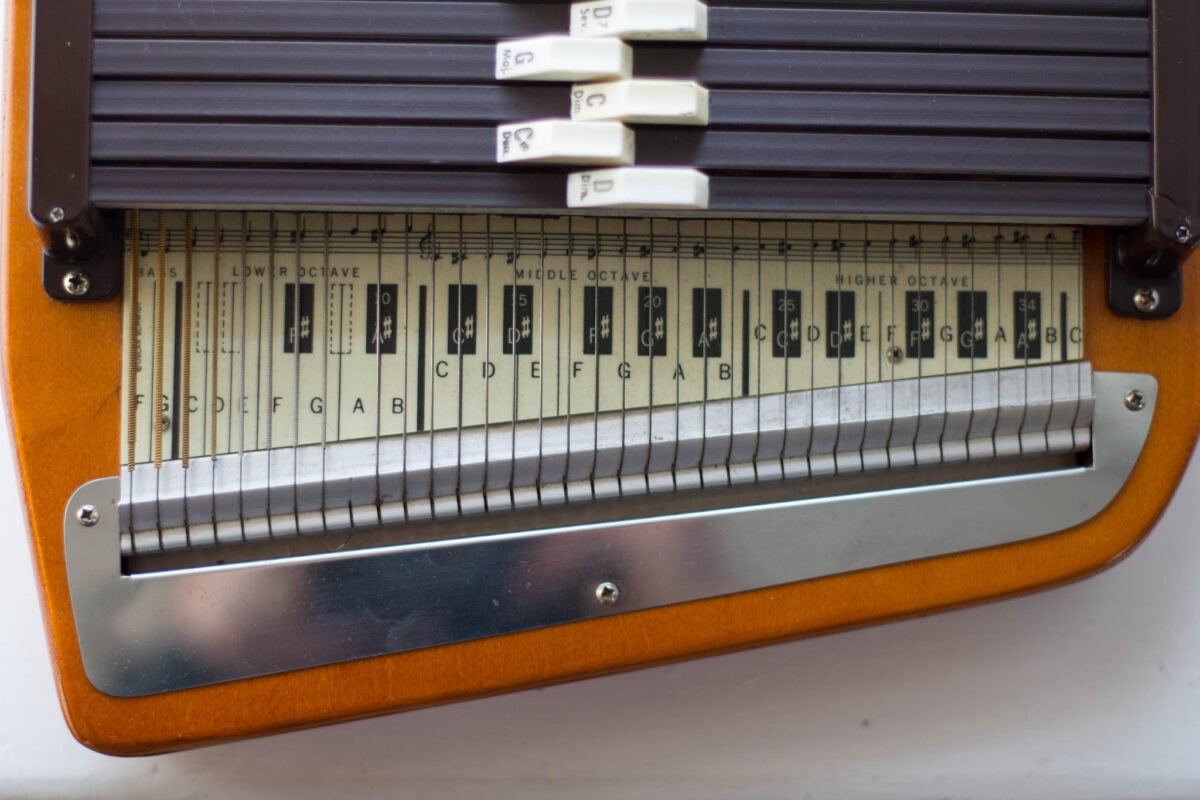
Oscar Schmidt, an American instrument manufacturer active since the late nineteenth century, became closely associated with the autoharp, a chorded zither that gained particular popularity in American folk and country music through the twentieth century. Vintage examples with ornate decorative finishes are generally more collectible than the company’s plainer standard models.
A functioning chord bar mechanism, which mutes specific strings to produce chords, is essential to a vintage autoharp’s playability and value.
Estey Pump Organs
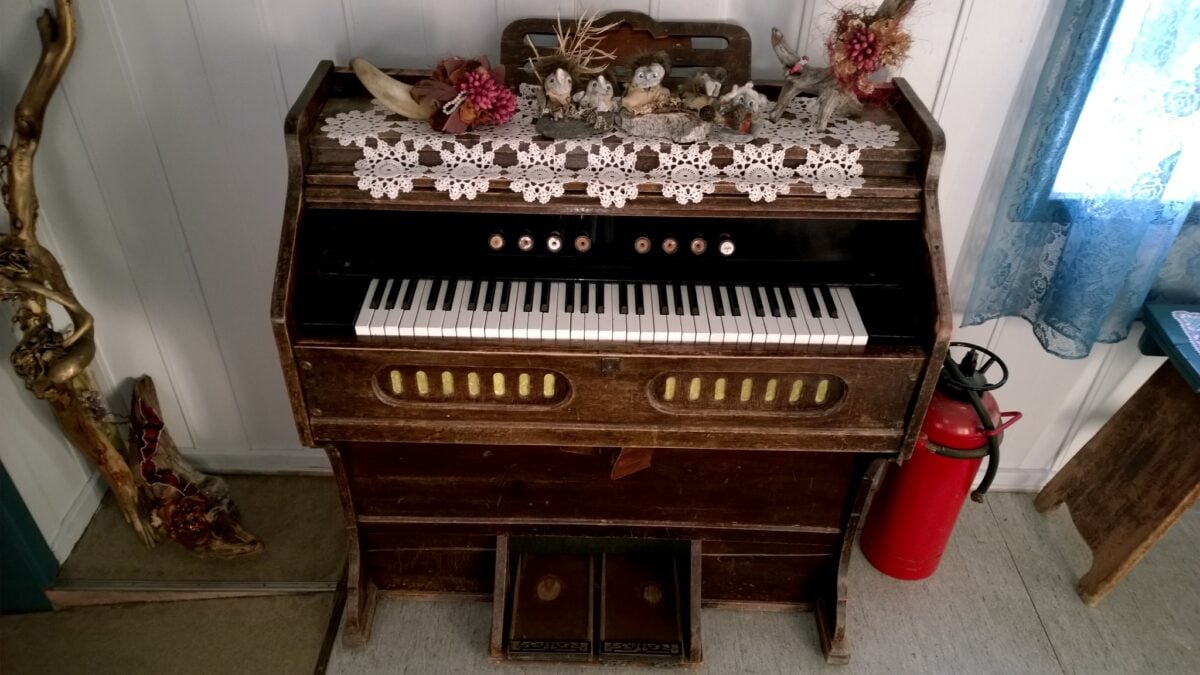
The Estey Organ Company, based in Vermont and active from the mid-nineteenth through the mid-twentieth century, was one of the largest manufacturers of foot-pumped reed organs used widely in American homes and churches before electric organs became affordable. Elaborately carved cabinet examples are more collectible than the company’s plainer utilitarian models.
A fully functioning bellows and reed system significantly affects a pump organ’s value, since these mechanical components require specialized restoration knowledge that has become less common over time.
Vintage Cellos
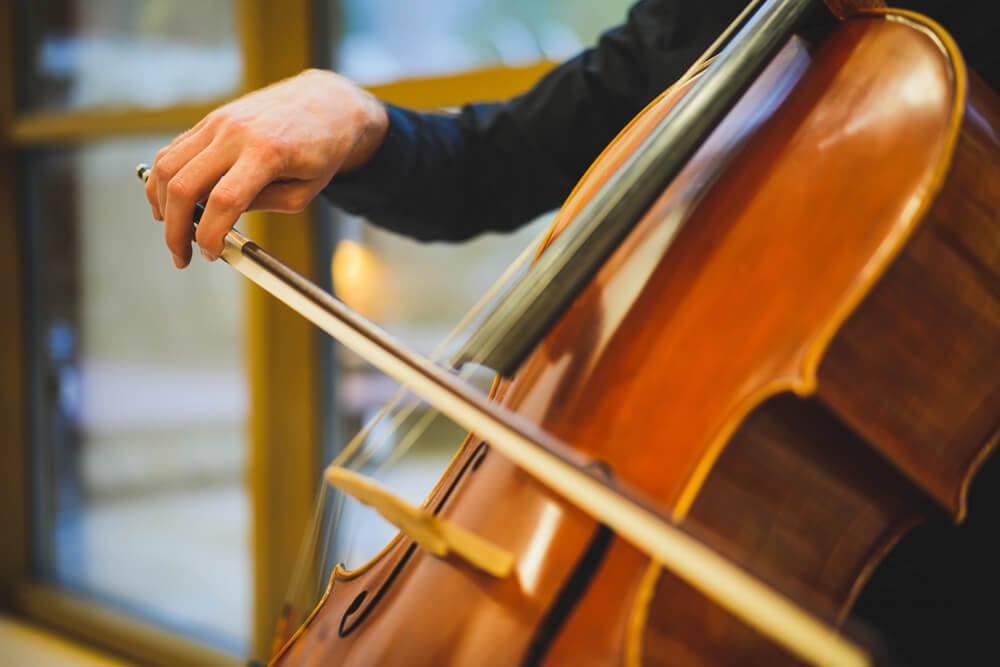
Cellos produced by skilled makers over the past several centuries, much like violins, vary enormously in value based on maker, region, and documented provenance, with instruments from historically significant European workshops occasionally reaching very high prices. Even cellos by less individually documented makers can hold meaningful value if the wood, construction, and tone are strong.
As with violins, the high values involved in top examples have attracted convincing fakes, making expert authentication essential before any significant purchase or sale.
Vintage Upright Double Basses
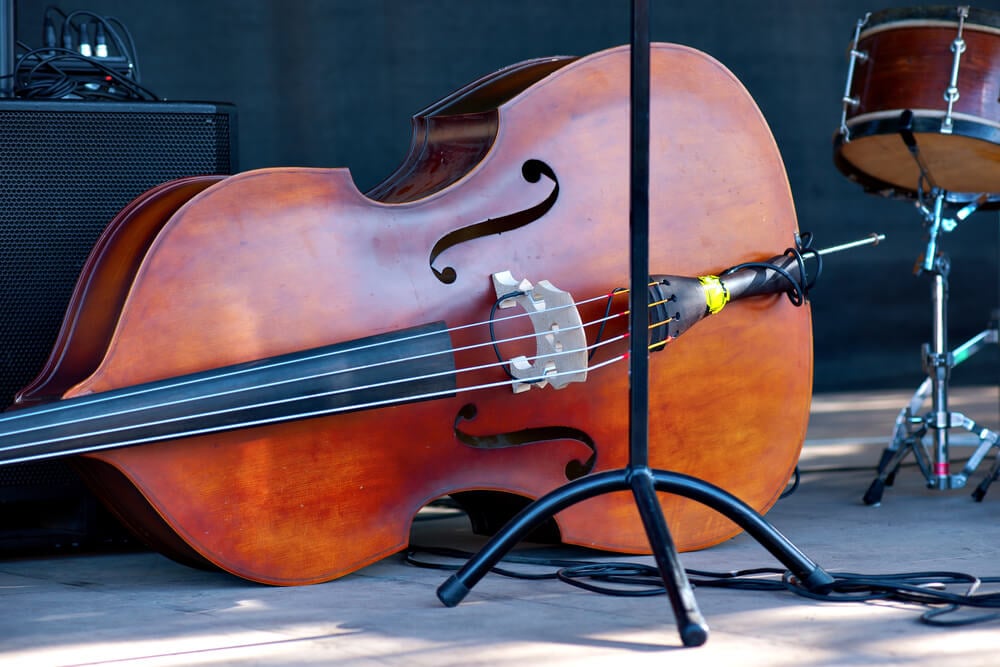
Upright double basses produced by European and American makers through the nineteenth and twentieth centuries remain in active demand among both classical and jazz musicians, since a well-aged bass often develops a richer, more resonant tone than a newly built instrument. Because these are large, structurally complex instruments, condition of the neck joint and any repaired cracks significantly affects both playability and value.
Provenance connecting a bass to a specific known maker or workshop can meaningfully increase its price beyond what its playing qualities alone would suggest.
Vintage Zildjian Cymbals
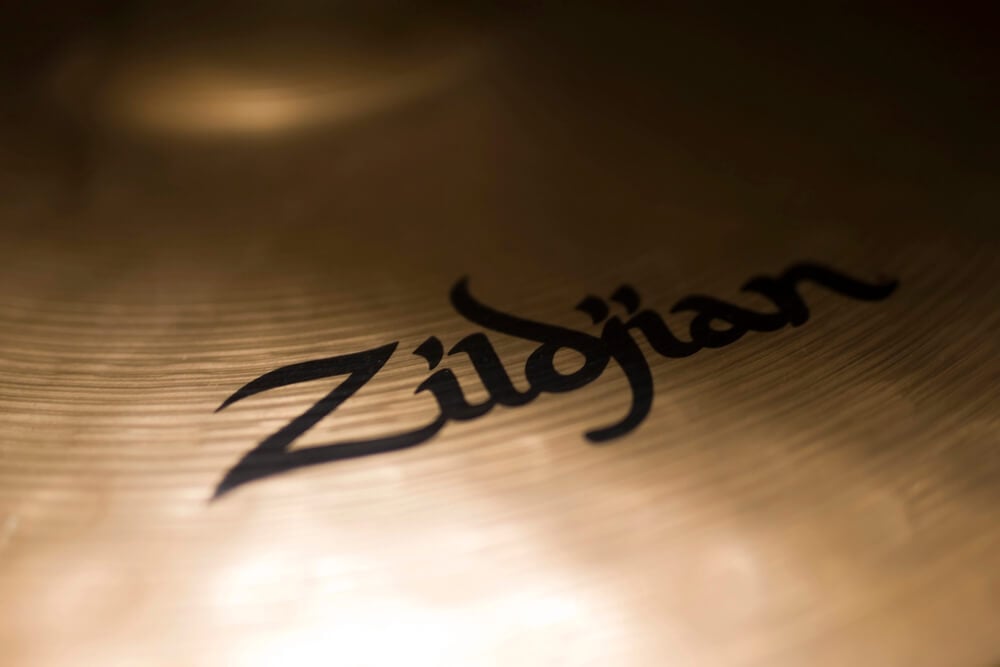
The Zildjian family has manufactured cymbals using a closely guarded alloy formula since the seventeenth century, and vintage examples from specific twentieth-century production eras are actively sought by drummers for tonal qualities that differ from current production. Because cymbal alloy and manufacturing techniques have changed over the decades, specific vintage periods are associated with particular sound characteristics that collectors and working drummers specifically seek out.
Cracks, which commonly develop in cymbals from age and heavy use, significantly reduce both playability and resale value.
Vintage Concertinas
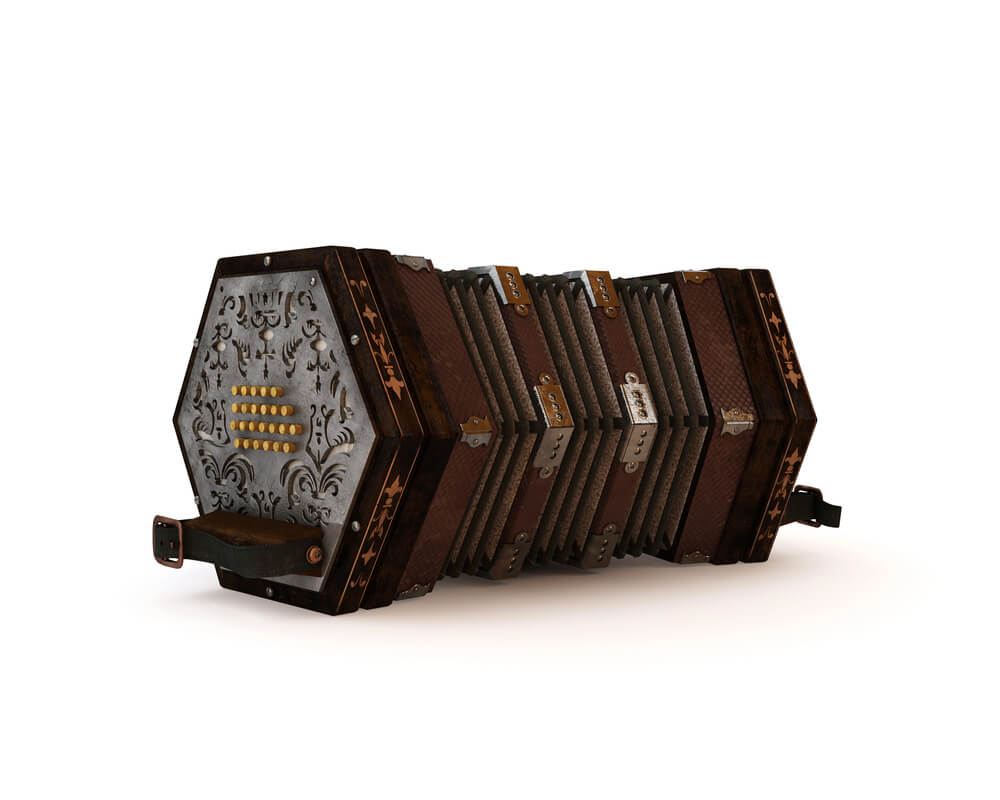
Concertinas, a hexagonal bellows-driven free-reed instrument distinct from the accordion, were produced by respected English and German manufacturers through the nineteenth and twentieth centuries and remain sought after within folk music communities. English-system concertinas from historically significant makers are particularly valued by specialist collectors and players.
A fully functioning bellows and reed set, free of air leaks, is essential to both the instrument’s usability and its resale value.
What Silence in a Case Is Worth
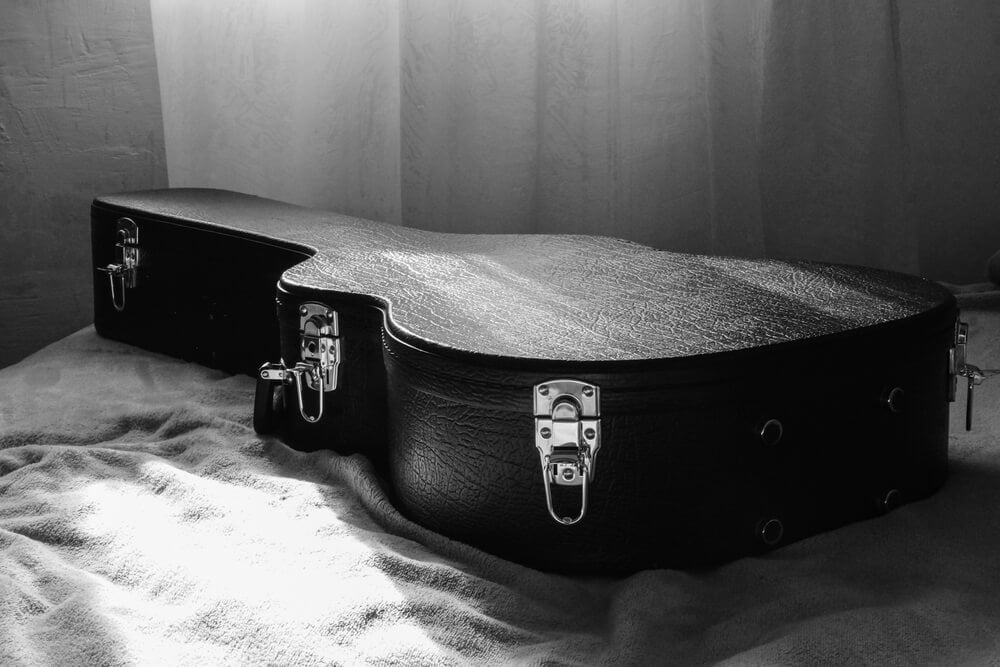
An instrument that sits unplayed for decades is not simply idle, it is aging in a way that can either help or hurt its eventual value depending entirely on how it was stored. Wood, metal, and leather all respond to time, and a case kept in a stable, dry environment can protect an instrument’s playability far better than one left in an attic through decades of temperature swings.
That is part of why so many genuinely valuable instruments turn up during estate cleanouts rather than through deliberate collecting: nobody thought to check whether the trumpet in the closet was a common student model or a professional-grade instrument from a respected maker’s best years. In an instrument market where originality and playing condition often matter more than visible age, that closet case is worth a second look before it goes in a donation pile.
More from Go2Tutors!

- The Romanov Crown Jewels and Their Tragic Fate
- 13 Historical Mysteries That Science Still Can’t Solve
- Famous Hoaxes That Fooled the World for Years
- 15 Child Stars with Tragic Adult Lives
- 16 Famous Jewelry Pieces in History
Like Go2Tutors’s content? Follow us on MSN.



