28 School Book Fair Finds Before Online Shopping
For a few days each year, the school gym or library transformed into a bookstore on wheels. Collapsible shelves rolled in, posters went up, and a clipboard full of wish lists made its way through every classroom.
Kids arrived with a few dollars in an envelope and left with a plan. Scholastic launched its in-school book fair business in 1981 by purchasing a California book fair company, and the format spread across the country from there.
Before online shopping made any title a click away, these fairs were where a lot of kids found their favorites. Some of the best finds were not even books.
Scratch-and-Sniff Stickers
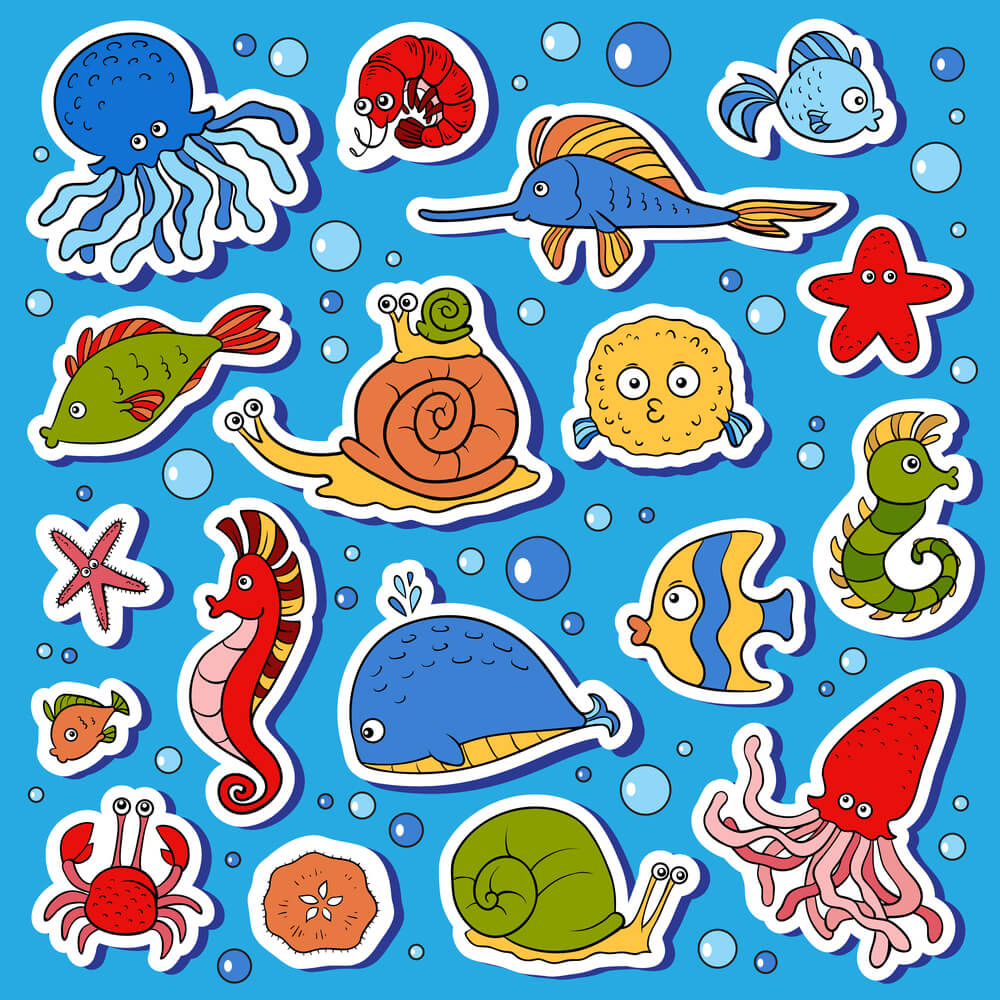
Stickers that released a fruity or chocolate scent when scratched were a fair staple, and kids traded them as currency. The scents faded quickly, so the best strategy was to scratch lightly and save the sheet.
A well-kept sticker book was proof of patience.
Food-Shaped Erasers
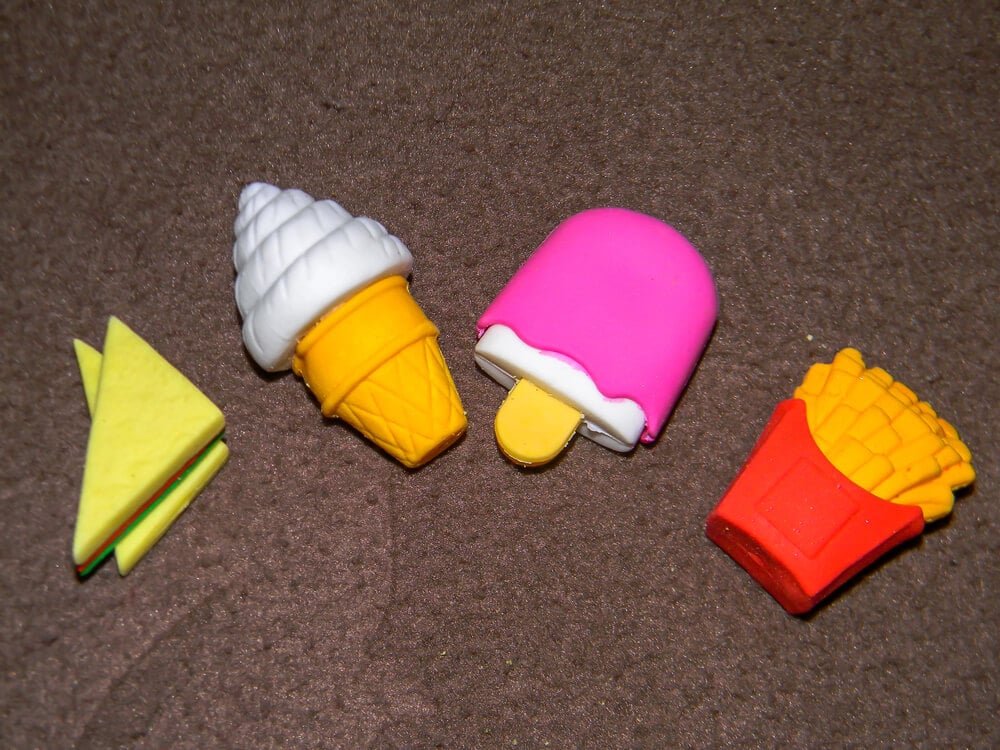
Tiny erasers molded into pizza slices, ice cream cones, and hamburgers filled the spinner racks at the checkout table. They were more collectible than useful, and most never touched a pencil.
Their price tags made them easy to buy with loose change.
Pencil Toppers
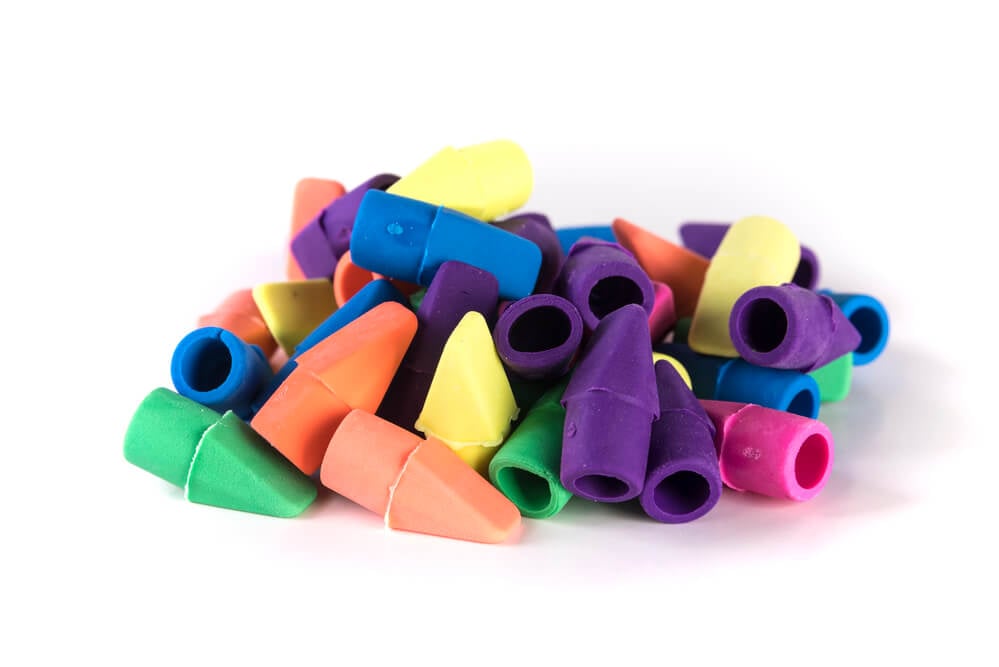
Rubber toppers in the shape of animals, cartoon characters, and sports mascots slid onto the end of a pencil and turned an ordinary writing tool into a desk toy. Chewing on them was strongly discouraged but frequently done.
A good topper could survive several school years.
Bookmarks With Tassels
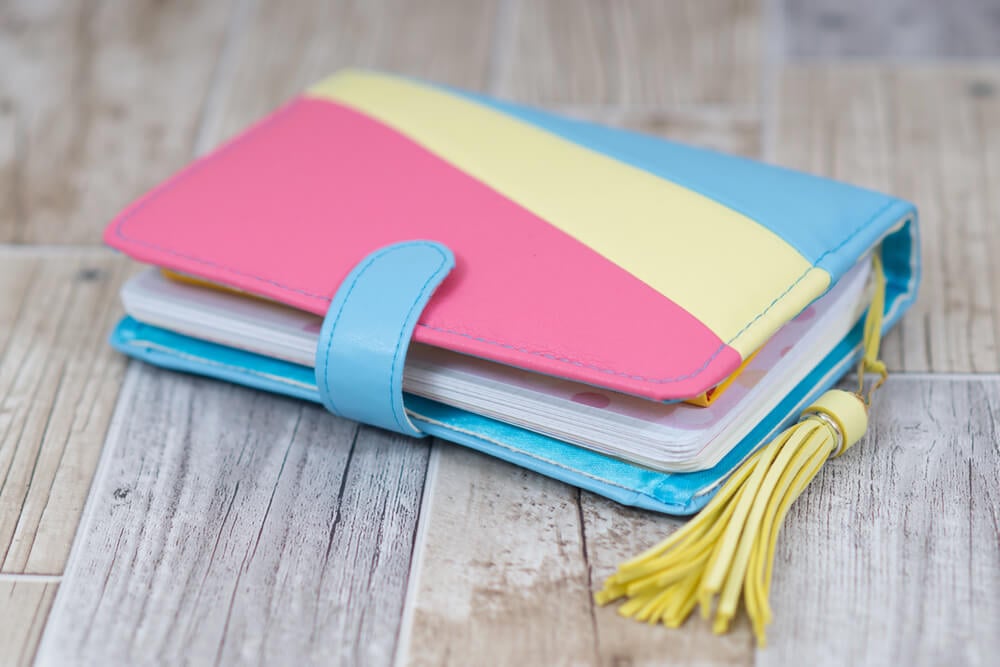
Bookmarks with colorful tassels, glittering designs, or animal faces were among the cheapest items on offer. They made a fine gift for a teacher or relative.
Many ended up folded into the back of a library book.
Fuzzy Pencil Cases
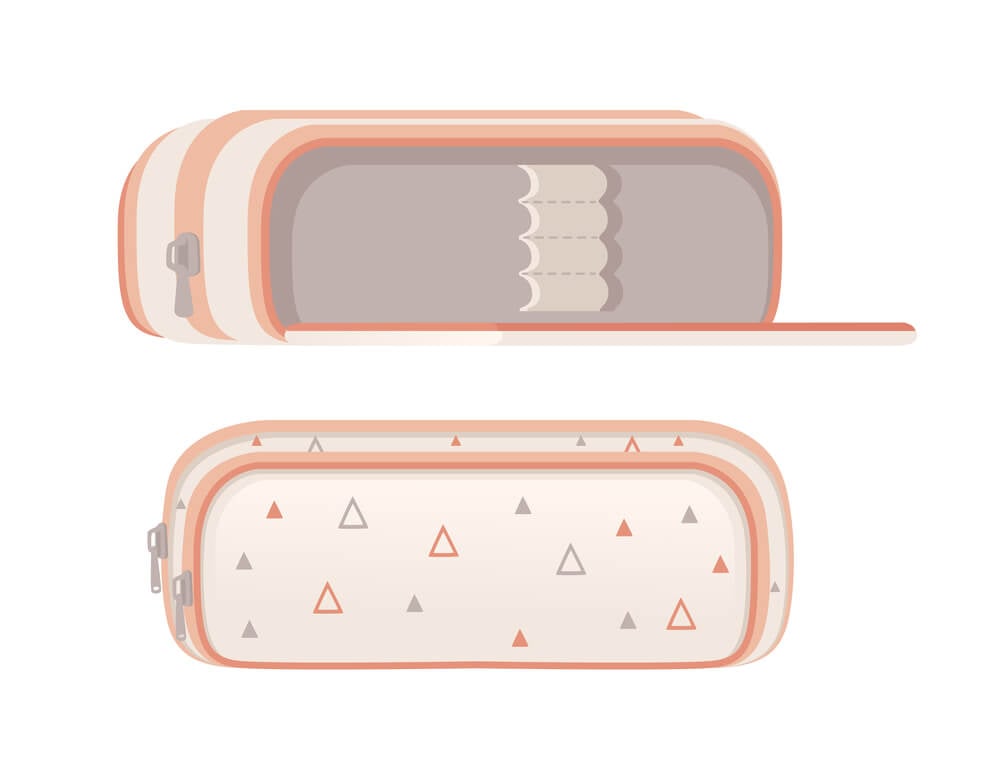
A zippered case in neon fabric or fake fur was a small status symbol at school. It held pencils, erasers, and a few pencil toppers collected along the way.
Kids picked their cases as carefully as their books.
Gel Pens

Gel pens in sparkly and metallic colors became a hot item at book fairs in the 1990s. Kids bought them in sets, tested them on scrap paper, and argued over which shades showed up best on dark pages.
The ink tended to dry out faster than anyone liked.
Mini Diaries With Tiny Locks
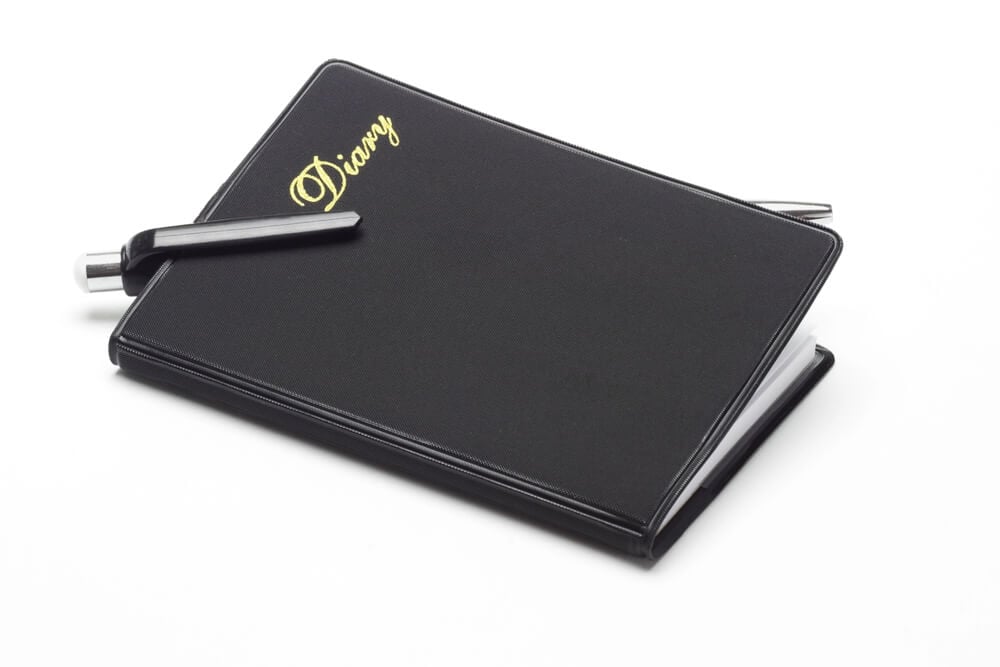
A small diary with a flimsy lock and a tiny key gave kids a place to record secrets, crushes, and the day’s cafeteria menu. The locks could be opened with a paper clip, which no one wanted to admit.
Even so, the diary felt private.
Keychains With Charms
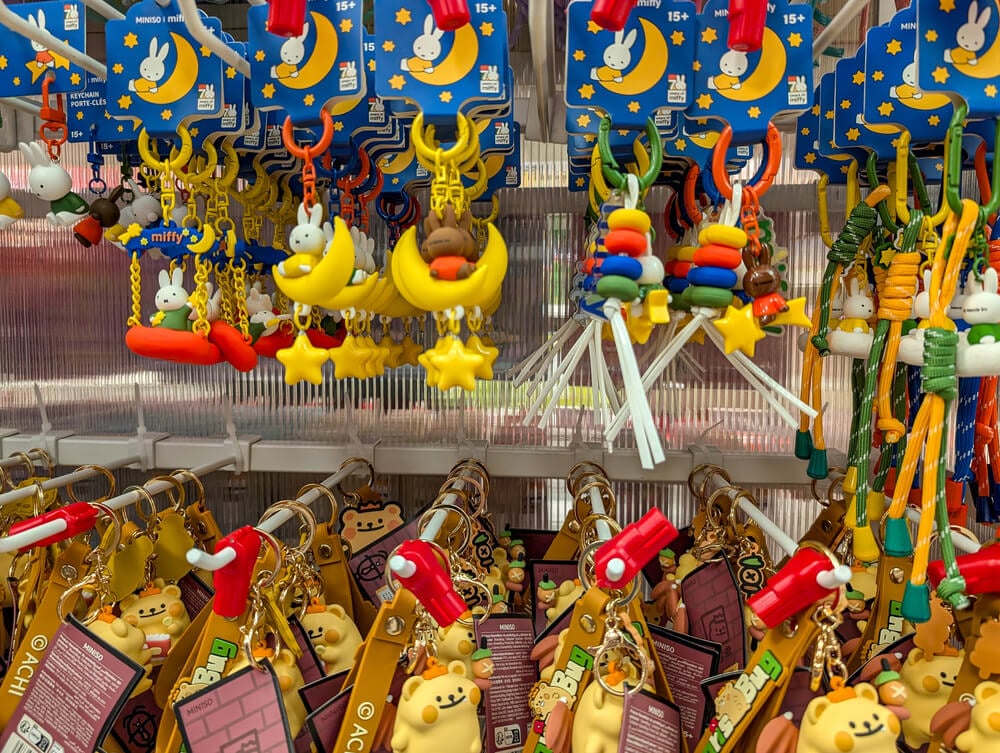
Keychains attached to a backpack zipper added a personal touch. Some held tiny stuffed animals, and others displayed series logos.
They were small enough to hide in a pocket on the walk to the register.
Animal Posters
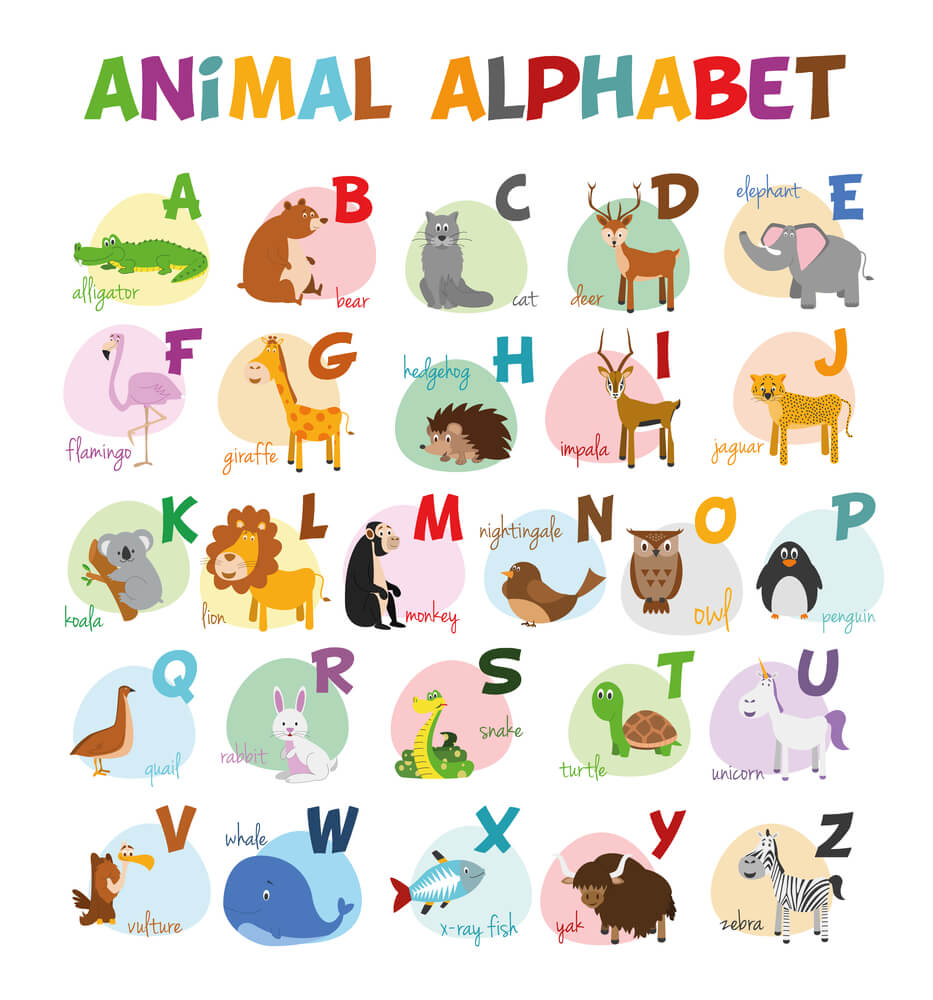
Posters of puppies, kittens, horses, and dolphins hung on bedroom walls long after the fair ended. They rolled up in cardboard tubes that doubled as toy swords on the walk home.
Kids chose them for the cute faces and the inspirational captions.
Wish List Slips
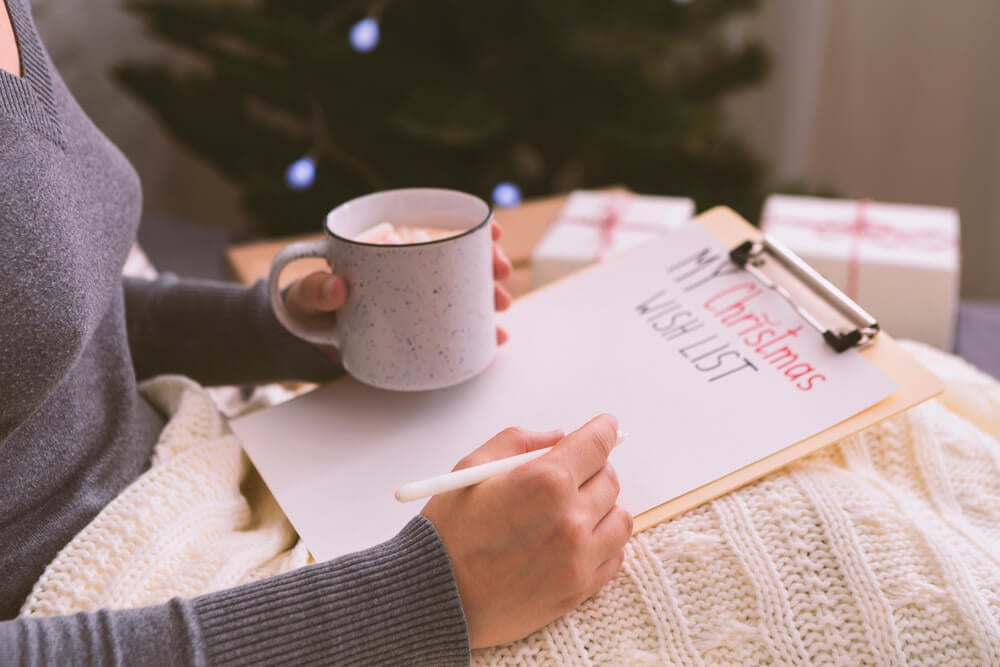
Before the fair opened, students often received a paper slip to list the items they hoped to buy. Parents were supposed to review it and return it with money.
The slip served as a negotiation document between a child’s hopes and the family budget.
Collapsible Rolling Shelves
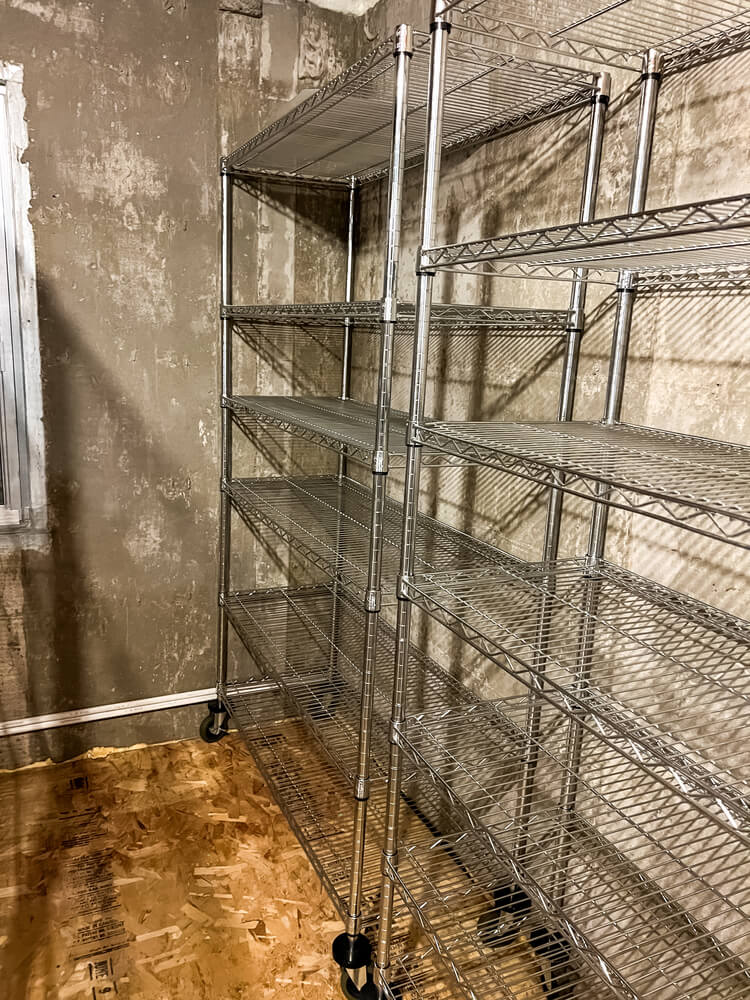
The fair itself arrived on collapsible steel shelves that were wheeled in and set up in a gym or auditorium, filling the space with fresh reading material. The sight of the shelves unfolding was a signal that school was about to feel different.
For many kids, the smell of new paper was the fair’s best feature.
Choose Your Own Adventure Books
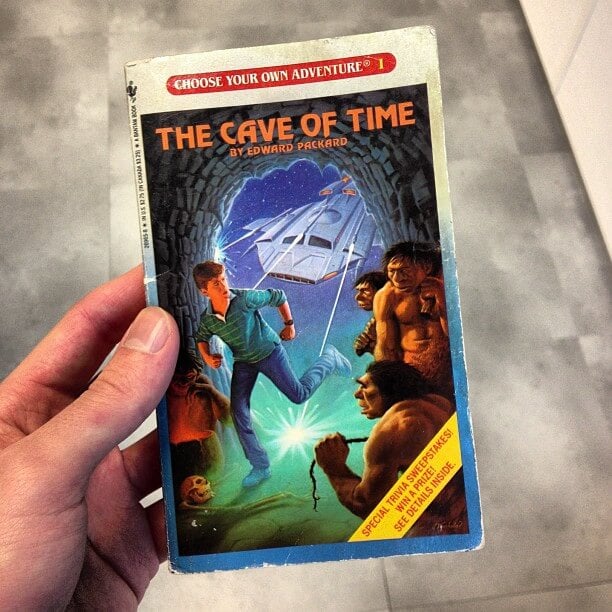
The series that let readers pick the story’s path with a page-turning decision appeared on fair tables for years. Readers kept a finger in the previous page to go back after a bad choice.
The format made rereading part of the fun.
The Baby-Sitters Club
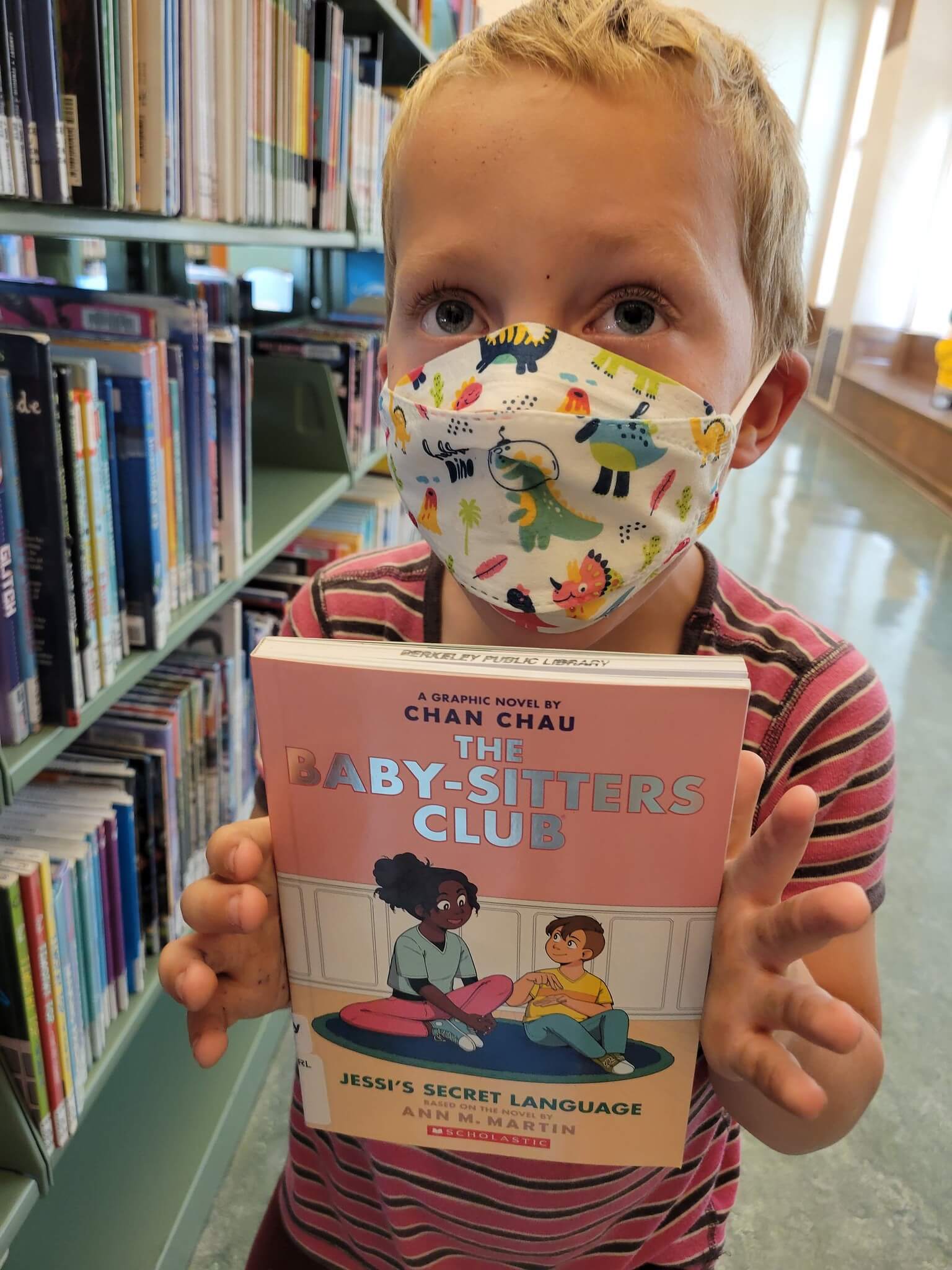
Ann M. Martin’s Baby-Sitters Club series sold more than 176 million books and inspired kids around the world to form their own baby-sitting clubs. The books arrived in neat stacks at fairs, and fans tracked down every volume.
The characters felt like friends from a neighborhood down the street.
The Magic School Bus
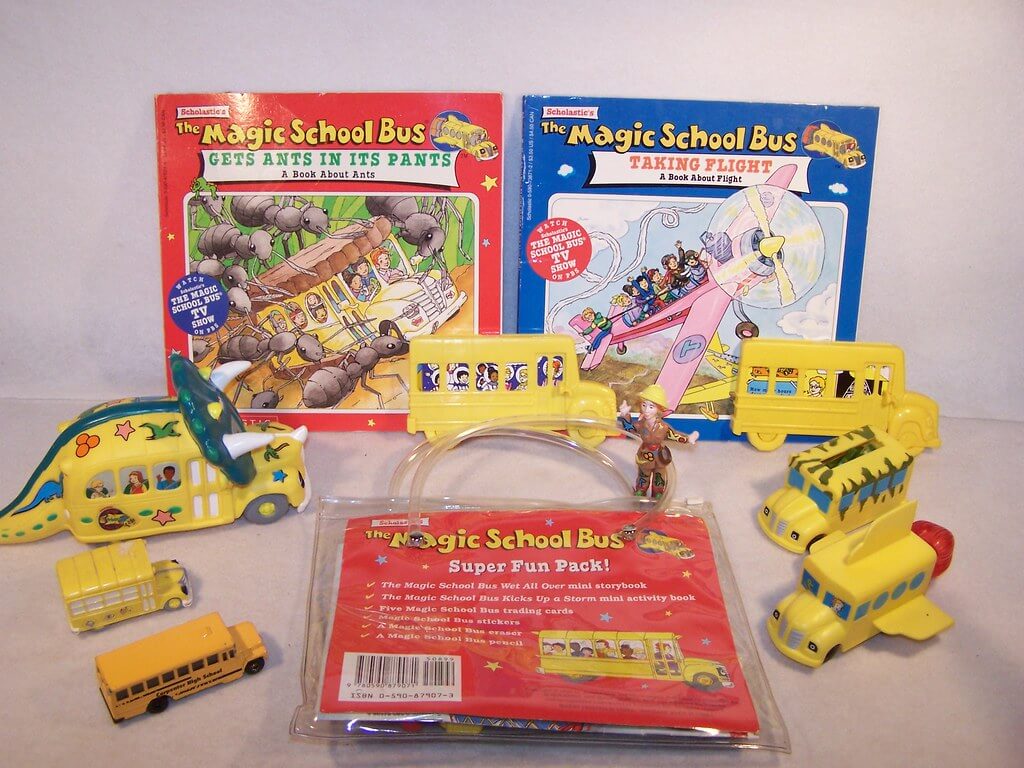
The first Magic School Bus book appeared in 1986, following Ms. Frizzle’s class on a field trip through the water cycle. The series mixed science facts with jokes and sidebars on every page.
Fairs introduced many children to the books through a display of colorful paperbacks.
Goosebumps
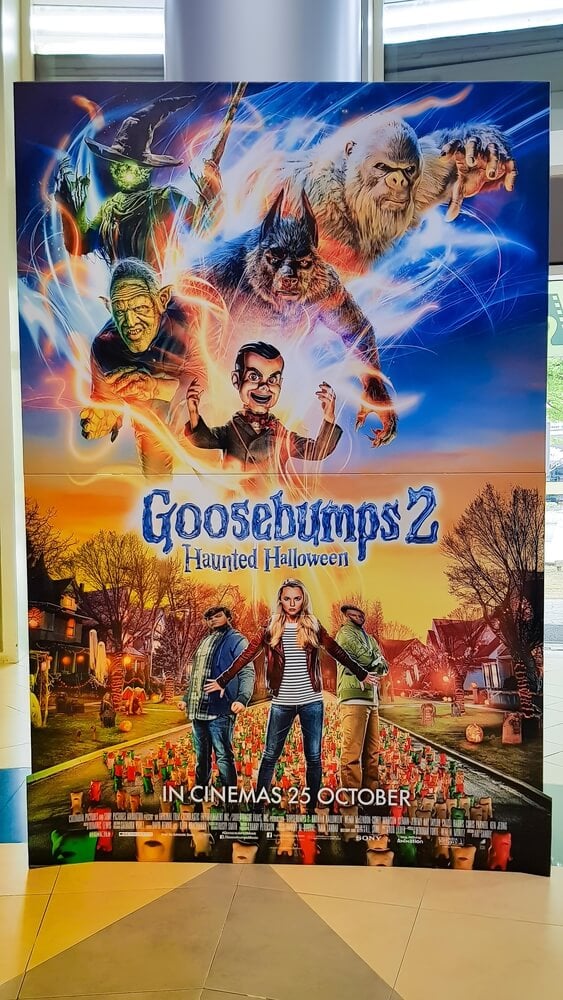
R.L. Stine’s Goosebumps books gave middle-grade readers a regular dose of spooky stories, and fairs kept them in stock by the dozen. The covers were bright and slightly creepy, and each title ended with a twist.
Many kids’ first scary books came from a fair table.
I Spy
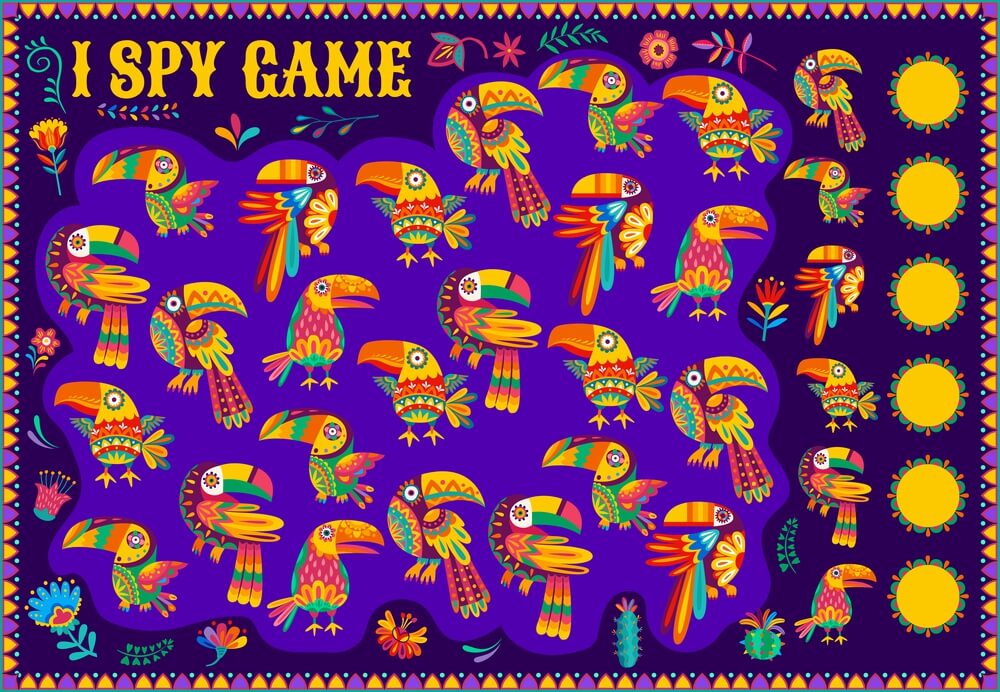
The I Spy picture riddle books, created by Jean Marzollo and Walter Wick, challenged readers to find hidden objects in staged photographs. Each spread came with a rhyming clue.
The books were a hit with kids who loved a puzzle.
Captain Underpants
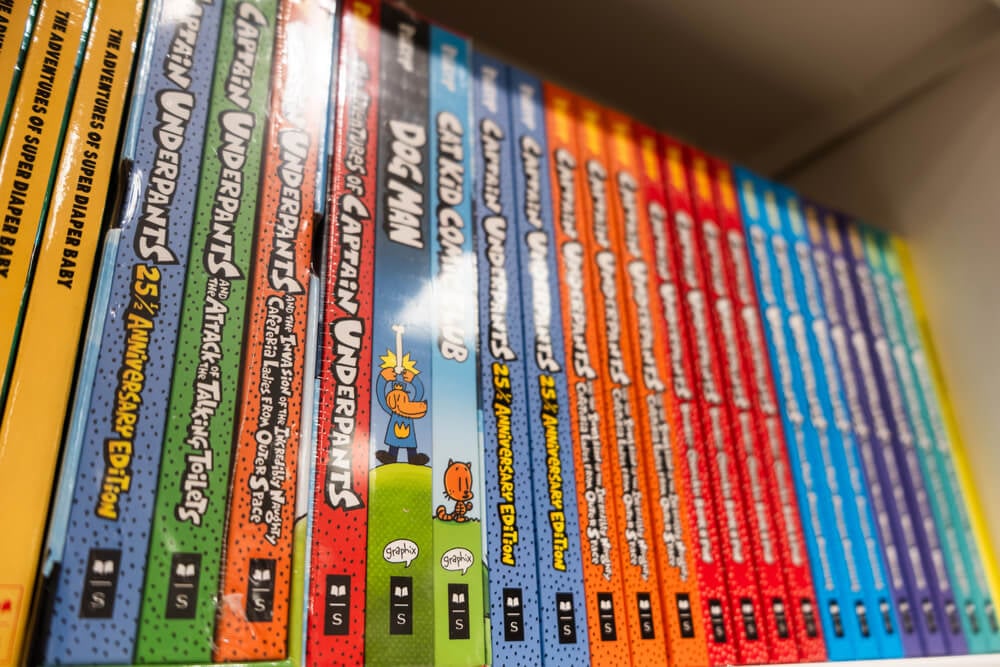
Dav Pilkey’s Captain Underpants books arrived in the late 1990s, mixing comic-book pages with silly humor that parents often hesitated to approve. The series quickly became a fair favorite, especially among reluctant readers.
Teachers sometimes tried to hide a copy in the back.
Animorphs
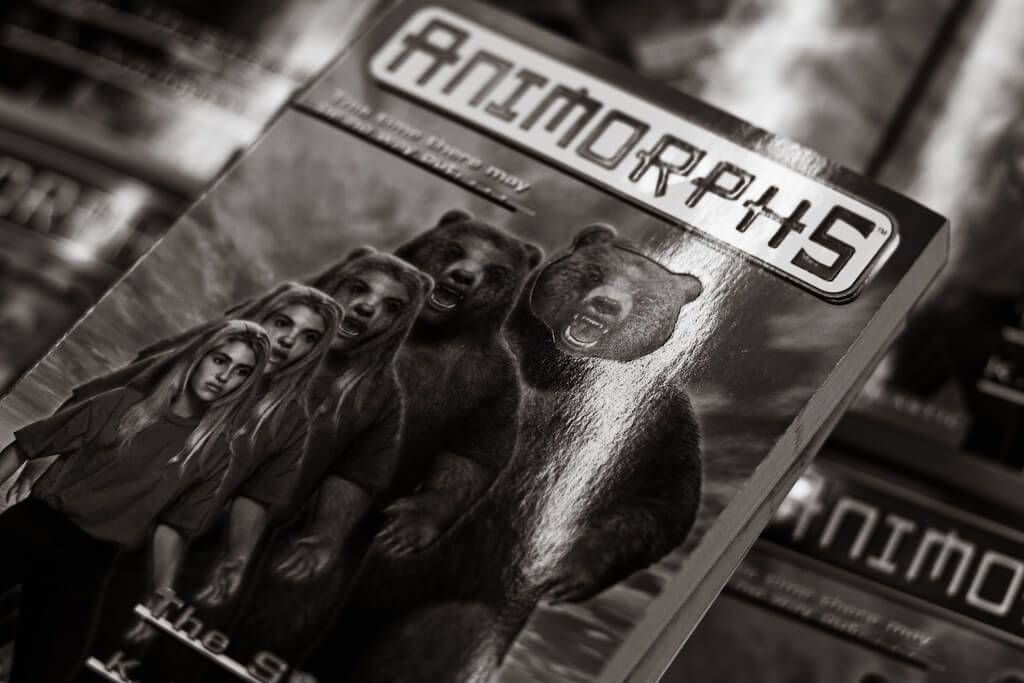
K.A. Applegate’s Animorphs series began in 1996 and followed teens who could transform into animals to fight an alien invasion. Each cover showed a flip-book morph that changed from human to animal as the pages were turned.
Kids collected them in numerical order.
Clifford the Big Red Dog
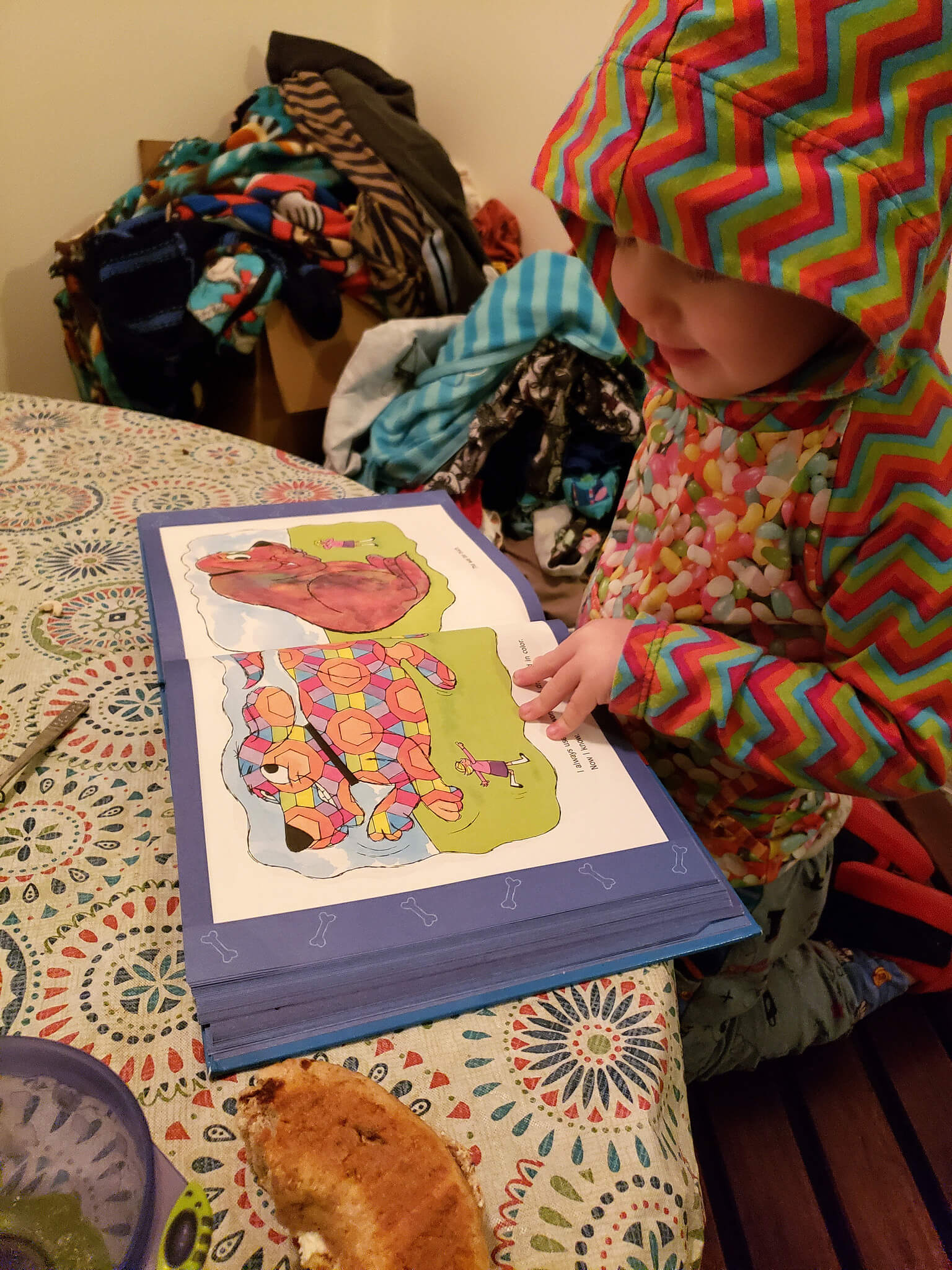
Norman Bridwell created Clifford in 1963, and the giant red dog became the mascot of Scholastic. His books were reliable fair sellers for younger readers.
A stuffed Clifford often sat on display at the checkout.
Encyclopedia Brown
Donald J. Sobol’s boy detective solved neighborhood mysteries in short chapters, and each book ended with a puzzle that readers could try to solve. The answers appeared at the back.
The series made detective work feel accessible.
Ramona Quimby
Beverly Cleary’s Ramona books followed a spirited girl through elementary school, with scenes that many readers recognized from their own lives. The series was a reliable pick for fair shoppers who liked realistic stories.
Many classroom libraries relied on them for years.
Guinness World Records
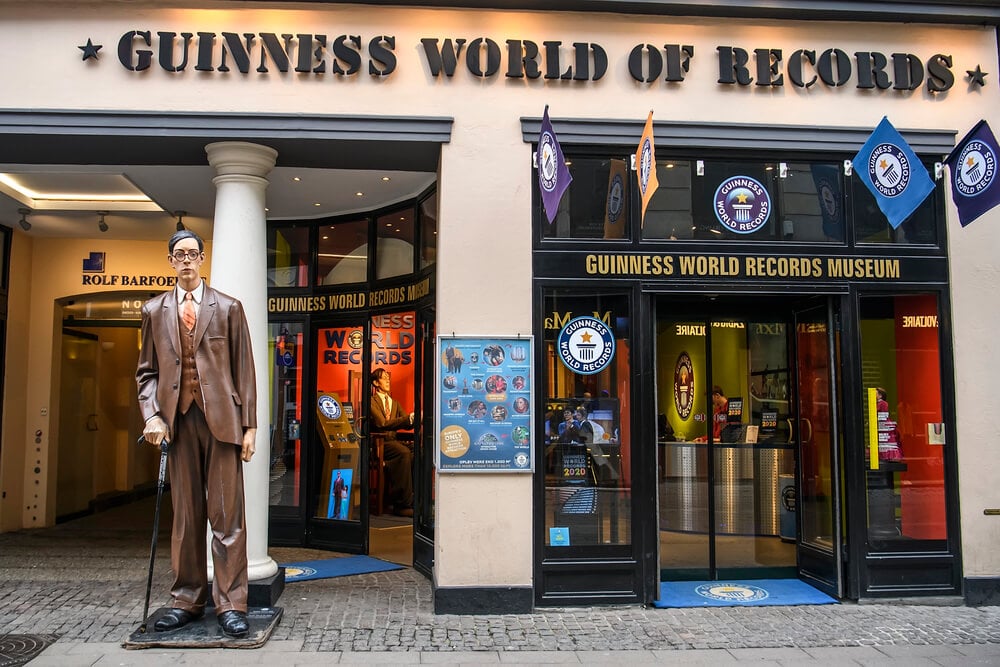
The annual edition of the Guinness record book was a magnet for kids, filled with photographs of the tallest, longest, and strangest achievements. Readers argued over the facts and challenged each other to break records in the playground.
The book was heavy, but nobody minded the weight.
Joke and Riddle Books
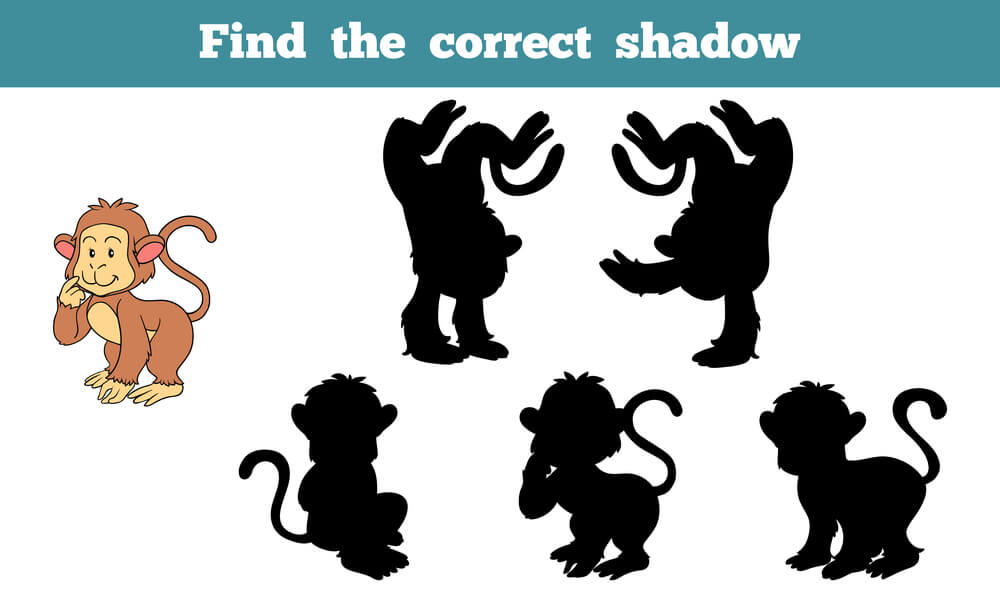
Paperbacks of puns, knock-knock jokes, and brain teasers sold well at fairs because they were short and easy to share. Kids memorized favorite jokes and tested them on classmates at lunch.
A decent joke could be repeated all week.
Dinosaur Encyclopedias
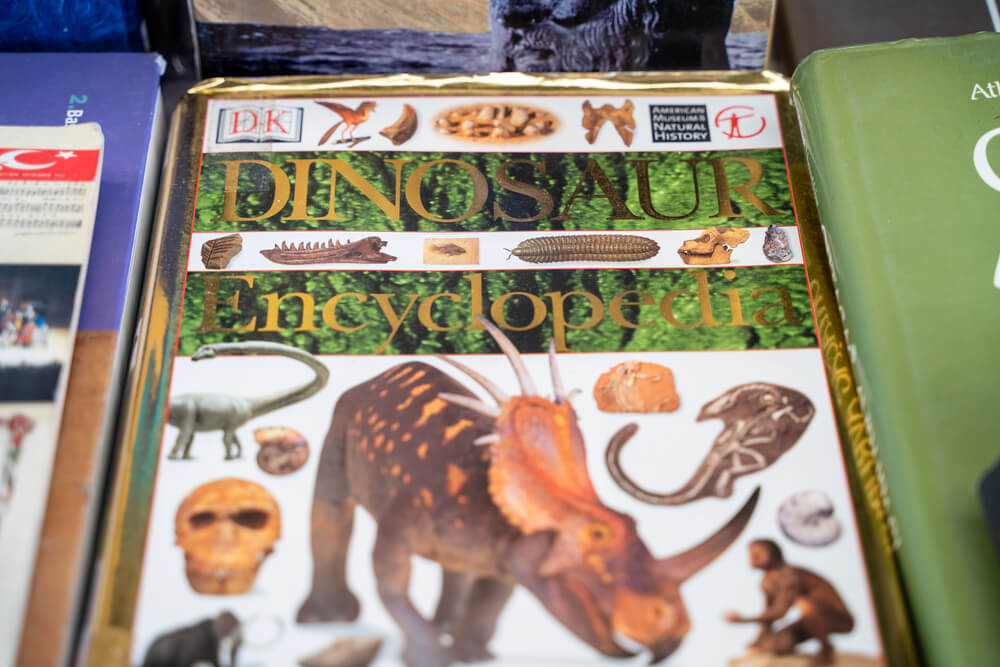
Illustrated dinosaur guides drew a steady crowd of young paleontologists. They listed sizes, diets, and pronunciation guides, and the pictures were as important as the text.
Many kids could name every species long before they could spell the words.
Horse Novels
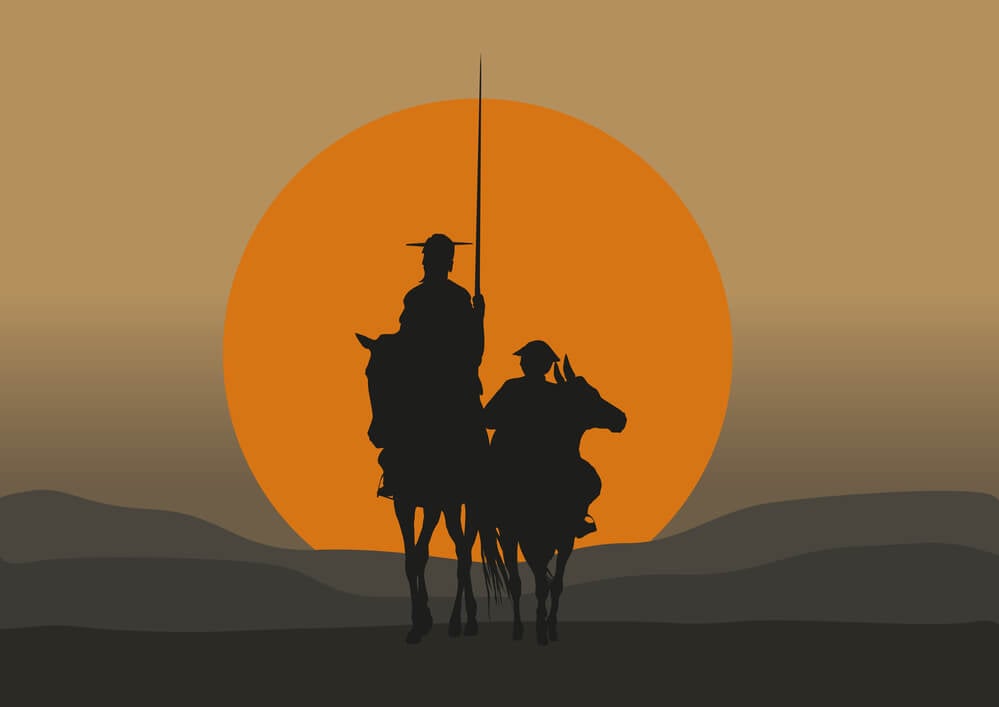
Horse stories, from classics like Walter Farley’s The Black Stallion to newer series, were a mainstay for animal-loving readers. The covers usually featured a galloping horse against a bright sky.
Shelves of them sat near the poster table.
Dear America
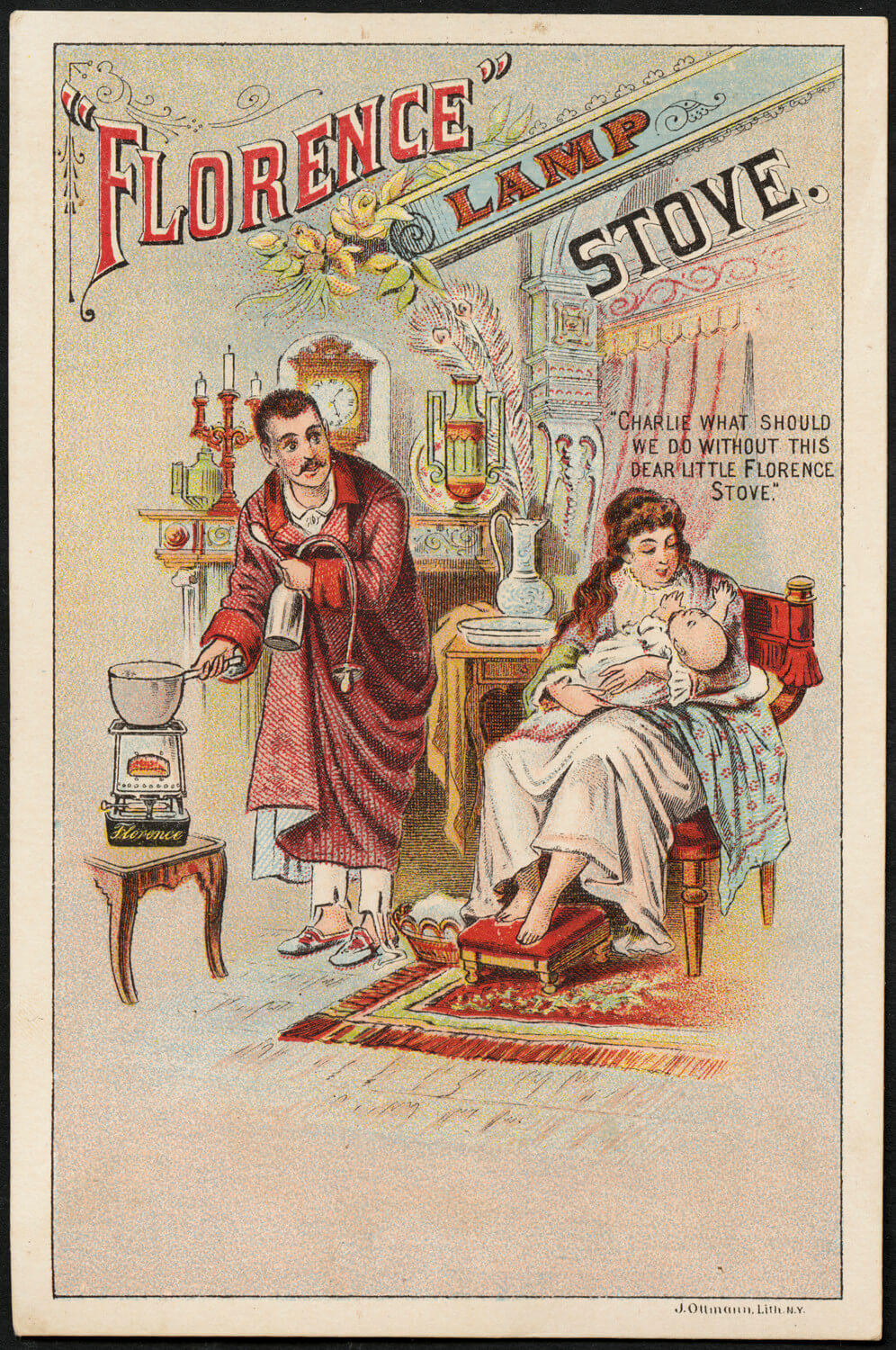
The Dear America series presented historical events as fictional diaries kept by young people. The books gave history a personal voice and arrived at fairs in the mid-1990s.
Teachers often recommended them for classroom reading.
Sticker Books
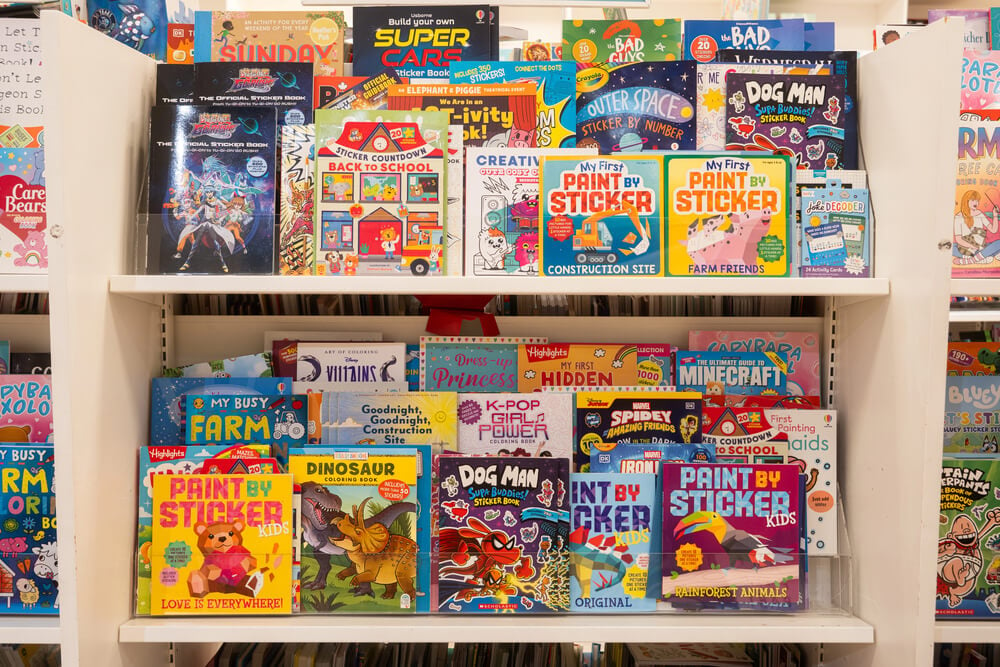
Sticker books with reusable pages let kids build scenes, then peel them off and begin again. They were quiet activities that held attention on a long car ride.
Many were collected in complete sets.
Pop-Up Books

Pop-up books with castles, dragons, and dinosaurs that sprang from the pages were showpieces on the fair tables. Their fragile paper parts did not always survive a week of handling.
Even so, they drew a crowd every time.
Where the Fair Left Its Mark
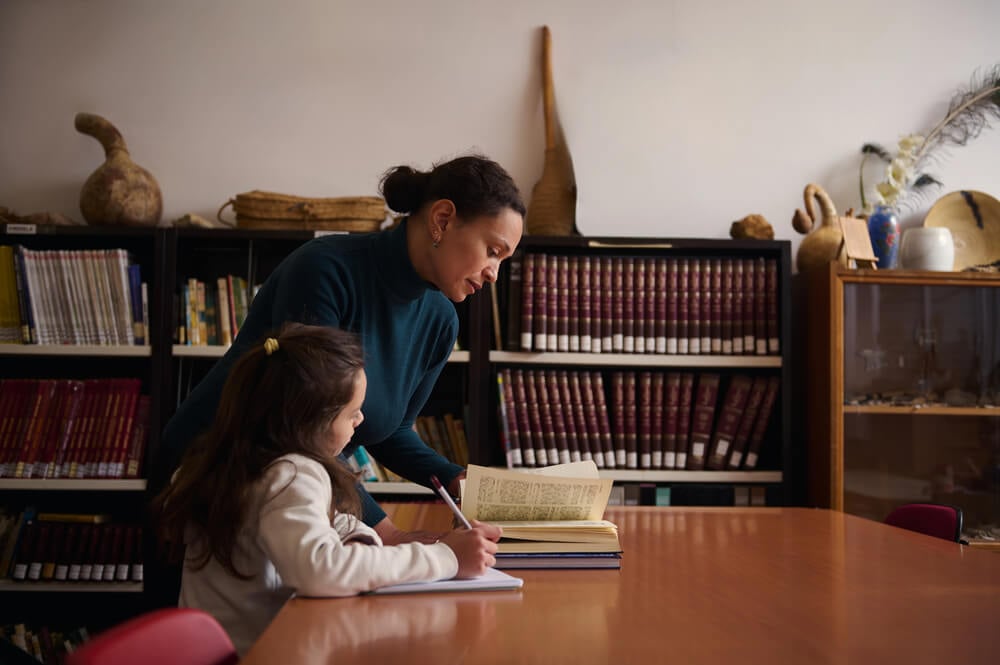
The book fair worked because it combined shopping with reading in a setting that felt like an event. Kids got to choose their own material, and many had never done that before.
The mix of books, stickers, and pencil toppers made the experience feel like a treat. Online shopping has made every title instantly available, but the fair offered something different, which was the joy of browsing in a crowd.
Standing in front of a shelf with a handful of dollars made a choice feel important. Plenty of adults still remember what they bought.
More from Go2Tutors!

- 27 Silver Dollars and Half Dollars Worth Keeping
- 28 Restaurant Menu Items Nobody Orders Anymore
- 17 Places Built in Seemingly Impossible Spots
- 27 Vintage Rings Worth More Than They Look
- 25 Restricted Sites Tourists Can’t Enter
Like Go2Tutors’s content? Follow us on MSN.