28 Shipwrecks That Changed What Historians Knew
Shipwrecks have revealed historical truths that documents and other sources obscured or contradicted. The following twenty-eight wrecks transformed historical understanding by preserving evidence of trade, technology, maritime practices, and daily life that writing alone could not convey.
The Antikythera
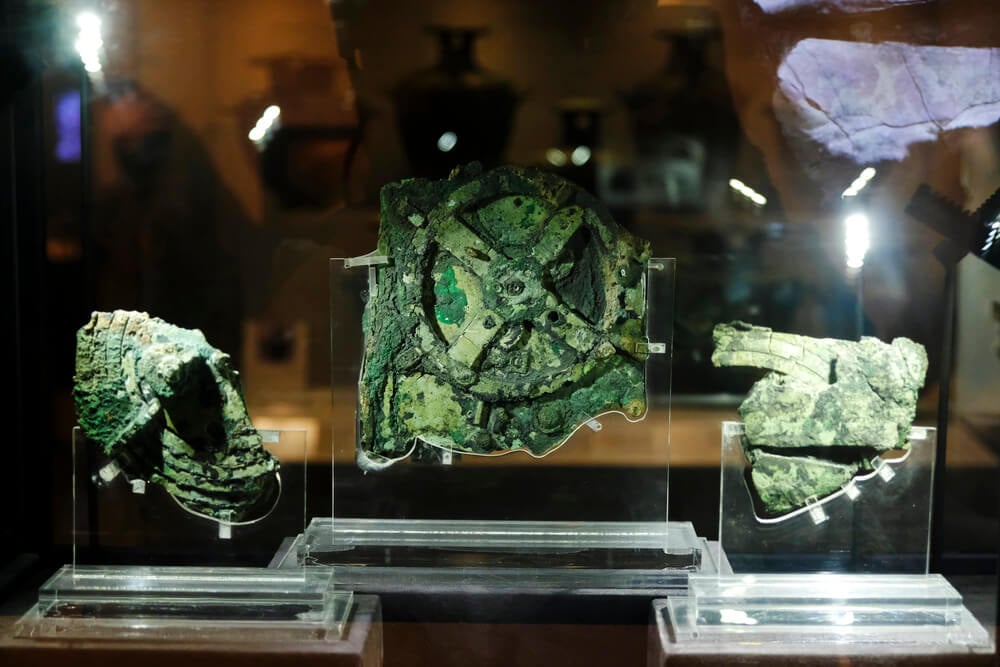
In 1901, sponge divers off a Greek island recovered bronze and marble artifacts from a wreck dating to the first century BCE. Among the artifacts was the Antikythera Mechanism—a complex bronze device with gears and astronomical scales.
The mechanism demonstrated that ancient Mediterranean civilizations possessed mechanical sophistication previously assumed to be medieval. The discovery revealed that advanced technology was lost and had to be reinvented.
The Mary Rose
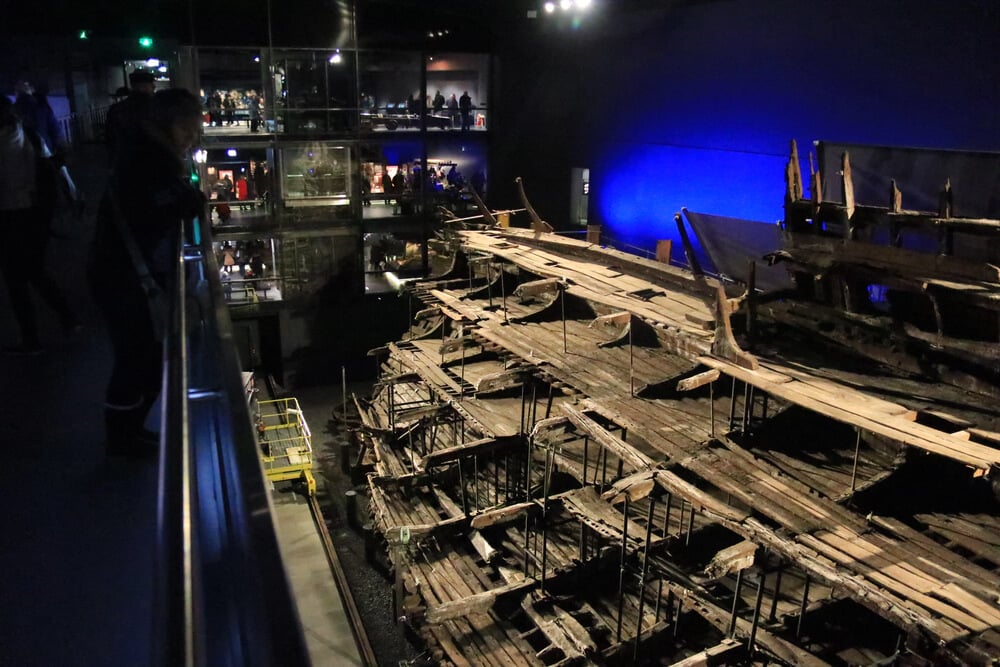
King Henry VIII’s warship Mary Rose sank in 1545 during a battle with French forces. The wreck was discovered and excavated in 1982, revealing intact artifacts including weapons, tools, and personal items.
The discovery provided unprecedented detail about sixteenth-century naval technology, daily life aboard warships, and military equipment. The wreck transformed understanding of Tudor-era maritime capability.
The Vasa
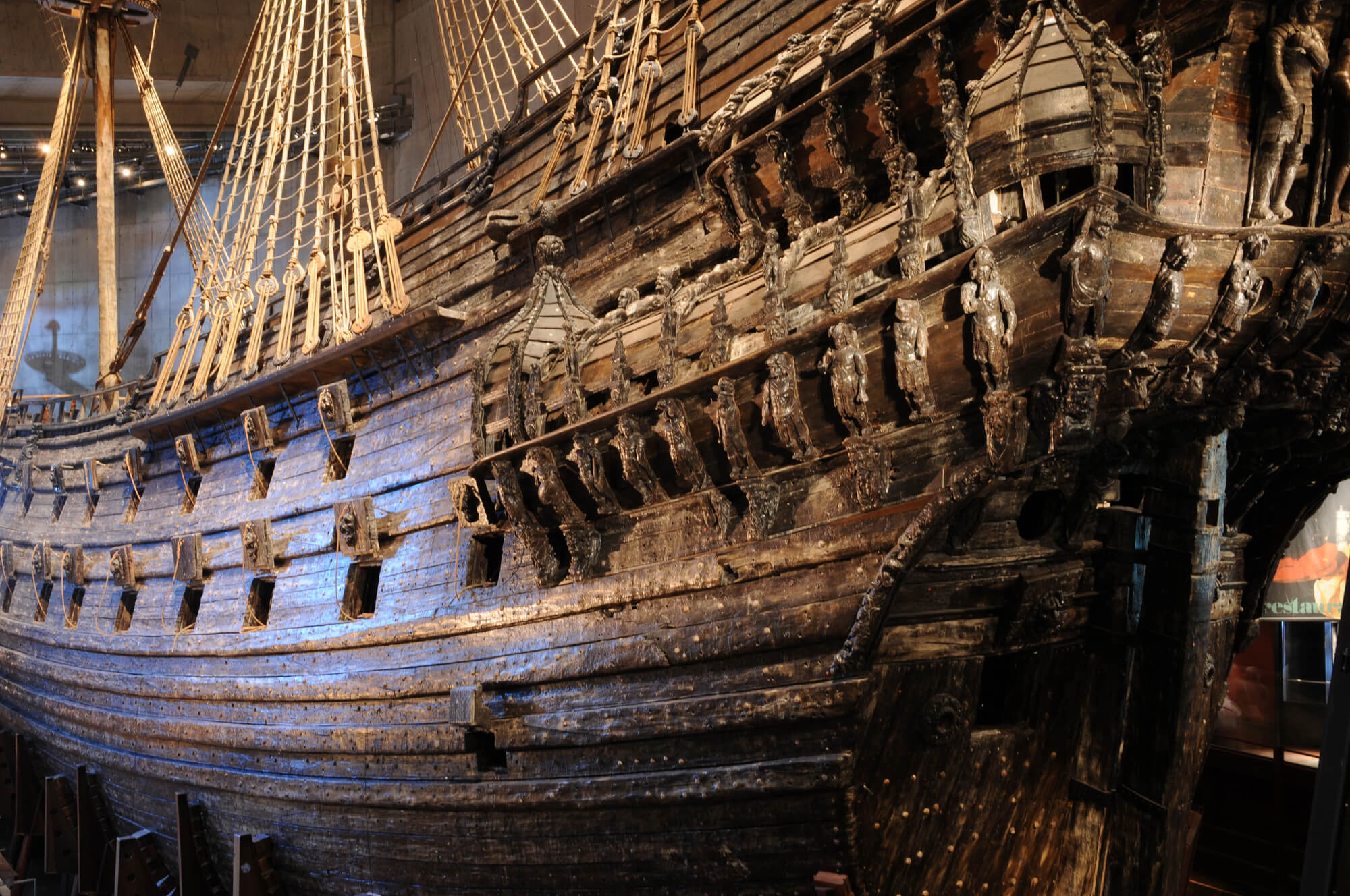
The Swedish warship Vasa sank on its maiden voyage in 1628, preserved by the cold, oxygen-poor waters of Stockholm harbor. Salvaged in 1961, the wreck remains one of the best-preserved ships ever found, with intact decorations, artifacts, and structure.
The discovery revealed Swedish naval ambitions and seventeenth-century shipbuilding techniques. The ship’s intact preservation allowed three-dimensional understanding of early modern warships.
The Nuestra Señora de Atocha
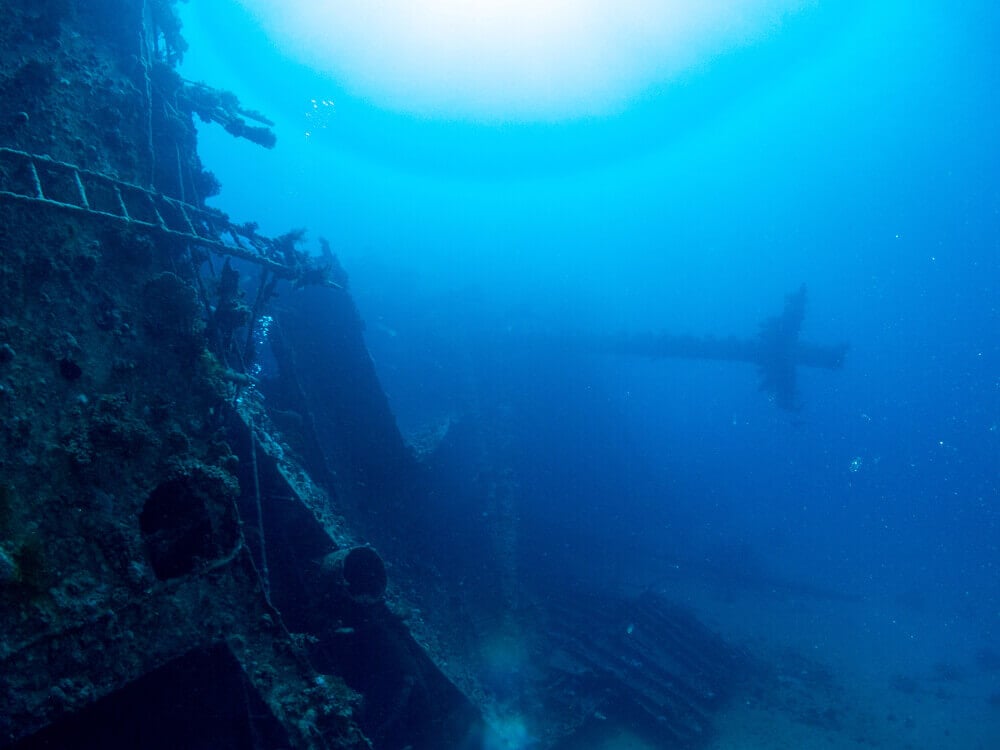
A Spanish treasure galleon sank in a hurricane off the Florida Keys in 1622. Discovered by salvagers in 1985, the wreck revealed details of Spanish colonial trade, maritime routes, and the value and nature of goods flowing from the Americas to Europe.
The discovery provided tangible evidence of colonial economic systems that documents had recorded only abstractly.
The RMS Titanic
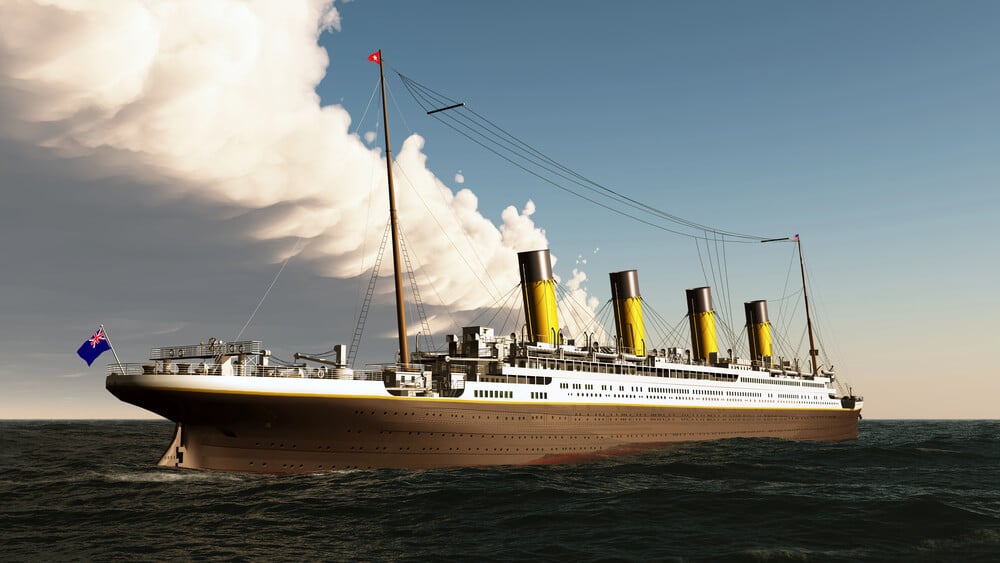
The “unsinkable” liner struck an iceberg and sank in 1912, killing over 1,500 people. The wreck, discovered in 1985, revealed details about the ship’s construction, the failure of safety systems, and the social inequality that shaped who survived.
The discovery transformed understanding of early twentieth-century maritime technology and class inequality.
The Uluburun
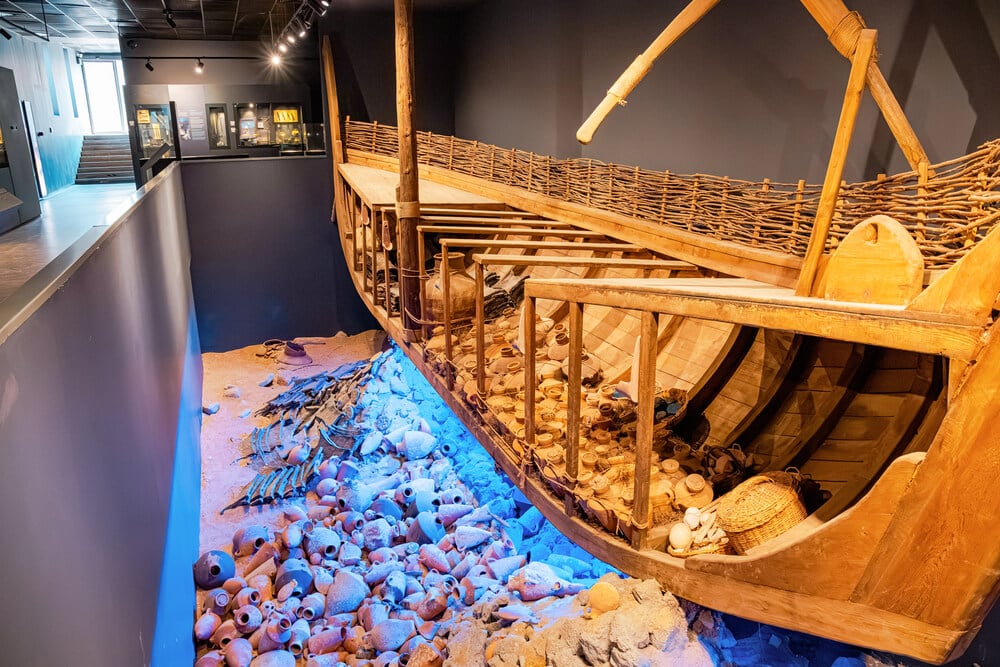
A Bronze Age merchant ship that sank off the Turkish coast in the fourteenth century BCE, the Uluburun wreck contains evidence of extensive Mediterranean trade networks. The cargo includes goods from Egypt, Cyprus, Canaan, and mainland Greece, demonstrating interconnection that written sources implied but did not document in detail.
The wreck revealed the scale and sophistication of Bronze Age trade.
The Yassi Ada
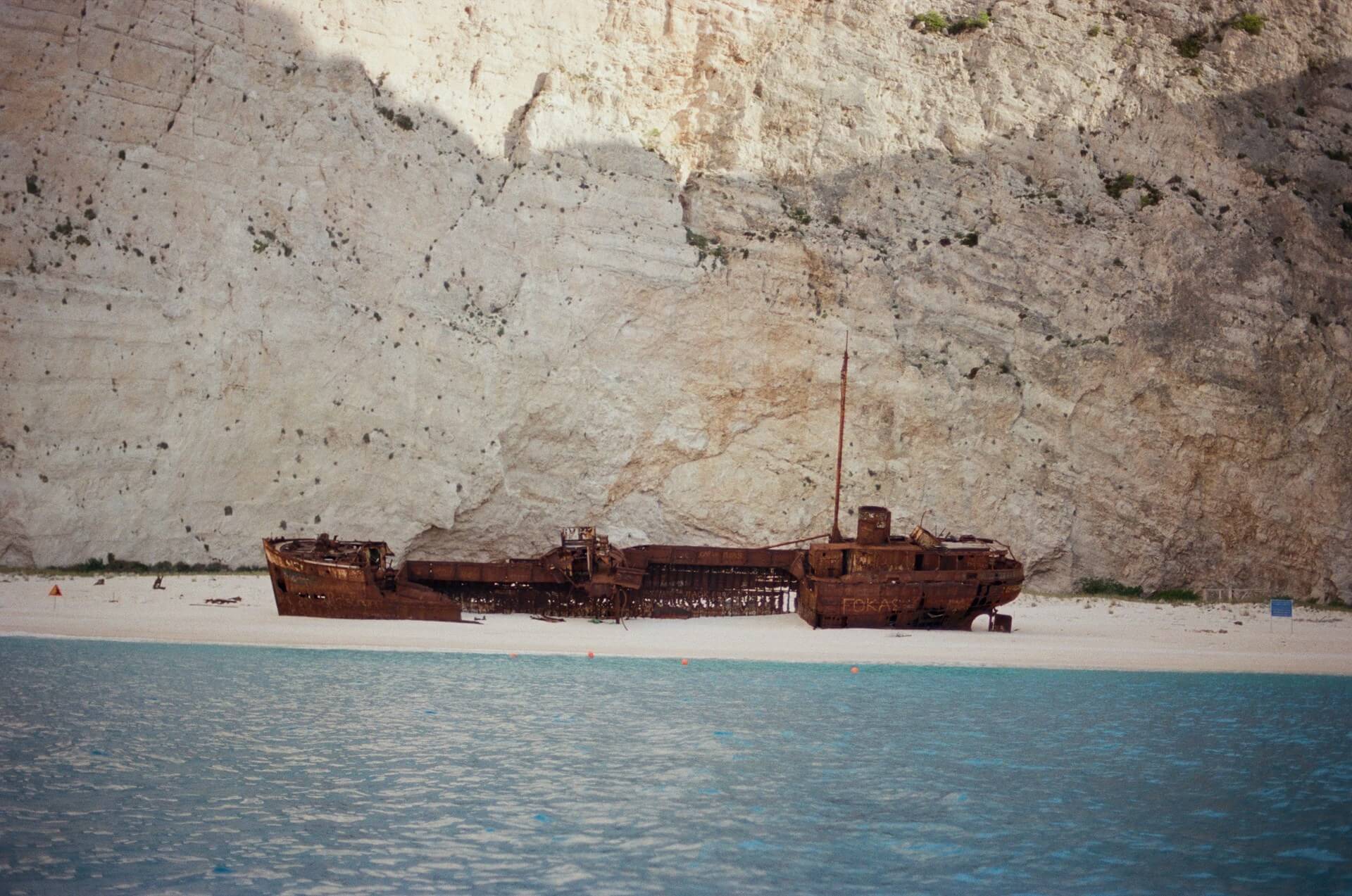
Two Byzantine wrecks off the coast of Turkey—one from the seventh century, one from the eleventh century—provided detailed evidence of Byzantine maritime commerce, shipbuilding, and daily life. The wrecks’ preservation revealed details about crew organization, cargo practices, and the nature of Byzantine trade that written sources had not documented.
The discoveries established patterns of Byzantine economic activity.
The Black Swan
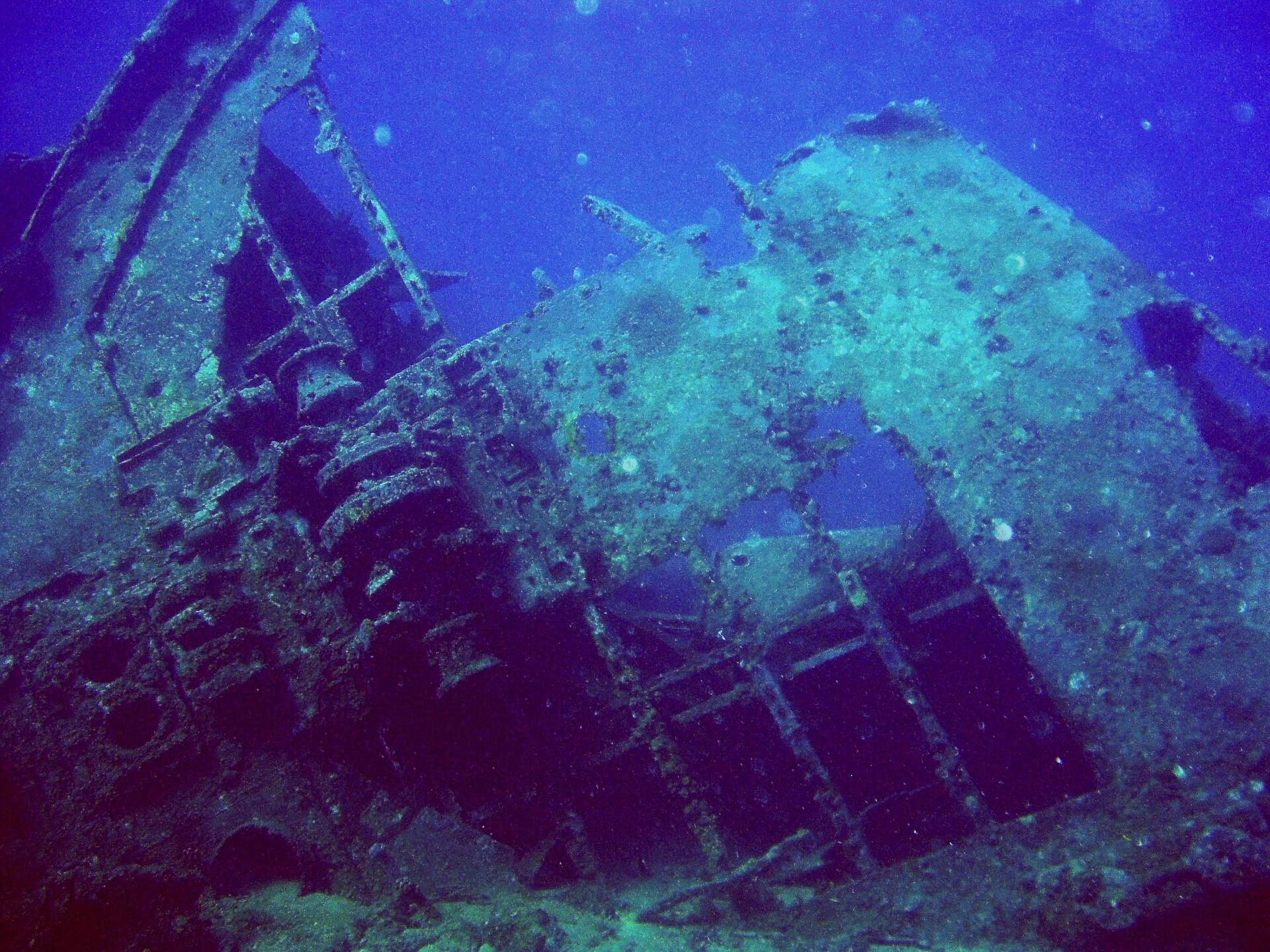
A Spanish galleon sunk in the early seventeenth century off the coast of Spain was discovered in 2007. The wreck contained tens of thousands of artifacts, including Chinese porcelain, Spanish coins, and maritime equipment.
The discovery provided evidence of direct trade between Spain and East Asia that had been poorly documented. The wreck revealed the scope of early modern global commerce.
The Whydah Gally
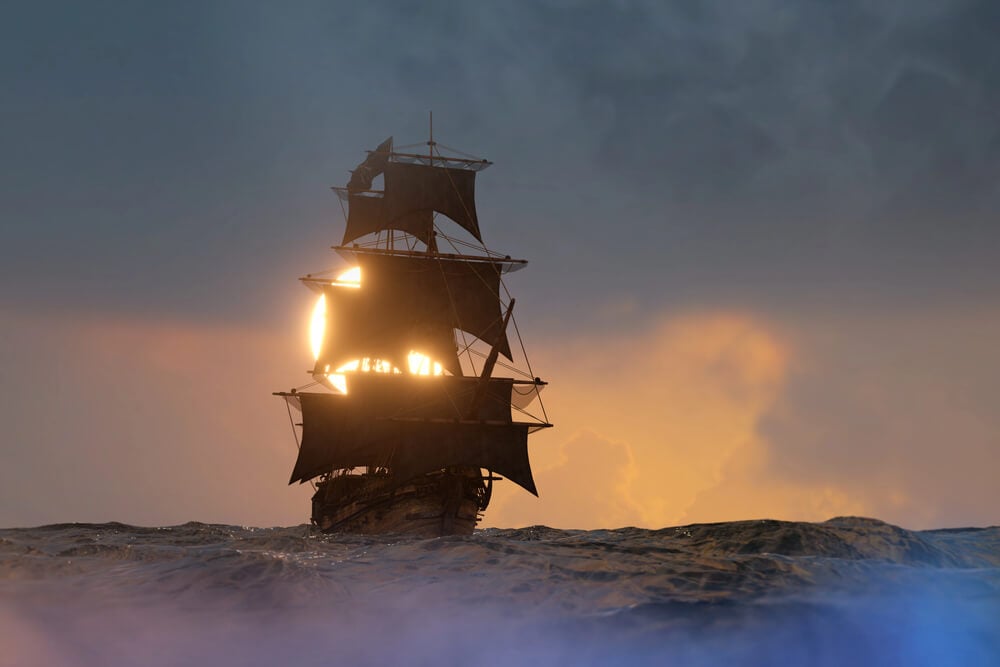
A pirate ship captained by Sam Bellamy sank in 1717 off Cape Cod. Discovered in 1984, the wreck contained detailed evidence of piracy, maritime trade, and early eighteenth-century seafaring life.
The discovery revealed details about pirate crews, their organization, and their equipment that had been poorly understood. The wreck humanized piracy in ways that documents could not.
The Sutton Hoo Ship Burial
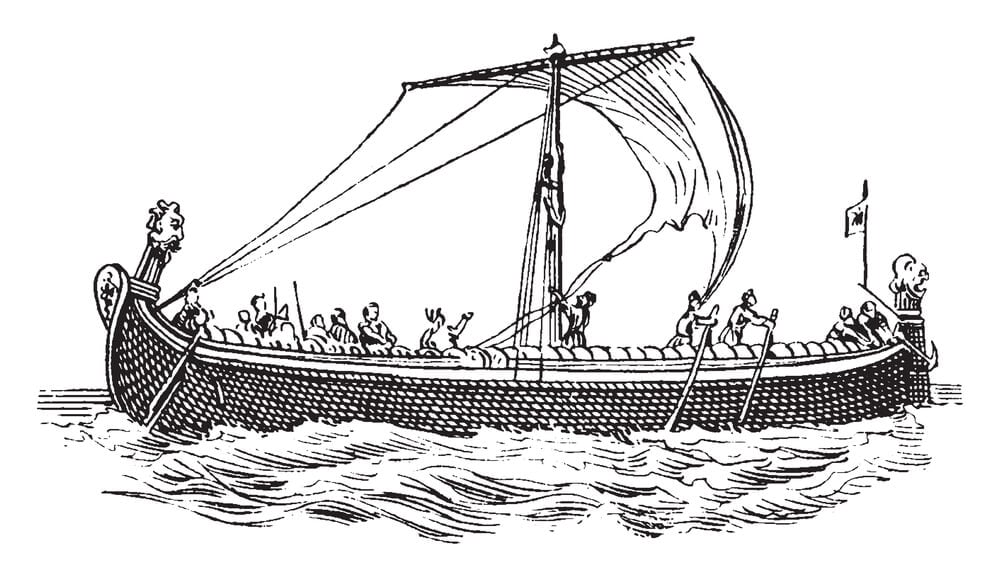
An Anglo-Saxon ship buried in sixth-century England was discovered and excavated in 1939. The ship had been dragged into a burial mound and surrounded by grave goods.
The discovery revealed the wealth, sophistication, and connections of early Anglo-Saxon aristocracy. The burial demonstrated that “Dark Age” England possessed more sophistication and external connections than had been assumed.
The Skuldelev Wrecks
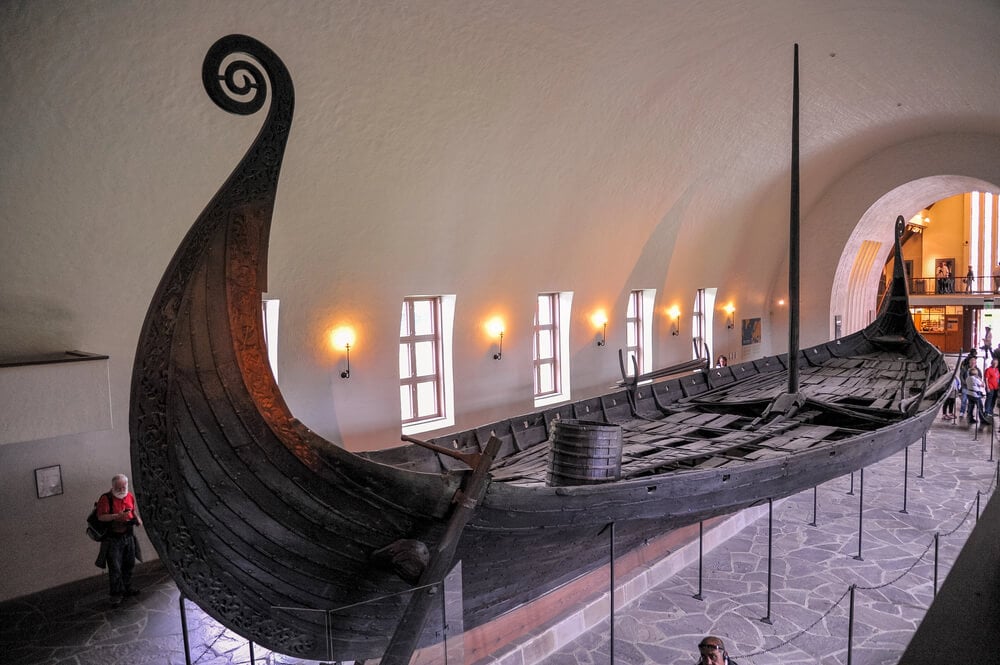
Five Viking Age ships deliberately sunk to block a fjord near Roskilde, Denmark, were raised in the 1960s. The wrecks included a Viking warship, a merchant ship, and fishing vessels.
The discovery revealed Viking shipbuilding techniques, the diversity of Viking vessels, and the sophistication of Viking maritime technology. The wrecks transformed understanding of Viking maritime capability.
The Britannic
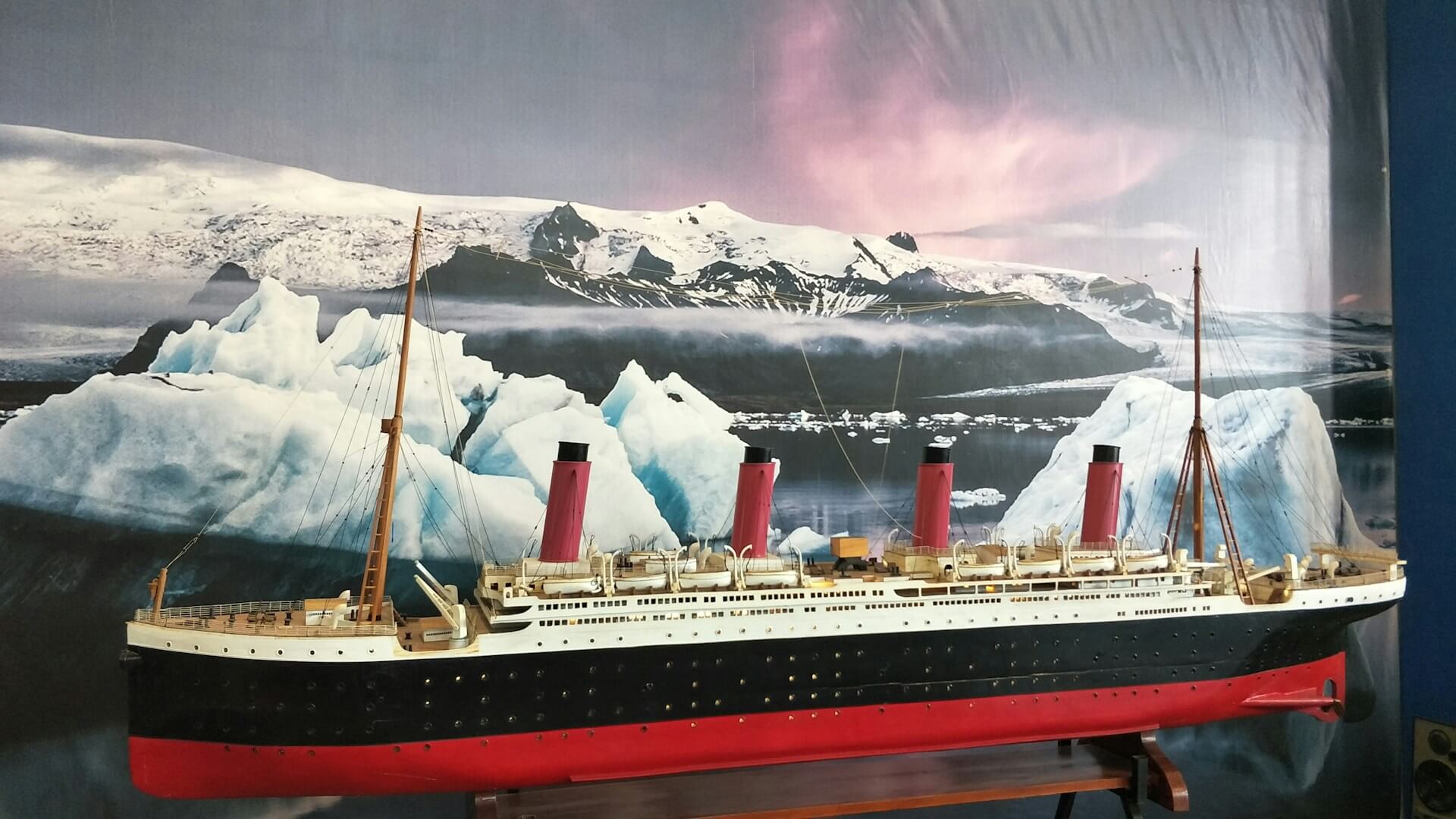
The sister ship to the Titanic sank in 1916 after hitting a mine. The wreck, explored in recent decades, revealed details about ship design improvements made after the Titanic disaster.
The comparison between the two wrecks demonstrated how maritime safety evolved in response to catastrophe. The discovery showed the effect of the Titanic disaster on subsequent ship design.
The SS Edmund Fitzgerald
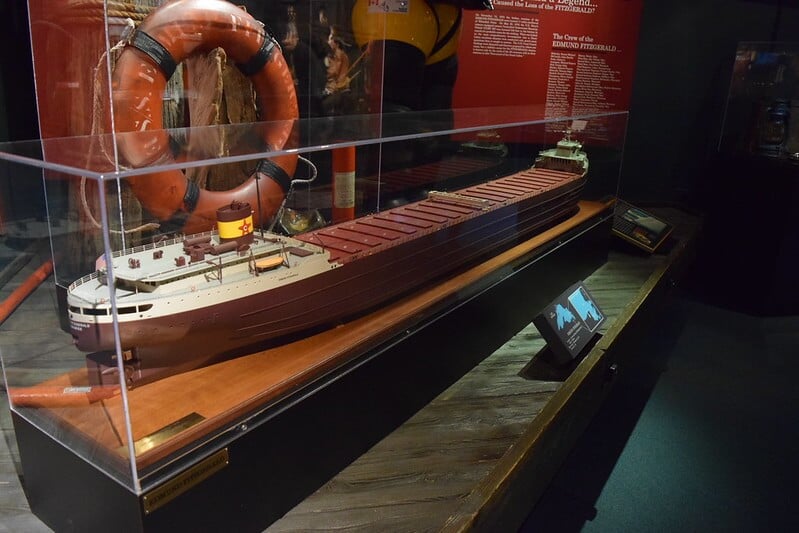
A Great Lakes freighter sank in a storm in 1975. The wreck’s discovery provided evidence about the ship’s final moments and the causes of its sinking.
The discovery revealed details about the ship’s condition and the storm’s severity that the ship’s sinking had previously left uncertain. The wreck transformed understanding of Great Lakes maritime hazards.
The Fort Sumter Blockade Runners
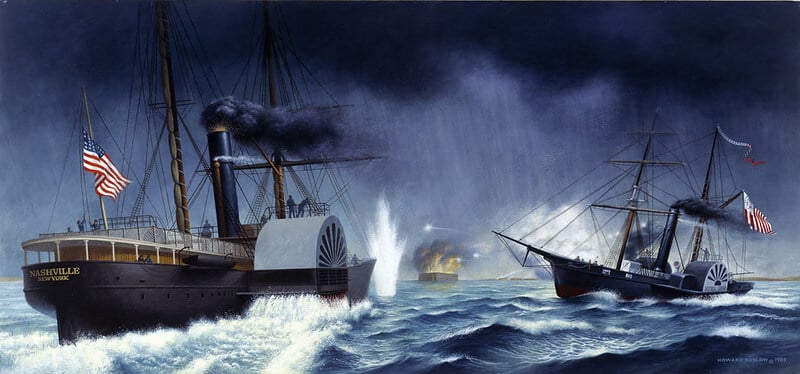
Union forces discovered wrecks of Confederate blockade runners during the American Civil War. The discovery of numerous wrecks provided evidence about the Confederate supply network and Union blockade effectiveness.
The wrecks revealed details about Civil War maritime commerce and the effectiveness of naval blockade strategy.
The Roman Wine Carriers
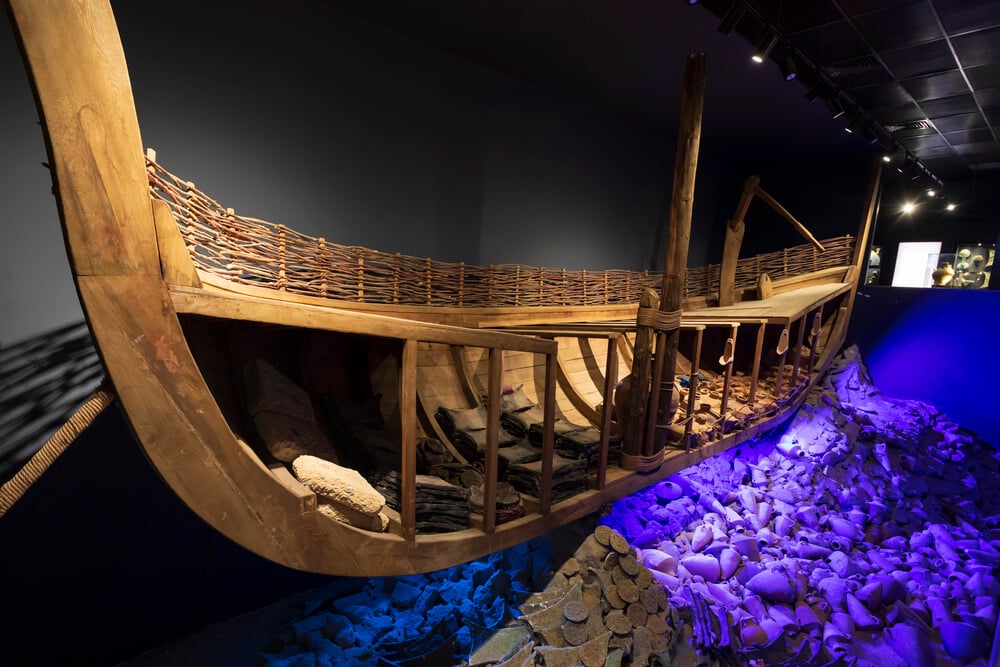
Multiple Roman shipwrecks off the Mediterranean coast have been discovered carrying amphorae of wine, olive oil, and other goods. These wrecks collectively revealed the scale of Roman maritime trade and the nature of inter-regional commerce.
The wrecks demonstrated that Roman trade was far more extensive than literary sources implied.
The Batavia
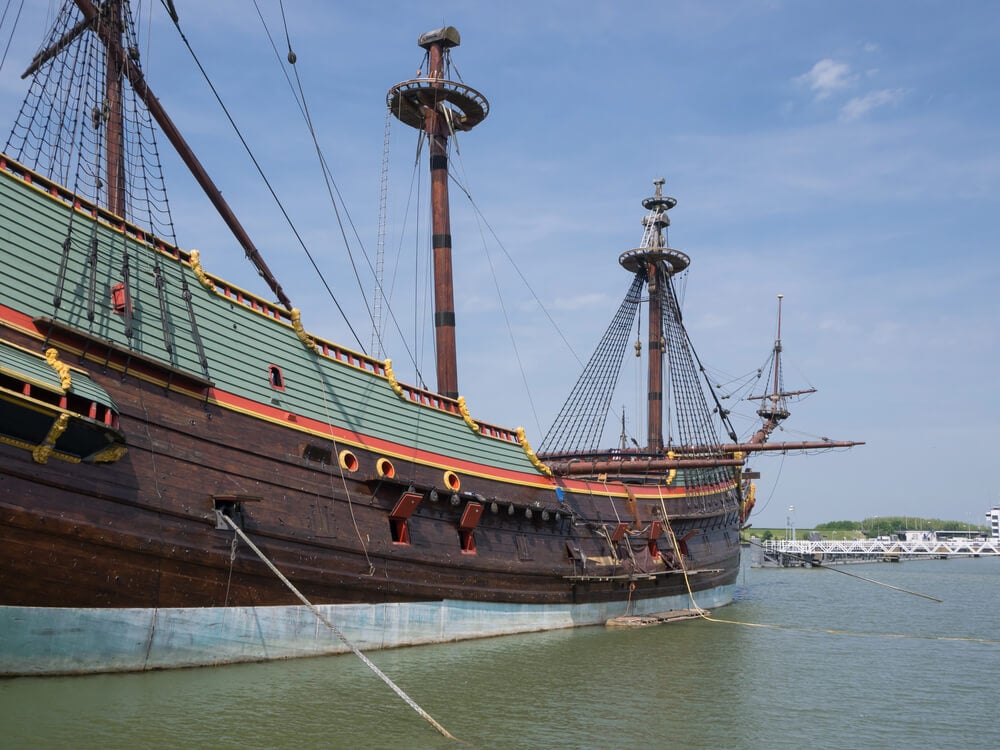
A Dutch merchant ship wrecked in 1629 off Western Australia. The wreck was discovered in the 1970s, revealing details about Dutch maritime expansion, East India Company operations, and the nature of seventeenth-century shipwrecks.
The discovery provided evidence of Dutch commercial ambitions in the Indian Ocean. The wreck revealed details about Dutch operations that documents had recorded sparsely.
The Concordia
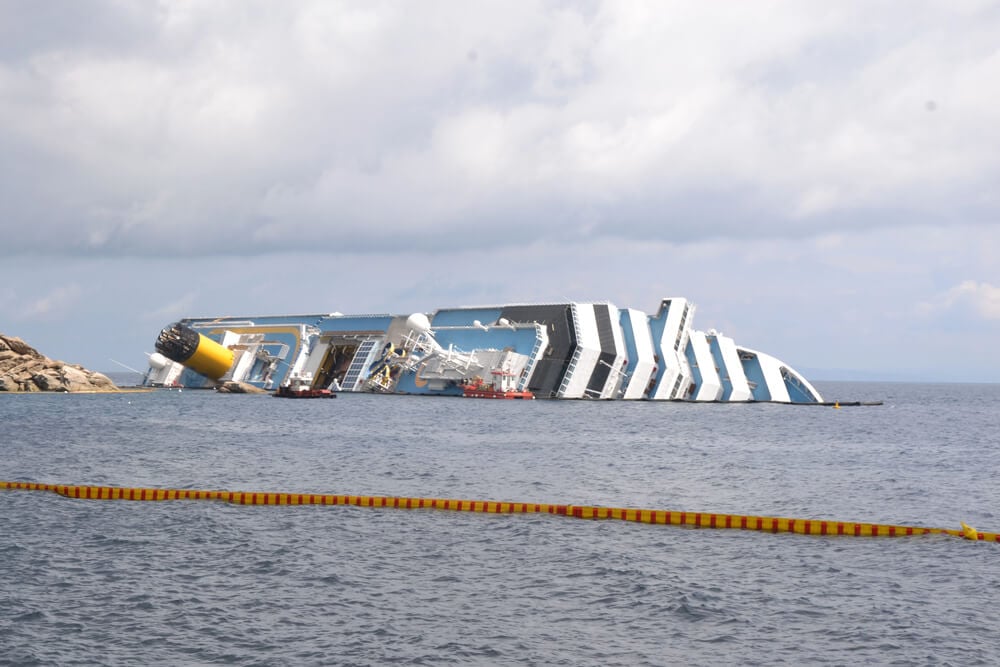
The modern cruise ship Costa Concordia capsized in 2012 off the Italian coast. The wreck’s discovery and investigation revealed details about modern ship safety systems, emergency procedures, and failures.
The discovery transformed understanding of how modern ships could capsize and how safety systems could fail. The wreck revealed vulnerabilities in contemporary maritime technology.
The Victory
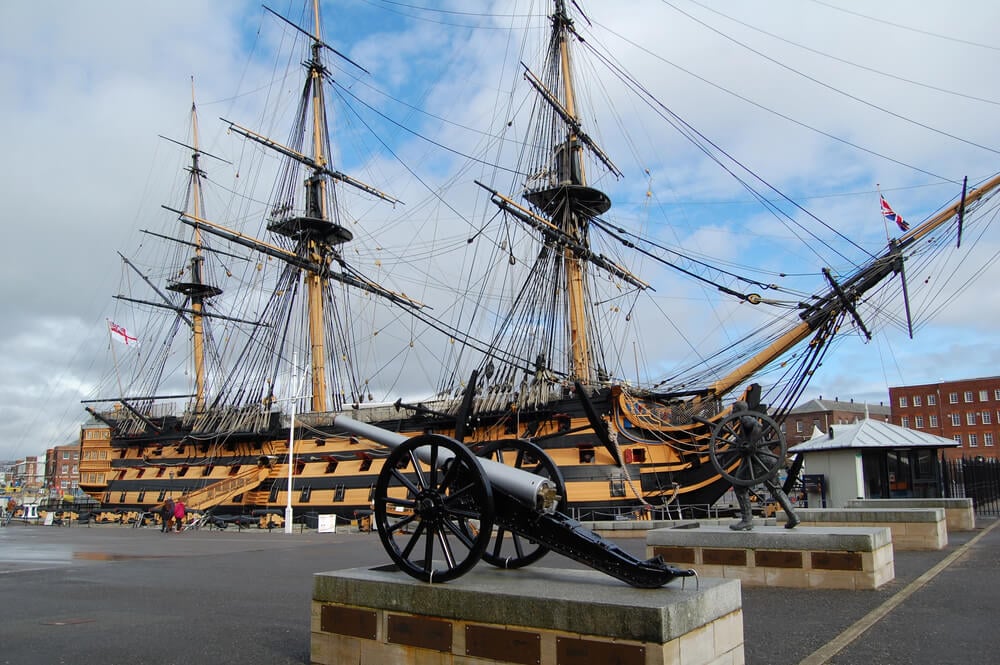
HMS Victory, the flagship of Admiral Nelson, lies in Portsmouth Harbor. Though not strictly a wreck, the preserved ship has revealed details about eighteenth-century naval warfare, ship design, and crew conditions.
Restoration efforts have uncovered details about the ship’s construction and condition that written sources had not fully documented. The ship remains a primary source for understanding Napoleonic-era naval technology.
The Protector
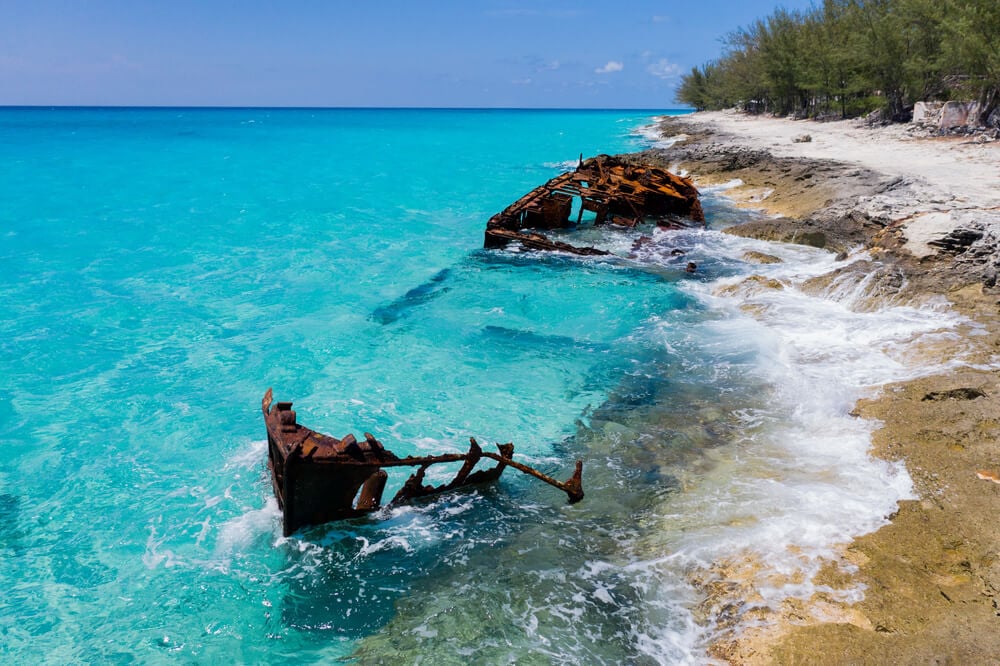
A Revolutionary War privateer that sank in 1781, the Protector’s wreck, discovered in 2018, revealed details about privateering, naval technology, and warfare during the American Revolution. The discovery provided physical evidence about ship design and equipment that documents had recorded incompletely.
The wreck humanized the privateering trade through recovered artifacts.
The Lady Godiva
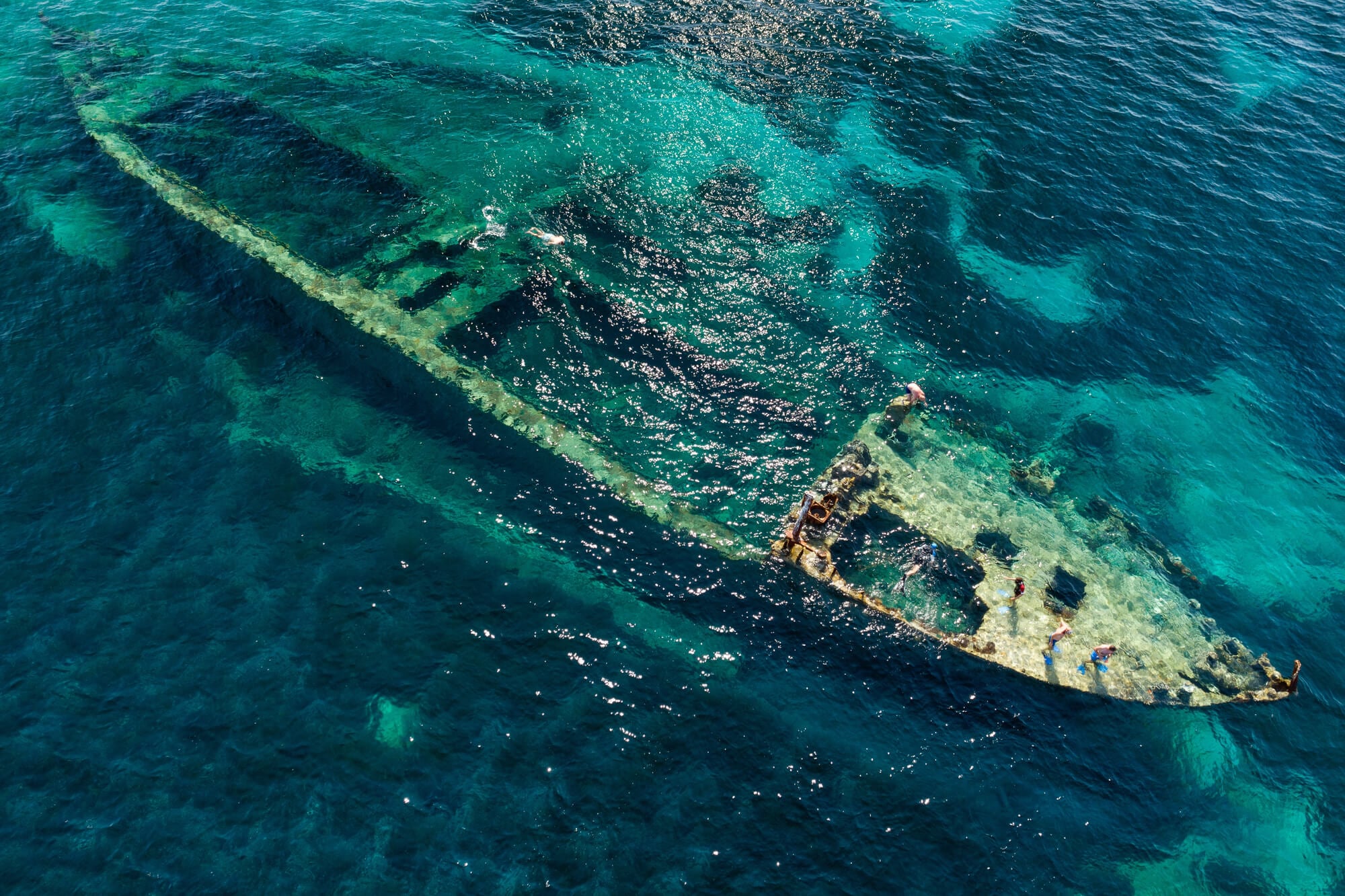
A merchant ship that sank in the Arctic, the Lady Godiva’s wreck revealed evidence about nineteenth-century Arctic exploration and whaling. The discovery provided details about whaling operations and Arctic maritime commerce that documents had recorded selectively.
The wreck demonstrated the scale of nineteenth-century Arctic activity.
The Almirante Oquendo
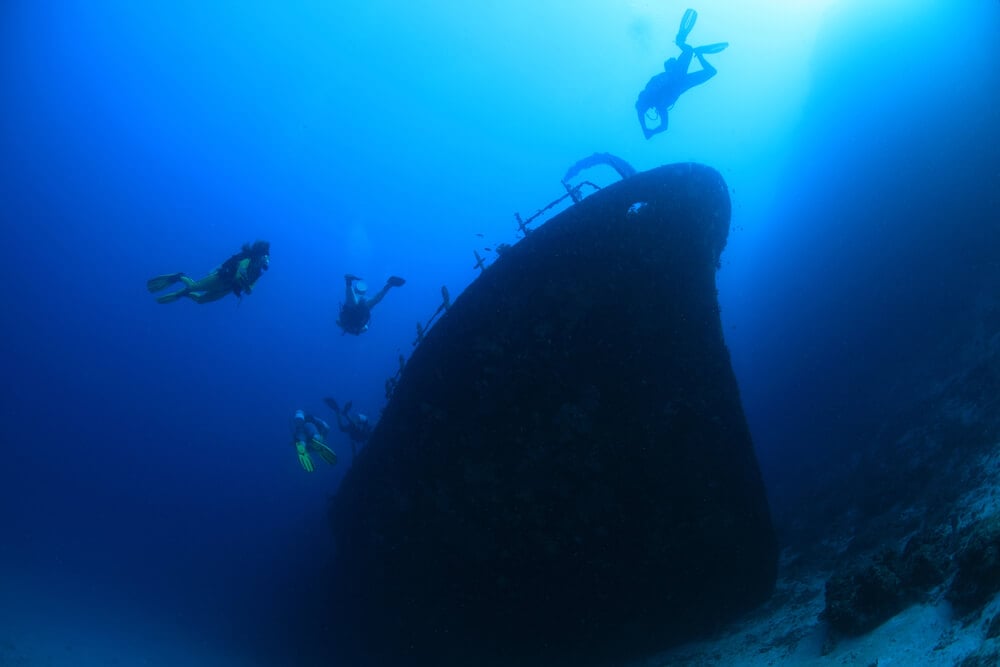
A Spanish warship sunk in the Spanish-American War, the wreck revealed details about naval combat in the Philippines. The discovery provided physical evidence about ship damage, crew conditions, and battle effects that documents had not fully captured.
The wreck provided tangible evidence of American naval dominance.
The Egyptian Royal Barge
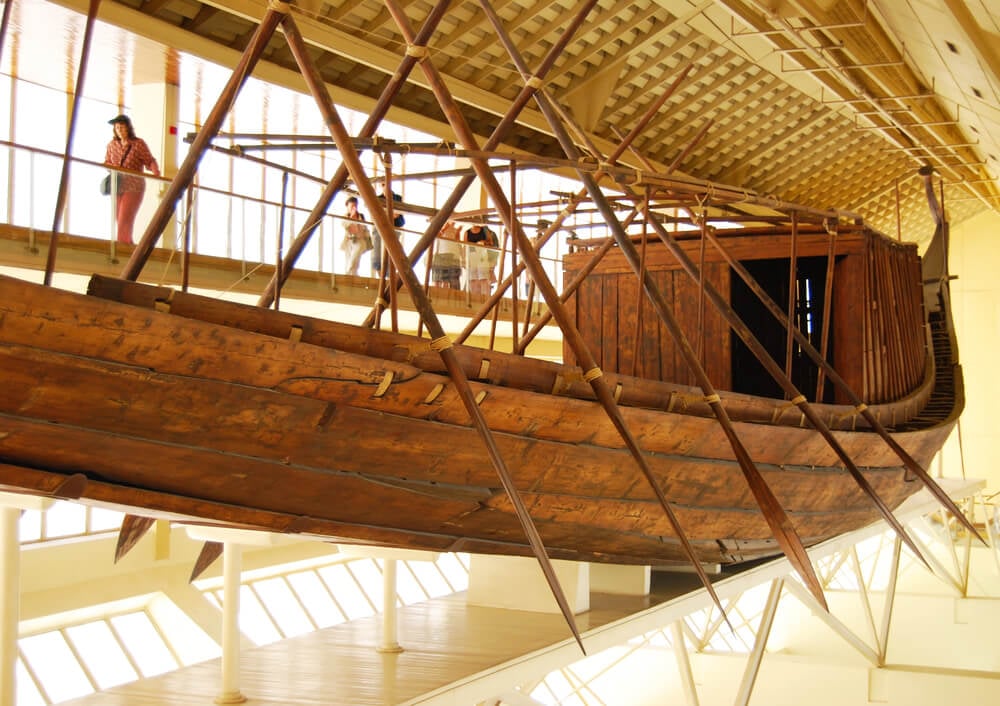
Ancient Egyptian barges, represented by recovered wooden vessels, revealed details about pharaonic-era maritime technology and religious practices. The barges, preserved in Egyptian museums, demonstrated the sophistication of ancient Egyptian woodworking and maritime design.
The vessels revealed details about royal funerary practices and religious beliefs.
The Portuguese Caravel
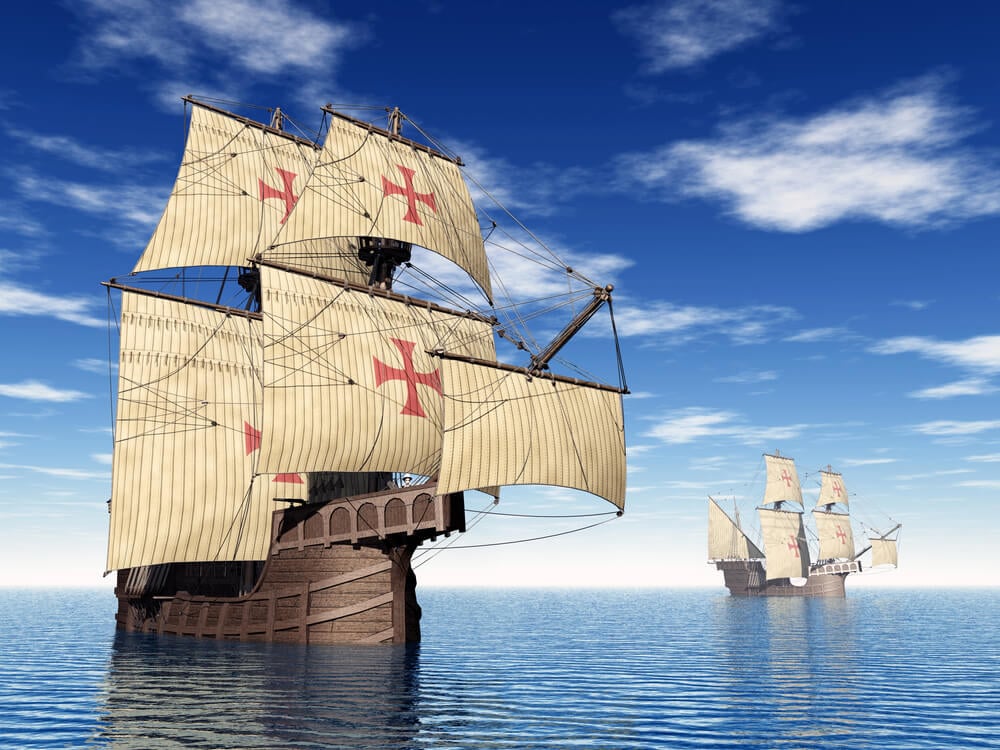
Multiple wrecks of Portuguese caravels dating to the Age of Exploration have been discovered. These small, maneuverable ships revealed maritime technology that enabled European expansion.
The wrecks demonstrated the sophistication of Portuguese shipbuilding and the technology that enabled exploration. The vessels revealed how maritime technology enabled colonialism.
The Henrietta Marie
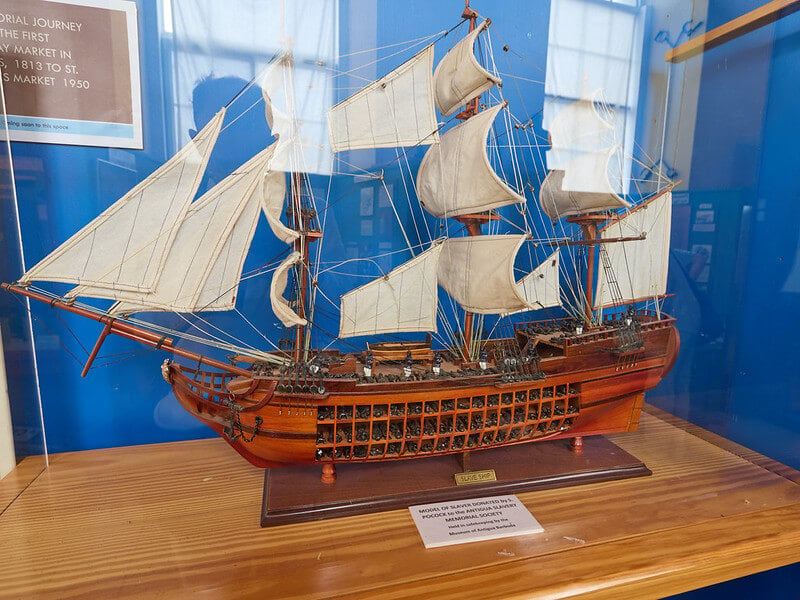
An English slave ship that sank in 1701, the Henrietta Marie wreck, discovered in 1972, contained shackles and other evidence of slavery. The discovery provided material evidence of the slave trade that documents had recorded abstractly.
The wreck transformed understanding of slavery’s maritime systems and the scale of human trafficking.
The Minesweeper USS Ardent
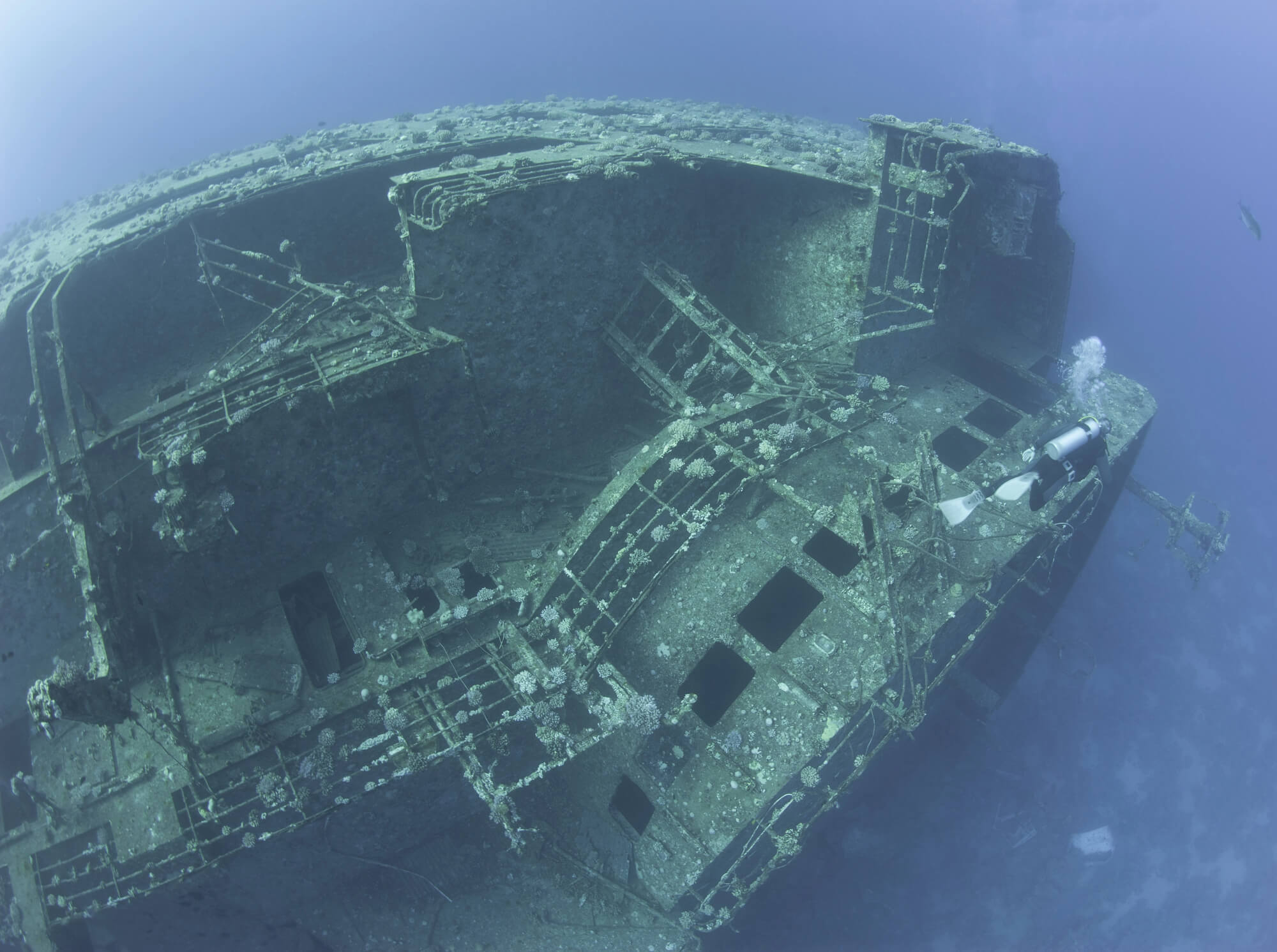
An American naval vessel sunk in the Korean War, the Ardent’s wreck revealed details about Cold War naval technology and warfare. The discovery provided evidence about American naval capability and Cold War maritime operations.
The wreck illustrated the technological changes in naval warfare.
The Princess Alice
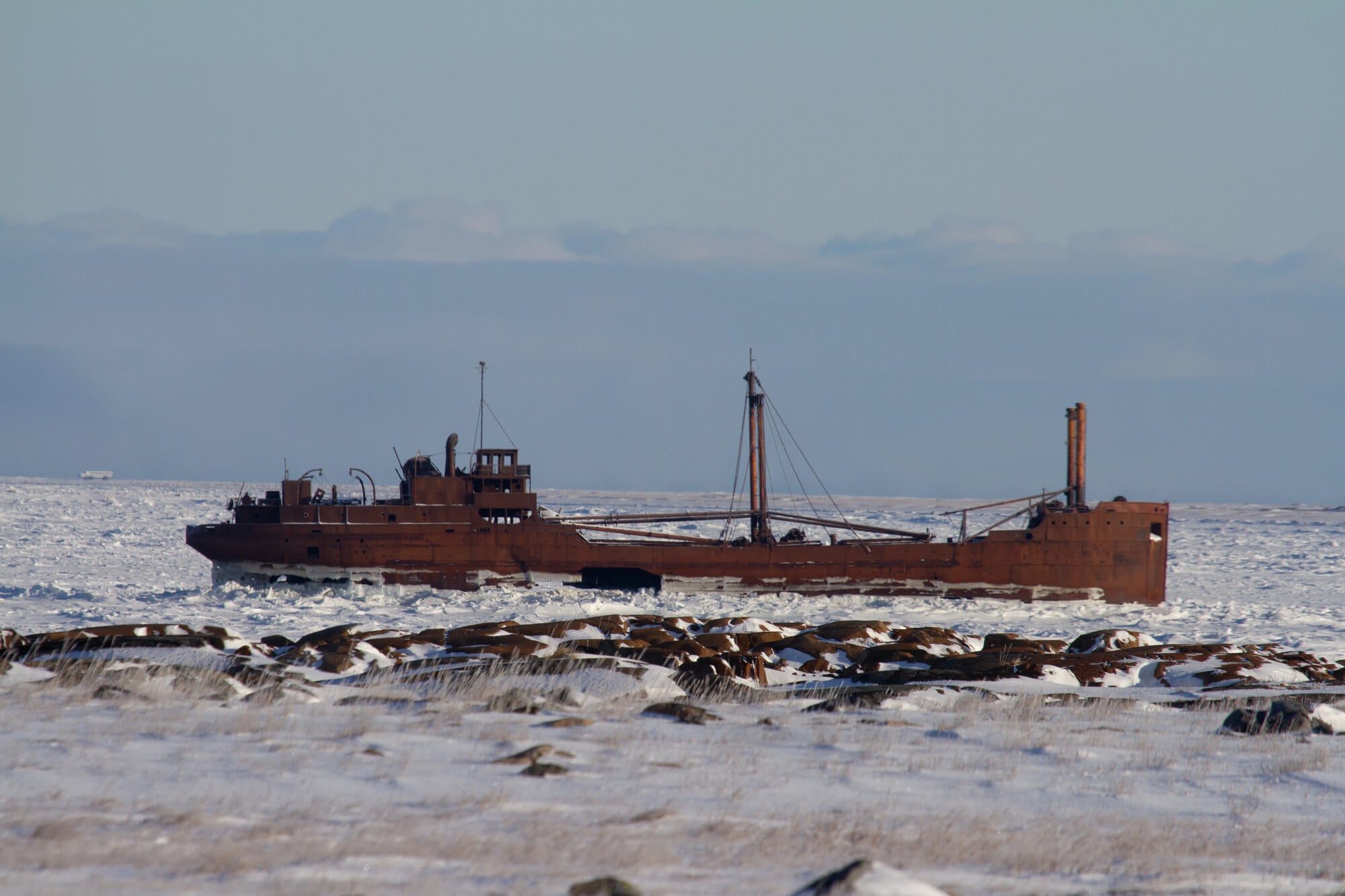
A British river steamship that collided with another vessel in 1878, the Princess Alice sank in the Thames, killing over 600 people. The wreck’s discovery revealed details about Victorian maritime technology and safety failures.
The disaster demonstrated the hazards of river navigation in the nineteenth century.
The Zhou Dynasty Royal Vessel
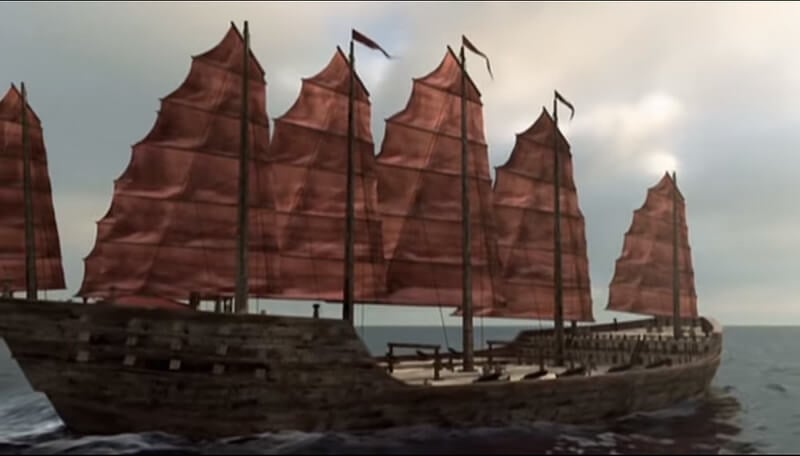
Ancient Chinese ships have been discovered in archaeological contexts, revealing details about early Chinese maritime technology and trade. The vessels demonstrated sophisticated woodworking and maritime design.
The wrecks revealed that early Chinese maritime technology rivaled European designs and that Chinese maritime trade was extensive.
The Oseberg Ship Burial
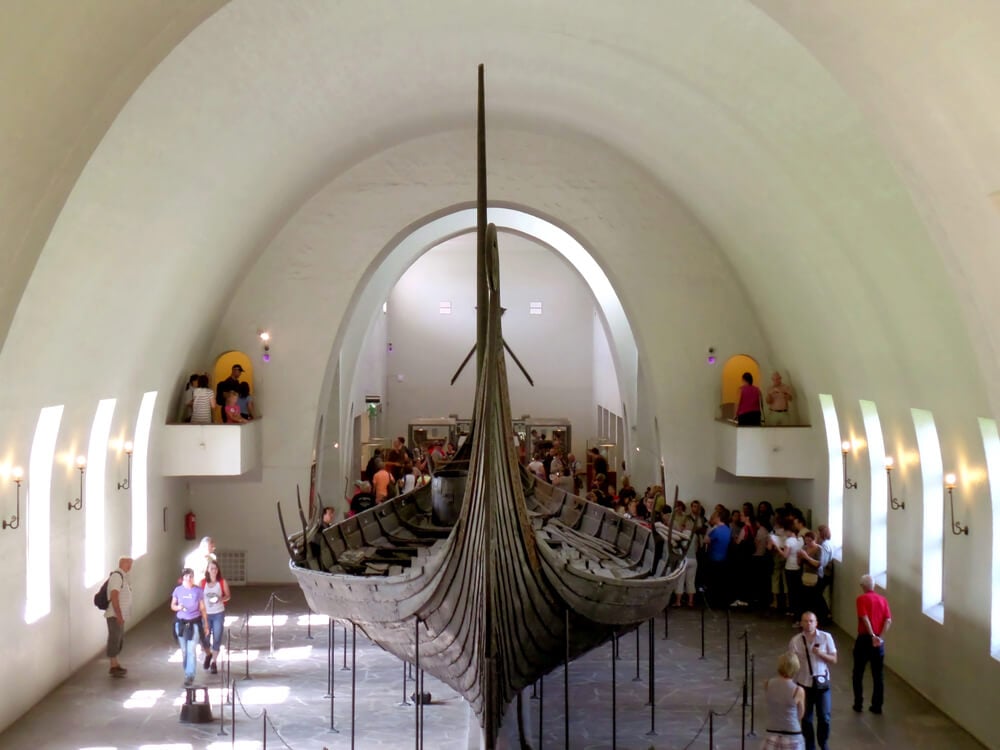
A Viking Age ship buried in ninth-century Norway was discovered and excavated in 1904. The ship, filled with grave goods, revealed details about Viking craftsmanship, artistic achievement, and burial practices.
The discovery demonstrated that Viking culture possessed aesthetic sophistication and wealth. The wreck transformed understanding of Viking civilization.
When Wreck Becomes Archive
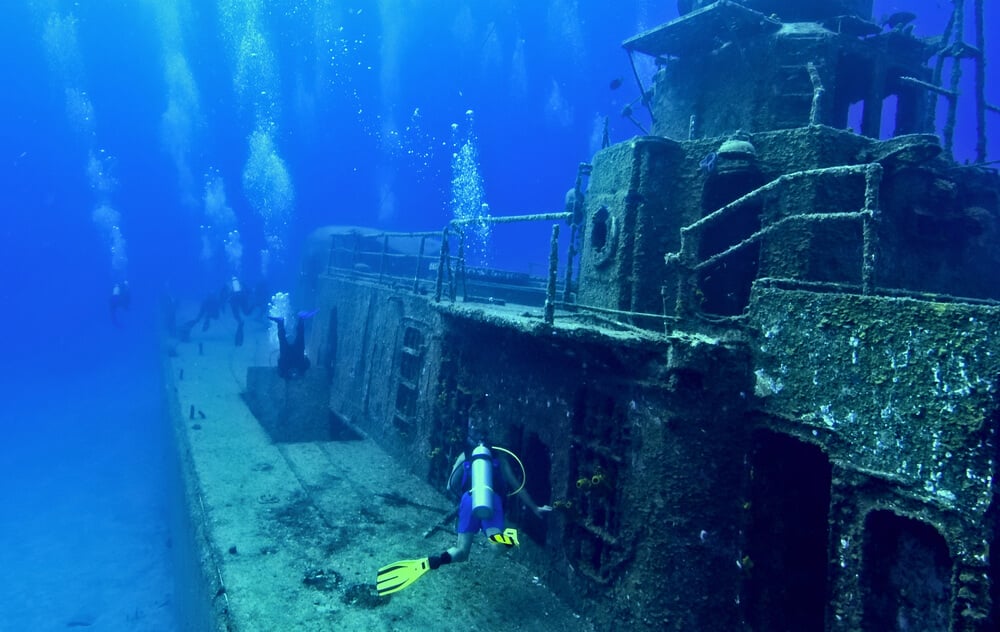
Shipwrecks preserve evidence in ways that land-based sites rarely do. The combination of preservation through immersion, the sealed nature of cargo holds, and the sudden abandonment of ships means they preserve details that documents omit and that land-based archaeology cannot recover.
The following twenty-eight wrecks have collectively transformed historical understanding by making invisible histories visible.
More from Go2Tutors!

- The Romanov Crown Jewels and Their Tragic Fate
- 13 Historical Mysteries That Science Still Can’t Solve
- Famous Hoaxes That Fooled the World for Years
- 15 Child Stars with Tragic Adult Lives
- 16 Famous Jewelry Pieces in History
Like Go2Tutors’s content? Follow us on MSN.