28 Video Rental Store Rituals From The ’90s That Streaming Will Never Replace
There’s something irreplaceable about the weight of a VHS case in your hands, the satisfying snap of opening it to check if the tape was rewound. The digital age brought convenience, but it also erased an entire ecosystem of rituals that made movie night feel like an event rather than a casual scroll through endless options.
Every trip to Blockbuster or your neighborhood rental shop was a small adventure, complete with its own unspoken rules, minor disappointments, and unexpected discoveries.
The Friday Night Rush
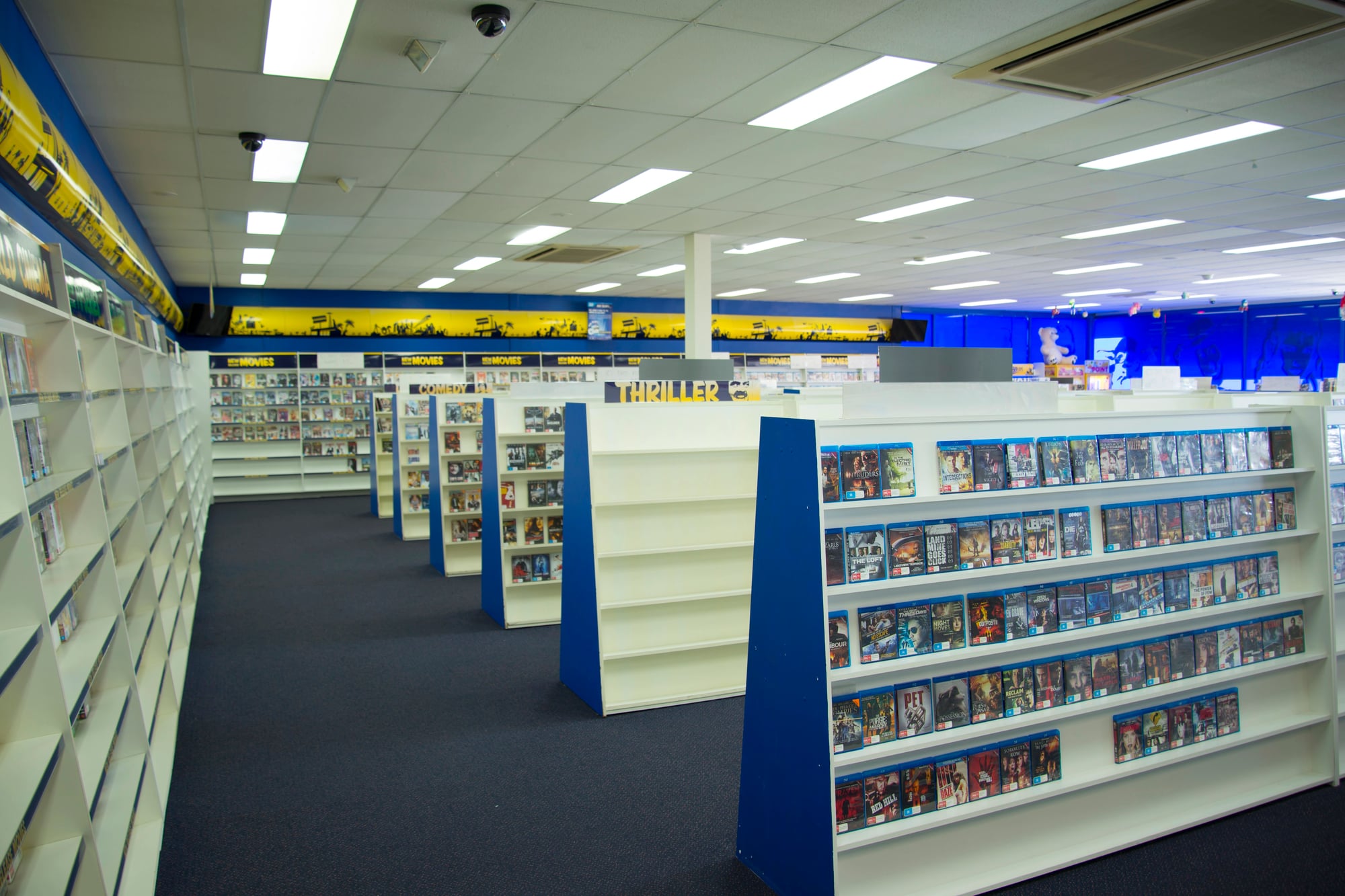
Everyone hit the video store at exactly the same time. You’d walk in around 6 PM on Friday and find half your town wandering the aisles with the same desperate look.
The new releases were picked clean, leaving behind five copies of something nobody wanted and exactly zero copies of the movie everyone came for.
Calling Ahead to Put Movies on Hold

Smart renters learned to phone ahead. “Can you hold a copy of Speed for me? I’ll be there in twenty minutes.”
The employee would grab it from the shelf and tape your name to it. Sometimes you’d show up and find your movie sitting behind the counter like a reserved table at a restaurant.
The Dreaded “Be Kind, Rewind” Check
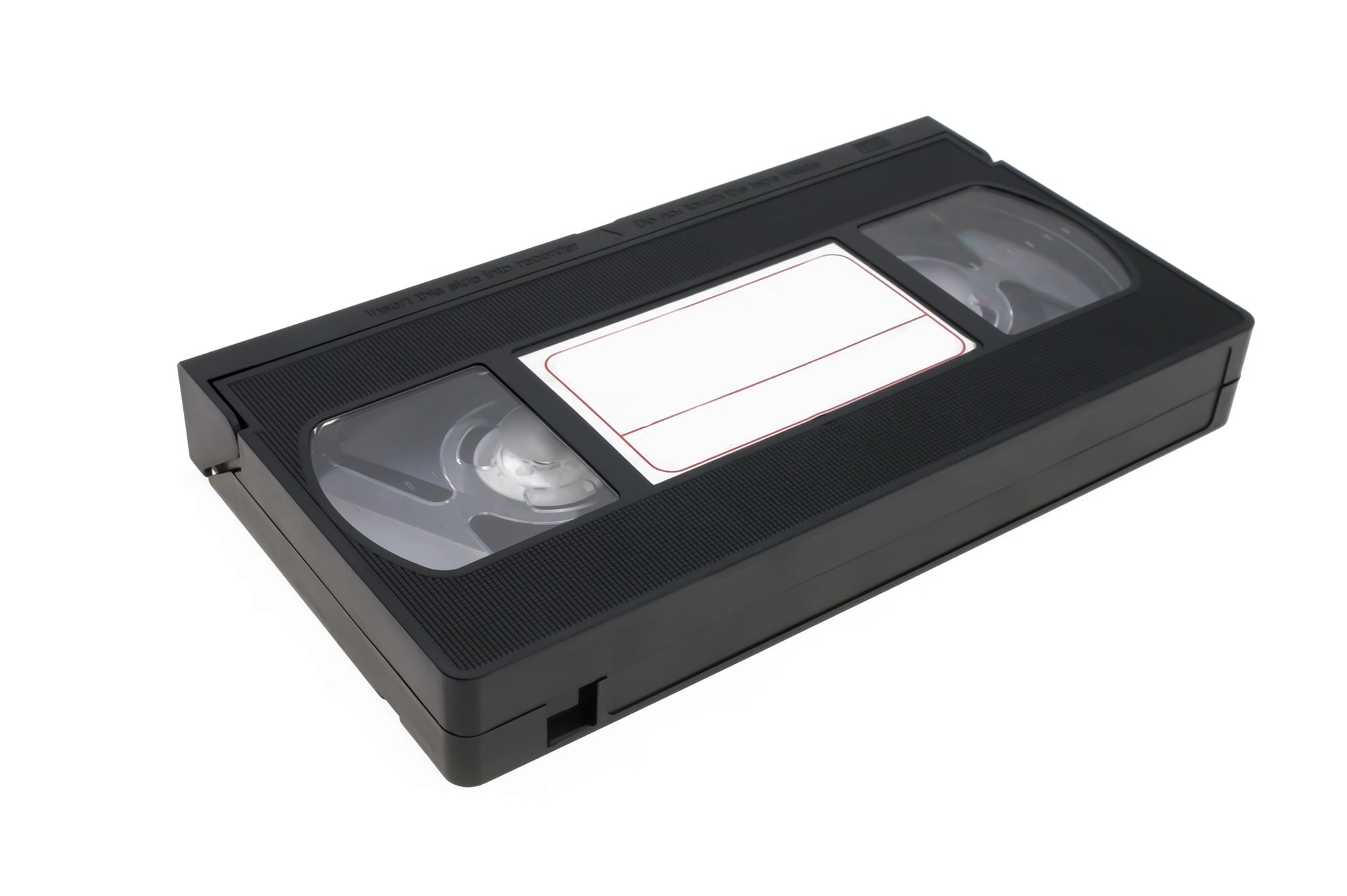
You’d open that clamshell case and hold your breath. If the tape wasn’t rewound, you had options: rewind it yourself (adding precious minutes to your night), ask the clerk to do it, or — if you were feeling rebellious — just take it home and deal with it later.
Finding an unrewound tape felt like a personal insult from the previous renter.
Browsing the Same Aisles You’d Memorized
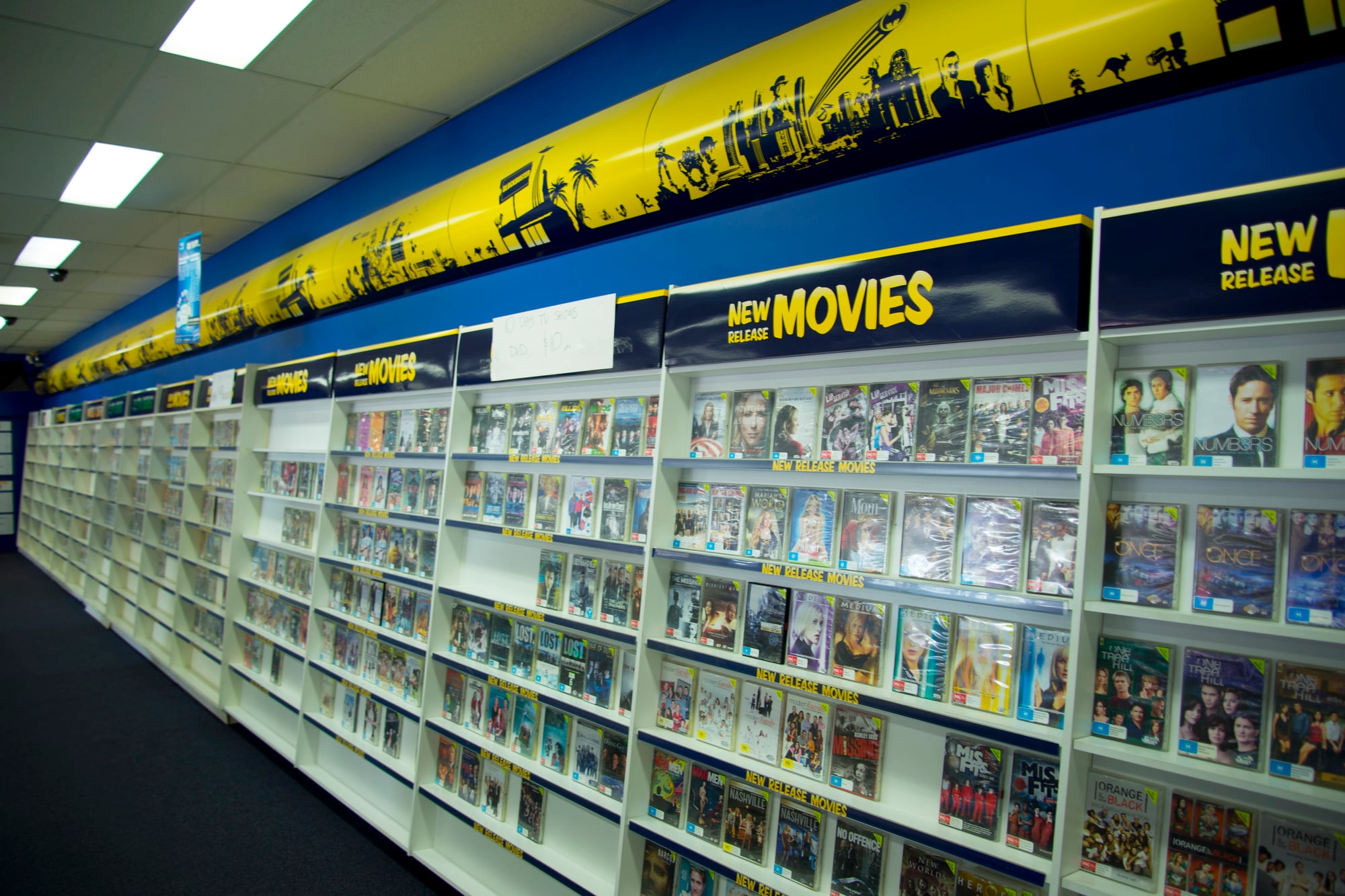
Walking those familiar rows became a meditation. You knew exactly where everything lived, but you’d still wander through Comedy, drift past Horror, and end up in Drama even though you came for an action flick.
The physical journey through genres was half the experience. Sometimes you’d discover something wedged between two other movies, like finding a twenty-dollar bill in an old coat pocket.
The Art of Reading the Back of Every Box

Those plot summaries were literature. You’d flip over case after case, studying screenshots that gave away half the plot, reading cast lists like they held the secrets of the universe.
Everyone became an expert at decoding whether “a heartwarming tale of friendship” meant “boring” or “surprisingly good.”
Settling for Your Fourth Choice
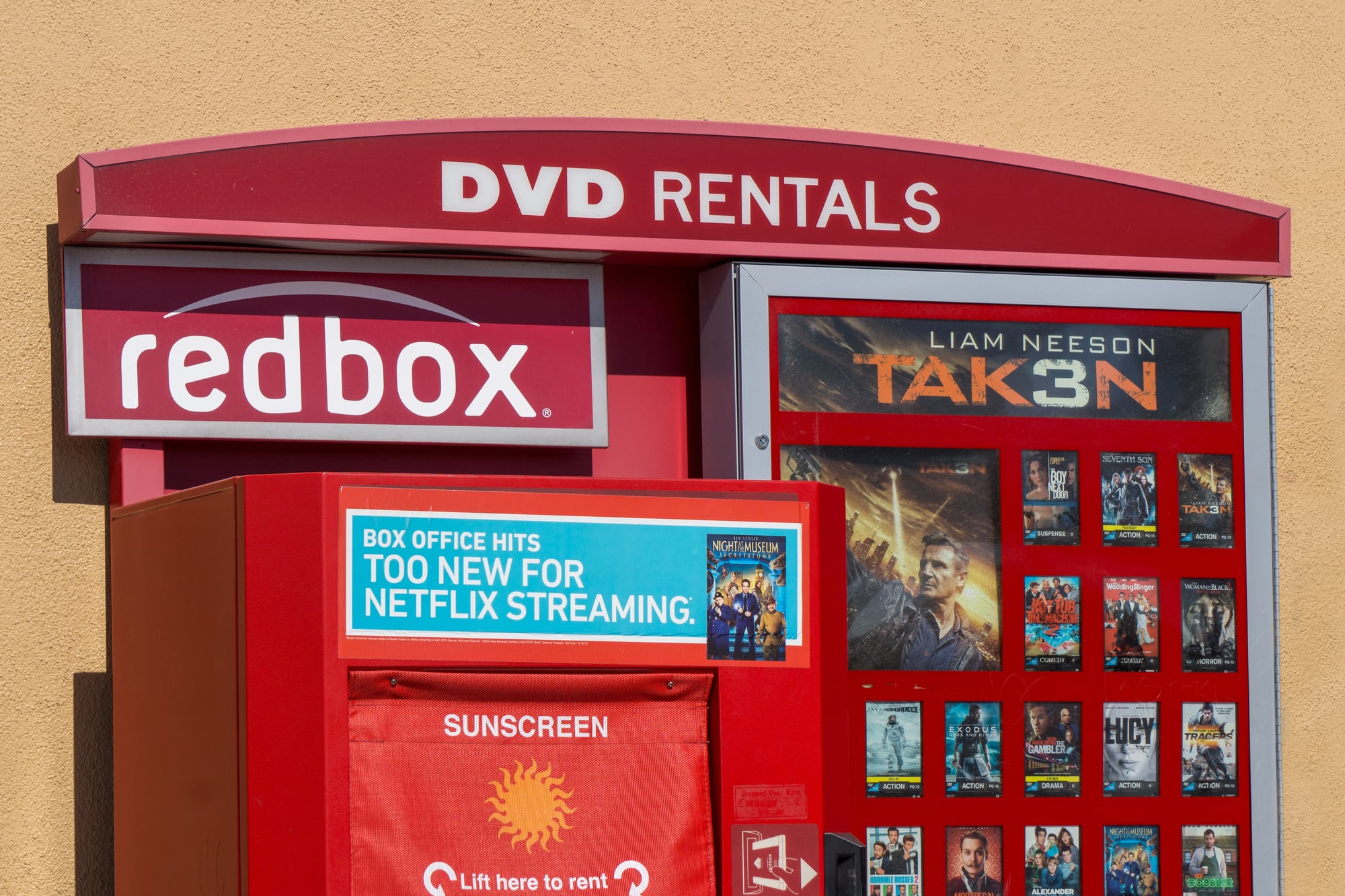
The movie you wanted was gone, your backup was gone, your backup’s backup was gone. So you’d end up with something you’d never heard of, and sometimes — just sometimes — it would turn out to be the best movie you watched that year.
Desperation led to the most unexpected discoveries.
Fighting Over the Last Copy

Two people reaching for the same VHS case created instant drama. Who saw it first? Whose hand touched it?
The unspoken rules of video store etiquette were tested in these moments, and most people backed down gracefully (but not without shooting a look that said “I was here first”).
The Walk of Shame to the Counter Empty-Handed

Sometimes you’d spend forty minutes in there and leave with nothing. The clerk would watch you browse, disappear behind the Action section, emerge in Foreign Films, and finally shuffle toward the door defeated.
They never asked what happened — they knew.
Grabbing Snacks While You Were There

The candy selection at video stores was always overpriced and slightly stale, but you bought it anyway. Movie theater boxes of Milk Duds, packets of microwave popcorn that had been sitting there since 1993, and soda that cost twice what it did at the grocery store.
Convenience had its price, and you paid it willingly.
The Late Fee Panic

Walking in with an overdue movie was like entering a courtroom. You’d approach the counter hoping they wouldn’t notice, but they always did.
“Looks like Terminator 2 was due back yesterday.” The late fee negotiation would begin — sometimes you’d get mercy, sometimes you’d pay the price for your procrastination.
Membership Card Archaeology

Everyone had that wallet or purse drawer full of video store membership cards. Blockbuster, Hollywood Video, that little independent place that closed two years ago but you kept the card anyway.
Each one represented a different era of your movie-watching life.
The Employee Recommendation Section

Those little handwritten shelf-talkers from the staff were gold. “Sarah’s Pick: This weird Japanese film will mess with your head in the best way.”
You’d rent movies based solely on which employee recommended them, building relationships with clerks whose taste aligned with yours.
Racing Against Closing Time

Nothing created urgency like those fluorescent lights flickering at 9:58 PM while you still hadn’t decided between three movies. The employee would start cleaning around you, making it clear that your browsing time was officially over.
You’d grab something — anything — rather than leave empty-handed.
The New Release Wall Pilgrimage
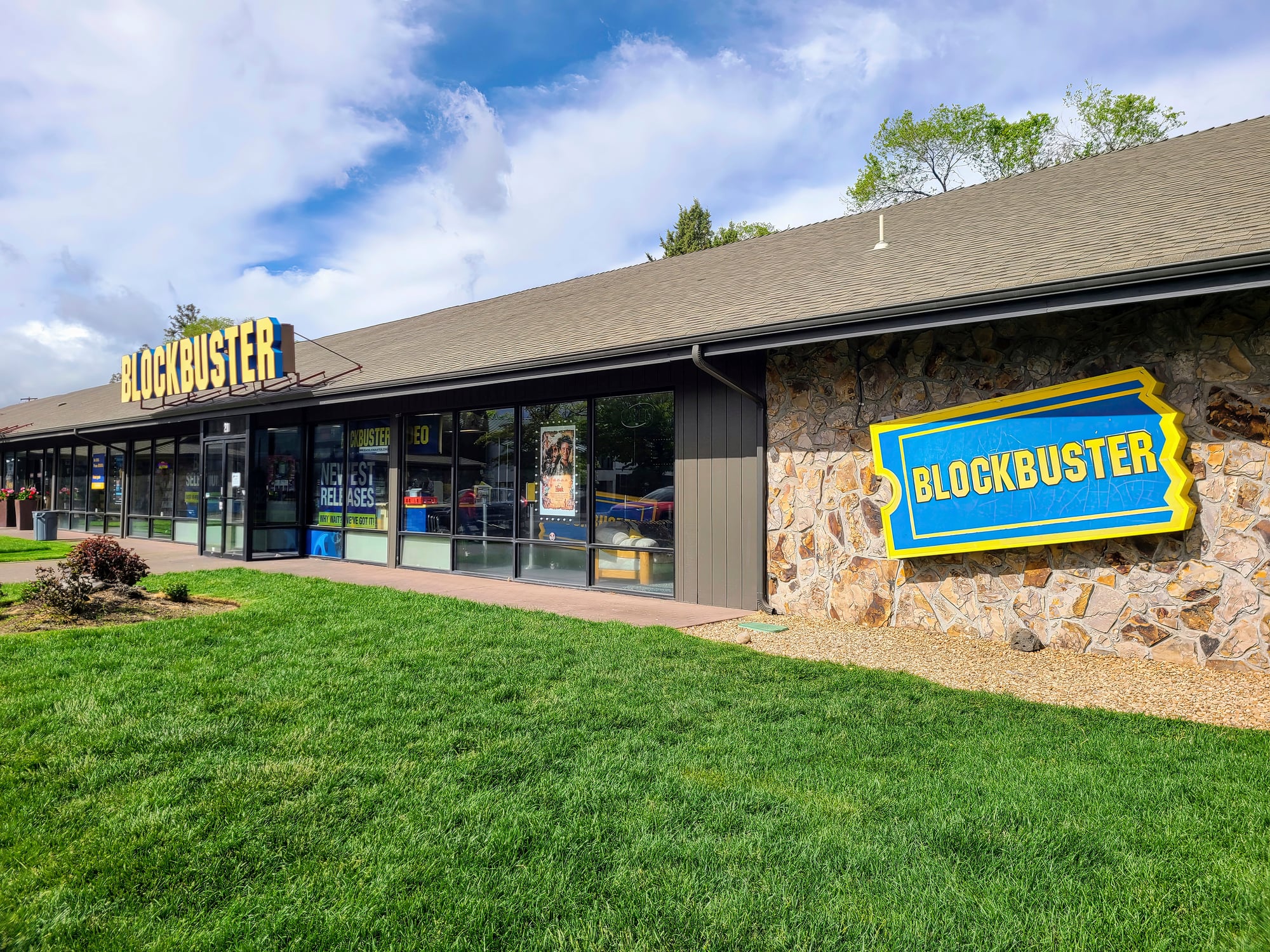
Every visit started there. You’d scan the wall of new releases like reading morning headlines, checking what had arrived since your last visit.
Even if you had no intention of renting anything current, you needed to know what was available — it was intelligence gathering for future trips.
Decoding the Rating Stickers
Those color-coded dots and rating stickers told you everything. R-rated movies had different placement, foreign films had subtitles warnings, and some stores had their own mysterious coding systems.
Learning to read the signs helped you navigate efficiently.
The Family Movie Negotiation

Parents and kids would engage in complex diplomatic negotiations right there in the aisles. “We can get one movie you want and one movie I want, but they both have to be appropriate for everyone.”
The art of compromise played out in real time between Comedy and Family sections.
Checking the Drop Box for Recent Returns

Savvy renters knew to peek at the drop box by the front door. Sometimes people returned movies after closing, and those titles wouldn’t make it back to the shelves until the next morning.
You might spot exactly what you wanted sitting in movie purgatory.
The Independent Store Loyalty

Chain stores were convenient, but the little independent shops had character (and often better selections of obscure titles, foreign films, and cult classics that Blockbuster wouldn’t touch). You’d drive past three Blockbusters to get to that cramped little store where the owner knew your name and your taste in movies.
And you’d pay extra for the privilege, because some things mattered more than convenience. The owner would order specific titles if you asked, stock entire sections based on what the neighborhood wanted, and let you browse until well past closing time if you were clearly wrestling with an important decision.
Special Occasion Movie Hunting

Date nights, sleepovers, sick days, and rainy Sundays each demanded different movie strategies. You’d approach the store with a mission — find something romantic but not too sappy, scary but not traumatizing, funny but not stupid.
The stakes felt higher when other people were depending on your selection skills.
The Two-for-One Tuesday Hustle

Promotional nights turned casual renters into strategic planners. You’d show up with a list, ready to maximize your value.
Getting two movies for the price of one felt like beating the system, even though you’d probably watch one and forget about the other until it was due back.
Returning Movies at the Last Possible Second

Everyone perfected the art of the 11:59 PM return, sliding movies through the drop slot just as the calendar flipped to the next day. Those after-hours returns were acts of precision timing, saving yourself a dollar or two in late fees through careful clock-watching.
The Cult Movie Discovery

Certain sections of the store were goldmines for finding bizarre, wonderful movies that mainstream audiences ignored. The clerks who worked at independent stores were curators, introducing customers to films that would become personal favorites for decades.
These discoveries felt earned — you had to seek them out.
The Ritual Movie Preparation

Getting movies ready to watch was its own ceremony. You’d arrange them in viewing order, check that snacks were properly distributed, make sure the remote control had batteries, and settle in for the night.
There was weight to the decision — you’d chosen these specific movies from hundreds of options, and now you were committed.
The Monday Morning Return Rush

Monday mornings brought a parade of people returning weekend rentals. The drop box would be stuffed, the return line would be long, and everyone would have that slightly sheepish look of someone who’d spent too much time indoors watching movies.
It was a shared walk of shame that somehow felt communal.
The Seasonal Movie Hunt

Halloween meant horror movie marathons, Christmas brought romantic comedies and holiday classics, and summer demanded action blockbusters. The store would reorganize seasonal displays, and customers would descend like locusts looking for the perfect movies to match their mood and the calendar.
Store Layout Memorization

Regular customers knew exactly where everything lived. Comedy was three aisles over, Horror was in the back corner (so kids wouldn’t stumble across it), and New Releases dominated the front wall.
You could navigate in the dark, finding your preferred genres through muscle memory and years of practice.
The Checkout Counter Conversation

Paying for rentals always included a brief exchange with the clerk about your choices. They’d comment on your selections, offer opinions, or ask if you’d seen the sequel.
These micro-conversations were part of the experience — your movie choices were briefly validated or questioned by someone whose job was knowing about movies.
The Weekend Commitment Ceremony

Leaving the video store with an armload of movies felt like making a pact with the weekend. You’d committed to specific entertainment, chosen your path through the next 48 hours, and carried home the tools for whatever kind of escape you needed.
The weight of those plastic cases in your bag represented possibility and decision in a way that clicking “play” never could.
When the Credits Roll

Streaming gave us infinite choice and instant gratification, but it took away the weight of commitment that made movies feel important. There’s no digital equivalent to the satisfaction of a perfectly curated weekend rental haul, no algorithm that can replace the human touch of a clerk’s recommendation, and no streaming queue that creates the same anticipation as driving home with a stack of movies you fought minor battles to obtain.
The video store ritual wasn’t just about entertainment — it was about the journey, the community, and the small ceremonies that made ordinary nights feel special.
More from Go2Tutors!

- The Romanov Crown Jewels and Their Tragic Fate
- 13 Historical Mysteries That Science Still Can’t Solve
- Famous Hoaxes That Fooled the World for Years
- 15 Child Stars with Tragic Adult Lives
- 16 Famous Jewelry Pieces in History
Like Go2Tutors’s content? Follow us on MSN.