28 Vintage Stereo Pieces Selling Well Again
A basement system that looked hopelessly outdated a decade ago now looks like exactly what a growing number of buyers want: warm tube sound, real wood veneer, and a build quality modern budget electronics rarely match. Prices depend entirely on whether the unit still powers on and how much of its original finish survives, but the names below are consistently pulling real money from people who grew up listening to their parents’ systems and now want one of their own.
Marantz Model 7 Preamplifier
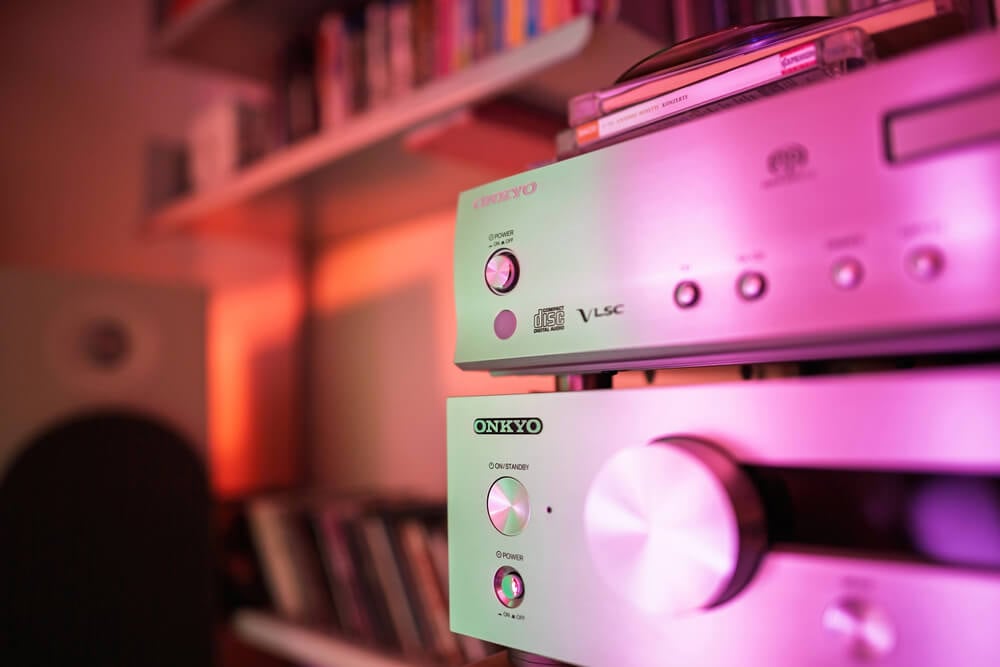
Produced from the late 1950s through the early 1960s, this tube preamplifier is widely considered the benchmark against which most other vintage preamps are still measured. It sold in unusually large numbers for its era, which keeps supply healthier than many rivals while demand remains just as strong.
Clean, original units typically sell for several thousand dollars, with non-working examples valued mainly for parts and restoration potential.
McIntosh MC275 Power Amplifier
Introduced in 1961 and delivering 75 watts per channel through the company’s distinctive output circuit, this amplifier defined the brand’s reputation for clean, powerful tube sound. McIntosh has reissued the design multiple times since, but collectors specifically seek out original units for their chrome chassis and period-correct transformers.
Working originals generally sell for $3,000 to $6,000 or more, with output transformer condition weighing heavily on final price.
Technics SL-1200 and SL-1210 Turntables
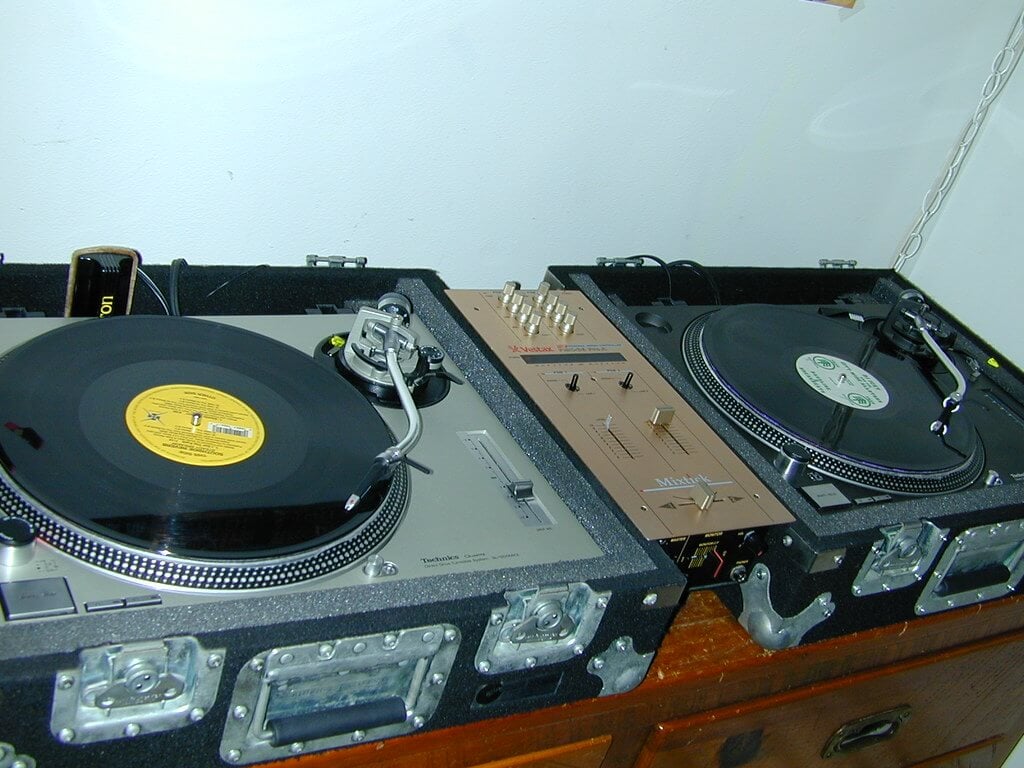
Originally engineered for serious home listening before becoming the standard tool of club and radio disc jockeys worldwide, this direct-drive turntable earned a reputation for durability that few competitors have matched. Because the design remained in production for decades with only incremental changes, dating a specific unit requires checking the model suffix rather than relying on appearance alone.
Clean examples typically sell for $300 to $600, with early units in exceptional cosmetic condition bringing more.
Thorens TD-124 Turntable
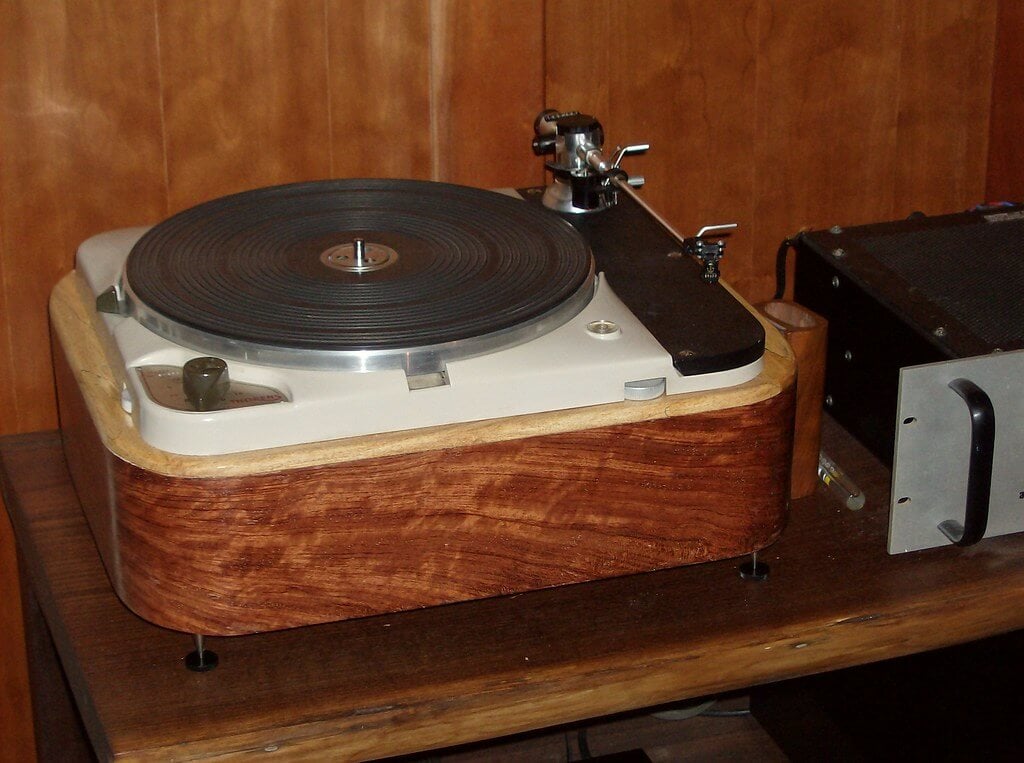
This Swiss-built belt-and-idler hybrid turntable from the 1950s is prized for a level of mechanical precision that was unusual even among high-end competitors of its era. Restoration specialists remain active enough that even a non-functioning example is worth serious money in the right hands.
Well-restored units regularly change hands for well over a thousand dollars.
Marantz 2270 Receiver
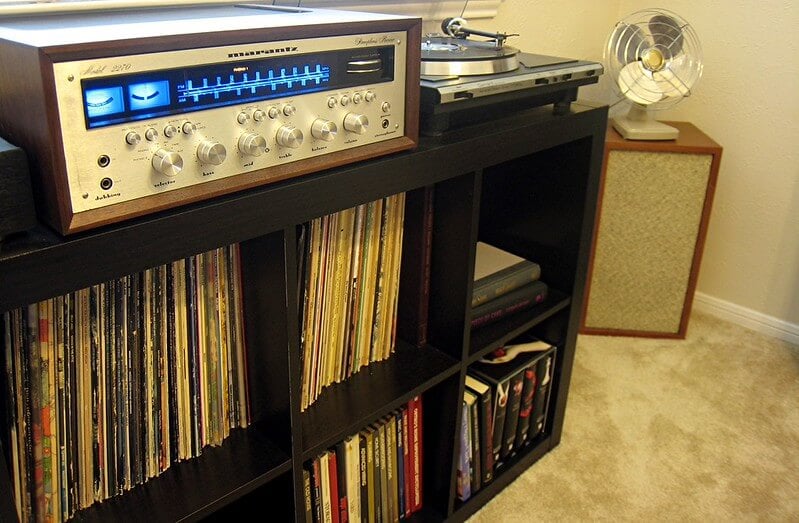
Part of the brand’s celebrated silver-faced receiver lineup from the early 1970s, this model combined strong power output with the brushed aluminum aesthetic that has become a defining look of the era. Working examples with intact lettering and an undamaged faceplate typically sell in the $500 to $3,000 range depending on condition.
Faded or delaminating lettering on the tuning dial is one of the fastest ways to lose value on an otherwise solid unit.
JBL L100 Century Speakers
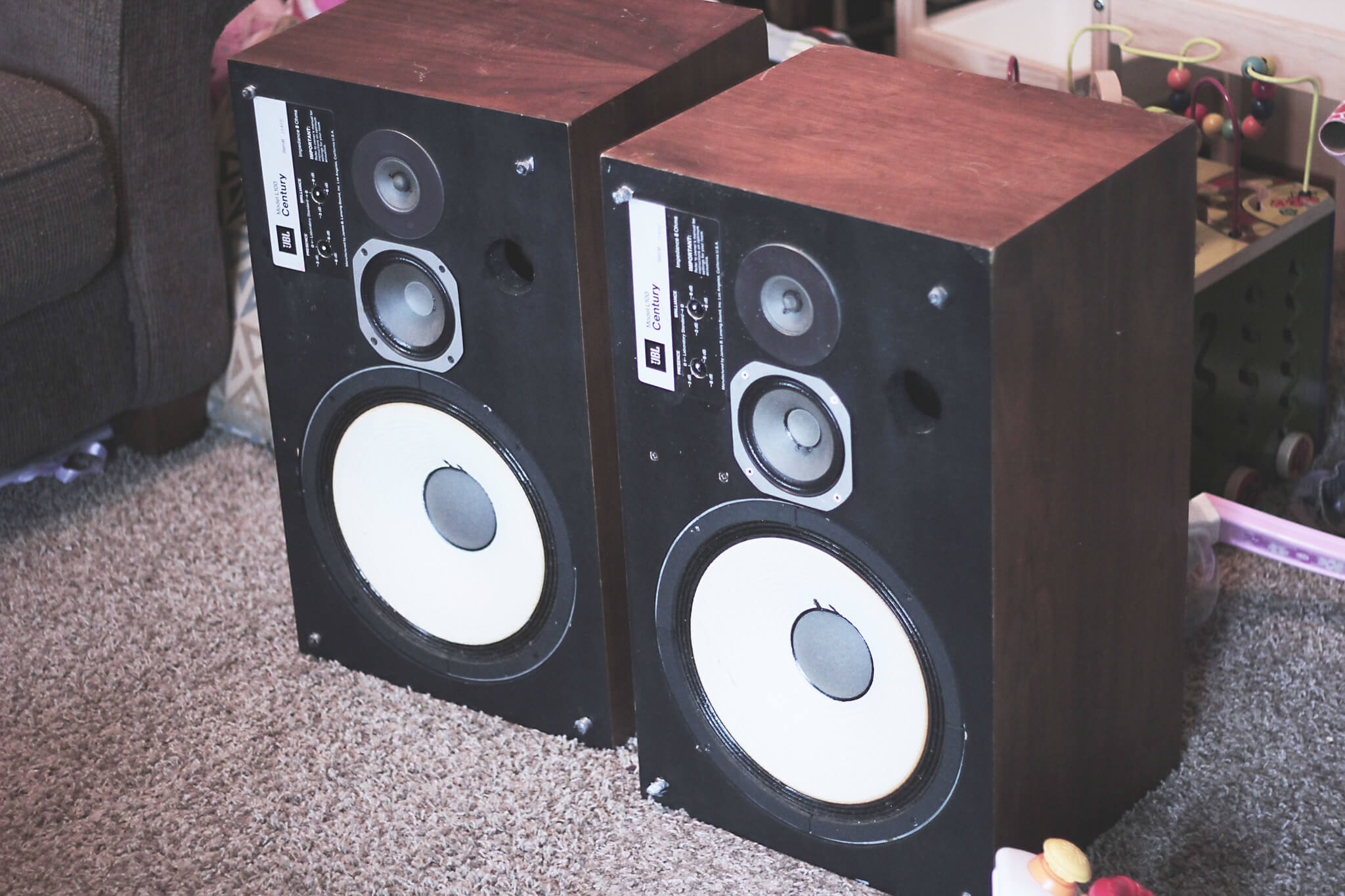
Instantly recognizable by their orange and blue foam grille inserts, these speakers became a fixture of American living rooms throughout the 1970s and remain one of the most requested vintage speaker models today. Original foam grilles have almost universally deteriorated over the decades, so a pair with intact period-correct inserts commands a real premium over one with replacements.
Restored pairs with working drivers typically sell in the several-hundred-dollar range.
Klipsch Heresy and Klipschorn Speakers
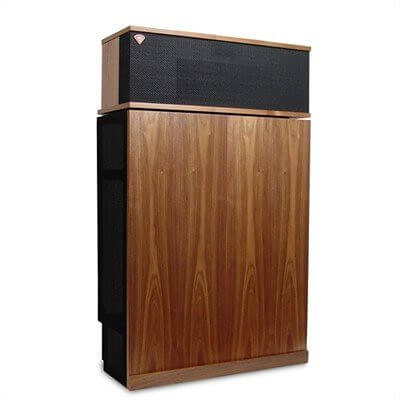
Built around a horn-loaded design that traces back to founder Paul Klipsch’s original patents, these speakers deliver unusually high efficiency that made them popular long before modern amplifiers offered abundant power. The Klipschorn’s corner-loaded cabinet design means it was built to be installed into a room’s actual corner, a detail that surprises buyers unfamiliar with the model.
Clean pairs of either model regularly sell for four figures.
Dynaco Stereo 70 Amplifier
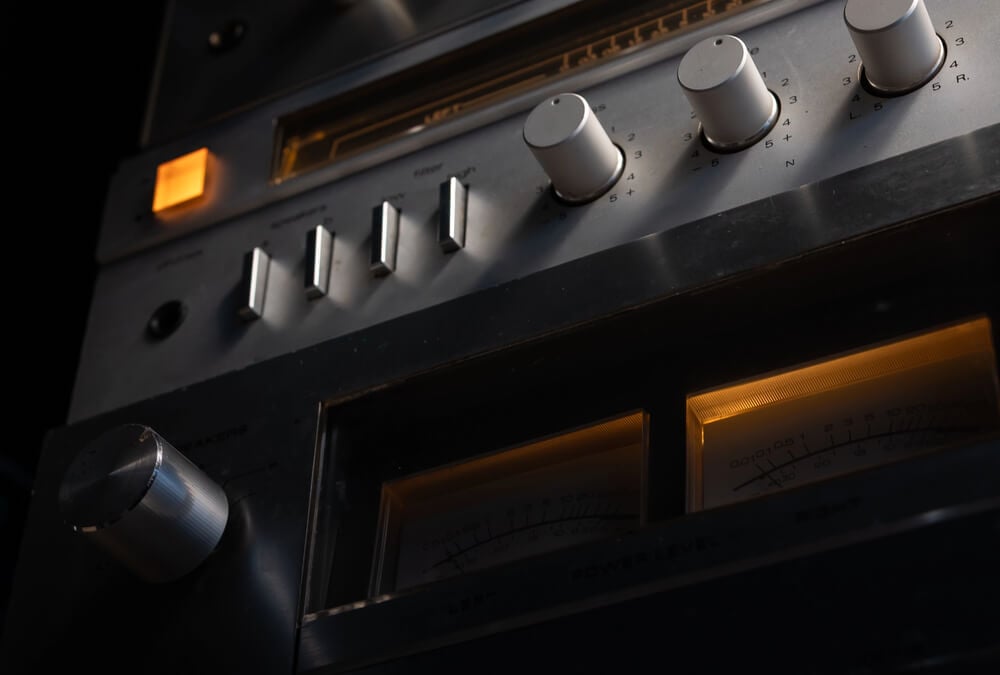
Sold originally as an affordable kit that hobbyists assembled themselves, this tube amplifier introduced a generation of budget-minded audiophiles to genuinely good sound without the price tag of flagship brands. Because so many units were hand-built by their original owners, build quality and soldering can vary significantly between individual examples.
Well-restored units typically sell in the low hundreds to low thousands depending on originality.
Fisher 500 Series Receivers
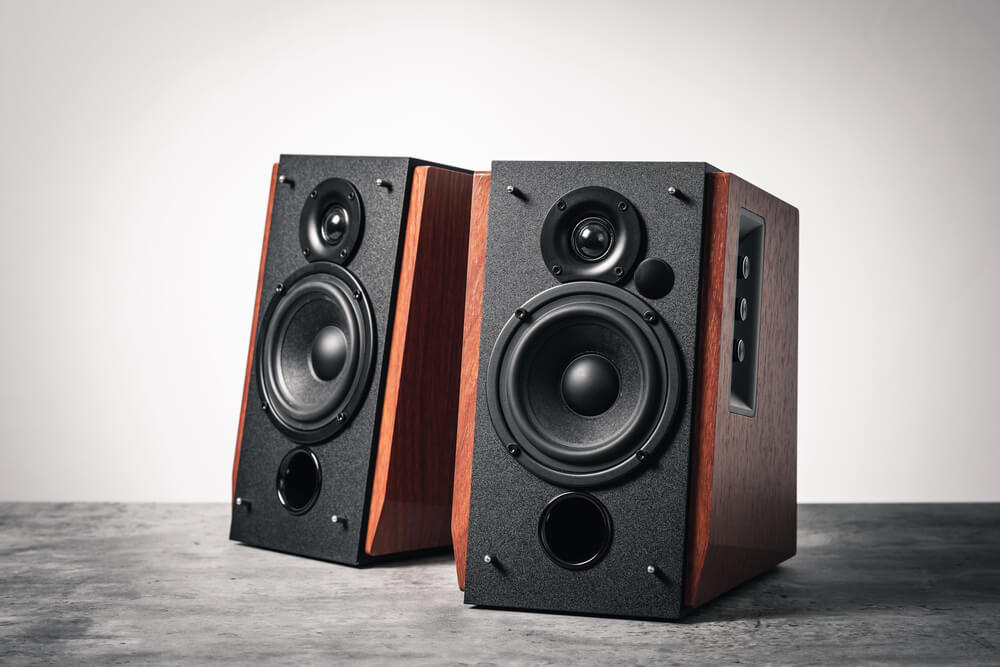
These tube receivers from the early 1960s combined a tuner, preamplifier and power amplifier into a single wood-cased unit years before that combination became standard practice. Original wood cabinets in good condition significantly boost value over units that have been separated from their housing.
Restored working examples typically sell in the low hundreds.
Sansui G-9000 Receiver
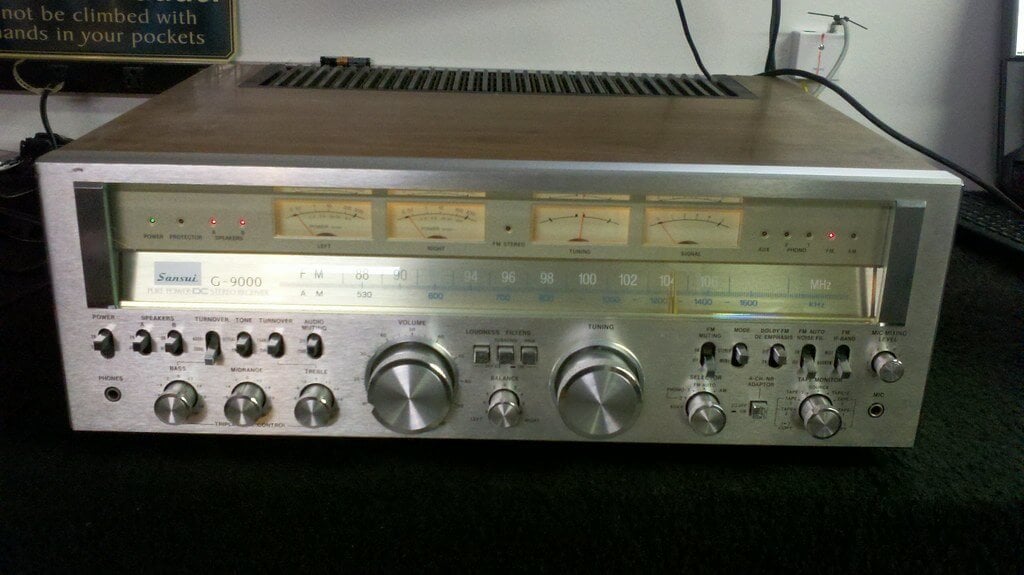
Sitting at the top of Sansui’s G-series lineup, this receiver was produced in smaller numbers than competing flagship models from Pioneer and Marantz, which has made it something of a sleeper favorite among collectors who know the brand. Clean, working examples can bring well over a thousand dollars.
Its relative rarity compared to more heavily marketed competitors is a significant part of its current appeal.
Pioneer SX-1980 Receiver
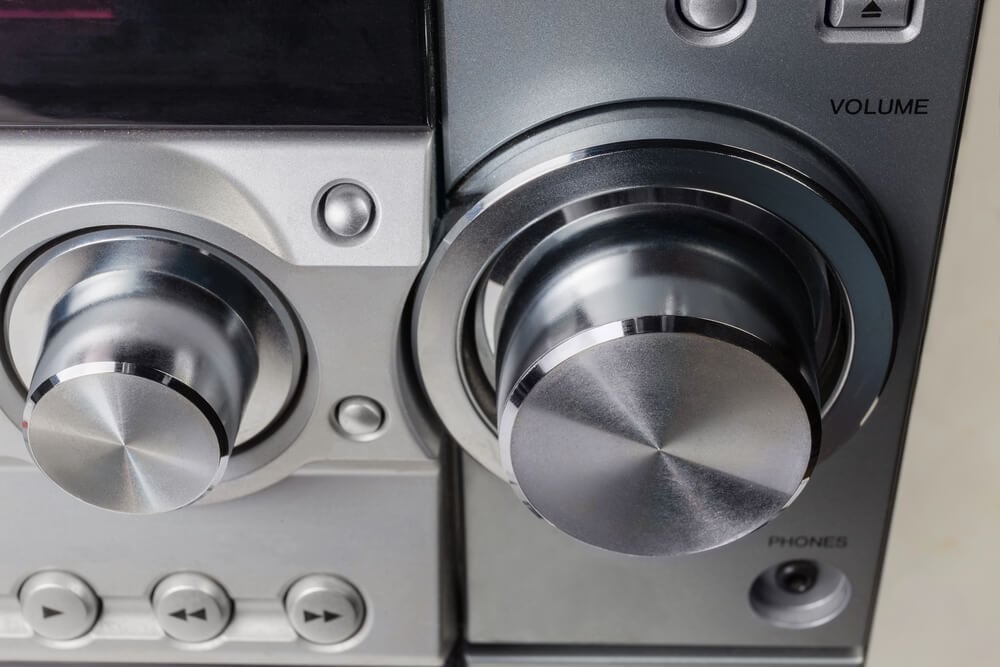
Among the most powerful receivers ever mass-produced, this flagship model from the late 1970s was built with a scale and weight that made it a genuine engineering statement rather than a typical living-room component. Working examples in strong cosmetic condition regularly sell for well over a thousand dollars.
The unit’s substantial weight means shipping costs alone are a serious consideration for any sale.
Nakamichi Dragon Cassette Deck
Widely regarded as the finest cassette deck ever produced, this model introduced an auto-azimuth correction system that adjusted playback alignment automatically to compensate for imperfectly recorded tapes. Working units in good condition can sell for well over a thousand dollars, reflecting both the technology and the brand’s reputation among tape enthusiasts.
Belts and other rubber components virtually always need replacement on any surviving unit after decades of storage.
Bose 901 Speakers
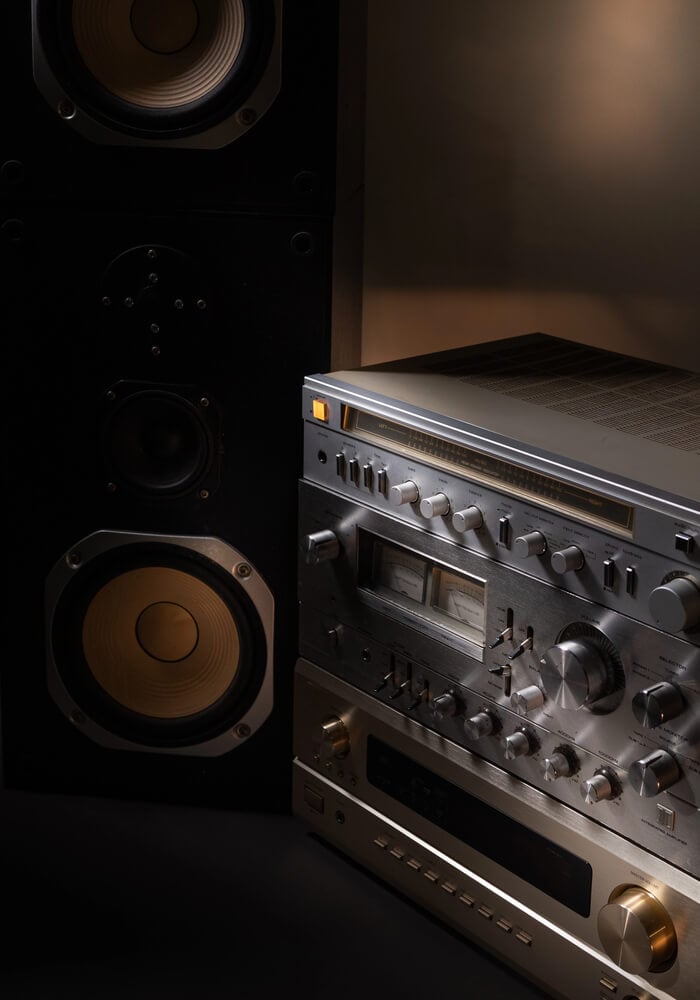
Built around an unconventional design using multiple small drivers facing mostly toward the rear wall rather than the listener, this speaker system was controversial among audio purists but commercially successful for decades. The active equalizer unit that accompanies the speakers is essential to their intended sound and significantly affects resale value if missing.
Working pairs with the original equalizer typically sell in the low hundreds.
Altec Lansing Voice of the Theatre Speakers
Originally developed for movie theaters rather than home use, these large horn-loaded speakers found a devoted following among home listeners seeking theater-scale sound and efficiency. Their considerable size and weight limit their audience to buyers with genuinely large listening spaces.
Clean, working pairs can sell for well over a thousand dollars given their professional-grade components.
Quad ESL57 Electrostatic Speakers
Introduced in 1957, this British-designed speaker used an electrostatic panel rather than conventional cone drivers, producing a sound its admirers describe as uniquely transparent and detailed. The delicate diaphragm technology means condition varies enormously between units, with some panels needing specialist restoration to function safely at all.
Properly restored pairs command serious money among specialist collectors.
Linn Sondek LP12 Turntable
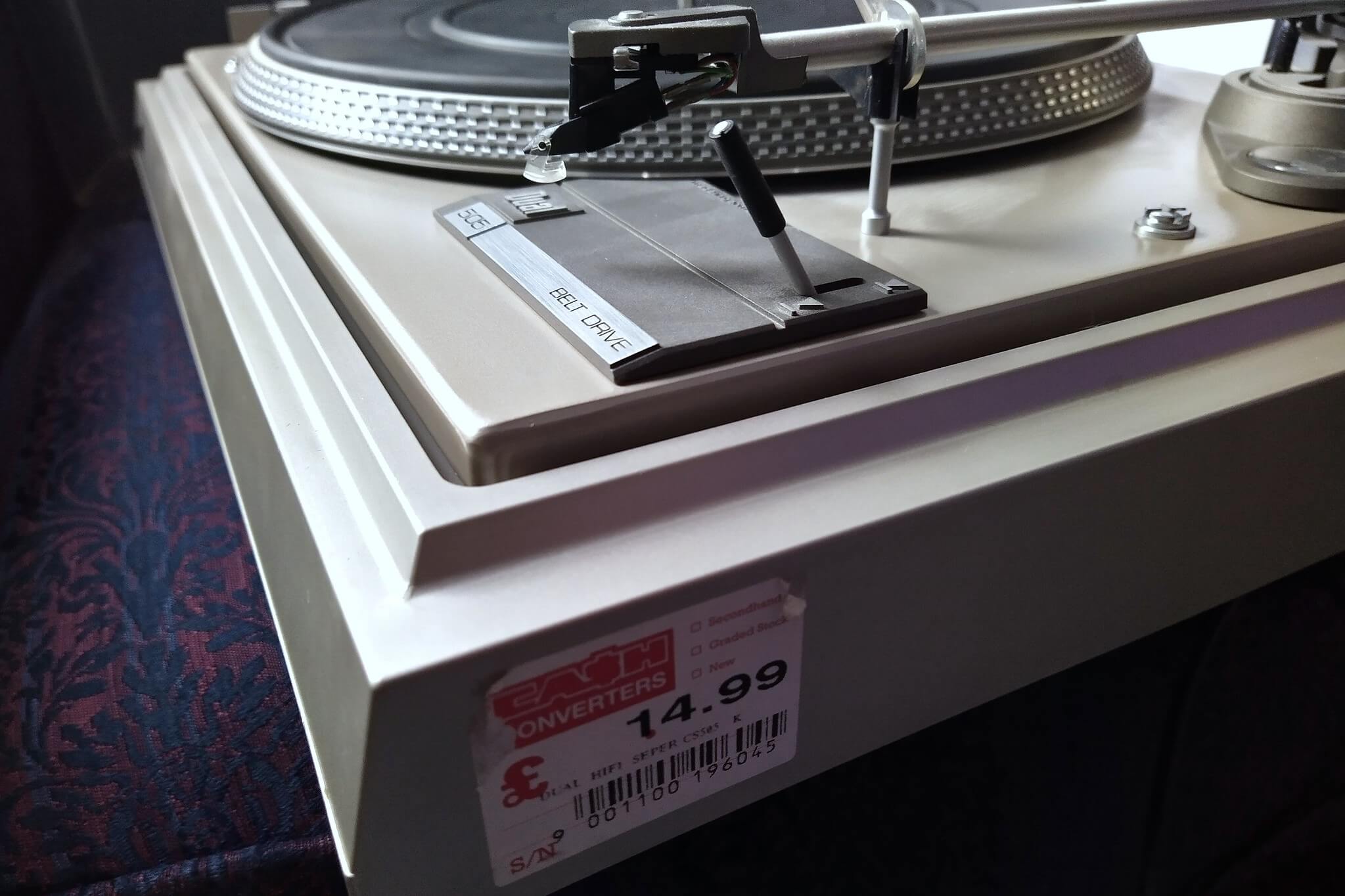
In continuous production since the 1970s with ongoing factory upgrades available, this Scottish-built turntable has a devoted following that treats upgrading and maintaining an existing unit as an ongoing hobby rather than a one-time purchase. Because the design has been revised many times, the specific vintage of components inside a given unit significantly affects its value.
Well-maintained examples regularly sell for four figures.
Micro Seiki Turntables
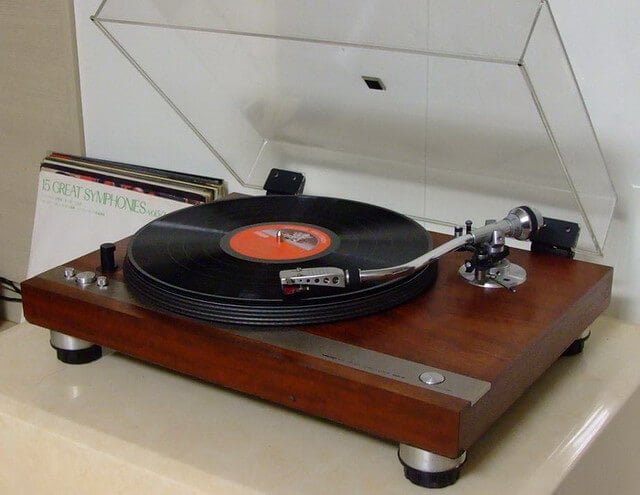
This Japanese manufacturer built some of the heaviest, most mechanically overbuilt turntables ever produced for the home market, aimed squarely at listeners chasing maximum stability and minimal vibration. Because the brand never achieved the mainstream recognition of Technics or Pioneer, clean examples are frequently underpriced relative to their engineering.
Serious examples in working condition can bring well over a thousand dollars from buyers who know the brand.
Denon DL-103 Phono Cartridge
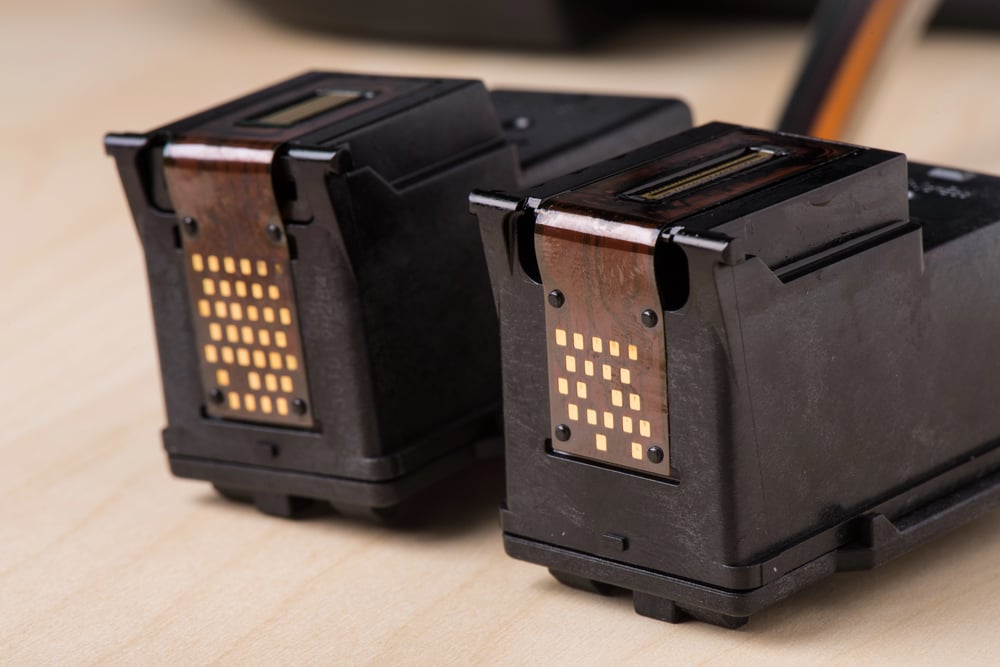
Originally developed for Japanese broadcast studios rather than home listeners, this moving-coil cartridge has remained in production for decades due to steady demand from listeners who consider it a benchmark for the money. Because a cartridge is a wear item with a finite stylus life, buyers should always confirm hours of use before assuming full value.
Even used examples in good condition hold real value given the ongoing demand for the design.
Luxman Receivers and Amplifiers
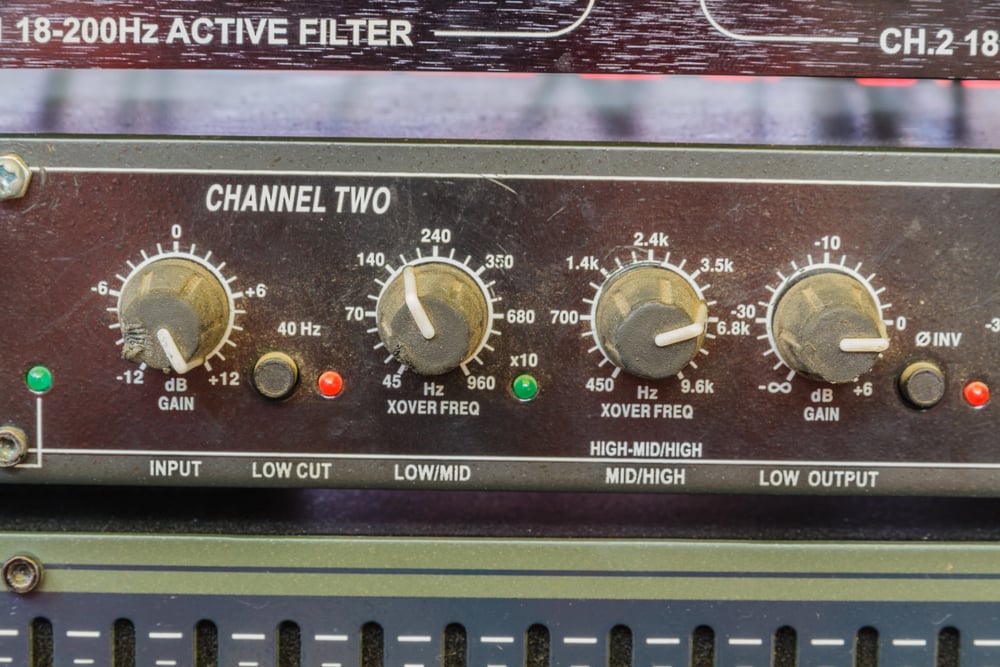
This Japanese manufacturer built equipment aimed at a more refined, understated aesthetic than the flashier chrome-and-lights approach of some competitors, favoring wood cabinets and warmer tonal character. The brand’s more conservative marketing approach in the West means clean units are sometimes available for less than comparable Marantz or McIntosh pieces of similar quality.
Working examples in strong condition typically bring several hundred dollars.
Accuphase Amplifiers
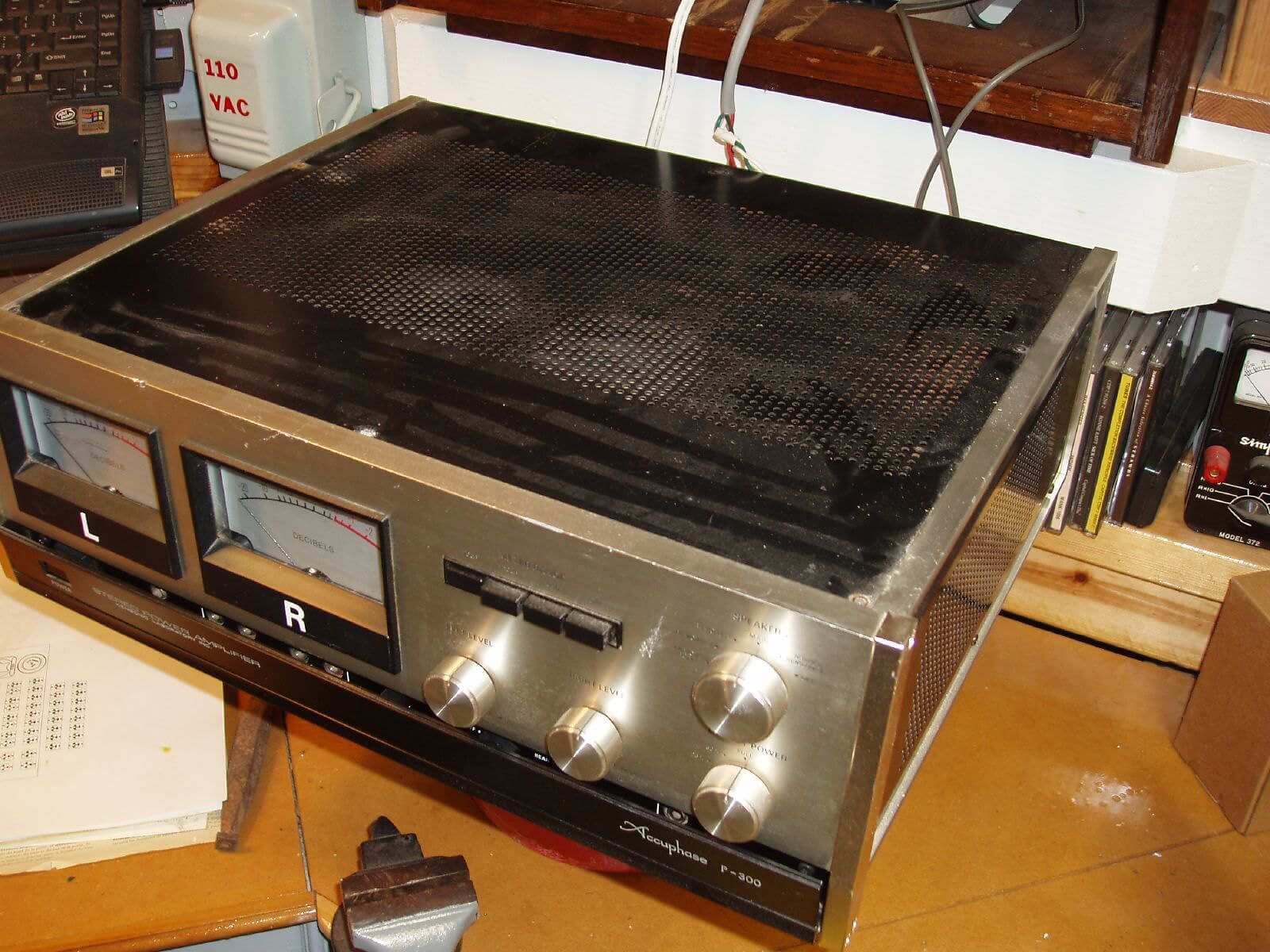
Founded by former Kenwood engineers pursuing a purist approach to amplifier design, this Japanese brand built equipment aimed at an audience willing to pay a premium for meticulous internal construction. Units rarely appear on the secondhand market in poor condition, since original owners tended to be serious enthusiasts who maintained their equipment carefully.
Clean examples regularly sell for four figures or more.
Mark Levinson Amplifiers
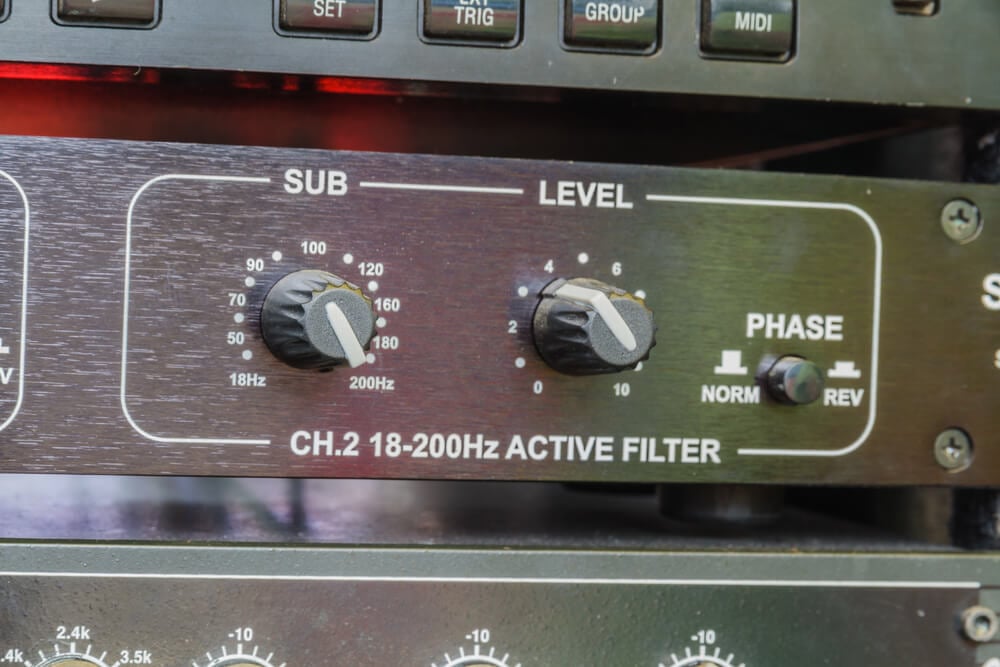
Founded by the audio engineer whose name it carries, this American brand built some of the first high-end solid-state amplifiers aimed at rivaling the sound quality that tube equipment had long claimed as its exclusive territory. Early units from the company’s original ownership era are particularly sought after by collectors who distinguish them from later corporate-era production.
Working original units can command significant four-figure prices.
Krell Amplifiers

Known for producing some of the heaviest, most powerful solid-state amplifiers made for home use, this American brand built a reputation on raw output capability rather than subtlety. Because the amplifiers run hot and draw significant power, buyers should always confirm a unit powers on safely before assuming full value.
Clean working examples from the brand’s early production years can bring serious money among collectors of high-end solid-state gear.
Conrad-Johnson Preamplifiers
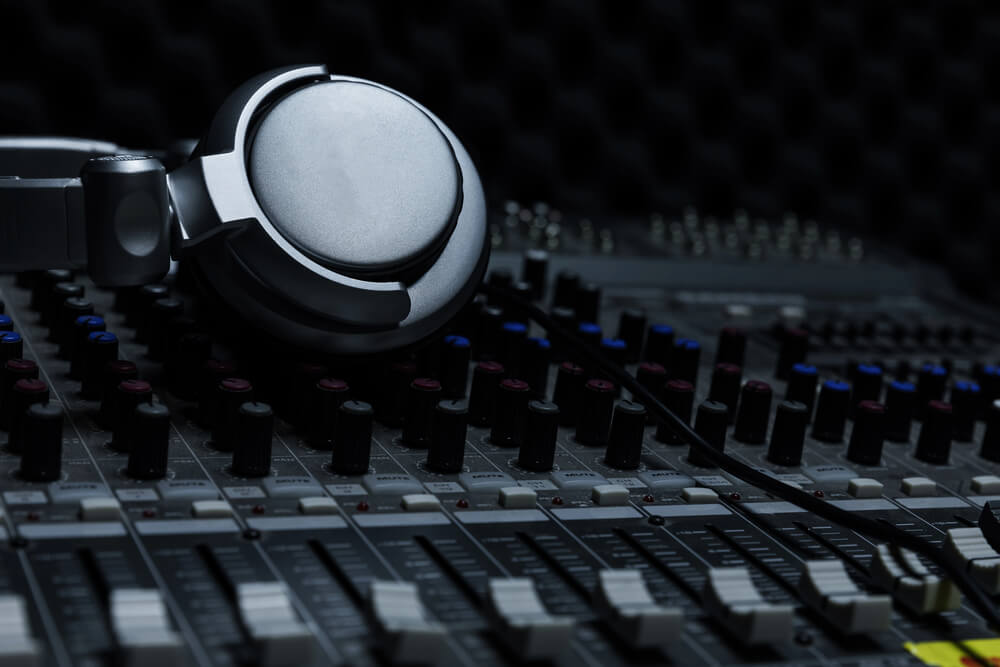
This American manufacturer built tube preamplifiers aimed at listeners who preferred the sonic character of tubes but wanted more modern reliability than vintage originals could offer. The company’s smaller production scale compared to mass-market brands means clean examples are less common on the secondhand market.
Working units typically sell in the several-hundred to low-thousand-dollar range.
Audio Research SP-3 Preamplifier
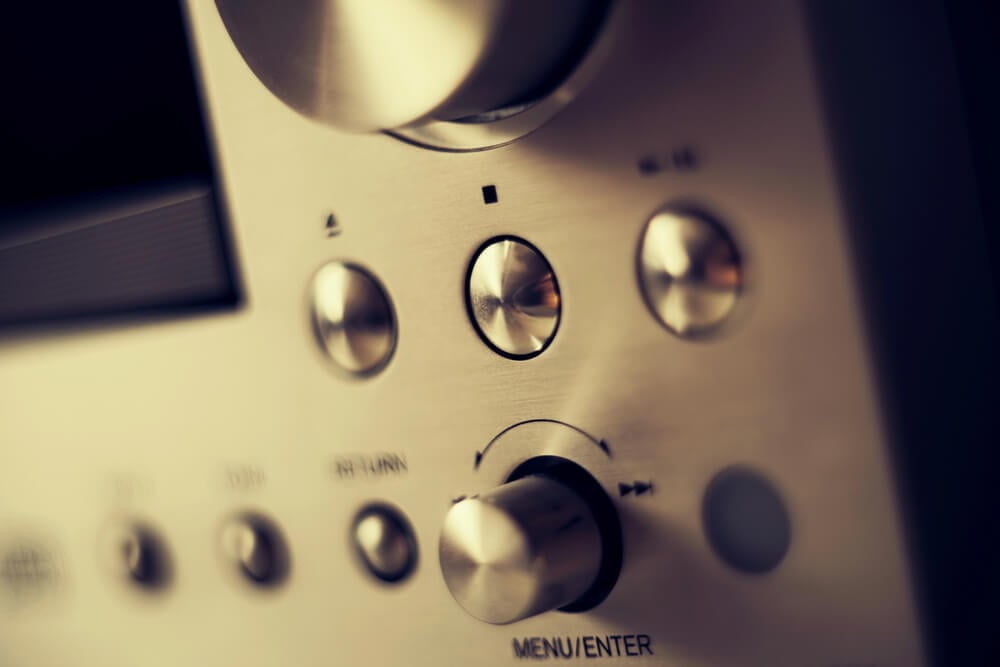
Released in 1972 at a time when solid-state gear had largely pushed tube equipment out of the mainstream market, this preamplifier helped prove tubes still had a place in serious high-end systems and established the brand’s early reputation. It remains more affordable than the Marantz Model 7 it is often compared to, despite similar build quality.
Working units typically sell for a meaningful but more accessible sum than its more famous rival.
Revox A77 Reel-to-Reel Tape Recorder
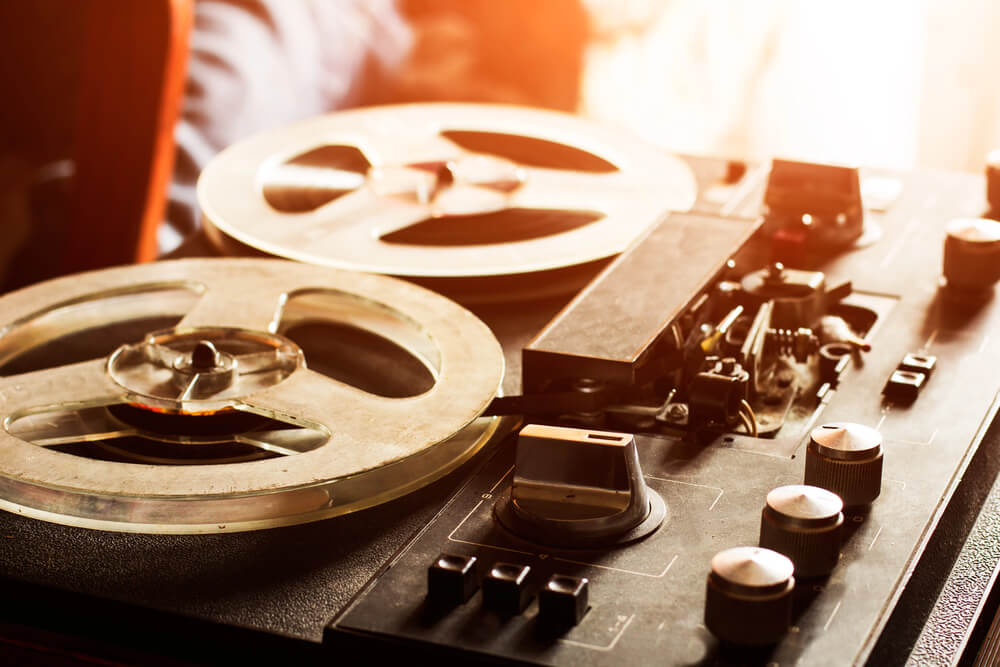
Built in Switzerland with a reputation for broadcast-grade reliability, this reel-to-reel recorder found its way into both professional studios and serious home systems throughout the 1970s. Working units with functioning tape transport mechanisms are increasingly scarce as rubber belts and pinch rollers age out.
Clean, functioning examples typically bring several hundred dollars.
Bang and Olufsen Beogram Turntable
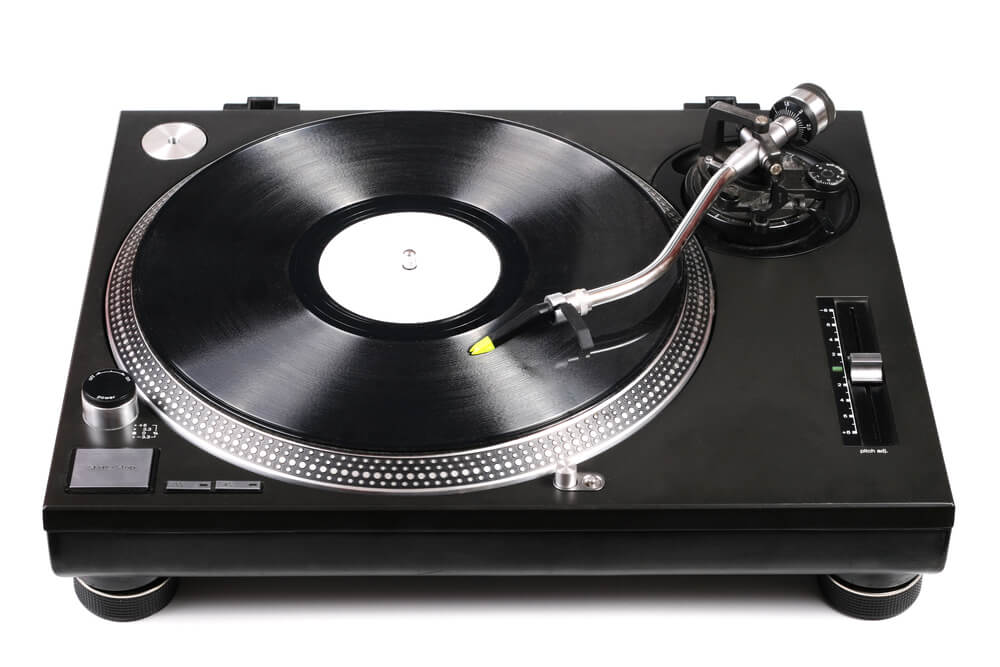
Danish design sensibility drove this turntable’s tangential tonearm layout, a mechanically unusual approach intended to reduce tracking error compared to conventional pivoted arms. The distinctive minimalist aesthetic has made these units popular with buyers who care as much about furniture-grade appearance as sound quality.
Working examples in good cosmetic condition typically sell in the low hundreds to low thousands.
Garrard 301 Turntable
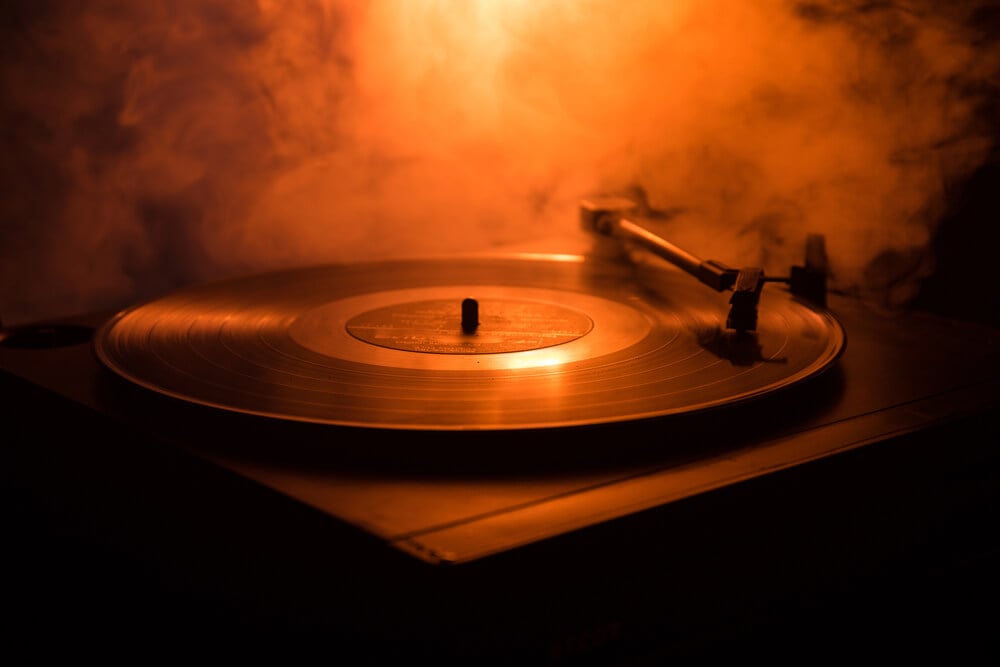
This British idler-drive turntable from the 1950s was originally built for broadcast and professional use before finding a following among home listeners seeking its distinctive drive character. Restoration specialists remain active enough to service most surviving units, which keeps even well-worn examples valuable as restoration projects.
Fully restored units can command well over a thousand dollars.
Rek-O-Kut Turntables
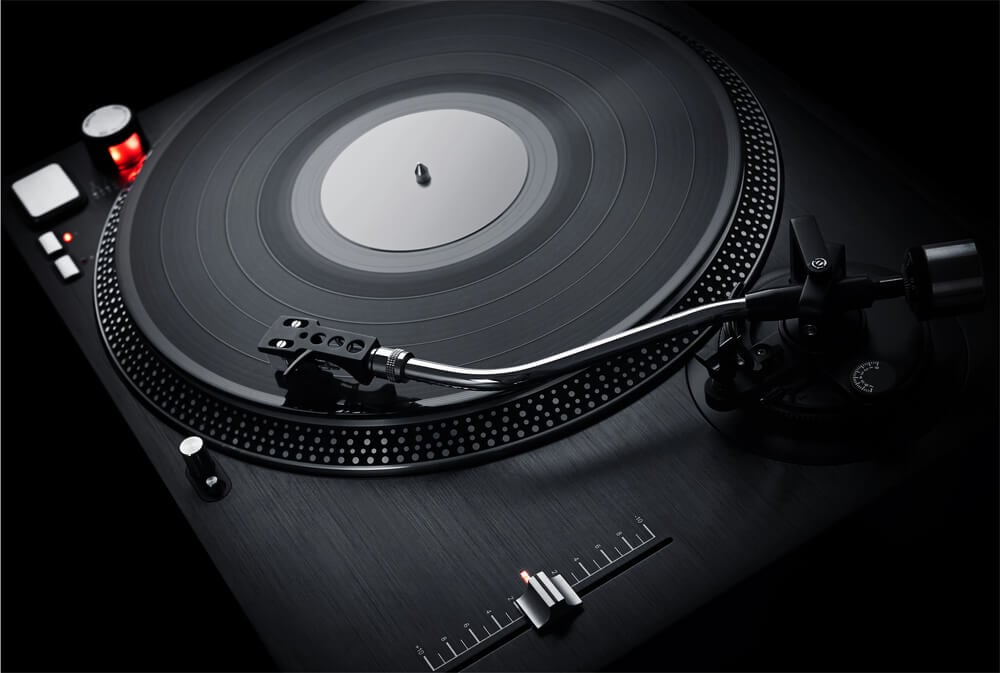
Built primarily for professional broadcast and recording studio use in the mid-twentieth century, these American-made turntables are less recognized by casual buyers than European or Japanese competitors despite comparable engineering quality. Their industrial rather than decorative design means they appeal mainly to serious collectors who specifically know the brand’s studio history.
Clean, working examples remain relatively affordable compared to more famous names, though prices have been climbing as broader awareness grows.
Why the Basement System Came Back
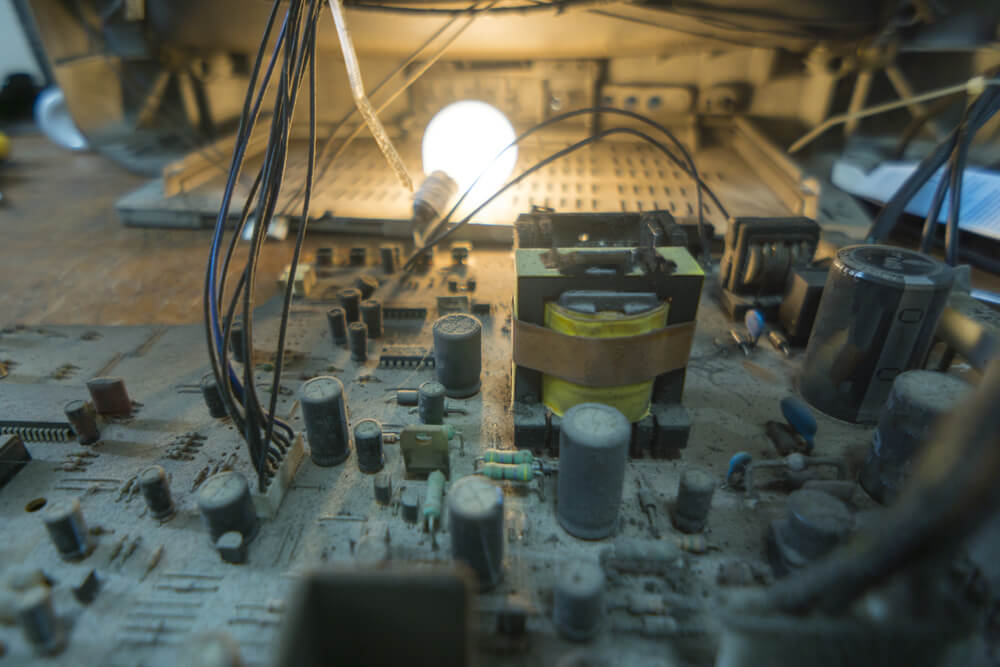
None of this equipment got better while it sat unplugged in a closet or a storage unit. What changed is the audience: a generation raised entirely on streaming compressed audio through phone speakers discovered that a room filled with real transformers, real wood and real vacuum tubes sounds like something worth paying attention to.
The gear did not improve. The expectations around it did.
That shift is why a receiver built before its current owner was born can now sell for more than it cost new, adjusted for inflation or not. Vintage stereo equipment was never designed to be disposable, and for the first time in decades, the market is finally pricing it that way again.
More from Go2Tutors!

- The Romanov Crown Jewels and Their Tragic Fate
- 13 Historical Mysteries That Science Still Can’t Solve
- Famous Hoaxes That Fooled the World for Years
- 15 Child Stars with Tragic Adult Lives
- 16 Famous Jewelry Pieces in History
Like Go2Tutors’s content? Follow us on MSN.



