Unusual History Of the First Ever Credit Cards
Back when cash ruled every transaction, folks quietly imagined buying stuff without paying right away. Not even close to dull, the journey behind credit cards unfolded through bizarre trials and unplanned breakthroughs.
Odd choices, made long ago, somehow stitched themselves into modern spending habits across the planet. Step into the past.
This is the journey, piece by piece, from heavy metal sheets to the slim plastic tucked in your pocket today.
First Up Were Charge Coins

Long before plastic ever existed, shops handed out tiny metal discs instead of cards. These little pieces worked like early spending trackers for shoppers.
Known as charge coins, they showed up across America by the late 1800s. Tied directly to one store’s ledger, each piece let people buy things on credit.
Heavy in pockets, tricky to keep hold of – truth is – they felt much like those tokens you drop into arcade machines today. A metal tab followed customers around like a shadow.
Each one carried names, addresses – sometimes even bank details. Not much different from what soldiers wore into battle.
Just another way to be tracked without saying so
In The 1930s, Shops Began Using A Thin Metal Card Named The Charga-Plate

Almost identical to a soldier’s ID tag – though tinier – it fit neatly in hand. Clerks dabbed it on ink, then pressed it down to print purchase info on paper slips.
Clumsy? Yes. A little smudged every now and then.
Still, people managed. That little book customers lugged around?
Needed for records. Yet somehow, things moved forward.
For those years, it held up just fine.
John Biggins Began A Movement In Brooklyn

A year after World War II ended, a man working at a Brooklyn bank came up with an idea that changed how people paid for things. Instead of cash, buyers got to charge items locally while the lender handled payments behind the scenes.
That shift didn’t involve coins or bills passing hands right away. For the first time ever, a financial institution stepped directly into the space between shopper and seller.
The Diners Club Card Transformed Payments In 1950
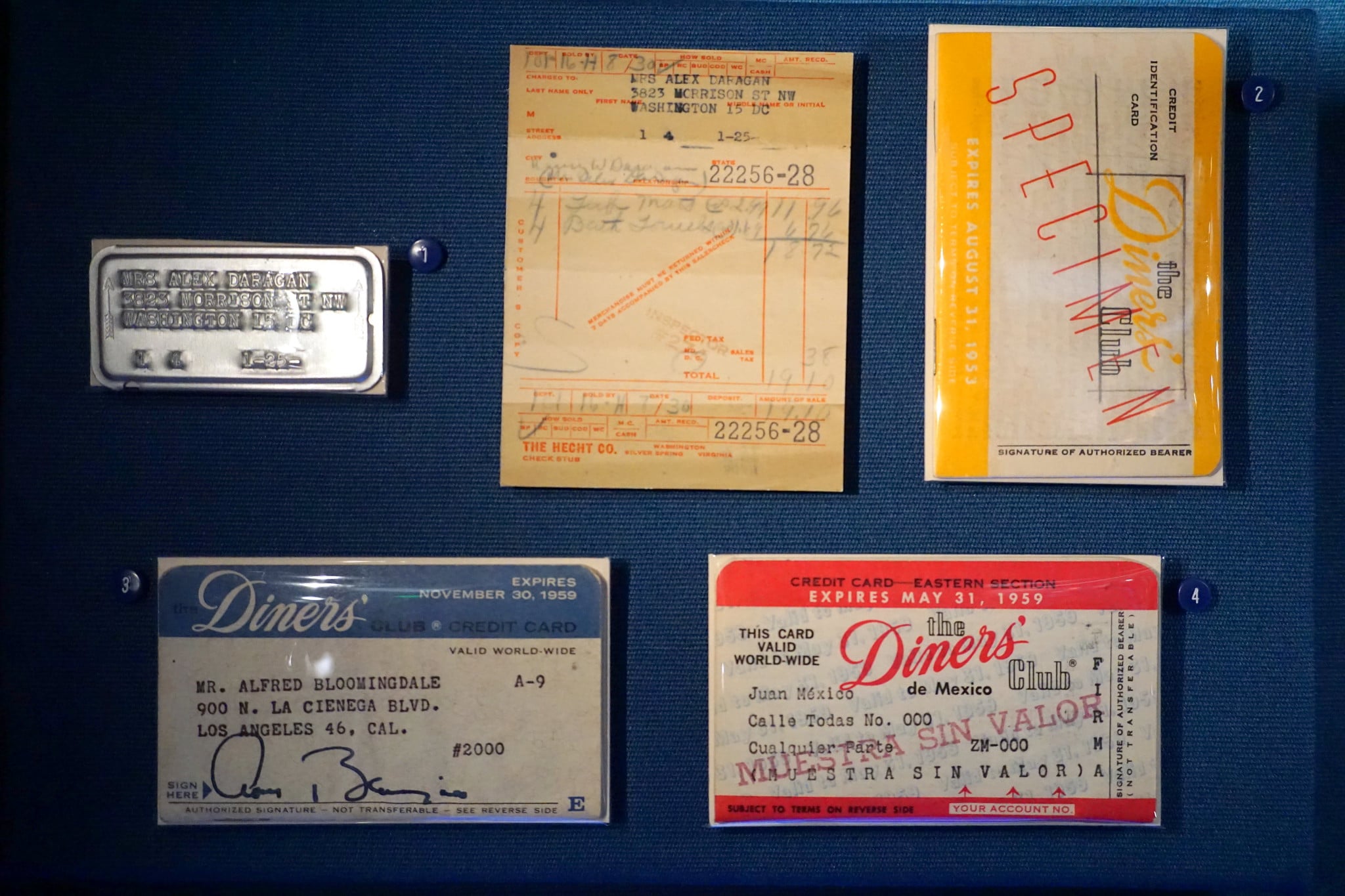
Back then, Frank McNamara – a guy running businesses in New York – left his cash behind after eating out one night in 1949. Because of that awkward scene, he came up with an idea by next year: the Diners Club card.
This wasn’t plastic like today; it started as stiff paper. Twenty-seven city eateries accepted it when it launched.
Fast forward twelve months, more than twenty thousand users carried the thing – way faster growth than anyone had guessed.
At First, It Wasn’t Really What You’d Call A Credit Card

Paying everything at once each month was the rule with Diners Club cards. This meant it fell into the charge card category, not what we call a credit card.
Carrying debt forward over months? Only possible with true credit cards.
People confuse the two now more than ever. Yet bankers building those early networks cared deeply about where one ended and the other began.
Few Saw It Coming, Yet American Express Nearly Overlooked Every Detail
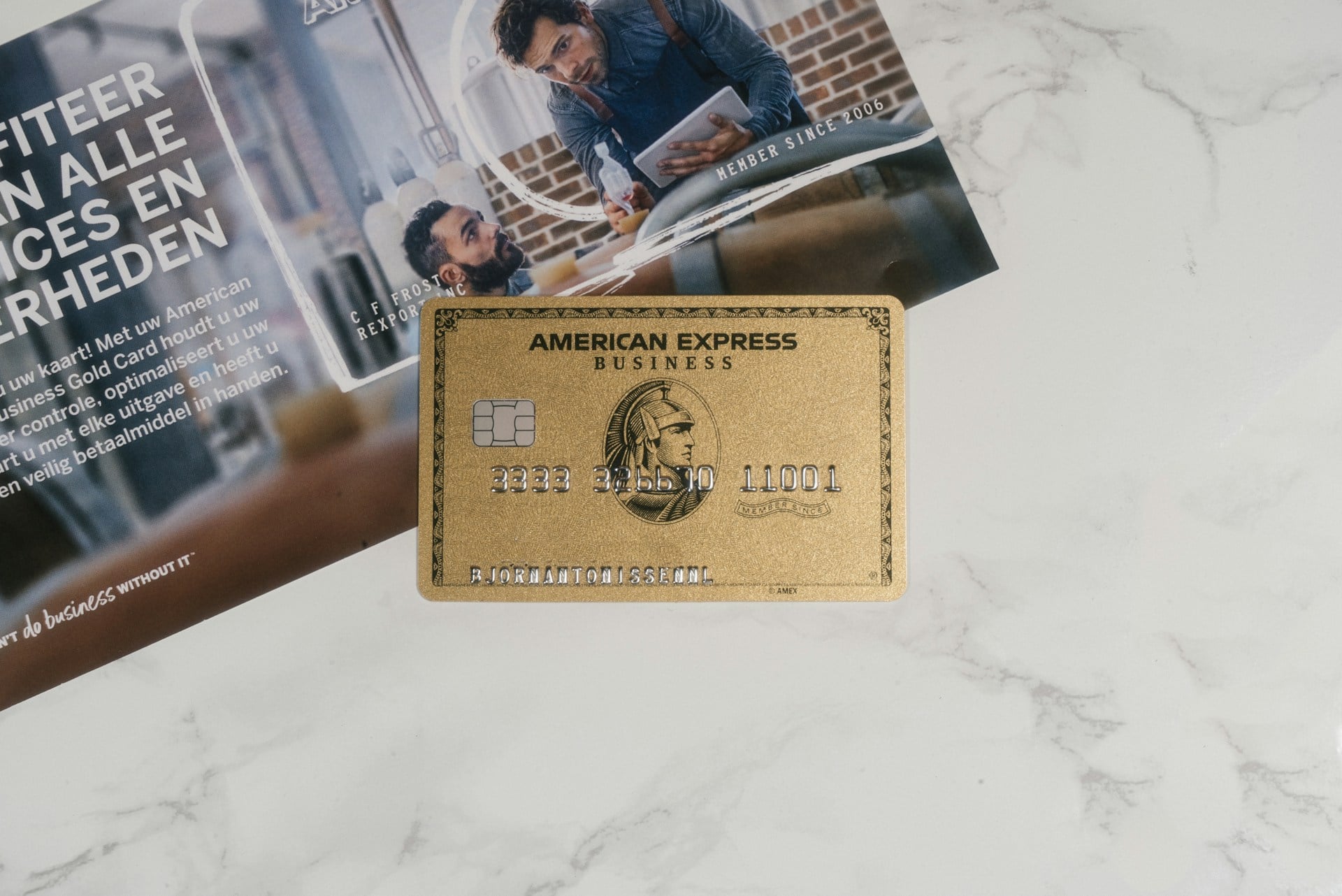
A shade of purple set it apart when American Express stepped in during 1958, following Diners Club’s quick rise. For years beforehand, the idea sat on desks, questioned, discussed, never quite approved.
Once decided, though, the move focused sharply on well-off travelers who moved often. Cards slipped into wallets at a pace – over one million within half a decade.
Patience, it turned out, had sharpened their timing.
Bank Of America Made It For Everyday People

One morning in September 1958, cardboard envelopes began landing on porches across Fresno – each held a new kind of card from Bank of America. Instead of chasing executives or rich clients, these pieces of plastic were meant for people picking up milk or shoes at local stores.
Sixty thousand arrived unasked, dropped into mailboxes like surprise gifts nobody ordered. People blinked twice, unsure if it was real or a mistake.
What looked wild at first sparked something bigger than anyone guessed – a quiet shift under the surface of how money moved through daily life. A wrong turn happened in Fresno, one meant to work out clean.
Instead of paying off, it tangled fast. What looked like a smart play turned sour by noon.
Plans shifted without warning. The move had seemed safe enough at dawn.
Hard choices followed after the fallout began
Right After Sending Unsolicited Cards To People In Fresno
Folks started calling it the ‘Fresno Drop.’ Almost right away, fraud cases climbed sharply – so fast that banks struggled just to keep up.
Losses hit about 8.8 million dollars within twelve months at Bank of America alone. Even with chaos piling high early on, they kept going anyway.
Slowly, things shifted toward profit, showing how sticking through disaster might actually pay off down the road.
Early Credit Came With No Consumer Protections

In the early days of credit cards, there were almost no laws protecting the person holding the card. If your card was stolen and used, you could be held responsible for every purchase the thief made.
Banks wrote the rules entirely in their own favor. It took until 1974 for the Fair Credit Billing Act in the U.S. to give cardholders real rights when disputing charges.
Interest Rates Were Not Always Disclosed Clearly

Banks in the early credit card era were not required to tell customers exactly what interest rate they were being charged. Many people signed up not fully understanding what borrowing on a card would actually cost them.
The Truth in Lending Act of 1968 changed that in the United States, forcing lenders to clearly state rates and terms. Before that law, confusion about costs was basically built into the product.
The Magnetic Stripe Came From A Spy Technology Idea

The magnetic stripe on the back of cards was inspired by magnetic tape used in recording devices. IBM engineer Forrest Parry is credited with figuring out how to attach the stripe to a plastic card in the 1960s.
Legend has it that his wife suggested using a household iron to bond the stripe to the card after factory methods kept failing. That small stripe quietly became one of the most important pieces of payment technology for decades.
Visa Started As A Name Change, Nothing More

The BankAmericard eventually became part of an international network as other banks joined in. By 1976, the network rebranded itself as Visa, a name chosen because it was recognizable across many languages and countries.
The idea was to make the card feel global, not tied to one American bank. That simple rebranding helped Visa grow into one of the most recognized brand names on the planet.
MasterCard Grew Out Of A Rival Bank Alliance

A group of banks that refused to join the BankAmericard network decided to form their own in 1966. They called it the Interbank Card Association, which later became Master Charge, and eventually MasterCard in 1979.
Competition between the two networks pushed both companies to expand faster and build better infrastructure. Without that rivalry, the credit card industry would have grown much more slowly.
Cards Were Once Only For Men
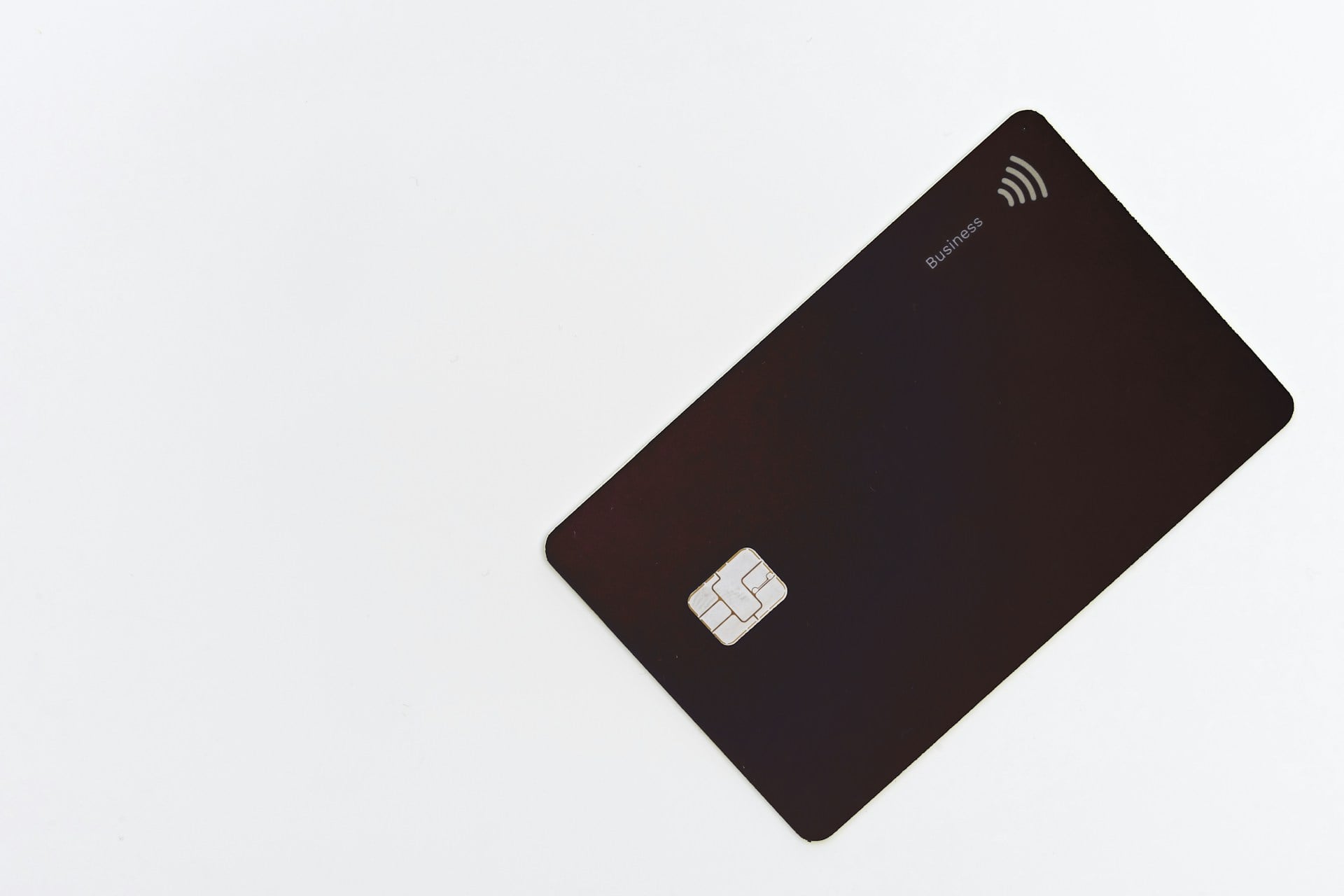
For a long time, women in the United States could not get a credit card in their own name. Banks required a husband’s signature or co-sign before issuing a card to a married woman.
Single women were often turned away entirely. The Equal Credit Opportunity Act of 1974 finally made it illegal to deny credit based on gender or marital status, and millions of women gained financial independence as a result.
The First Credit Card Numbers Had Meaning Built In

Early card numbers were not randomly assigned. The first digit of a card number, called the Major Industry Identifier, actually tells you the type of card it is.
For example, cards starting with 4 are Visa, and those starting with 5 are MasterCard. The next several digits identify the specific bank or issuer.
What looks like a random string of numbers is actually a small, structured code that payment systems read in fractions of a second.
Plastic Replaced Cardboard Faster Than Anyone Expected
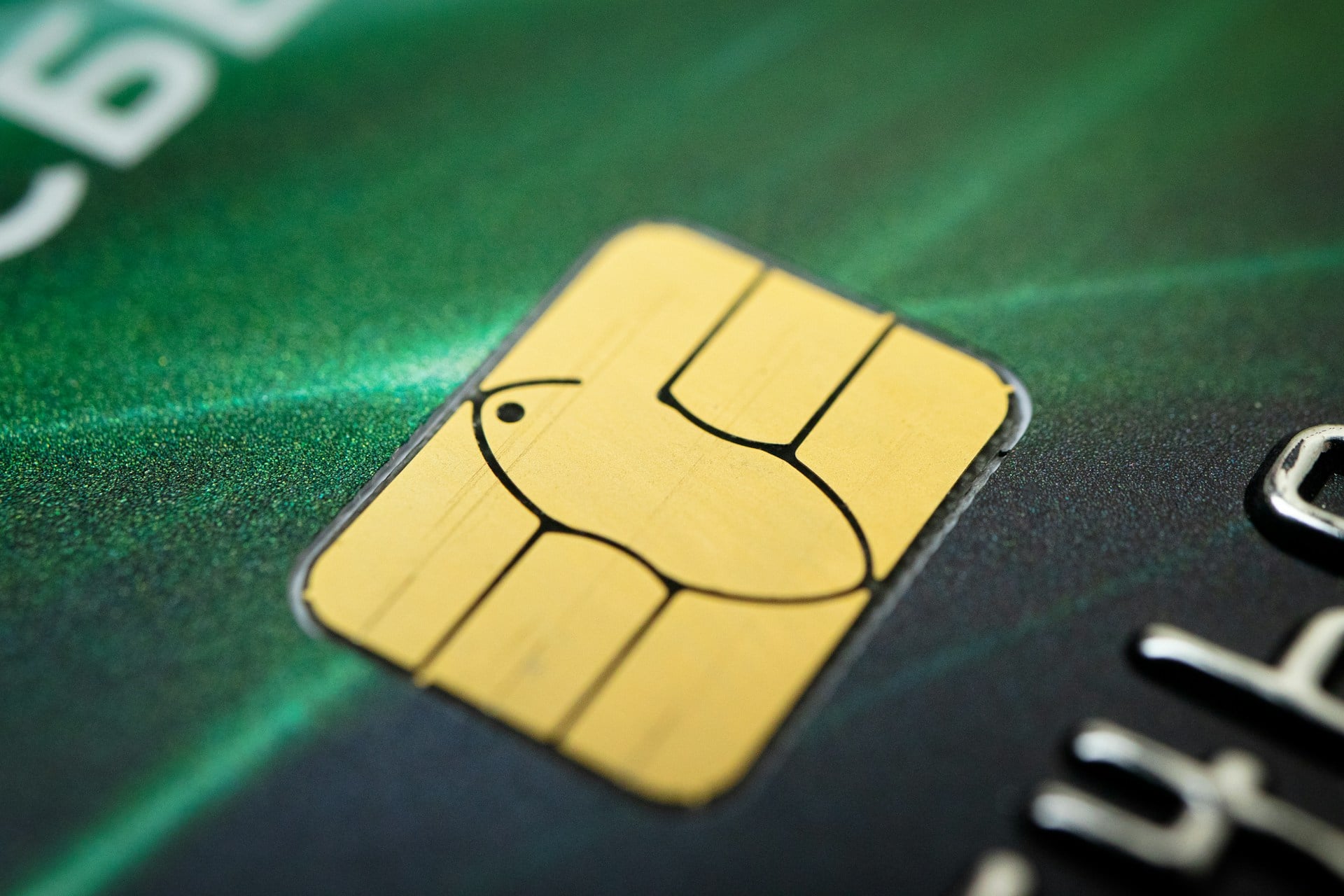
The shift from cardboard and metal to plastic cards happened during the early 1960s. Plastic was cheaper to produce at scale, easier to carry, and more durable than the paper and metal options that came before.
Once plastic became the standard material, the card format barely changed for the next four decades. It took the rise of digital payments to finally challenge that stubborn little rectangle.
Where The Card Is Now
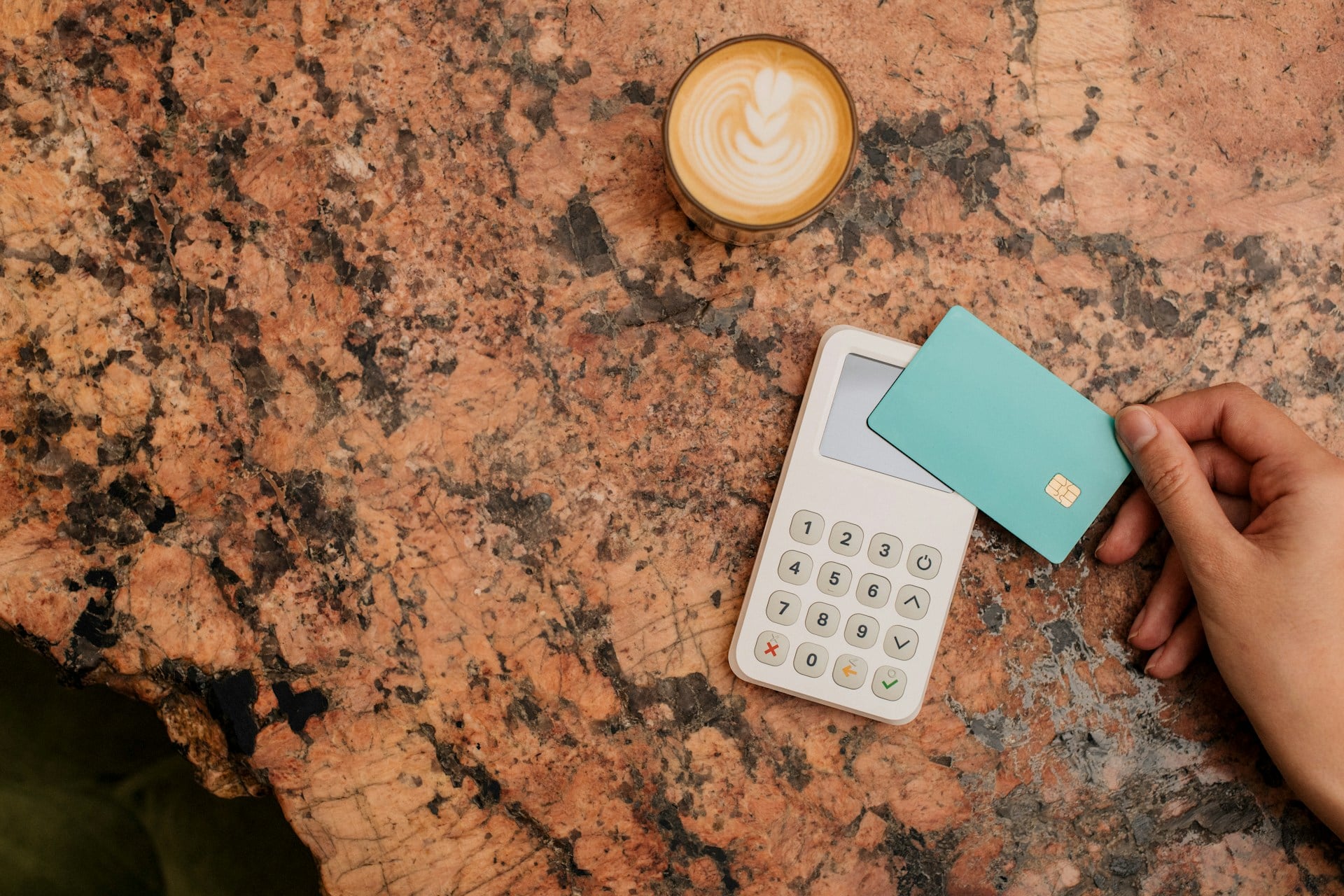
The credit card went from a cardboard restaurant pass to a global financial tool in less than a century, which is honestly a short time for such a big shift in human behavior. Today, over 2.8 billion credit cards are in use around the world, and digital versions of them live inside phones and smartwatches.
The odd, clumsy early experiments with metal coins and ink pads were not failures. They were the first rough sketches of something that eventually changed how the world handles money every single day.
More from Go2Tutors!

- The Romanov Crown Jewels and Their Tragic Fate
- 13 Historical Mysteries That Science Still Can’t Solve
- Famous Hoaxes That Fooled the World for Years
- 15 Child Stars with Tragic Adult Lives
- 16 Famous Jewelry Pieces in History
Like Go2Tutors’s content? Follow us on MSN.