29 Board Games Families Played on Rainy Days
Rainy days meant boredom without structure, so families pulled games from closets and shelves. These weren’t games chosen for strategic depth but for entertainment value—the ability to distract, engage multiple people, and create memories.
Some games have survived; others have become obsolete as entertainment options multiply. The rainy day game collection represented a family’s taste, their preferences, and sometimes their cultural background.
Playing these games was an unplanned family bonding activity, born of weather necessity rather than intentional planning.
Monopoly
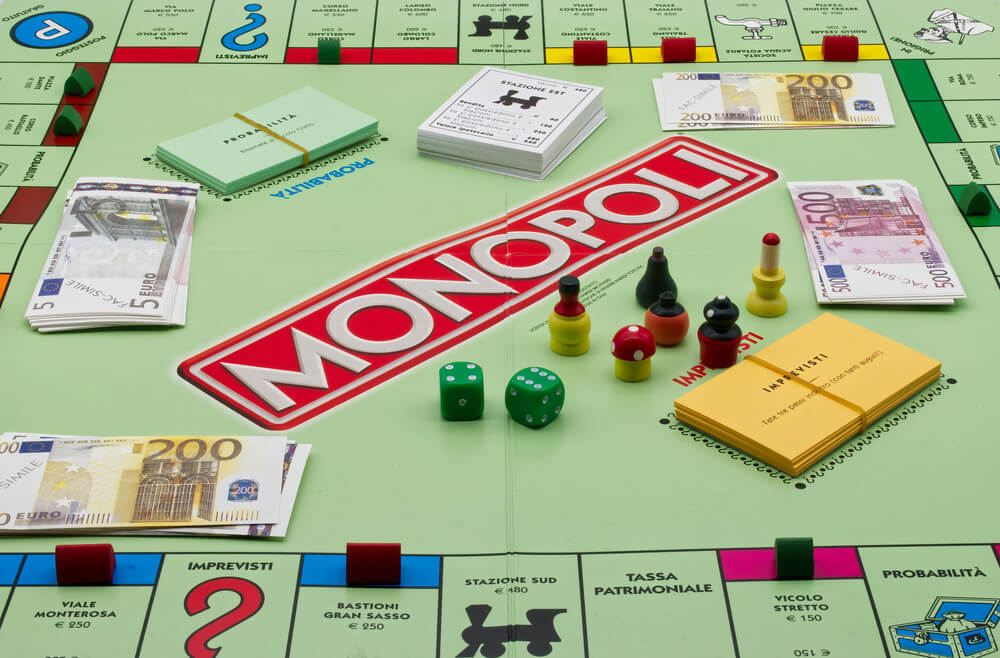
The real estate empire-building game could occupy an entire rainy day with its long gameplay and multiple house rules families created. Modern versions have faster rules, but classic Monopoly demanded time and patience.
Scrabble
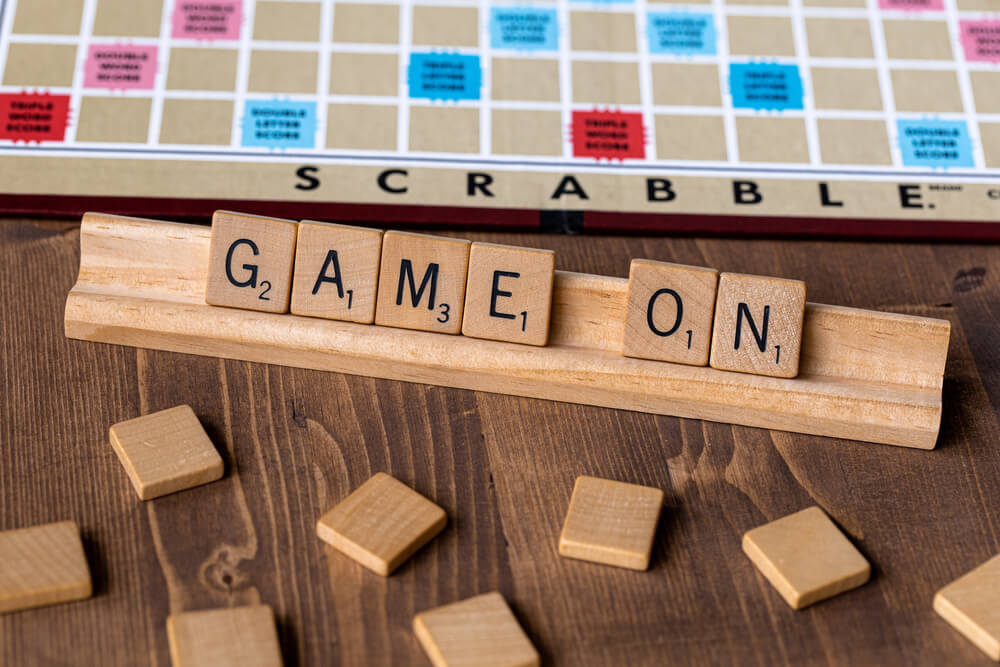
Word games rewarded vocabulary and strategic letter placement. Rainy days were perfect for competitive word games that required quiet focus.
Clue (Cluedo)
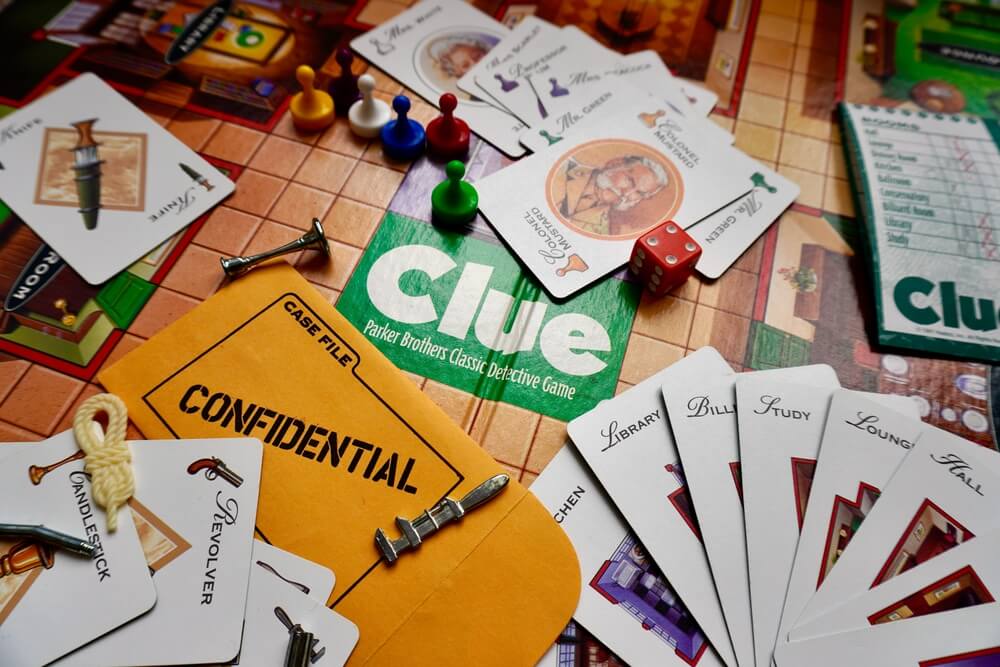
The mystery board game offered puzzle-solving and role-playing elements that made it engaging for families wanting something more than pure chance.
Uno
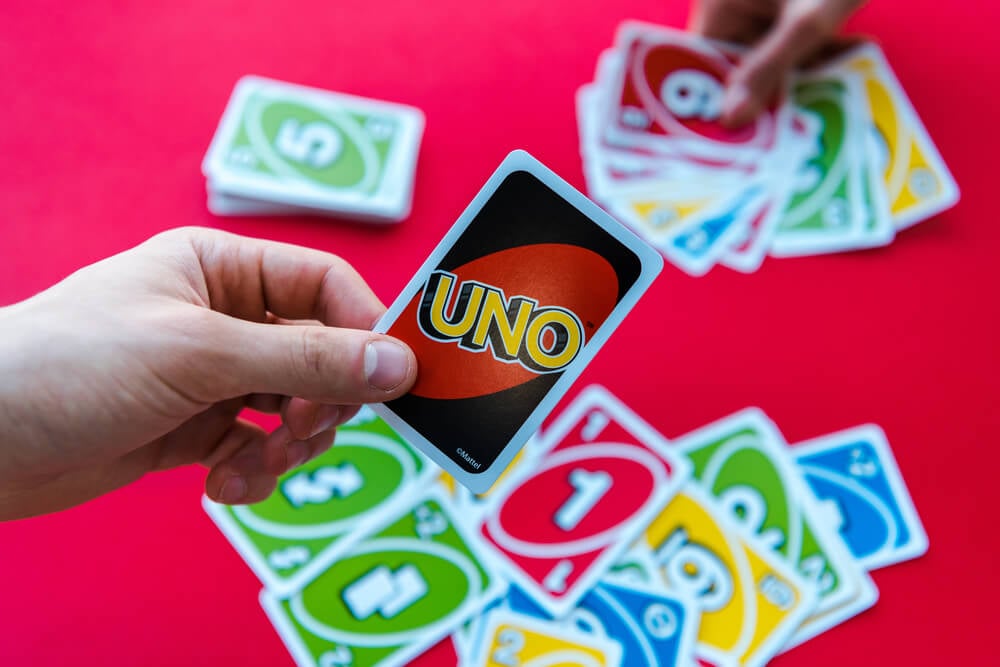
The card game’s simple rules and fast pace made it accessible to multiple age ranges and ability levels.
Chutes and Ladders
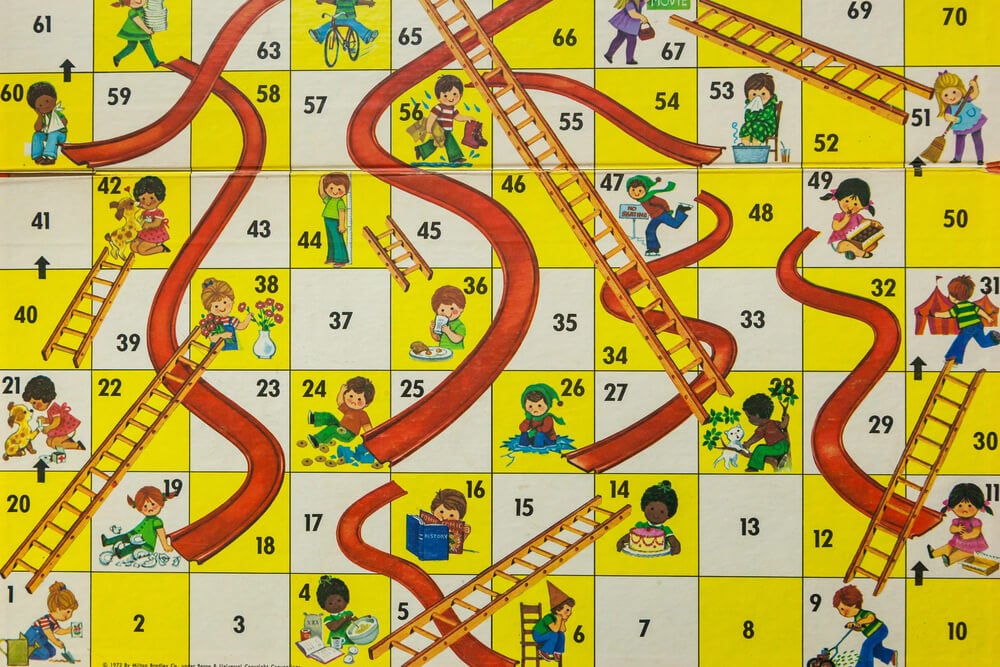
The foundational children’s board game taught basic movement and count-based mechanics while requiring no reading ability.
Candyland
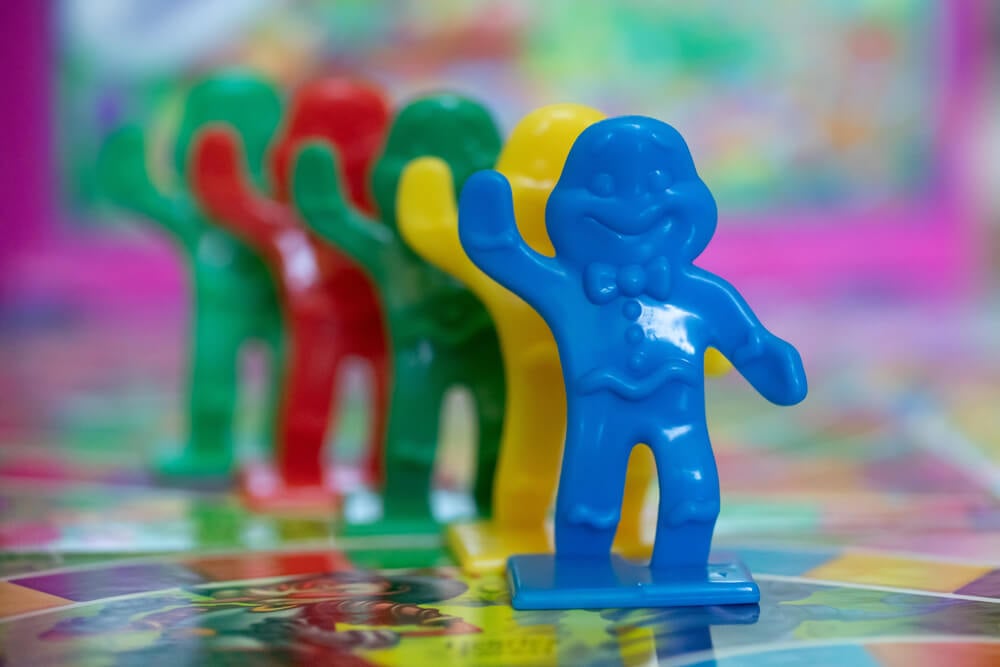
Movement and color matching made this accessible to young children, and parents could play with minimal frustration.
Sorry!
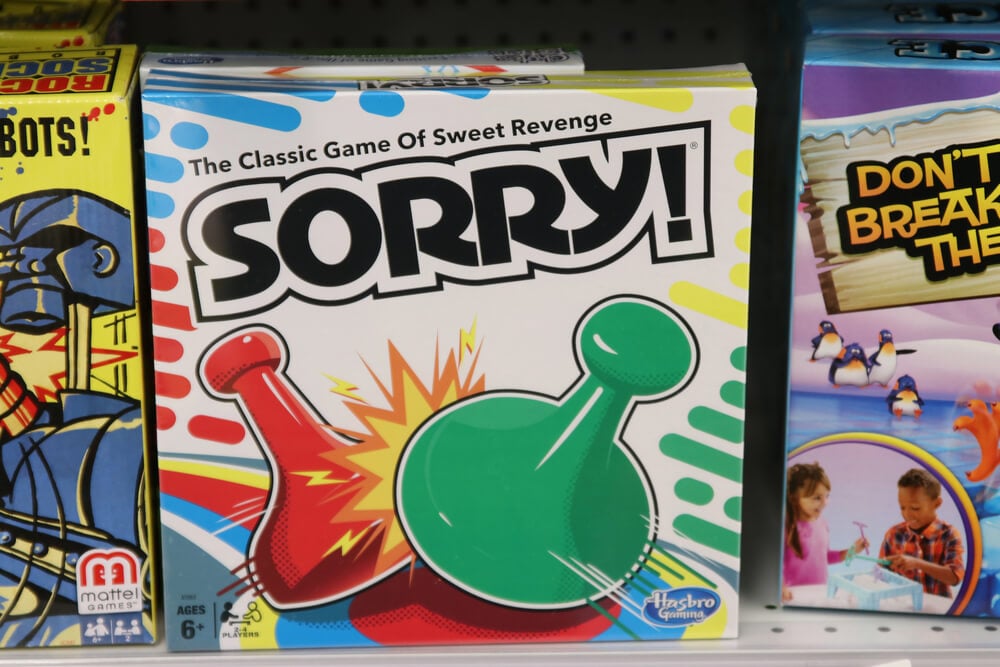
The race-to-home board game emphasized luck over strategy, making outcomes unpredictable and keeping children engaged.
Trouble
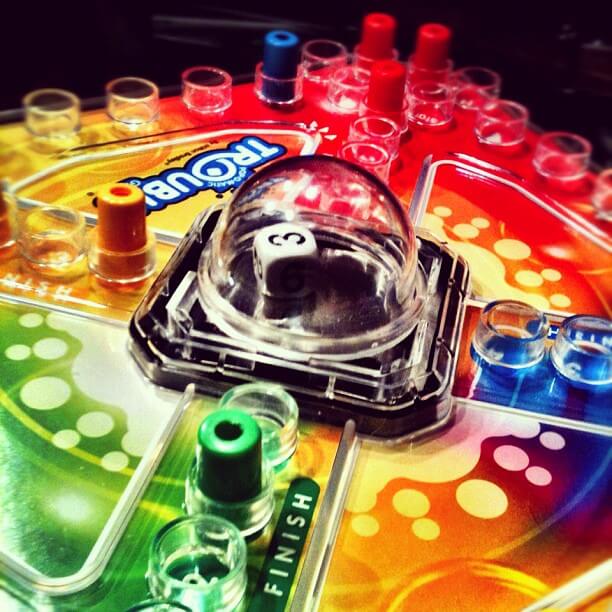
The bubble-popping device that generated random movement was mechanically satisfying and made the game memorable.
Operation
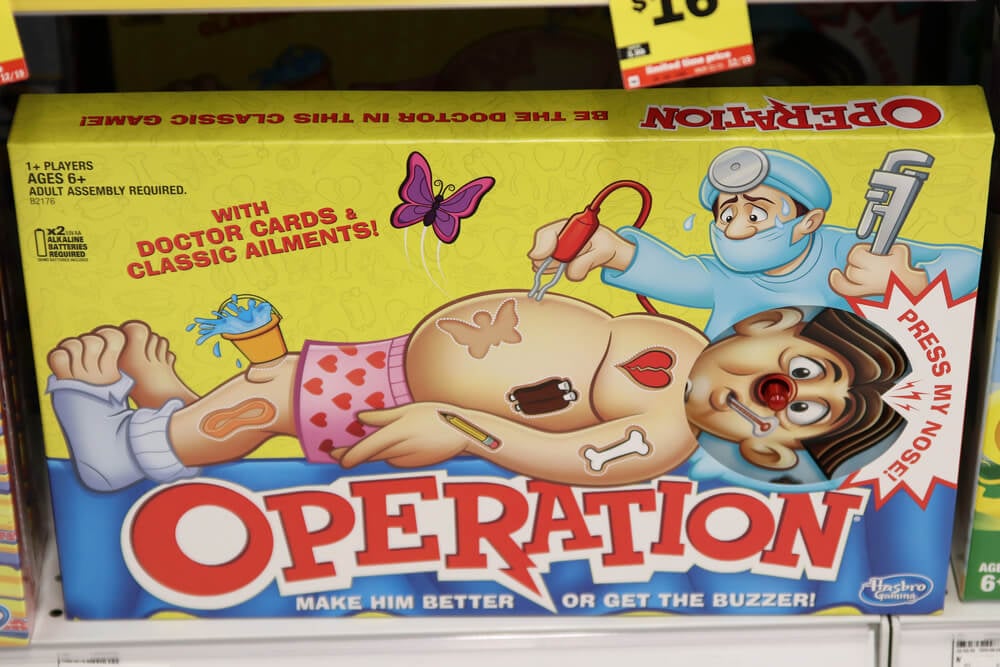
The hand-eye coordination game where players removed pieces from a body outline without touching metal was frustrating and fun in equal measure.
Connect Four
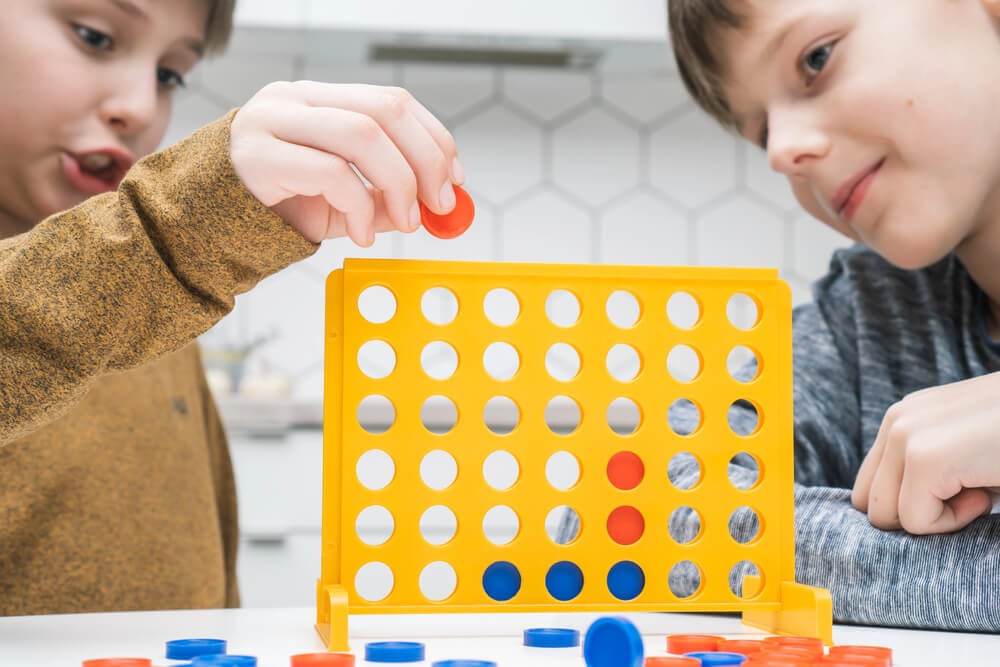
Strategy-based but quick-playing, Connect Four offered genuine competitive opportunity without extensive rule complexity.
Jenga
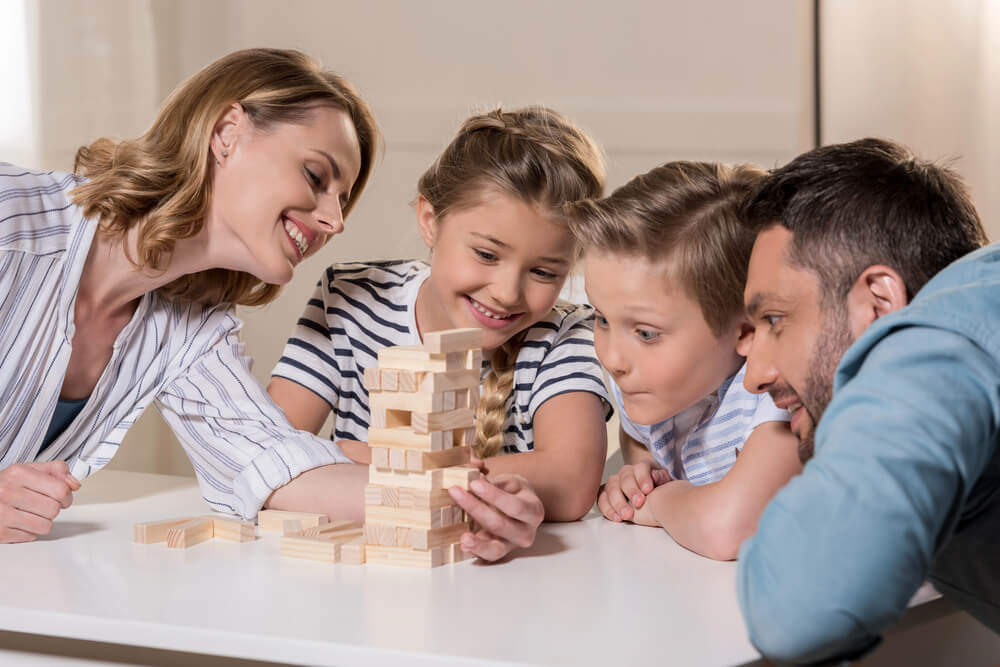
The physical challenge of removing wooden blocks without toppling the tower created tension and excitement.
Twister
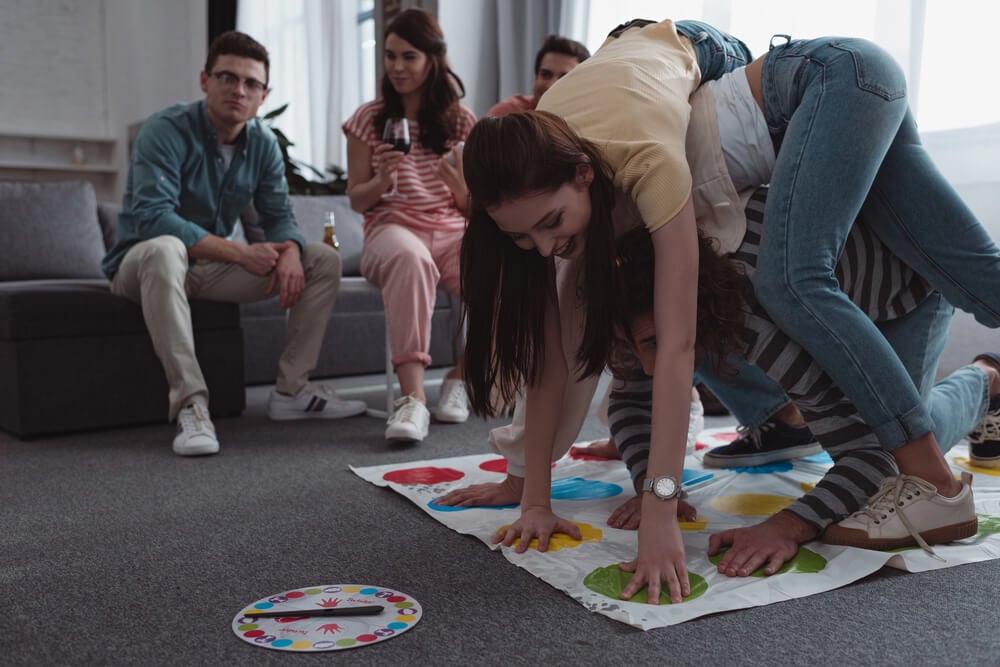
The flexibility-and-awkwardness game created physical comedy and memorable moments, though families needed floor space.
Chess

More demanding than checkers, chess appeared on rainy day shelves in households that valued strategy and patience.
Checkers
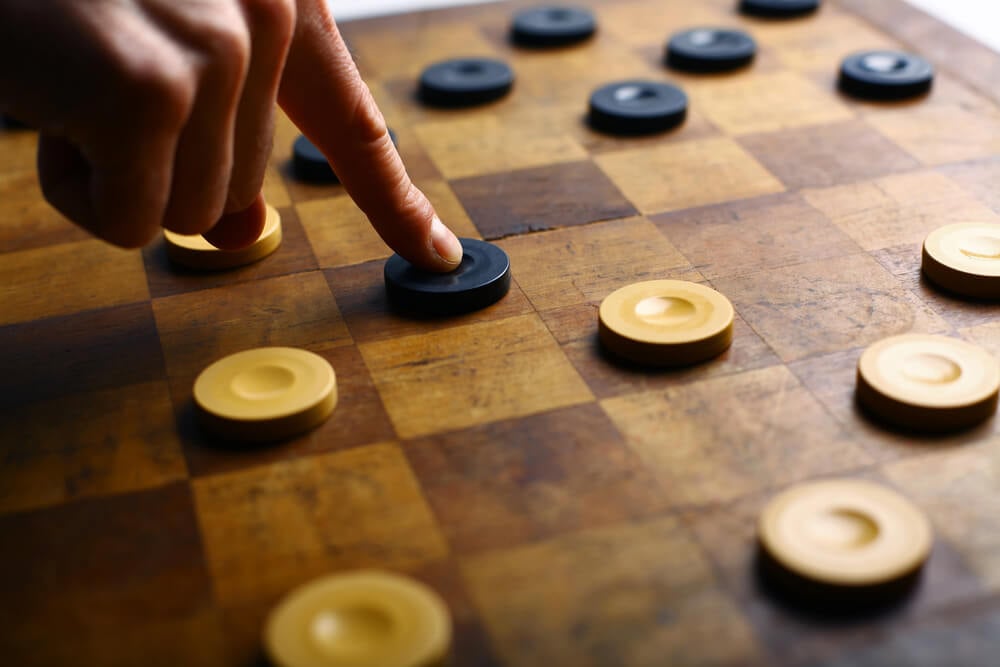
The simplified chess alternative required less learning curve and promised shorter games than chess.
Dominoes

The matching and strategic placement game required minimal equipment and worked for various age groups.
Bingo
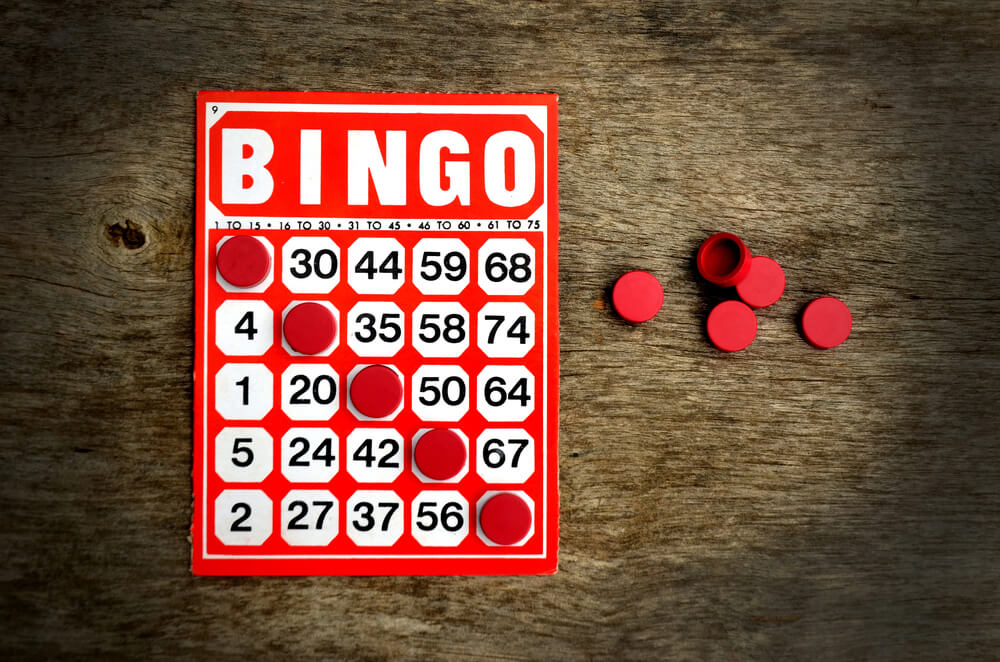
The combination of luck and pattern recognition made Bingo engaging for children and adults, especially with self-made cards.
Yahtzee
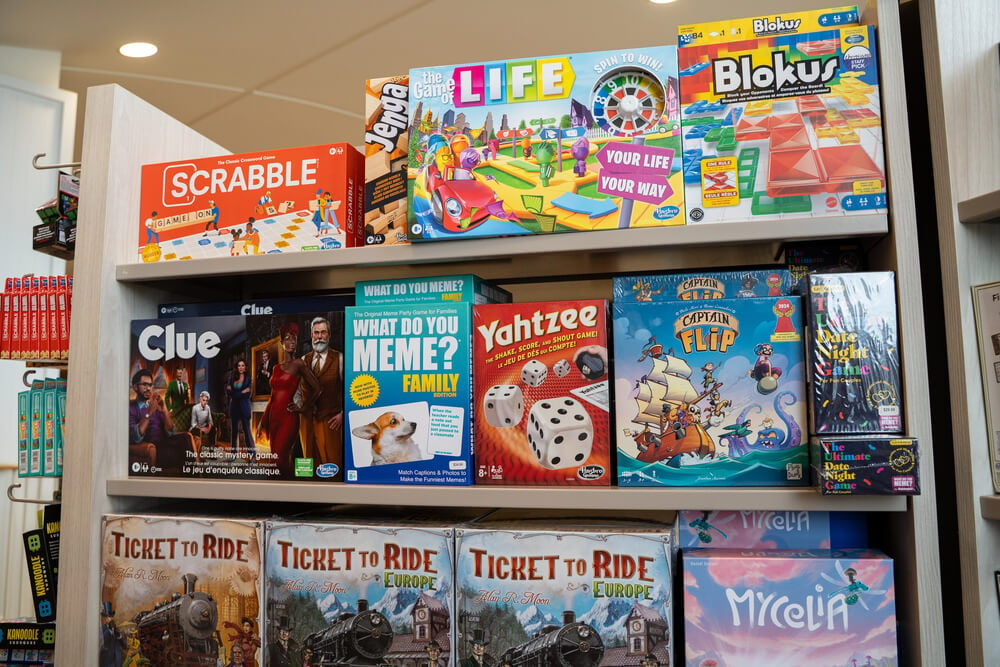
The dice game combined luck and strategy, with a scoreboard that tracked progress and victory.
Risk
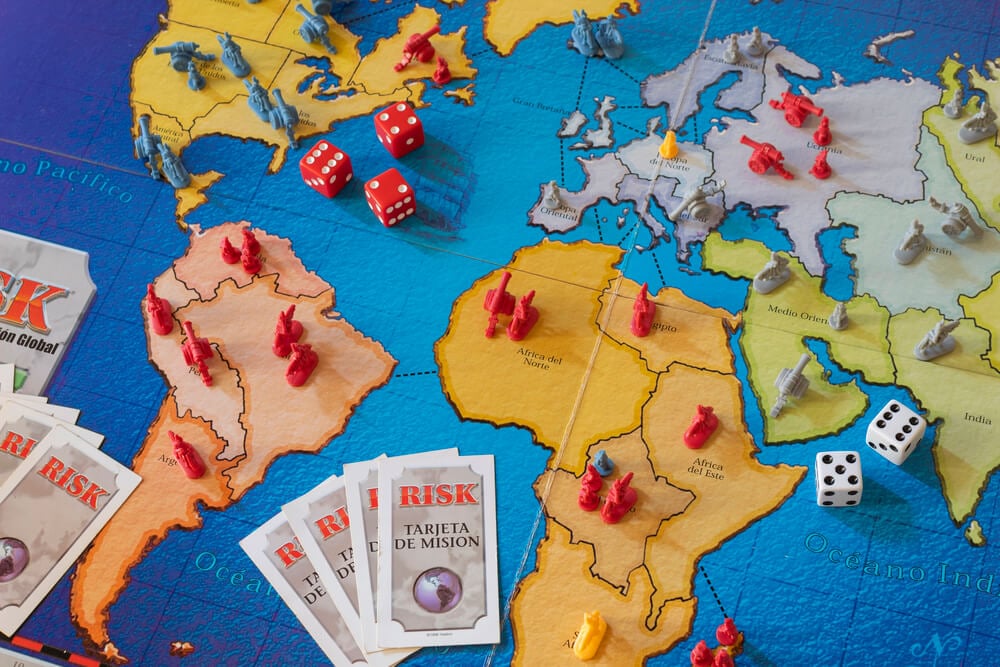
The world-domination strategy game could occupy multiple rainy days with its complex mechanics and competitive drama.
Battleship
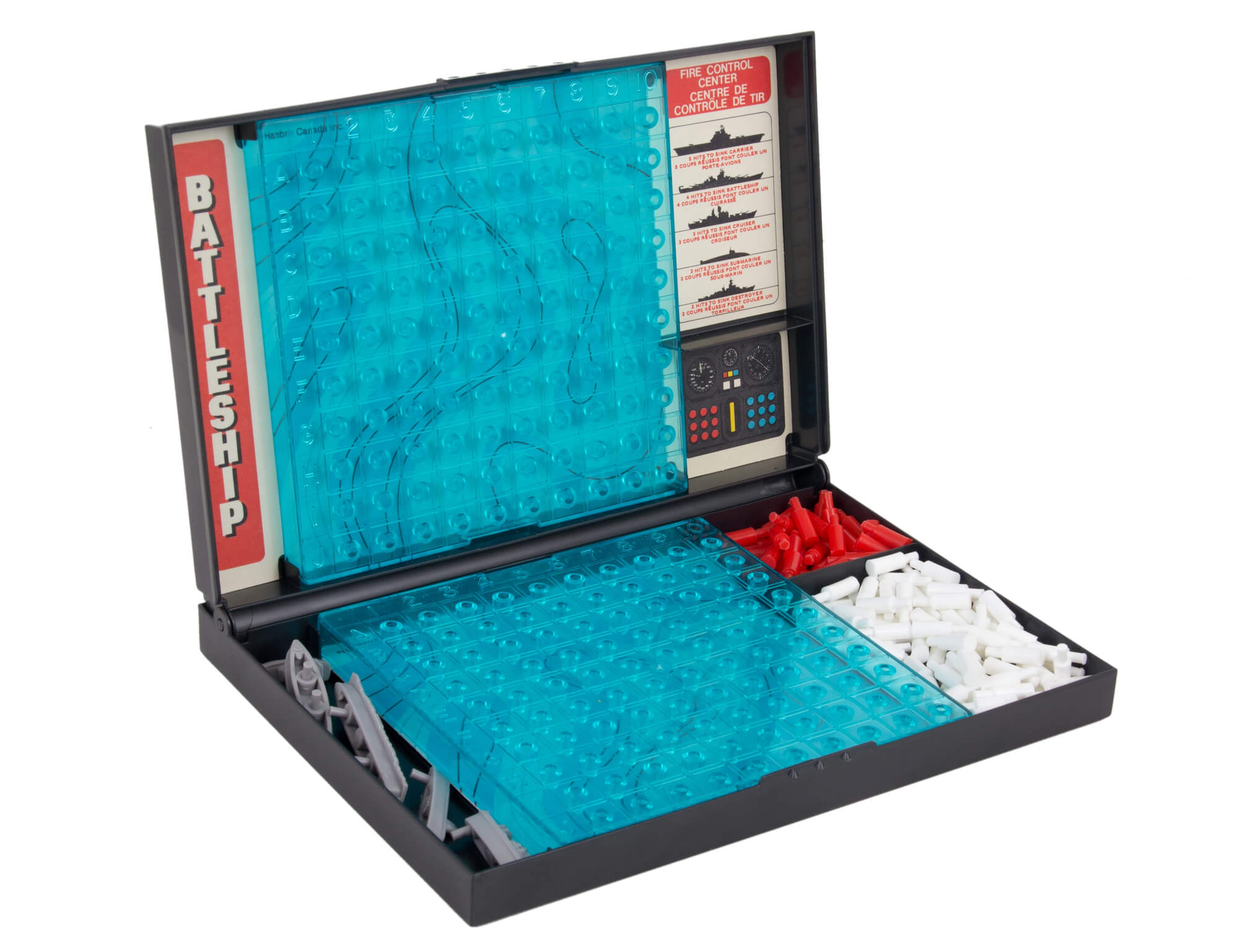
The pen-and-paper strategic guessing game required only materials most families had, making it accessible and engaging.
Boggle
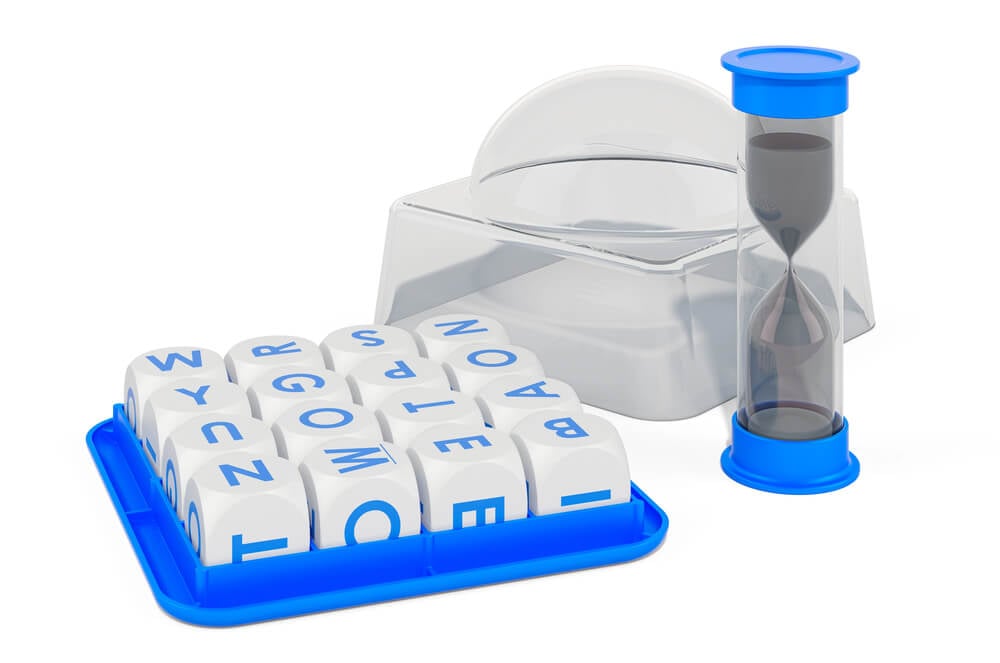
The speed-based word game with a timer created urgency and made competitive playing engaging.
Rummikub
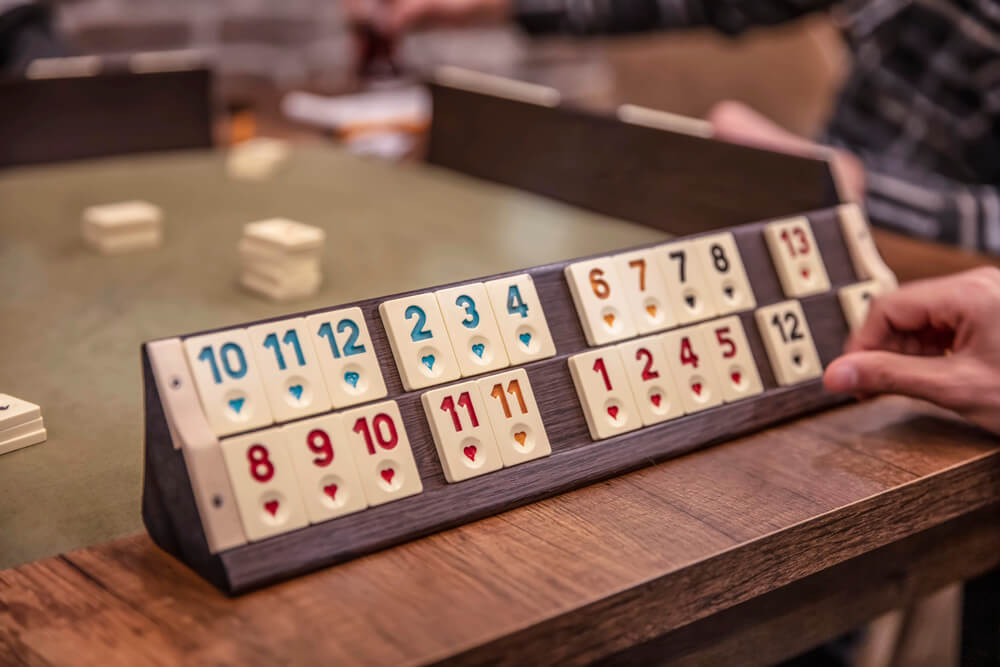
The tile-based rummy game mixed luck and strategy, appealing to family game nights with adult participation.
Parcheesi
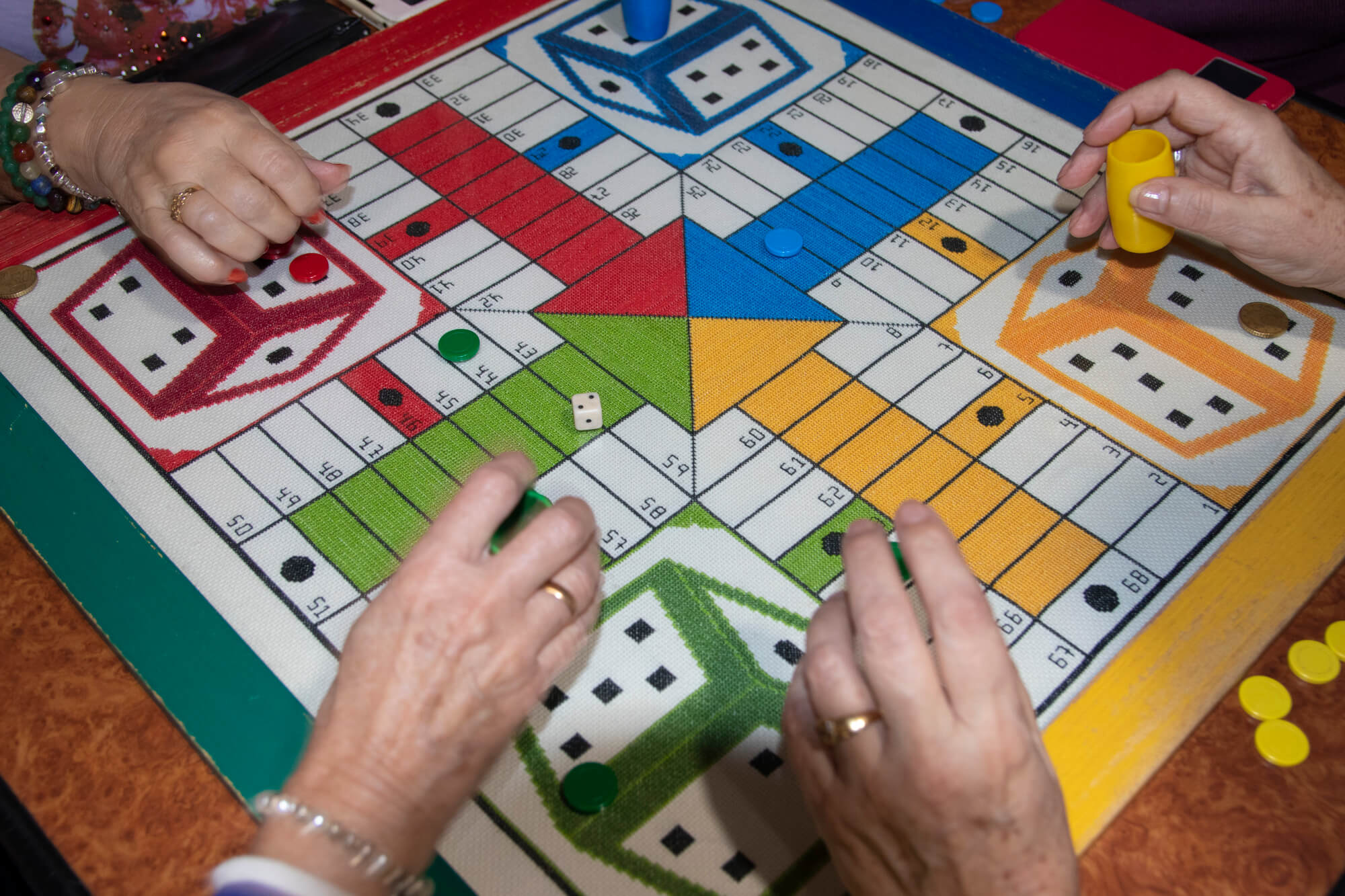
The race-to-home game combined strategy and luck, being simpler than Monopoly but more engaging than Chutes and Ladders.
Game of Life
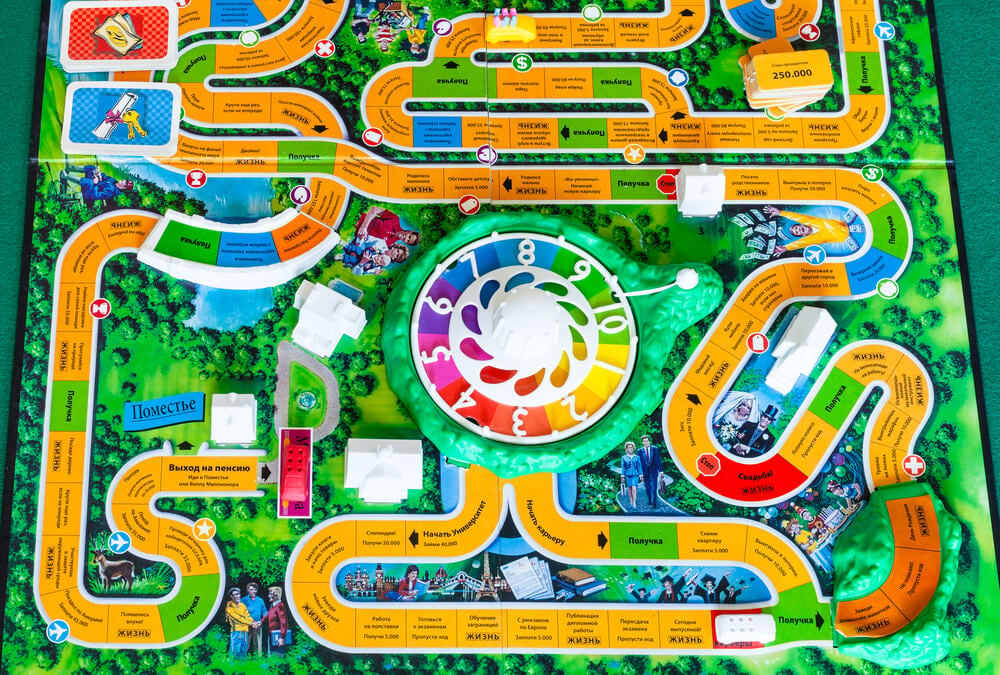
The path-to-successful-adulthood game made family gameplay about imagining futures and competitive life outcomes.
Snakes and Ladders (British Version)
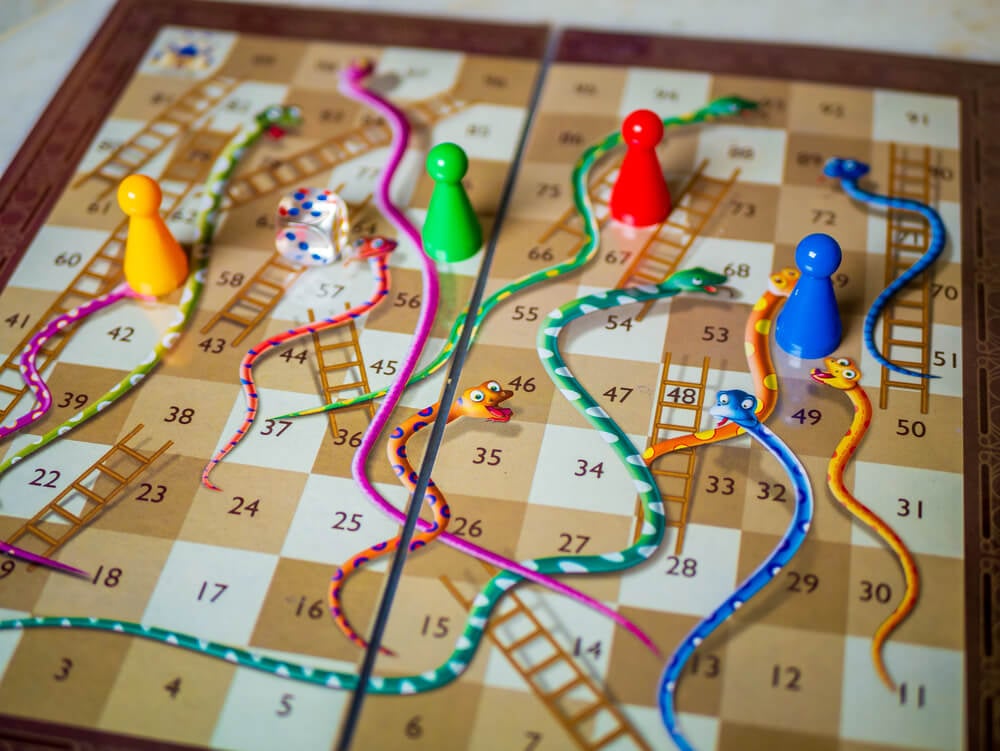
Similar to Chutes and Ladders but with different art and cultural references, this appears in some households as a cultural variant.
Chinese Checkers
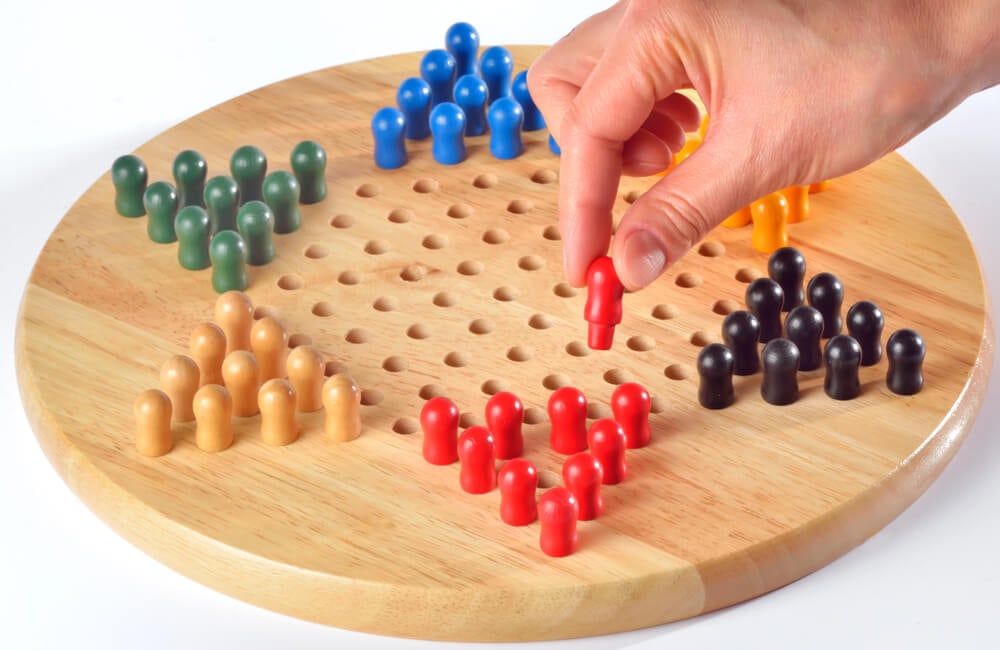
The star-shaped board with jumping mechanics offered strategy in a quick-playing format.
Mastermind

The code-breaking game required logic and deduction, appealing to families wanting thinking challenges.
The Ungame
Designed for connection rather than competition, this conversation-based game prioritized family communication over winning.
Pictionary
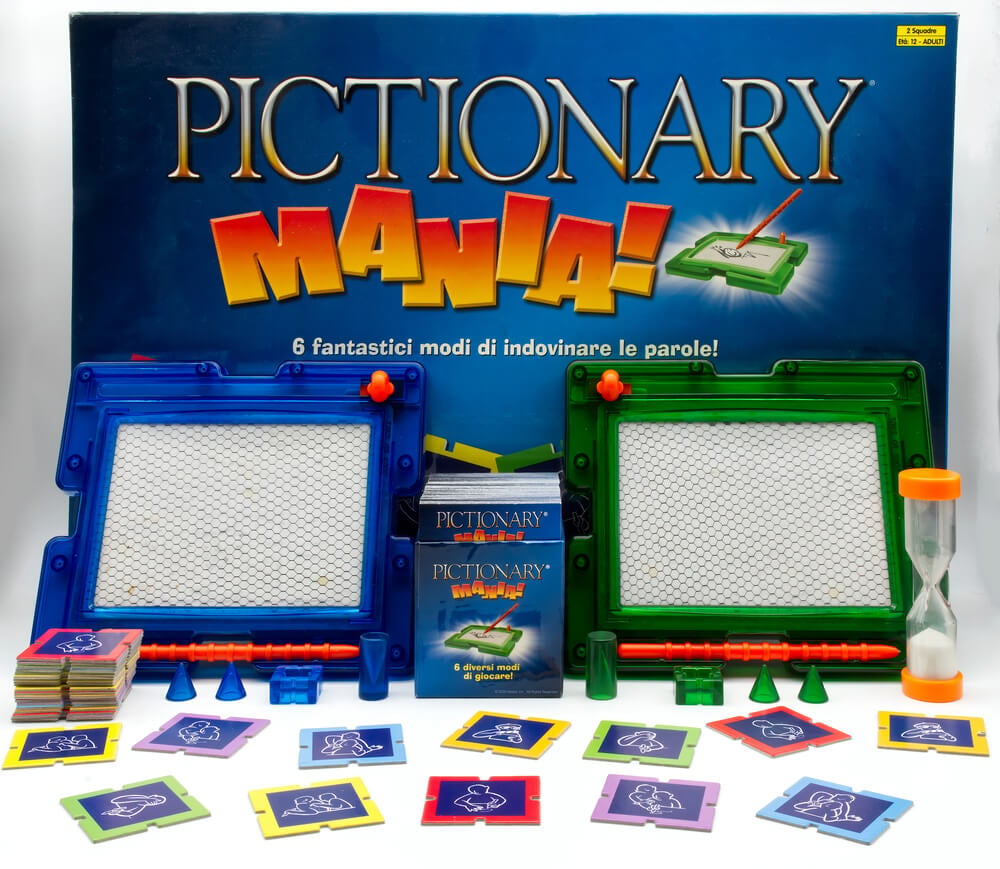
Drawing and guessing games created laughter and memorable moments, especially in family groups with varying artistic ability.
Mad Gab
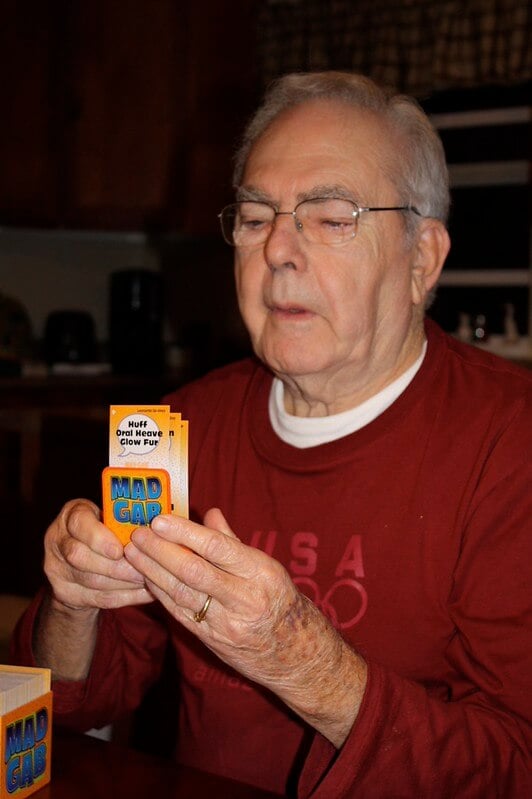
The phonetic wordplay game created confusion and laughter as families tried to decode intentionally mispronounced phrases.
The End of Rainy Day Gaming
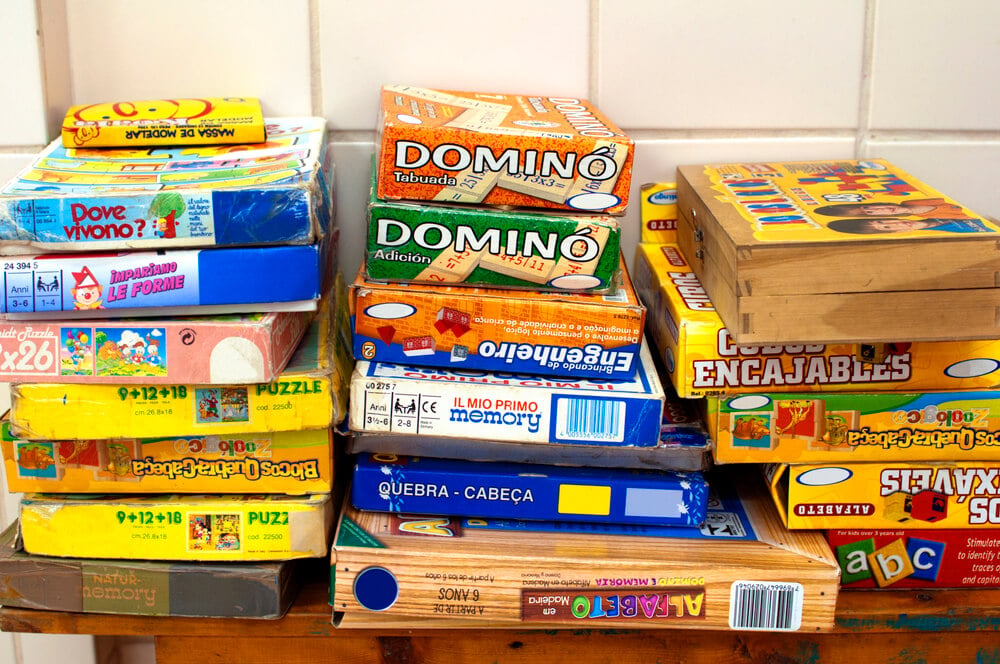
Modern entertainment—streaming, tablets, YouTube—has shifted how families occupy rainy days. Board games remain but compete with endless entertainment options.
The rainy day game collection represented a specific moment in family culture when enforced togetherness was the default. Today’s rainy day options are individualized; the shared experience of board games is optional rather than necessary.
Yet the games remain, stored in closets, pulled out occasionally for nostalgia or intentional family time, carrying memories of specific moments and specific people playing together when weather dictated that indoor entertainment was the only option.
More from Go2Tutors!

- The Romanov Crown Jewels and Their Tragic Fate
- 13 Historical Mysteries That Science Still Can’t Solve
- Famous Hoaxes That Fooled the World for Years
- 15 Child Stars with Tragic Adult Lives
- 16 Famous Jewelry Pieces in History
Like Go2Tutors’s content? Follow us on MSN.



