29 Breakfast Cereals Pulled From Shelves That Kids Still Remember
Cereal aisles used to double as toy stores, movie posters, and cartoon tie-in campaigns all at once. Boxes promised marshmallow ghosts, sprinkle-covered stars, and flavors that had no business existing, and for a few sugar-soaked years, they delivered. Most of these cereals never lasted past their tie-in’s popularity, but the boxes stuck in memory long after the last bowl was poured.
Sprinkle Spangles
General Mills built this cereal around sugar-cookie-flavored star pieces coated in rainbow sprinkles, marketed by a mascot called the Sprinkle Genie, voiced by actor Dom DeLuise. The concept was straightforward dessert-for-breakfast, and it worked well enough to build a cult following before health-conscious grocery trends pushed it off shelves for good.
Nintendo Cereal System
Ralston Purina released this cereal in 1988 with a single box split into two separate cereals, one themed to Super Mario Bros. and the other to The Legend of Zelda. It rode the peak of Nintendo Entertainment System mania but lasted barely a year on shelves before disappearing.
C-3PO’s
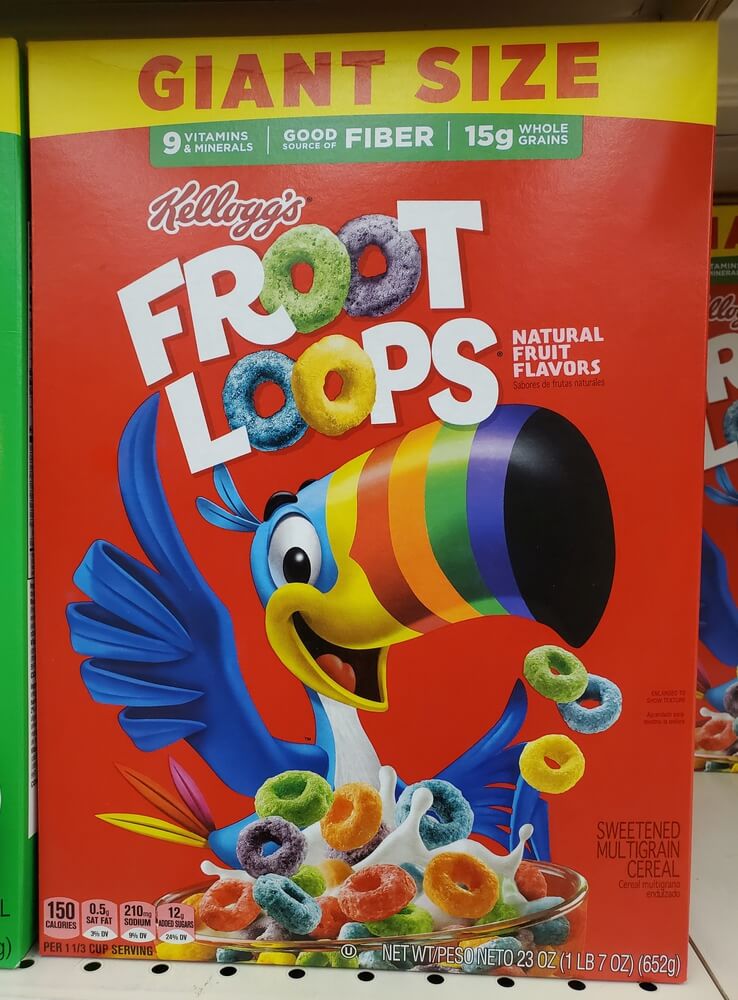
Kellogg’s launched this honey-sweetened, ring-shaped cereal in 1984 to capitalize on Star Wars merchandising, giving it a flavor profile close to Alpha-Bits. It was pulled just two years later in 1986, with some fans attributing the sudden exit to a broader dip in space-themed marketing following the Challenger disaster.
Reptar Crunch
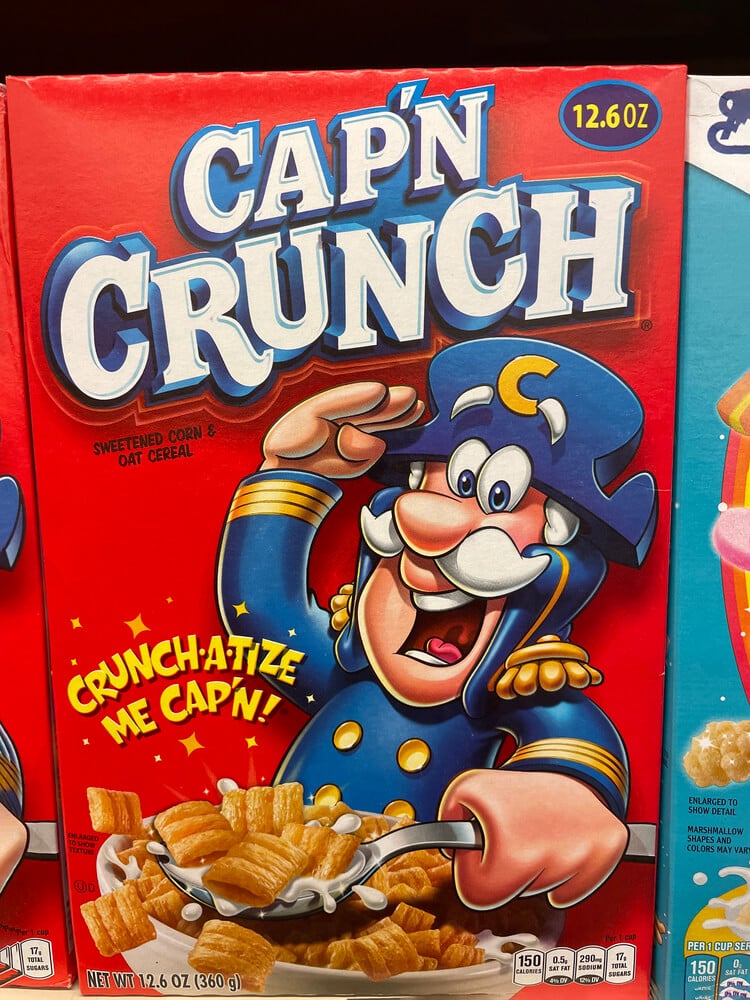
Tied to the 2000 film Rugrats Go Reptar!, this cereal combined purple rice crisps with green dinosaur-shaped pieces and was marketed on the promise that it would turn milk green. It sold for less than two months before vanishing, making it one of the shortest-lived licensed cereals ever put on a shelf.
Bill & Ted’s Excellent Cereal
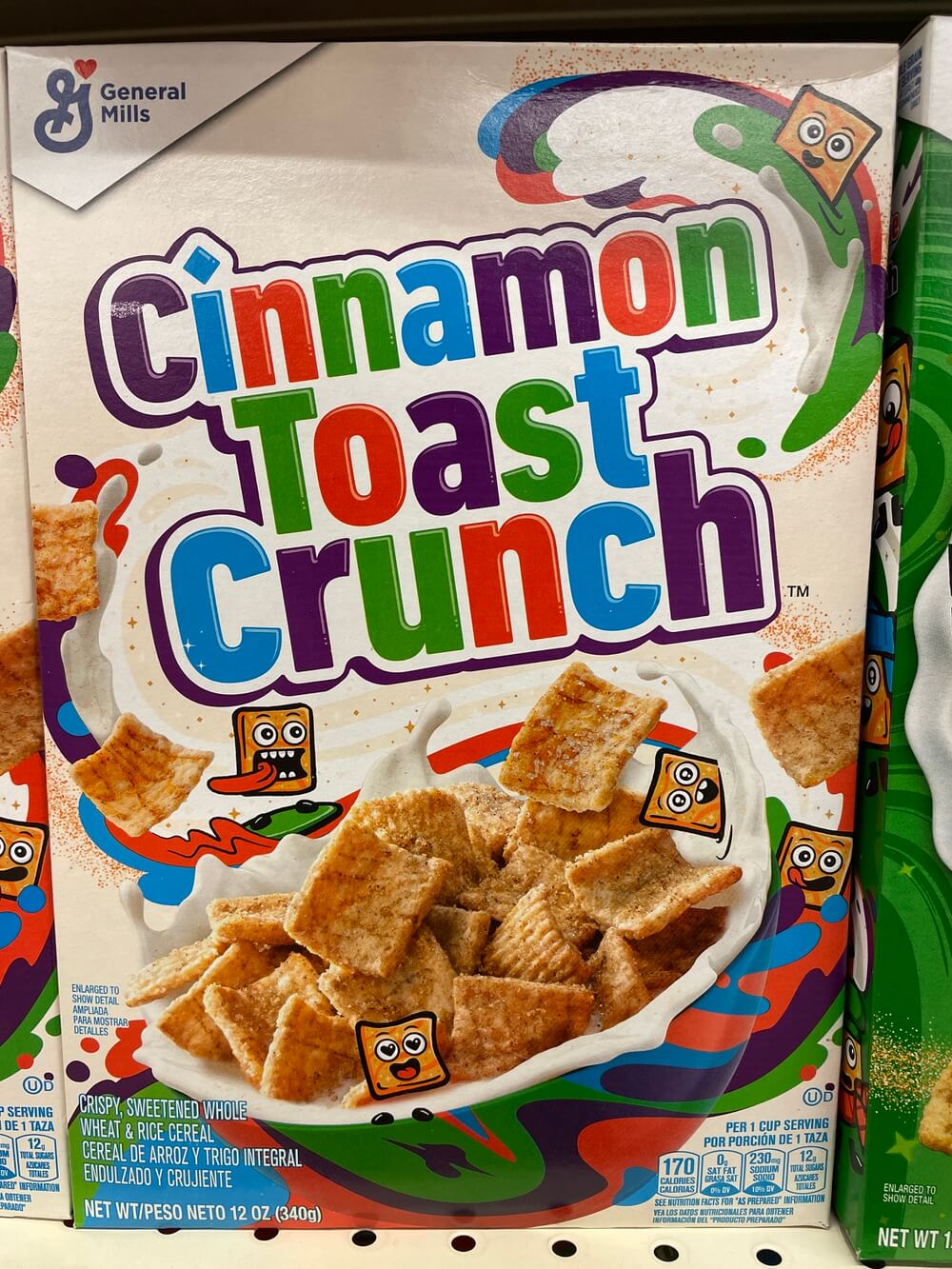
Ralston built this cinnamon-flavored cereal around the 1991 sequel Bill & Ted’s Bogus Journey, filling the box with musical-note-shaped marshmallows. It promised “a most awesome breakfast adventure” on the box copy but didn’t survive long after the film left theaters.
Mini Swirlz Cinnamon Buns
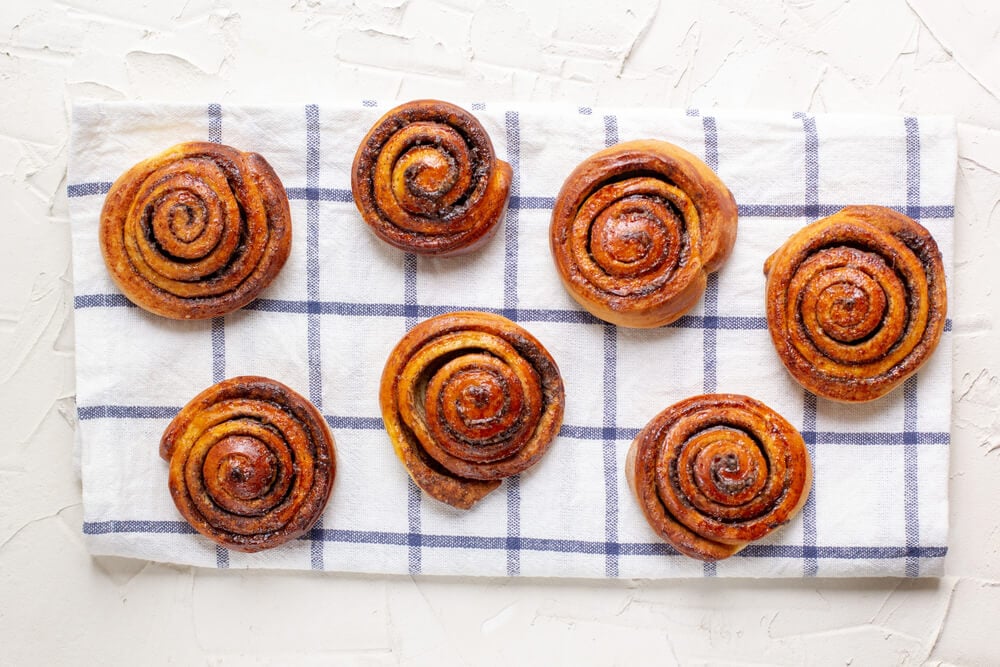
Kellogg’s introduced the original Cinnamon Mini Buns cereal in 1991, then rebranded and reformulated it as Mini Swirlz Cinnamon Buns two years later. The pastry-shaped pieces held on longer than most novelty cereals on this list, finally disappearing from shelves in 2009.
Smurf-Berry Crunch
Post released this berry-flavored cereal in 1982 to ride the popularity of the Smurfs cartoon, coloring it in bright blue and red pieces that kids loved. It became notorious for an unintended side effect: eating enough of it turned children’s stool visibly blue, which contributed to Post pulling and reformulating the recipe.
Smurf Magic Berries
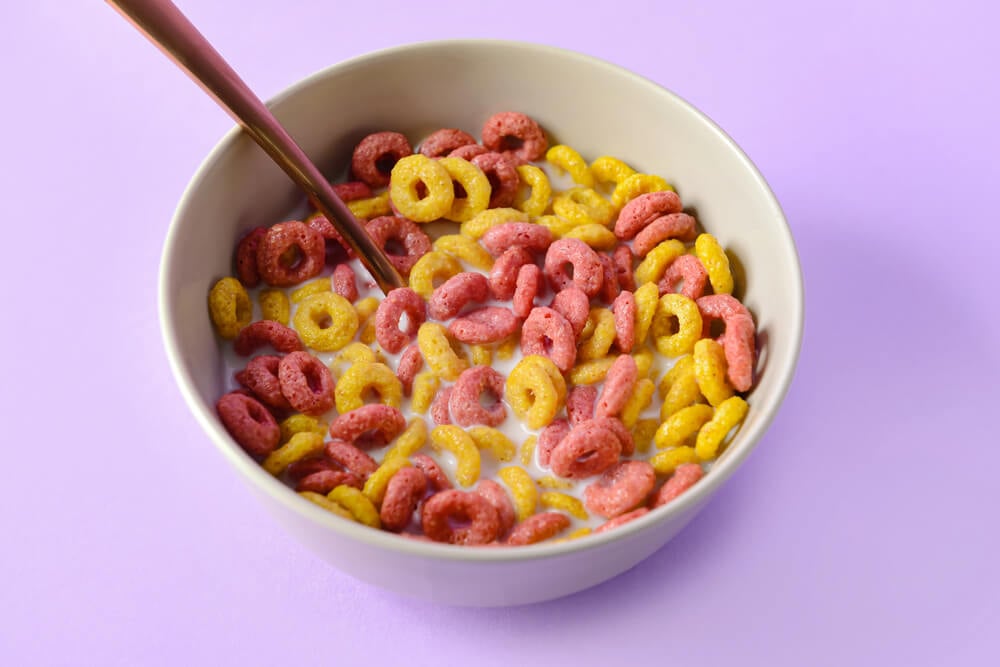
Post’s 1987 follow-up to Smurf-Berry Crunch added marshmallows to the formula in an attempt to fix the original’s reputation and extend its shelf life. It disappeared by the end of the decade along with most Smurfs merchandising.
Ghostbusters Cereal
Ralston’s 1985 tie-in to the Ghostbusters film franchise packed the box with fruit-flavored O’s and ghost-shaped marshmallows, plus packaging featuring Slimer and the Stay Puft Marshmallow Man. It actually outlasted most licensed cereals of its era, staying on shelves for roughly five years before Ralston discontinued it in 1990.
S’mores Grahams
General Mills introduced this cereal in 1982, mixing bite-sized marshmallows with chocolate-coated graham cracker pieces to replicate the campfire treat in bowl form. It sold for six years before being discontinued, making it one of the longer-running novelty cereals of the decade.
Mr. T Cereal
Quaker Oats built this cereal around wrestler and actor Mr. T in 1984, shaping the sweetened corn and oat pieces like the letter T and fortifying them with iron and B vitamins. The tagline borrowed from his catchphrase, and the cereal lasted nearly a decade before its 1993 discontinuation.
Urkel-Os
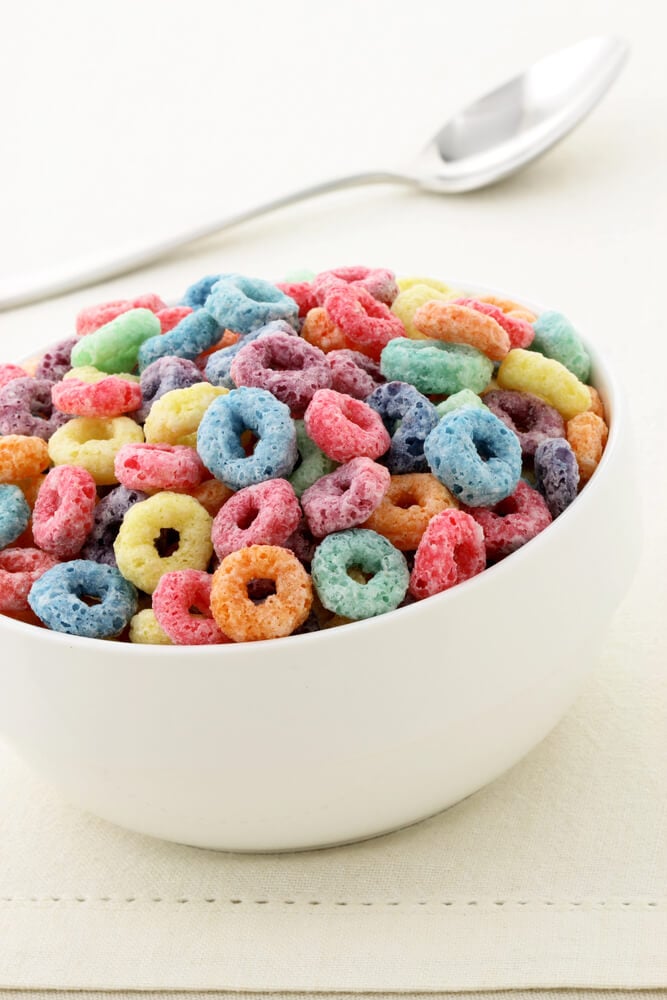
Ralston shaped this cereal into strawberry-and-banana-flavored O’s to tie in with the Family Matters character Steve Urkel, with actor Jaleel White appearing in commercials performing the character’s signature dance. When the character’s popularity cooled, so did demand for the cereal.
Hidden Treasures
General Mills filled this cereal with a fruit-flavored center hidden inside each piece, a novelty that built a dedicated following through the early 1990s. General Mills pulled the plug in 1995, and it remains one of the most requested cereal revivals among collectors of discontinued food packaging.
Crazy Cow
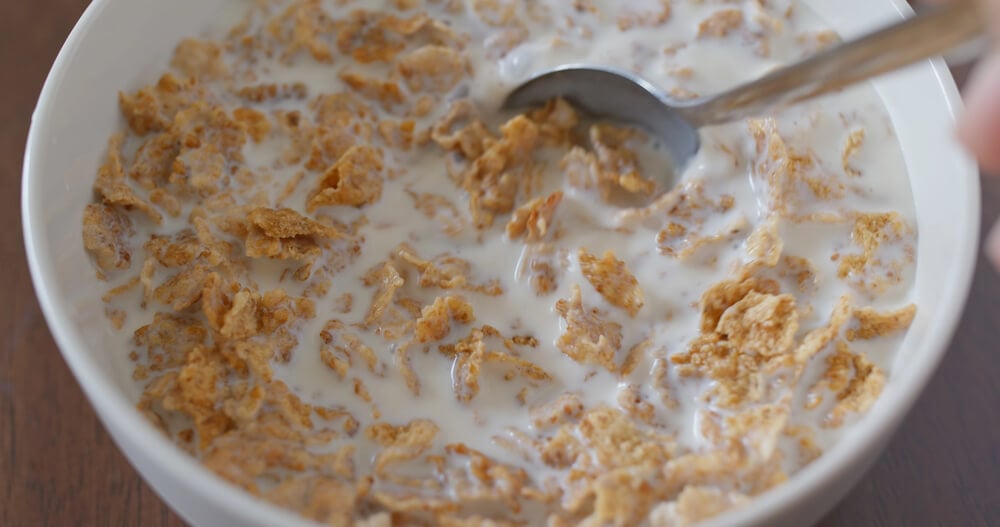
This General Mills cereal coated its pieces in a flavored powder designed to dissolve into the milk, turning an ordinary bowl into chocolate- or strawberry-flavored milk by the time you finished eating. The gimmick was popular but didn’t have staying power once flavored milk products became widely available on their own.
Banana Frosted Flakes
Before banana-flavored snacks became a broader trend, Kellogg’s briefly sold a banana version of Frosted Flakes in the early 1980s, complete with small dried banana bits mixed into the sweetened corn flakes. It existed for only a short run before Kellogg’s returned focus to the original recipe.
Ice Cream Cones Cereal
General Mills brought this cereal to stores in 1987, shaping pieces to resemble miniature ice cream cones in vanilla and chocolate flavors with a marshmallow “gumball” mixed in. It was popular enough that General Mills briefly revived it for a limited 2003 run before shelving it again.
Pac-Man Cereal
General Mills released this arcade-themed cereal in 1983 at the height of Pac-Man’s popularity, shaping pieces after the character and the ghosts that chased him. As the video game’s cultural dominance faded through the mid-1980s, so did shelf space for the cereal, and it was discontinued by decade’s end.
OJ’s

Kellogg’s launched this orange juice-flavored corn puff cereal in 1985, fronted by a cowboy mascot named O.J. Joe who “rustled” oranges in commercials. Despite an aggressive price drop from $1.39 to 69 cents, the flavor combination with milk proved too unusual for most shoppers, and Kellogg’s discontinued it within about a year.
Fruit Brute
General Mills added this werewolf-themed cereal to its Monster Cereals lineup in the 1970s, giving it a fruity flavor to distinguish it from chocolate-focused Count Chocula. It was discontinued in the early 1980s and later became a minor pop-culture footnote after appearing as a visual detail in two Quentin Tarantino films.
Fruity Yummy Mummy
General Mills reformulated Fruit Brute into this tropical-punch-flavored Monster Cereal in 1987, complete with marshmallow bats and an orange-and-vanilla flavor profile. It was discontinued in 1992 after roughly five years and made only a brief Halloween 2013 comeback before disappearing again.
Waffelos
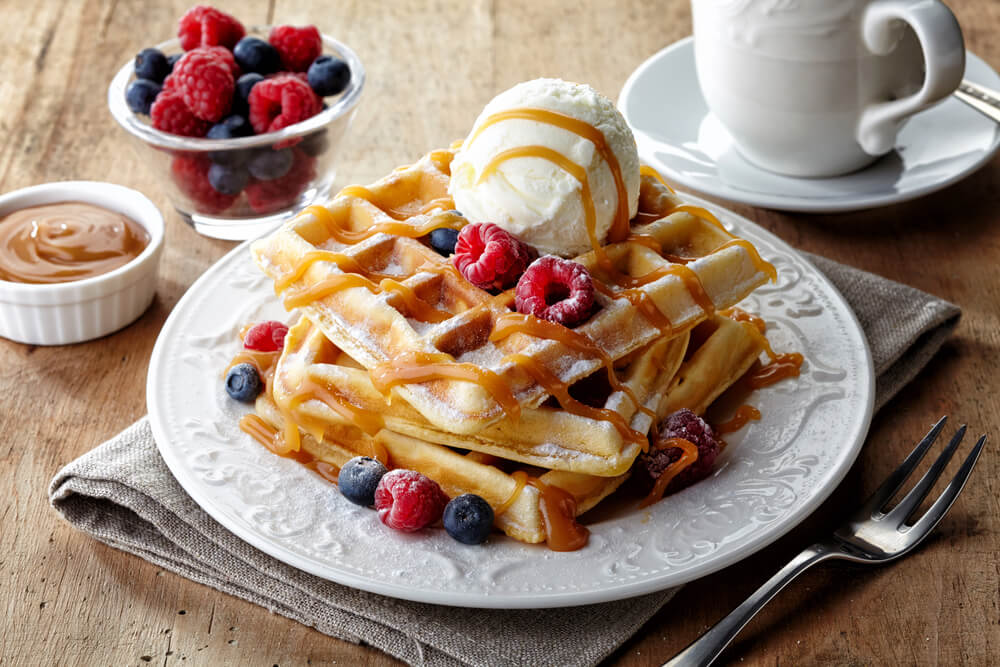
This 1970s Ralston cereal shaped its pieces like tiny crunchy waffles soaked in maple flavor, fronted by a cowboy mascot named Waffelo Bill. A blueberry variety followed in the early 1980s before the entire line was discontinued in 1982.
Nerds Cereal
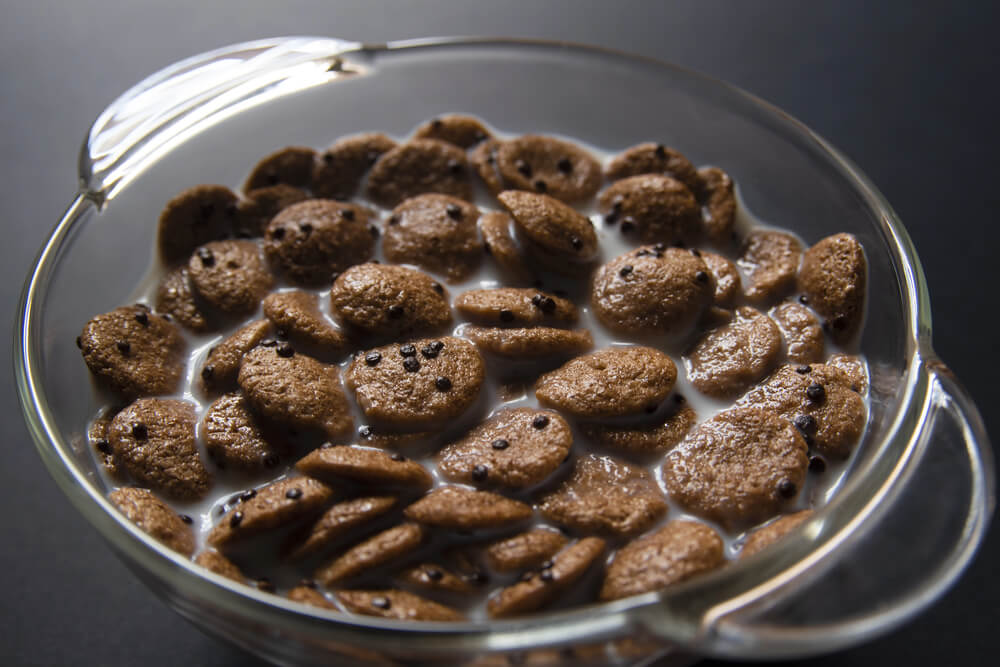
Ralston turned the tiny, sour Nerds candy into cereal form in 1985, splitting each box into two separate bags to mirror the dual-flavor packaging of the original candy. The novelty format lasted only a few years before Ralston discontinued it along with much of its licensed cereal lineup.
E.T. Cereal
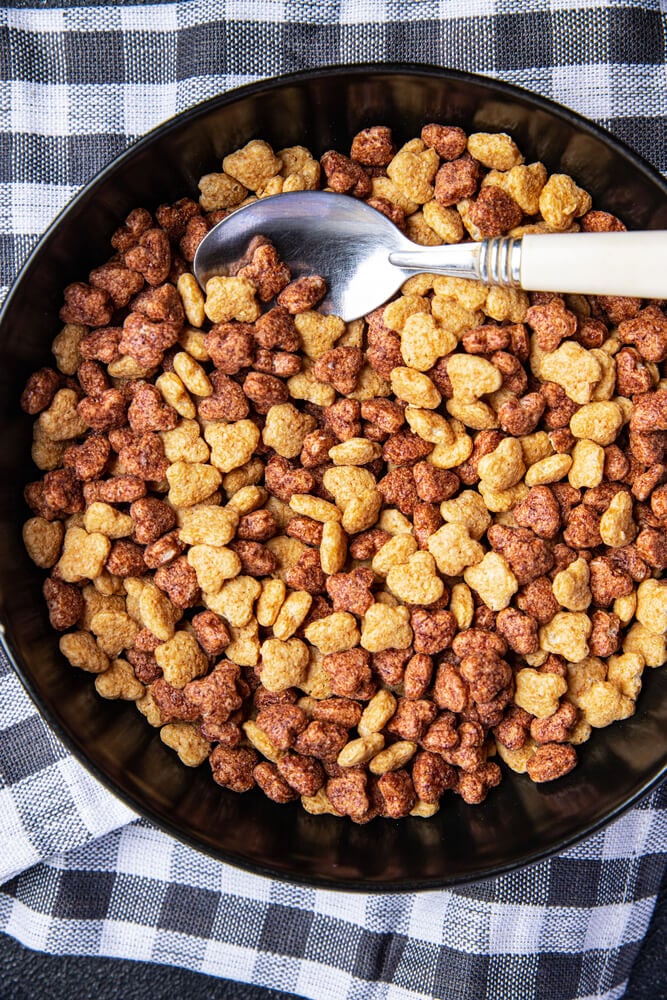
Ralston released this cereal in 1984 to capitalize on lingering popularity from Steven Spielberg’s 1982 film, though it arrived years after the movie’s theatrical peak. It was discontinued by 1986, one of several short-lived licensed cereals from the same company.
Fruity Marshmallow Krispies
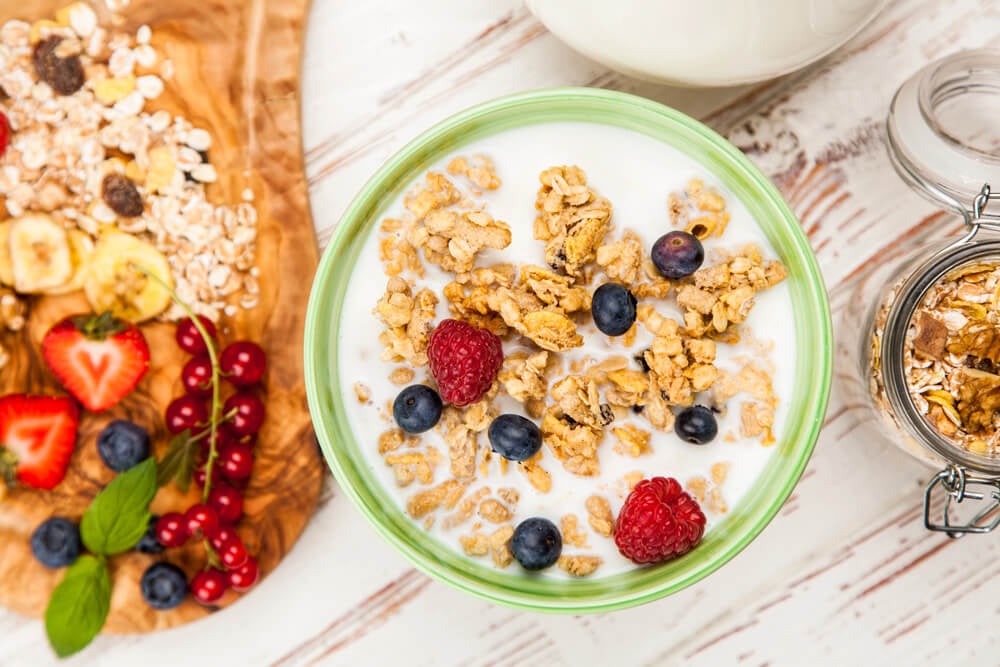
Kellogg’s introduced this variation on its classic Rice Krispies in 1982, adding fruit flavoring and marshmallow bits to the familiar toasted rice base while keeping the “snap, crackle, pop” branding. It was discontinued in the 1990s after roughly a decade on shelves.
Fruit Wheats
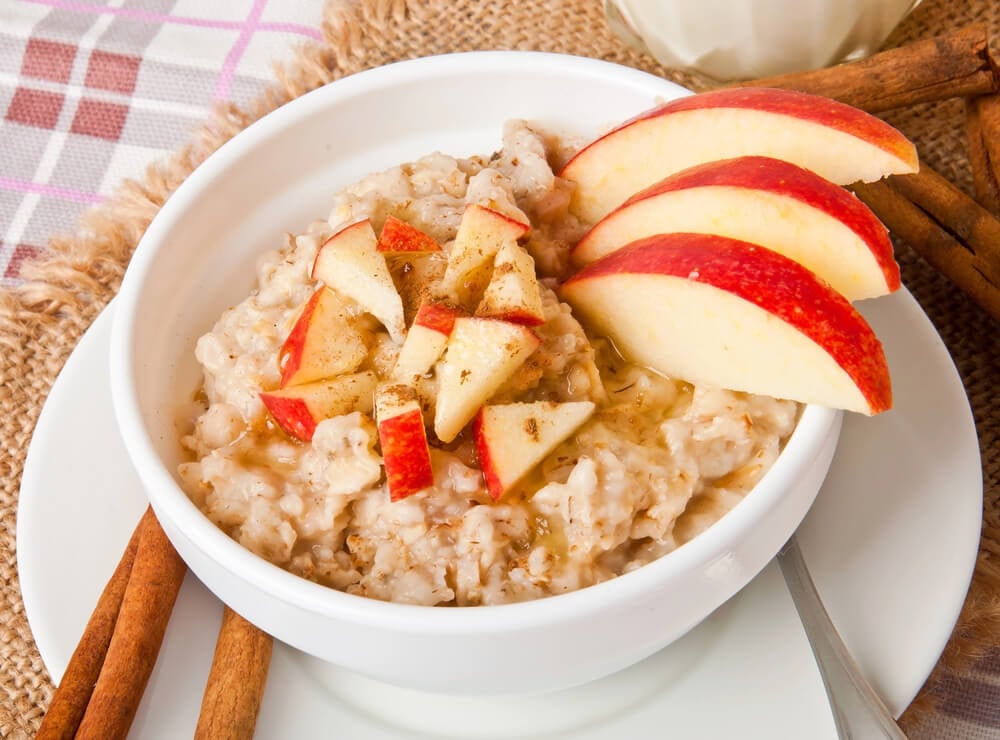
Nabisco marketed this cereal starting in 1986 with the tagline “The ‘In’ Cereal,” referencing the fact that each woven wheat pillow was stuffed with a fruit paste made from real apples, raisins, or strawberries. It resembled an unfrosted version of Frosted Mini-Wheats and was eventually phased out as Nabisco consolidated its cereal offerings.
Green Slime Cereal

Nickelodeon partnered on this promotional cereal to coincide with the 2003 Kids’ Choice Awards, giving it a green-and-orange color scheme built around the network’s signature slime branding. It was a limited promotional product rather than a permanent grocery item, and it disappeared once the awards-season tie-in ended.
Swedish Chef Cereal

Ralston built this Muppets tie-in cereal around cinnamon-flavored, star-shaped puffs, with box copy referencing the character’s nonsense catchphrases. Like most of Ralston’s licensed cereal lineup, it left shelves as the company wound down its cereal business through the 1990s.
Donutz Cereal
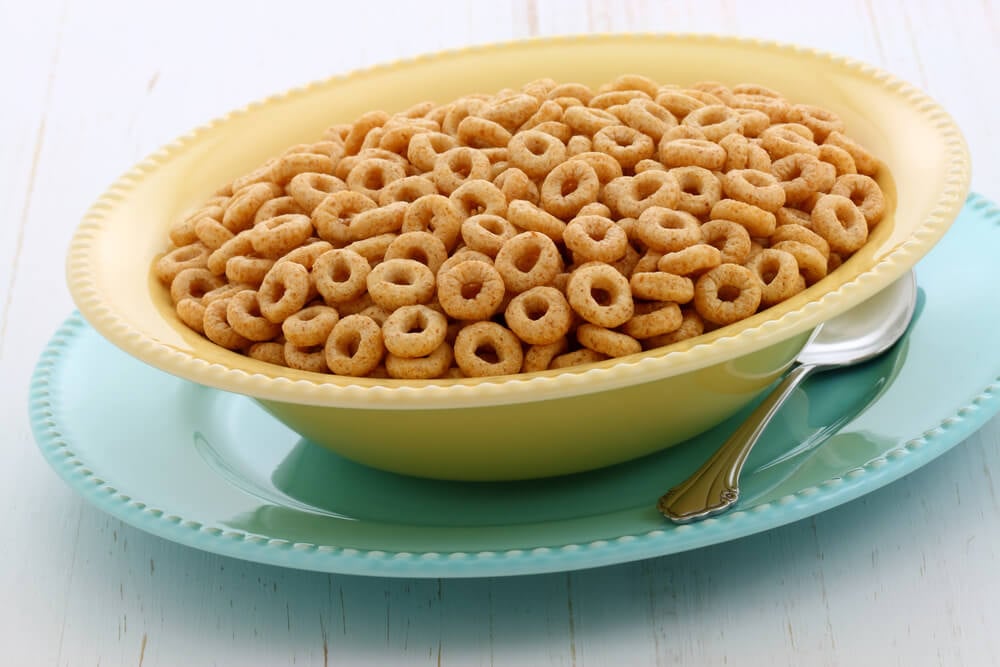
General Mills designed this cereal to replicate the flavor and shape of actual doughnuts, offering it in Glazed and Chocolate varieties. The high sugar content and novelty-driven sales eventually caught up with it, and General Mills discontinued the line after a short run.
Cracker Jack Cereal
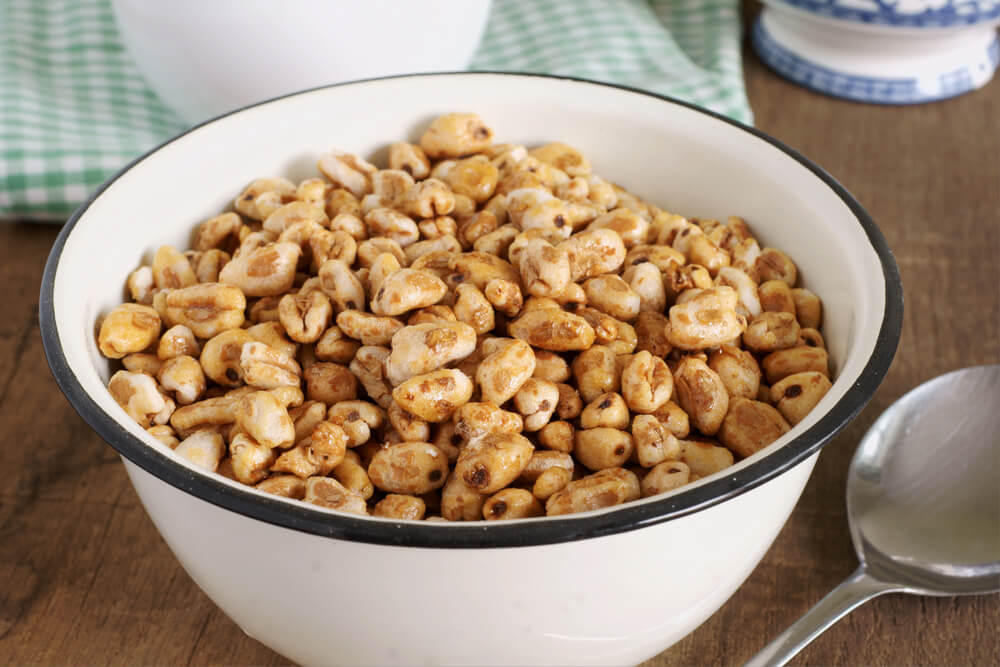
Borden extended the century-old Cracker Jack candy brand into cereal form during the 1980s, briefly giving the caramel-corn snack a breakfast-table equivalent. The tie-in never matched the popularity of the original snack and was discontinued within a few years.
When the Box Mattered More Than the Bowl

None of these cereals survived because the flavor itself was rarely the point. A box built around a movie, a video game character, or a cartoon mascot had a shelf life tied to that trend, and once the tie-in faded, the cereal usually followed within a year or two. Manufacturers understood this trade-off and kept churning out new licensed products anyway, because a cereal aisle full of familiar characters sold boxes even if most of them barely lasted a season.
What lingers isn’t really the taste, which most people who ate these cereals as children can’t accurately recall anyway. It’s the specificity of the memory: a particular mascot, a jingle, a marshmallow shape, a milk color. That level of detail is why unopened boxes of cereals like these now sell to collectors for real money, and why nostalgic listicles about them keep finding an audience decades after the last box left a shelf.
More from Go2Tutors!

- The Romanov Crown Jewels and Their Tragic Fate
- 13 Historical Mysteries That Science Still Can’t Solve
- Famous Hoaxes That Fooled the World for Years
- 15 Child Stars with Tragic Adult Lives
- 16 Famous Jewelry Pieces in History
Like Go2Tutors’s content? Follow us on MSN.