29 Fast Food Menu Items Quietly Discontinued
Fast food chains test and drop menu items constantly, but most exits happen without any announcement, a quiet disappearance from the board rather than a formal goodbye. Years later, the items that vanished this way tend to generate more online searching and nostalgia than anything still being sold.
McDonald’s Arch Deluxe
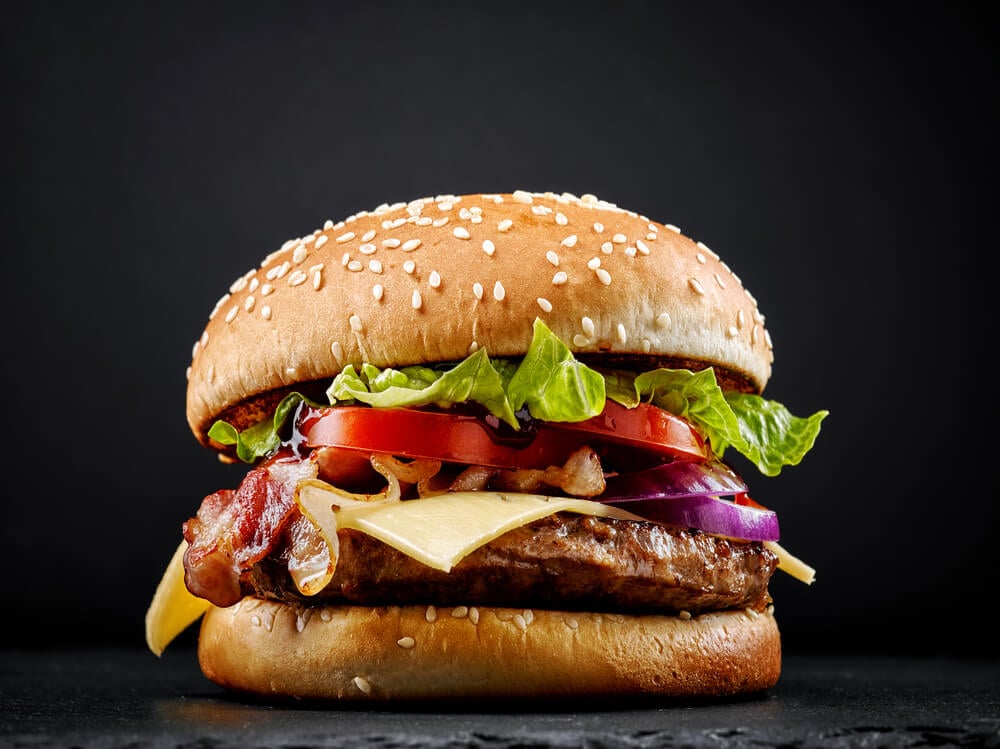
McDonald’s launched the Arch Deluxe in 1996 with one of the largest marketing budgets in fast food history, positioning the peppered-bacon burger with a distinct mustard-mayonnaise sauce as a more sophisticated option aimed at adult customers. The item failed to catch on with the chain’s core audience and was quietly pulled from menus within a couple of years, becoming one of the most frequently cited flops in fast food marketing history.
Taco Bell’s Enchirito
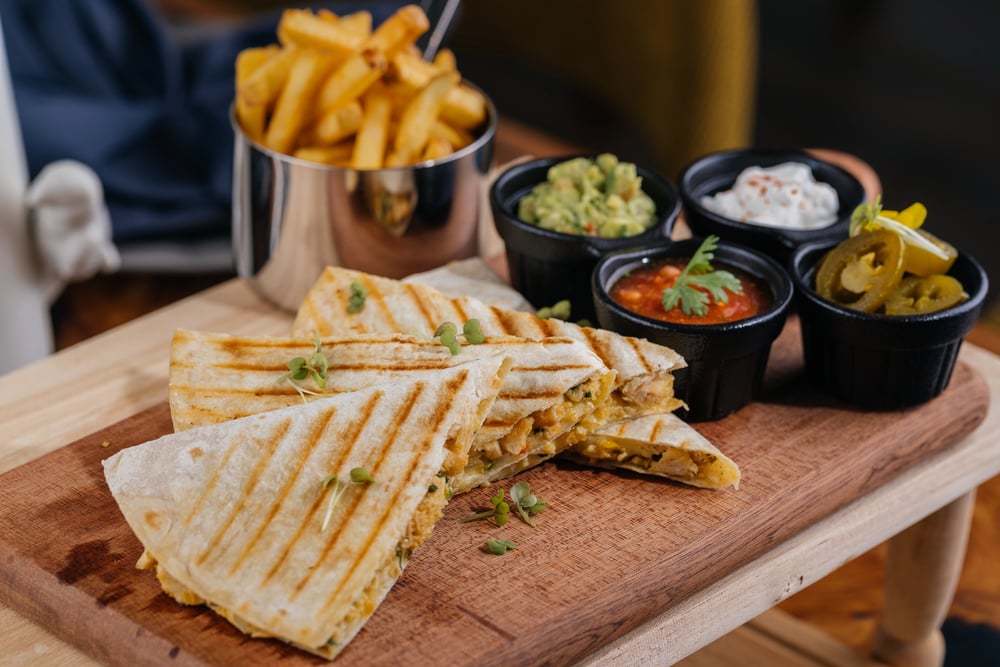
The Enchirito, a corn tortilla filled with beef and beans and topped with red sauce and melted cheese, was part of Taco Bell’s menu for decades before being discontinued in 2013 as part of a broader menu simplification effort. The item developed enough of a devoted following that online petitions have periodically circulated asking the chain to bring it back.
Burger King’s Satisfries
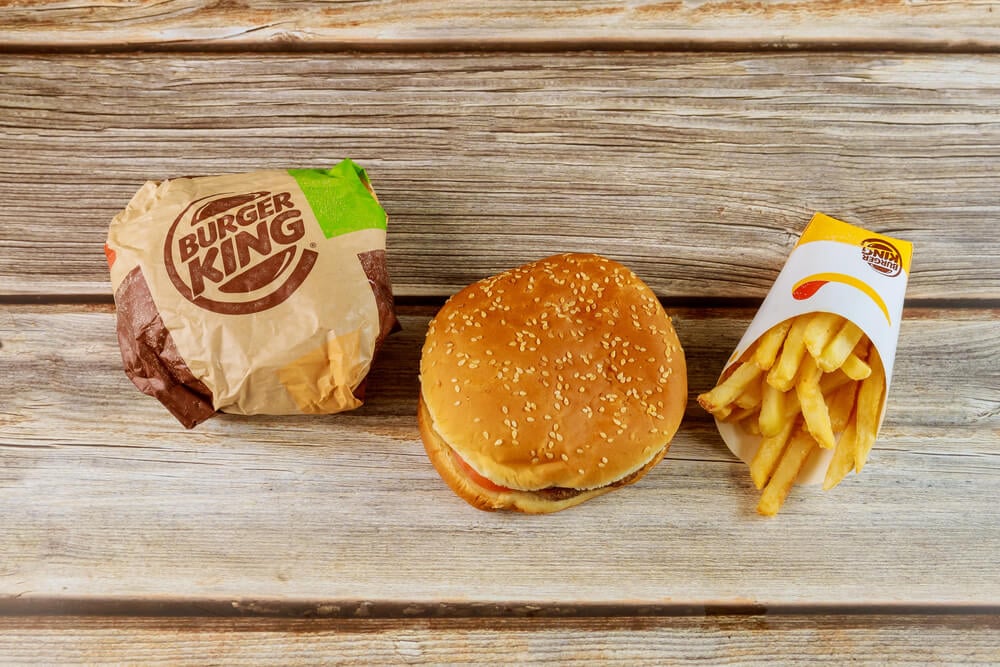
Burger King introduced Satisfries in 2013, marketed as a lower-fat, lower-calorie alternative to standard french fries thanks to a specially designed batter. The product was pulled from menus within about a year after sales failed to justify the added supply chain complexity of stocking a second fry option alongside the standard version.
Wendy’s SuperBar
Wendy’s operated a buffet-style SuperBar in many locations through the late 1980s and early 1990s, offering pasta, taco, and salad stations alongside the chain’s regular counter service. Rising food costs and sanitation concerns tied to self-serve buffet formats led most locations to phase the SuperBar out by the mid-1990s.
McDonald’s McPizza
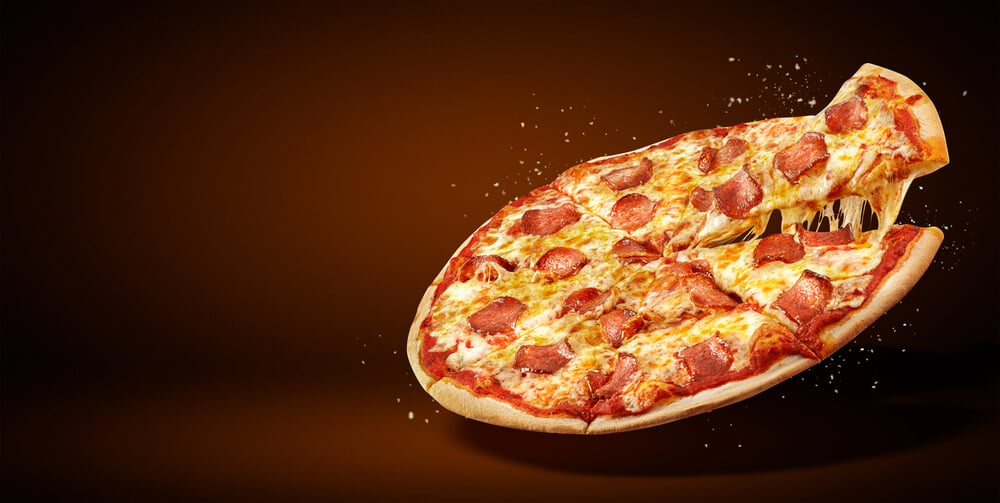
McDonald’s tested a full pizza menu, including personal and family-size pies, in select markets beginning in the late 1980s, requiring locations to install dedicated pizza ovens that slowed down kitchen operations considerably. The long cook time clashed with the chain’s core speed-focused business model, and the item was pulled from nearly all US locations by the early 2000s.
KFC’s Popcorn Chicken Bites
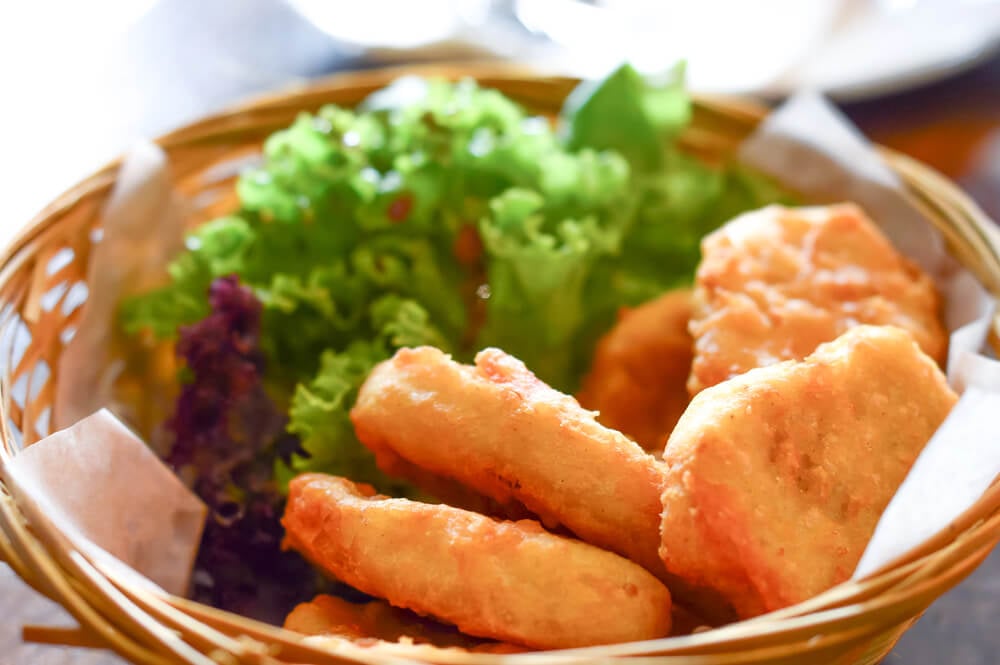
KFC’s original bite-sized Popcorn Chicken, introduced in the 1990s, was reformulated and rebranded several times over the following decades as the chain adjusted recipes and portion sizes to compete with similar items from other chains. Longtime customers frequently describe the earliest version’s specific breading and seasoning as noticeably different from the product sold under the same name today.
Burger King’s Yumbo
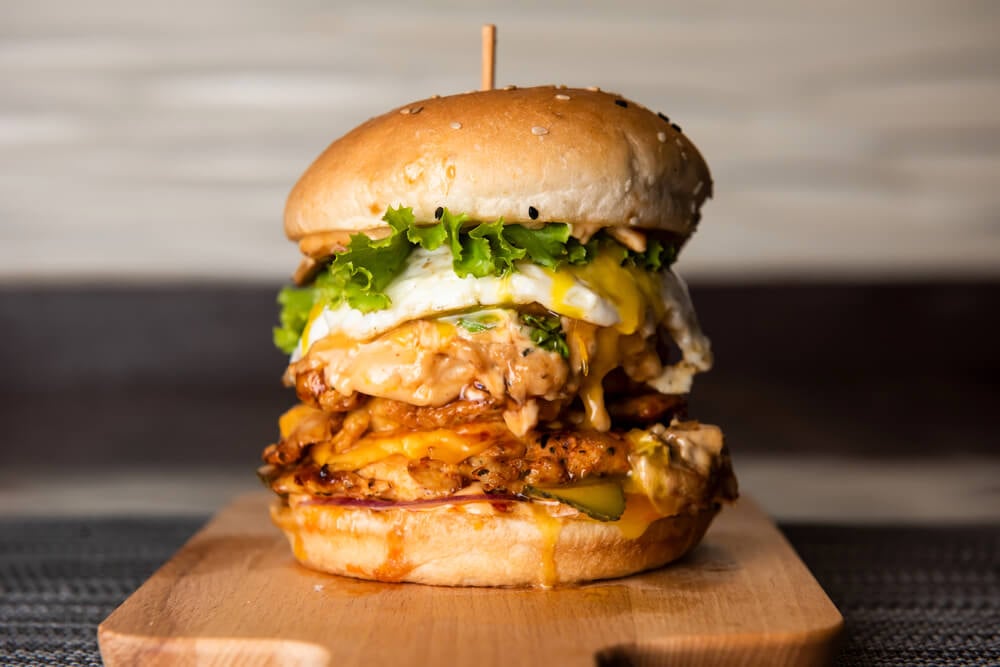
The Yumbo, a hot ham and cheese sandwich served on a toasted bun, was part of Burger King’s menu from the mid-1960s through the 1970s, predating many of the chain’s now-signature items. The sandwich was quietly dropped as the chain’s menu shifted more heavily toward beef-based offerings through the following decade.
Taco Bell’s Beefy Crunch Burrito
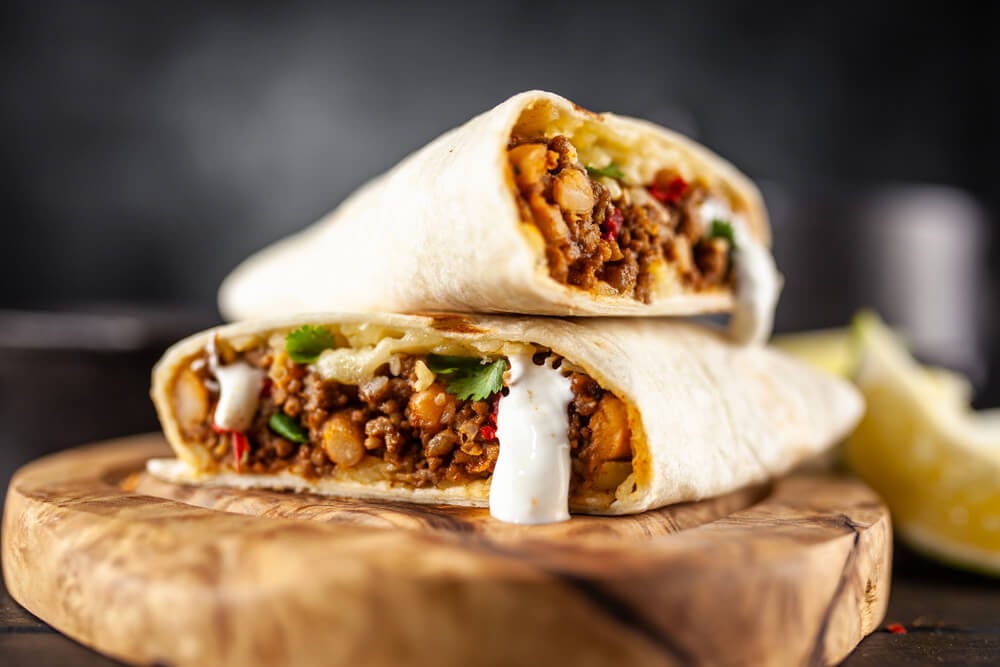
Taco Bell partnered with Frito-Lay to launch the Beefy Crunch Burrito in 2010, filling a flour tortilla with seasoned beef, rice, cheese, and crushed Flamin’ Hot Fritos for crunch. The item was discontinued after a limited run, but the partnership model it established led directly to several later collaborations between the two companies.
McDonald’s McDLT
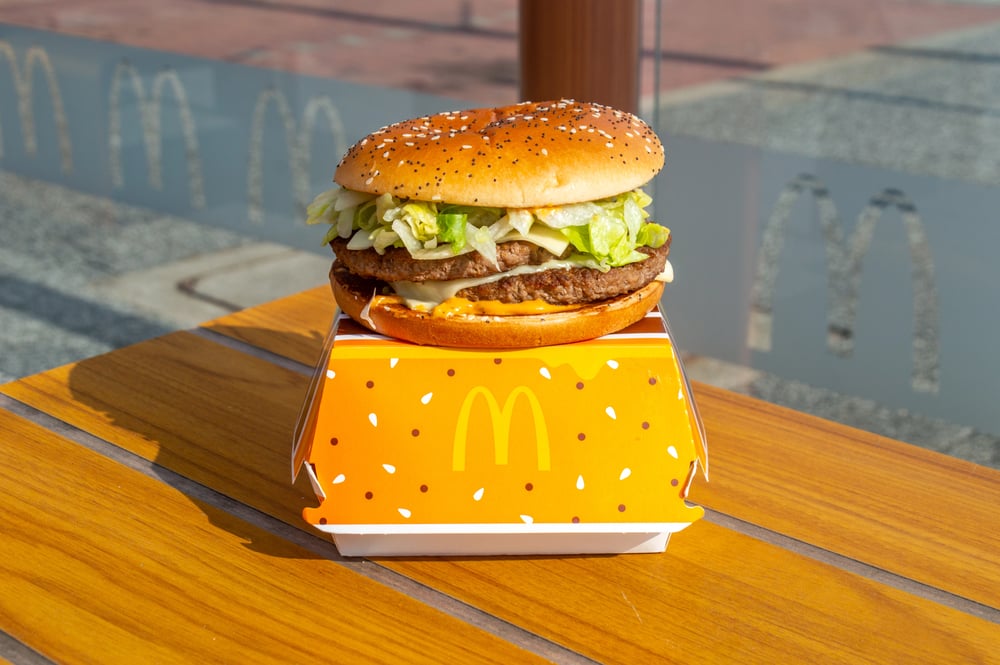
McDonald’s introduced the McDLT in 1984, packaged in a distinctive two-compartment foam container that kept the hot beef patty separate from the cold lettuce and tomato until the moment of assembly. Environmental criticism of the foam packaging, combined with the item’s underlying cost structure, led to its discontinuation by the early 1990s.
Wendy’s Fresh Stuffed Pitas
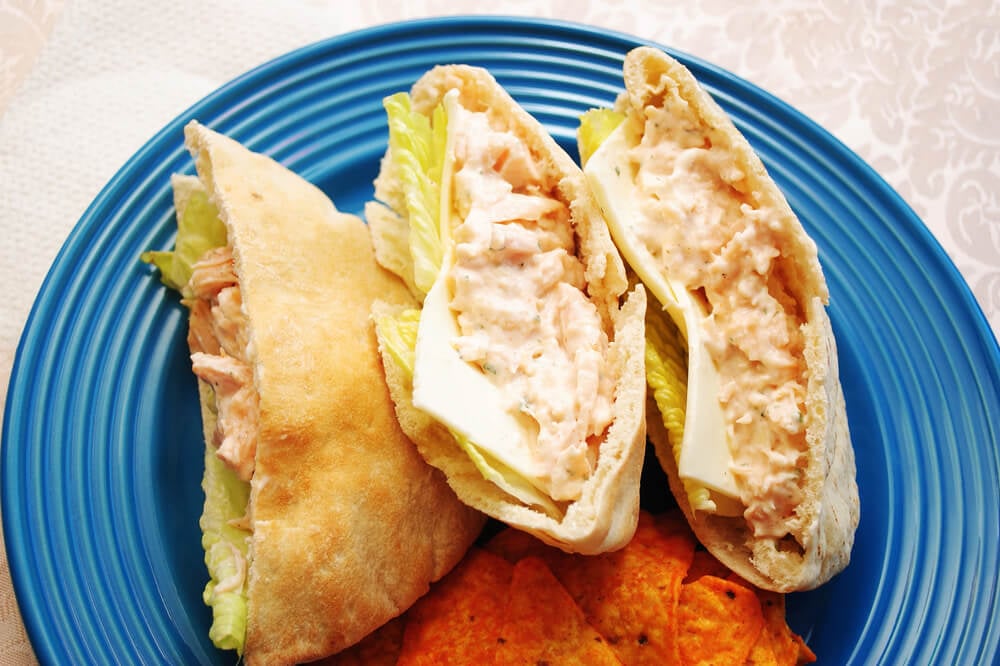
Wendy’s sold a line of Fresh Stuffed Pitas through the late 1990s, offering fillings like Garden Ranch Chicken and Classic Greek as an alternative to the chain’s standard burger lineup. The item required additional prep steps that slowed kitchen throughput, and it was phased out as the chain streamlined its menu in the early 2000s.
McDonald’s Hula Burger
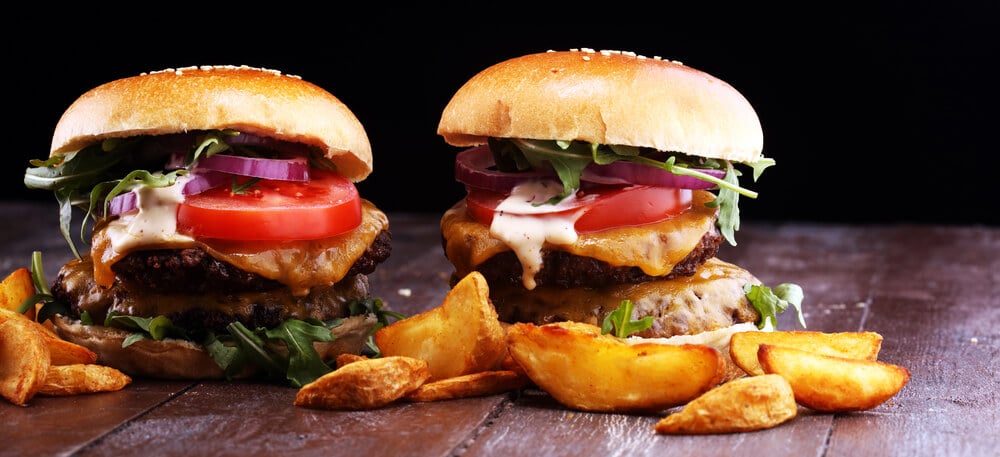
McDonald’s briefly tested the Hula Burger in the 1960s, a meatless sandwich built around a slice of grilled pineapple and cheese on a bun, developed as an alternative for Catholic customers avoiding meat on Fridays. The item was quickly outsold in internal testing by the Filet-O-Fish, which the company introduced around the same time and kept instead.
Taco Bell’s Meximelt
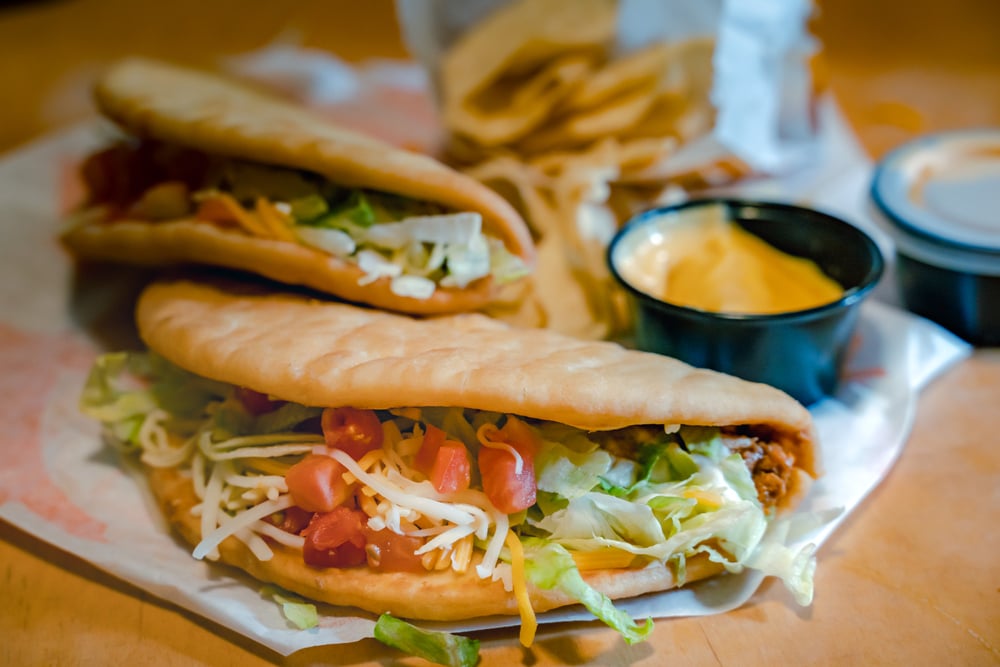
The Meximelt, a small tortilla topped with beef or chicken, melted cheese, and diced tomatoes, was a long-running Taco Bell menu item before being discontinued in a menu simplification round in the 2010s. Longtime fans have continued requesting the item’s return in customer feedback surveys for years after its removal.
McDonald’s McLean Deluxe
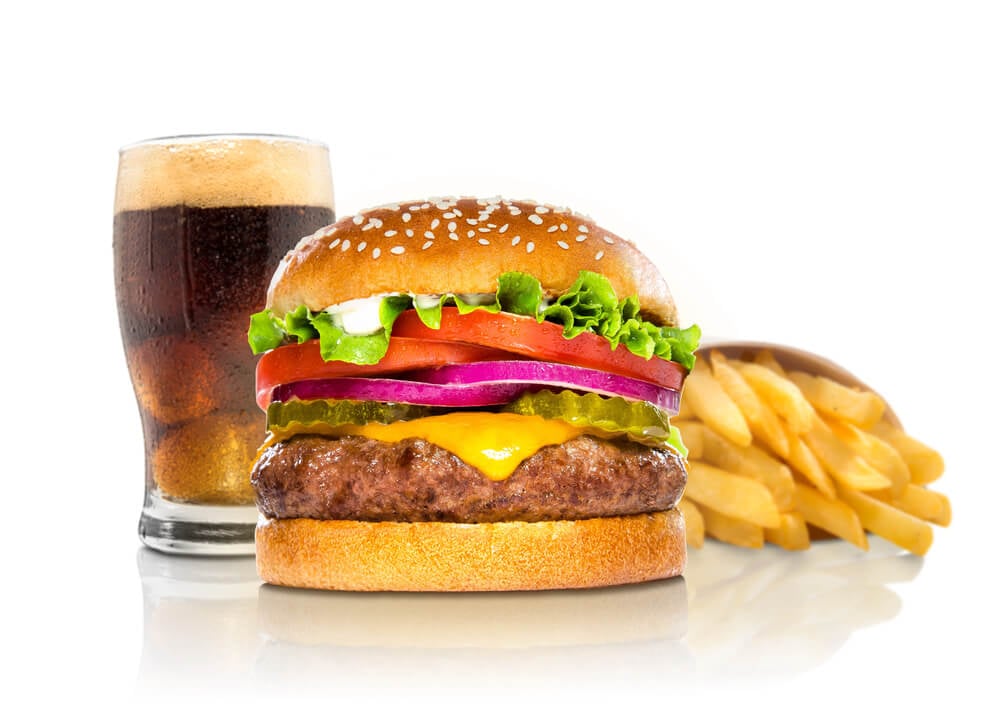
McDonald’s introduced the McLean Deluxe in 1991, a reduced-fat burger that used a seaweed extract called carrageenan to retain moisture in the leaner beef patty. Public skepticism about the ingredient list, combined with disappointing sales, led the chain to quietly discontinue the item within a few years.
Burger King’s Chicken Tenders (Original Recipe)
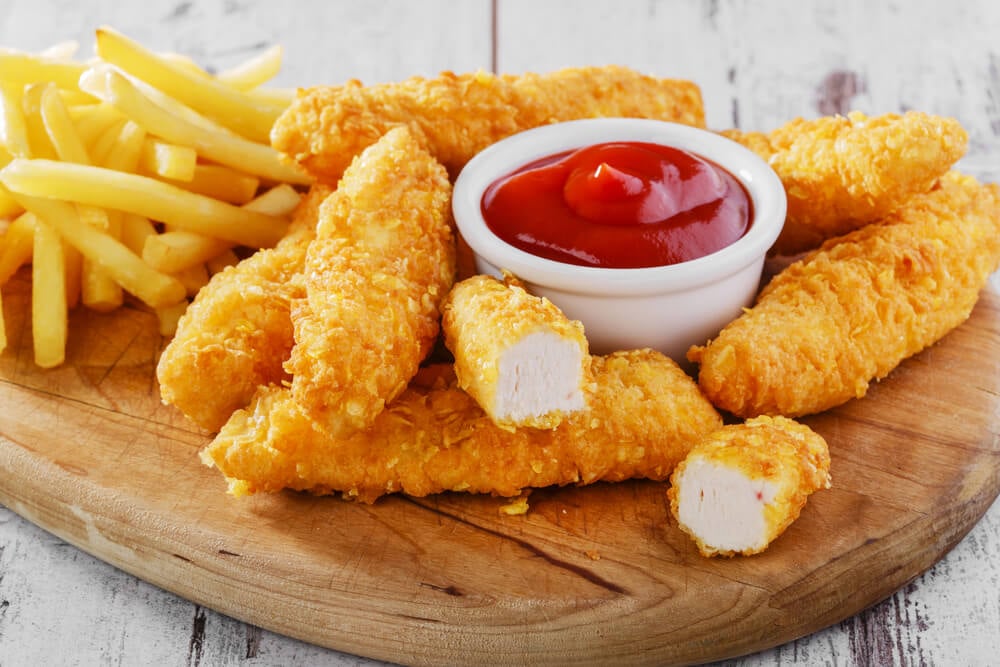
Burger King’s original Chicken Tenders recipe, introduced in the late 1980s, was reformulated multiple times over subsequent decades as the chain adjusted breading and sourcing to compete with rival tender products. Several rounds of recipe changes prompted enough customer complaints that the chain has periodically reintroduced limited-time “original recipe” tributes referencing the earlier formula.
Long John Silver’s Chicken Planks
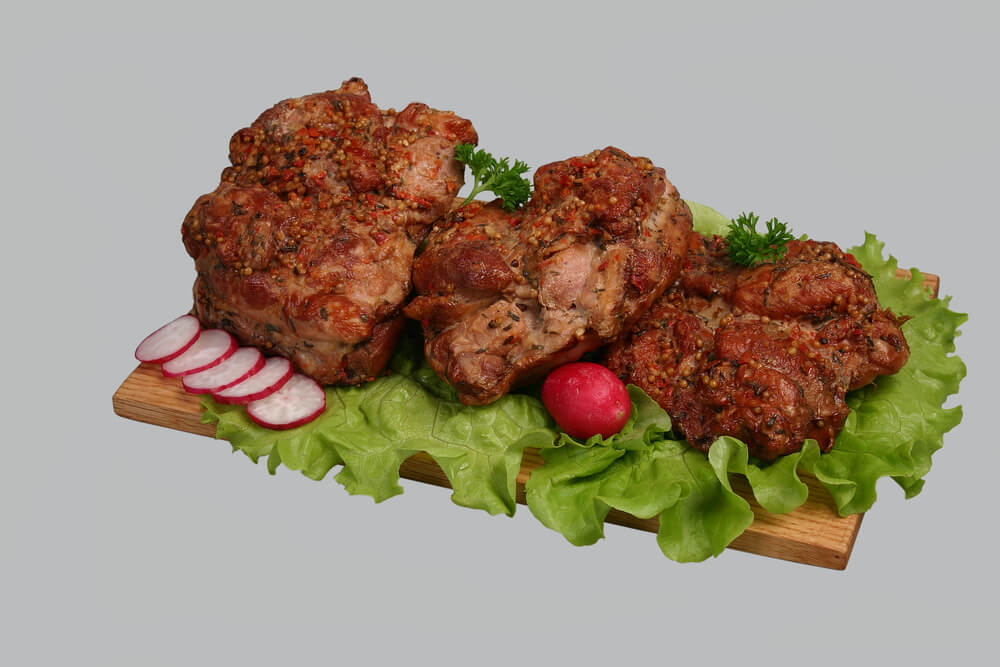
Long John Silver’s Chicken Planks, breaded chicken strips sold alongside the chain’s seafood offerings, were a menu staple for decades before being scaled back significantly as the chain narrowed its focus more heavily toward seafood in the 2010s. The item remains available in some markets but has lost the prominence it once held on the printed menu board.
McDonald’s Onion Nuggets
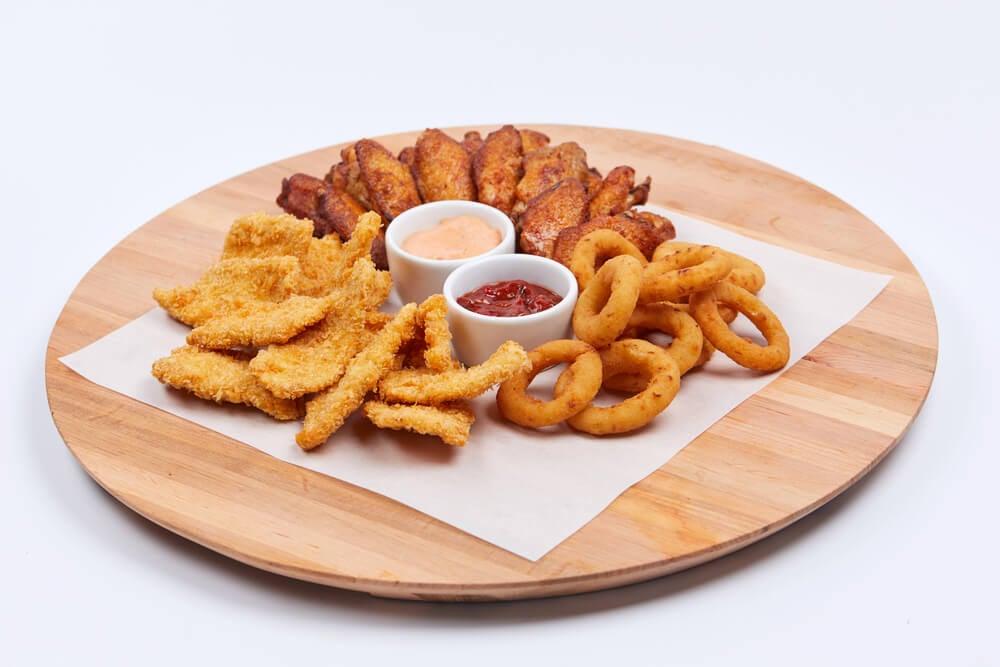
McDonald’s briefly sold Onion Nuggets, a breaded and fried onion product distinct from onion rings, as a side item in some markets during the 1970s. The product was discontinued relatively quickly and remains obscure enough that even longtime McDonald’s historians consider it one of the chain’s more forgotten side items.
Taco Bell’s Double Decker Taco
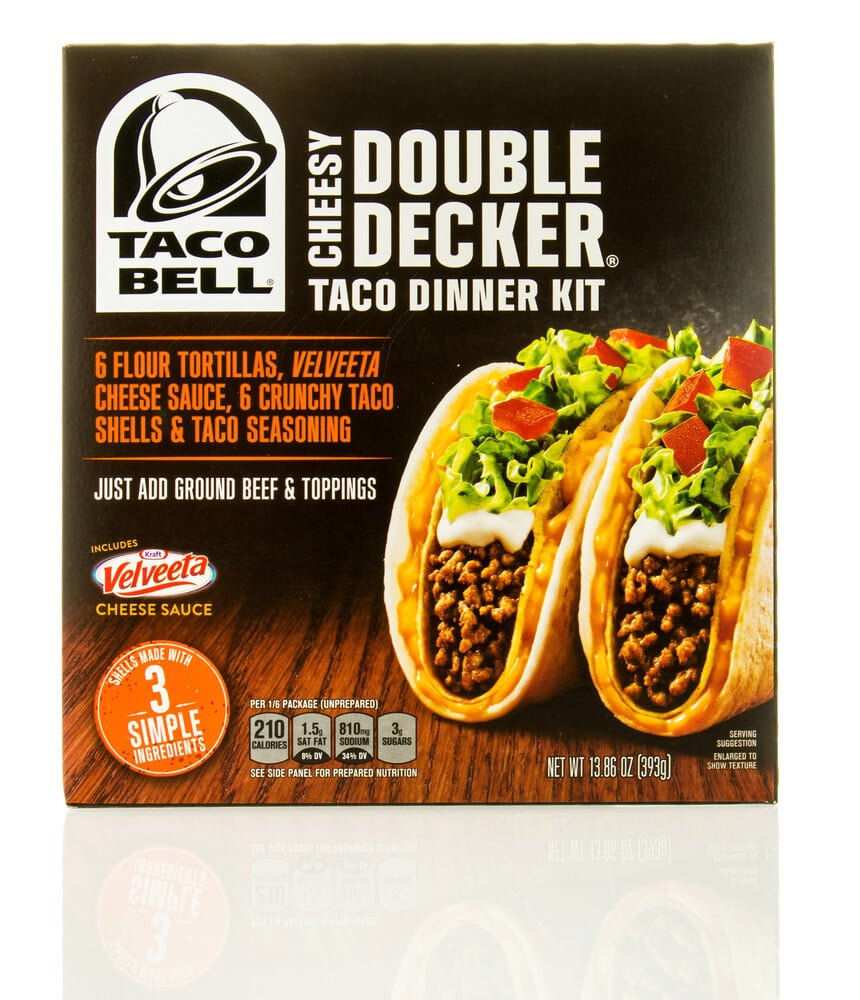
The Double Decker Taco, which layered a crunchy taco shell inside a soft tortilla spread with refried beans, was a Taco Bell menu staple for years before being discontinued in the mid-2010s as part of a broader menu restructuring. The item’s specific construction made it difficult to replicate exactly using other menu components, fueling ongoing customer requests for its return.
Arby’s Right Sizes
Arby’s introduced a limited kids’ meal line called Right Sizes in the 1990s, offering smaller portions of the chain’s standard roast beef sandwiches alongside a toy. The product line was discontinued as the chain restructured its children’s menu offerings in subsequent years, folding smaller portions into a more standard kids’ meal format.
McDonald’s Big N’ Tasty
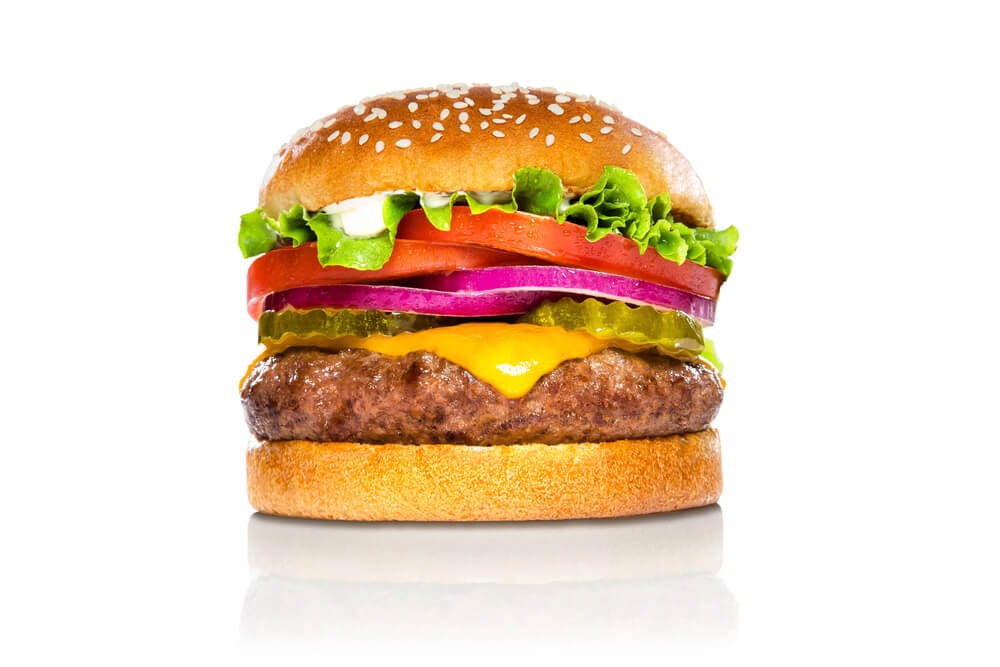
The Big N’ Tasty, a quarter-pound beef burger topped with lettuce, tomato, and a mayonnaise-based sauce, was introduced in 1997 as a promotional item that later became a limited permanent menu addition in some markets. Regional availability varied significantly, and the item was eventually folded into broader burger lineup changes rather than staying as a standalone national offering.
KFC’s Chicken Little Sandwiches
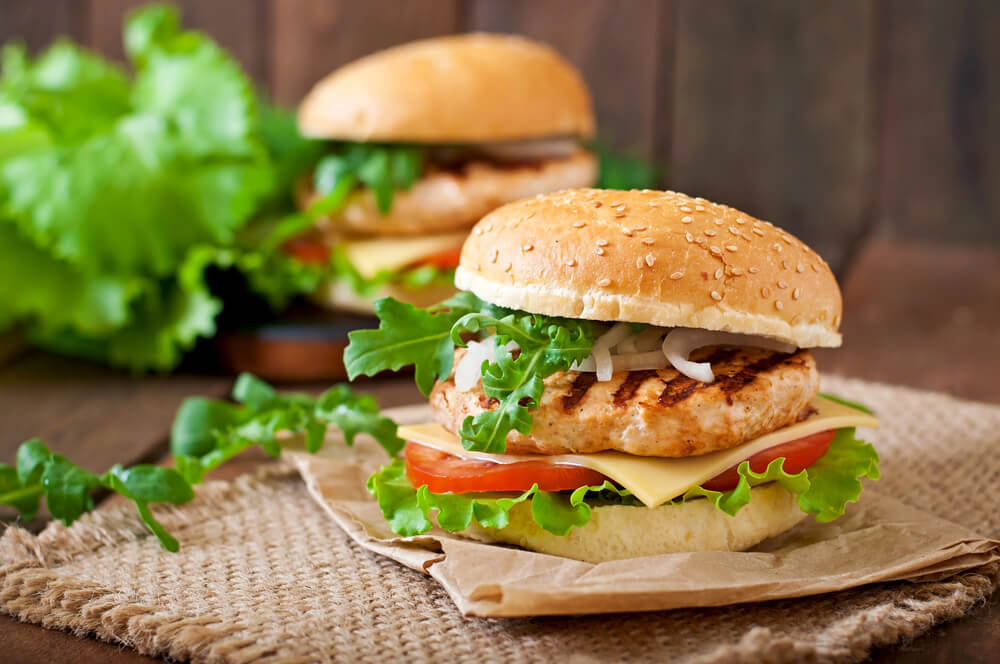
KFC’s original Chicken Little sandwiches, small breaded chicken patties on dinner rolls, were a budget-priced menu item for decades before being replaced by the larger Snacker sandwich line in the mid-2000s. The rebranding effectively retired the smaller original format even though similarly sized replacements continued under different naming.
Taco Bell’s Volcano Menu
Taco Bell’s Volcano menu, featuring a spicy lava sauce across items like the Volcano Taco and Volcano Burrito, launched in 2009 as a limited-time promotion built around a distinctly orange, intensely spicy sauce. The line was discontinued after its promotional run ended, though the chain has periodically revived similar spicy sauce concepts under different branding since.
McDonald’s Fried Apple Pie
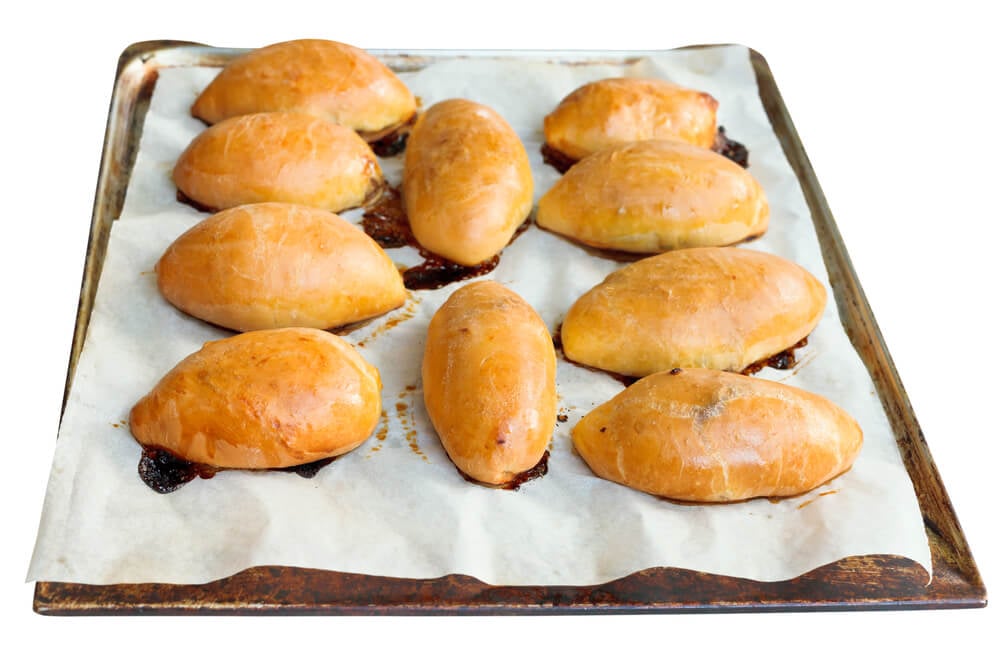
McDonald’s sold a deep-fried version of its apple pie for decades before transitioning to a baked version in most US markets during the 1990s, citing health concerns tied to frying oil. The change proved controversial enough among longtime customers that some international markets continued selling the fried version long after it disappeared domestically.
Wendy’s Salad Bar
Wendy’s operated an in-store salad bar option at many locations from the early 1980s through the 1990s, allowing customers to build their own salads and toppings directly at the counter. Sanitation regulations and the added labor cost of maintaining a self-serve station led most locations to phase the format out in favor of pre-packaged salads.
Burger King’s French Toast Sticks Predecessor
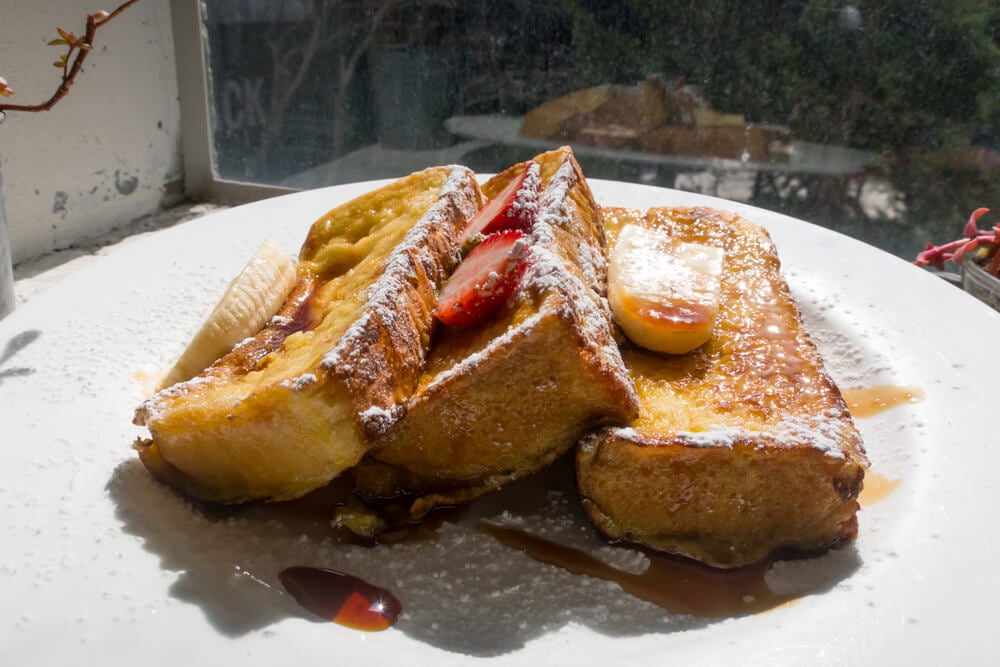
Before settling on the French Toast Sticks still sold today, Burger King briefly tested several earlier breakfast pastry concepts in the 1980s that were reformulated repeatedly before the chain found a version that stuck on the national menu. Several of those early test items never made it past regional markets before being scrapped entirely.
McDonald’s McSalad Shaker

McDonald’s introduced the McSalad Shaker in the late 1990s, a salad served in a clear plastic cup designed to be eaten by shaking dressing throughout the contents while driving. The novelty packaging generated significant early buzz, but the item was discontinued within a few years as the chain shifted toward standard bowl-based salad packaging.
Taco Bell’s Caramel Apple Empanada
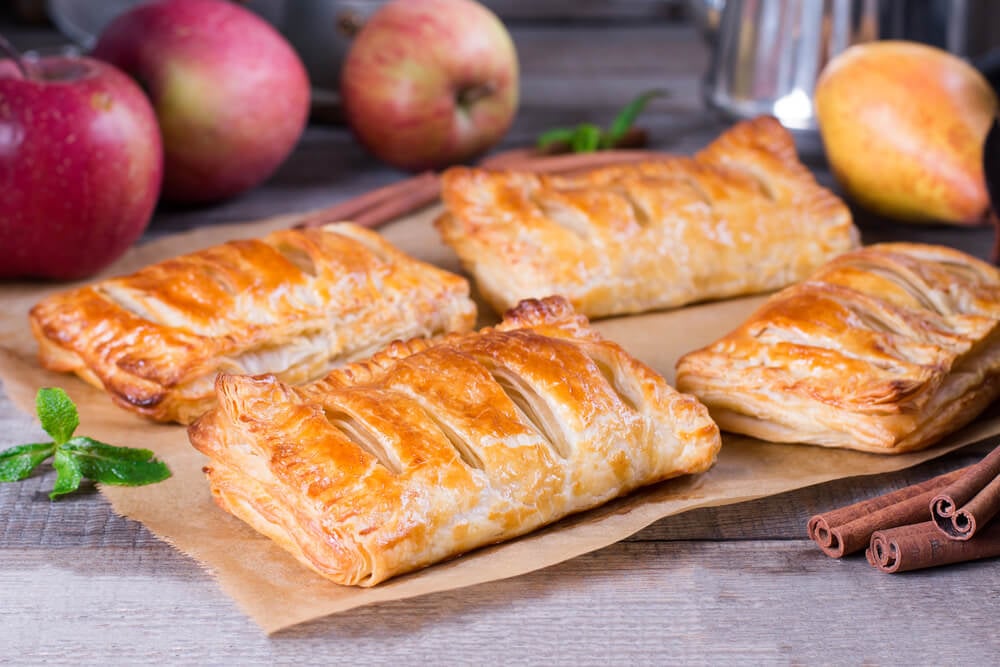
Taco Bell’s original Caramel Apple Empanada, a fried pastry filled with caramel and apple, was discontinued in some markets in the mid-2010s and replaced periodically with different dessert offerings as the chain rotated its limited dessert lineup. Regional availability of the item has fluctuated considerably since, with some markets losing access entirely while others retained it.
KFC’s Toasted Wraps
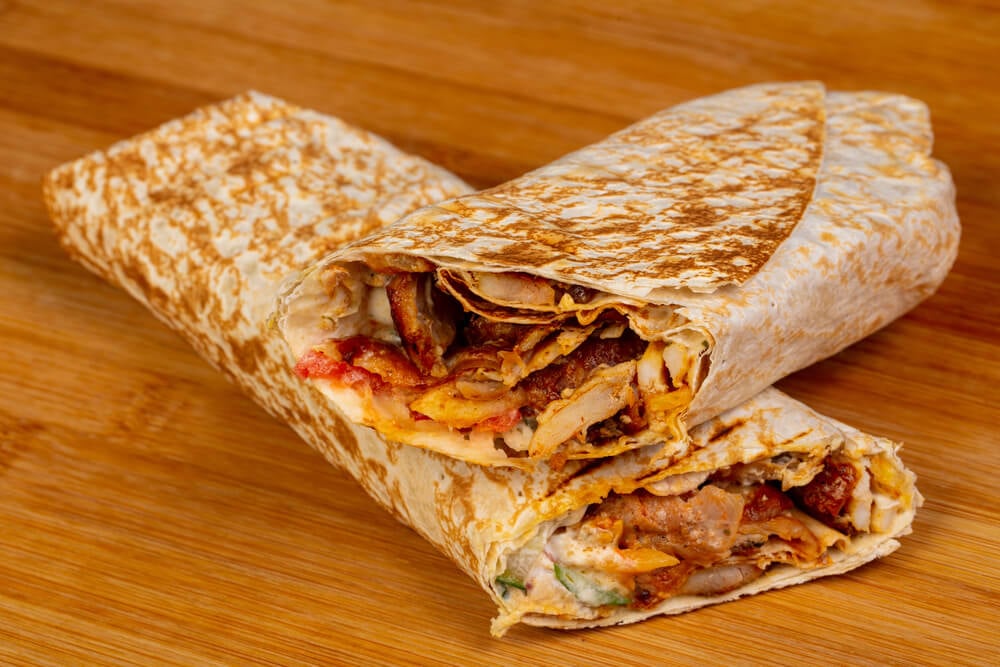
KFC’s Toasted Wraps, which paired seasoned chicken strips with lettuce and sauce in a grilled flour tortilla, were a long-running menu staple before being quietly dropped from the standard national menu in the 2010s as the chain consolidated its lineup around a smaller set of core items. Some franchise locations have continued offering variations under different naming despite the official menu change.
McDonald’s Chicken Selects
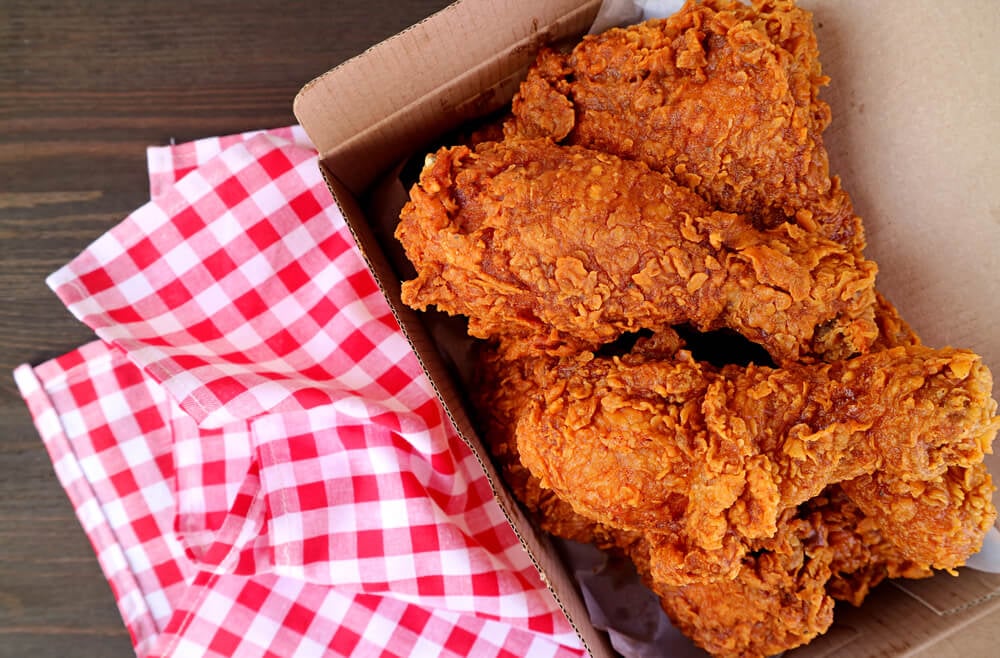
McDonald’s introduced Chicken Selects, a premium all-white-meat chicken strip line, in 2005 as a step above the standard Chicken McNuggets. The product was discontinued nationally by 2013, and customer requests for its return have remained persistent enough that the chain has periodically referenced the demand in later product development discussions.
Wendy’s Pick Up Window Value Items
Wendy’s ran a rotating set of deep-value menu items through much of the 1990s that were priced and marketed specifically around drive-through convenience before being consolidated into the chain’s standard value menu structure in the early 2000s. The specific rotating lineup from that earlier era has largely been forgotten in favor of the more permanent value menu that replaced it.
The Menu Board as a Historical Record

Almost none of these items were failures in any objective sense; most simply cost more to keep stocked than they earned back once a chain’s supply chain, labor costs, or marketing priorities shifted. What actually decides whether a fast food item survives usually has less to do with taste and more to do with how efficiently it fits into a kitchen built to move quickly.
The persistent online campaigns asking chains to revive specific discontinued items say something about how much emotional weight a fast food order can carry. Rarely is anyone actually petitioning for the food itself so much as for the specific moment in their life the food happened to be part of.
More from Go2Tutors!

- The Romanov Crown Jewels and Their Tragic Fate
- 13 Historical Mysteries That Science Still Can’t Solve
- Famous Hoaxes That Fooled the World for Years
- 15 Child Stars with Tragic Adult Lives
- 16 Famous Jewelry Pieces in History
Like Go2Tutors’s content? Follow us on MSN.



