29 Foods That Were Banned in Certain Countries for Reasons That Seem Absurd Today
Every country draws its own lines around what can be eaten, sold, or even carried across its borders — and those lines don’t always reflect careful scientific reasoning. Some food bans started as genuine public health measures that outlasted the problems they solved.
Others were regulatory accidents, political gestures, or the result of one particularly vocal official who really didn’t like a particular fruit. The result is a global patchwork of food laws that makes perfect sense when you’re inside it and sounds increasingly strange the further away you get.
These are 29 of the best examples: real bans, real countries, and reasons that range from overcautious to genuinely baffling.
Kinder Surprise Eggs — United States
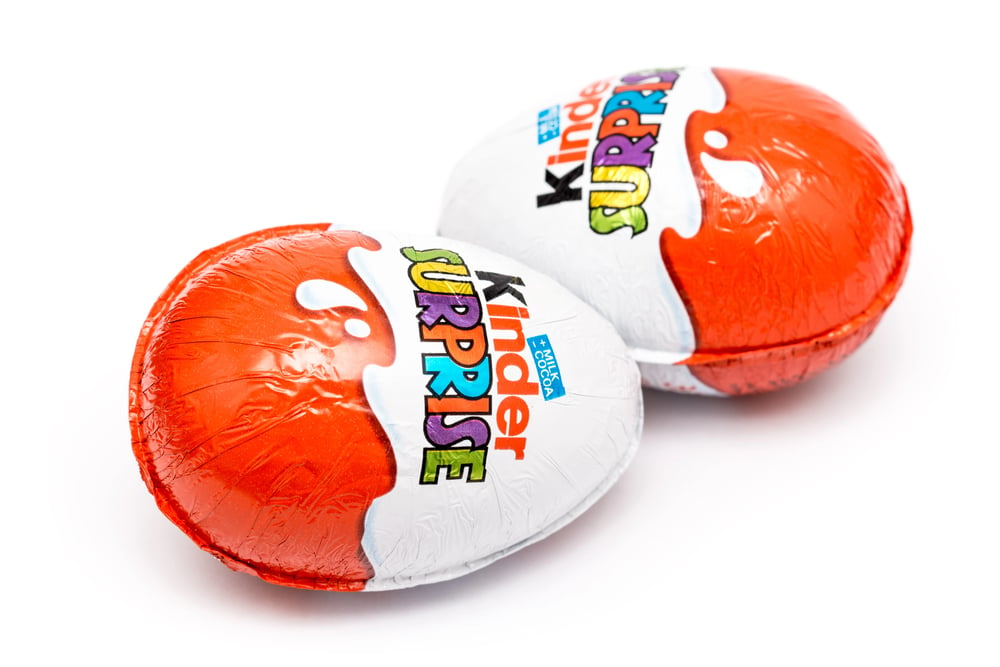
Ferrero’s Kinder Surprise — a chocolate egg with a small toy capsule inside — has been sold in more than 170 countries since 1974 without any notable wave of catastrophe. In the United States, it’s been banned since 1938 under a law prohibiting non-food items from being embedded inside food, specifically to prevent choking.
US Customs agents have actually confiscated Kinder eggs from travellers crossing from Canada. Ferrero eventually introduced the Kinder Joy as a workaround — the toy and the chocolate come in separate compartments — which American authorities accepted, presumably satisfied that the egg-shaped product no longer posed a civilisational threat.
Haggis — United States
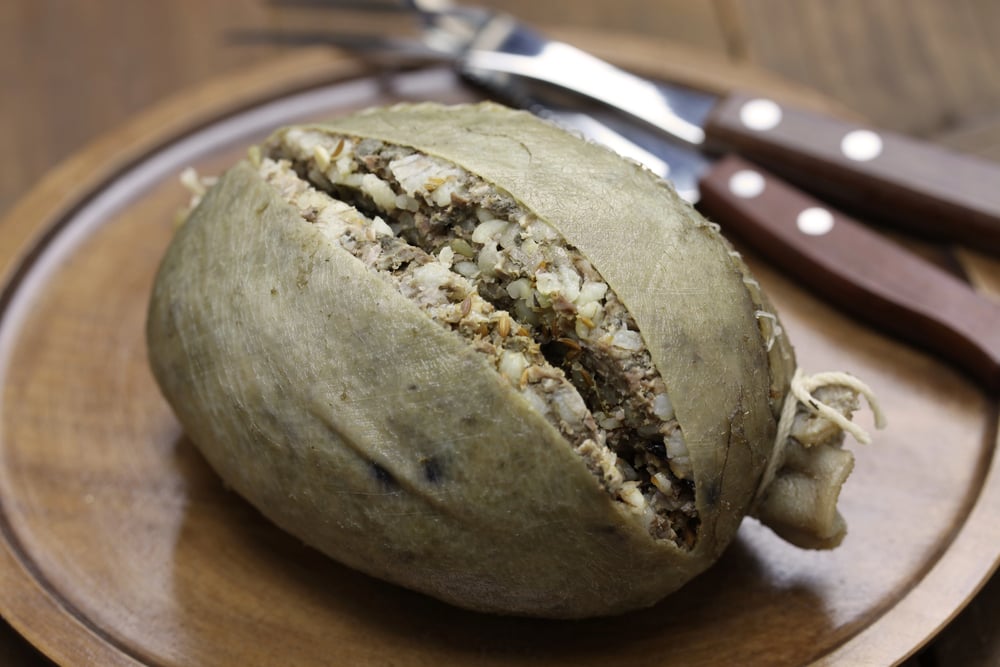
Scotland’s national dish — made from sheep liver, heart, and lung, mixed with oatmeal, onions, and spices and traditionally cooked in a stomach casing — has been effectively banned in the United States since 1971, when the FDA prohibited livestock lungs from human food products. Scots consider the ban baffling; haggis has been eaten for centuries without incident.
The lung rule doesn’t single out haggis specifically — it bans the lung content in any traditional dish, which technically affects Eastern European, Latin American, and Asian recipes as well, but haggis is the one that gets the headlines.
Chewing Gum — Singapore
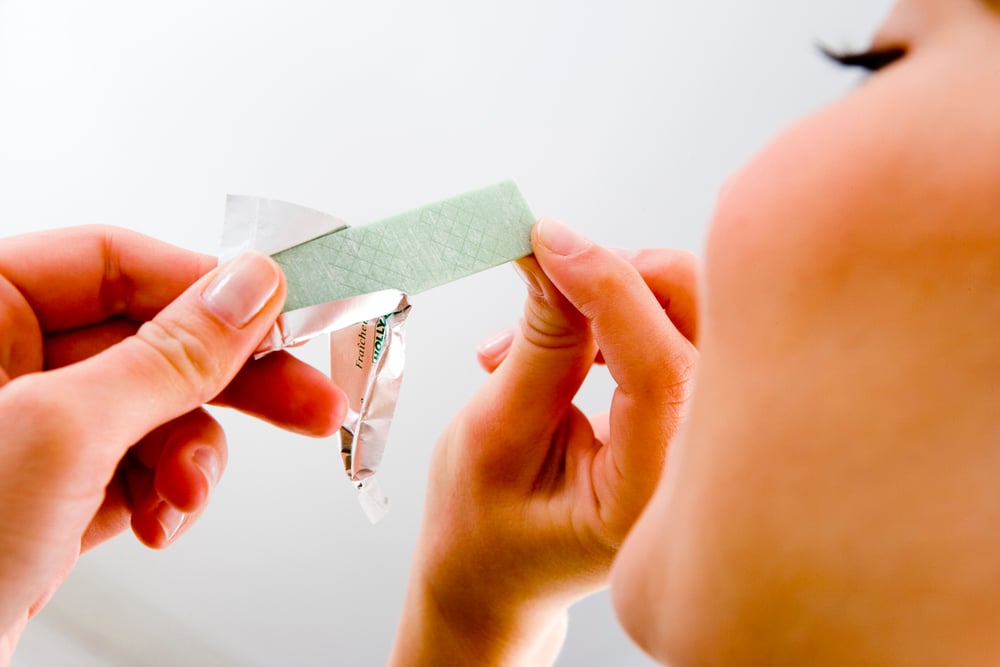
Since 1992, Singapore has enforced a strict ban on the sale and import of chewing gum, initially motivated by complaints about gum being stuck to subway door sensors, keyholes, and public surfaces. The rule was slightly relaxed in 2004 to allow therapeutic gum — nicotine gum and dental gum — prescribed by doctors and dentists, but recreational chewing gum remains off the table.
The ban works: Singapore’s public spaces are notably cleaner than most cities of comparable size. Whether the relationship between cleanliness and the gum ban is causal or correlational is a question Singaporeans are not particularly interested in debating.
Absinthe — Multiple Countries (1900s–2007)
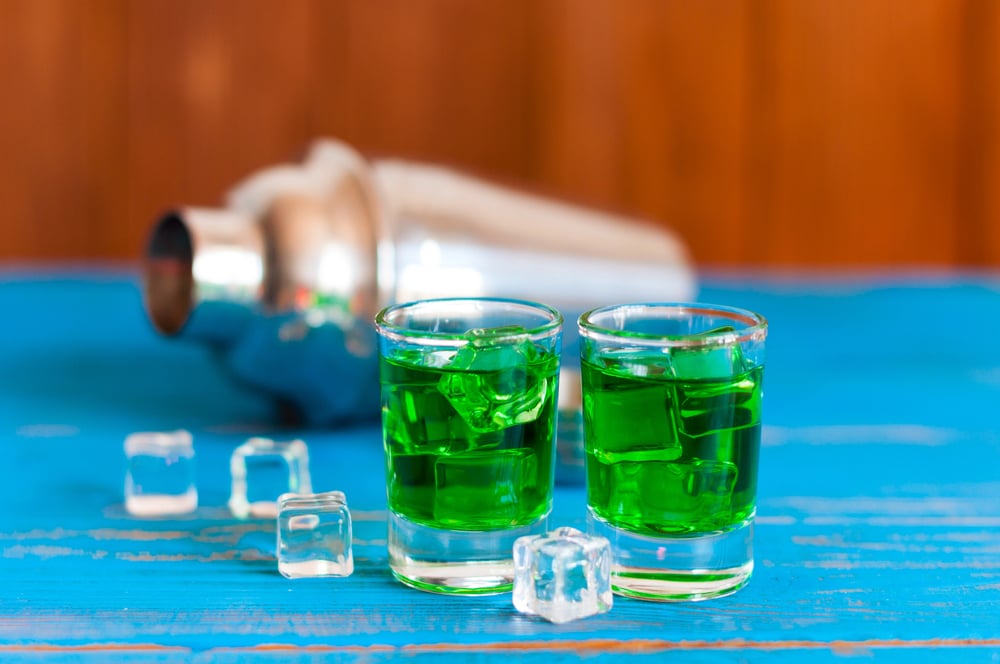
For nearly a century, absinthe was banned in France, the United States, and much of Europe on the grounds that its key botanical ingredient, wormwood, contained a compound called thujone that caused hallucinations, psychosis, and erratic violence. The 19th-century campaign against absinthe was partly moral panic and partly the lobbying success of the French wine industry, which wanted a popular competitor off the market.
Modern analysis found that the thujone content in historical absinthes was far too low to cause the effects described. The US lifted its ban in 2007, and absinthe is now legal in most countries.
Raw Milk — Canada, Scotland, and Others
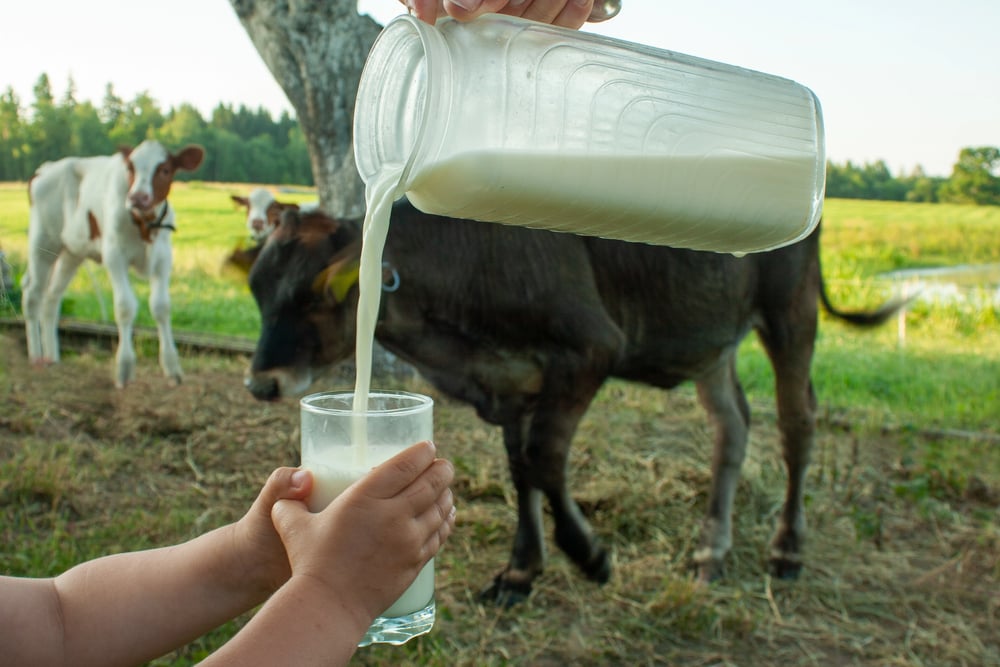
The sale of unpasteurized milk is banned at the federal level in Canada and restricted or prohibited in significant portions of the United States and parts of Europe. The case for the ban is real: raw milk can harbour E. coli, Listeria, Campylobacter, and Salmonella, and the CDC links it to thousands of illnesses annually.
The case against the ban is also real: raw milk advocates argue that pasteurisation changes flavour and destroys beneficial enzymes, and that the risk level is comparable to other foods that aren’t regulated this heavily. The standoff continues largely because both sides are partially right.
Marmite — Denmark
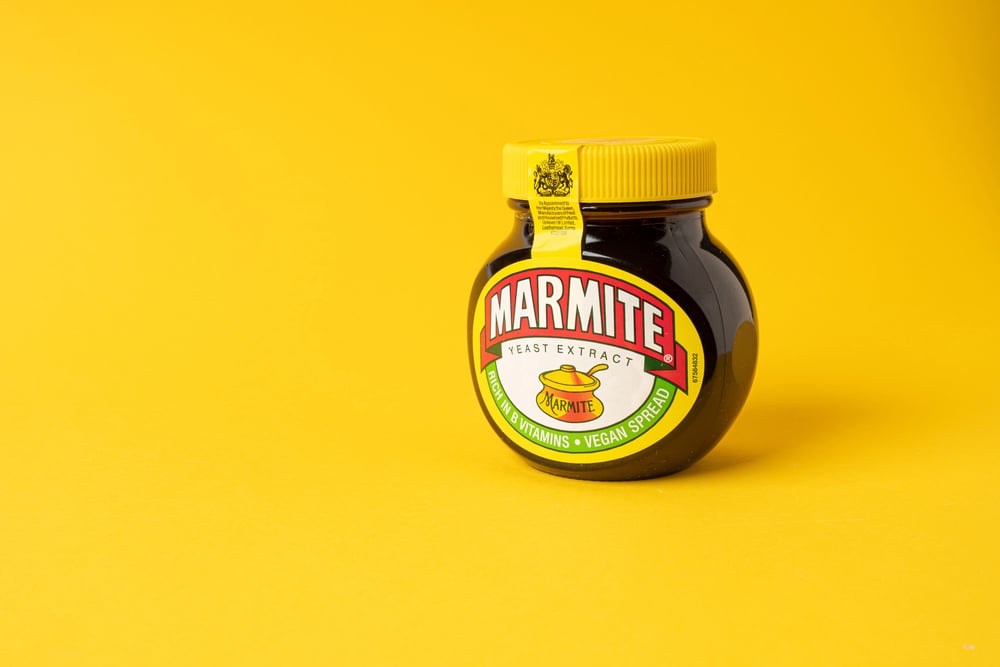
Denmark banned Marmite in 2011, not because of any specific health concern with the product itself, but because of a rule requiring that fortified foods — products with added vitamins or minerals — must receive approval from the Danish food authorities before being sold. Marmite contains added B vitamins and folic acid, which pushed it into the “fortified food” category and out of Danish supermarkets.
Vegemite and Ovaltine were removed for the same reason. Kraft Foods reportedly checked whether they should send a personal care package to Denmark’s Australian-born Princess Mary, who was presumably also affected.
Sassafras Root Beer — United States
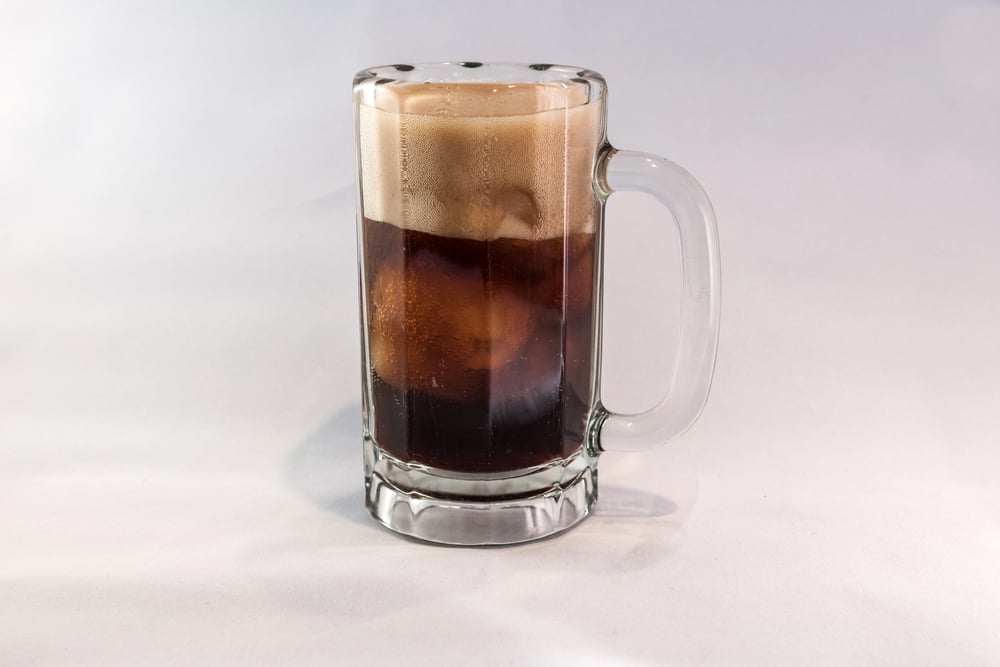
Sassafras root was the original flavouring agent in American root beer and was used in herbal medicine across the Appalachian south for generations. The FDA banned it from commercial food products in 1960 after studies found that safrole — a compound in sassafras oil — caused liver damage and tumours in lab rats.
The quantities used in rat studies were vastly higher than any human would consume in root beer, but the FDA applied its standard precautionary approach. You can technically brew sassafras tea for personal use, which makes it one of the few substances in America that’s legal to make at home but not legal to buy.
Foie Gras — California, Germany, Israel, India, and Others
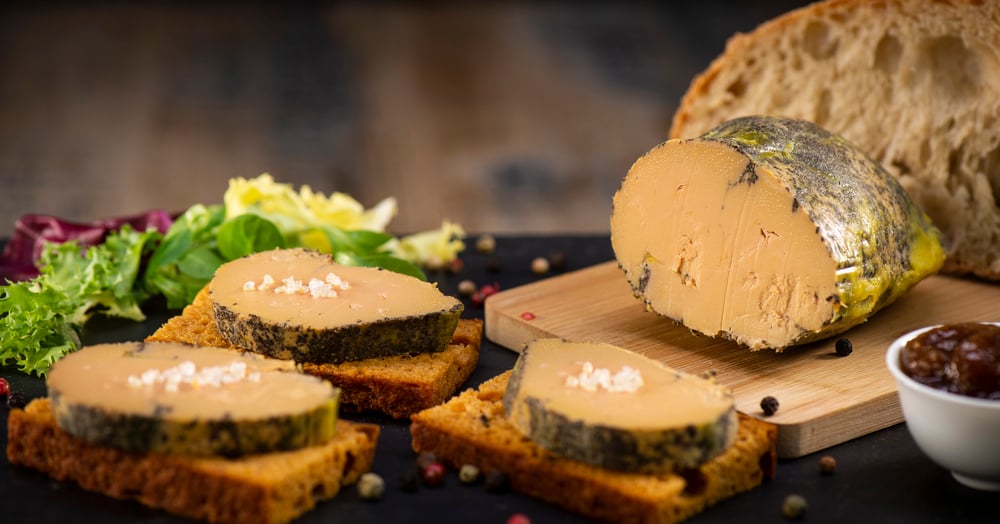
Foie gras — the enlarged liver of a duck or goose, produced by force-feeding — has been banned or restricted in a significant number of jurisdictions on animal welfare grounds. California’s ban has been through multiple court challenges and reversals since it was first enacted in 2004. Germany, Switzerland, and Israel ban its domestic production. India prohibits its import.
The arguments on each side — culinary tradition and the legitimacy of farming practices versus documented stress on the birds — have not changed materially since the debate began. The bans reflect a genuine moral disagreement rather than a regulatory overreach.
Raw Milk Cheeses (Under 60 Days) — United States
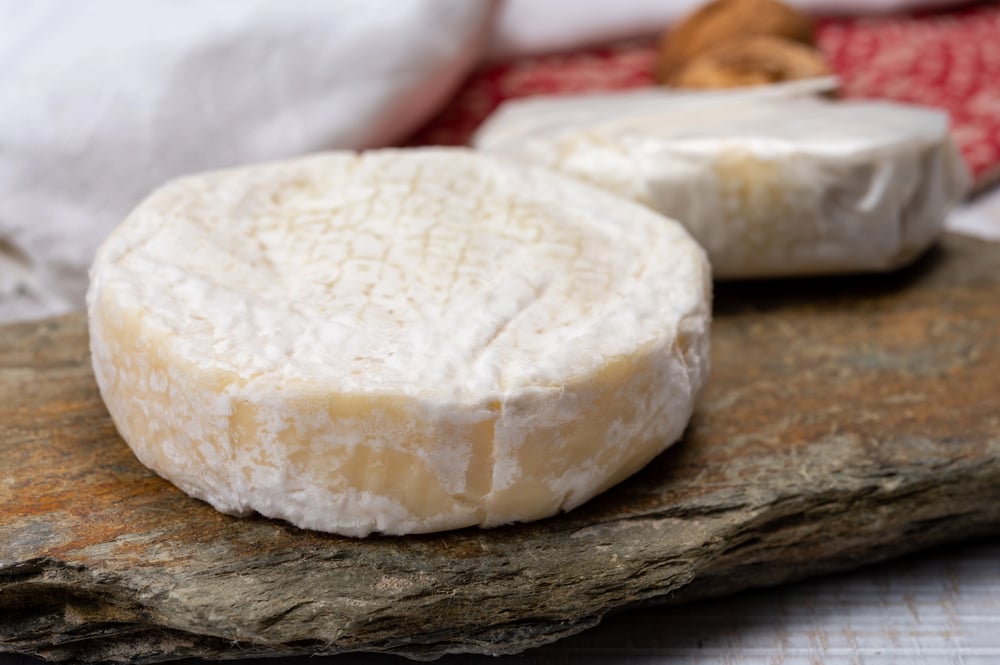
American food regulations require that imported cheese be made from pasteurised milk or aged for at least 60 days, effectively banning young versions of many classic French cheeses — young Brie, young Camembert, fresh Roquefort — in their authentic form. French cheesemakers regard the 60-day rule as regulatory barbarism. American food authorities regard it as public health.
The result is that Americans eating “Brie” at most supermarkets are eating a product that bears a significant flavour resemblance to what they would eat in Paris and almost no structural one.
Red Bull — France, Denmark, and Norway (Until 2008)
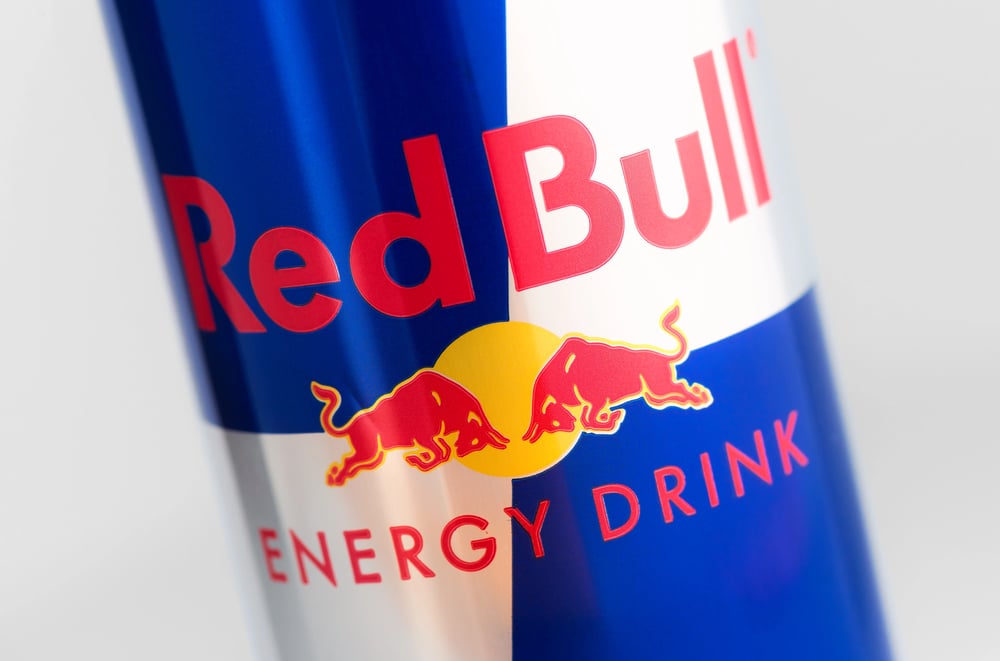
France, Denmark, and Norway banned Red Bull for roughly twelve years on concerns about taurine, an amino acid in the drink. Red Bull’s own materials pointed out that the human body naturally contains vastly more taurine than a single can provides.
In 2008, the European Food Safety Authority determined there was no evidence of health risk from taurine at the levels used in energy drinks, and the bans were lifted. Red Bull went on to become one of the most consumed beverages in Europe.
Durian (In Public) — Singapore and Thailand
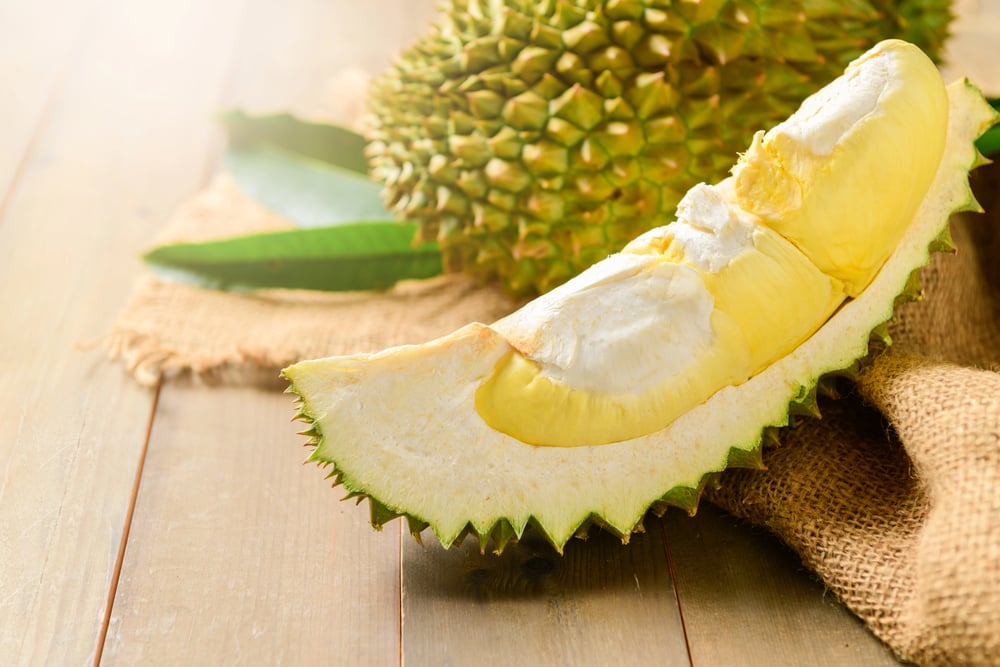
The durian is widely described as the most pungent fruit in the world — its smell has been compared variously to raw onions, turpentine, and overripe cheese. Singapore and Thailand both prohibit carrying durian on public transport or in many hotels, and the fruit is banned from public spaces in Singapore.
The Singaporean government’s decision to post “No Durian” signs in the same style as its “No Flammable Goods” signs tells you something about how seriously the smell is taken. Durian enthusiasts regard the restrictions as persecution.
Milk with Growth Hormones — European Union
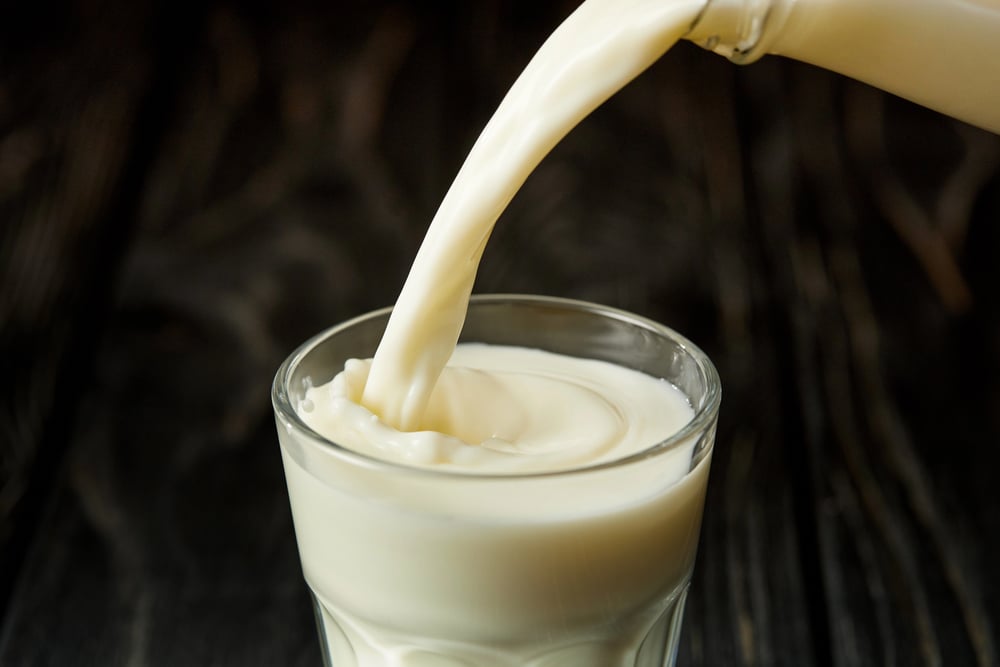
The US permits dairy farmers to use recombinant bovine growth hormone (rBGH) to increase milk production in cows. The European Union, Canada, Australia, Japan, and a number of other countries prohibit it, citing concerns about the effects on both animal welfare and the increased levels of insulin-like growth factor in the resulting milk.
The US dairy industry regards science as inconclusive in terms of human risk. The EU regards the precautionary principle as sufficient justification.
The disagreement is a persistent irritant in transatlantic trade negotiations.
Chlorine-Washed Chicken — European Union
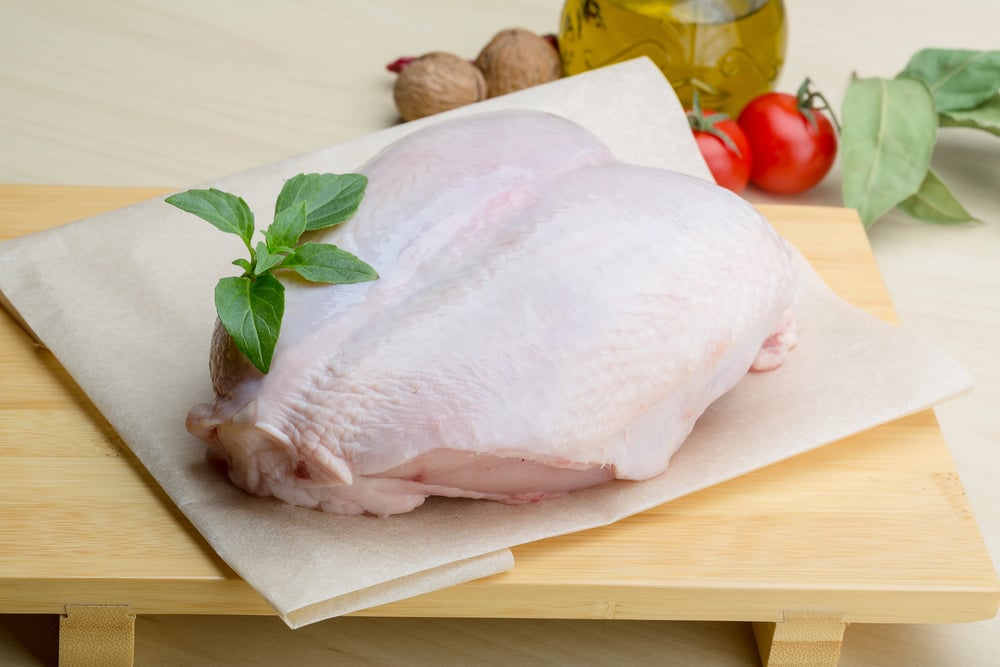
In the United States, it’s standard practice to wash poultry in a chlorine solution at the end of processing to kill bacteria. The EU bans the practice — not because the chlorine itself is considered dangerous in those quantities, but because the EU’s position is that relying on a post-processing wash allows conditions during slaughter to be more hazardous than they would need to be if the wash weren’t available.
Americans view this as circular logic. Europeans view it as the Americans missing the point.
Horse Meat — United States
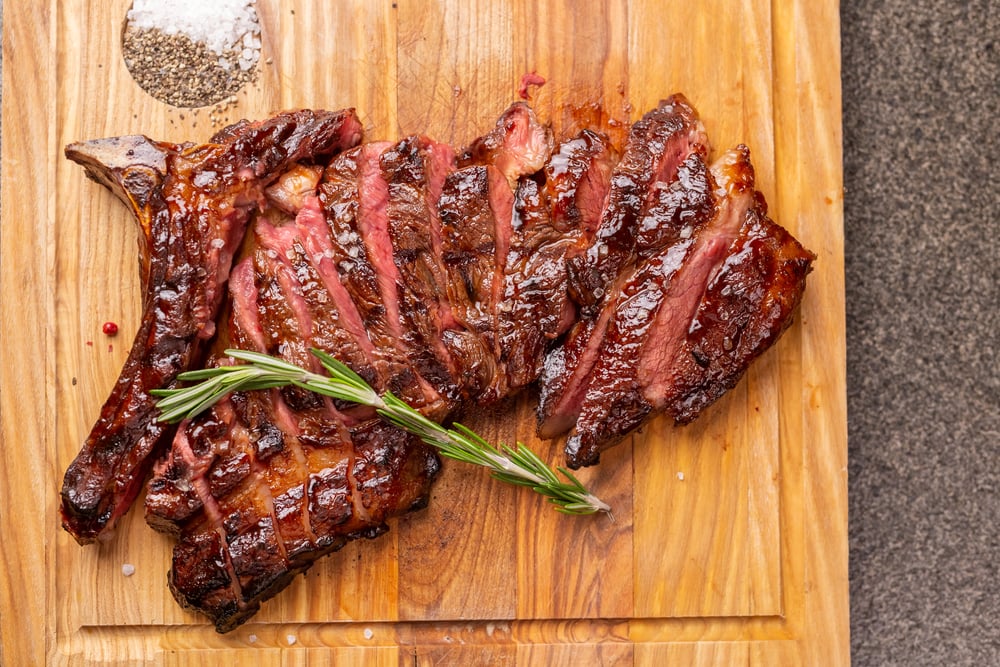
Horse meat is a staple protein in parts of France, Belgium, Japan, Kazakhstan, and a dozen other countries. In the United States, no federal law explicitly bans the slaughter of horses for meat, but Congress has consistently defunded the USDA’s ability to inspect horse slaughterhouses — which effectively makes licensed commercial horse slaughter impossible.
The practical ban is the result of cultural taboo, powerful equine advocacy groups, and congressional manoeuvring rather than any specific food safety regulation. Americans generally regard horses as companion animals, which is a position that confuses much of the rest of the world.
Samosas (Parts of Somalia, 2011)
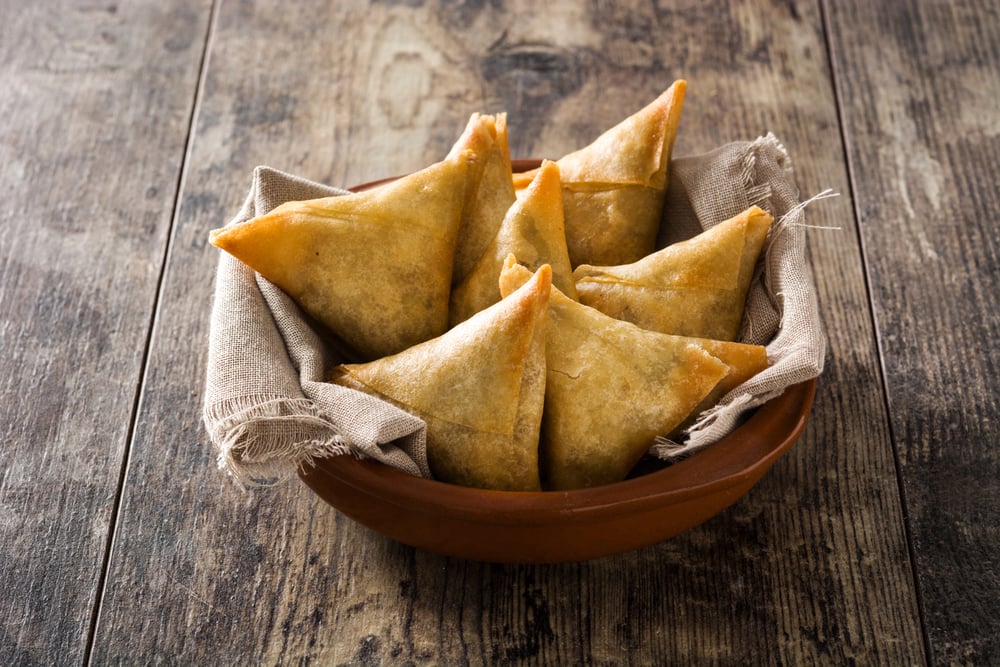
In 2011, the Islamist militant group al-Shabaab reportedly banned samosas in the parts of Somalia under their control, on the grounds that the triangular pastry’s three-pointed shape resembled the Christian Holy Trinity. The ban was widely reported and widely mocked.
Samosas have been eaten across East Africa, South Asia, and the Middle East for centuries. It remains one of the most vigorously critiqued food regulations of the 21st century.
Coffee — Various Monarchies and States (1600s–1700s)

Coffee was banned, attempted to be banned, or heavily restricted across multiple countries and time periods in its early history. King Charles II of England tried to ban coffeehouses in 1675, fearing they were venues for political agitation.
The Catholic Church explored banning coffee before Pope Clement VIII reportedly tasted it and changed his mind. Ottoman sultans periodically attempted to suppress coffeehouses.
In each case, the ban failed — coffee turned out to be one of those substances that people will find a way to consume regardless of what governments say.
Skittles — Some US States (Various)
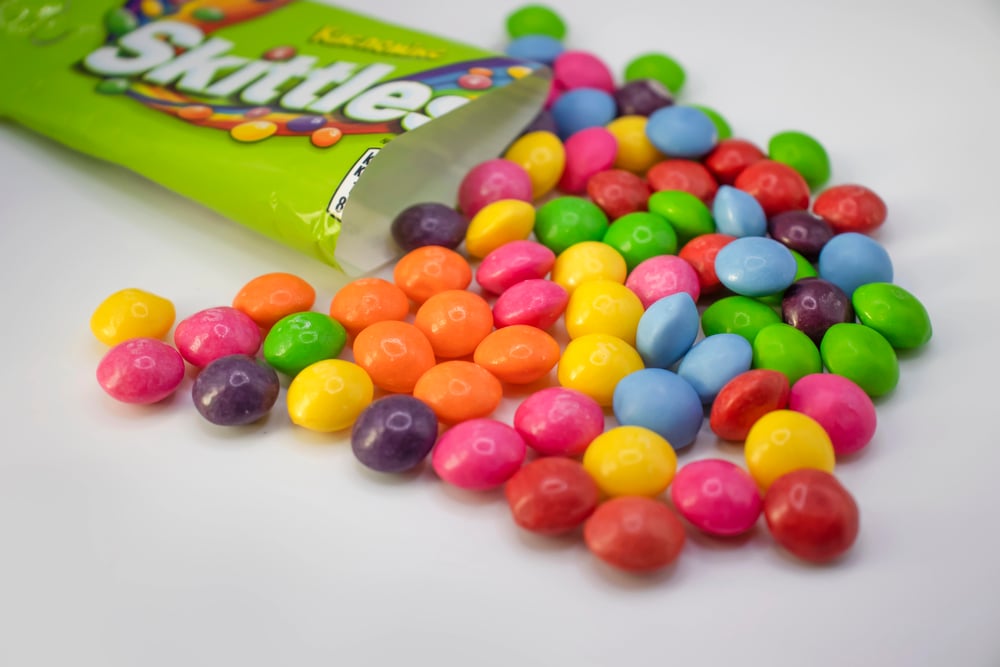
Several US states have introduced or passed legislation targeting certain artificial dyes used in Skittles and other confectionery products — particularly Red 3, which the FDA banned from cosmetics in 1990 but took until 2024 to ban from food, and certain other synthetic colour additives linked to hyperactivity in children in some studies. California’s food safety law passed in 2023 targeted several additives found in popular sweets.
Whether the dyes genuinely pose the risks attributed to them is still debated among food scientists.
Ketchup in School Cafeterias — France (2011)
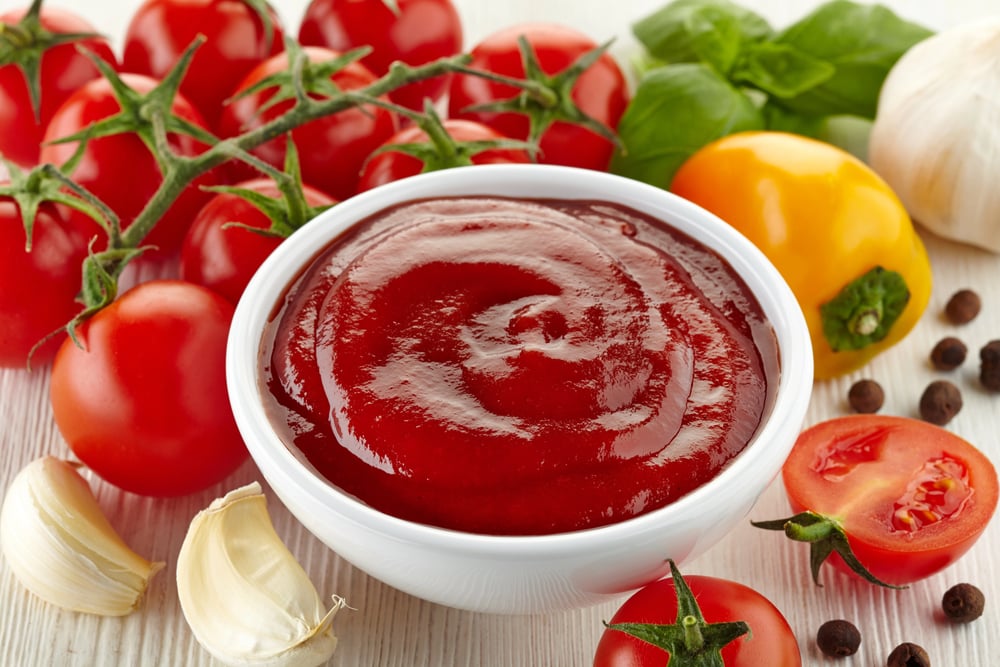
France banned ketchup from school cafeterias in 2011 in a regulatory move designed to protect French culinary heritage in the nation’s school menus. The one exception: ketchup remained permitted alongside French fries, presumably because French fries were considered culturally beyond salvation.
The French Ministry of Agriculture framed the rule as protecting students’ exposure to traditional French cuisine. American commentators framed it as the French doing exactly what the French do.
Both characterisations were arguably correct.
Artificial Food Dyes (Yellow No. 5 and Others) — European Union
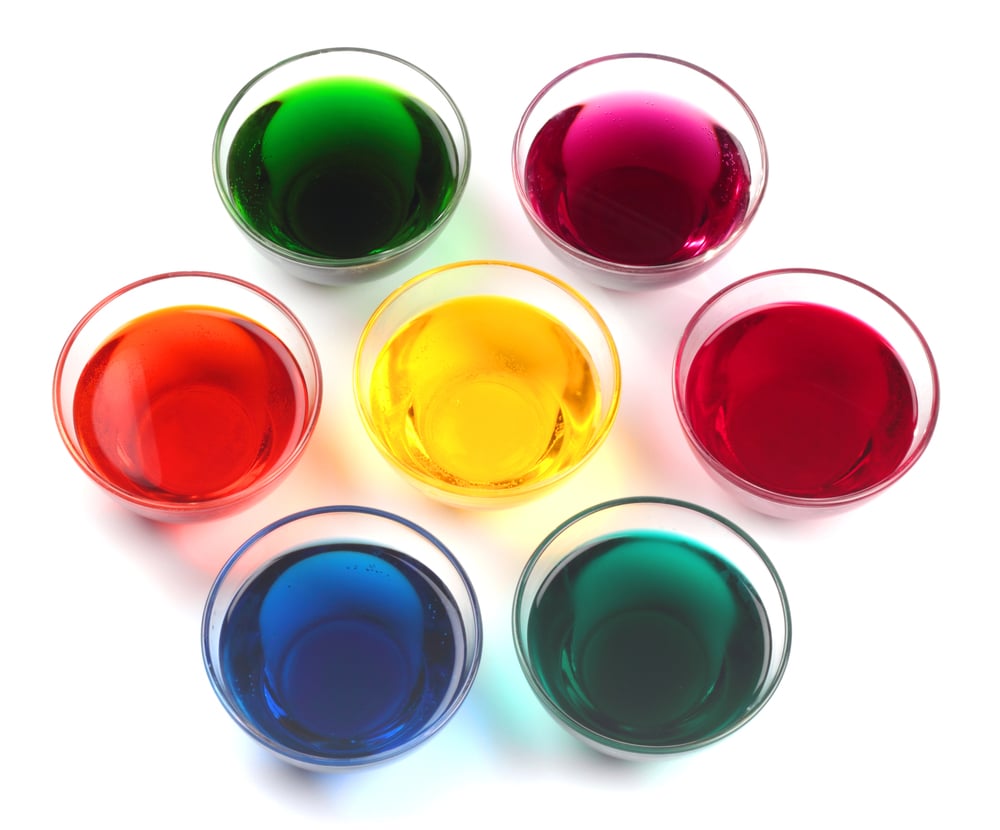
The European Union requires foods containing certain artificial dyes — including Tartrazine (Yellow No. 5) and Sunset Yellow (Yellow No. 6) — to carry warning labels stating they “may have an adverse effect on activity and attention in children.” This is not quite an outright ban, but the label requirement has led many manufacturers to reformulate products for the European market, using natural alternatives.
The same products are sold without warnings in the United States, where the FDA has assessed the evidence as insufficient to mandate a label.
Unpasteurised Fruit Juices — United States
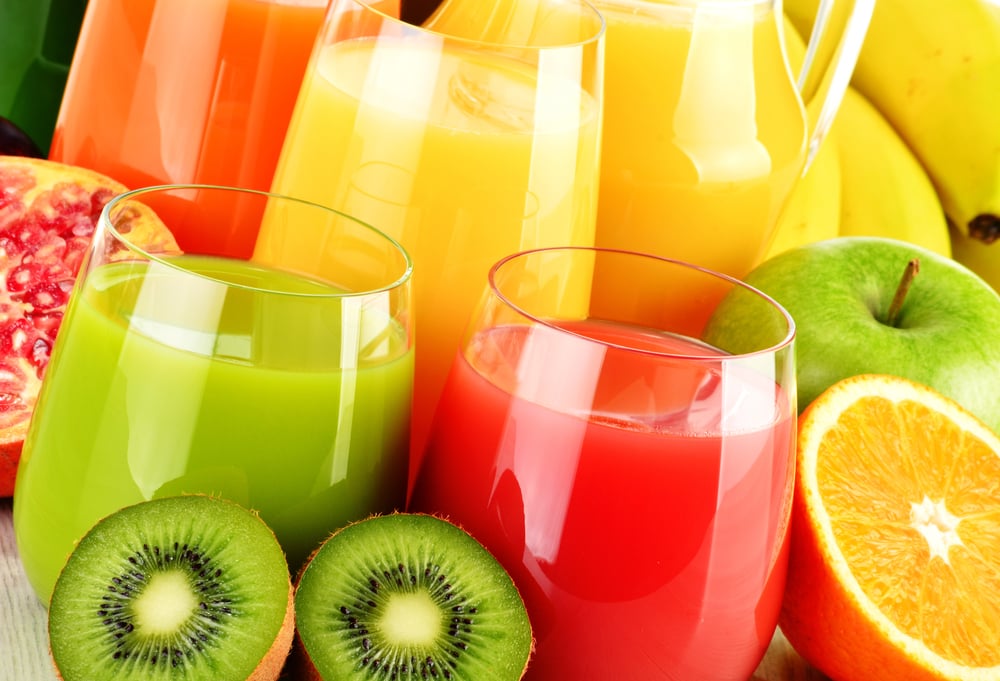
The FDA requires that commercially sold fruit juice in the United States be pasteurised or otherwise treated to eliminate pathogens, following a 1996 E. coli outbreak linked to unpasteurised apple juice that killed one child and made 70 others seriously ill. European countries generally allow raw juice to be sold commercially, managing the risk through labelling requirements rather than prohibition.
Ackee (Improperly Prepared) — United States and Canada
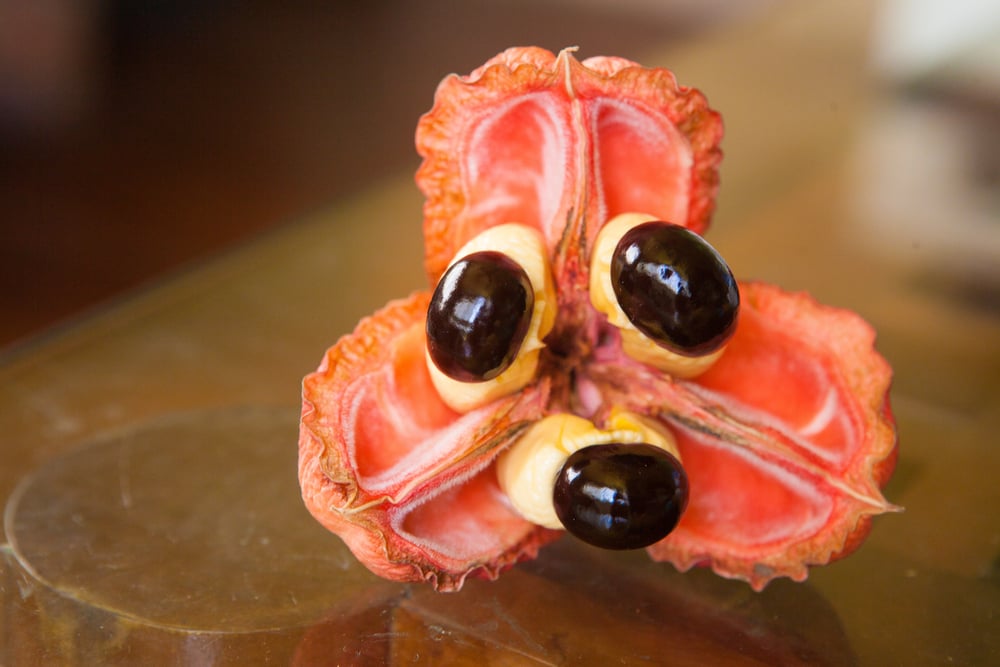
Jamaica’s national fruit — ackee — is genuinely toxic if consumed before it’s fully ripe or if the wrong parts are eaten. The seeds and unripe arils contain a toxin called hypoglycin A, which can cause what’s known locally as Jamaican Vomiting Sickness and can be fatal.
The United States banned ackee imports for years and still restricts them to canned or frozen preparations from approved suppliers. For Jamaicans, the ban on fresh ackee is frustrating; for food safety regulators, the toxicity risk is real enough to justify caution, even if Jamaicans have been eating it safely for centuries by following straightforward preparation rules.
Fugu (Pufferfish) — European Union
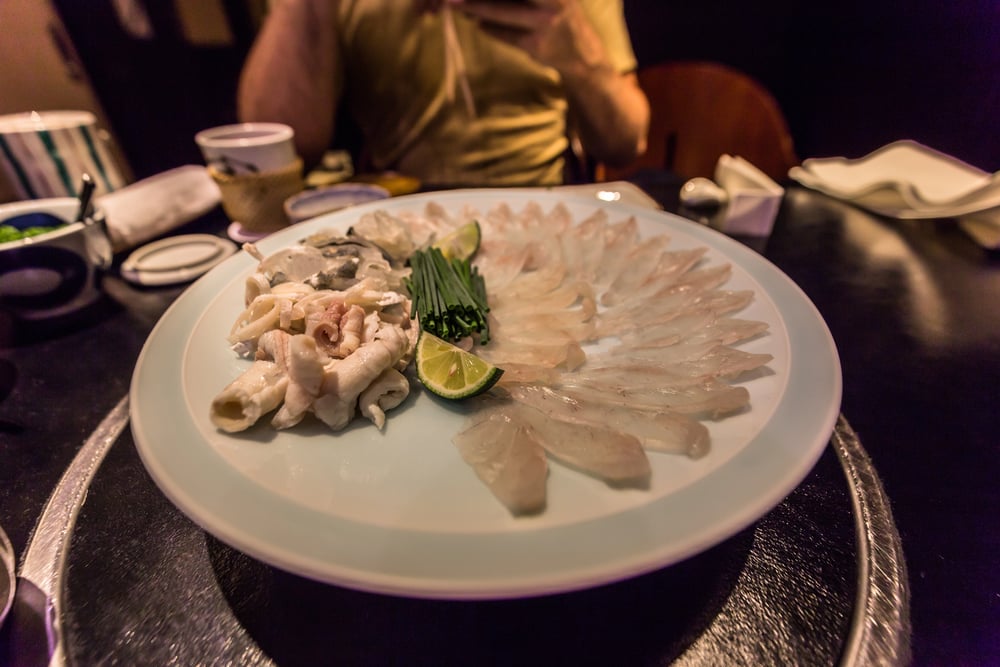
Fugu — the pufferfish prized as a Japanese delicacy — contains tetrodotoxin, a neurotoxin roughly 1,200 times more lethal than cyanide. Japanese chefs train for years specifically to prepare fugu safely, removing the toxic organs while leaving the edible flesh intact.
The EU bans fugu outright because it lacks the regulatory infrastructure to verify the preparation expertise of individual chefs. It is one of the few foods in the world where the main danger is not the ingredient but the skill of the person cutting it.
Bushmeat — United States, EU, and Most of the West
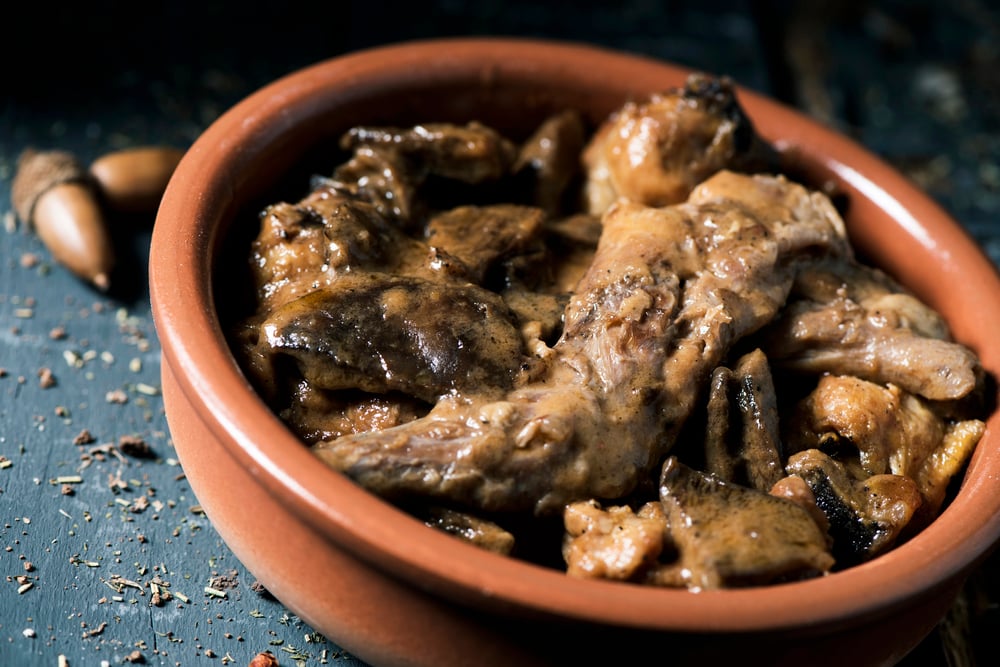
Bushmeat — wild game hunted from tropical forests, including primates, bats, rodents, and other animals — is consumed across large parts of sub-Saharan Africa and is widely considered a normal part of the food culture in those regions. Importing it into the United States or European Union is illegal, primarily because of the risk of introducing novel pathogens.
The ban reflects a genuine public health risk, though its application is inconsistent and enforcement is sporadic.
Mountain Dew (with Certain Additives) — Europe
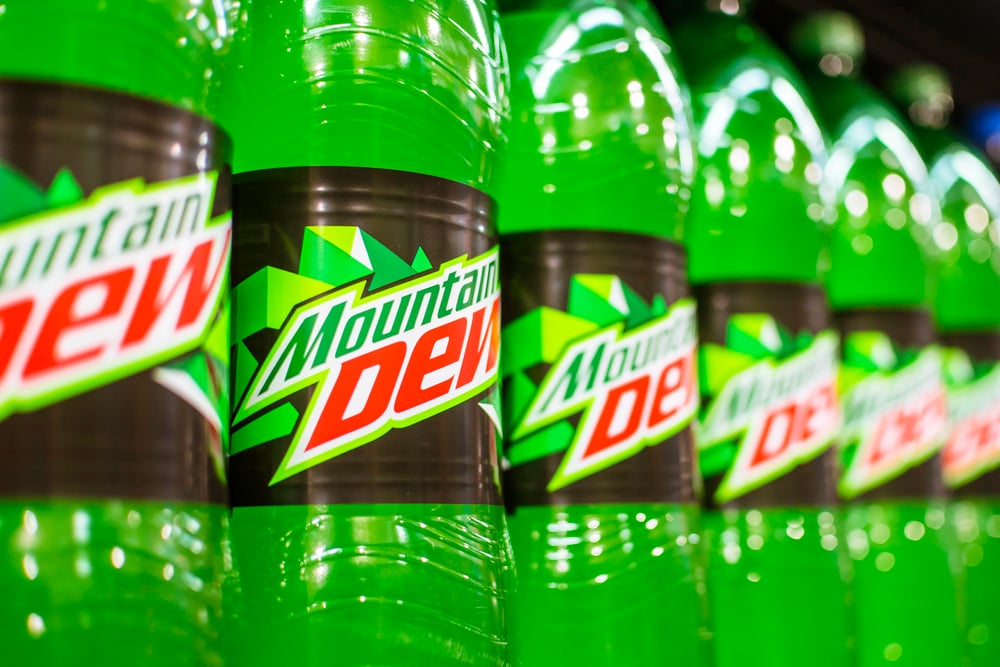
Mountain Dew sold in the United States has historically contained brominated vegetable oil (BVO), an emulsifier that prevents the artificial citrus flavour from separating from the liquid. BVO is banned in Europe and Japan because bromine can accumulate in body tissue and has been linked to neurological effects in high-dose animal studies.
PepsiCo removed BVO from Mountain Dew and other products sold in the US in 2014, following public pressure — not regulatory action. The fact that the company reformulated the product for health reasons while the FDA hadn’t yet acted raised pointed questions about who was actually driving food safety decisions.
True Balsamic Vinegar of Modena (Outside EU)
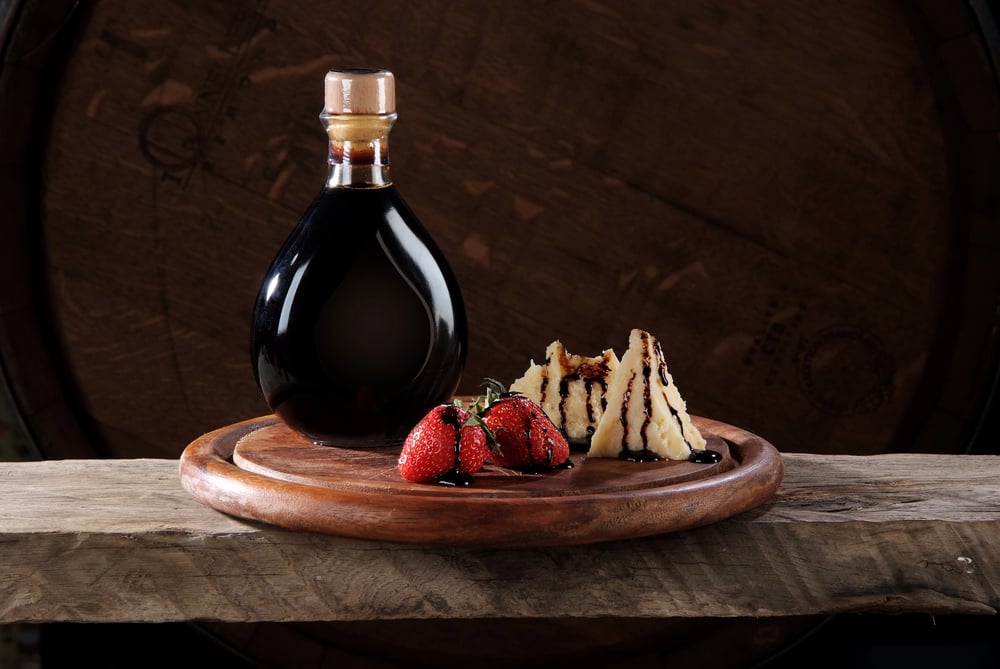
Authentic Aceto Balsamico Tradizionale di Modena — aged for a minimum of twelve years and produced exclusively in Modena and Reggio Emilia in Italy — is protected by EU geographic indication law, which restricts the name’s use to products from that specific region. Products sold as “balsamic vinegar” elsewhere are, legally speaking, something else.
Most people buying balsamic vinegar at a supermarket are buying a version of the product that takes three weeks to produce rather than twelve years, which is technically legal and genuinely confusing.
Shark Fin Soup — United States (Many States), Canada, and Others
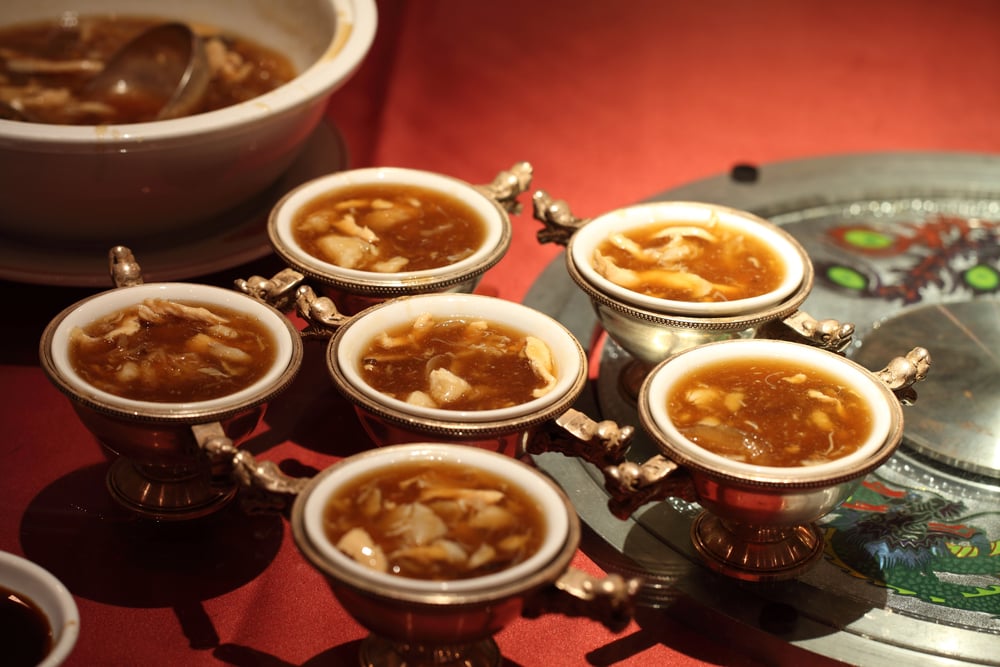
Shark fin soup has been a traditional Chinese delicacy served at weddings and banquets for centuries, its cultural significance tied to prosperity and respect for guests. The practice of shark finning — slicing the fins from live sharks and returning the bodies to the sea — is widely condemned for both its cruelty and its contribution to shark population collapse.
The United States has banned shark finning since 2000 and multiple states have since banned the possession and sale of shark fins entirely. The debate sits at the intersection of conservation, cultural tradition, and animal welfare — three values that don’t always point in the same direction.
Poppy Seeds (Travel Risk) — Singapore, UAE
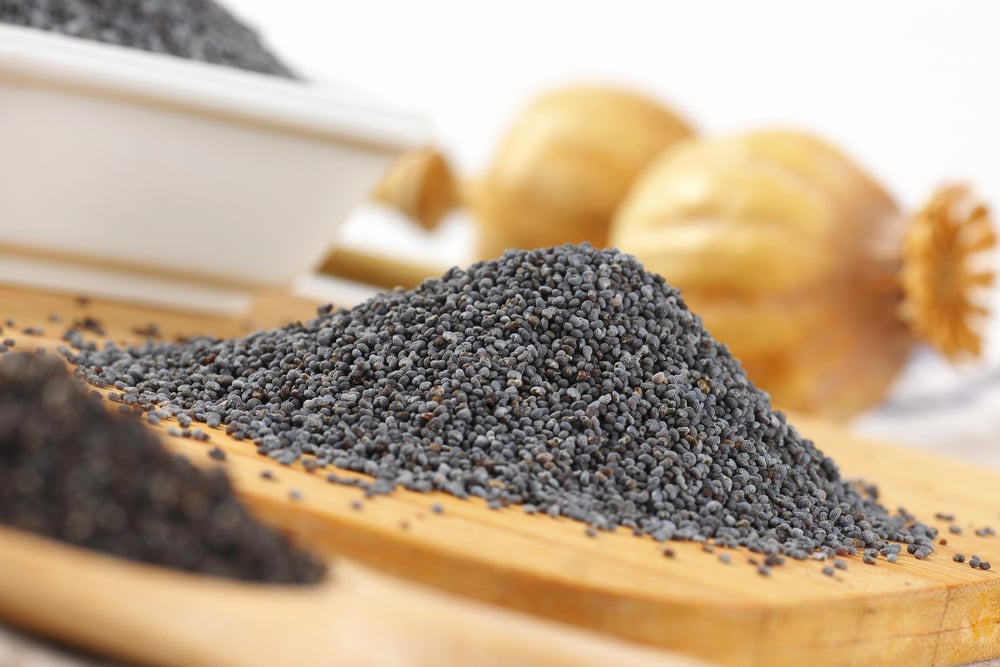
Poppy seeds are used in Central European baking — particularly in Austrian, German, Czech, and Hungarian pastry traditions — and the quantities involved can trigger positive drug test results for opiates for up to 72 hours after consumption. Several countries including Singapore and the UAE either restrict their import or treat them with significant suspicion.
Drug tests in sporting competitions and workplace settings don’t always distinguish between poppy seed consumption and prohibited substance use. The likelihood of trouble depends enormously on where you happen to be travelling.
Genetically Modified Foods — European Union (Multiple Products)
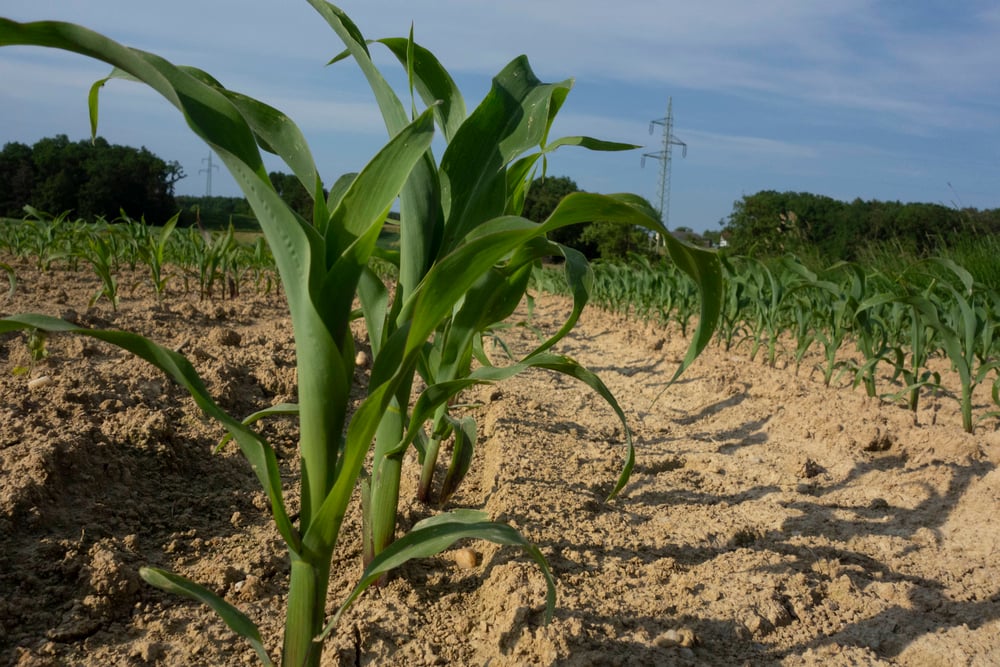
The EU effectively bans the cultivation and severely restricts the import of many genetically modified crops, with individual member states including France, Germany, Austria, Greece, Hungary, and Italy having gone further with their own national bans. The scientific consensus from bodies including the WHO and the National Academy of Sciences is that approved GMO foods are safe to eat.
The EU’s position has historically been more precautionary, citing potential environmental impacts and the public’s right to choose. The practical result is that some GMO crops widely grown in the Americas are banned in much of Europe, a situation that creates persistent friction in international trade negotiations.
Maraschino Cherries with Red Dye No. 3 — Various Countries
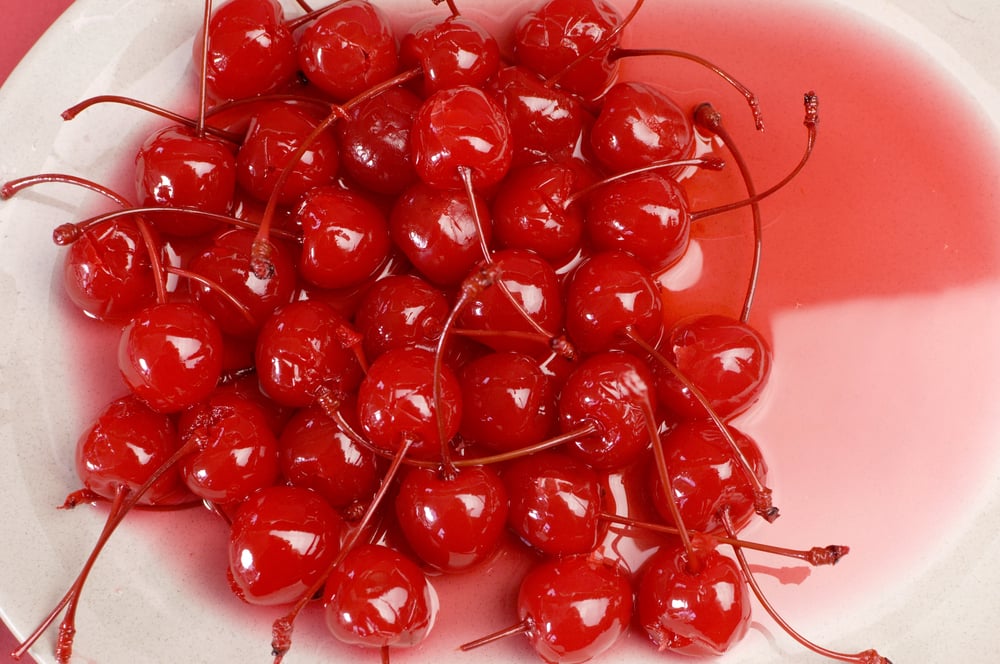
Traditional maraschino cherries get their vivid red colour from Red Dye No. 3, which the FDA banned from cosmetics in 1990 after studies linked it to cancer in male rats, but which remained legal in food until the agency finally acted in 2024 following a court petition. The EU has required manufacturers to use natural alternatives for years.
The irony of the FDA prohibiting the dye in lipstick but not in the garnish in a cocktail for three decades was not lost on regulators or critics.
Raw Cookie Dough (Commercial) — United States
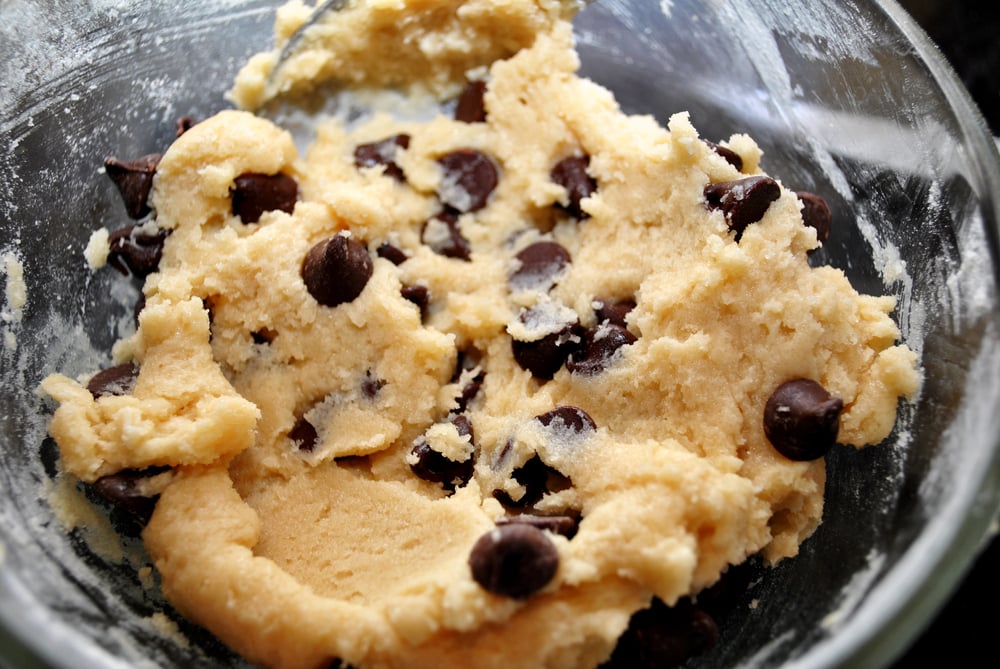
This isn’t a formal ban but the result of multiple regulatory guidelines that make commercially selling raw flour and raw eggs together in ready-to-eat form effectively untenable. Raw flour was linked to an E. coli outbreak in 2016 that sickened more than 60 people — an outbreak that surprised many because most people don’t think of flour as a raw agricultural product that could carry pathogens.
Edible cookie dough shops now use heat-treated flour and pasteurised eggs. Whether the ban on the traditional version was justified or overcautious depends heavily on how much weight you put on the word “outbreak.”
What the Rules Actually Say
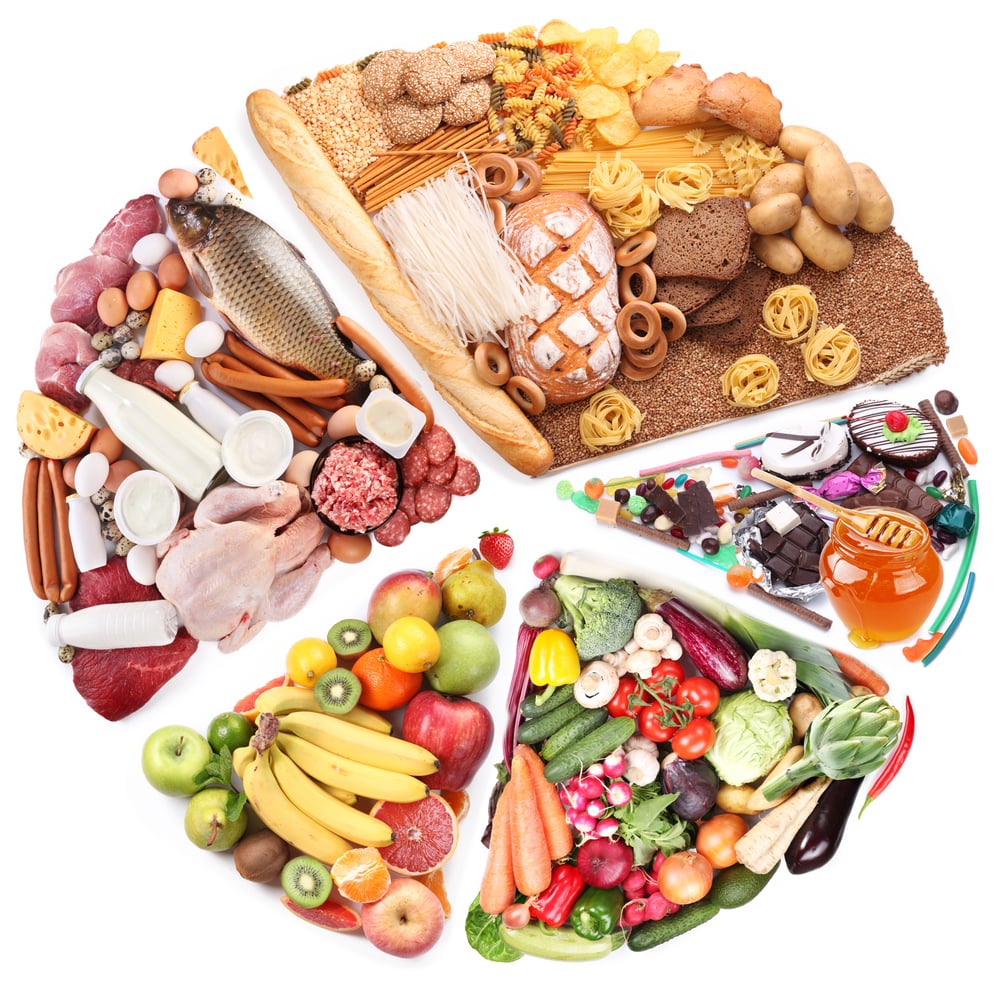
Food bans are a peculiar mirror. They reflect what a society fears, what it values, and what it considers common sense — and those three things vary enormously from one country to the next.
The United States bans haggis and permits raw cookie dough ingredients in supermarkets. Singapore bans chewing gum and permits durian. France bans ketchup in school canteens while its chefs use more cream per capita than almost any other nation on earth.
The absurdity isn’t usually in the rule itself — there’s generally a reason, however attenuated, behind it. The absurdity is in the gap between the fear the rule was meant to address and the actual landscape of risk.
Kinder eggs remain the most confiscated item at the US–Canada border. Haggis has been eaten in Scotland for 500 years without recorded fatality. And somewhere in Denmark, a British expat is still trying to figure out how to explain to a customs officer what Marmite actually is.
More from Go2Tutors!

- The Romanov Crown Jewels and Their Tragic Fate
- 13 Historical Mysteries That Science Still Can’t Solve
- Famous Hoaxes That Fooled the World for Years
- 15 Child Stars with Tragic Adult Lives
- 16 Famous Jewelry Pieces in History
Like Go2Tutors’s content? Follow us on MSN.