Forgotten Sports Leagues That Shaped the Modern Game
Sports fans today watch polished, billion-dollar leagues with global reach and stunning production values. But these modern powerhouses didn’t appear out of nowhere.
They built themselves on the foundations of earlier leagues that took wild risks, broke barriers, and tried things nobody had attempted before. Many of those pioneering leagues failed, folded, or got absorbed into bigger organizations, and their names faded from memory.
Let’s dig into the leagues that changed sports forever, even though most people have never heard of them.
The American Basketball Association brought color and flair to hoops

The ABA launched in 1967 with a red, white, and blue basketball that looked like a toy compared to the serious brown sphere the NBA used. Critics laughed at first.
But the league introduced the three-point line, a faster pace of play, and a style that prioritized entertainment over tradition. Players like Julius Erving became superstars by doing things the conservative NBA wouldn’t allow.
When the leagues merged in 1976, the NBA absorbed four ABA teams and, eventually, most of its innovations. Today’s game owes its excitement to a league that only lasted nine years.
The All-American Girls Professional Baseball League proved women could draw crowds

World War II pulled male players into military service, leaving baseball stadiums empty and owners desperate. In 1943, the AAGPBL started with four teams and a modified rulebook that included shorter basepaths and underhand pitching.
The league lasted 12 seasons and attracted millions of fans who watched women play competitive, high-level baseball. These athletes wore skirts, attended charm school, and still dove for catches and slid into bases.
The league folded in 1954, but it shattered assumptions about women in professional sports that still echo today.
Like Go2Tutors’s content? Follow us on MSN.
The World Hockey Association forced the NHL to expand and evolve

The WHA formed in 1972 and immediately started raiding NHL rosters with bigger paychecks. They signed Bobby Hull with a contract that shocked the hockey world and proved players had more bargaining power than anyone realized.
The league put teams in cities the NHL had ignored and welcomed European players when the established league was still hesitant. Competition forced the NHL to add teams, raise salaries, and modernize its approach.
When the WHA folded in 1979, four of its teams joined the NHL, including the Edmonton Oilers, who would dominate the 1980s.
The Negro Leagues developed strategies that baseball later adopted

Banned from white professional baseball, Black players formed their own leagues starting in the 1920s. These leagues featured a faster, more aggressive style with frequent bunting, base stealing, and hit-and-run plays.
Pitchers threw a wider variety of pitches, and teams valued versatility over specialization. When Jackie Robinson broke the color barrier in 1947, he brought these tactical approaches with him.
The Negro Leagues folded as integration progressed, but their influence transformed how baseball was played at the highest level.
The American Football League challenged the NFL’s supremacy with bold tactics

The AFL started in 1960 with eight teams and immediately positioned itself as the exciting alternative to the stodgy NFL. They emphasized passing over running, signed players the NFL overlooked, and put teams in markets the older league had rejected.
The AFL created a wide-open offensive style that fans loved. Their popularity forced a merger in 1970, but the Super Bowl itself exists because these two leagues needed to determine a champion.
Modern football’s emphasis on passing and scoring came directly from AFL innovations.
Like Go2Tutors’s content? Follow us on MSN.
The United States Football League tried spring football and nearly succeeded

The USFL launched in 1983 with a smart plan to play in spring and avoid competing directly with the NFL. They signed Heisman Trophy winners, future Hall of Famers, and coaches who would later find NFL success.
The league featured competitive games and decent attendance for three seasons. Then owners got greedy, moved to fall, and sued the NFL for monopoly practices.
They won the lawsuit but only received three dollars in damages. The league collapsed in 1986, but it proved spring football could work and gave dozens of players their shot at professional careers.
The Federal League challenged baseball’s monopoly and lost spectacularly

This upstart league declared itself a major league in 1914 and started signing established players away from the National and American Leagues. They built new stadiums, including Chicago’s Wrigley Field, which still stands today.
Baseball’s established powers crushed the Federal League through legal challenges and financial pressure. The league died after just two seasons, but the lawsuit that followed led to baseball’s antitrust exemption, which still affects the sport’s structure.
One tiny league created legal precedents that shaped American sports business for over a century.
The American Basketball League gave women pros a place to play before the WNBA

This league started in 1996, two years after the U.S. women’s basketball team won Olympic gold. They featured many of those same players and played during winter, the traditional basketball season.
The league offered competitive salaries and generated excitement about women’s professional basketball. But the WNBA launched a year later with NBA backing and superior marketing resources.
The ABL folded in 1998 after just two and a half seasons. Still, it proved demand existed for women’s basketball and forced the WNBA to take player compensation more seriously.
Like Go2Tutors’s content? Follow us on MSN.
The Pacific Coast League nearly became a third major baseball league

For decades, the PCL operated on the West Coast with longer seasons, unique rules, and dreams of major league status. In the 1950s, the league seriously pursued recognition as a third major league alongside the National and American Leagues.
They had strong attendance, quality players, and legitimate arguments for elevation. Then the Dodgers and Giants moved to California in 1958, crushing those dreams forever.
The PCL became just another minor league, but it had developed players and cultivated baseball culture on the West Coast for over 50 years.
The XFL’s first attempt failed but changed how football is broadcast

Vince McMahon launched the XFL in 2001 with wrestling-style promotion and rule changes designed for television. The league used skycams, in-game interviews with players, and access that traditional broadcasts never allowed.
Fans initially tuned in for the spectacle, but the quality of play was poor and interest evaporated. The league lasted one season and lost enormous amounts of money.
However, the broadcast innovations stuck around, and networks adopted many of the camera angles and access points the XFL pioneered. The league tried again in 2020 with better results before the pandemic shut it down.
The American Soccer League brought professional soccer to America decades early

Long before MLS, the ASL operated from 1921 to 1933 with teams in East Coast cities. European immigrants filled the stands and the rosters, creating pockets of serious soccer culture in America.
The league competed with FIFA-sanctioned organizations and eventually got banned from international competition. Financial problems during the Great Depression finished off what controversy had weakened.
The ASL proved Americans would watch soccer if marketed properly, a lesson that took another 60 years to truly sink in.
Like Go2Tutors’s content? Follow us on MSN.
The World Football League dreamed big and collapsed quickly

The WFL launched in 1974 with promises of huge salaries, innovative rules, and a challenge to NFL dominance. They signed big-name players like Larry Csonka away from established teams.
But financial chaos plagued the league from the start, with teams missing payroll and folding mid-season. The league made it through one full season and part of a second before collapsing entirely in 1975.
Despite the disaster, the WFL showed that players had leverage and that the NFL wasn’t invincible, lessons that would benefit athletes for decades.
The Continental Basketball Association served as the NBA’s development system

The CBA operated for over 50 years, changing names and structures but always serving as a training ground for future NBA players and coaches. Countless NBA stars spent time in the CBA when they were raw rookies or comeback veterans.
Phil Jackson, George Karl, and other legendary coaches cut their teeth in the league. The CBA paid terrible salaries and played in small arenas, but it gave opportunities when no other options existed.
The league finally folded in 2009, but the NBA’s current G League follows the blueprint the CBA established.
The Women’s Professional Basketball League broke ground despite constant struggles

The WBL started in 1978, becoming the first professional women’s basketball league in the United States. They played for three seasons with teams scattered across the country and almost no media coverage.
Financial problems killed teams regularly, and the league never achieved stability. But the players were pioneers who proved women could play professional basketball even when nobody was watching.
When the WNBA finally launched nearly 20 years later, they built on foundations the WBL had laid under nearly impossible conditions.
Like Go2Tutors’s content? Follow us on MSN.
The American Association challenged baseball’s National League in the 1880s

This league competed as a major league from 1882 to 1891, offering cheaper tickets and beer sales at games, which the National League forbade. They featured quality players and genuine competition for fans’ attention and dollars.
Internal conflicts and financial troubles weakened the league until the National League essentially absorbed it. Four American Association teams joined the National League, while the rest disappeared.
The competition pushed baseball to become more accessible and fan-friendly, changes that helped the sport grow into America’s pastime.
The International Hockey League pioneered minor league hockey structure
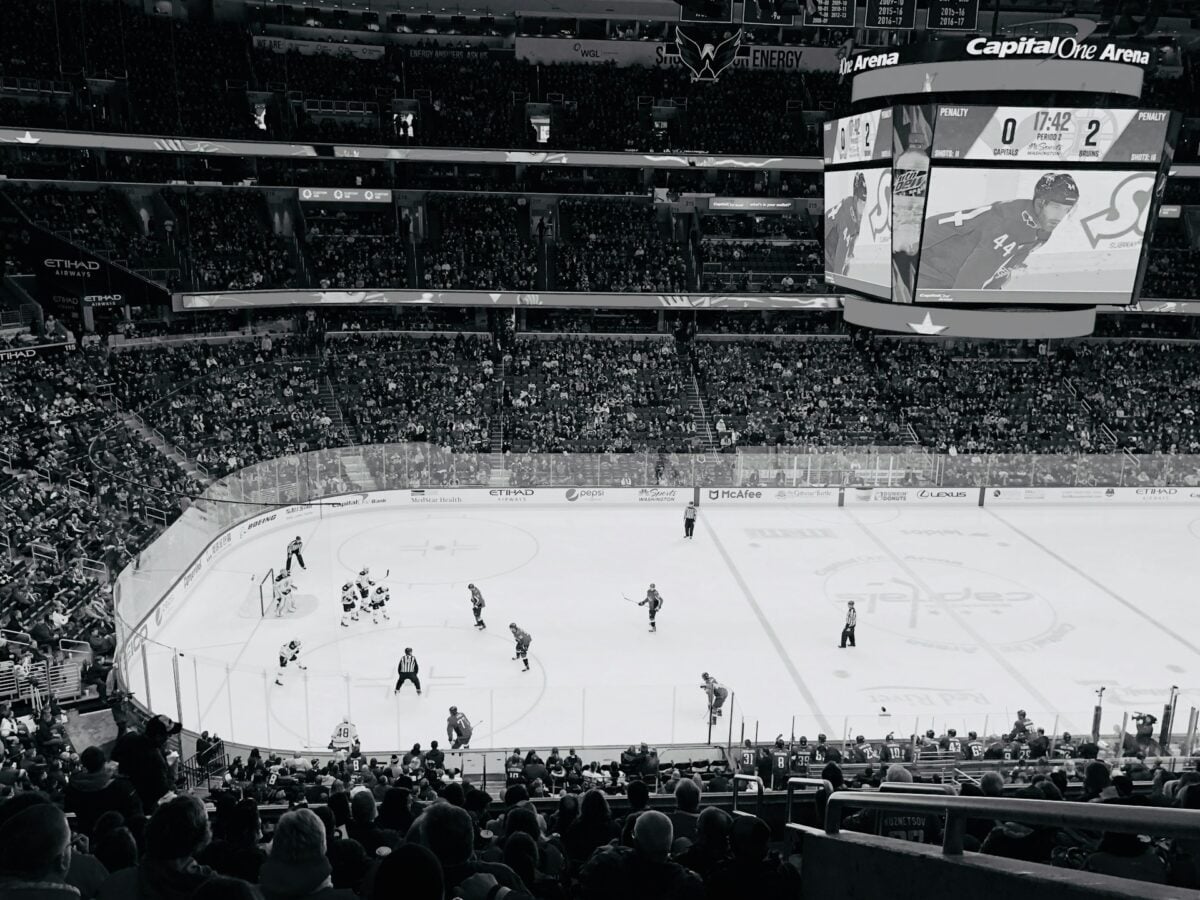
Operating from 1945 to 2001, the IHL developed the minor league hockey system that feeds the NHL today. They created the salary structures, team arrangements, and player development approaches that became standard.
The league also gave opportunities to players who weren’t quite NHL caliber but could still play professionally. Financial pressures from NHL expansion eventually killed the IHL.
The American Hockey League absorbed six IHL teams and inherited the minor league hockey infrastructure that the older league had perfected over 56 years.
The North American Soccer League made soccer cool in America briefly

The NASL brought Pelé, Franz Beckenbauer, and other international superstars to America in the 1970s. For a moment, soccer seemed poised to become a major American sport, with the New York Cosmos drawing huge crowds.
The league overexpanded rapidly, spent recklessly on aging stars, and ignored youth development. By 1984, the NASL was dead, taking American soccer’s momentum with it.
But the league created the template for bringing international soccer culture to America, and MLS learned from both its successes and catastrophic failures.
Like Go2Tutors’s content? Follow us on MSN.
Echoes in every modern arena

Turn on any professional game today and you’ll see innovations these forgotten leagues introduced. The three-point shot, the forward pass, the designated hitter, salary competition, franchise relocation, television innovations, and countless other elements came from leagues that dared to challenge the establishment.
Most of these leagues failed financially, but their ideas survived and thrived. They proved that tradition isn’t sacred, that fans will embrace change, and that competition makes every league stronger.
The sports world would look completely different without leagues that most fans have never heard of and whose final games were played long before today’s superstars were born.
More from Go2Tutors!

- 16 Historical Figures Who Were Nothing Like You Think
- 12 Things Sold in the 80s That Are Now Illegal
- 15 VHS Tapes That Could Be Worth Thousands
- 17 Historical “What Ifs” That Would Have Changed Everything
- 18 TV Shows That Vanished Without a Finale
Like Go2Tutors’s content? Follow us on MSN.