29 Kitchen Tools From Grandparents Dealers Hunt Down
Grandma’s kitchen drawer was never meant to become a collector’s target, but decades of steady use, distinctive design, and eventual discontinuation turned some of its contents into genuinely sought-after pieces. What looked like clutter to one generation looks like inventory to the next.
Vintage kitchenware dealers tend to care less about age alone and more about maker’s marks, color, completeness, and condition, all of which can swing the value of an otherwise ordinary-looking piece considerably.
Pyrex Primary Color Mixing Bowls
The nesting set of four bowls in red, yellow, green, and blue, produced from the 1940s onward, has become one of the most recognized pieces of American vintage kitchenware. Complete, undamaged sets in their original colors are especially prized, since individual bowls are far more common than full nesting sets.
Chips, fading, or missing pieces from the set significantly affect what a dealer will offer.
Griswold Cast Iron Cookware
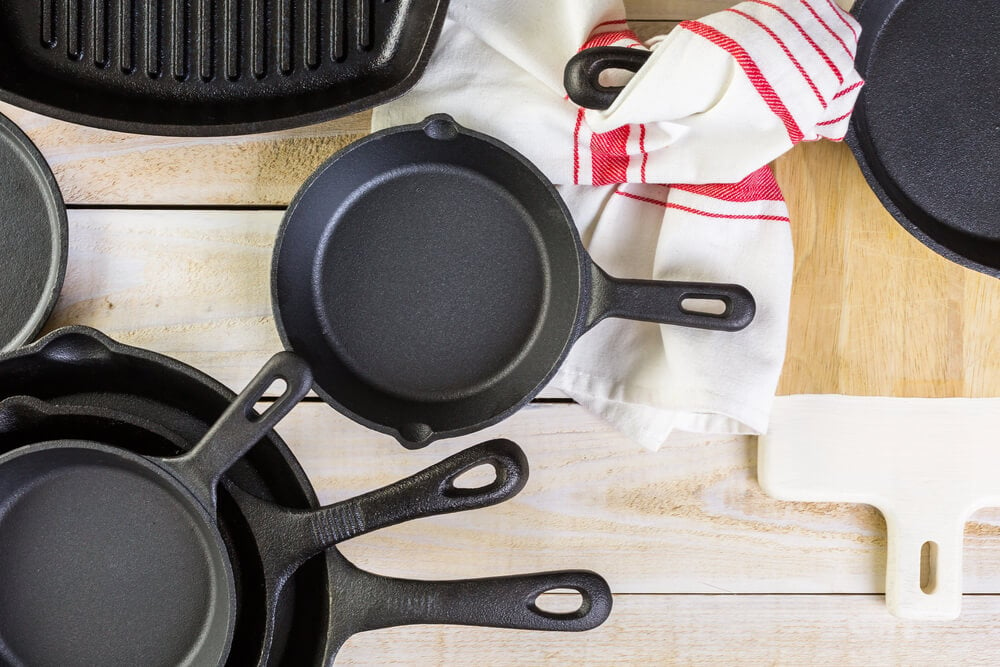
Griswold, a cast iron manufacturer that operated through the mid-twentieth century, produced skillets and Dutch ovens now considered some of the finest vintage cast iron available. Pieces are identified by specific logo variations stamped into the metal, which collectors use to date production periods.
Well-seasoned, crack-free examples with clear markings draw serious interest from cookware dealers.
Fire-King Jadite Dishware
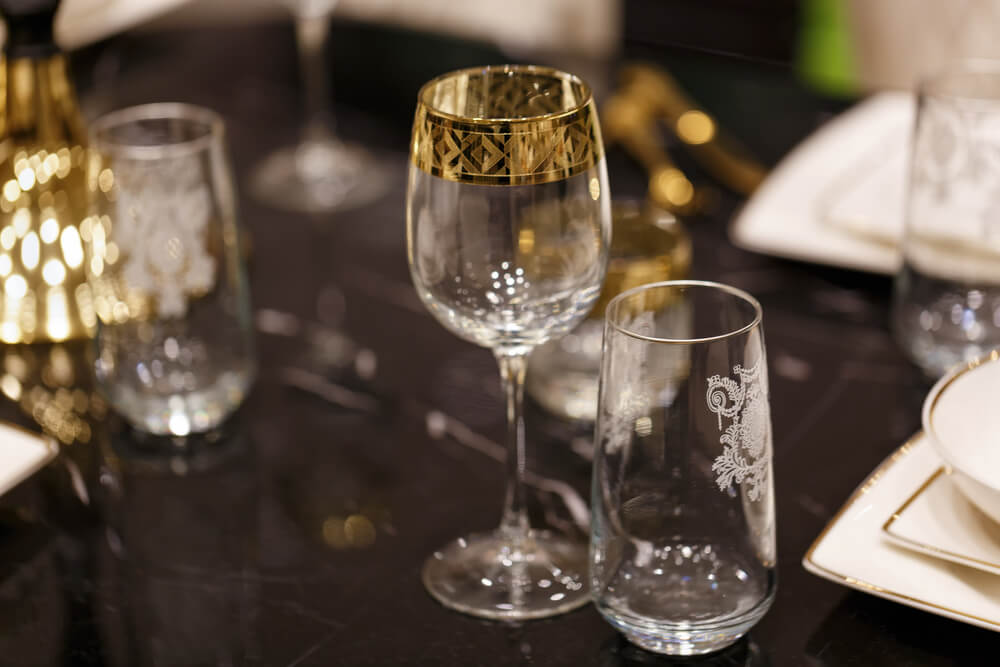
Produced by Anchor Hocking starting in the 1940s, Fire-King’s opaque green jadite glassware became a kitchen staple before falling out of favor and eventually becoming a design trend again decades later. Mixing bowls, mugs, and refrigerator dishes in this glass are particularly sought after.
Condition and specific pattern matter enormously to value, since some jadite patterns are far scarcer than others.
Foley Food Mill
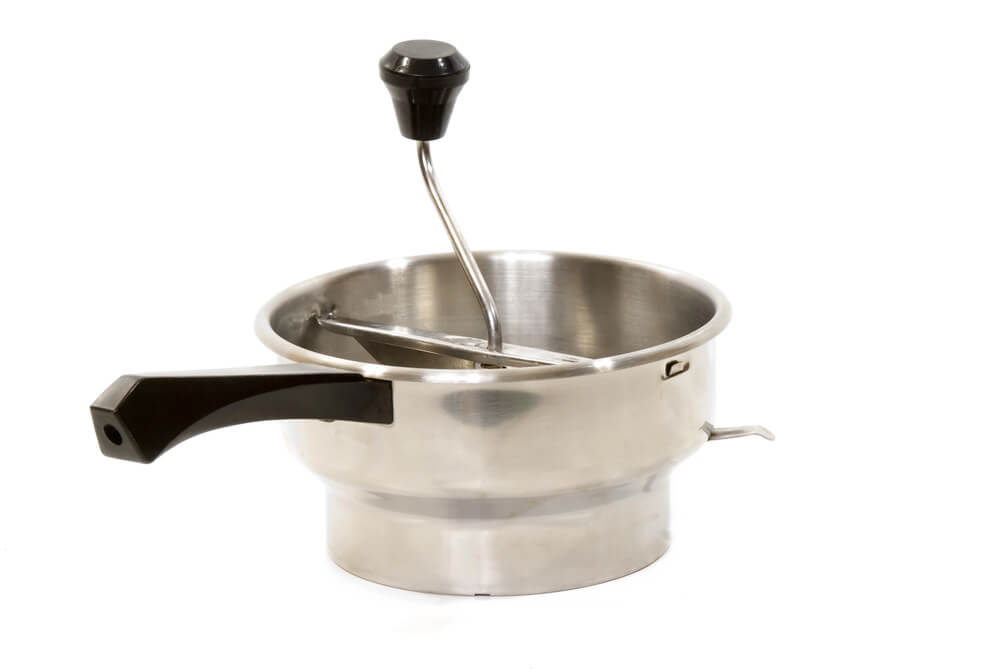
This hand-cranked mill, used to puree cooked fruits and vegetables while separating out skins and seeds, was a standard tool in home kitchens processing garden produce for decades. Its simple mechanical design has held up well, and working examples are still genuinely useful rather than purely decorative.
Collectors and practical cooks alike keep demand for functioning mills steady.
Dover Egg Beater
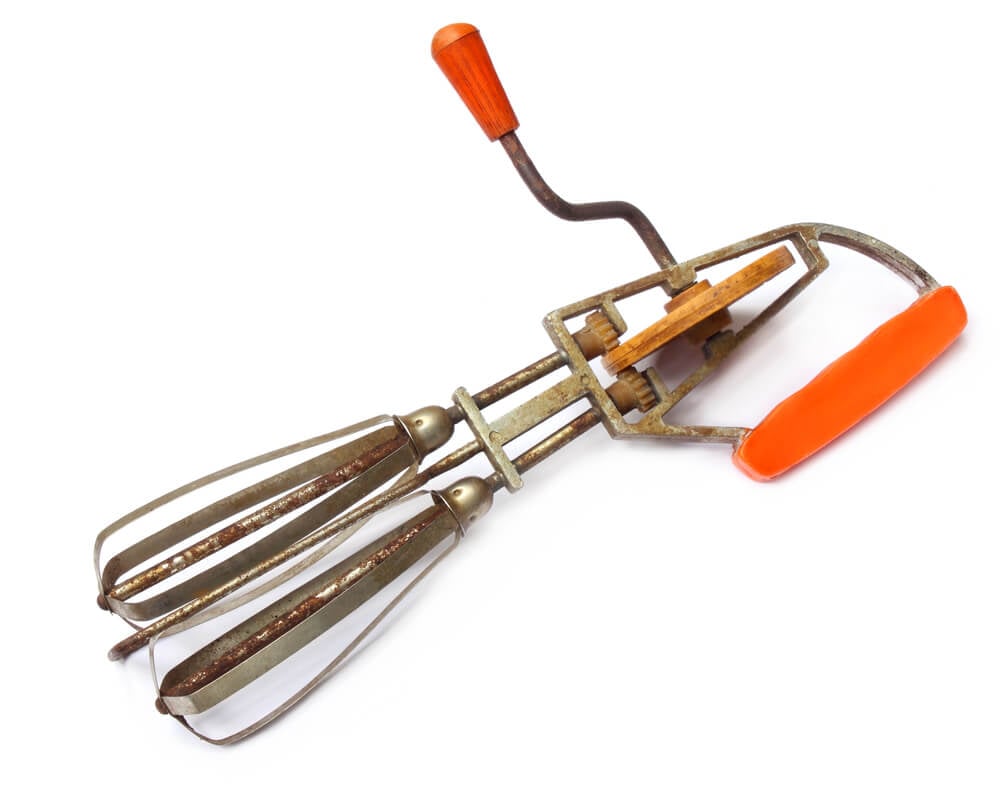
This hand-cranked rotary beater, patented in the nineteenth century and produced for generations afterward, was the standard tool for whipping eggs and cream before electric mixers became common. Its mechanical gearing made it notably efficient for a hand tool.
Working examples with intact gears and a clean finish remain popular with both collectors and vintage-kitchen enthusiasts.
Universal Meat Grinder
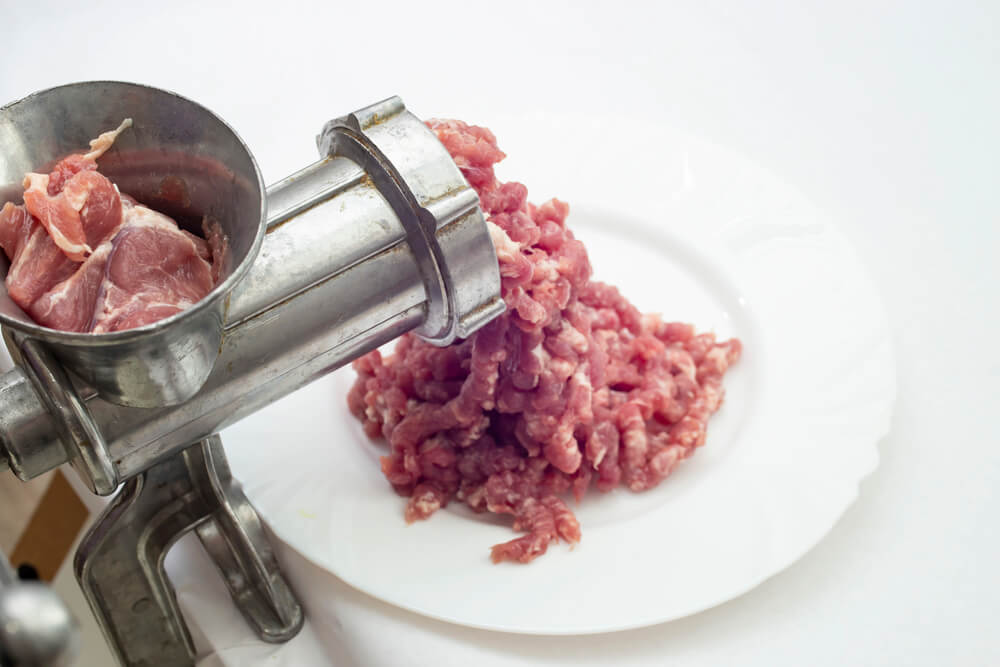
Clamped to the edge of a countertop or table, these hand-cranked grinders processed meat, vegetables, and even bread for stuffing mixtures in home kitchens without electricity. Their cast iron construction has allowed many to survive in working order to this day.
Complete sets with original grinding plates and attachments hold more value than the base unit alone.
Wooden Butter Churn
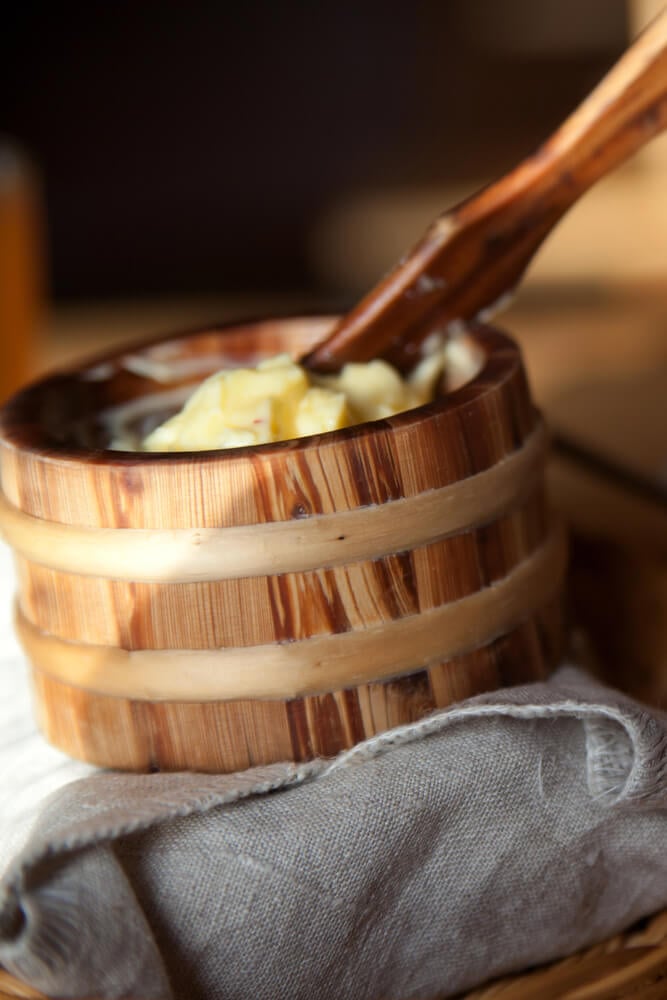
A staple of rural kitchens before electric churning equipment became available, the wooden butter churn used a plunger or crank mechanism to separate butterfat from cream. Working examples with an intact dasher and lid are relatively scarce, since the wood was prone to drying out and cracking over decades.
Larger, well-preserved churns can draw significant interest from folk-art and kitchenware collectors alike.
White Mountain Ice Cream Maker
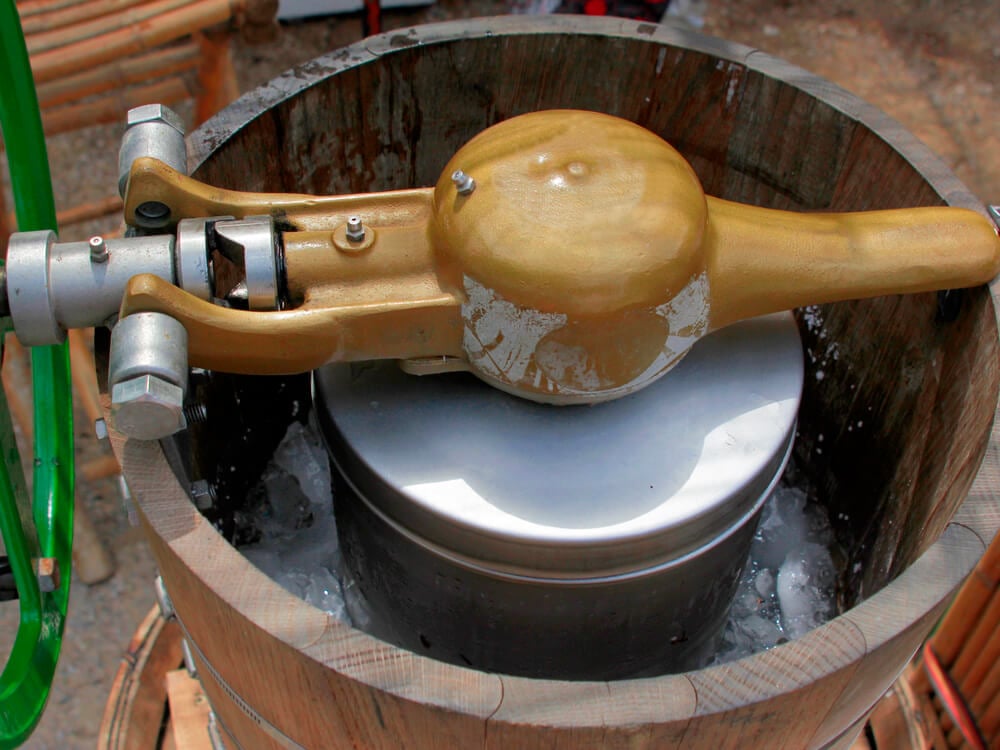
This hand-cranked wooden bucket freezer, produced starting in the nineteenth century, remained a common way to make homemade ice cream well into the twentieth century using ice and rock salt. Working examples with intact wooden staves and the original crank mechanism are considered the most desirable.
It remains genuinely functional, which keeps demand from both collectors and hobbyist cooks steady.
Enamelware Coffee Pot
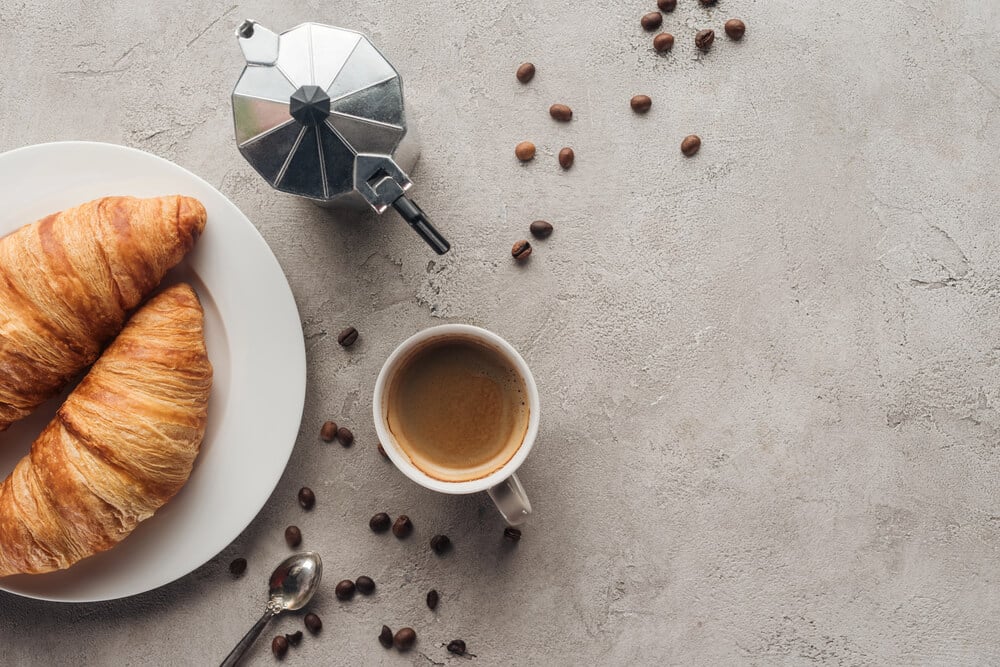
Speckled enamel-coated steel coffee pots were a fixture of both home and camp kitchens for decades, valued for their durability over open flame or stovetop heat. Surviving examples without heavy chipping or rust are increasingly hard to find.
Blue and white speckled patterns tend to draw particularly strong interest from collectors.
Hoosier Cabinet Flour Bin
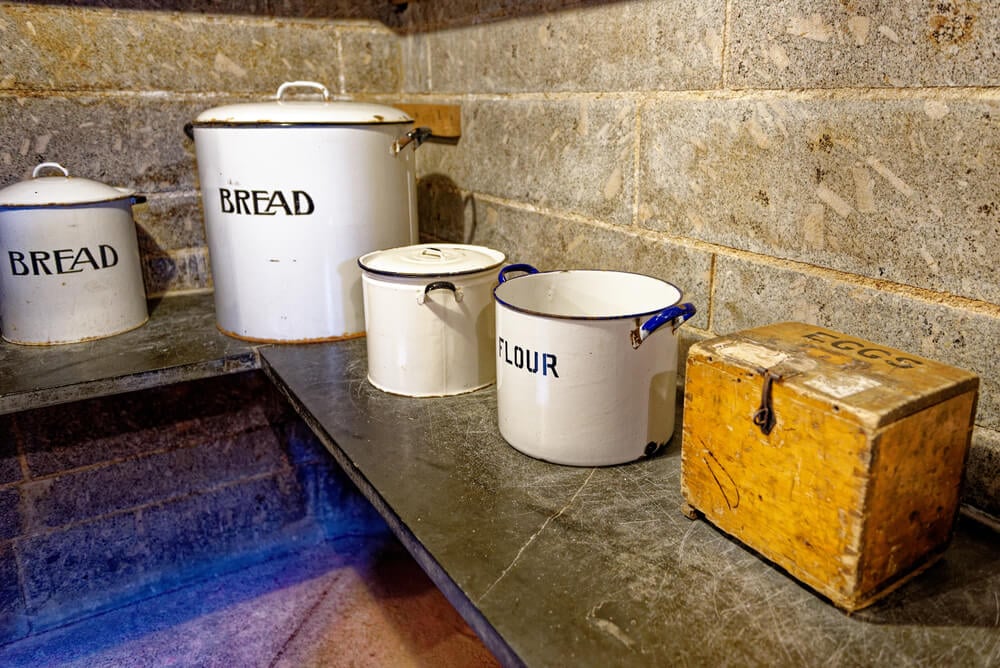
Built into freestanding Hoosier cabinets popular in the early twentieth century, the tin flour bin featured a sifting mechanism that let a cook sift flour directly while baking. Complete cabinets with an intact, functioning bin are considered a significant find, since many bins were damaged or removed over the decades.
Even standalone bins salvaged from disassembled cabinets attract dedicated collectors.
Bakelite-Handled Kitchen Utensils
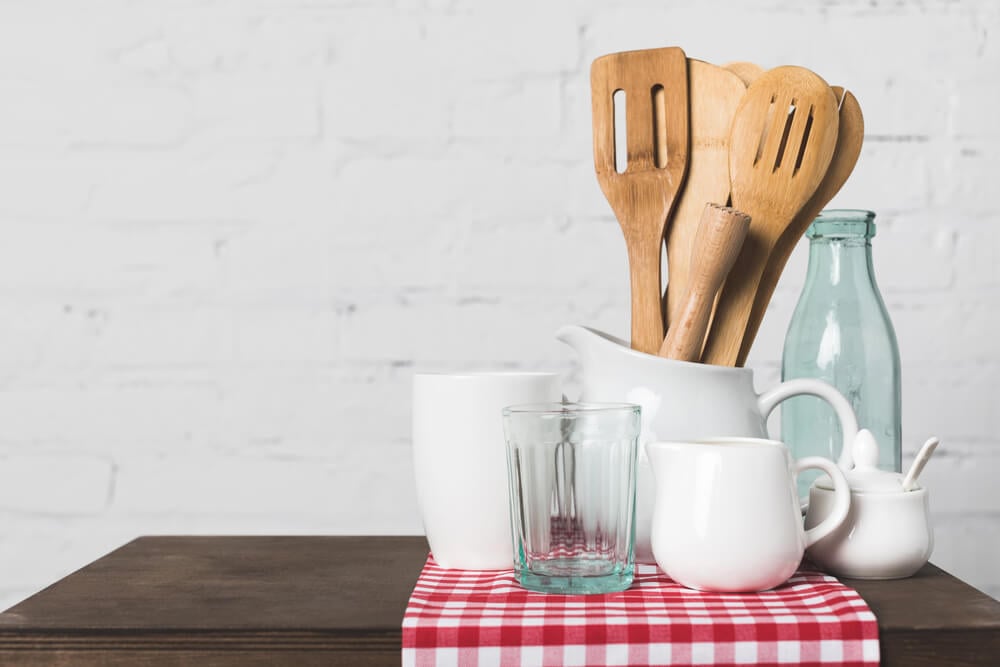
Utensils with brightly colored Bakelite handles, produced from the 1930s through the 1950s, combined function with a design aesthetic that has become highly collectible in its own right. Complete matching sets are considerably rarer than individual pieces, since utensils were often lost or replaced piecemeal over the years.
Condition of the Bakelite itself, which can discolor or crack, heavily affects value.
Aluminum Jell-O Molds
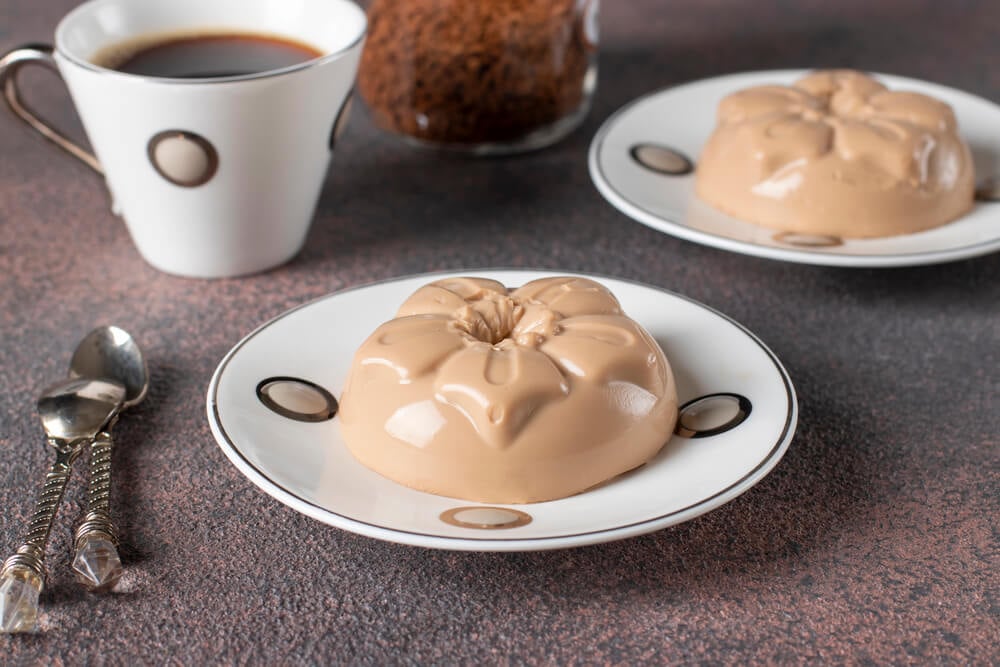
Cast aluminum molds shaped into rings, fish, rabbits, and other decorative forms were a staple of mid-century gelatin dishes served at family gatherings. Unusual or elaborate shapes tend to draw more interest than simple ring molds, which were produced in far greater numbers.
Dealers specifically look for molds free of dents or corrosion around the detailing.
Early Tupperware Pieces
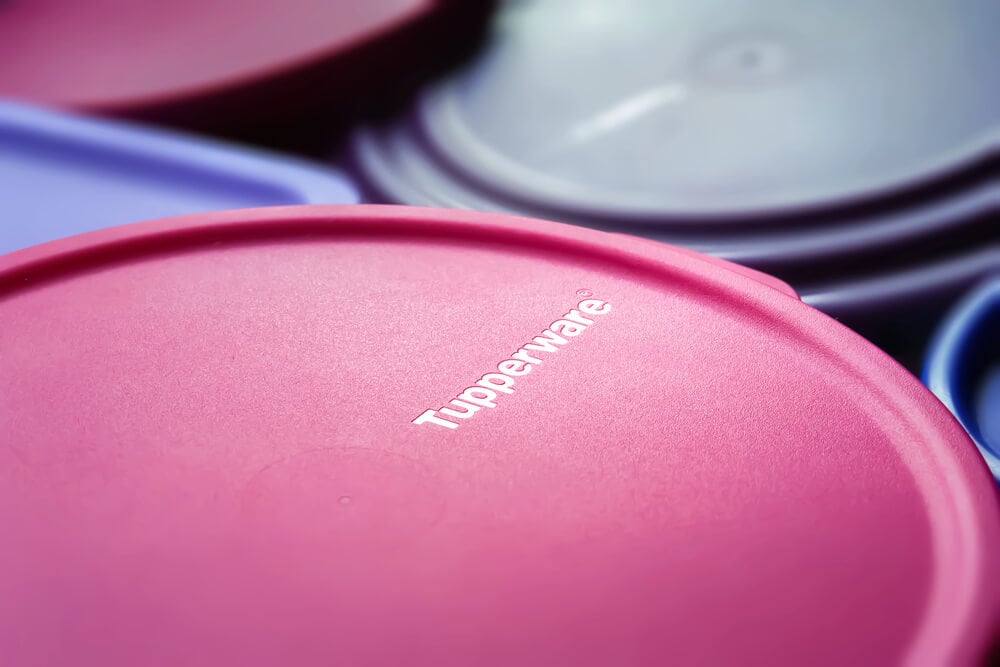
Original Tupperware pieces from the 1940s and 1950s, particularly items from the earliest production runs, have become a niche but genuine collecting category distinct from the later, more common designs. Pastel colors and original patented seal designs are especially sought after.
Complete sets with matching lids draw noticeably more interest than orphaned pieces.
Stovetop Percolator
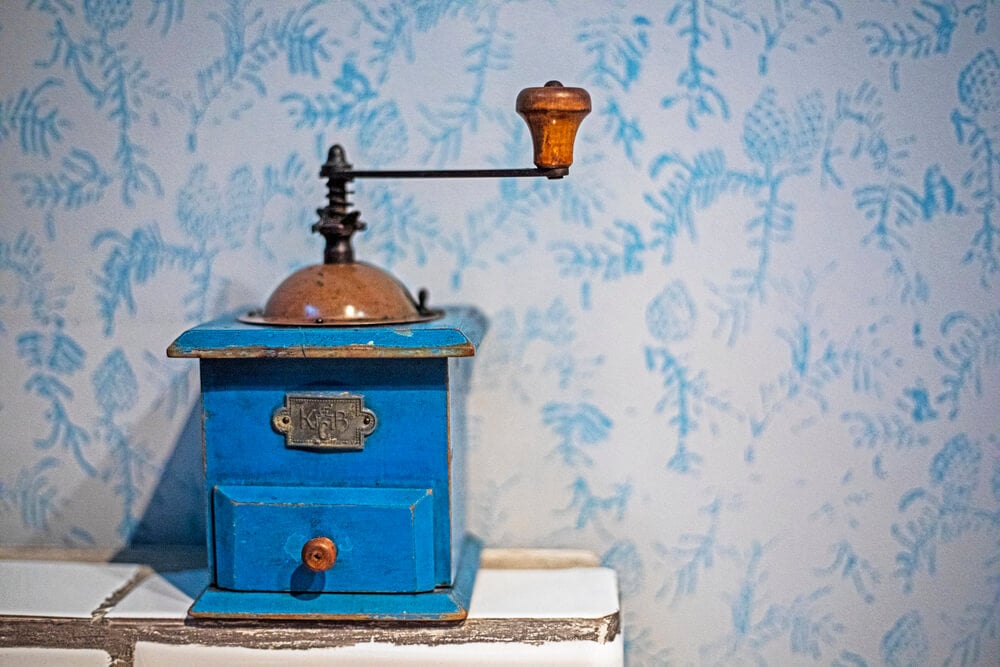
Before electric coffee makers became standard, stovetop percolators brewed coffee by cycling boiling water repeatedly through the grounds, producing a distinctly strong cup. Aluminum and enamelware versions both have their own collector followings.
Working percolators with an intact glass knob and clean interior remain in steady demand among vintage kitchen enthusiasts.
Cast Iron Cookie Press
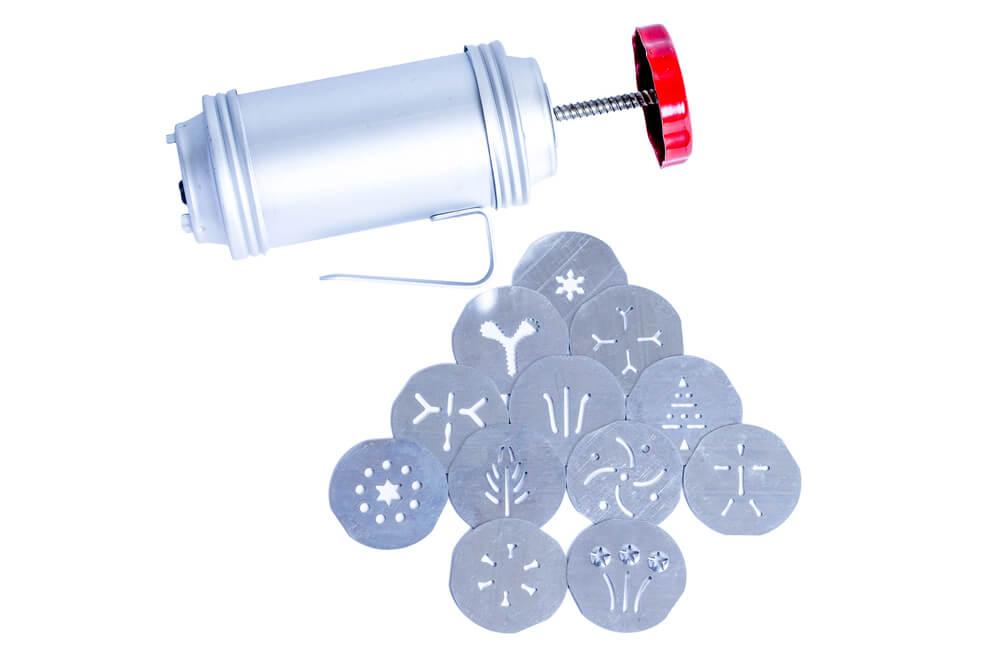
Hand-operated cookie presses, used to shape dough into decorative shapes for baking, were a common holiday tool in many households. Complete sets with the original interchangeable disks attract far more interest than presses missing their attachments.
Condition of the spring mechanism inside determines whether a piece is still genuinely usable.
Mirro Aluminum Cookware
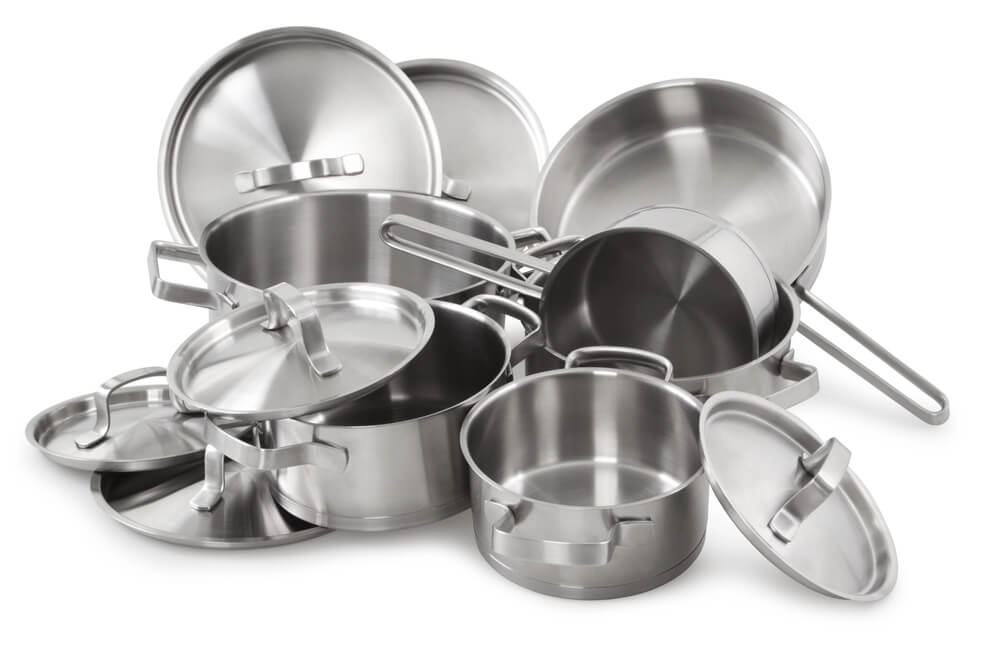
Mirro, a longtime American aluminum cookware manufacturer, produced pressure cookers, cake pans, and bakeware that remained kitchen staples for much of the twentieth century. Specific patterns, particularly decorative cake and gelatin molds, have developed dedicated collector followings.
Dents and heavy oxidation significantly reduce the value of otherwise desirable pieces.
Wooden Rolling Pin With Roller-Bearing Handles
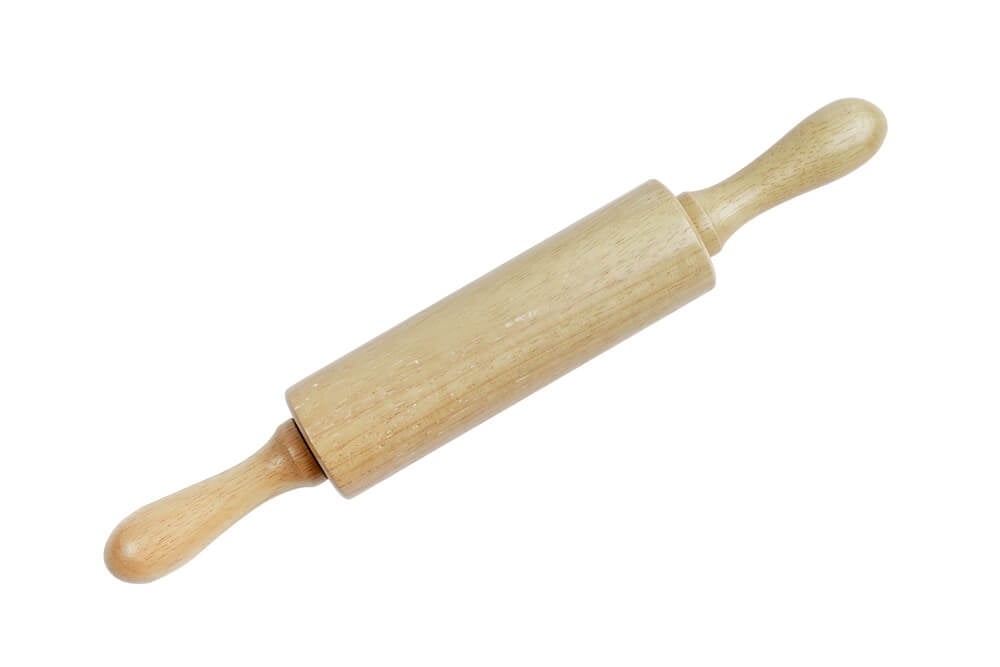
Rolling pins built with internal roller-bearing mechanisms in the handles, produced starting in the early twentieth century, offered smoother rolling than simpler wooden designs. Surviving examples with the bearing mechanism still functioning properly are considered more desirable than purely decorative rolling pins.
Maker’s marks stamped into the wood can add meaningfully to value.
Cast Iron Cornbread Stick Pan
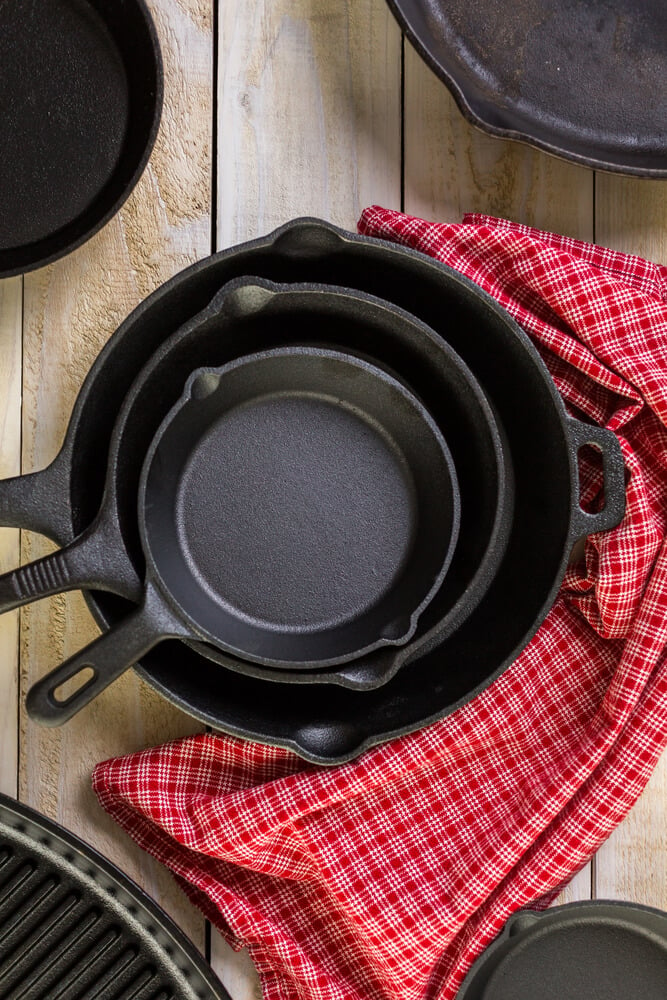
Shaped to produce individual corn-shaped portions of cornbread, this specialized cast iron pan became a regional kitchen staple, particularly across the American South. Well-seasoned examples free of rust or cracking remain genuinely functional as well as collectible.
Certain maker’s marks on the underside are specifically sought after by cast iron specialists.
Copper Gelatin Mold
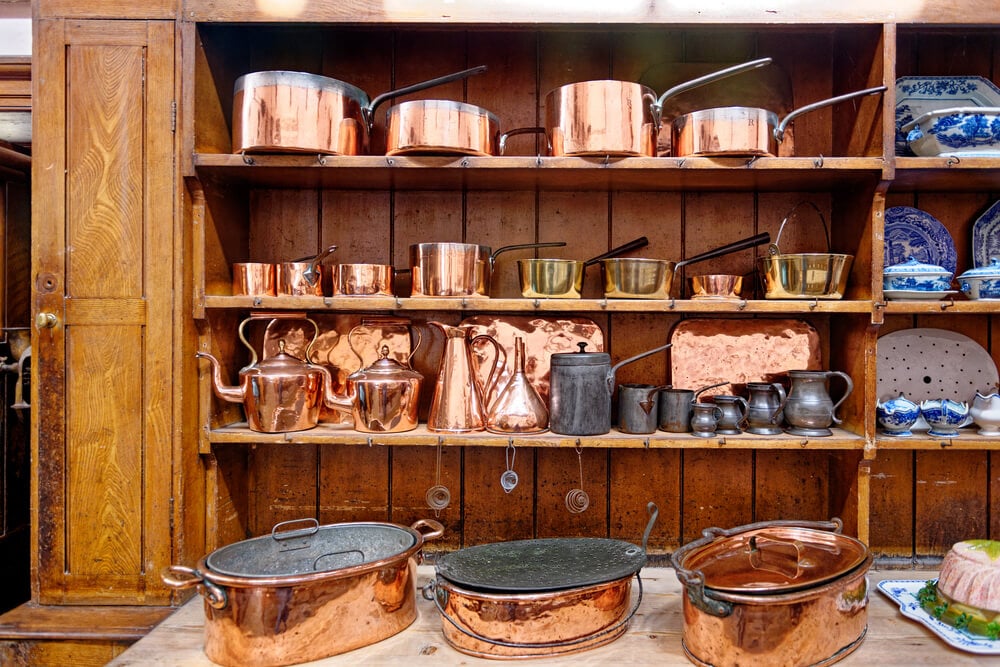
Decorative copper molds, often shaped into fruit, animal, or geometric designs, were used both functionally for gelatin desserts and decoratively as wall displays in many mid-century kitchens. Their dual use as both tool and decor has kept demand broad among different types of collectors.
Tin lining condition on the interior significantly affects whether a piece is still considered food-safe and functional.
Hand-Crank Apple Peeler
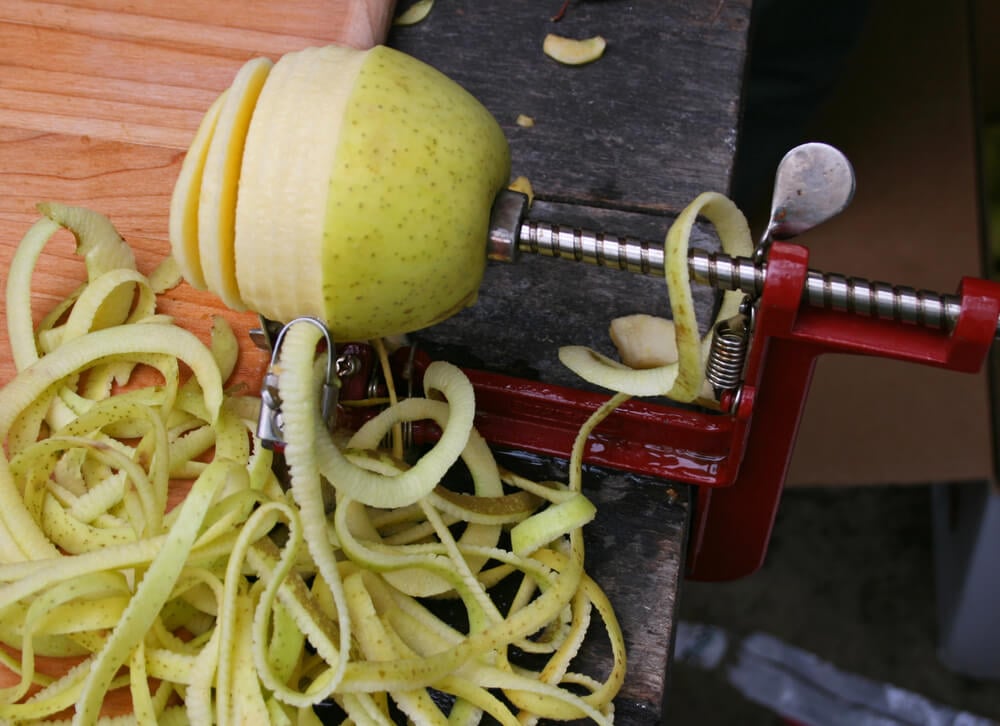
Clamped to a countertop, this mechanical device peeled, cored, and sliced apples in a single continuous motion when the crank was turned, a genuinely clever piece of nineteenth and early twentieth century kitchen engineering. Cast iron examples with all gears intact and turning smoothly are the most desirable to collectors.
It remains one of the more functional vintage tools still used by home cooks today.
Wooden Butter Mold
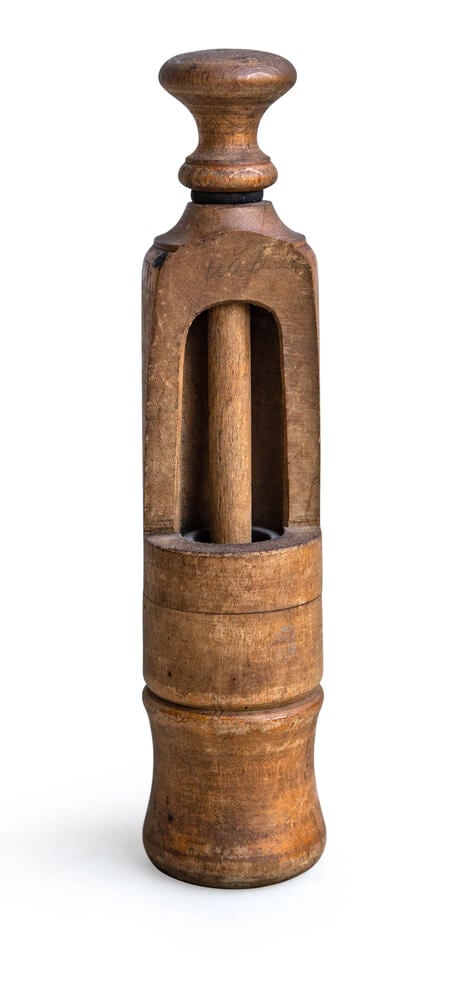
Carved wooden molds, often decorated with floral or geometric designs, stamped a decorative pattern into fresh butter before it was served or sold. Surviving examples with crisp, undamaged carving detail are considered more valuable than worn pieces.
Regional carving styles can add historical interest beyond the object’s basic function.
Tin Cookie Cutters
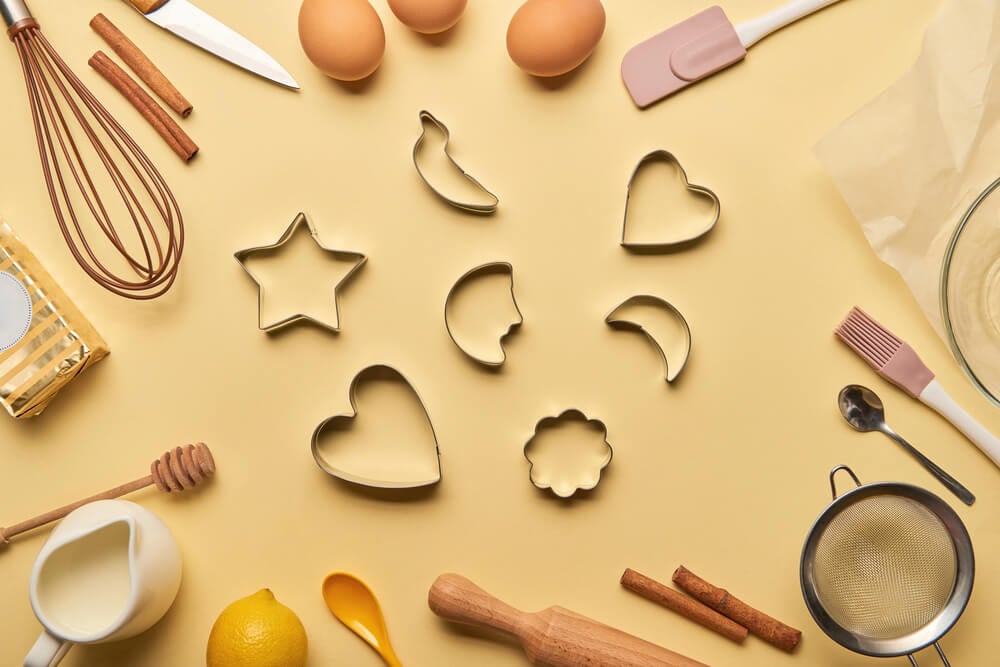
Handmade or early manufactured tin cookie cutters, particularly older examples with a soldered back strap rather than a modern plastic handle, are prized by collectors of American folk kitchenware. Unusual shapes, particularly figural designs, tend to draw stronger interest than basic geometric cutters.
Rust and bent edges are the main factors that reduce a cutter’s collector value.
Glass Milk Bottles
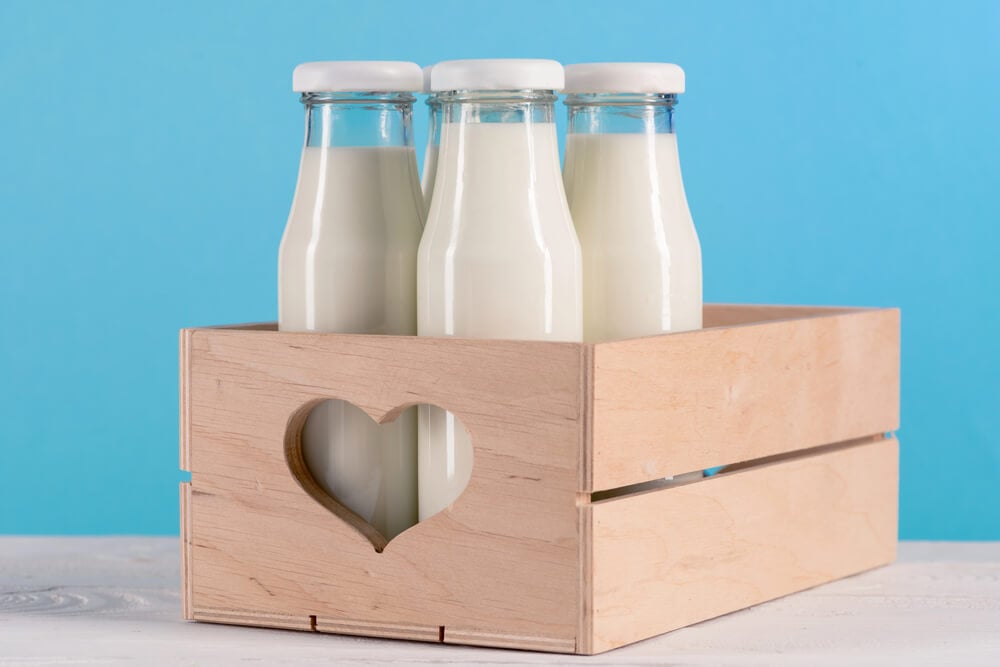
Embossed glass milk bottles from local dairies, many of which no longer exist, have become a regional collecting category tied closely to local history. Bottles bearing the name of a specific, identifiable local dairy tend to draw more interest than generic examples.
Condition of the embossing and absence of chips at the rim are the primary value factors.
Enamel Bread Box
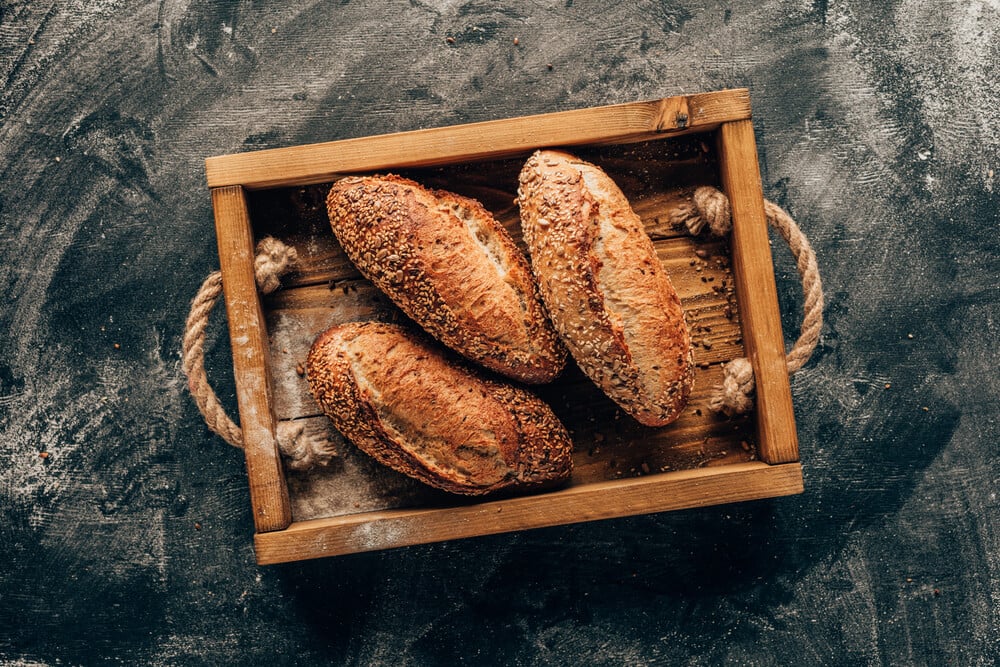
Metal bread boxes with enamel coatings and decorative lettering or floral patterns were a common countertop fixture before plastic and modern storage solutions took over. Bright, unfaded examples with intact hinges and minimal rust are the most desirable to collectors.
Certain color combinations from specific manufacturing decades draw particularly strong interest.
Cast Iron Waffle Iron
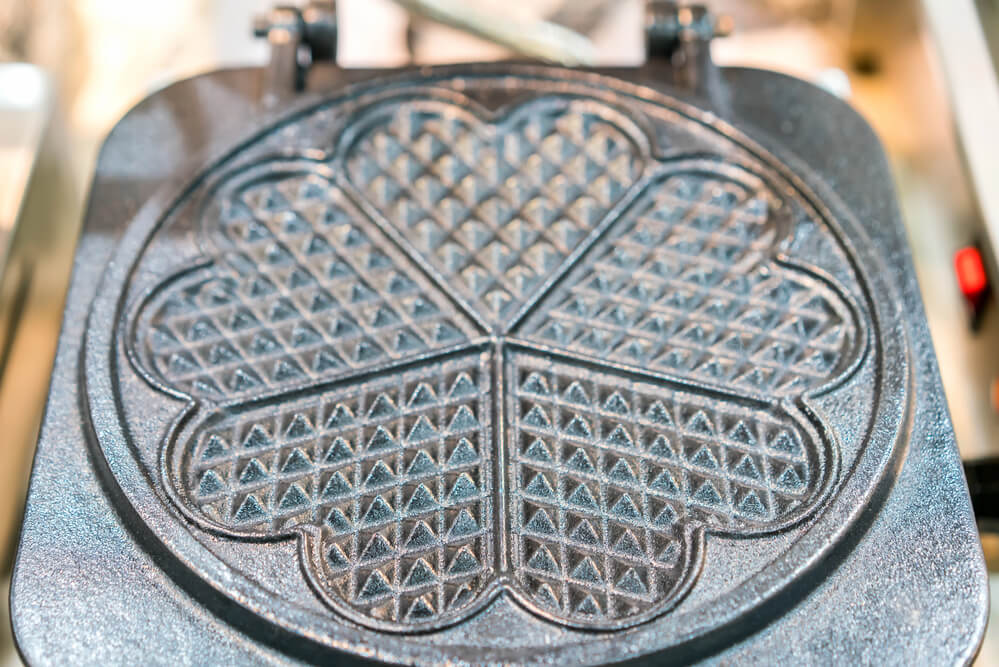
Long-handled cast iron waffle irons, designed to be used directly over a stovetop flame before electric versions became standard, represent an earlier era of home waffle-making. Working hinges and an evenly seasoned cooking surface are the primary indicators dealers look for.
Complete examples with the original handle latch intact are considered the most desirable.
Salt-Glazed Stoneware Crock
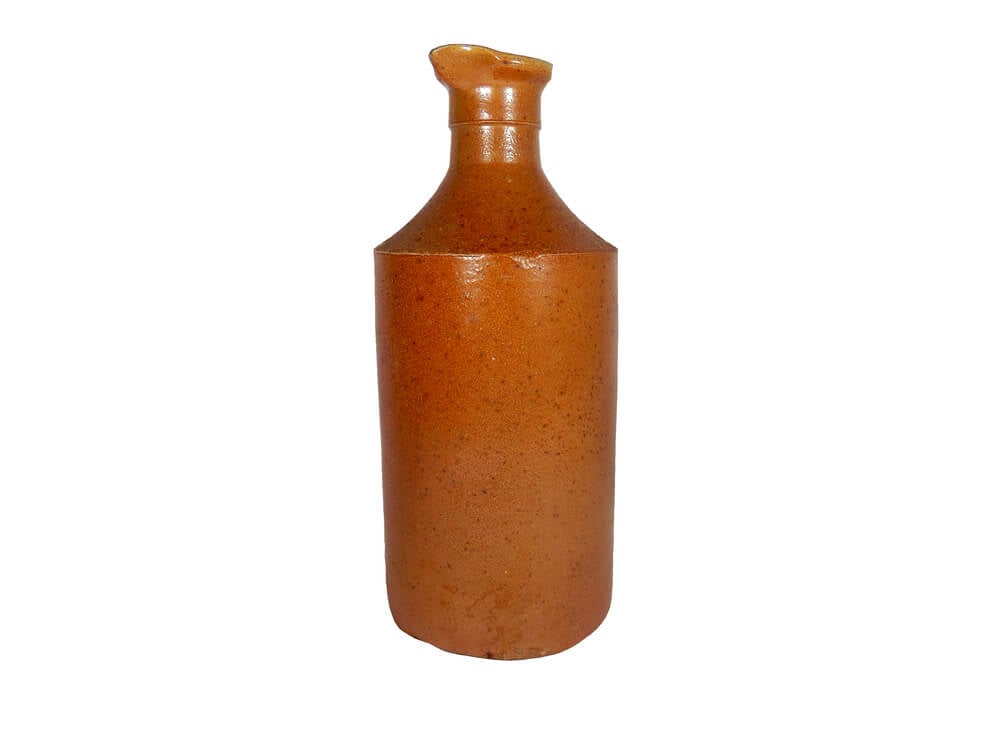
Used for pickling, fermenting, and general food storage, salt-glazed stoneware crocks were a kitchen and cellar staple for generations before refrigeration made large-batch preservation less necessary. Crocks bearing a maker’s stamp or decorative cobalt blue design are significantly more valuable than plain, unmarked examples.
Cracks or chips around the rim substantially reduce a crock’s value.
McCoy Pottery Mixing Bowl
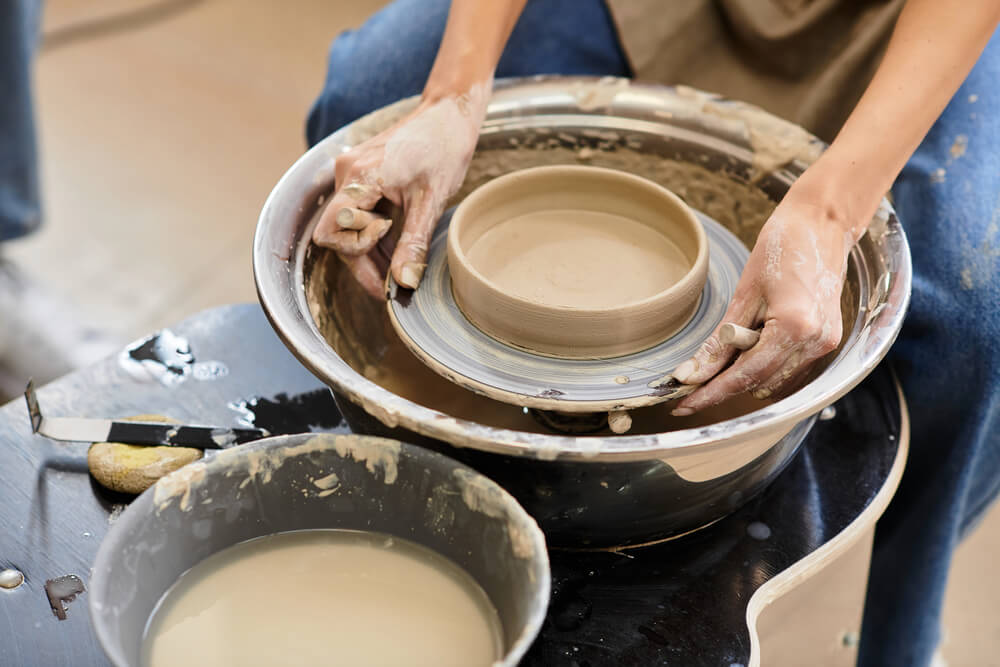
Produced by the McCoy Pottery Company for much of the twentieth century, these glazed stoneware mixing bowls became a common feature of American kitchens thanks to their durability and approachable pricing. Certain glaze colors and patterns are considerably rarer than others, driving specific collector demand.
Pieces with the maker’s stamp intact on the base are generally easier to authenticate and value.
Fiesta Dinnerware
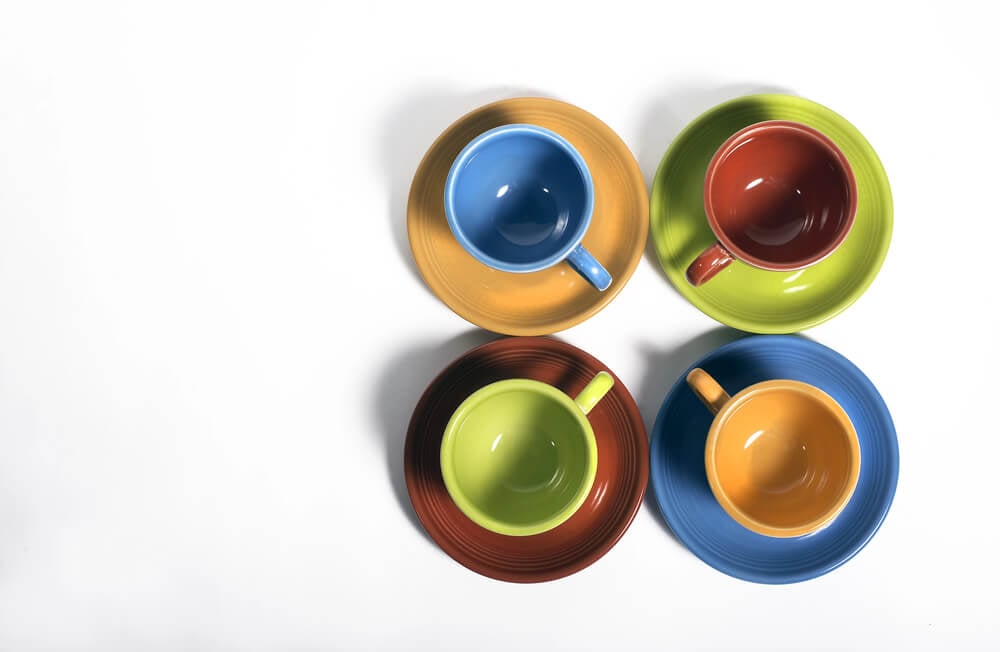
Introduced in 1936, Fiesta’s brightly colored, Art Deco-influenced dishware became an enduring American design icon still in production today, though vintage pieces from the original color runs are treated as a distinct collecting category. Certain discontinued original colors are considerably scarcer than current production colors.
Chips and glaze crazing significantly affect what a dealer is willing to pay for a piece.
Glass Citrus Reamer

Pressed glass reamers, used to hand-juice citrus fruit before electric juicers became common, were produced in a wide range of colors and patterns throughout the early to mid-twentieth century. Certain colors, particularly uncommon shades like cobalt or pink, draw considerably more collector interest than clear glass.
Condition of the ridged juicing surface, which can chip with heavy use, matters significantly to value.
What the Drawer Was Really Holding

None of these tools were purchased with resale in mind; they were bought because they worked, and kept because replacing them never seemed necessary. That practical, unsentimental use is exactly what left so many of them intact decades later.
The dealers who chase this category down aren’t just buying nostalgia. They’re buying design decisions from an era when kitchen tools were expected to last a lifetime, and often did.
More from Go2Tutors!

- The Romanov Crown Jewels and Their Tragic Fate
- 13 Historical Mysteries That Science Still Can’t Solve
- Famous Hoaxes That Fooled the World for Years
- 15 Child Stars with Tragic Adult Lives
- 16 Famous Jewelry Pieces in History
Like Go2Tutors’s content? Follow us on MSN.