29 Lunchbox Items Kids Traded at School Before Anyone Rang the Bell
In the window between when classroom doors opened and the first bell rang, an invisible economy thrived. Kids gathered in hallways and on playgrounds, opening lunch boxes to assess what others had packed that day.
Certain items held power—currency, really—and negotiation was inevitable. Parents packed lunches with no idea that their careful choices would immediately become tradeable assets.
The system had simple rules: packaged, high-sugar, brightly colored, and preferably something that required opening or assembly. Health food never moved.
Novelty items were liquid gold. This was serious commerce conducted in whispers and handshakes.
A trade wasn’t just about preference; it was about status, negotiation, and tactical thinking about future lunchbox transactions. Some children built small empires by understanding what held value.
Others arrived at school with items no one wanted, destined to be eaten alone or left uneaten on desks.
Gushers
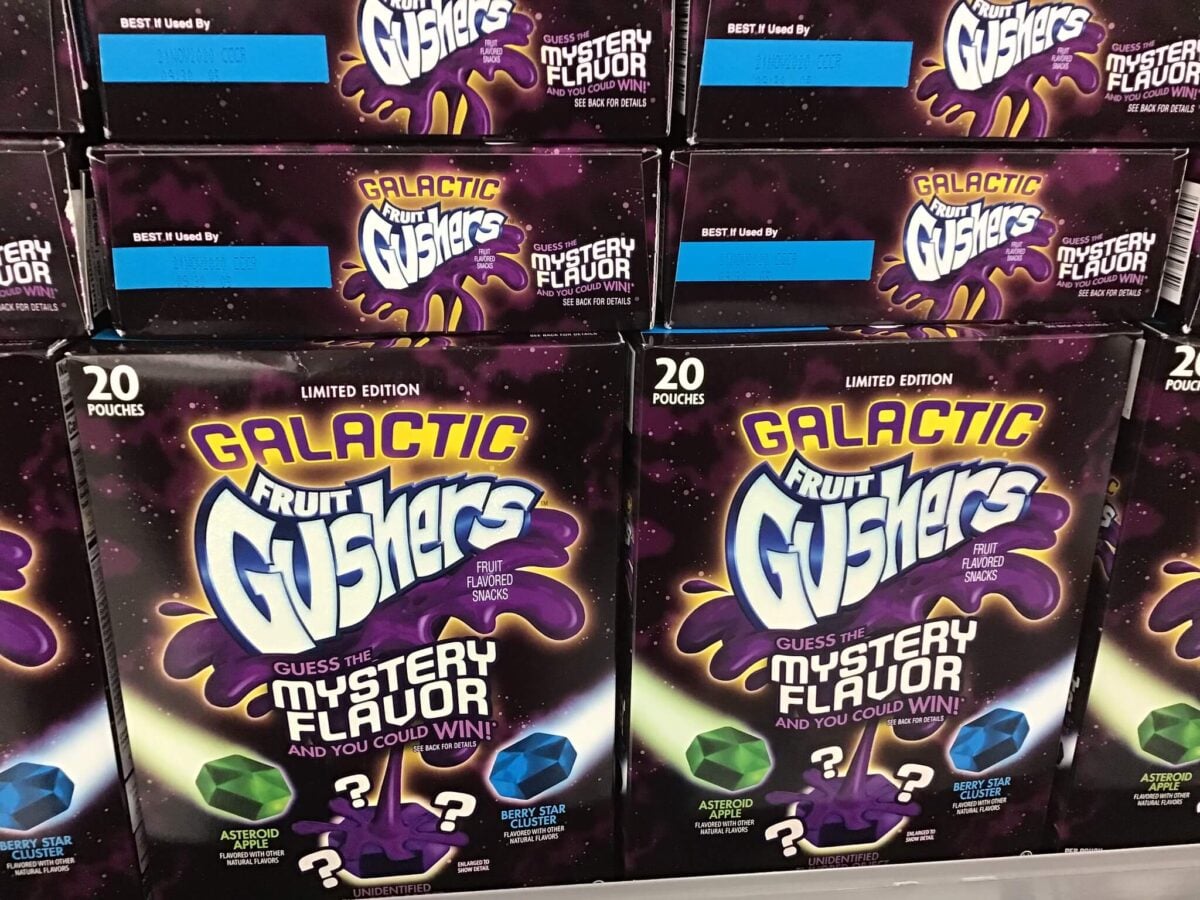
The jewel-shaped gummy filled with thick fruity liquid that gushed out when bitten became the undisputed cornerstone of the trading economy. A kid who showed up with Gushers had negotiating power.
The burst of artificial fruit syrup made them simultaneously desirable and disgusting, which somehow increased their value. Strawberry Splash and Gushin’ Grape variants each held their own trading market.
Dunkaroos
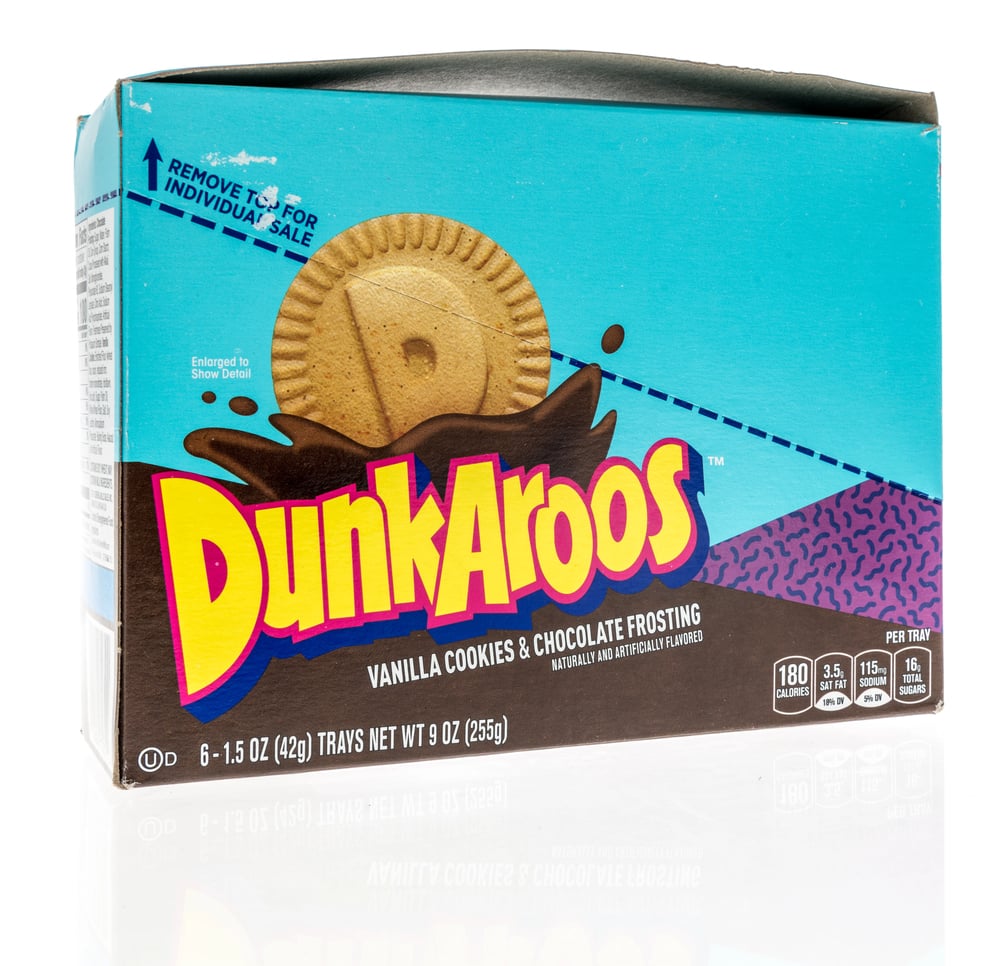
Cookies meant for dipping in frosting—the kangaroo mascot approved. The novelty of assembling your own snack made Dunkaroos a supreme lunchbox item.
The combination of vanilla cookies and rainbow sprinkle frosting granted immediate status at any lunch table. Kids would attempt to preserve them for trades even when the package promised they would sell out fast.
Fruit by the Foot
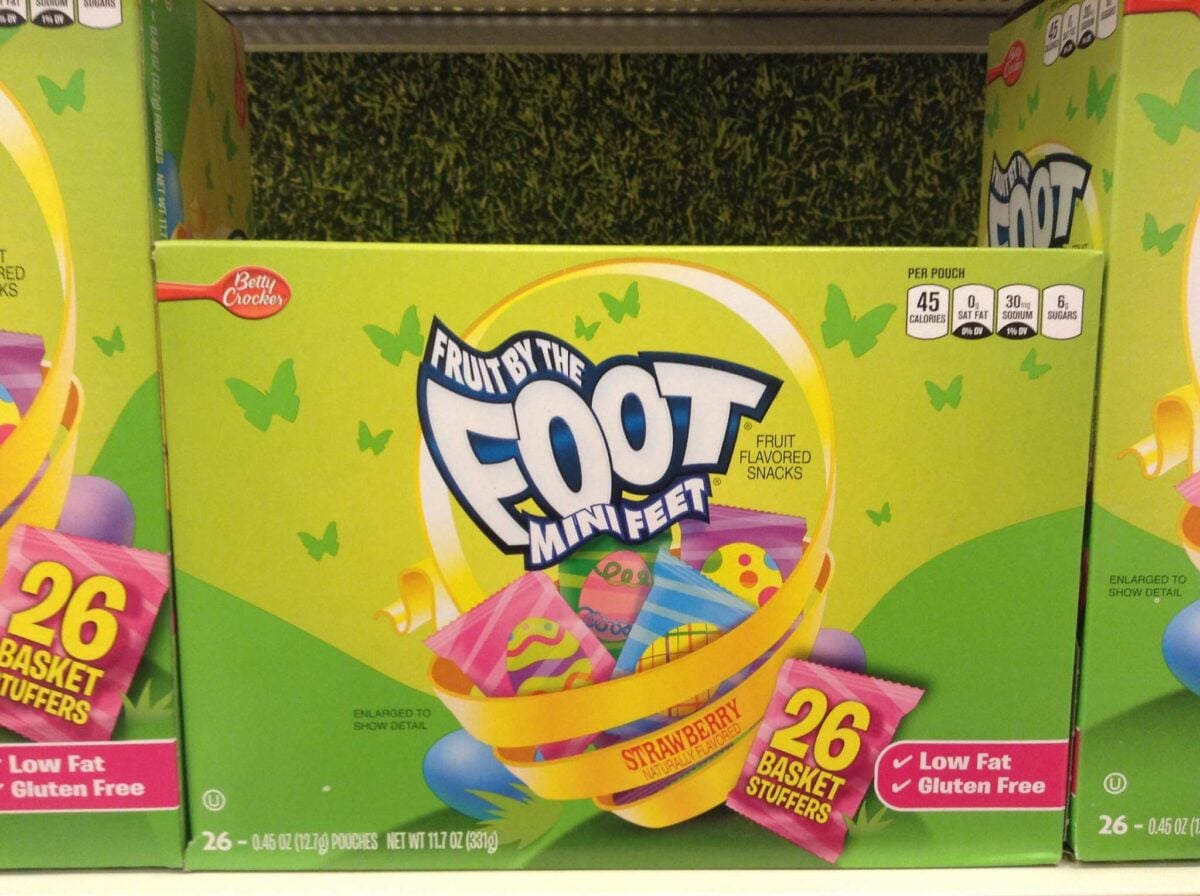
Three feet of rolled-up fruit-flavored sugar that required unrolling before consumption. The length alone made it impressive, and you could trade it to multiple people if you stretched it first.
The appeal was partly functional and partly psychological—the size suggested abundance, even if it was mostly air.
Fruit Roll-Ups
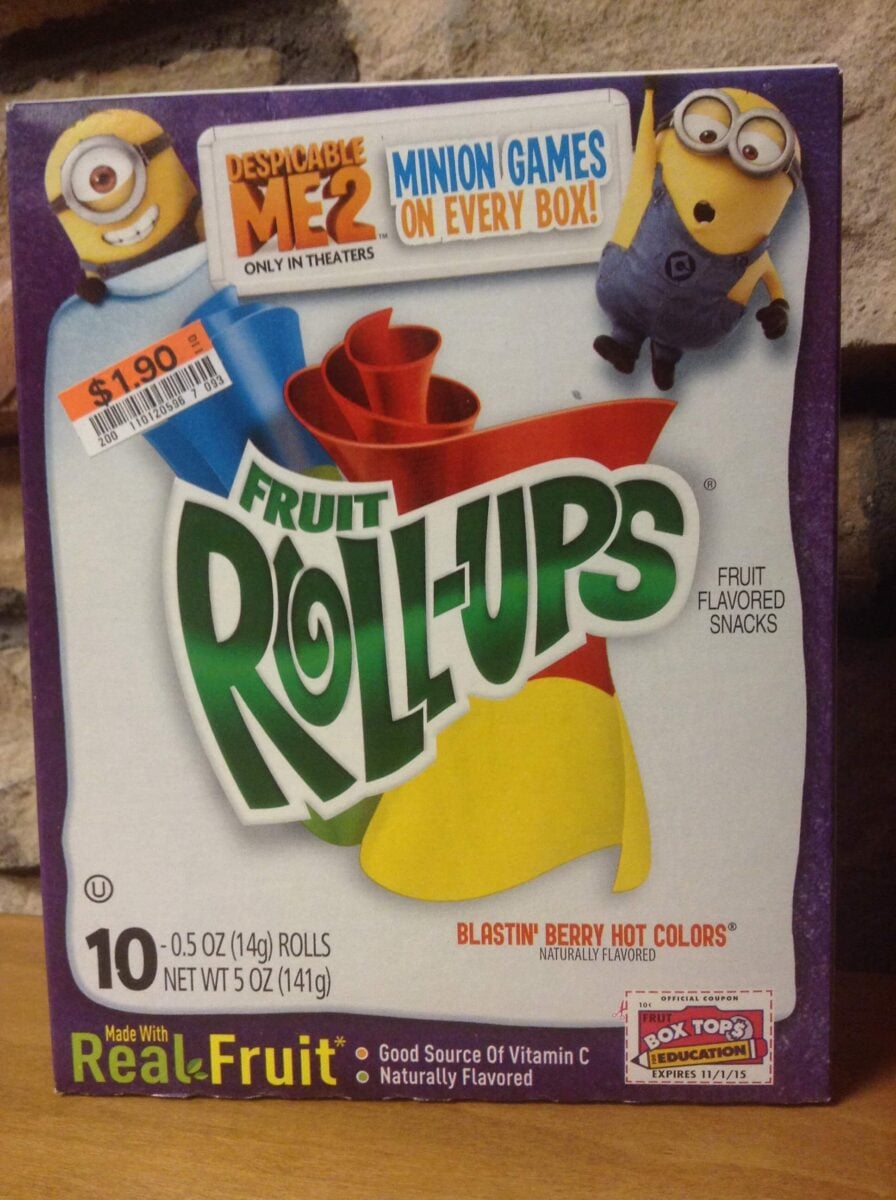
A flattened sheet of fruit-flavored goodness that sometimes came with temporary tattoos on the back. Unlike Fruit by the Foot, which was primarily flex, Fruit Roll-Ups had actual substance traders could appreciate.
The fact that they occasionally stuck to your fingers made them feel expensive.
Lunchables Pizza Edition
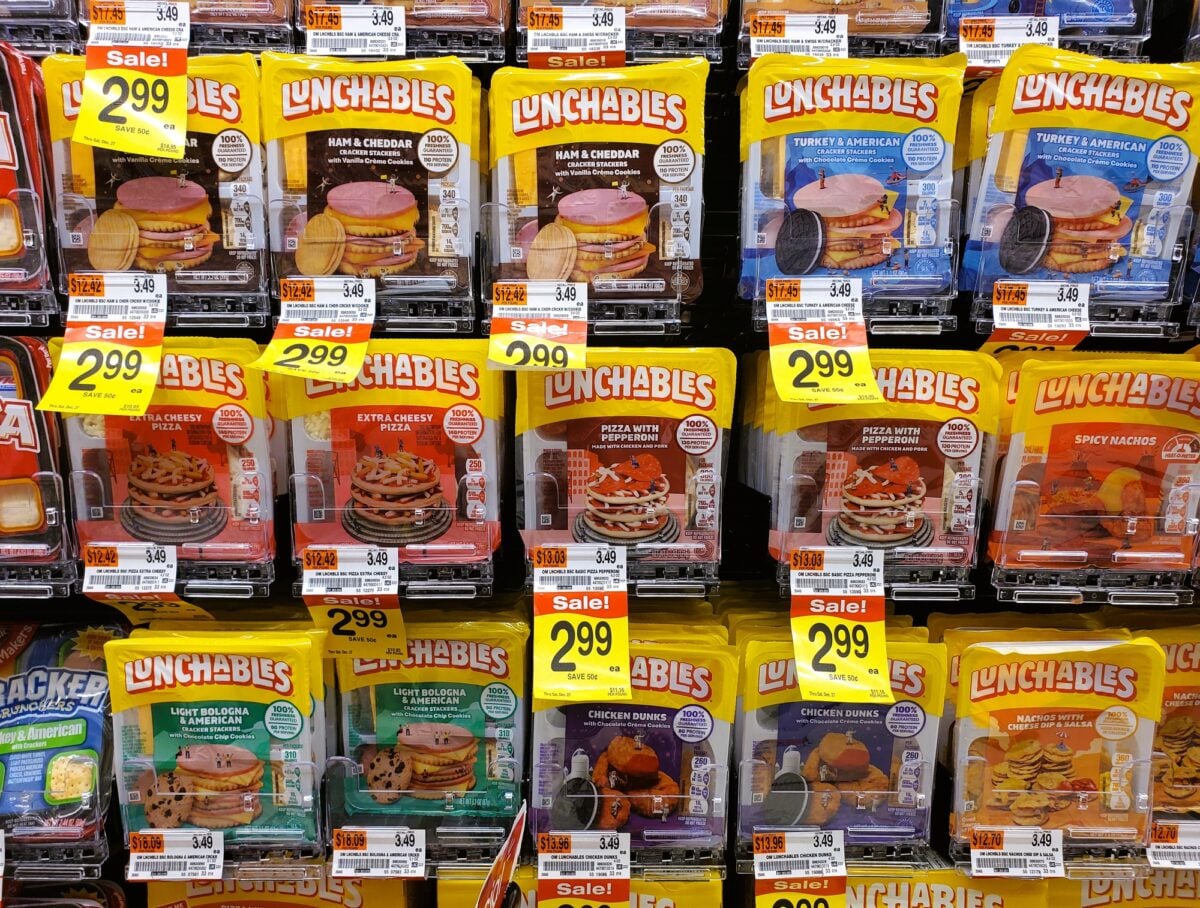
A cold assembly project featuring a cardboard-like crust, unmelted waxy cheese, and perpetually insufficient pepperoni. Nobody cared. Having Pizza Lunchables meant access to a trading conversation that lasted through entire homerooms.
The fact that they were objectively awful didn’t diminish demand.
Lunchables Nachos Edition
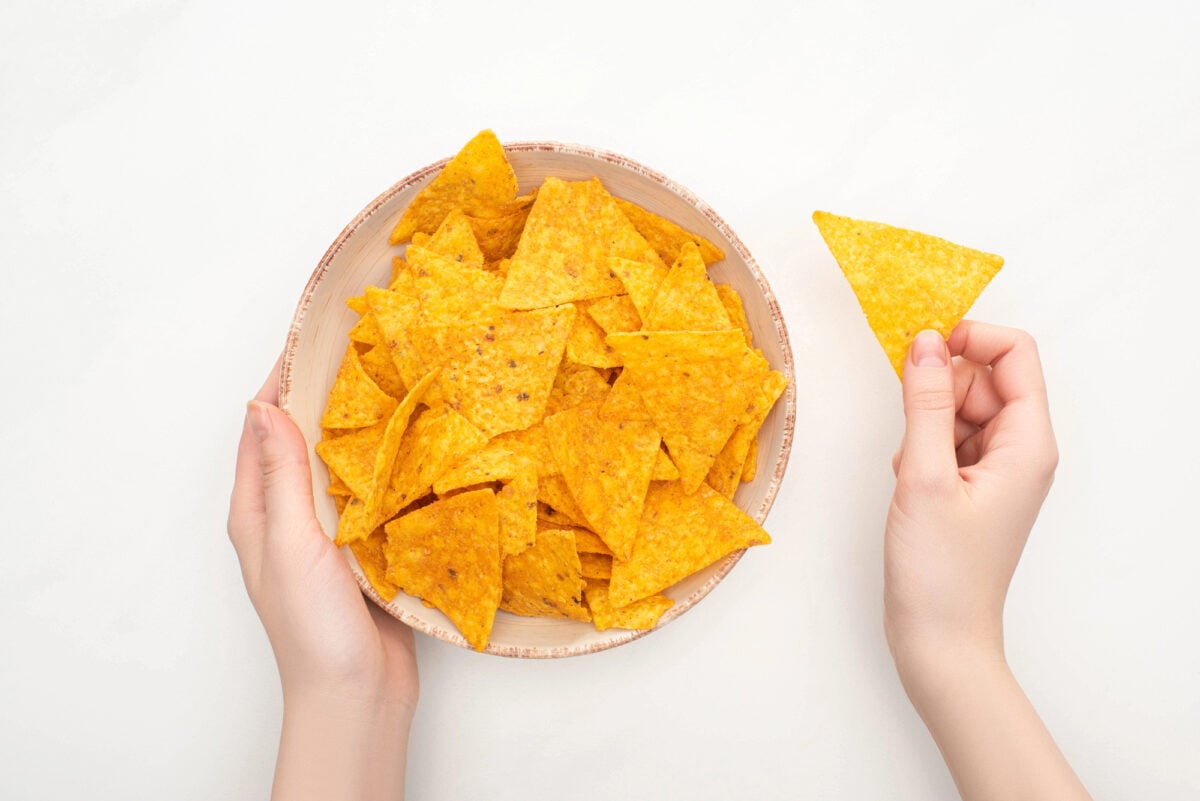
Chips, cheese sauce, and salsa in pre-measured portions that could be assembled or not—it didn’t matter. The draw was the novelty of building food at your desk in plain sight.
Kids who brought Nachos Lunchables occupied a specific social tier above those with sandwiches.
Lunchables Sandwich Edition
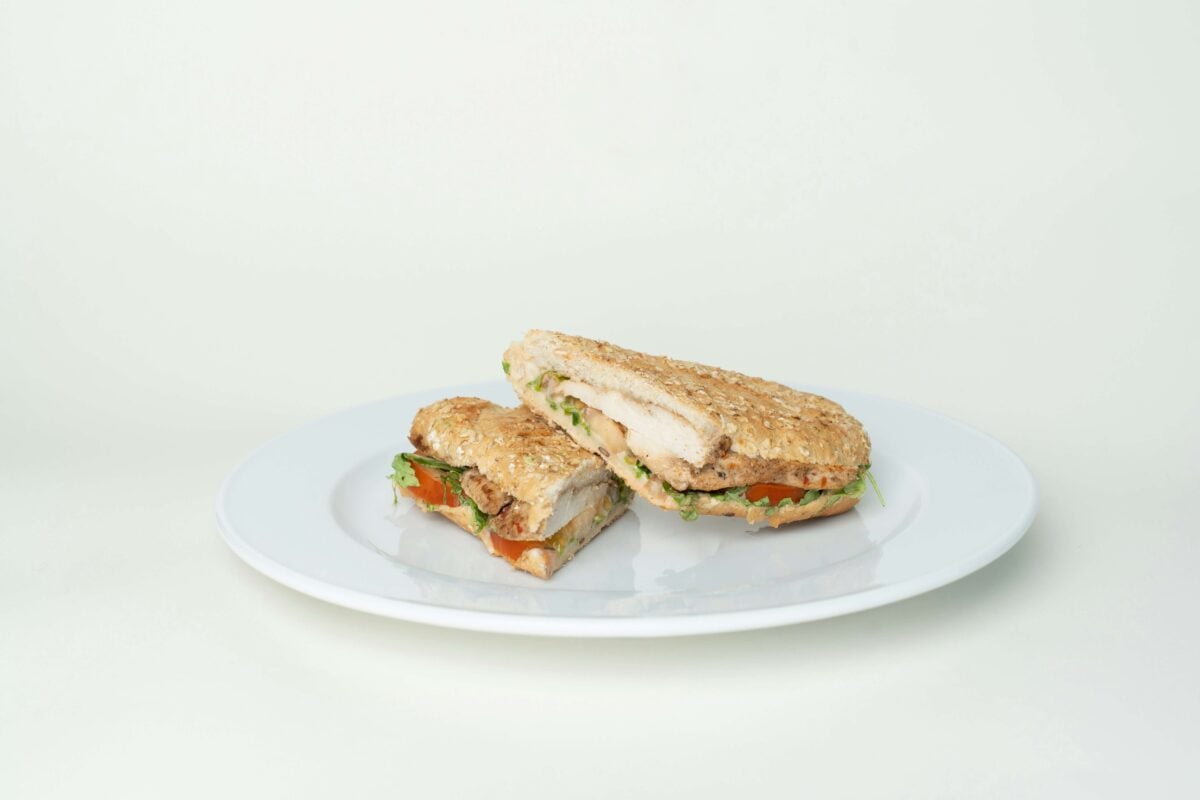
Turkey, cheese, and crackers for building minimal sandwiches. Less premium than Pizza or Nachos, but still negotiable.
The presence of the red plastic cheese spreader gave it assembly credibility, even if the assembly was basically pointless.
Handi-Snacks Cheese N Crackers
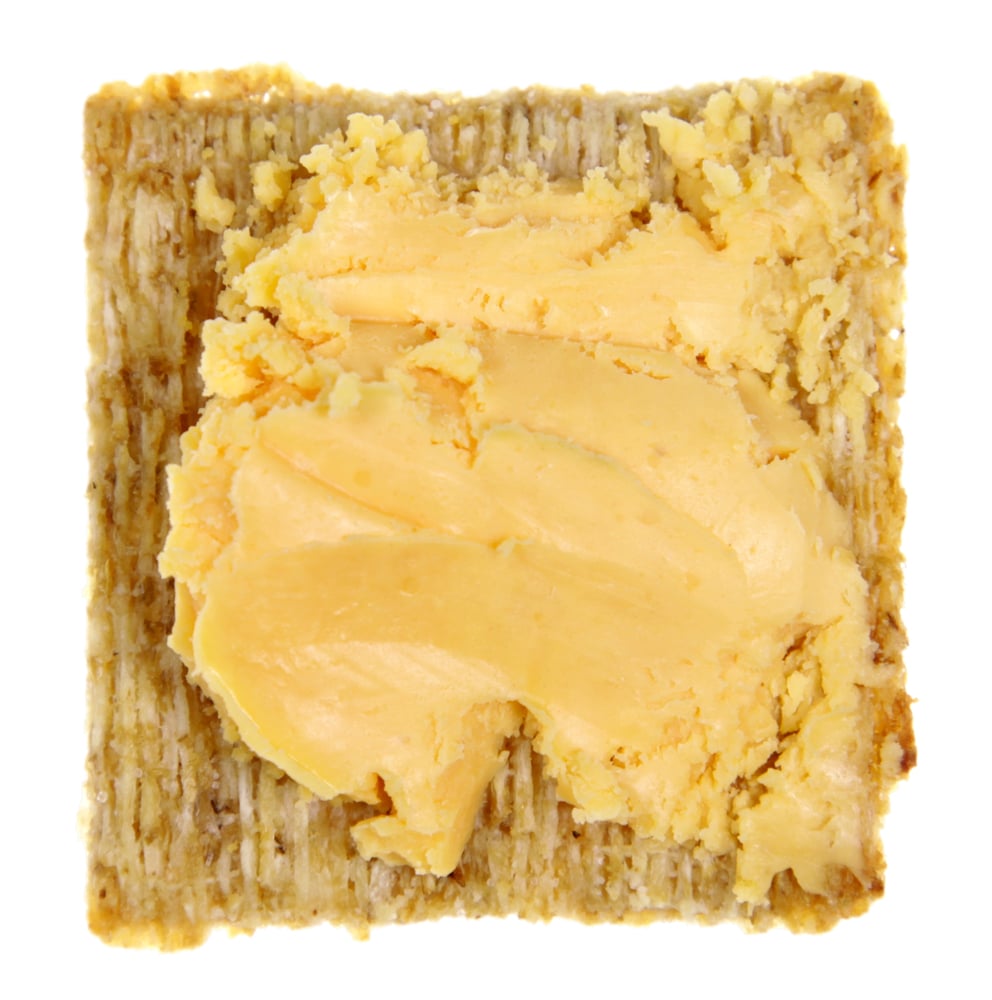
Spreadable orange cheese product in a compartment, paired with buttery crackers, and accompanied by a red plastic spreader that was easy to lose. The spreadable element made this tactile in ways whole-food lunches weren’t.
Kids would forget the spreader and resort to ineffectively dunking crackers.
Push Pops
— Photo by Sheilaf2002
A retractable lollipop that extended and retracted from a plastic container. The mechanism itself was the selling point—you were trading a toy disguised as candy.
Kids who had Push Pops could extend them up or down during lunch, which provided entertainment value beyond flavor.
Ring Pops

Wearable candy that doubled as jewelry. You could advertise your lunch box contents while wearing them.
Some kids would trade a single Ring Pop and feel they’d made a smart deal just by having it displayed on their finger for fifteen minutes before consuming it.
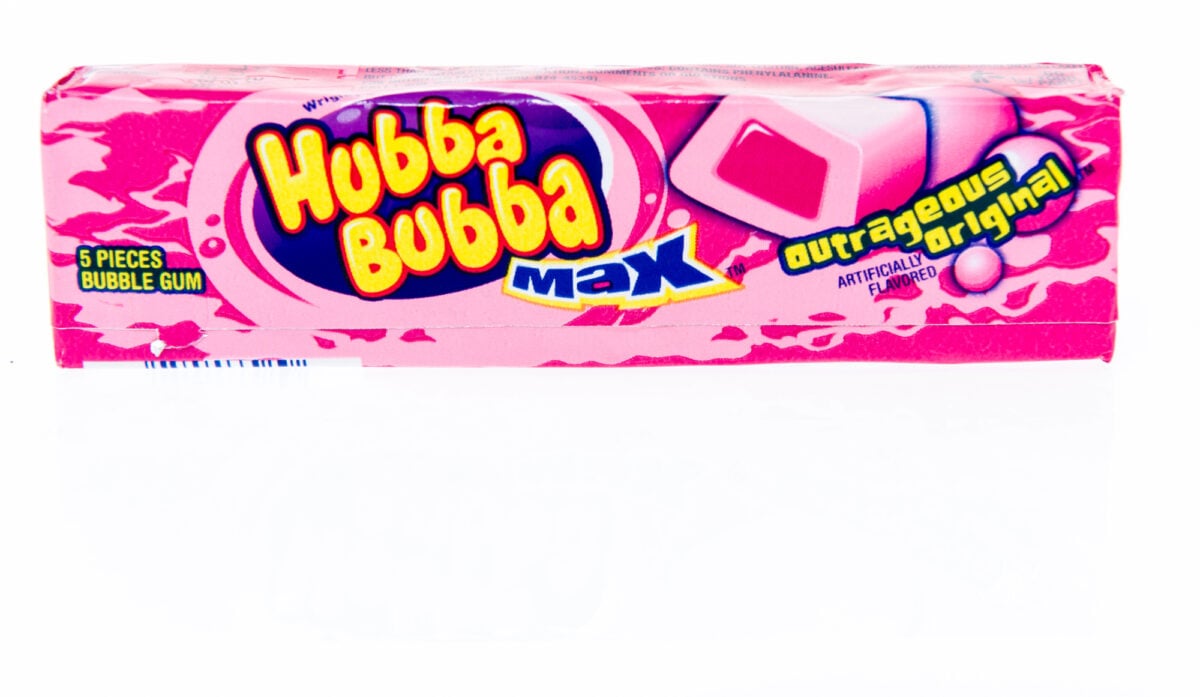
Bubble Tape
— Photo by homank76
Six feet of gum in a round container that dispensed tape-like gum. The quantity impressed people more than the quality, which was minimal.
Kids competed to blow the largest possible bubble with multiple segments taped together, which made Bubble Tape simultaneously social and competitive.
Reese’s Peanut Butter Cups
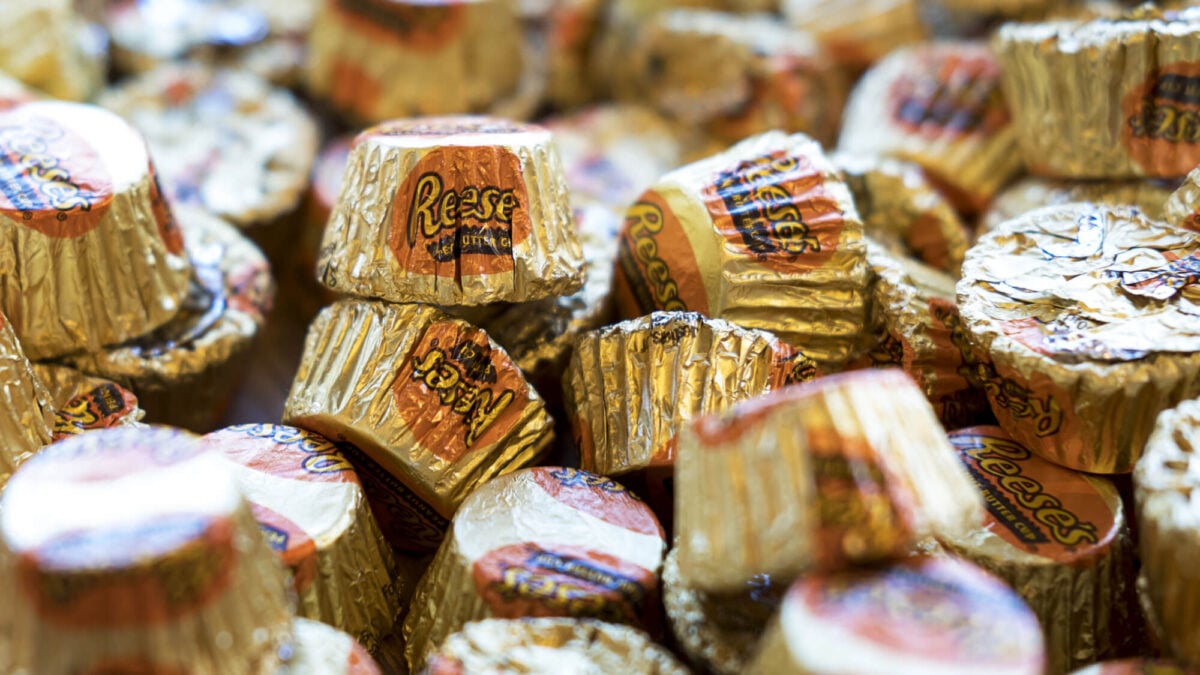
Chocolate and peanut butter in a wrapper that everyone recognized. These held reliable value across all grades and socioeconomic levels.
A kid with Reese’s had something negotiable with nearly everyone, making them the closest thing to standardized currency the lunch table had.
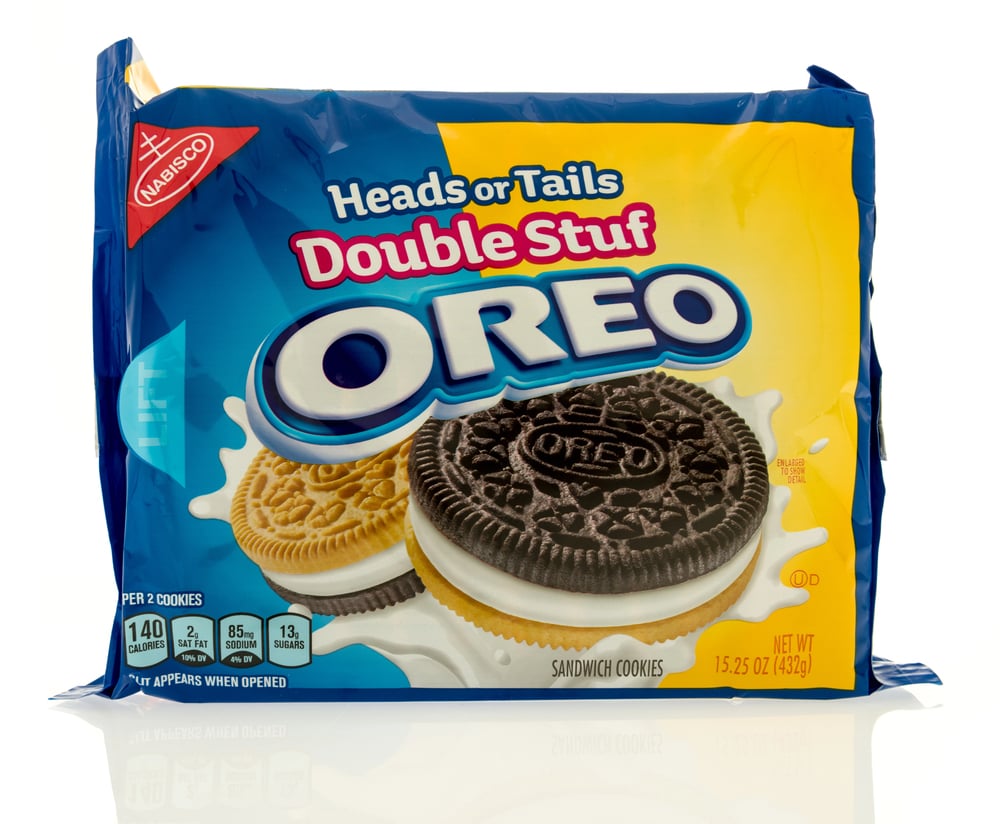
Double Stuf Oreos
— Photo by homank76
Double Stuf Oreos, introduced in 1974 with double the filling, held legendary status whenever they appeared in lunchboxes. Their reliability as a sought-after item made them exceptional trading currency.
Kids who managed to secure them during that window had legendary status lasting into middle school. The rarity made them impossible to trade fairly.
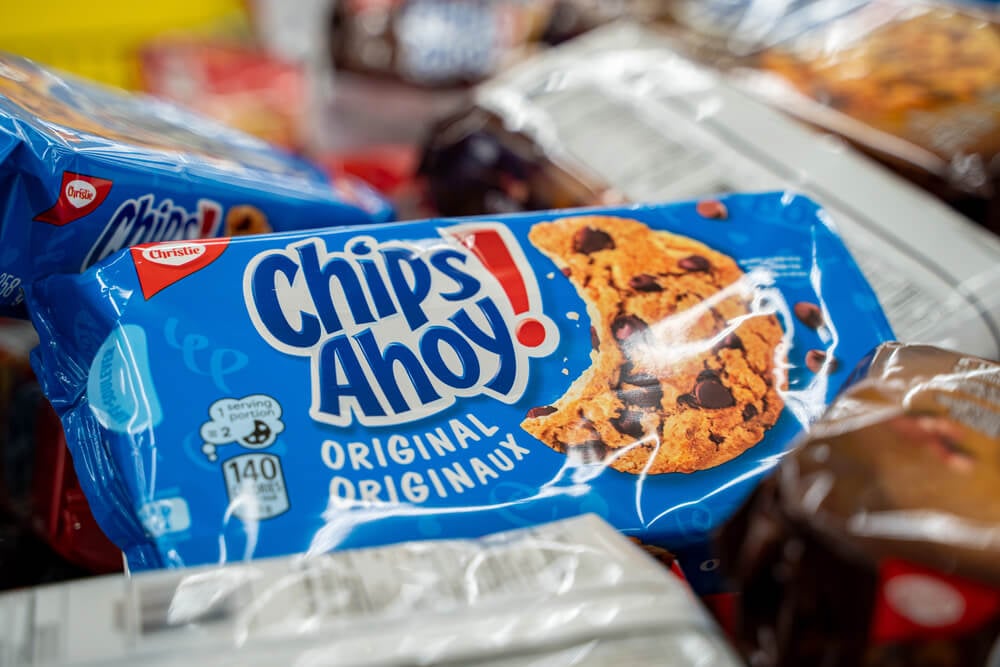
Chips Ahoy
— Photo by egunes_
Chocolate chip cookies in a package that was easy to identify from across a lunchroom. Not as premium as homemade cookies, but more impressive than generic store brands.
The navy blue package made them instantly recognizable during negotiations.
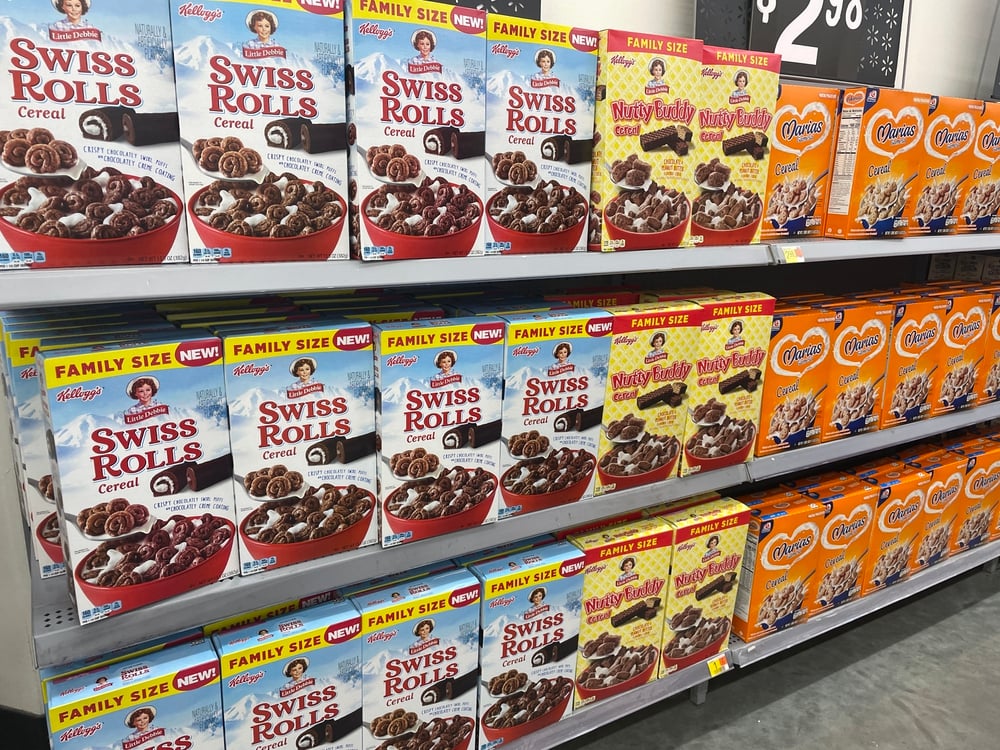
Little Debbie Oatmeal Cakes
— Photo by madvideos.gmail.com
Two oatmeal cookies with cream filling that came individually wrapped. The portion size and packaging made them perfect for lunch trading.
Kids could trade pairs or singles depending on their negotiating position. The reliability of finding them in stores made them steady, dependable trade goods.
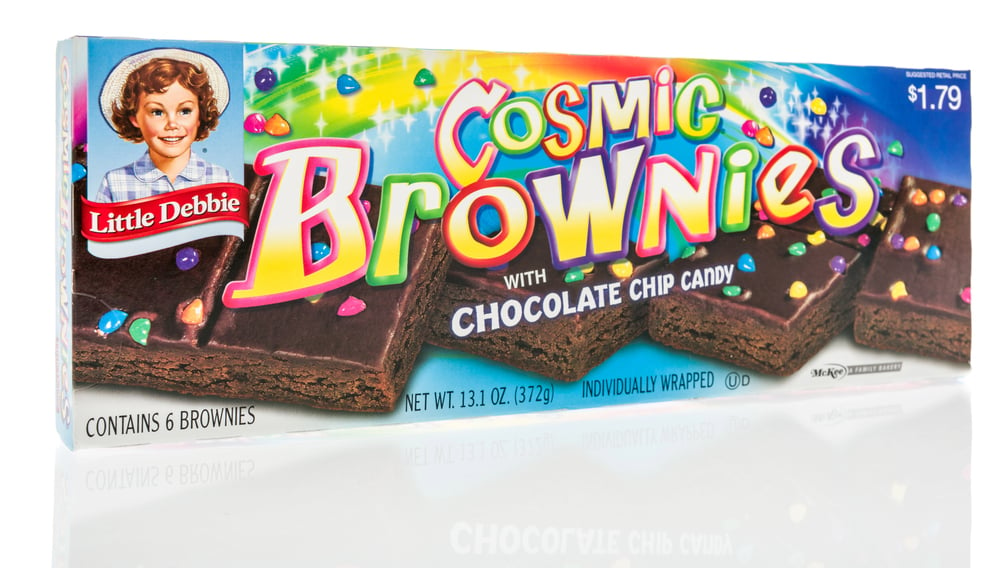
Little Debbie Cosmic Brownies
— Photo by homank76
Chocolate cake with chocolate chips and chocolate coating that felt indulgent without actually being good. But that didn’t matter—they were worth trading for.
The brown wrapper made them identifiable as premium lunch-table currency.
Cheetos Regular
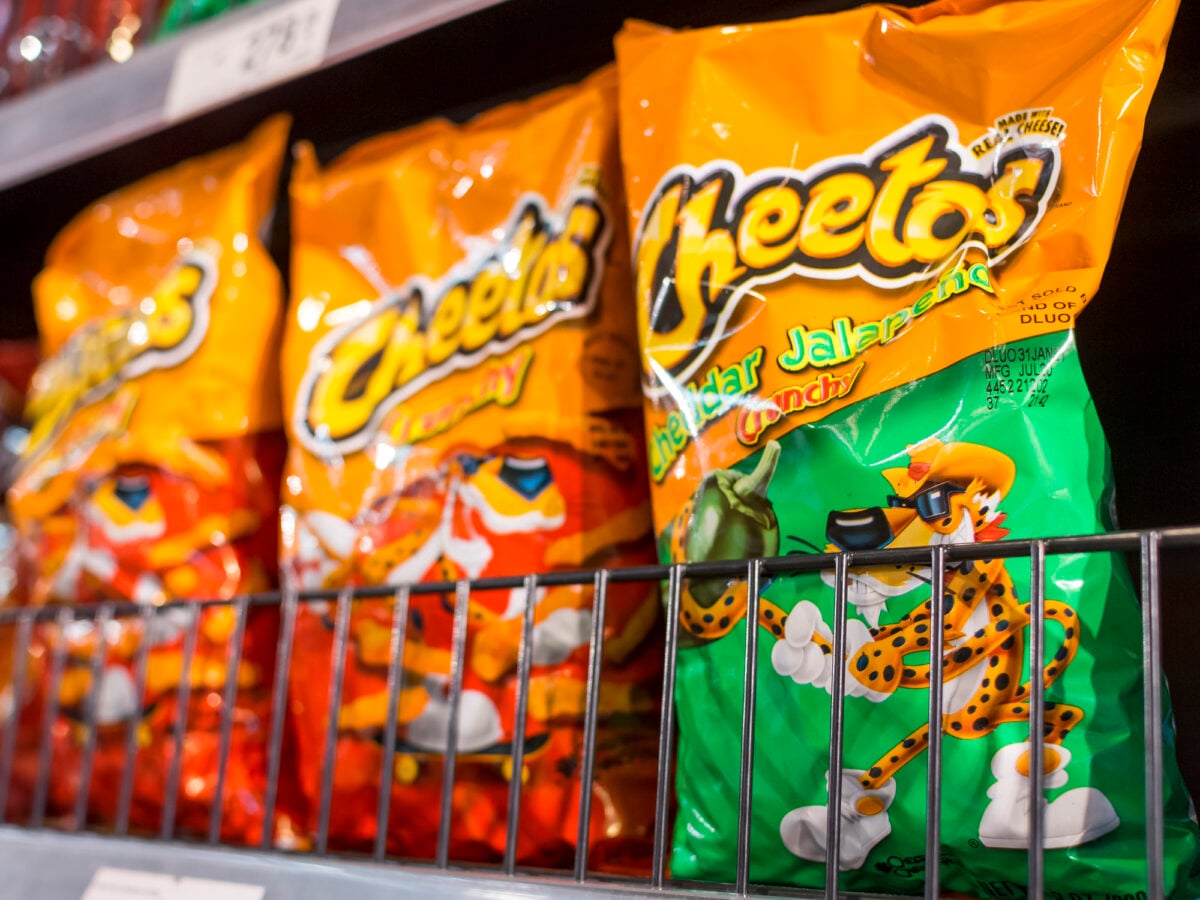
The orange dust on fingertips served as evidence of consumption and status. Having Cheetos meant you’d have messy fingers all day, which kids accepted as the price of admission to an elite snacking experience.
Competitors would trade with Cheeto holders just to access the residual orange dust.
Doritos Cool Ranch
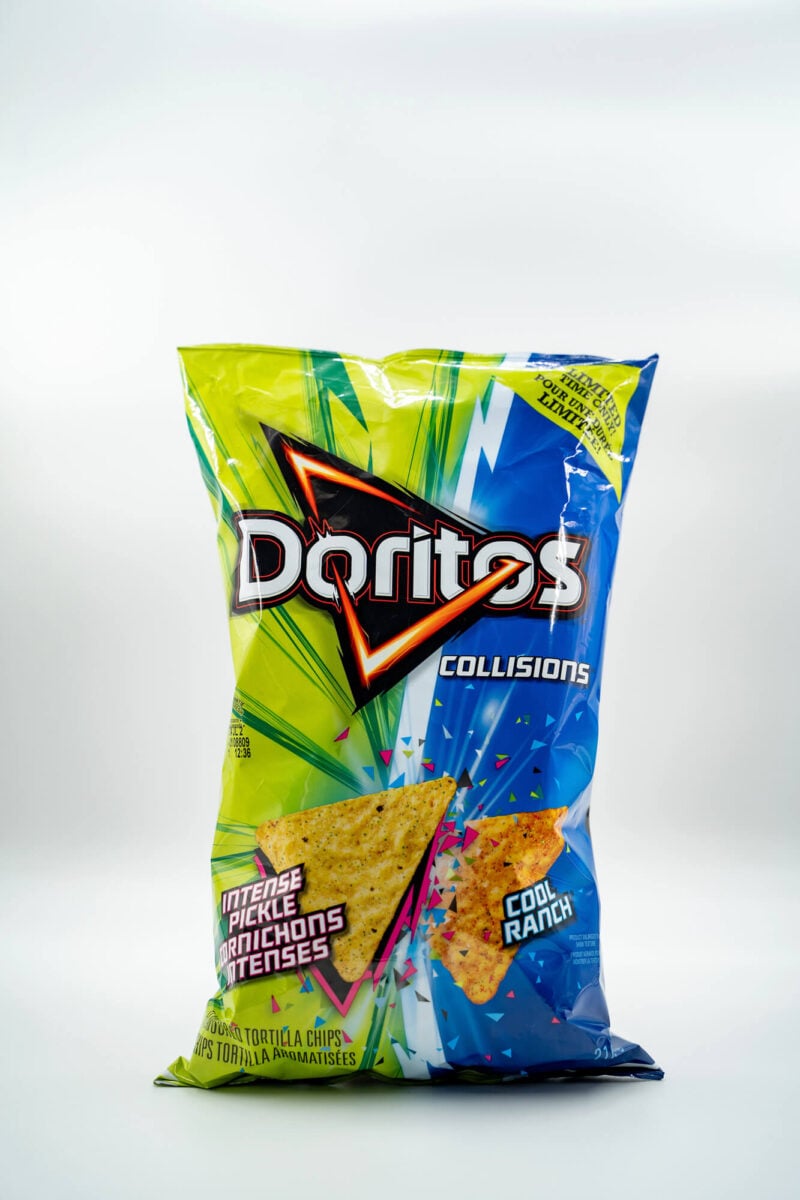
— Photo by egunes_
The distinctive powder taste and triangular shape made Cool Ranch recognizable from across a lunch table. This was a gateway snack—everyone wanted it, and no one apologized.
Trading for Cool Ranch Doritos was considered a smart move.
Doritos Nacho Cheese
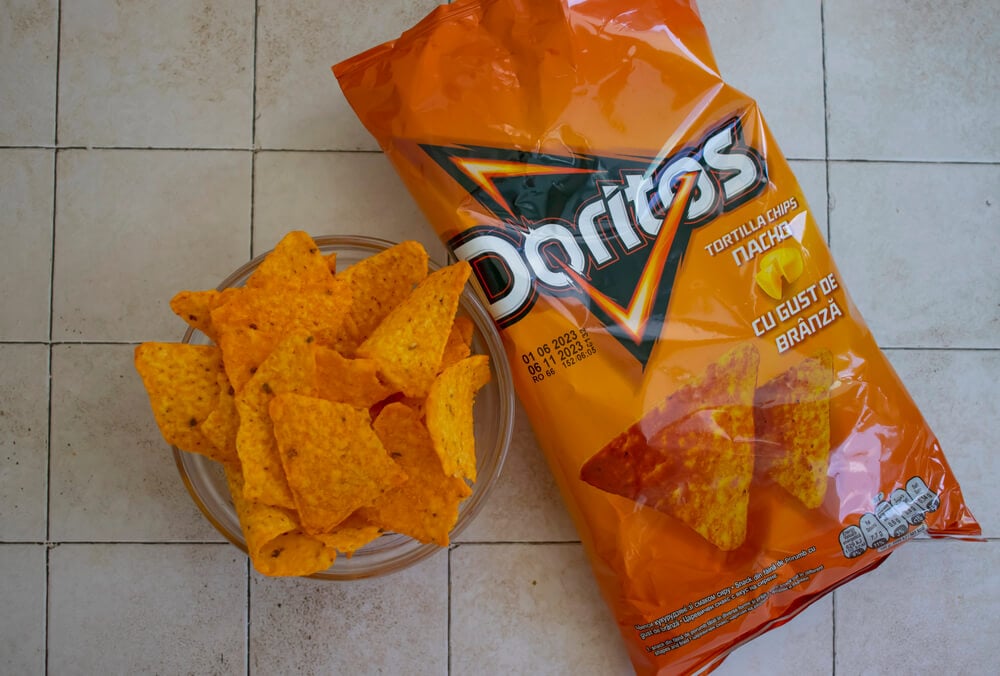
— Photo by TanyaLovus
Similar in packaging to Cool Ranch but occupying different taste territory, Nacho Cheese Doritos commanded equal trading value. Some kids were loyal to one flavor; negotiations often involved brand comparison.
The crunchy texture made them satisfying enough to trade away.
Hot Pockets
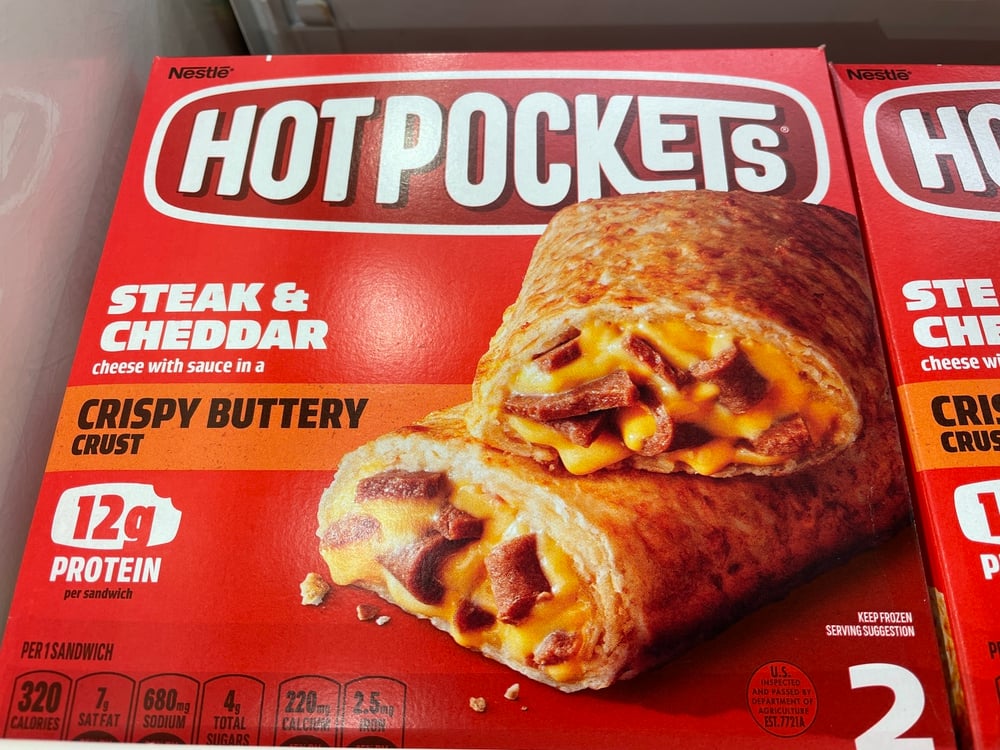
— Photo by madvideos.gmail.com
A hand-held pastry with filling—meat, cheese, vegetables depending on the variety. The fact that they needed to be heated made them impressive in cold lunchboxes.
A still-warm Hot Pocket straight from a thermos conveyed status, though cold Hot Pockets tasted objectively worse.
Bagel Bites

Pizza-flavored bagel rounds in a box that suggested sophistication. The mini pizza concept made them feel upscale compared to Lunchables.
Kids felt they were trading something homemade-adjacent when offering Bagel Bites.
Capri Sun
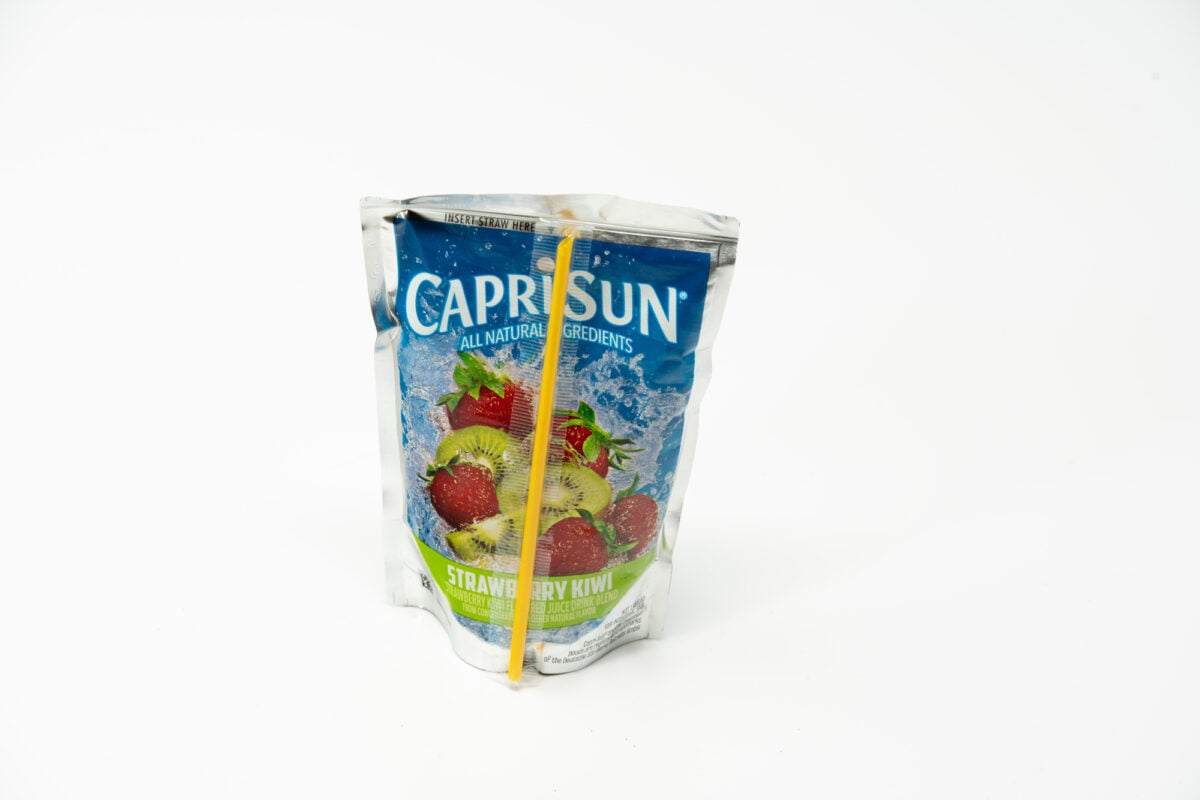
A pouch with a metallic interior and an attached straw, all in a silver packet that made noise when handled. The straw could get lost or bent, creating secondary drama.
Having Capri Sun was premium because the packaging itself was a status symbol.
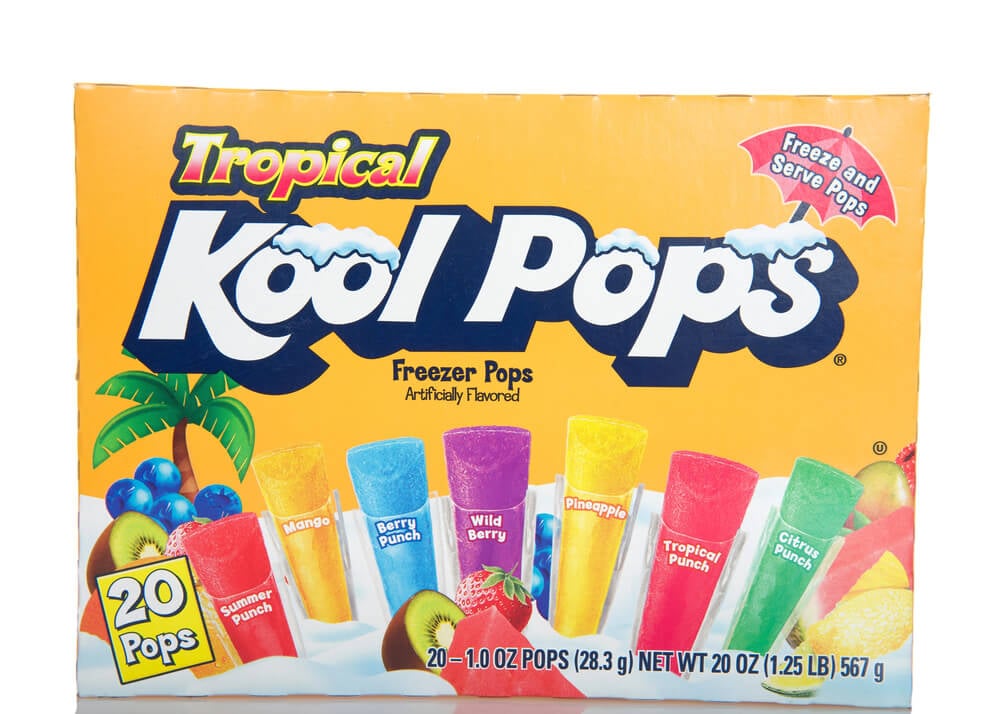
Otter Pops
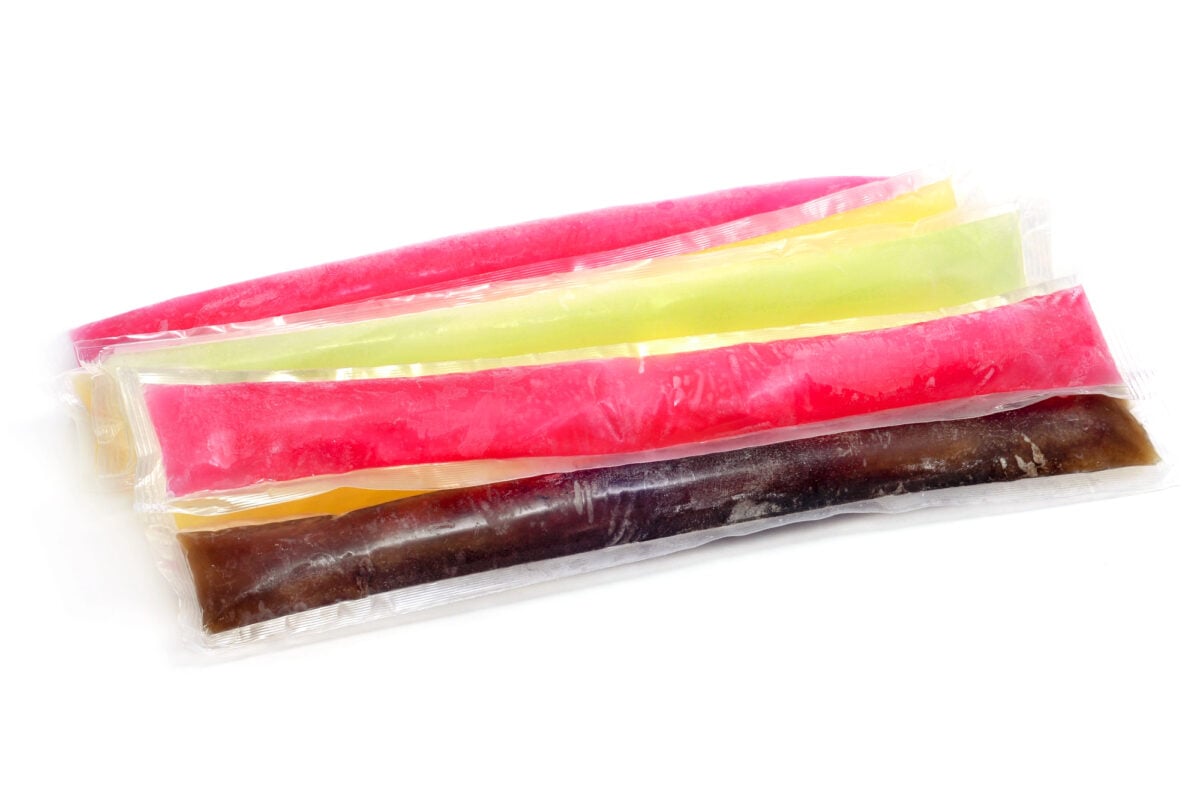
Freeze pops that came in multi-packs with individual names on each one. The brightly colored plastic and frozen interior made them feel like summer in a lunchbox. Kids would trade based on flavor preference within the variety pack.
Go-Gurt
— Illustration by homank76
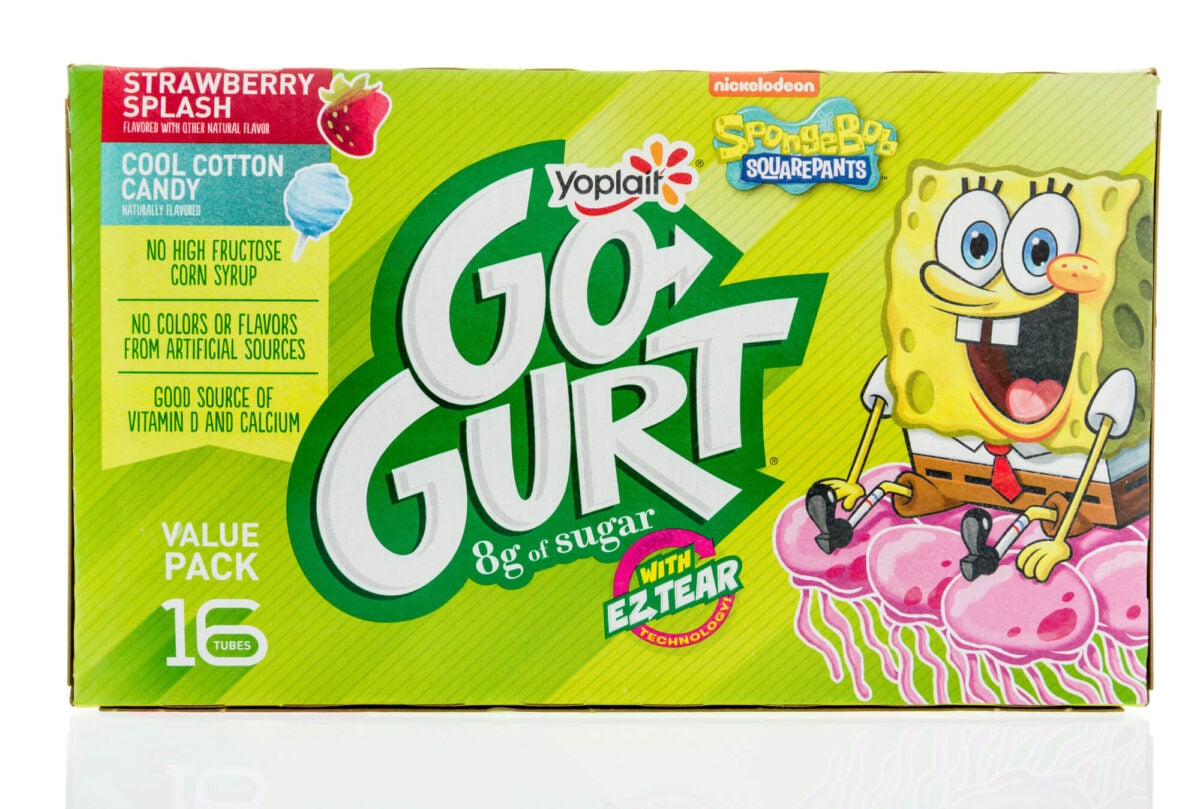
A yogurt tube that was easier to eat at a desk than regular yogurt. The novelty of drinkable yogurt made these desirable, though the actual taste was secondary to the form factor.
Flavors like Strawberry Banana and Blueberry held equal trading value.
String Cheese
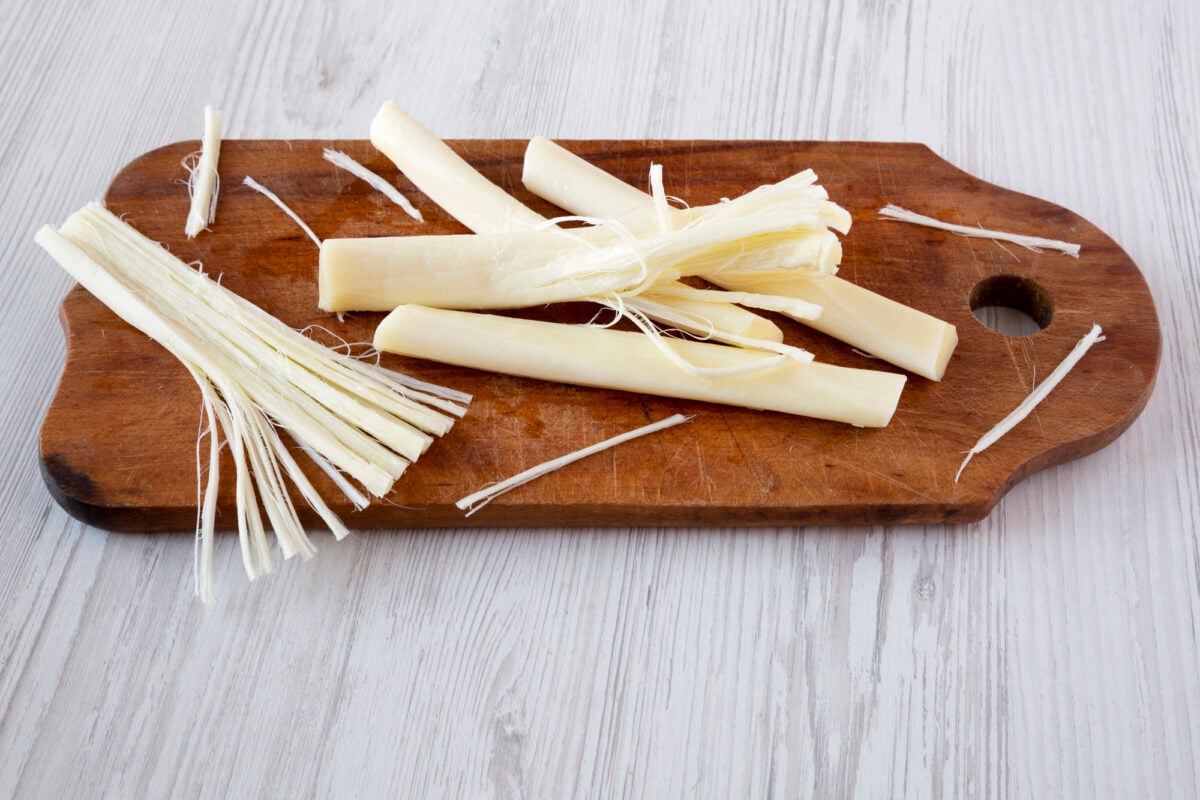
Real cheese in a stringy format that could be peeled layer by layer. The process of eating was entertainment in itself, and other kids would watch the entire slow consumption.
Having string cheese suggested your parents cared about nutrition, which somehow made it desirable despite health-conscious origins.
Teddy Grahams
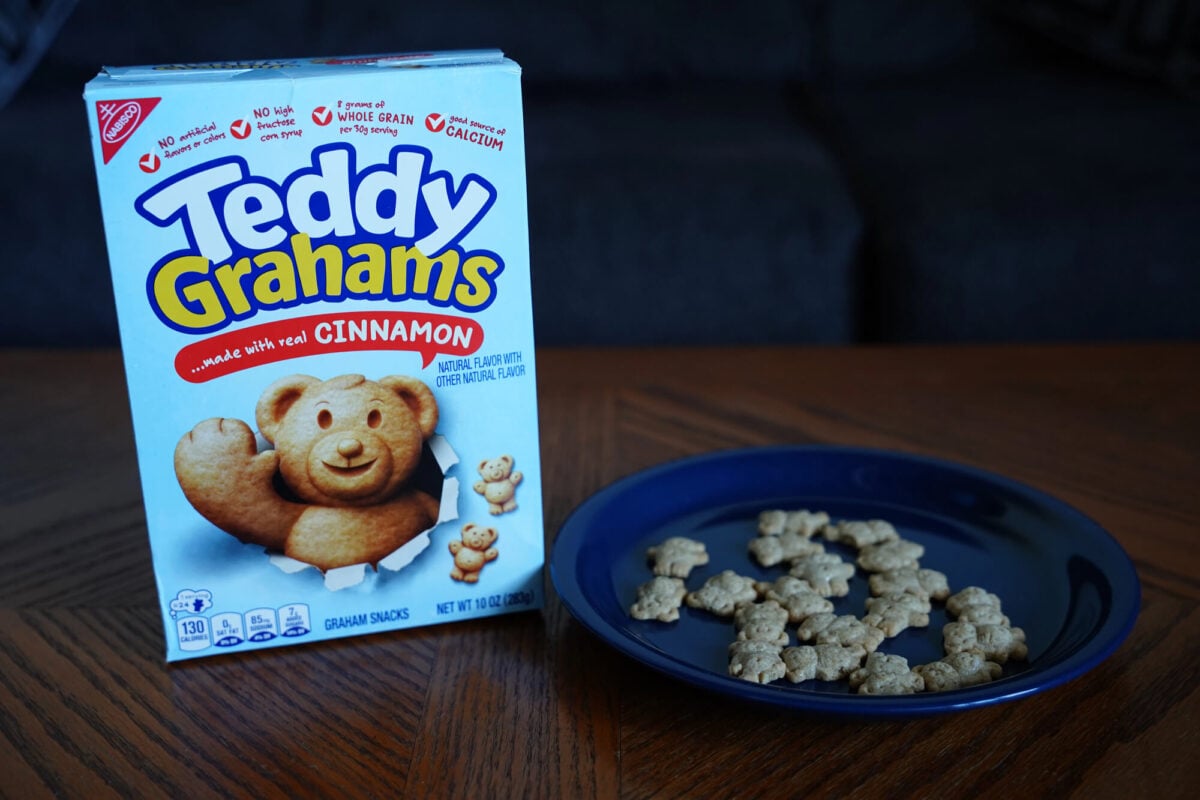
Tiny bear-shaped crackers, often honey or chocolate flavored. The cuteness factor and gram-gram shape made them feel more sophisticated than regular crackers.
Kids could trade them in bulk or negotiate single servings.
Pop-Tarts
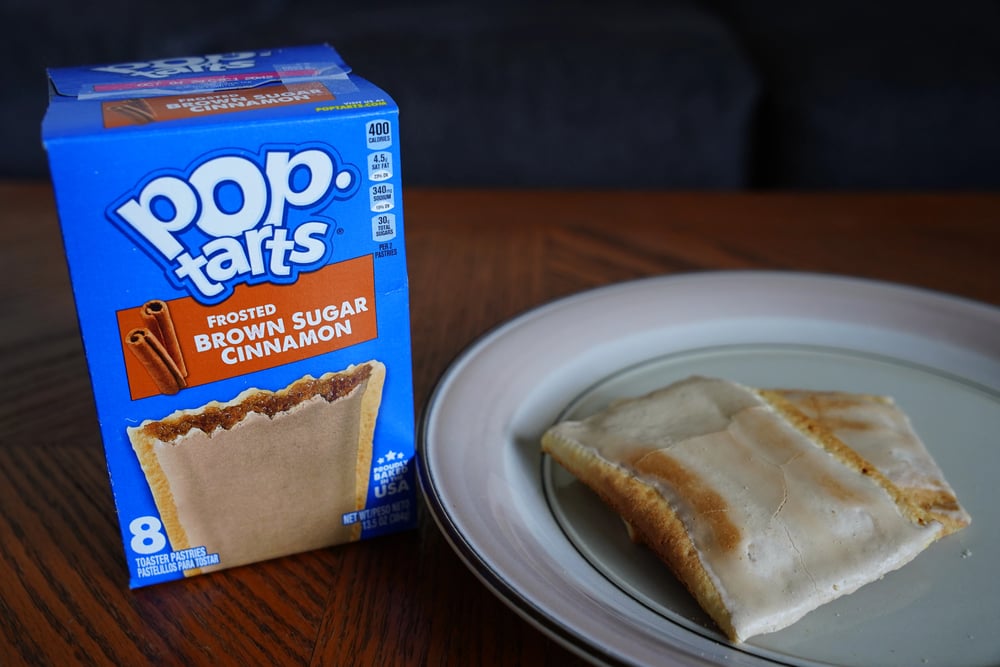
— Photo by samael1986
Frosted pastries with filling that came in flavors ranging from Strawberry to Brown Sugar Cinnamon. The portable format and shelf stability made them reliable lunch-box items.
Unfrosted versions held slightly less trading power.
Homemade Brownies in Tupperware
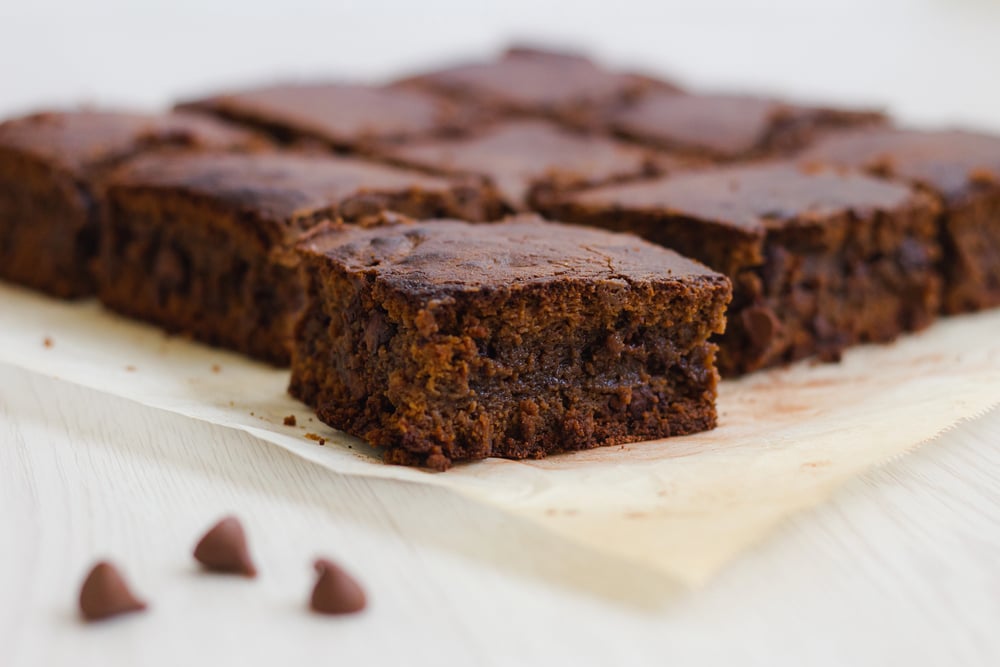
When parents actually baked instead of bought, the homemade status granted immediate trading advantage. A dense, actual-quality brownie wrapped in a plastic container had no competition.
Kids who showed up with homemade items had leverage all week.
Starburst Candies
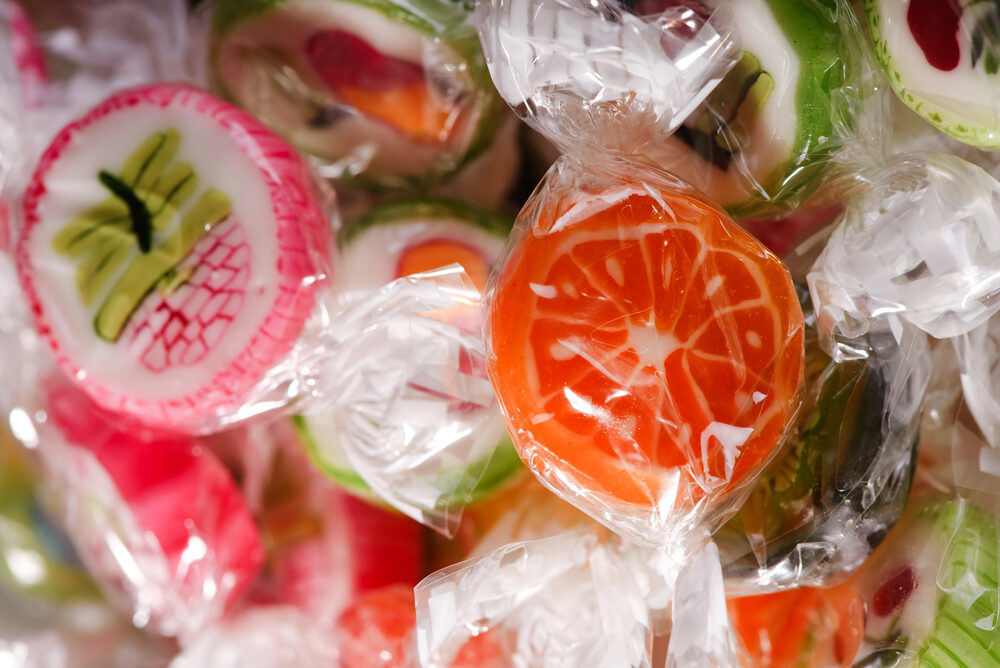
Individual wrapped fruit candies that came in a roll and could be traded one at a time. The wrapper color determined flavor, and certain colors were more valuable than others.
A kid with a full roll of Starbursts could make multiple small trades, which was strategically superior to trading single items.
The Currency of Novelty

These items dominated the lunch-table economy not because of nutritional content but because of packaging, novelty, and the narrative of consumption. A child with access to Gushers or Dunkaroos on any given Tuesday wasn’t just eating breakfast; they were announcing something about their household, their status, or their family’s approach to convenience food.
The items themselves mattered less than what they represented: a break from home-packed sandwiches and apples, a moment of pre-packaged indulgence that the lunch-trading system validated as worth the price of negotiation. By the time the first bell rang, the morning’s economy had already redistributed half the lunchboxes’ contents, and the real school day began with winners and losers already determined.
More from Go2Tutors!

- The Romanov Crown Jewels and Their Tragic Fate
- 13 Historical Mysteries That Science Still Can’t Solve
- Famous Hoaxes That Fooled the World for Years
- 15 Child Stars with Tragic Adult Lives
- 16 Famous Jewelry Pieces in History
Like Go2Tutors’s content? Follow us on MSN.