17 Family Businesses That Are Over 500 Years Old
Half a century in commerce whispers endurance. A single decade often seems important. Entire centuries pass with upheaval – empires fall, money fails, machines remake daily life.
Five hundred years? That’s outliving storms most never face. Continents change shape long before such roots weaken.
From village workshops to city centers, some families keep old ways alive through business. One generation hands tools to the next, not just machines but knowledge too.
What grows slowly over decades stands firm when trends rush by. These firms breathe history, shaping goods and trust without chasing speed.
Longevity shows not in slogans, but in daily work repeated well. Here’s a closer look at seventeen family businesses that have been operating for more than half a millennium.
Nishiyama Onsen Keiunkan
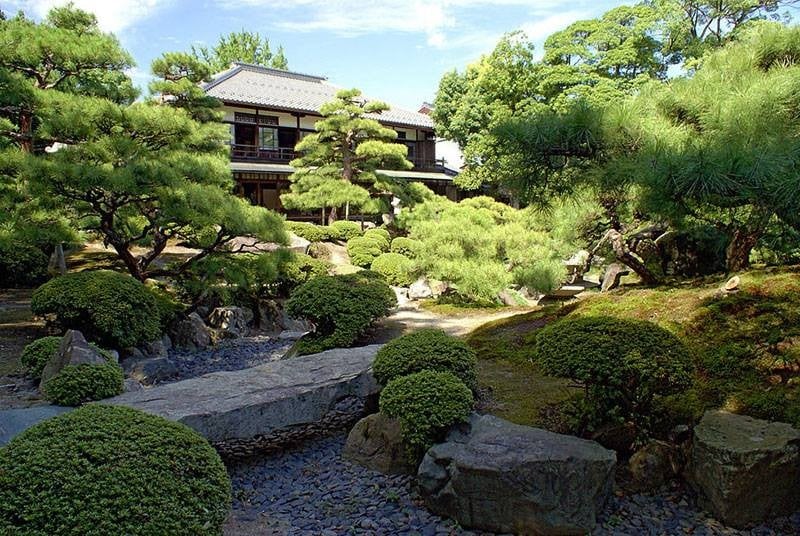
Started back in 705, deep in Japan’s Yamanashi region, Nishiyama Onsen Keiunkan holds a quiet title – oldest hotel on Earth. Running through over fifty generations, one family still runs the place.
Though centuries passed, steam keeps rising from the springs just like before. Tucked among mountain peaks, guests have included warriors of old, bureaucrats passing through, now vacationers seeking quiet.
Even with fresh touches and today’s ease, what stays is a way of welcoming shaped by centuries. Not many places carry history from the 700s into daily practice.
Hoshi Ryokan
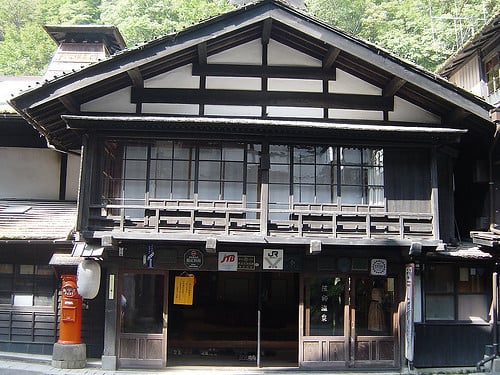
Established in 718, Hoshi Ryokan is another ancient Japanese inn that has remained under family management for centuries. Located in Ishikawa Prefecture, it was founded by a Buddhist monk who was guided to a hot spring site.
The inn has survived feudal eras, modernization, and world conflict. Its architecture and hospitality reflect continuity rather than reinvention. Generational stewardship has kept its identity intact while adapting to contemporary expectations.
Staffelter Hof
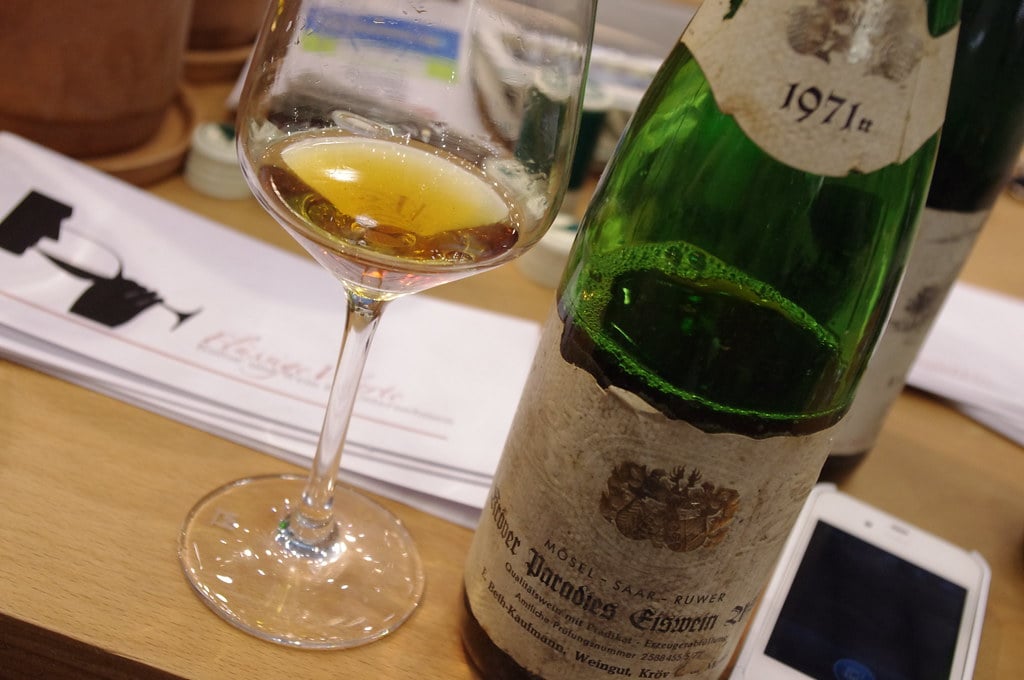
Staffelter Hof in Germany’s Mosel region traces its origins to 862. It began as a monastery-owned vineyard before transitioning into family hands.
Today, it produces wine from the same fertile river valley that sustained it more than a millennium ago. The continuity of land use, combined with family ownership, reflects a tradition that links medieval viticulture to modern wine markets.
Château de Goulaine
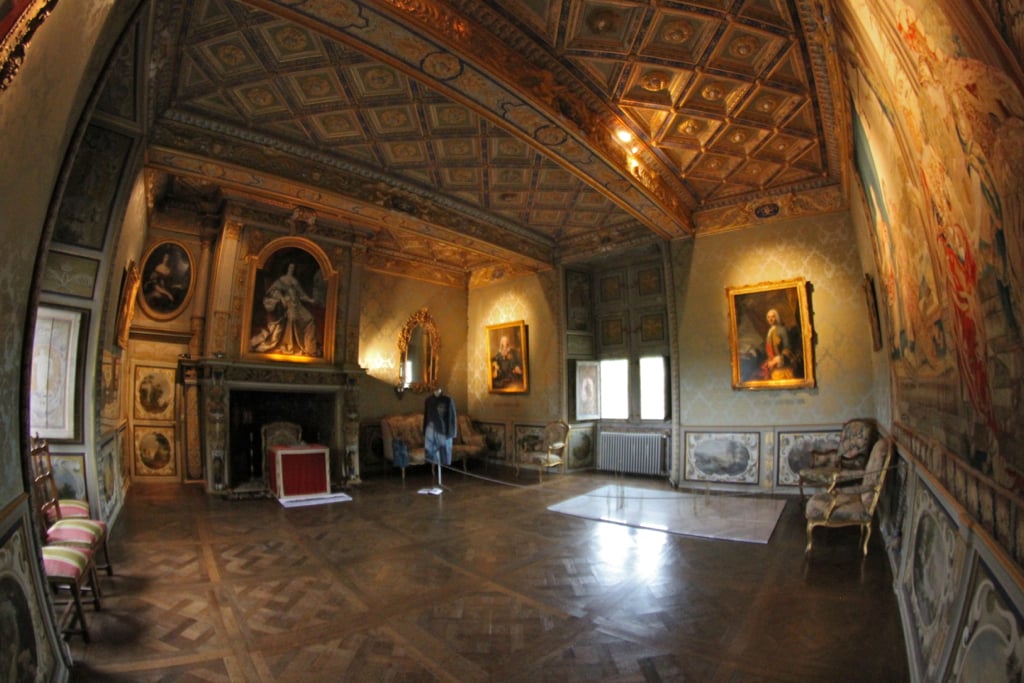
The Château de Goulaine in France dates back to around the year 1000. The Goulaine family has maintained ties to the estate for centuries, producing wine in the Loire Valley.
The château itself reflects layers of architectural evolution. Even so, wine production remains central to its identity. It stands as a reminder that agriculture often forms the backbone of enduring family enterprise.
Barone Ricasoli
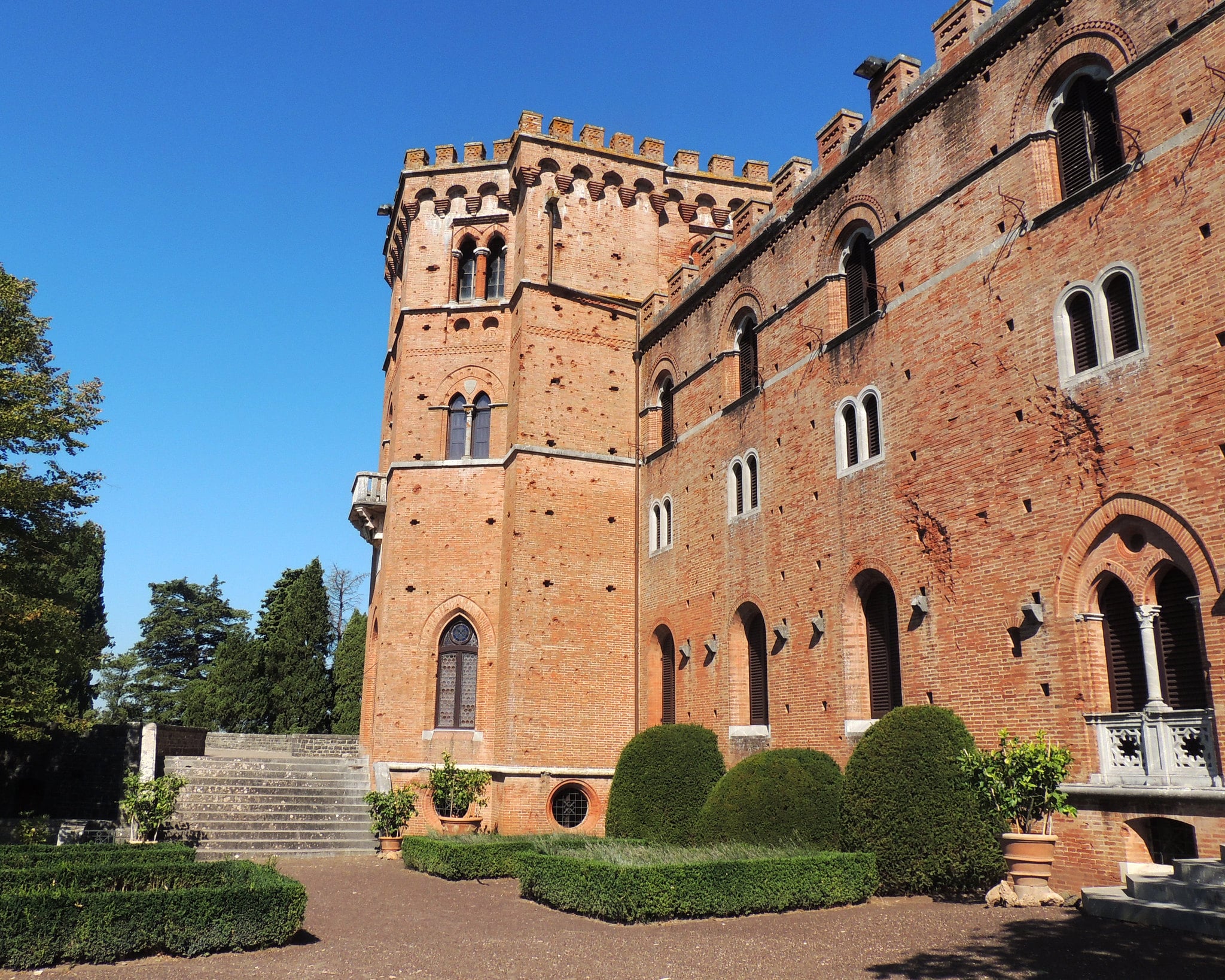
Founded in 1141 in Tuscany, Barone Ricasoli is one of Italy’s oldest wineries still controlled by the Ricasoli family. The estate played a significant role in shaping the Chianti wine formula in the 19th century.
Through political upheaval and economic shifts, the family retained ownership of its land. Its vineyards represent more than commercial output; they embody regional heritage passed through centuries.
Pontificia Fonderia Marinelli
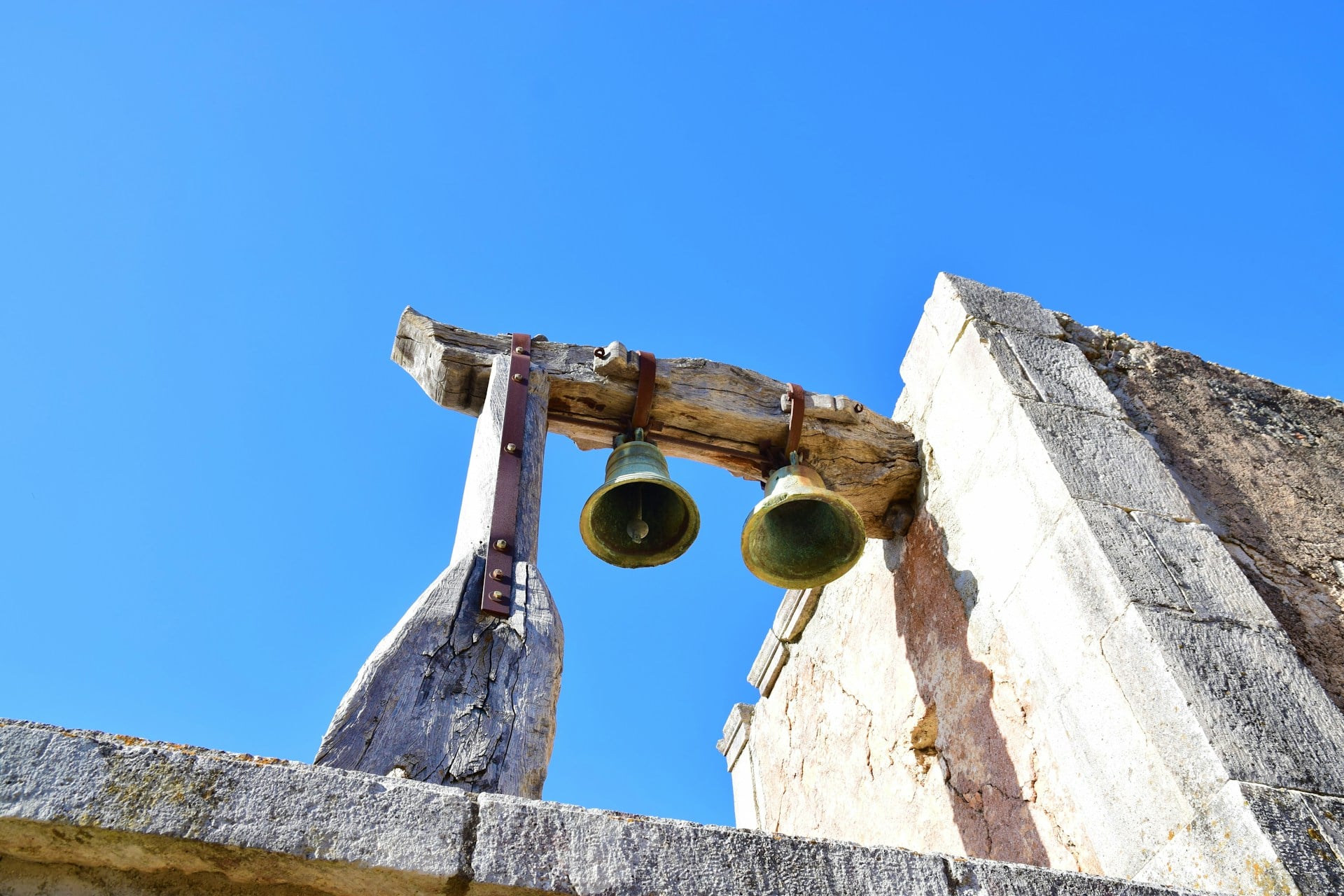
Established around 1040, Pontificia Fonderia Marinelli in Italy is one of the world’s oldest bell foundries. The Marinelli family has produced church bells for nearly a thousand years.
The foundry continues to use traditional casting techniques. Its bells hang in cathedrals across Europe and beyond. Craftsmanship, rather than scale, defines its endurance.
Antinori
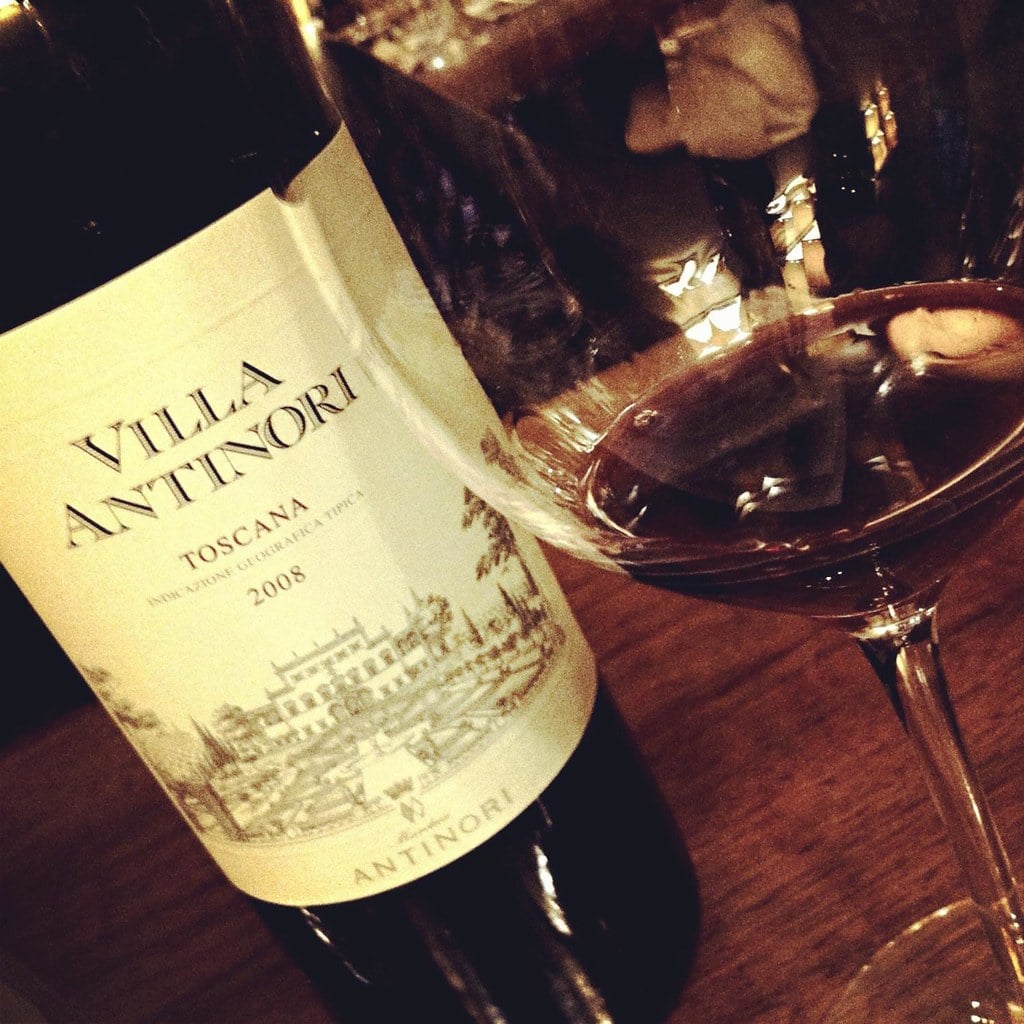
The Antinori family has been making wine since 1385. Based in Florence, the family business has passed through 26 generations.
Over time, Antinori expanded globally while maintaining family leadership. The company’s history reflects how legacy businesses can evolve without losing identity.
Genda Shigyo
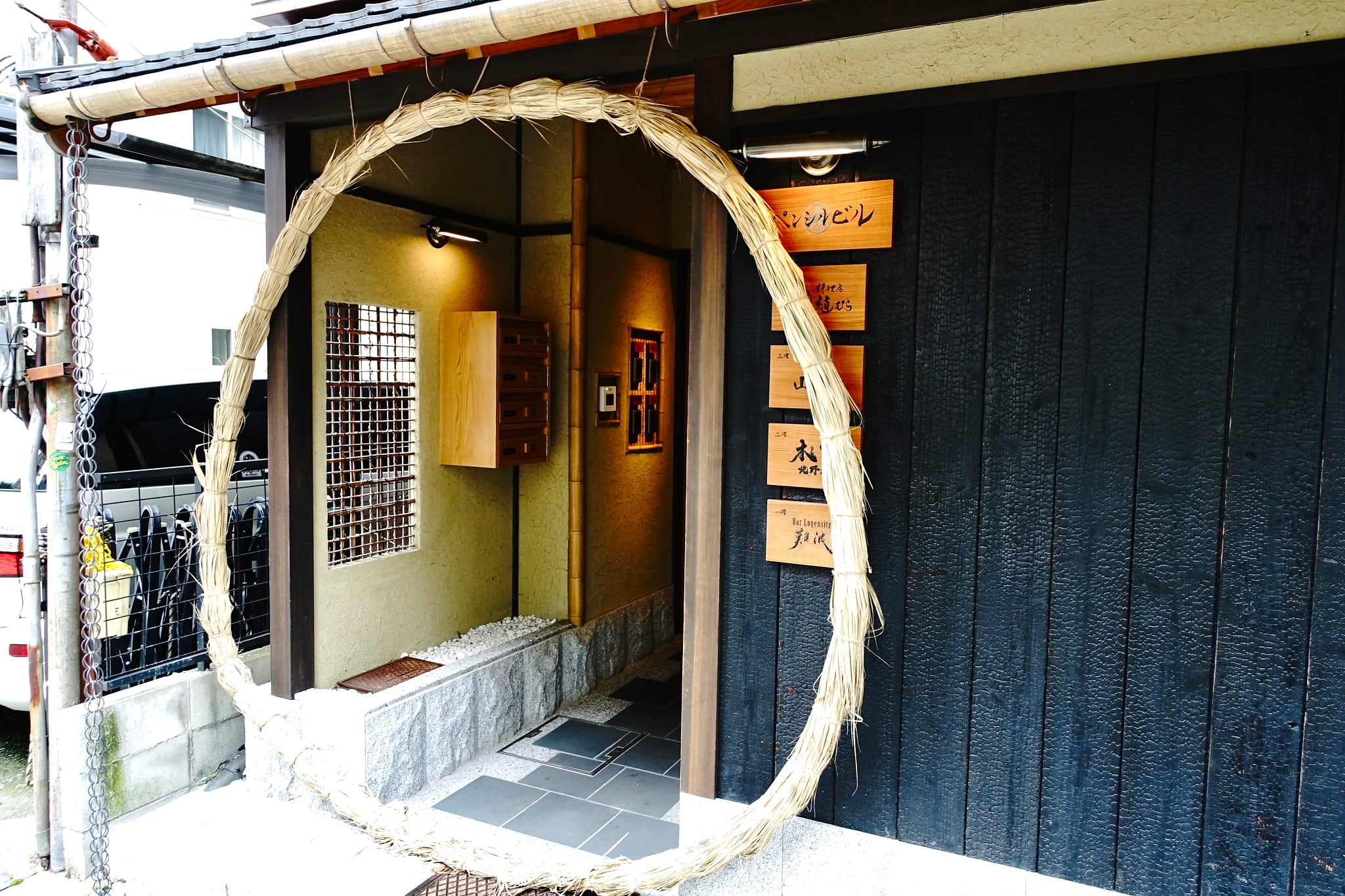
Founded in 771, Genda Shigyo in Kyoto specializes in ceremonial paper products. The company originally served Japan’s imperial court.
It continues to produce handcrafted paper goods rooted in centuries-old techniques. The survival of such a niche craft highlights how cultural continuity can sustain a business across eras.
Camuffo
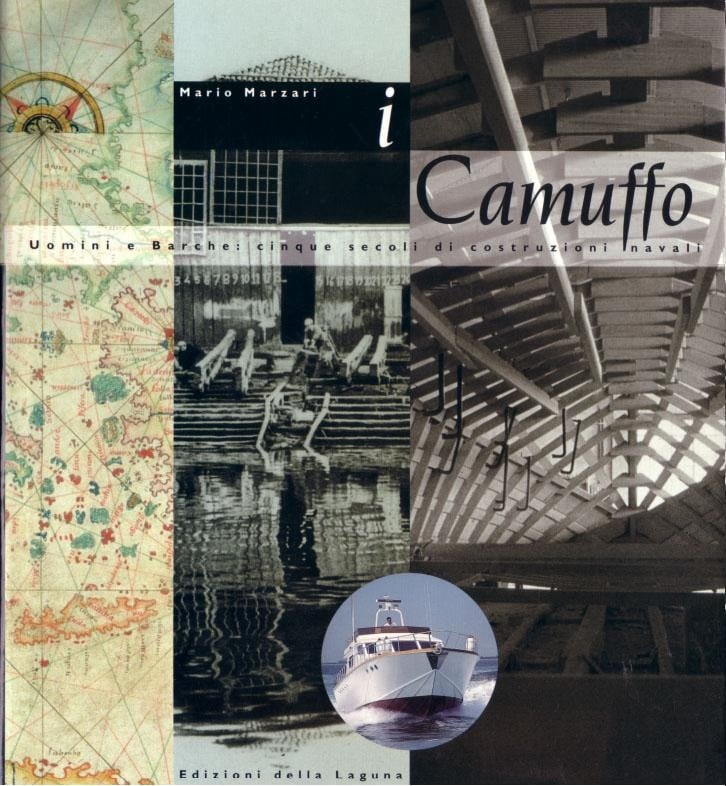
Camuffo, founded in 1438 in Venice, is one of the oldest shipyards in the world still operated by the same family. The company began building wooden vessels for trade and defense.
Today, it constructs luxury yachts while preserving artisanal methods. Its history mirrors Venice’s maritime legacy and the adaptability required to survive in a changing global market.
Marchesi Mazzei
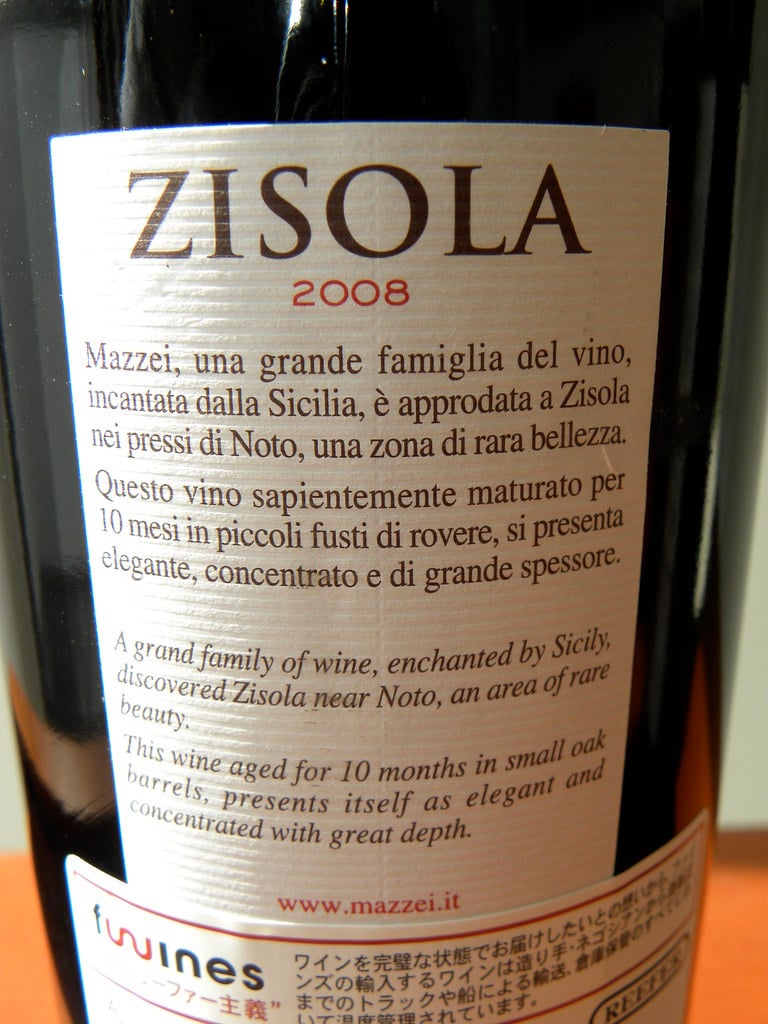
The Mazzei family began producing wine in 1435 in Tuscany. The estate has remained under family ownership for nearly six centuries.
Like many historic wineries, it survived shifting borders, wars, and economic change. Its continued operation reflects the enduring value of land stewardship and agricultural expertise.
Rathbones

Founded in 1742, Rathbones is one of the oldest wealth management firms in the United Kingdom. While more recent than others on this list, it represents sustained family involvement over centuries.
Its evolution from merchant trade to financial services illustrates how some family enterprises pivot dramatically while preserving lineage and governance traditions.
Beretta

Founded in 1526 in Italy, Beretta has remained under family control for nearly 500 years. Originally producing gun barrels, the company expanded into full firearms manufacturing.
Its longevity reflects a blend of craftsmanship, industrial adaptation, and global reach. Few manufacturing firms can trace direct family leadership back to the Renaissance era.
Kongo Gumi
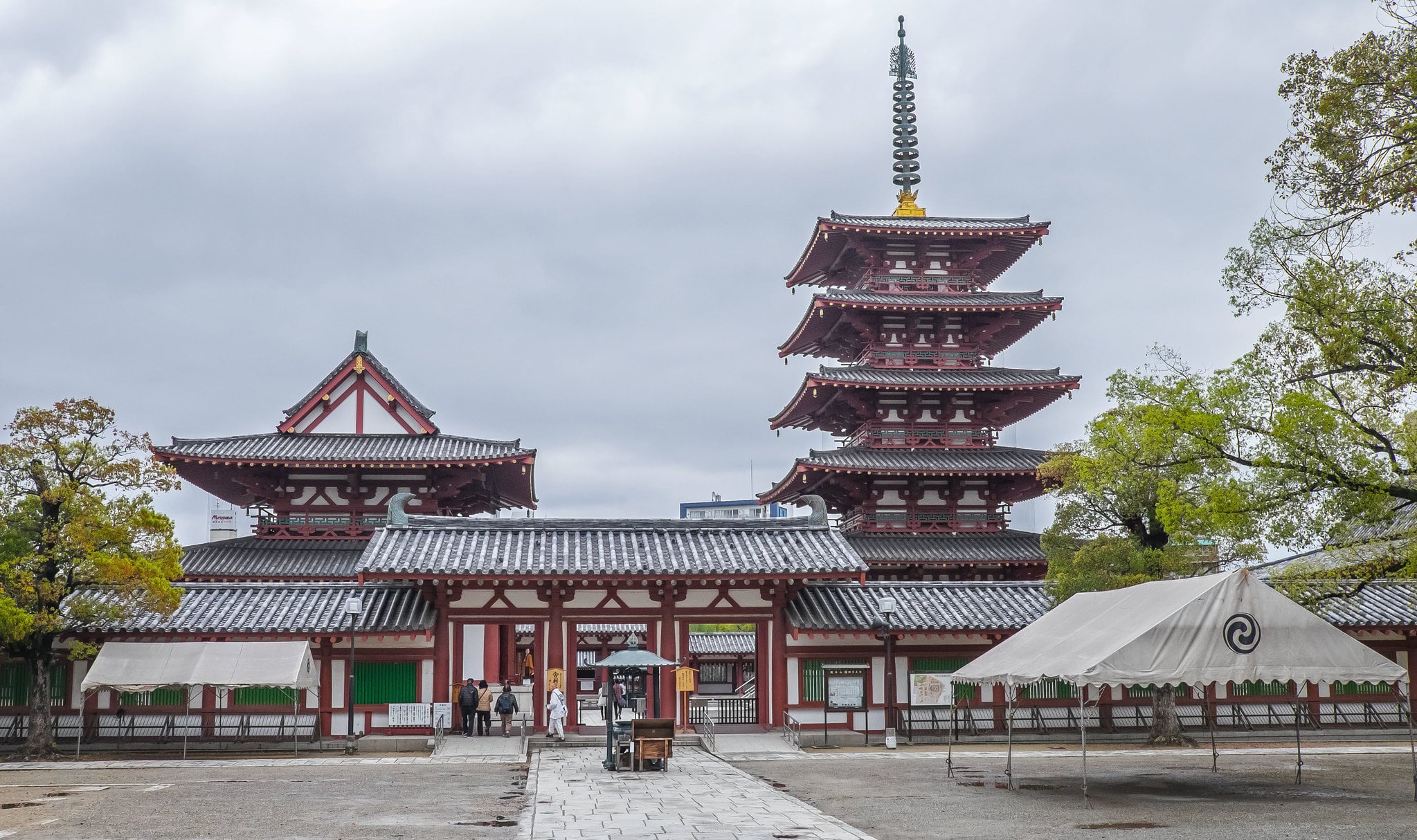
Kongo Gumi was founded in 578 in Japan and specialized in temple construction. For more than 1,400 years, it remained under family leadership before becoming a subsidiary of a larger firm in the early 21st century.
Though its ownership structure changed, its legacy stands as one of the longest continuous family-run operations in history. Its temples remain tangible symbols of architectural continuity.
Frescobaldi
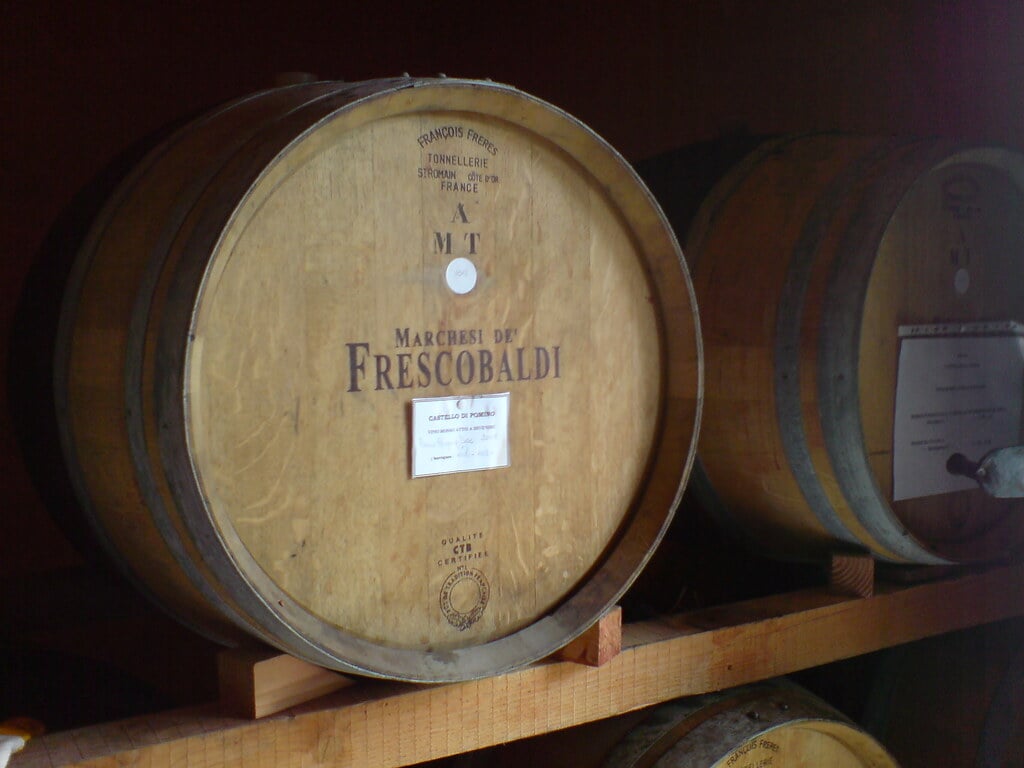
The Frescobaldi family began producing wine in 1308 in Tuscany. Over the centuries, they supplied European courts and expanded across Italy.
Despite wars and shifting political landscapes, the family maintained its estates. Today, Frescobaldi wines carry a legacy rooted in medieval trade networks.
Sohomatsu
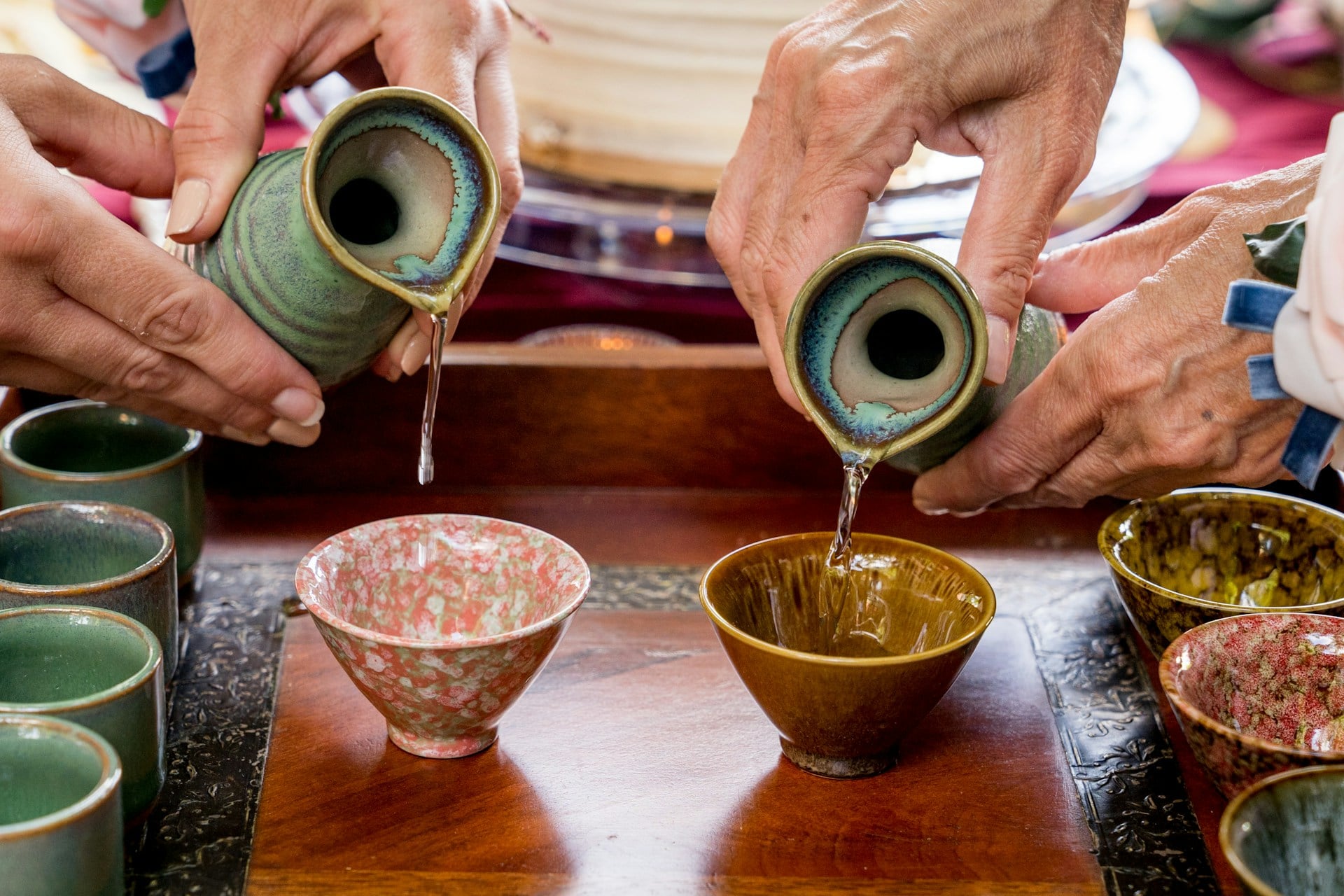
Founded in 1141, Sohomatsu is one of Japan’s longstanding sake breweries. Sake production requires precise craftsmanship and patience, qualities that align with generational continuity.
The brewery’s endurance reflects both local demand and cultural reverence for traditional brewing methods. Its products remain connected to centuries-old rituals and seasonal cycles.
Tenuta di Capezzana
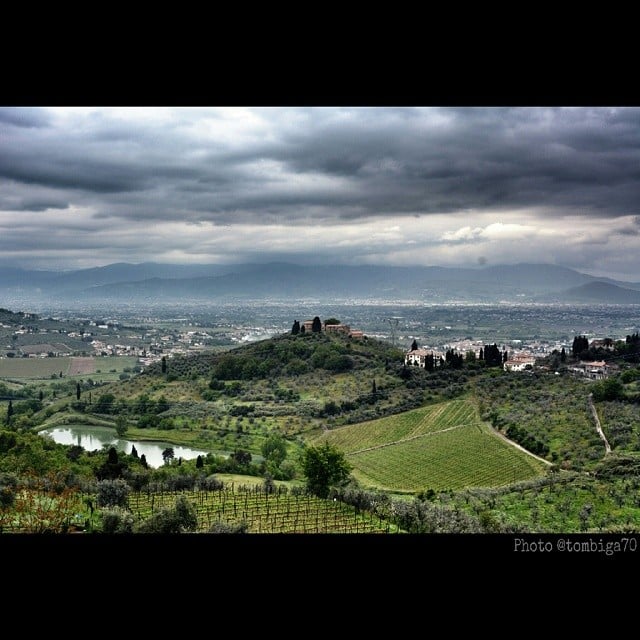
One thousand two hundred years ago, a vineyard began making wine near Florence – records show it was already working by 804. This place, called Tenuta di Capezzana, sits in the hills of Tuscany where one family has kept hold across centuries.
Farms like these show what happens when soil, skill, and care stretch through generations. Though rooted in one place, their success moves across time.
Fonderia Campane D’Adda
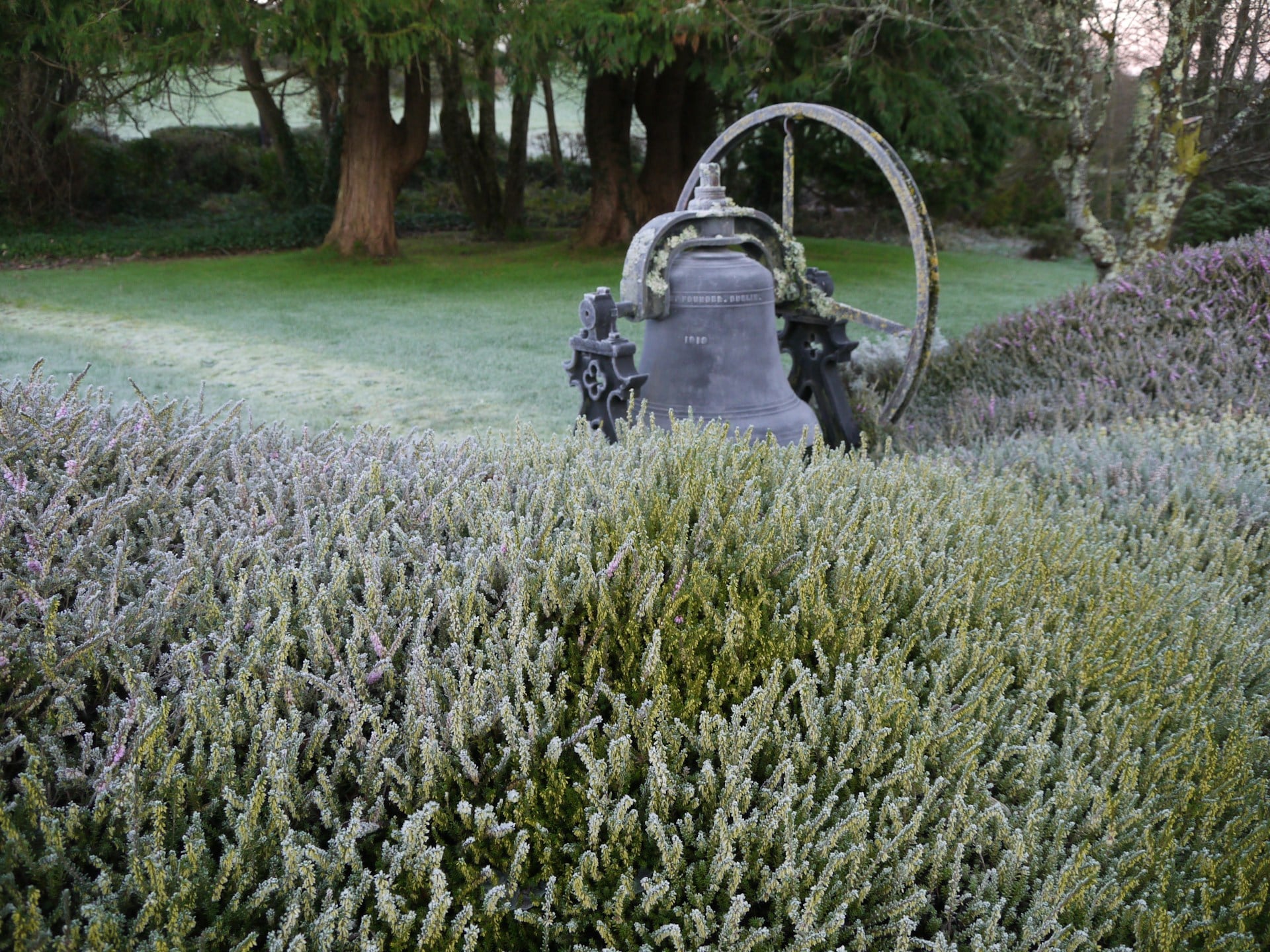
Around 1400 marks when Fonderia Campane D’Adda began life in Italy. Family hands have kept it running ever since. Bells for churches come out of their workshop today just as they did long ago. Old methods shape every piece that leaves the forge.
Waiting is part of shaping metal into voice. Slow steps stay because some ways refuse to hurry, even when everything else races ahead.
Legacy Measured in Centuries
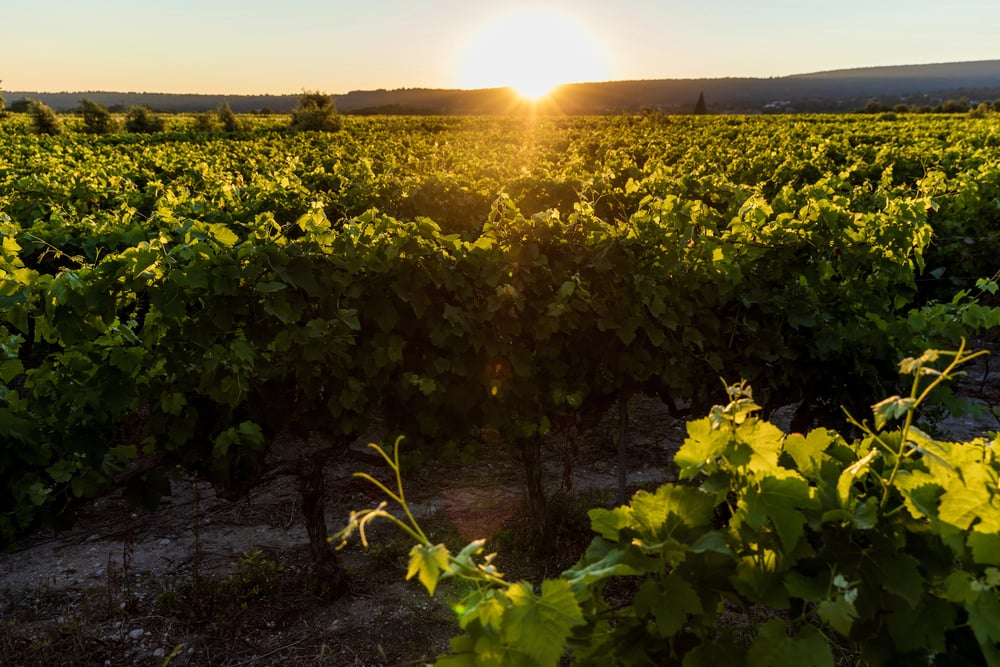
Survival came through shifting times, not frozen traditions. Through upheaval – plague, war, revolt, factories – they held on. Not by resisting change, yet by bending without breaking their essence.
Beyond mere money, five centuries on point to quiet care passed down like old tools. Reputation grows slowly, shaped by choices made year after year. While many businesses blink out fast, some keep going because they honor roots while changing shape. Time proves that lasting isn’t luck – it’s balance between what was and what must be.
More from Go2Tutors!

- The Romanov Crown Jewels and Their Tragic Fate
- 13 Historical Mysteries That Science Still Can’t Solve
- Famous Hoaxes That Fooled the World for Years
- 15 Child Stars with Tragic Adult Lives
- 16 Famous Jewelry Pieces in History
Like Go2Tutors’s content? Follow us on MSN.