29 NFL Draft Picks That Completely Changed a Franchise’s Future
The NFL Draft remains the great equalizer—where a single decision in April reverberates through decades of franchise history. Some picks transform struggling organizations into dynasties.
Others rescue teams from the precipice of irrelevance. These 29 selections exemplify the transformative power of getting one decision right on draft day.
Joe Montana, 1979 (Third Round, 82nd Overall, San Francisco 49ers)
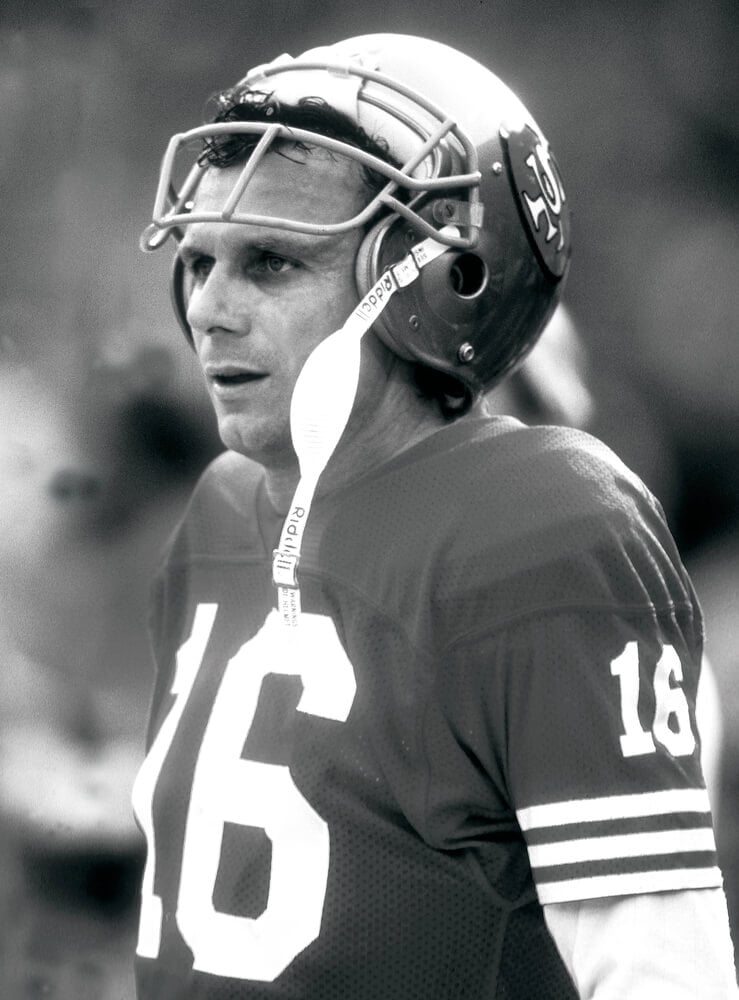
The 49ers took Montana in the third round, 82nd overall, after he was passed over by three other teams looking for quarterbacks. Within two years, Montana and late-round receiver Dwight Clark orchestrated “The Catch” to launch a dynasty that would win four Super Bowls.
Montana won three Super Bowl MVP awards and led the 49ers to 11 playoff appearances in 13 seasons, transforming a 2-14 team into the league’s most consistent powerhouse.
Peyton Manning, 1998 (First Overall, Indianapolis Colts)
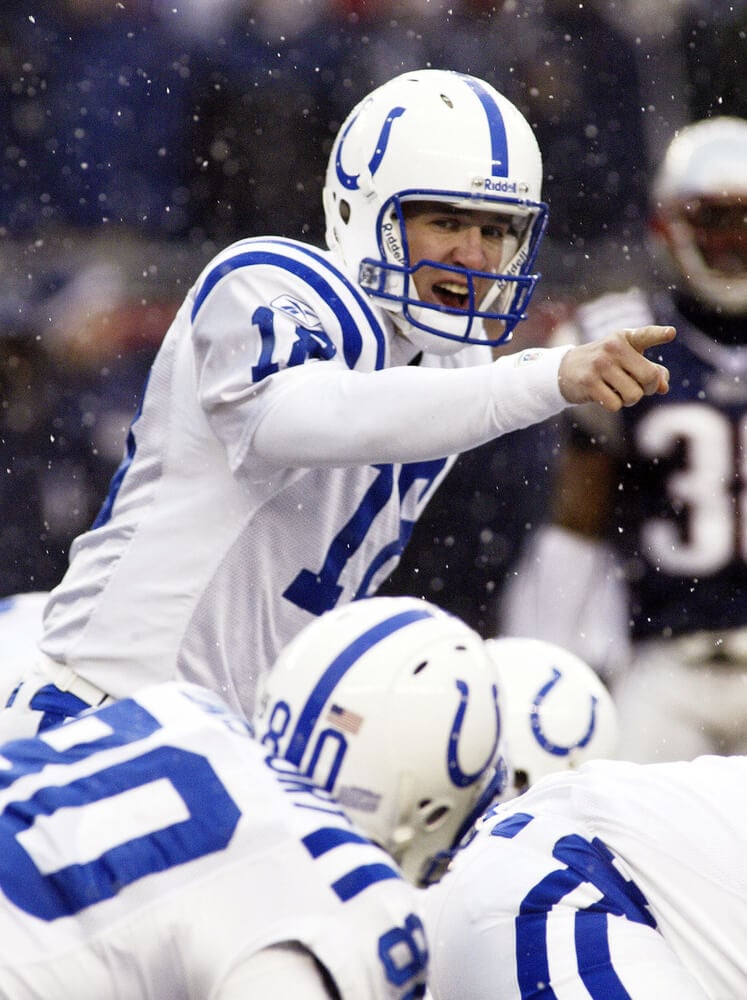
The Colts chose Manning first overall over Ryan Leaf in 1998, ushering in a 14-year era of sustained excellence. Manning won four MVP awards with Indianapolis and led the franchise to a Super Bowl XLI championship in 2006, snapping a 36-year title drought dating to Baltimore.
Before Manning’s arrival, the Colts’ best record in 15 Indianapolis seasons was 9-7; afterward, they won at least 10 games every year from 1998 to 2010.
Jerry Rice, 1985 (First Round, 16th Overall, San Francisco 49ers)
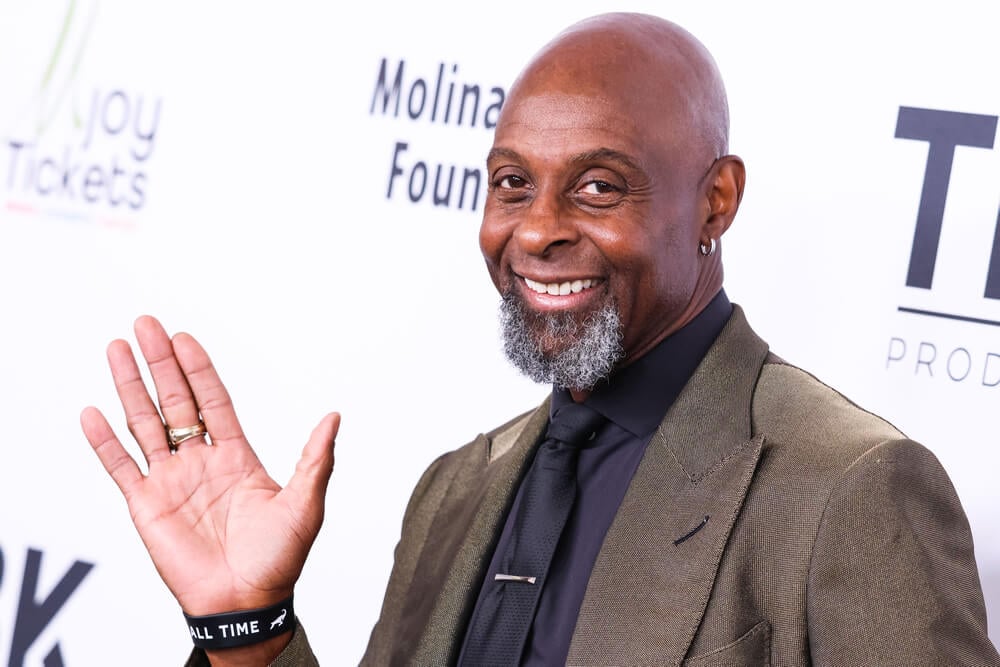
Rice became the greatest wide receiver in NFL history after the 49ers selected him 16th overall despite concerns about his modest University of Mississippi program. He caught 1,549 passes for 22,895 yards and 208 touchdowns, winning three Super Bowl rings alongside Joe Montana and Steve Young.
Rice fundamentally changed how receiver routes and footwork were taught at the professional level.
Lawrence Taylor, 1981 (First Overall, New York Giants)
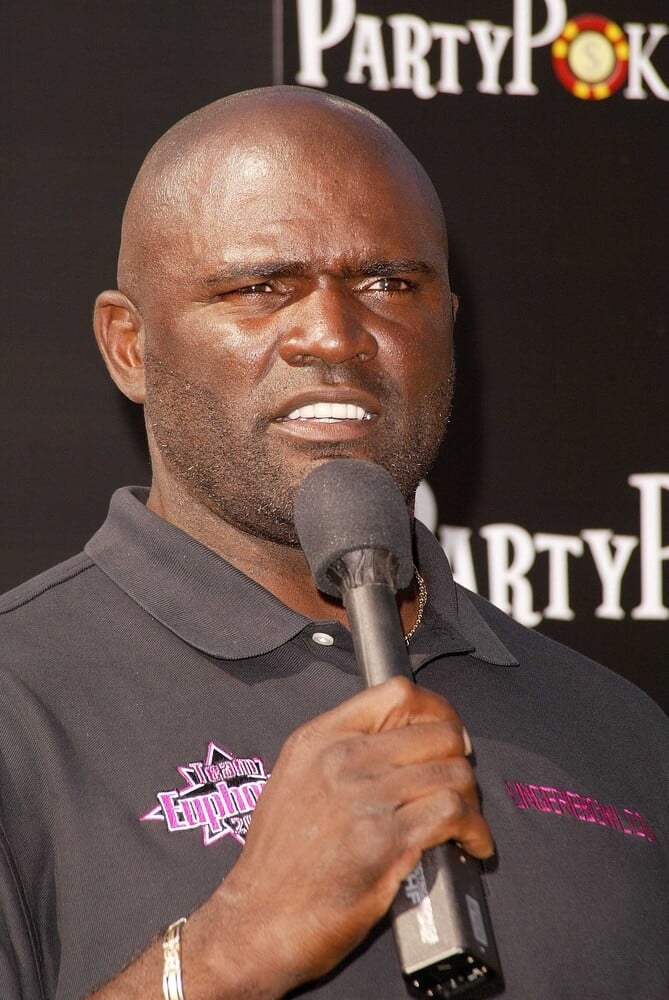
Lawrence Taylor revolutionized defensive end play when the Giants selected him first overall in 1981. Taylor’s speed and agility at 245 pounds created a new prototype for pass rushers and forced offensive coordinators to rethink blocking schemes.
He won two Super Bowls with New York, earned 10 Pro Bowl selections, and became the template for modern edge rushers.
John Elway, 1983 (First Overall, Baltimore Colts)
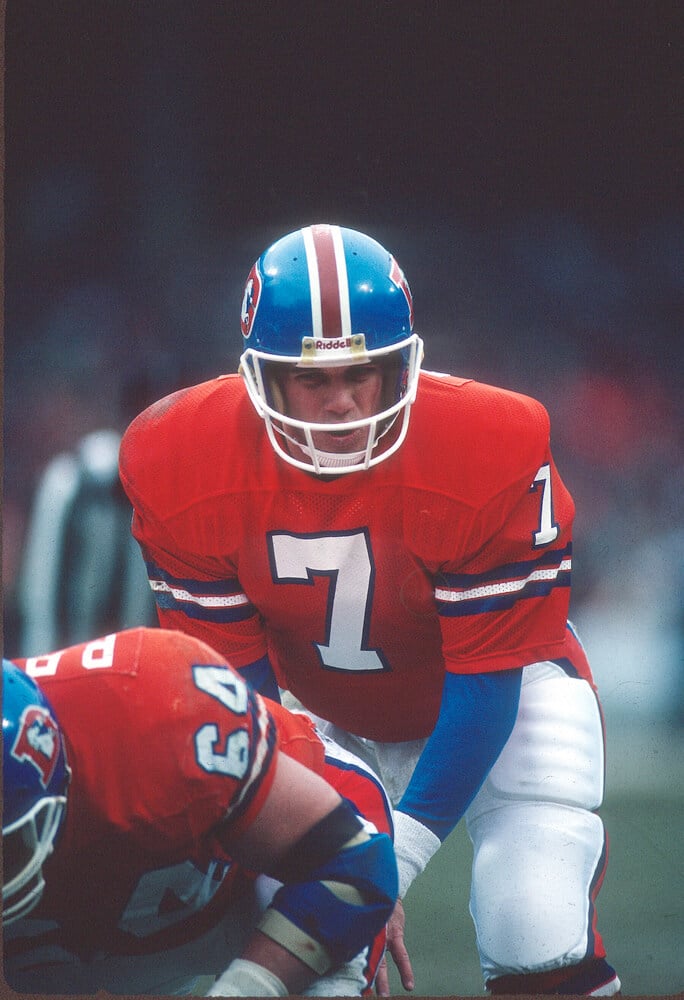
Elway forced a trade to Denver rather than play for Baltimore, setting off a chain of events that transformed the Broncos. Over 16 seasons, Elway led Denver to three Super Bowl appearances and two championships, elevating a struggling franchise into the AFC’s elite.
The Broncos had never won a playoff game before Elway’s arrival and became perennial contenders by decade’s end.
Bert Bell, 1935 (First Overall, Philadelphia Eagles)

Bell became the NFL’s best player at halfback and later the league’s most transformative commissioner. As a player, he stabilized Philadelphia’s early years and helped establish the Eagles as a legitimate franchise during professional football’s infancy.
His later work as commissioner created the draft itself and helped balance competitive advantage across all 12 teams.
Tom Brady, 2000 (Sixth Round, 199th Overall, New England Patriots)
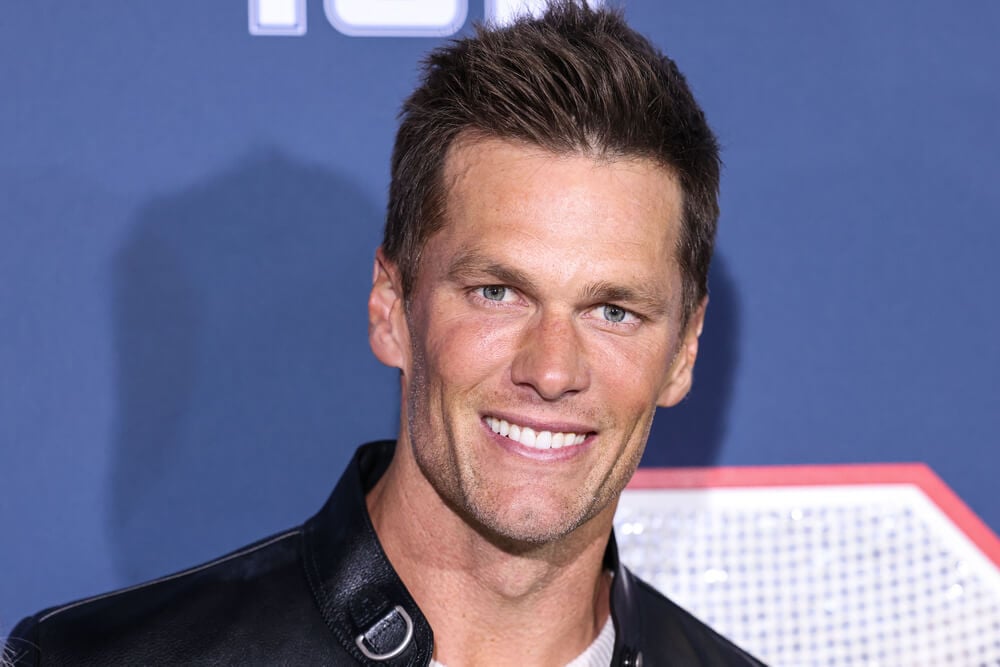
The Patriots selected Brady as the 199th overall pick in 2000 as an afterthought, only because starter Drew Bledsoe got injured in the second game of 2001. Brady inherited the starting role and never relinquished it, leading New England to six Super Bowls over 20 seasons.
The pick that cost nothing to any other team became the greatest value in draft history.
Reggie White, 1984 (First Round, Fourth Overall, Philadelphia Eagles)
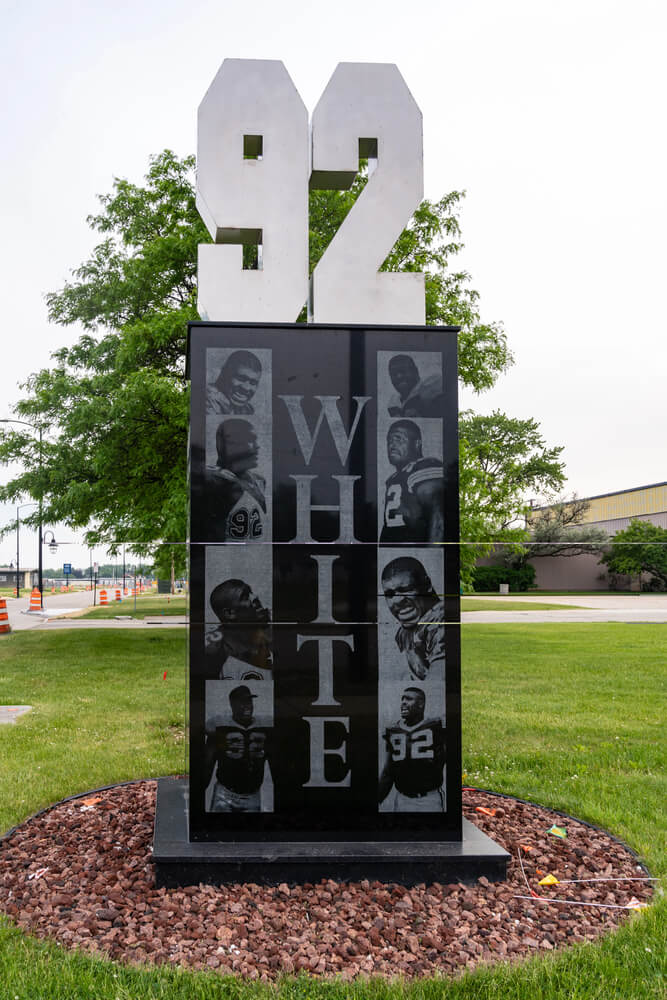
Reggie White joined Philadelphia straight from college, an unprecedented move that allowed the Eagles to land the most dominant defensive end of his era. White won one Super Bowl with Green Bay but spent his prime years anchoring Philadelphia’s defense, establishing the franchise as a perennial playoff team.
His relentless pass rush forced quarterbacks to adjust pre-snap reads league-wide.
Bart Starr, 1956 (Second Round, 15th Overall, Green Bay Packers)
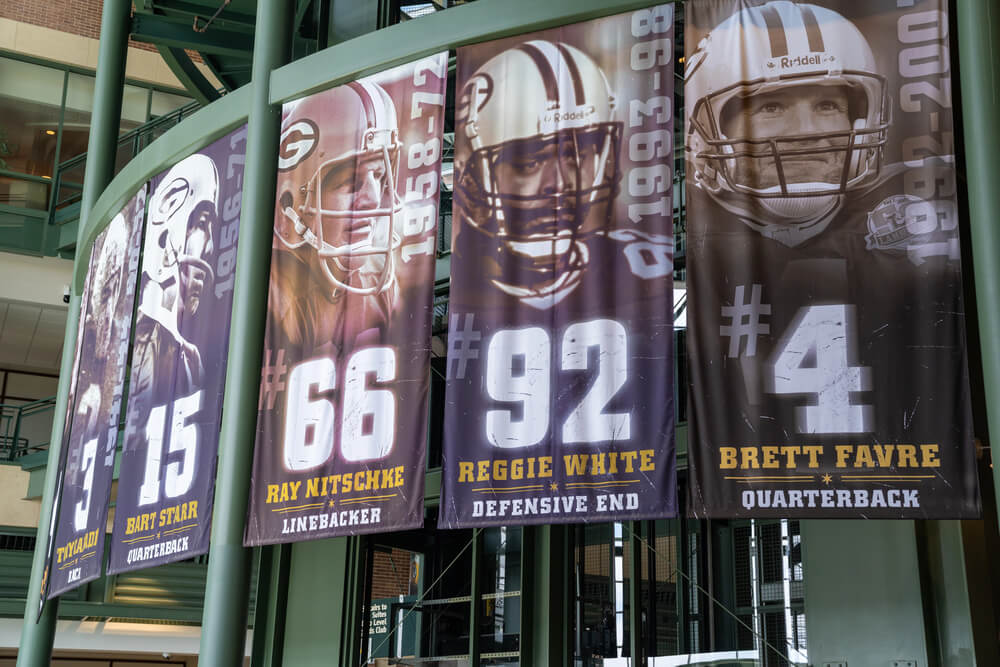
Starr arrived in Green Bay as an afterthought, drafted when the Packers were rebuilding under coach Vince Lombardi. Over the next 16 years, Starr won three consecutive NFL championships and two Super Bowls, embedding himself into one of the league’s most storied franchises.
He became the template for pocket-passing quarterbacks in the modern era.
Dan Marino, 1983 (First Round, 27th Overall, Miami Dolphins)
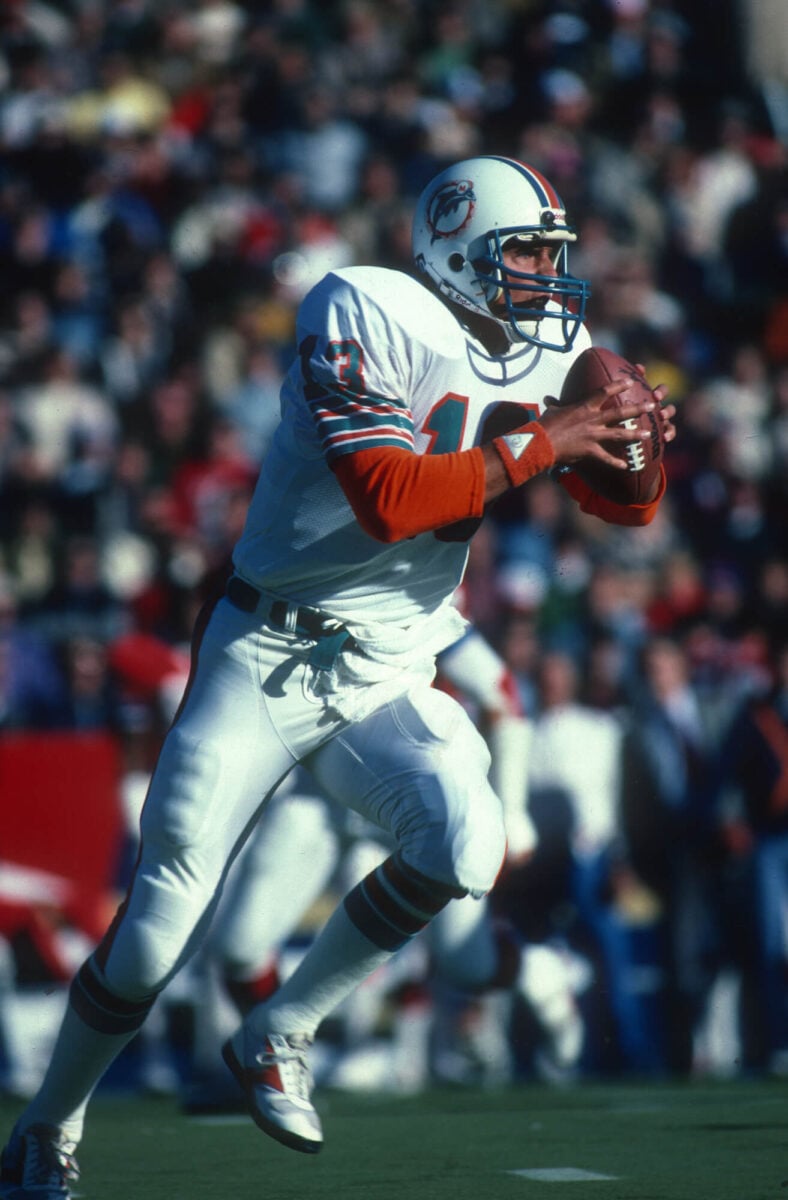
Despite being passed over by three quarterbacks early, Miami selected Marino 27th overall after evaluating him late in the first round. Marino spent 17 seasons with the Dolphins, throwing for 61,361 yards and 420 touchdowns, both NFL records at retirement.
He transformed Miami from a dynasty fading in the ’80s into a competitive franchise for two decades.
Willie Mays, 1951 (Negro Leagues/MLB, Not Formally Drafted but Transformative)
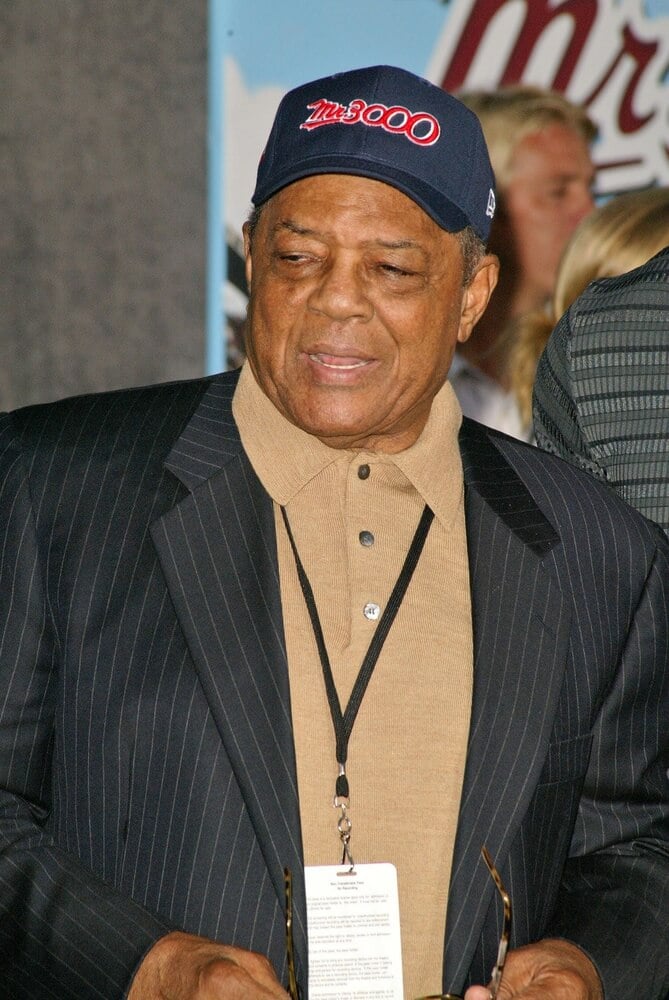
Mays revolutionized center field play and became baseball’s preeminent star in the early integration era, though his NFL parallel might be Jim Brown, who went 6th overall in 1957 to Cleveland. Brown’s arrival elevated the Browns into immediate championship contenders, winning the 1964 NFL title in his rookie season and establishing Cleveland as the league’s dominant team in the early ’60s.
Jim Brown, 1957 (First Round, Sixth Overall, Cleveland Browns)
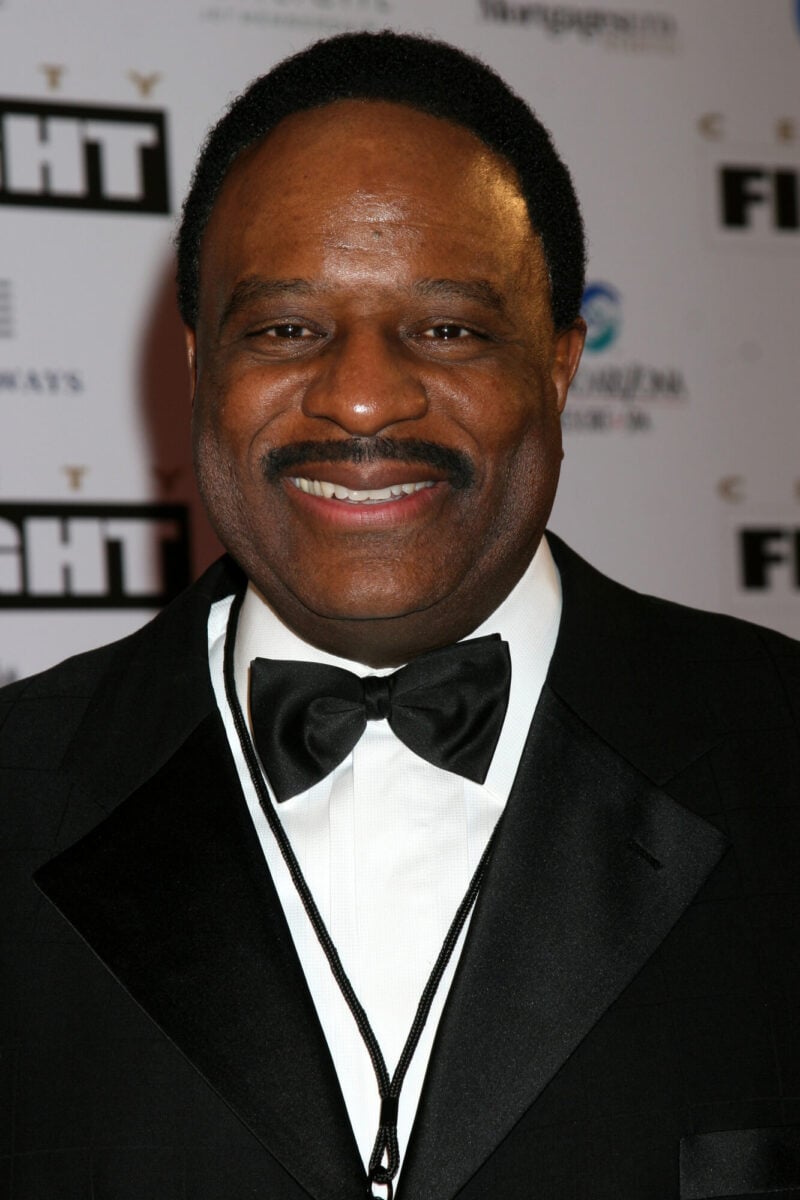
The Browns drafted Brown sixth overall in 1957, and he immediately led them to the NFL championship in his rookie season. Brown won nine Pro Bowls in nine seasons, revolutionized the running back position with his size and power, and accumulated 12,312 rushing yards.
His presence transformed Cleveland into an instant title contender and defined the franchise’s golden era.
Johnny Unitas, 1955 (Ninth Round, 102nd Overall, Baltimore Colts)

Unitas was famously cut by the Pittsburgh Steelers but signed by Baltimore as a free agent in 1956. Though technically an undrafted signing, his acquisition transformed the Colts from expansion afterthought into an NFL dynasty.
Unitas won three championships with Baltimore, including Super Bowl III, and established himself as the quarterback who defined excellence for generations.
Walter Payton, 1975 (First Round, 16th Overall, Chicago Bears)
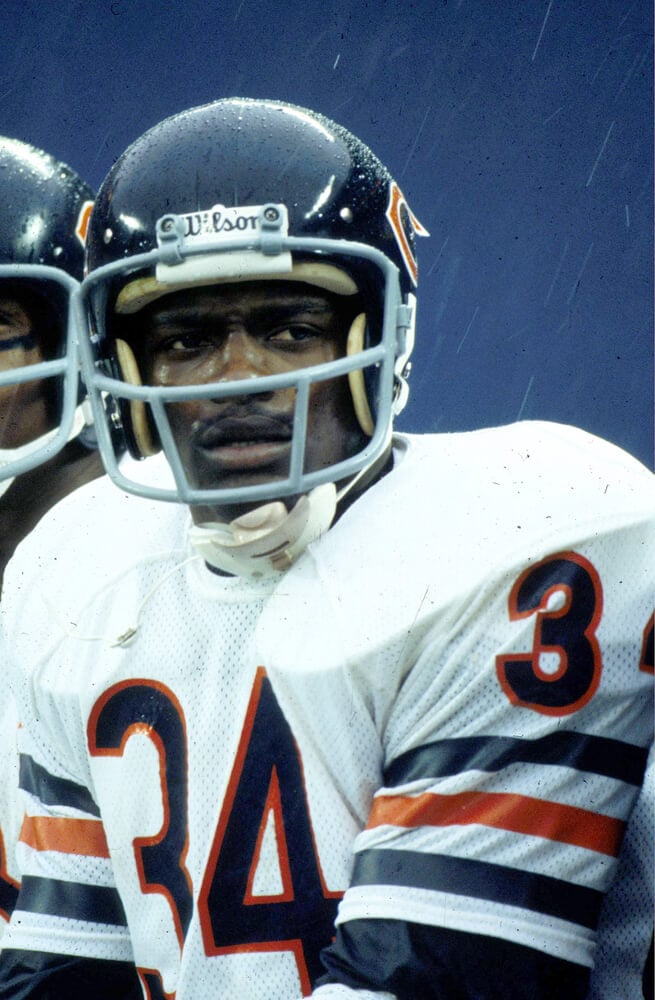
Payton’s selection 16th overall gave Chicago a running back who would define professional toughness for generations. Over 13 seasons, “Sweetness” rushed for 16,726 yards and 110 touchdowns while never missing a game due to injury.
Payton’s iron-man durability and quiet leadership transformed the Bears’ culture and sustained their competitiveness through the late ’70s and ’80s.
Steve Young, 1984 (Supplemental Round First Overall, Tampa Bay Buccaneers)
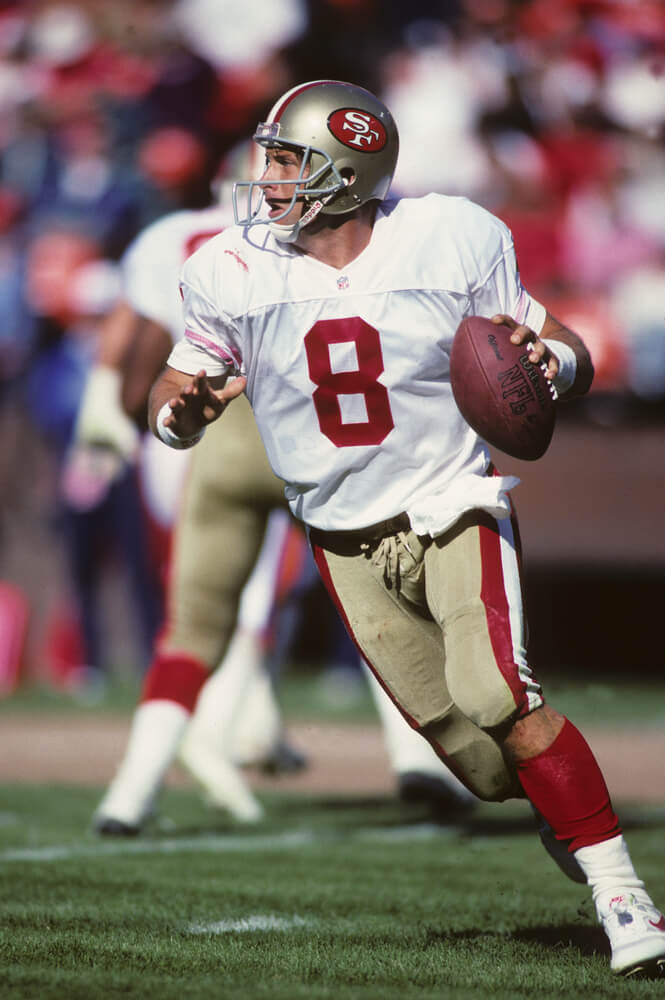
Young was drafted by Tampa Bay but signed with the USFL’s Los Angeles Express before joining San Francisco in 1987. Once with the 49ers, Young developed behind Joe Montana and eventually won a Super Bowl XXIX MVP while throwing six touchdown passes.
His arrival assured San Francisco’s dynasty would continue beyond Montana’s career.
Melvin Ingram, 2012 (First Round, 18th Overall, San Diego Chargers)
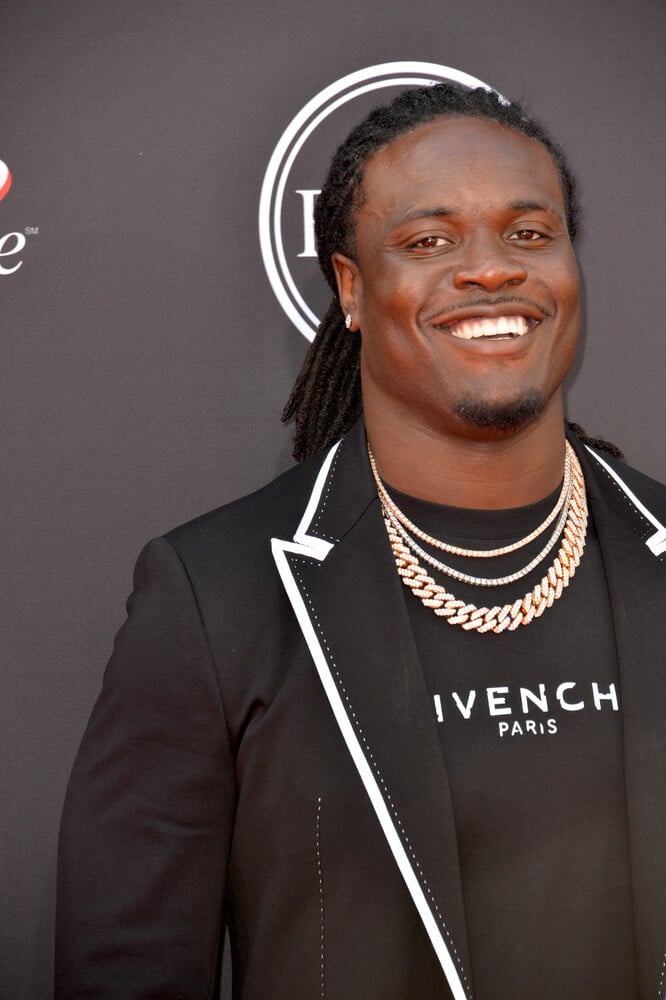
Ingram’s selection helped rejuvenate San Diego’s pass rush and stabilized a secondary that was in flux. Over nine seasons with the Chargers, Ingram accumulated 39.5 sacks and five Pro Bowl selections, establishing himself as one of the AFC’s most consistent edge rushers.
His presence transformed the Chargers’ defensive identity and kept them competitive throughout the 2010s.
Deshaun Watson, 2017 (First Round, 12th Overall, Houston Texans)
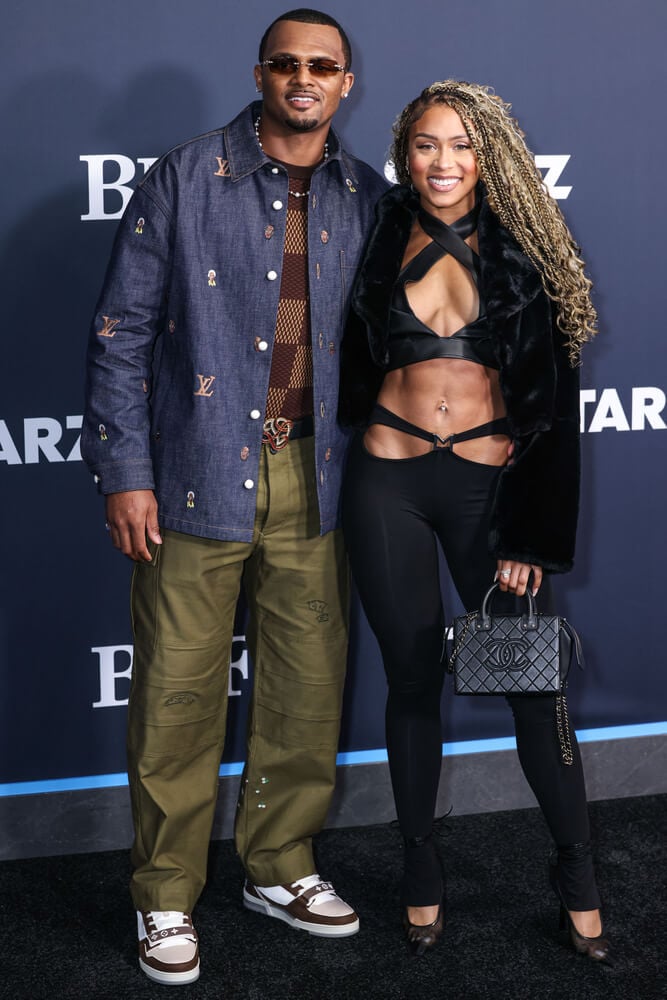
The Texans selected Watson 12th overall, giving the franchise its first legitimate star quarterback after years of mediocrity at the position. Watson immediately became one of the league’s most dynamic passers, leading Houston to the AFC South title in his second season.
His arrival signaled the Texans’ transformation from perennial also-ran to a franchise with a foundation for long-term success.
Andrew Luck, 2012 (First Overall, Indianapolis Colts)
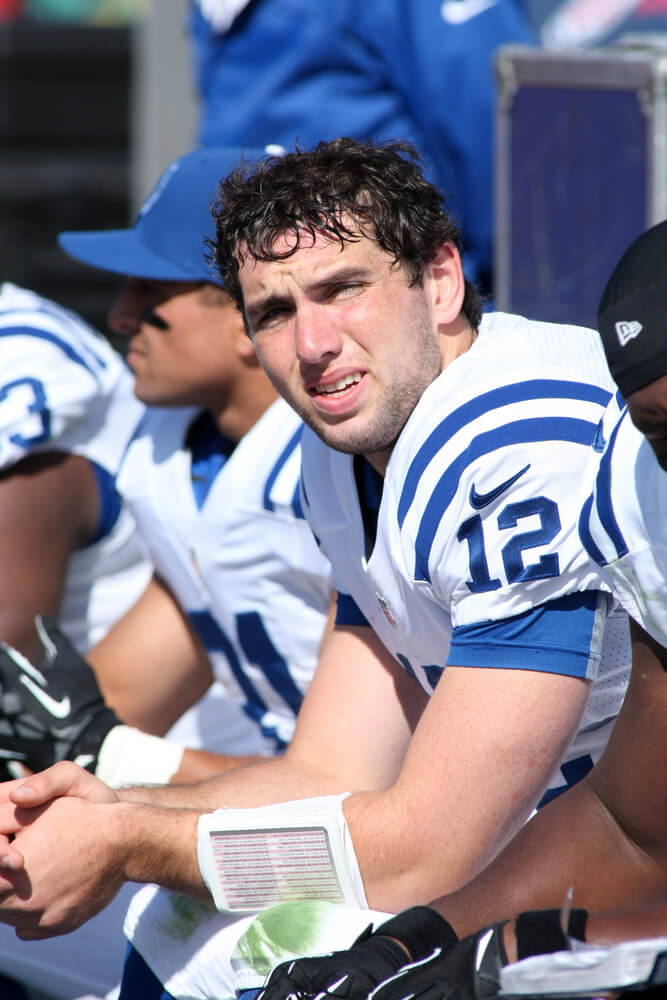
After Peyton Manning’s departure to Denver, Colts fans feared a decade of decline. Instead, Indianapolis drafted Luck first overall, landing a quarterback who would lead them back to the AFC South in 2014 and maintain competitiveness for six seasons.
Luck’s intelligence and arm talent ensured Indianapolis remained relevant in a crowded AFC.
Odell Beckham Jr., 2014 (First Round, 12th Overall, New York Giants)
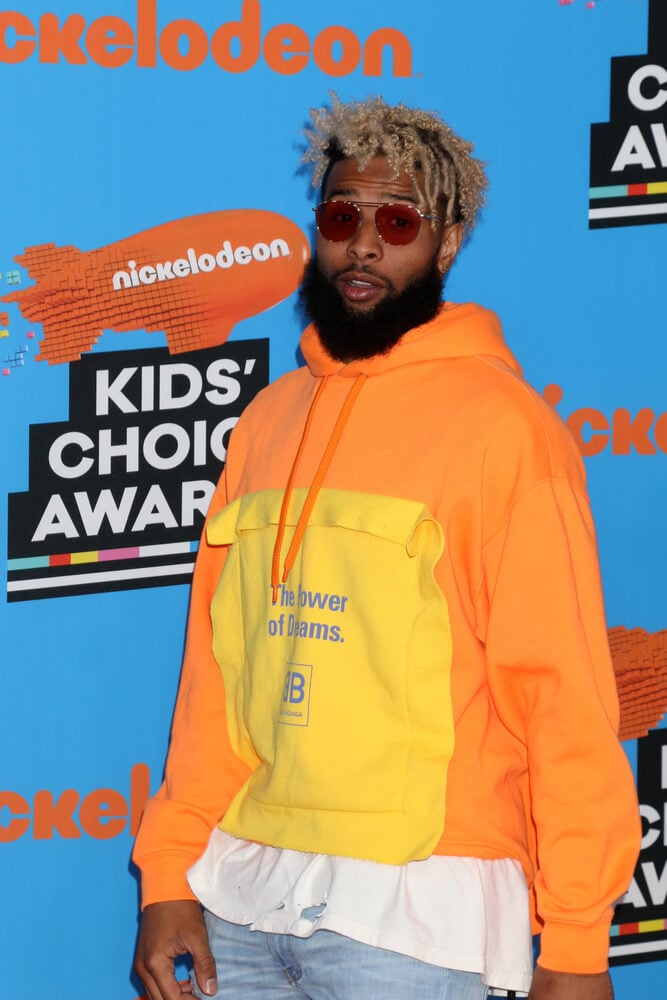
The Giants selected Beckham 12th overall in 2014, immediately establishing him as one of football’s most spectacular receivers. Beckham’s viral highlight plays and acrobatic catches gave the Giants’ offense a dynamic weapon they had lacked since Plaxico Burress.
Though injuries limited his later impact, Beckham transformed New York’s passing game into a must-watch attraction.
Saquon Barkley, 2018 (First Round, 2nd Overall, New York Giants)
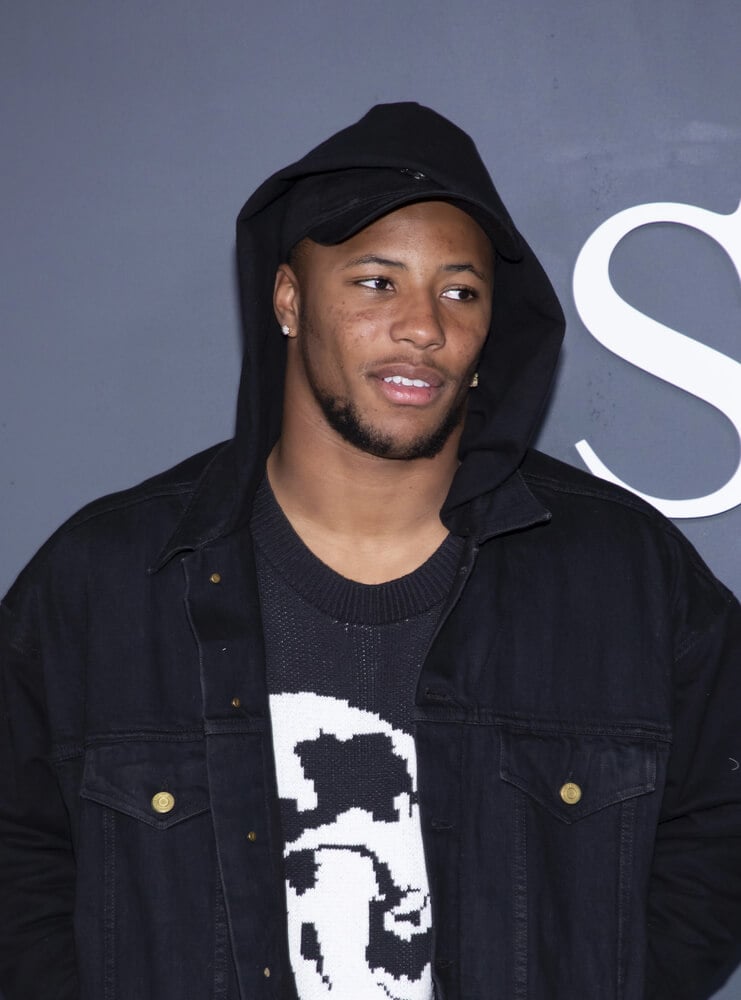
Barkley arrived at MetLife Stadium as the consensus top non-quarterback prospect, immediately becoming the focal point of an offense that had struggled to establish identity. His 2018 rookie season of 1,307 rushing yards and 2,268 all-purpose yards reinvigorated Giants fans after years of quarterback turmoil.
Barkley’s presence changed how defenses approached the Giants’ run game.
Aaron Rodgers, 2005 (First Round, 24th Overall, Green Bay Packers)
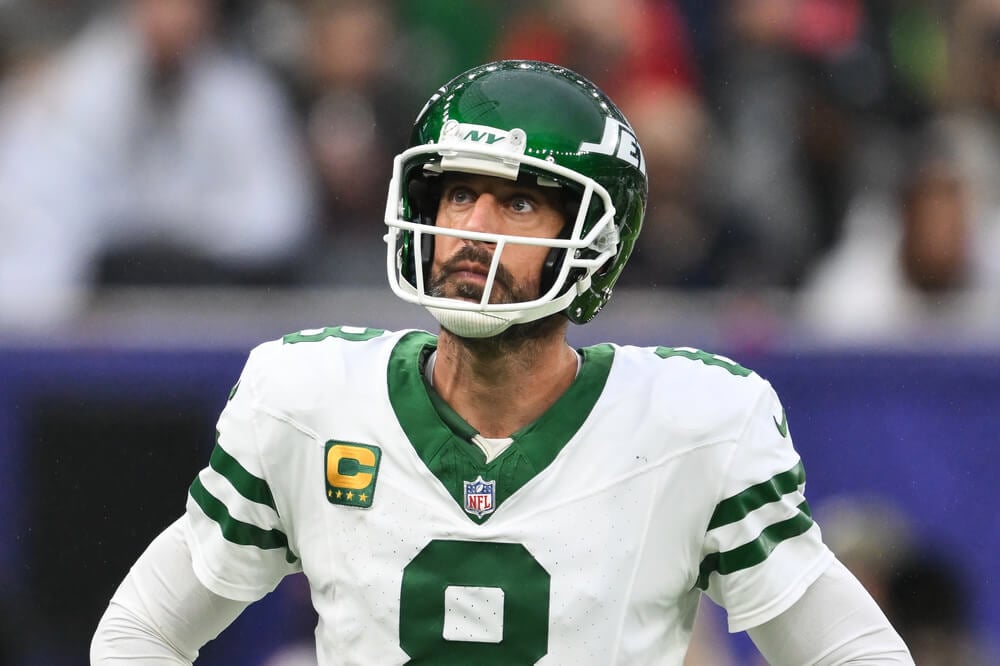
Though the Packers drafted Rodgers 24th overall while Brett Favre still started, the pick represented a franchise believing in continuity. Rodgers won Super Bowl XLV in his first season as starter and accumulated 5,127 passing yards and 60 touchdowns in 2020 alone.
His MVP caliber play transformed Green Bay’s offense and kept the franchise competitive through two decades.
Russell Wilson, 2012 (Third Round, 75th Overall, Seattle Seahawks)
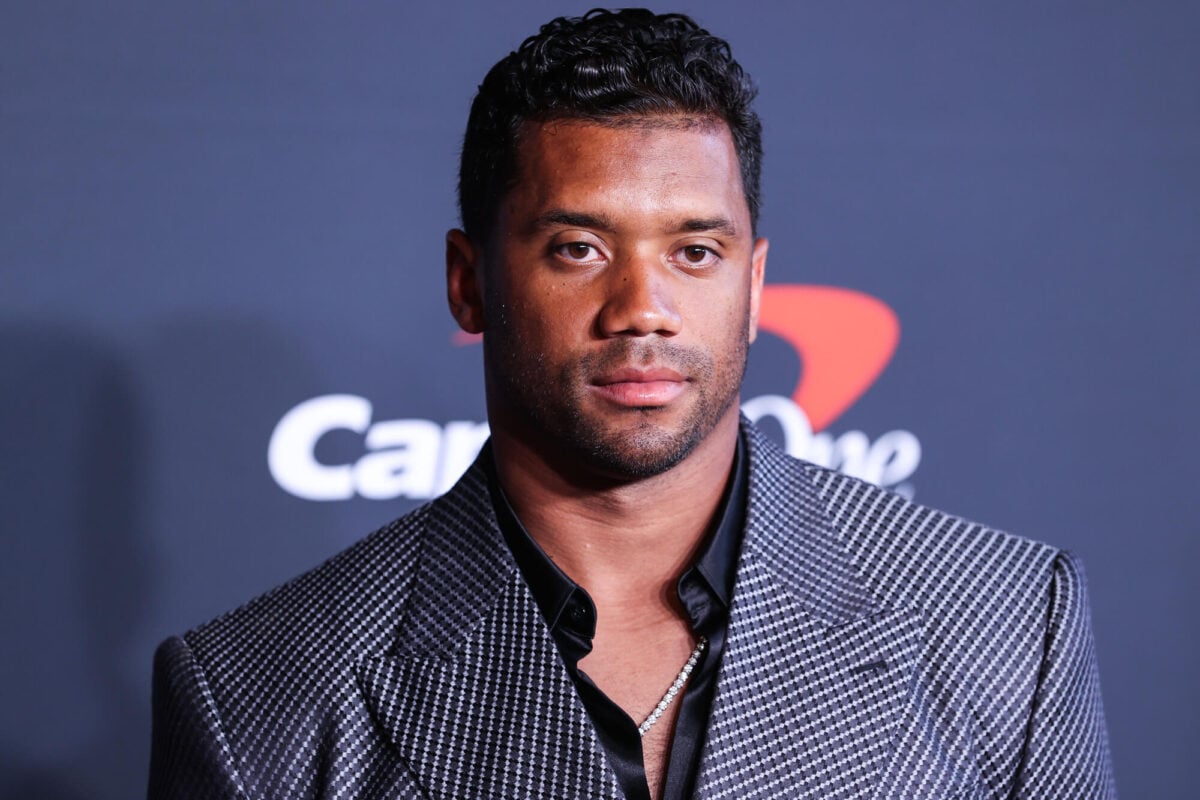
Seattle selected Wilson 75th overall despite Seahawks scouts preferring Robert Griffin III—an extraordinary miss by other teams that gifted Wilson to Seattle. Over 10 seasons, Wilson led the Seahawks to two Super Bowl appearances and consistently performed as one of the league’s clutch quarterbacks.
His draft-day value proved to be the most lopsided steal of the 2010s.
Darrelle Revis, 2007 (First Round, 14th Overall, New York Jets)
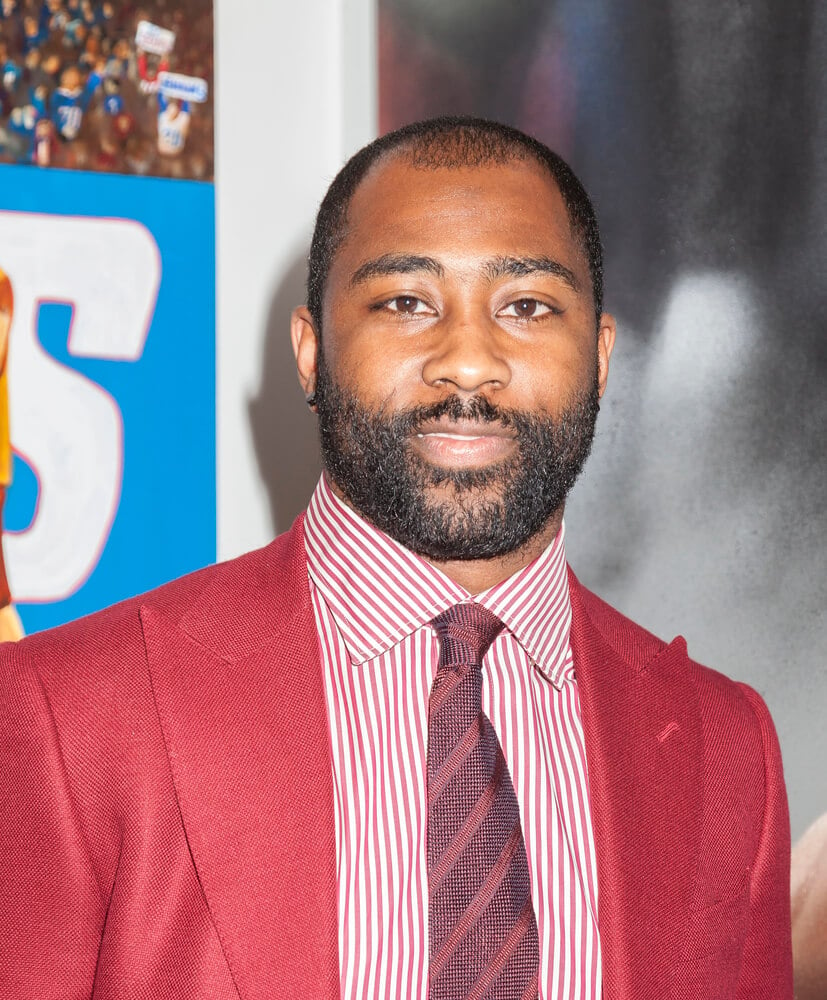
Revis transformed the Jets secondary with his elite coverage skills and allowed New York to build a defense-first identity around his talents. Over eight seasons with New York, Revis earned six Pro Bowl selections and changed how teams approached pass protection.
His arrival stabilized a Jets defense that had been among the league’s weakest.
Richard Sherman, 2011 (Fifth Round, 154th Overall, Seattle Seahawks)
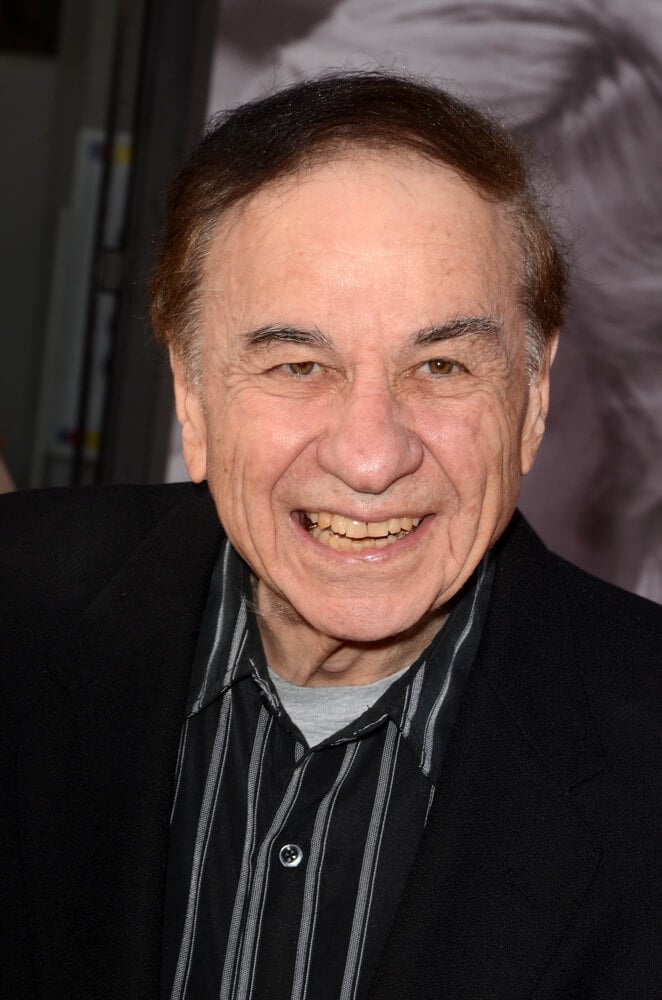
Seattle selected Sherman in the fifth round, sparking one of the greatest secondary transformations in NFL history. Sherman’s shutdown coverage paired with Earl Thomas created “The Legion of Boom,” fundamentally changing how Seattle’s defense operated.
His acquisition as a relative afterthought elevated the Seahawks into Super Bowl contention within three seasons.
Emmitt Smith, 1990 (First Round, 17th Overall, Dallas Cowboys)
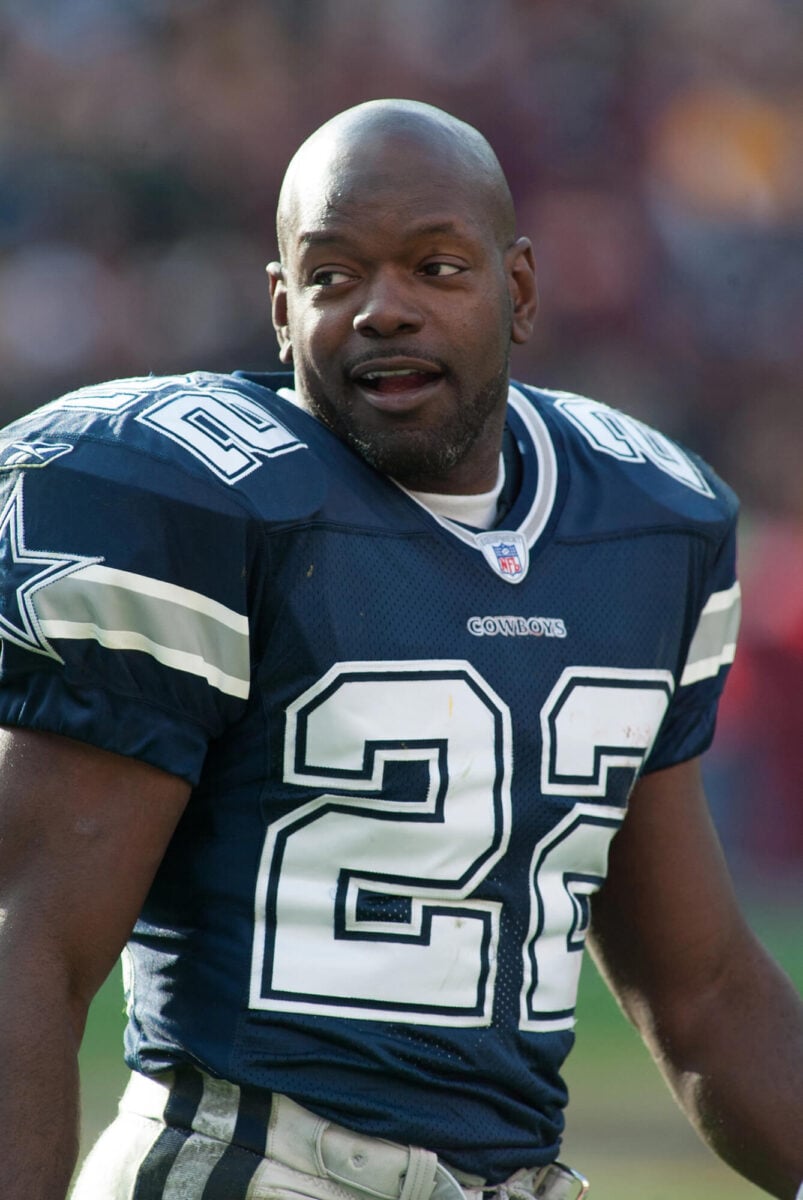
The Cowboys drafted Smith 17th overall despite an earlier injury, acquiring a running back who would become the league’s all-time leading rusher. Over 15 seasons with Dallas, Smith rushed for 18,355 yards and 164 touchdowns while winning three Super Bowls.
His steady production transformed Dallas’s offense from pass-dependent to balance-based, elevating the Cowboys back to championship caliber.
Patrick Mahomes, 2017 (First Round, 10th Overall, Kansas City Chiefs)
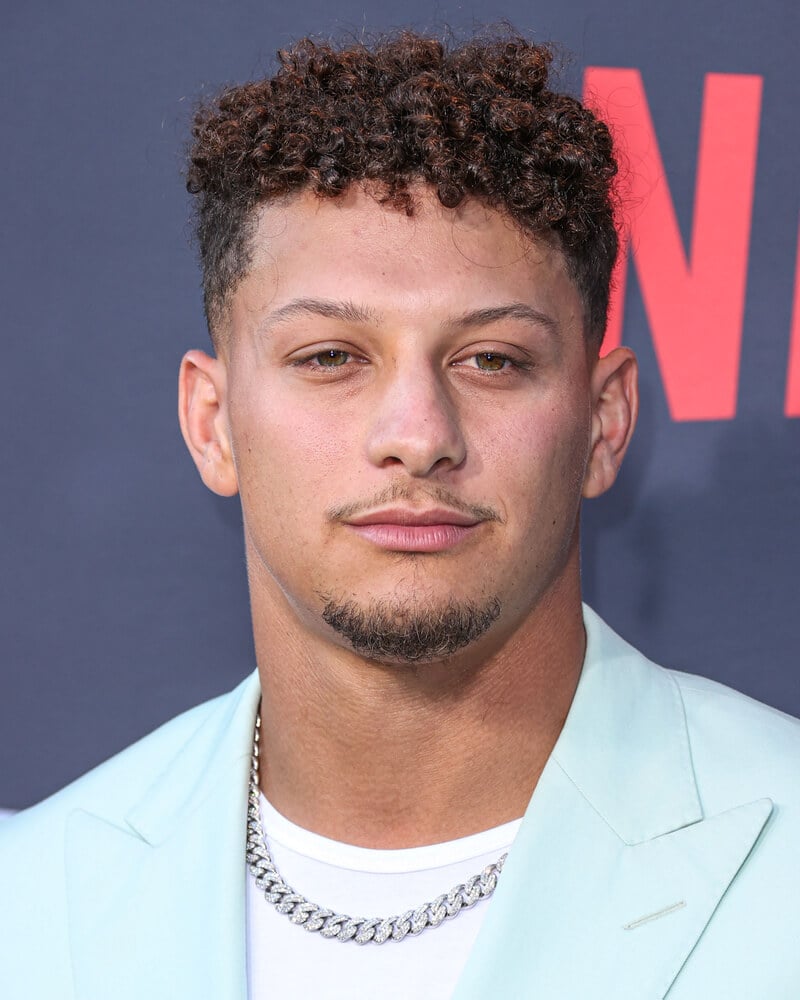
The Chiefs traded up to select Mahomes 10th overall, a pick that confused analysts who questioned his college resume. Within two years, Mahomes became a starter and within four seasons had led Kansas City to a Super Bowl LIV championship.
His unorthodox throwing style and playmaking ability established the Chiefs as an AFC powerhouse for the 2020s.
Travis Kelce, 2013 (First Round, 63rd Overall, Kansas City Chiefs)
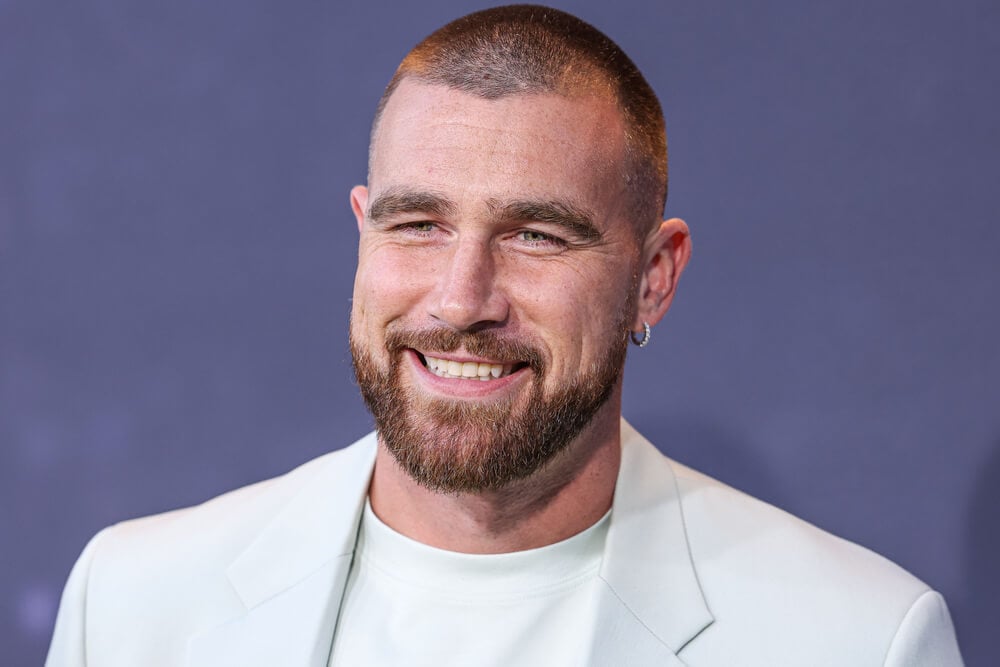
Kansas City selected Kelce 63rd overall despite him being a converted college basketball player without elite receiving statistics. Over 11 seasons, Kelce became the greatest tight end of his generation, catching 1,156 passes for 13,838 yards.
His elite receiving ability transformed Kansas City’s passing attack and created a receiving outlet that defenses could never fully game-plan against.
Barry Sanders, 1989 (First Round, Third Overall, Detroit Lions)
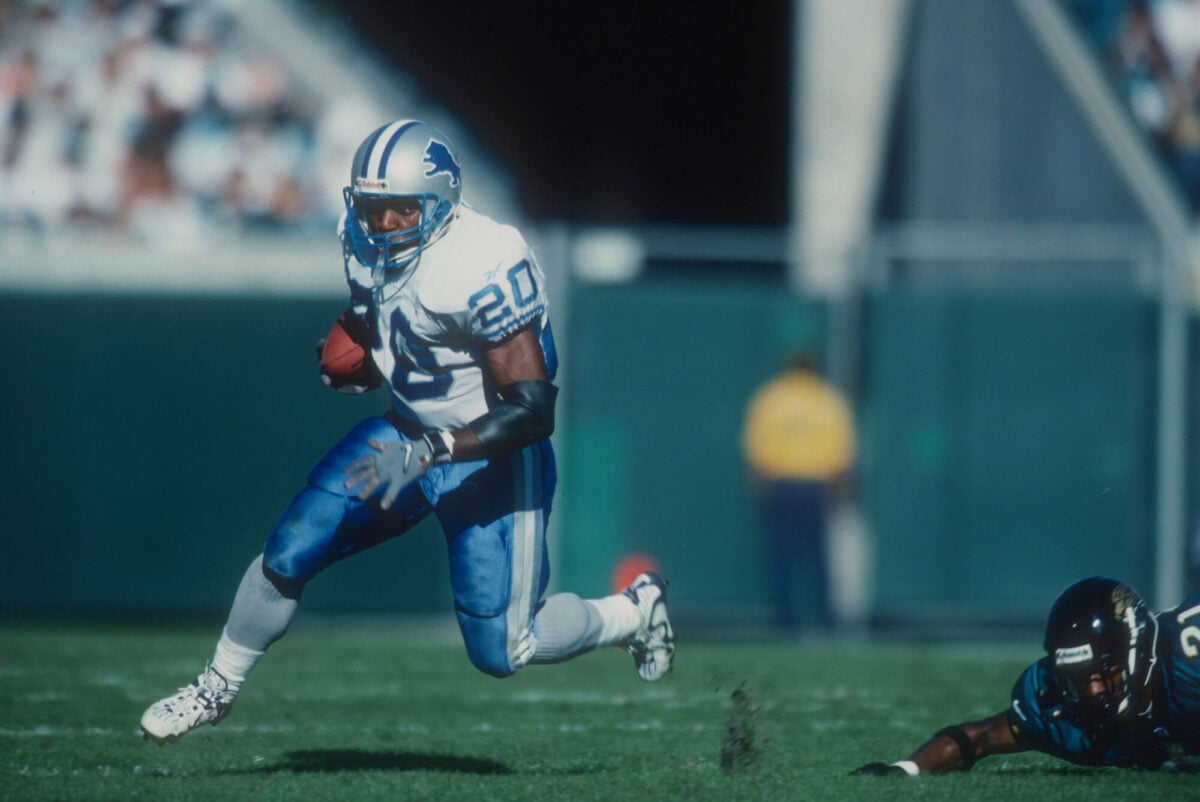
The Lions drafted Sanders third overall, acquiring a running back whose combination of balance and lateral agility revolutionized the position. Over 10 seasons with Detroit, Sanders rushed for 15,269 yards (third all-time) and electrified fans with his sudden-cut, jump-cut running style.
His presence transformed the Lions into a dynamic offensive team despite their defensive limitations.
Otto Graham, 1946 (First Round, First Overall, Cleveland Browns)
Graham was selected first overall by the Cleveland Browns in the All-America Conference, transforming the franchise into a championship organization from its inception. Over 10 seasons, Graham won 10 championships in 10 seasons and established Cleveland as the most consistent dynasty in professional football.
His intelligent play-calling and precision passing redefined quarterback excellence.
The Ripple Effect of Great Selections
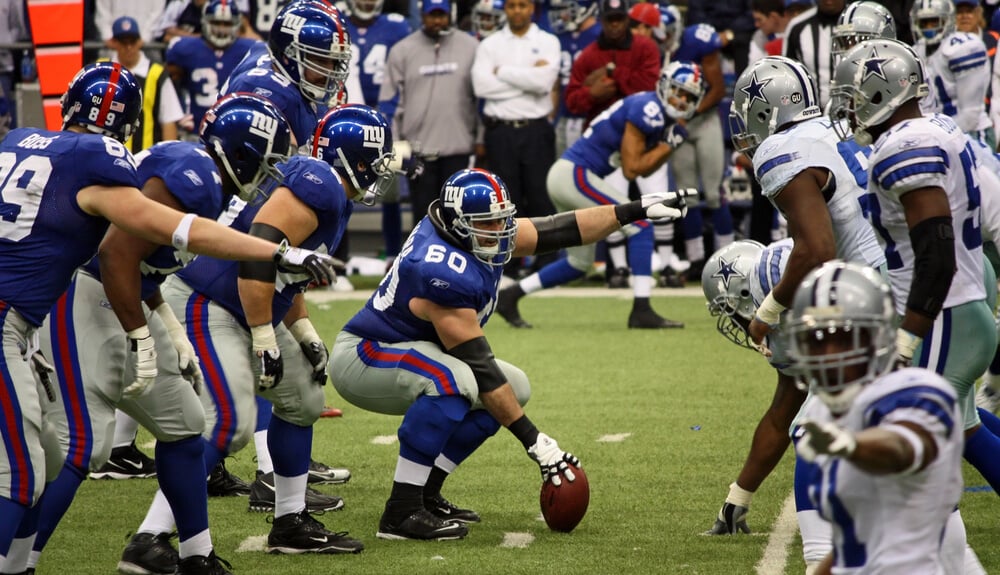
Transformative draft picks extend beyond the individual player’s career—they alter coaching philosophies, positional demand, and how entire franchises approach roster construction for decades. When Montana landed in San Francisco, it convinced other teams to value quarterbacks in later rounds differently.
When Russell Wilson arrived in Seattle, it sparked a wave of teams seeking undersized but athletic quarterbacks. The greatest draft picks change not just their franchise’s future but the league’s entire understanding of player evaluation.
More from Go2Tutors!

- The Romanov Crown Jewels and Their Tragic Fate
- 13 Historical Mysteries That Science Still Can’t Solve
- Famous Hoaxes That Fooled the World for Years
- 15 Child Stars with Tragic Adult Lives
- 16 Famous Jewelry Pieces in History
Like Go2Tutors’s content? Follow us on MSN.



