29 Old Tools Collectors Pay Well For
A rusted hand plane at the bottom of a toolbox looks like scrap to most people who find it. To the right buyer, it might be a Stanley model that stopped being made seventy years ago.
Tool collecting is one of the quieter corners of the antiques market, but it moves real money for the pieces that were well made and have survived completely.
Stanley Bailey Bench Planes
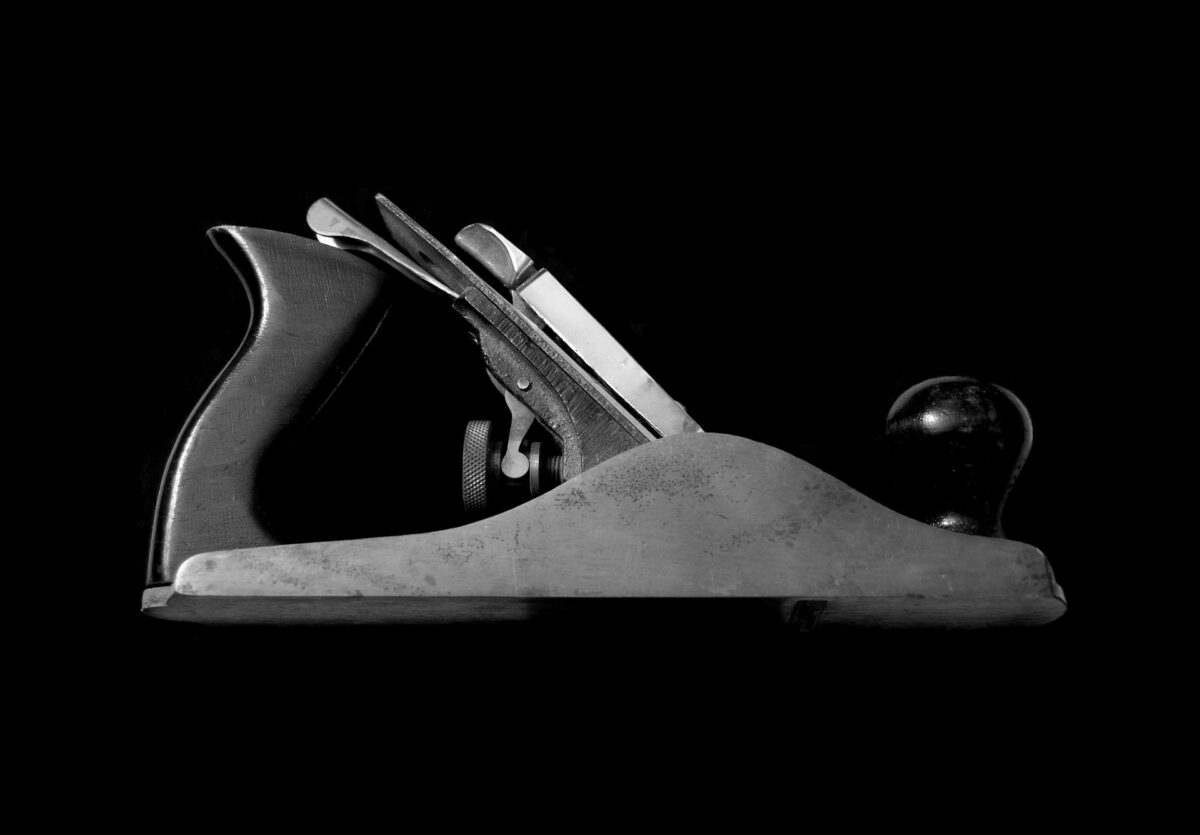
Stanley Works dominated the hand plane market from the late 1800s through the mid-20th century, and its Bailey-pattern bench planes are the standard reference point for the entire field. Pre-World War II examples with the earlier corrugated or smooth sole types, especially in less common sizes like the number 1 or number 8, can sell for $150 to over $1,000 depending on condition and rarity.
A plane with its original iron, frog, and tote intact, rather than a mix of replacement parts from different eras, brings substantially more than one cobbled together to be merely usable.
Disston Hand Saws
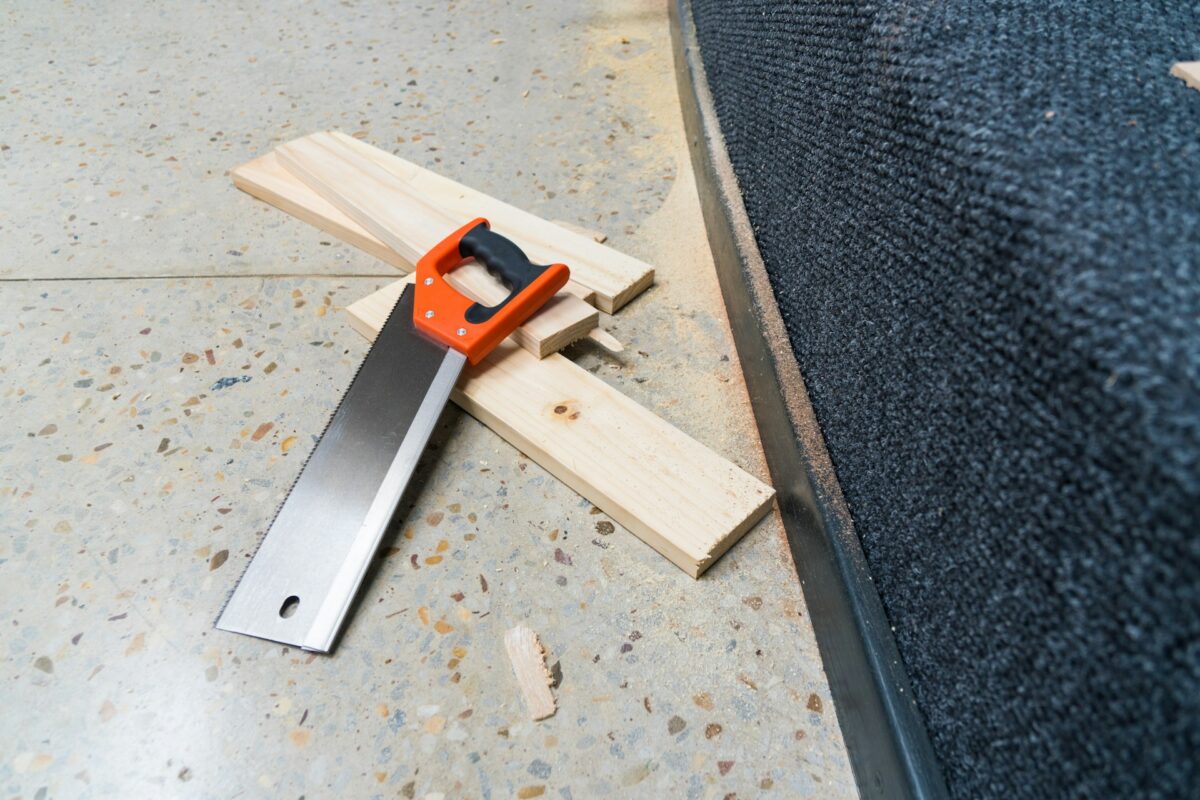
Henry Disston and Sons of Philadelphia made hand saws considered among the finest ever produced in America, with etched blade markings that changed regularly enough to date a saw fairly precisely. Saws with a crisp, legible etch and an undamaged apple-wood or walnut handle can sell for $40 to $150, with rare medallion styles and specialty saws bringing considerably more from specialist buyers.
A blade that has been heavily reground, losing its original taper, is a common defect that quietly cuts the value even when the saw still looks presentable.
Winchester Branded Tools
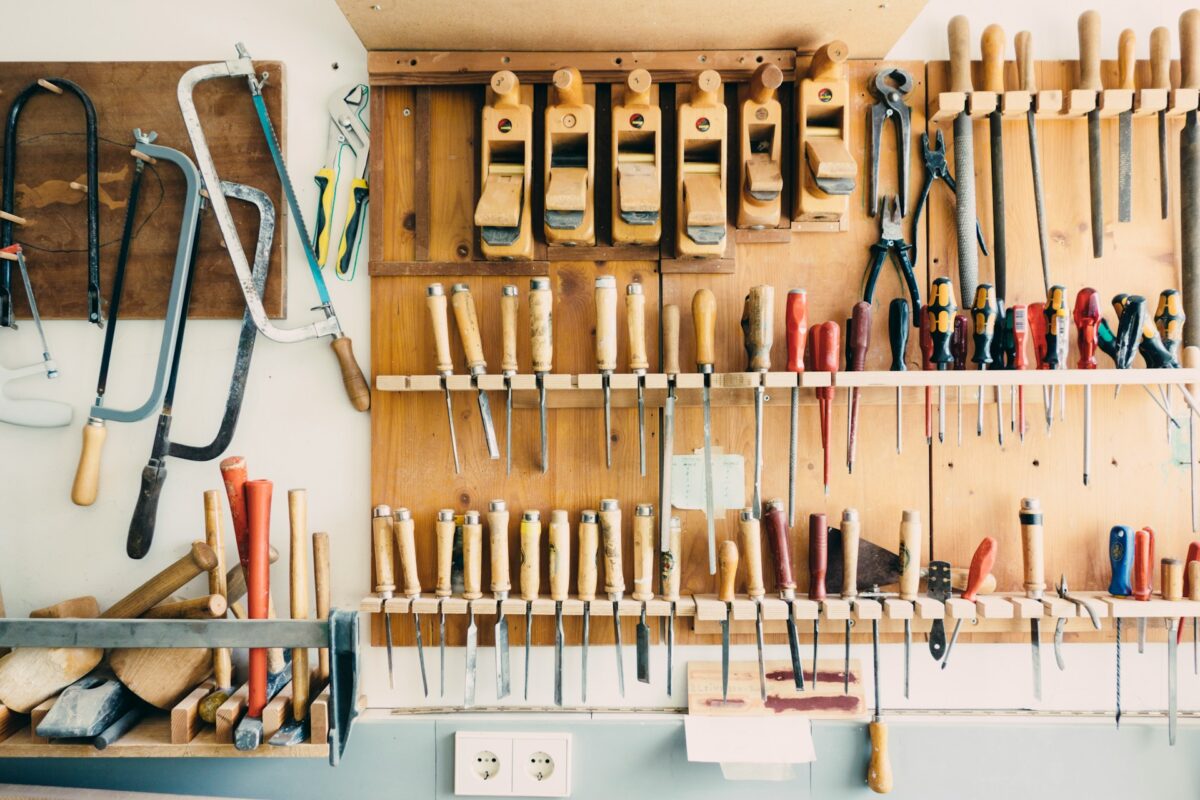
The Winchester Repeating Arms Company licensed its name to a wide line of tools including hammers, planes, and wrenches from the 1920s into the early 1930s, a relatively short production window that makes surviving examples genuinely scarce. A marked Winchester tool in solid working condition can sell for $75 to $300, with rarer tool types in that lineup bringing well beyond that from dedicated Winchester collectors who cross over from firearms collecting.
Because the brand carries name recognition far beyond the tool-collecting world, Winchester-marked pieces tend to sell faster and at a premium compared to unmarked equivalents.
Millers Falls Egg-Beater Drills
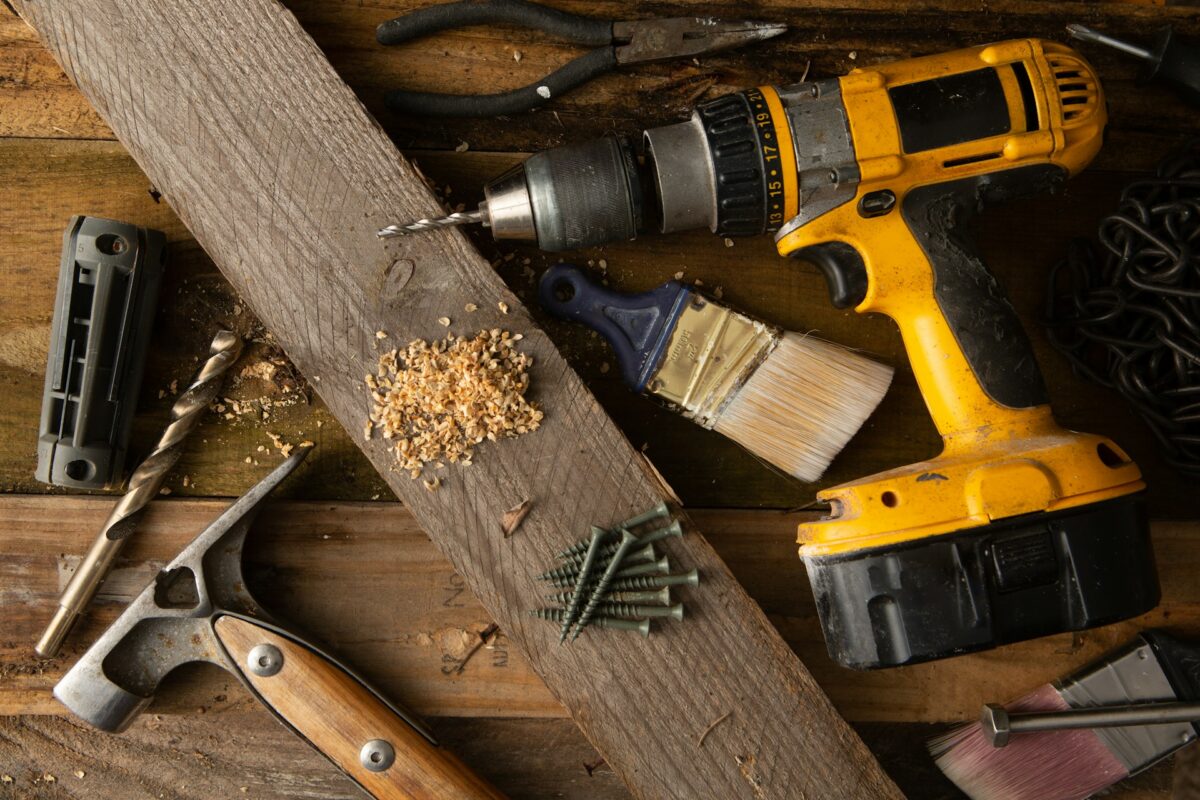
Millers Falls Company made hand-crank “egg-beater” style drills from the late 1800s through much of the 20th century, and the earliest models with japanned finishes and turned wood handles are what collectors seek out first. A complete drill with a smoothly working gear mechanism and no replaced parts typically sells for $20 to $60, with rare early patent variants going higher.
A gear mechanism seized with rust is usually salvageable with patient cleaning, so a stiff drill is not automatically a dealbreaker the way a cracked housing would be.
Brass-Bound Levels

Wooden spirit levels bound in brass, made by companies like Stratton Brothers and Stanley through the 1800s and early 1900s, were a step up from plain wooden levels sold to tradesmen who wanted a durable, precise instrument. Examples with intact glass vials, undamaged brass fittings, and legible maker stamps can sell for $50 to $200, with longer specialty lengths and unusual wood types like rosewood commanding the top of that range.
A cracked vial, which affects the tool’s actual accuracy rather than just its looks, is a significant defect to buyers who plan to display or use the level.
Blacksmith-Made Tongs
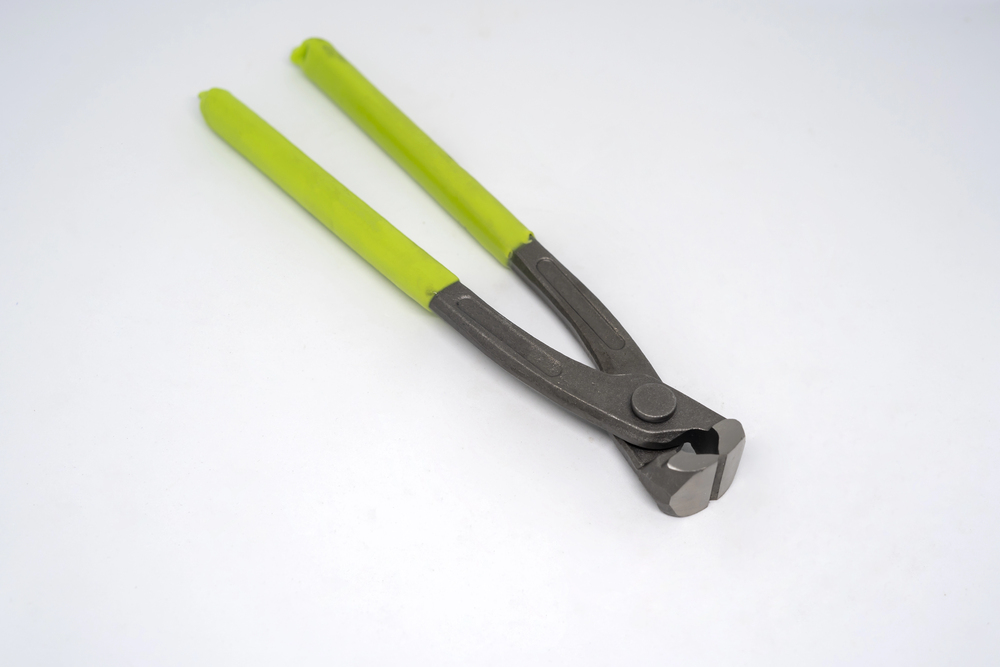
Hand-forged blacksmith tongs, made individually by smiths for their own shop use rather than mass produced, turn up at farm and estate auctions with no maker’s mark at all, which makes provenance and craftsmanship the main things buyers judge. Well-forged examples with clean joints and good balance can sell for $30 to $100 depending on size and specialty, since specialized forms like bolt tongs or hollow-bit tongs draw more interest from working blacksmiths than generic flat-bit examples.
Because these were never mass produced, no two are quite identical, which is part of what draws collectors to them.
Yankee Push Drills
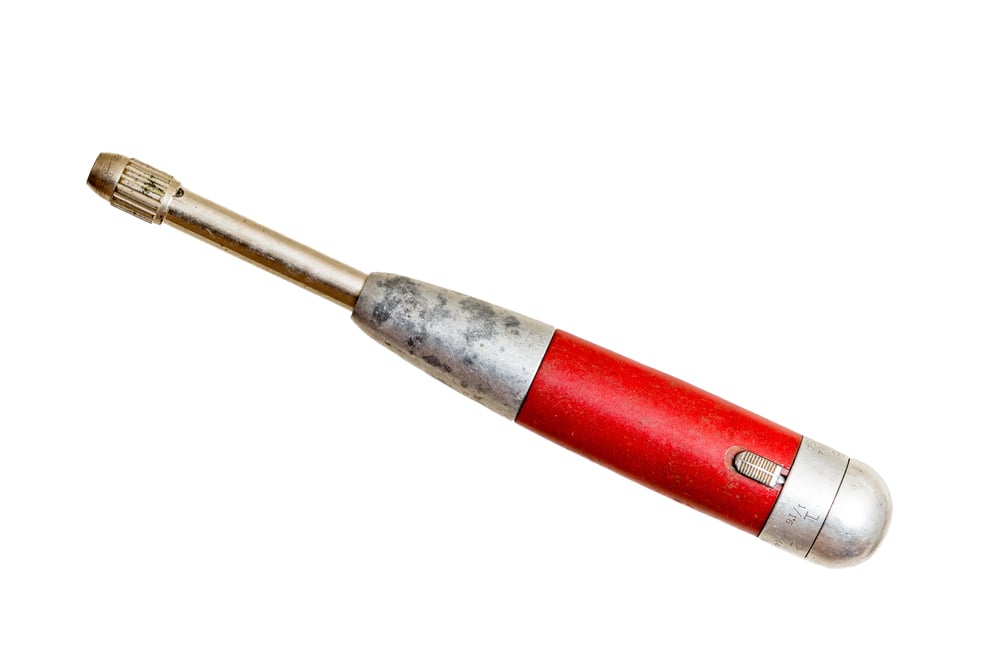
North Brothers Manufacturing Company’s Yankee-brand push drills, which bored into wood by pushing down on a spiral-fluted spindle rather than turning a crank, were a common household and workshop tool from the early 1900s through mid-century. A complete drill with its full set of bits stored in the hollow handle can sell for $25 to $50, meaningfully more than an example missing its bit storage cap or most of its bits.
The spring-return mechanism should snap the spindle back smoothly when tested, and a sluggish return is the main functional flaw to check for.
Cast Iron Post Vises
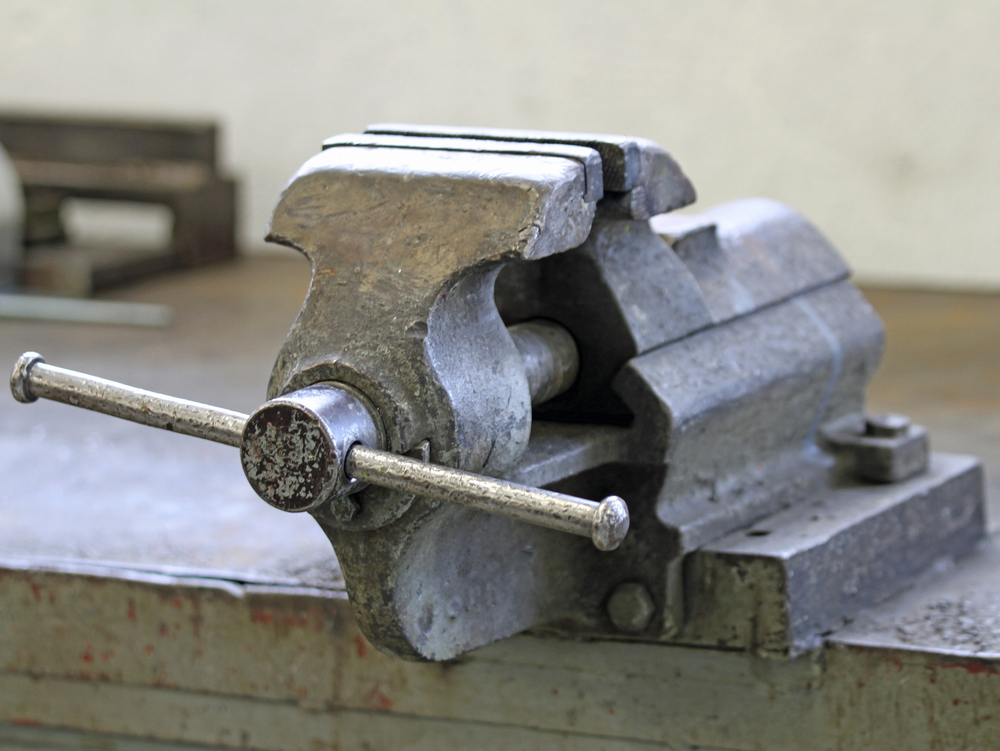
Blacksmith post vises, mounted to a workbench and braced against a floor post to handle heavy hammering, were made by companies including Columbian and Peter Wright from the 1800s through the early 20th century. A complete vise with an undamaged jaw and a working leg brace can sell for $75 to $250 depending on jaw width, with larger sizes generally commanding more due to their scarcity and weight.
Cracks in the casting near the jaw, rather than surface rust, are the defect that most seriously affects both usability and price.
Stanley No. 45 Combination Planes
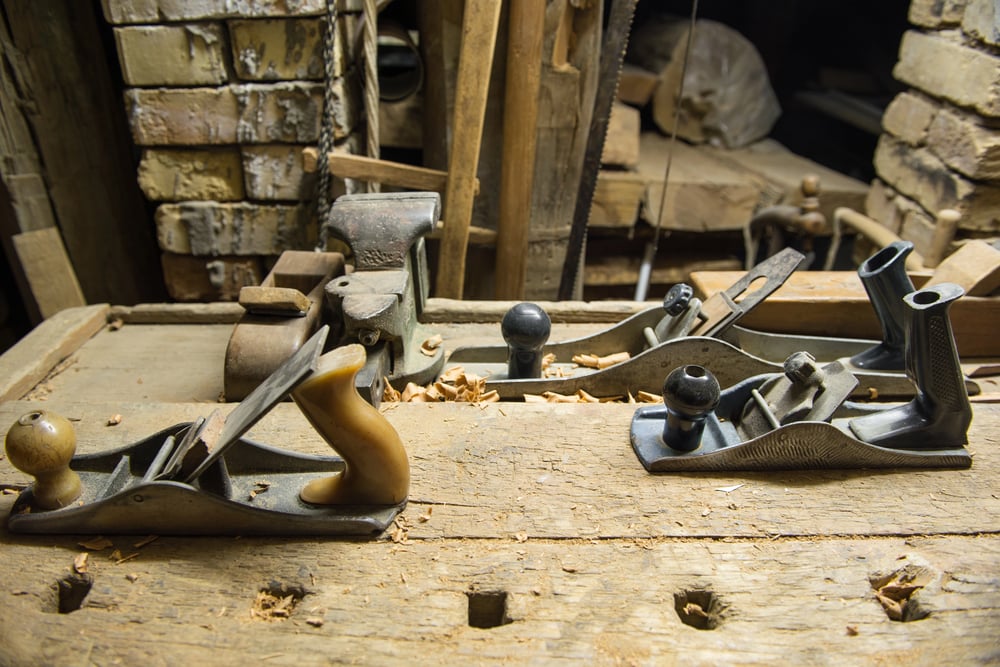
Stanley’s No. 45 combination plane, produced from the late 1800s into the 1940s, could cut dozens of different molding profiles using an extensive set of interchangeable cutters, making it one of the most complex hand tools ever mass produced. A complete example with its full cutter set and original wooden box can sell for $150 to $400, while examples missing cutters or the box sell for a fraction of that since replacement cutters are hard to source individually.
The complexity that made it desirable to woodworkers a century ago is exactly what makes completeness such a dominant factor in its value today.
Antique Plumb Bobs
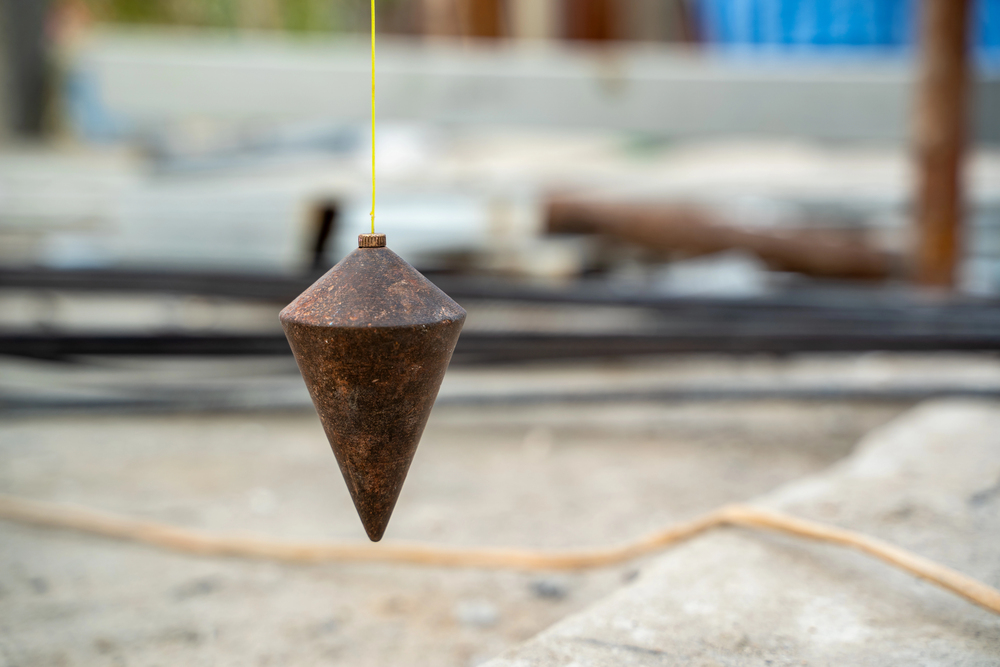
Brass plumb bobs, used by carpenters and surveyors to establish a true vertical line, were made in a huge range of shapes and sizes from the 1800s through the mid-20th century, some plain and functional and others elaborately turned or engraved. Ornate examples in unusual shapes, particularly ones with a maker’s mark or a reel-style string case, can sell for $30 to $100, while plain common examples sell for considerably less.
Because they are small and easy to display, plumb bobs have a dedicated niche of buyers who collect them purely for their variety of form.
Marked Blacksmith Hammers
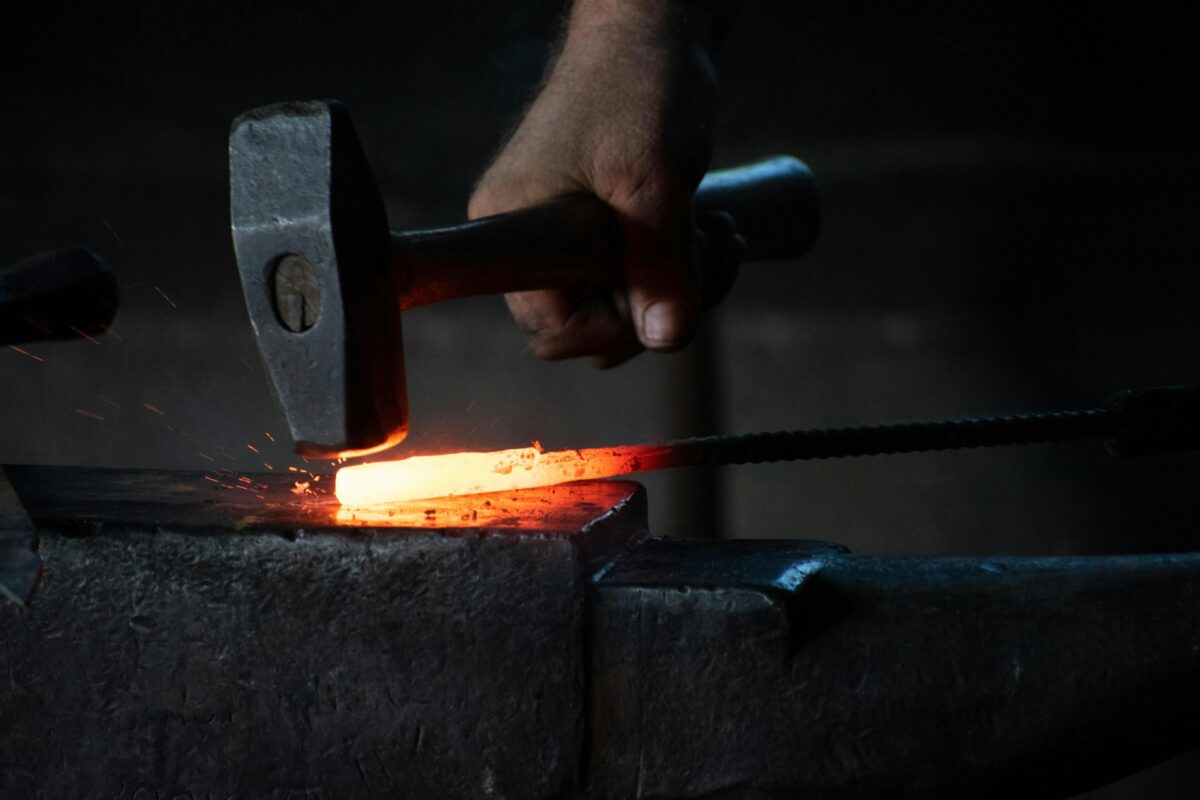
Hand-forged hammers stamped with a blacksmith’s personal mark, rather than a factory logo, are valued largely on the strength of that mark and the quality of the forging rather than on any single production run. A well-marked, well-balanced hammer head can sell for $40 to $120 depending on the reputation attached to the mark, with completely unmarked but clearly skillfully forged examples selling for somewhat less.
A replaced or mismatched handle does not hurt the value much, since the head is understood to be the historically significant part.
Keen Kutter Axes

The Keen Kutter brand, owned by the E.C. Simmons Hardware Company put its name on axes, hatchets, and other edge tools from the late 1800s through the 1930s, and the brand’s arrowhead logo is instantly recognizable to hardware collectors. An axe head with a clear, undamaged Keen Kutter stamp and its original handle can sell for $40 to $100, with rare head shapes and sizes going higher.
A re-profiled or heavily reground edge, which erases the original factory grind pattern, is a common issue that lowers value even when the tool still looks sharp and usable.
Stanley No. 55 Universal Planes
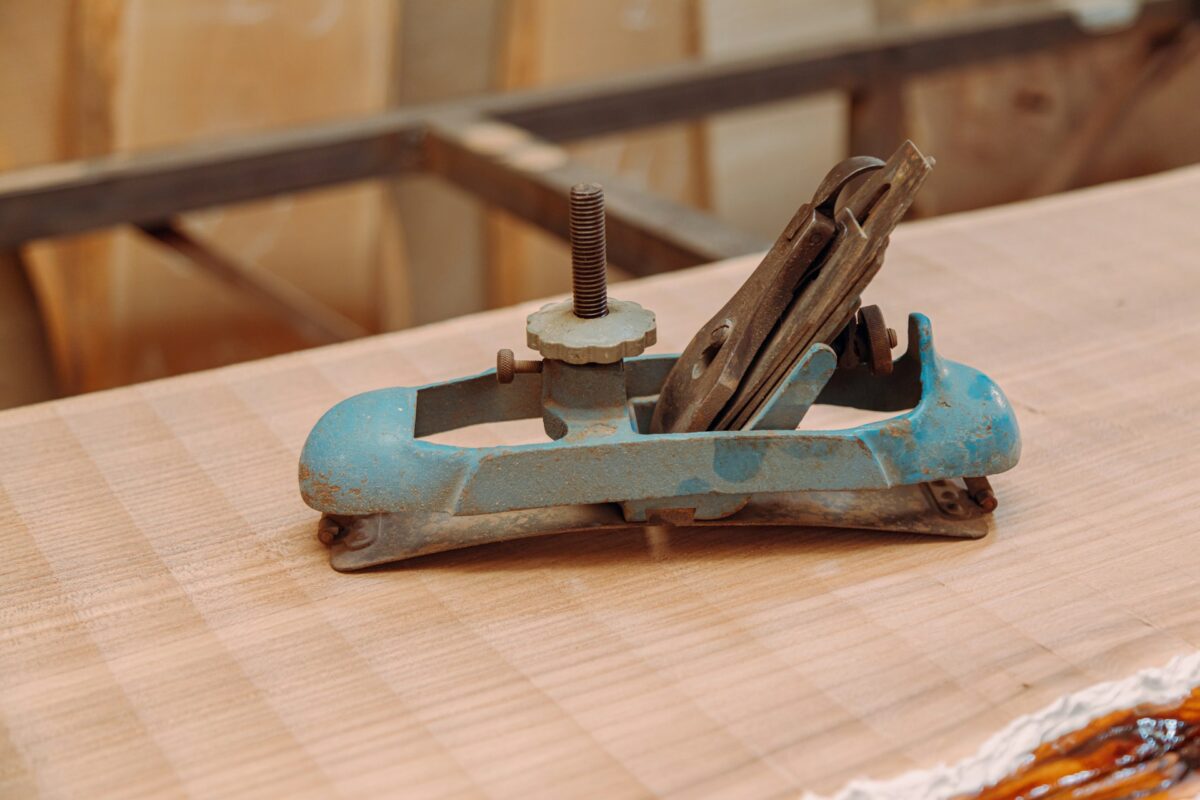
Stanley’s No. 55, marketed as a “universal” plane capable of an even wider range of molding cuts than the No. 45, arrived with a bewildering array of cutters and fences that intimidated many original buyers and now makes complete surviving sets genuinely rare. A full set in its fitted wooden box can sell for $300 to $600, reflecting just how uncommon it is to find every cutter and accessory still together after more than a century.
Woodworking tool collectors specifically seek this model out as one of the most ambitious hand tools Stanley ever put into production.
Antique Draw Knives
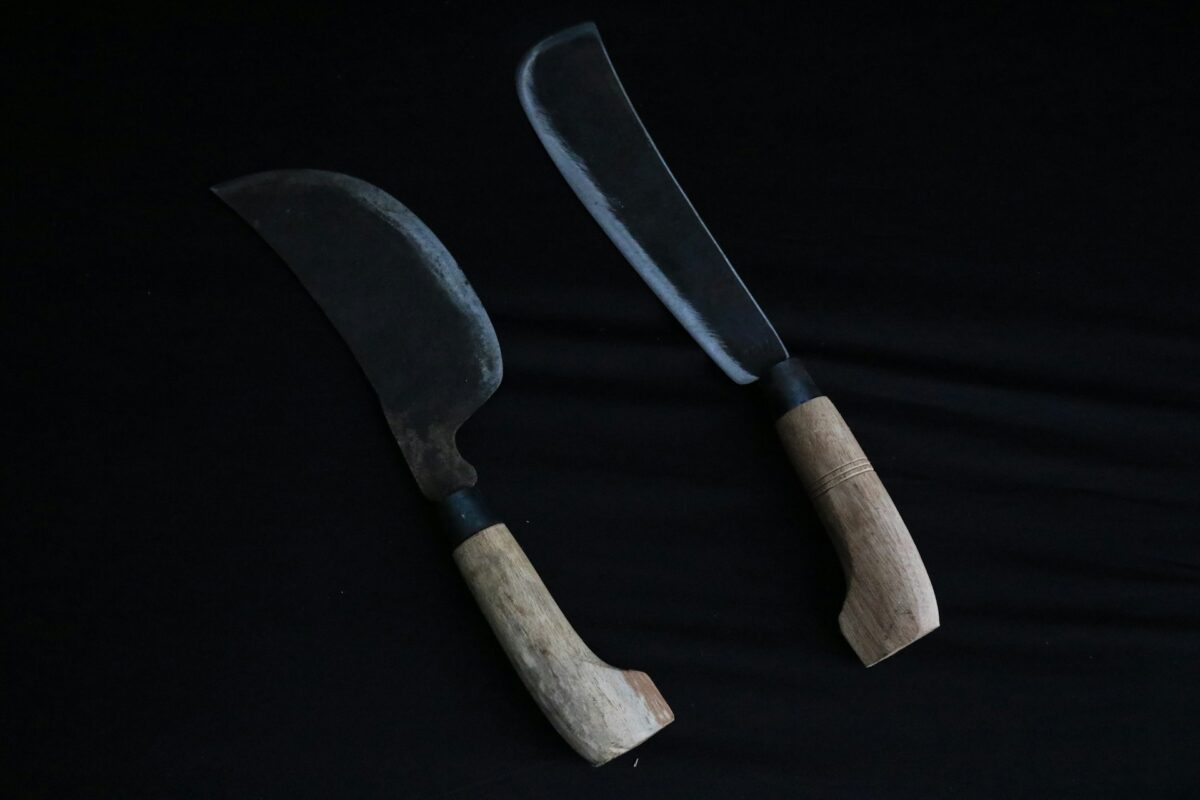
Curved-blade draw knives, pulled toward the user with two handles to shave wood for wheel spokes, tool handles, and shingles, were common shop tools from the 1800s through the early 1900s. Examples with a maker’s stamp from a known edge-tool company and an even, unpitted blade can sell for $25 to $70, with larger carpenter’s-pattern blades generally bringing more than the smaller shave-horse sizes.
A loose or cracked handle socket is a minor and often repairable flaw that does not significantly affect the price.
Brace and Bit Sets
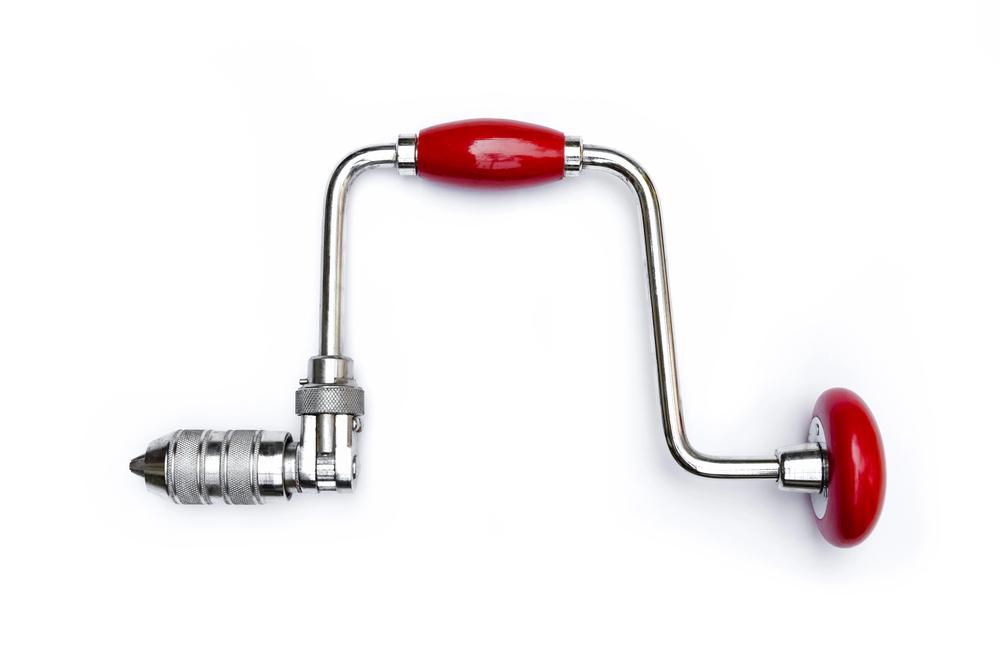
Wood-boring braces paired with matched sets of auger bits, made by companies like Stanley and Millers Falls, were standard equipment for carpenters before the widespread adoption of electric drills. A brace with a full, graduated set of bits in its original wooden case can sell for $60 to $150, considerably more than a brace with a random mismatched handful of bits.
Rosewood-handled examples with intact chuck jaws tend to command the top of that range among users who still prefer hand tools for fine work.
Antique Try Squares

Woodworking try squares, used to check that a corner is precisely true, were made in rosewood-and-brass combinations by companies including Stanley and Starrett from the 1800s onward. A square that still reads perfectly true against a known flat edge, with an undamaged blade and tight rivets holding the stock together, can sell for $30 to $90.
Because the tool’s entire purpose depends on precision, an out-of-true blade is a serious defect that collectors and working woodworkers alike will notice and price accordingly.
Marked Cooper’s Tools
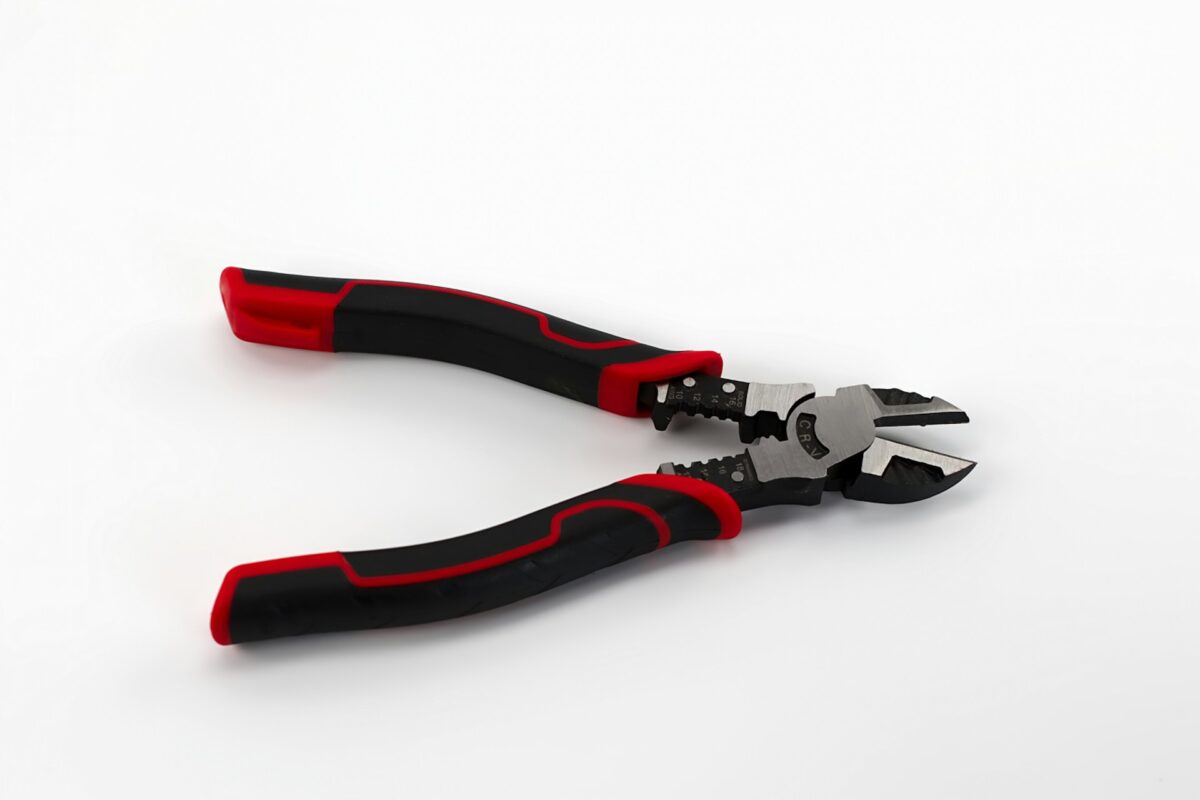
Tools used by coopers to build wooden barrels, including croze cutters, howls, and drawknives shaped specifically for barrel staves, are collected both for their craftsmanship and because the cooper’s trade has almost entirely vanished. A marked example from a known toolmaker in good working order can sell for $40 to $150, with the more specialized and less commonly seen tool forms bringing the highest prices.
Working coopers, a small but real trade that still exists for the wine and spirits industry, are themselves a source of demand for tools they can actually put back into service.
Stanley No. 100 Block Planes
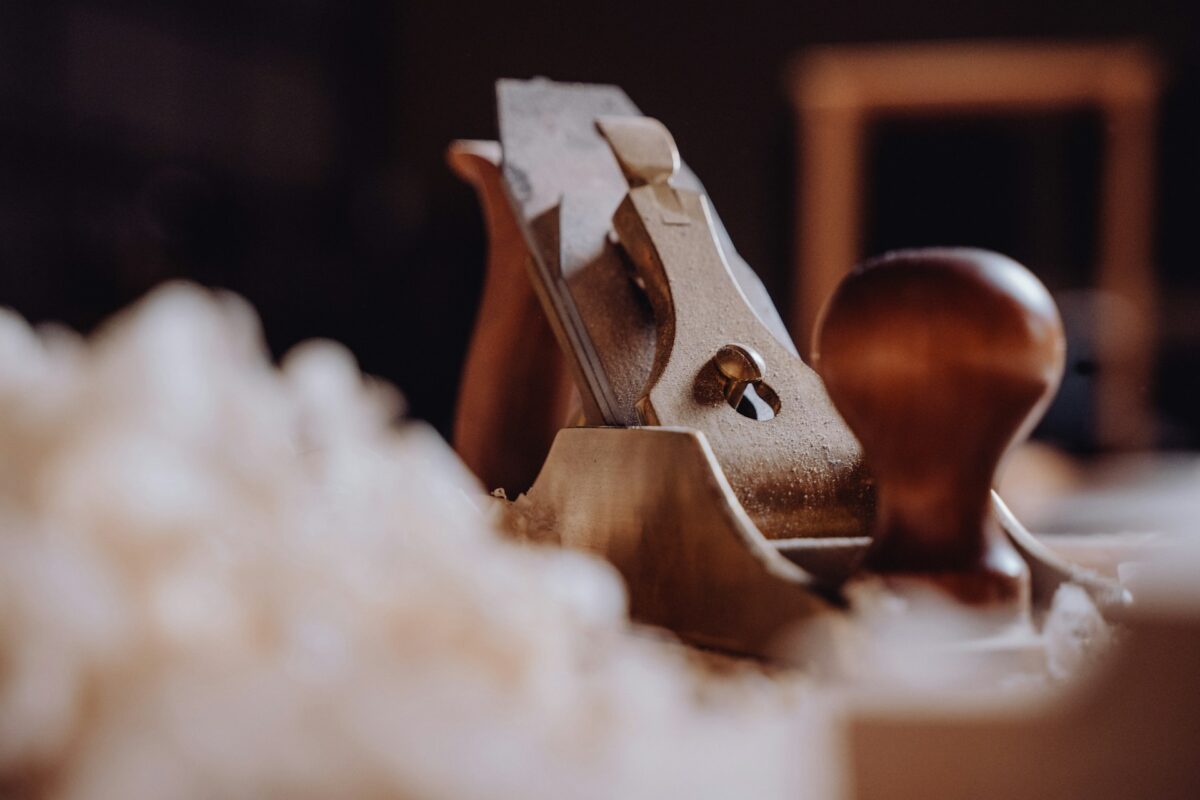
Stanley’s small No. 100 block plane, sized to fit in one hand for trimming and chamfering work, was made in enough variations over its production run that collectors track differences in casting shape and handle material closely. A clean example in a less common variant can sell for $30 to $80, while the most standard, commonly produced version sells for considerably less.
Because it is small and inexpensive relative to larger Stanley planes, the No. 100 is often an entry point for new tool collectors before they move on to pricier models.
Antique Wrench Sets
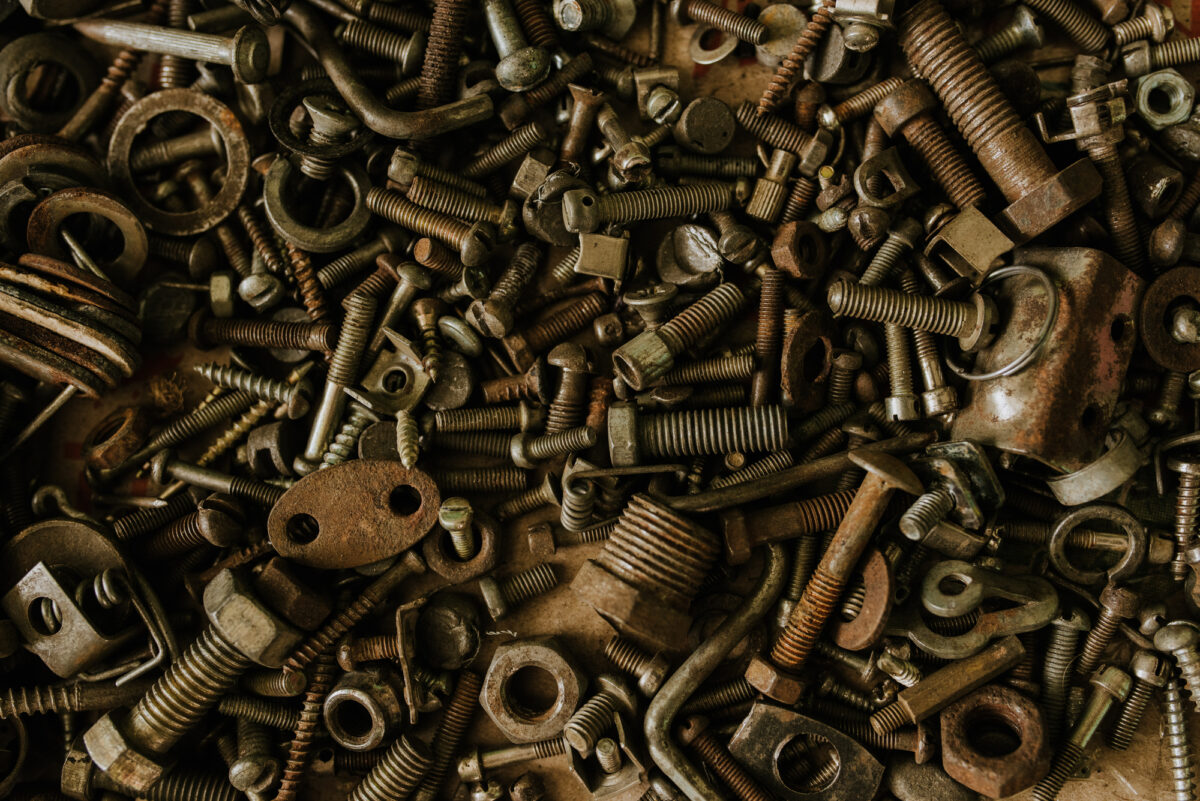
Adjustable and fixed wrenches from early 20th-century toolmakers including Billings and Spencer and Coes are collected both individually and as matched sets, with unusual patented adjustment mechanisms drawing particular interest. A boxed set with its original fitted case can sell for $50 to $150, well above what the same wrenches would bring sold individually and loose.
Rust that has pitted the jaws is a meaningful defect since it affects both appearance and how well the wrench still grips.
Marked Farrier’s Tools
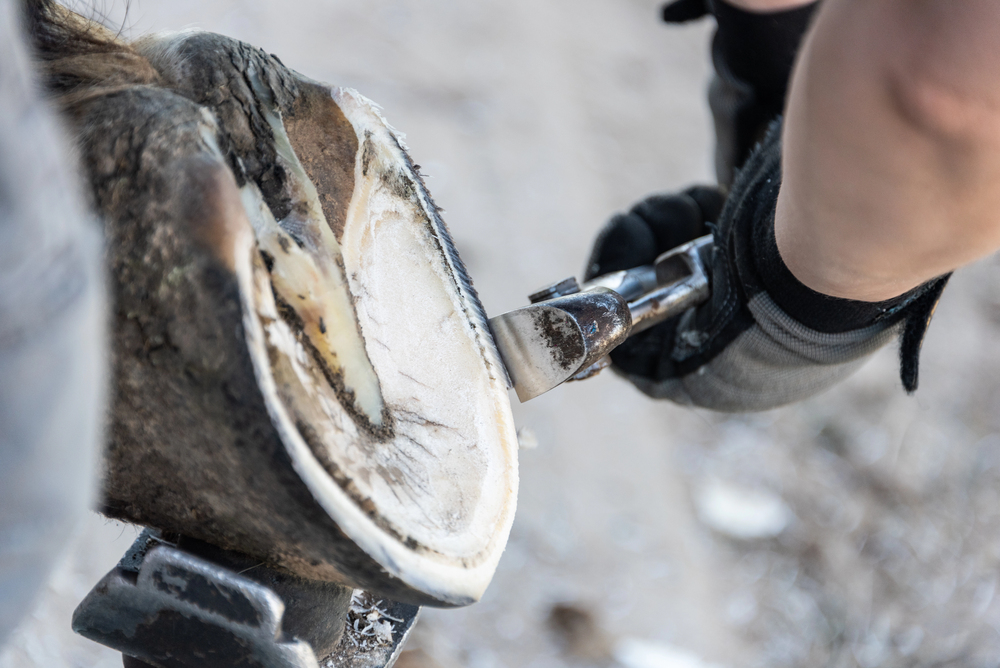
Horseshoeing tools including hoof nippers, rasps, and clinching hammers, particularly examples marked with a farrier’s or manufacturer’s stamp, are collected by both antique tool enthusiasts and by working farriers who appreciate older forged steel. A well-marked, well-forged set can sell for $40 to $120, with specialized or unusually shaped nippers bringing more from buyers who recognize the maker.
This is one of the few antique tool categories where a meaningful share of buyers intend to actually put the tools back into working use.
Antique Surveying Compasses

Brass surveyor’s compasses, used to plot property lines before more modern instruments became standard, were made by American instrument makers including W. & L.E. Gurley from the 1800s through the early 1900s. A compass with its needle still swinging freely and legible engraved markings can sell for $150 to $500, with examples retaining their original wooden carrying case bringing considerably more.
Because these instruments combine mechanical precision with decorative brasswork, they draw interest from science and instrument collectors well beyond the tool-collecting audience.
Antique Wood Molding Planes
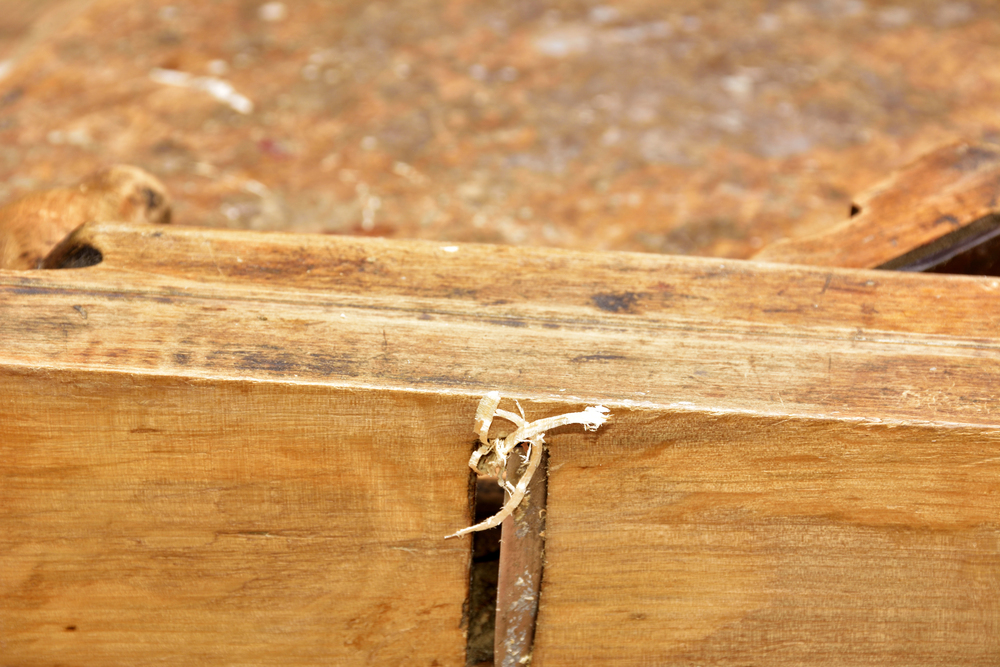
Single-purpose wooden molding planes, each cut to produce one specific profile, were made by the hundreds of thousands by American and English toolmakers through the 1800s before metal combination planes made them largely obsolete. A plane with a clear maker’s stamp, an undamaged sole, and a crisp cutting edge can sell for $15 to $50 individually, but a complete matched set from a single maker, still boxed, can bring several hundred dollars.
Cracks running along the wood grain, which can eventually split the plane apart, are the defect to check for most carefully.
Antique Cobbler’s Tools
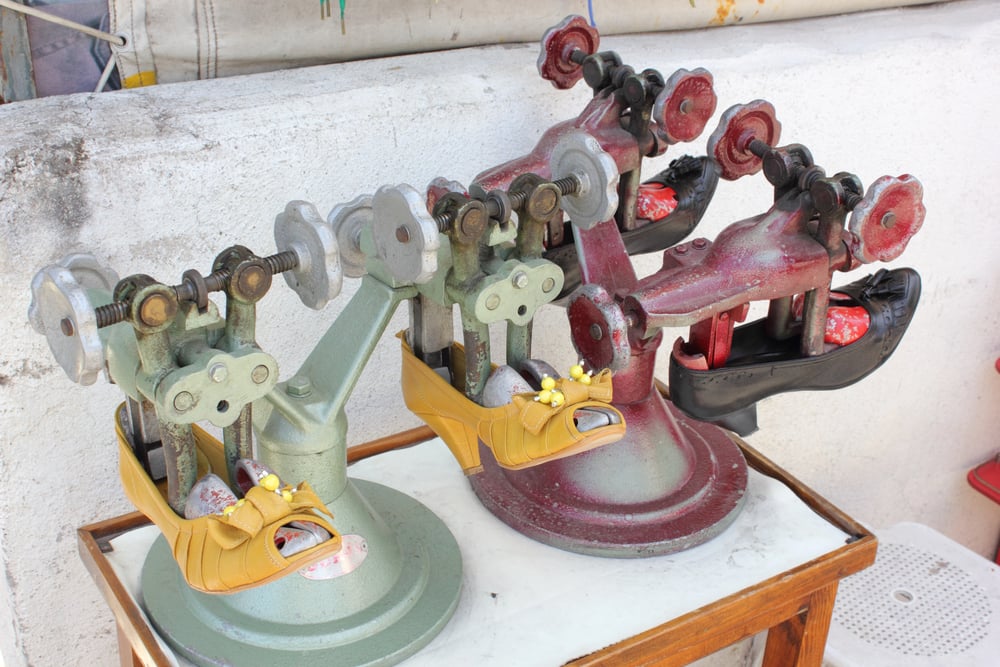
Shoemaking tools including lasts, awls, and edge irons, used by cobblers well into the 20th century before mass shoe manufacturing took over, are a specialized niche within tool collecting tied closely to the history of small-town trades. A complete set of matched wooden shoes lasting in graduated sizes can sell for $50 to $150, with individually marked hand tools bringing $15 to $40 apiece.
Because cobbling survived as a trade longer than many others on this list, tools from as late as the mid-20th century still draw collector interest.
Antique Ice Tools

Ice saws, tongs, and picks used for cutting and handling ice blocks harvested from frozen ponds before mechanical refrigeration became common, are collected today largely for their striking, almost sculptural forms. A pair of large ice tongs in good condition can sell for $30 to $80, with saws and specialty picks bringing similar prices depending on size and maker markings.
This category draws interest from buyers decorating in a rustic or farmhouse style as much as from dedicated tool historians.
Marked Machinist’s Squares
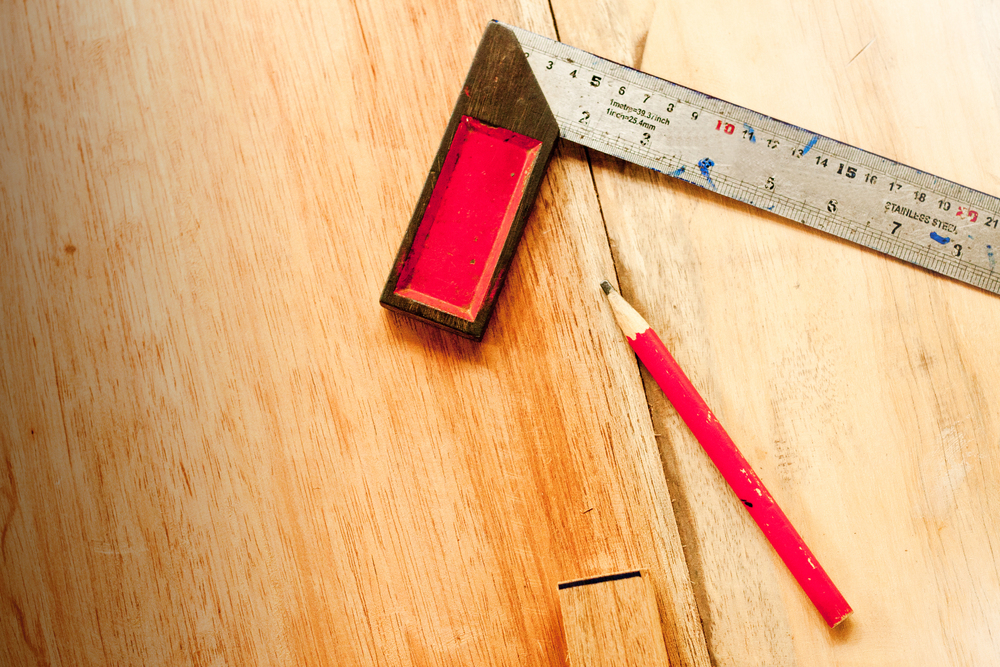
Precision machinist’s squares made by companies including Starrett and Brown & Sharpe, used to check right angles to a far finer tolerance than a carpenter’s try square, are valued as much for continued usability as for age. An example that still tests true, with clear engraved graduations and no rust pitting on the working faces, can sell for $30 to $100 depending on size and maker.
Working machinists are a meaningful part of the buyer pool here, since a well-made vintage square can outperform a cheap modern one.
Antique Wood-Handled Chisels
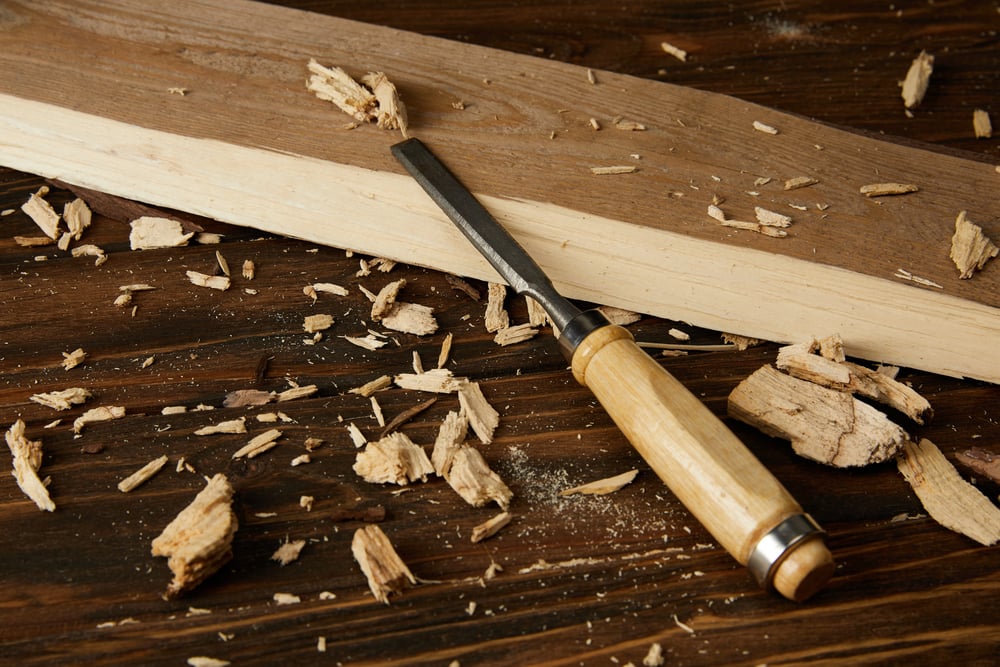
Sets of carving and mortise chisels with turned wood handles, made by respected makers including Buck Brothers and T.H. Witherby through the 1800s and early 1900s, are prized for steel quality that many woodworkers consider superior to current mass production. A matched set in its original wooden case can sell for $75 to $200, while individual chisels sell for $10 to $30 apiece depending on size and condition.
A handle that has been replaced with a mismatched modern one is a common and generally acceptable modification that only modestly affects value.
Antique Barn Door Hardware

Hand-forged sliding barn door hangers, tracks, and latches, salvaged from old farm structures, are collected today largely by buyers restoring historic barns or repurposing the hardware into home décor. A matched pair of hand-forged strap hinges or a complete rolling door hanger assembly can sell for $50 to $150, with elaborately decorated forged pieces bringing considerably more.
Rust that has weakened the metal at stress points, rather than surface rust alone, is the main structural concern for anyone planning to actually rehang the hardware.
Antique Wheelwright’s Tools
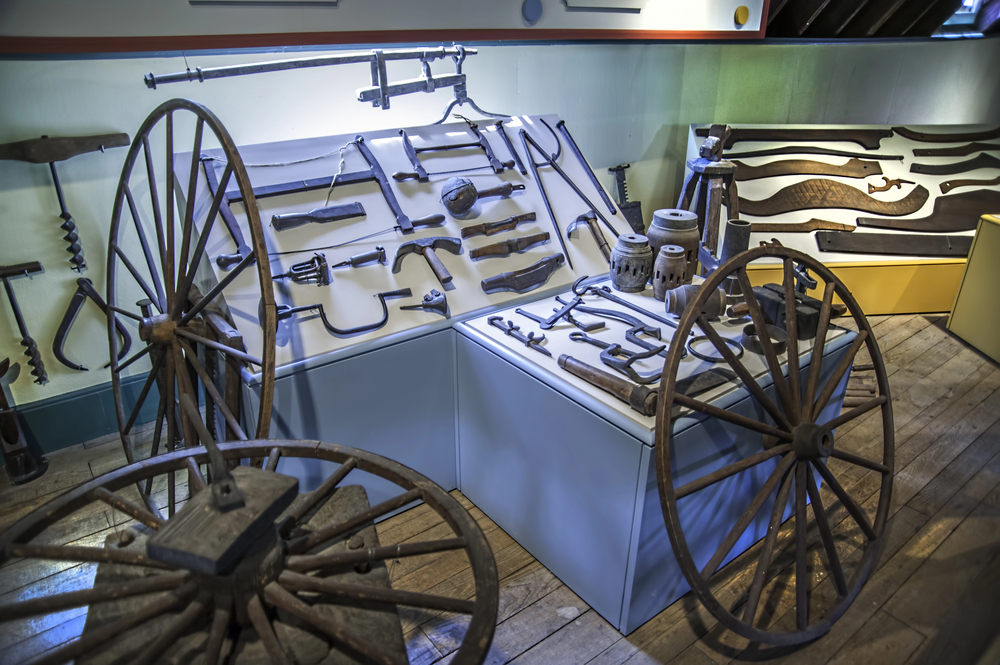
— Photo by summersrbny
Tools used specifically to build and repair wooden wagon wheels, including a traveler for measuring wheel circumference and a spoke pointer, are collected as a specialized subset within the broader early-transportation tool category. Complete, identifiable examples can sell for $60 to $180 depending on rarity, since the trade largely disappeared with the rise of the automobile in the early 20th century.
Living-history museums and carriage restoration specialists are a steady, if narrow, source of demand for this category.
Antique Marked Files

Hand files stamped with a maker’s mark from respected toolmakers including Nicholson and Heller Brothers are a modest but steady collecting category, valued mainly for the quality of steel used in the earlier production runs. A boxed, unused set of vintage files can sell for $20 to $50, with individual well-marked files bringing considerably less.
Because files wear down with use in a way that is hard to fully assess by eye, unused or lightly used examples command a real premium over heavily worn ones.
What Old Tools Actually Preserve
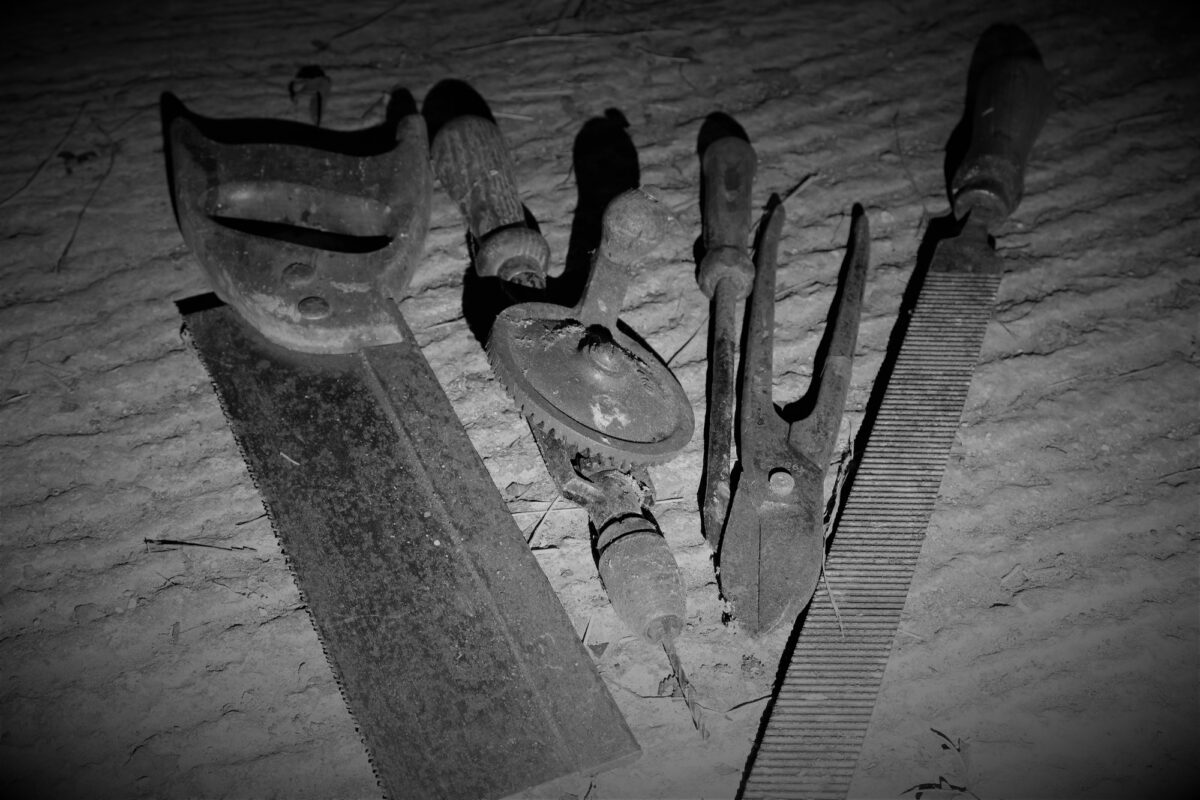
None of these twenty-nine categories were built to be admired. They were built to survive a workday, which is precisely why the ones still functioning after a century say something true about how they were made.
A drill that still turns smoothly or a level that still reads true has outlasted its maker’s factory, its original owner, and in most cases several changes in how the trade itself was practiced. What collectors are really paying for, in the end, is proof that something was made to last longer than it needed to.
That is a low bar in theory and a remarkably high one in practice, which is exactly why the tools that clear it keep finding buyers.
More from Go2Tutors!

- The Romanov Crown Jewels and Their Tragic Fate
- 13 Historical Mysteries That Science Still Can’t Solve
- Famous Hoaxes That Fooled the World for Years
- 15 Child Stars with Tragic Adult Lives
- 16 Famous Jewelry Pieces in History
Like Go2Tutors’s content? Follow us on MSN.



