29 Stamps and Postcards Worth More Than the Album Holding Them
A dusty stamp album or a shoebox of old postcards tends to look like exactly what it is: a hobby somebody abandoned decades ago. But scattered through that ordinary paper are specific printing errors, early issues, and scarce postmarks that collectors actively compete for, and the album itself is very often worth less than a single page hidden inside it.
Inverted Jenny Stamp
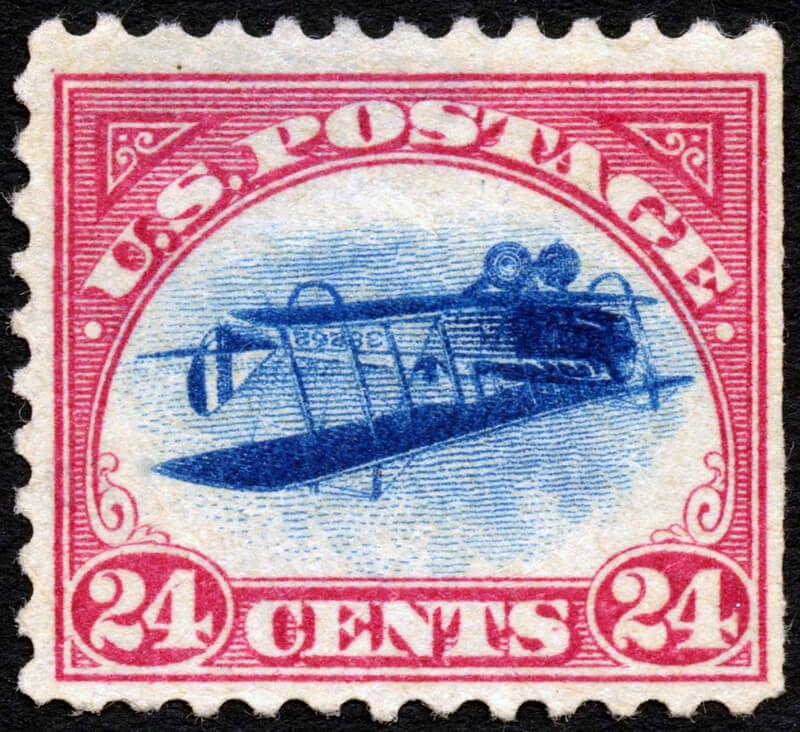
This 1918 U.S. airmail stamp famously depicts an upside-down biplane due to a printing error during a two-color production process, and only one sheet of 100 error stamps is known to have ever reached the public. A single genuine example has sold at auction for well over a million dollars, making it arguably the most famous stamp error in American philatelic history.
Because of the extreme value involved, this stamp is also one of the most heavily counterfeited and forged, so authentication through a recognized grading service is essential.
1901 Pan-American Exposition Invert Stamps
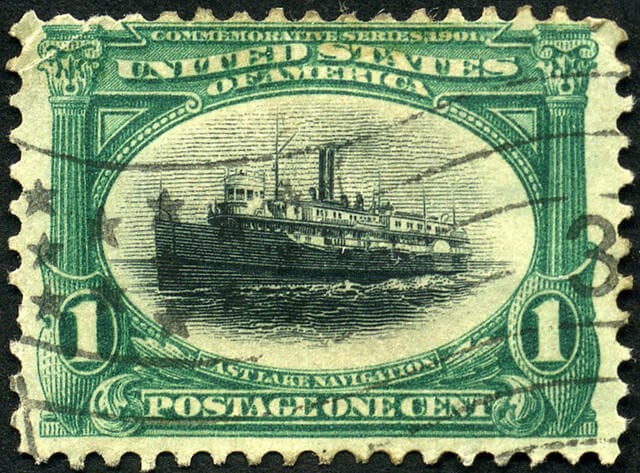
A series of commemorative stamps issued for the 1901 Pan-American Exposition included several denominations printed with the center image inverted relative to the frame, a production error affecting multiple stamp values from the same series. These inverts are considerably scarcer than standard printings from the same series and carry significant premiums when properly authenticated.
The error is visually obvious even to a non-specialist, making genuine examples relatively easy to spot despite their rarity.
1918 Curtiss Jenny First Day Covers
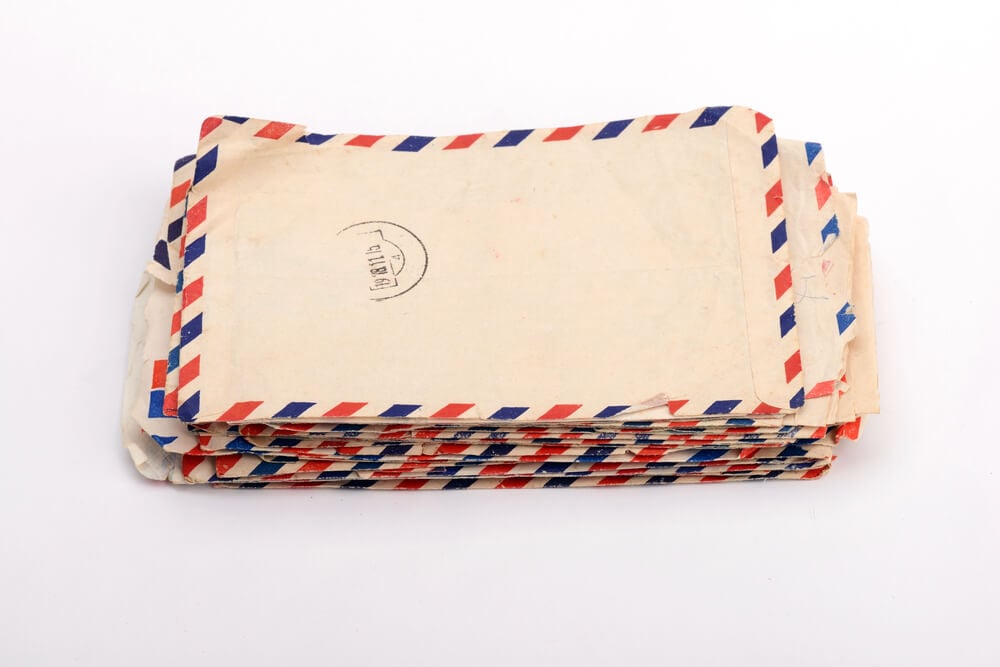
Envelopes postmarked on the actual first day the Jenny airmail stamp was issued, particularly those tied to the specific flight the stamp commemorated, carry substantial value independent of the stamp error itself. These covers document a specific moment in early aviation and postal history that collectors of both stamps and aviation memorabilia pursue.
Authentication of the postmark date and location is essential given the value involved and the period’s less rigorous postal documentation standards.
Confederate States Postage Stamps
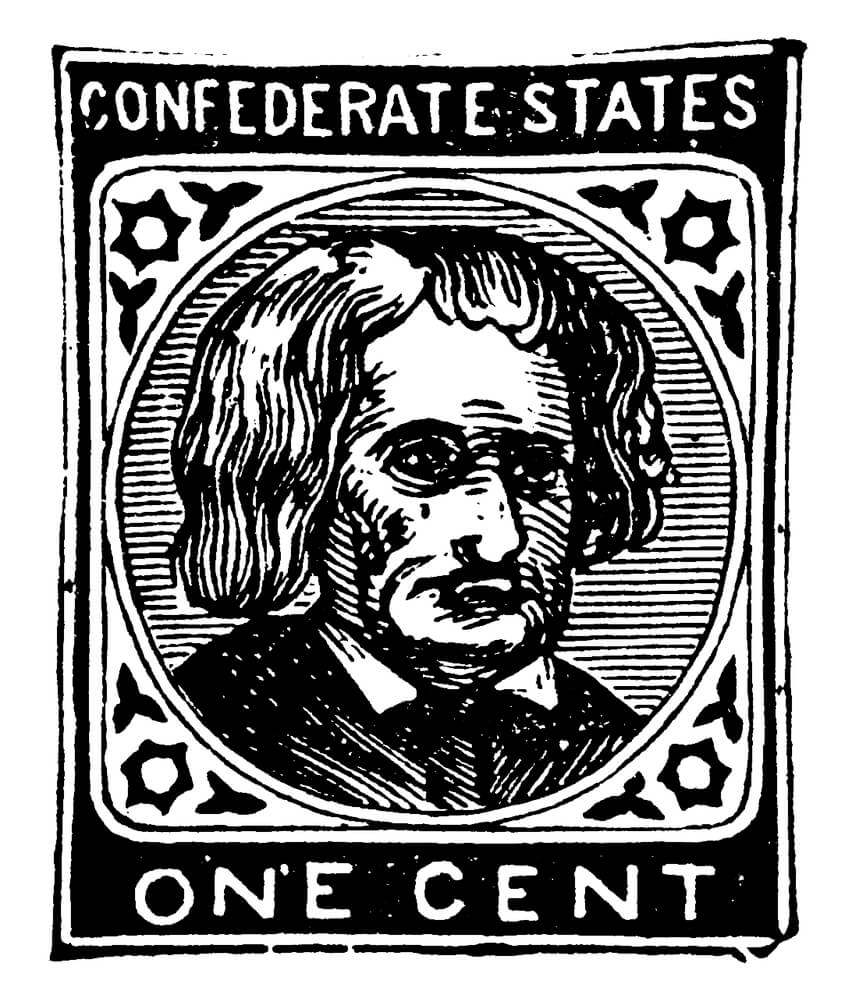
Stamps issued by the Confederate States of America during the Civil War, produced under wartime shortages that led to varied paper quality and printing methods across different issuing cities, are pursued heavily by collectors of American Civil War history specifically. Certain city-specific provisional issues, produced locally before centralized Confederate stamps became available, are considerably scarcer than the general series.
Condition and clear cancellation marks both factor into value, alongside the specific historical significance of Civil War-era postal history.
1869 Pictorial Series U.S. Stamps
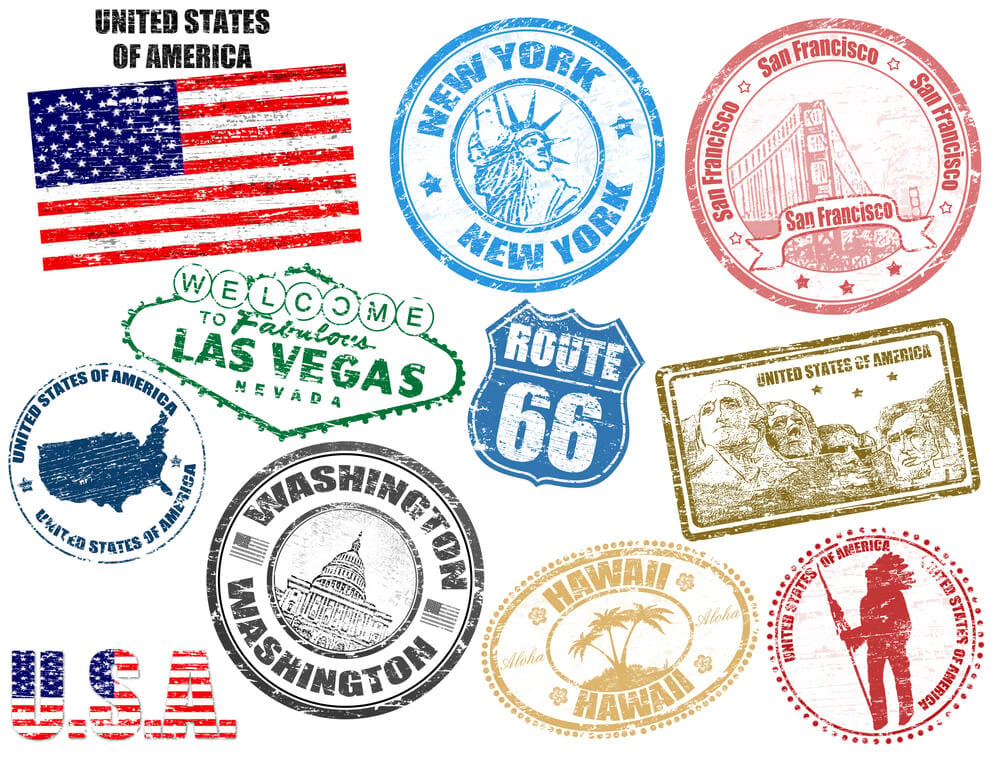
This U.S. stamp series broke from the standard portrait format of the era to depict specific pictorial scenes, including a locomotive and a ship, making it visually distinct from most nineteenth-century American stamps. Certain values within the series exist with an inverted center printing error, similar in concept to the later Jenny invert, and those error examples carry dramatically higher values than standard printings.
The series’ unusual pictorial approach has made it a specific favorite among collectors focused on nineteenth-century American design history.
Hawaiian Missionary Stamps

Issued in the 1850s before Hawaii became a U.S. territory, these simple typeset stamps used by American missionaries are among the rarest and most valuable stamps in world philately, given both their age and an extremely small original printing. Surviving genuine examples are scarce enough that most collectors will never personally handle one outside of a museum or major auction setting.
The stamps’ plain, unadorned typeset design belies their status as one of the most significant issues in the entire history of postal history.
Early Real Photo Postcards

Postcards produced using an actual photographic process rather than mass-market lithographic printing, common in the early twentieth century before photo-quality printing became widely affordable, are valued considerably higher than standard printed postcards from the same era. Specific subject matter, including documented small-town scenes, disasters, and unusual local events, drives significant premiums within this category.
Because these cards were produced individually or in very small batches, verified examples tied to a specific documented location are often unique or nearly unique survivors.
Zeppelin Airmail Postcards and Covers
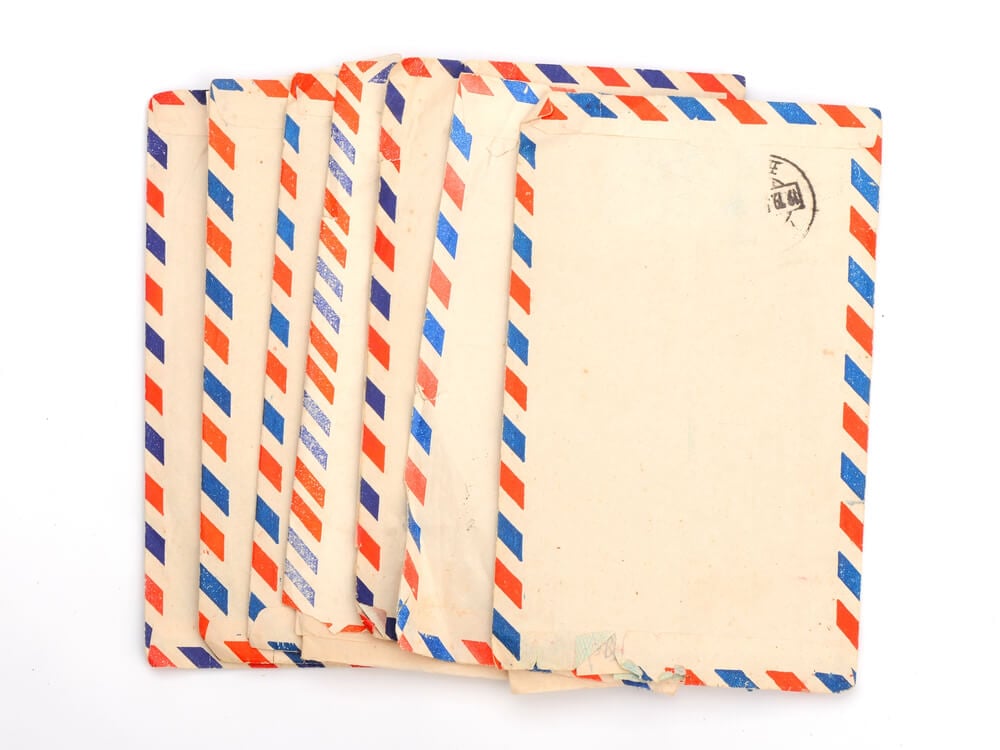
Postcards and envelopes carried aboard early Zeppelin airship flights, particularly transatlantic crossings during the golden age of airship travel, are pursued by aviation history collectors given their connection to a specific, dramatic, and relatively short-lived form of air travel. Specific flights, especially any tied to a documented historic first crossing, carry premiums well beyond a routine airmail cover from the same general period.
Condition of the postmark and any accompanying flight documentation both factor heavily into final value.
1918 Inverted Jenny Plate Block
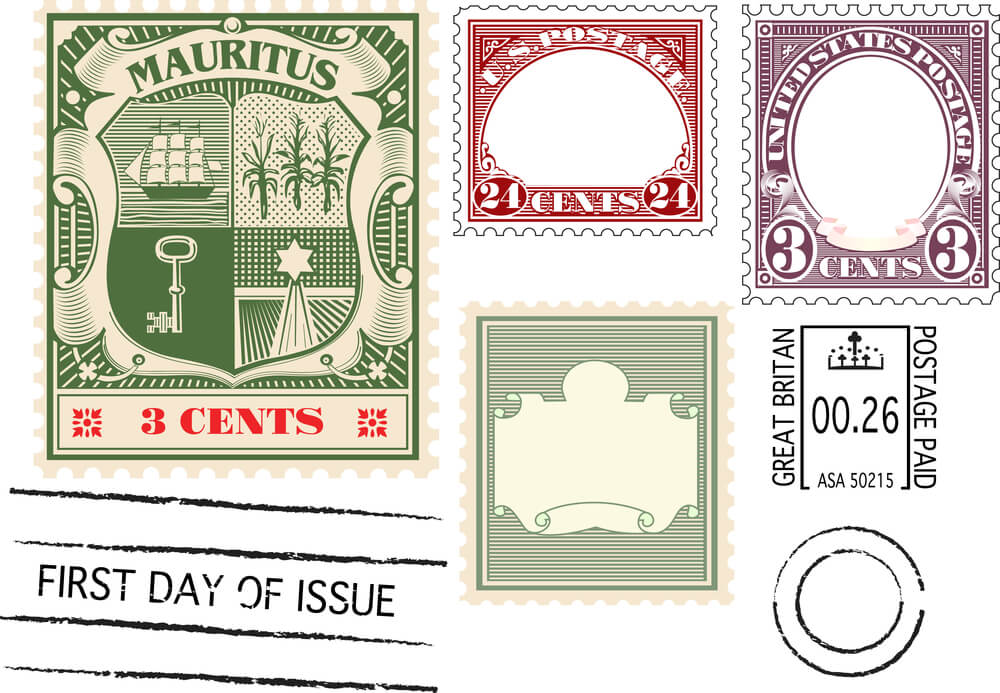
Beyond individual Inverted Jenny stamps, surviving multiple-stamp blocks that preserve the printing plate number in the margin are exceptionally rare, since the vast majority of the original error sheet was eventually separated into individual stamps. A plate block preserves additional printing information beyond a single stamp, giving philatelic historians specific production details unavailable from an individual example.
Given how few blocks survived intact, a genuine example represents one of the most significant possible finds in American stamp collecting.
Titanic-Related Postal Covers
Mail recovered from or connected to the sinking of the Titanic in 1912, including surviving pieces of correspondence carried aboard the ship, represents an extremely narrow and specific category within postal history collecting given both the tragedy’s enduring public fascination and the genuine scarcity of surviving material. Authentication and documented provenance are absolutely essential here, given both the emotional weight and financial value attached to any genuine surviving piece.
Because so little verified material exists, most collectors will only ever encounter reproductions or documented historical accounts rather than an actual surviving cover.
Early World’s Fair Postcards
Postcards produced for major early twentieth-century world’s fairs and expositions, particularly those depicting specific pavilions or structures that were later demolished, are pursued by collectors of architectural and world’s fair history specifically. Certain fairs, especially those held only briefly before their structures were removed, left behind postcards as one of the only surviving visual records of specific buildings.
Condition and clarity of the printed image both matter considerably, given how these cards were mass-produced but unevenly preserved over the following century.
British Guiana One-Cent Magenta Stamp
Issued in 1856 as a temporary local printing during a shipping delay from the regular stamp supplier, only a single confirmed example of this stamp is known to exist today, making it arguably the rarest postage stamp in the world. This single surviving example has changed hands for record-setting prices at auction on multiple occasions over more than a century.
Its status as a unique surviving item, rather than simply a scarce one, sets it apart from nearly every other stamp discussed within philately.
Early Transcontinental Railroad Postal Covers
Envelopes documenting mail carried along the early transcontinental railroad route shortly after its 1869 completion, particularly those with postmarks from specific, short-lived rail stops, are pursued by postal history collectors focused on American westward expansion. These covers document a specific, rapidly changing period in American transportation and communication history that lasted only a few decades before later rail development changed the routes entirely.
Authentication of the postmark date and originating location matters considerably given the historical significance attached to the earliest documented crossings.
Disaster and Event Postcards
Real photo postcards documenting specific historic disasters, including major fires, floods, and other significant local events from the early twentieth century, are pursued by collectors of both postal history and local history specifically. Because these cards often documented events in small towns with limited photographic coverage otherwise, they sometimes represent the only surviving visual record of a specific historic event.
Clear identification of the exact location and date depicted significantly affects value, given how many similar disaster images exist without clear documentation.
Early Airmail Error Stamps

Beyond the famous Jenny invert, several other early twentieth-century airmail stamps from various countries contain their own printing errors, including color and centering mistakes that occurred during the era’s less standardized production processes. These lesser-known error stamps carry real value among specialized airmail collectors, even without the singular fame of the Jenny invert.
Authentication remains essential across this entire category, given how frequently printing errors of any kind attract counterfeiting attempts.
Lincoln Assassination Mourning Covers
Envelopes and stationery produced and used specifically during the national mourning period following President Lincoln’s assassination in 1865, often featuring black borders or specific mourning imagery, are pursued by collectors of American presidential and Civil War-era history. These covers document a specific, emotionally significant moment in American postal history distinct from ordinary period mail.
Condition and clear postmark dating both matter considerably, given how widely this material was produced and how unevenly it survived over more than a century.
Early Sports and Stadium Postcards
Real photo and printed postcards depicting early professional sports figures and stadiums, particularly from before widely distributed sports photography became common, are pursued by sports history collectors as a distinct category from standard trading cards. Specific images tied to documented historic games or now-demolished stadiums carry premiums beyond generic sports imagery from the same era.
Authentication of the depicted subject and approximate date matters considerably given how many similar-looking images exist without clear attribution.
Trans-Mississippi Exposition Stamps
This 1898 commemorative U.S. stamp series, issued for the Trans-Mississippi Exposition in Omaha, is considered one of the more artistically significant American commemorative issues of the nineteenth century, and unused, well-centered examples command real premiums among specialists. The series’ larger format and detailed pictorial engravings distinguish it from more common definitive stamps of the same era.
Condition and centering, given the printing standards of the time, play an outsized role in determining value for this specific series.
Early Advertising Postcards for Defunct Businesses
Postcards produced as promotional material for small, now-defunct local businesses, rather than mass-market tourist scenes, are pursued by collectors specifically focused on regional commercial history. Because these cards were produced in small quantities for a single specific business, surviving examples tied to a documented, identifiable establishment are often genuinely unique.
Local historical societies and regional collectors frequently drive demand for this category well beyond what national postcard collectors typically pursue.
Graf Zeppelin Round-the-World Flight Covers

Mail carried aboard the Graf Zeppelin’s 1929 round-the-world flight represents one of the most documented and collected categories within airship postal history, given the flight’s significant public attention at the time. Covers with confirmed postmarks from specific legs of the journey, rather than the flight’s origin point alone, can carry additional premiums tied to that specific documented segment.
Condition of the cover and clarity of the postmark both matter considerably, given how widely distributed this specific flight’s mail became relative to earlier, smaller airship flights.
Early U.S. Revenue Stamps
Stamps issued to document payment of specific taxes, rather than for postal use, particularly those from the Civil War era when the federal government first widely implemented such taxes, are pursued by a dedicated specialist collector base separate from traditional postage stamp collecting. Certain revenue stamp categories, tied to specific now-obsolete taxed goods or transactions, are considerably scarcer than general postage issues from the same period.
Documented, clearly identifiable examples of unusual revenue categories carry particular interest among specialists focused on tax and fiscal history.
Wright Brothers-Era Aviation Postcards
Postcards documenting the earliest years of powered flight, particularly real photo cards depicting specific early aircraft or documented flight demonstrations, are pursued by aviation history collectors as some of the earliest visual records of the field. Specific images tied to a documented historic flight or a now-obscure early aviator carry premiums beyond generic aviation-themed cards from slightly later eras.
Authentication of both the depicted subject and approximate date matters considerably given how many similar-looking early aviation images exist.
1938 Presidential Series Errors

The 1938 U.S. definitive stamp series depicting American presidents contains several documented printing errors, including missing colors and imperforate examples that escaped normal quality control during production. These errors carry real premiums over standard printings from the same widely used series, though authentication matters given how commonly this series has been studied and occasionally misidentified by less experienced collectors.
The series’ long period of everyday postal use means most examples are common, making the documented errors a specific and narrow target within a much larger series.
Early Route and Railway Post Office Postmarks
Mail bearing postmarks from specific, short-lived railway post office routes, where mail was sorted aboard a moving train rather than at a fixed post office, is pursued by postal history collectors focused on this specific and now entirely discontinued mail-handling method. Certain routes, particularly those that operated only briefly before changing rail schedules or company mergers, are considerably scarcer than more commonly documented routes.
Clear, legible postmark details identifying the specific route and date matter enormously given how obscure and specialized this collecting category has become.
Amelia Earhart Flight Covers
Mail carried aboard documented flights by Amelia Earhart, particularly her early transatlantic crossings, is pursued by aviation history collectors given both her significant public profile at the time and her eventual disappearance, which added lasting historical weight to any surviving material connected to her flights. Authentication and documented provenance are essential here, given both the historical significance and the number of undocumented claims that have circulated over the decades.
A verified cover from a specific, well-documented flight represents a significant find within aviation postal history specifically.
Early Halloween and Holiday Postcards
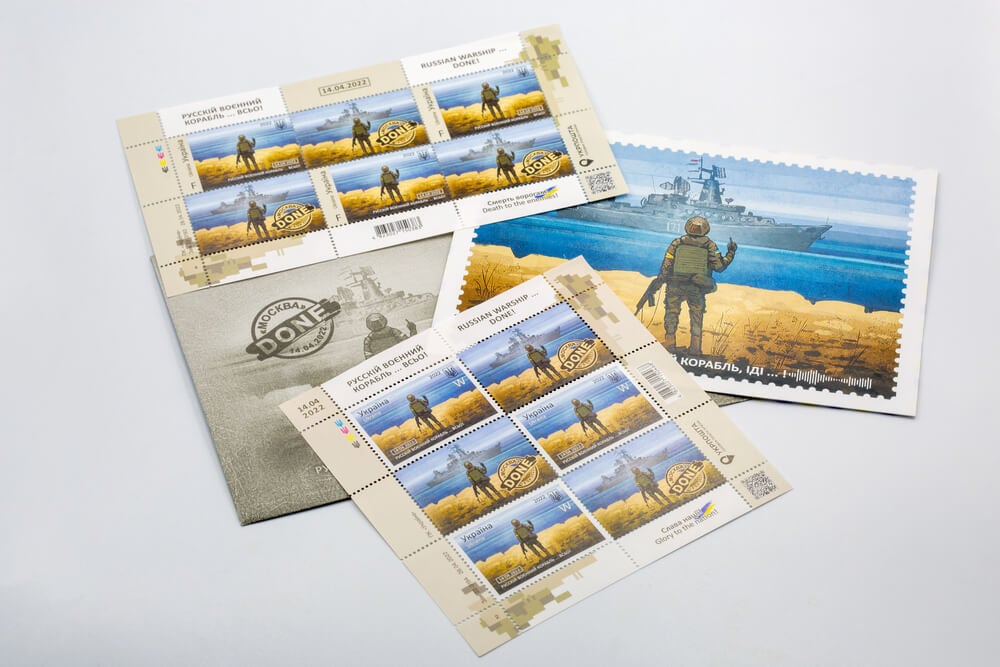
Postcards produced for specific early twentieth-century holiday themes, particularly Halloween designs from before the holiday’s imagery became standardized into the more familiar look used today, are pursued by collectors specifically focused on the visual history of American holiday traditions. Certain early illustrators associated with distinctive, sometimes genuinely unsettling holiday imagery from this era have become specifically sought-after names within the category.
Condition of the printed color and clarity of any illustrator credit both factor into final value.
Panama-Pacific Exposition Stamps
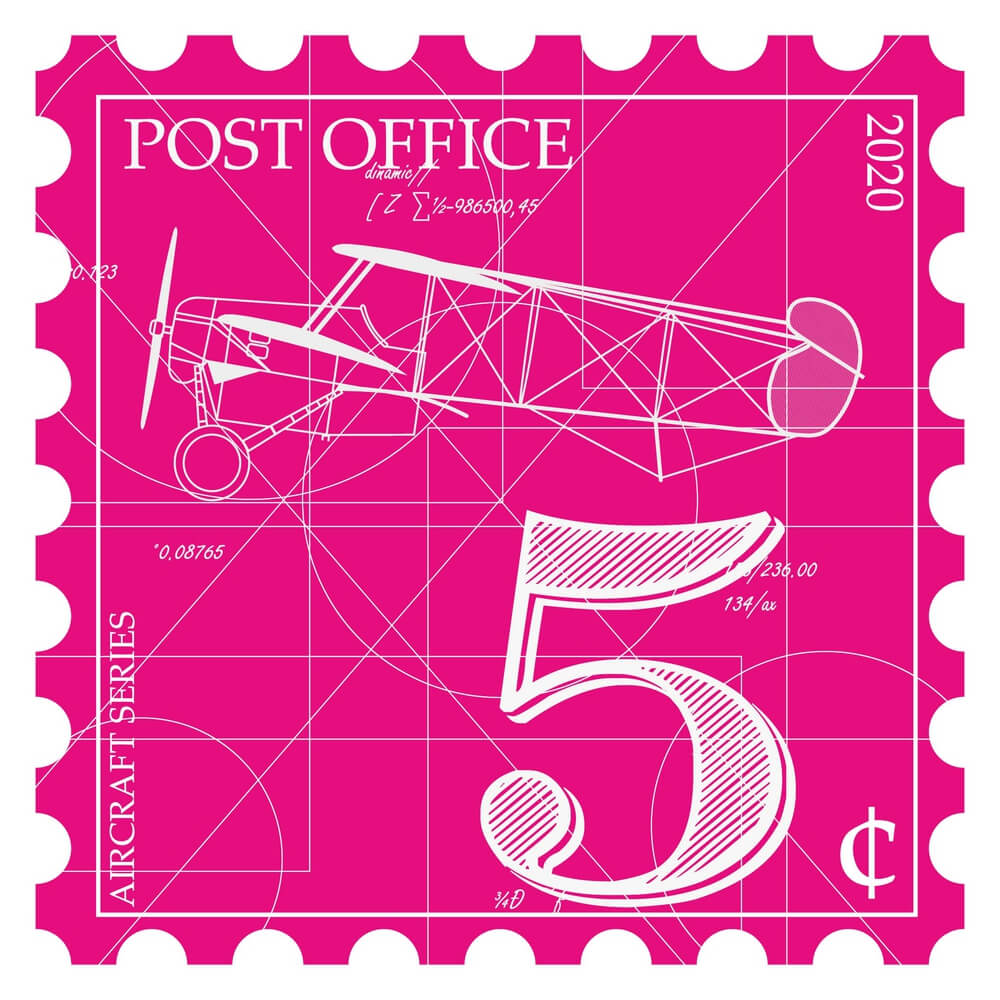
This 1913 commemorative U.S. stamp series, issued for the Panama-Pacific International Exposition held in San Francisco, includes several high-denomination values that are considerably scarcer than the lower-value stamps from the same series given their higher original face cost. Well-centered, unused examples of the higher denominations command real premiums among collectors of early twentieth-century American commemoratives.
The series documents a specific world’s fair that celebrated the completion of the Panama Canal, adding historical context beyond the stamps’ design alone.
Early Postcards from Now-Vanished Small Towns
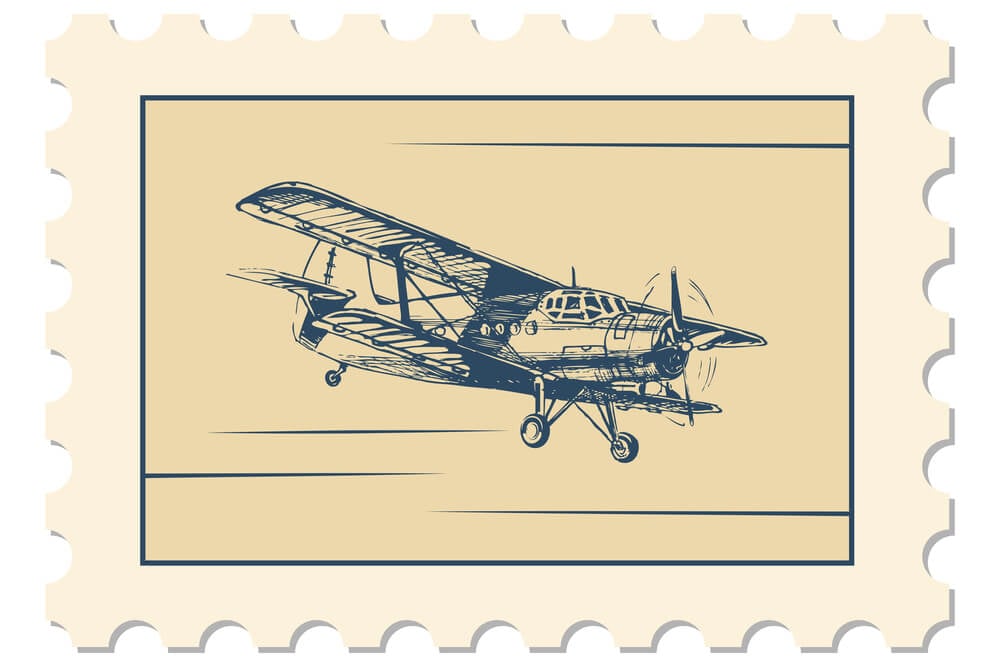
Real photo and printed postcards depicting small towns that were later abandoned, absorbed into larger municipalities, or physically relocated due to dam projects or other infrastructure changes, represent a specific and often overlooked category within postcard collecting. Because these towns often left behind minimal other documentation, a postcard can represent one of the only surviving visual records of a specific vanished place.
Local historians and regional collectors frequently drive demand for this category well beyond general postcard market interest.
Civil War Soldier Correspondence Covers
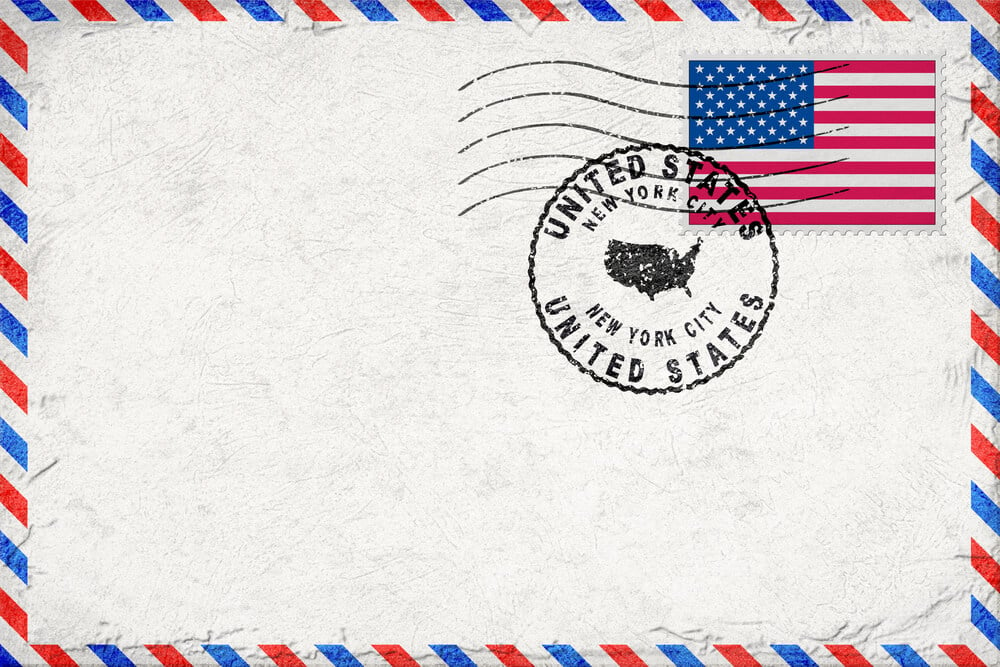
Envelopes carrying letters written by soldiers during the Civil War, particularly those with clear regimental markings or camp-of-origin postmarks, are pursued by military and postal history collectors as documented artifacts of individual wartime experience rather than general period mail. Covers tied to a specific, identifiable soldier or unit, especially when paired with the surviving letter itself, carry considerably more value than an unattributed envelope alone.
Condition of the paper and legibility of the postmark both matter, though the documented history behind a specific cover often outweighs its physical condition in determining overall value.
The Paper That Outlasted the Purpose

None of these stamps and postcards were made to be valuable; they were made to move mail and document a moment that nobody involved expected anyone to care about decades later. What turned ordinary paper into something worth real money was almost always an accident of production, timing, or simple survival against odds that destroyed nearly everything printed alongside it.
That’s the pattern worth remembering before any album gets tossed without a closer look. The postage was paid, the postcard was mailed, and the purpose was fulfilled generations ago, yet the paper itself kept going, carrying a specific piece of history that the sender never intended to preserve.
An album is just where that paper happened to end up waiting.
More from Go2Tutors!

- The Romanov Crown Jewels and Their Tragic Fate
- 13 Historical Mysteries That Science Still Can’t Solve
- Famous Hoaxes That Fooled the World for Years
- 15 Child Stars with Tragic Adult Lives
- 16 Famous Jewelry Pieces in History
Like Go2Tutors’s content? Follow us on MSN.



